Cracking a skill-specific interview, like one for Ability to mentor and lead others, requires understanding the nuances of the role. In this blog, we present the questions you’re most likely to encounter, along with insights into how to answer them effectively. Let’s ensure you’re ready to make a strong impression.
Questions Asked in Ability to mentor and lead others Interview
Q 1. Describe your approach to identifying the developmental needs of team members.
Identifying developmental needs is a continuous process, not a one-time event. My approach is multifaceted and relies on a combination of methods to gain a holistic understanding of each team member’s strengths and areas for growth.
- Regular One-on-Ones: I schedule regular, informal meetings with each team member to discuss their projects, challenges, and aspirations. These conversations allow for open dialogue and identification of potential skill gaps or areas where they feel they could benefit from additional support.
- Performance Reviews: Formal performance reviews provide a structured framework for assessing performance against established goals and identifying areas needing improvement. I use a balanced scorecard approach, considering both quantitative and qualitative measures.
- 360-degree Feedback: To gain a broader perspective, I sometimes leverage 360-degree feedback, gathering input from peers, supervisors, and even subordinates (where appropriate). This provides a more comprehensive view of the individual’s performance and impact.
- Self-Assessments: I encourage team members to conduct self-assessments, identifying their own strengths and weaknesses. This fosters self-awareness and ownership of their development.
- Observation and Mentoring: By observing team members in action and providing ongoing mentoring, I can identify subtle areas for improvement that might not be apparent through other methods.
By combining these approaches, I build a comprehensive picture of each individual’s developmental needs, ensuring a tailored approach to mentorship and training.
Q 2. How do you provide constructive feedback to improve performance?
Constructive feedback is about helping individuals grow, not criticizing them. My approach focuses on being specific, timely, and balanced, emphasizing both strengths and areas for improvement. I follow the SBI (Situation-Behavior-Impact) model to provide clear, actionable feedback.
- Situation: I describe the specific situation where the behavior occurred. For example, ‘During the recent client presentation…’
- Behavior: I clearly describe the behavior observed. For example, ‘…your responses to the client’s questions were a bit hesitant and lacked confidence.’
- Impact: I explain the impact of the behavior on the team or the project. For example, ‘This might have given the client the impression that we weren’t fully prepared, potentially affecting future business opportunities.’
After describing the situation, behavior, and impact, I offer specific suggestions for improvement. This might include recommending resources, suggesting specific techniques, or offering coaching sessions. I always end on a positive note, highlighting the individual’s strengths and their potential for growth.
For example, I might follow up by saying, ‘However, I appreciated your thorough preparation on the technical aspects of the presentation. Let’s work together on improving your confidence during client interactions. We can practice some scenarios next week.’
Q 3. What strategies do you use to motivate and inspire team members?
Motivation and inspiration aren’t about micromanagement or pressure; they’re about fostering a positive and supportive work environment where individuals feel valued and empowered. I utilize several strategies:
- Recognition and Rewards: Publicly acknowledging achievements, both big and small, boosts morale and motivates others. This can include verbal praise, team celebrations, or formal rewards programs.
- Empowerment and Autonomy: I delegate responsibility and trust my team to handle tasks independently, fostering a sense of ownership and responsibility. This allows them to develop their skills and feel valued for their contributions.
- Clear Goals and Expectations: Clear and challenging goals provide direction and a sense of purpose. Regular progress updates and open communication ensure everyone is on the same page.
- Growth Opportunities: Providing opportunities for professional development, such as attending conferences, taking courses, or pursuing certifications, demonstrates investment in their future and motivates them to excel.
- Team Building Activities: Creating a strong team spirit through social events and collaborative activities enhances communication and strengthens bonds among team members, leading to increased motivation.
Ultimately, motivation comes from within, but leaders play a vital role in creating an environment where individuals are empowered to thrive.
Q 4. Explain your process for delegating tasks effectively.
Effective delegation is crucial for both productivity and team development. My process involves several key steps:
- Choose the Right Person: I carefully assess each team member’s skills, experience, and workload to identify the best person for a specific task. It’s not always about assigning the task to the most experienced person, but to someone who can benefit from the challenge and grow from the experience.
- Clearly Define the Task: I provide clear instructions, outlining the scope of the work, desired outcomes, deadlines, and required resources. Ambiguity leads to errors and frustration.
- Provide Necessary Support: I offer training, guidance, and resources to ensure the team member has everything needed to complete the task successfully. This might include access to data, tools, or mentorship.
- Establish Accountability: I set clear expectations regarding deadlines and deliverables, fostering a sense of responsibility. Regular check-ins ensure progress is on track and address any potential challenges proactively.
- Offer Feedback and Recognition: After the task is completed, I provide constructive feedback, both positive and constructive, and acknowledge their contribution to the team’s success.
Effective delegation isn’t just about offloading work; it’s about empowering team members and developing their skills.
Q 5. How do you handle conflict within a team?
Conflict is inevitable in any team, but how it’s handled determines its impact. My approach is to address conflict directly, fairly, and constructively, focusing on finding mutually acceptable solutions:
- Listen Actively: I ensure all parties involved feel heard and understood before attempting to resolve the conflict. This often involves active listening techniques, including paraphrasing and summarizing to ensure accurate understanding.
- Identify the Root Cause: I focus on understanding the underlying issue driving the conflict, rather than getting caught up in surface-level disagreements. This often requires careful questioning and exploration.
- Facilitate a Collaborative Solution: I guide the team towards a solution that addresses the concerns of all parties involved. This might involve brainstorming, negotiation, or mediation techniques.
- Document the Agreement: Once a solution is reached, I ensure it’s documented clearly and agreed upon by all parties. This prevents misunderstandings and ensures accountability.
- Follow Up: I follow up with the involved parties to ensure the agreed-upon solution is implemented and to monitor its effectiveness.
My goal isn’t to eliminate conflict altogether, but to use it as an opportunity for growth and improved team dynamics.
Q 6. Describe a time you had to mentor a struggling team member. What was the outcome?
I once mentored a junior team member, Sarah, who was struggling with a complex project involving data analysis. She felt overwhelmed by the technical aspects and was losing confidence.
My approach was to break down the project into smaller, manageable tasks. We started with a detailed review of the data and the analytical techniques needed. I provided her with additional training resources and paired her with a senior team member for support and guidance. We scheduled regular check-in meetings to discuss her progress, address any roadblocks, and celebrate her successes along the way. I also focused on building her confidence by highlighting her existing strengths and providing positive reinforcement.
The outcome was positive. Sarah successfully completed the project, exceeding expectations in some areas. More importantly, she gained valuable experience, improved her technical skills, and significantly increased her confidence. She also developed a greater understanding of seeking help when needed, which is crucial for any team member’s growth.
Q 7. How do you measure the success of your mentoring efforts?
Measuring the success of my mentoring efforts isn’t solely about quantifiable metrics; it’s about observing qualitative changes in the mentee’s performance, attitude, and confidence. My approach uses a blend of methods:
- Performance Improvement: I track the mentee’s performance on relevant projects and tasks to see if there’s improvement in areas where they initially struggled.
- Skill Development: I assess whether they’ve acquired new skills or improved existing ones, as measured through performance reviews, project outcomes, and self-assessments.
- Increased Confidence and Self-Efficacy: I observe changes in their confidence levels and their ability to handle challenges independently. This is often assessed through one-on-one conversations and observations during team meetings.
- Proactive Problem-Solving: I track whether they’re more proactive in identifying and resolving issues without constant supervision.
- Feedback from Others: I occasionally gather feedback from the mentee’s peers and supervisors to gauge their progress and impact on the team.
By combining these methods, I get a comprehensive view of the impact of my mentoring, ensuring a continuous improvement cycle in my approach.
Q 8. How do you foster a collaborative and inclusive team environment?
Fostering a collaborative and inclusive team environment is crucial for success. It’s about creating a space where everyone feels valued, respected, and empowered to contribute their best work. I achieve this through a multi-pronged approach:
Open Communication: I encourage open dialogue and feedback, ensuring everyone has a voice. Regular team meetings, both formal and informal, provide opportunities for sharing updates, brainstorming ideas, and addressing concerns. I actively listen and respond to feedback, showing that I value each team member’s perspective.
Shared Goals and Vision: Clearly defining team goals and ensuring everyone understands their role in achieving them fosters a sense of shared purpose. We collaboratively set objectives, breaking down large tasks into manageable steps with clear responsibilities. This transparency builds trust and mutual accountability.
Respectful Collaboration: I actively promote a culture of respect and empathy. We celebrate successes as a team and learn from failures collectively. I model inclusive behaviors, actively seeking diverse perspectives and challenging biases. This includes providing opportunities for team members to lead initiatives and showcase their expertise.
Recognition and Appreciation: Recognizing and appreciating individual and team accomplishments is essential. This can be through public acknowledgement in meetings, informal praise, or formal awards, depending on the organization’s culture. This fosters a positive and motivating environment.
For example, in a previous project, we used a collaborative project management tool that allowed everyone to track progress, share updates, and contribute ideas in real-time. This promoted transparency and enhanced team cohesion.
Q 9. Describe your experience in building consensus among team members.
Building consensus requires active listening, empathy, and a willingness to compromise. It’s not about forcing agreement but finding common ground that addresses the needs and concerns of all stakeholders. My approach involves:
Understanding Perspectives: I begin by actively listening to each team member’s perspective, understanding their rationale, and identifying potential areas of conflict or disagreement.
Identifying Common Ground: Once I understand individual viewpoints, I look for common goals and shared values. This helps highlight areas of agreement and build a foundation for compromise.
Facilitating Discussion: I facilitate constructive discussions, ensuring all voices are heard and respecting differing opinions. I guide the conversation towards finding solutions that address the concerns of everyone involved.
Compromise and Negotiation: Sometimes, compromise is necessary. I help team members find mutually acceptable solutions that balance individual needs with overall project goals. This involves careful negotiation and a willingness to adjust initial positions.
Documentation and Follow-up: Once a consensus is reached, I ensure it’s documented clearly and communicated to the entire team. I also follow up to ensure the agreed-upon solution is implemented effectively.
In one instance, we were debating the best approach for a new software feature. By facilitating a discussion where each team member presented their arguments and we explored the pros and cons of different options, we arrived at a solution that incorporated the best aspects of each suggestion and satisfied everyone’s concerns.
Q 10. How do you handle situations where a team member consistently underperforms?
Addressing underperformance requires a careful and empathetic approach. It’s not about blame but about helping the individual improve and succeed. My strategy involves:
Identify the Root Cause: The first step is to understand *why* the team member is underperforming. Are there skill gaps, lack of resources, personal issues, or unclear expectations? I use a combination of regular check-ins, performance reviews, and informal conversations to gain insight.
Provide Support and Resources: Once the root cause is identified, I provide the necessary support and resources to help the team member improve. This might include additional training, mentorship, clearer instructions, or access to different tools.
Set Clear Expectations and Goals: I ensure the team member understands performance expectations and has clear, achievable goals. We work together to create a performance improvement plan (PIP) outlining specific steps and timelines.
Regular Check-ins and Feedback: I provide regular feedback and guidance, offering both constructive criticism and positive reinforcement. Regular check-ins allow me to track progress and address any new challenges.
Documentation and Performance Management: I maintain thorough documentation of all interactions, including performance reviews and PIPs. This ensures transparency and protects both the individual and the organization.
If underperformance persists despite these efforts, then more formal disciplinary action may be necessary, but this is always a last resort and is approached with sensitivity and fairness.
Q 11. What is your leadership style and how does it adapt to different team dynamics?
My leadership style is best described as adaptable and collaborative. While I have a clear vision and strategic direction, I believe in empowering my team members and fostering a collaborative environment. My approach adapts to different team dynamics as follows:
With Highly Experienced Teams: I adopt a more delegative style, trusting the team’s expertise and providing guidance and support as needed. I focus on facilitating collaboration and ensuring alignment with overall goals.
With Less Experienced Teams: I provide more directive leadership, offering clear guidance, training, and support. I actively coach and mentor team members, ensuring they develop the necessary skills and confidence.
With Diverse Teams: I focus on creating a truly inclusive environment, valuing diverse perspectives and promoting open communication. I actively listen to different viewpoints and strive to create a space where everyone feels comfortable contributing their ideas.
The key is to be flexible and adjust my approach based on the specific needs and strengths of the team. My goal is to create a positive and productive work environment where everyone feels valued and empowered to achieve their full potential.
Q 12. How do you identify and develop future leaders within your team?
Identifying and developing future leaders within my team is an ongoing process that requires active observation, mentoring, and providing challenging opportunities. My approach involves:
Identifying Potential: I look for individuals who demonstrate leadership qualities such as initiative, problem-solving skills, teamwork, communication skills, and a willingness to learn and grow. This observation happens through daily interactions, project assignments, and performance reviews.
Mentorship and Coaching: I provide targeted mentorship and coaching to those who show potential. This involves providing guidance, feedback, and support to help them develop their leadership skills. This might include delegating challenging tasks, providing opportunities for public speaking or presentation, and offering constructive criticism on their work.
Challenging Assignments and Stretch Goals: I assign challenging projects and stretch goals to develop their capabilities and expand their experience. This helps them build confidence and demonstrate their leadership abilities in a practical setting.
Networking and Exposure: I provide opportunities for them to network with other leaders within the organization and to participate in relevant professional development programs. This expands their perspective and exposes them to diverse leadership styles.
Feedback and Regular Check-ins: I provide regular feedback and support, discussing their progress and identifying areas for improvement. This ensures they remain motivated and focused on their development.
By investing in the development of future leaders, I build a stronger, more resilient team capable of adapting to future challenges.
Q 13. Describe a situation where you had to make a difficult decision that impacted your team. How did you handle it?
In one instance, we faced a significant project delay due to unforeseen technical challenges. The initial plan was no longer feasible, and I had to make a difficult decision about how to proceed. The options included extending the deadline, reducing the scope of the project, or bringing in additional resources, all with potential downsides.
My approach was to:
Gather Information: I first gathered information from the team, understanding the technical challenges and assessing the feasibility of each option.
Analyze Options: I carefully analyzed the potential impact of each decision on the project, the team, and the organization.
Transparent Communication: I communicated openly and honestly with the team, explaining the situation, outlining the options, and soliciting their input. This built trust and ensured everyone felt involved in the decision-making process.
Decision and Rationale: After careful consideration, I chose to bring in additional resources, balancing the cost with the need to minimize further delays. I clearly explained the rationale behind my decision to the team.
Execution and Monitoring: We implemented the plan, closely monitoring progress and making necessary adjustments along the way. I ensured the team had the support and resources they needed to succeed.
While the decision wasn’t easy, open communication and a collaborative approach helped mitigate negative impacts and maintain team morale. The project was ultimately delivered successfully, demonstrating the importance of decisive leadership combined with a strong team dynamic.
Q 14. How do you ensure your team is aligned with organizational goals?
Aligning the team with organizational goals requires a clear understanding of those goals and effective communication strategies. My approach involves:
Understanding Organizational Goals: I actively seek to understand the organization’s strategic goals and how my team’s work contributes to achieving them. This often involves engaging with senior leadership and reviewing strategic plans.
Communicating Goals Clearly: I ensure the team understands how their individual tasks connect to broader organizational goals. This is achieved through clear communication, training, and regular updates.
Linking Tasks to Goals: We collaboratively define project goals and tasks, ensuring they directly support organizational objectives. This provides a sense of purpose and motivates the team.
Regular Progress Updates: I provide regular updates on project progress and highlight how the team’s work is contributing to organizational goals. This keeps everyone informed and reinforces the importance of their contributions.
Feedback and Adjustment: I actively seek feedback from the team, ensuring the alignment remains relevant and adjusting strategies as needed. This ensures we stay focused on the most critical objectives.
By consistently linking team activities to organizational goals, I foster a sense of purpose and ensure everyone is working towards a shared vision.
Q 15. What are some common challenges you face in leading a team, and how do you address them?
Leading a team presents numerous challenges. One common hurdle is managing differing work styles and communication preferences. For example, some team members might prefer detailed instructions, while others thrive on autonomy. Another challenge is navigating conflict, which can arise from personality clashes or disagreements about project approaches. Finally, maintaining team morale and motivation, especially during demanding projects or periods of organizational change, is crucial.
To address these, I employ a multi-pronged approach. Firstly, I prioritize open and honest communication. Regular team meetings, one-on-one check-ins, and utilizing collaborative tools encourage transparency and allow for early conflict resolution. Secondly, I focus on building a strong team culture based on mutual respect and trust. This involves actively celebrating successes, providing constructive feedback, and fostering a psychologically safe environment where team members feel comfortable expressing their opinions and concerns. Finally, I adapt my leadership style to meet individual needs. For example, I might provide detailed guidance to one team member while empowering another with more independence. This flexible approach allows me to leverage each team member’s strengths and optimize team performance.
Career Expert Tips:
- Ace those interviews! Prepare effectively by reviewing the Top 50 Most Common Interview Questions on ResumeGemini.
- Navigate your job search with confidence! Explore a wide range of Career Tips on ResumeGemini. Learn about common challenges and recommendations to overcome them.
- Craft the perfect resume! Master the Art of Resume Writing with ResumeGemini’s guide. Showcase your unique qualifications and achievements effectively.
- Don’t miss out on holiday savings! Build your dream resume with ResumeGemini’s ATS optimized templates.
Q 16. How do you build trust and rapport with your team members?
Building trust and rapport is foundational to effective leadership. It’s about creating a relationship built on mutual respect, empathy, and open communication. I achieve this through several key strategies. First, I practice active listening; I pay close attention to what my team members say, both verbally and nonverbally, showing them that their perspectives are valued.
Secondly, I demonstrate vulnerability by sharing my own experiences and challenges. This helps humanize my role and builds a sense of connection. Thirdly, I consistently follow through on my commitments. Reliability and integrity are paramount in building trust. Finally, I invest time in understanding each team member’s individual goals and aspirations, tailoring my support to help them achieve both their professional and personal objectives. For instance, mentoring a team member to develop a specific skill, or advocating for their promotion when they’ve demonstrated exceptional work, significantly builds rapport and trust.
Q 17. Describe your approach to performance management and appraisals.
My approach to performance management is continuous and collaborative, not just an annual event. I believe in regular feedback, both positive and constructive, to help team members improve their performance and track their progress. I use a combination of methods: regular one-on-one meetings to discuss progress, informal feedback during projects, and formal performance reviews.
Appraisals are not simply about assigning numerical scores; they are about providing a clear understanding of expectations, recognizing achievements, and identifying areas for growth. I utilize a 360-degree feedback approach whenever possible, incorporating input from peers and clients to provide a holistic view of performance. The feedback is always delivered constructively, focusing on specific behaviors and their impact, and collaboratively developing an action plan to address any performance gaps.
Q 18. How do you balance the needs of individual team members with the overall team goals?
Balancing individual needs with overall team goals is a delicate but crucial aspect of leadership. It’s about finding a synergy where the success of the individual contributes directly to the team’s success. I achieve this by using a collaborative approach. Firstly, I ensure that individual goals align with the overall team objectives. This means involving team members in the goal-setting process so they feel ownership and commitment. Secondly, I regularly assess individual progress and provide support as needed, recognizing that challenges and setbacks can occur. This may involve providing additional training, adjusting workloads, or offering mentorship.
Thirdly, I actively foster a supportive team environment where members feel comfortable helping each other. Peer-to-peer support and knowledge sharing can significantly alleviate the burden on individuals and enhance overall team efficiency. Finally, open communication is key. Regular check-ins, team meetings, and transparent communication of project priorities help maintain a balance between individual needs and team goals.
Q 19. How do you stay updated on industry best practices in leadership and mentorship?
Staying updated on industry best practices is crucial for any leader. I utilize several methods to ensure my knowledge remains current. I actively participate in professional development programs, attending conferences, workshops, and webinars related to leadership and mentorship. I also subscribe to relevant industry publications and journals to stay abreast of the latest research and trends. I actively engage with online communities and forums dedicated to leadership and management, participating in discussions and sharing insights.
Furthermore, I actively seek out mentorship opportunities from experienced leaders in my field. Learning from others’ experiences and perspectives provides invaluable insights and guidance. Finally, I regularly review my own leadership style and practices, seeking feedback from my team members and reflecting on my successes and areas for improvement. This continuous learning approach ensures that I am equipped with the most up-to-date tools and strategies for leading and mentoring my team effectively.
Q 20. Describe a time you had to adapt your leadership style to a specific situation.
In a previous project involving a complex software rollout, I initially adopted a directive leadership style, providing clear instructions and timelines. However, it became clear that this approach was not resonating with the team, who were feeling micromanaged and demoralized. The project was experiencing delays and the team morale was low.
I realized I needed to adapt my approach. I shifted to a more collaborative and empowering style, involving the team more in decision-making and providing them with greater autonomy. I held regular brainstorming sessions, actively solicited their input and feedback, and encouraged them to take ownership of their tasks. This change fostered a sense of collective responsibility and dramatically improved morale. The project was ultimately completed successfully and on time, demonstrating the importance of adaptability in leadership.
Q 21. How do you handle situations where team members disagree on a project approach?
Disagreements among team members on project approaches are common and often beneficial, as they can lead to innovative solutions. My approach focuses on fostering constructive conflict resolution. I start by creating a safe space for open discussion, ensuring everyone feels heard and respected. I encourage each individual to clearly articulate their perspective, the rationale behind their approach, and the potential benefits and drawbacks.
Once all perspectives are understood, I facilitate a collaborative problem-solving session, focusing on finding common ground and identifying the best approach based on project objectives and team capabilities. This may involve brainstorming alternative solutions, conducting a cost-benefit analysis, or testing different approaches on a smaller scale. The final decision is reached collaboratively, ensuring that everyone feels involved and committed to the chosen path. Even if a team member’s preferred approach isn’t selected, I ensure they understand the reasoning and feel valued for their contribution. This process strengthens team cohesion and fosters a culture of respect and collaboration.
Q 22. How do you encourage innovation and creativity within your team?
Encouraging innovation and creativity requires fostering a safe and supportive environment where team members feel empowered to share ideas, even unconventional ones. It’s not just about brainstorming sessions; it’s about embedding creativity into the team’s DNA.
Dedicated Innovation Time: I regularly schedule dedicated time – perhaps a weekly ‘Innovation Hour’ – where the team focuses solely on brainstorming new ideas or solutions to existing challenges. This time is protected from routine tasks and encourages risk-taking.
Embrace Failure as a Learning Opportunity: I emphasize that failure is an inevitable part of the innovation process. Instead of punishing mistakes, we analyze them to understand what went wrong and how to improve next time. This fosters a culture of experimentation.
Diverse Perspectives: I actively seek out diverse perspectives and experiences within the team, understanding that a variety of viewpoints are crucial for generating creative solutions. This might involve rotating team members across projects or bringing in external expertise.
Recognition and Rewards: I actively recognize and reward innovative ideas, both big and small. This could involve public acknowledgment, bonuses, or opportunities for professional development, reinforcing the value of creative thinking.
Provide Resources and Tools: Making sure the team has the necessary resources, tools, and training to support their creative endeavors is essential. This could include access to design software, prototyping materials, or professional development workshops.
For example, in my previous role, we implemented a ‘Hackathon’ day where teams competed to develop innovative solutions to a real-world business challenge. The winning team’s idea was subsequently implemented, boosting morale and demonstrating the value of their creativity.
Q 23. What are your strategies for managing time effectively as a leader?
Effective time management as a leader isn’t about working more hours; it’s about maximizing the impact of the time you do have. It requires a combination of planning, prioritization, and delegation.
Prioritization Frameworks: I use prioritization frameworks like the Eisenhower Matrix (urgent/important) to effectively allocate my time to the most impactful tasks. This ensures I focus on high-value activities that move the team forward.
Time Blocking: I dedicate specific time blocks for different tasks and activities. This creates structure and prevents tasks from bleeding into one another. This also helps me allocate sufficient time for less urgent, but strategically important activities.
Delegation and Empowerment: I effectively delegate tasks to team members, empowering them to own their work and develop their skills. This frees up my time to focus on strategic initiatives and mentoring.
Regular Review and Adjustment: I regularly review my schedule and prioritize tasks based on changing circumstances. Flexibility is key – plans need to be adaptable to unexpected events and opportunities.
Saying ‘No’: This is crucial! Learning to politely decline requests that don’t align with my priorities or the team’s goals protects my time and prevents overload.
For example, instead of attending every single meeting, I carefully assess their importance and delegate attendance where appropriate. I also utilize meeting agendas to ensure that meetings remain focused and productive, avoiding unnecessary time-wasting discussions.
Q 24. How do you foster a culture of continuous learning and improvement within your team?
Fostering a culture of continuous learning and improvement requires creating an environment where learning is valued, accessible, and integrated into the team’s daily work. It’s a continuous process, not a one-time event.
Mentorship and Coaching: I actively mentor and coach team members, providing guidance and support for their professional development. I encourage peer-to-peer learning and knowledge sharing.
Regular Feedback Sessions: I conduct regular one-on-one meetings with team members to provide constructive feedback, discuss their progress, and identify areas for improvement. This ensures continuous development and performance tracking.
Training and Development Opportunities: I provide access to relevant training and development opportunities, whether it’s online courses, workshops, or conferences. This shows a commitment to their professional growth.
Knowledge Sharing Platforms: We use tools like internal wikis or knowledge management systems to facilitate the sharing of knowledge and best practices within the team. This ensures that learning is not siloed.
Encourage Experimentation and Reflection: I encourage team members to experiment with new techniques and approaches, and to reflect on their experiences to identify areas for improvement. This fosters a culture of continuous improvement.
For example, I recently sponsored a team member to attend a specialized industry conference. This allowed them to enhance their skills, network with peers, and bring back valuable knowledge to the team.
Q 25. Describe a time you had to provide difficult feedback to a high-performing team member.
Providing difficult feedback to a high-performing team member requires tact and empathy. The goal isn’t to criticize, but to help them reach their full potential. It’s about addressing specific behaviors, not the person.
In one instance, a top-performing team member, while exceptionally skilled technically, struggled with delegating tasks effectively. This was creating a bottleneck and impacting team efficiency. I scheduled a private meeting and started by acknowledging their significant contributions and highlighting their strengths. Then, I focused on the specific behavior: the consistent inability to delegate, which was impacting team productivity. I presented concrete examples, avoiding generalizations. Instead of criticism, I framed it as an opportunity for growth, emphasizing that delegating effectively would free them up to focus on higher-level tasks and allow others to develop their skills. We worked together to develop a plan, including training resources, to improve their delegation skills. The result was a more efficient team and a more well-rounded team member.
Q 26. How do you ensure open communication and transparency within your team?
Open communication and transparency are essential for building trust and fostering a collaborative team environment. It requires establishing clear channels for communication, actively soliciting feedback, and being transparent about decisions and challenges.
Regular Team Meetings: I hold regular team meetings to discuss progress, address challenges, and solicit feedback. These meetings are transparent, with open discussion encouraged.
Open-Door Policy: I maintain an open-door policy, encouraging team members to approach me with questions, concerns, or suggestions at any time.
Transparent Communication Channels: We use collaborative tools like project management software to ensure everyone has access to relevant information and updates in real-time.
Regular Feedback Mechanisms: I encourage regular feedback from team members through surveys, informal discussions, and formal performance reviews. This helps to identify and address potential issues proactively.
Leading by Example: Transparency starts with leadership. I am open and honest about my own challenges and successes, fostering a culture of vulnerability and trust.
For instance, when facing a project setback, I promptly informed the team, explained the reasons, and collaborated with them to develop a revised plan. This showed that I valued their input and that transparency was key, even during difficult times.
Q 27. Describe a time you had to navigate a challenging team dynamic.
Navigating challenging team dynamics often requires understanding the root causes of conflict and implementing strategies to address them constructively. This often involves active listening, conflict resolution techniques, and clear communication.
In one instance, a conflict arose between two senior team members due to differing working styles and communication preferences. One preferred a highly structured approach, while the other favored a more flexible and creative process. This led to friction and slowed down project progress. I addressed the issue by first holding individual meetings with each member to understand their perspectives and concerns. Then, I facilitated a facilitated team meeting where both members could openly discuss their issues in a safe and supportive environment. I helped them understand each other’s points of view and to identify common ground. We collaboratively developed strategies to bridge the communication gap, incorporating elements of both their preferred styles. This resulted in improved teamwork and significantly enhanced project outcomes. Key to success was creating a space for open dialogue and demonstrating empathy and understanding for each individual’s perspective.
Q 28. How do you build strong relationships with stakeholders outside your immediate team?
Building strong relationships with stakeholders outside your immediate team is crucial for effective collaboration and project success. It requires proactive communication, relationship building, and demonstrating value.
Proactive Communication: I proactively communicate project updates and relevant information to stakeholders, ensuring they are kept informed and engaged.
Regular Check-ins: I conduct regular check-in meetings or calls with key stakeholders to discuss progress, address concerns, and solicit feedback.
Relationship Building: I actively cultivate relationships with stakeholders by building rapport, understanding their needs and priorities, and demonstrating my commitment to collaboration.
Demonstrating Value: I consistently demonstrate the value of my team’s work to stakeholders, highlighting accomplishments and showcasing positive impact.
Active Listening: I prioritize active listening to stakeholders’ concerns and feedback, demonstrating that their input is valued and considered.
For example, I developed a regular reporting system for a key stakeholder who needed frequent updates on project progress. This consistent communication helped build trust and demonstrated my commitment to keeping them fully informed, ultimately fostering a strong and collaborative working relationship.
Key Topics to Learn for Ability to Mentor and Lead Others Interview
- Understanding Different Leadership Styles: Explore various leadership approaches (transformational, transactional, servant leadership) and their suitability for diverse teams and situations. Consider your own preferred style and how you adapt it.
- Effective Communication & Feedback: Practice delivering constructive criticism and positive reinforcement. Learn how to actively listen, provide clear expectations, and facilitate open dialogue within a team.
- Mentorship Strategies: Develop a framework for guiding and supporting individuals. This includes identifying their needs, setting realistic goals, providing resources, and fostering their growth. Think about how you’ve helped others succeed in the past.
- Conflict Resolution & Team Dynamics: Learn strategies for resolving interpersonal conflicts effectively and fostering a positive and collaborative team environment. Prepare examples of how you’ve navigated challenging team situations.
- Delegation & Empowerment: Understand the art of delegating tasks appropriately, empowering team members, and trusting their abilities. Be ready to illustrate how you’ve successfully delegated responsibilities and fostered ownership.
- Motivation & Team Building: Explore techniques for motivating individuals and building a cohesive team. Think about how you create a shared vision and encourage collaboration.
- Performance Management & Development: Learn how to set clear performance expectations, provide regular feedback, and support the professional development of team members. Prepare examples showcasing your experience in performance reviews and growth plans.
Next Steps
Mastering the ability to mentor and lead others is crucial for career advancement. It demonstrates valuable soft skills highly sought after by employers. To significantly boost your job prospects, create an ATS-friendly resume that highlights these skills effectively. ResumeGemini is a trusted resource to help you build a professional and impactful resume. We provide examples of resumes tailored to showcase your ability to mentor and lead others, helping you present your skills in the best possible light.
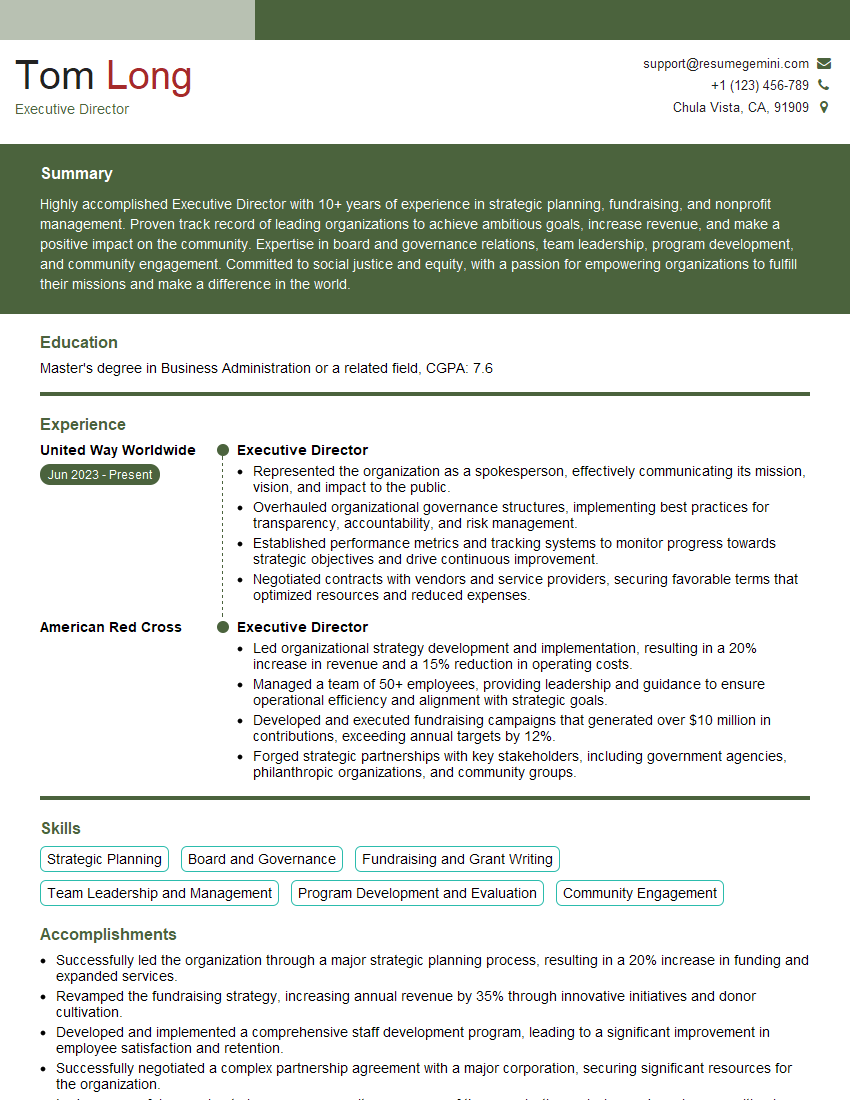
Executive Director Resume Sample
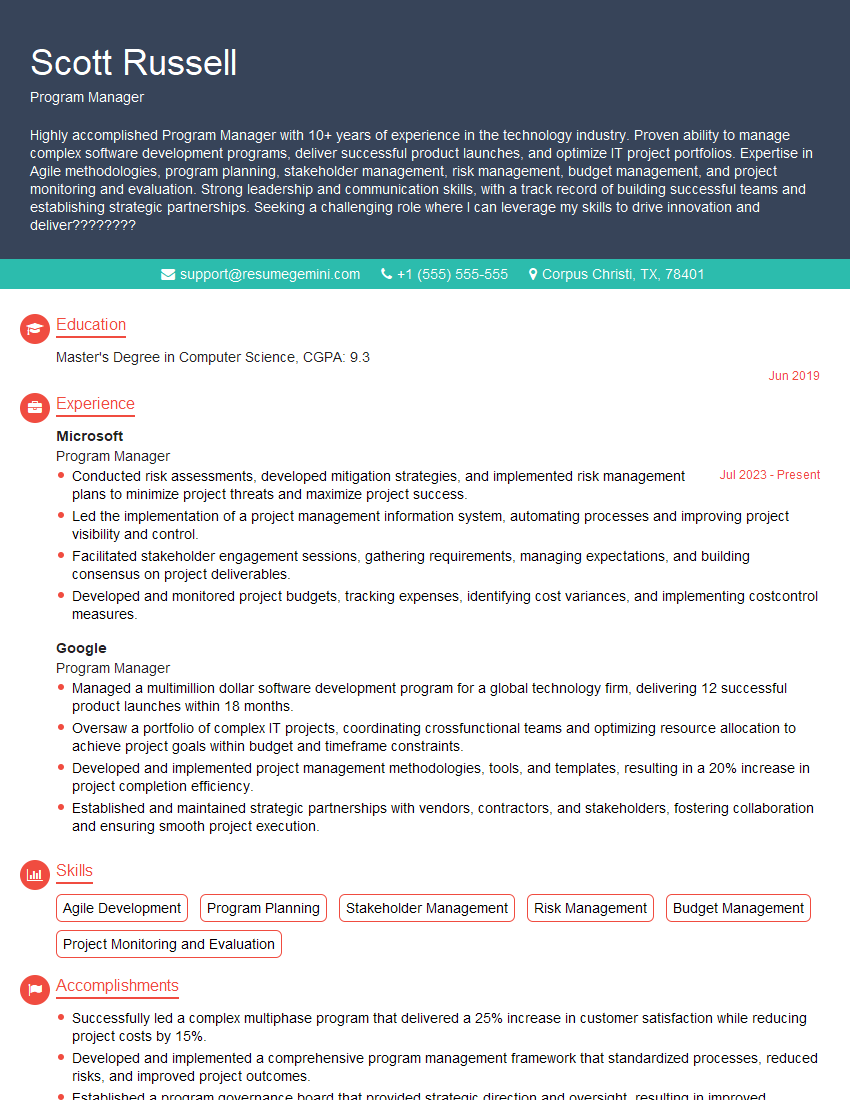
Program Manager Resume Sample

Operations Manager Resume Sample
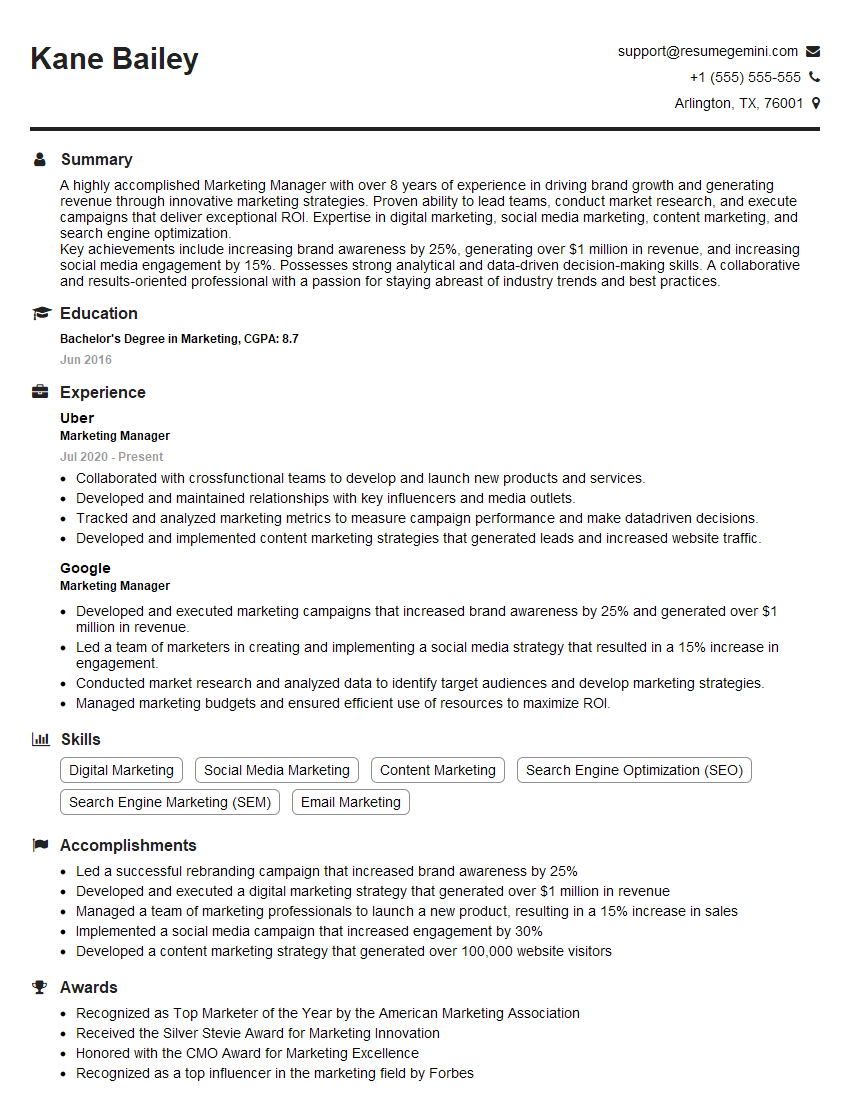
Marketing Manager Resume Sample
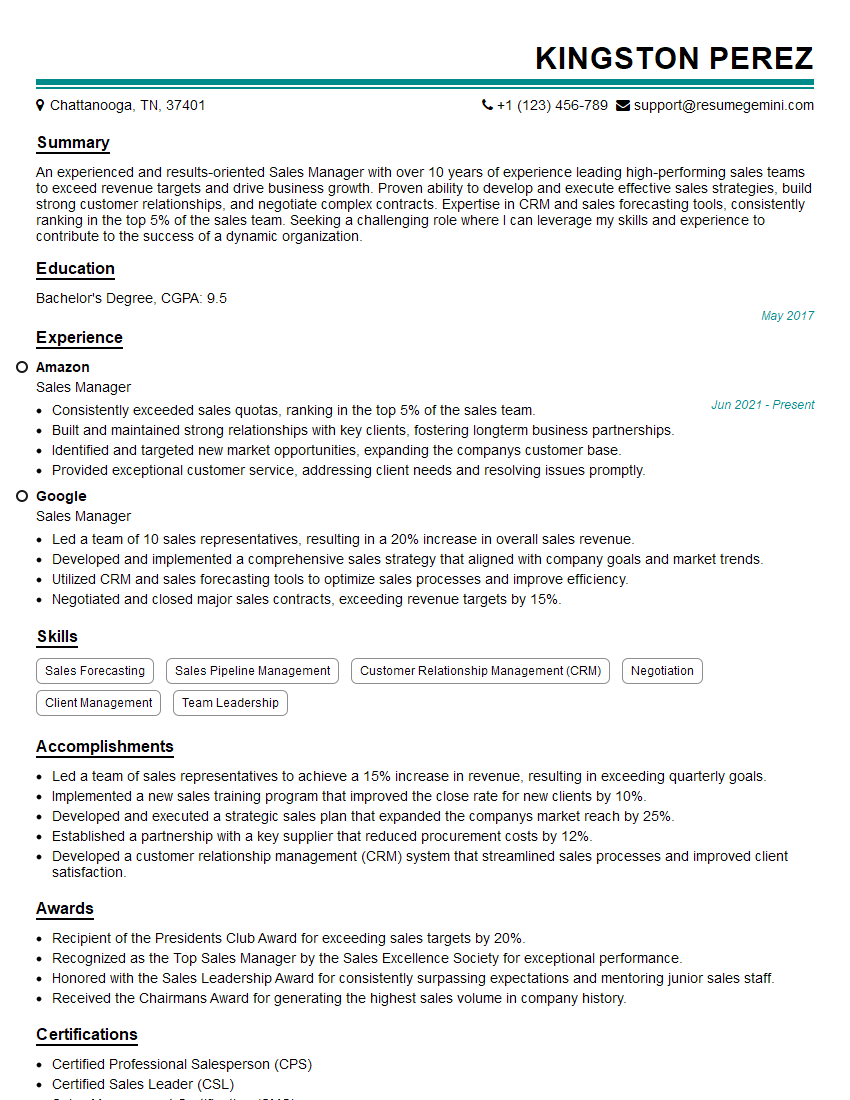
Sales Manager Resume Sample
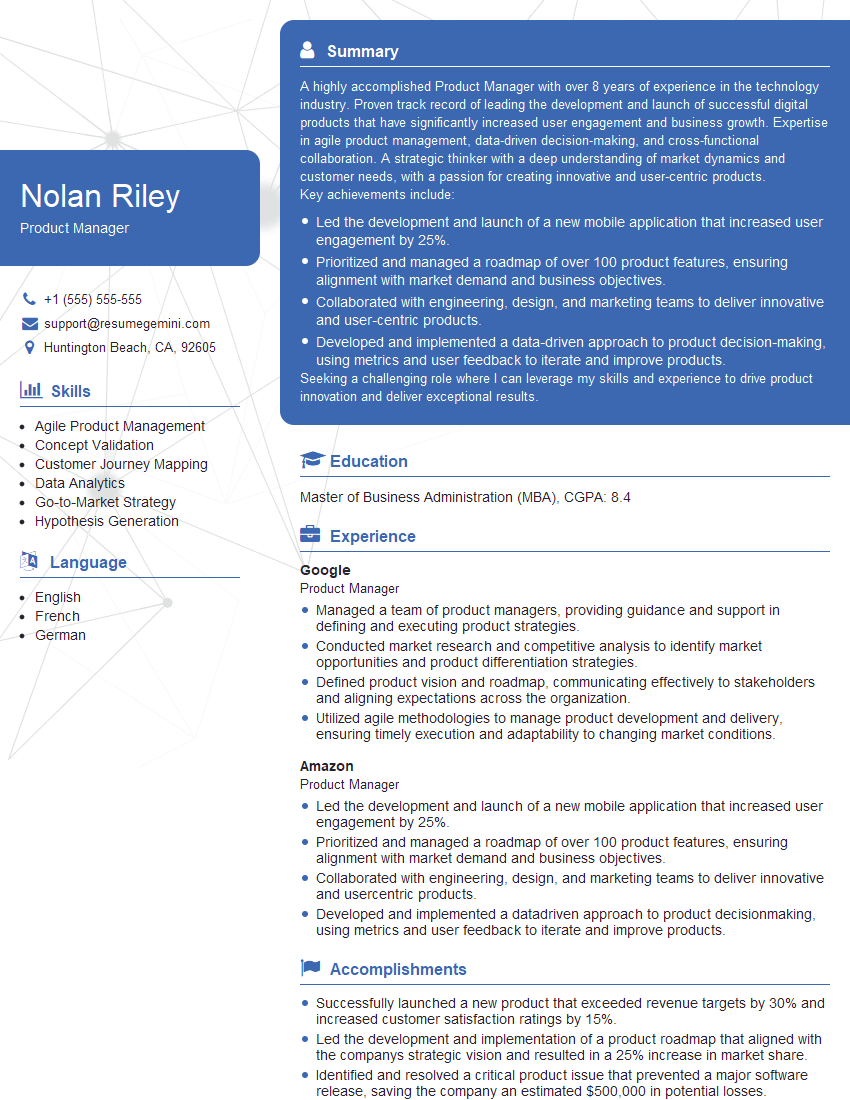
Product Manager Resume Sample
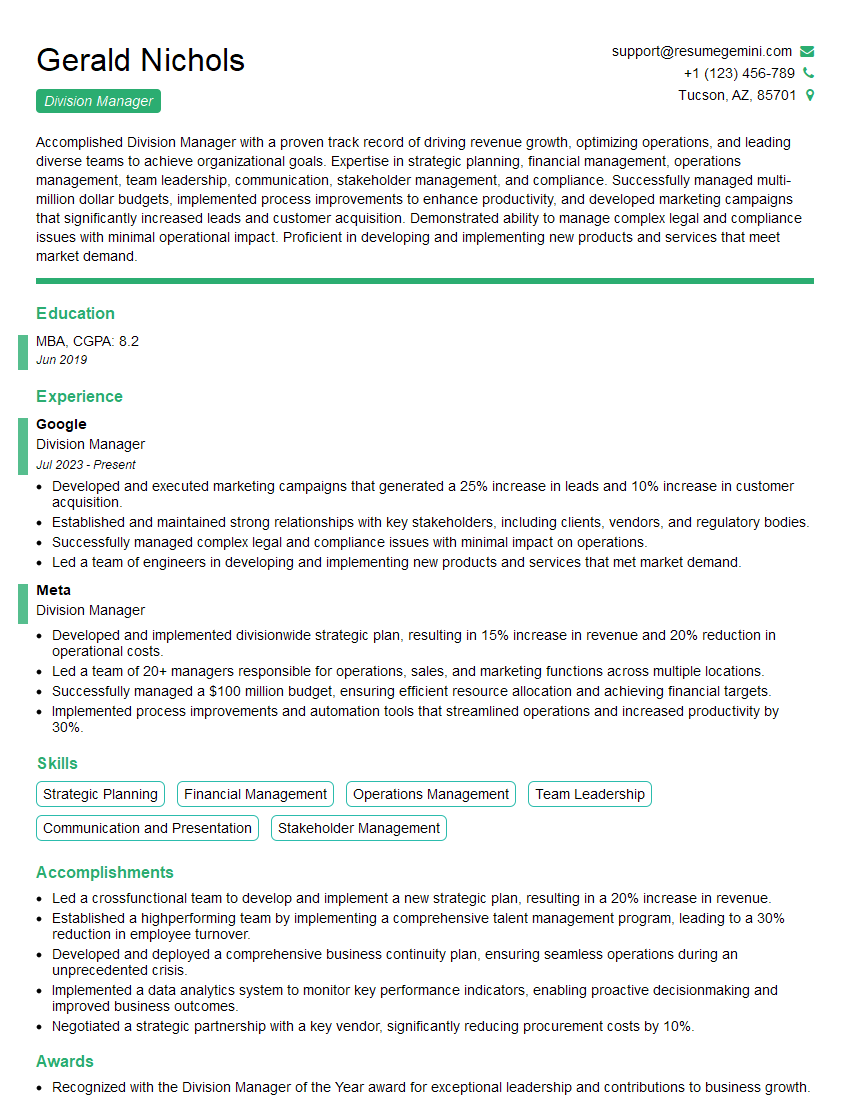
Division Manager Resume Sample
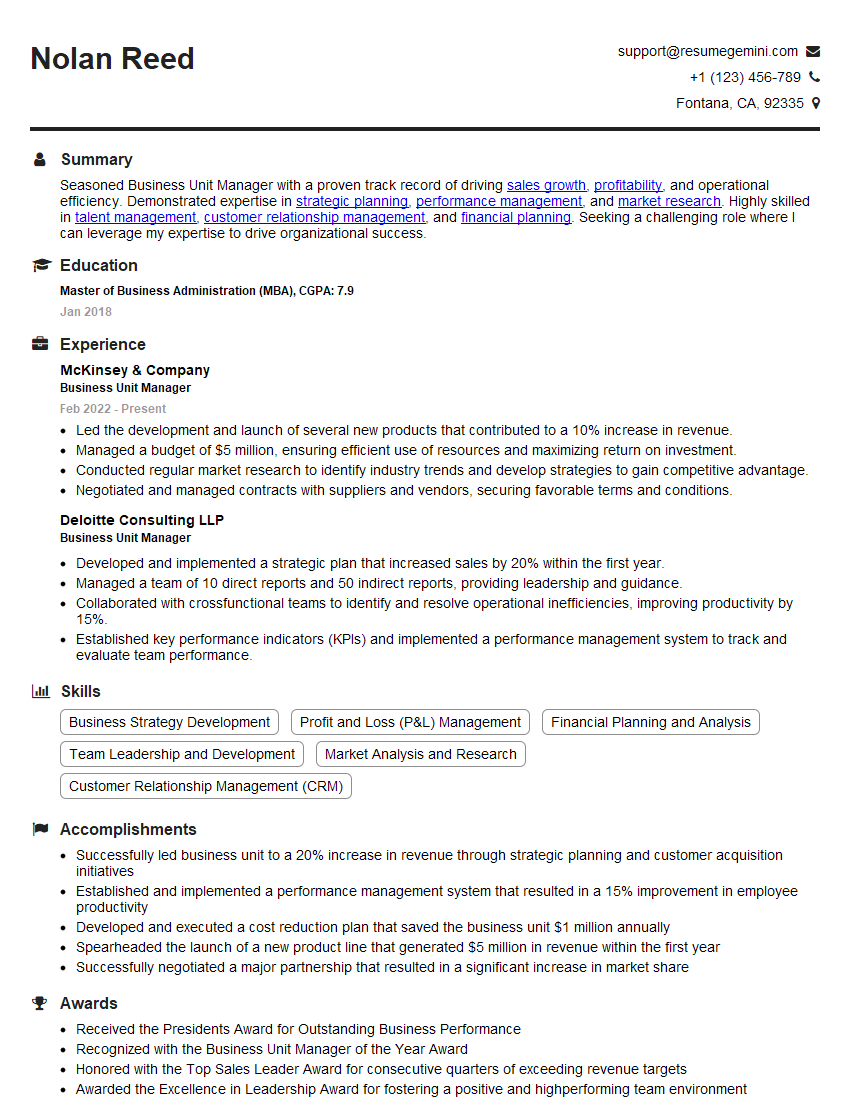
Business Unit Manager Resume Sample
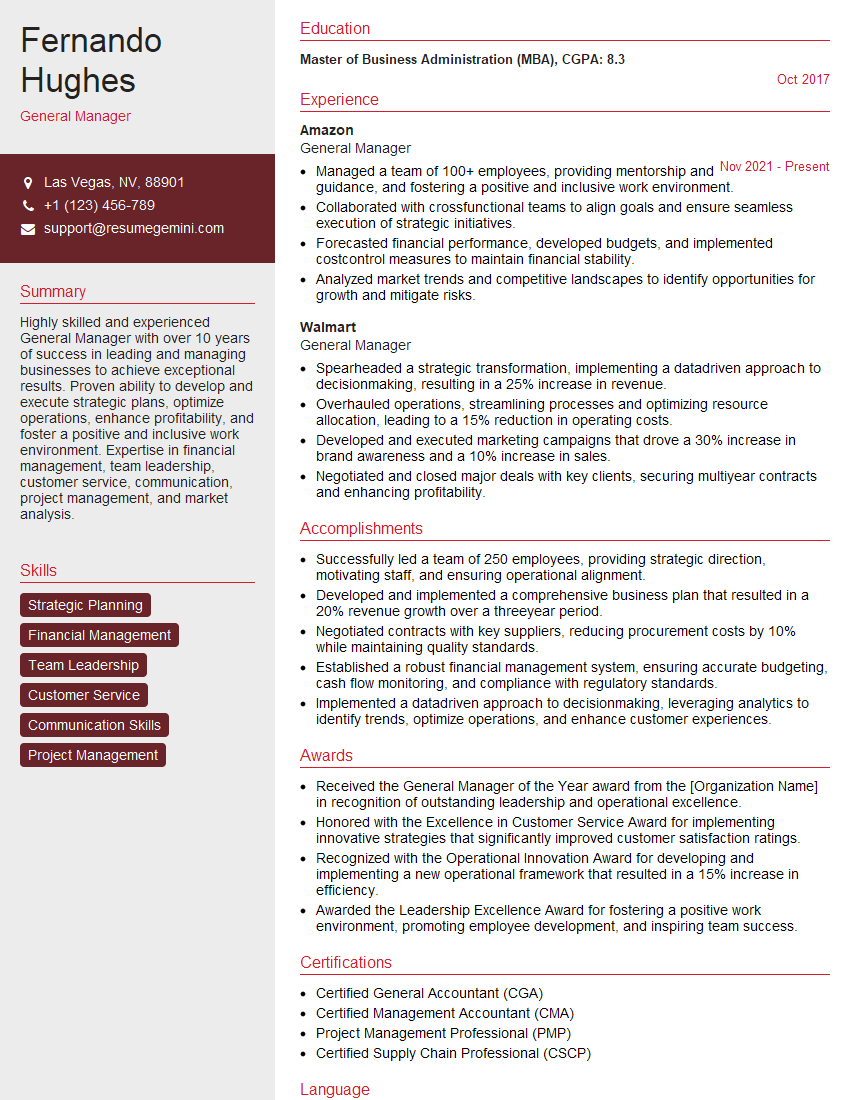
General Manager Resume Sample
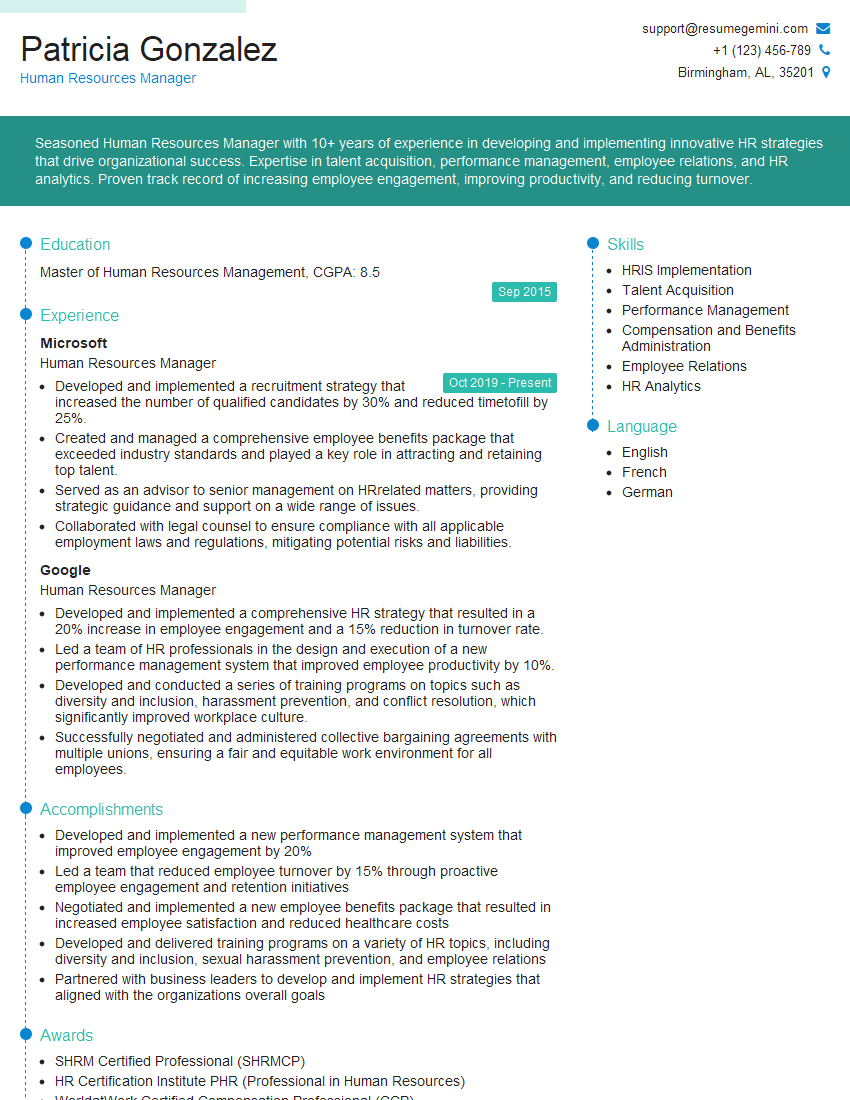
Human Resources Manager Resume Sample
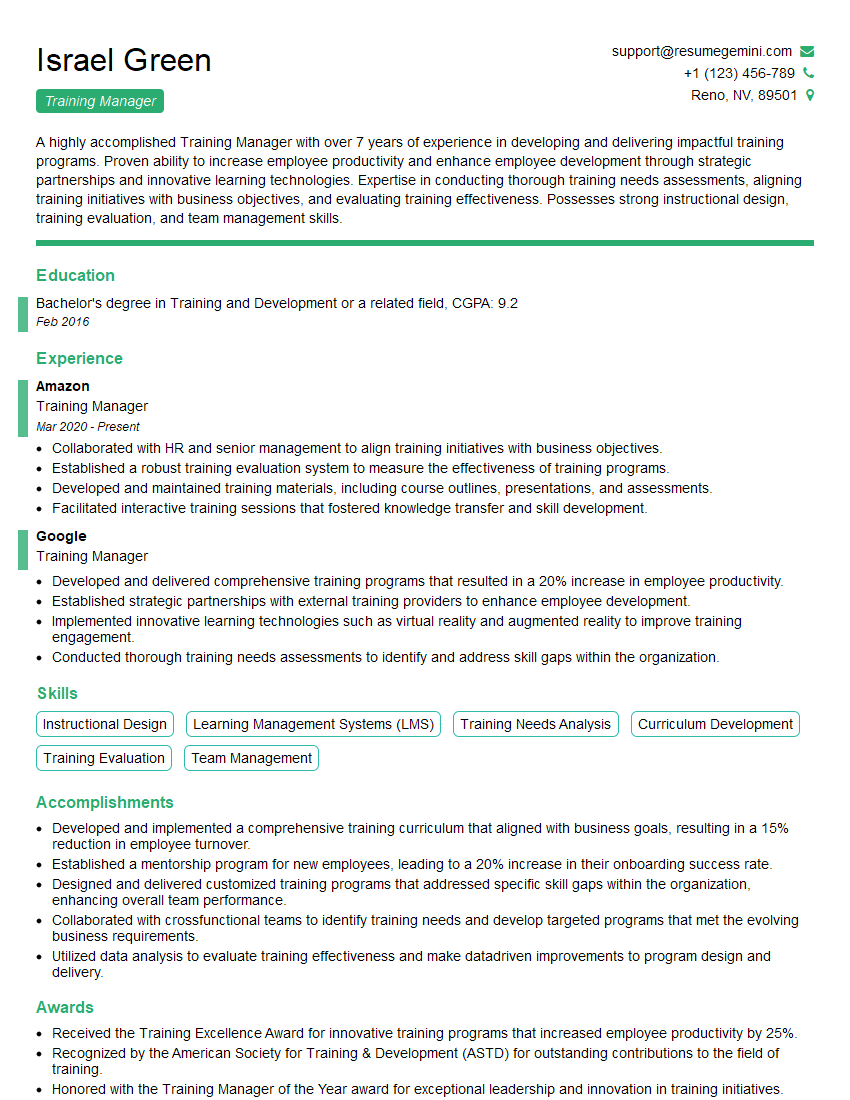
Training Manager Resume Sample

Project Manager Resume Sample
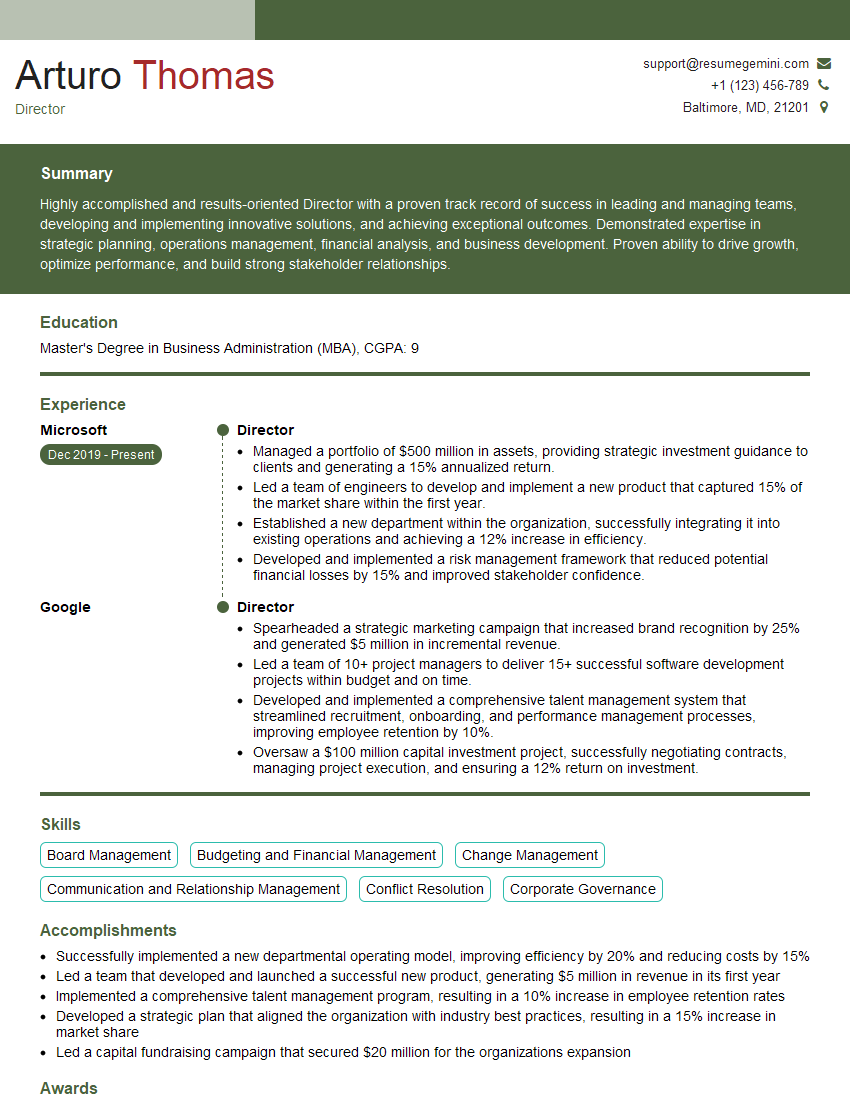
Director Resume Sample
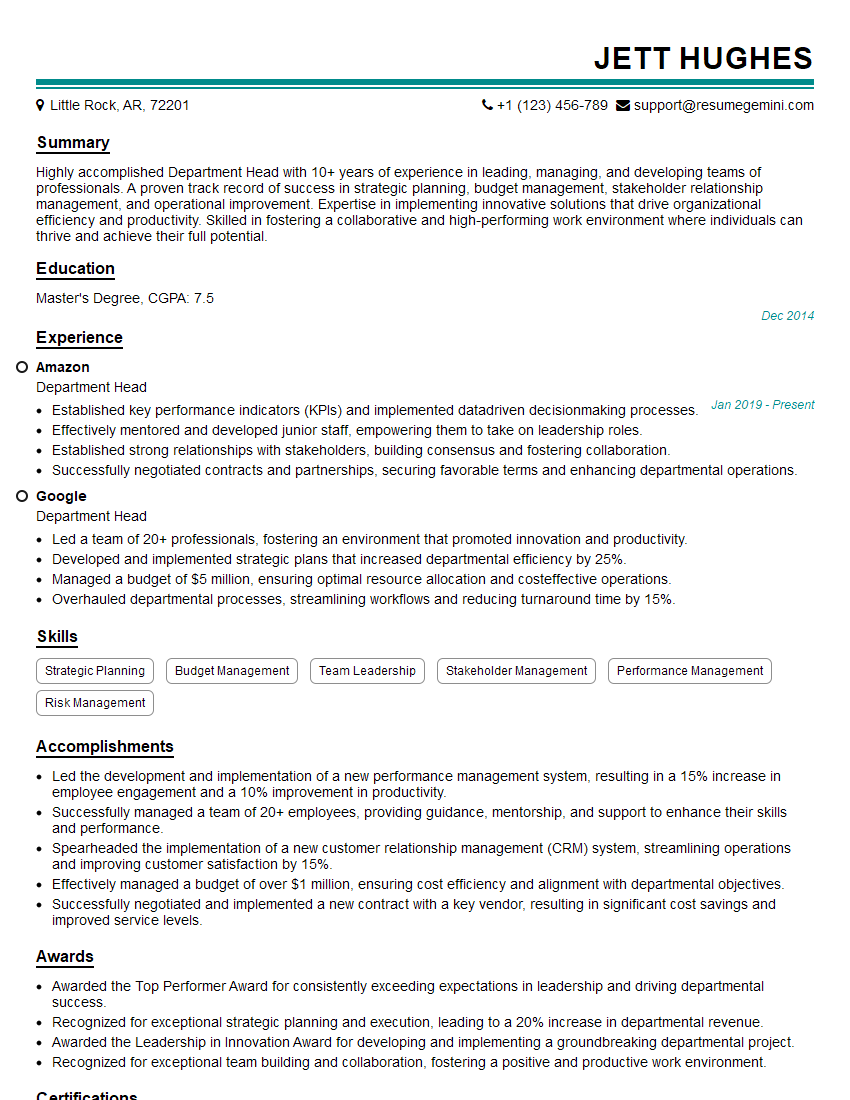
Department Head Resume Sample
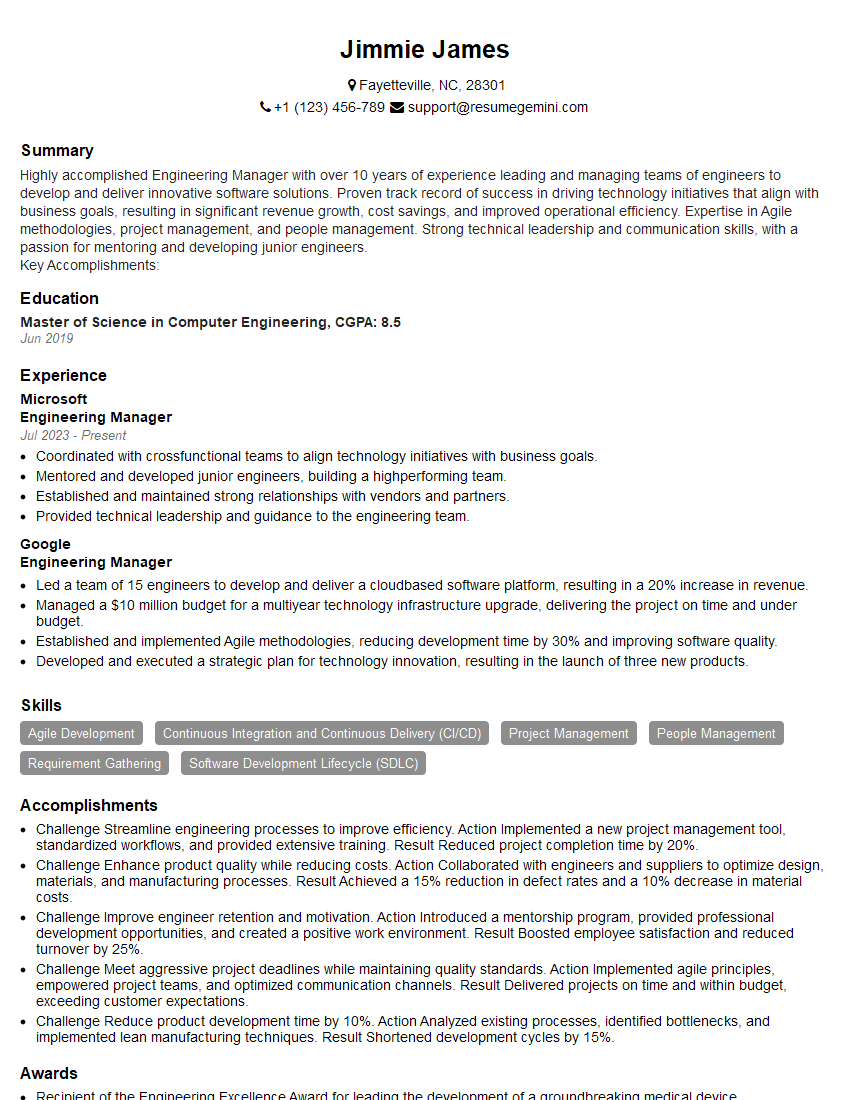
Engineering Manager Resume Sample
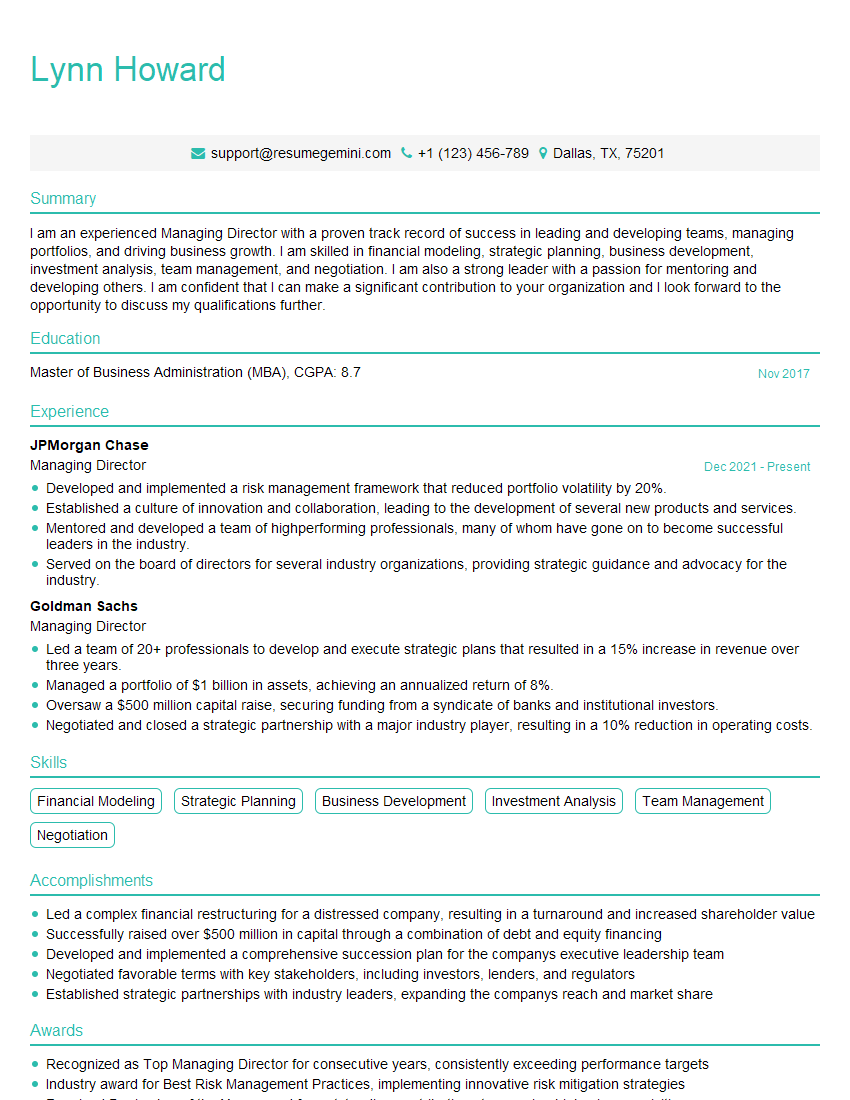
Managing Director Resume Sample

Chief of Staff Resume Sample
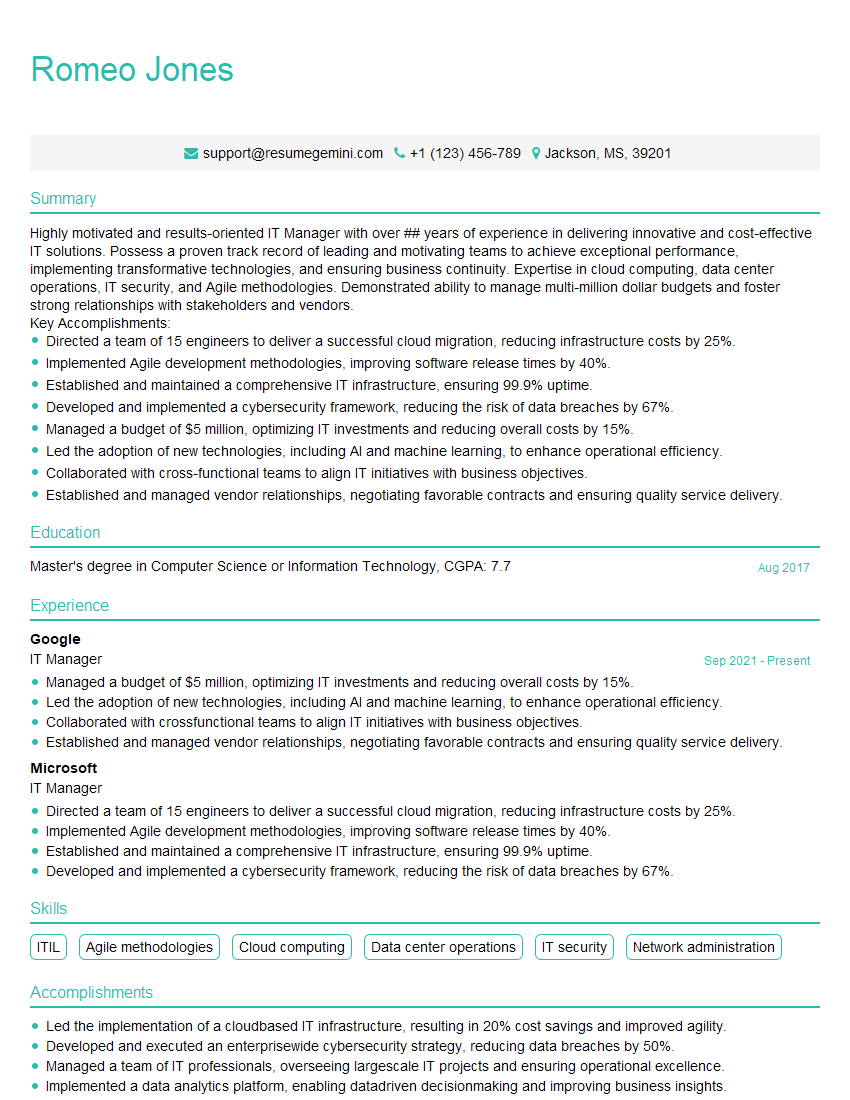
IT Manager Resume Sample
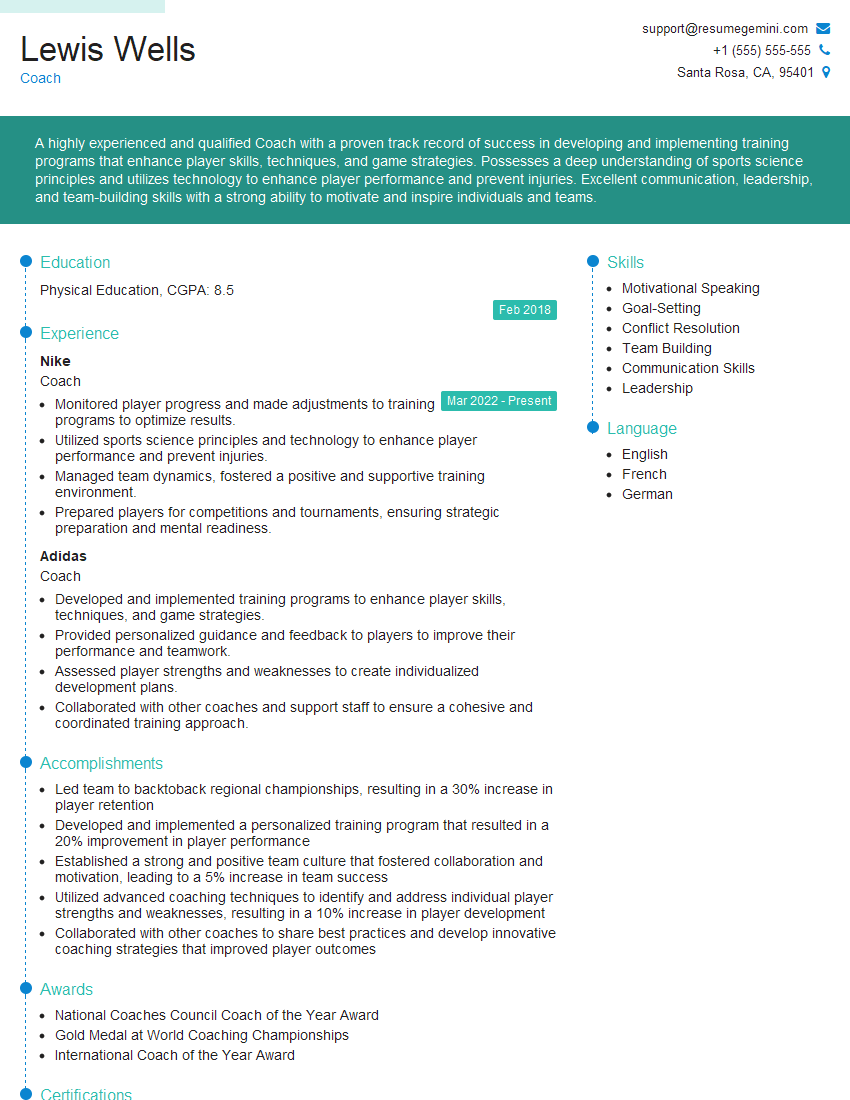
Coach Resume Sample
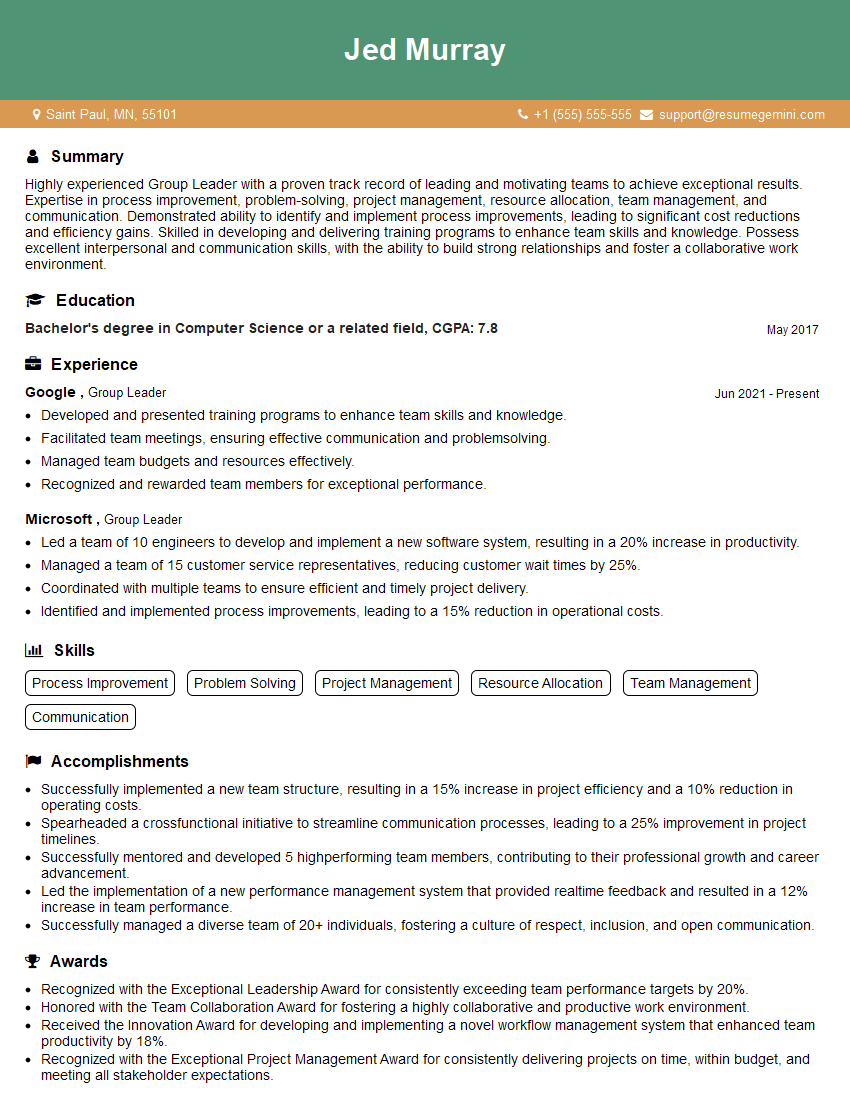
Group Leader Resume Sample
- Executive Director
- Program Manager
- Operations Manager
- Marketing Manager
- Sales Manager
- Product Manager
- Division Manager
- Business Unit Manager
- General Manager
- Human Resources Manager
- Training Manager
- Project Manager
- Director
- Department Head
- Engineering Manager
- Managing Director
- Chief of Staff
- IT Manager
- Coach
- Group Leader
Explore more articles
Users Rating of Our Blogs
Share Your Experience
We value your feedback! Please rate our content and share your thoughts (optional).
What Readers Say About Our Blog
Very informative content, great job.
good