Interviews are opportunities to demonstrate your expertise, and this guide is here to help you shine. Explore the essential Ability to Problem Solve interview questions that employers frequently ask, paired with strategies for crafting responses that set you apart from the competition.
Questions Asked in Ability to Problem Solve Interview
Q 1. Describe your approach to solving a complex technical problem.
My approach to solving complex technical problems is systematic and iterative. It involves a structured process that begins with a thorough understanding of the problem. I start by clearly defining the problem, identifying its scope, and gathering all relevant information. This includes analyzing existing documentation, consulting with stakeholders, and performing initial investigations to understand the context and potential impact.
Next, I break down the complex problem into smaller, more manageable sub-problems. This allows me to focus on individual components and develop targeted solutions. I utilize various problem-solving techniques like root cause analysis (RCA), 5 Whys, and fishbone diagrams to pinpoint the core issues. Once the sub-problems are identified and understood, I develop and evaluate potential solutions, considering factors like feasibility, cost, and impact. This often involves researching existing solutions, brainstorming new approaches, and prototyping potential solutions. I continuously evaluate the effectiveness of the solutions against the defined criteria and iterate on them as needed.
Finally, I implement the chosen solution, carefully monitoring its impact and making any necessary adjustments. Thorough testing and validation are crucial at each stage of this process. The entire process is documented to ensure reproducibility and traceability, enabling easier future troubleshooting and continuous improvement.
Q 2. Explain a time you had to troubleshoot a difficult issue. What steps did you take?
During a previous role, our production database experienced unexpected slowdowns, significantly impacting user experience. Initial troubleshooting involved checking server resource utilization (CPU, memory, disk I/O). While initial analysis showed high disk I/O, the root cause wasn’t immediately apparent.
I systematically investigated potential bottlenecks. I began by reviewing database logs for errors, then analyzed query performance using profiling tools. This revealed a specific query that was consuming an unexpectedly large amount of resources. Further investigation showed that this query was poorly optimized and was unnecessarily accessing a large amount of data. The query was rewritten and optimized. This involved creating indexes on relevant columns, and using more efficient SQL statements, and finally adjusting the database configuration to handle the specific type of load.
After implementing the optimized query, the database performance returned to normal. This experience highlighted the importance of careful monitoring, detailed logging, and the use of appropriate diagnostic tools in troubleshooting complex technical issues. It also reinforced the value of understanding database optimization techniques for ensuring efficient operations.
Q 3. How do you prioritize tasks when faced with multiple competing demands?
Prioritizing tasks with competing demands requires a structured approach. I typically use a combination of methods including the Eisenhower Matrix (Urgent/Important), MoSCoW method (Must have, Should have, Could have, Won’t have), and risk assessment. The Eisenhower Matrix helps me categorize tasks based on urgency and importance, allowing me to focus on high-impact, urgent tasks first. The MoSCoW method helps prioritize features or requirements based on their necessity.
Risk assessment is crucial in determining which tasks hold the most potential risk to the project if not completed on time or to the appropriate standard. For instance, a task with a high risk of failure and significant consequences would naturally be given higher priority than a task with low risk. By combining these approaches, I can create a prioritized list that balances urgency, importance, risk and overall project goals. Regularly reviewing and adjusting this list is essential, as priorities can shift based on new information or changing circumstances.
Q 4. Describe a situation where you had to make a critical decision under pressure. What was the outcome?
In a previous project, we faced a critical bug in a production system just before a major product launch. The bug caused a significant data corruption issue potentially impacting thousands of users. We were under immense pressure to resolve it quickly.
After assessing the situation, I made the critical decision to temporarily roll back the system to the previous stable version. This was a difficult decision because it meant delaying some features, but it was necessary to prevent further data loss and maintain user trust. The team worked diligently to identify and fix the root cause of the bug. Once the fix was thoroughly tested, we redeployed the system. This decision, while difficult, ultimately prevented a much larger catastrophe and ensured the overall success of the product launch, though with a slightly delayed feature set.
Q 5. How do you identify the root cause of a problem?
Identifying the root cause of a problem is essential for effective problem-solving. My approach involves a structured investigation. I use techniques such as the 5 Whys, fishbone diagrams (Ishikawa diagrams), and root cause analysis (RCA). The 5 Whys is a simple yet powerful technique that involves repeatedly asking “Why?” to drill down to the underlying cause.
For example, if a website is slow, the 5 Whys might look like this:
- Why is the website slow? – Because the database is slow.
- Why is the database slow? – Because of a poorly optimized query.
- Why is the query poorly optimized? – Because the indexes are missing.
- Why are the indexes missing? – Because they weren’t created during development.
- Why weren’t the indexes created? – Because the development team lacked proper training in database optimization.
Fishbone diagrams provide a visual representation of potential causes and their relationships. RCA employs more formal methodologies and often involves a team effort to analyze data and identify the root cause systematically.
Q 6. What analytical tools or methods do you use to solve problems?
I utilize a variety of analytical tools and methods depending on the nature of the problem. For data analysis, I’m proficient in tools like SQL, Python (with libraries such as Pandas and NumPy), and data visualization tools such as Tableau and Power BI. These tools allow me to analyze large datasets, identify trends, and extract valuable insights. Statistical methods like regression analysis and hypothesis testing are used to identify correlations and make data-driven decisions.
For software debugging, I use debugging tools provided by IDEs (Integrated Development Environments) along with logging and monitoring tools. In network troubleshooting, I use tools like Wireshark and tcpdump to analyze network traffic. The choice of tool always depends on the context of the problem.
Q 7. Describe your experience using data analysis to solve a problem.
In a previous project, we were experiencing a high rate of customer churn. To understand the reasons behind this, we analyzed customer data using SQL and Python. We extracted data points like customer demographics, purchase history, customer support interactions, and website usage patterns.
Using Pandas in Python, we analyzed customer segments to identify patterns and correlations. We discovered a strong correlation between infrequent website activity and higher churn rates, suggesting potential engagement issues. Further analysis using SQL queries revealed that customers who experienced significant delays in customer support were also more likely to churn. We used data visualization tools to communicate our findings to stakeholders, leading to improvements in website engagement strategies and customer support processes. This data-driven approach significantly reduced our churn rate.
Q 8. How do you handle disagreements with colleagues while solving a problem?
Disagreements are inevitable in collaborative problem-solving. My approach focuses on respectful communication and finding common ground. I begin by actively listening to understand my colleagues’ perspectives, even if I don’t initially agree. I then clearly articulate my own viewpoint, emphasizing the data and rationale behind it. If the disagreement persists, I advocate for a structured approach: We might brainstorm alternative solutions, analyze the pros and cons of each, or even break down the problem into smaller, more manageable parts to address individual concerns. The goal is always a collaborative solution that leverages everyone’s expertise and addresses all valid concerns. For example, in a past project involving software design, a colleague strongly advocated for a specific database technology while I favored another. We engaged in a detailed discussion, comparing performance benchmarks and scalability considerations. Eventually, we found a compromise leveraging aspects of both technologies, resulting in a more robust and efficient system.
Q 9. How do you approach problem-solving in a team setting?
My approach to team problem-solving centers around structured collaboration and clear communication. I believe in defining the problem clearly at the outset, involving the team in brainstorming solutions, and then selecting the best approach through a consensus-building process. I utilize tools like mind mapping or Kanban boards to visualize the problem and track progress. Roles and responsibilities are clearly assigned, and regular progress meetings are held to ensure everyone remains aligned. I encourage open communication and active listening, ensuring everyone feels heard and valued. During the implementation phase, I promote transparency and collaboration, regularly seeking feedback and adapting the approach as needed. Think of it like building a house: a clear blueprint (problem definition), skilled workers (team members), effective communication (progress meetings), and flexible adaptation (feedback incorporation) are all crucial for success.
Q 10. Explain your experience with root cause analysis methodologies.
I have extensive experience with various root cause analysis (RCA) methodologies, including the ‘5 Whys,’ fishbone diagrams (Ishikawa diagrams), and Fault Tree Analysis (FTA). The ‘5 Whys’ is a simple yet effective technique for uncovering the root cause by repeatedly asking ‘Why?’ until the underlying issue is identified. Fishbone diagrams help visualize potential causes contributing to a problem, facilitating a systematic investigation. FTA, on the other hand, is more complex and suitable for complex systems, mapping out potential failure points and their contributing factors. For instance, in a previous project involving a system outage, we employed the ‘5 Whys’ to drill down from the initial symptom (system crash) to the underlying cause (a faulty database configuration). The Fishbone diagram was utilized to brainstorm other potential causes and eliminate them systematically. Selecting the right RCA method depends on the complexity of the problem and the available data.
Q 11. How do you stay organized when managing multiple problems simultaneously?
Managing multiple problems simultaneously requires a high degree of organization. I use a combination of tools and techniques to stay on top of things. This includes prioritization matrices (like Eisenhower Matrix), task management software (e.g., Asana, Trello), and detailed to-do lists. I prioritize tasks based on urgency and importance, focusing on high-impact activities first. Regular time blocking helps allocate dedicated time slots for tackling specific problems. I also leverage visual aids such as Kanban boards to track progress and identify potential bottlenecks. Finally, effective communication with stakeholders is vital to ensure everyone is aware of priorities and progress. This holistic approach ensures that even with a full plate, I remain efficient and effective.
Q 12. Describe a time you had to adapt your approach to solve a problem.
During a project involving the development of a mobile application, we initially focused on a native development approach. However, halfway through, we encountered significant performance issues and development delays. We realized that our initial approach wasn’t scalable or efficient enough for the project’s scope. I advocated for adapting our approach, shifting towards a hybrid development model that leveraged cross-platform frameworks. This required retraining the team and restructuring the project timeline, but ultimately, it saved significant time and resources. The hybrid approach yielded a faster development cycle, improved performance, and a more cost-effective solution. This experience reinforced the importance of adaptability and flexibility in problem-solving.
Q 13. How do you deal with unexpected challenges or setbacks?
Unexpected challenges and setbacks are part and parcel of problem-solving. My response is rooted in a systematic approach: First, I acknowledge the setback and assess the impact. Then, I gather more information to fully understand the nature of the problem. Next, I explore alternative solutions and strategies, involving the team in brainstorming sessions to generate a range of options. Finally, I implement the chosen solution, closely monitoring its effectiveness. It’s essential to maintain a positive and proactive attitude during these times, focusing on learning from the experience and adapting accordingly. For example, during a critical software launch, a server failure caused significant disruption. By swiftly diagnosing the issue, implementing a rollback strategy, and initiating preventative measures, we minimized the impact and learned valuable lessons about system resilience.
Q 14. How do you ensure the accuracy and reliability of your solutions?
Ensuring the accuracy and reliability of my solutions relies on a multi-faceted approach. Firstly, I rigorously validate my assumptions and data through thorough research and analysis. I use appropriate testing methodologies, including unit testing, integration testing, and user acceptance testing (UAT), to verify the solution’s functionality and correctness. I also focus on documentation, creating clear and comprehensive records of the problem, the solution, and the reasoning behind it. Peer reviews and expert consultations are crucial to identify potential blind spots and ensure the solution’s robustness. Finally, I continually monitor the solution’s performance post-implementation, using metrics and feedback to assess its efficacy and make any necessary adjustments. This ensures the long-term accuracy and reliability of my work.
Q 15. How do you measure the success of your problem-solving efforts?
Measuring the success of problem-solving isn’t solely about achieving the immediate solution; it’s about evaluating the long-term impact and learning from the process. I use a multi-faceted approach.
- Meeting Objectives: Did the solution effectively address the initial problem? This involves quantifiable metrics wherever possible. For example, if the problem was reducing customer churn, success would be measured by a demonstrable decrease in churn rate.
- Efficiency: Was the solution implemented efficiently, utilizing resources effectively? Did we stay within budget and timeline constraints? A project might achieve its goal but be deemed unsuccessful if it significantly exceeded its budget.
- Sustainability: Is the solution sustainable in the long term? Does it prevent the problem from recurring, or does it create new problems? A quick fix might work initially but could lead to bigger issues down the line.
- Learning and Improvement: What did we learn from the process? What could we have done better? This involves documenting the steps taken, identifying areas for improvement, and implementing these learnings in future problem-solving endeavors. A post-mortem meeting is crucial in this regard.
For instance, in a previous role, we faced a critical system failure. While we successfully restored the system within the SLA (Service Level Agreement), we analyzed the root cause and implemented preventive measures to avoid similar failures. This proactive approach, even after a successful resolution, demonstrated effective problem-solving because it improved future system reliability.
Career Expert Tips:
- Ace those interviews! Prepare effectively by reviewing the Top 50 Most Common Interview Questions on ResumeGemini.
- Navigate your job search with confidence! Explore a wide range of Career Tips on ResumeGemini. Learn about common challenges and recommendations to overcome them.
- Craft the perfect resume! Master the Art of Resume Writing with ResumeGemini’s guide. Showcase your unique qualifications and achievements effectively.
- Don’t miss out on holiday savings! Build your dream resume with ResumeGemini’s ATS optimized templates.
Q 16. Describe your experience with creative problem-solving techniques.
Creative problem-solving often involves stepping outside the box and employing techniques that encourage unconventional thinking. I’ve utilized several methods successfully:
- Brainstorming: This classic technique, often involving group sessions, allows for free-flowing ideas, encouraging diverse perspectives. I make sure to establish clear guidelines and a judgment-free environment to foster creativity.
- Mind Mapping: Visually organizing ideas helps identify connections and potential solutions we might otherwise overlook. This method is particularly useful for complex problems with multiple interconnected factors.
- Lateral Thinking: This involves approaching the problem from unexpected angles, challenging assumptions, and considering alternative viewpoints. Asking ‘what if’ questions is key to this approach.
- Design Thinking: This human-centered approach emphasizes empathizing with the users affected by the problem to understand their needs and develop innovative solutions.
In one project, we used a combination of brainstorming and mind mapping to redesign a complex workflow. By visually representing the steps and bottlenecks, we identified opportunities for automation and process simplification, leading to a 20% increase in efficiency.
Q 17. How do you balance speed and thoroughness in problem solving?
Balancing speed and thoroughness requires a strategic approach. It’s not always about choosing one over the other; instead, it’s about optimizing the process based on the context of the problem.
- Prioritization: Identifying the critical aspects of the problem that require immediate attention and which can be addressed later. This often involves a risk assessment (discussed further in question 5).
- Agile Methodology: Breaking down the problem into smaller, manageable tasks that can be addressed iteratively. This allows for quick wins and adaptation based on feedback.
- Timeboxing: Allocating specific timeframes for different stages of the problem-solving process. This prevents getting bogged down in one area and ensures progress is made even if the solution isn’t completely finalized.
- Pareto Principle (80/20 Rule): Focusing on the 20% of efforts that will yield 80% of the results. This helps to prioritize high-impact solutions.
Imagine a website experiencing a sudden outage. Speed is paramount; you need to quickly identify the cause and implement a temporary fix to minimize downtime. However, a thorough investigation is still necessary to find and address the root cause to prevent future occurrences. A rapid initial fix buys time for in-depth analysis.
Q 18. How do you handle situations where you don’t have all the information needed?
Incomplete information is a common challenge in problem-solving. My approach involves a structured process to address this:
- Information Gathering: Actively seeking out additional information from relevant sources. This could include colleagues, clients, documentation, data analysis, or research.
- Assumption Documentation: Clearly identifying and documenting any assumptions made based on the available information. This transparency helps in revisiting and refining the solution as more data becomes available.
- Sensitivity Analysis: Evaluating how the solution might change based on different scenarios and assumptions. This helps assess the robustness of the solution.
- Iterative Approach: Implementing a solution based on the current information, with the understanding that it may need revision as more data becomes available. Regular check-ins and feedback mechanisms are crucial here.
In a previous project, we were tasked with optimizing a marketing campaign with limited data on customer segmentation. We started with what we had, developed a preliminary campaign, closely monitored the results, and then iteratively refined our targeting and messaging based on the data collected.
Q 19. Describe your experience with risk assessment and mitigation in problem solving.
Risk assessment and mitigation are crucial for effective problem-solving, especially in complex scenarios. I follow a systematic approach:
- Identify Potential Risks: Brainstorming potential problems or obstacles that might hinder the success of the solution.
- Analyze Risk Probability and Impact: Assessing the likelihood of each risk occurring and the potential impact if it does. This often involves using a risk matrix.
- Develop Mitigation Strategies: Creating plans to reduce the probability or impact of each identified risk. These strategies could include contingency plans, alternative solutions, or preventative measures.
- Monitor and Adjust: Regularly monitoring the implemented mitigation strategies and adjusting them as necessary based on the evolving situation.
For example, while developing a new software feature, we identified the risk of compatibility issues with older systems. We mitigated this by creating a comprehensive testing plan, including backward compatibility testing, and developed a rollback plan in case of issues.
Q 20. How do you effectively communicate complex solutions to non-technical audiences?
Communicating complex solutions to non-technical audiences requires translating technical jargon into plain language. I utilize several techniques:
- Analogies and Metaphors: Relating complex concepts to familiar everyday examples to make them easier to understand.
- Visual Aids: Using charts, graphs, diagrams, or other visuals to illustrate key points and simplify complex information.
- Storytelling: Presenting the solution as a narrative, focusing on the problem, the solution, and its benefits. This makes the information more engaging and memorable.
- Focus on the ‘Why’: Emphasizing the benefits and value of the solution for the audience, rather than getting bogged down in technical details.
- Active Listening and Feedback: Encouraging questions and actively listening to the audience to ensure understanding and address any concerns.
When explaining a database optimization project to executives, I used an analogy of a well-organized library to illustrate how improvements would speed up access to information, resulting in more efficient decision-making. I avoided technical terms like ‘indexing’ and ‘query optimization’ in favor of simpler language.
Q 21. What are some common pitfalls to avoid when solving problems?
Several pitfalls can hinder effective problem-solving. Awareness of these helps avoid common mistakes:
- Premature Closure: Jumping to conclusions before fully understanding the problem or exploring all possible solutions. Thorough investigation is crucial.
- Confirmation Bias: Seeking out information that confirms existing beliefs and ignoring contradictory evidence. It’s important to challenge assumptions and consider alternative viewpoints.
- Analysis Paralysis: Spending too much time analyzing the problem without taking action. A balance between analysis and action is crucial.
- Ignoring Root Causes: Focusing on symptoms rather than addressing the underlying cause of the problem. Addressing the root cause prevents recurrence.
- Lack of Communication and Collaboration: Failing to effectively communicate with stakeholders and collaborate with team members. Open communication facilitates shared understanding and problem-solving.
A classic example of premature closure is assuming a computer is slow because of the software when the actual problem could be a failing hard drive. A thorough diagnostic process would be needed to identify the true issue.
Q 22. How do you learn from your mistakes in problem solving?
Learning from mistakes is crucial for growth in problem-solving. My approach involves a structured process: First, I conduct a thorough post-mortem analysis. This isn’t about blame, but about understanding why the solution failed or fell short of expectations. I analyze the process, identifying specific points of failure and the contributing factors. This often involves reviewing documentation, talking to stakeholders, and objectively assessing my own actions and decisions. Second, I document my findings, creating a detailed record of the mistake, its causes, and the resulting impact. This helps prevent repeating the same error. Third, I actively seek solutions. I research best practices, consult with colleagues, and explore alternative approaches to address the identified weaknesses. Finally, I implement changes to my workflow, strategies, or knowledge base to mitigate similar problems in the future. For example, if I missed a crucial data point leading to an incorrect conclusion, I’d implement stricter data validation protocols in my future projects. This iterative process ensures continuous improvement and strengthens my problem-solving capabilities.
Q 23. Describe your experience with using different problem-solving frameworks (e.g., Six Sigma).
I have extensive experience with various problem-solving frameworks. Six Sigma, with its DMAIC (Define, Measure, Analyze, Improve, Control) methodology, is a particularly valuable tool for tackling complex, process-related issues. I’ve used DMAIC in several projects, like optimizing a customer service workflow where call resolution times were excessively long. We meticulously defined the problem (long wait times), measured key metrics (average handling time, customer satisfaction scores), analyzed the root causes (inadequate training, inefficient software), implemented improvements (new training program, upgraded software), and then established controls to maintain the improvements. Beyond Six Sigma, I’m also proficient in Lean methodologies, focusing on eliminating waste and maximizing efficiency. My experience with these frameworks has taught me the importance of structured thinking, data-driven decision-making, and continuous improvement in problem-solving.
Q 24. How do you leverage technology to improve problem-solving efficiency?
Technology plays a vital role in enhancing problem-solving efficiency. I leverage various tools and technologies, including data analytics platforms (like Tableau or Power BI) for visualizing data and identifying patterns, project management software (like Jira or Asana) for tracking progress and collaboration, and sophisticated modeling and simulation tools for testing solutions before implementation. For instance, when analyzing a network outage, I’d use network monitoring tools to pinpoint bottlenecks and root causes, allowing for a faster resolution than manual analysis. The ability to automate repetitive tasks through scripting or using specialized software frees up time for higher-level analysis and strategic problem-solving. Choosing the right tools depends on the problem’s nature and complexity, but the core principle is to utilize technology to augment my capabilities and improve the speed and accuracy of my solutions.
Q 25. Explain a time you had to solve a problem with limited resources.
In a previous role, we faced a critical server failure with limited resources – our budget was tight, and we had limited access to external support. Our initial attempts to restore the server using standard troubleshooting techniques failed. Instead of panicking, we systematically approached the problem. First, we prioritized essential functions, focusing on restoring services critical to our clients. Then, we meticulously analyzed the server logs to pinpoint the root cause, utilizing free, open-source tools for analysis instead of expensive proprietary software. Next, we collaboratively brainstormed solutions, leveraging the collective expertise of the team, even utilizing online communities and forums for support and ideas. Finally, we implemented a temporary fix leveraging readily available hardware, delaying the purchase of a new server until a more secure financial arrangement was secured. We learned the value of resourcefulness, prioritization, and effective collaboration under pressure. The problem was resolved, demonstrating that efficient problem-solving is often about creativity and resourcefulness, not just budget.
Q 26. How do you identify and manage dependencies when solving complex problems?
Identifying and managing dependencies is paramount when tackling complex problems. I typically start by creating a detailed dependency map, visually representing the relationships between different components or tasks. This map helps visualize potential bottlenecks or conflicts. For example, if Task A needs to be completed before Task B can begin, this dependency is clearly outlined. Then, I use techniques like critical path analysis to identify the most critical tasks and sequences, ensuring that the critical dependencies are addressed first. I also employ proactive communication and collaboration to ensure that teams working on interdependent tasks are synchronized and informed of potential delays or changes. Using project management tools assists in monitoring dependencies and resolving conflicts promptly. Addressing dependencies effectively ensures a smoother problem-solving process and minimizes risks of delays or setbacks.
Q 27. How do you ensure that your solutions are sustainable in the long term?
Ensuring long-term sustainability of solutions requires considering the broader context and potential future impacts. My approach involves incorporating aspects of scalability, maintainability, and adaptability into the solution design. Scalability means the solution can handle increased workload or data volume without significant performance degradation. Maintainability implies the solution is easily updated, modified, or repaired as needed. Adaptability refers to the solution’s ability to respond to changing needs or unforeseen circumstances. For example, if I develop a software solution, I prioritize modular design and clear documentation, making it easier to maintain and update. I also conduct thorough testing to ensure its robustness and resilience. By incorporating these considerations from the outset, I can enhance the likelihood that the solution will remain effective and relevant over the long term, minimizing the need for costly rework or replacements.
Q 28. Describe your approach to identifying and addressing ethical considerations in problem-solving.
Ethical considerations are integrated into my problem-solving approach from the very beginning. I start by identifying potential ethical dilemmas related to data privacy, fairness, transparency, and accountability. For example, if I am working with sensitive personal data, I ensure compliance with all relevant regulations and guidelines. I involve stakeholders to discuss potential ethical implications and ensure that everyone understands and agrees on the ethical boundaries. I prioritize transparency in my methods and ensure that the solution is equitable and doesn’t unfairly disadvantage any groups. I also document my ethical considerations and decisions throughout the problem-solving process, allowing for review and scrutiny. Addressing these issues proactively prevents unintended consequences and builds trust with stakeholders, reinforcing the ethical integrity of the solution.
Key Topics to Learn for Ability to Problem Solve Interviews
- Defining the Problem: Clearly articulating the challenge, gathering relevant information, and identifying constraints. Practical application: Analyzing a case study by first outlining the core issue before proposing solutions.
- Strategic Thinking & Planning: Developing a structured approach to problem-solving, prioritizing tasks, and outlining potential solutions. Practical application: Using frameworks like SWOT analysis or root cause analysis to tackle complex situations.
- Creative Solution Generation: Brainstorming innovative solutions, thinking outside the box, and considering various perspectives. Practical application: Presenting multiple approaches to a problem, each with its pros and cons.
- Analytical Skills & Decision Making: Evaluating potential solutions, weighing risks and benefits, and making well-informed decisions based on data and logic. Practical application: Justifying your chosen solution with clear reasoning and supporting evidence.
- Communication & Collaboration: Effectively communicating your thought process, collaborating with others to find solutions, and articulating your ideas clearly. Practical application: Describing how you’ve worked with a team to overcome a challenging project.
- Adaptability & Resilience: Responding effectively to unexpected challenges, learning from mistakes, and adapting your approach as needed. Practical application: Discussing a situation where your initial plan needed revision and how you adjusted.
- Problem-Solving Frameworks: Familiarizing yourself with common problem-solving frameworks (e.g., Six Sigma, Design Thinking) to showcase a structured approach. Practical application: Applying a chosen framework to explain your approach to a past problem.
Next Steps
Mastering your ability to problem-solve is crucial for career advancement. It demonstrates critical thinking, adaptability, and a proactive approach – qualities highly valued by employers. To significantly boost your job prospects, create an ATS-friendly resume that highlights your problem-solving skills. ResumeGemini is a trusted resource to help you build a professional and impactful resume that showcases your abilities effectively. Examples of resumes tailored to highlight problem-solving capabilities are available to help you get started.
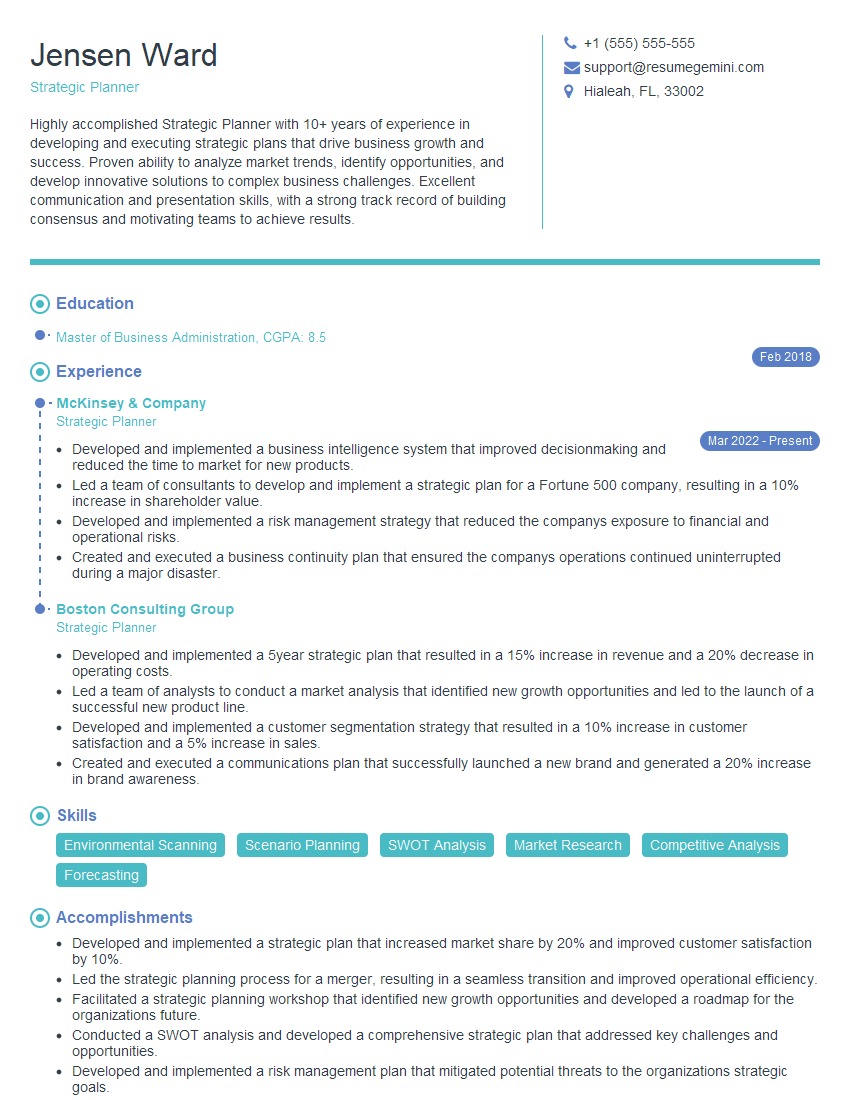
Strategic Planner Resume Sample

Operations Manager Resume Sample
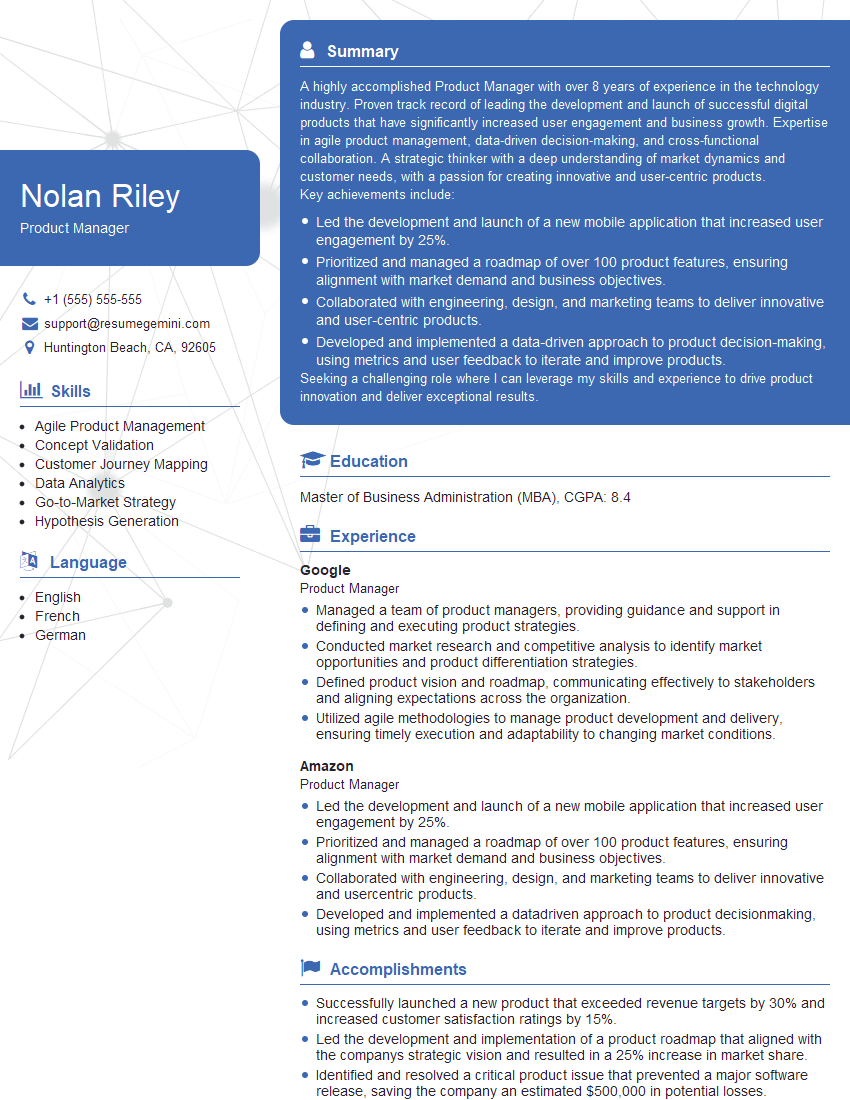
Product Manager Resume Sample

Project Manager Resume Sample
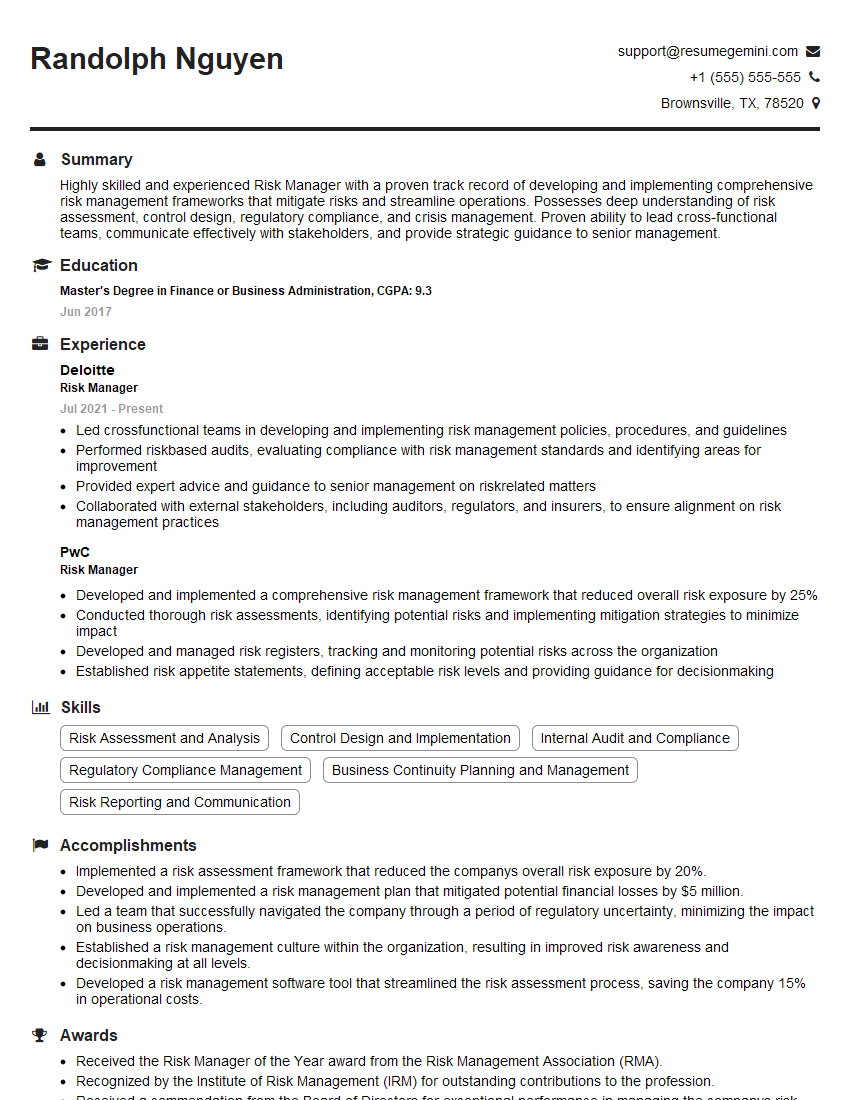
Risk Manager Resume Sample
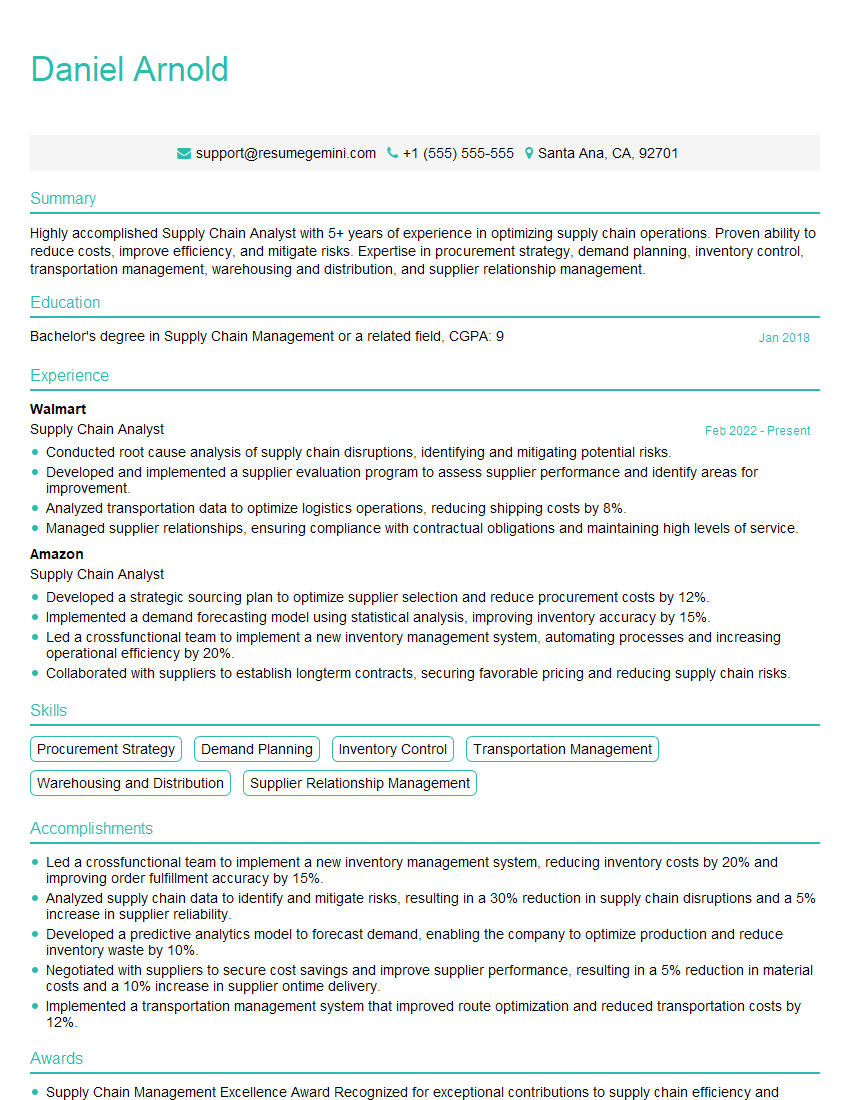
Supply Chain Analyst Resume Sample
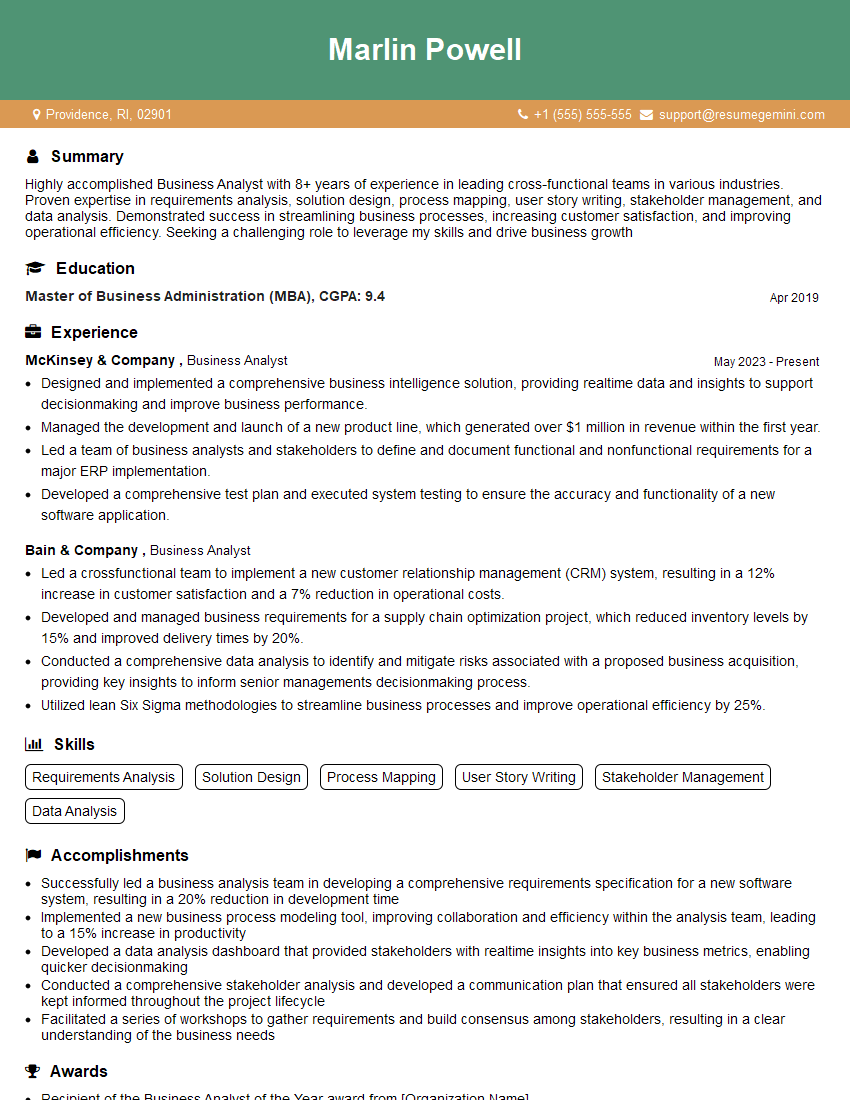
Business Analyst Resume Sample
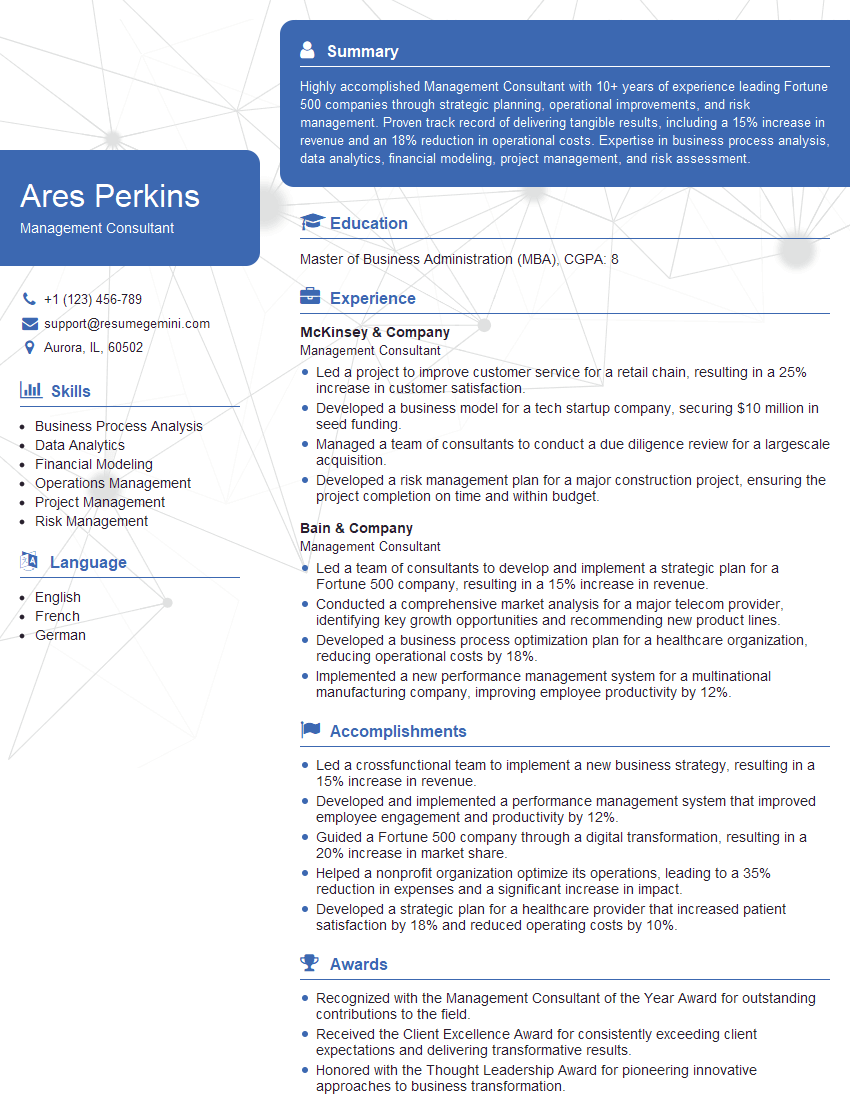
Management Consultant Resume Sample
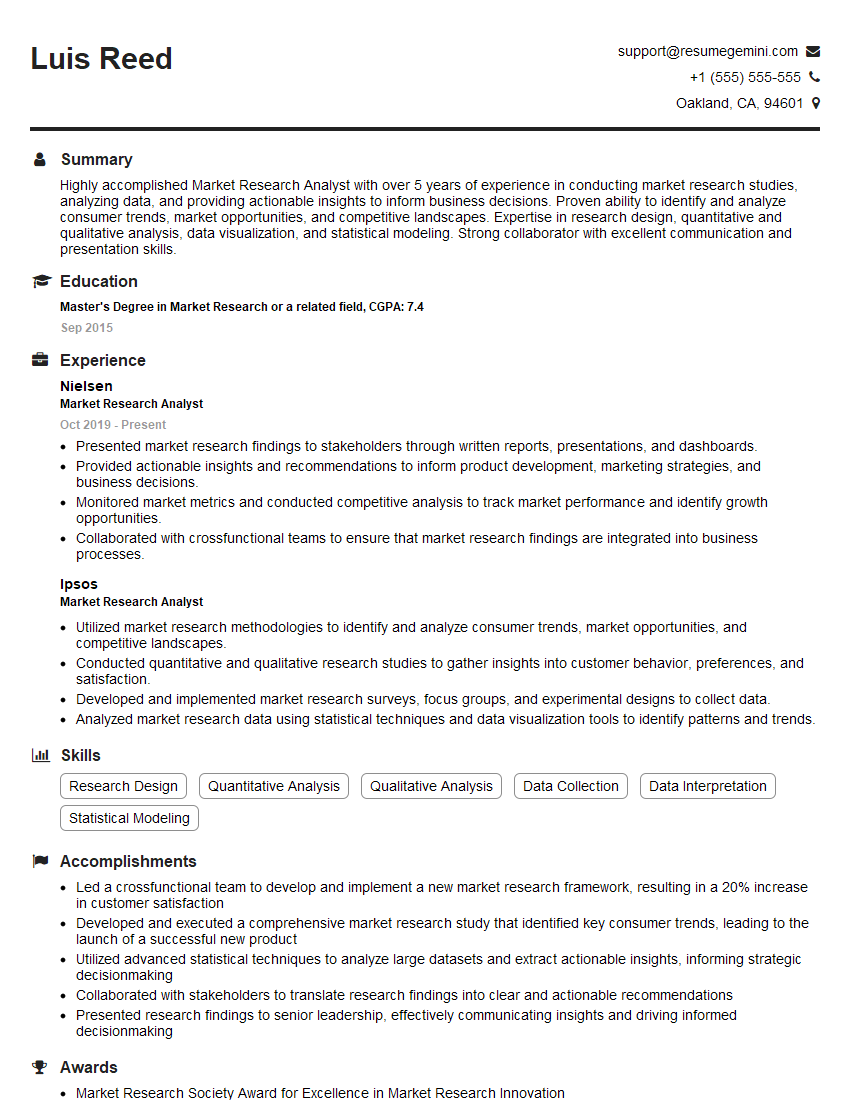
Market Research Analyst Resume Sample
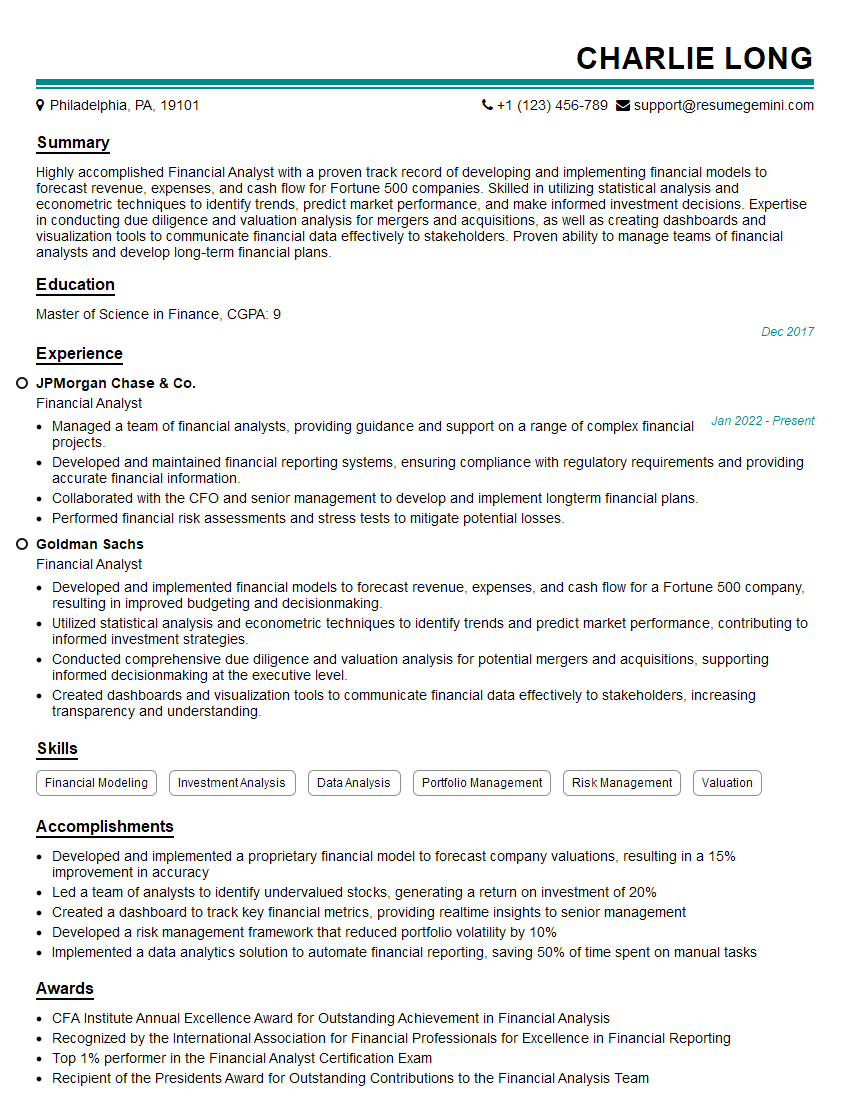
Financial Analyst Resume Sample
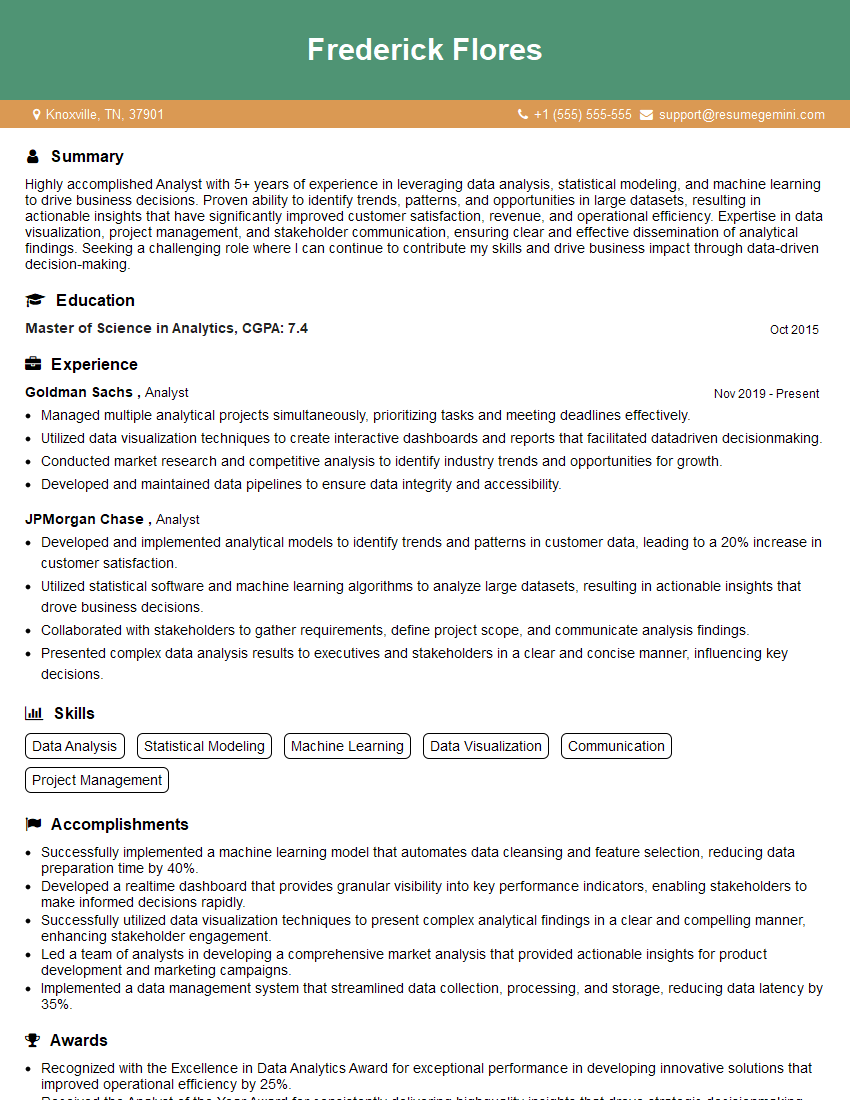
Analyst Resume Sample
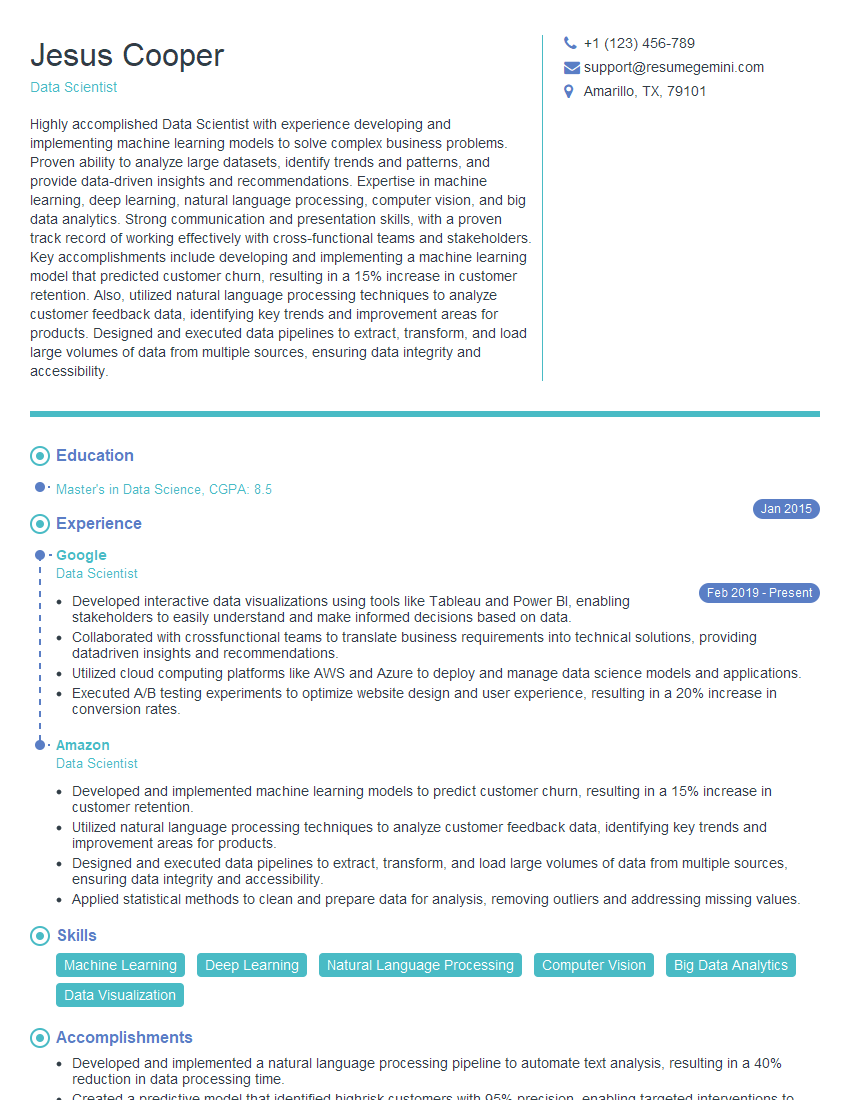
Data Scientist Resume Sample
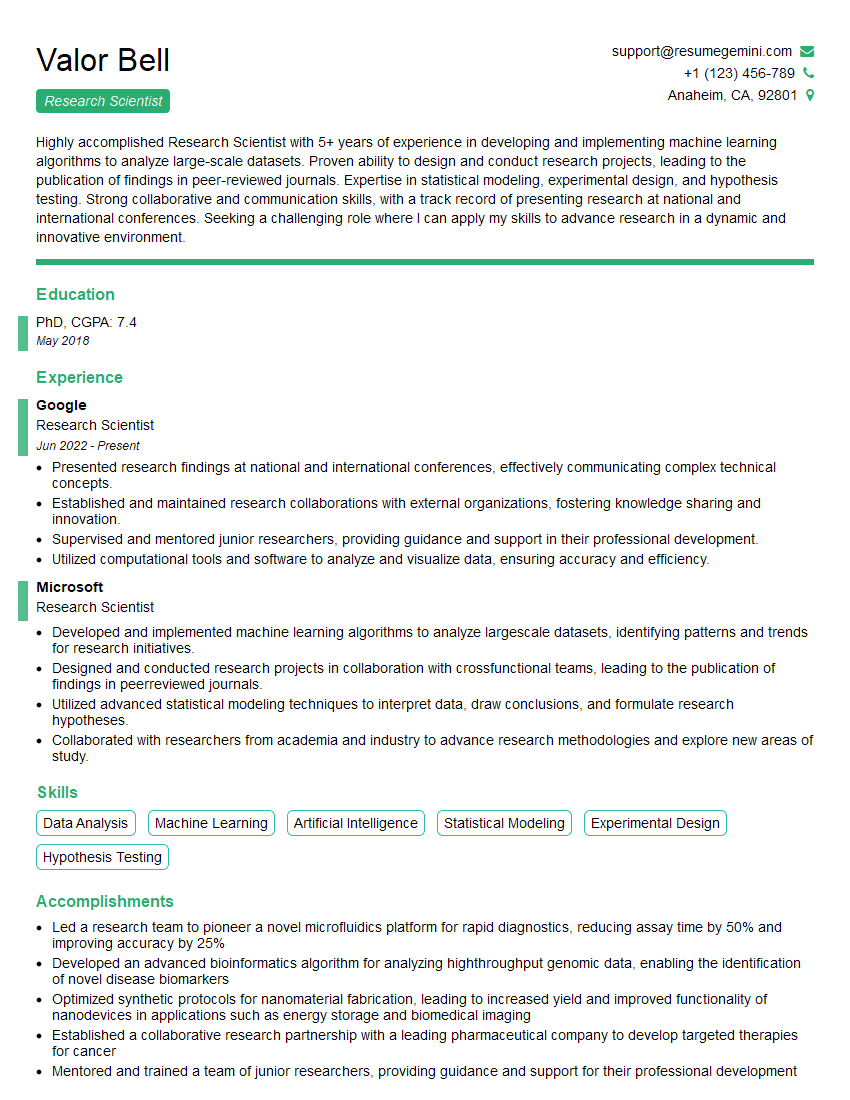
Research Scientist Resume Sample
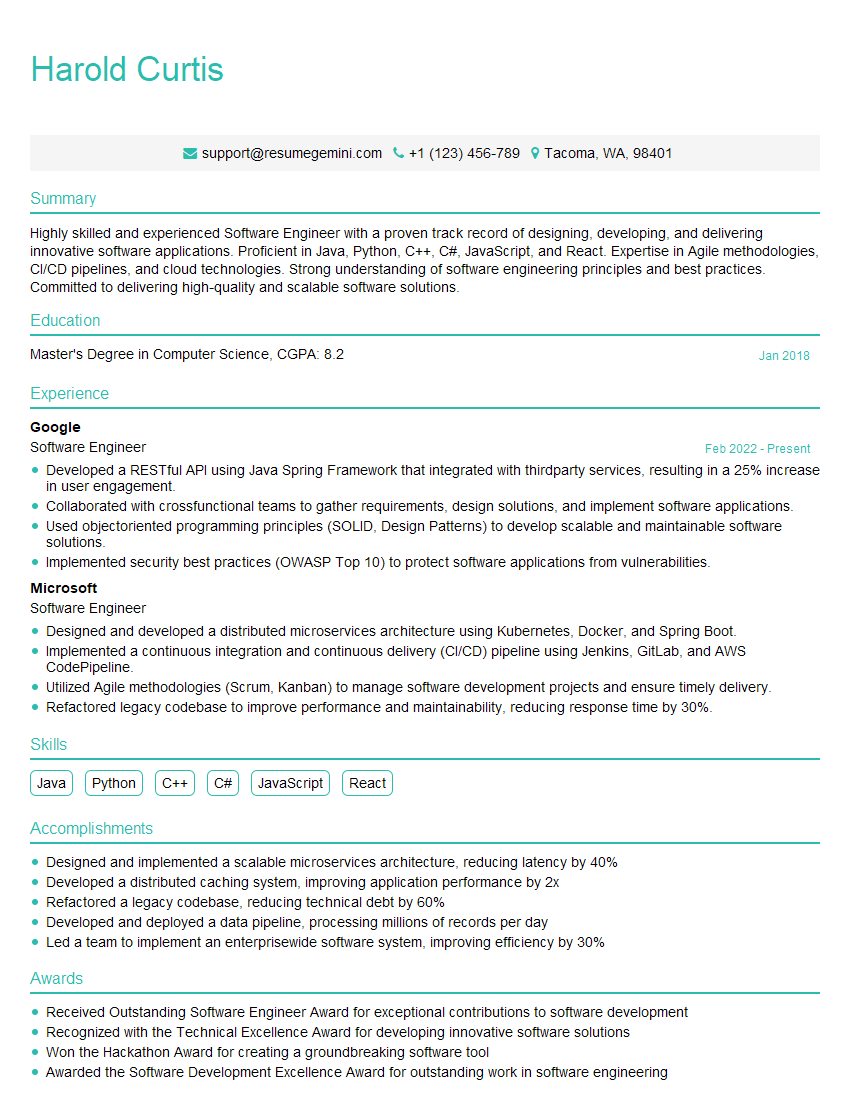
Software Engineer Resume Sample
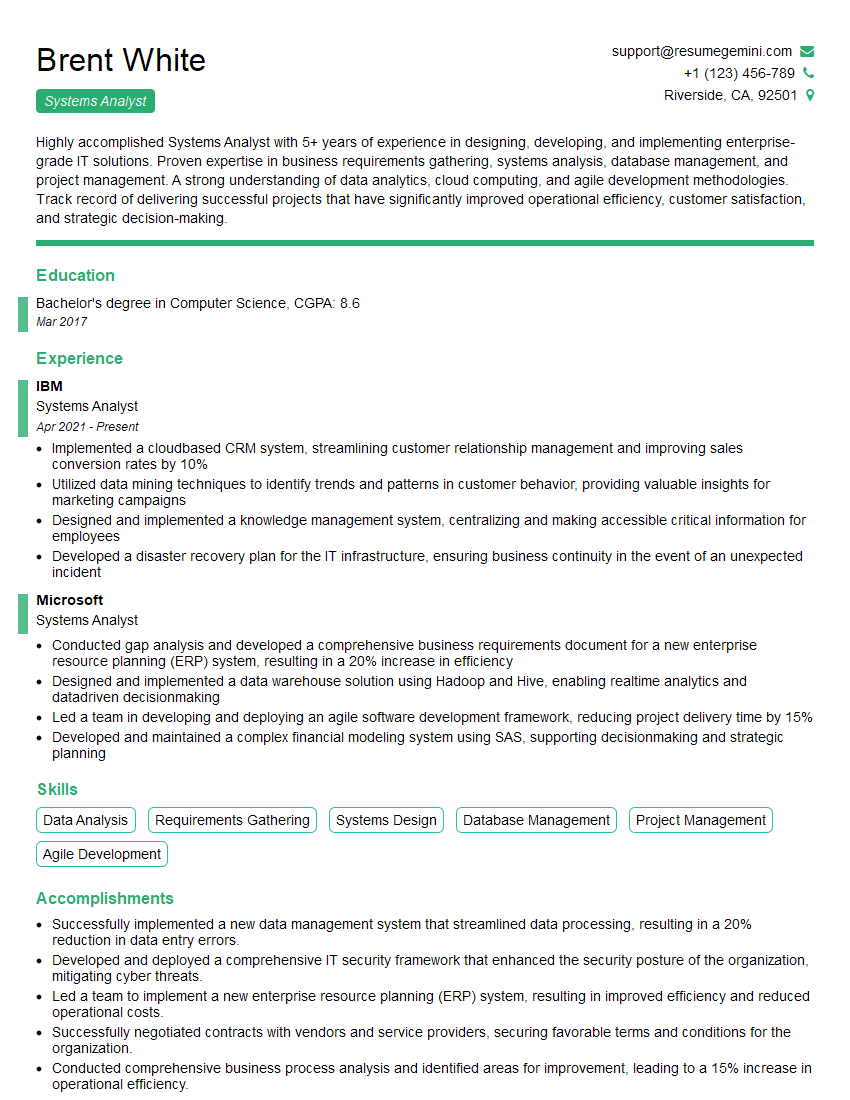
Systems Analyst Resume Sample
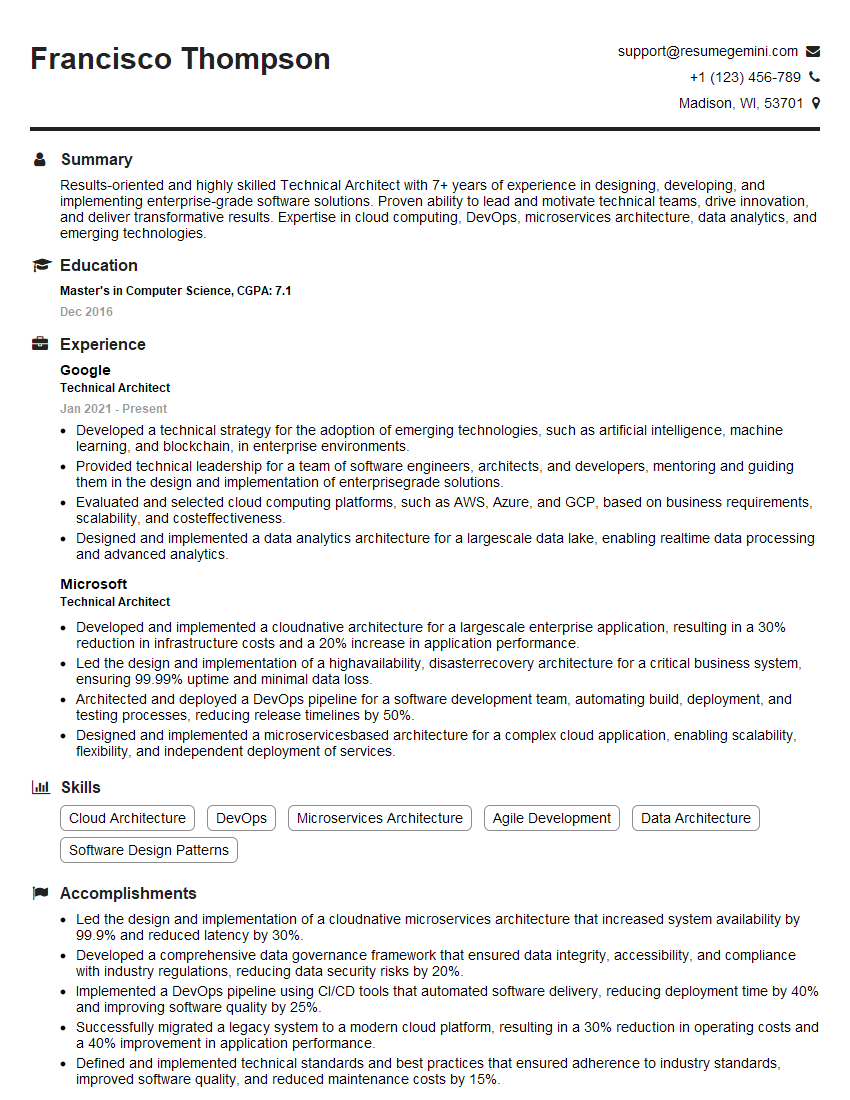
Technical Architect Resume Sample
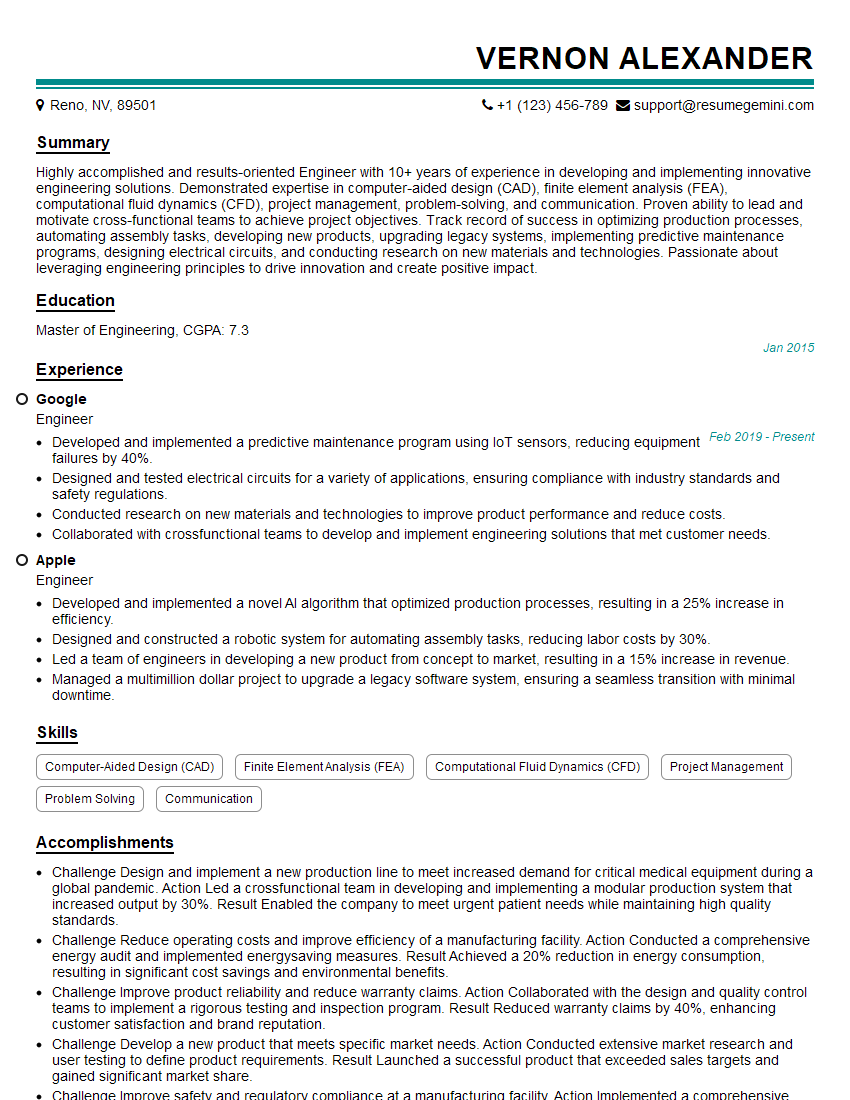
Engineer Resume Sample
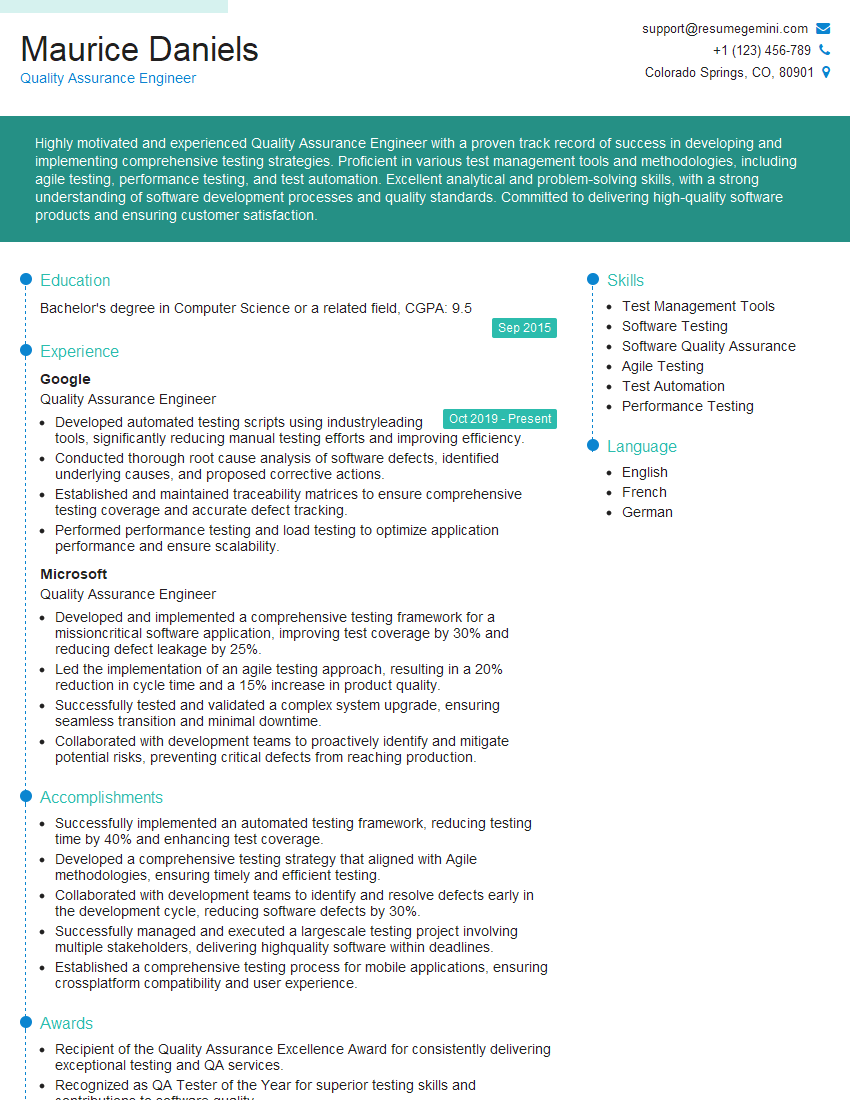
Quality Assurance Engineer Resume Sample
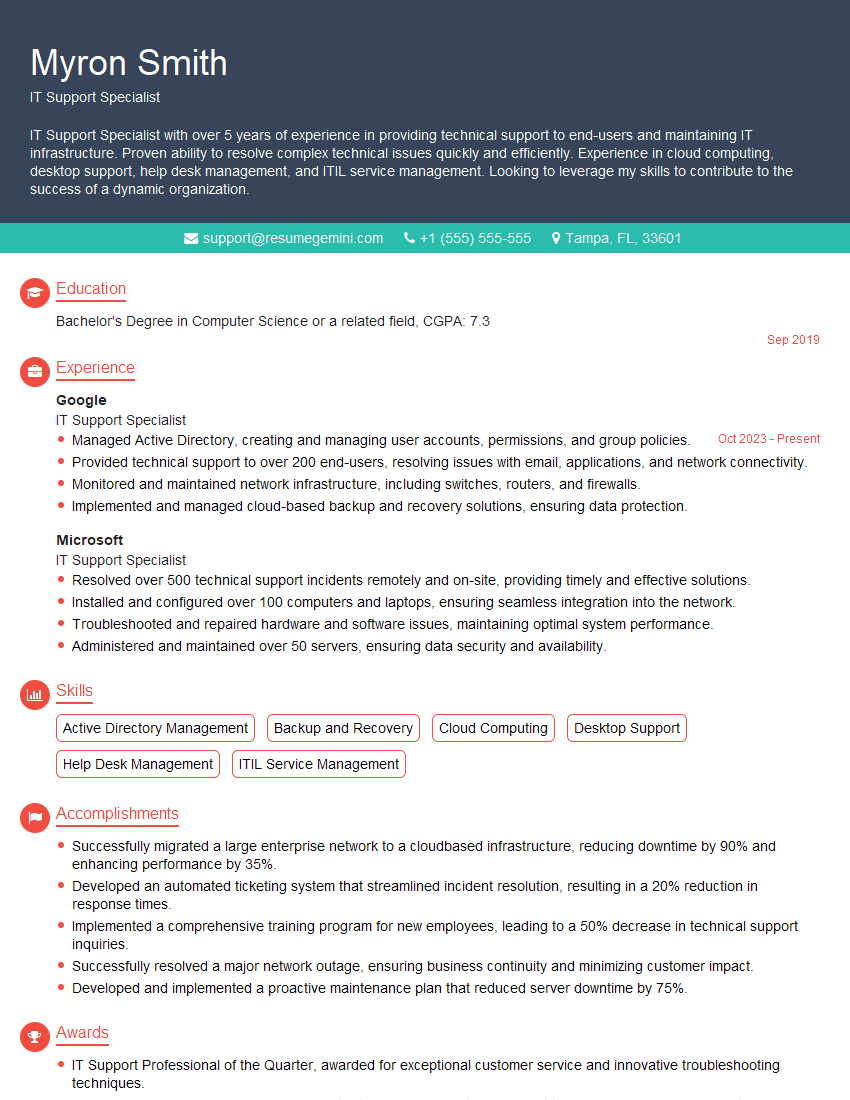
IT Support Specialist Resume Sample
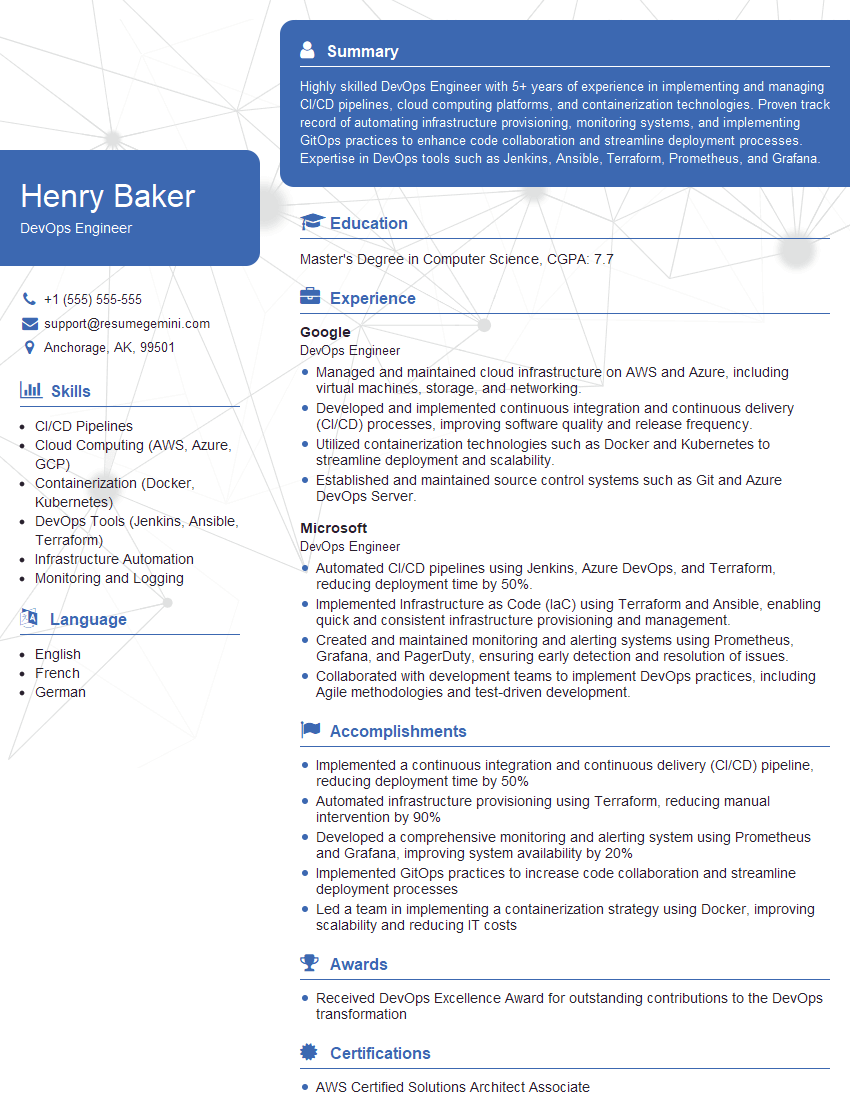
DevOps Engineer Resume Sample
- Strategic Planner
- Operations Manager
- Product Manager
- Project Manager
- Risk Manager
- Supply Chain Analyst
- Business Analyst
- Management Consultant
- Market Research Analyst
- Financial Analyst
- Analyst
- Data Scientist
- Research Scientist
- Software Engineer
- Systems Analyst
- Technical Architect
- Engineer
- Quality Assurance Engineer
- IT Support Specialist
- DevOps Engineer
Explore more articles
Users Rating of Our Blogs
Share Your Experience
We value your feedback! Please rate our content and share your thoughts (optional).
What Readers Say About Our Blog
Very informative content, great job.
good