Interviews are opportunities to demonstrate your expertise, and this guide is here to help you shine. Explore the essential Ability to provide customer service interview questions that employers frequently ask, paired with strategies for crafting responses that set you apart from the competition.
Questions Asked in Ability to provide customer service Interview
Q 1. Describe your experience handling difficult customer situations.
Handling difficult customer situations requires a calm, empathetic, and solution-oriented approach. It’s about understanding the customer’s perspective, actively listening to their concerns, and working collaboratively to find a resolution. I’ve faced several challenging situations, such as dealing with irate customers due to product defects or service delays. My strategy always involves:
- Active Listening: I let the customer fully express their frustration without interruption, showing genuine empathy through verbal and nonverbal cues (e.g., nodding, maintaining eye contact).
- Empathy and Validation: I acknowledge their feelings, even if I don’t agree with their assessment. Phrases like, “I understand your frustration,” or “I can see why you’re upset,” go a long way.
- Taking Ownership: Even if the issue isn’t directly my fault, I take ownership of the situation and commit to finding a solution. This shows accountability and builds trust.
- Problem-Solving: I systematically explore solutions, presenting options and outlining the steps needed to resolve the issue. This might involve offering a refund, replacement, or an alternative solution.
- Following Up: After resolving the issue, I always follow up to ensure the customer is satisfied and to prevent future issues. A simple email or phone call can make a significant difference.
For example, once a customer was extremely angry about a delayed delivery. Instead of getting defensive, I apologized for the inconvenience, explained the reason for the delay (unforeseen circumstances with the shipping company), and offered expedited shipping with a discount on their next purchase. This approach calmed them down and ultimately resulted in a positive outcome.
Q 2. How do you prioritize competing customer requests?
Prioritizing competing customer requests requires a well-defined system. I typically use a combination of urgency, impact, and customer importance to determine the order of tasks.
- Urgency: Requests requiring immediate attention, like system outages or critical errors, take precedence.
- Impact: Requests that significantly impact a large number of customers or pose a major risk are prioritized higher.
- Customer Importance: Requests from high-value customers or those with established relationships might receive preferential treatment, depending on the urgency and impact.
I use a ticketing system to manage and track these requests, allowing me to visually prioritize and assign levels of urgency. I also communicate with customers about expected response times based on the prioritization system. Transparency builds trust and manages expectations.
Q 3. Explain your approach to resolving customer complaints effectively.
My approach to resolving customer complaints effectively focuses on understanding the root cause, providing a timely and appropriate solution, and preventing future occurrences. This involves:
- Thorough Understanding: I actively listen to the customer’s complaint, asking clarifying questions to gain a complete picture of the issue.
- Empathetic Response: I acknowledge the customer’s feelings and express empathy for their situation.
- Investigation: I investigate the root cause of the complaint, gathering necessary information and involving other teams if needed.
- Solution Proposal: I present a clear and feasible solution, explaining the rationale behind the proposed action.
- Implementation and Follow-up: I implement the chosen solution and follow up with the customer to ensure satisfaction and address any lingering concerns.
- Preventative Measures: After resolving the complaint, I analyze what caused the problem and work to prevent similar issues from arising in the future. This may include process improvements, training, or product updates.
For instance, if a customer complains about a faulty product, I would first gather information about the defect, then initiate a replacement or repair process. Following the resolution, I’d provide feedback to the quality control team to identify and fix the underlying manufacturing issue.
Q 4. What strategies do you use to de-escalate angry customers?
De-escalating angry customers requires patience, understanding, and skilled communication. My strategies involve:
- Active Listening and Empathy: I let the customer vent their frustrations without interruption, showing I understand their anger.
- Validation and Apology: I validate their feelings, even if I don’t agree with the way they’re expressing them, and offer a sincere apology for the inconvenience caused.
- Calm and Respectful Tone: I maintain a calm and respectful tone, avoiding defensiveness or arguments.
- Control the Conversation: I gently redirect the conversation towards finding a solution, focusing on the facts and avoiding emotional escalation.
- Offer Options and Solutions: I present clear options and solutions to resolve the issue, giving the customer a sense of control.
- Maintain Professionalism: Even under pressure, I maintain a professional demeanor, avoiding personal attacks or emotional responses.
Imagine a customer yelling about a billing error. I’d start by saying something like, “I understand your frustration, and I sincerely apologize for the error in your billing. Let’s work together to fix this.”
Q 5. How do you manage your time effectively when handling multiple customer inquiries?
Managing my time effectively when handling multiple customer inquiries involves organization and prioritization. I utilize several techniques:
- Ticketing System: I use a ticketing system to organize and track all incoming inquiries, allowing me to prioritize based on urgency and importance.
- Time Blocking: I allocate specific time blocks for addressing different types of inquiries or customers.
- Prioritization Matrix: I use a prioritization matrix (like Eisenhower Matrix) to categorize tasks based on urgency and importance, ensuring critical tasks are addressed first.
- Batch Processing: I group similar tasks together, such as answering emails or making phone calls, to improve efficiency.
- Delegation: Where appropriate, I delegate tasks to other team members to alleviate workload.
- Setting Boundaries: I set clear boundaries to avoid being overwhelmed, such as scheduling breaks and sticking to working hours.
This structured approach allows me to respond efficiently and provide timely service to all customers without feeling overwhelmed.
Q 6. How do you adapt your communication style to different customer personalities?
Adapting my communication style to different customer personalities is crucial for effective customer service. I focus on active listening to identify the customer’s communication style and adjust my approach accordingly.
- Direct and Concise: For customers who are direct and prefer efficient solutions, I provide clear, concise information and avoid unnecessary details.
- Empathetic and Patient: For customers who are hesitant or emotionally invested, I offer empathy and patience, taking the time to build rapport and fully understand their concerns.
- Formal and Professional: For clients or business customers, I use a formal and professional tone, ensuring all communication reflects professionalism.
- Informal and Friendly: For regular customers or those who prefer a more casual approach, I can adopt a friendlier and more informal tone, making the interaction more comfortable.
- Visual Aids: For customers who prefer visual information, I may use diagrams or charts to illustrate solutions.
This flexibility ensures that my communication style resonates with the customer and enhances their overall experience.
Q 7. Describe a time you went above and beyond for a customer.
I once went above and beyond for a customer who was experiencing a significant issue with a critical software component. The issue was complex and technically challenging, and the customer was under immense pressure to meet a tight deadline.
While it was outside my typical responsibilities, I stayed late several evenings and worked through the weekend, collaborating with our engineering team to troubleshoot the problem and provide a workaround solution. This ultimately prevented a major disruption for the customer’s business and preserved a strong professional relationship. The customer expressed immense gratitude for my dedication and extra effort, and the experience solidified our business relationship. It reinforced the importance of going the extra mile for customer satisfaction and highlighted the positive impact that exceeding expectations can have.
Q 8. How do you handle customer feedback, both positive and negative?
Handling customer feedback, whether positive or negative, is crucial for continuous improvement and customer satisfaction. Positive feedback should be acknowledged and celebrated, while negative feedback presents an opportunity for growth.
Positive Feedback: I always express sincere gratitude for positive feedback. For example, if a customer compliments a specific feature or my assistance, I thank them and let them know their feedback is valued. I might also share their positive comment with my team to boost morale and highlight successful interactions.
Negative Feedback: With negative feedback, I employ active listening, empathize with the customer’s frustration, and avoid becoming defensive. I aim to understand the root cause of their dissatisfaction. For instance, if a customer complains about a delayed delivery, I’d apologize, explain the reasons for the delay (if possible), and offer a solution, such as a discount or expedited shipping. I always document the interaction thoroughly (as described in the next answer) and follow up to ensure the issue is resolved to the customer’s satisfaction. I also use negative feedback to identify areas where we can improve our processes or products.
Q 9. What is your process for documenting customer interactions?
Documenting customer interactions is vital for maintaining accurate records, tracking issues, and ensuring consistent service. I use a structured approach, employing a CRM (Customer Relationship Management) system, which helps store all interactions in a centralized database.
My process involves:
- Recording Details: I note down the customer’s name, contact information, the date and time of the interaction, the nature of their inquiry or complaint, and the steps I took to resolve the issue.
- Using CRM System: I meticulously record every interaction within the CRM, ensuring accuracy and completeness. This allows for easy retrieval of information and helps maintain a comprehensive history of customer interactions.
- Summarizing the Interaction: After each interaction, I create a concise summary that captures the key points, including the outcome and any follow-up actions required.
- Adding Internal Notes: I might add internal notes to the record, including additional context, observations, or actions taken internally to address the issue. For instance, I might note which department needs to be contacted to solve a particular problem.
This thorough documentation allows me, and other colleagues, to effectively follow-up on outstanding issues and ensures a consistent and high level of customer service.
Q 10. How do you stay informed about company products or services?
Staying informed about company products and services is crucial for providing effective customer service. I utilize various methods to maintain my knowledge base:
- Regular Training: I actively participate in all company training sessions and product updates. This ensures I am familiar with the latest features, changes and improvements.
- Internal Documentation: I regularly consult our internal knowledge base, wikis, and product manuals. This resource is crucial for understanding our services in detail.
- Product Usage: I utilize our products and services personally where applicable to gain hands-on experience and understand them from a customer’s perspective.
- Collaboration with Colleagues: I actively engage with colleagues from different departments to broaden my understanding of various aspects of the business and our offerings. This creates a network of support and shared knowledge.
By using this multi-faceted approach I can guarantee I’m always up-to-date on our products and services and equipped to answer customer queries effectively.
Q 11. How do you handle customer inquiries that fall outside your area of expertise?
When a customer inquiry falls outside my area of expertise, I handle it professionally and efficiently. I prioritize ensuring the customer receives the correct assistance. My process involves:
- Acknowledging the Inquiry: I first thank the customer for contacting us and let them know I’m working to get them the right assistance.
- Identifying the Appropriate Department or Person: I determine the department or individual best equipped to handle the query. This might involve checking internal directories or contacting colleagues for guidance.
- Transferring the Inquiry (if appropriate): If a transfer is necessary, I ensure a smooth handoff, providing the relevant person with all necessary information about the customer and their inquiry.
- Following Up (if needed): After the transfer, I might follow up with the customer to verify their issue was resolved.
This approach guarantees prompt and efficient service, even when the initial query is outside my immediate knowledge domain. The key is to never leave the customer feeling abandoned.
Q 12. Describe your experience using customer relationship management (CRM) systems.
I have extensive experience using various CRM systems, including Salesforce and HubSpot. My experience encompasses data entry, query generation, report creation and leveraging CRM functionalities to enhance customer interactions. I understand how to effectively utilize the systems to track customer interactions, manage leads, and streamline communication. For example, in Salesforce, I’m proficient in using features like case management to track customer issues from initiation to resolution, and leveraging reporting features to identify trends and areas for improvement in customer service.
My proficiency in these systems allows me to efficiently manage customer data, access crucial information quickly, and contribute to a cohesive and well-organized customer service approach. I am confident in my ability to adapt quickly to new CRM systems as needed.
Q 13. How do you measure your success in providing customer service?
Measuring my success in customer service goes beyond simple metrics. While metrics like customer satisfaction (CSAT) scores, resolution times, and first-call resolution rates are important, I also consider qualitative factors. I measure success through:
- Customer Satisfaction Scores (CSAT): High CSAT scores indicate customers are happy with the service received.
- Resolution Time: Efficiently resolving issues quickly demonstrates competence and efficiency.
- First-Call Resolution Rate: Resolving issues on the first contact minimizes customer frustration and improves overall efficiency.
- Positive Customer Feedback: Verbal praise and written testimonials show a direct impact on customer perception.
- Reduced Customer Churn: Building strong relationships contributes to customer loyalty and reduces churn.
A holistic approach, combining quantitative and qualitative measures, offers a complete picture of my performance and allows for continuous improvement.
Q 14. What are your strengths and weaknesses in providing customer service?
Strengths: My greatest strengths are my patience, empathy, and problem-solving skills. I remain calm under pressure, effectively manage challenging situations, and adapt my communication style to meet individual customer needs. My strong listening skills enable me to accurately understand customer concerns and provide tailored solutions. I am also highly organized and detail-oriented, ensuring that every interaction is documented thoroughly.
Weaknesses: While I strive for perfection, I am occasionally challenged by handling multiple complex issues concurrently. To mitigate this, I prioritize tasks based on urgency and utilize time management techniques like task lists and prioritization matrices. I’m actively working on improving my ability to delegate effectively when workload becomes overwhelming. I also actively seek feedback to continuously improve my performance.
Q 15. How do you maintain a positive attitude even during stressful customer interactions?
Maintaining a positive attitude during stressful customer interactions is crucial for effective customer service. It’s about managing your own emotional response and projecting a calm, helpful demeanor, even when facing frustration. My approach involves several key strategies:
- Deep breaths and mindfulness: Before responding, I take a moment to breathe deeply and center myself. This helps to regulate my emotions and prevents impulsive reactions.
- Empathy and active listening: I actively listen to the customer’s concerns, acknowledging their feelings and perspective. This shows I care and helps de-escalate the situation. A simple phrase like, “I understand your frustration,” can go a long way.
- Positive self-talk: I remind myself that the customer’s frustration isn’t directed at me personally, but rather at the situation. Focusing on my ability to help resolve the issue reinforces my positive attitude.
- Focusing on solutions: Instead of dwelling on the problem, I shift my focus toward finding practical solutions. This proactive approach keeps me engaged and positive.
For example, if a customer is upset about a delayed shipment, instead of getting defensive, I would apologize for the inconvenience, explain the reason for the delay, and offer a solution, such as expedited shipping or a discount.
Career Expert Tips:
- Ace those interviews! Prepare effectively by reviewing the Top 50 Most Common Interview Questions on ResumeGemini.
- Navigate your job search with confidence! Explore a wide range of Career Tips on ResumeGemini. Learn about common challenges and recommendations to overcome them.
- Craft the perfect resume! Master the Art of Resume Writing with ResumeGemini’s guide. Showcase your unique qualifications and achievements effectively.
- Don’t miss out on holiday savings! Build your dream resume with ResumeGemini’s ATS optimized templates.
Q 16. How do you handle situations where a customer is unreasonable or abusive?
Handling unreasonable or abusive customers requires a calm and professional approach, prioritizing both the customer’s needs (where possible) and the safety and well-being of myself and my colleagues. My strategy involves:
- Remaining calm and professional: I never resort to matching the customer’s tone or behavior. I remain respectful and speak in a calm, clear voice.
- Active listening and empathy (even if difficult): I listen to understand their perspective, even if it’s unreasonable. Sometimes acknowledging their feelings without agreeing with their actions can help de-escalate the situation.
- Setting clear boundaries: If the behavior becomes abusive or threatening, I will firmly but politely state that I cannot tolerate such treatment. I may offer to transfer the call to a supervisor or manager.
- Documenting the interaction: I meticulously document the interaction, including the customer’s statements and my responses. This documentation protects both the customer and the company.
- Seeking support: If I feel unsafe or overwhelmed, I immediately seek assistance from a supervisor or colleague.
For instance, if a customer is verbally abusive, I might say something like, “I understand you’re upset, but I can’t accept this kind of language. Let’s try to focus on finding a solution.” If the abuse continues, I would transfer the call to a supervisor while maintaining professionalism.
Q 17. What is your preferred method of communication with customers (e.g., phone, email, chat)?
My preferred method of communication depends on the situation and customer preference. While I’m comfortable with all forms of communication, I find that a multi-channel approach often yields the best results.
- Phone: Ideal for complex issues requiring immediate clarification and a more personal touch. The tone of voice and empathy are easily conveyed.
- Email: Best suited for detailed explanations, providing written documentation, or situations requiring time for a thoughtful response. It allows for a well-structured and easily referable record.
- Chat: Efficient for quick questions, providing immediate support, and handling multiple requests simultaneously. This is particularly useful for frequently asked questions or basic troubleshooting.
My strategy is to determine the most appropriate method based on the customer’s need and the complexity of the issue. If a customer prefers a specific method, I will always try to accommodate them.
Q 18. How do you proactively identify and address potential customer issues?
Proactive identification and addressing of potential customer issues is key to preventing problems before they escalate. This involves:
- Regular data analysis: Analyzing customer feedback, surveys, and support tickets to identify recurring issues or trends.
- Monitoring social media: Actively monitoring social media platforms to detect potential issues or negative sentiment before they become widespread.
- Regular product/service review: Staying updated on product performance, anticipating potential problems, and suggesting improvements.
- Proactive communication: Using email, newsletters, or website updates to inform customers about potential issues or planned maintenance.
For example, if I notice a recurring complaint about a specific product feature, I would bring it to the attention of the relevant team to explore potential solutions or improvements.
Q 19. Describe a time you had to make a difficult decision regarding customer service.
In a previous role, I had to make a difficult decision regarding a customer who had received a damaged product. The company’s policy stated that refunds were only issued with a return of the damaged item. However, the customer claimed that he had already disposed of the packaging and was unable to return it. He was understandably frustrated.
After carefully considering the situation and consulting with my supervisor, I decided to issue a full refund, departing from the strict company policy. This was based on the fact that the customer’s frustration was genuine, and while he should have followed procedure, enforcing the return policy rigidly in this circumstance would damage the customer relationship further.
The outcome was positive. The customer was grateful for the flexibility and understanding. While deviating from standard procedure, it was ultimately more beneficial to customer satisfaction and brand reputation. It reinforced my belief in finding equitable resolutions that prioritize customer relationships.
Q 20. How do you ensure customer satisfaction and loyalty?
Ensuring customer satisfaction and loyalty requires a multi-faceted approach focused on building strong, positive relationships. My key strategies include:
- Providing exceptional service: Going above and beyond to exceed customer expectations in every interaction.
- Personalization: Taking the time to understand individual customer needs and preferences.
- Proactive communication: Regularly communicating with customers, providing updates, and anticipating their needs.
- Effective feedback mechanisms: Encouraging customer feedback and acting on it to improve products and services.
- Loyalty programs: Implementing loyalty programs to reward repeat customers and foster long-term relationships.
- Consistent brand experience: Ensuring a consistent and positive brand experience across all channels and touchpoints.
For example, remembering a customer’s name and past interactions can create a more personalized and positive experience, making them feel valued and appreciated.
Q 21. What are your strategies for resolving customer issues quickly and efficiently?
Resolving customer issues quickly and efficiently requires a structured and systematic approach. My strategies include:
- Active listening and needs assessment: Quickly identifying the core issue by actively listening to the customer and asking clarifying questions.
- Knowledge base access: Leveraging readily available resources and knowledge bases to quickly find solutions and answers.
- Escalation procedures: Knowing when and how to escalate issues to appropriate teams or supervisors for faster resolution.
- Follow-up and feedback: Following up with the customer to ensure the issue is completely resolved and seeking feedback to improve future service.
- Efficient communication: Using clear, concise, and easily understood language to avoid confusion.
For example, if I encounter a technical issue I can’t resolve immediately, I’ll escalate the case to the technical support team while keeping the customer informed of the progress and estimated time for resolution.
Q 22. How do you handle situations where you need to escalate a customer issue?
Escalating a customer issue is a crucial part of providing excellent service. It’s about recognizing when a problem is beyond your immediate ability to resolve and ensuring the customer receives the appropriate level of support. My approach involves a structured process:
- Assessment: I first thoroughly assess the issue, documenting all relevant details—the customer’s complaint, steps already taken, and any potential solutions attempted. This ensures a clear understanding when handing the issue off.
- Internal Communication: I inform my supervisor or the appropriate team (technical support, management, etc.) using established channels, such as internal ticketing systems or email, providing all the collected information. I clearly explain the urgency and impact on the customer.
- Keeping the Customer Informed: I keep the customer updated every step of the way, setting realistic expectations regarding resolution time and explaining who will be handling the issue. Transparency is key to maintaining trust.
- Follow-up: Once the issue is resolved, I follow up with the customer to ensure their satisfaction and to gather feedback on the resolution process. This helps improve our escalation process for the future.
For example, if a customer’s technical problem requires specialized software knowledge that I lack, I’ll promptly escalate it to our technical team, keeping the customer informed every step of the way.
Q 23. How familiar are you with different customer service metrics (e.g., CSAT, NPS)?
I’m very familiar with various customer service metrics. They are essential for measuring the effectiveness of our customer service strategies and identifying areas for improvement. Here are some key metrics I frequently work with:
- Customer Satisfaction (CSAT): This measures how satisfied customers are with their overall experience. A high CSAT score indicates positive interactions. We typically use surveys to collect this data.
- Net Promoter Score (NPS): This metric gauges customer loyalty by asking how likely they are to recommend our company to others. It helps identify brand advocates and areas needing improvement.
- Average Handling Time (AHT): This measures the average time spent resolving a customer issue. A lower AHT indicates efficiency, but it’s important to balance efficiency with customer satisfaction.
- First Call Resolution (FCR): This tracks the percentage of issues resolved on the first contact. Higher FCR rates indicate effective problem-solving and efficient service.
- Customer Effort Score (CES): This measures how much effort a customer had to expend to resolve their issue. Lower scores indicate a smoother, easier process.
Understanding these metrics allows me to contribute to data-driven improvements in our customer service processes. For example, by analyzing low CSAT scores, we can identify problematic areas in our service and take corrective action.
Q 24. Describe your experience working in a team-oriented customer service environment.
I thrive in team-oriented customer service environments. In my previous role at [Previous Company Name], we worked collaboratively using a shared ticketing system and regular team meetings. This fostered a strong sense of camaraderie and support.
We regularly shared best practices, helping each other resolve complex issues and learn from one another’s experiences. This collaborative environment reduced stress, increased efficiency, and improved overall customer satisfaction. For instance, if a colleague was struggling with a particularly challenging customer, we would support each other by offering suggestions, sharing knowledge, or even taking over the interaction if needed. This collaborative spirit leads to better outcomes for both the team and the customers.
Q 25. How do you handle situations where a customer is dissatisfied with a product or service?
Handling dissatisfied customers requires empathy, active listening, and a solution-oriented approach. My strategy involves:
- Active Listening: I let the customer fully explain their dissatisfaction without interruption, demonstrating empathy and understanding. I use phrases like, “I understand your frustration,” to show I’m listening.
- Acknowledge and Validate: I acknowledge their feelings and validate their concerns, even if I don’t necessarily agree with their perspective. This shows respect and builds trust.
- Find a Solution: I work collaboratively with the customer to find a solution that addresses their concerns. This might involve offering a refund, replacement, repair, or a discount. I always explore all options before concluding.
- Follow-up: After resolving the issue, I follow up to ensure the customer is satisfied and to prevent future issues.
For example, if a customer received a damaged product, I would apologize sincerely, offer a replacement or refund, and potentially provide a discount on their next purchase to compensate for the inconvenience. The goal is to turn a negative experience into a positive one and retain the customer.
Q 26. What are your strategies for building rapport with customers?
Building rapport with customers is crucial for positive interactions. My strategies include:
- Personalized Communication: I address customers by name and use a friendly, conversational tone. I try to understand their individual needs and preferences.
- Empathy and Understanding: I show empathy by acknowledging their feelings and perspective. I try to understand their situation from their viewpoint.
- Active Listening: I listen attentively and ask clarifying questions to ensure I fully understand their needs. This demonstrates genuine interest and care.
- Positive Body Language: If communicating in person or via video, maintaining positive body language (smiling, making eye contact) enhances the connection.
- Professionalism: Maintaining a professional and courteous demeanor throughout the interaction fosters trust and respect.
For instance, if I know a customer is calling about a recurring issue, I might proactively apologize for the repeated inconvenience before even addressing their problem. This sets a positive tone for the interaction.
Q 27. How do you utilize technology to improve the customer experience?
Technology plays a significant role in enhancing the customer experience. I utilize various technologies to improve efficiency and satisfaction:
- CRM Systems (e.g., Salesforce, Zendesk): These systems provide a centralized repository of customer information, allowing for personalized interactions and efficient issue resolution. They also enable efficient tracking of interactions and resolution times.
- Live Chat and Messaging Platforms: These tools allow for immediate support and quick responses to customer inquiries, increasing convenience and satisfaction. They also help provide support across different channels.
- Knowledge Base and Self-Service Portals: These resources empower customers to find solutions independently, reducing wait times and improving overall efficiency. This also allows us to direct customers to the appropriate resource if they are able to self-serve.
- Automated Systems (e.g., IVR, Chatbots): These systems can handle routine tasks and provide initial support, freeing up human agents to focus on more complex issues.
For example, using a CRM system allows me to access a customer’s history quickly, allowing me to personalize their experience and address their needs effectively.
Q 28. How would you handle a situation where a customer is spreading negative information about the company?
Addressing negative information spread about the company requires a strategic and sensitive approach. My approach would include:
- Identify and Assess: I’d first identify the platform where the negative information is being spread (e.g., social media, review sites) and assess the severity and reach of the comments.
- Respond Empathetically: I’d respond publicly with empathy and a willingness to address the concerns raised. Acknowledging the customer’s feelings and validating their experience is crucial.
- Offer a Solution: I’d offer a private solution to the customer, potentially inviting them to discuss the issue directly. This demonstrates a proactive effort to resolve the issue and restore trust.
- Monitor and Track: I’d monitor the situation closely, responding to further comments or concerns as they arise. I would track the response and make sure the negative information is appropriately addressed.
- Internal Communication: I would communicate the issue internally to relevant teams, such as PR or marketing, to develop a wider strategy for addressing the negative publicity.
It’s crucial to avoid defensive or confrontational language. The goal is to demonstrate responsibility and a commitment to resolving the issue, ultimately rebuilding trust and reputation.
Key Topics to Learn for Ability to Provide Customer Service Interviews
- Understanding Customer Needs: Active listening techniques, identifying unspoken needs, and empathetic communication strategies.
- Effective Communication: Clear and concise verbal and written communication, adapting communication style to different customer personalities, handling difficult conversations with professionalism and composure.
- Problem-Solving and Conflict Resolution: Identifying the root cause of customer issues, proposing effective solutions, de-escalating conflicts, and finding mutually agreeable outcomes.
- Product Knowledge and Expertise: Demonstrating a thorough understanding of products or services, accurately answering customer questions, and providing relevant information.
- Building Rapport and Trust: Creating positive interactions, showing genuine care and concern for customer needs, and fostering long-term customer relationships.
- Handling Complaints and Feedback: Accepting constructive criticism, addressing customer complaints professionally and efficiently, converting negative experiences into opportunities for improvement.
- Technology and Tools: Familiarity with relevant CRM systems, ticketing systems, and other customer service tools.
- Teamwork and Collaboration: Working effectively with colleagues to resolve customer issues and provide excellent service.
Next Steps
Mastering the ability to provide exceptional customer service is paramount for career advancement in almost any field. It demonstrates crucial soft skills highly valued by employers, leading to increased job opportunities and higher earning potential. To significantly boost your job prospects, creating an ATS-friendly resume is essential. This ensures your application gets noticed and considered by hiring managers. We highly recommend using ResumeGemini to build a professional and impactful resume. ResumeGemini provides a user-friendly platform and offers examples of resumes tailored to highlight your customer service abilities, helping you present yourself effectively to potential employers.
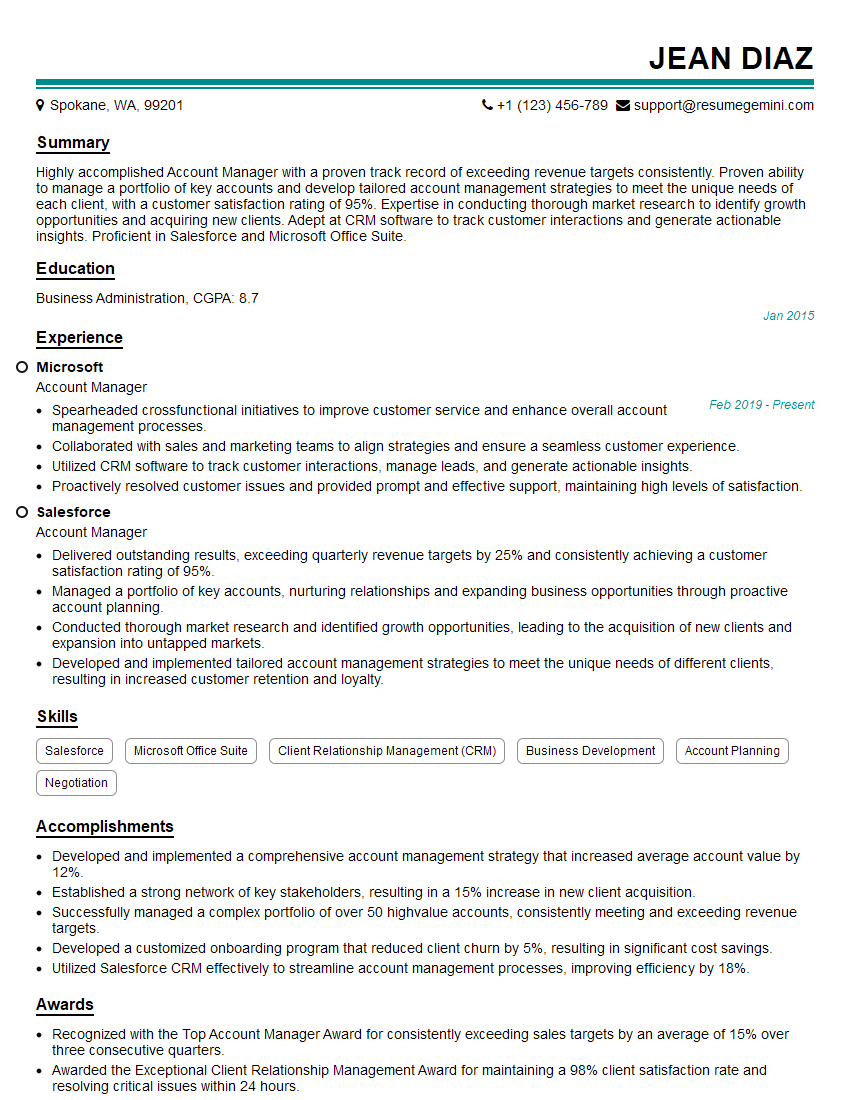
Account Manager Resume Sample

Customer Service Manager Resume Sample
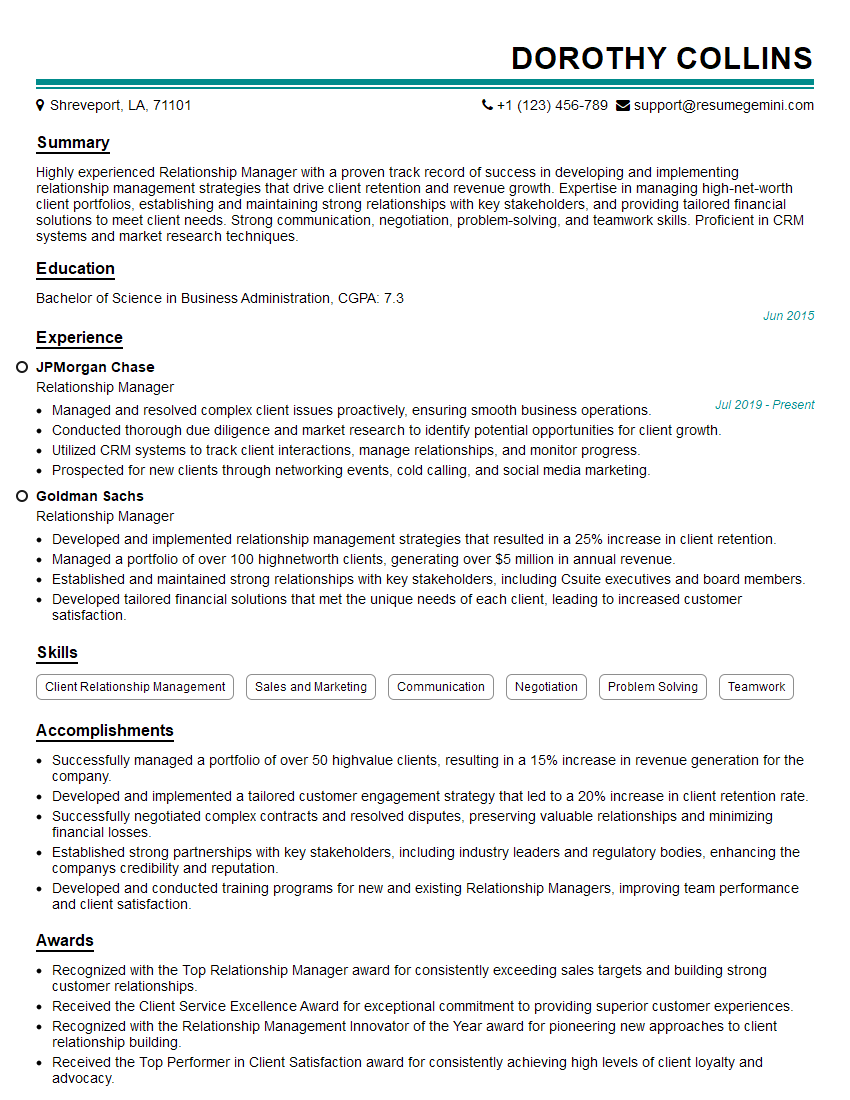
Relationship Manager Resume Sample
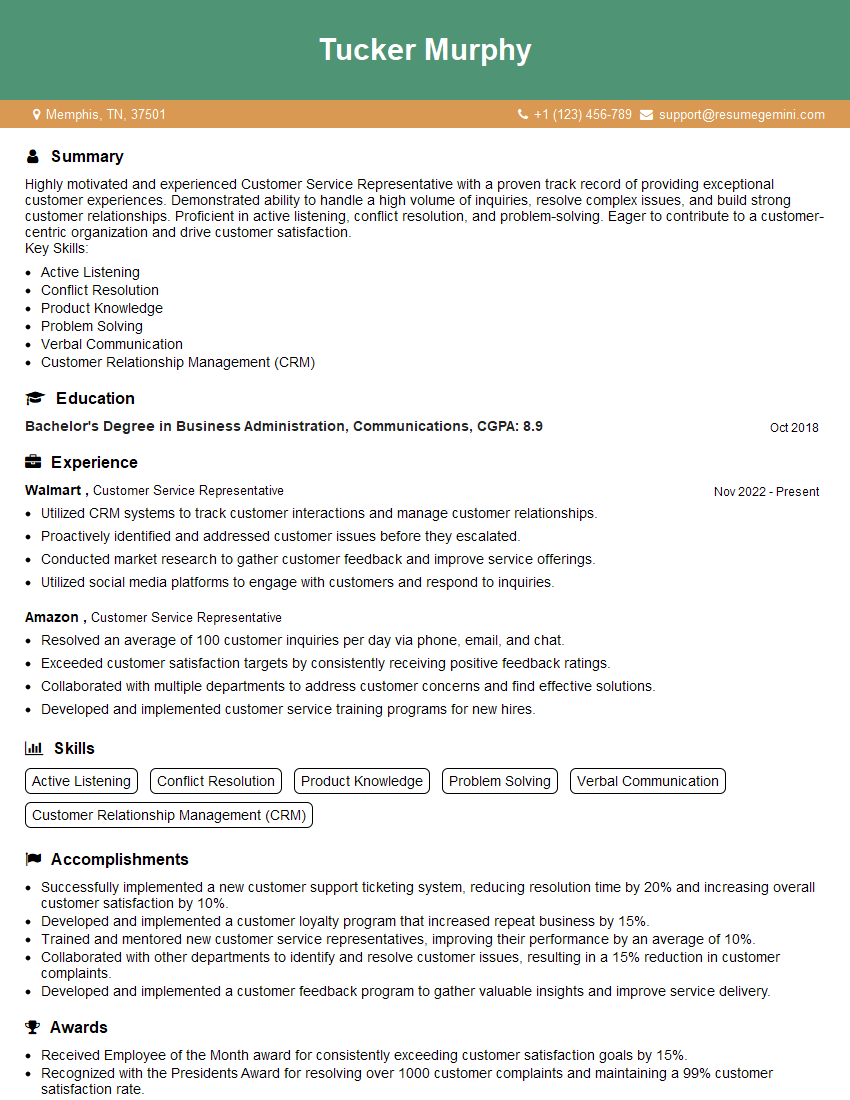
Customer Service Representative Resume Sample
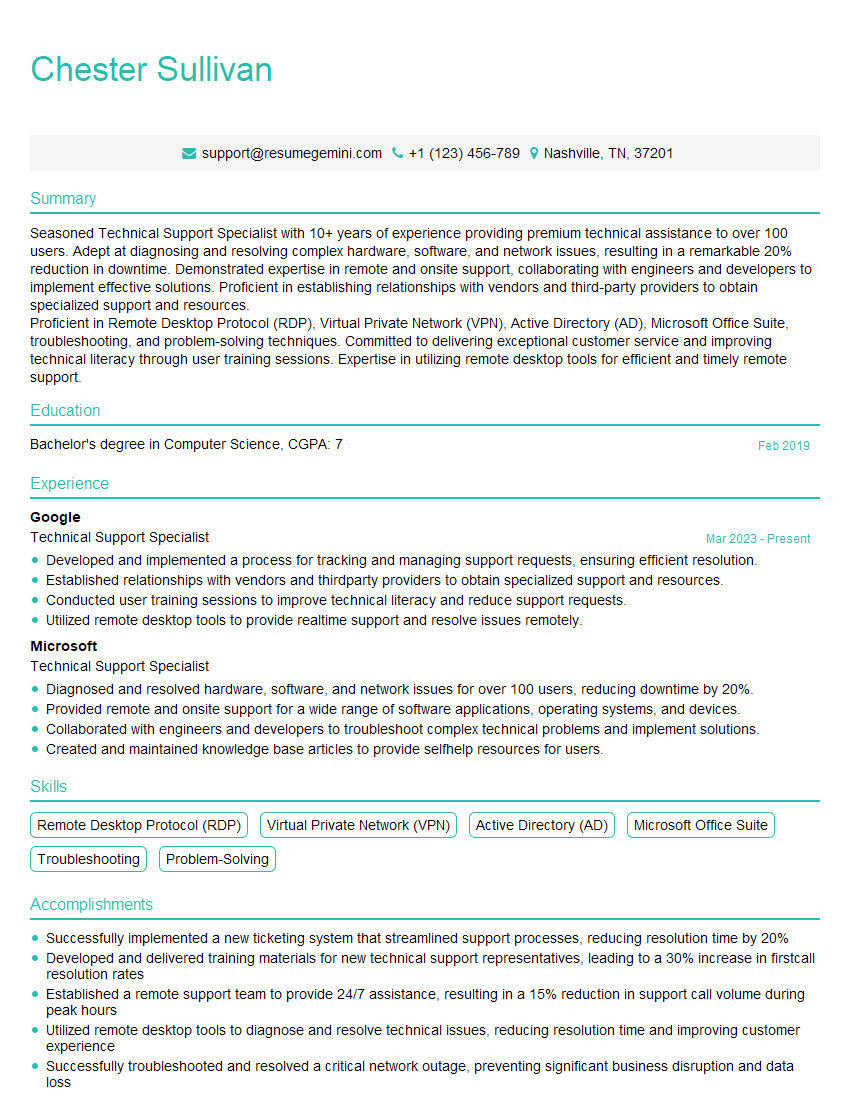
Technical Support Specialist Resume Sample
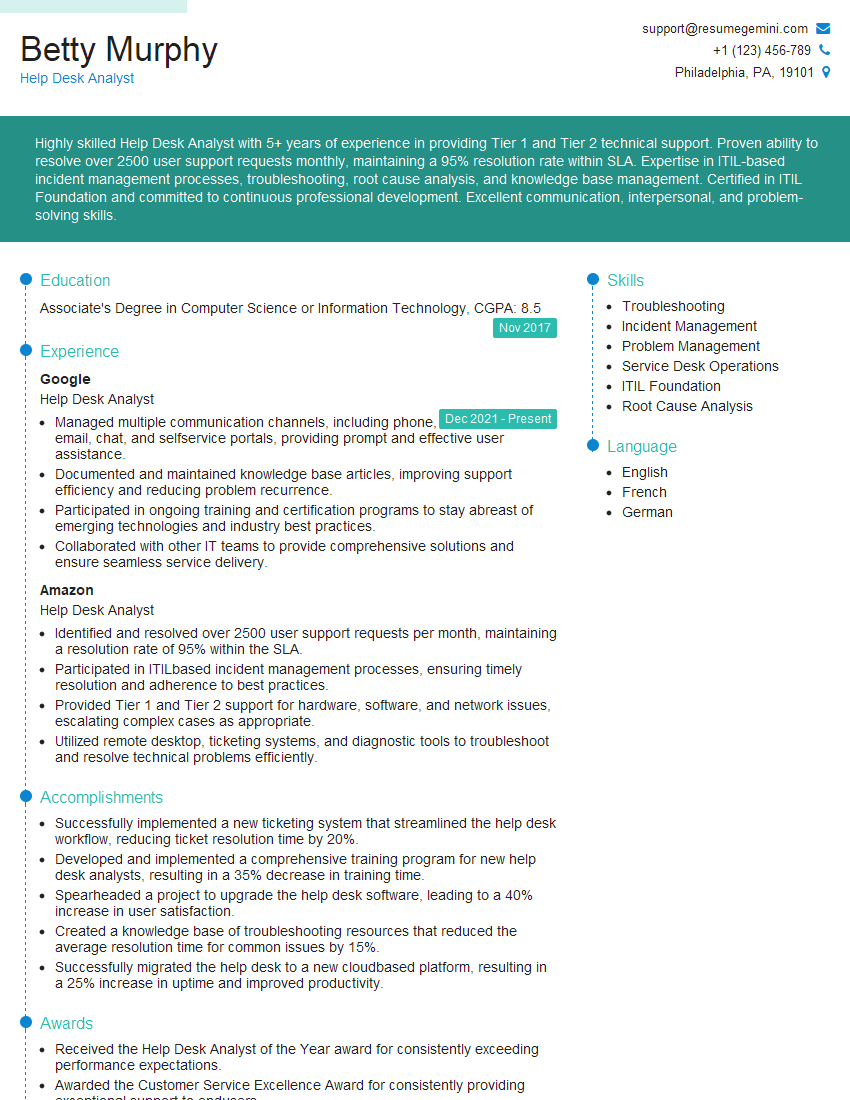
Help Desk Analyst Resume Sample
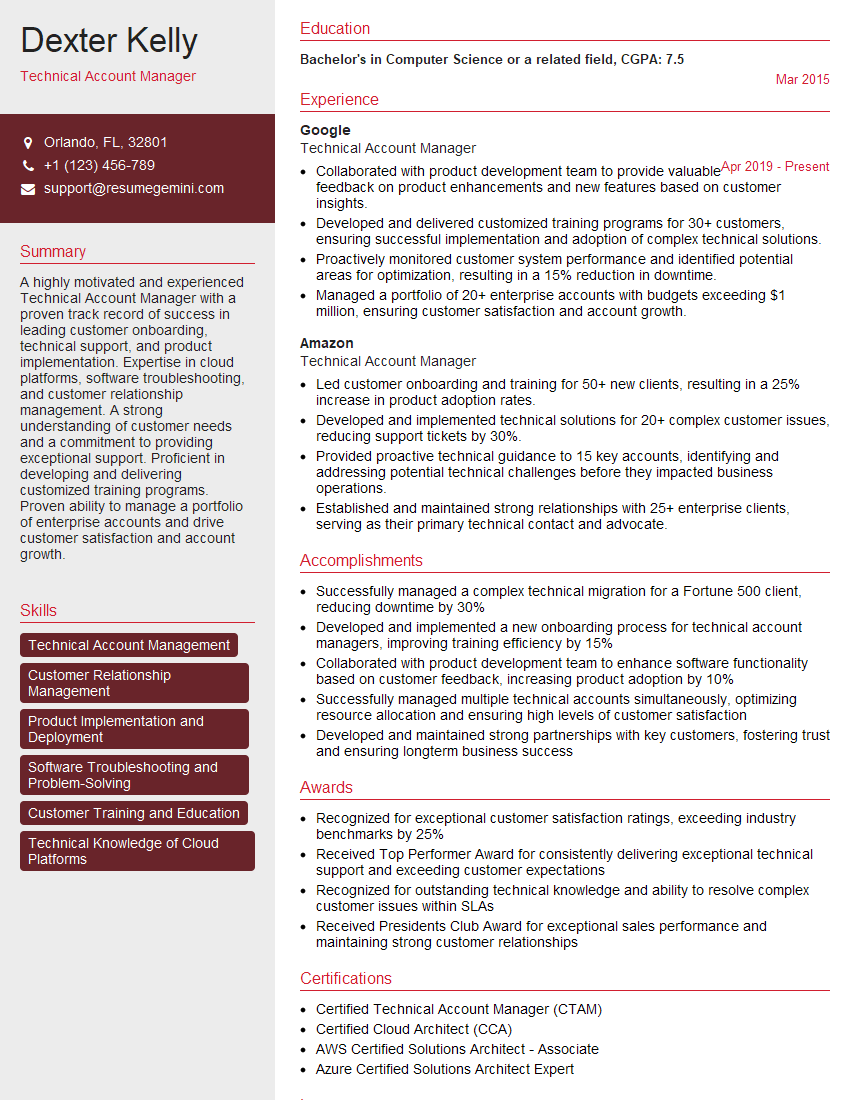
Technical Account Manager Resume Sample
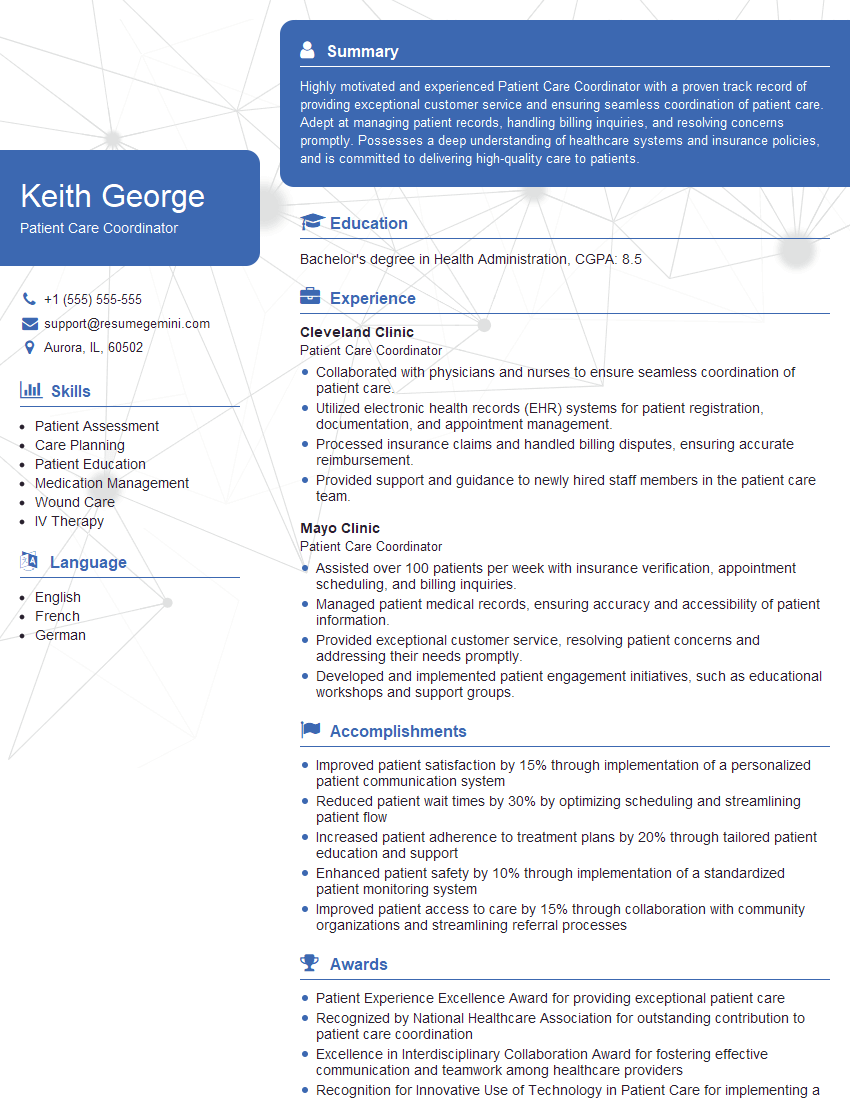
Patient Care Coordinator Resume Sample
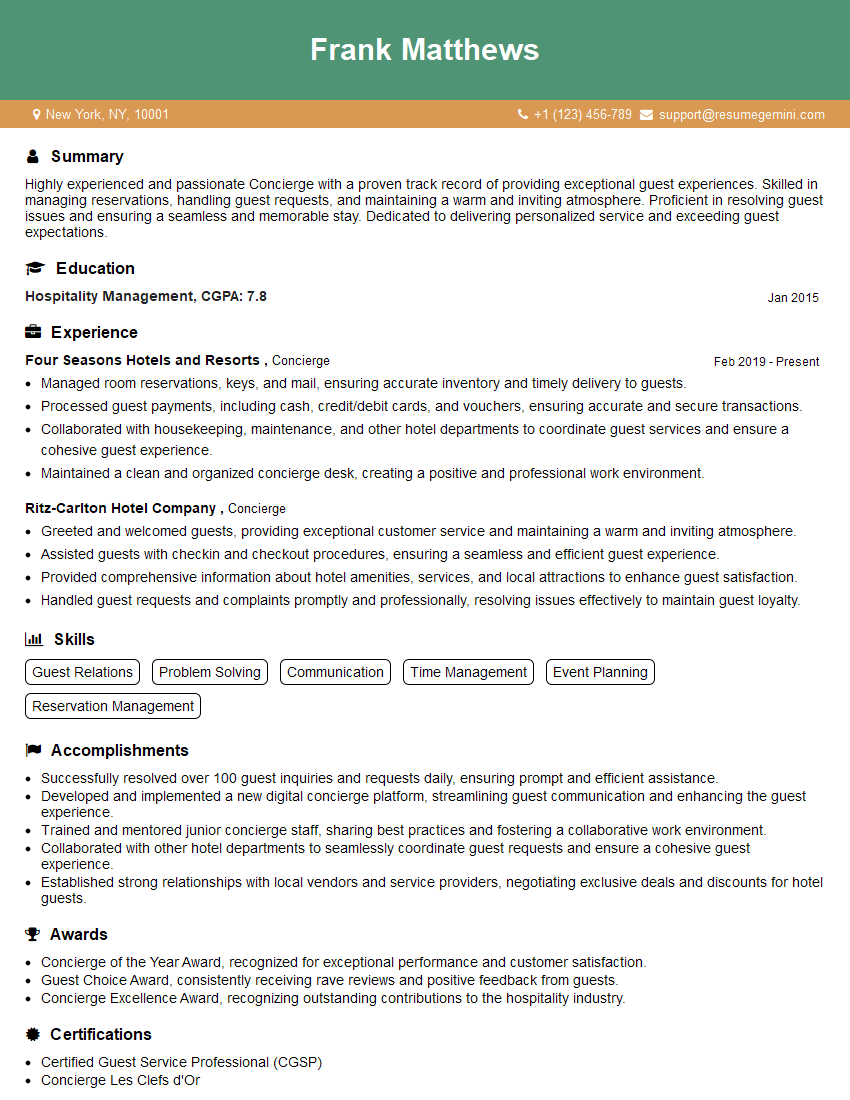
Concierge Resume Sample
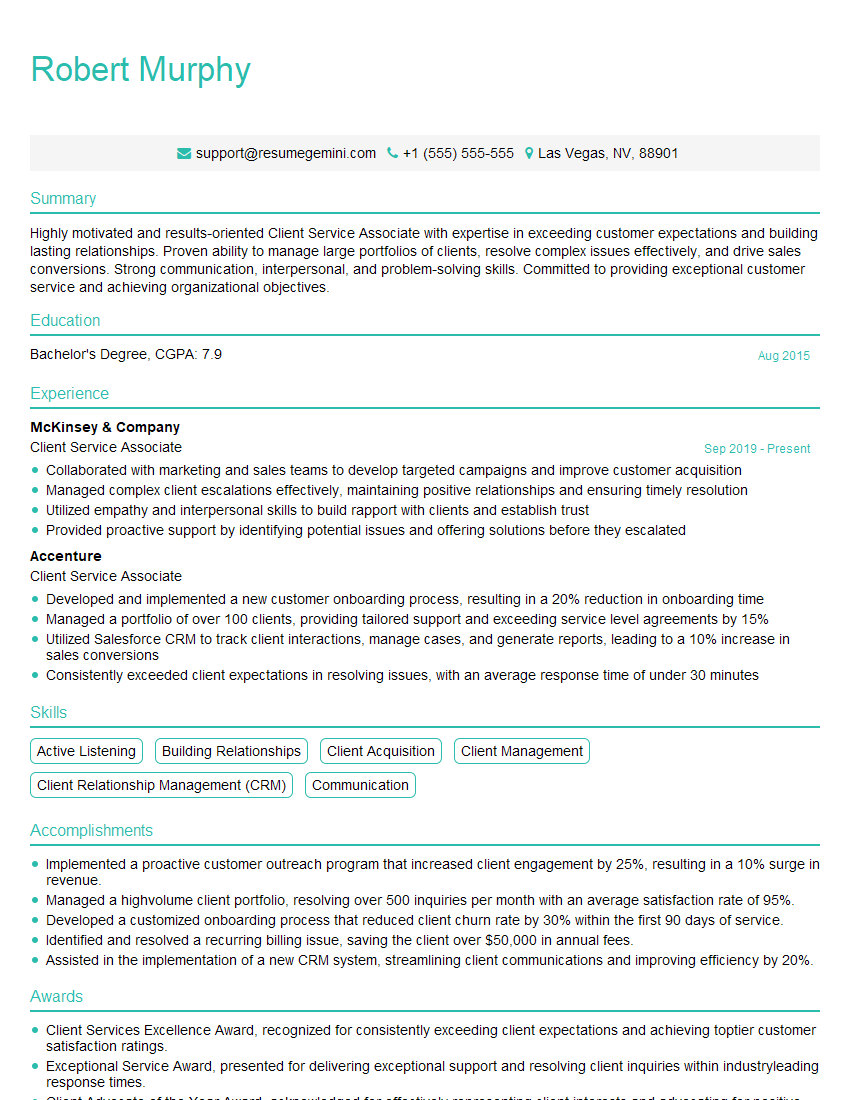
Client Service Associate Resume Sample
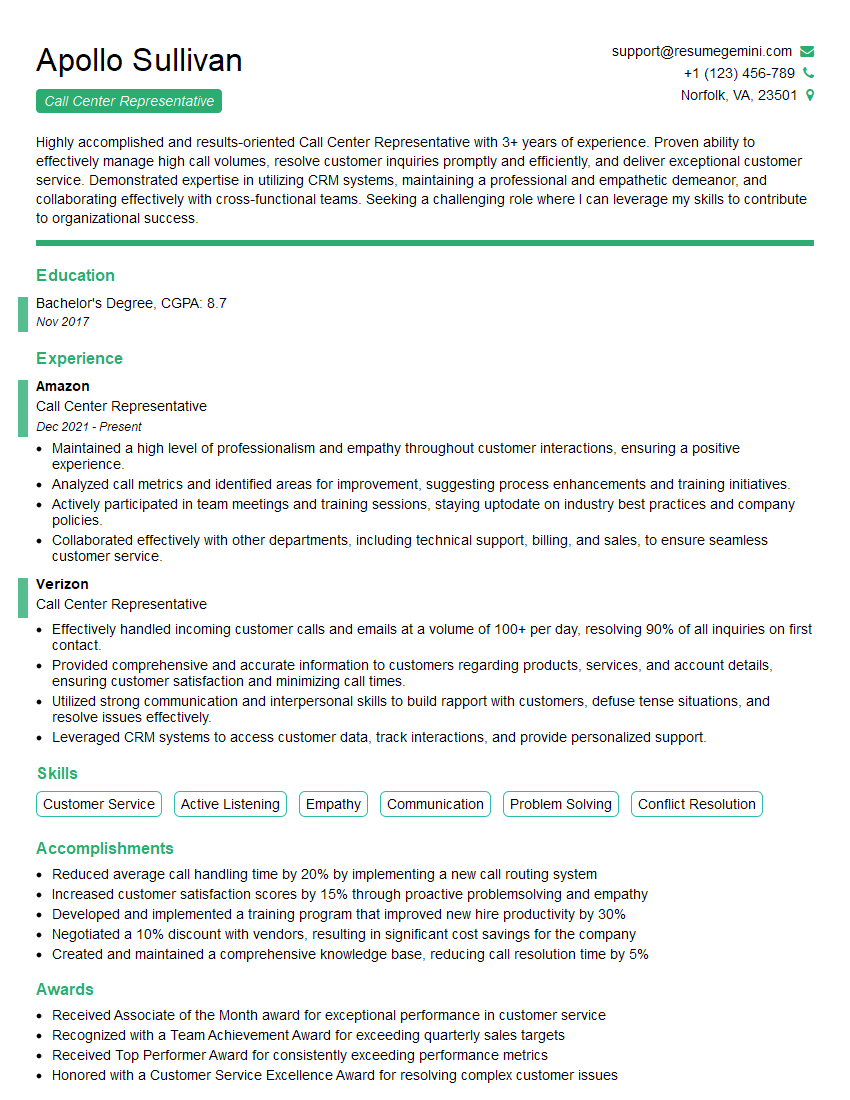
Call Center Representative Resume Sample
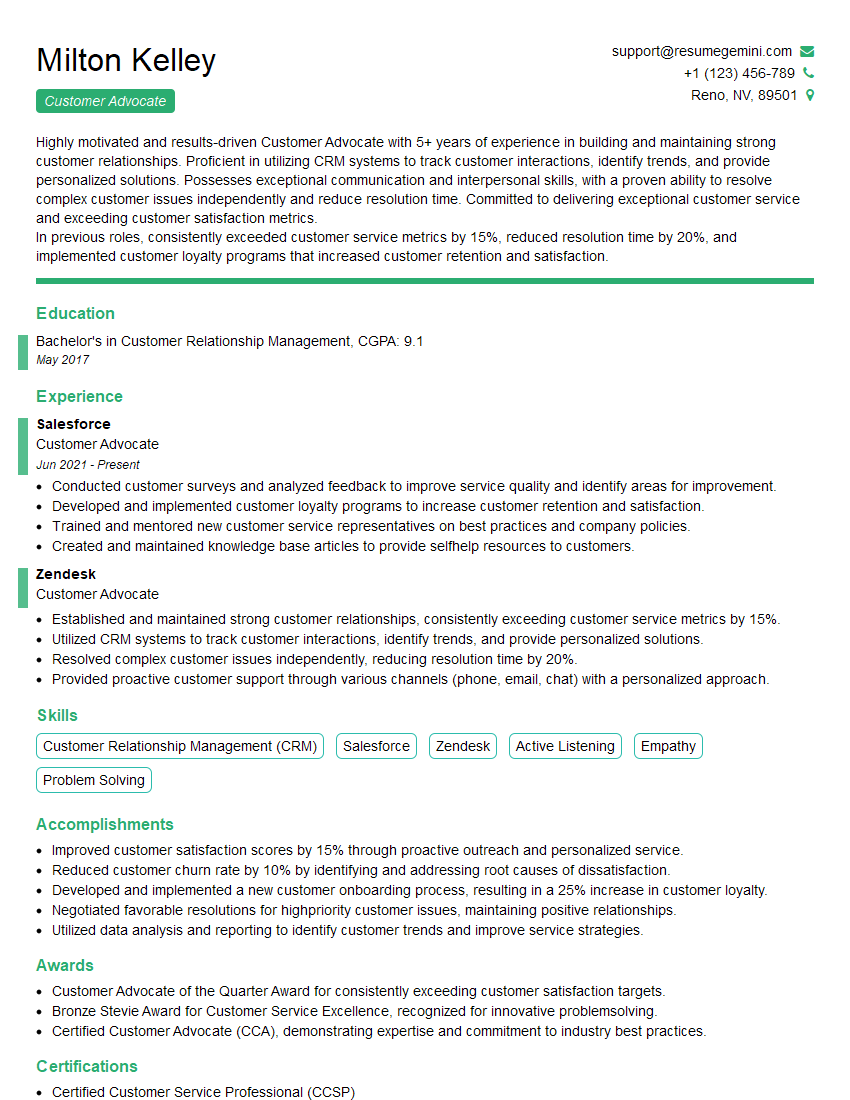
Customer Advocate Resume Sample
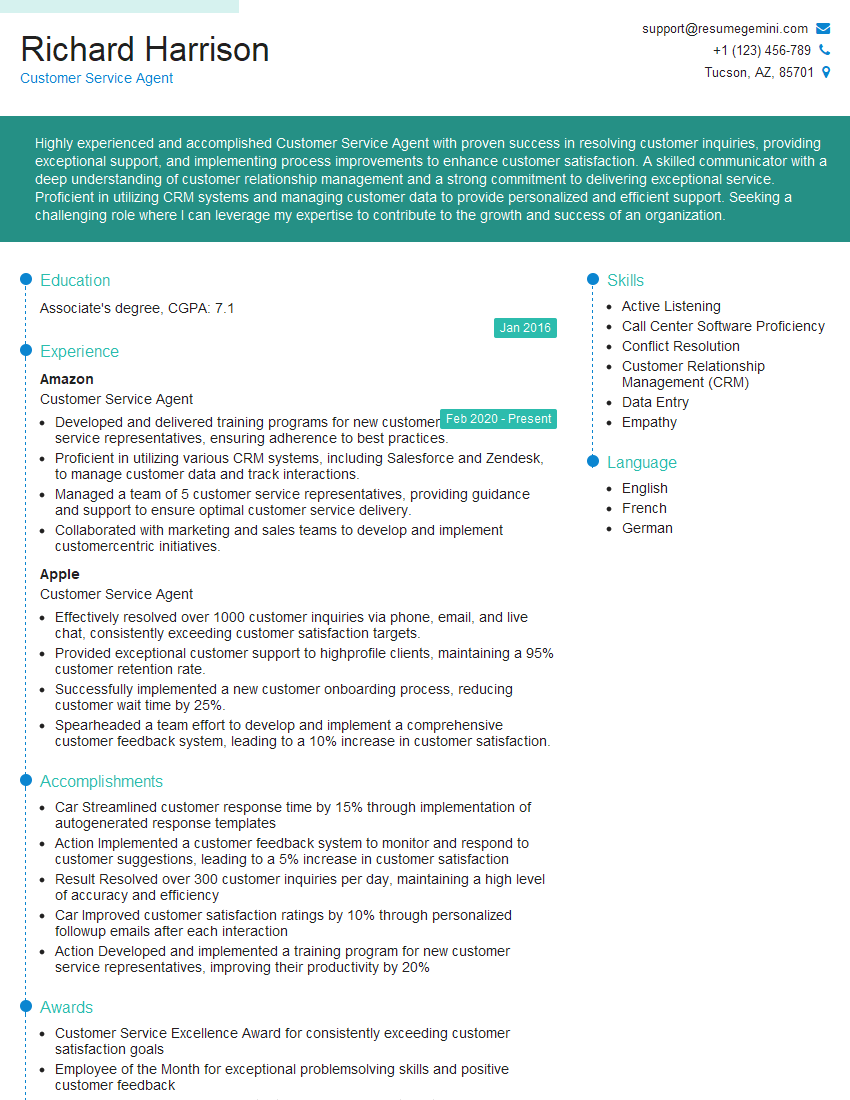
Customer Service Agent Resume Sample
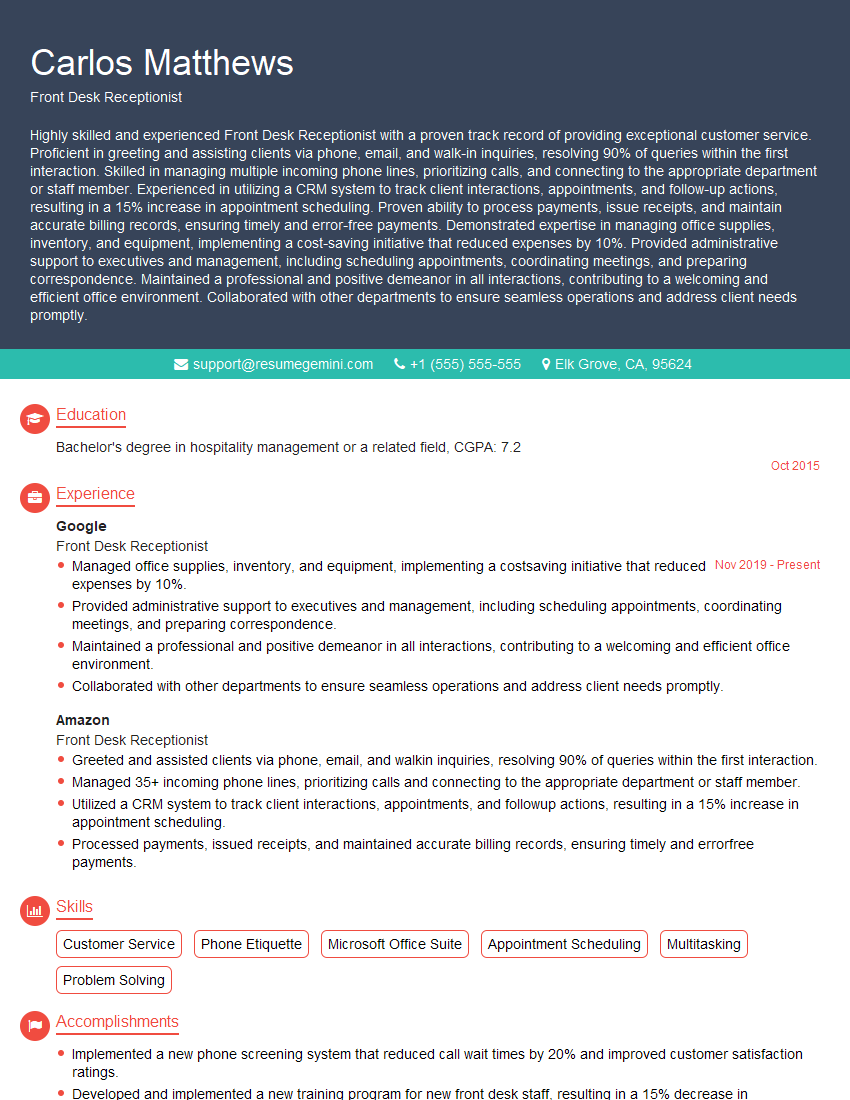
Front Desk Receptionist Resume Sample
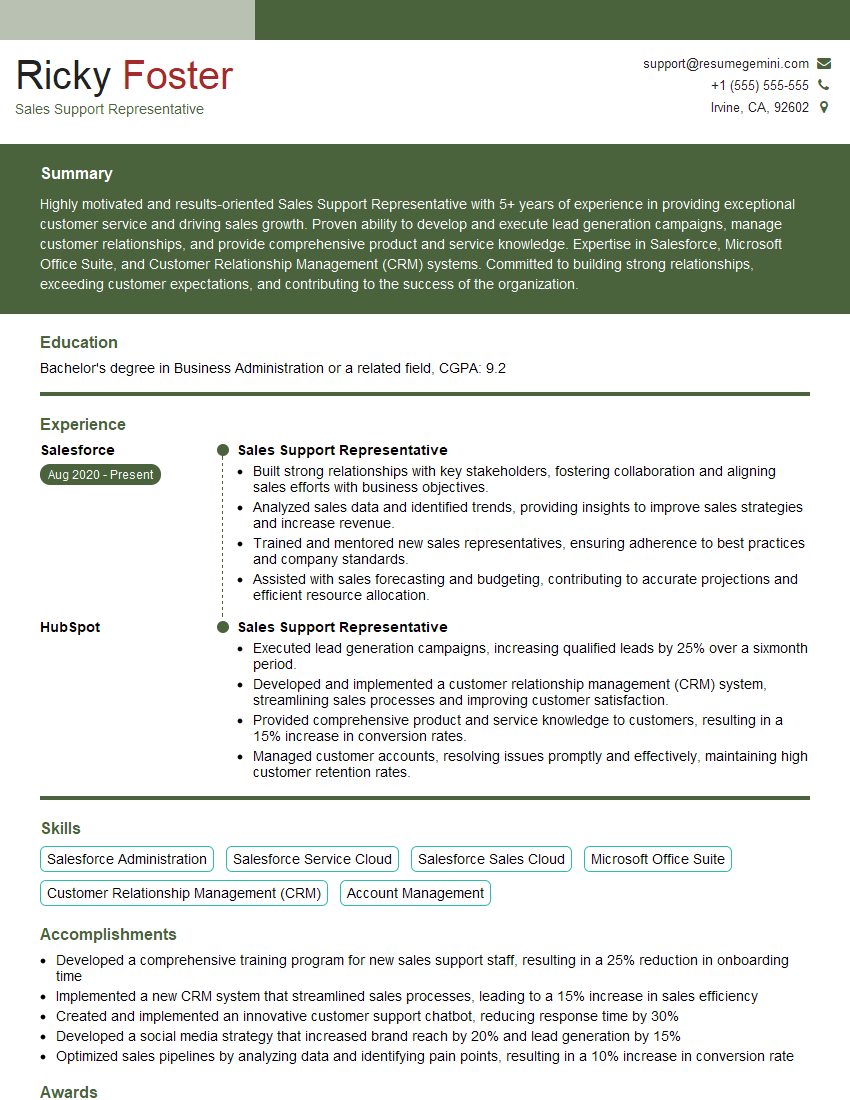
Sales Support Representative Resume Sample
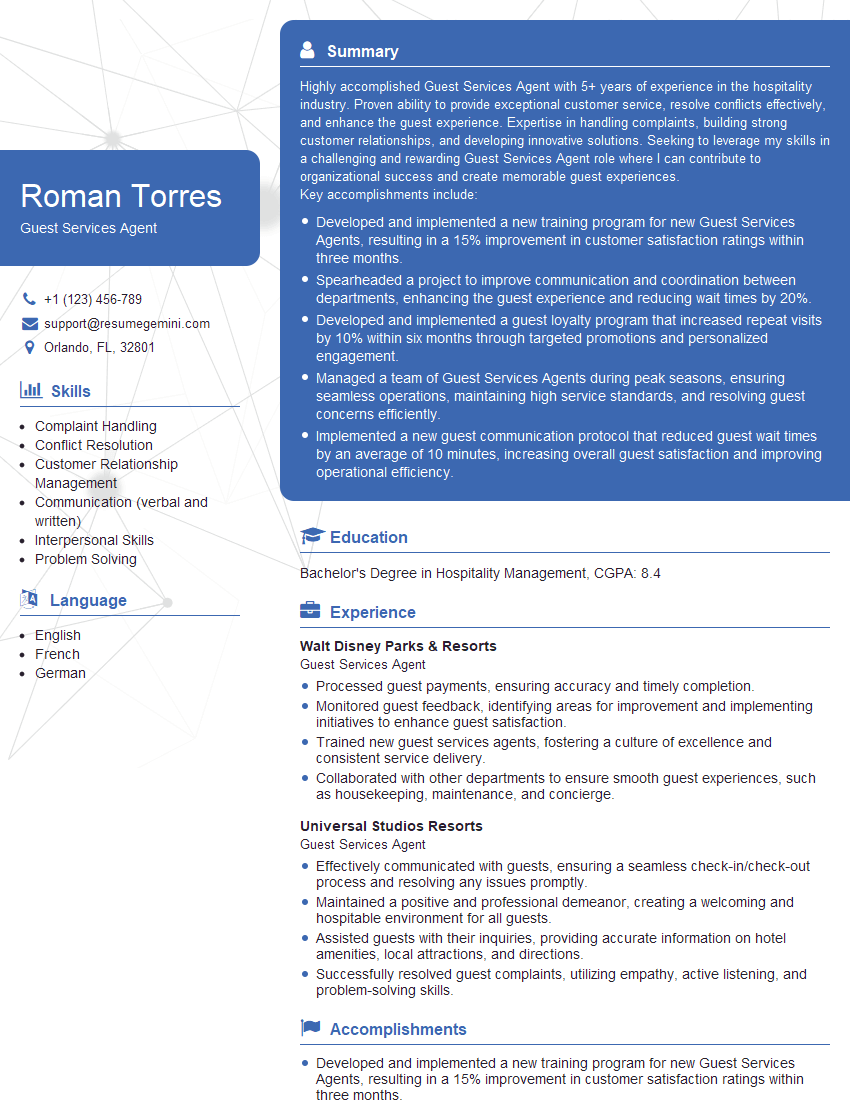
Guest Services Agent Resume Sample
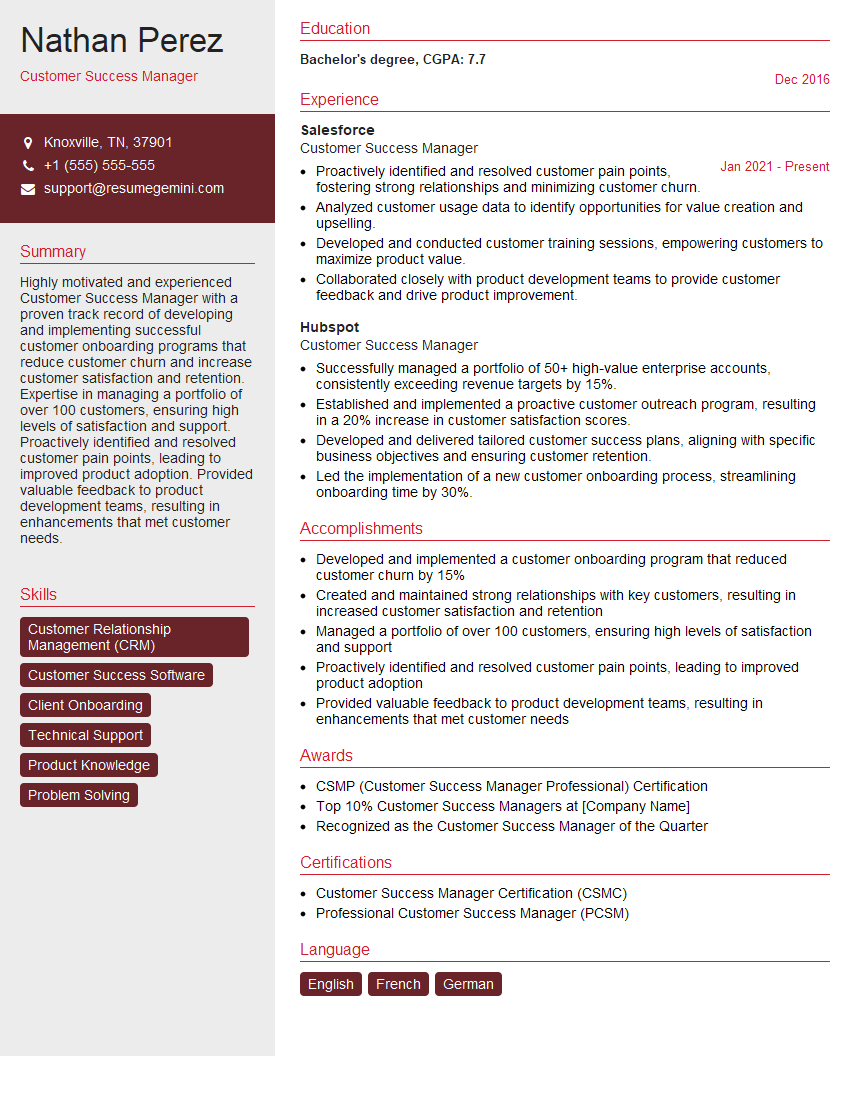
Customer Success Manager Resume Sample
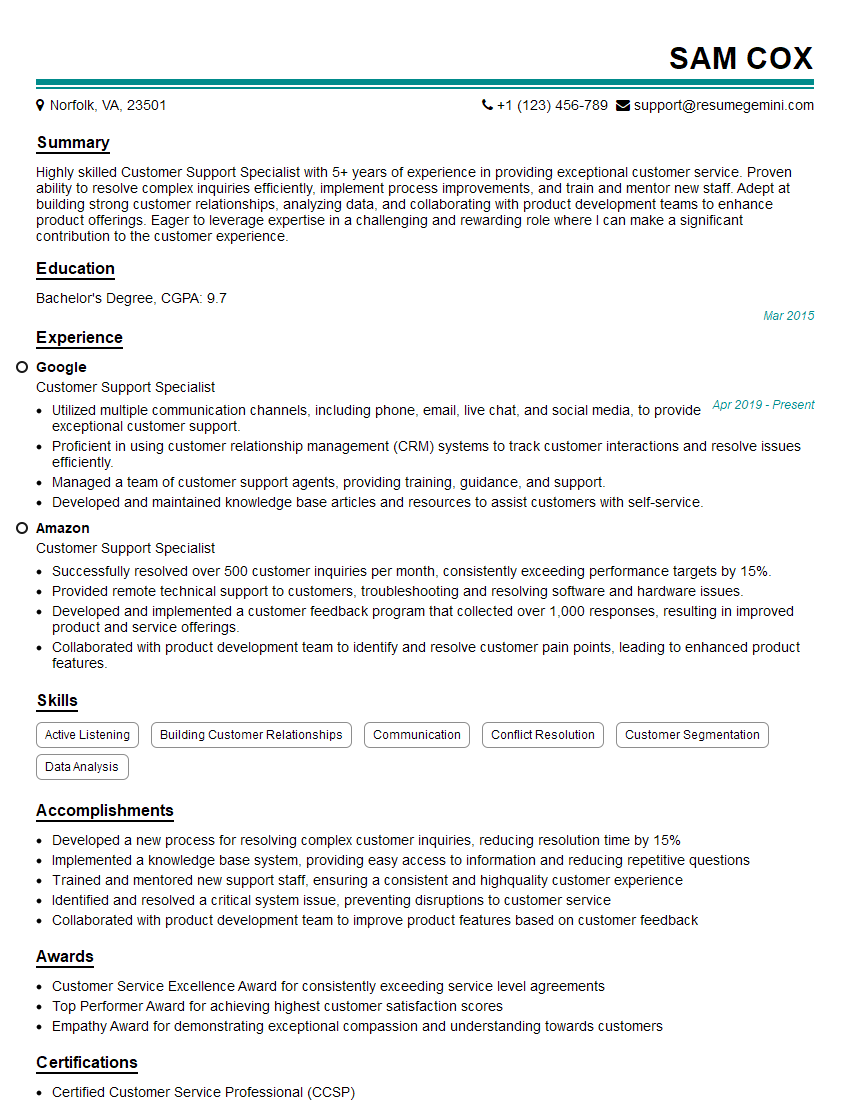
Customer Support Specialist Resume Sample
- Account Manager
- Customer Service Manager
- Relationship Manager
- Customer Service Representative
- Technical Support Specialist
- Help Desk Analyst
- Technical Account Manager
- Patient Care Coordinator
- Concierge
- Client Service Associate
- Call Center Representative
- Customer Advocate
- Customer Service Agent
- Front Desk Receptionist
- Sales Support Representative
- Guest Services Agent
- Customer Success Manager
- Customer Support Specialist
Explore more articles
Users Rating of Our Blogs
Share Your Experience
We value your feedback! Please rate our content and share your thoughts (optional).
What Readers Say About Our Blog
good