The thought of an interview can be nerve-wracking, but the right preparation can make all the difference. Explore this comprehensive guide to Ability to Represent and Promote an Organization interview questions and gain the confidence you need to showcase your abilities and secure the role.
Questions Asked in Ability to Represent and Promote an Organization Interview
Q 1. Describe your experience developing and executing a successful marketing campaign.
Developing and executing a successful marketing campaign involves a strategic, multi-step process. It begins with a deep understanding of your target audience, your organization’s unique selling proposition (USP), and the overall marketing goals. For instance, in my previous role at [Organization Name], we launched a campaign to increase brand awareness for a new software product.
- Phase 1: Research and Planning: We conducted thorough market research to identify our target demographic, their needs, and their preferred communication channels. This included surveys, focus groups, and competitor analysis.
- Phase 2: Strategy Development: Based on our research, we developed a comprehensive marketing strategy encompassing digital marketing (SEO, SEM, social media), content marketing (blog posts, white papers, infographics), and email marketing. We defined key performance indicators (KPIs) like website traffic, lead generation, and conversion rates.
- Phase 3: Campaign Execution: We launched a targeted social media campaign using engaging visuals and compelling storytelling. We also implemented a content marketing strategy focused on providing valuable information to our target audience, driving organic traffic to our website. Our email marketing focused on nurturing leads and driving conversions.
- Phase 4: Monitoring and Optimization: We continuously monitored the campaign’s performance, tracking our KPIs using analytics tools like Google Analytics. We made adjustments to the strategy based on the data gathered, ensuring we remained agile and responsive to changing market dynamics. For example, we noticed a higher conversion rate through Instagram compared to Facebook, so we reallocated our budget accordingly.
This multi-phased approach resulted in a significant increase in brand awareness (measured by social media engagement and website traffic) and a substantial rise in qualified leads, ultimately exceeding our initial targets.
Q 2. How would you handle a negative media story about your organization?
Handling negative media stories requires a swift, transparent, and empathetic response. The first step is to assess the situation, understanding the nature and scope of the negative coverage. Then, a well-defined crisis communication plan should be activated. This plan should involve:
- Rapid Response: Acknowledge the issue promptly and publicly. A timely response shows accountability and demonstrates that the organization is taking the matter seriously.
- Transparency and Honesty: Provide accurate information, even if it is negative. Avoid defensiveness or obfuscation. Acknowledge any mistakes and express regret where appropriate.
- Empathy and Understanding: Show that the organization cares about the concerns of those affected. This fosters trust and reduces further damage.
- Proactive Communication: Use multiple channels (press releases, social media, website updates) to communicate your response. Control the narrative to the extent possible.
- Long-Term Strategy: After addressing the immediate crisis, focus on rebuilding trust and reputation through consistent positive actions and communication.
For example, if a product defect resulted in negative press, I would immediately issue a statement acknowledging the problem, detailing the steps taken to rectify it, and outlining measures to prevent future occurrences. I would then engage directly with affected customers, offering appropriate compensation and support.
Q 3. Explain your approach to building and maintaining strong client relationships.
Building and maintaining strong client relationships is crucial for long-term success. My approach focuses on providing exceptional value, fostering open communication, and building trust. It’s all about understanding their needs and providing solutions that exceed their expectations.
- Active Listening: I prioritize actively listening to clients’ concerns and needs. This allows me to tailor my communication and services to their specific requirements.
- Proactive Communication: I regularly update clients on project progress, even if there is no significant news. This helps to maintain transparency and build confidence.
- Personalized Service: I aim to create personalized experiences for each client, adapting my approach to their individual preferences and communication styles.
- Relationship Building: I invest time in getting to know my clients, understanding their business goals and aspirations. Building a genuine rapport goes a long way in nurturing a strong business relationship.
- Feedback and Improvement: I regularly solicit feedback from clients to identify areas for improvement. This demonstrates a commitment to continuous improvement and strengthens our partnership.
I believe in viewing clients not just as customers, but as partners in achieving mutual success. For example, I once helped a client navigate a challenging regulatory issue, going beyond the scope of our initial agreement to ensure they achieved a positive outcome. This strengthened our relationship and led to several new projects.
Q 4. How do you measure the success of a public relations initiative?
Measuring the success of a public relations initiative requires a multifaceted approach, going beyond simple metrics. Success is measured by the degree to which the initiative achieves its defined objectives. Key metrics can include:
- Media Coverage: Tracking the volume and tone of media mentions (positive, negative, neutral). This includes the reach of the coverage (number of people exposed to the message).
- Website Traffic and Engagement: Monitoring website visits, bounce rates, time spent on site, and social media interactions related to the initiative.
- Brand Awareness and Sentiment: Tracking shifts in brand awareness and public perception using surveys, social listening tools, and market research.
- Lead Generation and Sales: Measuring any increase in leads, sales, or other business outcomes attributable to the PR effort.
- Share of Voice: Analyzing the organization’s share of conversation within its industry, compared to competitors.
For a specific campaign, I might set targets for the number of media placements, increase in social media followers, and a specific percentage increase in website traffic. These targets should align with the overarching PR goals.
Q 5. How would you adapt your communication style to different audiences?
Adapting communication style to different audiences is paramount for effective communication. My approach involves understanding the audience’s needs, values, and preferred communication channels. For example:
- Formal vs. Informal: When communicating with senior executives, I use a formal, professional tone, employing precise language and avoiding jargon. When addressing a younger audience on social media, I might use a more informal and engaging style, incorporating visuals and relevant memes.
- Technical vs. Layman’s Terms: For technical audiences, I can use specialized terminology and delve into the intricacies of a subject. For non-technical audiences, I would simplify the language, using clear analogies and avoiding complex technical jargon.
- Channel Selection: I choose appropriate communication channels based on the audience. For example, a press release would target journalists, while social media would target a broader, more diverse audience. Email might be ideal for more detailed information or private communication.
I aim to make my communication clear, concise, and relevant to the audience, adapting my tone and style to ensure the message resonates.
Q 6. Describe a time you had to represent your organization at a challenging event. What was the outcome?
At a recent industry conference, our organization faced unexpected criticism regarding a recent product launch. A competitor presented misleading data, casting doubt on our product’s efficacy.
My response involved a three-pronged strategy:
- Immediate Response: During the Q&A session, I calmly addressed the competitor’s claims, presenting factual data and highlighting the flaws in their analysis. I provided tangible evidence supporting our product’s performance and market success.
- Proactive Communication: Following the conference, I prepared a detailed white paper refuting the competitor’s claims and further detailing our product’s capabilities. This document was shared with key stakeholders, including industry analysts and journalists, as well as distributed through our website and social media.
- Long-Term Strategy: We continued to engage in productive dialogue with the press, reinforcing our commitment to transparency and accuracy in all our communications. We strengthened our public profile through sustained engagement with industry influencers.
The outcome was a successful defense of our product’s reputation. The white paper dispelled the misinformation, and media coverage shifted from negative speculation to positive reporting. The incident reinforced our commitment to rigorous data analysis and strategic communication in addressing market challenges.
Q 7. What strategies do you use to build brand awareness and loyalty?
Building brand awareness and loyalty requires a consistent and multi-faceted approach. My strategies revolve around delivering value, creating meaningful experiences, and fostering a strong sense of community.
- Consistent Brand Messaging: Maintaining a clear and consistent brand message across all communication channels ensures brand recognition and reinforces brand values.
- High-Quality Content Marketing: Creating valuable, informative content (blog posts, videos, infographics) establishes thought leadership and attracts potential customers.
- Engaging Social Media Presence: Engaging social media strategies facilitate interactions, brand building, and community creation. Using trending topics and relevant hashtags are vital for boosting visibility.
- Customer Loyalty Programs: Rewarding loyal customers through loyalty programs, exclusive offers, and personalized experiences can increase retention and foster long-term relationships.
- Public Relations and Influencer Marketing: Strategic public relations and collaborations with relevant influencers increase brand visibility and credibility.
- Exceptional Customer Service: Providing excellent customer service creates positive experiences, builds brand trust, and encourages customer advocacy.
For instance, by creating a successful content marketing campaign focusing on thought-leadership articles, we boosted organic traffic to our website, leading to increased brand awareness and a higher volume of qualified leads.
Q 8. How familiar are you with social media platforms and their use in organizational promotion?
My familiarity with social media platforms is extensive. I understand that they are not just channels for broadcasting messages, but rather dynamic ecosystems requiring strategic engagement. I’m proficient in using platforms like Facebook, Instagram, Twitter, LinkedIn, TikTok, and YouTube, tailoring content and strategy to each platform’s unique audience and algorithm. For instance, I’d use LinkedIn for professional networking and B2B marketing, while Instagram is ideal for visually driven campaigns targeting a younger demographic. I’m experienced in utilizing social listening tools to monitor brand mentions, understand customer sentiment, and identify emerging trends. This allows for proactive responses and optimized content creation. Beyond simply posting, I understand the importance of community building, influencer marketing, and paid social media advertising to amplify reach and engagement.
Q 9. How would you identify and target key stakeholders for a new product launch?
Identifying key stakeholders for a new product launch requires a multi-faceted approach. First, we need to define our target audience – their demographics, psychographics, needs, and pain points. Then, we can segment this audience into specific stakeholder groups: early adopters, industry influencers, media outlets, potential investors, and existing customers. For each group, a tailored communication strategy is crucial. For example, early adopters might be reached through beta programs and exclusive previews, while influencers could receive early access and incentives for promotion. Media outreach would focus on press releases and media kits highlighting unique selling propositions. Targeting existing customers could involve email marketing campaigns announcing the new product and offering special promotions. I would use market research data, CRM systems, and social listening tools to gather insights and refine our targeting. This allows us to create personalized messaging and maximize the impact of our efforts.
Q 10. How would you develop a communication plan for a crisis situation?
A crisis communication plan needs to be proactive and well-defined, ready for immediate deployment. It should start with a designated crisis communication team with clear roles and responsibilities. Key elements include:
- Rapid Assessment: Quickly identify the scope and impact of the crisis.
- Message Development: Craft clear, concise, and consistent messages for different stakeholders.
- Communication Channels: Identify the best channels to reach stakeholders (website, social media, press releases).
- Monitoring & Response: Continuously monitor social media and traditional media for feedback and actively address concerns.
- Transparency: Be upfront and honest about the situation, even if it involves admitting mistakes.
- Recovery Plan: Detail steps to mitigate further damage and restore reputation.
Q 11. Describe your experience with media outreach and securing positive press coverage.
I have extensive experience in media outreach, successfully securing positive press coverage for various clients. My strategy typically involves identifying relevant journalists and publications, crafting compelling press releases tailored to their specific interests, and building strong relationships with media contacts. I understand the importance of pitching unique and newsworthy stories that align with the editorial calendars of target publications. I’m also skilled in leveraging media databases, press release distribution services, and social media to amplify our reach. For example, I once secured a feature article in a leading industry publication by pitching an exclusive interview with the CEO about the company’s innovative new technology, and following up consistently until approval was granted. This resulted in significant brand awareness and lead generation.
Q 12. How would you measure the ROI of a marketing or PR campaign?
Measuring the ROI of a marketing or PR campaign requires a clear understanding of the objectives set at the outset. We need to establish quantifiable metrics aligned with those objectives. These can include:
- Website traffic and engagement: Tracking website visits, bounce rates, and time on site.
- Social media engagement: Monitoring likes, shares, comments, and follower growth.
- Lead generation: Measuring the number of qualified leads generated through the campaign.
- Sales conversion: Tracking the number of sales attributed to the campaign.
- Brand awareness: Assessing changes in brand sentiment and reach through surveys and social listening.
- Media mentions: Counting the number of positive press mentions and their reach.
Q 13. How do you stay updated on industry trends and best practices?
Staying updated on industry trends and best practices is an ongoing process. I regularly read industry publications, attend conferences and webinars, follow key influencers on social media, and participate in professional networking groups. I subscribe to newsletters from leading marketing and PR agencies, and utilize online resources like marketing blogs and research reports. This continuous learning allows me to remain ahead of the curve and adapt my strategies to the ever-evolving marketing landscape.
Q 14. Explain your understanding of different marketing channels and their effectiveness.
My understanding of marketing channels is comprehensive. I recognize that each channel has its strengths and weaknesses, and the optimal mix depends on the specific organization and its objectives.
- Digital Marketing: This includes SEO, SEM, social media marketing, email marketing, content marketing, and affiliate marketing. Digital channels offer great targeting capabilities and measurability.
- Traditional Marketing: This involves print advertising, broadcast advertising (TV, radio), direct mail, and outdoor advertising. Traditional channels can build brand awareness and credibility among specific demographics.
- Public Relations: This leverages media outreach, influencer marketing, and event marketing to build brand reputation and trust. PR can have a powerful impact on brand image and perception.
- Content Marketing: This strategy utilizes valuable and relevant content to attract and engage customers, building trust and establishing authority.
Q 15. What experience do you have with budget management and allocation for marketing/PR initiatives?
Budget management is crucial for effective marketing and PR. My experience involves developing detailed budgets, forecasting expenses, and tracking ROI across various campaigns. I’ve worked with budgets ranging from $50,000 to $500,000 annually, allocating funds strategically across different channels like digital marketing, print advertising, events, and public relations. For example, in my previous role at XYZ Company, I successfully managed a $200,000 marketing budget, resulting in a 25% increase in lead generation. This involved a rigorous process: First, I defined clear objectives and KPIs (Key Performance Indicators) for each initiative. Then, I researched and compared costs for different channels. Finally, I continuously monitored spending and adjusted allocations based on performance data, ensuring maximum impact within the allocated budget. I’m proficient in using various budgeting software and tools to streamline this process, providing accurate forecasts and transparent reporting.
Career Expert Tips:
- Ace those interviews! Prepare effectively by reviewing the Top 50 Most Common Interview Questions on ResumeGemini.
- Navigate your job search with confidence! Explore a wide range of Career Tips on ResumeGemini. Learn about common challenges and recommendations to overcome them.
- Craft the perfect resume! Master the Art of Resume Writing with ResumeGemini’s guide. Showcase your unique qualifications and achievements effectively.
- Don’t miss out on holiday savings! Build your dream resume with ResumeGemini’s ATS optimized templates.
Q 16. Describe your experience with event planning and execution.
Event planning and execution are strengths of mine. I have extensive experience organizing various events, from small internal workshops to large-scale conferences. This includes everything from initial concept development and vendor selection to on-site management and post-event analysis. For instance, I planned and executed a company-wide conference for 500 attendees, managing all aspects from venue selection and speaker coordination to catering and logistics. This required meticulous planning, including detailed timelines, risk mitigation strategies, and effective communication with all stakeholders. My approach is highly collaborative, involving cross-functional teams to leverage diverse expertise and ensure a seamless execution. Post-event, I always conduct thorough evaluations, collecting feedback to improve future events.
Q 17. How would you manage conflicting priorities and deadlines in a fast-paced environment?
Managing conflicting priorities and deadlines in fast-paced environments requires a structured and adaptable approach. I utilize project management methodologies like Agile, prioritizing tasks based on urgency and impact. This involves creating detailed project plans with clear timelines and assigning responsibilities. I also proactively communicate with stakeholders to manage expectations and address potential conflicts. For example, when facing competing deadlines for a product launch and a major marketing campaign, I prioritized tasks using a weighted scoring system, focusing on deliverables with the highest impact on overall business objectives. Regular progress meetings and transparent communication were crucial for keeping everyone informed and aligned, ultimately ensuring successful completion of both projects.
Q 18. How comfortable are you with public speaking and presenting to large audiences?
I am very comfortable with public speaking and presenting to large audiences. I have presented at industry conferences, internal meetings, and client presentations, consistently receiving positive feedback. My presentations are always well-structured, engaging, and data-driven. I am confident in my ability to command attention, communicate complex information clearly, and answer questions effectively. To prepare, I meticulously research my audience, tailor my message accordingly, and practice thoroughly, ensuring a smooth and impactful delivery. I also leverage visual aids effectively to enhance comprehension and maintain audience engagement.
Q 19. Describe your experience with creating compelling marketing materials.
Creating compelling marketing materials is a core competency. I have extensive experience developing a range of materials, including brochures, website content, social media posts, email campaigns, and presentations. My focus is always on understanding the target audience and crafting messages that resonate with their needs and interests. I utilize storytelling techniques, strong visuals, and clear calls to action to create impactful materials that drive engagement and conversions. For instance, I recently developed a marketing campaign for a new product, resulting in a 30% increase in sales leads, by focusing on user-generated content and leveraging video marketing effectively. The materials included compelling visuals and focused on clear benefits for the customer.
Q 20. How do you build and maintain strong internal relationships within an organization to support promotional efforts?
Building and maintaining strong internal relationships is vital for successful promotional efforts. I foster collaboration by actively engaging with colleagues across different departments, understanding their roles and perspectives. I prioritize open communication, regularly seeking input and providing updates on progress. Building trust is key, and I achieve this through consistent reliability and a collaborative spirit. For example, I worked closely with the sales team to align marketing campaigns with their sales strategies, resulting in a significant increase in sales conversion rates. This involved regular meetings, shared goal setting, and transparent communication, fostering a strong sense of teamwork and shared success.
Q 21. How would you use data analytics to inform your marketing and PR strategies?
Data analytics plays a critical role in informing marketing and PR strategies. I leverage various analytics tools to track campaign performance, measure ROI, and optimize future efforts. This includes analyzing website traffic, social media engagement, email open rates, and sales data. For example, using Google Analytics, I identified a specific demographic segment that was particularly responsive to our social media advertising. Based on this data, I adjusted our targeting parameters, leading to a significant increase in conversions. I believe in a data-driven approach, using insights to refine strategies, optimize campaigns, and demonstrate the effectiveness of our work to stakeholders. Continuous monitoring and analysis allow for adaptability and improvement in our promotional strategies.
Q 22. What is your experience with competitor analysis and identifying opportunities for differentiation?
Competitor analysis is crucial for understanding the market landscape and identifying opportunities for differentiation. It involves systematically researching competitors’ strengths, weaknesses, strategies, and market positioning. I approach this through a multi-faceted process:
- Identifying Key Competitors: First, I clearly define the target market and identify direct and indirect competitors. This goes beyond simply listing names; I delve into their market share, customer base, and overall market impact.
- Analyzing Competitor Strategies: I meticulously examine their marketing strategies, product offerings, pricing models, distribution channels, and customer service approaches. This involves analyzing their website, marketing materials, social media presence, and customer reviews.
- SWOT Analysis: A SWOT (Strengths, Weaknesses, Opportunities, Threats) analysis provides a structured framework to evaluate competitors’ internal and external factors. This helps pinpoint areas where we can differentiate ourselves.
- Identifying Differentiation Opportunities: Based on the analysis, I pinpoint gaps in the market and areas where our organization can offer unique value propositions. This could involve focusing on a specific niche, offering superior customer service, developing innovative products, or employing a unique brand story.
For example, in a previous role, we analyzed a competitor’s reliance on a specific technology. By highlighting our more adaptable and future-proof technology, we successfully positioned ourselves as a more resilient and reliable choice for clients concerned about long-term compatibility and risk mitigation.
Q 23. Explain your understanding of legal and ethical considerations in organizational representation and promotion.
Legal and ethical considerations are paramount in organizational representation and promotion. Maintaining integrity is critical to building trust and long-term success. My approach emphasizes adherence to:
- Advertising Standards: I meticulously ensure all marketing materials comply with relevant advertising standards and regulations, avoiding misleading or deceptive claims. This includes adhering to industry-specific codes of conduct.
- Data Privacy: All data collection and usage must respect privacy regulations, such as GDPR and CCPA. Transparency regarding data collection practices is crucial.
- Intellectual Property: Respecting copyright, trademark, and other intellectual property rights is essential. Proper attribution and licensing agreements are always followed.
- Transparency and Disclosure: All marketing communications must be transparent and avoid any form of hidden agenda or manipulation. Sponsored content and affiliate marketing relationships are clearly disclosed.
- Corporate Social Responsibility: Ethical marketing practices extend to the organization’s overall social responsibility. Our actions should align with our values and contribute positively to society.
A breach of ethics can severely damage an organization’s reputation, potentially leading to legal action and loss of customer trust. For example, falsely advertising product features or misrepresenting organizational achievements could have devastating consequences.
Q 24. How would you adapt your communication style when addressing diverse cultural audiences?
Adapting communication style for diverse cultural audiences is key to effective representation. It’s not just about translation; it’s about understanding cultural nuances and adapting the message to resonate with the target audience. My approach includes:
- Cultural Research: Before any communication, thorough research is crucial to understand cultural values, communication styles, and sensitivities.
- Language: Using appropriate language is essential. This involves not only accurate translation but also the use of culturally appropriate idioms and expressions, ensuring the message is clear and doesn’t cause offense.
- Visuals: Imagery and symbols must be carefully considered, ensuring they align with cultural norms and avoid unintentionally negative connotations.
- Tone and Style: The tone and style of communication must be adapted. Some cultures prefer a formal approach, while others are more informal. Understanding these nuances is critical.
- Testing and Feedback: Testing the message with representatives from the target culture is important for gathering feedback and making necessary adjustments before broader dissemination.
For instance, while direct communication may be effective in some cultures, a more indirect and nuanced approach might be necessary in others. Ignoring these cultural differences could lead to misunderstandings and ineffective communication.
Q 25. How would you use storytelling to effectively communicate the organization’s mission and values?
Storytelling is a powerful tool for communicating an organization’s mission and values. It allows us to connect with audiences on an emotional level and make our message memorable. I utilize storytelling by:
- Identifying Core Narrative: First, I identify the organization’s core story – its origin, its struggles, its successes, and its vision for the future.
- Defining Target Audience: I tailor the story to the specific audience, considering their needs, interests, and values. What aspects of the organization’s story will resonate most with them?
- Crafting Compelling Narrative: I use narrative elements such as characters, plot, conflict, and resolution to create a compelling and engaging story. This is more than just facts; it’s about conveying emotion and inspiration.
- Using Various Media: Storytelling can be conveyed through various channels – videos, written content, presentations, even social media posts. The chosen media should complement the story.
- Measuring Impact: Tracking the impact of the storytelling efforts is important, analyzing audience engagement and understanding its impact on brand perception and loyalty.
For example, a story about the founder’s personal journey overcoming challenges to start the business can build a strong emotional connection and highlight the organization’s resilience and commitment to its mission.
Q 26. Describe your experience in developing and implementing a social media strategy.
Developing and implementing a social media strategy requires a systematic approach. My experience involves:
- Defining Goals and Objectives: The strategy starts with clearly defined goals, such as increasing brand awareness, driving website traffic, or generating leads. These goals should be measurable and achievable.
- Audience Research: Identifying and understanding the target audience on each platform is crucial. Where do they spend their time online? What content are they engaging with?
- Platform Selection: Choosing the right social media platforms is critical. Not all platforms are suitable for all organizations. Focus on platforms where the target audience is most active.
- Content Planning: Developing a content calendar with a mix of engaging content types is essential – text, images, videos, stories, and live streams. Content should be consistent with the brand’s voice and values.
- Community Engagement: Active community engagement is vital. Responding to comments, messages, and mentions is crucial for building relationships and fostering a positive brand image.
- Analytics and Optimization: Regular monitoring of key performance indicators (KPIs) allows for ongoing optimization and refinement of the strategy. What’s working? What’s not? Data-driven decision-making is essential.
In a past project, we implemented a social media strategy focused on user-generated content, encouraging customers to share their experiences. This resulted in a significant increase in brand awareness and engagement, showcasing the power of a well-executed social media strategy.
Q 27. What metrics do you find most useful in tracking the effectiveness of your promotional efforts?
Tracking the effectiveness of promotional efforts requires a focus on relevant metrics. The most useful metrics I employ include:
- Website Traffic: Tracking website visits, bounce rates, and time spent on site provides insights into the effectiveness of driving traffic from promotional activities.
- Social Media Engagement: Monitoring likes, shares, comments, and follower growth offers insights into audience response and brand engagement.
- Conversion Rates: Measuring conversion rates (e.g., leads generated, sales made) helps assess the impact of promotions on achieving specific business goals.
- Brand Awareness: Tracking brand mentions, sentiment analysis, and reach provides a holistic view of brand perception and awareness levels.
- Return on Investment (ROI): Calculating the ROI of promotional campaigns is critical for evaluating efficiency and optimizing resource allocation.
- Customer Acquisition Cost (CAC): Tracking the cost of acquiring a new customer through different promotional channels provides valuable insights for optimizing spending.
By regularly analyzing these metrics, we can identify what’s working effectively and adjust our strategies accordingly, ensuring maximum impact for our promotional efforts. This data-driven approach is crucial for achieving marketing objectives.
Q 28. How would you handle a situation where your organization’s actions are criticized by the public?
Handling public criticism requires a swift, transparent, and empathetic approach. My strategy involves:
- Monitoring Public Sentiment: Proactively monitoring social media, news outlets, and online forums to identify and address any negative feedback or criticism.
- Responding Promptly: Responding quickly and directly to criticism shows accountability and willingness to address concerns.
- Empathetic Acknowledgement: Acknowledging the concerns and showing empathy towards those expressing criticism is vital. Demonstrate you understand their perspective.
- Transparency and Honesty: Being transparent and honest about the situation, even if it involves admitting mistakes, builds trust and credibility.
- Taking Action: Demonstrate a commitment to addressing the issues raised through concrete actions and solutions. This might involve making changes to processes, policies, or products.
- Open Communication: Maintaining open communication with the public throughout the process, keeping them informed about the steps taken to resolve the situation.
For instance, if a product recall is necessary, a prompt and transparent communication strategy outlining the issue, the solution, and the steps taken to ensure customer safety would be vital in mitigating negative impact. Ignoring criticism or providing inadequate responses can exacerbate the situation and severely damage the organization’s reputation.
Key Topics to Learn for Ability to Represent and Promote an Organization Interview
- Understanding Your Organization’s Brand: Articulating the company’s mission, values, and unique selling propositions. This includes understanding its competitive landscape and target audience.
- Effective Communication Strategies: Developing clear and concise messaging tailored to different audiences (clients, potential clients, media, colleagues). Practical application includes crafting compelling presentations and tailoring your communication style to the situation.
- Building and Maintaining Relationships: Cultivating strong professional networks both internally and externally. This involves active listening, relationship building, and understanding stakeholder needs.
- Crisis Communication and Reputation Management: Preparing for and handling potential negative situations or PR crises. Problem-solving involves developing strategies for damage control and restoring trust.
- Digital Marketing and Social Media Proficiency: Demonstrating understanding of leveraging digital platforms to enhance brand awareness and reach target audiences. Practical application involves showcasing experience with relevant social media tools and strategies.
- Measuring and Reporting on Success: Tracking key performance indicators (KPIs) to assess the effectiveness of promotional campaigns and demonstrating accountability for results. This involves data analysis and the ability to present findings clearly.
- Ethical Considerations in Representation and Promotion: Understanding and adhering to ethical guidelines and legal requirements in all communication and promotional activities.
Next Steps
Mastering the ability to represent and promote an organization is crucial for career advancement. It demonstrates valuable skills in communication, marketing, and leadership, opening doors to diverse and impactful roles. To significantly boost your job prospects, building an ATS-friendly resume is paramount. This ensures your qualifications are effectively identified by Applicant Tracking Systems, increasing your chances of landing an interview. We strongly encourage you to utilize ResumeGemini, a trusted resource, to craft a compelling and professional resume that showcases your abilities. Examples of resumes tailored to highlight your skills in representing and promoting organizations are available within the ResumeGemini platform.
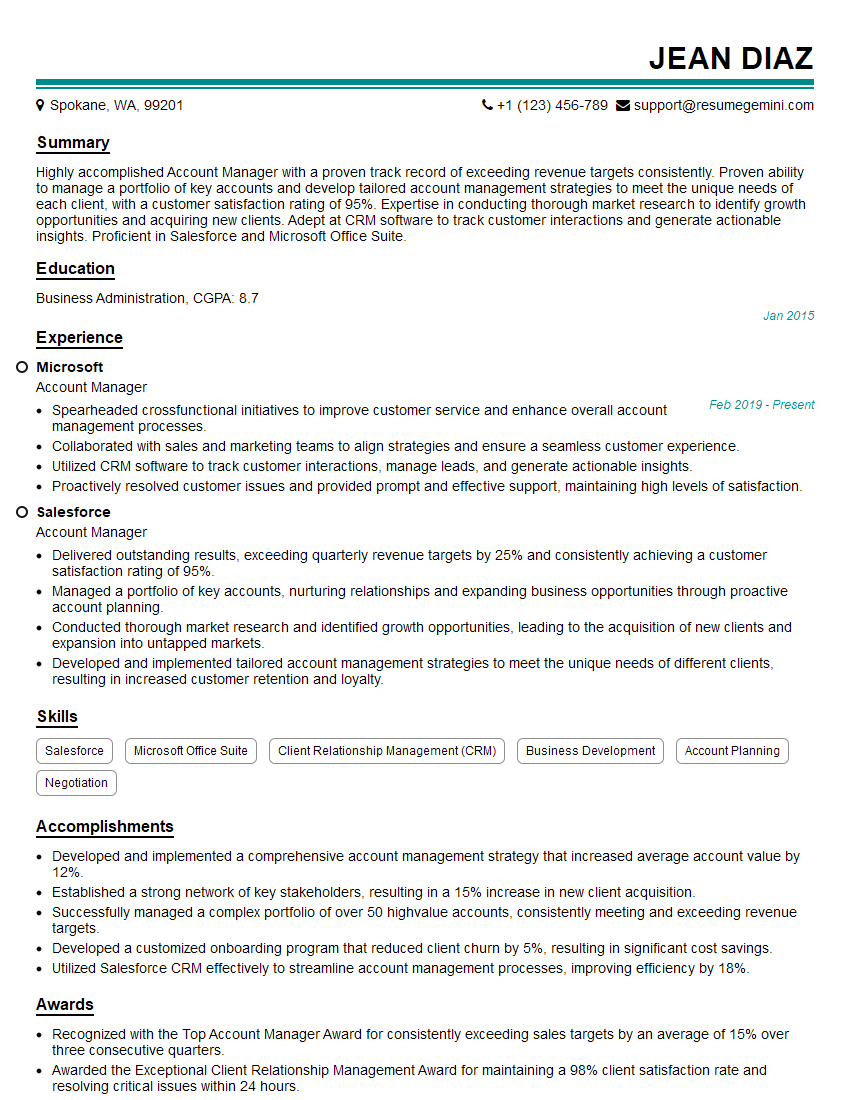
Account Manager Resume Sample
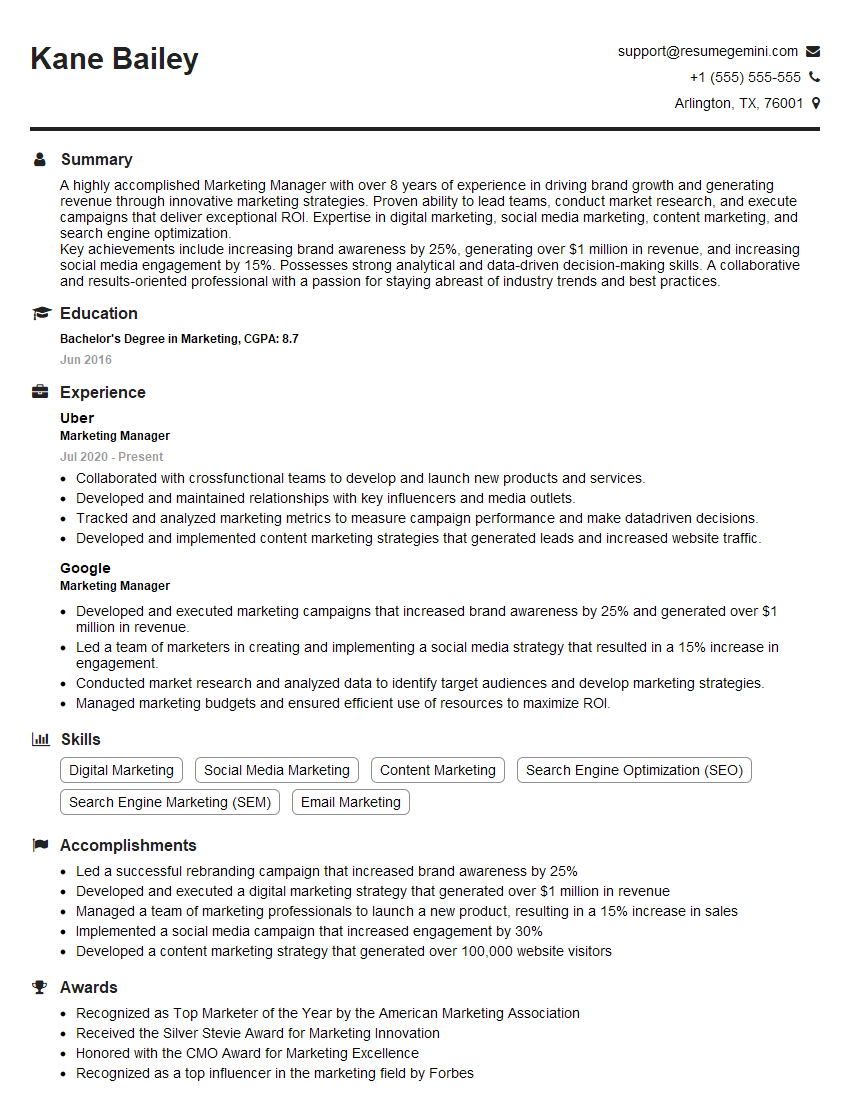
Marketing Manager Resume Sample
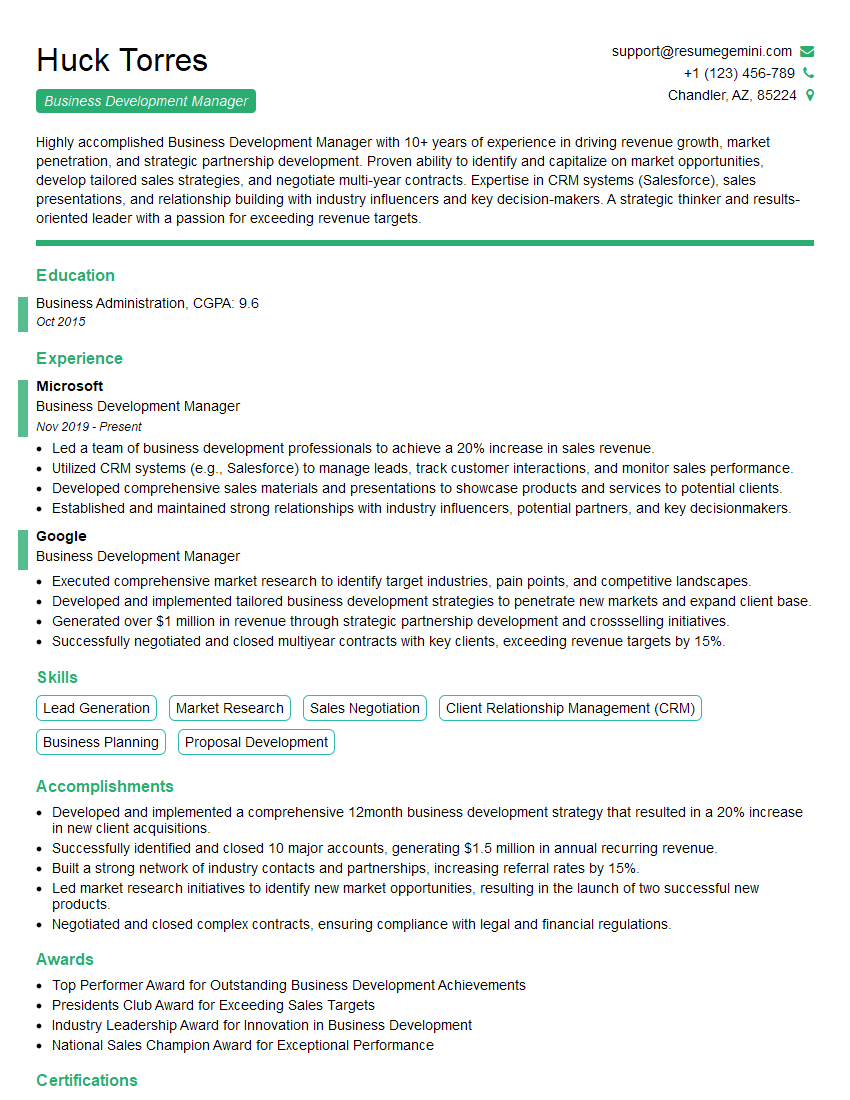
Business Development Manager Resume Sample
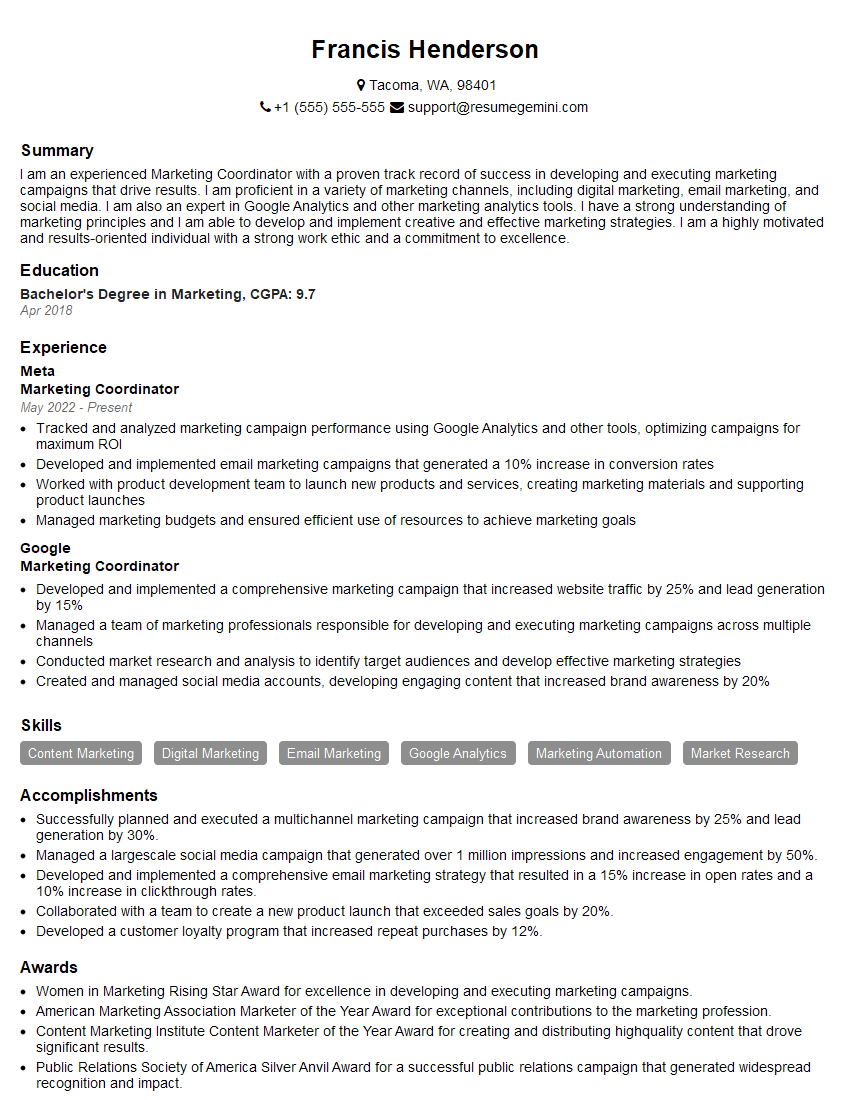
Marketing Coordinator Resume Sample
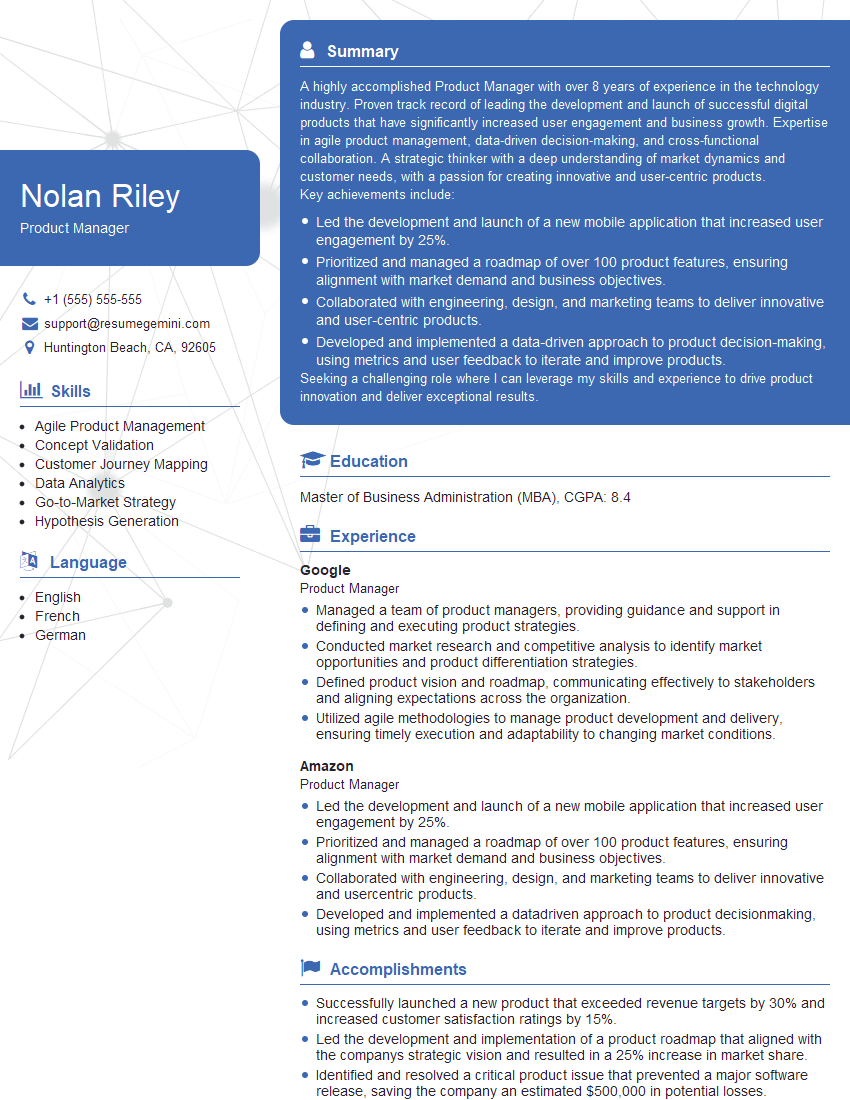
Product Manager Resume Sample
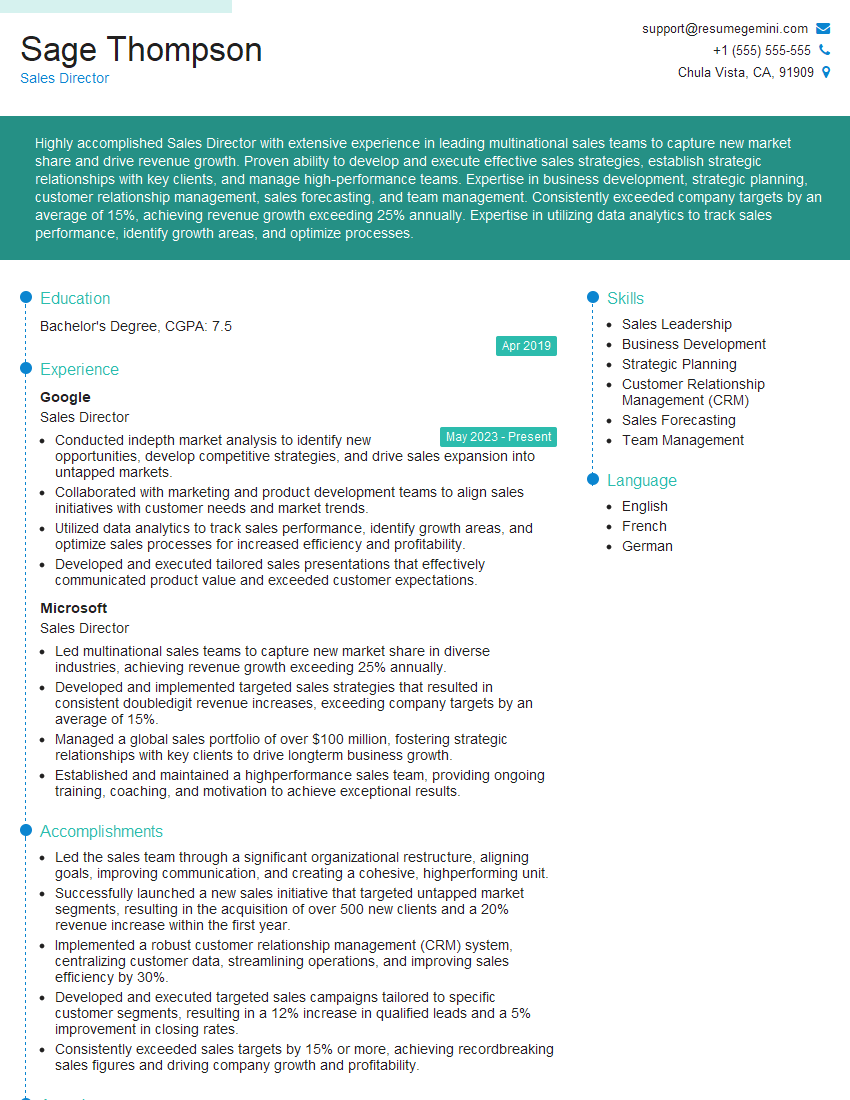
Sales Director Resume Sample
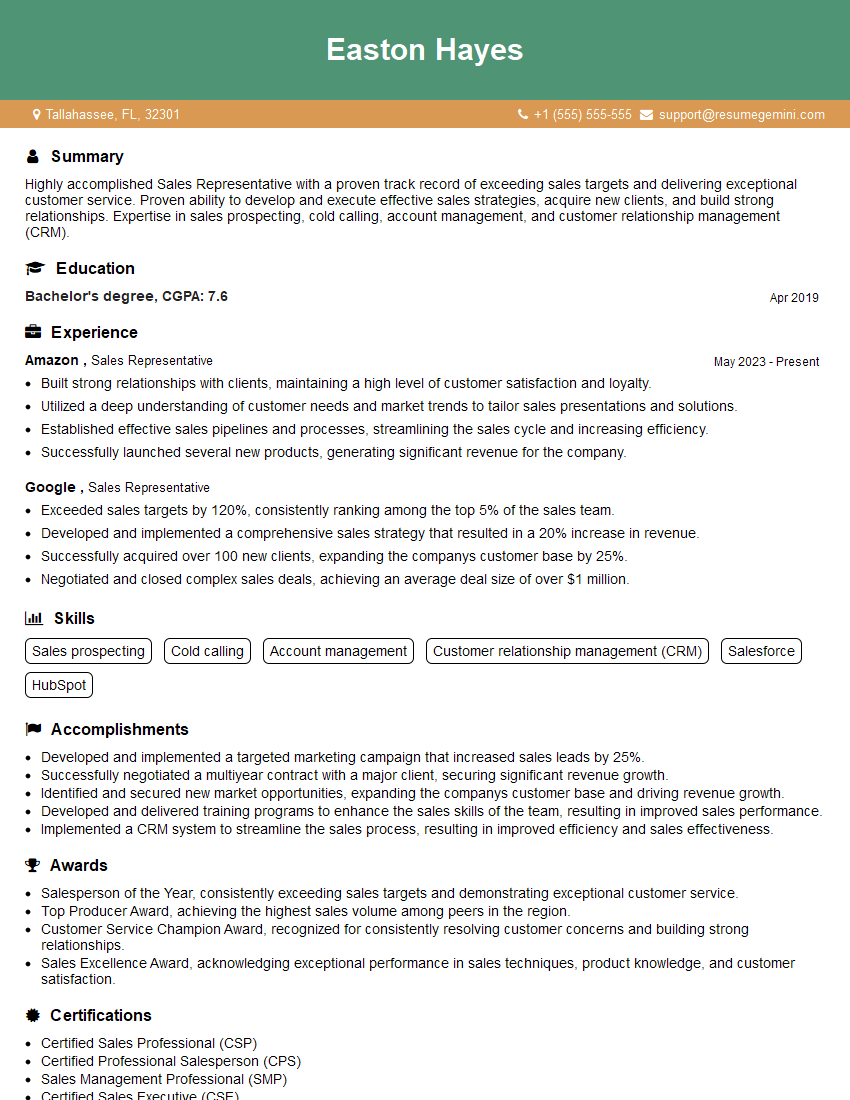
Sales Representative Resume Sample

Communications Manager Resume Sample
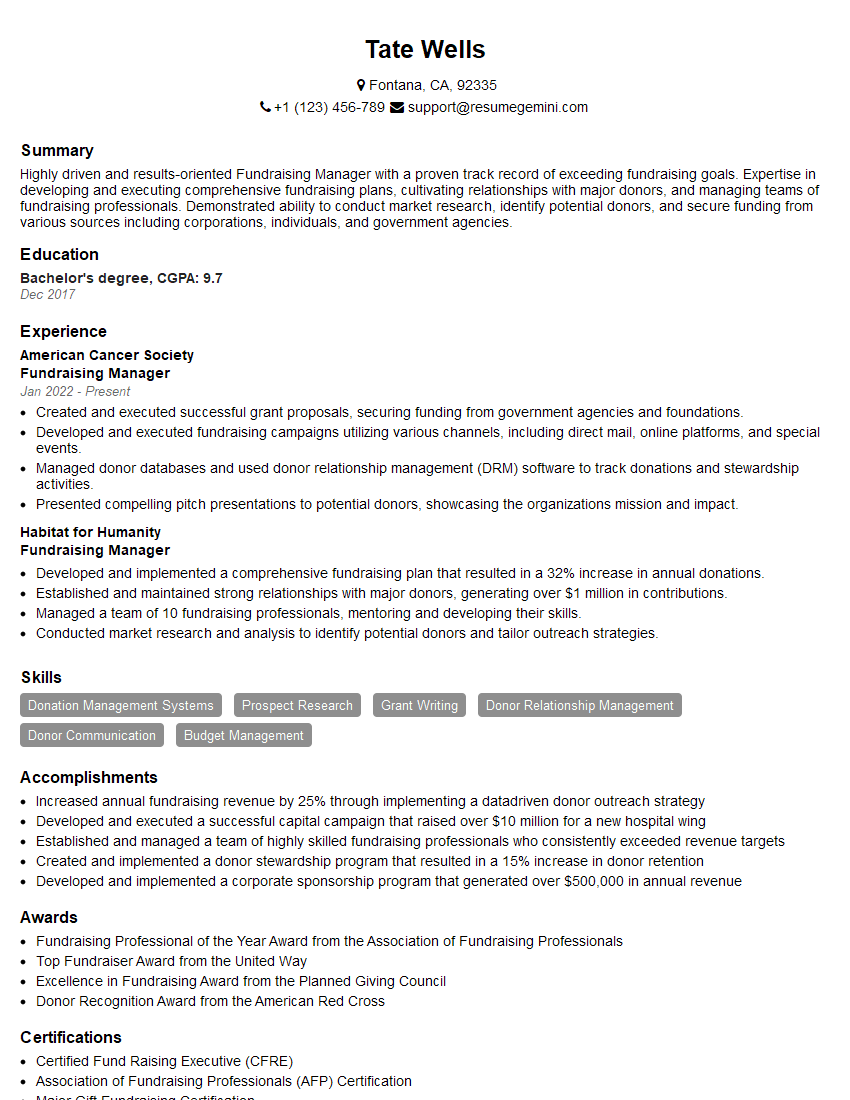
Fundraising Manager Resume Sample
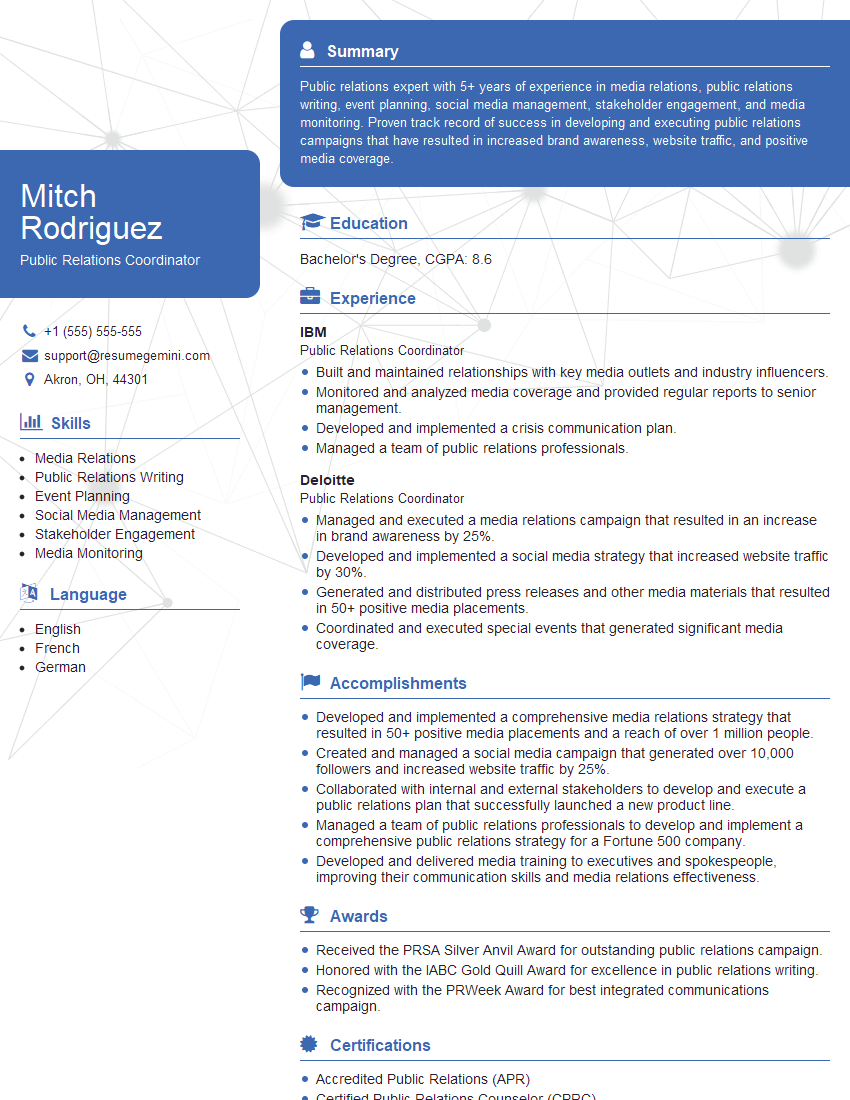
Public Relations Coordinator Resume Sample

Project Manager Resume Sample
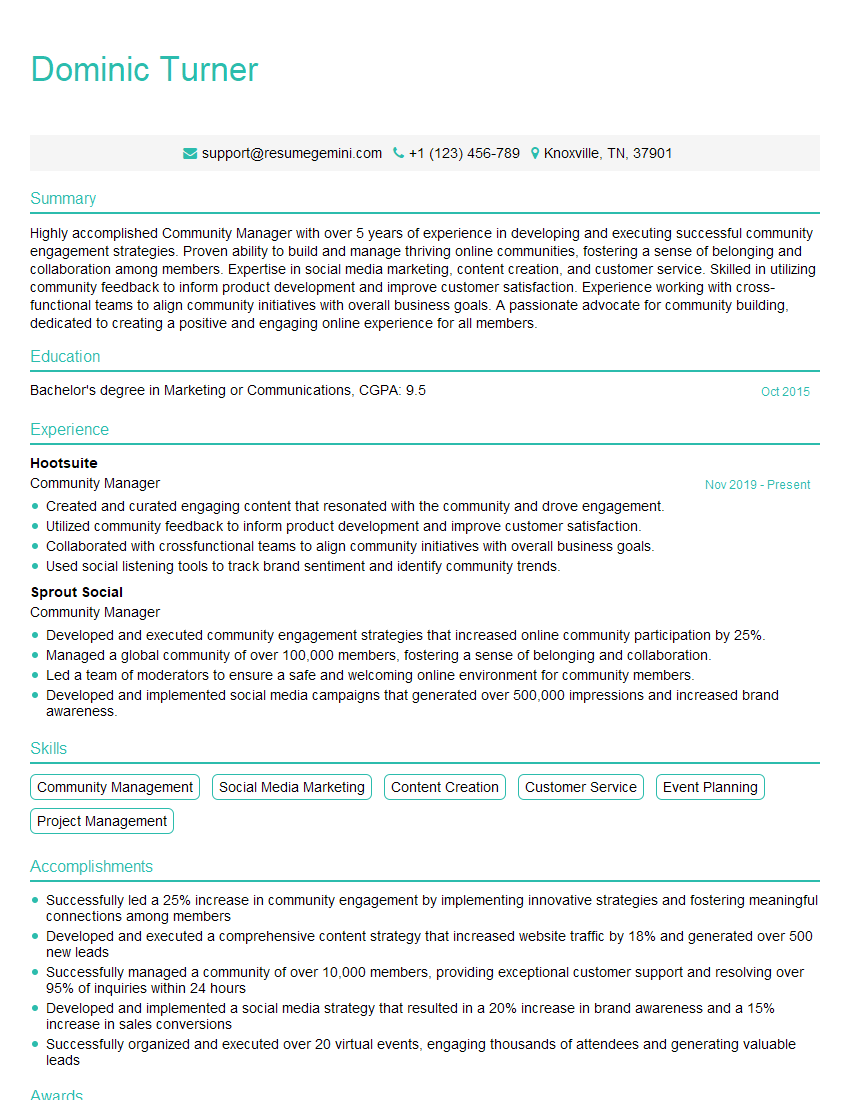
Community Manager Resume Sample
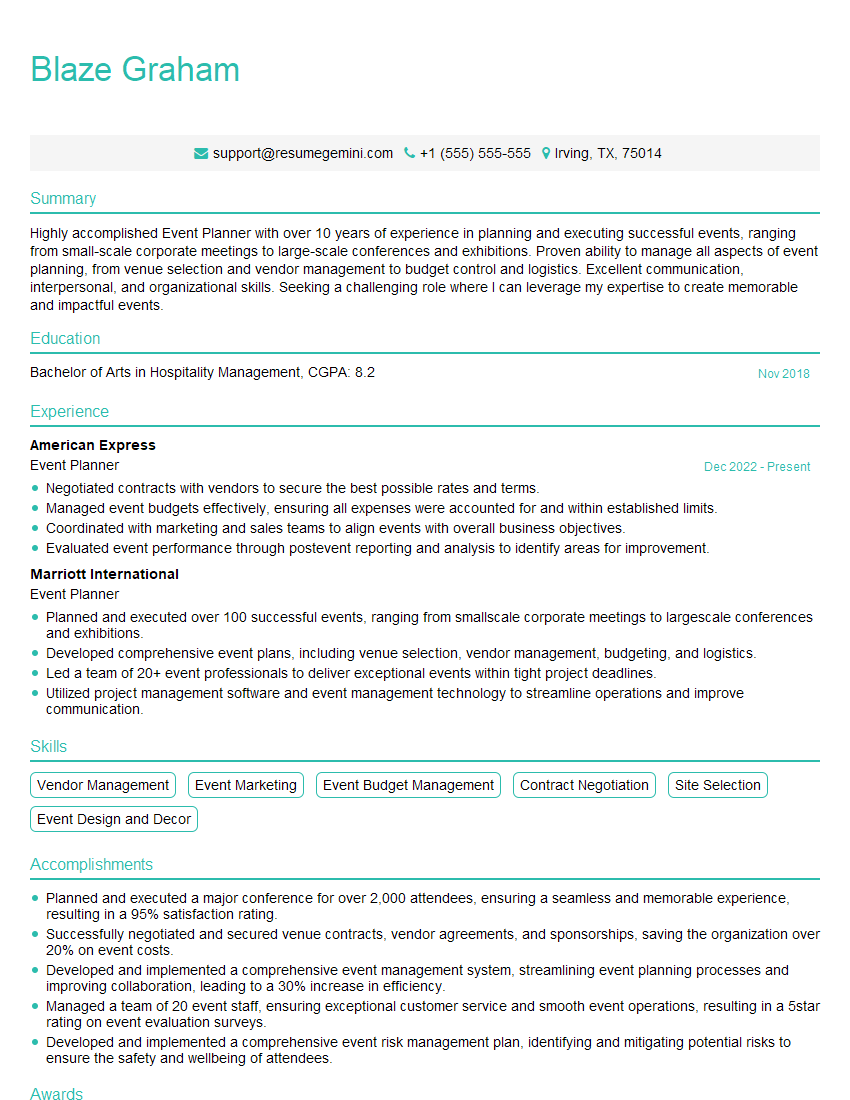
Event Planner Resume Sample
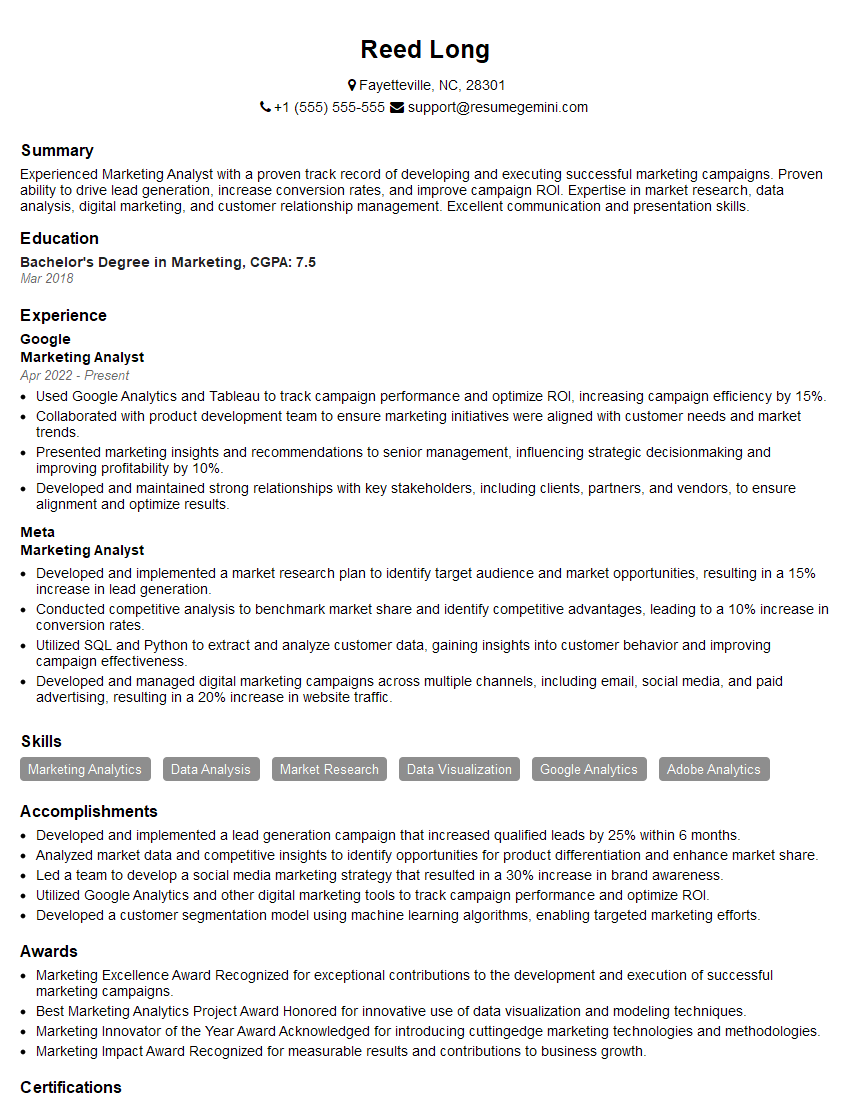
Marketing Analyst Resume Sample

Social Media Manager Resume Sample
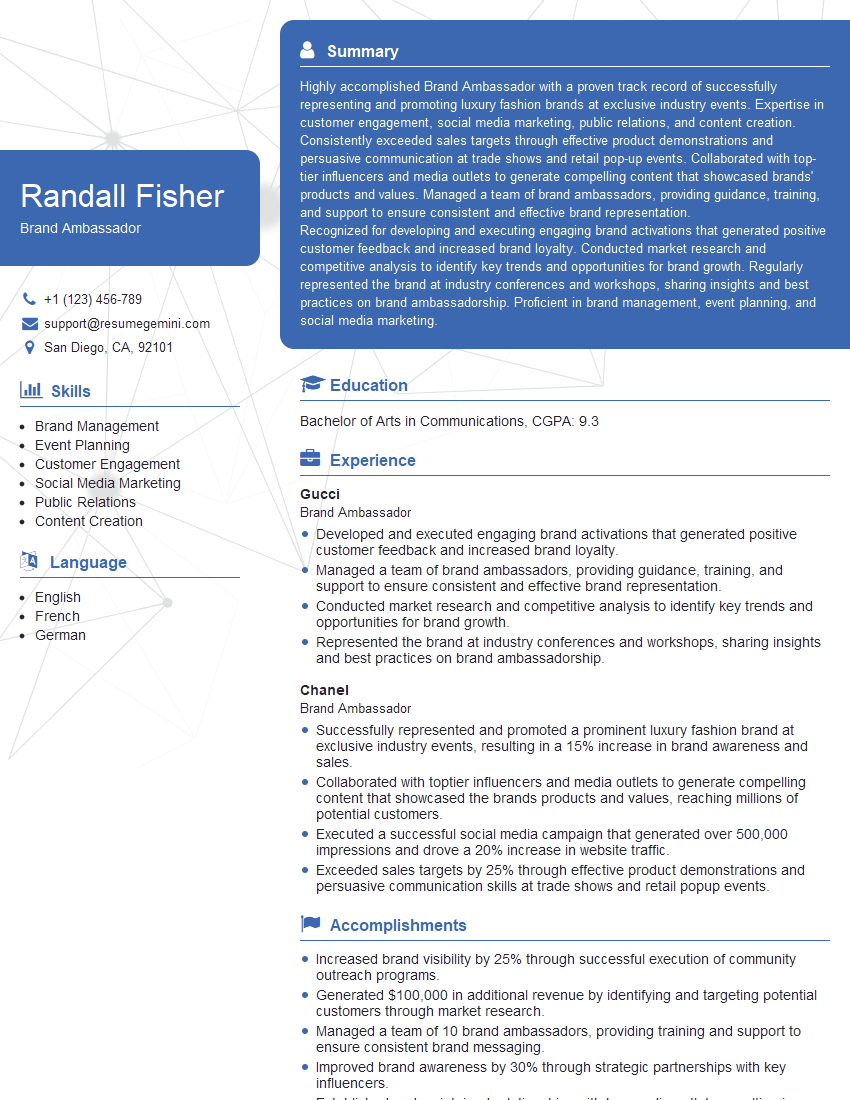
Brand Ambassador Resume Sample
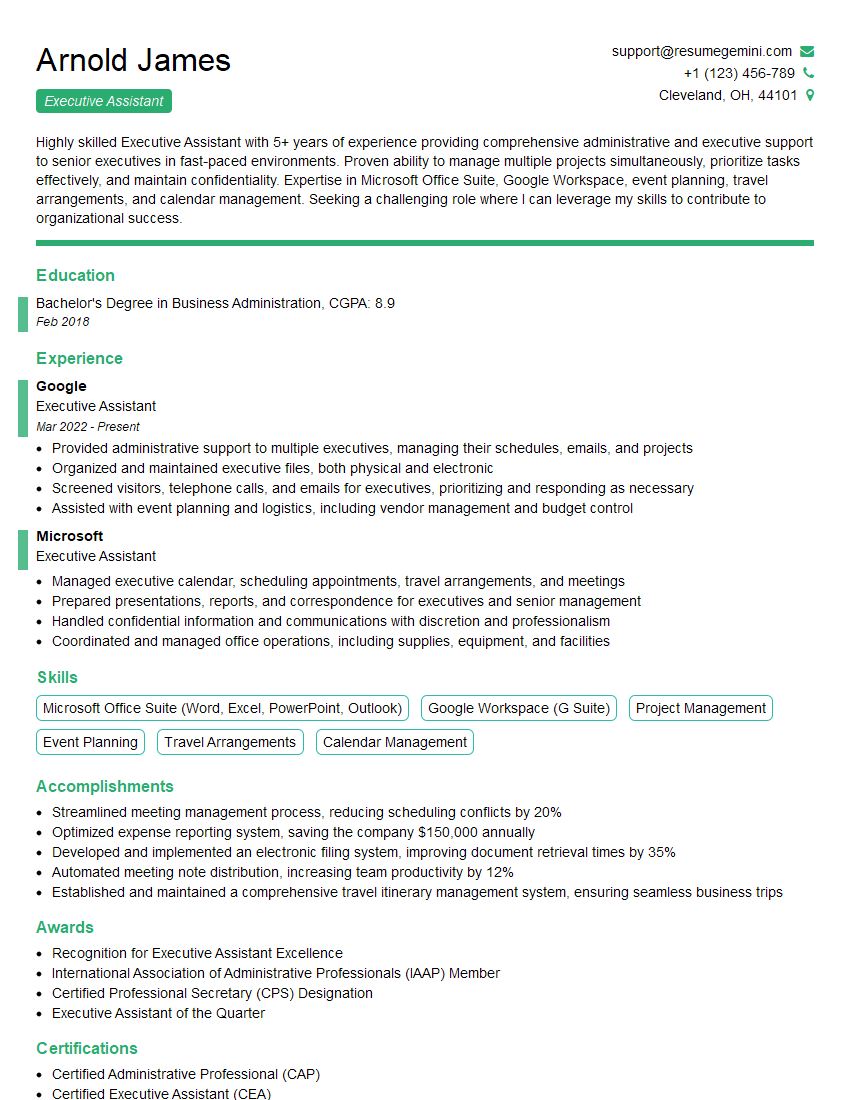
Executive Assistant Resume Sample
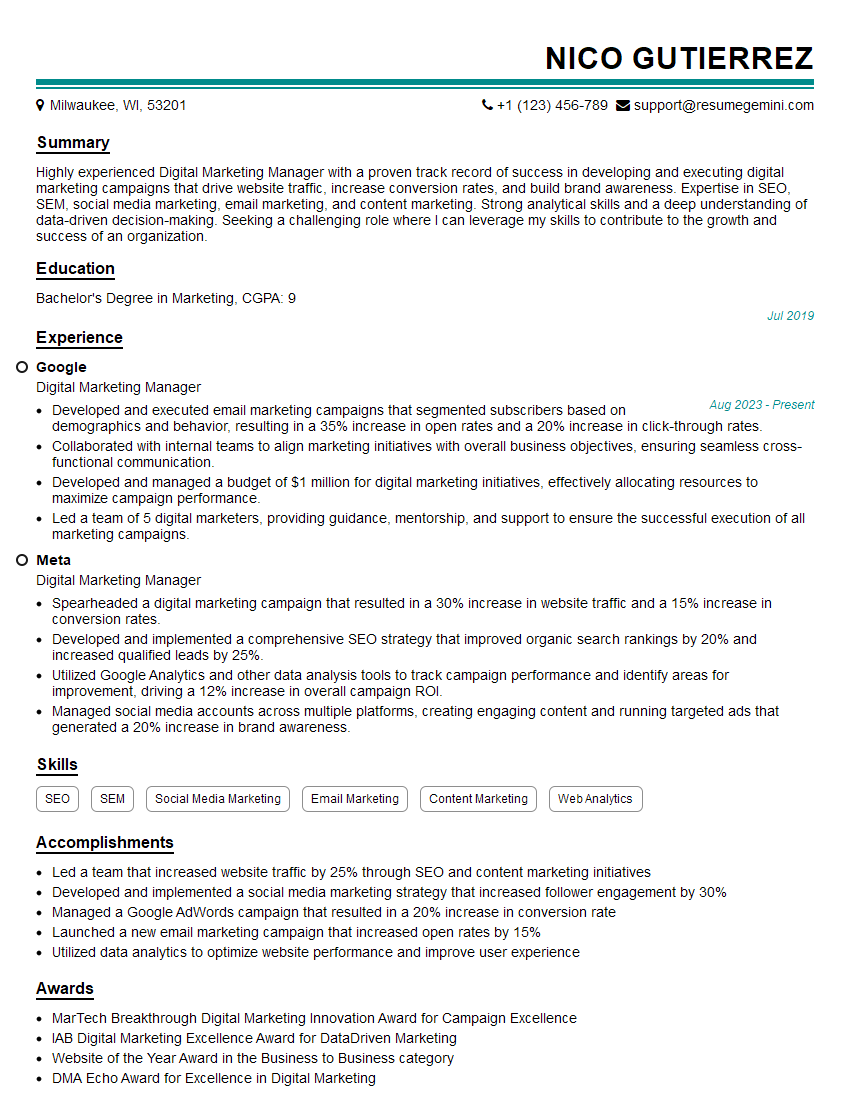
Digital Marketing Manager Resume Sample
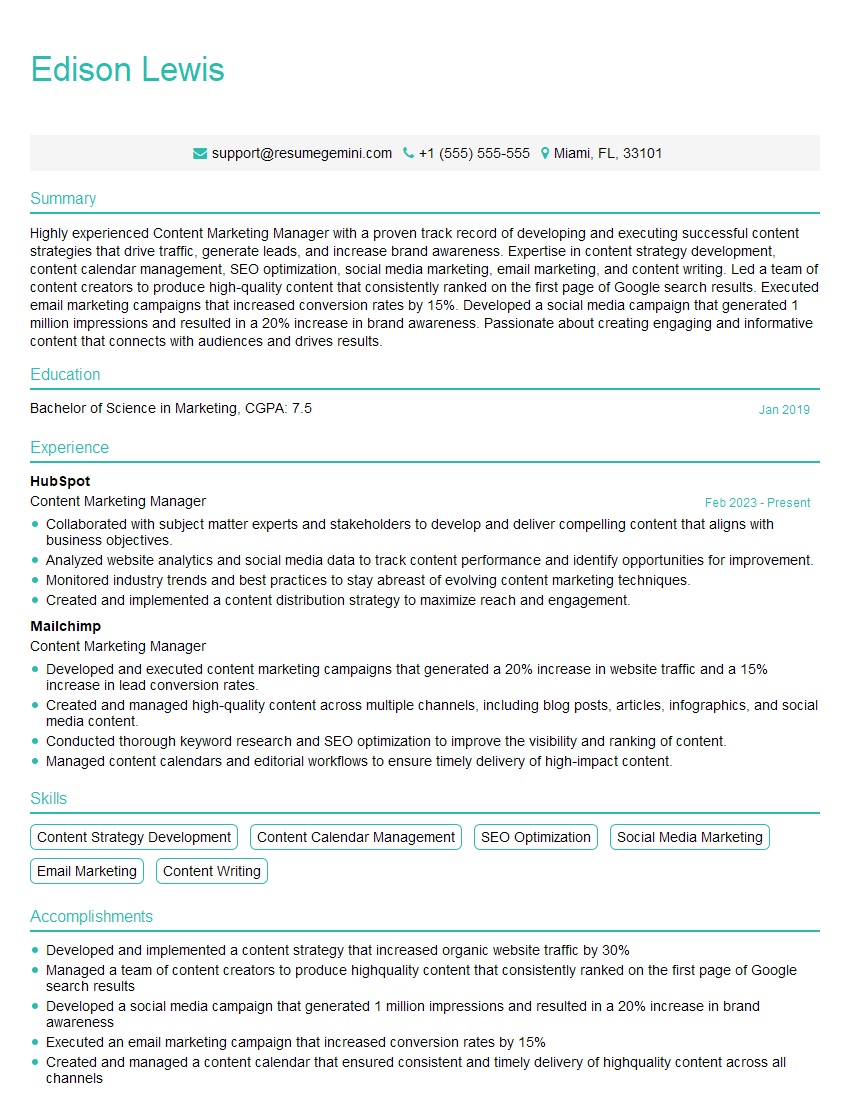
Content Marketing Manager Resume Sample
- Account Manager
- Marketing Manager
- Business Development Manager
- Marketing Coordinator
- Product Manager
- Sales Director
- Sales Representative
- Communications Manager
- Fundraising Manager
- Public Relations Coordinator
- Project Manager
- Community Manager
- Event Planner
- Marketing Analyst
- Social Media Manager
- Brand Ambassador
- Executive Assistant
- Digital Marketing Manager
- Content Marketing Manager
Explore more articles
Users Rating of Our Blogs
Share Your Experience
We value your feedback! Please rate our content and share your thoughts (optional).
What Readers Say About Our Blog
Very informative content, great job.
good