Cracking a skill-specific interview, like one for Ability to Score from Distance, requires understanding the nuances of the role. In this blog, we present the questions you’re most likely to encounter, along with insights into how to answer them effectively. Let’s ensure you’re ready to make a strong impression.
Questions Asked in Ability to Score from Distance Interview
Q 1. Describe your experience closing deals remotely.
Closing deals remotely requires a nuanced approach that leverages technology and strong communication skills. My experience spans several years, and I’ve consistently exceeded targets by focusing on building strong virtual relationships and utilizing data-driven strategies. For instance, I recently closed a significant deal with a client in Australia, entirely through video conferencing, email, and project management software. Success hinged on proactive communication, addressing concerns promptly, and providing a seamless virtual experience that mimicked the effectiveness of an in-person interaction.
I’ve found that meticulously documenting every interaction, from initial contact to final agreement, is crucial for tracking progress and ensuring accountability. This detailed record also proves invaluable for identifying areas of improvement in my remote sales process.
Q 2. How do you build rapport with clients you’ve never met in person?
Building rapport remotely requires a conscious effort to create a personal connection despite the physical distance. I start by taking the time to understand the client’s needs and challenges, actively listening during our initial conversations, and personalizing my communication. Instead of generic greetings, I try to incorporate details learned from my pre-call research, showing I’ve taken the time to understand their business and individual circumstances.
For example, I might start a call by referencing a recent industry article relevant to their sector or acknowledging a recent company achievement mentioned on their website. This small act of personalized attention goes a long way in establishing trust and demonstrating genuine interest. I also make a point to use their name frequently and actively seek their opinion throughout the conversation, encouraging a two-way dialogue rather than a monologue.
Q 3. What strategies do you use to overcome communication barriers in remote sales?
Overcoming communication barriers in remote sales requires a multi-pronged strategy. Firstly, I prioritize clear and concise communication, using a variety of methods to ensure understanding. This includes detailed email summaries after calls, utilizing visual aids like presentations during video conferences, and confirming key decisions in writing. I also leverage technology to bridge the gap. For instance, using screen sharing for demos and interactive presentations can significantly improve comprehension and engagement.
Furthermore, I actively solicit feedback throughout the sales process to identify and address any misunderstandings. A simple question like, “Does that make sense?” or “Do you have any questions so far?” can prevent potential issues from escalating. If communication difficulties persist, I explore alternative communication channels, perhaps scheduling a shorter phone call to discuss a complex issue before returning to video conferencing.
Q 4. Explain your process for qualifying leads in a virtual environment.
Qualifying leads remotely requires a structured approach that efficiently filters potential clients. My process begins with analyzing the lead’s information, evaluating their budget, authority to make decisions, need for my product or service, and timeline for implementation (BANT framework). I use online research tools to supplement the information provided and verify their credibility. For instance, I’ll look for industry awards or positive reviews to gauge their business’s reputation.
Virtual meetings are then used to delve deeper into their needs, clarifying their pain points and assessing whether our solution aligns with their objectives. I actively listen for clues that indicate a strong fit, or conversely, signs that they aren’t a good prospect. This early-stage qualification saves valuable time and resources by focusing efforts on leads with a high probability of conversion.
Q 5. How do you manage your time effectively when working remotely?
Effective time management when working remotely is crucial. I utilize a combination of techniques including time blocking, prioritizing tasks based on their importance and urgency (Eisenhower Matrix), and utilizing project management tools to track progress. I dedicate specific time blocks for focused work, minimizing distractions such as social media or email during these periods.
Regular breaks are also essential to prevent burnout. I schedule short breaks throughout the day to step away from my computer and recharge. I also maintain a clear separation between my work and personal life, dedicating a specific workspace and establishing clear boundaries around working hours. This helps maintain focus and prevents work from encroaching on personal time.
Q 6. What technology tools do you utilize for remote sales?
Technology is paramount for remote sales. My toolkit includes video conferencing platforms (Zoom, Google Meet), CRM software (Salesforce, HubSpot) for managing leads and tracking interactions, project management software (Asana, Trello) for collaboration, and email marketing tools (Mailchimp) for nurturing leads. I also utilize screen sharing capabilities extensively during presentations and product demonstrations.
Beyond these core tools, I rely heavily on cloud-based storage for document sharing and collaboration, ensuring all team members and clients have access to the necessary information at any time. Regular technology updates and training are integral to my workflow, ensuring I remain proficient with the latest tools and techniques.
Q 7. How do you handle objections from clients during virtual sales calls?
Handling objections during virtual sales calls requires a calm and empathetic approach. I start by actively listening to the client’s concern, acknowledging their perspective without interruption. Then, I reiterate the objection to ensure I understand it fully before addressing it directly. This demonstrates attentiveness and helps build rapport.
My strategy is to address objections with factual information, relevant case studies, or testimonials. For example, if a client expresses concern about pricing, I present a clear comparison of our value proposition with alternative solutions, highlighting the return on investment. If the objection stems from a lack of understanding, I offer further clarification and detailed explanations. If the objection is insurmountable, I respect the client’s decision without pressure, focusing on maintaining a positive relationship for future opportunities.
Q 8. What are your preferred methods for follow-up communication with remote clients?
My preferred methods for follow-up communication with remote clients prioritize efficiency and personalization. I utilize a multi-channel approach, tailoring my communication to the client’s preferences.
- Email: For sharing documents, summarizing key points, and providing updates. I always ensure my emails are concise, clear, and action-oriented. I avoid lengthy emails and instead break down information into digestible chunks.
- Video Conferencing: For more complex discussions, building rapport, and addressing concerns, I schedule brief, focused video calls. These allow for real-time interaction and help me gauge the client’s understanding and engagement.
- Phone Calls: Quick check-ins to address urgent matters or provide timely feedback. I value the personal touch a phone call offers, particularly when there are sensitive issues to discuss.
- Project Management Tools: Tools like Asana or Monday.com are crucial for tracking progress, sharing documents, and maintaining clear communication regarding timelines and deliverables. This keeps everyone on the same page and reduces misunderstandings.
I always end each communication with a clear next step and a proposed timeline. Following up promptly and consistently ensures I build and maintain strong relationships and secure deals.
Q 9. Describe a time you successfully closed a large deal remotely.
One memorable success involved closing a large, multi-faceted deal with a technology firm located across the country. The deal was complex, involving several stakeholders and a tight deadline. We began with a comprehensive needs assessment through a series of video calls, allowing me to understand their specific requirements and concerns thoroughly.
Throughout the sales process, I utilized a collaborative approach, using project management software to track progress and share relevant documentation. I proactively addressed their concerns, providing detailed answers and presentations via video conference to maintain transparency and build trust. We held regular check-in calls, which fostered open communication and collaboration. I tailored my proposals to specifically address their pain points, demonstrating a deep understanding of their business objectives.
By fostering a strong relationship based on trust and open communication, and effectively managing expectations, I successfully navigated the complexities of the remote environment and closed the deal successfully. Our shared project management system ensured seamless information sharing, which played a critical role in overcoming the challenges of geographical distance.
Q 10. How do you maintain motivation and productivity while working remotely?
Maintaining motivation and productivity while working remotely requires discipline and proactive strategies. I’ve found that a structured approach is key.
- Dedicated Workspace: I have a designated workspace, free from distractions, to help me focus.
- Structured Schedule: I maintain a consistent daily schedule, including breaks and time for exercise. This creates rhythm and prevents burnout.
- Clear Goals: Setting daily and weekly goals helps me stay focused and track my progress. I use task management tools to prioritize effectively.
- Regular Communication: Connecting with colleagues and clients regularly helps combat isolation and maintain motivation.
- Self-Care: Prioritizing self-care – including sufficient sleep, exercise, and downtime – is vital for maintaining energy and focus.
Regularly reviewing my successes, both large and small, helps maintain my motivation. I celebrate milestones and acknowledge my hard work, which prevents me from feeling overwhelmed and helps to maintain a positive attitude.
Q 11. How do you personalize your sales approach for remote clients?
Personalizing my sales approach for remote clients is paramount. I begin by thoroughly researching the client and their company before any interaction. This helps me understand their specific needs and challenges.
I tailor my communication style and messaging to reflect their preferences and communication styles. I use their name frequently and reference specific projects or initiatives they’re working on. I also pay close attention to details in our conversations to demonstrate my attentiveness and understanding. I try to find common ground – personal or professional – to build a connection beyond the sales pitch.
I share personalized case studies or testimonials that are relevant to their industry and situation. I also avoid generic messaging and instead tailor my approach to their unique requirements. This allows me to build rapport and trust, making the sales process more personal and engaging, despite the distance.
Q 12. How do you adapt your communication style to different remote client needs?
Adapting my communication style to diverse remote client needs is crucial. I assess each client’s communication style early on to tailor my approach effectively.
- Direct vs. Indirect Communication: Some clients prefer direct, concise communication, while others appreciate a more nuanced approach. I adjust my tone and level of detail accordingly.
- Formal vs. Informal: I adapt my language and tone to match the client’s preference. Some clients prefer a more formal tone, while others are more comfortable with an informal approach.
- Response Time: I am mindful of response times and adjust my communication frequency based on the client’s preference and urgency of the situation.
- Communication Channels: I utilize the communication channels the client prefers, whether it’s email, video calls, or instant messaging.
Active listening is essential. I pay close attention to the client’s verbal and nonverbal cues to understand their needs and adapt my communication accordingly. Regular check-ins and feedback loops help me ensure the client feels heard and understood.
Q 13. What metrics do you track to measure your success in remote sales?
Measuring success in remote sales requires tracking key metrics to understand performance and identify areas for improvement. I regularly monitor several key performance indicators (KPIs):
- Sales Conversion Rate: The percentage of leads that convert into paying customers.
- Average Deal Size: The average revenue generated per closed deal.
- Customer Acquisition Cost (CAC): The cost associated with acquiring a new customer.
- Customer Lifetime Value (CLTV): The predicted revenue generated by a customer throughout their relationship.
- Lead Response Time: The time it takes to respond to inbound leads.
- Meeting-to-Close Ratio: The percentage of meetings that result in a closed deal.
By tracking these metrics, I gain insights into my effectiveness, identify bottlenecks, and optimize my sales strategy for improved performance.
Q 14. How do you manage your pipeline and forecast sales remotely?
Managing my sales pipeline and forecasting sales remotely relies on robust tools and a structured approach. I utilize a Customer Relationship Management (CRM) system to track leads, opportunities, and deals throughout the sales process. This provides a centralized repository for all client information and allows for efficient pipeline management.
I regularly review my pipeline, prioritizing opportunities based on their probability of closing and their potential revenue. I use forecasting tools within my CRM to predict future revenue based on historical data, current opportunities, and market trends. Regular pipeline reviews and forecasts allow for proactive adjustments to my sales strategy and resource allocation. These forecasts help in setting realistic expectations, allocating resources effectively, and identifying potential risks or opportunities.
I use visual tools like dashboards to track progress towards targets and identify areas requiring attention. This ensures that my pipeline stays organized, well-managed, and allows for accurate sales forecasting, despite the remote nature of my work.
Q 15. Describe your experience using CRM software for remote sales.
My experience with CRM software in remote sales is extensive. I’ve utilized several platforms, including Salesforce, HubSpot, and Zoho CRM, to manage leads, track interactions, and analyze sales performance. I’m proficient in using these systems to manage the entire sales cycle remotely, from initial contact and lead qualification to opportunity management and closing deals. For example, in Salesforce, I leverage automation features like automated email sequences and lead scoring to nurture leads efficiently and prioritize high-potential prospects. This allows for a more streamlined and effective sales process without the limitations of physical proximity.
Beyond basic contact management, I use CRM features for reporting and analytics. This data-driven approach allows me to identify trends, optimize my sales strategies, and track key metrics like conversion rates and deal sizes. This helps me understand what approaches are most successful for my remote sales efforts and adjust my strategy accordingly. For instance, analyzing campaign performance within HubSpot allows me to refine messaging and target specific demographics more effectively, maximizing ROI on my efforts.
Career Expert Tips:
- Ace those interviews! Prepare effectively by reviewing the Top 50 Most Common Interview Questions on ResumeGemini.
- Navigate your job search with confidence! Explore a wide range of Career Tips on ResumeGemini. Learn about common challenges and recommendations to overcome them.
- Craft the perfect resume! Master the Art of Resume Writing with ResumeGemini’s guide. Showcase your unique qualifications and achievements effectively.
- Don’t miss out on holiday savings! Build your dream resume with ResumeGemini’s ATS optimized templates.
Q 16. How do you handle technical difficulties during virtual meetings or presentations?
Technical difficulties during virtual meetings are inevitable, but I have a systematic approach to handle them effectively. First, I always have a backup plan. This could include having alternative meeting links ready or being prepared to switch to a different communication method like a phone call if necessary. I ensure my internet connection is stable and my devices are fully charged before each meeting.
During a problem, I maintain a calm and professional demeanor. I clearly communicate the issue to the client and offer a quick solution. For example, if my internet connection drops, I immediately apologize and suggest switching to a phone call to continue the conversation. Once the issue is resolved, I always follow up with an email summarizing the discussion and any action items.
Proactive measures like testing my equipment and software beforehand are crucial. A simple test call or screen share before the actual meeting helps to identify and resolve potential technical problems in advance, preventing disruptions during critical client interactions.
Q 17. How do you stay informed about industry trends and best practices for remote sales?
Staying informed about industry trends is paramount in the dynamic world of remote sales. I regularly follow industry publications like Sales Hacker and InsideSales.com, attend webinars and online conferences, and actively participate in relevant online communities and forums. I also leverage LinkedIn to connect with industry leaders and participate in discussions, keeping my finger on the pulse of new technologies and selling techniques.
Moreover, I actively seek out customer feedback. Analyzing client interactions, reviewing sales call recordings and surveys helps me to understand evolving customer needs and preferences. This feedback loop is essential for refining my sales strategies and ensuring they align with current market trends. I also dedicate time each week to research emerging technologies relevant to my industry, staying ahead of the curve in utilizing the best tools available.
Q 18. How do you prioritize leads and manage your time effectively to maximize sales conversion?
Prioritizing leads and managing time effectively is crucial for maximizing sales conversion. I utilize a combination of strategies, starting with lead scoring within my CRM. This system automatically ranks leads based on predefined criteria like demographics, engagement levels, and past interactions. Higher-scoring leads are prioritized for immediate follow-up.
I use time-blocking techniques to allocate specific time slots for different tasks. This includes dedicated time for prospecting, outreach, client meetings, and administrative tasks. This structured approach allows me to focus intensely on each activity without distractions, maximizing my efficiency. Tools like calendar apps with reminders assist in keeping me on schedule.
Regular review of my sales pipeline and identifying potential bottlenecks is also essential. This proactive approach allows me to anticipate challenges and adjust my strategies as necessary. This includes identifying any leads that are becoming stale and taking action to re-engage them.
Q 19. What’s your approach to overcoming resistance to virtual sales interactions?
Overcoming resistance to virtual sales interactions requires empathy, understanding, and a proactive approach. I address concerns directly and empathetically, acknowledging the potential discomfort some clients might feel with virtual interactions. For example, I might say something like, “I understand that virtual meetings can feel less personal, but I’m committed to making this experience as effective and comfortable as possible.”
I then actively build rapport by personalizing the interactions. I use video conferencing to maintain a human connection, and I strive to create a conversational, less formal atmosphere. Focusing on the value proposition and presenting it in a clear and concise manner can overcome hesitation. Showing how a virtual interaction simplifies the process and saves the client time often alleviates concerns.
Offering multiple communication options helps as well. Providing choices between video calls, phone calls, or email allows the client to choose the method they are most comfortable with, making them more receptive to the sales process.
Q 20. How do you use virtual tools to build trust and credibility with clients?
Building trust and credibility virtually relies on leveraging technology effectively. I use high-quality video conferencing equipment and ensure a clean, professional background for video calls. My online presence, including my website and social media profiles, are polished and professional, reflecting my expertise and credibility.
I actively share relevant case studies, testimonials, and data to showcase my expertise and the value I provide. This data-driven approach provides tangible evidence of my success and strengthens my credibility. I utilize screen sharing effectively to demonstrate product features, explain concepts, and present proposals in a clear and concise way.
Finally, follow-up is crucial. Sending personalized emails after meetings summarizing our discussion and outlining next steps reinforces the professional interaction and demonstrates a commitment to the client’s success. Regular check-ins and proactive communication build a strong foundation of trust throughout the sales process.
Q 21. Describe your experience with different remote selling platforms.
My experience spans various remote selling platforms, including Zoom, Microsoft Teams, Google Meet, and GoToMeeting. I’m familiar with their features, including screen sharing, video conferencing, chat capabilities, and recording functionalities. I adapt my approach to each platform based on the specific needs of the client and the nature of the interaction.
For instance, Zoom’s breakout room feature is useful for larger group presentations or workshops, while Google Meet’s seamless integration with other Google services enhances workflow efficiency. My selection of a platform depends on factors like the client’s preferences, the complexity of the presentation, and the need for features like recording or screen sharing. I always ensure that I’m proficient in the chosen platform before engaging in a client interaction.
Q 22. How do you handle unexpected issues or challenges that arise in remote selling?
Unexpected issues in remote selling are inevitable. My approach focuses on proactive preparation and reactive problem-solving. Before a sales call, I meticulously check my technology – internet connection, microphone, camera, and presentation software – to minimize technical glitches. If a problem arises during a call, I address it calmly and transparently, offering solutions or rescheduling as needed. For example, if my internet connection drops, I immediately apologize and suggest a quick reconnect or a call back at a more suitable time. I also build contingency plans. If a promised document is delayed, I proactively inform the client and offer alternative information or resources to keep the conversation moving forward. Essentially, it’s about managing expectations and demonstrating professionalism in the face of adversity.
Q 23. What is your experience with remote sales training and onboarding?
My experience with remote sales training and onboarding is extensive. I’ve participated in and delivered numerous online training programs using various platforms like Zoom, Google Meet, and specialized Learning Management Systems (LMS). Effective remote onboarding, in my experience, requires a structured approach. It needs to cover not only product knowledge and sales techniques, but also essential soft skills like virtual communication and time management. Successful programs use a blend of video presentations, interactive modules, role-playing exercises (often done in breakout rooms during virtual meetings), and regular check-ins with mentors or managers. I prefer a blended approach that combines asynchronous learning (materials accessible at one’s own pace) with synchronous sessions (live interaction) to cater to different learning styles. Regular quizzes and assessments help gauge comprehension and ensure that everyone is on the same page.
Q 24. How do you ensure client satisfaction when selling remotely?
Ensuring client satisfaction remotely requires a multi-pronged strategy. Firstly, clear and proactive communication is paramount. I keep clients informed every step of the way, from order updates to potential delays. Secondly, I actively listen to their needs and concerns, customizing my approach to meet their specific requirements. Personalized follow-up emails and calls are crucial for demonstrating ongoing care. For example, I might send a relevant industry article or a short video demonstrating a new feature of the product to show that I am thinking of them and their business needs. Finally, I always strive to exceed expectations, going the extra mile to ensure the client has a seamless and positive experience. This might involve offering extra support or suggesting creative solutions to their challenges, turning potential frustrations into opportunities to build stronger relationships.
Q 25. What’s your process for handling contract negotiation and closing deals remotely?
Negotiating and closing deals remotely requires a structured and organized approach. I typically start by clearly outlining the terms of the agreement in a detailed proposal sent digitally, usually via a secure platform. This allows the client to thoroughly review the contract at their convenience. For negotiations, I rely on video conferencing to foster a personal connection and facilitate efficient back-and-forth discussions. I utilize screen-sharing to highlight specific contract clauses or proposals, making the process more transparent and engaging. Once agreement is reached, e-signature software is used to finalize and securely store the contract electronically. Throughout the process, maintaining meticulous records of all communication and agreements is essential for both legal compliance and building trust with the client.
Q 26. How do you adapt your sales strategy based on the communication preferences of remote clients?
Adapting my sales strategy to the communication preferences of remote clients is critical. I start by understanding their preferred method of communication—email, phone, video conferencing, or instant messaging—and tailor my approach accordingly. Some clients prefer concise emails; others appreciate detailed phone calls or video presentations. For clients who prefer asynchronous communication (emails), I provide well-structured and detailed information. For those who value real-time interaction, I schedule frequent video calls. I also consider their communication style – whether they are direct or indirect – and adjust my language and tone accordingly. This personalization builds trust and rapport, improving the effectiveness of my sales strategy.
Q 27. How familiar are you with utilizing video conferencing software for sales presentations?
I am highly proficient in using various video conferencing software for sales presentations, including Zoom, Microsoft Teams, Google Meet, and GoToMeeting. My presentations are visually engaging, utilizing screen sharing, presentations, and relevant visuals to maintain interest and clarity. I ensure the technology is tested beforehand and have backup plans in case of technical difficulties. I consider the presentation format and content, ensuring it’s suitable for the medium and the client’s preferences. I also focus on strong visual communication – good lighting, camera positioning, and clear audio are crucial for projecting professionalism and engagement. Finally, I actively engage the client during the presentation, asking questions and responding to their queries to create a more interactive and dynamic experience.
Q 28. Describe your approach to building long-term relationships with remote clients.
Building long-term relationships with remote clients involves consistent effort and genuine care. Regular check-ins, even beyond sales-related matters, are key to staying connected. I might share relevant industry news, offer personalized advice, or simply inquire about their well-being. Active listening and remembering details about their business and personal lives demonstrate genuine interest. Providing excellent customer support, promptly addressing any concerns, and offering proactive solutions build trust and loyalty. Furthermore, I regularly send personalized newsletters or updates about new products or services that might benefit them. Essentially, it’s about building a partnership based on mutual respect, trust, and consistent, high-quality communication, even beyond the immediate transaction.
Key Topics to Learn for Ability to Score from Distance Interview
- Strategic Planning & Execution: Understanding how to plan and execute effective long-range strategies for achieving goals remotely.
- Communication & Collaboration: Mastering remote communication techniques, including written, verbal, and visual communication, to ensure clear and concise messaging and effective teamwork.
- Problem-Solving & Decision-Making in Remote Environments: Developing skills in identifying, analyzing, and resolving problems independently and collaboratively while working remotely.
- Technology & Tools Proficiency: Demonstrating expertise in utilizing various technologies and tools for remote work, including project management software, communication platforms, and collaboration tools.
- Time Management & Self-Discipline: Highlighting your ability to manage time effectively, maintain focus, and stay organized in a remote work setting.
- Adaptability & Resilience: Showcasing your capacity to adapt to changing circumstances, overcome challenges, and maintain productivity in a dynamic remote work environment.
- Performance Measurement & Reporting: Understanding and showcasing your ability to track your progress, measure your success, and communicate your achievements in a remote setting.
- Security & Confidentiality: Demonstrating awareness and adherence to security protocols and maintaining confidentiality when working remotely.
Next Steps
Mastering the “Ability to Score from Distance” is crucial for career advancement in today’s increasingly remote-centric job market. It opens doors to diverse opportunities and showcases your adaptability and independence. To maximize your job prospects, creating an ATS-friendly resume is essential. This ensures your application gets noticed by recruiters and hiring managers. We highly recommend using ResumeGemini to build a professional and impactful resume. ResumeGemini offers a user-friendly platform and provides examples of resumes tailored to highlight the “Ability to Score from Distance,” helping you present your skills and experience effectively.
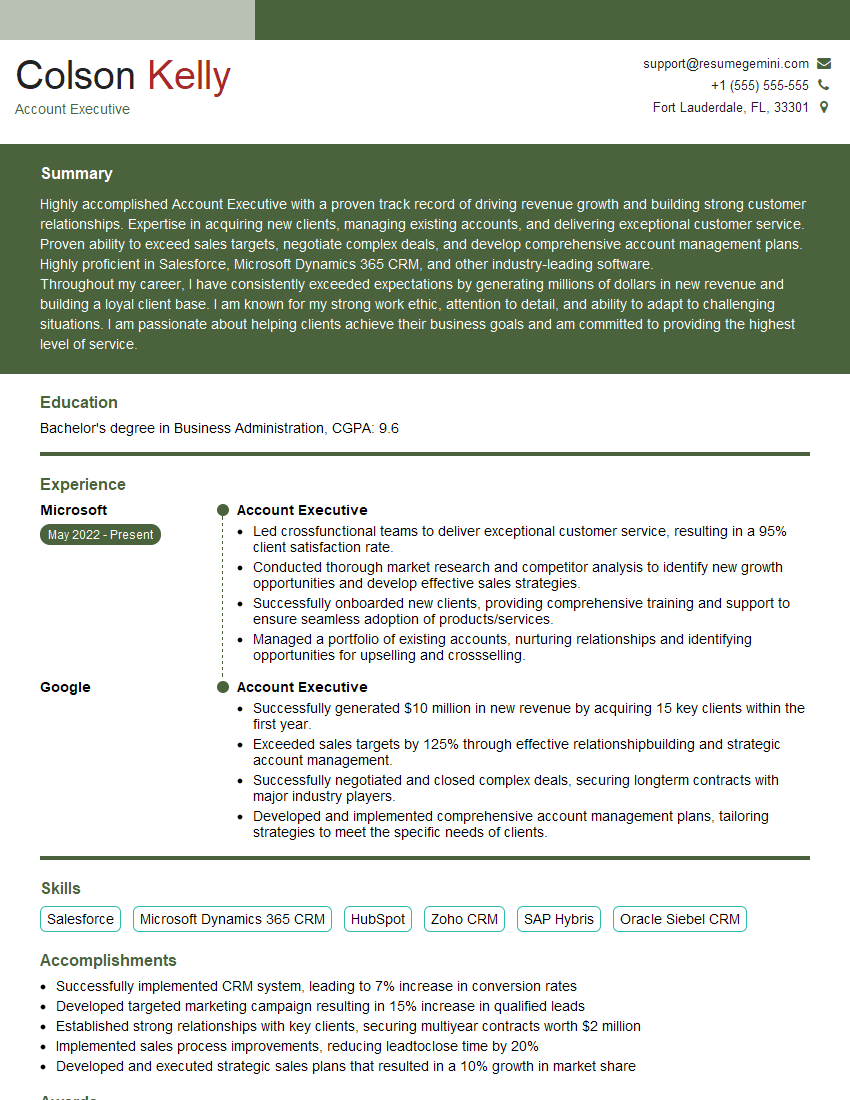
Account Executive Resume Sample
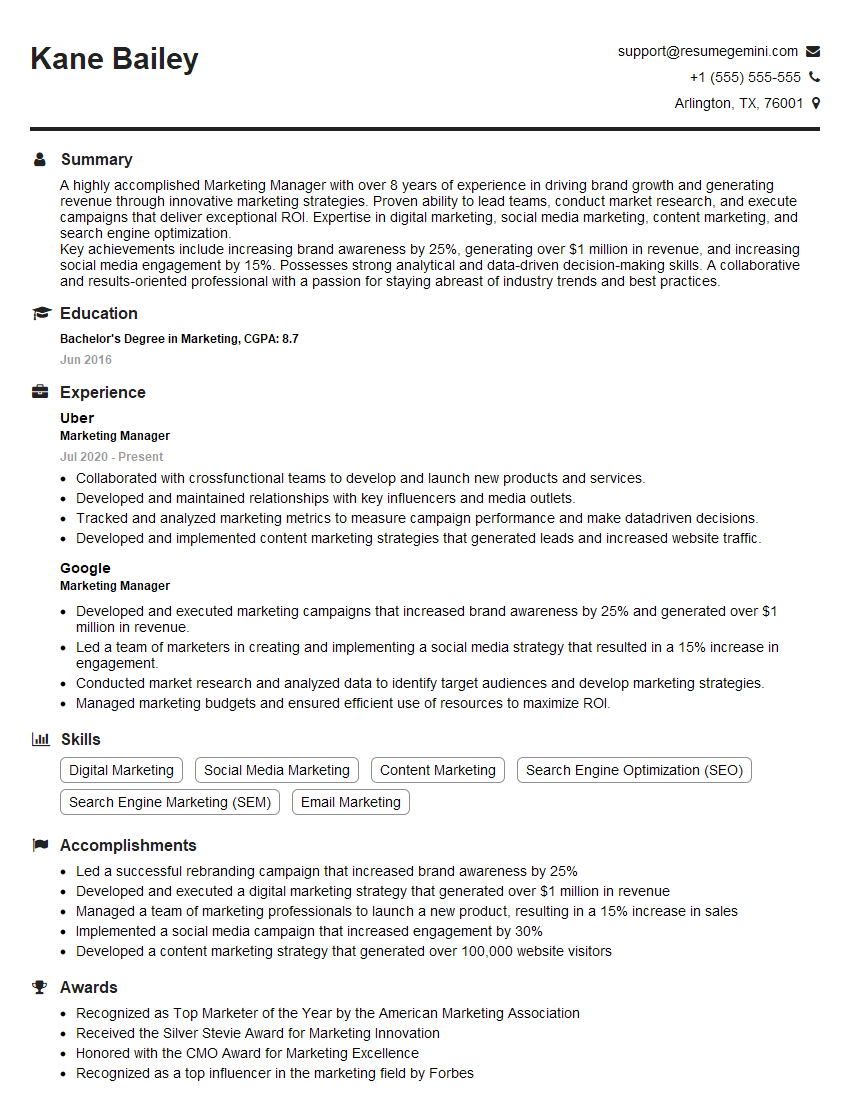
Marketing Manager Resume Sample
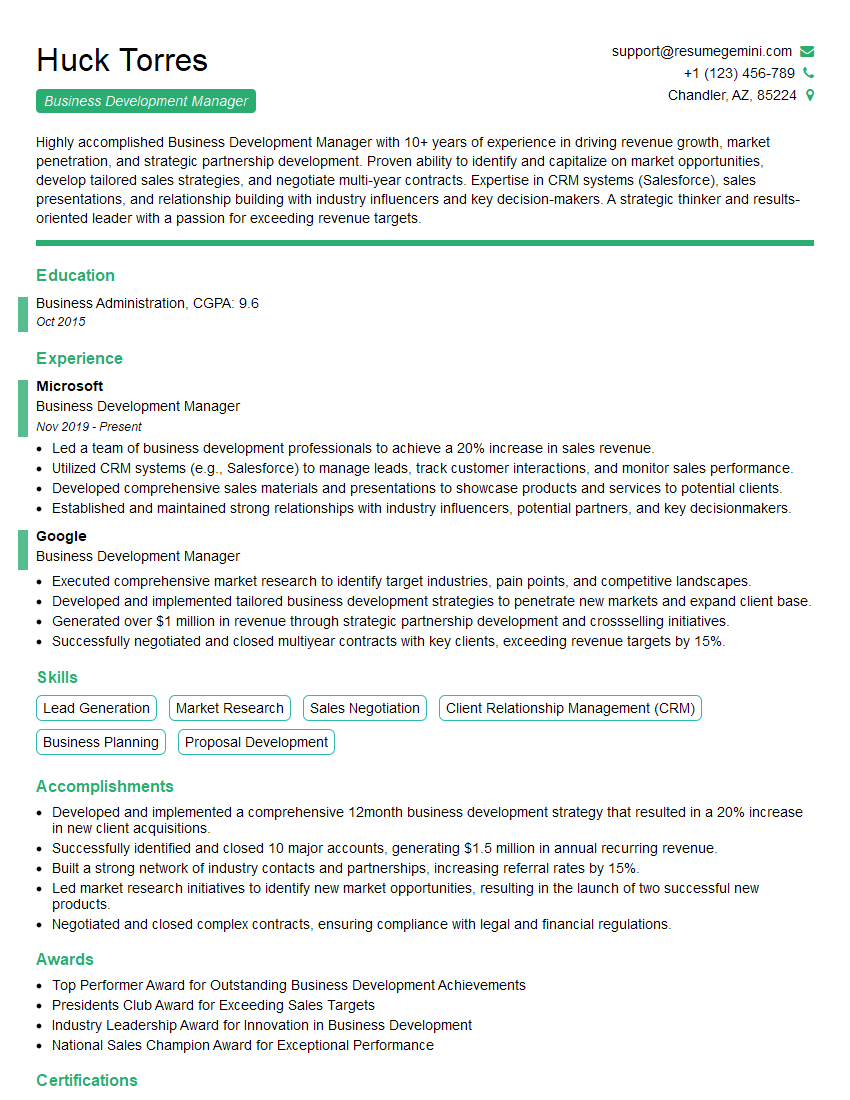
Business Development Manager Resume Sample
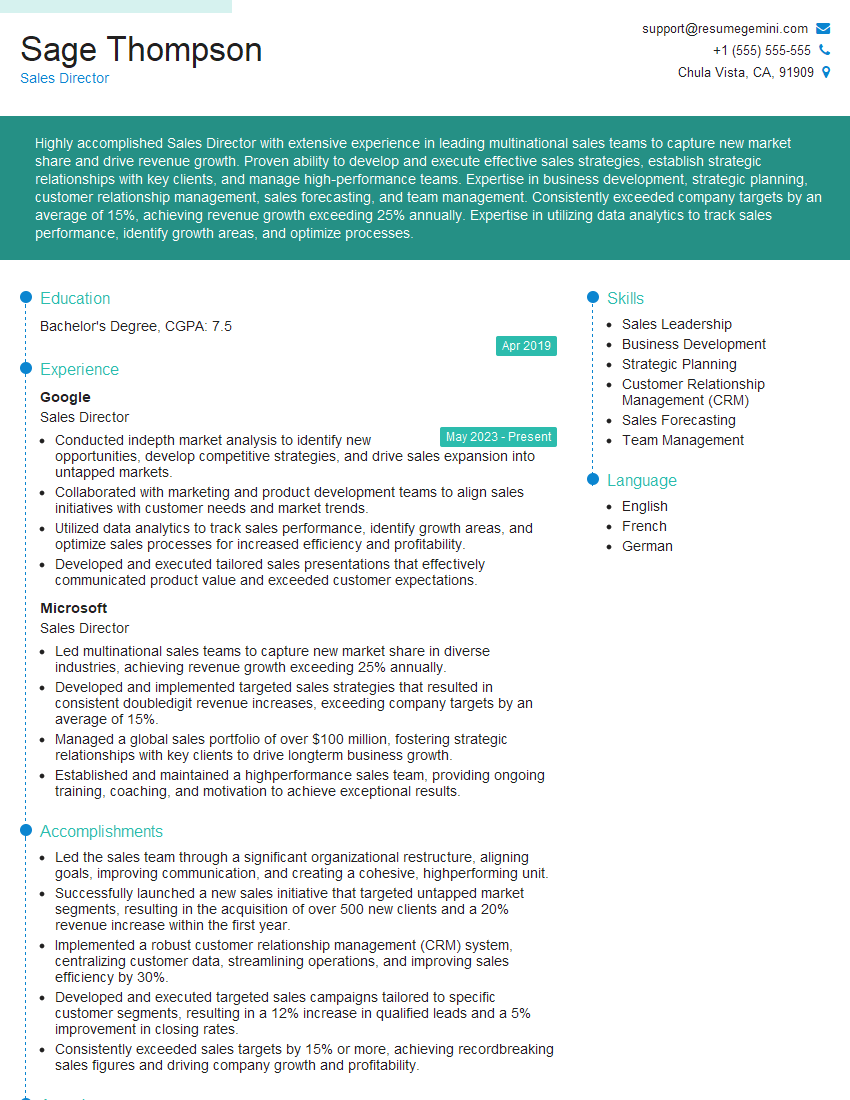
Sales Director Resume Sample
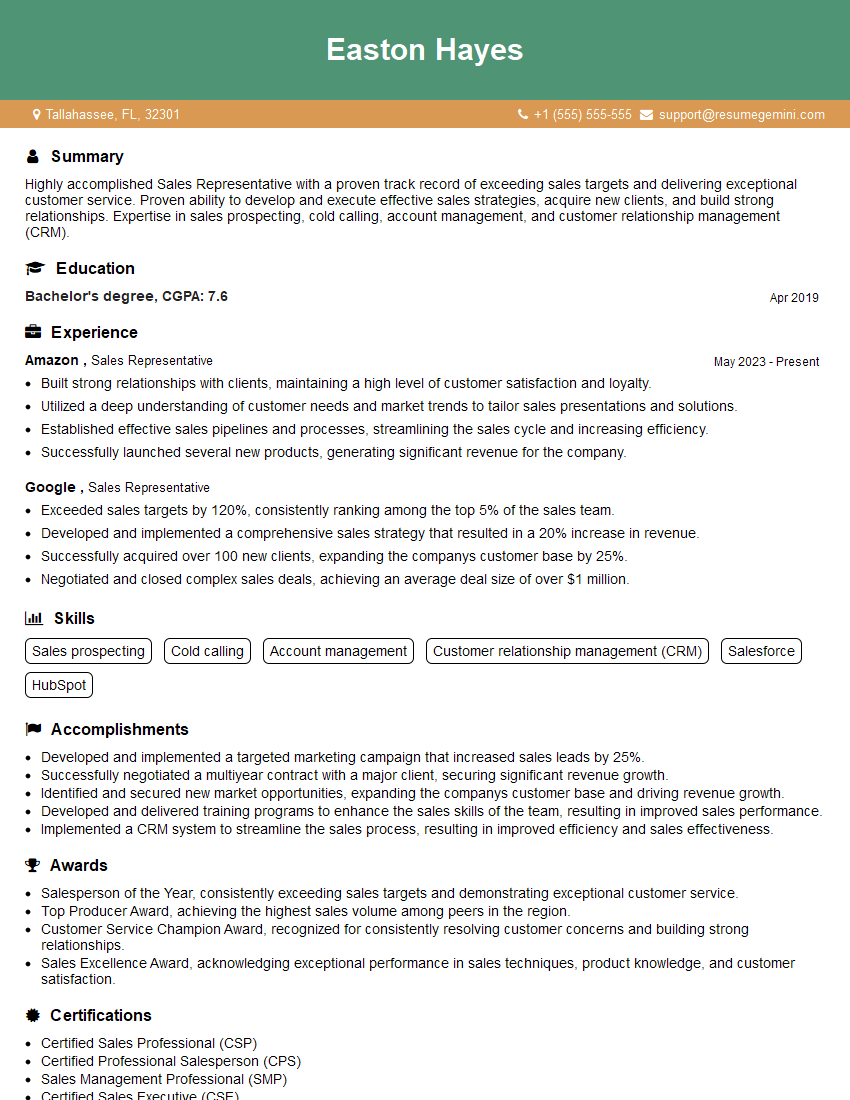
Sales Representative Resume Sample
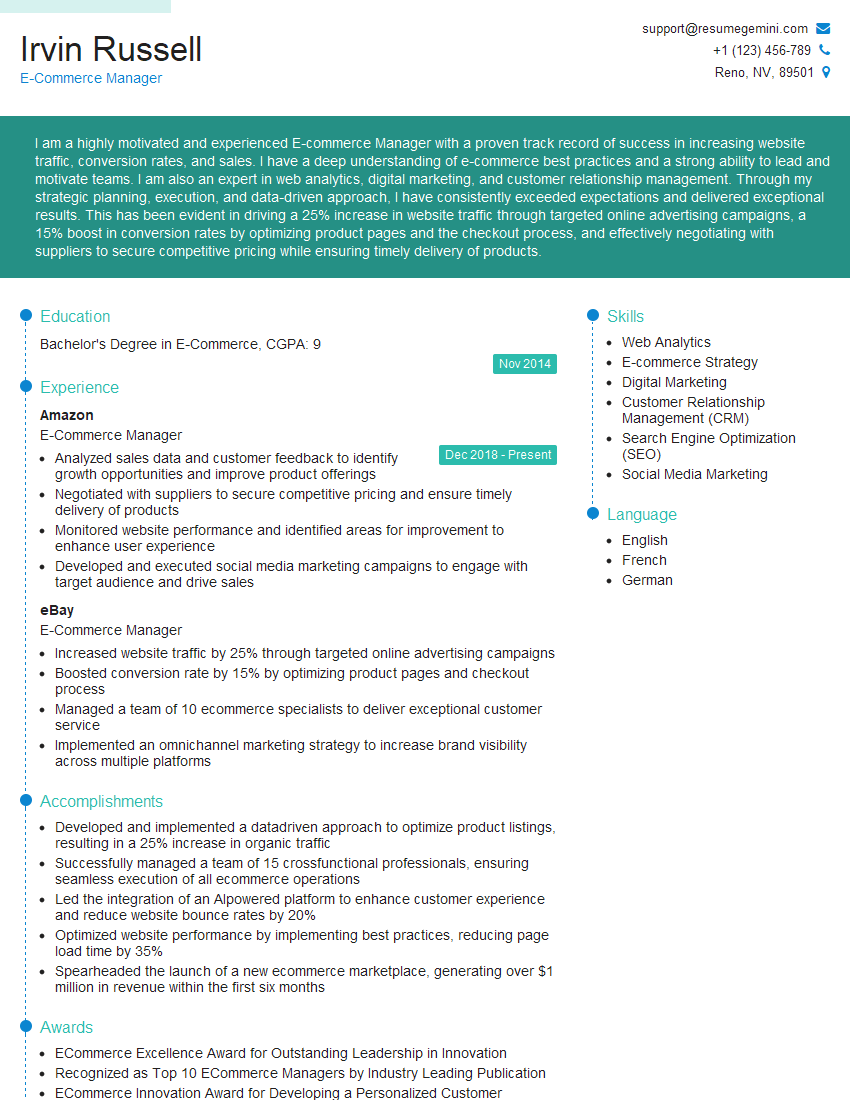
E-Commerce Manager Resume Sample
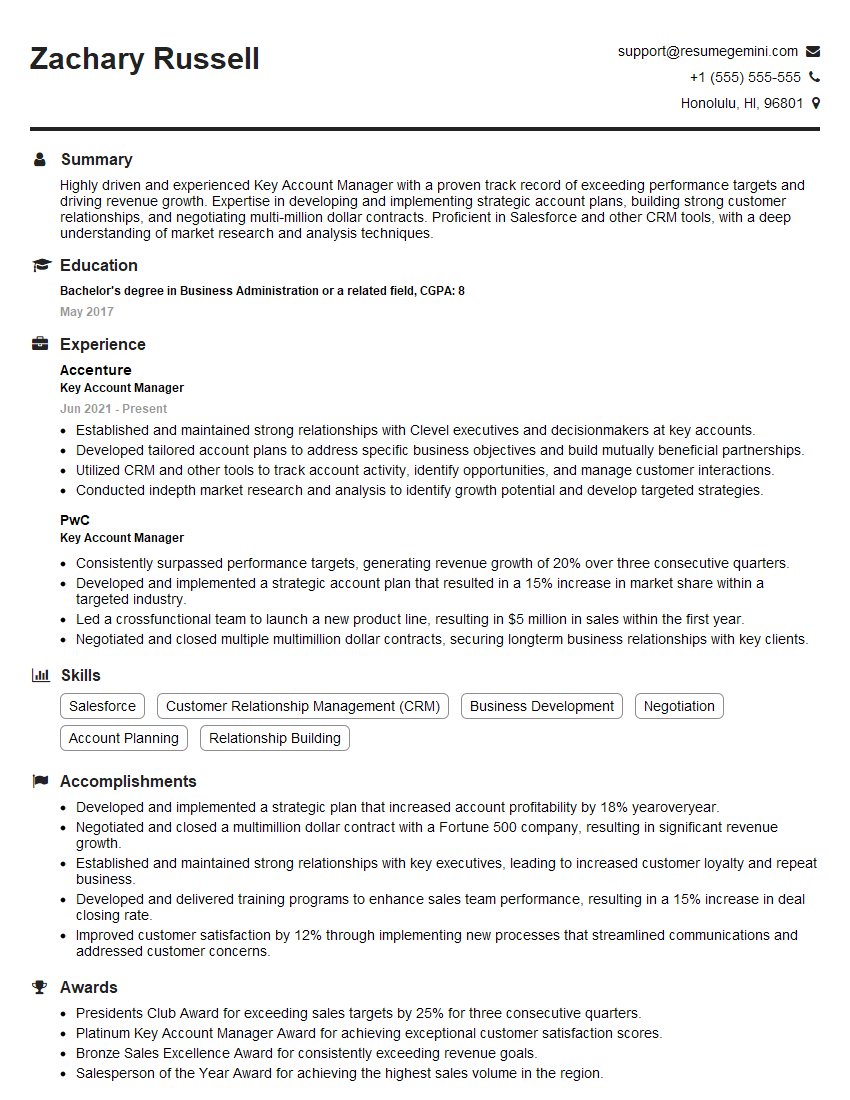
Key Account Manager Resume Sample
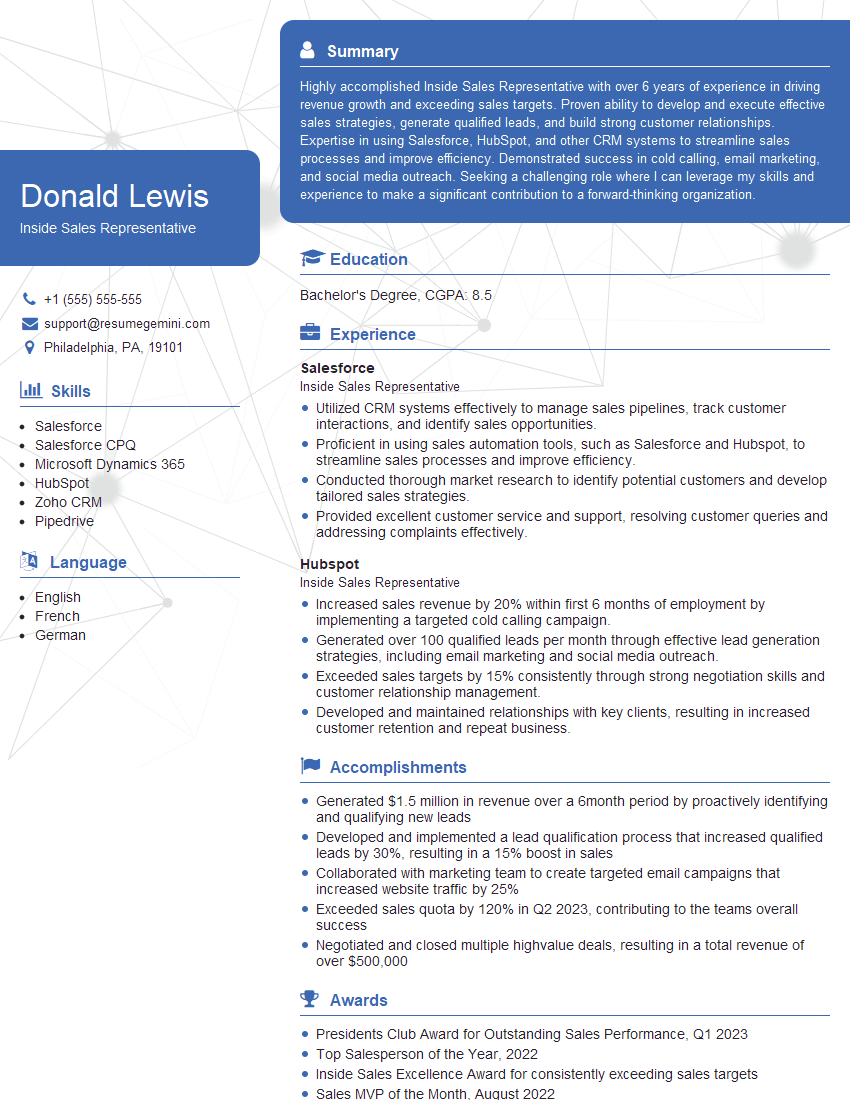
Inside Sales Representative Resume Sample
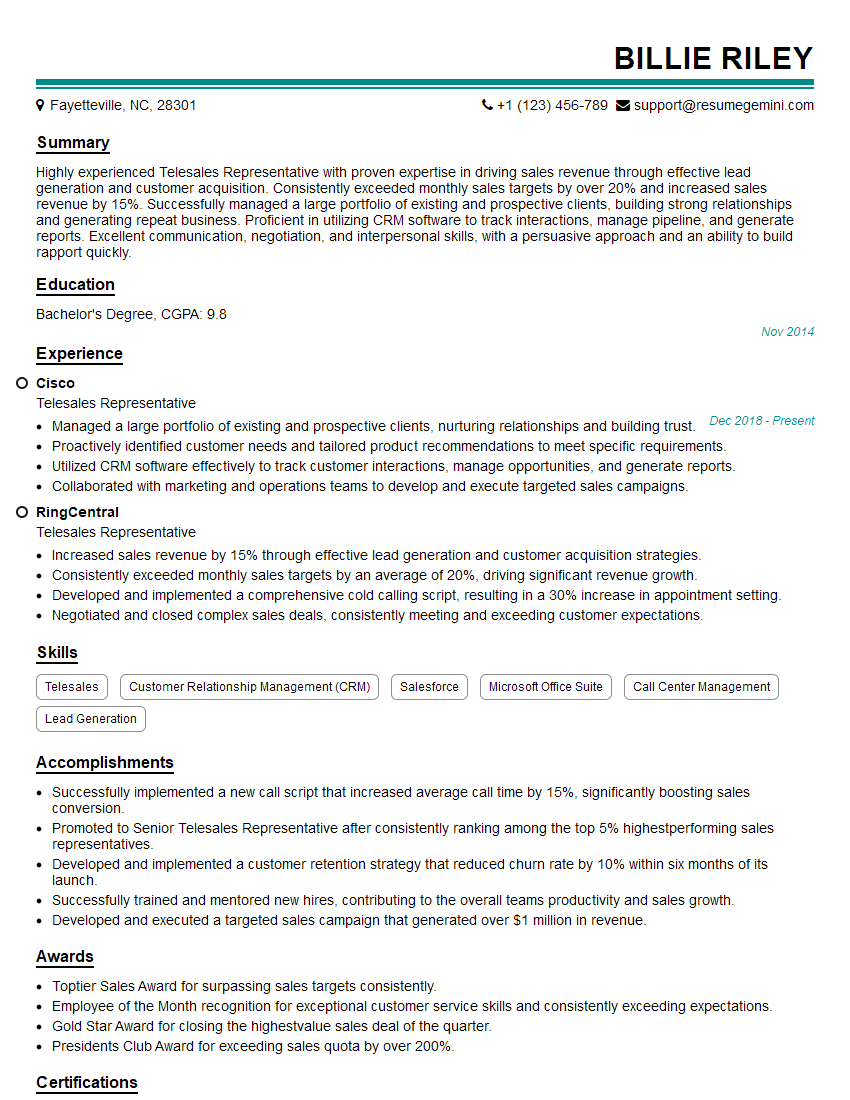
Telesales Representative Resume Sample
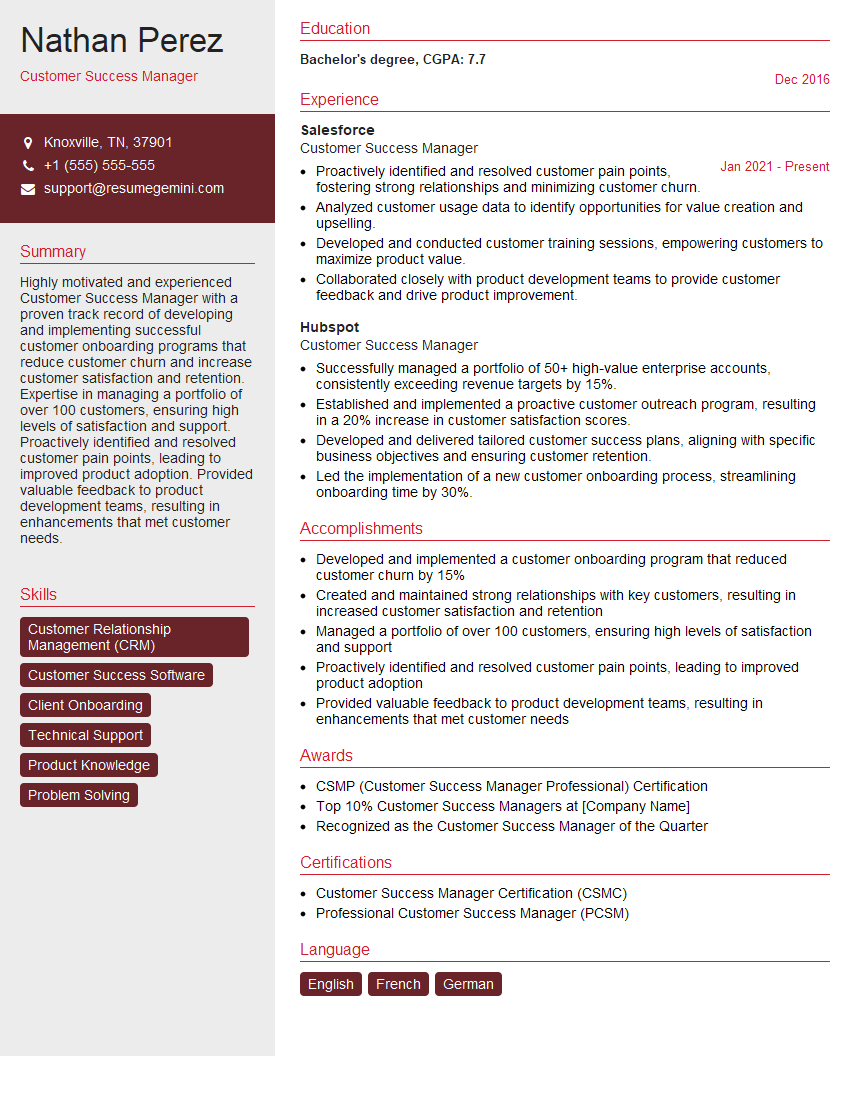
Customer Success Manager Resume Sample
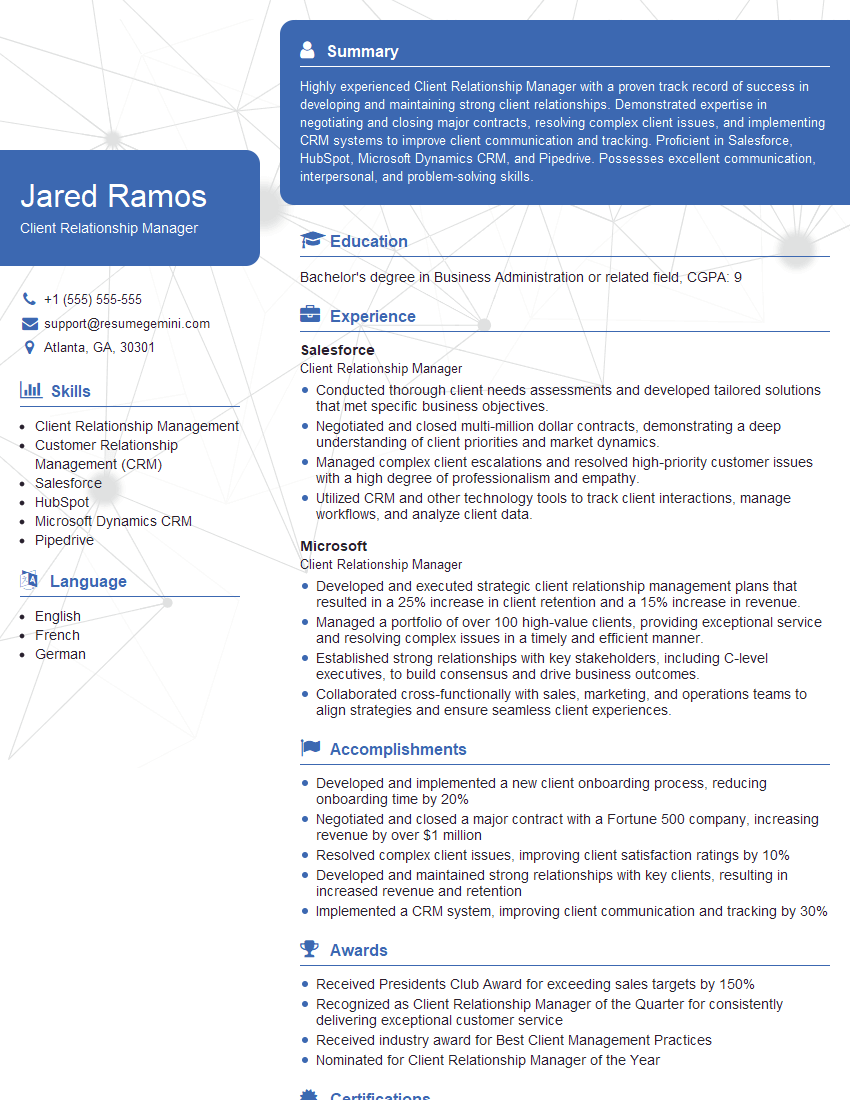
Client Relationship Manager Resume Sample
Explore more articles
Users Rating of Our Blogs
Share Your Experience
We value your feedback! Please rate our content and share your thoughts (optional).
What Readers Say About Our Blog
Very informative content, great job.
good