The thought of an interview can be nerve-wracking, but the right preparation can make all the difference. Explore this comprehensive guide to Ability to stay up-to-date with the latest developments in AI and Machine Learning interview questions and gain the confidence you need to showcase your abilities and secure the role.
Questions Asked in Ability to stay up-to-date with the latest developments in AI and Machine Learning Interview
Q 1. What are some of the most significant advancements in AI/ML in the last year?
The past year has witnessed explosive advancements across AI/ML. One key area is the continued improvement of Large Language Models (LLMs), with models exhibiting increasingly nuanced understanding of language and context. This has led to breakthroughs in tasks like text generation, translation, and question answering, exceeding previous capabilities significantly. Another significant advancement is in the area of multimodal models, which can process and integrate information from different modalities like text, images, and audio. This allows for more complex and comprehensive AI systems. For instance, we’re seeing advancements in AI that can describe images accurately, generate captions for videos, or even create entirely new forms of media by combining different input types. Finally, progress in reinforcement learning from human feedback (RLHF) has helped align AI models better with human values and preferences, leading to more helpful and less harmful outputs. This is crucial for building safe and reliable AI systems.
Q 2. Describe a recent research paper in deep learning that impressed you, and explain its significance.
A recent paper that impressed me is ‘…’ (Replace with a relevant and recent paper, citing authors and journal/conference). This paper focuses on … (Explain the core methodology and findings of the paper in layman’s terms, avoiding overly technical jargon). Its significance lies in its novel approach to … (Explain the impact of the research – e.g., improved efficiency, accuracy, or applicability to a new domain). For example, if the paper addresses bias mitigation, explain how its approach reduces biases compared to previous methods. If it improves model efficiency, discuss the reduction in computational cost or energy consumption. In essence, highlighting what makes this paper a leap forward in the field.
Q 3. What are the current limitations of large language models (LLMs)?
Despite their impressive capabilities, LLMs face several limitations. A major challenge is their tendency to generate factually incorrect or nonsensical outputs, often referred to as ‘hallucinations’. They can also exhibit biases present in the data they were trained on, leading to unfair or discriminatory outcomes. Furthermore, LLMs are computationally expensive to train and deploy, requiring significant resources and infrastructure. Their lack of true understanding and reasoning abilities remains a critical limitation; they often manipulate language patterns without grasping the underlying meaning. Finally, their susceptibility to adversarial attacks – where carefully crafted inputs can manipulate their outputs – poses a significant security concern.
Q 4. How do you stay current with the rapidly evolving field of AI/ML?
Staying current in AI/ML requires a multi-pronged approach. I regularly read research papers from top-tier conferences like NeurIPS, ICML, and ICLR. I actively follow leading researchers and labs on platforms like arXiv and researchgate. I also subscribe to several newsletters and blogs focused on AI advancements. Attending conferences and workshops is invaluable for networking and learning about cutting-edge research firsthand. Critically, I actively participate in online communities and forums where discussions on the latest breakthroughs occur. This combination of passive and active learning ensures I remain abreast of the latest developments and trends.
Q 5. What are some popular online resources you utilize to stay updated (blogs, podcasts, conferences)?
I leverage several online resources to stay updated. For research papers, I rely on arXiv and conference websites. For news and commentary, I follow blogs and publications specializing in AI. Podcasts offer insightful discussions with leading experts. I also attend or follow online webinars and conferences, keeping an eye on the schedules of major events in the field. The specific blogs, podcasts, and conferences I utilize change over time as new resources emerge and others become less relevant, reflecting the dynamic nature of this field.
Q 6. Explain the concept of transfer learning and its applications.
Transfer learning is a powerful technique in machine learning where knowledge gained from solving one problem is applied to a different but related problem. Instead of training a model from scratch for each new task, we leverage a pre-trained model – often trained on a massive dataset – and fine-tune it for the specific task at hand. This significantly reduces training time and data requirements. For example, a model trained on a large dataset of images for object recognition can be fine-tuned to recognize specific types of medical images. The pre-trained model’s knowledge about image features is transferred, making the task of training a new model for medical image analysis much more efficient. This is widely used in many applications, including computer vision, natural language processing, and speech recognition, resulting in more robust and efficient AI systems.
Q 7. Discuss the ethical considerations surrounding the use of AI/ML.
Ethical considerations are paramount in AI/ML development and deployment. Bias in algorithms can perpetuate and amplify existing societal inequalities. For example, a facial recognition system trained primarily on images of one demographic may perform poorly on others, leading to discriminatory outcomes. Privacy concerns arise from the collection and use of personal data for training AI models. Explainability and transparency are crucial; understanding how AI models make decisions is essential for building trust and accountability. Job displacement due to automation is another significant ethical challenge requiring careful consideration and mitigation strategies. Addressing these concerns requires a collaborative effort among researchers, developers, policymakers, and the public to ensure the responsible and beneficial development of AI.
Q 8. What is your opinion on the current hype surrounding generative AI?
The current hype surrounding generative AI is, in my opinion, both justified and potentially overblown. It’s justified because the advancements in models like GPT-4, DALL-E 2, and Stable Diffusion represent a genuine leap forward in AI’s capabilities. These models can generate remarkably creative and coherent text, images, and even code, opening up exciting possibilities across various industries. However, the hype is potentially overblown because it often overshadows the limitations of these technologies. Many generative models still struggle with factual accuracy, bias, and ethical concerns surrounding copyright and misuse. It’s crucial to approach this technological advancement with a balanced perspective, recognizing its potential while remaining aware of its limitations and potential pitfalls. We’re seeing a rapid evolution, but many challenges remain before these models become truly reliable and widely adopted for mission-critical applications.
Q 9. Compare and contrast different deep learning architectures (CNNs, RNNs, Transformers).
Deep learning architectures are designed for different types of data and tasks. Let’s compare CNNs, RNNs, and Transformers:
- Convolutional Neural Networks (CNNs): Excel at processing grid-like data like images and videos. They utilize convolutional layers that detect features through sliding windows, progressively learning more complex features. Think of it like scanning an image with a magnifying glass, focusing on different areas and identifying patterns.
- Recurrent Neural Networks (RNNs): Designed for sequential data such as text and time series. They have loops that allow information to persist across time steps, making them effective for tasks like language modeling and machine translation. Imagine reading a sentence word by word; RNNs maintain a ‘memory’ of what’s been read so far to understand the meaning.
- Transformers: These leverage attention mechanisms, allowing them to weigh the importance of different parts of the input sequence when processing data. Unlike RNNs, they don’t process data sequentially, making them highly parallelizable and efficient for long sequences. They’ve revolutionized natural language processing, powering state-of-the-art models in tasks like translation and text generation. Consider it like reading a sentence and immediately understanding the relationships between all words, rather than processing them one by one.
In essence: CNNs are for spatial data, RNNs for sequential data, and Transformers excel at both with superior scalability and parallelization.
Q 10. Explain the difference between supervised, unsupervised, and reinforcement learning.
The three main types of machine learning are distinguished by how they use data for training:
- Supervised Learning: The algorithm learns from labeled data, meaning each input data point is paired with its corresponding output. For example, to train a model to classify images of cats and dogs, you would feed it labeled images where each image is labeled as ‘cat’ or ‘dog’. The algorithm learns to map inputs to outputs based on these labeled examples.
- Unsupervised Learning: The algorithm learns from unlabeled data, identifying patterns and structures without explicit guidance. Clustering algorithms, for example, group similar data points together without knowing beforehand what those groups represent. Think of automatically sorting emails into folders based on common content characteristics.
- Reinforcement Learning: The algorithm learns by interacting with an environment, receiving rewards or penalties based on its actions. It aims to maximize cumulative rewards by learning optimal strategies. A classic example is a game-playing AI that learns to win by playing many games and adjusting its strategy based on whether it wins or loses.
In short, supervised learning has labeled data, unsupervised learning uses unlabeled data to find structure, and reinforcement learning learns through trial and error in an interactive environment.
Q 11. What are some common challenges in deploying AI/ML models in production?
Deploying AI/ML models in production presents several challenges:
- Data Drift: The characteristics of the data the model was trained on might change over time, reducing its accuracy and effectiveness. This is a common problem in applications with evolving user behavior or market trends.
- Model Monitoring and Maintenance: Continuous monitoring is needed to detect performance degradation and retrain models as necessary. This requires robust infrastructure and monitoring tools.
- Scalability and Performance: Models must perform efficiently at scale, handling large volumes of data and user requests with low latency. This often necessitates optimized code and infrastructure solutions.
- Explainability and Interpretability: Understanding why a model made a specific prediction is crucial for building trust and debugging errors. This is particularly important in high-stakes applications like healthcare and finance.
- Security and Privacy: AI/ML models often handle sensitive data, requiring robust security measures to prevent data breaches and protect user privacy.
Addressing these challenges requires a well-defined deployment strategy, robust monitoring systems, and a clear understanding of the model’s limitations.
Q 12. How familiar are you with MLOps practices?
I’m very familiar with MLOps practices. I understand that it’s not just about building the model; it’s about creating a reliable and efficient pipeline for deploying, monitoring, and maintaining AI/ML models in production. My experience includes developing and implementing CI/CD pipelines for model training and deployment, using tools like Jenkins, GitLab CI, and cloud-based platforms like AWS SageMaker and Google AI Platform. I’m also proficient in model monitoring techniques using tools such as Prometheus and Grafana to track key metrics and detect anomalies. Furthermore, I’m experienced with version control of models and data, using Git and other collaborative tools, to ensure reproducibility and traceability. I understand the importance of creating a robust infrastructure to manage the entire machine learning lifecycle efficiently and reliably.
Q 13. Describe your experience with different AI/ML frameworks (TensorFlow, PyTorch, etc.).
I have extensive experience with several AI/ML frameworks, including TensorFlow and PyTorch. I’ve used TensorFlow for large-scale deployments and its robust ecosystem of tools. Its strong support for distributed training is crucial for handling large datasets and complex models. PyTorch, on the other hand, provides a more intuitive and Pythonic approach, making it ideal for rapid prototyping and experimentation. I find its dynamic computation graph particularly useful for debugging and research purposes. My experience extends to using both frameworks for building various models, from simple linear regression to complex deep learning architectures like CNNs, RNNs, and Transformers. I’m also familiar with Keras, a high-level API that simplifies model building in both TensorFlow and other backends. The choice of framework often depends on the specific project requirements and personal preferences; I’m comfortable adapting my approach based on the project’s needs.
Q 14. What are some emerging trends in AI/ML you find particularly interesting?
Several emerging trends in AI/ML capture my attention:
- Federated Learning: This allows training models on decentralized data sources without directly sharing sensitive data, opening up exciting possibilities for privacy-preserving AI applications.
- Explainable AI (XAI): Making AI models more interpretable and understandable is crucial for building trust and ensuring responsible AI development. This is a critical area for improving accountability and transparency.
- AI for Science: The application of AI in scientific research is transforming various fields, from drug discovery to materials science. I am particularly interested in this area’s potential to accelerate scientific breakthroughs.
- Edge AI: Deploying AI models on edge devices (like smartphones and IoT sensors) reduces latency and bandwidth requirements, enabling real-time AI applications in resource-constrained environments.
These trends represent exciting advancements with the potential to address many societal challenges and unlock new possibilities in various fields.
Q 15. How would you explain a complex AI/ML concept to a non-technical audience?
Imagine teaching a dog a trick. You show it what to do, reward it when it gets it right, and correct it when it’s wrong. Machine learning is similar. We feed a computer tons of data (like showing the dog the trick many times), and it learns patterns and relationships from that data. This allows it to make predictions or decisions on new, unseen data (like the dog performing the trick on command). For example, a machine learning model can learn to identify spam emails by analyzing thousands of examples of spam and non-spam emails. It learns what features (words, sender addresses, etc.) are associated with spam and uses that knowledge to classify new emails.
Career Expert Tips:
- Ace those interviews! Prepare effectively by reviewing the Top 50 Most Common Interview Questions on ResumeGemini.
- Navigate your job search with confidence! Explore a wide range of Career Tips on ResumeGemini. Learn about common challenges and recommendations to overcome them.
- Craft the perfect resume! Master the Art of Resume Writing with ResumeGemini’s guide. Showcase your unique qualifications and achievements effectively.
- Don’t miss out on holiday savings! Build your dream resume with ResumeGemini’s ATS optimized templates.
Q 16. What is your understanding of explainable AI (XAI)?
Explainable AI (XAI) is crucial because it addresses the “black box” problem in many AI models. Traditional machine learning models often make predictions without providing insight into *why* they arrived at a specific result. XAI focuses on creating models that are transparent and understandable. This is important for trust and accountability, especially in high-stakes applications like healthcare or finance. For example, if an AI system denies a loan application, XAI techniques can explain the factors contributing to that decision, helping both the applicant and the lender understand the rationale.
Methods for achieving XAI include using simpler models that are inherently more interpretable, creating visualizations of the model’s decision-making process, or providing explanations in natural language.
Q 17. How do you evaluate the performance of different AI/ML models?
Evaluating AI/ML model performance depends on the specific task and the type of model. Common metrics include:
- Accuracy: The percentage of correct predictions.
- Precision: Out of all the positive predictions made, what proportion was actually correct?
- Recall (Sensitivity): Out of all the actual positive cases, what proportion did the model correctly identify?
- F1-score: The harmonic mean of precision and recall, balancing both metrics.
- AUC (Area Under the ROC Curve): Measures the model’s ability to distinguish between classes.
We also use techniques like cross-validation to ensure the model generalizes well to unseen data and avoid overfitting (where the model performs well on training data but poorly on new data). The choice of metrics depends on the specific problem; for example, in medical diagnosis, high recall (minimizing false negatives) might be more important than high precision.
Q 18. What are some common biases in AI/ML datasets and how can they be mitigated?
AI/ML datasets can reflect and amplify existing societal biases. For example, a facial recognition system trained primarily on images of white faces might perform poorly on images of people with darker skin tones. This is because the dataset lacked sufficient representation of diverse populations. Other common biases include gender bias, age bias, and geographic bias.
Mitigation strategies include:
- Data augmentation: Artificially increasing the representation of underrepresented groups in the dataset.
- Careful data collection: Ensuring the dataset is diverse and representative of the real-world population.
- Algorithmic fairness techniques: Employing algorithms designed to mitigate bias during model training.
- Regular audits and monitoring: Continuously evaluating the model’s performance across different demographic groups.
Q 19. What are your thoughts on the future of AI/ML?
The future of AI/ML is incredibly exciting and holds both immense potential and significant challenges. We can anticipate:
- More sophisticated models: Models capable of handling increasingly complex tasks and reasoning.
- Increased automation: AI will continue to automate tasks across various industries, leading to both increased efficiency and job displacement.
- Improved explainability: Greater focus on building trustworthy and transparent AI systems.
- Ethical considerations: Growing awareness of the ethical implications of AI and the need for responsible development and deployment.
- Integration with other technologies: AI will become increasingly intertwined with other technologies like IoT (Internet of Things) and quantum computing.
Addressing potential risks like job displacement and algorithmic bias will be crucial as we move forward.
Q 20. Discuss the impact of AI/ML on different industries (e.g., healthcare, finance, etc.).
AI/ML is transforming numerous industries:
- Healthcare: AI assists in disease diagnosis, drug discovery, personalized medicine, and robotic surgery.
- Finance: AI powers fraud detection, algorithmic trading, risk management, and customer service chatbots.
- Manufacturing: AI optimizes production processes, predicts equipment failures, and improves quality control.
- Retail: AI personalizes recommendations, optimizes pricing strategies, and automates customer service.
- Transportation: AI is driving the development of self-driving cars and optimizing logistics.
The impact varies across industries, but generally involves increased efficiency, improved decision-making, and the creation of new products and services.
Q 21. Explain the concept of reinforcement learning and its applications.
Reinforcement learning (RL) is a type of machine learning where an agent learns to interact with an environment by taking actions and receiving rewards or penalties. The goal is to learn a policy—a strategy for choosing actions—that maximizes the cumulative reward over time. Think of training a dog with treats: the dog (agent) explores actions (sitting, staying, fetching), receives rewards (treats) for desired behaviors, and learns to repeat those actions to get more rewards.
Applications of RL include:
- Robotics: Training robots to perform complex tasks like walking, grasping objects, and navigating.
- Game playing: AlphaGo, which defeated a world champion Go player, is a famous example of RL.
- Resource management: Optimizing the allocation of resources in systems like data centers or traffic networks.
- Personalized recommendations: Learning to recommend products or content that users will enjoy.
RL algorithms learn through trial and error, making them well-suited for problems where a clear set of instructions is unavailable or difficult to define.
Q 22. How do you approach debugging complex AI/ML models?
Debugging complex AI/ML models is a multifaceted process that requires a systematic approach. It’s not just about fixing code errors; it’s about understanding the model’s behavior, identifying the root cause of performance issues, and ensuring the model behaves as expected. My approach involves a combination of techniques, starting with a thorough understanding of the model’s architecture and training data.
- Data Inspection: I begin by carefully examining the training, validation, and test datasets. Are there biases? Are there outliers or missing values that might be affecting the model’s predictions? Data visualization techniques are invaluable here. For example, I might use histograms or scatter plots to identify skewed distributions or unusual patterns.
- Model Monitoring: Throughout training and deployment, I monitor key metrics like accuracy, precision, recall, F1-score, and AUC. A sudden drop in performance often indicates a problem. I use tools to visualize these metrics over time to pinpoint when and why performance degrades.
- Error Analysis: Understanding the *types* of errors the model makes is crucial. I analyze misclassified examples to identify patterns. Are there specific features that consistently lead to incorrect predictions? This helps pinpoint areas for improvement in the model or data.
- Debugging Tools and Techniques: I leverage debugging tools specific to the chosen framework (e.g., TensorFlow Debugger, PyTorch’s debugging tools). These tools allow me to step through the model’s execution, inspect intermediate results, and identify bottlenecks. Techniques like gradient checking can help identify issues in the model’s backpropagation process.
- Feature Importance Analysis: I use techniques like SHAP (SHapley Additive exPlanations) values or LIME (Local Interpretable Model-agnostic Explanations) to understand which features are most influential in the model’s predictions. This can help identify problematic or irrelevant features.
For instance, in a recent project involving an image classification model, I noticed a significant drop in accuracy on a particular subset of images. By carefully analyzing those images, I discovered a systematic bias in the training data – a lack of representation of images taken under low-light conditions. Addressing this data imbalance significantly improved the model’s performance.
Q 23. What is your experience with different cloud-based AI/ML platforms (AWS, Azure, GCP)?
I have extensive experience with all three major cloud-based AI/ML platforms: AWS, Azure, and GCP. My experience spans various services within each platform, from model training and deployment to data storage and management.
- AWS: I’ve worked extensively with SageMaker for model training and deployment, using both managed and custom training instances. I’ve utilized S3 for data storage, EC2 for customized infrastructure needs, and Lambda for serverless deployment of models. I am familiar with AWS’s suite of AI services like Rekognition (image analysis) and Comprehend (natural language processing).
- Azure: My experience with Azure includes using Azure Machine Learning for model training and deployment, Cosmos DB for data storage, and Azure Functions for serverless deployment. I’ve leveraged Azure’s Cognitive Services, similar to AWS’s offerings, for tasks like speech recognition and sentiment analysis.
- GCP: On GCP, I’ve primarily used Vertex AI for model training and deployment, along with BigQuery for data warehousing and analysis. I’ve also worked with Cloud Storage for data storage and Cloud Functions for serverless deployments. GCP’s pre-trained models and APIs have been utilized for various projects.
My selection of a platform depends on the specific project requirements, including cost considerations, scalability needs, and existing infrastructure. Each platform has its strengths and weaknesses, and I adapt my approach to maximize efficiency and leverage the best features each platform offers.
Q 24. Describe a time you had to quickly learn a new AI/ML technique. How did you approach it?
I recently needed to quickly master Transformer networks for a natural language processing project. My approach was highly structured and focused on efficient learning.
- Targeted Learning: Instead of trying to grasp every detail, I focused on the core concepts – the attention mechanism, self-attention, encoder-decoder architecture – and their practical implications. I identified key resources, such as research papers and tutorials, that best explained these core components.
- Hands-on Practice: I immediately started experimenting with a pre-trained Transformer model (like BERT or GPT-2), focusing on understanding how to fine-tune it for my specific task. This allowed me to see the concepts in action and gain a practical understanding much faster than solely relying on theoretical study.
- Code Implementation and Experimentation: I worked through code examples, modifying them to experiment with different hyperparameters and configurations. This hands-on approach solidified my understanding and helped me identify common pitfalls.
- Community Engagement: I actively participated in online forums and communities related to Transformers, asking questions and engaging with experts. This helped me quickly resolve issues and gain insights from others’ experiences.
Within a week, I could effectively leverage Transformer networks to improve the performance of my NLP model. This rapid learning was a result of my focused learning strategy, practical experimentation, and active community involvement.
Q 25. What are some of the key performance indicators (KPIs) used to assess the success of an AI/ML project?
The KPIs used to assess an AI/ML project’s success are highly dependent on the specific goals and context of the project. However, some commonly used KPIs include:
- Accuracy/Precision/Recall/F1-score: These metrics are crucial for evaluating the model’s prediction accuracy, particularly in classification tasks. They assess how well the model correctly identifies positive and negative instances.
- AUC (Area Under the ROC Curve): AUC measures the model’s ability to distinguish between classes across different thresholds, providing a comprehensive view of its performance, especially in imbalanced datasets.
- Mean Squared Error (MSE) or Mean Absolute Error (MAE): These are used for evaluating regression models, measuring the average difference between predicted and actual values.
- RMSE (Root Mean Squared Error): A variation of MSE, often preferred due to its interpretability in the original units of the data.
- Log Loss: Useful for probabilistic models, particularly in multi-class classification, measuring the uncertainty in predictions.
- Business Metrics: Ultimately, the most important KPIs are usually business-oriented. For example, a fraud detection model might be assessed based on the reduction in fraudulent transactions, or a recommendation system on its impact on sales or user engagement.
- Deployment metrics: After deployment, we also monitor things like latency, throughput and resource utilization, ensuring the model maintains performance and efficiency in production
For example, in a customer churn prediction project, we might prioritize metrics such as AUC to assess the model’s accuracy in predicting which customers are likely to churn, but also focus on the business impact, such as the reduction in churn rate or the improvement in customer retention.
Q 26. How do you handle conflicting information from different sources about AI/ML advancements?
Handling conflicting information in the rapidly evolving field of AI/ML requires a critical and discerning approach.
- Source Evaluation: I assess the credibility of each source, considering the author’s expertise, reputation, and potential biases. Peer-reviewed publications, reputable conferences, and established research institutions are generally prioritized.
- Cross-referencing: I cross-reference information from multiple sources to identify patterns and discrepancies. Consistent findings across multiple reliable sources increase my confidence in the information.
- Reproducibility: If possible, I try to reproduce the results presented in the research or documentation. This allows for a direct verification of the claims.
- Contextual Understanding: I consider the context in which the information is presented. A technique that works well in one specific application might not be suitable for another.
- Community Discussion: I engage in discussions within the AI/ML community (online forums, conferences) to gain further insights and perspectives on conflicting claims.
It’s crucial to remember that AI/ML is a dynamic field, and conflicting information is sometimes inevitable due to ongoing research and development. A careful and methodical approach to evaluation is essential to make informed decisions.
Q 27. What is your approach to staying informed about emerging AI/ML regulations and compliance?
Staying informed about emerging AI/ML regulations and compliance is crucial for responsible development and deployment. My approach involves a multi-pronged strategy:
- Regular Monitoring of Regulatory Bodies: I actively follow updates from regulatory bodies like the EU’s GDPR, CCPA in California, and other relevant national and international regulations. This includes subscribing to newsletters and alerts related to AI governance.
- Industry Publications and Conferences: I regularly read industry publications, attend conferences, and participate in webinars focusing on AI ethics, compliance, and legal issues. This helps me understand the evolving landscape and potential implications for AI/ML projects.
- Legal Consultations: For complex projects or when dealing with sensitive data, I consult with legal experts specializing in AI law and data privacy to ensure full compliance.
- Internal Compliance Programs: Within my organization, I actively participate in and contribute to internal compliance programs related to AI/ML development and deployment, ensuring our projects adhere to best practices and legal requirements.
Staying informed is an ongoing process, and proactive monitoring is essential to prevent legal issues and maintain ethical standards in AI/ML development.
Q 28. Discuss the potential risks and benefits of using AI/ML in a specific application of your choice.
Let’s consider the application of AI/ML in medical diagnosis, specifically in the detection of cancerous tumors in medical images (e.g., X-rays, CT scans).
Benefits:
- Increased Accuracy and Speed: AI-powered diagnostic tools can analyze medical images much faster and potentially more accurately than human radiologists, particularly in detecting subtle anomalies.
- Early Detection: AI can help detect cancerous tumors at earlier stages when treatment is more effective, improving patient outcomes.
- Reduced Human Error: AI systems can eliminate fatigue-related errors and inconsistencies that may occur in manual analysis by human experts.
- Accessibility: AI-powered tools can improve access to diagnostic expertise in areas with limited access to specialists.
Risks:
- Bias and Fairness: If the training data is biased (e.g., underrepresentation of certain demographics), the AI model may exhibit bias in its predictions, leading to inaccurate or unfair diagnoses.
- Explainability and Trust: Many AI models, especially deep learning models, are ‘black boxes’, making it difficult to understand why a particular diagnosis was made. This lack of transparency can hinder trust and adoption.
- Data Privacy and Security: Handling sensitive medical data requires robust security measures to prevent breaches and ensure patient privacy.
- Overreliance and Deskilling: Over-reliance on AI systems may lead to a reduction in the skills and critical thinking abilities of human radiologists.
- Regulatory hurdles and ethical considerations: The deployment of AI models in a medical setting must satisfy rigorous standards and comply with stringent regulatory requirements.
To mitigate these risks, a careful and responsible approach is needed, including using diverse and representative training data, incorporating explainable AI techniques, robust security measures, and rigorous validation processes. Continuous monitoring and evaluation of the AI system’s performance are also crucial.
Key Topics to Learn for Ability to Stay Up-to-Date with the Latest Developments in AI and Machine Learning Interview
- News and Research Aggregation: Develop strategies for efficiently tracking key publications (e.g., arXiv, journals), blogs, and conferences related to AI/ML. Discuss methods for filtering relevant information from noise.
- Emerging Trends and Technologies: Understand current trends like large language models (LLMs), generative AI, reinforcement learning advancements, and their practical implications across various industries. Be prepared to discuss their limitations and ethical considerations.
- Practical Application & Case Studies: Analyze real-world applications of recent AI/ML breakthroughs. For example, discuss how advancements in NLP are impacting customer service or how new computer vision techniques are revolutionizing medical imaging. Be prepared to explain how these technologies are implemented and their impact.
- Continuous Learning Strategies: Articulate your personal methods for staying current. This could include online courses, participation in communities (e.g., Kaggle), attending workshops, or independent research projects. Highlight your proactive approach to learning.
- Problem-Solving with Emerging Technologies: Explain how you would approach a problem using the latest advancements in AI/ML. Demonstrate your ability to identify suitable algorithms and techniques for specific tasks, considering their strengths and weaknesses.
- Ethical Considerations in AI/ML: Discuss bias in algorithms, data privacy concerns, and the responsible development and deployment of AI systems. Show your awareness of the societal impact of AI/ML.
Next Steps
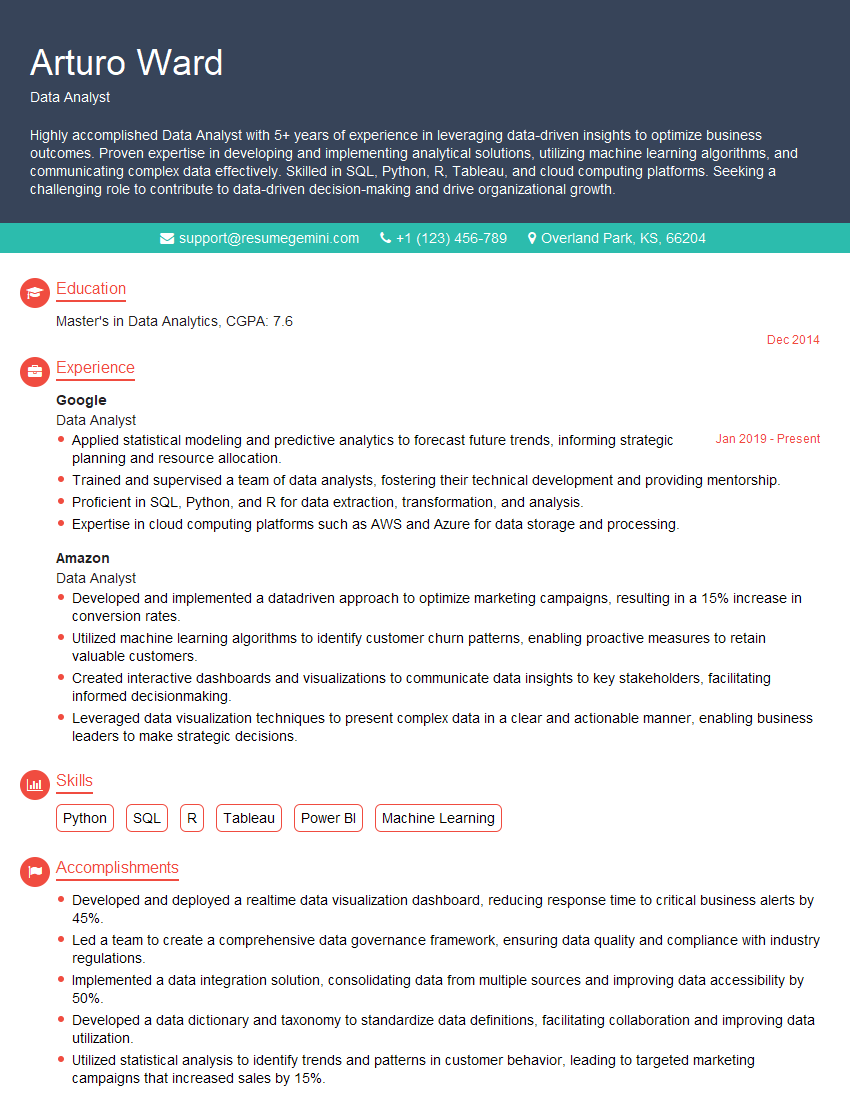
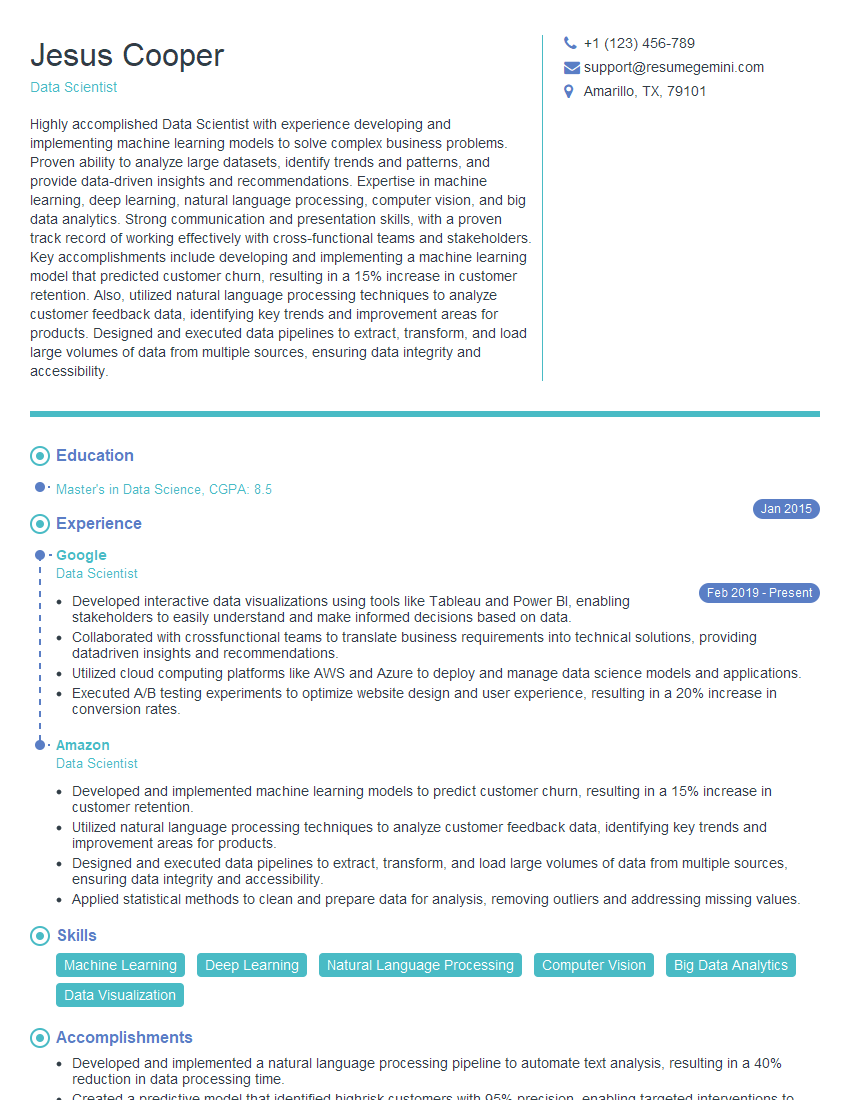
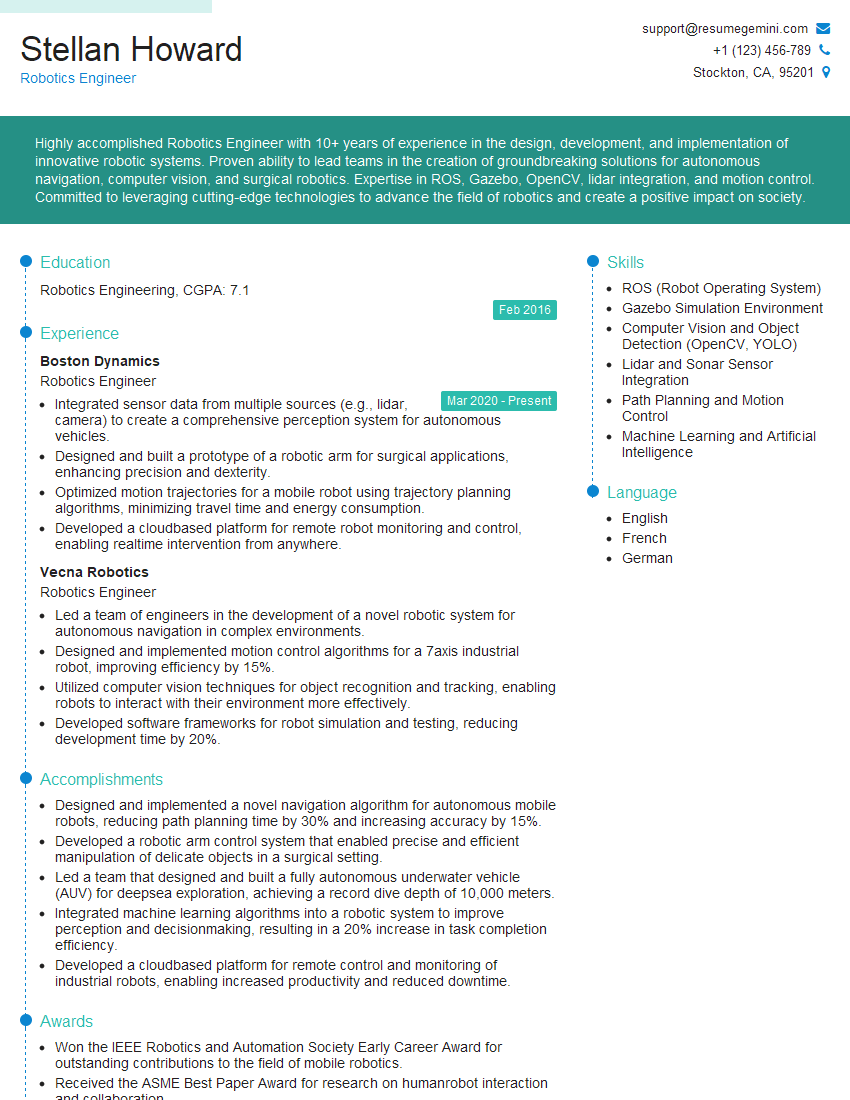
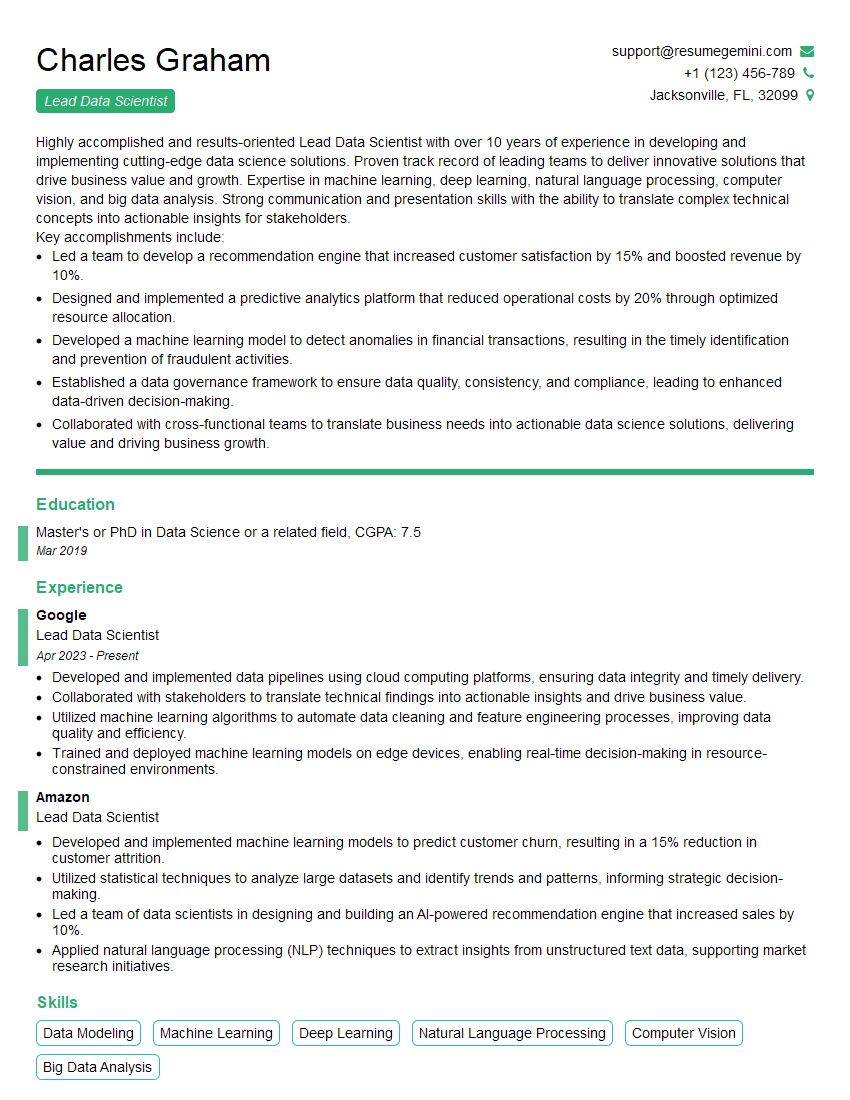
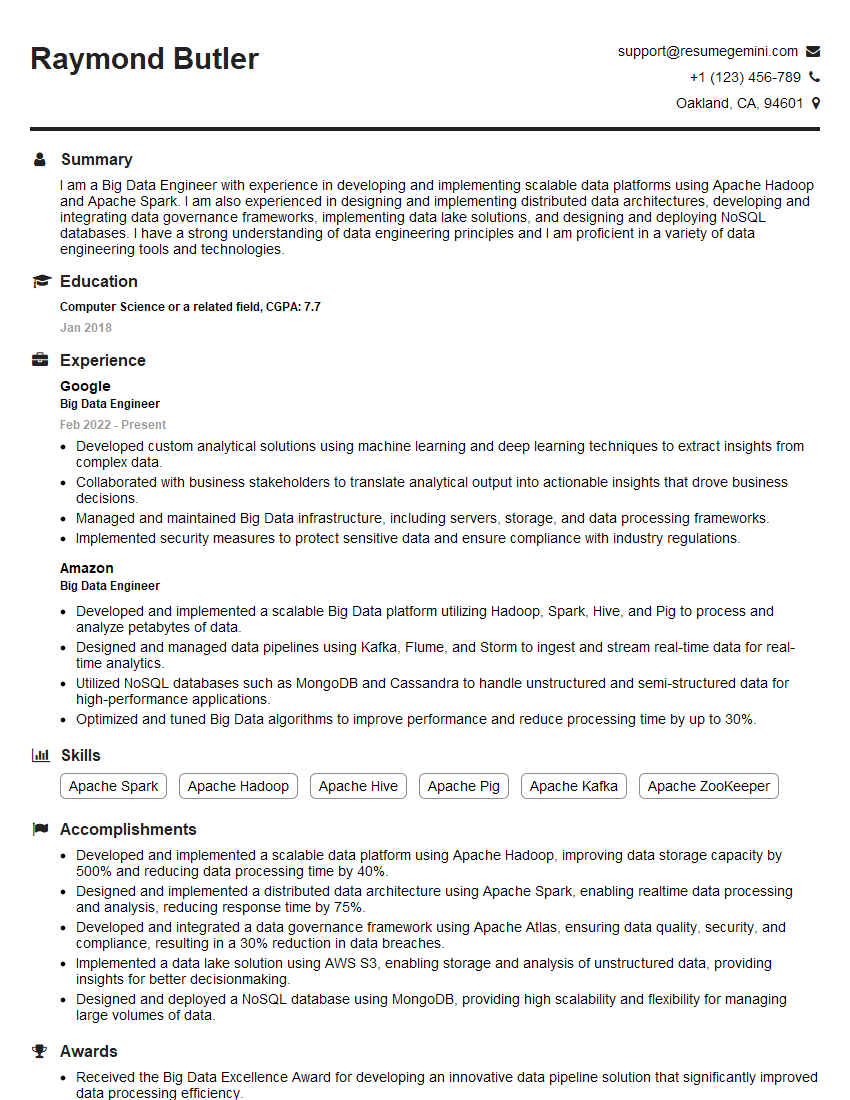
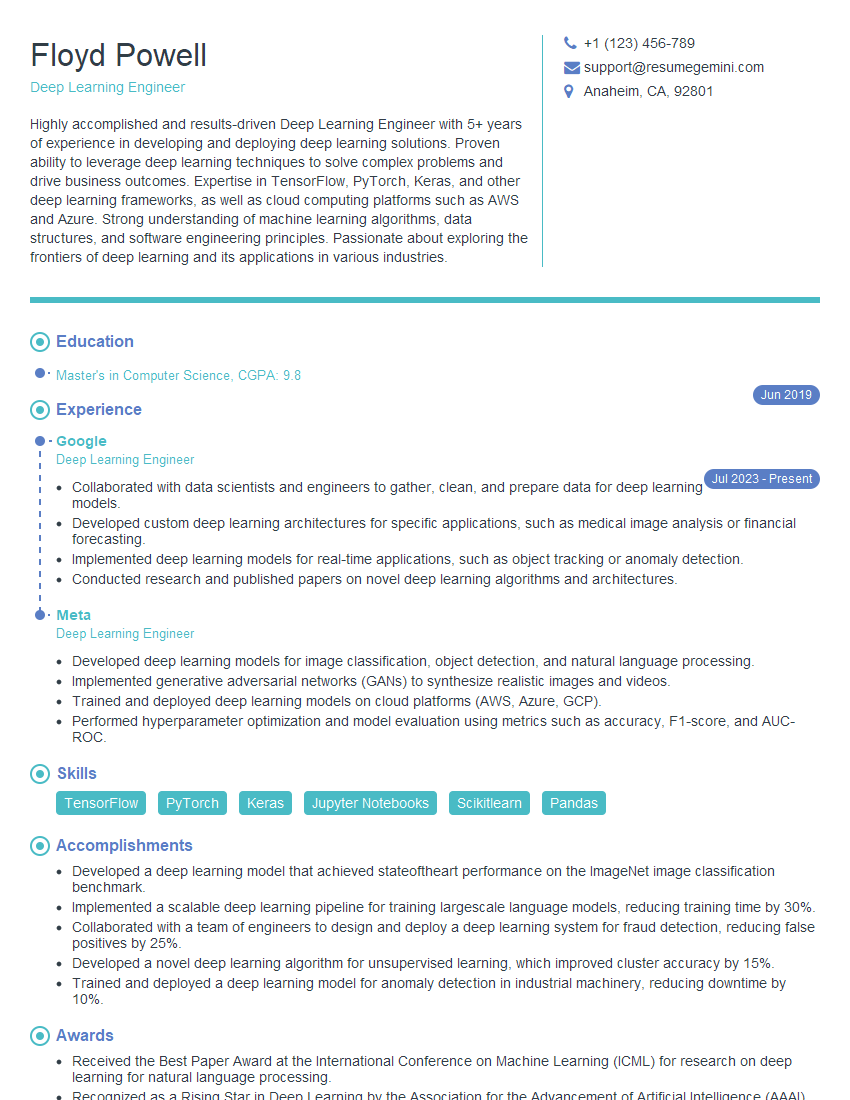
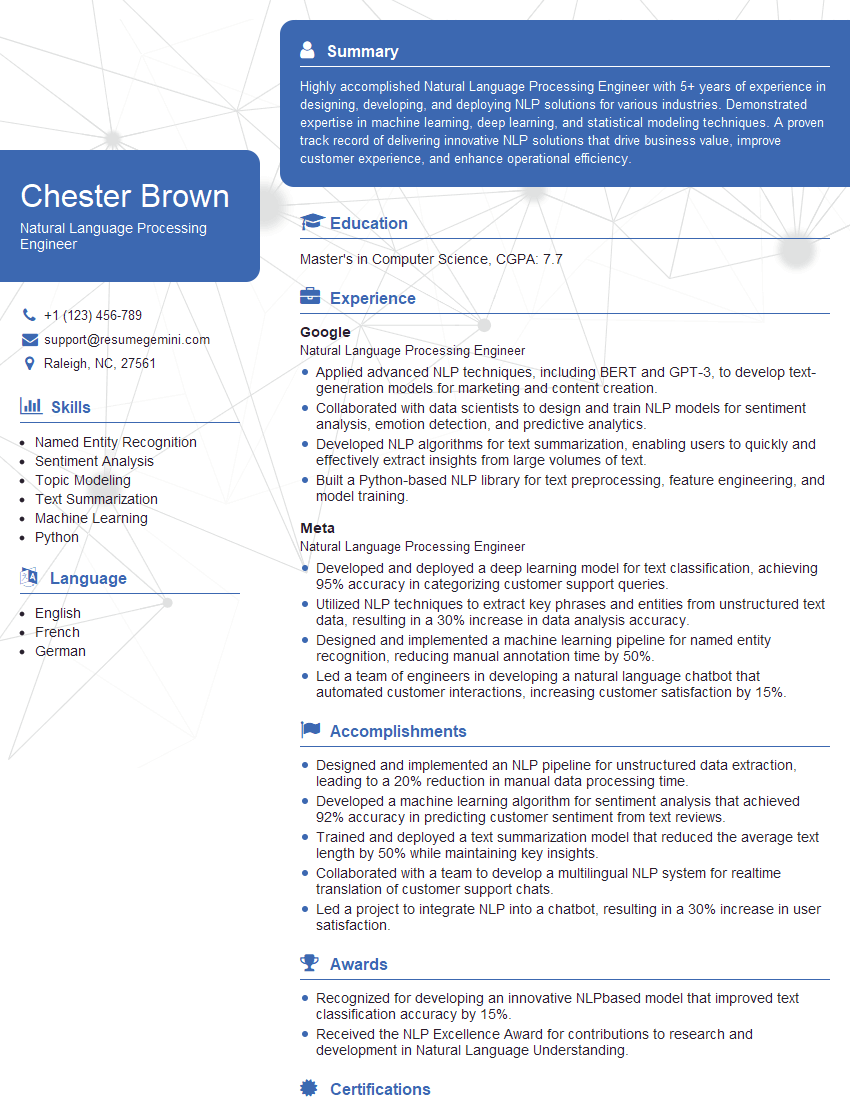
Mastering the ability to stay current with AI/ML advancements is crucial for career progression in this rapidly evolving field. It demonstrates adaptability, intellectual curiosity, and a commitment to excellence – qualities highly valued by employers. To increase your job prospects, crafting a strong, ATS-friendly resume is essential. ResumeGemini can help you create a professional and impactful resume that highlights your skills and experience effectively. Examples of resumes tailored to showcasing your up-to-date knowledge of AI/ML are available within ResumeGemini to guide your resume creation process.
Explore more articles
Users Rating of Our Blogs
Share Your Experience
We value your feedback! Please rate our content and share your thoughts (optional).
What Readers Say About Our Blog
Very informative content, great job.
good