Every successful interview starts with knowing what to expect. In this blog, we’ll take you through the top Ability to work effectively in a highstress environment interview questions, breaking them down with expert tips to help you deliver impactful answers. Step into your next interview fully prepared and ready to succeed.
Questions Asked in Ability to work effectively in a highstress environment Interview
Q 1. Describe a situation where you had to work under significant time pressure. What was your approach?
Working under significant time pressure is a common experience in many professional settings. My approach involves a structured methodology focusing on prioritization, efficient execution, and effective communication. For instance, during a critical product launch where we were facing a tight deadline, I started by breaking down the project into smaller, manageable tasks. I then prioritized these tasks based on their impact and dependency, focusing first on the crucial elements essential for launch. This involved using a Kanban board to visually track progress and identify any potential bottlenecks. Regular communication with the team, updating them on progress and any roadblocks, was critical. Open communication helped ensure everyone was aligned and could provide support where needed. This systematic approach allowed us to successfully launch the product on time, despite the immense pressure.
Q 2. How do you prioritize tasks when faced with multiple competing deadlines?
Prioritizing tasks with multiple competing deadlines requires a clear strategy. I use a combination of techniques, including the Eisenhower Matrix (urgent/important), MoSCoW method (Must have, Should have, Could have, Won’t have), and careful consideration of dependencies between tasks. The Eisenhower Matrix helps me categorize tasks and focus on the urgent and important first. The MoSCoW method helps in prioritizing features and functionalities. For example, if I’m working on a project with multiple deadlines, I’ll map out all tasks, assigning them to the relevant matrix quadrant or MoSCoW category. This visualization provides a clear path, enabling me to efficiently allocate my time and resources. Regular review and adjustment of this plan are essential to adapt to changing circumstances.
Q 3. Share an example where you had to make a critical decision under pressure. What was the outcome?
In a previous role, we encountered a critical software bug just hours before a major client presentation. The bug risked a complete system failure. Under immense pressure, I made the crucial decision to temporarily disable a non-critical feature to ensure system stability for the presentation. This was a difficult call, as it meant postponing the release of a minor enhancement. However, I reasoned that a stable system was paramount to maintaining client trust, and the minor feature could be released later. The outcome was successful. The presentation went smoothly, client trust was preserved, and the minor feature was released subsequently with minimal impact. This taught me the importance of making quick, calculated decisions even under immense pressure, prioritizing the overall objective.
Q 4. How do you manage your stress levels in a high-pressure environment?
Managing stress in high-pressure environments requires a multi-faceted approach. Firstly, I prioritize self-care, ensuring adequate sleep, healthy nutrition, and regular exercise. This forms a strong foundation for resilience. Secondly, I practice mindfulness and deep breathing techniques to stay calm and centered when overwhelmed. Thirdly, I ensure that I’m proactively communicating with my team and manager, keeping them updated on my progress and any challenges I face. This open communication not only helps alleviate pressure, but also fosters a collaborative environment. Finally, I build in time for breaks and relaxation, even during busy periods, to avoid burnout.
Q 5. What techniques do you use to stay focused and productive during stressful situations?
Staying focused and productive during stressful situations involves combining time management techniques with strategies for mental clarity. I utilize the Pomodoro Technique, working in focused bursts with short breaks, to maintain concentration. I also leverage techniques like the Pareto Principle (80/20 rule) to identify the most impactful tasks and focus my energy there. Furthermore, minimizing distractions by creating a quiet workspace and using noise-cancelling headphones can significantly improve focus. Finally, regular prioritization and task review ensure that I’m constantly working on the most crucial items, reducing anxiety caused by a feeling of being overwhelmed.
Q 6. Describe a time when you failed to meet a deadline due to pressure. What did you learn?
There was a project where I failed to meet a deadline due to underestimating the complexity of a particular task. I focused on completing what I perceived as the high-priority tasks first, neglecting the time needed for the more complex ones. This led to a delay. What I learned from this experience is the importance of accurate task estimation and comprehensive planning. Now I use more detailed breakdown of tasks during the planning phase and incorporate buffer time to account for unexpected challenges. Regular progress reviews and seeking help when needed are now integral parts of my workflow to avoid such situations.
Q 7. How do you handle criticism or setbacks during a high-pressure project?
Handling criticism or setbacks during a high-pressure project requires a professional and proactive approach. I begin by actively listening to the feedback, seeking to understand the perspective of the person offering the criticism. I then reflect on the points raised and identify areas for improvement. I view setbacks as learning opportunities, analyzing what went wrong and identifying actionable steps to prevent similar issues in the future. If necessary, I’ll document these lessons learned and share them with the team to foster continuous improvement. Open communication and a willingness to adapt are critical in navigating challenges and ensuring successful project completion, even in stressful conditions.
Q 8. How do you collaborate effectively with others when under pressure?
Effective collaboration under pressure hinges on clear communication, defined roles, and mutual respect. I prioritize open and honest dialogue, ensuring everyone understands the objectives, timelines, and their individual contributions. For instance, during a project launch with a tight deadline, I initiated daily stand-up meetings to track progress, address roadblocks immediately, and maintain transparency. We used a shared project management tool to track tasks and responsibilities, minimizing confusion and maximizing efficiency. Actively listening to team members’ concerns and valuing their input fostered a collaborative environment even amidst the stress.
- Clear Communication: Regular updates and transparent communication are crucial.
- Defined Roles: Ensure each team member has a clear understanding of their responsibilities.
- Shared Tools: Utilize collaborative tools for project management and communication.
Q 9. How do you maintain your composure and professionalism in stressful situations?
Maintaining composure and professionalism in stressful situations is a learned skill. My approach involves deep breathing exercises to manage anxiety, focusing on the task at hand rather than the pressure, and prioritizing self-care. I believe in separating emotions from tasks. For example, if a client is upset, I actively listen to their concerns, empathize, and then calmly and professionally outline the solution. I also believe in taking short breaks to regroup and refocus. This allows me to approach challenges with a clear mind and maintain a professional demeanor, even during high-pressure situations.
- Deep Breathing: A simple technique to calm the nervous system.
- Focus on the Task: Channel your energy into solving the problem.
- Self-Care: Prioritize adequate sleep, healthy eating, and regular breaks.
Q 10. What strategies do you employ to prevent burnout in demanding roles?
Preventing burnout requires proactive measures. I prioritize time management, setting realistic goals, and incorporating regular breaks and downtime into my schedule. This includes setting boundaries between work and personal life and actively engaging in activities outside of work that help me recharge and relax. For example, I schedule specific time blocks for focused work and intersperse them with short breaks for stretching, walking, or mindfulness exercises. I also actively seek feedback and communicate my workload to my manager to prevent overload. Recognizing my limitations and asking for help when needed is also critical. This is not a sign of weakness, but rather an acknowledgement of the need for support to maintain both productivity and well-being.
- Time Management: Utilize techniques like time blocking and prioritization.
- Realistic Goals: Avoid overcommitment and break down large tasks into smaller, manageable steps.
- Regular Breaks: Incorporate short breaks and downtime into your workday.
- Boundary Setting: Maintain a clear separation between work and personal life.
Q 11. How do you identify potential problems or risks before they escalate in a stressful context?
Identifying potential problems proactively involves a combination of risk assessment, critical thinking, and experience. I utilize a systematic approach, analyzing the situation for potential obstacles, considering various scenarios, and anticipating potential consequences. For example, before launching a new product, I would conduct a thorough risk assessment identifying potential issues such as supply chain disruptions, technical glitches, or negative customer feedback. This allows me to develop contingency plans and mitigation strategies in advance, minimizing disruptions and damage control when problems arise.
- Risk Assessment: Identify potential risks and vulnerabilities.
- Scenario Planning: Consider various potential outcomes and develop contingency plans.
- Experience: Leverage past experiences to anticipate challenges.
Q 12. Describe a time you successfully navigated a complex problem under pressure. What was your methodology?
During a major system upgrade, we faced unexpected database corruption just hours before the launch deadline. The initial reaction was panic, but I immediately implemented a structured approach. First, I calmed the team and established clear communication channels. We then prioritized tasks: data recovery, system rollback, and communication with stakeholders. We utilized a combination of backups and data recovery tools, working collaboratively and efficiently. While the launch was delayed, the quick response and collaborative effort minimized the damage and ensured a successful launch the following day. My methodology was based on a structured problem-solving approach: define the problem, brainstorm solutions, choose the best approach, implement the solution, and evaluate the results. This involved a clear breakdown of tasks and close monitoring of progress throughout.
Q 13. How do you adapt your work style to different levels of pressure?
My work style adapts dynamically to varying pressure levels. In low-pressure situations, I focus on long-term strategic planning and innovation. As pressure increases, I shift to a more focused and prioritized approach, concentrating on immediate tasks and efficient execution. I utilize time management techniques like time blocking and prioritization matrices to allocate my time effectively. When faced with extreme pressure, I focus on clear communication, collaboration, and delegation to ensure effective task completion and to avoid becoming overwhelmed. My adaptability is a key asset that allows me to perform effectively across varying work environments and demands.
Q 14. How do you delegate tasks effectively during stressful periods?
Effective delegation during stressful periods requires careful assessment of team members’ skills and workload. I prioritize tasks based on urgency and importance, selecting individuals best suited for each task. Clear instructions, defined expectations, and accessible communication channels are crucial. I also provide necessary support and guidance without micromanaging. For example, during a crisis, I delegated tasks based on individual expertise, ensuring each person received clear direction and access to required information, thereby maximizing efficiency and preventing bottlenecks. Trusting my team and empowering them to take ownership is crucial during high-pressure periods.
Q 15. How do you balance the demands of multiple projects or responsibilities under pressure?
Balancing multiple demands under pressure requires a structured approach. Think of it like conducting an orchestra – each instrument (project) needs attention, but the conductor (you) must ensure harmony. My strategy relies on prioritization, planning, and effective time management.
Prioritization: I use methods like the Eisenhower Matrix (urgent/important) to identify critical tasks. This helps me focus my energy on the most impactful activities first.
Planning: I break down large projects into smaller, manageable tasks. This creates a clear roadmap and allows for better tracking of progress. Tools like project management software (e.g., Asana, Trello) are invaluable here.
Time Management: I employ techniques like time blocking, allocating specific time slots for each task. This prevents task-switching and improves focus. Regular review of my schedule ensures I’m on track and can adjust as needed.
For example, during a particularly busy period at my previous role, I was managing three major projects simultaneously – a website redesign, a new marketing campaign, and a software upgrade. By prioritizing tasks based on deadlines and impact, and utilizing project management software to track progress, I successfully delivered all three projects on time and within budget.
Career Expert Tips:
- Ace those interviews! Prepare effectively by reviewing the Top 50 Most Common Interview Questions on ResumeGemini.
- Navigate your job search with confidence! Explore a wide range of Career Tips on ResumeGemini. Learn about common challenges and recommendations to overcome them.
- Craft the perfect resume! Master the Art of Resume Writing with ResumeGemini’s guide. Showcase your unique qualifications and achievements effectively.
- Don’t miss out on holiday savings! Build your dream resume with ResumeGemini’s ATS optimized templates.
Q 16. Describe a situation where you had to make a difficult decision that impacted others. How did you handle it?
Difficult decisions impacting others require careful consideration and empathy. The key is transparency, clear communication, and a focus on fairness.
In a previous role, budget cuts forced me to choose between two equally important projects. Both teams had worked incredibly hard, and both projects were valuable to the company’s long-term goals. After carefully reviewing the financial implications and potential long-term consequences of cancelling either, I decided to scale down one project, prioritizing its core elements while completely cutting the other.
I communicated my decision transparently to both teams, explaining the rationale behind my choice and highlighting the factors considered. I emphasized the difficult nature of the decision and acknowledged the impact on both teams. Although the reaction was initially disappointing, open communication helped maintain trust and collaboration.
Q 17. How do you handle conflicting priorities when under pressure?
Conflicting priorities under pressure require a strategic approach to conflict resolution. It’s about identifying the most critical tasks and making informed trade-offs.
Clarify Priorities: I start by clearly defining and understanding the objectives of each task. Often, apparent conflicts can be resolved through re-evaluation and better understanding of goals.
Negotiation & Delegation: If the conflicting priorities can’t be easily resolved, I look for opportunities to negotiate deadlines or delegate tasks where appropriate. This might involve collaboration with other team members to find shared solutions.
Escalation: If internal resolution isn’t feasible, I escalate the issue to my manager or relevant stakeholders. This ensures that the decision is informed by a broader perspective and avoids potential negative consequences.
For instance, I once faced conflicting deadlines for a critical report and an urgent client request. After assessing their relative importance, I negotiated an extension for the report deadline with the project manager and delegated some less critical tasks to a team member, enabling me to prioritize the client request and maintain a positive client relationship.
Q 18. Describe your experience with managing unexpected events or emergencies in the workplace.
Managing unexpected events requires quick thinking, decisive action, and a calm demeanor. Preparation and clear communication are key to effective crisis management.
During a major system outage at my previous company, I acted as the primary point of contact for affected users. I immediately activated our emergency response plan, which involved coordinating with the IT department to identify the problem, communicating updates to affected users, and implementing temporary workarounds. My calm and organized response minimized disruptions and ensured business continuity.
The experience underscored the importance of having a well-defined emergency plan, robust communication channels, and a team capable of responding effectively under pressure. Regular training and drills are crucial in preparing for such events.
Q 19. How do you proactively identify and mitigate potential sources of stress?
Proactive stress mitigation involves identifying potential stressors and developing strategies to reduce their impact. It’s about creating a buffer against overwhelming pressure.
Identify Potential Stressors: I regularly assess my workload and identify potential bottlenecks or challenges. This might involve reviewing project timelines, analyzing task dependencies, or anticipating potential risks.
Develop Mitigation Strategies: Once potential stressors are identified, I develop specific strategies to address them. This could involve seeking additional resources, improving communication, or adjusting timelines.
Establish Clear Boundaries: Setting clear boundaries between work and personal life is crucial. This includes setting realistic expectations, avoiding overcommitment, and respecting personal time.
For example, by anticipating potential delays in a project, I proactively secured additional resources and adjusted the timeline to mitigate the risk of project failure.
Q 20. What steps do you take to maintain your physical and mental well-being during periods of high stress?
Maintaining physical and mental well-being under stress is non-negotiable. It’s about building resilience and preventing burnout. My approach is multifaceted.
Physical Well-being: I prioritize regular exercise, healthy eating, and sufficient sleep. Physical activity helps manage stress hormones and improves mood. A balanced diet provides sustained energy, and adequate sleep is essential for cognitive function.
Mental Well-being: I practice mindfulness and stress-reduction techniques like deep breathing exercises or meditation. These help calm the nervous system and improve focus. I also make time for hobbies and activities that bring me joy and relaxation.
Seeking Support: I don’t hesitate to seek support from colleagues, friends, or family when needed. Open communication and emotional support are invaluable during stressful periods.
For instance, during particularly demanding projects, I incorporate short meditation breaks into my workday and ensure I get at least 7-8 hours of sleep each night. This allows me to maintain focus and clarity while avoiding burnout.
Q 21. How do you use technology or tools to improve efficiency and reduce stress under pressure?
Technology can be a powerful tool for improving efficiency and reducing stress under pressure. Smart use of technology can automate tasks, improve communication, and enhance organization.
Project Management Software: Tools like Asana, Trello, or Monday.com provide centralized task management, collaborative workflows, and progress tracking, reducing the cognitive load of managing multiple projects.
Communication Tools: Platforms like Slack or Microsoft Teams facilitate real-time communication, reducing delays and misunderstandings. This ensures everyone is on the same page and minimizes confusion under pressure.
Automation Tools: Automating repetitive tasks using scripting or workflow automation tools frees up time and reduces the risk of errors, leading to reduced stress.
For example, by using project management software, I can track progress, assign tasks, and manage deadlines efficiently, freeing up mental space to focus on strategic decisions rather than administrative details.
Q 22. Describe your experience with working on a team under significant time constraints.
Working under tight deadlines is a common aspect of many roles, and my experience shows I thrive in such environments. I’ve consistently delivered high-quality work even when facing significant time pressure. For example, during my time at [Previous Company Name], we were tasked with launching a new product within an incredibly short timeframe – just three months. This meant long hours and intense collaboration. My role involved [Specific Task/Responsibility]. To manage the pressure, we implemented a daily scrum, prioritized tasks using a Kanban board, and focused on iterative development, releasing features incrementally. This agile approach allowed us to adapt to changing priorities and deliver the product on time and to specification. The success of this project highlighted the importance of effective teamwork and proactive planning in high-pressure situations.
Q 23. How do you communicate effectively under pressure, both verbally and in writing?
Effective communication under pressure is crucial. Verbally, I prioritize clear, concise messaging, ensuring everyone understands their roles and responsibilities. I actively listen to team members, addressing concerns promptly. During the aforementioned product launch, when a critical bug emerged close to the deadline, I immediately convened a quick team meeting, calmly explaining the situation and outlining clear steps to address the problem. In writing, I use bullet points, concise sentences, and a clear subject line to ensure my emails and reports are easily digestible, even under stress. For instance, I’d use subject lines like “Urgent: Action Needed on Bug X” instead of a vague subject. This directness saves time and prevents misunderstandings.
Q 24. Have you ever experienced a significant crisis at work? How did you respond?
Yes, I experienced a significant crisis involving a major system failure at [Previous Company Name]. Our primary database crashed, halting all operations. My initial response was to remain calm and assess the situation systematically. I followed a structured approach: First, I identified the problem’s root cause by reviewing logs and collaborating with the IT team. Then, I developed a contingency plan involving restoring data from backups and implementing temporary solutions. I communicated transparently with stakeholders, keeping them informed of the progress and providing realistic timelines for recovery. The situation highlighted the importance of disaster recovery planning, and we subsequently improved our backup protocols and created more robust contingency plans.
Q 25. Describe your experience using problem-solving techniques under pressure.
My problem-solving approach under pressure relies on a structured methodology. I use the ‘5 Whys’ technique to identify the root cause of a problem. This involves repeatedly asking ‘why’ until the underlying issue is uncovered. For example, if a project is delayed, I might ask: Why is the project delayed? (Lack of resources). Why is there a lack of resources? (Poor initial planning). Why was the planning poor? (Insufficient time allocated). And so on. Simultaneously, I prioritize tasks using a matrix that weighs urgency and importance, focusing on critical path items first. This ensures that efforts are focused on the most impactful actions, even under extreme time constraints. This methodical approach prevents panic and allows for efficient resolution.
Q 26. How do you ensure accuracy and quality of work when facing tight deadlines?
Maintaining accuracy and quality under tight deadlines requires meticulous planning and execution. I use checklists to ensure no steps are missed. I also break down complex tasks into smaller, manageable units. This makes it easier to track progress and identify potential errors early. Moreover, I build in time for review and quality checks at each stage. This proactive approach ensures that even with a rushed timeline, the final product meets the required quality standards. A crucial element is utilizing templates and standardized processes wherever possible to reduce the risk of errors and improve efficiency.
Q 27. How do you build resilience to cope with long-term high-stress situations?
Building resilience to long-term high-stress situations requires a holistic approach. I prioritize physical health through regular exercise, sufficient sleep, and a healthy diet. Mentally, I practice mindfulness and stress-reduction techniques like meditation or deep breathing exercises. Maintaining a strong support network of friends and family is also critical. Openly communicating with my manager about workload and seeking support when needed is essential. Regularly taking breaks and setting boundaries between work and personal life prevents burnout.
Q 28. How do you handle situations where you feel overwhelmed or unable to cope with the pressure?
When feeling overwhelmed, I actively take steps to regain control. First, I pause and take deep breaths to calm my mind. Then, I re-evaluate my priorities, focusing on the most critical tasks. If necessary, I break down tasks further or delegate responsibilities where possible. I also communicate openly with my supervisor or team members, seeking help or adjusting deadlines if needed. Sometimes, stepping away for a short break to clear my head can be incredibly effective. It’s crucial to recognize personal limitations and seek support before reaching a point of complete burnout.
Key Topics to Learn for Ability to Work Effectively in a High-Stress Environment Interview
- Stress Management Techniques: Understanding and implementing strategies like deep breathing, mindfulness, and time management to mitigate stress impact.
- Prioritization and Time Management: Demonstrating the ability to effectively prioritize tasks, manage deadlines, and allocate resources under pressure.
- Problem-Solving Under Pressure: Articulating a structured approach to problem-solving, emphasizing quick thinking, efficient decision-making, and adaptability in challenging situations.
- Resilience and Adaptability: Highlighting experiences showcasing your ability to bounce back from setbacks, learn from mistakes, and adapt to changing circumstances and unexpected challenges.
- Communication in High-Stress Situations: Explaining how you maintain clear and effective communication with colleagues and stakeholders even under pressure, emphasizing active listening and conflict resolution.
- Maintaining a Positive Attitude: Demonstrating your ability to remain positive and proactive even when facing difficult situations, highlighting your role in fostering a supportive team environment.
- Self-Awareness and Emotional Intelligence: Recognizing your own stress responses and understanding how to manage them effectively while demonstrating empathy and understanding towards others under stress.
Next Steps
Mastering the ability to work effectively in high-stress environments is crucial for career advancement. It demonstrates valuable skills highly sought after by employers across various industries. To significantly boost your job prospects, create an ATS-friendly resume that effectively showcases these skills. ResumeGemini is a trusted resource to help you build a professional and impactful resume that highlights your capabilities. We provide examples of resumes tailored to demonstrate “Ability to work effectively in a high-stress environment,” allowing you to learn from the best and craft a winning application.
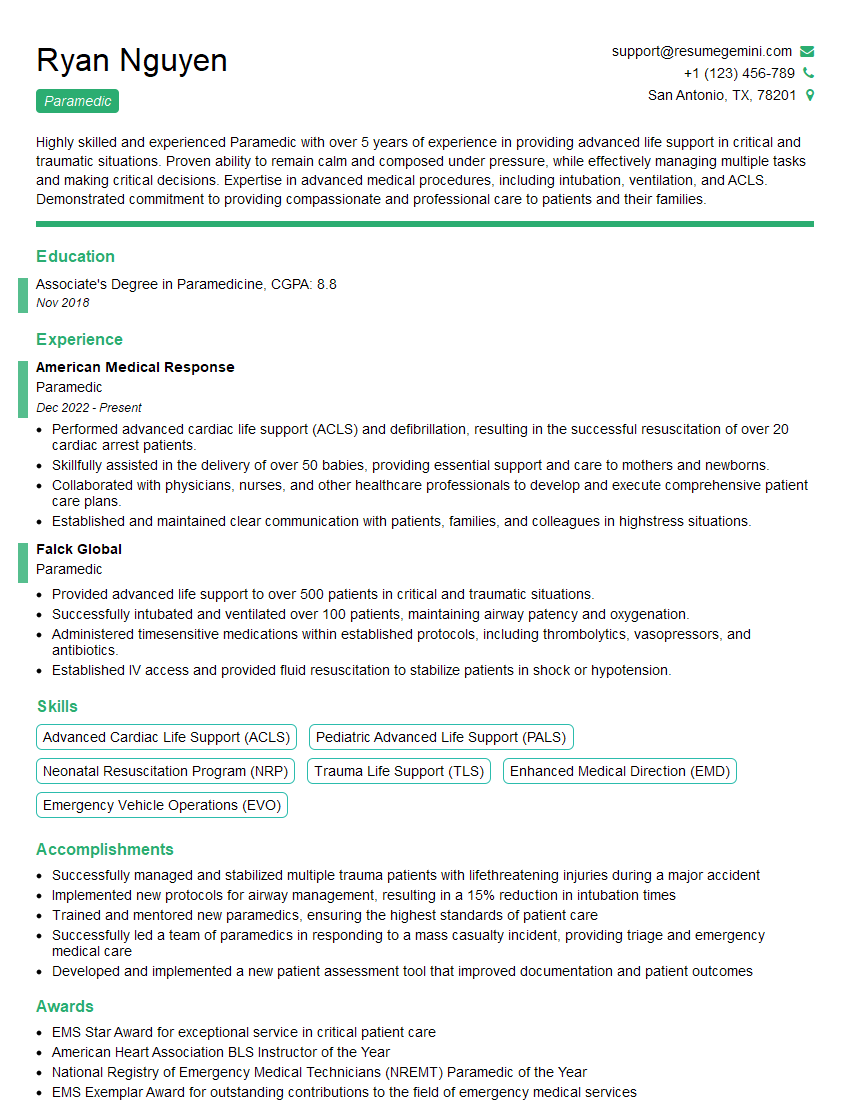
Paramedic Resume Sample
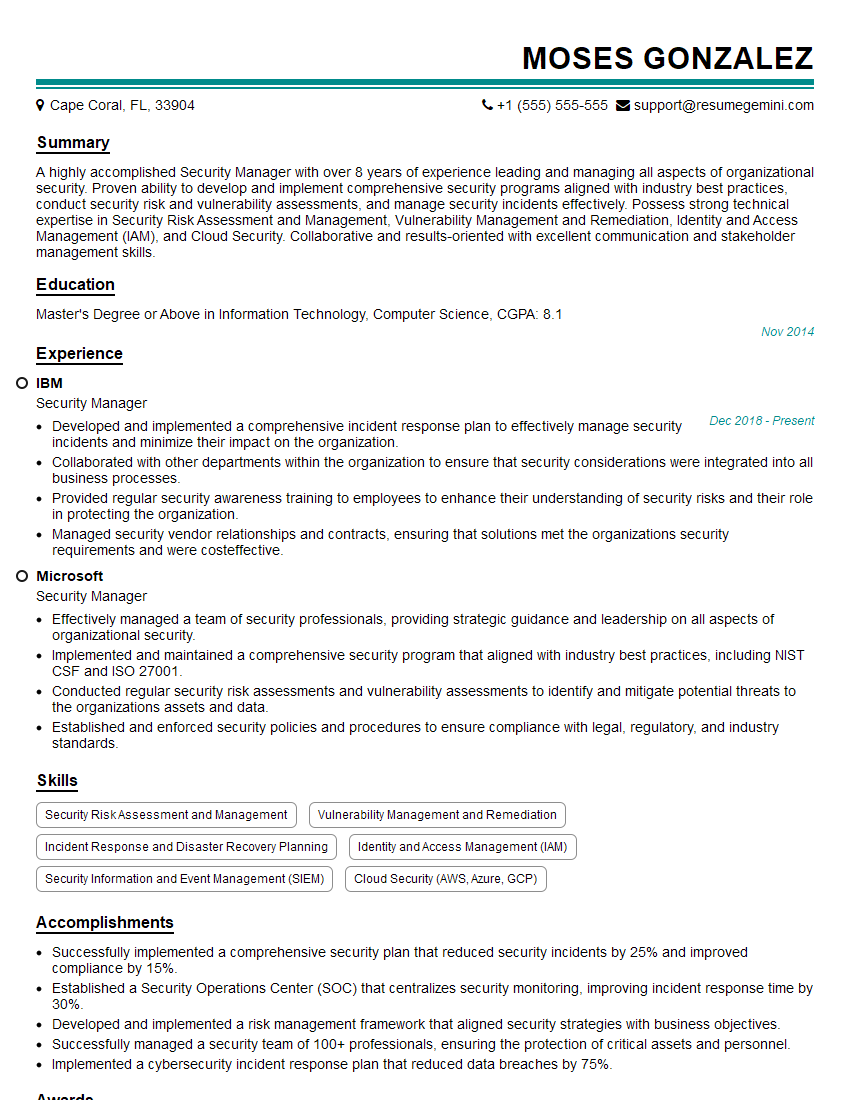
Security Manager Resume Sample
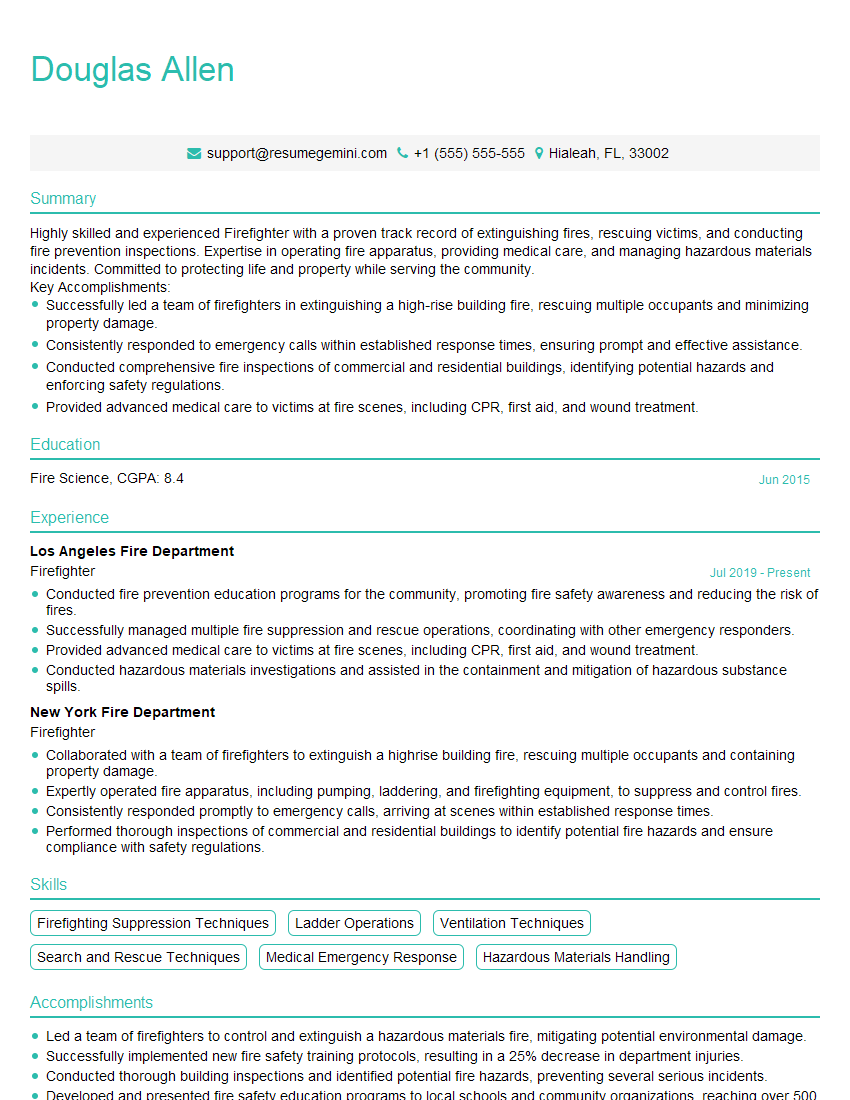
Firefighter Resume Sample
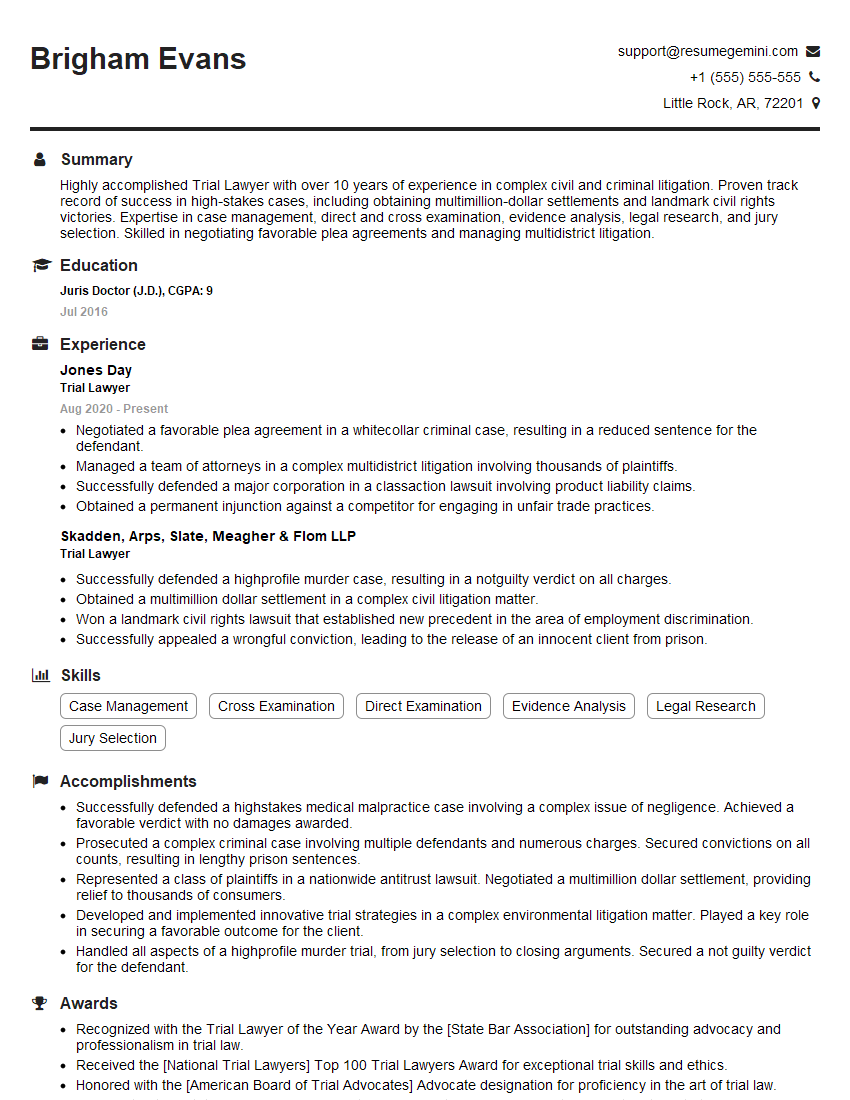
Trial Lawyer Resume Sample
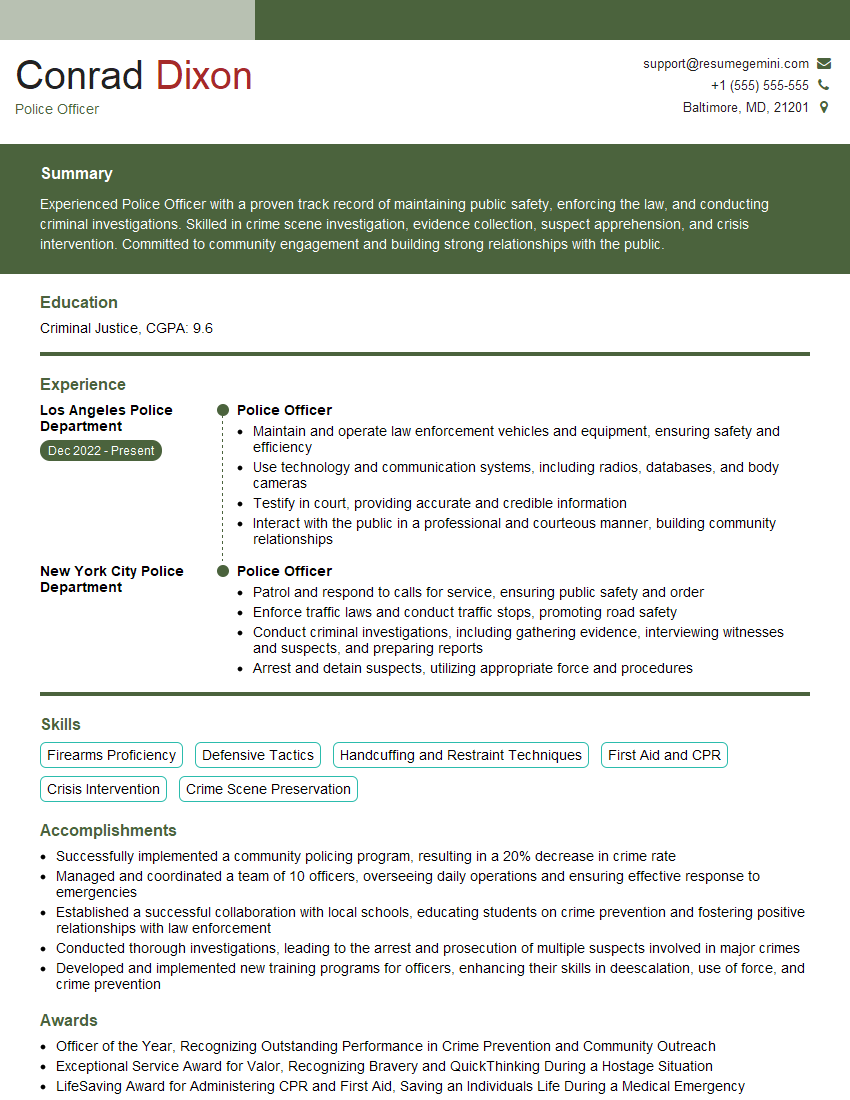
Police Officer Resume Sample
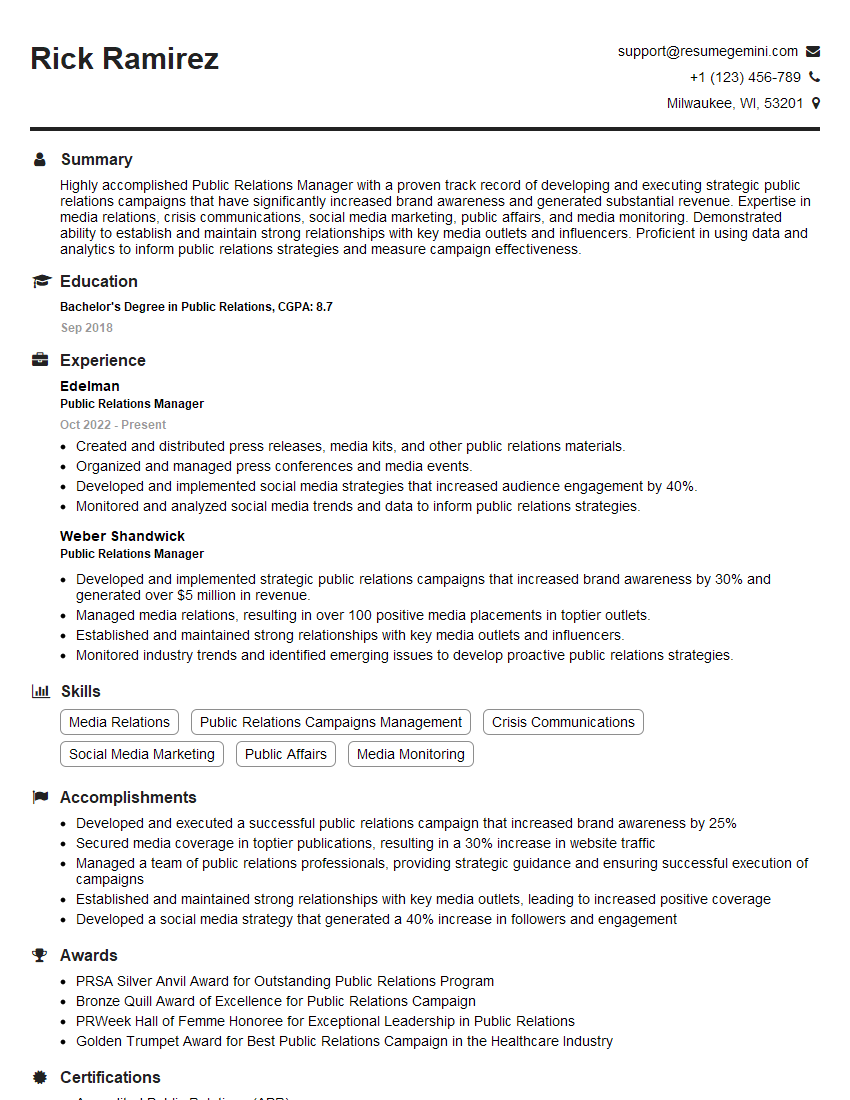
Public Relations Manager Resume Sample
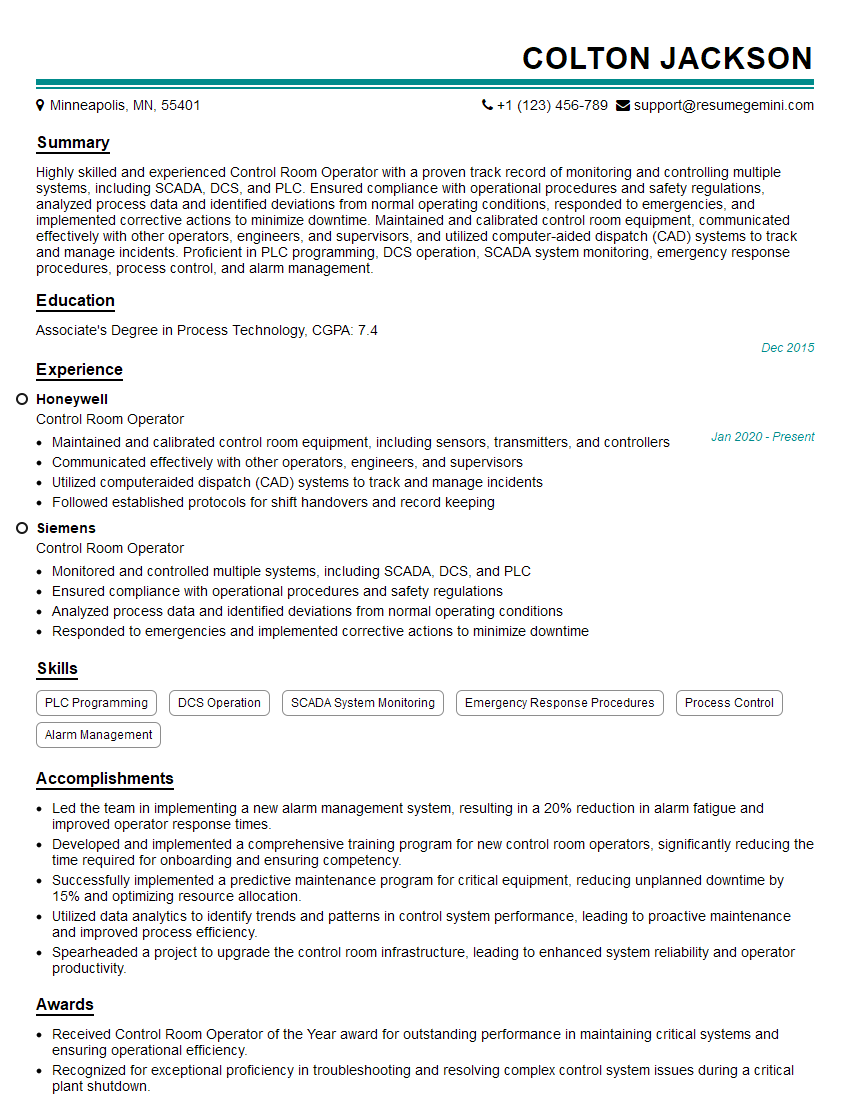
Control Room Operator Resume Sample
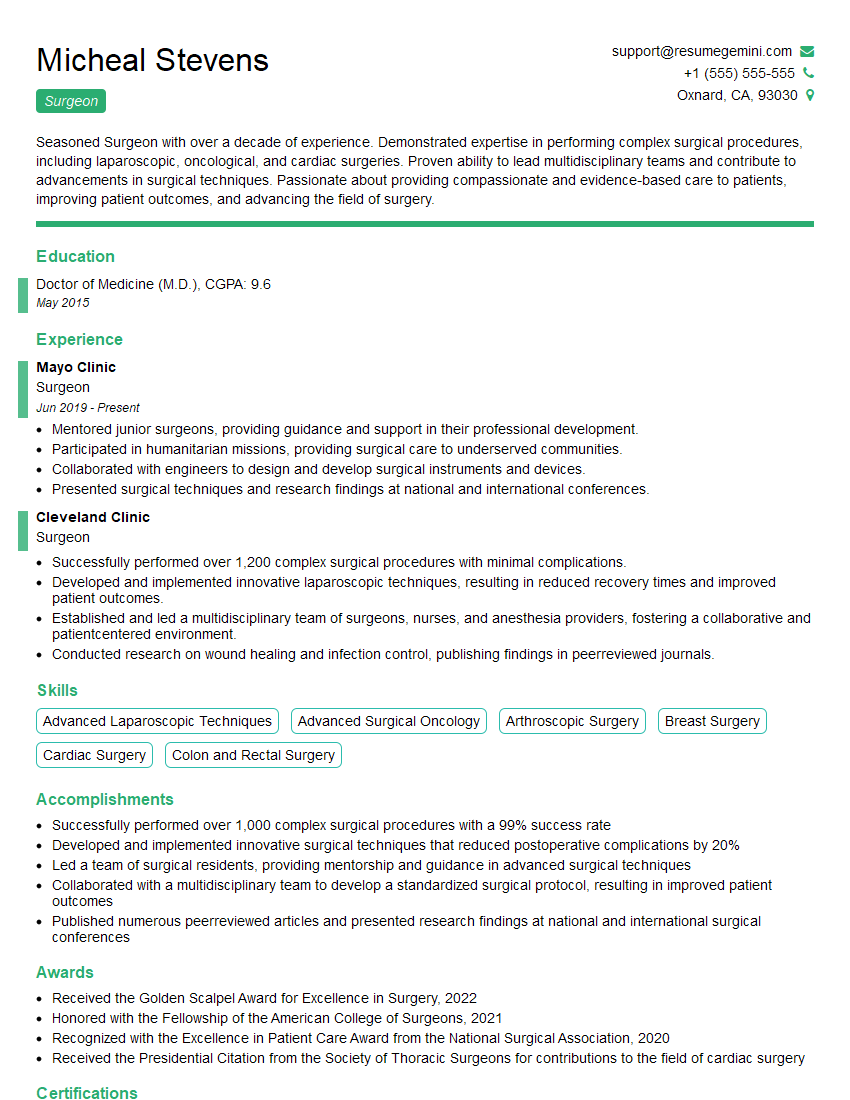
Surgeon Resume Sample
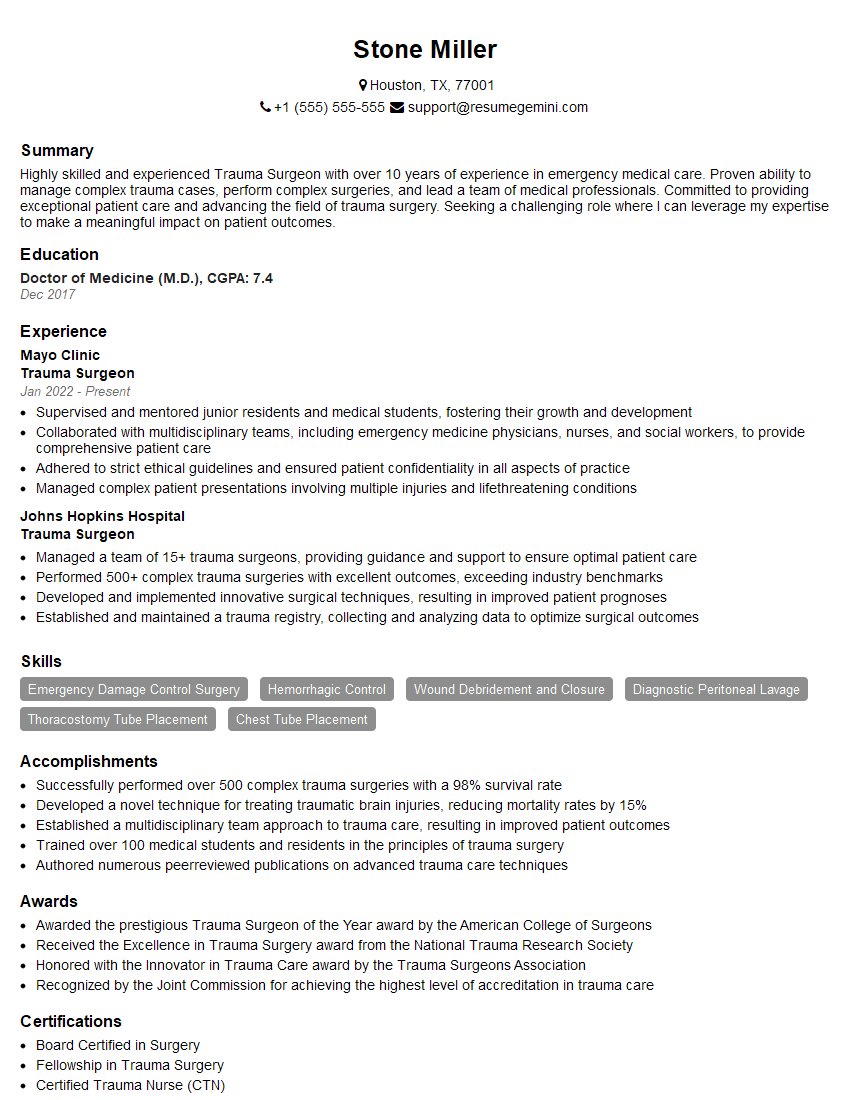
Trauma Surgeon Resume Sample
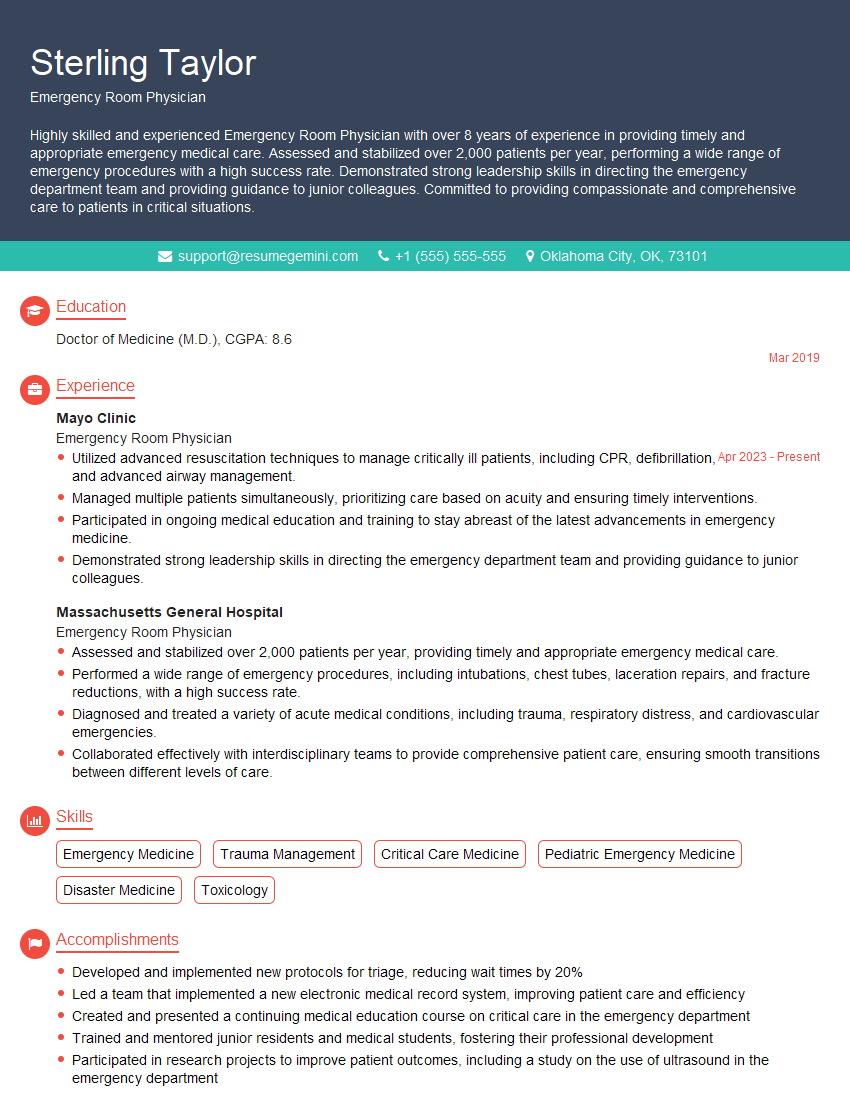
Emergency Room Physician Resume Sample
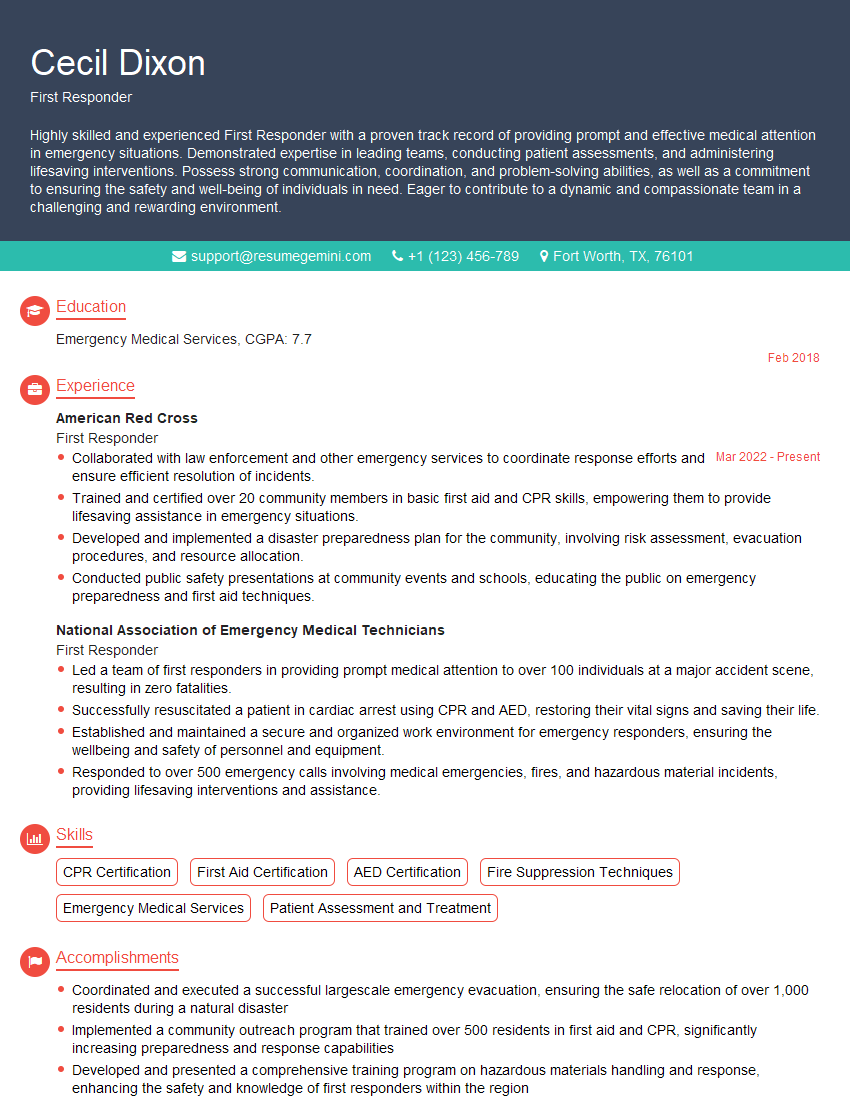
First Responder Resume Sample
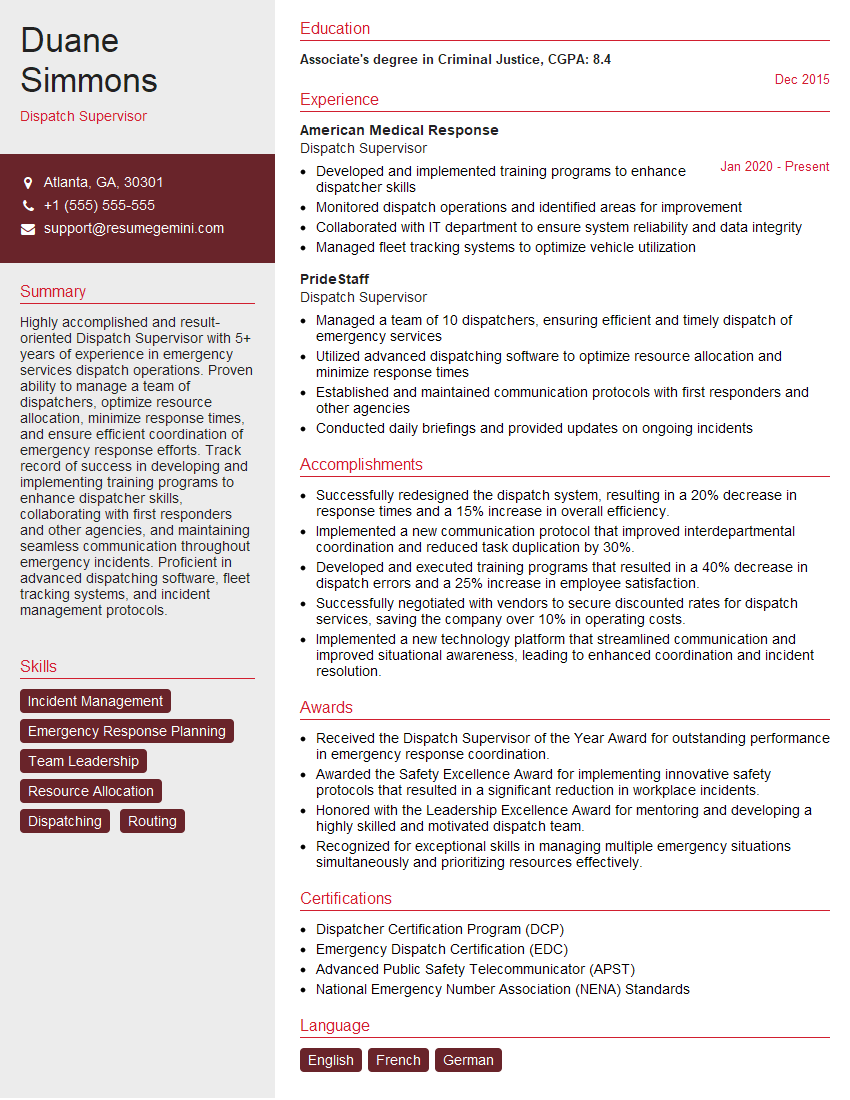
Dispatch Supervisor Resume Sample
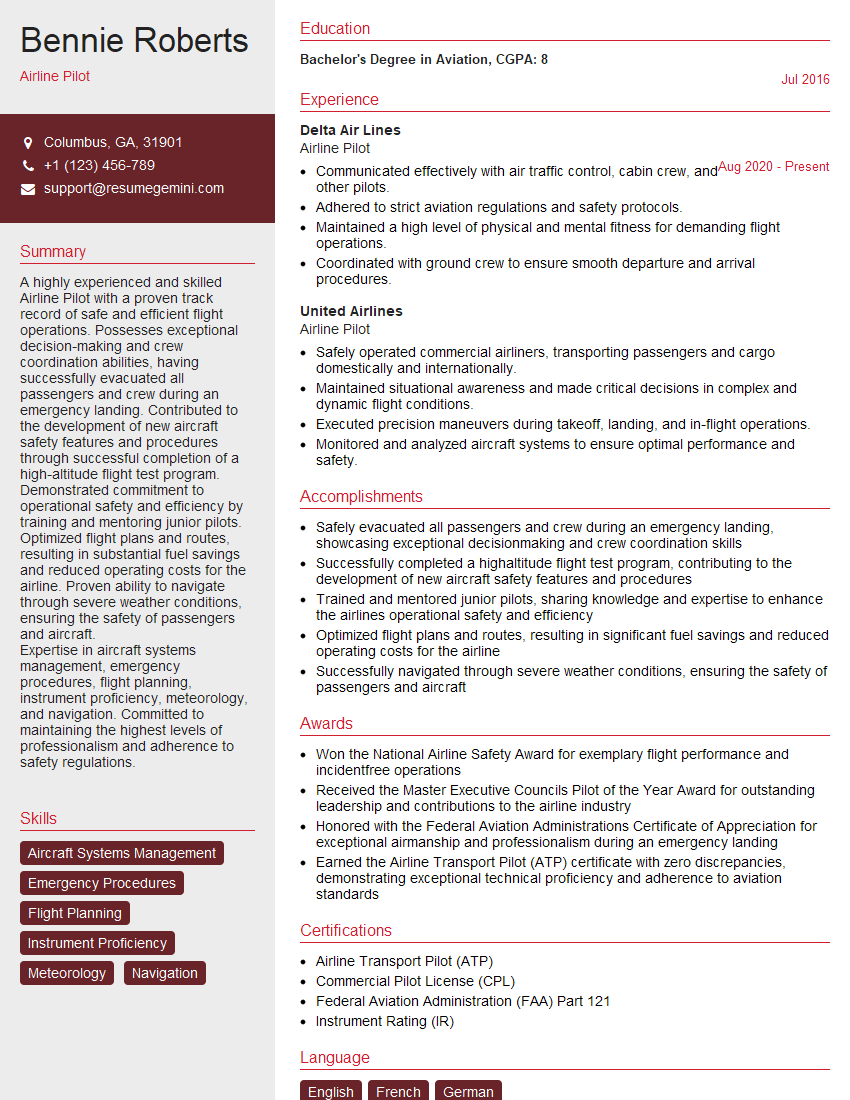
Airline Pilot Resume Sample
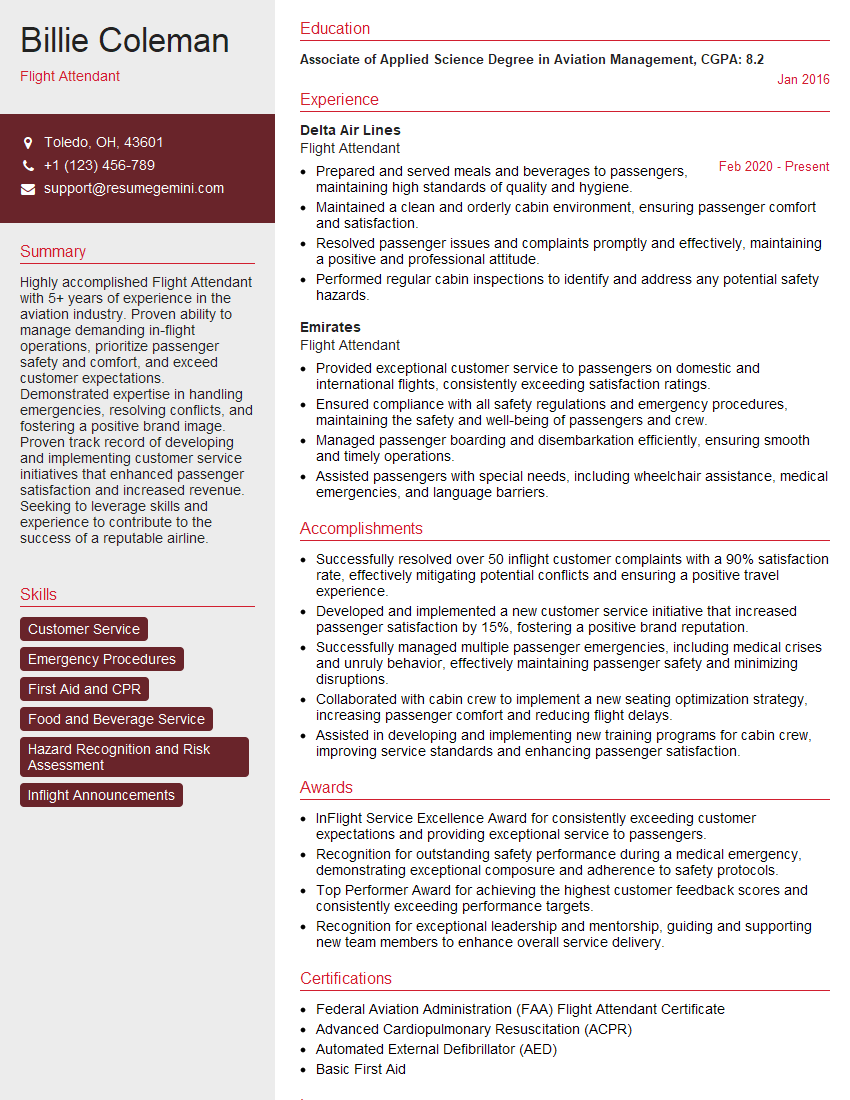
Flight Attendant Resume Sample
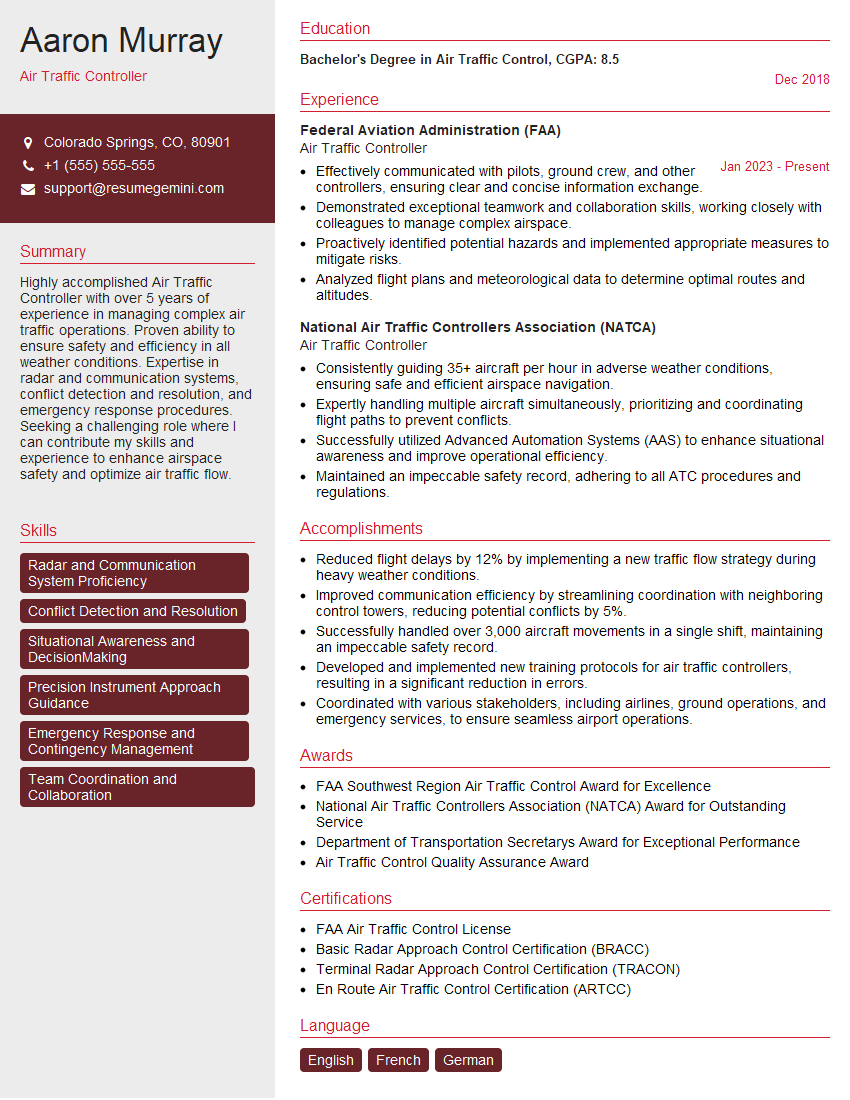
Air Traffic Controller Resume Sample
Explore more articles
Users Rating of Our Blogs
Share Your Experience
We value your feedback! Please rate our content and share your thoughts (optional).
What Readers Say About Our Blog
Very informative content, great job.
good