The thought of an interview can be nerve-wracking, but the right preparation can make all the difference. Explore this comprehensive guide to Ability to Work Effectively with Maintenance Personnel interview questions and gain the confidence you need to showcase your abilities and secure the role.
Questions Asked in Ability to Work Effectively with Maintenance Personnel Interview
Q 1. Describe your experience collaborating with maintenance personnel on complex projects.
Collaborating effectively with maintenance personnel on complex projects requires a multifaceted approach that prioritizes clear communication, mutual respect, and a shared understanding of project goals. My experience involves working closely with teams on large-scale facility upgrades, equipment overhauls, and preventative maintenance programs. For instance, during a recent plant-wide upgrade, I worked directly with the maintenance electricians and mechanics to ensure seamless integration of new automation systems. This involved daily stand-up meetings to discuss progress, identify roadblocks, and proactively resolve any issues. We utilized a shared online project management platform to track progress, assign tasks, and ensure everyone was on the same page. This collaborative approach minimized downtime and ensured the project was completed on schedule and within budget.
Another example involves a complex HVAC system overhaul. Here, I established a strong working relationship with the maintenance team by actively listening to their concerns, valuing their expertise, and incorporating their input into the project planning. This fostered a sense of ownership and buy-in from the maintenance staff, leading to more efficient problem-solving and higher quality work.
Q 2. How do you prioritize competing maintenance requests from different departments?
Prioritizing competing maintenance requests requires a systematic approach that considers urgency, impact, and resource availability. I use a combination of methods including a formal prioritization matrix, which weighs requests based on factors like safety implications, production impact, and cost. Requests posing immediate safety risks always take precedence. For example, a malfunctioning fire suppression system would obviously take priority over a minor cosmetic repair.
Secondly, I leverage a collaborative approach, bringing together representatives from different departments to discuss competing requests. This helps to ensure that everyone understands the rationale behind the prioritization decisions, promoting fairness and transparency. Finally, I utilize a computerized maintenance management system (CMMS) to track all requests, their status, and assigned resources. This allows for real-time monitoring and adjustments as needed. Imagine it as air traffic control for maintenance – guiding resources to the most critical tasks first.
Q 3. Explain your approach to resolving conflicts between maintenance staff and other teams.
Resolving conflicts between maintenance staff and other teams requires a neutral, fair, and communicative approach. My strategy centers around active listening, fostering mutual understanding, and facilitating a collaborative problem-solving environment. I start by gathering information from all involved parties, making sure to understand the perspectives and concerns of everyone. Once I have a clear understanding of the issue, I facilitate a structured meeting where the parties can discuss the problem openly and respectfully. My role is to guide the conversation, ensure everyone feels heard, and help them find a mutually acceptable solution.
For example, a conflict arose between the maintenance team and the production team over unplanned downtime caused by a necessary repair. By facilitating a dialogue, we discovered that the production team hadn’t been adequately informed about the repair’s urgency, leading to frustration. We collaboratively established a better communication protocol, using a shared scheduling system to minimize disruptions in the future.
Q 4. How do you ensure clear and consistent communication with maintenance personnel?
Ensuring clear and consistent communication with maintenance personnel is critical for efficient operations. I employ several strategies including daily or weekly stand-up meetings, regular email updates, and the use of a CMMS. Daily stand-ups provide an opportunity for quick updates, problem identification, and collaborative problem-solving. Emails are useful for detailed updates or information that requires a written record. The CMMS is central to our communication, allowing for real-time task updates, work order assignments, and communication logs.
Beyond these formal communication methods, I prioritize building strong interpersonal relationships with the maintenance team. This involves actively listening to their concerns, showing appreciation for their work, and building trust. Open communication lines foster a sense of partnership and mutual respect, leading to better collaboration and improved outcomes.
Q 5. What methods do you use to track maintenance activities and ensure timely completion?
Tracking maintenance activities and ensuring timely completion relies heavily on a robust CMMS. This system allows us to create and assign work orders, schedule preventative maintenance tasks, track progress, and manage inventory. Each work order includes details such as the nature of the issue, assigned personnel, required materials, scheduled completion date, and actual completion date. The CMMS generates reports that allow us to monitor key performance indicators (KPIs), such as mean time to repair (MTTR) and overall equipment effectiveness (OEE).
In addition to the CMMS, we utilize visual management tools such as kanban boards or progress charts to visually represent the status of various maintenance tasks. This provides a quick and easy overview of the maintenance workflow and allows for prompt identification of any delays or bottlenecks. Regular review of these reports and visual aids allows for proactive intervention and timely adjustments.
Q 6. How do you identify and address potential safety hazards related to maintenance work?
Identifying and addressing potential safety hazards related to maintenance work is paramount. We use a multi-layered approach, starting with thorough risk assessments before any work commences. These assessments identify potential hazards, evaluate their risks, and outline control measures. We also conduct regular safety inspections of the work areas, equipment, and tools. Safety training is mandatory for all maintenance personnel, covering topics such as lockout/tagout procedures, proper use of personal protective equipment (PPE), and hazard recognition. We conduct regular safety meetings to review past incidents, discuss new hazards, and reinforce safe work practices. Finally, we maintain detailed records of all safety incidents, near misses, and corrective actions taken. This continuous improvement cycle helps prevent future accidents.
Think of it as building multiple layers of safety nets – risk assessment is the first, then inspections and training, and finally, incident reporting and analysis. This comprehensive approach ensures a safe and productive work environment.
Q 7. Describe a time you had to troubleshoot a problem with a maintenance team; what was the solution?
During a recent incident, a critical piece of production equipment malfunctioned, causing significant downtime. The maintenance team was unable to immediately diagnose the problem. I collaborated with them by first reviewing the equipment’s maintenance history and diagnostic logs. We then systematically checked each component of the system, using both our collective knowledge and available diagnostic tools. It turned out that a seemingly minor wiring issue was the root cause; a loose connection in a hard-to-reach area.
The solution was simple once identified, but finding it required a collaborative troubleshooting approach. It highlighted the importance of having clear documentation, thorough training, and a willingness to work together under pressure. After the repair, we implemented a preventative maintenance task to regularly inspect that specific wiring connection to prevent future occurrences.
Q 8. How do you foster a positive and productive working relationship with maintenance personnel?
Fostering a positive and productive relationship with maintenance personnel is crucial for efficient operations. It’s about building trust, mutual respect, and open communication. Think of it like a well-oiled machine – each part needs to work smoothly with the others.
- Open Communication: Regularly hold team meetings, both formal and informal, to discuss challenges, successes, and upcoming projects. Encourage feedback and actively listen to their concerns.
- Collaboration: Involve maintenance personnel in decision-making processes, especially those related to their work. Their on-the-ground expertise is invaluable.
- Recognition and Appreciation: Publicly acknowledge their contributions and hard work. A simple ‘thank you’ goes a long way. Consider implementing a reward system for exceeding expectations or finding innovative solutions.
- Fair Treatment: Ensure consistent and equitable application of policies and procedures. Maintain transparency in all aspects of their roles.
- Training and Development: Invest in their professional development by offering training opportunities to enhance their skills and knowledge, thereby boosting their morale and efficiency.
For example, during a recent project involving a complex equipment upgrade, I actively solicited input from the maintenance team. Their practical suggestions significantly streamlined the process and prevented potential problems. This not only saved time and resources but also demonstrated my respect for their expertise and built stronger team cohesion.
Q 9. How familiar are you with various Computerized Maintenance Management Systems (CMMS)?
I’m highly familiar with various CMMS (Computerized Maintenance Management Systems), including well-known platforms like IBM Maximo, SAP PM, and Fiix. My experience encompasses not only using these systems but also configuring and optimizing them to meet specific operational needs. This includes data entry, work order management, preventative maintenance scheduling, inventory tracking, and generating reports for analysis.
Understanding the functionalities and limitations of different CMMS is essential for maximizing their effectiveness. For instance, I’ve worked with organizations transitioning from a paper-based system to a CMMS. This involved training personnel, data migration, system customization, and process optimization to ensure a smooth transition and maximize the benefits of the new system. I’m also proficient in extracting valuable data from CMMS for trend analysis and predictive maintenance strategies. This data-driven approach allows for proactive maintenance and reduces downtime.
Q 10. How do you ensure maintenance personnel adhere to safety regulations and procedures?
Ensuring adherence to safety regulations and procedures is paramount. It’s not just about compliance, but about creating a culture of safety where everyone feels responsible for their own well-being and the safety of others. This is accomplished through a multi-faceted approach.
- Regular Safety Training: Conducting mandatory safety training sessions covering relevant regulations, equipment-specific hazards, and emergency procedures. This includes hands-on demonstrations and practical exercises.
- Clear Safety Protocols: Establishing and communicating clear, concise safety protocols for each task and equipment. These protocols should be easily accessible and regularly reviewed.
- Safety Audits and Inspections: Implementing regular safety audits and inspections to identify potential hazards and ensure compliance. Corrective actions should be documented and implemented promptly.
- Personal Protective Equipment (PPE): Ensuring proper use and maintenance of PPE, including regular inspections and replacements as needed.
- Incident Reporting and Investigation: Establishing a clear process for reporting and investigating safety incidents to identify root causes and prevent future occurrences. This process should be transparent and non-punitive.
I’ve witnessed firsthand how a strong safety culture can dramatically reduce accidents. In a previous role, we implemented a comprehensive safety program that resulted in a 30% reduction in workplace injuries within a year. This involved engaging maintenance personnel in the development and implementation of safety procedures, creating a sense of ownership and accountability.
Q 11. What experience do you have with preventative maintenance scheduling and implementation?
Preventative maintenance scheduling and implementation are vital for maximizing equipment lifespan, minimizing downtime, and reducing overall maintenance costs. Think of it as regular check-ups for your equipment, preventing small issues from becoming major headaches.
- CMMS Utilization: I leverage CMMS to create and manage preventative maintenance schedules, tracking tasks, assigning personnel, and monitoring completion dates.
- Equipment History: I analyze historical maintenance data and equipment performance to identify trends and develop optimized maintenance plans. This allows for predictive maintenance, focusing efforts where they are most needed.
- Work Order Management: I use a structured system for creating, assigning, and tracking work orders, ensuring efficient execution of preventative maintenance tasks.
- Resource Allocation: I consider factors like personnel availability, spare parts inventory, and equipment criticality when scheduling preventative maintenance to optimize resource utilization.
- Performance Monitoring: I regularly review the effectiveness of the preventative maintenance program, making adjustments as needed based on data analysis and feedback from maintenance personnel.
For instance, by analyzing historical data, I discovered a pattern of recurring issues with a specific piece of equipment. By implementing a more frequent preventative maintenance schedule for that specific component, we reduced downtime by 40% and avoided costly emergency repairs.
Q 12. How do you evaluate the performance of maintenance personnel?
Evaluating the performance of maintenance personnel goes beyond simply looking at the number of tasks completed. It’s about assessing their efficiency, effectiveness, adherence to safety regulations, and contribution to the overall team. I use a multi-pronged approach.
- Key Performance Indicators (KPIs): I define and track relevant KPIs, such as mean time to repair (MTTR), equipment uptime, and the number of preventative maintenance tasks completed on time.
- Regular Performance Reviews: Conducting regular performance reviews with each member of the team, providing both constructive feedback and recognition of accomplishments.
- Peer Reviews: Incorporating peer reviews to gain a broader perspective on individual performance and teamwork.
- Self-Assessment: Encouraging self-assessment, allowing personnel to identify their strengths and areas for improvement.
- Safety Performance: Evaluating adherence to safety regulations and procedures, recognizing safe work practices and addressing any safety violations.
For example, I’ve implemented a system where maintenance personnel self-assess their performance against pre-defined KPIs, facilitating open dialogue and identifying areas for training or improvement.
Q 13. How do you handle unexpected equipment failures and emergency maintenance requests?
Unexpected equipment failures and emergency maintenance requests require a swift and organized response. Having a well-defined plan is crucial for minimizing downtime and mitigating potential risks. It’s about prioritizing and acting decisively.
- Prioritization Matrix: Utilizing a prioritization matrix to categorize emergencies based on their impact on operations and safety.
- Rapid Response Team: Establishing a rapid response team with clearly defined roles and responsibilities to handle emergency situations.
- Communication Protocols: Implementing effective communication protocols to keep relevant stakeholders informed of the situation and the progress being made.
- Root Cause Analysis: Conducting thorough root cause analyses after each emergency to identify underlying issues and prevent recurrence.
- Spare Parts Inventory: Maintaining an adequate inventory of critical spare parts to expedite repairs.
During a recent unexpected power outage, our rapid response team, using pre-defined procedures, restored power within 45 minutes, minimizing production disruption. A post-incident analysis identified the weak point in our backup system, which has now been rectified.
Q 14. How do you manage maintenance budgets effectively?
Effective maintenance budget management is about balancing resource allocation with operational needs. It’s crucial to optimize spending while ensuring equipment reliability and safety. My approach involves:
- Budget Planning: Developing a detailed annual budget based on historical data, projected maintenance needs, and anticipated equipment repairs.
- Cost Tracking: Implementing a system for accurately tracking maintenance expenses, comparing actual costs with budgeted amounts, and identifying areas for potential cost savings.
- Preventative Maintenance Focus: Prioritizing preventative maintenance to reduce the need for costly emergency repairs.
- Negotiation with Vendors: Negotiating favorable contracts with vendors for parts, services, and maintenance agreements.
- Regular Budget Reviews: Regularly reviewing the budget, making adjustments as needed, and providing timely reports to stakeholders.
In one instance, by carefully analyzing maintenance spending and negotiating better rates with vendors, we managed to reduce our annual maintenance budget by 15% without compromising the quality of maintenance services.
Q 15. What are your preferred methods for training maintenance personnel?
My preferred methods for training maintenance personnel are multifaceted and focus on both theoretical knowledge and practical application. I believe in a blended learning approach, combining classroom instruction, on-the-job training, and e-learning modules.
- Classroom Instruction: This provides a structured learning environment where fundamental concepts and safety procedures can be taught effectively. For example, I’ve successfully used this method to train teams on the proper use of specialized equipment and troubleshooting techniques.
- On-the-Job Training (OJT): This is crucial for practical skill development. I mentor personnel, guiding them through real-world scenarios under supervision, gradually increasing their autonomy as their competency grows. For instance, I paired a junior mechanic with a senior technician to learn engine overhaul procedures, observing and providing feedback throughout the process.
- E-Learning Modules: These are particularly useful for delivering updates on new equipment, regulations, or best practices. I’ve incorporated interactive modules on topics like preventative maintenance schedules and hazard identification, which improve knowledge retention and offer flexible learning opportunities.
- Simulations and Workshops: Using simulations allows personnel to practice procedures in a safe, controlled environment before tackling real equipment. Workshops focused on specific problem areas or new technologies are also highly effective in upskilling the team.
Regular assessments, both written and practical, are crucial to monitor progress and identify areas requiring further attention. This ensures consistent improvement and competence across the team.
Career Expert Tips:
- Ace those interviews! Prepare effectively by reviewing the Top 50 Most Common Interview Questions on ResumeGemini.
- Navigate your job search with confidence! Explore a wide range of Career Tips on ResumeGemini. Learn about common challenges and recommendations to overcome them.
- Craft the perfect resume! Master the Art of Resume Writing with ResumeGemini’s guide. Showcase your unique qualifications and achievements effectively.
- Don’t miss out on holiday savings! Build your dream resume with ResumeGemini’s ATS optimized templates.
Q 16. How do you measure the effectiveness of maintenance programs?
Measuring the effectiveness of maintenance programs requires a multi-pronged approach, combining quantitative and qualitative data. Key Performance Indicators (KPIs) are essential for tracking progress.
- Mean Time Between Failures (MTBF): This metric tracks the average time between equipment failures, indicating the overall reliability of the systems. A higher MTBF suggests a more effective maintenance program.
- Mean Time To Repair (MTTR): This KPI measures the average time taken to repair faulty equipment. A lower MTTR signifies efficient repair processes and reduced downtime.
- Maintenance Costs: Analyzing maintenance expenditure against production output provides insights into the program’s cost-effectiveness. We aim to minimize costs while maximizing uptime.
- Safety Records: A reduction in workplace accidents and incidents directly correlates with a well-executed maintenance program, ensuring equipment safety and employee well-being.
- Employee Feedback: Regular surveys and feedback sessions provide invaluable qualitative data on program effectiveness, areas of improvement, and team morale. This helps identify hidden issues that might otherwise be missed.
By regularly monitoring and analyzing these KPIs, we can identify areas of strength and weakness, make necessary adjustments, and ensure the maintenance program consistently delivers optimal performance.
Q 17. Describe your experience working with different types of maintenance personnel (e.g., electricians, mechanics).
Throughout my career, I’ve collaborated extensively with diverse maintenance personnel, including electricians, mechanics, instrumentation technicians, and HVAC specialists. Each group possesses unique skill sets and expertise, requiring a tailored communication and management style.
- Electricians: I’ve worked closely with electricians on projects involving electrical system upgrades, troubleshooting power outages, and ensuring adherence to electrical safety codes. Effective communication is vital, particularly when coordinating with other trades.
- Mechanics: My collaboration with mechanics has focused primarily on the maintenance and repair of heavy machinery and vehicle fleets. I’ve emphasized preventative maintenance schedules and streamlined repair processes to minimize downtime.
- Instrumentation Technicians: These specialists require a deeper understanding of process control systems. My experience includes collaborating with them on calibration procedures, sensor maintenance, and troubleshooting control loop issues.
- HVAC Specialists: In managing building maintenance, I’ve worked closely with HVAC technicians to ensure optimal building climate control, regular filter changes, and efficient operation of heating and cooling systems.
Success relies on clear communication, mutual respect for each trade’s expertise, and a collaborative approach to problem-solving. Understanding the intricacies of each discipline helps foster a cohesive and efficient maintenance team.
Q 18. How do you ensure adequate staffing levels for maintenance operations?
Ensuring adequate staffing levels involves a combination of forecasting, analysis, and proactive planning. I utilize several methods:
- Workload Analysis: This involves carefully assessing the workload, considering factors like equipment complexity, maintenance schedules, and historical repair data. This allows for precise estimation of personnel needs.
- Historical Data Analysis: Examining past maintenance records helps predict future workload and identify seasonal peaks or periods requiring additional staffing. This informs proactive scheduling and resource allocation.
- Skill Inventory: Maintaining an updated inventory of employee skills and certifications allows for optimal task allocation and ensures that the right personnel are assigned to the right jobs.
- Predictive Maintenance Strategies: By implementing predictive maintenance techniques (using sensors and data analysis to anticipate potential failures), we can optimize staffing levels by focusing on preventative measures rather than reactive repairs. This minimizes unexpected downtime and staffing surges.
- Cross-Training: Investing in cross-training programs enables employees to handle a broader range of tasks, offering flexibility and resilience in the face of staff shortages or unexpected absences.
Regular review and adjustments to staffing levels are vital to maintain operational efficiency and ensure the team is neither overstretched nor understaffed.
Q 19. How do you handle situations where maintenance personnel are not meeting performance expectations?
Addressing underperformance requires a structured and fair approach, focused on identifying root causes and providing support for improvement. My strategy involves:
- Performance Review: A formal performance review allows for open discussion of performance issues, clearly outlining expectations and providing specific examples of areas needing improvement.
- One-on-One Meetings: Regular one-on-one meetings provide a platform for open communication, allowing for early identification of problems and personalized support. This fosters a supportive environment conducive to improvement.
- Additional Training: If performance issues stem from skill gaps, providing targeted training or mentorship can significantly enhance proficiency. This shows investment in the employee’s development.
- Performance Improvement Plan (PIP): For persistent underperformance, a PIP outlines specific goals, timelines, and support measures, providing a structured framework for improvement. Regular progress reviews track effectiveness.
- Disciplinary Action: In cases where performance issues persist despite support and intervention, disciplinary action may be necessary, in accordance with company policies. This should always be a last resort.
Throughout this process, maintaining open communication and providing constructive feedback is crucial to fostering a supportive yet accountable work environment.
Q 20. What experience do you have with developing and implementing maintenance procedures?
Developing and implementing maintenance procedures is a core aspect of my role. This involves a systematic approach that guarantees consistency, efficiency, and safety.
- Needs Assessment: The process begins with a thorough assessment of existing procedures, identifying areas needing improvement or new procedures required for newly implemented equipment or processes.
- Procedure Development: Using established best practices and industry standards, detailed written procedures are created. This includes step-by-step instructions, safety precautions, required tools, and expected outcomes. I utilize clear, concise language, avoiding jargon and technical terms where possible.
- Review and Feedback: Developed procedures are reviewed by subject matter experts and potentially the maintenance team themselves to ensure accuracy, clarity, and practicality. Their feedback is invaluable.
- Implementation and Training: Procedures are formally implemented, with training provided to all relevant personnel. This ensures everyone understands and follows the procedures correctly.
- Monitoring and Evaluation: The effectiveness of the procedures is continuously monitored, tracking their impact on efficiency, safety, and equipment reliability. This cyclical process of review and refinement allows for ongoing improvement.
For example, I recently streamlined the preventive maintenance schedule for our critical manufacturing equipment, resulting in a 15% reduction in downtime and a 10% decrease in maintenance costs.
Q 21. How do you identify and address skill gaps within the maintenance team?
Identifying and addressing skill gaps within the maintenance team is crucial for ensuring operational efficiency and safety. My approach involves a multi-step process:
- Skills Gap Analysis: A thorough assessment of current skills against required competencies is essential. This might involve reviewing job descriptions, conducting performance reviews, and assessing the team’s capabilities against planned maintenance tasks and future projects.
- Performance Data Analysis: Analyzing maintenance records can highlight areas where deficiencies exist. For instance, repeated failures on specific equipment may indicate a lack of expertise in maintaining that particular system.
- Employee Feedback: Regular feedback sessions with team members can identify areas where they feel they need further training or support. This is a valuable source of information that is often overlooked.
- Training and Development Plan: Based on the skills gap analysis, a customized training and development plan is created. This may include internal training programs, external courses, mentorship opportunities, or on-the-job training.
- Mentorship and Coaching: Pairing experienced personnel with newer team members fosters knowledge transfer and speeds up skill development. Mentorship programs are a valuable tool for developing future leaders within the maintenance team.
Regularly reviewing and updating the training plan ensures that the team remains equipped with the necessary skills to handle evolving technological advancements and operational demands. This proactive approach minimizes risks and maximizes operational efficiency.
Q 22. How do you utilize technology to improve maintenance efficiency?
Technology plays a crucial role in boosting maintenance efficiency. I leverage several tools and strategies, focusing on data-driven decision-making and streamlined workflows. For example, we utilize Computerized Maintenance Management Systems (CMMS) like IBM Maximo or SAP PM. These systems allow for centralized scheduling, inventory management, work order tracking, and preventative maintenance planning, eliminating manual processes and reducing errors. This means maintenance teams can access real-time information on equipment status, upcoming tasks, and available parts, leading to faster response times and reduced downtime. Further, integrating IoT sensors with the CMMS enables predictive maintenance. By monitoring equipment performance parameters like vibration, temperature, and pressure, we can predict potential failures before they occur, scheduling maintenance proactively instead of reactively, drastically minimizing costly breakdowns and maximizing equipment lifespan. We also use mobile applications to allow technicians to access work orders, schematics, and repair manuals directly in the field, speeding up repairs and improving accuracy. Finally, data analytics from the CMMS provides valuable insights into maintenance costs, equipment reliability, and technician performance, enabling continuous improvement and optimization.
Q 23. How do you incorporate feedback from maintenance personnel into your decision-making processes?
Incorporating feedback from maintenance personnel is fundamental to effective collaboration and improved processes. I actively solicit feedback through various channels: regular team meetings, informal check-ins, suggestion boxes, and anonymous surveys. This ensures all voices are heard, regardless of hierarchy. I treat all feedback seriously, analyzing it for recurring themes or actionable insights. For example, if multiple technicians report difficulty accessing a specific part, this points to a potential supply chain issue that needs addressing. I aim to create a safe space where constructive criticism is encouraged. When implementing changes based on feedback, I ensure transparency, explaining the reasoning and impact of the decisions to the team. This fosters a sense of ownership and buy-in, increasing the likelihood of successful implementation. Ultimately, integrating feedback shows respect for their expertise and builds trust, making the team feel valued and heard.
Q 24. What are some common challenges you’ve encountered when working with maintenance personnel, and how did you overcome them?
One common challenge is managing conflicting priorities. Maintenance teams often face competing demands—urgent repairs versus scheduled maintenance—requiring careful prioritization. To overcome this, we use a risk-based prioritization system, assessing the potential impact of equipment failure and assigning tasks accordingly. Another challenge is communication breakdowns. To address this, I’ve implemented daily stand-up meetings to ensure clear and concise information sharing, allowing for immediate problem-solving. We also utilize a standardized communication protocol for reporting issues and updates. Finally, lack of resources can hinder maintenance effectiveness. I actively work with procurement and management to secure necessary parts, tools, and training, advocating for the needs of the maintenance team and demonstrating the return on investment of such resources. Addressing these challenges proactively allows the team to work more efficiently and effectively.
Q 25. How do you build trust and rapport with maintenance teams?
Building trust and rapport with maintenance teams requires consistent effort and genuine care. It starts with active listening and demonstrating respect for their expertise and knowledge. I make a point of getting to know the team members individually, understanding their skills, experiences, and concerns. I involve them in decision-making processes whenever possible, showing I value their input. Recognizing and appreciating their contributions, both big and small, is essential. This might involve a simple ‘thank you’ for a job well done or publicly acknowledging their achievements during team meetings. Open and honest communication is critical. I strive to be transparent about challenges, explain decisions clearly, and provide regular updates on progress. This transparency builds confidence and fosters a sense of collaboration rather than a hierarchical power dynamic.
Q 26. Describe a situation where you successfully negotiated a solution with maintenance personnel.
In one instance, a critical piece of equipment malfunctioned, causing significant production delays. The maintenance team initially proposed a solution involving a complete part replacement, which would have taken several days and incurred considerable costs. However, through collaborative discussions, we explored alternative solutions. The lead technician suggested a temporary fix which involved modifying an existing part, a solution that required considerable skill but was quicker and less expensive. We carefully weighed the risks and benefits, utilizing the CMMS data to assess the potential consequences of the temporary fix. Ultimately, we agreed on this solution, and the team successfully implemented it. This reduced downtime considerably, averting significant production losses and saving the company a substantial sum. The successful negotiation demonstrated mutual trust and respect, leading to a much stronger working relationship.
Q 27. How do you ensure compliance with relevant maintenance regulations and standards?
Compliance with relevant maintenance regulations and standards is paramount. We maintain a comprehensive system for tracking and ensuring compliance, including regular audits and training programs. We use the CMMS to schedule preventative maintenance tasks according to manufacturer’s recommendations and regulatory requirements. All technicians receive regular training on safety procedures, equipment operation, and relevant industry standards. Furthermore, we maintain detailed records of all maintenance activities, inspections, and repairs, ensuring traceability and accountability. We employ a system of checklists and documentation to confirm adherence to standards during each maintenance task. Any non-compliance issues are addressed immediately, through corrective actions and further training as needed. We also conduct regular safety inspections and risk assessments to identify potential hazards and proactively implement measures to mitigate them. This ensures a safe and compliant operating environment and prevents potential accidents or non-compliance penalties.
Q 28. How do you contribute to a culture of safety and continuous improvement within maintenance operations?
Cultivating a culture of safety and continuous improvement involves a multifaceted approach. We prioritize safety through regular safety training, clear communication of safety protocols, and the use of appropriate personal protective equipment (PPE). Safety is not just a policy but a shared value, and we encourage team members to report any potential hazards without fear of reprimand. For continuous improvement, we conduct regular post-maintenance reviews, where the team discusses successes, challenges, and potential areas for optimization. Data from the CMMS is analyzed to identify trends and patterns, informing decisions about preventative maintenance strategies and resource allocation. We actively encourage innovation and the sharing of best practices within the team. This could involve incentivizing suggestions for process improvements or establishing a dedicated team to brainstorm new approaches. We foster a collaborative environment where team members feel empowered to contribute to the ongoing evolution and improvement of maintenance operations, focusing on both efficiency and safety.
Key Topics to Learn for Ability to Work Effectively with Maintenance Personnel Interview
- Communication & Collaboration: Understanding how to clearly articulate needs and concerns to maintenance staff, actively listen to their feedback, and collaborate effectively on solutions. Practical application: Describe a situation where you successfully collaborated with maintenance to resolve a facility issue.
- Problem Solving & Troubleshooting: Developing strategies for identifying the root cause of equipment malfunctions or facility problems and working with maintenance to implement effective solutions. Practical application: Explain your approach to identifying and resolving a maintenance issue, highlighting your communication with maintenance personnel.
- Safety Procedures & Regulations: Demonstrating knowledge of relevant safety protocols and regulations, and ensuring compliance during maintenance activities. Practical application: Give an example of how you ensured a safe working environment during a maintenance project.
- Prioritization & Time Management: Working effectively with maintenance to prioritize tasks, manage deadlines, and ensure timely completion of repairs and maintenance requests. Practical application: Explain how you’ve managed competing priorities when working with maintenance teams.
- Respect & Professionalism: Maintaining a respectful and professional relationship with maintenance personnel, valuing their expertise and contributions. Practical application: Describe a scenario showcasing your respect for maintenance staff and their work.
- Technical Understanding (as applicable): Depending on the role, demonstrating a basic understanding of relevant equipment, systems, or processes. Practical application: If relevant to your role, briefly explain your understanding of relevant equipment and how that understanding facilitates communication with maintenance.
Next Steps
Mastering the ability to work effectively with maintenance personnel is crucial for career advancement in many fields. Strong collaboration in this area demonstrates key skills like communication, problem-solving, and teamwork—highly valued by employers. To maximize your job prospects, creating an ATS-friendly resume is essential. ResumeGemini can help you build a professional, impactful resume that showcases your abilities effectively. We provide examples of resumes tailored to highlight your skills in working effectively with maintenance personnel; explore those examples to see how to best represent your experience.
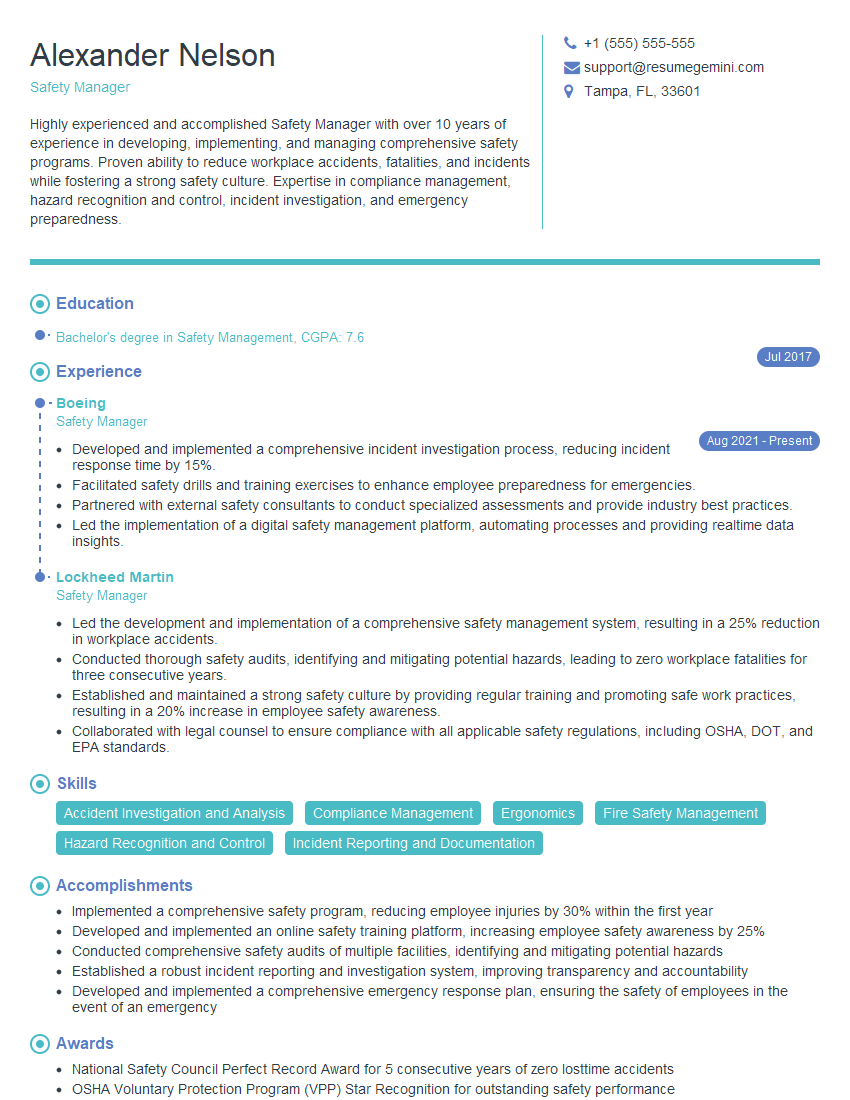
Safety Manager Resume Sample
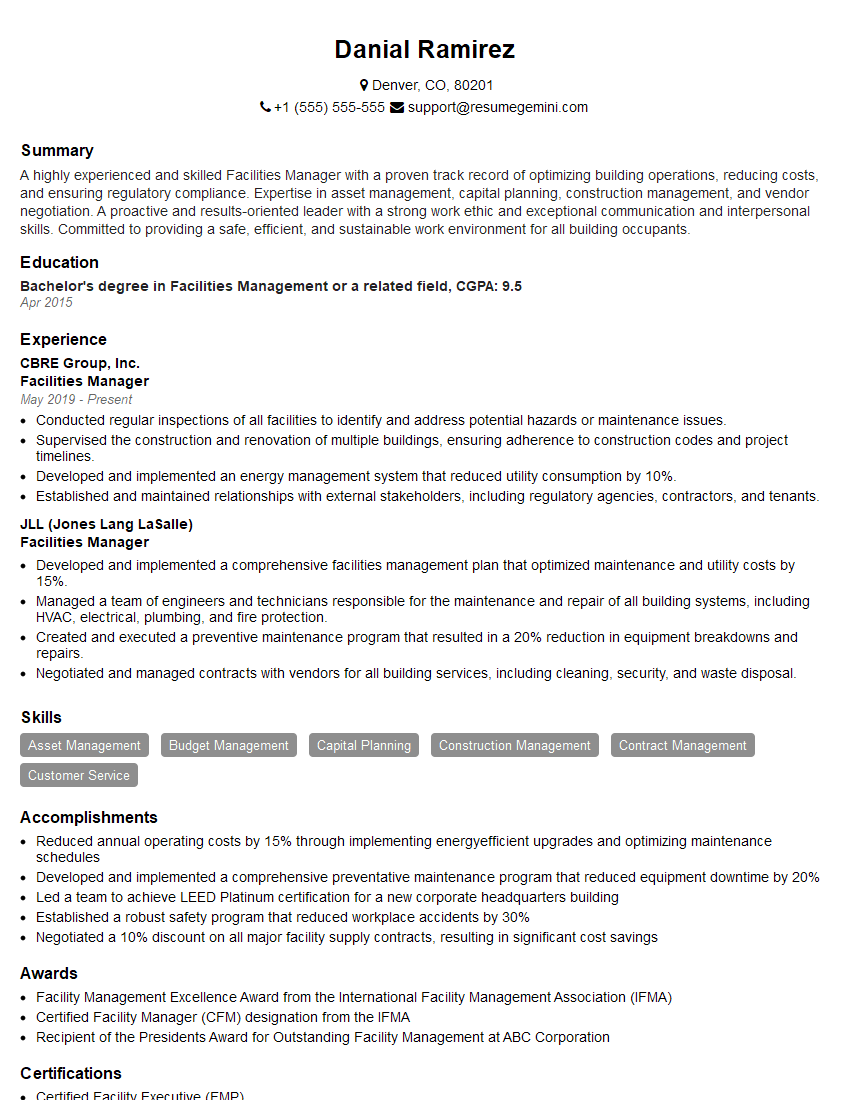
Facilities Manager Resume Sample

Operations Manager Resume Sample
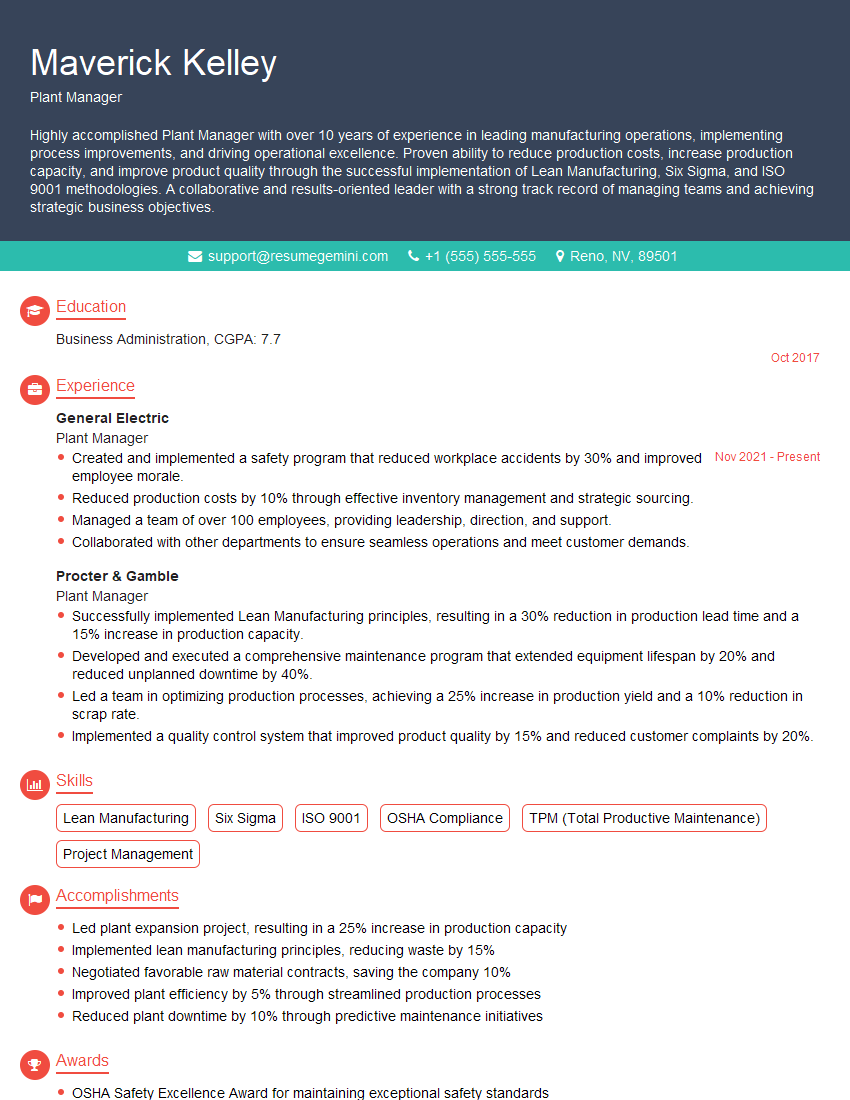
Plant Manager Resume Sample
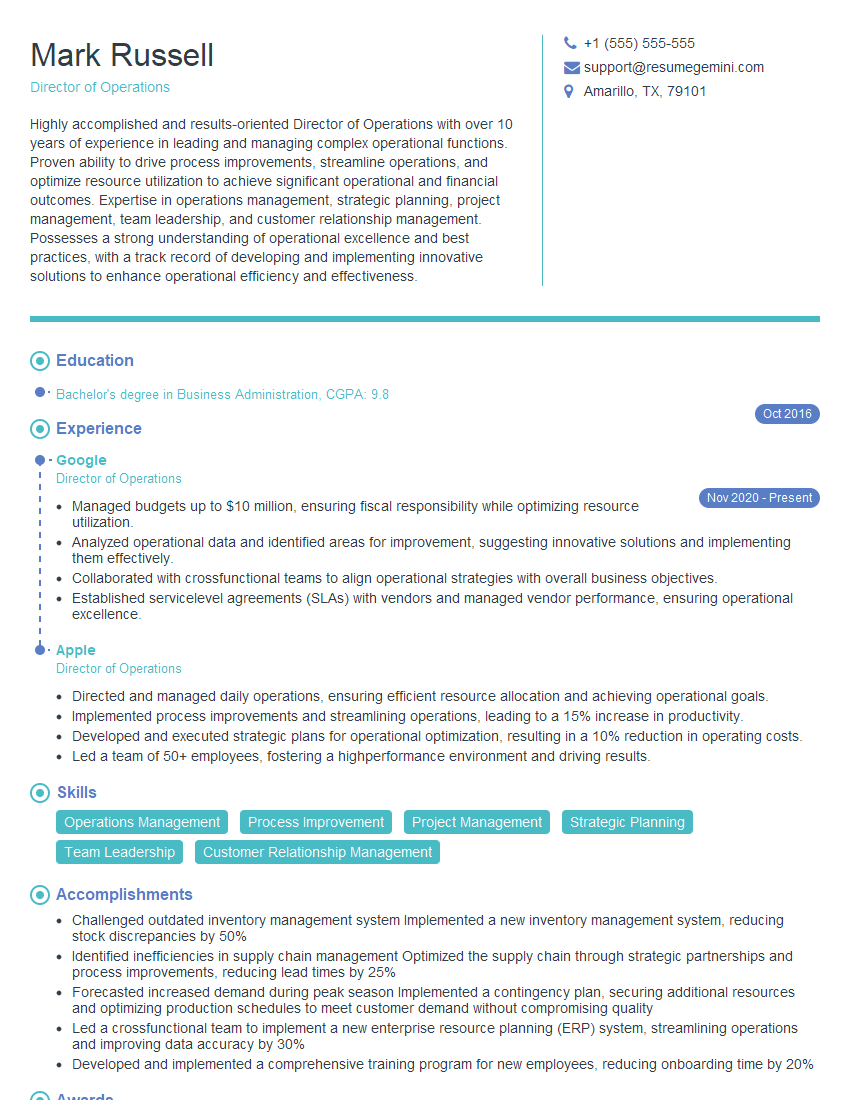
Director of Operations Resume Sample
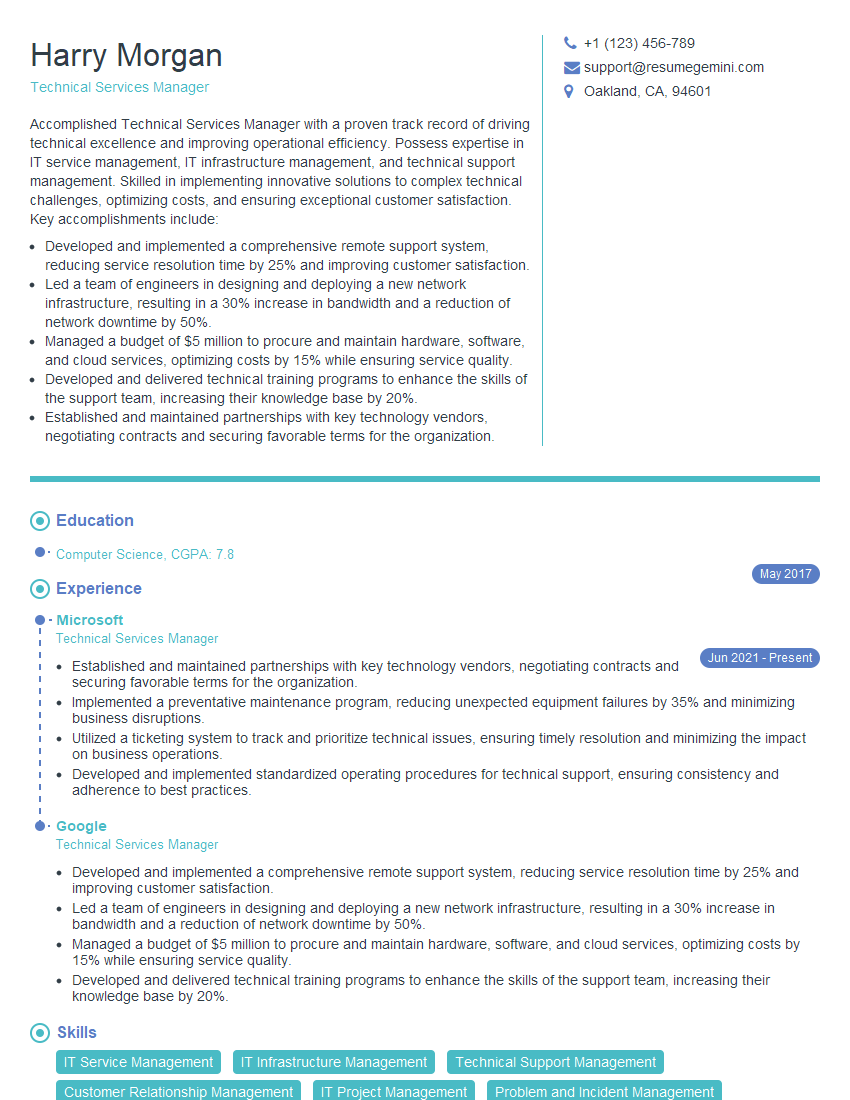
Technical Services Manager Resume Sample
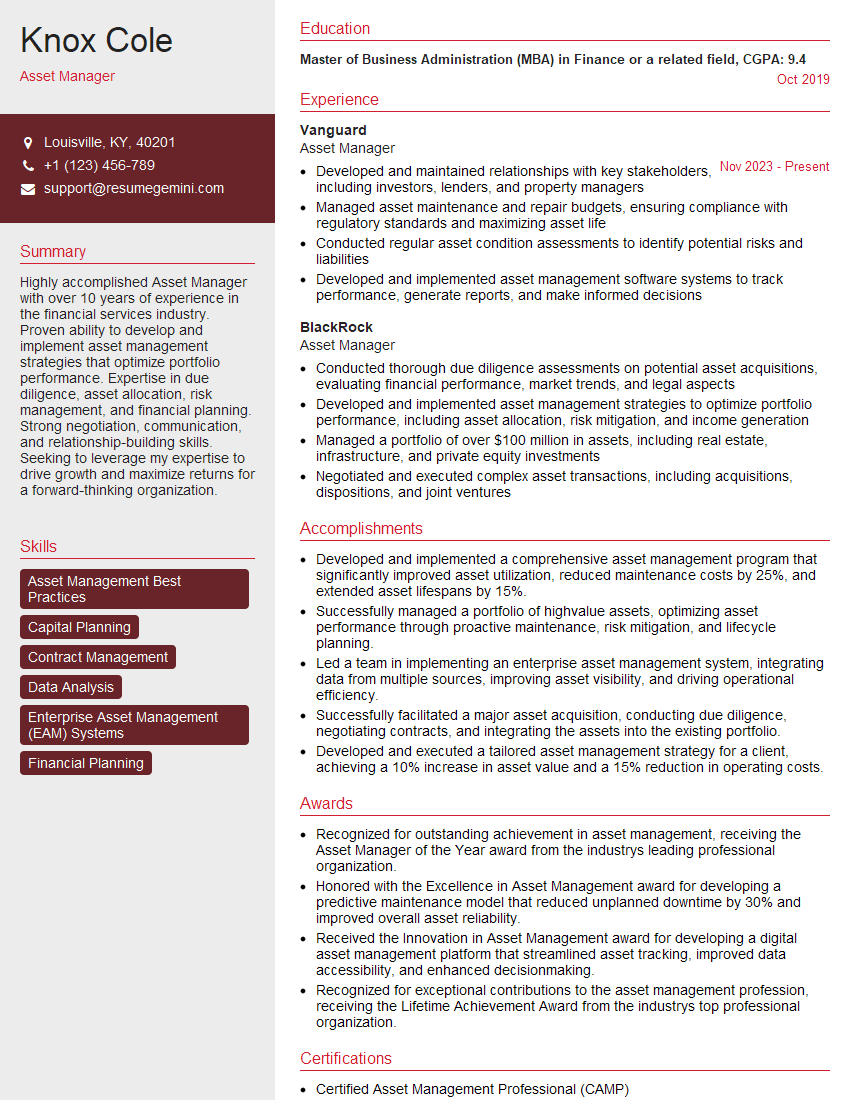
Asset Manager Resume Sample
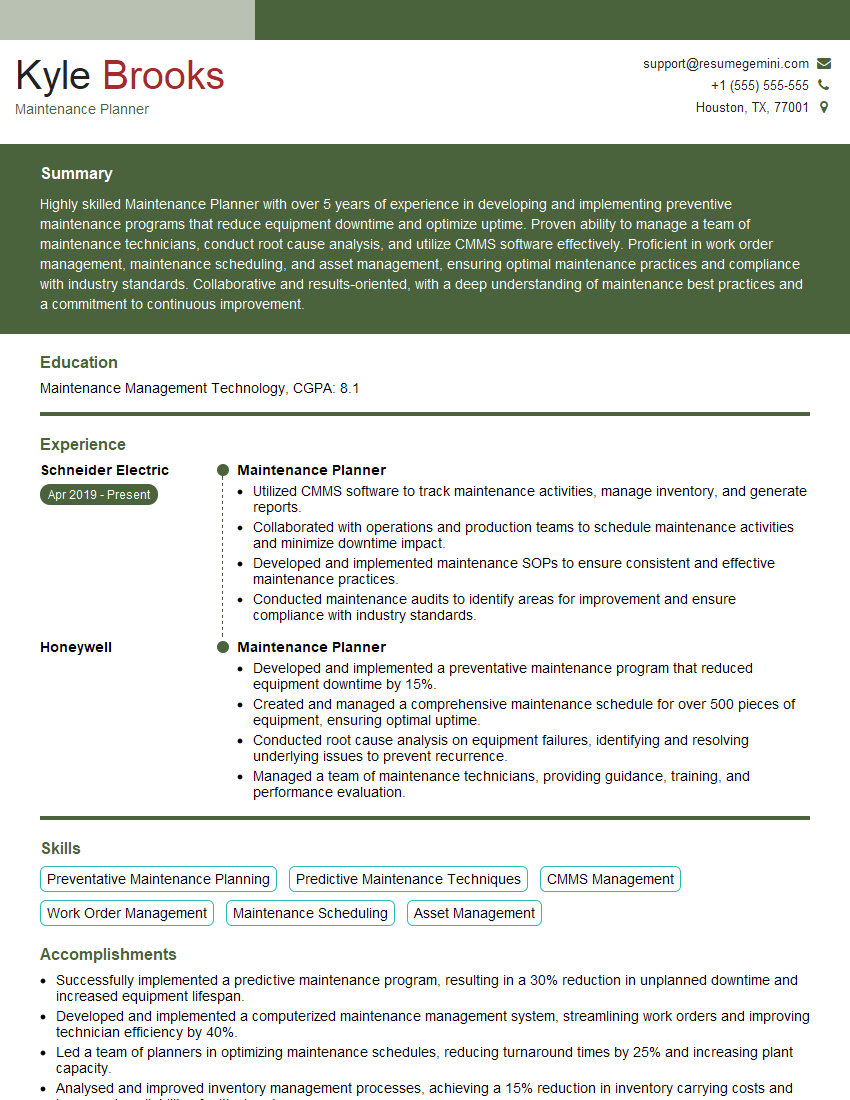
Maintenance Planner Resume Sample

Quality Control Manager Resume Sample
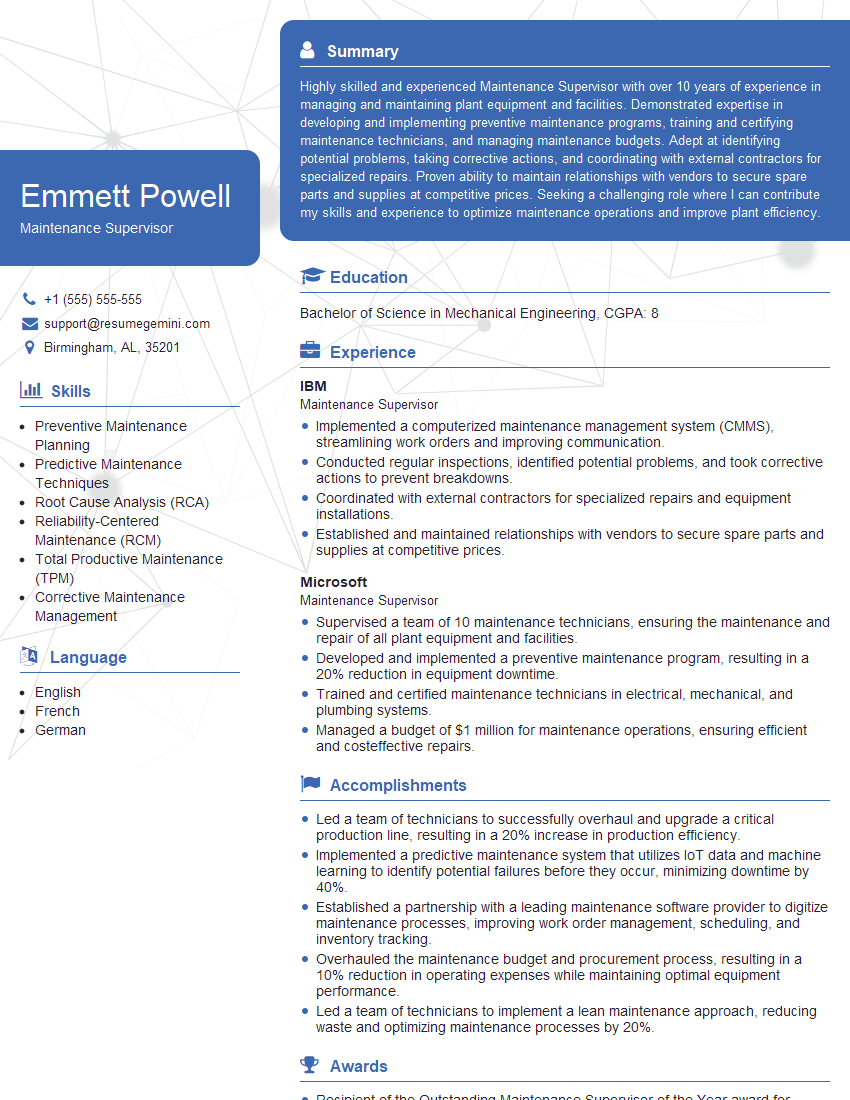
Maintenance Supervisor Resume Sample
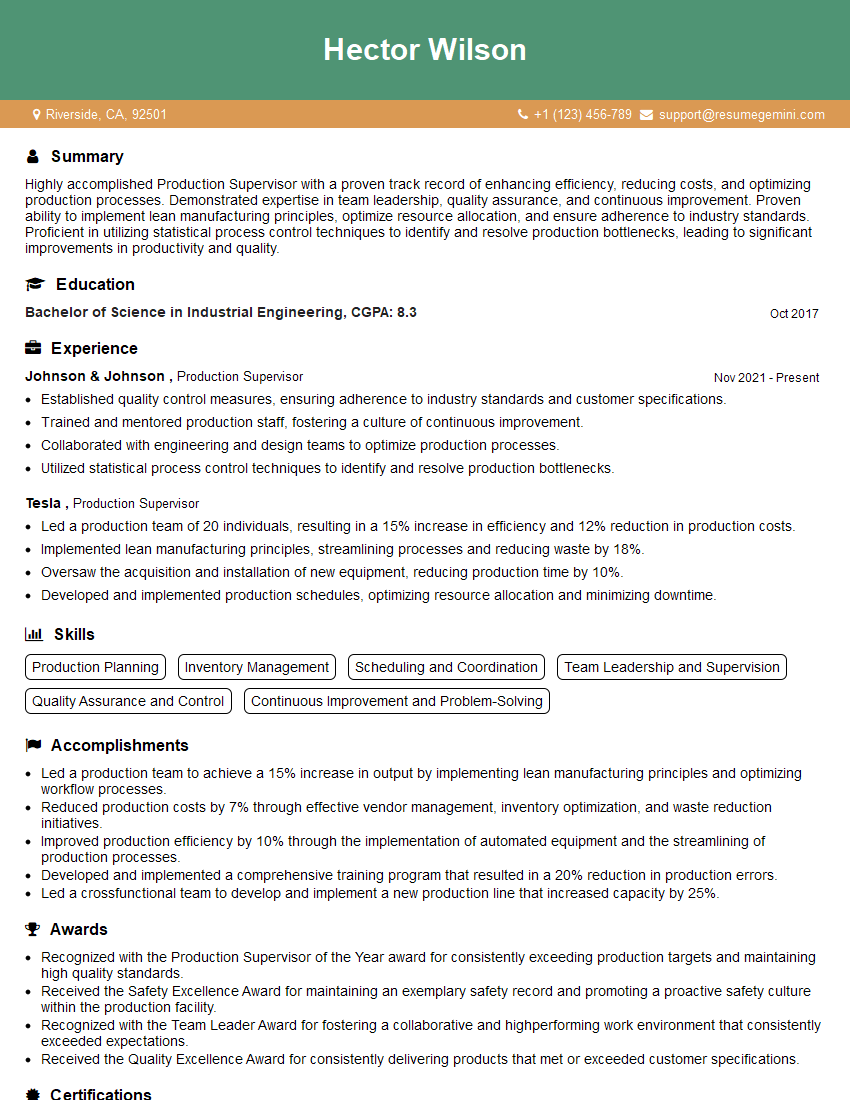
Production Supervisor Resume Sample
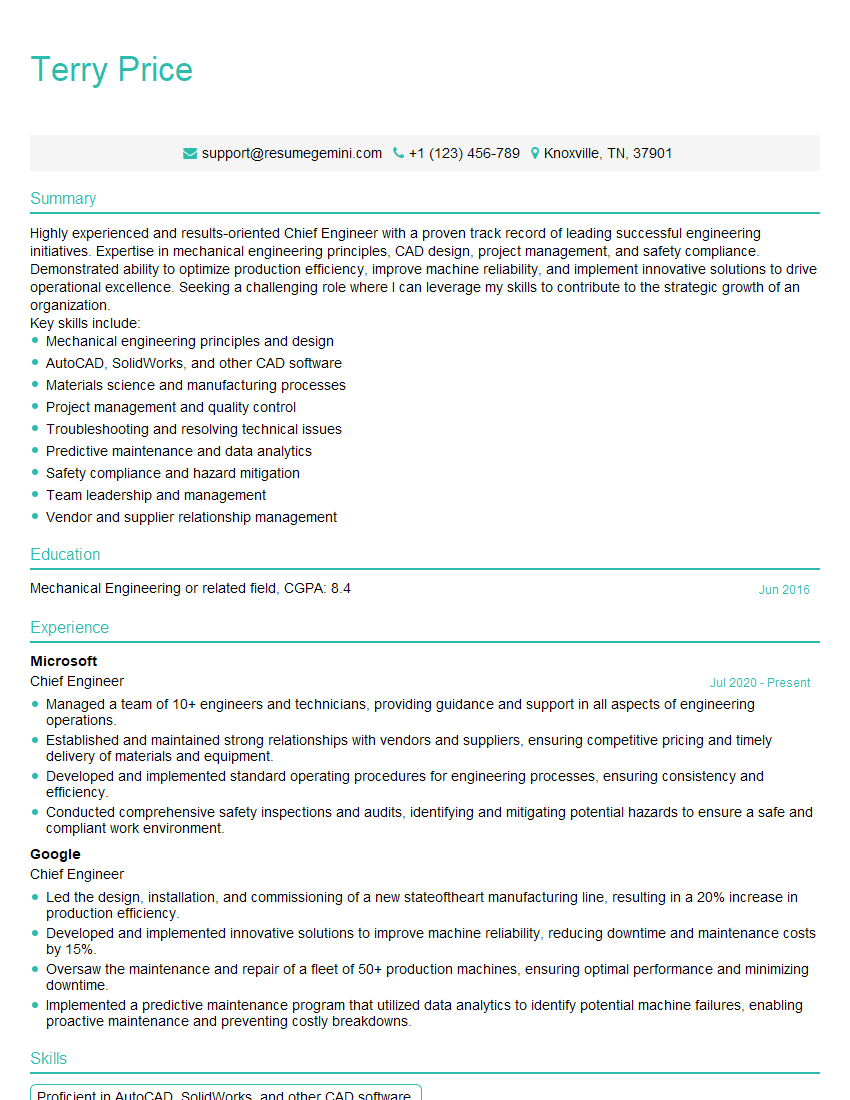
Chief Engineer Resume Sample
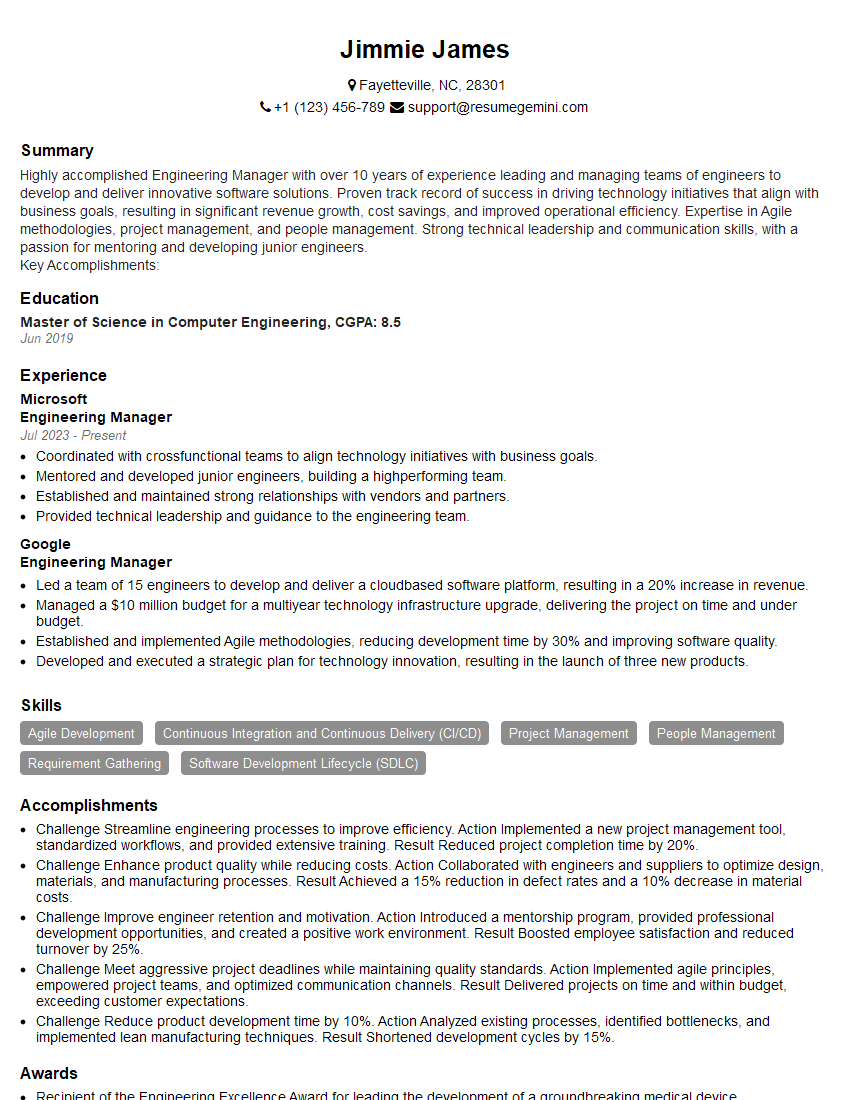
Engineering Manager Resume Sample
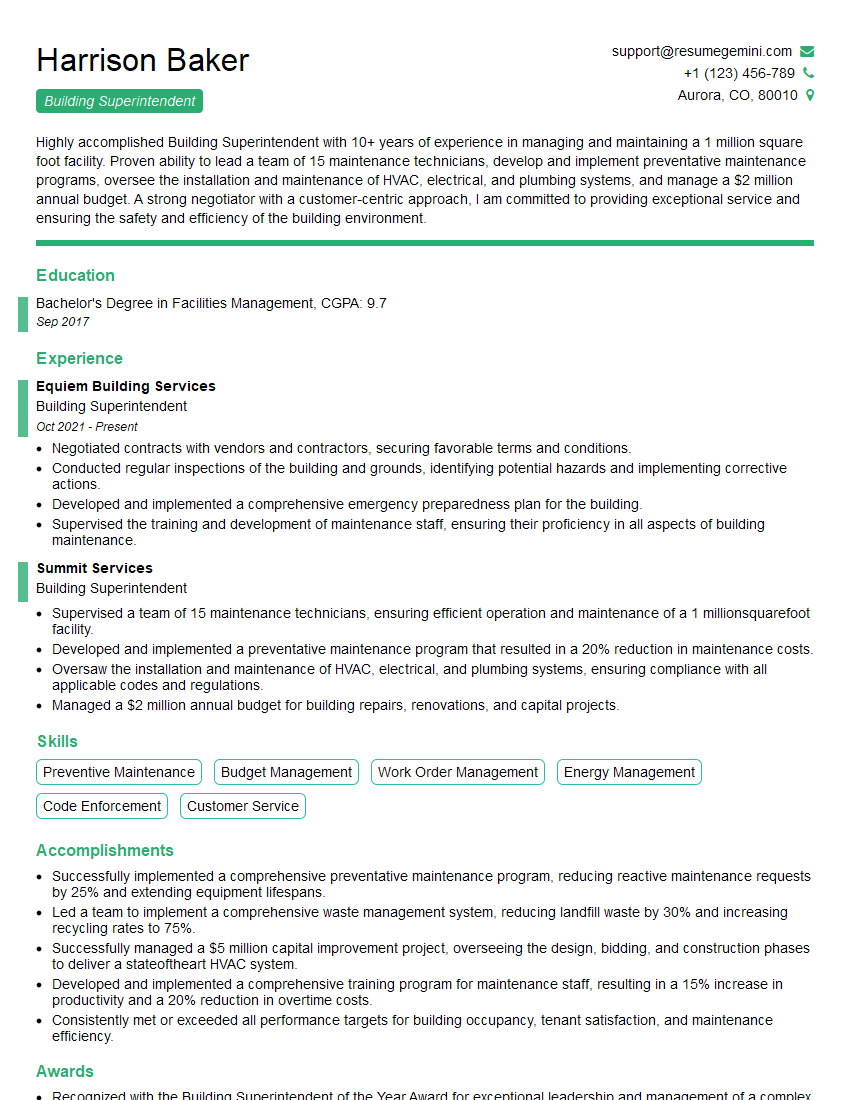
Building Superintendent Resume Sample
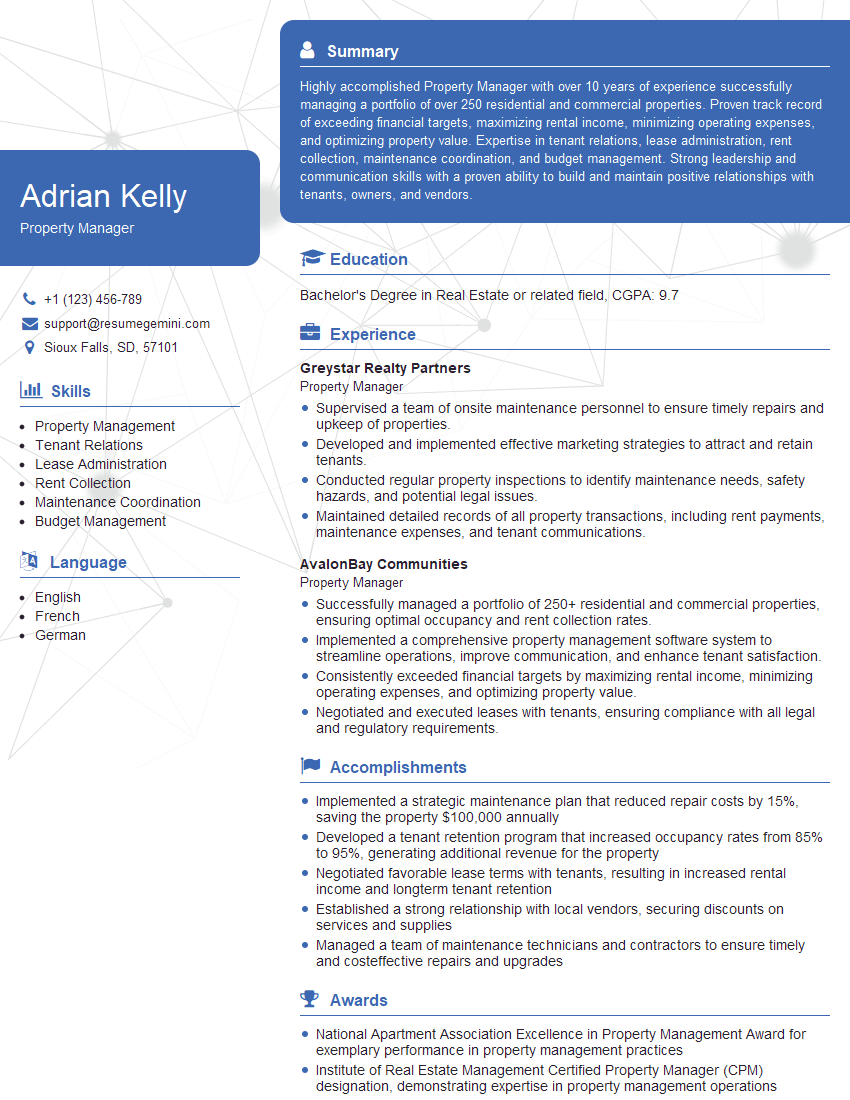
Property Manager Resume Sample
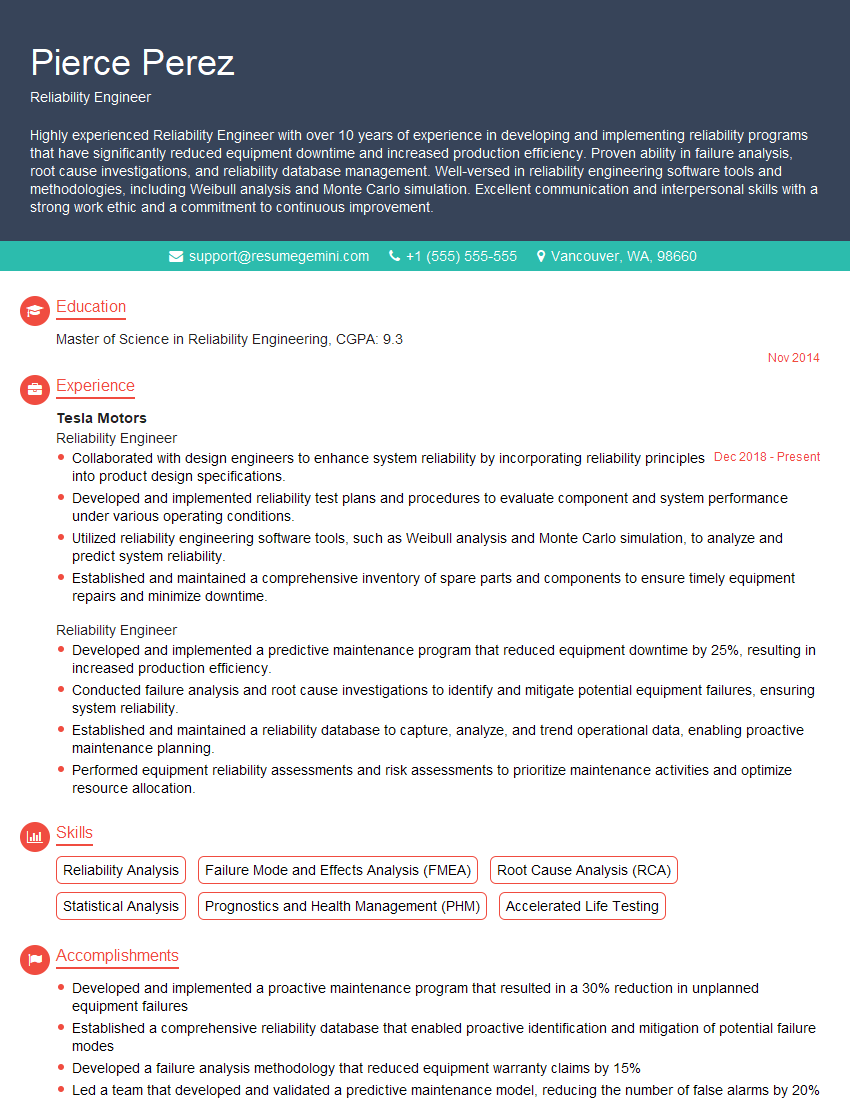
Reliability Engineer Resume Sample
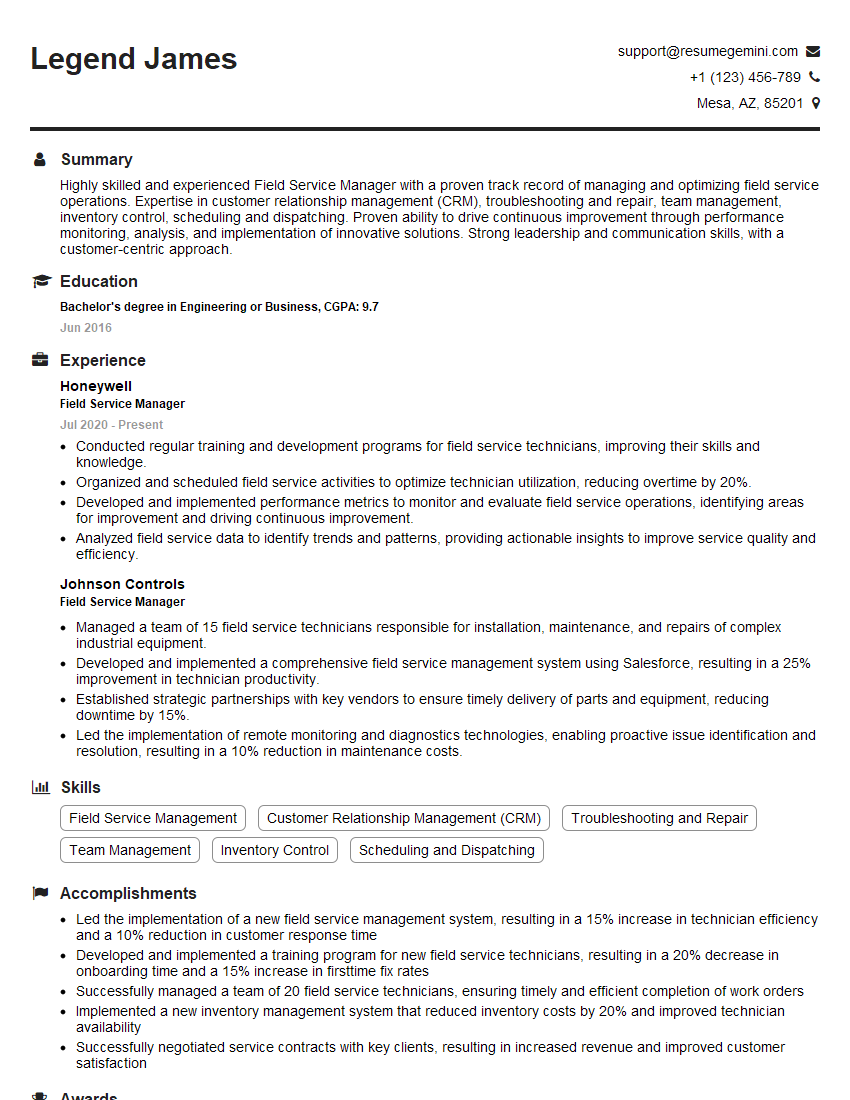
Field Service Manager Resume Sample
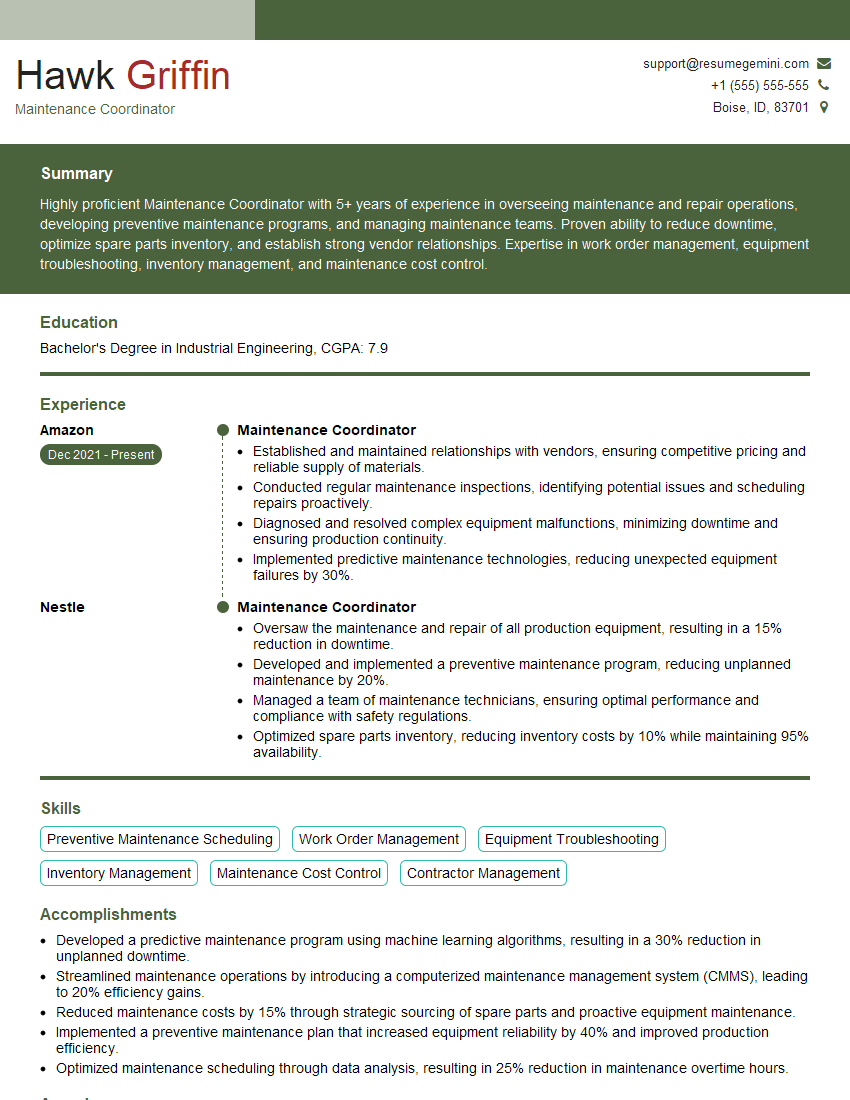
Maintenance Coordinator Resume Sample
- Safety Manager
- Facilities Manager
- Operations Manager
- Plant Manager
- Director of Operations
- Technical Services Manager
- Asset Manager
- Maintenance Planner
- Quality Control Manager
- Maintenance Supervisor
- Production Supervisor
- Chief Engineer
- Engineering Manager
- Building Superintendent
- Property Manager
- Reliability Engineer
- Field Service Manager
- Maintenance Coordinator
Explore more articles
Users Rating of Our Blogs
Share Your Experience
We value your feedback! Please rate our content and share your thoughts (optional).
What Readers Say About Our Blog
Very informative content, great job.
good