Are you ready to stand out in your next interview? Understanding and preparing for Ability to work in a hot environment interview questions is a game-changer. In this blog, we’ve compiled key questions and expert advice to help you showcase your skills with confidence and precision. Let’s get started on your journey to acing the interview.
Questions Asked in Ability to work in a hot environment Interview
Q 1. Describe your experience working in high-temperature environments.
My experience working in high-temperature environments spans over ten years, primarily in construction and industrial maintenance. I’ve worked extensively in environments ranging from direct sunlight on asphalt paving projects to enclosed spaces with high ambient temperatures during equipment repairs. This experience has instilled in me a deep understanding of the physiological challenges and safety protocols required in these conditions. For example, during a recent refinery maintenance project, ambient temperatures regularly exceeded 100°F (38°C) with high humidity. This necessitated meticulous adherence to hydration protocols and frequent rest breaks. My ability to efficiently manage my workload within these limitations has consistently resulted in completing projects on schedule and without incident.
Q 2. What strategies do you employ to prevent heat exhaustion?
Preventing heat exhaustion requires a proactive, multi-pronged approach. My strategy revolves around these key elements:
- Hydration: I consistently drink water throughout the day, even before feeling thirsty. I avoid sugary drinks, opting for water or electrolyte solutions to replenish lost minerals.
- Acclimatization: Gradual exposure to heat allows the body to adapt. Starting with shorter work periods in hot conditions and gradually increasing the duration is crucial.
- Appropriate Clothing: I wear light-colored, loose-fitting clothing to reflect sunlight and allow for better air circulation. This includes breathable fabrics that wick away sweat.
- Rest and Shade: Regular breaks in shaded areas are essential to allow the body to cool down. Taking advantage of natural breaks in the work process is equally crucial.
- Monitoring: I regularly monitor my body temperature and perspiration levels. Any unusual signs or symptoms trigger immediate action, such as seeking shade and hydrating.
Following these strategies consistently has helped me avoid heat-related illnesses even under intense conditions.
Q 3. How do you recognize the symptoms of heat stroke in yourself and others?
Recognizing heat stroke symptoms is critical for both self-preservation and the safety of others. In myself, I would look for signs like:
- High body temperature (above 103°F or 39.4°C)
- Altered mental state (confusion, disorientation, delirium)
- Rapid, strong pulse
- Headache
- Seizures
- Loss of consciousness
In others, I would also look for these symptoms, paying close attention to changes in their behavior and responsiveness. I would immediately initiate emergency procedures as described in the next answer if any of these symptoms are present. A key early warning sign I look for in others is intense lethargy or unusual irritability.
Q 4. What personal protective equipment (PPE) are you familiar with for hot environments?
I am familiar with various PPE suited for hot environments. This includes:
- Lightweight, breathable clothing: This helps to regulate body temperature and prevent overheating.
- Wide-brimmed hats: These offer protection from direct sunlight, keeping the face and neck cool.
- Sunscreen: High SPF sunscreen is essential to protect against sunburn, which can exacerbate heat stress.
- Safety glasses or goggles: These protect the eyes from sun, dust, and debris.
- Cooling vests or towels: These can be soaked in cool water and worn to provide evaporative cooling.
- Specialized protective equipment (where required): Depending on the job, this might include heat-resistant gloves or other protective gear adapted for high temperatures. For example, in welding, specialized heat-resistant suits would be used.
The selection of PPE depends significantly on the specific task and the nature of the heat stress involved. Prioritizing breathable materials is key to avoiding a further increase in body temperature through trapped heat.
Q 5. Explain your understanding of heat index and its implications.
The heat index combines air temperature and relative humidity to determine the apparent temperature felt by the human body. It indicates how hot it actually *feels* considering the effect of humidity on the body’s ability to cool itself through sweating. High humidity reduces the effectiveness of evaporative cooling, making it feel significantly hotter than the actual air temperature. For instance, a temperature of 90°F (32°C) with 70% humidity might have a heat index of 105°F (41°C), significantly increasing the risk of heat-related illnesses. Understanding the heat index is crucial for planning work schedules, determining appropriate safety precautions, and adjusting work practices to mitigate heat stress risks. Construction sites frequently consult heat index forecasts to modify work routines when dangerously high indexes are predicted.
Q 6. Describe your experience with hydration strategies in hot conditions.
My hydration strategy in hot conditions emphasizes proactive and consistent fluid intake, not just reactive drinking when thirsty. I prioritize:
- Consistent hydration: Drinking water regularly throughout the day, before, during, and after work, even if not thirsty. I usually carry a water bottle with me.
- Electrolyte replenishment: Using electrolyte-enhanced beverages to replace salts and minerals lost through sweat. This is particularly important during prolonged periods of physical exertion.
- Monitoring urine color: Light yellow or clear urine indicates adequate hydration. Dark yellow urine signals dehydration, requiring increased fluid intake.
- Avoiding sugary drinks: Sugary beverages can actually dehydrate you because of their high sugar content.
I avoid caffeine and alcohol in hot conditions because they can have diuretic effects, increasing fluid loss. This strategy has been critical in maintaining my stamina and preventing dehydration on numerous occasions. I’ve always considered this a vital safety practice.
Q 7. How would you respond to a heat-related emergency on the job site?
My response to a heat-related emergency on a job site would follow these steps:
- Immediate Action: Move the affected individual to a cool, shaded area.
- Cool the Body: Apply cool, wet cloths or towels to the person’s skin, focusing on the neck, armpits, and groin.
- Hydration: If conscious, provide fluids such as water or electrolyte solutions (unless they are vomiting).
- Call for Medical Assistance: Immediately contact emergency medical services (EMS). Heat stroke is a life-threatening condition requiring immediate professional medical attention.
- Monitor Vital Signs: Continue to monitor the person’s breathing, pulse, and level of consciousness until help arrives.
- Post-Incident Review: Once the emergency is handled, a thorough review of the incident should be conducted to identify contributing factors and prevent future occurrences.
My training includes First Aid and CPR, ensuring I’m prepared to handle such emergencies effectively.
Q 8. What are the common safety regulations related to working in extreme heat?
Common safety regulations for working in extreme heat prioritize preventing heat-related illnesses. These regulations often include mandated rest breaks in shaded or air-conditioned areas, water availability (often requiring employers to provide readily accessible potable water), and limitations on work intensity during peak heat hours. Specific regulations vary by location and industry but generally cover:
- Work-Rest Cycles: Scheduled breaks are crucial to allow the body to cool down. The frequency and duration of breaks depend on the heat index and the intensity of the work. For example, a construction site might mandate a 15-minute break every hour during extreme heat.
- Hydration: Employers are usually obligated to provide clean drinking water, often in shaded areas. Workers are often encouraged to drink water proactively, even if they don’t feel thirsty.
- Protective Clothing: While protective gear is often necessary, lightweight, light-colored, and breathable clothing is preferred in hot environments. Employers might provide specialized heat-resistant clothing.
- Acclimatization: Gradual introduction to heat exposure allows the body to adapt. New employees are often eased into working in hot environments, gradually increasing their work duration in the heat.
- Monitoring and Training: Regular monitoring of workers’ health and mandatory heat safety training are essential components of any comprehensive heat safety plan. Training usually covers recognizing signs of heat stress and the proper response.
- Emergency Procedures: Clear emergency plans, including procedures for dealing with heat stroke, must be in place, with designated personnel trained in first aid and emergency response.
Q 9. Have you ever experienced a heat-related injury? How was it handled?
Yes, I once experienced heat exhaustion while working on a roofing project in the summer. I started feeling lightheaded, nauseous, and extremely fatigued. My skin felt clammy, and I had a rapid pulse. Thankfully, a coworker noticed my symptoms and immediately moved me to a shaded area. He provided me with cool water and helped me lie down. We contacted our supervisor who promptly called for emergency medical services. Paramedics assessed my condition, administered fluids intravenously, and monitored my vital signs before recommending rest and hydration for the remainder of the day. I was instructed to take several days off to fully recover and avoid strenuous activity in the heat. The incident reinforced the importance of recognizing early symptoms of heat stress and taking preventative measures.
Q 10. What is your preferred method for monitoring your body temperature during intense heat?
My preferred method for monitoring body temperature is a combination of approaches. While I don’t routinely use a thermometer, I pay close attention to my body’s signals. I regularly check my skin temperature, looking for excessive sweating or clammy skin. I also monitor my heart rate – a rapid pulse can be an early warning sign. I find that consistently drinking water and staying conscious of the work-rest cycle is crucial. In particularly strenuous situations or in environments without ready access to shade, using a wearable fitness tracker with temperature monitoring capabilities could provide more objective data. This technology allows continuous monitoring, providing a more complete picture of my body’s response to heat.
Q 11. Describe your experience working with heat-sensitive materials or equipment.
I’ve worked extensively with heat-sensitive materials, including certain adhesives and coatings. Understanding the material’s temperature limitations is paramount. For example, some adhesives require a specific temperature range for proper curing, exceeding that range can result in poor adhesion or even damage to the material. To mitigate risk, I always consult the manufacturer’s specifications before starting any work, making sure to maintain appropriate ambient temperatures. This might involve utilizing refrigerated storage for the materials, working in climate-controlled areas, or using specialized equipment designed for heat control, like temperature-controlled applicators or insulated containers. I also ensure the equipment itself is not overheating during the process, monitoring temperatures closely and scheduling regular maintenance checks.
Q 12. How do you adapt your work schedule or pace to avoid overheating?
Adapting my work schedule and pace is crucial for preventing overheating. I break down tasks into shorter, more manageable intervals, interspersed with frequent rest breaks. If working outdoors, I concentrate on performing the most physically demanding tasks during the cooler parts of the day, typically early morning or late afternoon. I take advantage of shaded areas as much as possible during peak heat. Communicating my needs to my supervisor is also important—if the heat index is exceptionally high, discussing the possibility of adjusting the workday schedule or adopting a slower pace is essential to maintaining productivity and safety.
Q 13. What are the signs of heat stress that you would monitor in coworkers?
Recognizing the signs of heat stress in coworkers is a critical aspect of workplace safety. I would watch for the following: excessive sweating, dizziness, weakness, nausea, headache, muscle cramps, rapid pulse, and confusion or disorientation. Clammy skin and rapid, shallow breathing are also key indicators. A coworker exhibiting any of these symptoms should be immediately moved to a cool place, given water, and their supervisor should be informed. In more serious cases, prompt medical attention is necessary.
Q 14. What training have you received on heat safety and prevention?
I’ve received comprehensive training in heat safety and prevention, covering topics such as recognizing heat-related illnesses, implementing preventative strategies, and responding to emergencies. My training included both theoretical knowledge and practical exercises, such as recognizing early warning signs of heat stress in oneself and others, and practicing emergency response procedures. The training was delivered through a combination of online modules, classroom sessions, and hands-on workshops that included simulations and first aid training. This training is regularly updated to incorporate the latest best practices in heat safety.
Q 15. Describe a situation where you had to make a quick decision to mitigate heat risks.
During a road construction project in Arizona, the temperature soared to 115°F (46°C) in the afternoon. We were paving a section of highway, and one of the workers started exhibiting signs of heat exhaustion – dizziness and heavy sweating. I immediately halted the paving operation, moved the worker to a shaded area, and had him lie down with his feet elevated. I instructed another crew member to fetch water and cooling towels. We called emergency services, as his symptoms were worsening, and focused on cooling him down while waiting for paramedics. This rapid response prevented a potentially serious heat stroke situation.
This situation highlighted the importance of continuous monitoring of workers in extreme heat and the need for a clear, immediate action plan to address heat-related emergencies. Prioritizing worker safety over project deadlines is paramount.
Career Expert Tips:
- Ace those interviews! Prepare effectively by reviewing the Top 50 Most Common Interview Questions on ResumeGemini.
- Navigate your job search with confidence! Explore a wide range of Career Tips on ResumeGemini. Learn about common challenges and recommendations to overcome them.
- Craft the perfect resume! Master the Art of Resume Writing with ResumeGemini’s guide. Showcase your unique qualifications and achievements effectively.
- Don’t miss out on holiday savings! Build your dream resume with ResumeGemini’s ATS optimized templates.
Q 16. How do you ensure adequate hydration and electrolyte balance in hot conditions?
Maintaining adequate hydration and electrolyte balance is crucial in hot environments. Think of your body like a finely tuned machine; it needs the right fuel to operate efficiently. Water alone isn’t enough; you also need electrolytes, which are minerals that help regulate fluid balance and nerve and muscle function. Sodium, potassium, and magnesium are key players here.
My strategy involves:
- Proactive hydration: I start drinking water before I even feel thirsty, consistently throughout the day, even before work begins. This prevents dehydration from setting in.
- Electrolyte replenishment: I utilize electrolyte drinks or sports drinks, particularly after strenuous activity, to replace lost electrolytes through sweat. Plain water is excellent, but electrolytes are crucial for recovery.
- Monitoring urine color: Pale yellow urine indicates good hydration; dark yellow suggests dehydration, prompting increased water intake.
- Avoiding sugary drinks: Sugary drinks can actually dehydrate you further.
In extreme heat, I might even increase the frequency and quantity of fluid intake, consulting with a healthcare professional about appropriate hydration strategies for the specific conditions.
Q 17. Explain your understanding of acclimatization to hot environments.
Acclimatization is the process by which your body adapts to a hot environment over time. Think of it like training for a marathon – you don’t just run 26 miles on your first day. Your body gradually adjusts to the heat stress, improving its efficiency in regulating temperature.
This adaptation involves several physiological changes:
- Increased sweat rate: Your body learns to sweat more efficiently, evaporating more heat and cooling you down.
- Lower core body temperature: Your body becomes better at maintaining a stable core temperature despite the external heat.
- Reduced heart rate: Your heart doesn’t have to work as hard to pump blood to the skin for cooling.
Acclimatization typically takes 7-14 days of gradual exposure to heat. It’s vital to start slowly and avoid sudden intense heat exposure, as this can lead to heat injury.
Q 18. How would you assess the risk of heat stress on a new job site?
Assessing heat stress risk on a new job site requires a multi-faceted approach. It’s not just about looking at the thermometer; several factors contribute to the risk.
My assessment would involve:
- Environmental factors: Air temperature, humidity, wind speed, radiant heat (from sun or equipment), and work surface temperature are all critical. I’d use a wet-bulb globe temperature (WBGT) index, a reliable measurement combining these factors to determine the heat stress.
- Work conditions: The type of work, intensity of physical activity, work-rest cycles, and availability of shade all play a significant role.
- Personal factors: I’d consider workers’ age, health conditions (pre-existing heart issues, etc.), acclimatization status, and hydration levels.
- Protective measures: Are there adequate hydration stations, rest areas, cooling systems (e.g., fans, misters), appropriate personal protective equipment (PPE) like lightweight, light-colored clothing? Is there a clear heat illness prevention plan in place?
Based on this assessment, I’d recommend appropriate mitigation strategies, such as modifying work schedules, providing additional breaks, increasing hydration opportunities, or even delaying work until conditions are safer.
Q 19. What are the differences between heat exhaustion and heat stroke?
Heat exhaustion and heat stroke are both heat-related illnesses, but they differ significantly in severity and symptoms. Heat exhaustion is a milder condition, essentially the body’s warning sign that it’s overheating. Heat stroke, on the other hand, is a medical emergency, a life-threatening condition.
Here’s a comparison:
| Symptom | Heat Exhaustion | Heat Stroke |
|---|---|---|
| Body Temperature | Slightly elevated | Significantly elevated (above 103°F or 39.4°C) |
| Sweating | Heavy sweating | Often no sweating (dry skin) |
| Mental State | Dizziness, confusion, headache | Loss of consciousness, seizures, disorientation |
| Other Symptoms | Nausea, vomiting, weakness, muscle cramps | Rapid, weak pulse; rapid breathing; hot, flushed skin |
| Treatment | Rest, fluids, cooling measures | Immediate medical attention; rapid cooling |
If someone exhibits signs of heat stroke, call emergency services immediately and initiate rapid cooling measures while waiting for professional help.
Q 20. Describe your experience working with cooling systems or equipment in high-temperature areas.
I’ve extensively worked with various cooling systems in high-temperature environments. During my time working on large-scale infrastructure projects in the Middle East, we used a combination of methods.
We utilized industrial-grade evaporative coolers (swamp coolers) to lower the ambient temperature in our work areas. We also implemented personal cooling vests, which circulate cool water, providing localized cooling for workers. In some areas, we even employed misting systems to create a cooling effect through evaporative cooling. Maintaining these systems and ensuring their proper function was crucial for worker safety and productivity.
In addition to the larger systems, I also have experience troubleshooting and maintaining smaller, portable fans and personal cooling devices, ensuring workers always have access to effective cooling solutions.
Q 21. How do you prioritize tasks to minimize heat exposure?
Prioritizing tasks to minimize heat exposure requires careful planning and consideration. The goal is to complete the most crucial tasks during the coolest parts of the day, typically early morning or late evening.
My approach involves:
- Task scheduling: Physically demanding tasks are scheduled for cooler times. Less strenuous tasks can be moved to hotter periods, but adequate rest breaks are essential.
- Work-rest cycles: Regular and frequent short breaks in shaded areas are crucial. The length and frequency of breaks should be adjusted based on the WBGT and intensity of the work.
- Crew rotation: Rotating crews between strenuous and less strenuous tasks allows for heat recovery and reduces individual heat exposure.
- Use of technology: Utilizing heat-monitoring devices, such as WBGT meters, allows data-driven decisions on task scheduling and break timings.
Ultimately, worker safety is the highest priority. It’s always better to slightly adjust timelines to ensure worker well-being rather than push forward in dangerous conditions.
Q 22. What are your preferred methods for staying cool while working outdoors?
Staying cool in a hot environment requires a multi-pronged approach combining preventative measures and active cooling strategies. My preferred methods prioritize hydration, protective clothing, and smart scheduling.
Hydration: I consistently drink plenty of water throughout the day, even before feeling thirsty. I avoid sugary drinks as they can dehydrate. I often carry a large water bottle and refill it regularly.
Protective Clothing: I wear light-colored, loose-fitting clothing made from breathable fabrics like cotton or linen. A wide-brimmed hat provides shade for my face and neck. I also utilize sunscreen with a high SPF to protect my skin from sunburn, which can exacerbate heat stress.
Smart Scheduling: I plan my most strenuous tasks for the cooler parts of the day, often early morning or late afternoon. I take frequent breaks in shaded areas to allow my body to recover. This approach is far more effective than trying to push through intense heat.
For particularly hot days, I might also utilize a cooling vest or bandana that can be soaked in water and worn for evaporative cooling. I always listen to my body and adjust my approach as needed.
Q 23. How do you communicate effectively with colleagues about heat-related concerns?
Effective communication regarding heat-related concerns is crucial for team safety. I prioritize open and direct conversations, making sure everyone feels comfortable expressing their concerns without fear of judgment.
Regular Check-ins: I initiate regular check-ins with colleagues, especially during hot periods, asking about their well-being and any heat-related issues they’re experiencing.
Active Listening: When colleagues raise concerns, I listen actively and empathetically, validating their feelings and demonstrating that their safety is a priority. I avoid minimizing their experiences or suggesting they simply ‘tough it out.’
Clear Communication: If I notice a colleague exhibiting signs of heat stress, I communicate this clearly to a supervisor and/or first-aid personnel, emphasizing the urgency of the situation.
Collaboration: I actively participate in team discussions about heat safety, suggesting solutions and advocating for preventative measures such as increased break times or adjustments to work schedules.
Open communication fosters a culture of safety where everyone feels empowered to speak up and take preventative measures.
Q 24. How would you handle a situation where a coworker shows signs of heat stress?
Recognizing the signs of heat stress is paramount to effective intervention. Symptoms can include dizziness, nausea, headache, muscle cramps, and excessive sweating. My response would be swift and decisive.
Immediate Action: I would move the coworker to a cool, shaded area immediately. I would remove any excess clothing and encourage them to lie down.
Hydration: I would offer them cool water to drink slowly, avoiding sudden intake.
Cooling Measures: I would use whatever cooling methods are available – damp cloths, fans, ice packs, etc. – to lower their body temperature.
Medical Attention: I would immediately call for medical assistance if their symptoms are severe or don’t improve quickly. This includes monitoring their vital signs if possible and relaying this information to emergency responders.
Documentation: Following the incident, I would document the event, including the time, location, symptoms observed, actions taken, and the outcome. This documentation is crucial for future safety assessments and potential incident reporting.
Responding swiftly and calmly can be the difference between a minor discomfort and a serious medical emergency.
Q 25. Describe your experience working with emergency response protocols related to heat.
My experience with heat-related emergency response protocols includes participation in various training programs, including CPR and first aid. This training has equipped me to recognize and respond to heat emergencies, such as heat exhaustion and heat stroke.
I have participated in mock emergency drills simulating heat-related incidents, reinforcing our team’s ability to react efficiently and effectively in a crisis. These drills cover communication strategies, evacuation procedures, and the proper use of emergency equipment, which enhances our collective preparedness.
In past situations, I have directly assisted colleagues experiencing heat stress by providing immediate cooling and hydration, while simultaneously contacting emergency personnel for more advanced medical care. I always prioritize the safety and well-being of my colleagues above all else.
Q 26. What are the legal requirements regarding heat safety in your field?
Legal requirements regarding heat safety vary depending on location and industry, but generally revolve around providing adequate rest breaks, access to water, and training on heat safety. OSHA (Occupational Safety and Health Administration), for example, provides guidelines and standards for workplace heat safety that are often adopted by individual states and incorporated into company policies. These regulations aim to prevent heat-related illnesses and ensure worker safety.
Specific regulations might mandate things like:
Scheduled Rest Breaks: Regular, shaded breaks throughout the workday, often increasing in frequency as the temperature rises.
Water Availability: Easy access to cool drinking water throughout the workday.
Heat Acclimatization: A gradual increase in work intensity and duration to allow the body to adapt to the heat.
Training and Education: Regular training programs to educate workers on heat-related illnesses, symptoms, and preventative measures.
Monitoring and Reporting: Procedures for monitoring worker conditions and reporting any incidents of heat illness.
It’s crucial to stay up-to-date on these regulations, as they are subject to change and vary significantly based on location and industry.
Q 27. How do you adjust your work practices to accommodate varying levels of heat intensity?
Adjusting work practices to varying heat intensities is essential for maintaining both productivity and safety. My approach involves a combination of proactive planning, flexible scheduling, and ongoing monitoring.
Work Scheduling: I prioritize tasks that require less physical exertion during the hottest parts of the day and save more demanding activities for cooler periods. This approach allows for a better distribution of workload and reduces overall heat exposure.
Pace Adjustment: I adjust the pace of my work based on the heat intensity. If the temperature is extremely high, I will take more frequent breaks and reduce the intensity of physical activities to avoid overexertion.
Task Prioritization: I prioritize critical tasks that must be completed and may postpone less urgent work during periods of extreme heat to ensure safety.
Technology Utilization: When feasible, I utilize available technology to reduce the need for strenuous physical work in extreme heat. This might include the use of automated equipment or the leveraging of assistive tools to lessen the physical burden.
Constant monitoring of the weather forecast and personal hydration levels helps in making informed adjustments to my work routines.
Q 28. How do you ensure adequate rest breaks are taken to prevent overheating?
Ensuring adequate rest breaks is not just about preventing overheating; it’s about maintaining both productivity and well-being. I employ a proactive approach to rest breaks, prioritizing regular short breaks rather than relying on infrequent, long ones.
Scheduled Breaks: I schedule short, regular breaks throughout the day, regardless of how I feel. These breaks give my body time to cool down and rehydrate.
Self-Monitoring: I pay attention to my body’s signals. If I feel overheated, even slightly, I take a break immediately. Ignoring early warning signs can lead to more serious issues.
Cool-Down Strategies: During breaks, I actively seek ways to cool down. This could involve sitting in the shade, using a fan, drinking cool water, or applying a cool compress to my neck or forehead.
Break Location: I choose strategic locations for breaks – areas with shade, good ventilation, and access to water. A cool, shaded area is significantly more effective for cooling down compared to direct sunlight.
Team Support: I encourage colleagues to take breaks as well and support one another in prioritizing rest and safety. A collective commitment to heat safety is more effective than individual efforts.
Regular, well-planned breaks are not a sign of weakness but rather a proactive strategy for effective and safe work in hot environments.
Key Topics to Learn for Ability to work in a hot environment Interview
- Physiological Responses to Heat: Understanding how the body reacts to heat stress, including sweating, increased heart rate, and potential heat illnesses like heat exhaustion and heatstroke.
- Heat Safety Practices: Knowledge of preventative measures such as hydration strategies, appropriate clothing choices, and recognizing the signs and symptoms of heat-related illnesses.
- Acclimatization and its Importance: Understanding the process of the body adapting to hot environments over time and the importance of gradual exposure.
- Personal Protective Equipment (PPE): Familiarity with different types of PPE designed for hot environments and their proper use and limitations.
- Workplace Safety Regulations: Awareness of relevant safety regulations and procedures for working in hot conditions, including rest breaks and emergency protocols.
- Practical Application: Describe scenarios where you have worked in hot conditions, highlighting your proactive measures to ensure safety and productivity. Be prepared to discuss problem-solving techniques used when facing heat-related challenges in the workplace.
- Environmental Awareness: Demonstrate understanding of environmental factors that exacerbate heat stress, such as humidity and direct sunlight.
Next Steps
Mastering the ability to work effectively and safely in hot environments is crucial for career advancement in many industries. This skill demonstrates resilience, commitment to safety, and adaptability – highly valued attributes by employers. To significantly boost your job prospects, it’s essential to create an ATS-friendly resume that highlights this key competency. ResumeGemini is a trusted resource to help you build a professional and impactful resume that grabs the attention of recruiters. We provide examples of resumes tailored to emphasize experience working in hot environments – helping you present yourself as the ideal candidate.
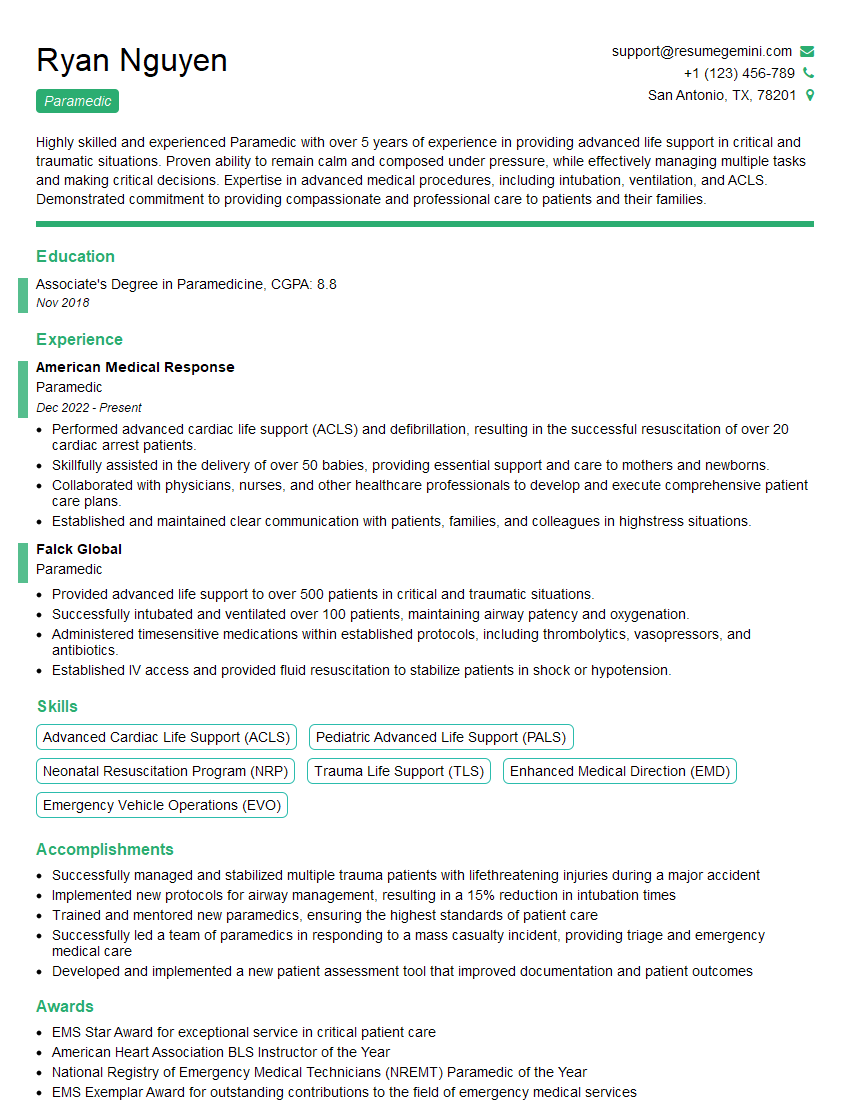
Paramedic Resume Sample
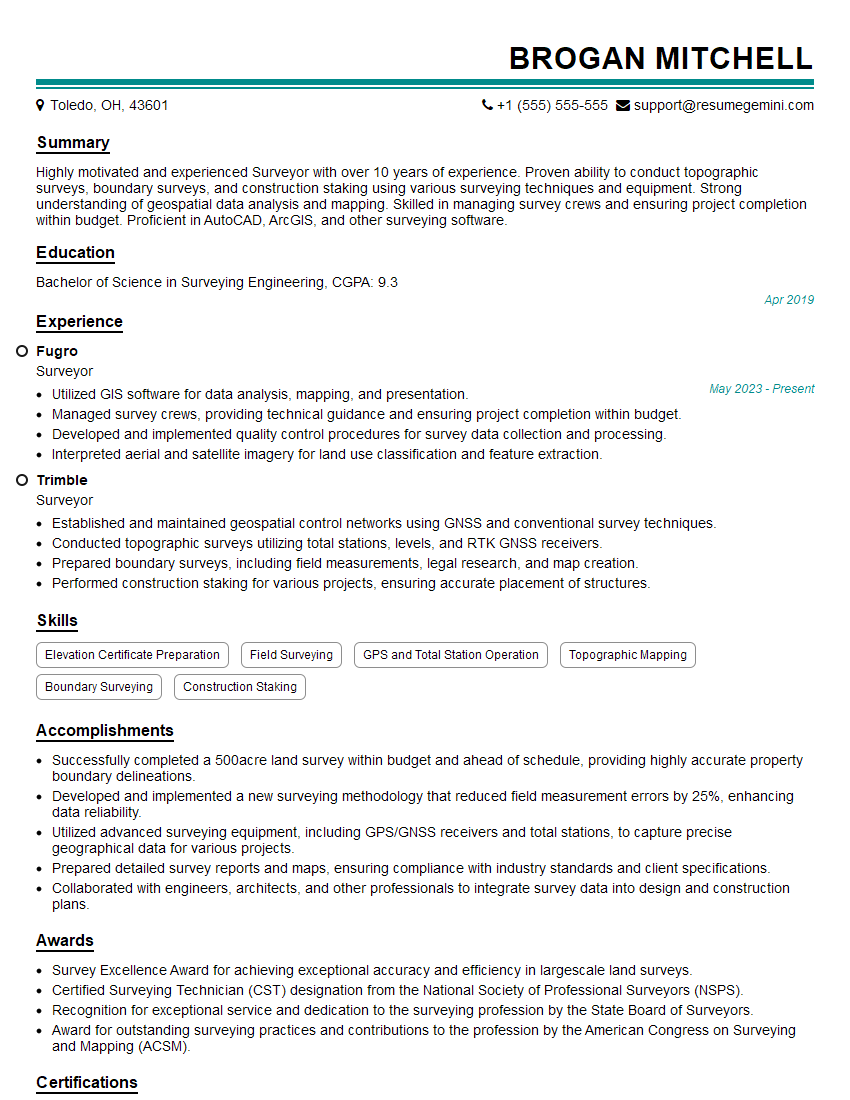
Surveyor Resume Sample
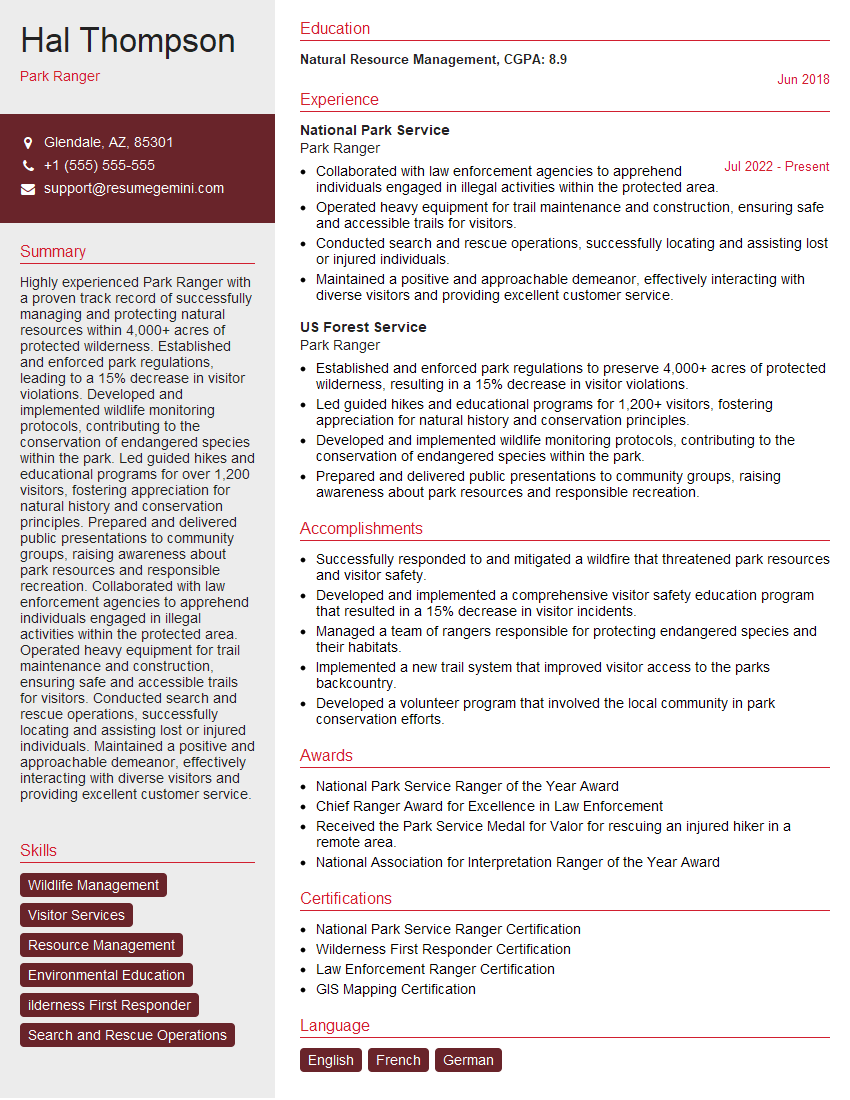
Park Ranger Resume Sample
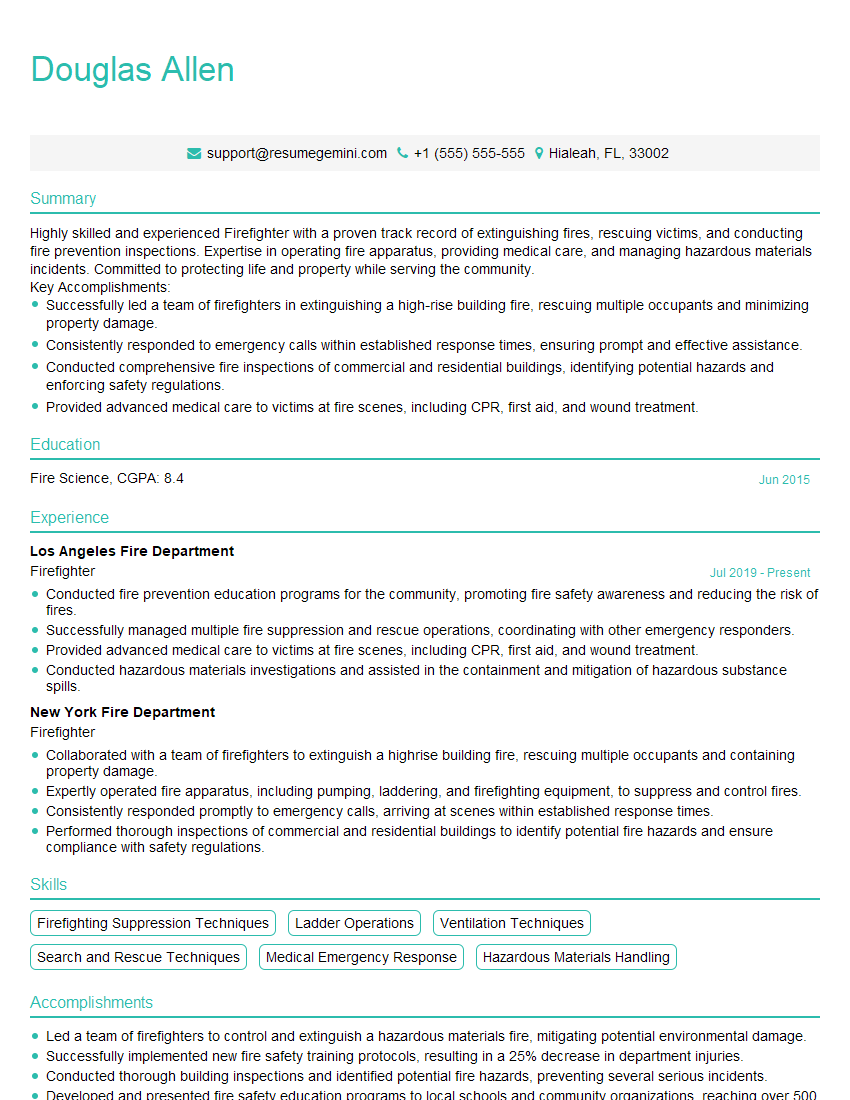
Firefighter Resume Sample
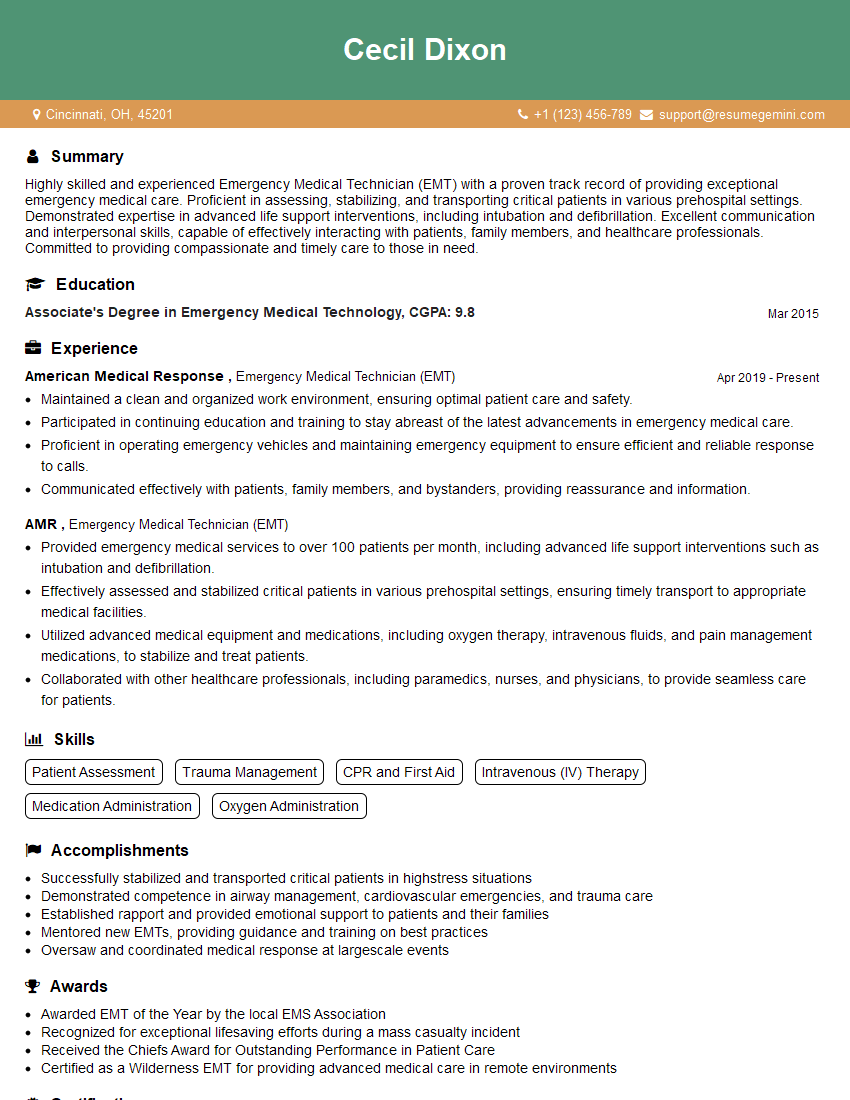
Emergency Medical Technician (EMT) Resume Sample
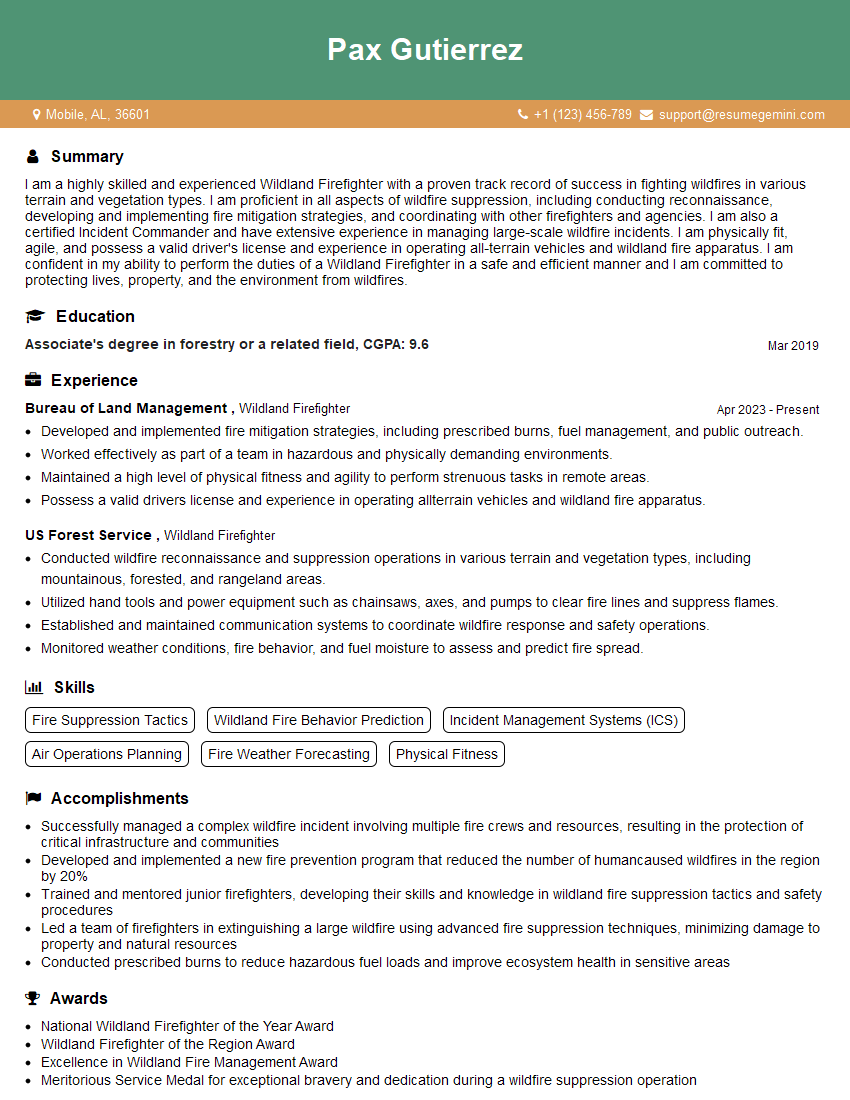
Wildland Firefighter Resume Sample
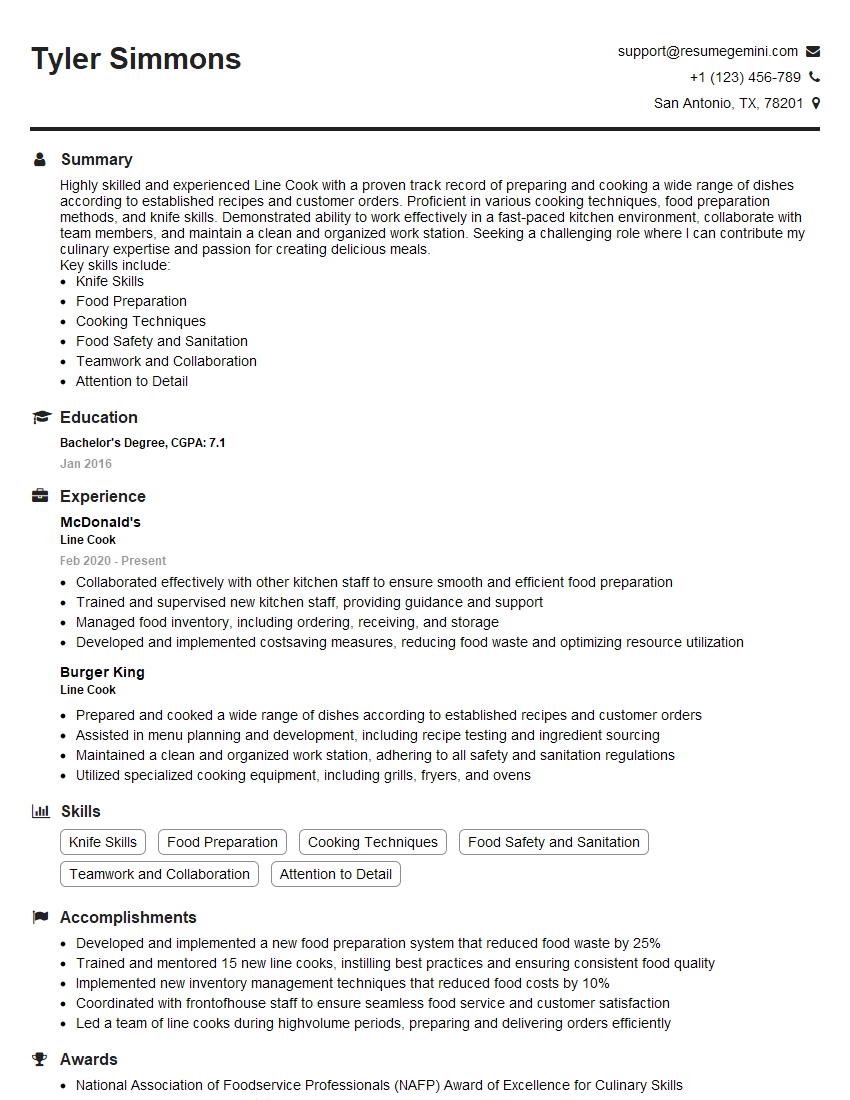
Line Cook Resume Sample
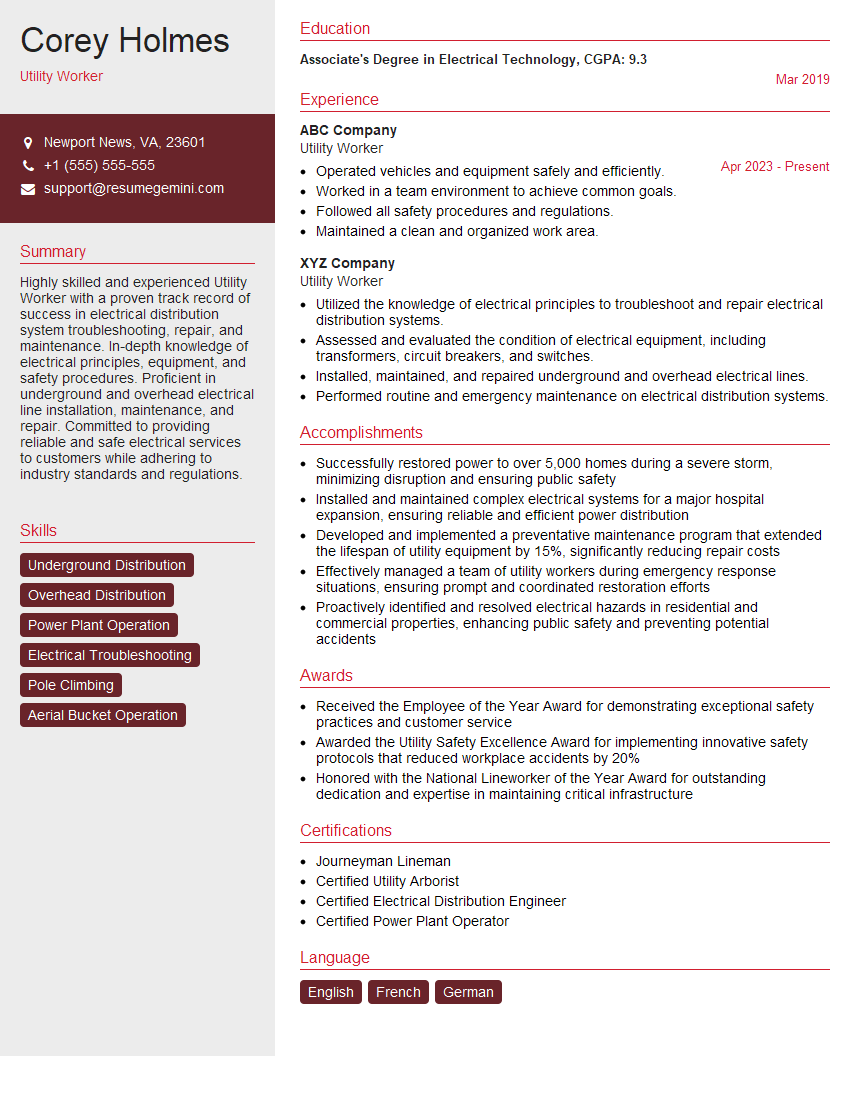
Utility Worker Resume Sample
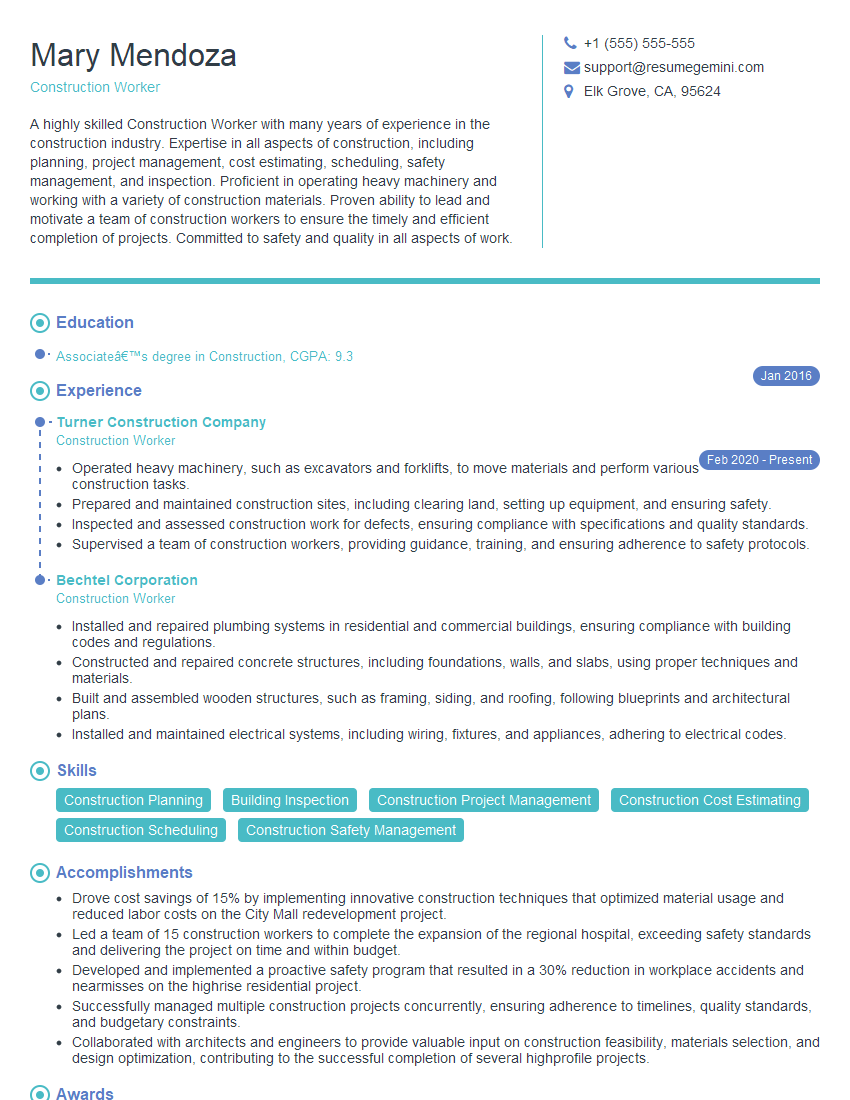
Construction Worker Resume Sample
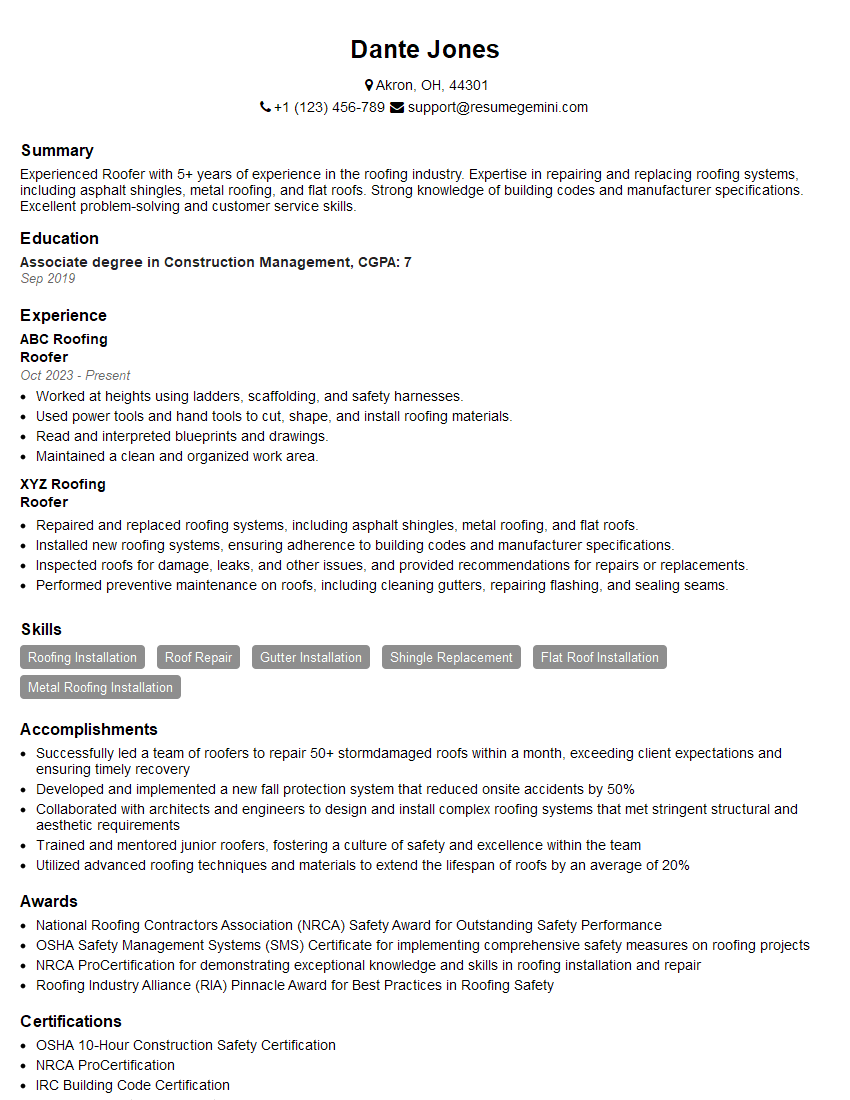
Roofer Resume Sample
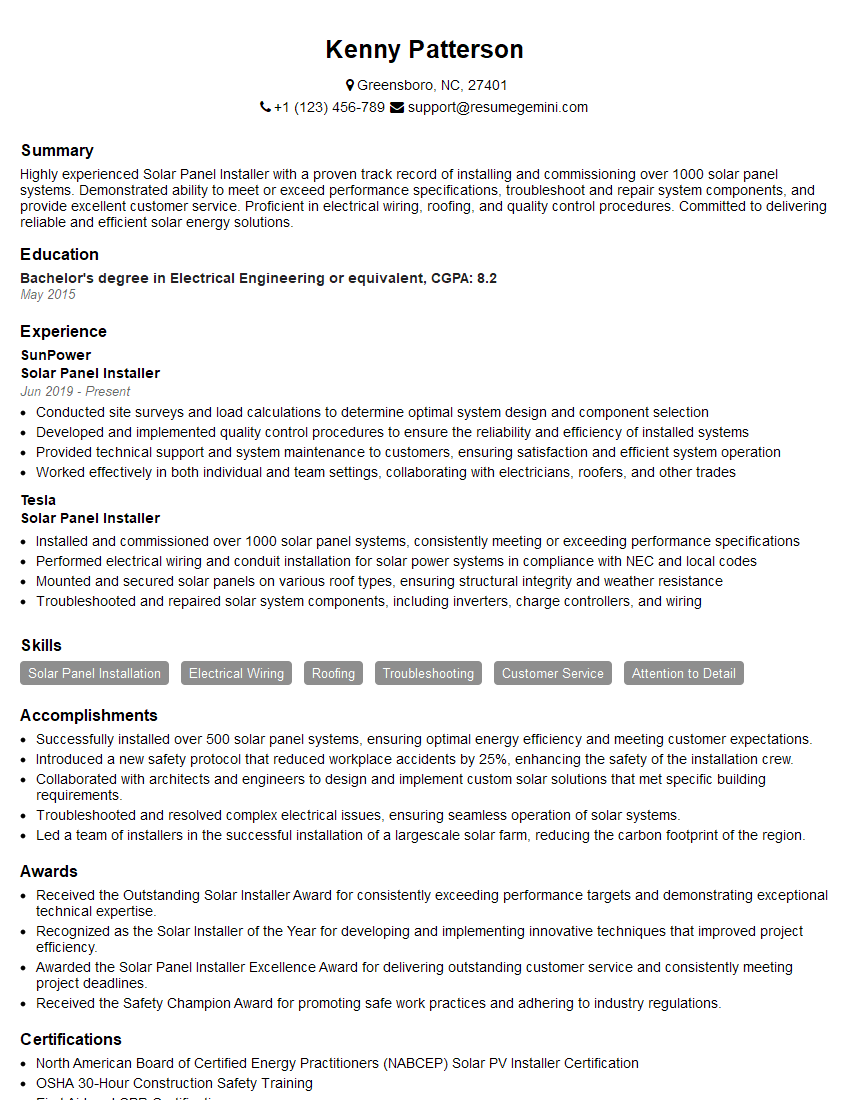
Solar Panel Installer Resume Sample
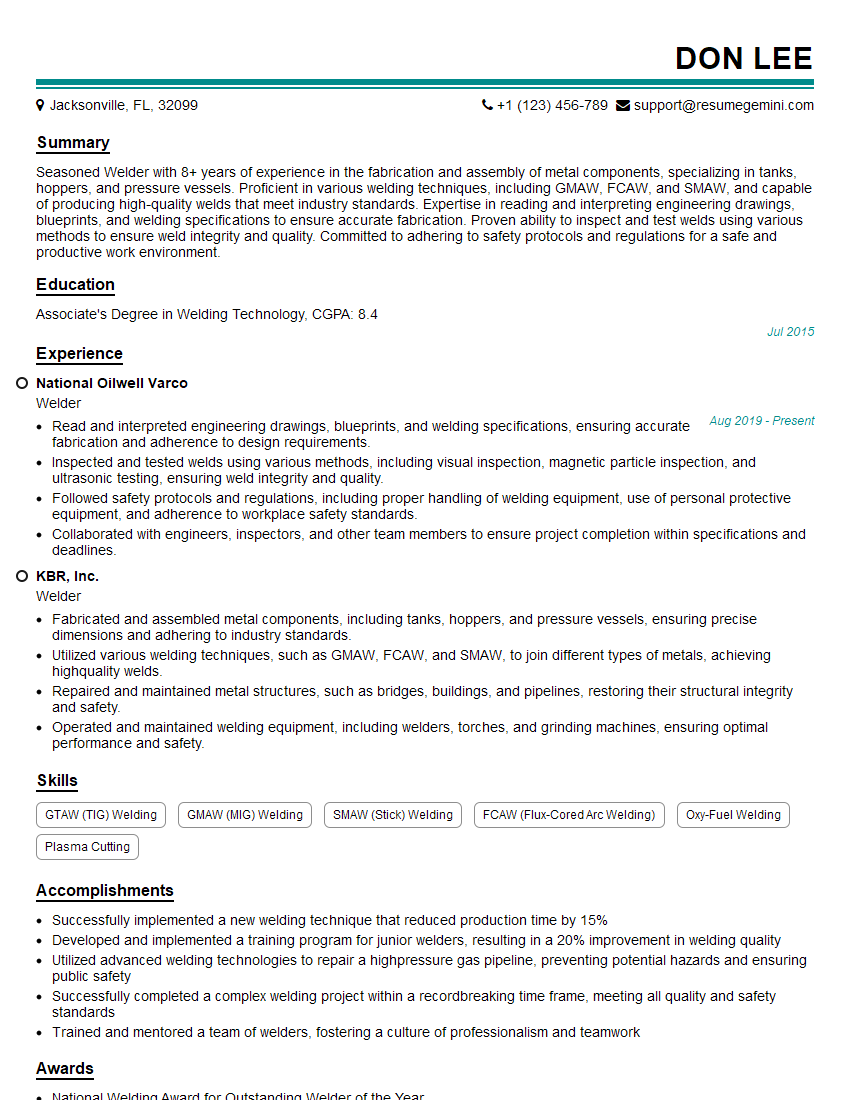
Welder Resume Sample
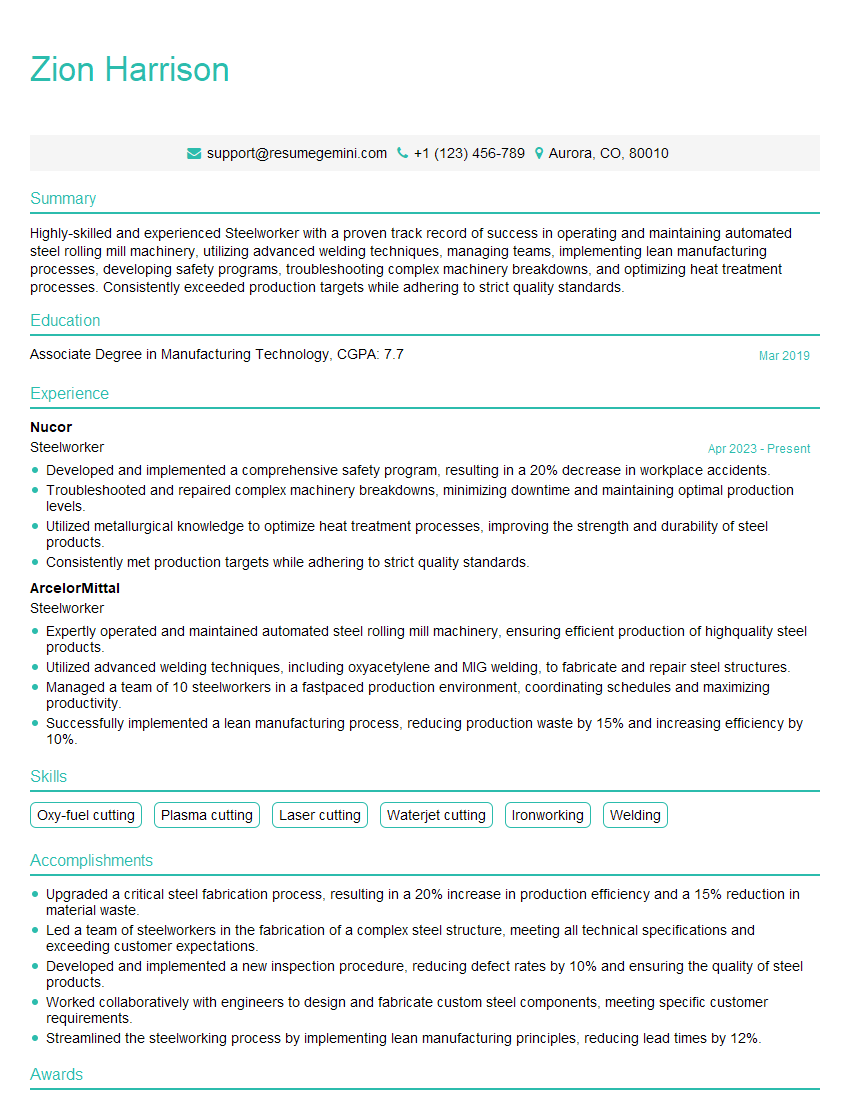
Steelworker Resume Sample
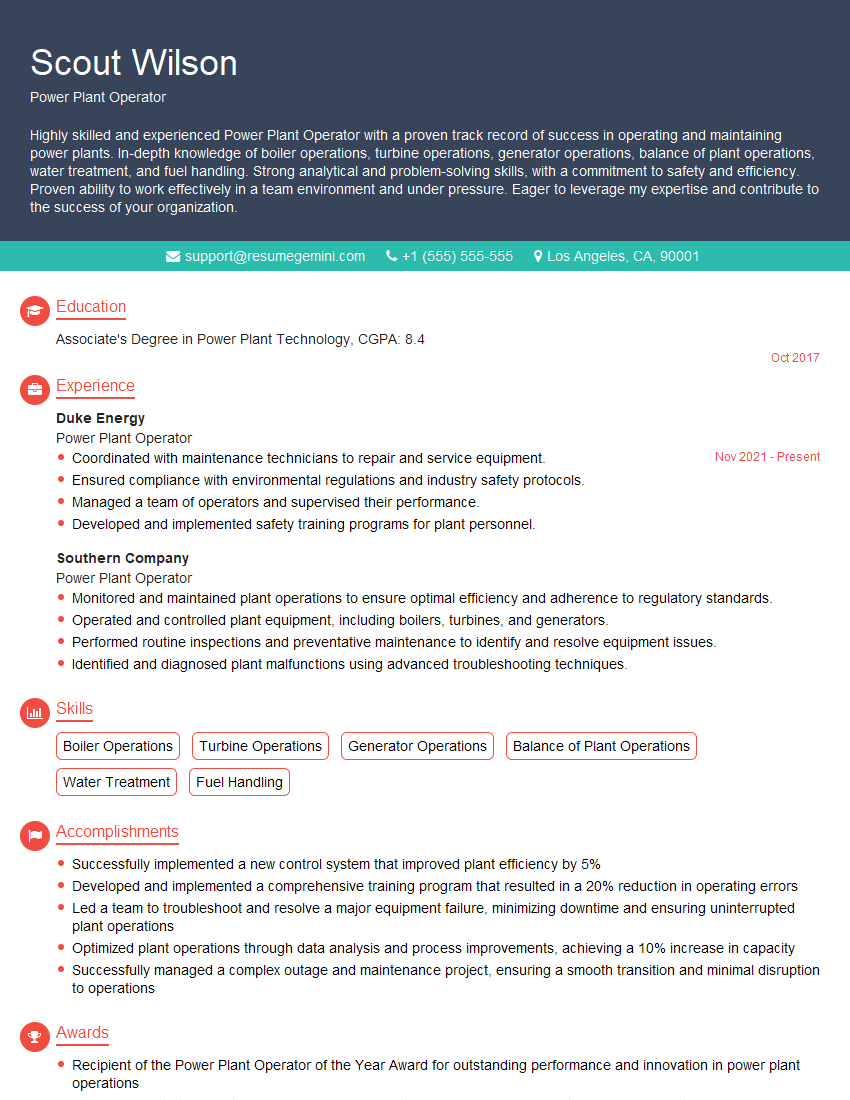
Power Plant Operator Resume Sample
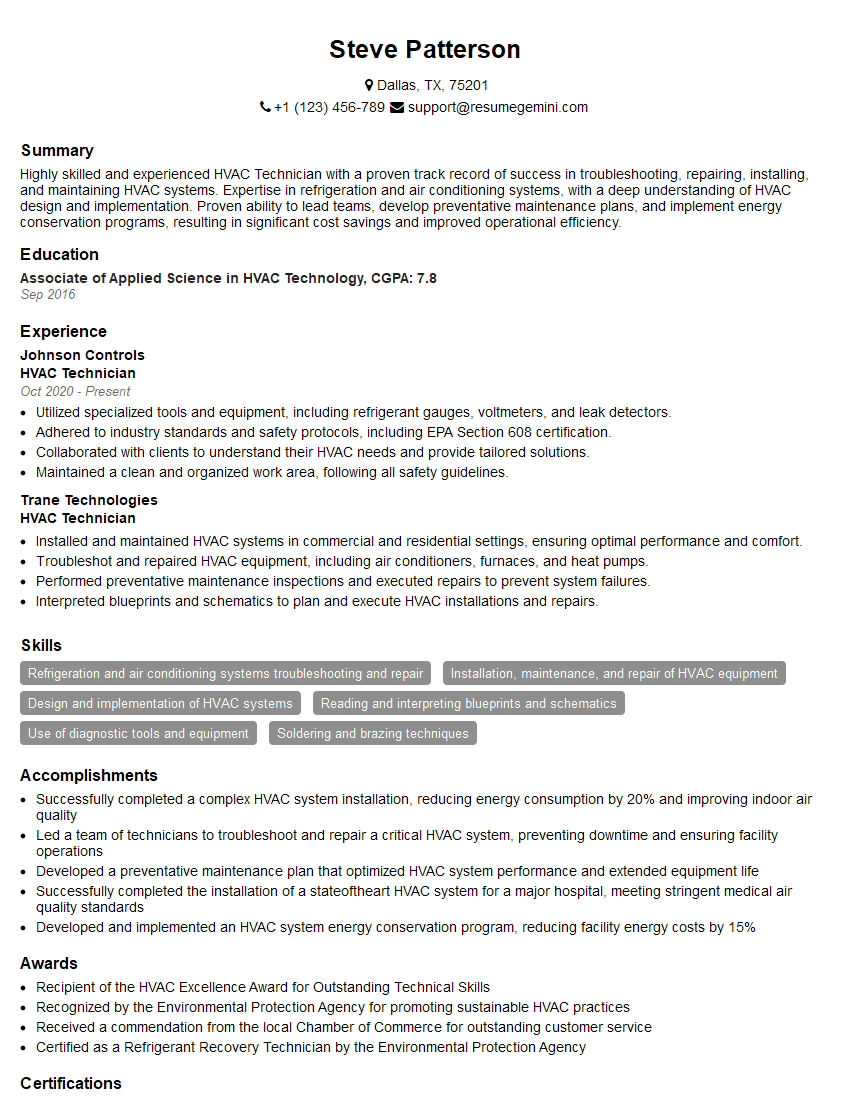
HVAC Technician Resume Sample
Explore more articles
Users Rating of Our Blogs
Share Your Experience
We value your feedback! Please rate our content and share your thoughts (optional).
What Readers Say About Our Blog
Very informative content, great job.
good