Interviews are more than just a Q&A session—they’re a chance to prove your worth. This blog dives into essential Ability to work in a team environment and independently interview questions and expert tips to help you align your answers with what hiring managers are looking for. Start preparing to shine!
Questions Asked in Ability to work in a team environment and independently Interview
Q 1. Describe a situation where you successfully collaborated with a team to achieve a common goal.
Teamwork is crucial for success in many professional settings. In a previous project involving the development of a new marketing campaign, our team, comprised of designers, writers, and marketing analysts, faced the challenge of creating a cohesive and effective strategy within a tight deadline. We tackled this by first establishing clear roles and responsibilities. Each member contributed their unique skills: the designers created visually appealing mockups, the writers crafted compelling copy, and the analysts provided data-driven insights. We utilized project management software to track progress, share feedback, and ensure transparency. Regular meetings, both formal and informal, allowed for open communication and quick resolution of any arising issues. This collaborative approach resulted in a campaign that exceeded expectations, generating significantly higher engagement than projected.
- Clear Roles: Defining specific roles prevented duplication of effort and ensured accountability.
- Open Communication: Frequent communication channels kept everyone informed and fostered a sense of shared purpose.
- Project Management Tools: Utilizing tools like Trello or Asana helped organize tasks and track progress efficiently.
Q 2. How do you prioritize tasks when working independently?
When working independently, effective prioritization is key. I use a combination of methods: I begin by listing all tasks, then I assign each task a priority level based on urgency and importance using a system like Eisenhower Matrix (Urgent/Important). This matrix helps categorize tasks into four quadrants: Do, Decide, Delegate, and Delete. I then focus on the ‘Do’ quadrant (Urgent and Important), followed by ‘Decide’ (Important but not urgent) tasks, scheduling them strategically. For example, I might tackle a high-priority coding task before addressing less urgent emails.
Visual tools like Kanban boards also help me visualize my workflow and track progress. Regular time-boxing helps ensure that I allocate sufficient time to each task without getting sidetracked.
Q 3. Have you ever had to resolve a conflict within a team? How did you approach it?
Conflict is inevitable in any team setting. In one instance, a disagreement arose regarding the best approach for a software feature. One team member favored a simpler, quicker solution while another advocated for a more complex, long-term solution. I facilitated a discussion where each member could clearly express their viewpoint. I actively listened to understand the reasoning behind each approach, highlighting both the advantages and disadvantages of each. We collaboratively analyzed the pros and cons, weighing them against project timelines, resource constraints, and long-term goals. This led to a compromise that incorporated elements from both solutions, resulting in a more robust and efficient feature while adhering to the deadline.
- Active Listening: Understanding each perspective is paramount.
- Collaborative Problem Solving: Finding a solution that incorporates elements from all suggestions.
- Focus on Shared Goals: Keeping the overall project objective in mind.
Q 4. Describe a time you had to adapt your work style to fit a team’s workflow.
Adaptability is essential for successful team integration. In a past project, my preferred method of documentation differed significantly from the team’s established approach. Instead of imposing my preference, I observed their workflow and incorporated their methods, ensuring consistency. I then proactively sought feedback on my contributions, focusing on areas where alignment was needed. This demonstrated respect for the team’s established practices, fostering smoother collaboration and faster integration. It also highlighted my commitment to team cohesion over personal preferences.
Q 5. How do you handle setbacks or challenges when working independently?
Setbacks are inevitable when working independently. My approach focuses on a structured problem-solving method. First, I thoroughly analyze the problem, identifying the root cause. Then, I brainstorm potential solutions, evaluating their feasibility and potential consequences. If a solution doesn’t work, I analyze why, adjust my approach, and iterate. Maintaining a positive attitude and focusing on learning from mistakes is crucial. For instance, encountering a bug in code, instead of getting discouraged, I debug it methodically, using debugging tools and researching solutions. This process reinforces my understanding of the system and prevents similar issues in the future.
Q 6. How do you stay organized and manage your time effectively when working both independently and within a team?
Effective time and organization management is crucial for both independent and team work. I leverage digital tools like calendar applications and task management software (e.g., Google Calendar, Todoist) to schedule tasks and set reminders. For team projects, I synchronize my calendar with team members to avoid scheduling conflicts and ensure timely completion of collaborative tasks. Regularly reviewing my to-do list and adjusting priorities as needed helps maintain focus and prevents task overload. Prioritizing tasks based on urgency and importance, as discussed earlier, helps ensure I dedicate sufficient time to high-impact activities.
Q 7. Describe a situation where you had to take initiative and work independently to solve a problem.
Initiative and independent problem-solving are essential skills. During a previous project, our primary server experienced an unexpected outage, impacting the entire team’s workflow. While waiting for IT support, I took the initiative to investigate the issue independently. By analyzing server logs and monitoring system metrics, I discovered a minor configuration error that was causing the outage. I was able to quickly resolve the issue, minimizing downtime and preventing further disruptions. This demonstrated my proactive nature and ability to tackle challenges independently, even outside my defined responsibilities.
Q 8. How do you communicate your progress and challenges effectively when working independently?
Effective communication when working independently is crucial for maintaining transparency and ensuring alignment with project goals. My approach involves proactive updates and clear reporting on my progress, challenges, and potential roadblocks. This isn’t just about sending a final report; it’s about consistent, timely communication.
- Regular Check-ins: I schedule regular check-ins with my manager, perhaps weekly or bi-weekly, depending on the project’s complexity and deadlines. These meetings provide a forum to discuss progress, address any concerns, and proactively seek guidance if needed.
- Detailed Progress Reports: I prepare concise yet comprehensive progress reports, typically including a summary of accomplishments, remaining tasks, and any roadblocks encountered. These reports often include visual aids like Gantt charts or progress trackers to clearly illustrate my work.
- Proactive Issue Reporting: Rather than waiting until a problem becomes insurmountable, I report challenges as soon as they arise. This allows for early intervention and collaborative problem-solving, minimizing potential delays or setbacks. I always include potential solutions or mitigation strategies in my reports.
For example, during a recent independent project involving data analysis, I sent a weekly email update outlining the data cleaning process, the models I explored, and the challenges faced in dealing with missing data. This proactive communication helped my manager stay informed and allowed us to adjust the project timeline accordingly.
Q 9. How do you contribute to a positive team environment?
Contributing to a positive team environment is about fostering collaboration, respect, and a shared sense of purpose. It’s not just about doing your job; it’s about actively enhancing the team dynamic.
- Active Listening and Collaboration: I actively listen to my colleagues’ ideas and perspectives, valuing diverse viewpoints. I believe collaborative problem-solving leads to more innovative and effective solutions. I also contribute to brainstorming sessions and offer constructive feedback.
- Support and Mentorship: I readily offer support to team members who may be struggling with tasks or facing challenges. I believe in a culture of mutual support and sharing knowledge, creating a sense of camaraderie.
- Positive Attitude and Teamwork: I maintain a positive and optimistic attitude, even during stressful periods. I believe a positive attitude is contagious and helps build morale. I also actively participate in team-building activities and social events.
- Respectful Communication: I prioritize respectful communication in all interactions, ensuring that feedback is constructive and delivered with empathy. I understand that disagreements can arise, and addressing them respectfully is key to maintaining positive relationships.
In a previous project, I noticed a team member struggling with a new software. I offered to pair program with them, sharing my expertise and helping them gain confidence. This small act fostered a stronger team bond and improved overall team efficiency.
Q 10. Give an example of a time you identified a problem independently and proposed a solution.
During a website redesign project, I independently identified a significant performance bottleneck. The website’s load times were excessively long, impacting user experience and potentially affecting search engine rankings. After investigating, I found that the database queries were inefficient and unoptimized.
My solution involved optimizing database queries by adding indexes and rewriting inefficient SQL code. I also implemented caching mechanisms to reduce the number of database calls. This resulted in a dramatic improvement in website performance, with load times reduced by over 70%. I documented my findings and presented them to the team, leading to the adoption of these optimization strategies across future projects.
Q 11. Describe your experience working on cross-functional teams.
I have extensive experience working on cross-functional teams, collaborating with individuals from diverse backgrounds and expertise. This has been particularly valuable in projects requiring a multi-disciplinary approach.
For example, in a project involving the development of a mobile application, I worked closely with designers, developers, and marketing professionals. My role involved bridging the gap between technical requirements and business goals. Effective communication and a collaborative approach were crucial to ensuring a successful outcome. Understanding each team’s perspectives and constraints allowed us to integrate their contributions seamlessly, leading to a cohesive and well-received product. I relied heavily on tools like project management software and regular meetings to keep everyone informed and aligned.
Q 12. How do you handle disagreements or differing opinions within a team?
Disagreements are inevitable in a team environment. My approach to handling differing opinions centers on respectful communication and collaborative problem-solving. I believe that healthy debate can lead to better outcomes.
- Active Listening: I ensure that all viewpoints are heard and understood before offering my own perspective.
- Focus on Shared Goals: I constantly remind the team of our shared objectives, emphasizing that finding a solution that works for everyone is paramount.
- Data-Driven Decisions: I encourage using data and evidence to support arguments, rather than relying on personal opinions.
- Compromise and Negotiation: When necessary, I am willing to compromise and negotiate to find a mutually acceptable solution. The goal is not to “win” an argument, but to find the best solution for the team.
In one instance, a team member strongly disagreed with my proposed approach to a technical challenge. Instead of dismissing their concerns, I listened attentively and explained the reasoning behind my suggestion. Through open discussion, we identified a hybrid approach that incorporated elements of both our ideas. This resulted in a superior solution that addressed everyone’s concerns.
Q 13. Describe a situation where you had to delegate tasks effectively within a team.
Effective delegation is key to managing workload and empowering team members. I have experience delegating tasks based on individual skills and expertise. My approach involves clear communication, providing sufficient support, and establishing clear expectations.
During a large-scale software development project, I was responsible for managing a team of five developers. I delegated tasks based on each developer’s strengths and experience, ensuring that each person was assigned work aligned with their skillset. Before assigning tasks, I held individual briefings, explaining the objectives, deadlines, and expected deliverables. I also provided necessary resources and guidance to ensure successful task completion. Regular check-ins were implemented to monitor progress and provide any needed support. This approach ensured efficient task completion and enhanced team member development.
Q 14. How do you provide constructive feedback to team members?
Constructive feedback is essential for growth and improvement. My approach focuses on being specific, balanced, and action-oriented. I avoid personal attacks and focus on behaviors and their impact.
- Specific and Actionable: I provide specific examples to illustrate my points, avoiding vague statements. I focus on behaviors that can be changed, rather than criticizing personality traits.
- Balanced Approach: I always balance negative feedback with positive reinforcement, acknowledging strengths and areas of improvement. This prevents feedback from feeling overly critical.
- Focus on Improvement: My feedback is always aimed at helping the individual improve. I offer suggestions and resources to support their growth.
- Private and Timely: I deliver feedback privately and in a timely manner, ensuring that the individual has an opportunity to reflect and respond. I make sure it aligns with company feedback guidelines.
For example, when providing feedback to a team member on a presentation, I would say something like, “Your data analysis was excellent, and the visual aids were clear. However, I noticed that the introduction could be more engaging. Perhaps incorporating a compelling anecdote or statistic would help capture the audience’s attention.” This is specific, balanced, and suggests concrete steps for improvement.
Q 15. How do you receive feedback from others and incorporate it into your work?
I actively seek feedback as a crucial component of continuous improvement. I approach feedback with an open mind, viewing it as an opportunity to learn and grow, not as criticism. My process involves several steps:
- Active Listening: I fully concentrate on the feedback giver, asking clarifying questions to ensure complete understanding.
- Note-Taking: I meticulously document all feedback points, categorizing them by theme (e.g., clarity, efficiency, accuracy).
- Prioritization: I prioritize feedback based on impact and feasibility. I identify which points are most critical to address immediately and which can be tackled later.
- Implementation and Follow-up: I incorporate the feedback into my work, making necessary changes. I then follow up with the feedback giver, demonstrating how I’ve implemented their suggestions and asking for further input if needed.
For example, during a recent project, a colleague suggested simplifying a complex report. I actively listened, took detailed notes on their recommendations, and then revised the report, making it more concise and user-friendly. The follow-up discussion confirmed the improvements were successful.
Career Expert Tips:
- Ace those interviews! Prepare effectively by reviewing the Top 50 Most Common Interview Questions on ResumeGemini.
- Navigate your job search with confidence! Explore a wide range of Career Tips on ResumeGemini. Learn about common challenges and recommendations to overcome them.
- Craft the perfect resume! Master the Art of Resume Writing with ResumeGemini’s guide. Showcase your unique qualifications and achievements effectively.
- Don’t miss out on holiday savings! Build your dream resume with ResumeGemini’s ATS optimized templates.
Q 16. How do you ensure the quality of your work when working independently?
When working independently, maintaining quality requires a proactive and structured approach. I utilize several strategies:
- Detailed Planning: Before starting, I create a thorough plan outlining objectives, tasks, timelines, and quality checkpoints. This allows me to anticipate potential challenges and proactively address them.
- Self-Review and Testing: I conduct rigorous self-reviews throughout the process, using predefined checklists and criteria. I also incorporate thorough testing to identify and fix bugs or errors early on.
- Utilizing Resources: I leverage tools and resources such as style guides, automated testing frameworks, and peer review (where possible even independently, by simulating a peer review) to enhance accuracy and consistency.
- Version Control: Employing version control systems (like Git) allows me to track changes, revert to previous versions if needed, and manage different iterations of my work, ensuring easy tracking of progress and accountability.
For instance, while developing a standalone application, I used a detailed project plan with incremental testing phases. Each phase involved rigorous self-testing and review against pre-defined functional and non-functional requirements. This approach ensured the final product met the highest quality standards.
Q 17. How do you measure your success when working on independent projects?
Success on independent projects isn’t solely measured by completion, but by achieving pre-defined objectives and delivering value. My measurement approach is multifaceted:
- Meeting Objectives: I assess whether I met the initial project goals outlined in the project plan. Did I achieve the desired functionality, performance, and quality standards?
- Efficiency and Time Management: I evaluate my efficiency by comparing the actual time spent against the estimated timeline. This highlights areas for improvement in time management for future projects.
- Impact Assessment: I consider the overall impact of my project. Did it solve a problem, improve a process, or deliver value to the stakeholders? I look for quantifiable results whenever possible (e.g., reduced processing time, improved user engagement).
- Client/Stakeholder Feedback: When working with clients or stakeholders, their feedback is a crucial success metric. Positive feedback signals that I delivered what they needed and exceeded expectations.
In one project, I developed a new automation script. My success was measured by a 30% reduction in processing time compared to the manual method, as well as positive feedback from the team on ease-of-use and reliability.
Q 18. How do you maintain motivation when working independently?
Maintaining motivation while working independently requires self-discipline and proactive strategies:
- Clear Goals and Objectives: Setting clear, achievable, and measurable goals helps maintain focus and track progress, providing a sense of accomplishment.
- Regular Breaks and Self-Care: Regular breaks and a healthy work-life balance are crucial to prevent burnout and maintain productivity. I incorporate regular physical activity and mindfulness techniques.
- Time Blocking and Prioritization: I use time blocking to allocate specific time slots for different tasks, ensuring focused work periods. Prioritizing tasks helps avoid feeling overwhelmed.
- Reward System: A personal reward system, such as celebrating small wins or taking a break after completing a milestone, keeps me motivated.
- Seek Community: Engaging with online communities or forums related to my work can provide valuable support and motivation. Sharing progress and challenges with others can provide encouragement.
For example, when working on a challenging personal project, I broke it down into smaller, more manageable tasks. I rewarded myself after completing each task, which kept me engaged and motivated throughout the entire process.
Q 19. How do you ensure effective communication within a distributed team?
Effective communication in a distributed team requires proactive measures and the right tools:
- Establish Clear Communication Protocols: Define preferred communication channels (e.g., email for formal updates, instant messaging for quick questions, video conferencing for team meetings). Specify response times to avoid delays.
- Utilize Collaboration Tools: Employ project management tools (e.g., Asana, Trello) to centralize tasks, track progress, and share documents. Video conferencing software (e.g., Zoom, Google Meet) allows for face-to-face interactions.
- Regular Check-ins: Schedule regular check-in meetings (daily stand-ups, weekly progress reviews) to keep everyone informed and address any issues promptly.
- Over-communicate: In a distributed setting, over-communication is key. It’s better to share too much information than too little, ensuring everyone is kept in the loop.
- Document Everything: Maintain detailed project documentation, including meeting minutes, decisions made, and action items. This ensures consistency and avoids confusion.
In my previous role, our distributed team used Slack for daily communication, Asana for project management, and Zoom for weekly team meetings. This structured approach ensured seamless collaboration despite geographical distances.
Q 20. Describe a time you had to learn a new skill quickly to contribute to a team project.
During a crucial phase of a web application development project, we needed to implement a new authentication system using OAuth 2.0. While I was familiar with authentication principles, I had limited experience with OAuth 2.0. To contribute effectively, I followed a structured learning approach:
- Online Resources: I started by researching OAuth 2.0 through reputable online tutorials, documentation, and articles.
- Practical Implementation: I immediately started implementing the authentication system using a sample project to apply the concepts I learned.
- Peer Learning: I collaborated with a team member more experienced in OAuth 2.0, asking questions and seeking guidance when needed.
- Iterative Approach: I approached the task iteratively, testing frequently and addressing challenges as they arose. This allowed for continuous learning and refinement.
By combining online resources, practical application, and peer learning, I quickly mastered the necessary skills and successfully integrated the OAuth 2.0 system into our application. This experience highlighted the importance of proactive learning and teamwork in overcoming project challenges.
Q 21. How do you balance individual work with team collaboration?
Balancing individual work with team collaboration requires careful planning and effective communication. My strategy involves:
- Time Management: I allocate specific time blocks for individual tasks and team collaboration activities. This ensures focused work on both fronts.
- Prioritization: I prioritize tasks based on urgency and importance, ensuring that crucial team deliverables are met on time.
- Clear Communication: I keep my team informed about my progress on individual tasks, highlighting potential roadblocks or challenges. I also actively participate in team discussions and contribute my insights.
- Proactive Collaboration: I don’t wait for tasks to be assigned; I proactively seek opportunities to assist the team where my skills can be beneficial.
- Delegation (when applicable): If appropriate, I am willing to delegate tasks to teammates if it enhances team efficiency and leverages their expertise.
For instance, while working on a large software project, I spent my mornings focused on individual coding tasks and afternoons attending team meetings and collaborating on design decisions. This balance allowed me to contribute effectively both independently and as part of a team.
Q 22. Describe a situation where you had to work under pressure both independently and as part of a team.
Working effectively under pressure, both independently and as part of a team, requires a blend of organizational skills, proactive communication, and a resilient mindset. It’s about knowing your limits, delegating appropriately, and maintaining focus.
For instance, during a recent project launch, we faced a critical bug discovered just 24 hours before the deadline. Independently, I prioritized identifying the root cause using debugging techniques and created a temporary workaround. Simultaneously, as part of the team, I initiated urgent communication with the development and QA teams. We used a collaborative debugging session, utilizing screen sharing and a shared document for notes, to swiftly isolate and fix the problem. The temporary workaround ensured the launch wasn’t completely derailed while the permanent solution was implemented. This success hinged on clear communication, individual resourcefulness, and a team that pulled together under immense pressure.
Q 23. How do you handle competing deadlines when working on multiple projects both independently and collaboratively?
Managing competing deadlines across multiple projects, both individually and collaboratively, demands robust prioritization and time management techniques. I employ a combination of methods:
- Prioritization Matrix: I use a matrix (like Eisenhower’s Urgent/Important) to categorize tasks based on urgency and importance. This helps me focus on high-impact, time-sensitive tasks first.
- Project Management Tools: Tools like Trello or Asana are invaluable for visualizing project timelines, dependencies, and individual tasks. This facilitates collaborative tracking and reduces the risk of overlapping deadlines.
- Time Blocking: I allocate specific time slots for different projects, ensuring dedicated focus. This helps me avoid multitasking, which often reduces efficiency.
- Proactive Communication: Open and transparent communication with stakeholders and team members is crucial. If deadlines are threatened, I proactively communicate the potential impact and propose solutions to prevent project delays.
For example, if I have a critical individual report due and a collaborative presentation on a different project, I’d first allocate time to complete the most pressing parts of the report (high importance, high urgency). Then I would schedule a meeting with the collaborative team to finalize the presentation, leveraging the project management tool for task allocation and tracking.
Q 24. Describe your preferred method for tracking and reporting on individual progress.
My preferred method for tracking and reporting individual progress is a blend of self-assessment and objective metrics. I use a combination of tools and techniques:
- Detailed Task Lists: I break down projects into smaller, manageable tasks and meticulously track my progress using a to-do list or project management software.
- Regular Self-Checks: I schedule regular check-ins (daily or weekly) to assess my progress against deadlines and identify potential roadblocks.
- Progress Reports: I create concise progress reports, highlighting completed tasks, outstanding tasks, and any challenges encountered. These reports typically include quantifiable metrics like lines of code written, documents completed, or tests performed.
- Visual Progress Tracking: I often use visual tools like Gantt charts or Kanban boards to provide a clear overview of my project status.
For instance, if I’m working on a software module, I’d track the number of features completed, the number of bugs fixed, and the code coverage achieved. This provides objective data to assess my progress.
Q 25. How do you proactively seek feedback on your independent work?
Proactively seeking feedback on independent work is vital for continuous improvement. I employ several strategies:
- Scheduled Check-ins: I schedule regular meetings with my manager or a mentor to review my work and receive feedback. This allows for proactive issue identification and course correction.
- Peer Reviews: Whenever possible, I leverage peer reviews to obtain feedback from colleagues with different perspectives. This can reveal blind spots and improve the quality of my work.
- Informal Feedback: I actively seek informal feedback from colleagues and clients throughout the project. This provides continuous input and allows for adjustments along the way.
- Surveys and Questionnaires: For larger projects, I might use surveys or questionnaires to gather feedback from a wider audience.
For example, before submitting a critical report, I’ll share a draft with a colleague known for their expertise in data analysis to gain their perspective and refine the report accordingly.
Q 26. How do you adapt your communication style to different team members?
Adapting communication style is essential for effective teamwork. I tailor my approach based on individual preferences and project requirements:
- Active Listening: I pay close attention to how team members communicate and adjust my style accordingly. Some prefer concise emails, others prefer detailed reports, and some benefit from face-to-face discussions.
- Clear and Concise Communication: I prioritize clarity, ensuring my messages are easily understood, regardless of the communication channel.
- Visual Aids: For complex topics, I use visual aids such as charts, graphs, or diagrams to improve understanding.
- Empathy and Respect: I treat each team member with respect, acknowledging their unique perspectives and contributions.
For instance, with a detail-oriented team member, I provide comprehensive updates and meticulously documented processes. With a more results-oriented member, I focus on delivering key results and highlights.
Q 27. Give an example of a time you successfully mentored or guided a team member.
I mentored a junior team member who was struggling with a new programming language. Instead of directly providing solutions, I guided them through a structured learning process:
- Skill Assessment: I first assessed their existing programming skills and identified their knowledge gaps in the new language.
- Structured Learning Plan: Together, we developed a learning plan encompassing online tutorials, practical exercises, and small coding projects.
- Regular Check-ins: We had regular check-ins to discuss their progress, address challenges, and provide constructive feedback.
- Code Reviews: I conducted code reviews to provide guidance and identify areas for improvement.
- Positive Reinforcement: I focused on celebrating their achievements and providing positive reinforcement to boost their confidence.
Through this structured approach, the junior team member not only mastered the new language but also developed greater problem-solving skills and confidence in their abilities. This demonstrates my ability to effectively mentor and guide team members.
Q 28. Describe a situation where you had to navigate conflicting priorities between individual and team goals.
Navigating conflicting priorities between individual and team goals necessitates careful consideration, clear communication, and a collaborative approach. Prioritization is key.
In a previous project, I was tasked with completing a critical individual report, while simultaneously needing to contribute to a collaborative team presentation. Both had tight deadlines. To resolve this conflict, I initiated open communication with my team lead and project manager. We collaboratively re-prioritized tasks, adjusting the report deadline slightly to accommodate the urgent team presentation needs. This ensured that both individual and team goals were met, albeit with some minor schedule adjustments. The key was proactive communication and a willingness to find a mutually beneficial solution.
Key Topics to Learn for Ability to Work in a Team Environment and Independently Interview
- Understanding Teamwork Dynamics: Explore different team structures, communication styles, and conflict resolution strategies. Consider your role within a team and how you contribute effectively.
- Effective Communication: Practice active listening, clear articulation of ideas, and constructive feedback. Think about examples where you successfully communicated complex information to team members or stakeholders.
- Collaboration and Contribution: Reflect on instances where you successfully collaborated on a project, highlighting your contributions and the positive outcomes. Consider situations where you took initiative and demonstrated leadership within a team.
- Independent Work Ethic: Describe your ability to manage your time effectively, prioritize tasks, and meet deadlines without constant supervision. Showcase examples of projects you completed independently, demonstrating your self-reliance and problem-solving skills.
- Adaptability and Flexibility: Discuss your ability to adjust to changing priorities, work styles, and team dynamics. Provide examples of how you adapted to unexpected challenges or changes in project requirements, both individually and as part of a team.
- Problem-Solving in Team and Independent Settings: Illustrate your approach to problem-solving in both collaborative and solo contexts. Highlight your ability to identify problems, develop solutions, and implement them effectively.
- Leveraging Strengths within a Team: Identify your key skills and strengths and how you use them to contribute to a team’s success. Discuss how you leverage the strengths of others to achieve shared goals.
Next Steps
Mastering the ability to work effectively both independently and as part of a team is crucial for career advancement. It demonstrates versatility and adaptability, highly valued by employers across all industries. To significantly enhance your job prospects, creating a strong, ATS-friendly resume is essential. ResumeGemini can help you craft a professional and compelling resume that showcases your skills and experience in this critical area. Examples of resumes tailored to highlight your ability to work in team and independent settings are available within ResumeGemini to guide your resume creation.

Operations Manager Resume Sample
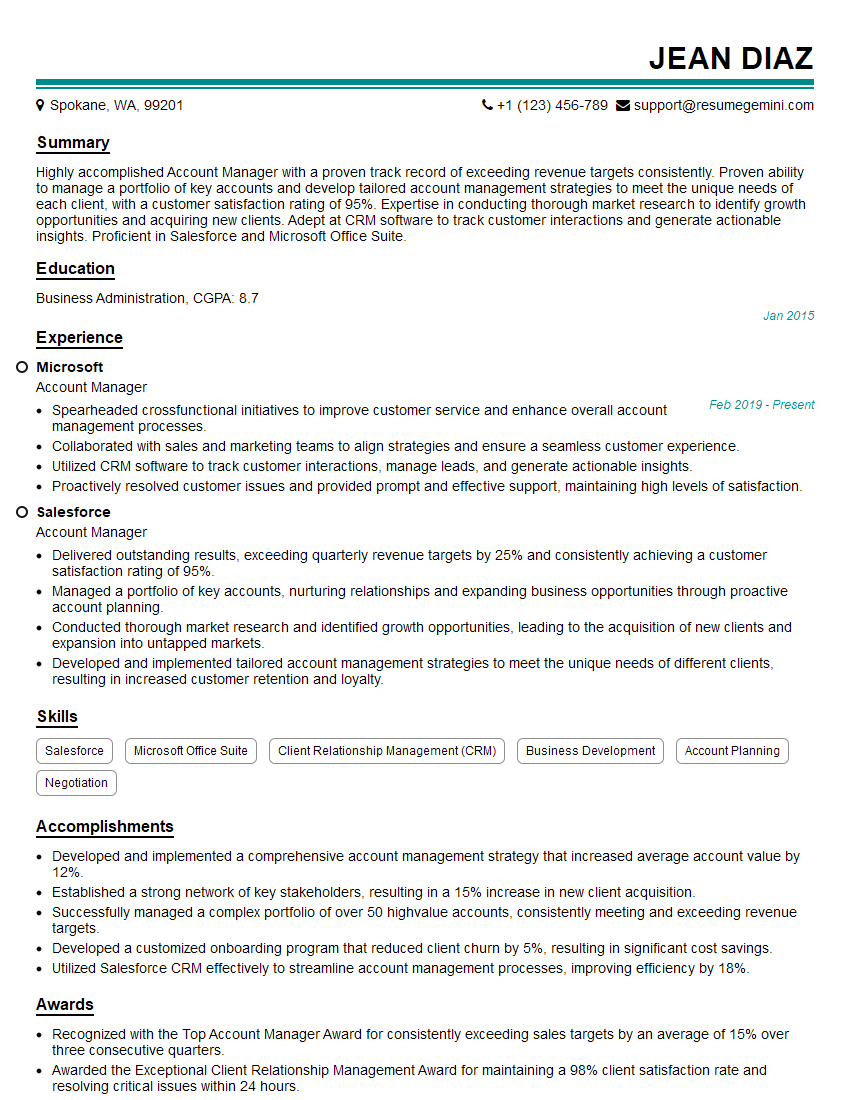
Account Manager Resume Sample
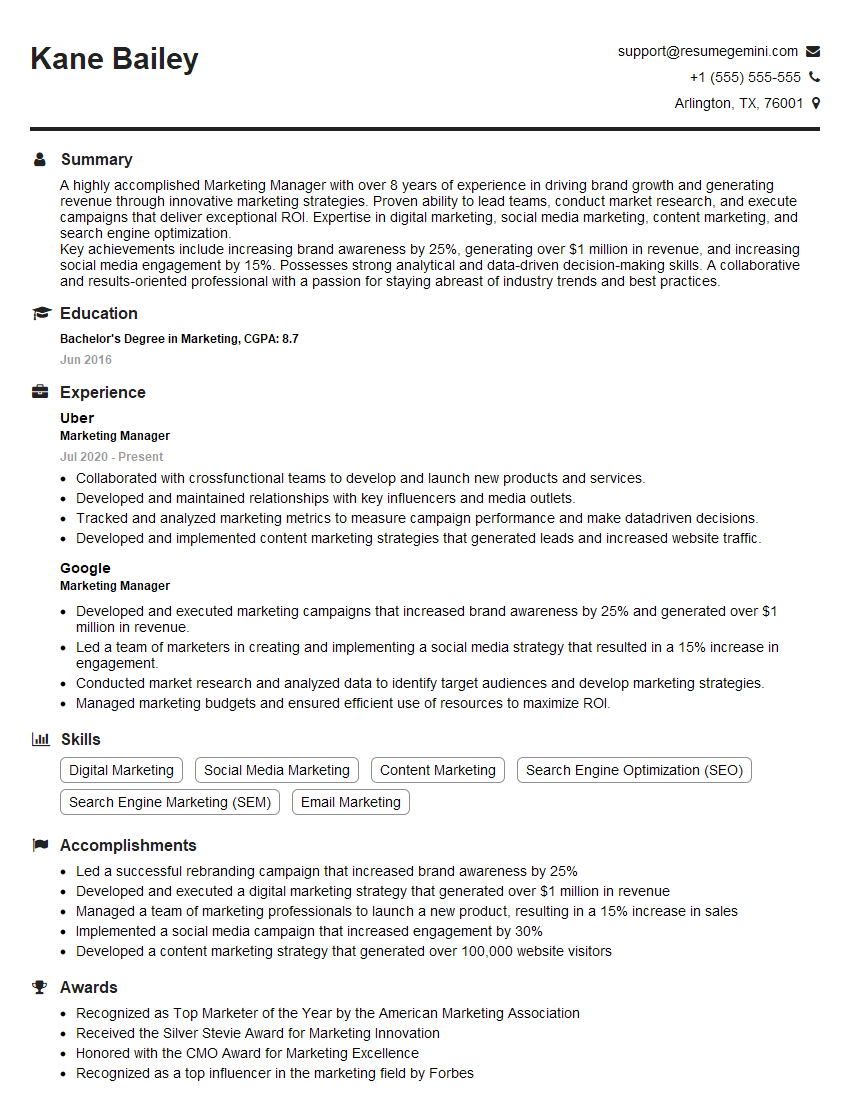
Marketing Manager Resume Sample
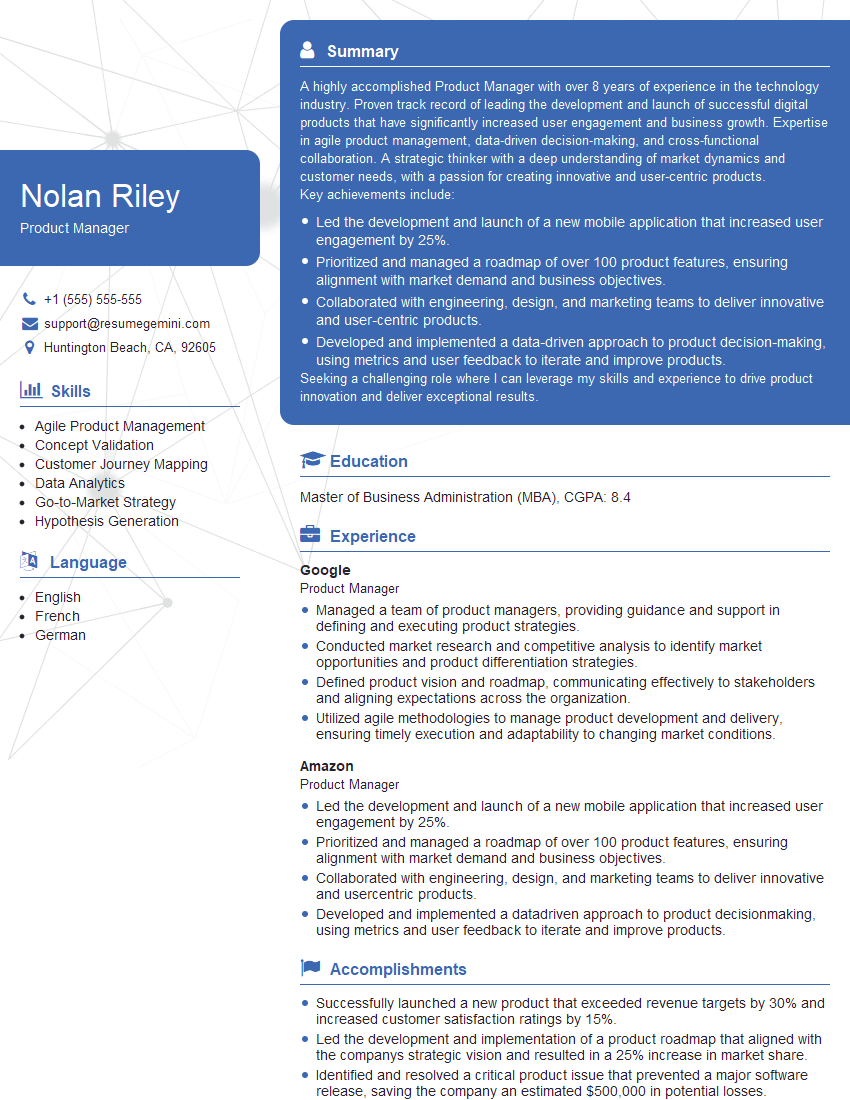
Product Manager Resume Sample
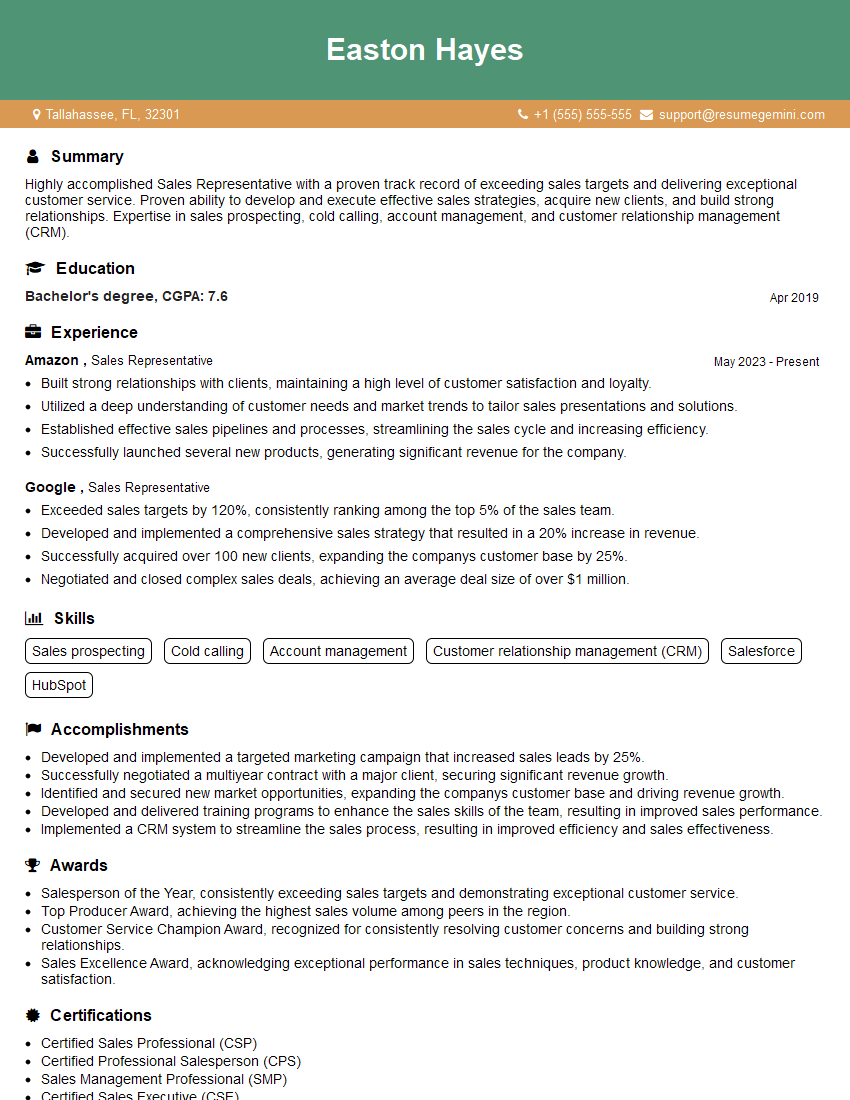
Sales Representative Resume Sample

Supply Chain Manager Resume Sample
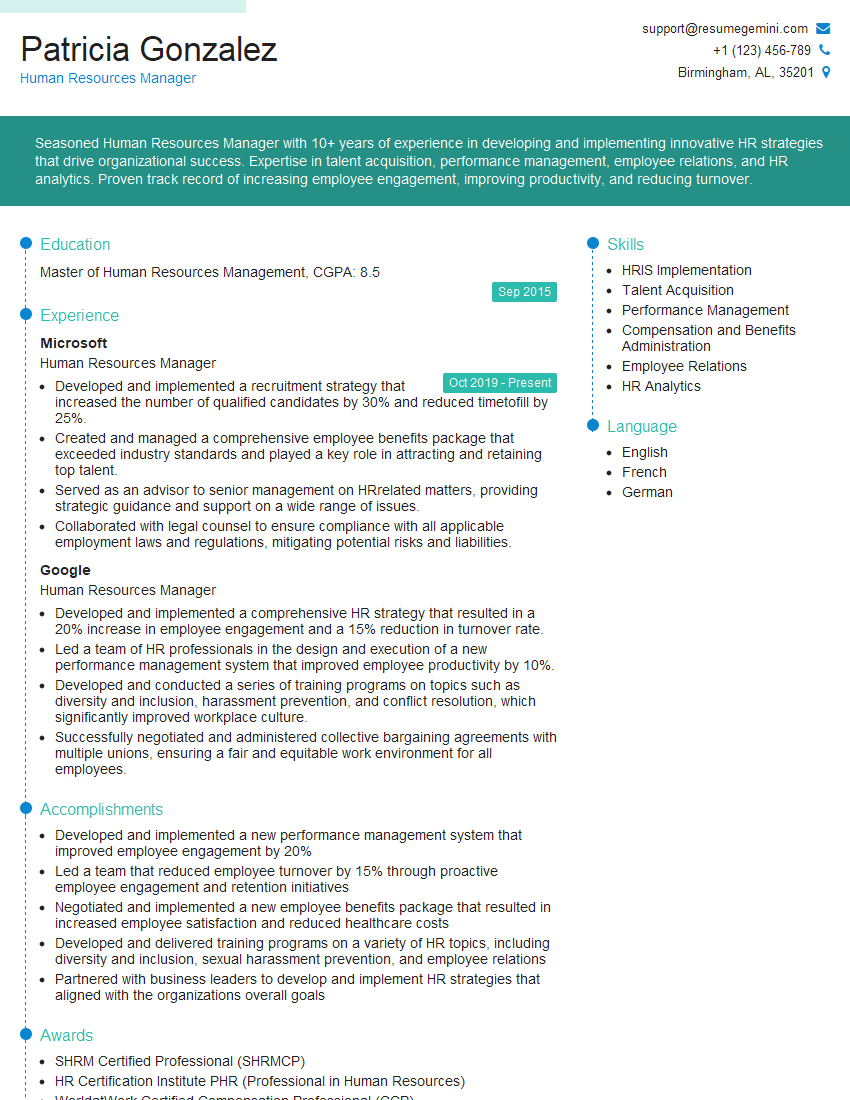
Human Resources Manager Resume Sample

Project Manager Resume Sample
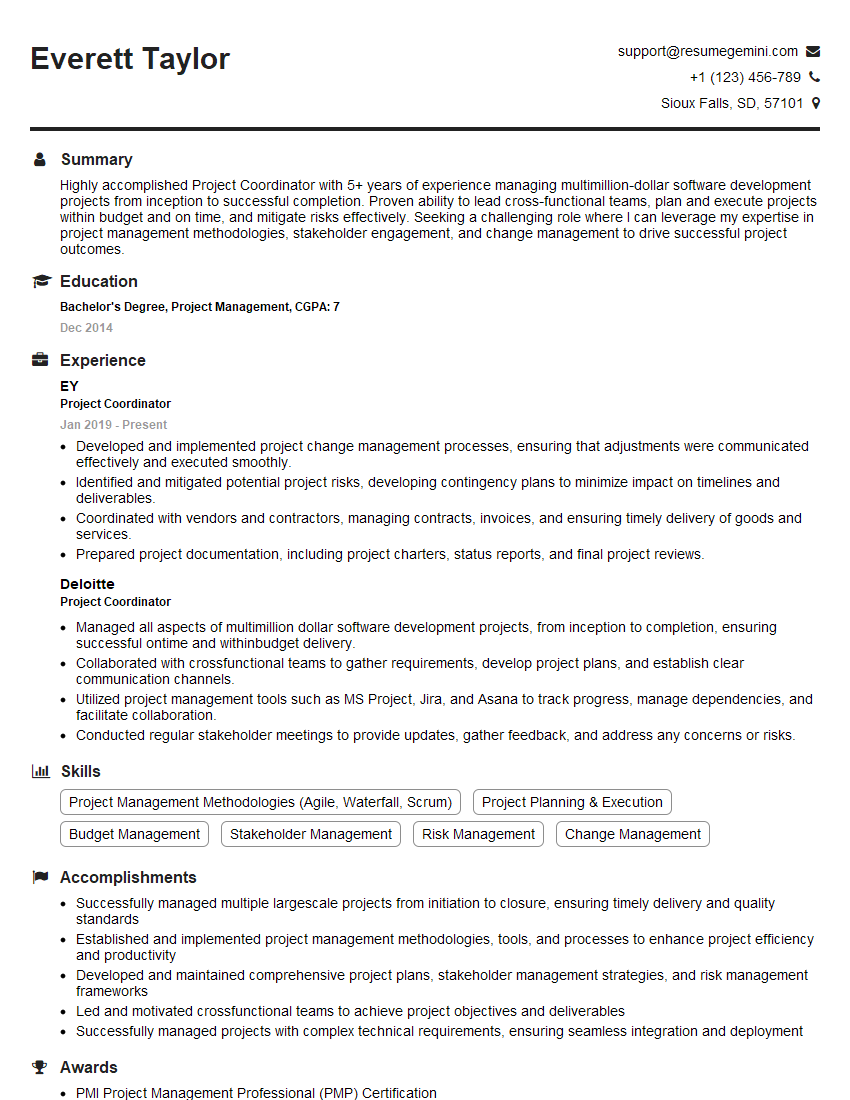
Project Coordinator Resume Sample

Business Analyst Resume Sample
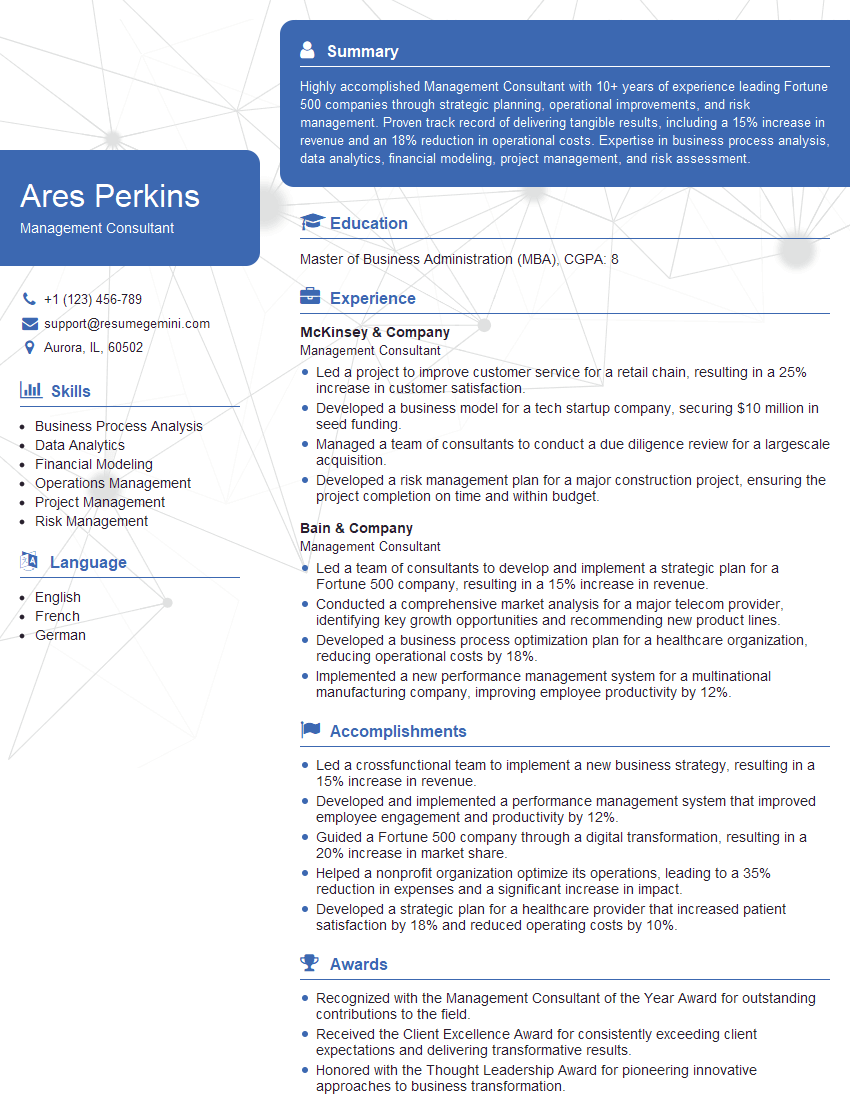
Management Consultant Resume Sample
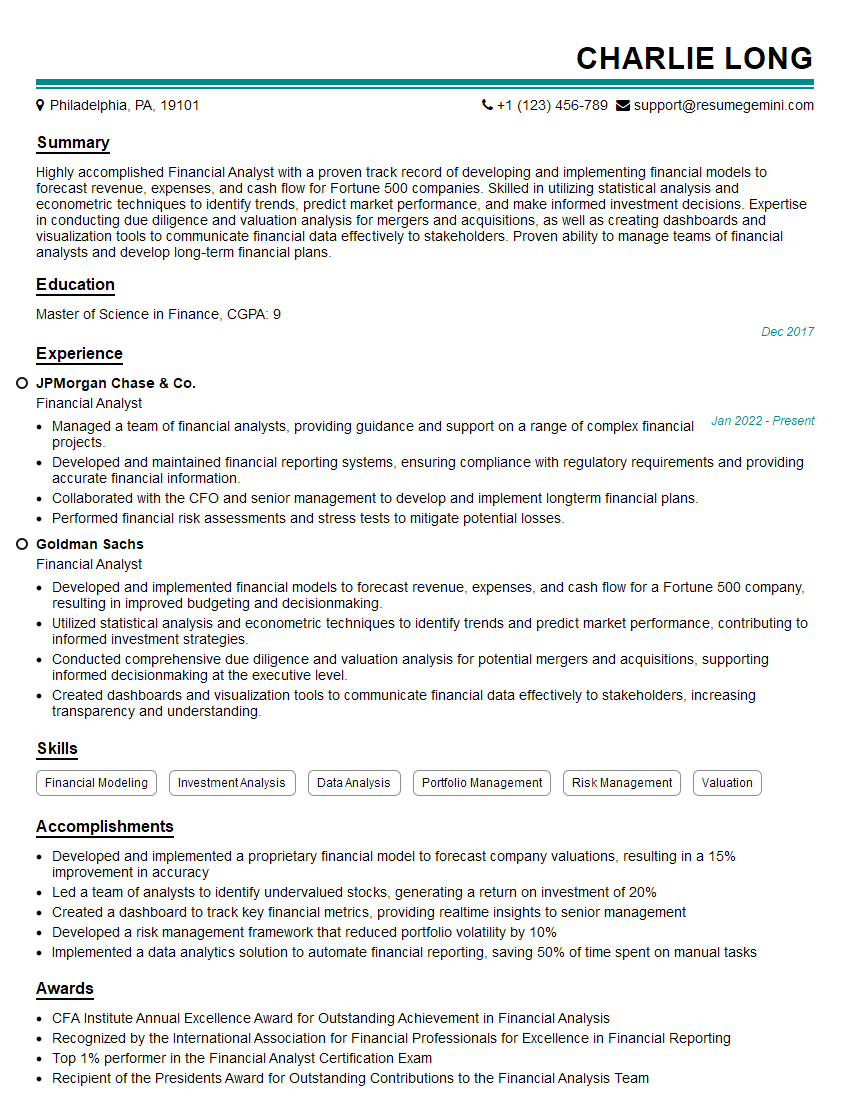
Financial Analyst Resume Sample
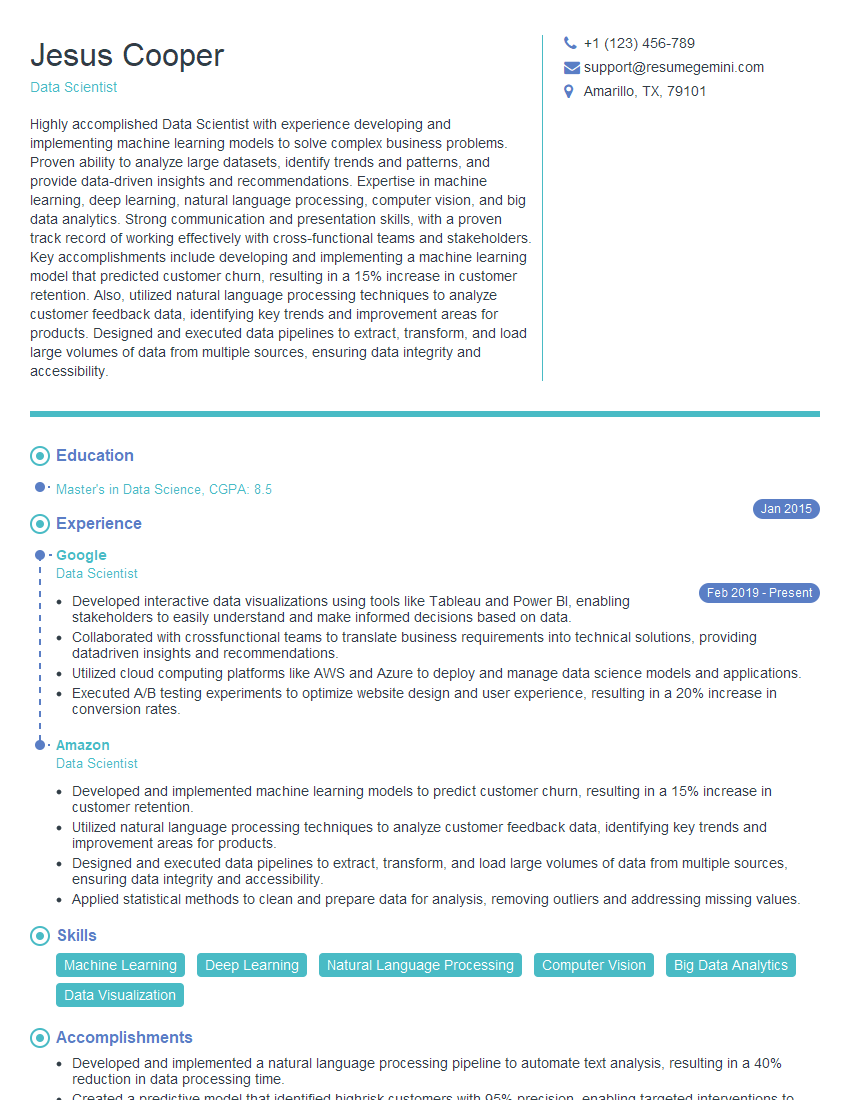
Data Scientist Resume Sample
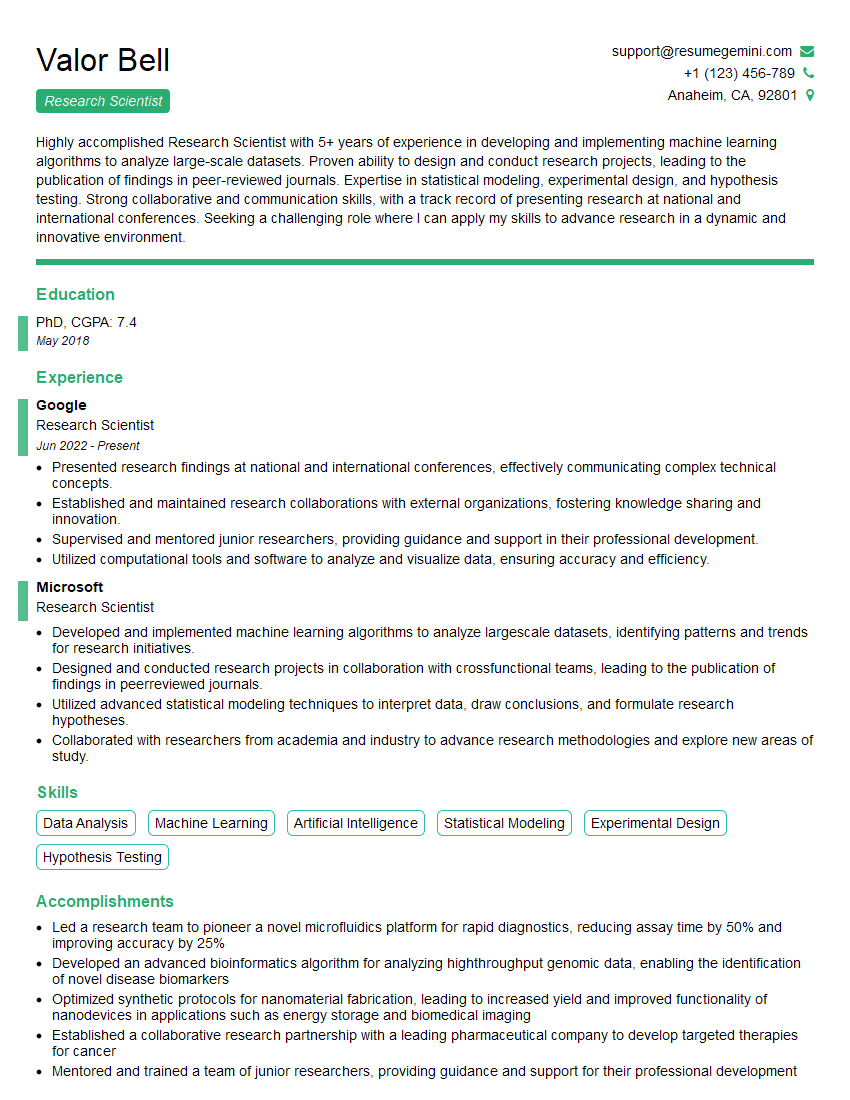
Research Scientist Resume Sample
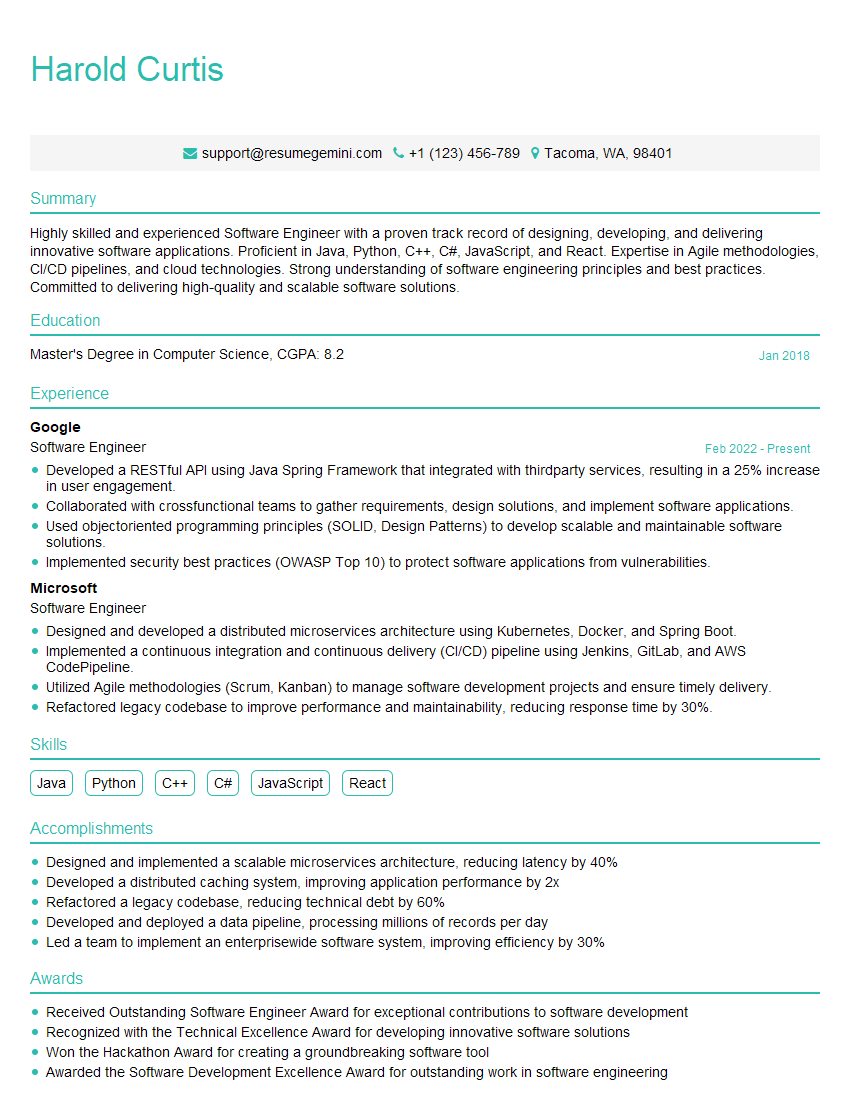
Software Engineer Resume Sample
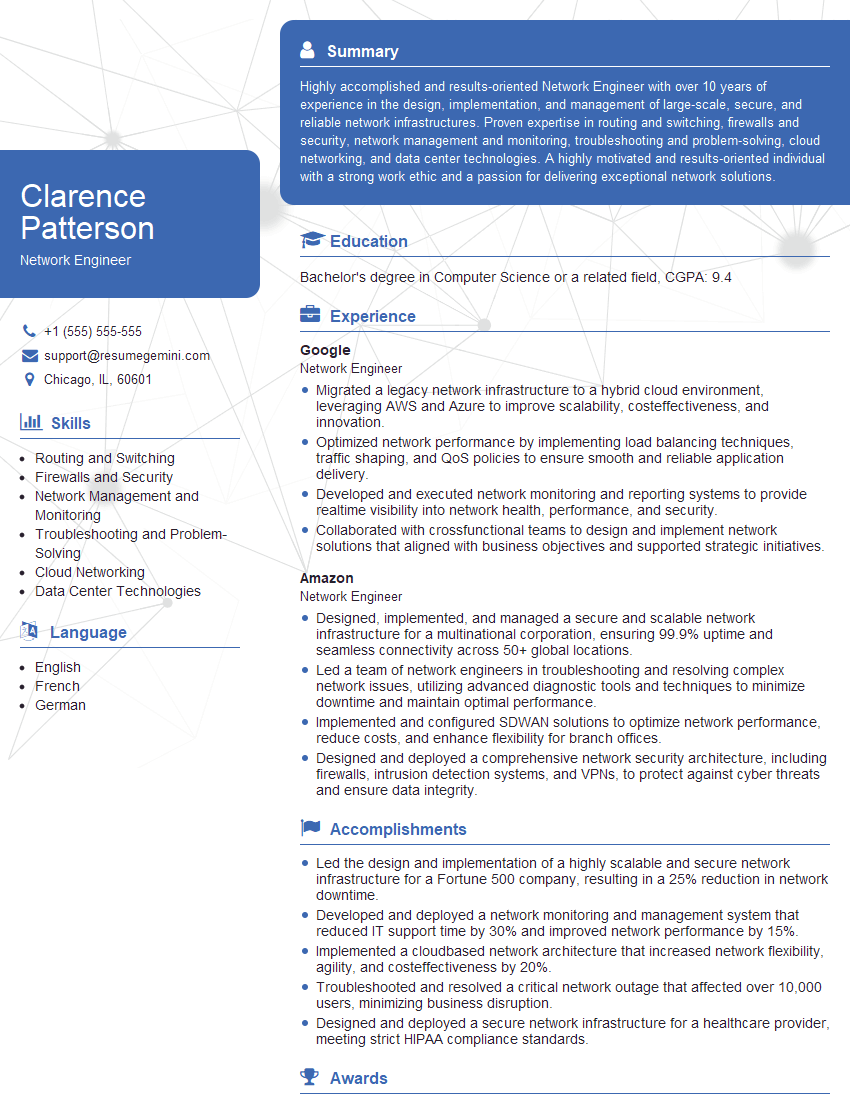
Network Engineer Resume Sample
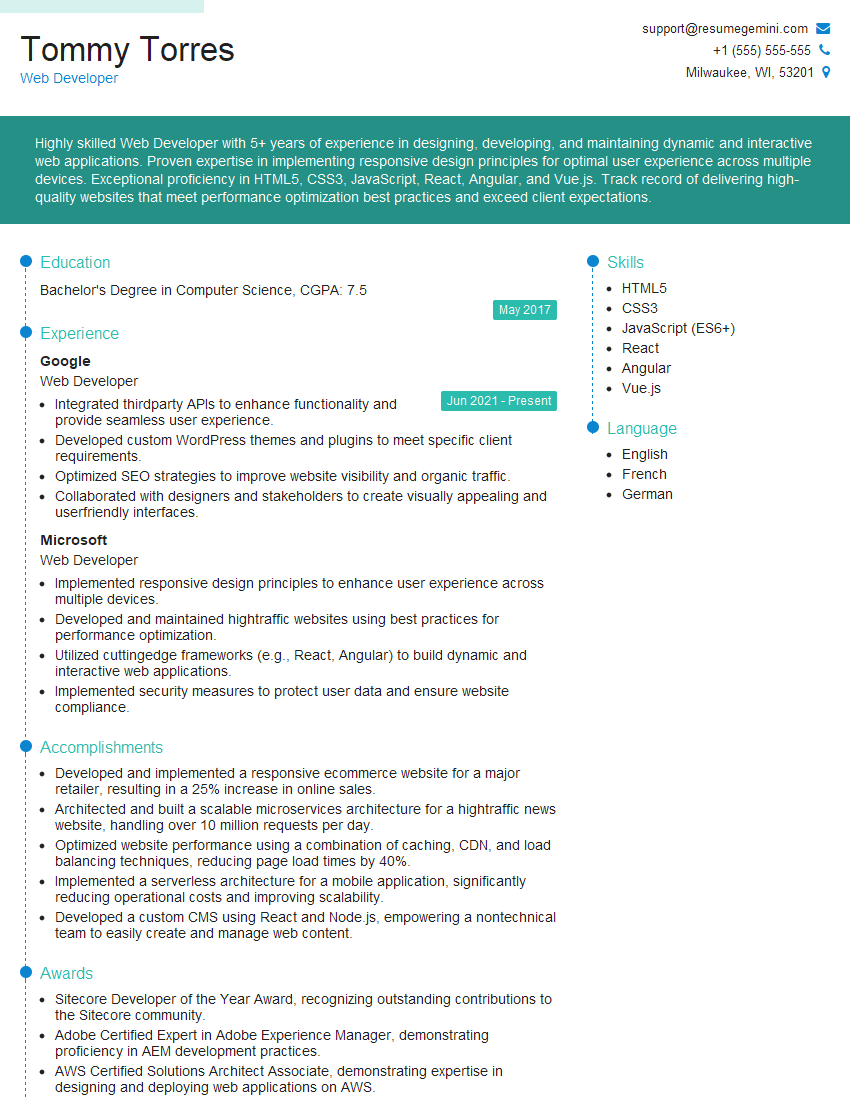
Web Developer Resume Sample

Technical Writer Resume Sample
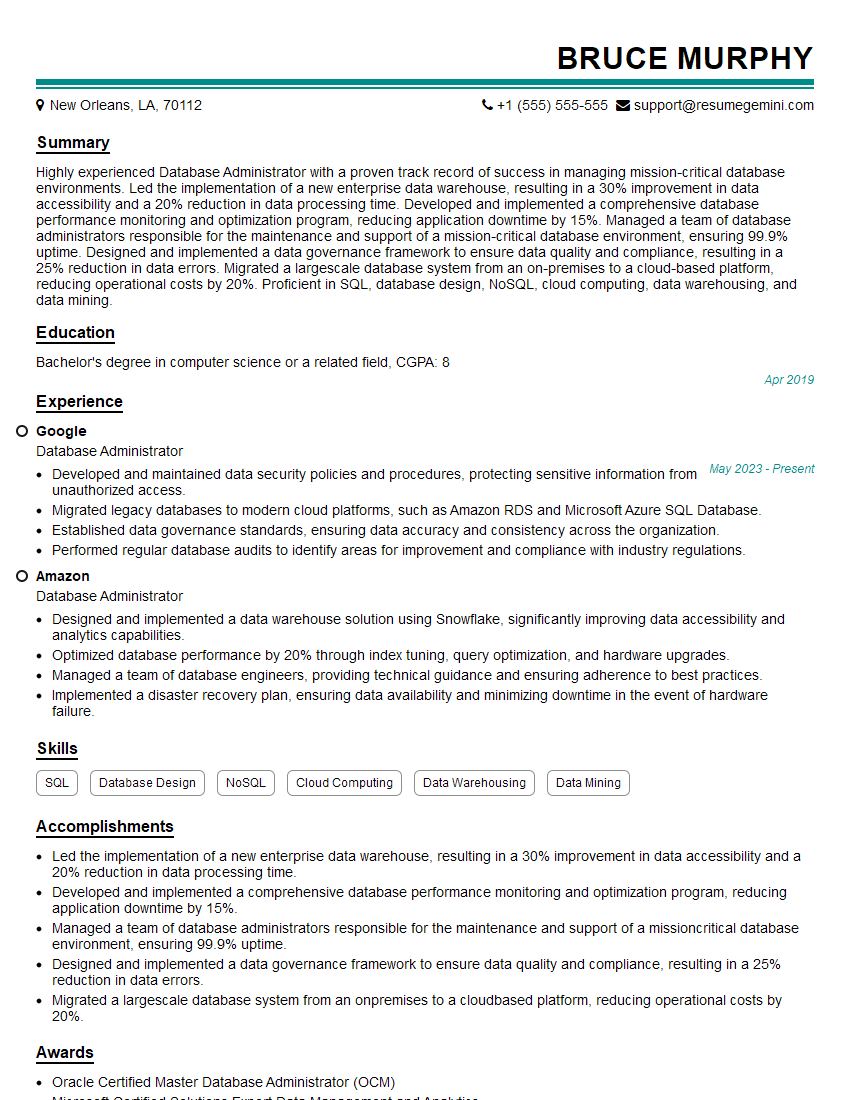
Database Administrator Resume Sample
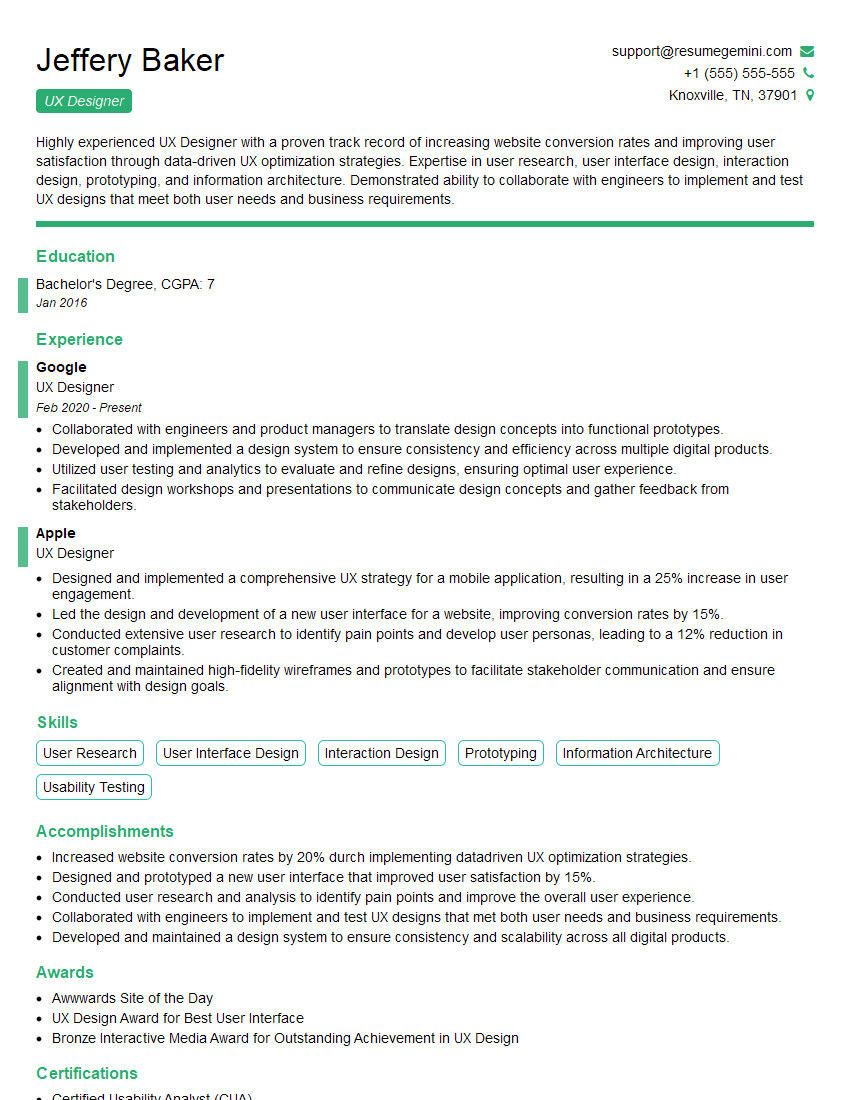
UX Designer Resume Sample
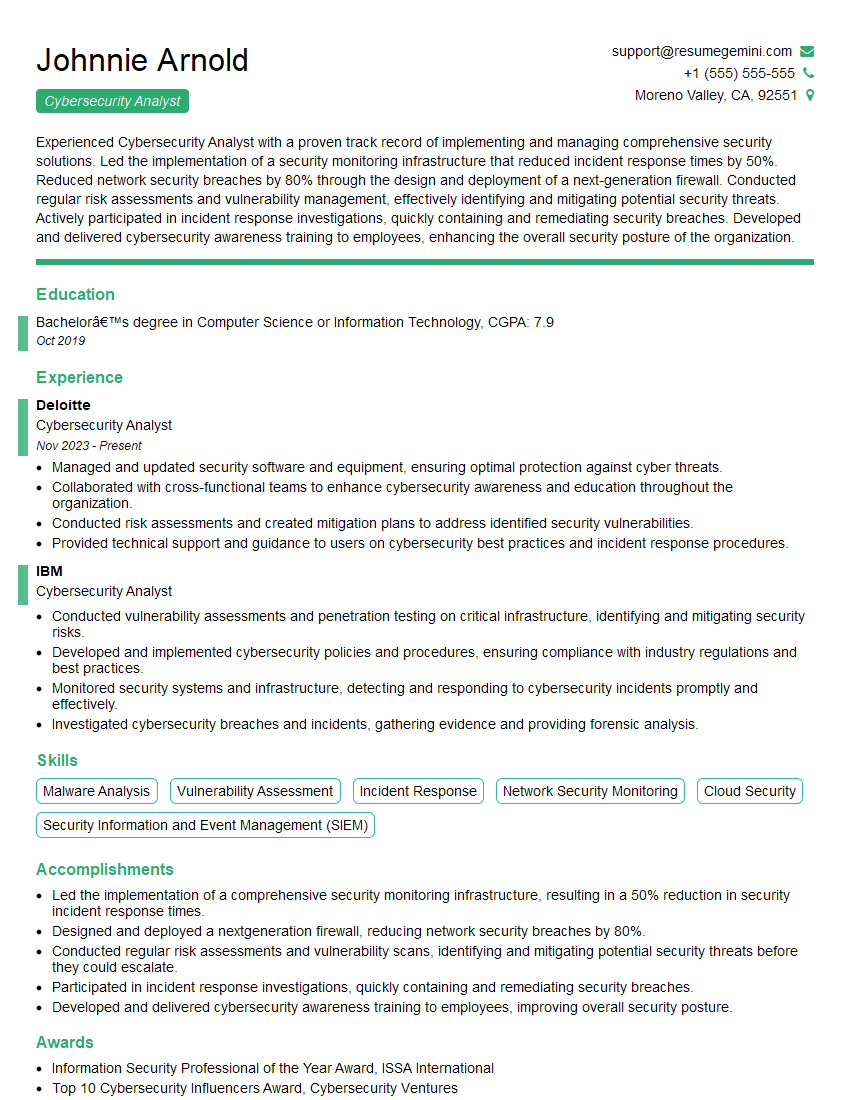
Cybersecurity Analyst Resume Sample
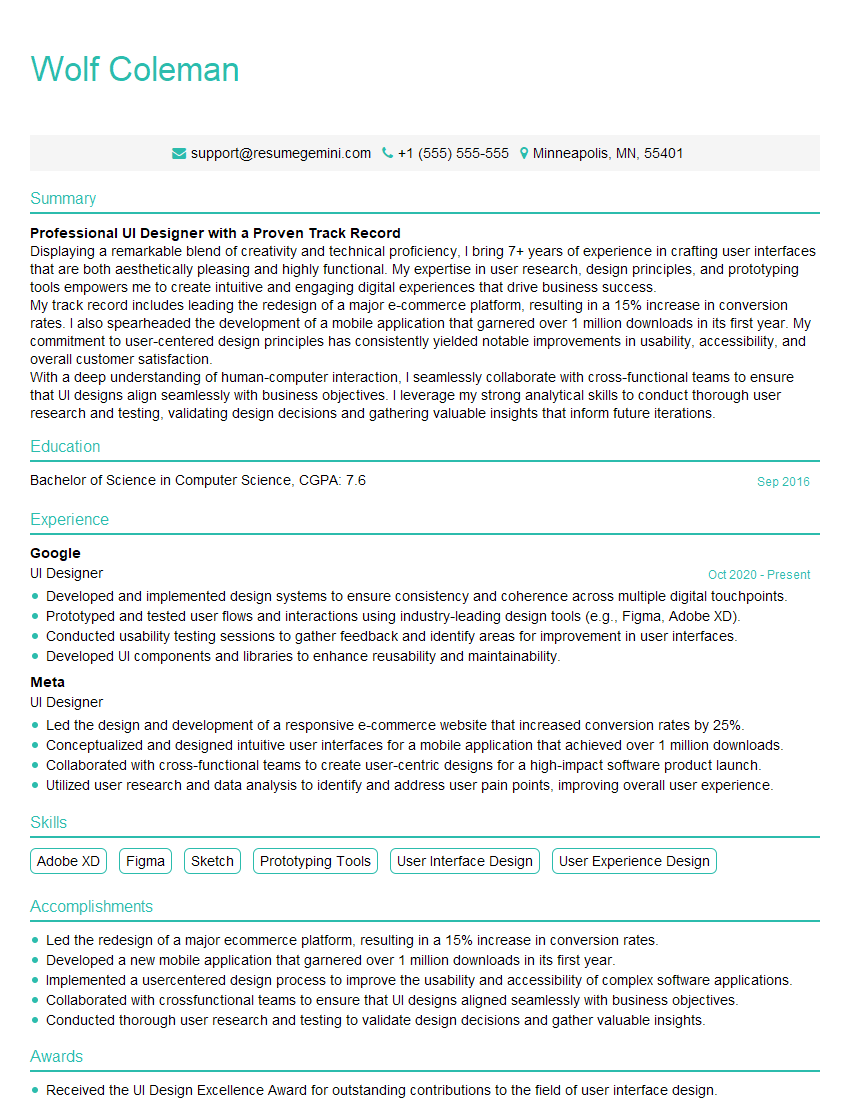
UI Designer Resume Sample
- Operations Manager
- Account Manager
- Marketing Manager
- Product Manager
- Sales Representative
- Supply Chain Manager
- Human Resources Manager
- Project Manager
- Project Coordinator
- Business Analyst
- Management Consultant
- Financial Analyst
- Data Scientist
- Research Scientist
- Software Engineer
- Network Engineer
- Web Developer
- Technical Writer
- Database Administrator
- UX Designer
- Cybersecurity Analyst
- UI Designer
Explore more articles
Users Rating of Our Blogs
Share Your Experience
We value your feedback! Please rate our content and share your thoughts (optional).
What Readers Say About Our Blog
good