Unlock your full potential by mastering the most common Ability to work in HighStress Environments interview questions. This blog offers a deep dive into the critical topics, ensuring you’re not only prepared to answer but to excel. With these insights, you’ll approach your interview with clarity and confidence.
Questions Asked in Ability to work in HighStress Environments Interview
Q 1. Describe a situation where you faced extreme time pressure. How did you prioritize tasks?
Time pressure is a common challenge in high-stress environments. My approach involves a structured prioritization method. I first assess the urgency and importance of each task using a matrix, often visualizing this with a simple quadrant chart. Urgent and important tasks take immediate precedence. I then break down larger tasks into smaller, manageable steps, focusing on achieving quick wins to build momentum and reduce the overall feeling of being overwhelmed.
For example, during a major software launch, we faced a critical bug just hours before the deadline. Instead of panicking, I immediately convened a team meeting, assigning specific tasks based on individual expertise. We prioritized fixing the most impactful bug first, then tackled less critical issues, ensuring each fix was thoroughly tested before deployment. This structured approach allowed us to successfully launch the software on time, albeit with a few late nights.
Q 2. Explain your approach to managing multiple competing deadlines.
Managing multiple competing deadlines requires meticulous planning and effective time management. I use a combination of tools and techniques. Firstly, I meticulously list all deadlines, their associated tasks, and their importance. Then, I create a detailed schedule, allocating specific time blocks for each task, considering dependencies between them. I regularly review and adjust this schedule as needed, employing project management software to maintain visibility and track progress. Open communication with stakeholders is crucial, allowing for proactive adjustments in case of unforeseen delays or changing priorities.
Imagine working on three separate projects with overlapping deadlines. I wouldn’t simply try to juggle all tasks simultaneously. Instead, I’d break each project into phases, prioritizing those with the closest deadlines and ensuring I dedicate sufficient time to each. Regular check-ins with the project teams helps maintain momentum and identify potential bottlenecks.
Q 3. How do you remain calm and focused during a crisis?
Maintaining calm and focus during a crisis relies on a combination of preparation, practice, and self-awareness. My approach involves deep breathing exercises to regulate my physiological response to stress. I also consciously focus on the problem at hand, avoiding emotional responses and instead concentrating on finding solutions. A pre-planned crisis management plan helps immensely, guiding my actions in a structured manner.
During a server outage, I didn’t let panic set in. Instead, I immediately followed our established protocol: assessing the situation, activating the emergency response team, and implementing the pre-defined recovery steps. By staying focused and following a plan, we quickly resolved the issue, minimizing disruption.
Q 4. Describe a time when you had to make a quick decision under pressure. What was the outcome?
Quick decision-making under pressure requires decisive thinking and a calculated assessment of risks and benefits. I rely on my experience and training to quickly evaluate the available options, considering both short-term and long-term consequences. While speed is critical, thoughtful consideration is equally important. I find it helpful to mentally weigh the potential outcomes of each choice before making a decision.
Once, during a product demonstration, a critical component malfunctioned unexpectedly. I had to decide quickly whether to proceed with the demo, risking failure, or postpone it, impacting our schedule. After quickly assessing the situation and the potential fallout of both choices, I decided to continue, improvising a workaround, which ultimately impressed the clients and demonstrated our problem-solving skills. The outcome was positive, and the clients were satisfied.
Q 5. How do you handle conflicting priorities and competing demands?
Conflicting priorities are inevitable in high-pressure environments. My approach involves open and honest communication with all stakeholders to clearly understand their expectations and the relative importance of each task. I then work collaboratively to re-prioritize tasks, setting clear expectations and securing buy-in from everyone involved. This ensures that everyone is on the same page and working towards common goals, even if some deadlines need to be adjusted.
For instance, when faced with a clash between a high-priority client request and a crucial internal deadline, I’d have a meeting with all involved parties. We would openly discuss the impacts of prioritizing one over the other, and collectively decide on a revised timeline which satisfied both requirements. The key was clear communication, transparency, and mutual agreement.
Q 6. What strategies do you employ to manage stress and avoid burnout?
Stress management and burnout prevention are crucial for long-term success in high-stress roles. My strategy involves a multi-pronged approach. Firstly, I prioritize my well-being, ensuring I get adequate sleep, eat a healthy diet, and exercise regularly. Secondly, I actively manage my workload by delegating tasks when possible, and setting boundaries between work and personal life. Finally, I take regular breaks and engage in activities that help me relax and recharge, such as spending time with loved ones, pursuing hobbies, or mindfulness practices.
I actively make use of time-blocking techniques to allocate specific times for work and relaxation, helping maintain a healthy work-life balance. I also schedule regular breaks throughout my workday, and make sure to completely disconnect after work hours.
Q 7. How do you maintain your composure when dealing with difficult or demanding individuals?
Maintaining composure with difficult individuals requires empathy, active listening, and effective communication skills. I focus on understanding their perspective, even if I don’t necessarily agree with it. I actively listen to their concerns, responding calmly and professionally, even when faced with aggression or negativity. I strive to de-escalate tense situations by focusing on finding common ground and collaboratively seeking solutions.
I recall a situation where a client was extremely upset about a minor delay in a project. Instead of becoming defensive, I actively listened to their frustration, acknowledged their concerns, and offered a concrete solution to mitigate the impact of the delay. This approach helped de-escalate the situation and maintain a positive working relationship.
Q 8. Describe a time you failed to manage stress effectively. What did you learn from it?
Early in my career, during a major product launch, I underestimated the scope of potential issues. I became overwhelmed by the sheer volume of last-minute problems, leading to burnout and ultimately, some minor project delays. Instead of proactively seeking support or delegating effectively, I tried to handle everything myself. This resulted in mistakes that could have been avoided with better stress management.
The key lesson I learned was the importance of proactive stress management. I now understand that acknowledging limitations and seeking help isn’t a sign of weakness but a crucial strategy for success in high-pressure situations. I implemented a system of regular check-ins with my team, clearer task delegation, and prioritized self-care techniques like mindfulness and exercise to prevent future burnout. I also learned to break down large tasks into smaller, more manageable steps, reducing feelings of being overwhelmed.
Q 9. How do you delegate tasks effectively under pressure?
Effective delegation under pressure hinges on trust, clear communication, and a realistic assessment of team members’ strengths. It’s not about dumping tasks, but about strategically distributing responsibilities to leverage each individual’s capabilities.
- Assess Team Capabilities: I first identify the skills and experience of each team member. Who’s best suited for which task?
- Clear Communication: I provide clear instructions, deadlines, and expected outcomes. This includes any relevant context and potential challenges to anticipate.
- Empowerment and Trust: I trust my team members to execute their tasks. I offer guidance and support without micromanaging.
- Regular Check-ins: I schedule short check-ins to monitor progress, answer questions, and address any roadblocks. This helps maintain momentum and prevent unforeseen delays.
- Acknowledge and Appreciate: I make sure to acknowledge the team’s efforts and appreciate their contributions, even in stressful situations.
For example, during a critical system outage, I delegated the troubleshooting to the senior engineer with the most relevant expertise, the communication to the PR specialist, and the customer updates to the customer support team. This allowed me to focus on coordinating the overall response and ensuring all aspects of the problem were addressed simultaneously.
Q 10. What techniques do you use to stay organized and focused in a chaotic environment?
Maintaining organization and focus in a chaotic environment requires a multi-pronged approach. It’s about creating order amidst the storm.
- Prioritization Matrix: I use a prioritization matrix (like Eisenhower Matrix – Urgent/Important) to categorize tasks based on urgency and importance. This helps me focus on what truly matters.
- Time Blocking: I schedule specific blocks of time for dedicated tasks. This helps avoid task-switching and maintains focus.
- Visual Organization: I rely on visual tools like Kanban boards or project management software to track progress and identify potential bottlenecks. A clear visual representation helps to manage complexity.
- Regular Breaks: Taking short, regular breaks can significantly improve focus and prevent burnout. This could involve a quick walk, a mindful breathing exercise, or a brief moment of disconnecting.
- Mindfulness Techniques: Practicing mindfulness helps maintain mental clarity and composure. It involves focusing on the present moment, without judgment.
For instance, when faced with several overlapping deadlines and urgent requests, I first use the Eisenhower Matrix to decide what needs immediate attention and what can wait. I then block time in my calendar for focused work on each prioritized item, using a Kanban board to visualize progress and easily identify tasks needing attention.
Q 11. How do you identify potential problems or risks before they escalate?
Proactive risk identification relies on a combination of experience, analysis, and communication. It’s about looking ahead and anticipating potential challenges rather than reacting to crises.
- Regular Risk Assessments: I conduct regular risk assessments, considering potential problems in each phase of a project or operation.
- Scenario Planning: I develop contingency plans for potential problems, defining specific actions for each scenario.
- Data Analysis: I use data analysis to identify trends and patterns that may indicate potential problems. This could involve reviewing historical data, performance metrics, or customer feedback.
- Team Input: I encourage team members to share their observations and concerns, ensuring a diverse range of perspectives are considered.
- Continuous Monitoring: I actively monitor progress, watching for any deviations from the plan that may signal emerging problems.
For example, when launching a new software application, I would conduct a thorough risk assessment, identifying potential issues such as server overload, security vulnerabilities, and customer support challenges. I’d then develop contingency plans for each, ensuring our team is prepared to respond effectively.
Q 12. How do you prioritize tasks when confronted with a sudden unexpected crisis?
Prioritizing tasks during an unexpected crisis requires quick thinking and a structured approach. It’s about identifying the most critical issues and focusing resources effectively.
- Assess the Situation: First, I rapidly assess the situation to determine the scope and severity of the crisis.
- Identify Immediate Threats: I then identify any immediate threats requiring immediate action.
- Prioritize Based on Impact: I prioritize tasks based on their potential impact. What will have the most significant negative consequences if not addressed immediately?
- Resource Allocation: I allocate available resources (personnel, time, equipment) to the highest-priority tasks.
- Communicate Clearly: I maintain clear communication with the team and stakeholders, ensuring everyone understands the priorities and actions.
Imagine a sudden power outage during a live event. My immediate priority would be to ensure the safety of attendees, then activate backup power systems, and finally, communicate the situation to stakeholders and attendees. Tasks like post-event analysis would be put on hold.
Q 13. Describe your process for problem-solving under pressure.
Problem-solving under pressure involves a structured, yet adaptable approach. It’s about maintaining calm and clarity despite the urgency.
- Define the Problem: Clearly define the problem. What exactly needs to be solved?
- Gather Information: Gather all relevant information to understand the context of the problem.
- Brainstorm Solutions: Brainstorm potential solutions, considering various approaches.
- Evaluate Options: Evaluate each solution’s feasibility, potential risks, and benefits.
- Select and Implement: Select the most appropriate solution and implement it.
- Monitor and Adjust: Monitor the results and adjust the approach as needed.
For instance, if a server crashes, I would first confirm the nature and scope of the crash, then gather diagnostic data to identify the root cause. I would then consider potential solutions like rebooting the server, deploying a backup, or implementing a temporary workaround. I’d then implement the chosen solution and monitor its effectiveness, adjusting the approach if necessary.
Q 14. How do you maintain effective communication during high-stress situations?
Maintaining effective communication during high-stress situations is vital for coordinated responses and to prevent misunderstandings. It’s about clarity, empathy, and active listening.
- Clear and Concise Messages: Use clear and concise language, avoiding jargon or ambiguity.
- Active Listening: Actively listen to others’ concerns and perspectives. Ensure everyone feels heard.
- Empathy and Support: Show empathy and provide support to team members who may be feeling stressed.
- Regular Updates: Provide regular updates to stakeholders and team members, ensuring everyone is informed.
- Multiple Communication Channels: Employ multiple communication channels (e.g., email, instant messaging, phone calls) to ensure messages are received.
During a critical incident, frequent short updates are key. I might use a quick team meeting to outline immediate priorities, then utilize instant messaging for rapid information exchange and email for formal documentation. This ensures clear communication across the team, while also allowing for quick responses.
Q 15. How do you build resilience to withstand prolonged periods of stress?
Building resilience to prolonged stress isn’t about avoiding stress entirely – it’s about developing the capacity to bounce back from adversity. It’s a proactive process that requires consistent effort. I focus on several key strategies:
Mindfulness and self-awareness: Regularly practicing mindfulness techniques, like meditation or deep breathing, helps me become more attuned to my stress levels. This allows me to identify triggers and manage my reactions proactively. For example, I’ve incorporated a short meditation session into my morning routine to center myself before tackling a demanding day.
Physical well-being: Maintaining a healthy lifestyle through regular exercise, a balanced diet, and sufficient sleep is crucial. Exercise is my primary stress reliever; a run or a session at the gym clears my head and boosts my energy levels.
Strong social support: Connecting with supportive friends, family, or mentors provides a valuable outlet for stress. I actively nurture these relationships, knowing that having a strong support system is essential during challenging times. For example, I regularly schedule time to connect with friends and family – even if it’s just a quick phone call.
Effective time management: Procrastination amplifies stress. I prioritize tasks, break down large projects into smaller, manageable steps, and utilize time management techniques like the Pomodoro Technique to maintain focus and prevent burnout.
Continuous learning and growth: Developing new skills and expanding my knowledge base not only enhances my professional capabilities but also boosts my confidence and self-efficacy. This contributes significantly to my ability to handle challenging situations effectively.
Career Expert Tips:
- Ace those interviews! Prepare effectively by reviewing the Top 50 Most Common Interview Questions on ResumeGemini.
- Navigate your job search with confidence! Explore a wide range of Career Tips on ResumeGemini. Learn about common challenges and recommendations to overcome them.
- Craft the perfect resume! Master the Art of Resume Writing with ResumeGemini’s guide. Showcase your unique qualifications and achievements effectively.
- Don’t miss out on holiday savings! Build your dream resume with ResumeGemini’s ATS optimized templates.
Q 16. How do you ensure accuracy and precision in your work when under time constraints?
Accuracy and precision under time constraints require a structured approach and a focus on prioritization. I utilize several techniques:
Prioritization Matrix: I employ methods like the Eisenhower Matrix (urgent/important) to prioritize tasks, ensuring that critical aspects requiring accuracy are addressed first.
Process Optimization: I constantly look for ways to streamline my workflow, eliminating unnecessary steps and improving efficiency. This might involve utilizing automation tools or refining existing procedures. For example, I might use a macro to automate repetitive tasks in spreadsheet software.
Double-checking and verification: Building in time for rigorous checks and verification steps is crucial to minimize errors. This might involve having a colleague review my work or using automated validation tools where possible.
Focused Attention: When under pressure, maintaining focus is paramount. I use techniques like the Pomodoro Technique to concentrate on one task at a time, minimizing distractions.
Seeking Clarification: If I’m unsure about a specific requirement, I seek immediate clarification rather than making assumptions. This prevents costly mistakes later on.
Q 17. What measures do you take to safeguard your well-being while working in a high-stress environment?
Safeguarding my well-being in high-stress environments is a non-negotiable priority. I employ a multi-pronged approach:
Maintaining boundaries: I set clear boundaries between work and personal life to prevent burnout. This includes disconnecting after work hours and scheduling dedicated time for relaxation and hobbies.
Regular breaks and downtime: I schedule regular breaks throughout the day to step away from my work, even if it’s just for a few minutes. This can involve a short walk, stretching, or simply closing my eyes and practicing deep breathing.
Seeking support: I don’t hesitate to reach out to colleagues, supervisors, or mentors for assistance or guidance when needed. Open communication is crucial in preventing stress from overwhelming me.
Utilizing stress management techniques: I actively use stress-reducing techniques like mindfulness, meditation, or exercise to manage my emotional and physical responses to pressure.
Prioritizing self-care: I dedicate time to activities that I enjoy and that contribute to my overall well-being. This might include spending time in nature, reading, or engaging in creative pursuits.
Q 18. Describe a time you had to adapt to a rapidly changing situation.
During a critical project launch, a major software update unexpectedly changed core functionalities, just days before the deadline. Initially, it felt overwhelming. My response was structured:
Assessment: I quickly assessed the impact of the changes on our project timeline and deliverables.
Collaboration: I immediately convened a team meeting, involving developers and stakeholders. We openly discussed the challenges and potential solutions.
Prioritization: We prioritized the most critical features that could be salvaged and re-evaluated less critical elements for post-launch implementation.
Re-planning: We revised the project plan, allocating additional resources and adjusting timelines based on the new realities.
Execution: We worked extended hours, communicating frequently, to mitigate the disruption. We successfully launched the project with the prioritized features, addressing the remaining items in subsequent updates.
This experience highlighted the importance of adaptability, effective communication, and collaborative problem-solving in high-pressure environments.
Q 19. How do you deal with ambiguity and uncertainty under pressure?
Dealing with ambiguity and uncertainty under pressure involves a structured approach focused on information gathering and proactive planning:
Information Gathering: I begin by actively seeking out all available information, even if it seems incomplete. This might involve consulting relevant documentation, talking to colleagues, or researching potential solutions.
Scenario Planning: I develop multiple potential scenarios, considering various outcomes. This proactive approach helps me prepare for different possibilities.
Risk Assessment: I identify potential risks and develop mitigation strategies for each scenario. This helps to minimize negative impacts.
Decision-Making Framework: I use a clear decision-making framework, weighing the potential benefits and drawbacks of each option before making a choice. This might involve cost-benefit analysis or decision trees.
Flexibility and Adaptability: I remain flexible and adaptable, understanding that the situation may evolve. I stay prepared to revise my plans based on new information and adjust accordingly.
Q 20. Describe your experience working independently under high-pressure conditions.
I’ve had several experiences working independently under high-pressure conditions. A recent example involved developing a critical report with a tight deadline. My approach was:
Detailed Planning: I started with a thorough plan, breaking down the report into manageable sections, setting mini-deadlines for each section, and building in buffer time for potential setbacks.
Organized Workflow: I maintained a highly organized workflow, using project management tools to track my progress and ensuring that all data sources were readily accessible.
Self-Discipline: I exercised significant self-discipline, staying focused despite distractions and maintaining a consistent work pace.
Regular Self-Checks: I performed regular self-checks to ensure accuracy and identify potential errors early on, preventing significant rework later in the process.
Proactive Communication: Although working independently, I maintained open communication with my supervisor, providing regular updates and seeking guidance as needed.
This experience underscored the importance of self-motivation, meticulous planning, and proactive communication, even in solo high-pressure projects.
Q 21. How do you collaborate effectively with others during stressful situations?
Effective collaboration during stressful situations requires clear communication, mutual respect, and a shared understanding of goals. My approach focuses on:
Open Communication: I encourage open and transparent communication, ensuring that all team members are informed and have a clear understanding of the situation. I actively listen to others’ perspectives and concerns.
Shared Goals: I emphasize the shared goals of the team, reminding everyone of the common objective and how their individual contributions contribute to the overall success.
Clear Roles and Responsibilities: I ensure that roles and responsibilities are clearly defined and that every team member understands their specific contribution. This minimizes confusion and prevents duplicated efforts.
Constructive Conflict Resolution: I facilitate constructive conflict resolution, encouraging open discussion of differing opinions and finding solutions that benefit the entire team.
Mutual Support: I foster a culture of mutual support and encouragement, recognizing that stress can affect individuals differently and reminding team members to look out for each other.
Q 22. What is your preferred method for managing your workload in a demanding role?
My preferred method for managing workload in a demanding role is a three-pronged approach: prioritization, time blocking, and delegation. First, I use a prioritization matrix, often a simple Eisenhower Matrix (urgent/important), to identify tasks that absolutely must be done immediately, those that can be scheduled, and those that can be delegated or eliminated. This ensures I focus my energy on high-impact activities.
Second, I utilize time blocking. I allocate specific time slots in my day for focused work on particular tasks. This helps me stay on track and prevents multitasking, which can be counterproductive in high-pressure situations. I’m also realistic about the time I allocate, building in buffer time to account for unexpected interruptions.
Finally, I’m a strong believer in delegation. If a task can be effectively handed off to a colleague, I do so, empowering my team and freeing up my time for tasks requiring my specific expertise. This not only improves efficiency but also fosters teamwork and skills development within the team.
For example, during a particularly intense product launch, I used this method to manage competing demands from marketing, engineering, and sales. By prioritizing critical launch milestones, time-blocking my work on presentations and key decisions, and delegating tasks like scheduling meetings and preparing data reports to junior team members, I was able to successfully navigate the high-stress environment and launch the product on time and within budget.
Q 23. How do you balance attention to detail with the need for speed in a high-stress situation?
Balancing attention to detail and speed in high-stress situations requires a strategic approach. It’s not about compromising one for the other, but rather about optimizing the process. I focus on identifying the critical details that will significantly impact the outcome, and I prioritize those above all else. This often involves a quick risk assessment – which details are most likely to cause errors or delays?
For example, in a software development emergency requiring an immediate fix, I would focus on the core code elements that directly caused the failure, rather than meticulously checking every line of surrounding code. Once the critical issue is resolved, I then conduct a more thorough review, ensuring that the quick fix didn’t introduce new problems. This approach leverages efficiency without sacrificing quality. I’ve found that checklists and templates can be extremely helpful in this context, allowing for rapid execution without compromising on accuracy. Using standardized processes for critical tasks minimizes errors and improves speed.
Q 24. Describe your experience resolving conflicts in a tense or stressful environment.
My experience resolving conflicts in tense environments centers on active listening, empathy, and clear communication. I don’t jump to conclusions; instead, I strive to understand each party’s perspective. I create a safe space for open dialogue, encouraging everyone to express their concerns without interruption. This allows me to identify the root cause of the conflict rather than focusing solely on the surface-level issues.
Once I understand all perspectives, I collaboratively work towards a solution. I focus on finding common ground and identifying mutually beneficial outcomes. Sometimes this involves compromise, and other times it requires creative problem-solving to meet everyone’s needs as much as possible. Maintaining a neutral and respectful demeanor is crucial throughout the process. I’ve learned that even in heated situations, maintaining composure can significantly de-escalate tension.
For instance, in a previous project, two team members had a disagreement about the best approach to a design problem. By actively listening to each perspective, identifying their shared goals, and facilitating a discussion around the pros and cons of each approach, we were able to collaboratively decide on a hybrid solution that incorporated the strengths of both original ideas.
Q 25. How do you build and maintain positive relationships with colleagues during stressful times?
Building and maintaining positive relationships during stressful times requires proactive effort and genuine concern for my colleagues. Open communication is key. I make it a point to regularly check in with my team members, not just about work but also about their well-being. This shows that I care about them as individuals, not just as contributors to the project.
Furthermore, I recognize that high-stress environments can exacerbate existing tensions. Therefore, I prioritize fostering a culture of mutual respect and support. I encourage collaboration and celebrate successes as a team. Recognizing and appreciating individual contributions helps build morale and a sense of shared purpose. I actively seek feedback and am open to suggestions from colleagues, demonstrating that their input is valued.
During a particularly challenging project deadline, I organized informal team lunches and made sure to acknowledge and celebrate each team member’s contributions to the successful project completion. These small acts helped build camaraderie and maintain a positive working relationship even under intense pressure.
Q 26. How do you handle setbacks and maintain motivation in the face of persistent challenges?
Handling setbacks and maintaining motivation in the face of persistent challenges requires resilience and a growth mindset. My approach involves acknowledging the setback without dwelling on it. I analyze what went wrong, focusing on what I can learn from the experience rather than assigning blame. This allows me to extract valuable lessons for future endeavors.
Next, I break down large challenges into smaller, more manageable steps. This makes the overall goal feel less daunting and provides a sense of accomplishment as I complete each step. I also regularly reassess my goals and adjust my approach as needed. Flexibility is key to adapting to changing circumstances and overcoming obstacles.
Finally, I actively seek support from mentors, colleagues, or friends. Discussing my challenges with others can help me gain new perspectives and find renewed motivation. I regularly remind myself of my past successes and the positive impact my work has, reigniting my passion and drive.
For instance, when a key project faced unexpected delays, I didn’t get discouraged. I analyzed the reasons for the delay, adjusted the timeline, and sought support from my team. By focusing on small wins and celebrating every milestone achieved, I was able to maintain morale and ultimately deliver the project successfully.
Q 27. How do you measure your success in managing stress and achieving your goals?
I measure my success in managing stress and achieving my goals through a combination of quantitative and qualitative measures. Quantitatively, I track project timelines, deliverables, and key performance indicators (KPIs) to assess whether goals are met efficiently and effectively. Meeting deadlines and exceeding expectations are tangible indicators of success.
Qualitatively, I assess team morale, collaboration effectiveness, and my own well-being. I regularly reflect on my stress levels, my ability to manage conflicts effectively, and the overall positive working environment I have cultivated. Maintaining a healthy work-life balance, preventing burnout, and fostering a supportive team dynamic are equally important indicators of my success in managing stress and achieving my goals. Regular feedback from colleagues and supervisors provides valuable insight into my performance and areas for improvement.
Q 28. What are your strategies for proactively preventing stress from negatively impacting your performance?
Proactively preventing stress from negatively impacting my performance involves a holistic approach. This includes prioritizing self-care through regular exercise, a balanced diet, and sufficient sleep. These habits enhance my physical and mental resilience, enabling me to cope better with pressure.
I also prioritize mindfulness practices like meditation or deep breathing exercises. These techniques help me stay grounded and focused, reducing anxiety and improving my ability to concentrate under pressure. Additionally, I regularly assess my workload and proactively identify potential bottlenecks or challenges, allowing me to address them before they escalate into major issues.
I set realistic expectations for myself and my team, avoiding overcommitment, which is a major source of stress. I’m open to seeking help when needed, whether from colleagues, mentors, or even professional counselors. By embracing these proactive strategies, I consistently ensure that my well-being remains a priority, minimizing the risk of stress negatively affecting my performance.
Key Topics to Learn for Ability to Work in High-Stress Environments Interview
- Stress Management Techniques: Explore various coping mechanisms like deep breathing exercises, mindfulness, and time management strategies. Understand how to apply these techniques in a professional context.
- Prioritization and Decision-Making Under Pressure: Learn to effectively prioritize tasks, delegate when necessary, and make sound judgments even when facing tight deadlines and competing demands. Practice using frameworks like the Eisenhower Matrix.
- Resilience and Adaptability: Discuss your ability to bounce back from setbacks, learn from mistakes, and adjust to changing priorities and unexpected challenges. Provide concrete examples from your experience.
- Communication in High-Pressure Situations: Practice clear and concise communication, active listening, and effective conflict resolution strategies, especially when dealing with stressed colleagues or clients.
- Maintaining Professionalism Under Pressure: Demonstrate your ability to remain calm, composed, and professional even in the face of intense pressure or difficult situations. Highlight instances where you maintained composure under stress.
- Self-Awareness and Emotional Intelligence: Understand your own stress triggers and responses, and develop strategies to manage them effectively. Demonstrate empathy and understanding towards others experiencing stress.
- Teamwork and Collaboration in High-Stress Settings: Explain how you contribute to a positive and supportive team environment, even under pressure. Showcase your ability to collaborate effectively and encourage others.
Next Steps
Mastering your ability to thrive in high-stress environments is crucial for career advancement. Employers highly value individuals who can remain productive and effective under pressure. To maximize your job prospects, create a compelling and ATS-friendly resume that showcases these skills. ResumeGemini is a trusted resource that can help you build a professional resume that highlights your strengths. We provide examples of resumes tailored to demonstrate proficiency in working in high-stress environments to help you get started.
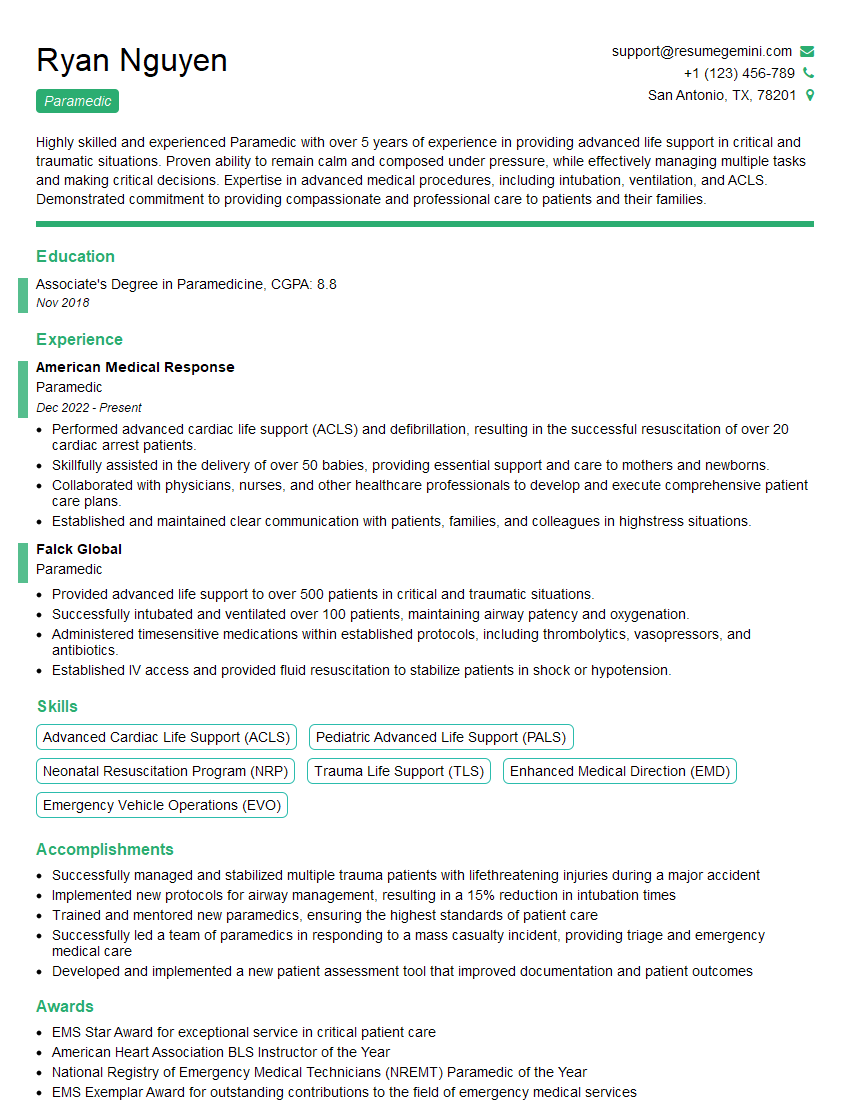
Paramedic Resume Sample
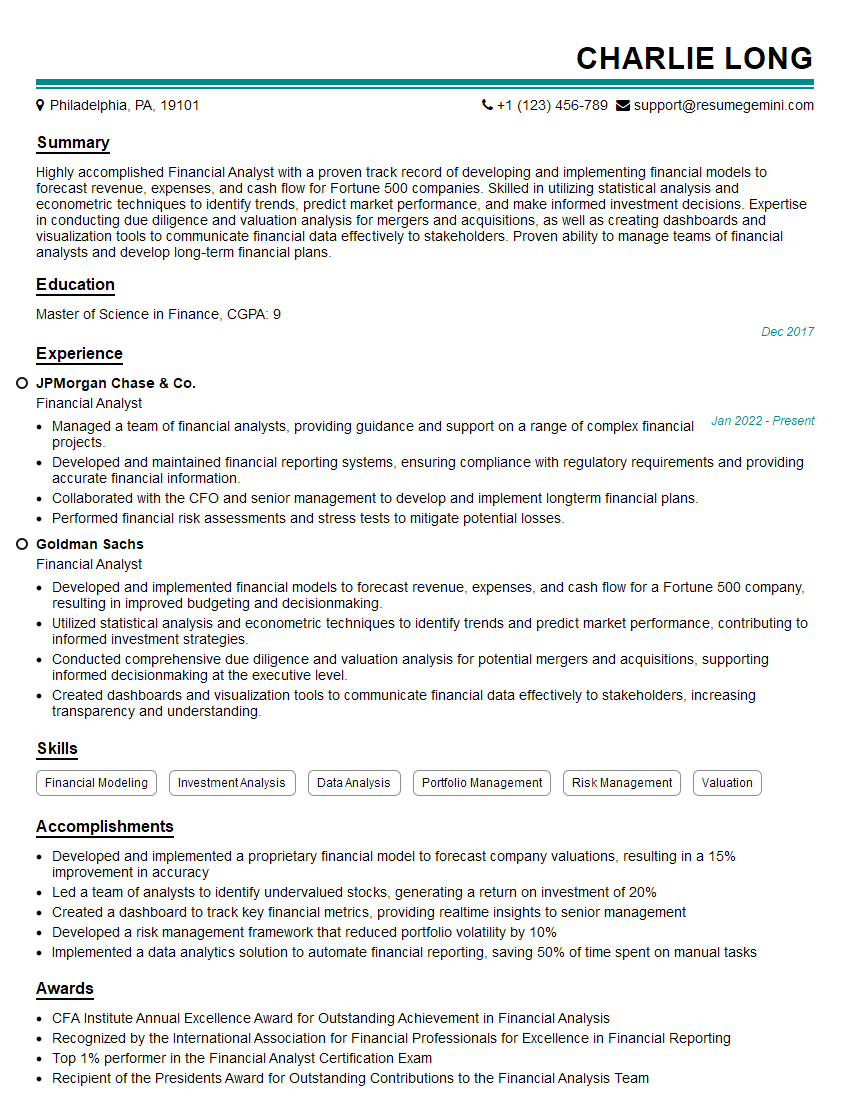
Financial Analyst Resume Sample
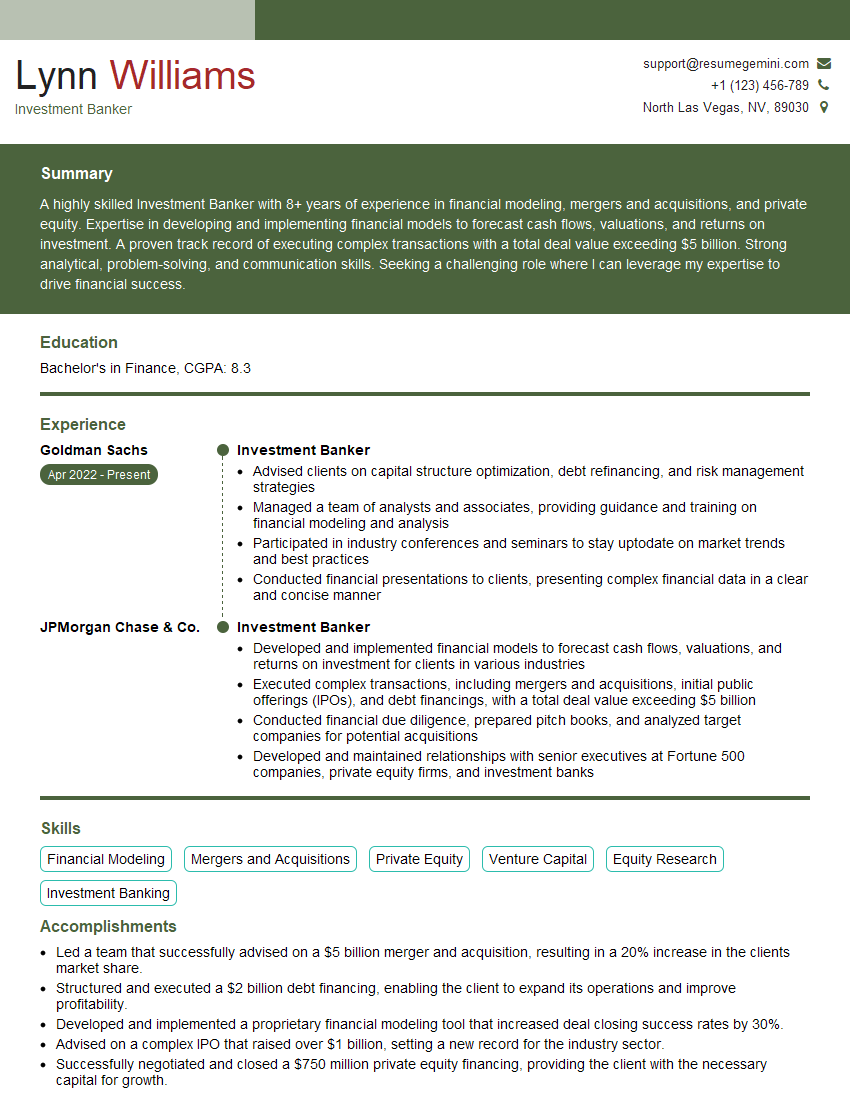
Investment Banker Resume Sample
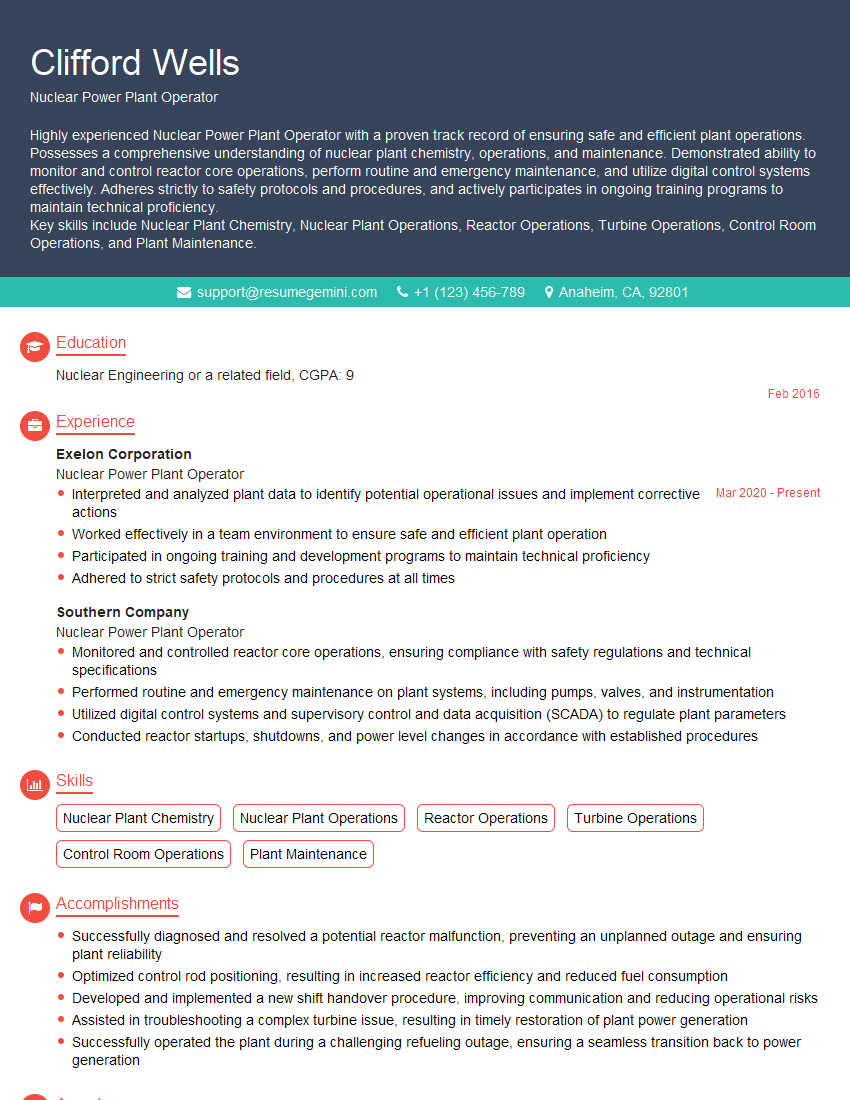
Nuclear Power Plant Operator Resume Sample
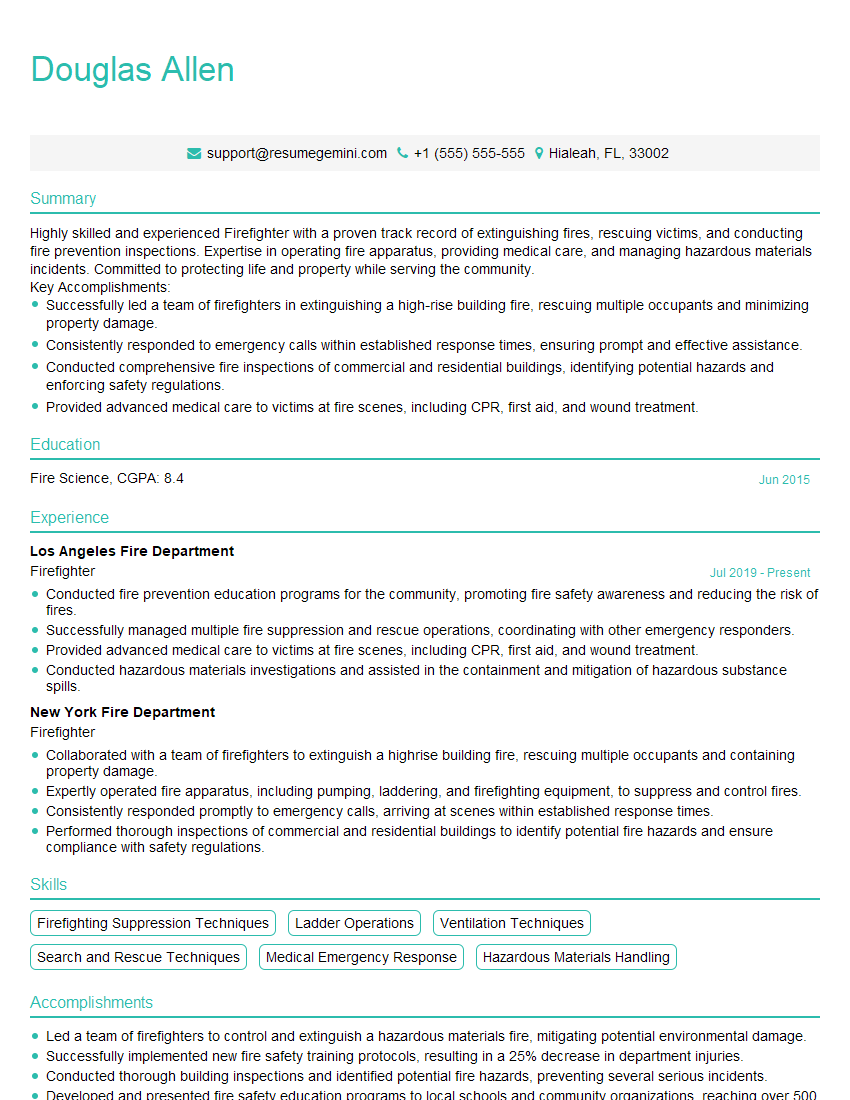
Firefighter Resume Sample
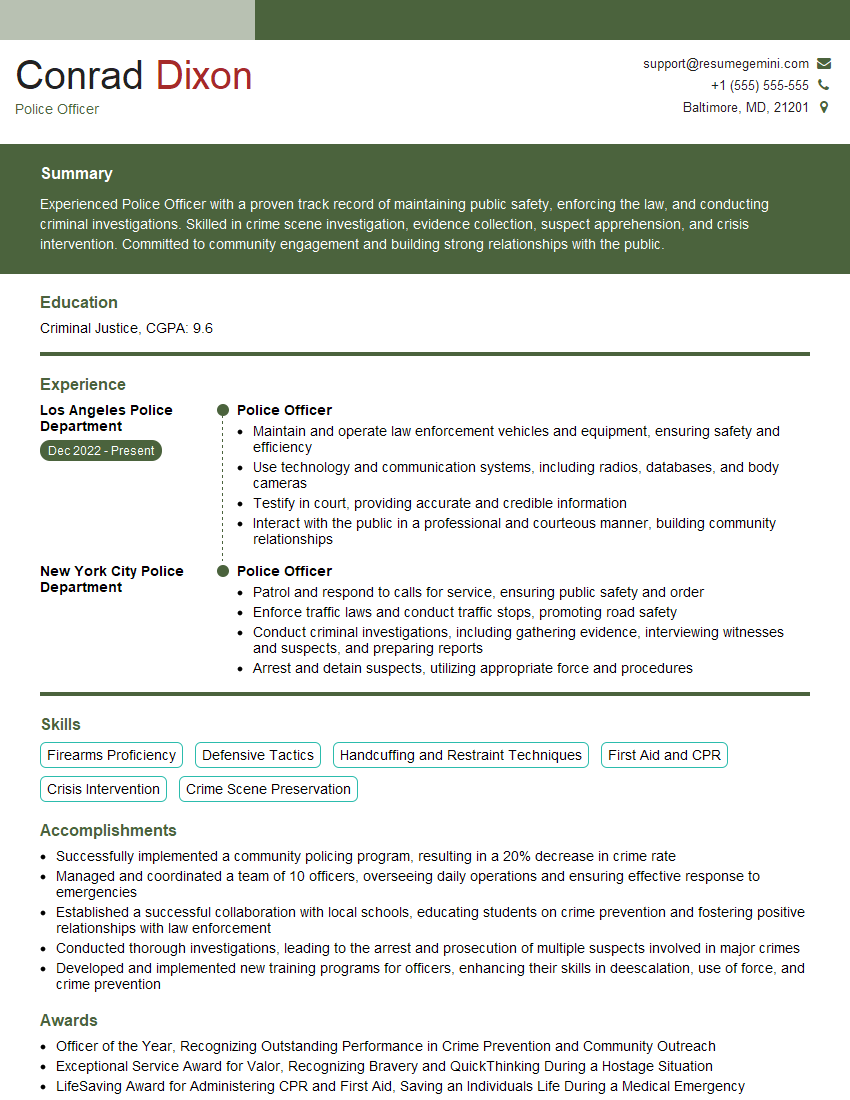
Police Officer Resume Sample
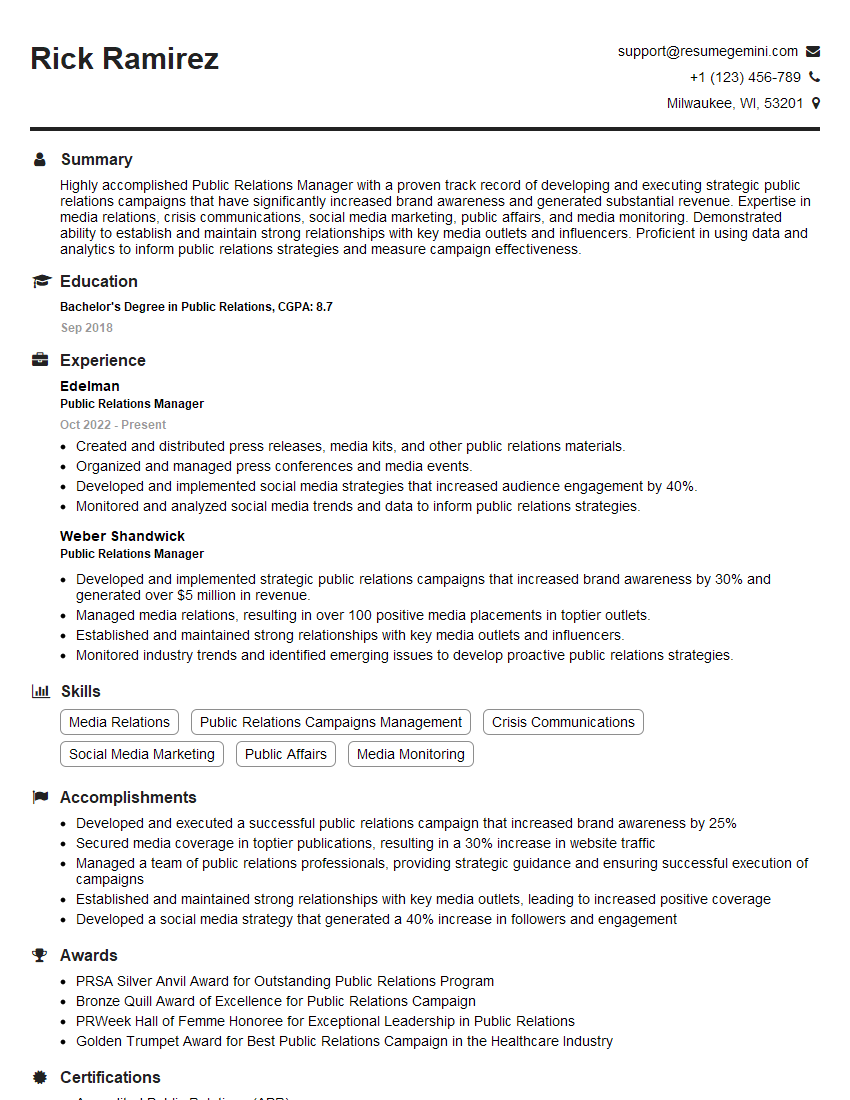
Public Relations Manager Resume Sample
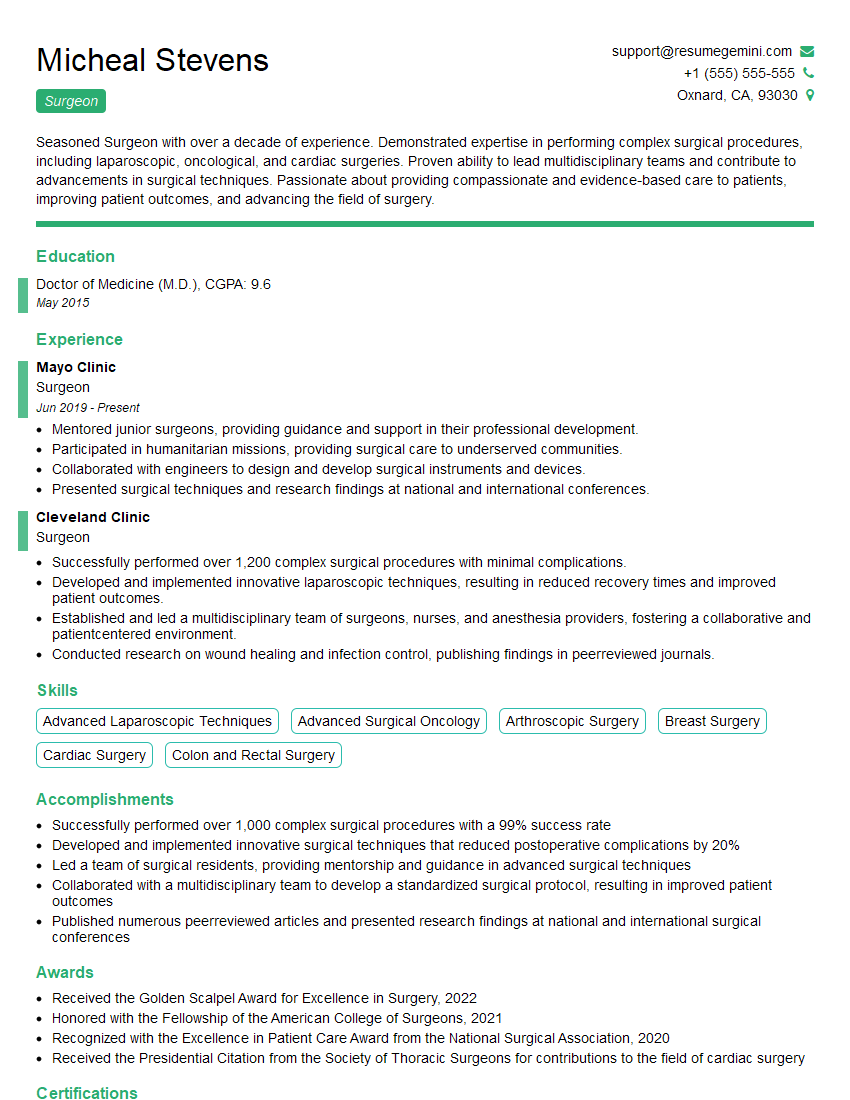
Surgeon Resume Sample
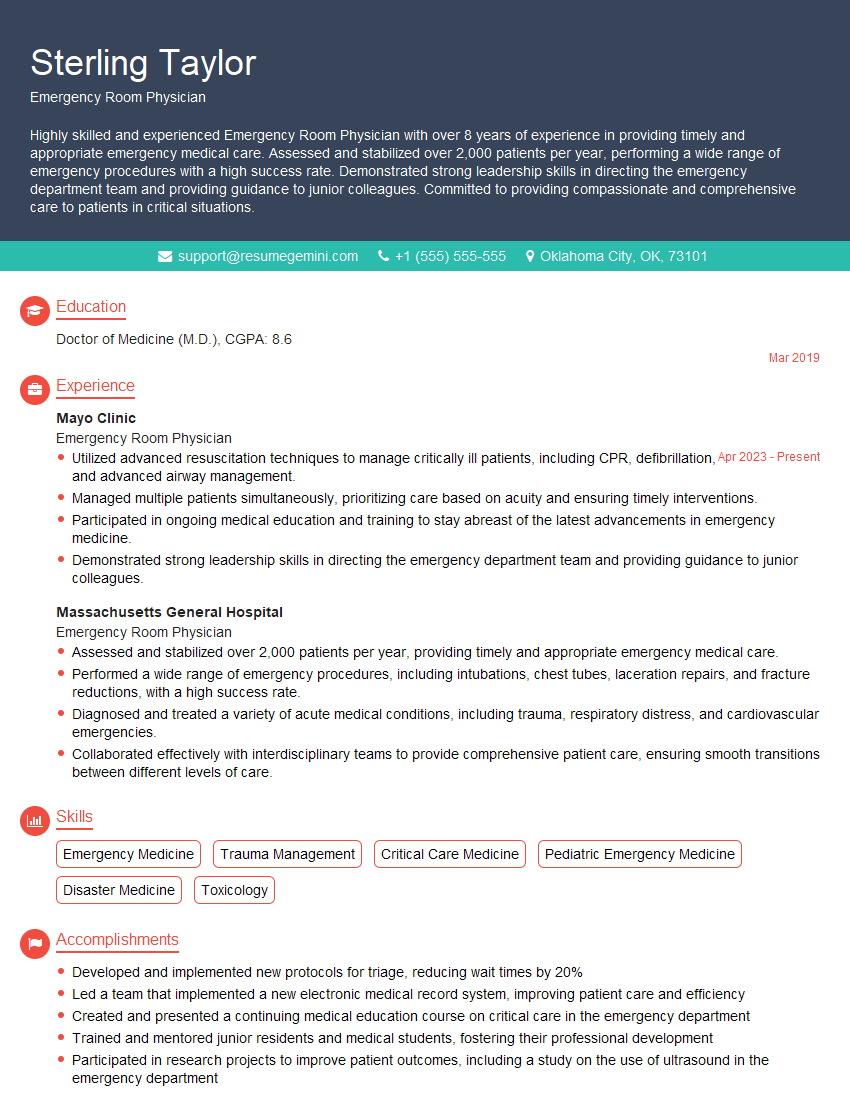
Emergency Room Physician Resume Sample
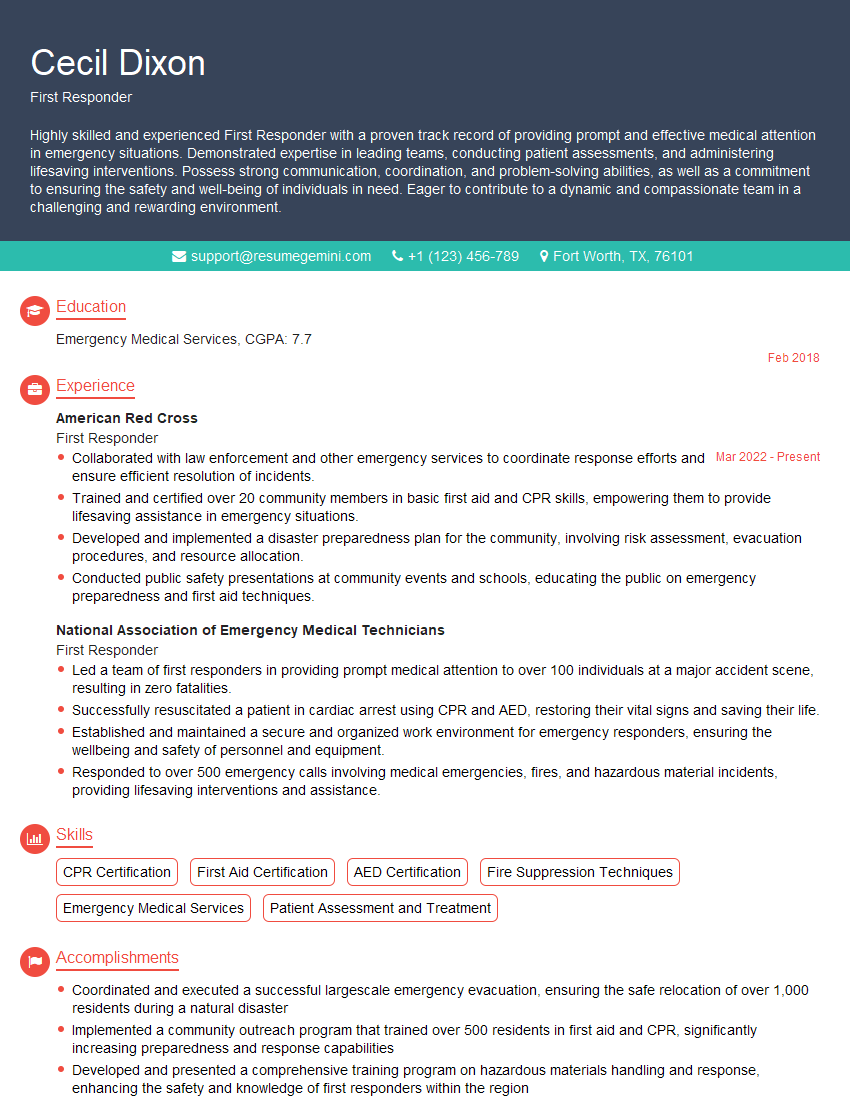
First Responder Resume Sample
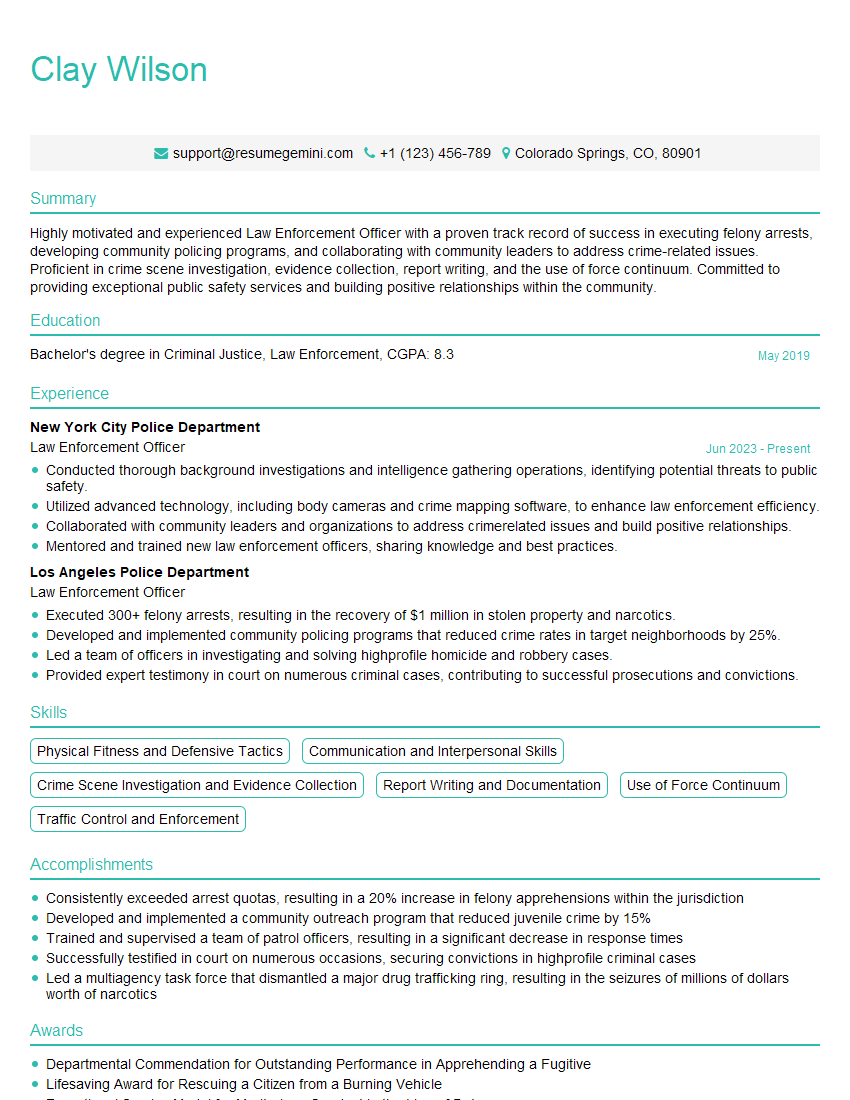
Law Enforcement Officer Resume Sample
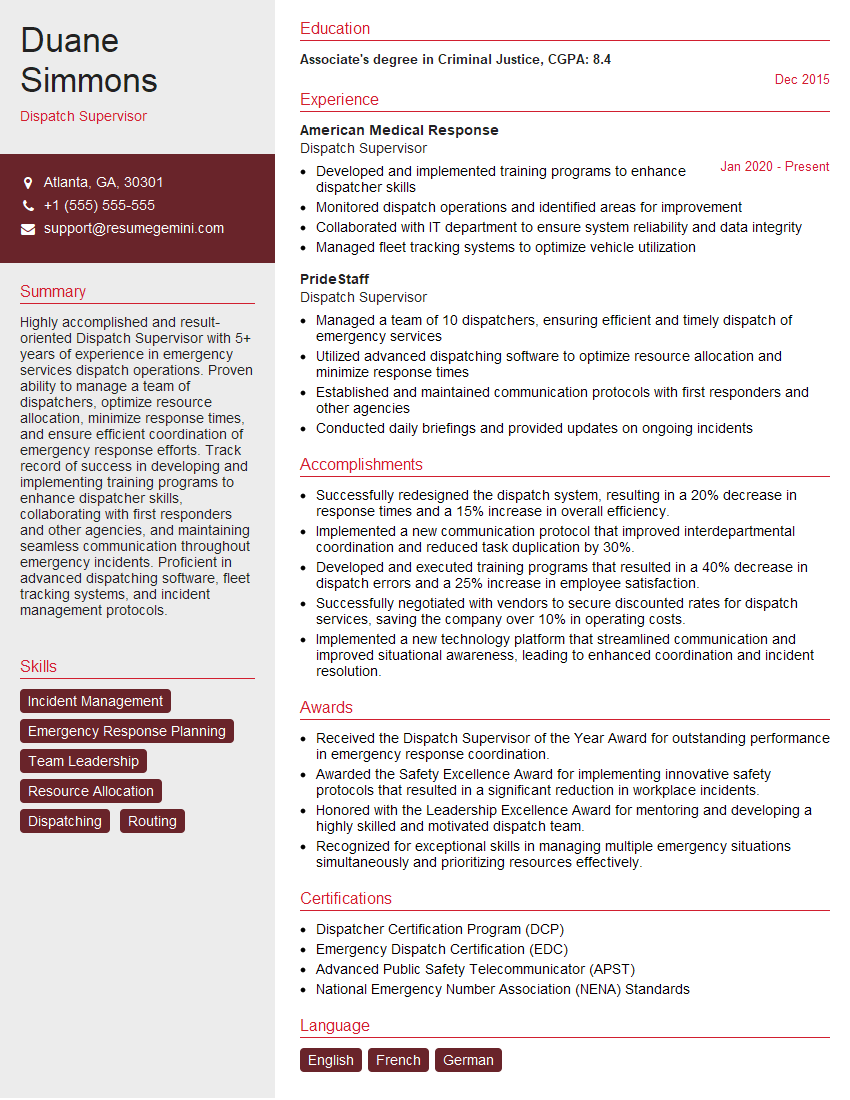
Dispatch Supervisor Resume Sample
Explore more articles
Users Rating of Our Blogs
Share Your Experience
We value your feedback! Please rate our content and share your thoughts (optional).
What Readers Say About Our Blog
good