Unlock your full potential by mastering the most common Ability to work in remote and challenging environments interview questions. This blog offers a deep dive into the critical topics, ensuring you’re not only prepared to answer but to excel. With these insights, you’ll approach your interview with clarity and confidence.
Questions Asked in Ability to work in remote and challenging environments Interview
Q 1. Describe your experience working remotely. What tools and technologies did you utilize?
My remote work experience spans over five years, encompassing various roles requiring seamless collaboration and independent task management. I’ve consistently utilized a suite of tools to facilitate this. For communication, I rely heavily on Slack for instant messaging, Microsoft Teams for project management and video conferencing, and email for formal correspondence. For project management, I’ve used Jira and Asana to track progress, assign tasks, and manage deadlines. For file sharing and collaboration, I’ve extensively used Google Drive and Dropbox, ensuring version control and accessibility for team members. Finally, I use Zoom for video conferencing and screen sharing, critical for brainstorming and collaborative problem-solving.
For example, during my work on Project X, a geographically dispersed team relied on these tools to manage the development of a new software module. The use of Jira provided a central hub for task allocation, progress updates, and issue tracking, while Slack facilitated swift communication for quick questions and updates.
Q 2. How do you manage your time effectively in a remote work environment?
Effective time management in a remote setting is crucial. I employ a blend of techniques, including time blocking, prioritization, and the Pomodoro Technique. Time blocking involves scheduling specific tasks for designated time slots, promoting focus and preventing task-switching. Prioritization uses methods like the Eisenhower Matrix (urgent/important) to focus on high-impact activities. The Pomodoro Technique involves working in focused bursts (e.g., 25 minutes) followed by short breaks, optimizing productivity and preventing burnout. I also utilize task management tools like Asana and Todoist to visually organize my workload and track progress.
For instance, I might block out two hours on Monday morning for writing a technical report, followed by an hour for responding to emails, ensuring dedicated time for each task. This structured approach minimizes distractions and maximizes efficiency.
Q 3. How do you stay motivated and productive when working independently?
Maintaining motivation and productivity when working independently requires proactive strategies. Setting clear, achievable goals, breaking down larger tasks into smaller, manageable chunks, and regularly reviewing progress helps build momentum. I also incorporate regular breaks to avoid burnout, ensuring I step away from my workspace to recharge. Furthermore, I actively seek opportunities for professional development and stay connected with my colleagues through virtual team meetings and informal online interactions. Maintaining a dedicated workspace, free from distractions, significantly contributes to focus.
To illustrate, I set daily, weekly, and monthly goals aligned with my overall project objectives. Breaking these down into smaller tasks provides a sense of accomplishment as each task is completed, bolstering motivation. Regular communication with my team also maintains a sense of connection and shared purpose.
Q 4. Describe a situation where you had to overcome a technical challenge while working remotely.
During a remote project involving a complex database migration, we encountered unexpected errors that caused significant data loss. Working remotely, immediate access to colleagues for in-person debugging was impossible. I first systematically documented the error messages and attempted various troubleshooting steps based on my prior experience with similar issues. However, the problem persisted. I then leveraged the debugging tools within our development environment and created detailed logs to pinpoint the exact source of the error. This involved remotely accessing the server using SSH and analyzing the logs. We utilized screen sharing during a virtual team meeting to collaborate on the code review and troubleshooting process. After several hours of collaborative debugging, we identified a subtle coding error in a specific database query that was causing the issue. This highlights the importance of effective collaboration tools and clear communication when troubleshooting remotely.
Q 5. How do you ensure clear and effective communication with remote colleagues?
Clear and effective communication with remote colleagues is paramount. I prioritize regular and proactive communication, leveraging various channels depending on the context. For quick questions, I use instant messaging platforms like Slack. For updates and more formal communication, I rely on email. For complex discussions or collaborative work, I utilize video conferencing with screen sharing. I ensure my communication is concise, well-organized, and avoids jargon, making it easily understood by everyone. I also schedule regular team meetings to stay synchronized on progress and address any concerns.
For example, before starting a new task, I send a concise email outlining my approach and anticipated timeline, seeking feedback if needed. This proactive communication prevents misunderstandings and ensures everyone is on the same page.
Q 6. How do you handle conflict resolution in a remote team setting?
Conflict resolution in a remote team requires a nuanced approach. I believe in addressing conflicts promptly and directly, favoring open and honest communication. I prefer using video conferencing to facilitate a discussion, ensuring all parties feel heard and understood. I encourage active listening and strive to understand each person’s perspective before suggesting solutions. I focus on finding mutually agreeable solutions that address the root cause of the conflict, documenting the agreed-upon steps to prevent future recurrence. If the conflict is complex or involves multiple stakeholders, I might initiate a structured mediation process.
In one instance, a disagreement arose about the best approach to a coding task. Using video conferencing, we calmly discussed each person’s reasoning. By actively listening, we uncovered a misunderstanding of project requirements. We then collaboratively redefined the task scope and finalized the approach, successfully resolving the conflict and strengthening team collaboration.
Q 7. Have you ever worked in a challenging or unpredictable environment? Describe the situation and your response.
During a project in a remote mountainous region with limited internet access and challenging weather conditions, I had to adapt quickly. The unpredictable weather impacted our ability to maintain consistent communication. We preemptively prepared for potential disruptions by developing a backup communication plan using satellite phones. We also established contingency measures for data storage and backup, using cloud storage with offline synchronization capabilities. The project timeline had to be adjusted to accommodate weather delays, and we communicated the updates regularly to stakeholders. We prioritized safety and flexibility, adjusting our work schedules as needed. We successfully completed the project on time despite the challenging environment, demonstrating adaptability and problem-solving skills in unpredictable situations.
Q 8. How do you adapt to unexpected changes or disruptions in your work?
Adapting to unexpected changes is crucial in any role, especially in remote and challenging environments. My approach involves a three-step process: Assess, Adapt, and Act. First, I calmly assess the situation, identifying the impact of the disruption and gathering all relevant information. This might involve checking communication channels, consulting project documentation, or reaching out to colleagues for clarification. Second, I adapt my plan, prioritizing tasks based on urgency and impact. This could mean re-allocating resources, adjusting timelines, or seeking alternative solutions. Finally, I act decisively, implementing the revised plan and proactively communicating any changes to stakeholders. For example, during a recent project, a key software update unexpectedly caused a system failure. I quickly assessed the issue, found a workaround using a backup system documented in our project wiki, and communicated the temporary solution to the team, minimizing downtime.
Q 9. How do you prioritize tasks when working independently and managing multiple projects?
Prioritizing tasks when working independently on multiple projects requires a structured approach. I utilize a combination of techniques, including the Eisenhower Matrix (urgent/important), task management software (like Trello or Asana), and time blocking. The Eisenhower Matrix helps categorize tasks, allowing me to focus on high-impact, urgent items first. Task management software provides a visual representation of my workload, allowing me to track progress and re-prioritize as needed. Time blocking dedicates specific time slots to particular projects, ensuring focused work periods. For instance, I might allocate Monday mornings to Project A, Tuesday afternoons to Project B, and Wednesday mornings for administrative tasks. This structured approach ensures that I consistently address high-priority items while maintaining steady progress across all my projects.
Q 10. Describe your experience working with diverse teams in different time zones.
I have extensive experience collaborating with diverse teams across multiple time zones. Effective communication is paramount. I utilize asynchronous communication tools like Slack and email for updates and discussions, ensuring everyone has access to information regardless of their location or availability. For synchronous communication, I schedule meetings at times convenient for the majority of the team, often using tools that allow for recording sessions for those who couldn’t attend live. I also make a conscious effort to understand and respect different communication styles and cultural nuances, fostering an inclusive and collaborative environment. For example, during a project involving a team in the US, Europe, and Asia, I utilized a project management tool with a centralized calendar and task assignment features, ensuring transparency and minimizing confusion due to time zone differences.
Q 11. How do you maintain work-life balance while working remotely?
Maintaining work-life balance while working remotely requires conscious effort and discipline. I establish clear boundaries between work and personal life. This includes designating a specific workspace, setting regular working hours, and strictly adhering to them as much as possible. I also schedule regular breaks throughout the day and prioritize activities that help me relax and de-stress, such as exercise, spending time with loved ones, or pursuing hobbies. Additionally, I leverage technology to my advantage. I use tools to schedule and manage my tasks to avoid overwork, and I often use Do Not Disturb features to minimize distractions and maintain focus during dedicated work hours. This is similar to the compartmentalization strategy used in project management; treating work and personal time as separate, yet equally important, projects.
Q 12. How do you overcome feelings of isolation when working remotely?
Combating feelings of isolation while working remotely requires proactive measures. I schedule regular virtual coffee breaks or informal chats with colleagues to maintain social connections. I also participate in online communities or forums related to my field to connect with professionals and learn from others. Additionally, I make a conscious effort to engage in non-work-related activities that allow me to interact with people outside of my immediate team. This might involve joining a local sports club, volunteering, or simply spending more time with friends and family. It’s important to remember that feeling connected is crucial for maintaining mental wellbeing and productivity while working remotely.
Q 13. What strategies do you use to stay organized and manage your workload in a remote environment?
Staying organized in a remote environment is crucial for effective workload management. I rely on a combination of digital and physical tools. My digital tools include task management software (like Asana or Todoist), cloud storage (like Google Drive or Dropbox), and a calendar app for scheduling meetings and appointments. Physically, I maintain a clean and organized workspace, which helps me stay focused and productive. I also utilize techniques such as the Pomodoro Technique – working in focused bursts with short breaks – to enhance concentration and avoid burnout. Finally, regular review and adjustment of my to-do list and calendar are essential to keep my workflow efficient and adaptable to changing priorities.
Q 14. Describe a time you had to troubleshoot a technical problem without on-site support.
During a remote project, our server experienced an unexpected outage. Without on-site support, I systematically troubleshot the problem. I first checked the server logs for error messages, which indicated a network connectivity issue. Then, I remotely accessed the router to check its configuration and found a misconfigured firewall rule blocking the necessary ports. After correcting the rule, I restarted the server and successfully restored connectivity. This experience highlighted the importance of comprehensive documentation, remote access capabilities, and a methodical problem-solving approach when working in remote environments. The systematic approach, mirroring the scientific method, allowed me to isolate and resolve the problem without on-site intervention.
Q 15. How do you ensure data security and confidentiality when working remotely?
Data security and confidentiality are paramount when working remotely. My approach is multi-layered, focusing on preventative measures and proactive monitoring. This includes adhering strictly to company security policies, utilizing strong, unique passwords and multi-factor authentication for all company accounts. I always use company-approved VPNs to encrypt my connection, ensuring all data transmitted is protected from interception. For sensitive data, I exclusively use encrypted channels and file-sharing platforms.
Furthermore, I’m diligent about keeping my software up-to-date with the latest security patches and regularly run malware scans. I’m also trained in recognizing and avoiding phishing attempts and other social engineering tactics. Think of it like guarding a valuable asset; multiple layers of protection are crucial.
For instance, during a previous project involving client-sensitive financial data, I strictly adhered to our organization’s data encryption policy, employing end-to-end encryption for all data transfers and storage. This meticulous approach ensured data confidentiality even in a remote environment.
Career Expert Tips:
- Ace those interviews! Prepare effectively by reviewing the Top 50 Most Common Interview Questions on ResumeGemini.
- Navigate your job search with confidence! Explore a wide range of Career Tips on ResumeGemini. Learn about common challenges and recommendations to overcome them.
- Craft the perfect resume! Master the Art of Resume Writing with ResumeGemini’s guide. Showcase your unique qualifications and achievements effectively.
- Don’t miss out on holiday savings! Build your dream resume with ResumeGemini’s ATS optimized templates.
Q 16. How do you proactively identify and mitigate potential risks in a remote work setting?
Proactive risk mitigation in a remote setting requires a proactive and systematic approach. I start by identifying potential vulnerabilities – these could be anything from insecure Wi-Fi networks to potential cyber threats. I then develop and implement strategies to address these risks. This often involves regularly updating my security software, being cautious about the websites and emails I interact with, and reporting any suspicious activity immediately.
A key element is risk assessment. For example, before accessing sensitive data on a public Wi-Fi network, I would first assess the security measures in place and, if necessary, use a VPN to create a secure connection. I also frequently review security best practices and attend relevant training sessions to stay informed about emerging threats and countermeasures. This proactive approach allows me to anticipate potential problems and prevent them before they occur, rather than reacting to them after the fact.
During a project involving remote access to a company server, I identified a potential vulnerability in our network firewall. By immediately reporting this to the IT department, we prevented a potential security breach.
Q 17. Describe your experience working in a high-pressure environment.
I thrive in high-pressure environments. In my previous role, I was part of a team responsible for launching a new product within an extremely tight deadline. The pressure was intense, with long hours and constant adjustments to meet evolving requirements. I managed this by prioritizing tasks effectively, focusing on delivering the most critical aspects first. I also maintained clear and consistent communication with my team members to ensure we were all aligned and working towards the same goal.
I leveraged project management methodologies, such as Agile, to track progress, identify roadblocks, and adjust our approach as needed. Breaking down the project into smaller, manageable tasks helped to prevent feelings of being overwhelmed. Effective time management and clear communication were key to our success. The ability to remain calm under pressure and maintain a positive attitude is crucial in these situations. We successfully launched the product on time and to a high standard.
Q 18. How do you handle criticism and feedback constructively?
Constructive criticism is invaluable for professional growth. I view feedback not as a personal attack but as an opportunity for improvement. My approach involves actively listening to the feedback, asking clarifying questions to understand the perspective fully, and reflecting on the points raised. I then identify specific areas where I can improve and create a plan to address them.
For instance, if I receive feedback on a report indicating a lack of clarity, I would carefully review the report, focusing on improving the structure and language to enhance its readability. I would also seek further guidance from my supervisor or mentor on how to refine my writing style for greater impact. I see criticism as a chance to enhance my skills and refine my approach; I view it as a collaborative process focused on improving performance.
Q 19. How do you learn new technologies and adapt to evolving industry trends?
The technology landscape is constantly evolving, requiring continuous learning and adaptation. My approach is multi-faceted. I leverage online learning platforms like Coursera and edX to acquire new skills relevant to my field. I actively participate in online communities and forums dedicated to specific technologies, engaging with other professionals and staying abreast of the latest trends.
I also regularly attend webinars and conferences to network and learn from industry experts. Furthermore, I embrace hands-on experience. Whenever I encounter a new technology, I actively seek opportunities to use it in a practical context, even if it’s a small project. For example, when our team transitioned to a new project management software, I dedicated time to explore its features and functionalities, experimenting with different workflow configurations.
Q 20. How do you stay updated with company news and announcements while working remotely?
Staying updated on company news and announcements remotely requires a proactive approach. I regularly check the company intranet, email, and any designated communication platforms, such as Slack or Microsoft Teams. I also ensure my contact information is up-to-date so I receive all important notifications.
I make a conscious effort to attend virtual team meetings and participate actively in online discussions. This helps me not only stay informed but also participate in shaping the company’s direction and contribute my expertise. I view staying informed as a critical part of being a productive and engaged team member, regardless of location.
Q 21. How do you contribute to a positive and collaborative team culture in a remote setting?
Contributing to a positive and collaborative team culture remotely requires conscious effort and deliberate strategies. I regularly participate in virtual team-building activities, making an effort to get to know my colleagues on a personal level. I proactively share my knowledge and expertise with others, helping colleagues where I can, and actively participate in brainstorming sessions and online discussions.
I believe in clear and consistent communication; I promptly respond to emails and messages, and I actively participate in online discussions. I value empathy and actively listen to my colleagues’ perspectives, creating a supportive environment where everyone feels heard and respected. Building trust and rapport virtually requires intentionality, and consistent effort is key to maintaining a strong team culture irrespective of geographical location.
Q 22. Describe a situation where you had to work independently to solve a complex problem.
During a remote deployment to a remote research station in the Arctic, we experienced a critical failure in our primary data acquisition system. The nearest technical support was thousands of miles away, and satellite communication was intermittent and unreliable. I was the only engineer on-site with the necessary expertise to diagnose and solve the problem. I began by systematically troubleshooting the system, using the limited documentation and my knowledge of the system’s architecture. This involved checking power supplies, network connectivity, and individual system components. Through rigorous testing and log analysis, despite the limitations of the remote location, I discovered a faulty sensor causing a cascading failure. I then devised a workaround by modifying the data acquisition software to bypass the faulty sensor. This temporary solution allowed us to continue critical data collection until a replacement sensor could be shipped and installed (many weeks later). The experience reinforced my ability to remain calm under pressure and effectively utilize available resources, even in extremely challenging circumstances to successfully resolve a complex technical problem autonomously.
Q 23. How do you manage your personal well-being while working in a demanding environment?
Maintaining well-being in demanding remote environments is paramount, and I employ a multi-faceted approach. Firstly, I prioritize physical health through regular exercise – even a simple routine in a limited space can make a significant difference. Secondly, I make sure to maintain regular sleep patterns and a balanced diet, even with limited food options. Thirdly, I incorporate mindfulness and stress-reduction techniques such as meditation or deep breathing exercises into my daily routine. These help to manage the pressure and enhance mental resilience. Fourthly, I ensure I maintain regular communication with family and friends back home to avoid feelings of isolation. Finally, setting clear boundaries between work and personal life, even in a remote setting, is crucial. This might involve designating specific work hours and sticking to them, making time for hobbies, and avoiding work-related tasks outside of those designated periods.
Q 24. How do you handle situations where you have limited resources or support?
Resource scarcity is a common challenge in remote work, especially in challenging environments. My approach is systematic and proactive. I first identify the most critical needs and prioritize them. Then, I explore creative solutions – this might involve finding alternative resources, repurposing existing equipment, or seeking assistance from unexpected sources. For example, during a field study in a remote rainforest, when we ran out of essential testing supplies, I contacted local communities for help and was able to source alternative materials that worked just as effectively. Furthermore, I meticulously document all workarounds and resource utilization, to learn from any constraints and identify future improvement opportunities. I find it vital to communicate resource limitations early to relevant stakeholders to collaboratively brainstorm solutions. In this way, I successfully mitigate resource limitations and achieve project goals even under adverse conditions.
Q 25. Describe your experience managing your own schedule and deadlines in a remote work setting.
Managing my schedule effectively in a remote setting requires discipline and strategic planning. I begin by creating a detailed daily and weekly plan, outlining tasks, deadlines, and time allocations for each activity. I utilize project management tools like Trello or Asana to track progress and ensure accountability. I also dedicate specific times for focused work, minimizing distractions, and incorporating regular breaks to maintain concentration. This structured approach ensures I meet deadlines consistently, even when working independently in a geographically remote location. Regular review and adjustment of my schedule are also essential to adapt to changing demands and ensure continued efficiency.
Q 26. How do you stay connected and build relationships with colleagues in a virtual environment?
Building and maintaining relationships in a virtual environment necessitates proactive effort. I rely heavily on regular communication using various tools – video conferencing for team meetings and informal check-ins, instant messaging for quick updates and collaborative problem-solving, and email for formal communications. I also make a conscious effort to participate in virtual social events organized by the team, to foster a sense of camaraderie and shared experience. In addition, I find that proactively sharing updates on my work and progress, using platforms like project management tools or shared documents, helps keep my colleagues informed and engaged. The key is to be consistently communicative and participatory, mirroring the natural interactions of a co-located team as closely as possible.
Q 27. How do you measure your success and productivity when working remotely?
Measuring success and productivity remotely requires a shift from simply tracking hours worked to focusing on measurable outcomes. I establish clear Key Performance Indicators (KPIs) aligned with project goals. This could be the number of reports completed, the successful implementation of a particular technique, or the achievement of specified milestones. I track these KPIs regularly, using spreadsheets, dashboards, or project management tools, to monitor my progress and identify areas for improvement. Regular feedback sessions with my supervisor, even remotely, also provide a crucial check on my performance and help ensure alignment with overall project goals. This outcome-based approach ensures that my productivity is effectively measured, regardless of the remote location.
Q 28. How do you deal with distractions and interruptions in a remote work environment?
Managing distractions in a remote setting is crucial for maintaining focus and productivity. My strategy involves creating a dedicated workspace free from interruptions, and communicating clear boundaries with family members or housemates. I also utilize productivity techniques such as the Pomodoro Technique (working in focused bursts with short breaks) to maintain concentration. Technology plays a key role; I use website blockers to limit access to distracting sites and utilize notification management tools to minimize interruptions from email or messaging applications. Finally, I regularly schedule breaks for physical activity or mindfulness exercises to refresh my mind and prevent burnout. A proactive approach to managing distractions is key to maximizing my effectiveness in a remote environment.
Key Topics to Learn for Ability to Work in Remote and Challenging Environments Interview
- Effective Communication in Remote Settings: Mastering asynchronous communication, utilizing various tools (email, instant messaging, project management software), and actively seeking clarity to avoid misunderstandings.
- Time Management and Self-Discipline: Strategies for prioritizing tasks, setting realistic goals, overcoming distractions, and maintaining productivity without direct supervision. Practical application: Describe a project where you successfully managed your time independently and met deadlines in a remote setting.
- Problem-Solving and Resourcefulness: Demonstrating initiative in troubleshooting technical issues, seeking solutions independently, and escalating problems effectively when needed. Consider examples showcasing your ability to find creative solutions with limited resources.
- Adaptability and Resilience: Discussing experiences navigating unexpected challenges, adjusting to changing priorities, and maintaining a positive attitude in stressful situations. Highlight instances where you adapted to unforeseen circumstances successfully.
- Collaboration and Teamwork in a Virtual Environment: Sharing strategies for effective collaboration using virtual tools, contributing positively to team dynamics, and maintaining strong working relationships remotely. Provide examples of successful teamwork in a remote or challenging context.
- Maintaining Work-Life Balance: Showcasing strategies for managing workload, avoiding burnout, and prioritizing personal well-being while working remotely. Discuss healthy boundaries and self-care practices.
- Security and Confidentiality in Remote Work: Understanding and adhering to company policies regarding data security and confidentiality, especially in remote work environments. Demonstrate your awareness of best practices.
Next Steps
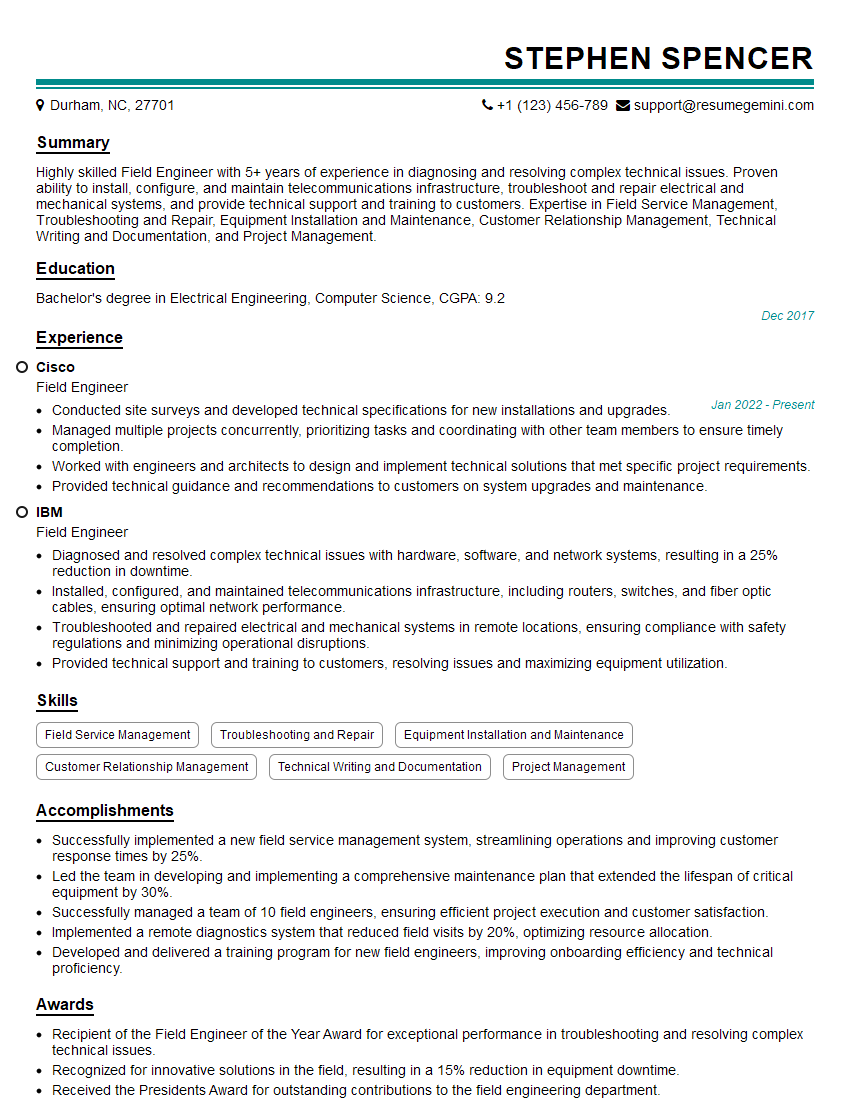
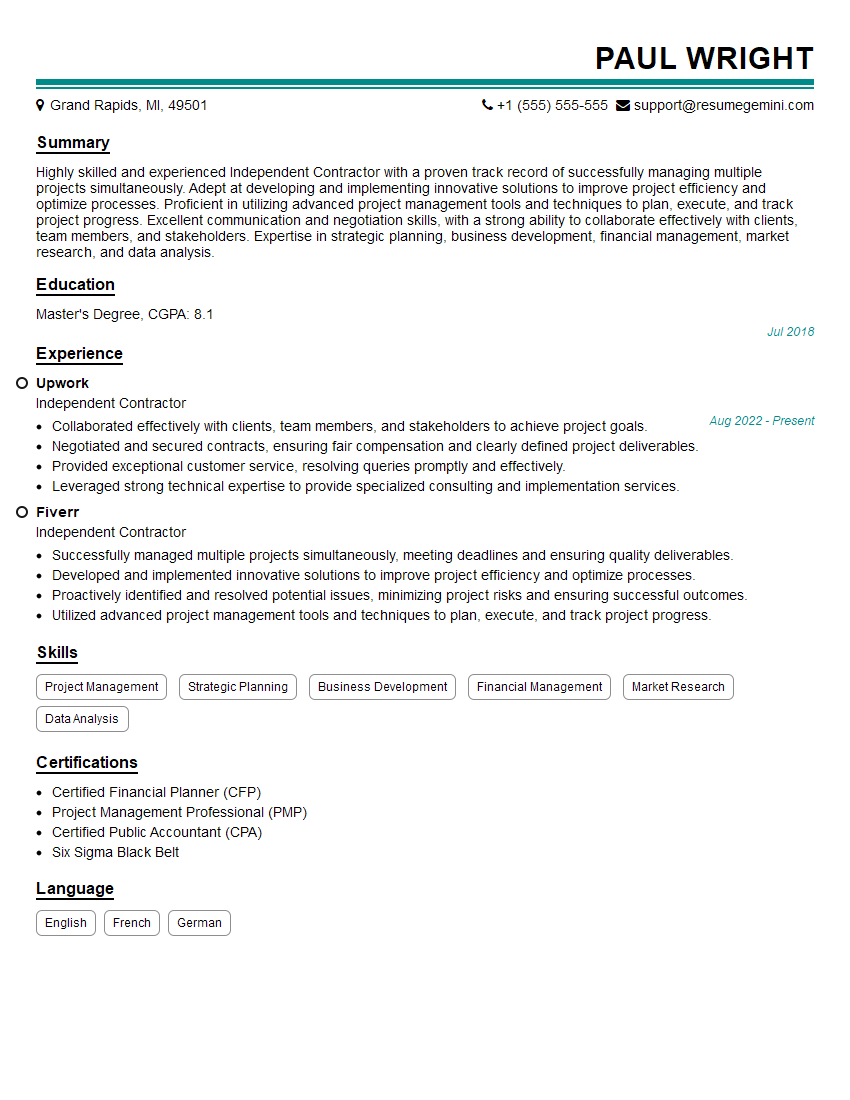
Mastering the ability to work effectively in remote and challenging environments is crucial for career advancement in today’s dynamic workplace. Many roles now require these skills, making them highly sought after by employers. To significantly boost your job prospects, it’s vital to create an ATS-friendly resume that showcases these abilities clearly and concisely. ResumeGemini is a trusted resource that can help you build a professional and impactful resume tailored to highlight your strengths in this area. Examples of resumes tailored to emphasize your ability to work in remote and challenging environments are available within ResumeGemini to further guide your preparation.
Explore more articles
Users Rating of Our Blogs
Share Your Experience
We value your feedback! Please rate our content and share your thoughts (optional).
What Readers Say About Our Blog
Very informative content, great job.
good