Feeling uncertain about what to expect in your upcoming interview? We’ve got you covered! This blog highlights the most important Ability to Work Independently or in a Team interview questions and provides actionable advice to help you stand out as the ideal candidate. Let’s pave the way for your success.
Questions Asked in Ability to Work Independently or in a Team Interview
Q 1. Describe a situation where you had to work independently to solve a complex problem.
Working independently effectively requires strong self-discipline, proactive planning, and a systematic approach to problem-solving. I recall a project where I was tasked with optimizing the performance of a legacy database system. This involved analyzing complex queries, identifying bottlenecks, and implementing performance improvements. The project was assigned solely to me due to its specialized nature and time constraints.
My approach was methodical. First, I conducted a thorough performance audit using various profiling tools, meticulously documenting query execution times and resource utilization. I then prioritized optimization based on the impact of each query on overall system performance. This involved rewriting inefficient queries, adding indexes strategically, and implementing caching mechanisms. Throughout the process, I maintained detailed logs and regularly reviewed my progress against the defined performance goals. The successful completion of this project demonstrated my ability to manage a complex, independent undertaking with a high degree of autonomy and efficiency.
Q 2. How do you prioritize tasks when working on multiple projects simultaneously?
Prioritizing tasks across multiple projects requires a structured approach. I typically use a combination of methods, including the Eisenhower Matrix (urgent/important), and a weighted prioritization system based on project deadlines, impact, and dependencies.
For instance, I might assign weights to different tasks based on their impact on overall project success. A task with a higher weight and imminent deadline would naturally take precedence. I utilize project management tools to track progress and deadlines for all projects and utilize visual aids like Kanban boards to visually represent my workflow. Regularly reviewing and re-prioritizing tasks is crucial, adapting to changing circumstances and unexpected delays.
Q 3. Describe your preferred method for communicating with team members.
My preferred communication style is open, proactive, and tailored to the context. I believe in clear and concise communication, whether it’s a quick email update, a detailed report, or a face-to-face discussion. For quick updates, I favour instant messaging or email; for complex issues, I prefer video conferencing or in-person meetings. This allows me to ensure everyone is aligned, fostering a collaborative environment.
I am also a firm believer in active listening and providing timely feedback. I strive to be responsive to inquiries and provide necessary clarifications promptly. Transparency is also key to maintain trust and streamline workflows.
Q 4. Have you ever had to adapt your work style to accommodate a team member’s different approach?
Adaptability is vital for effective teamwork. I remember a project where a team member preferred a highly detailed, step-by-step approach, contrasting with my more holistic, results-oriented method. Instead of imposing my preferred style, I took the time to understand their approach. We discussed the goals, ensuring we remained aligned. I adjusted my communication to include more detailed progress reports and provided more frequent updates. This collaborative approach enhanced our communication, leading to successful project completion.
Q 5. How do you handle disagreements within a team setting?
Disagreements are inevitable in teamwork. My approach is to address them constructively through respectful discussion and open communication. I prioritize understanding the other person’s perspective, listening actively, and focusing on finding common ground. If the disagreement impacts project goals, I suggest a structured approach involving outlining the problem, exploring potential solutions collaboratively, and ultimately reaching a consensus that benefits the team and the project.
Q 6. Describe a time you identified a problem within a team and proposed a solution.
In a previous team, I noticed a recurring delay in the testing phase, consistently pushing back project deadlines. By analyzing the workflow, I identified a bottleneck in the test case creation process. The team relied on a manual, time-consuming method. I proposed a solution: implementing an automated test case generation tool. This not only sped up the testing phase but also reduced errors. The adoption of my solution significantly improved our team’s efficiency and met project deadlines consistently.
Q 7. How do you ensure your independent work aligns with overall team goals?
Aligning independent work with team goals requires proactive communication and a deep understanding of the team’s overall objectives. I regularly communicate with my team lead and relevant stakeholders to ensure my work is aligned with the project roadmap and contributes to overall success. I also proactively seek feedback on my work, making adjustments as needed to ensure consistency with the team’s direction.
For example, I might regularly check the project management system to track progress against milestones, ensure that my work is on schedule and that any potential roadblocks are identified and addressed promptly. Open communication and a collaborative spirit are essential for successful integration of individual contributions within a larger team effort.
Q 8. How do you stay organized and manage your time effectively when working independently?
Working independently requires a structured approach to organization and time management. Think of it like building a house – you need a blueprint before you start laying bricks. My strategy involves several key components:
Detailed Planning: Before starting any project, I break it down into smaller, manageable tasks. I use tools like Trello or Asana to create task lists, assign deadlines, and track progress. This prevents feeling overwhelmed and ensures I stay focused.
Prioritization: I prioritize tasks based on urgency and importance using methods like the Eisenhower Matrix (urgent/important). This ensures that critical tasks are addressed first.
Time Blocking: I allocate specific time blocks for particular tasks in my day. For example, I might dedicate two hours in the morning to focused writing and another hour in the afternoon to reviewing data. This minimizes context switching and maximizes productivity.
Regular Review and Adjustment: I regularly review my progress and adjust my schedule as needed. Flexibility is crucial; unforeseen challenges may arise, and adapting my plan helps me stay on track.
For example, during a recent independent research project, I used a detailed project timeline broken down into weekly sprints. Each sprint had specific objectives and deliverables, allowing me to track my progress effectively and identify any potential roadblocks early on.
Q 9. How do you handle interruptions when focusing on independent work?
Interruptions are the bane of independent work, but effective strategies can minimize their impact. It’s like trying to bake a cake – you can’t expect a perfect result if someone keeps opening the oven door. My approach is threefold:
Dedicated Workspace: I work in a designated space free from distractions, communicating my need for uninterrupted time to colleagues and family. This creates a psychological boundary that signals ‘focus time.’
Communication Management: I inform people of my availability, either through scheduled ‘focus hours’ or using ‘Do Not Disturb’ features on communication platforms. Clear communication prevents unnecessary interruptions.
Mindful Breaks: I incorporate short, planned breaks into my work schedule to refresh my mind. These breaks allow me to briefly check emails or respond to urgent messages without losing my train of thought on the main task.
In a previous role, I successfully implemented ‘focus Fridays,’ where I communicated my need for minimal interruption to my team and focused solely on high-priority tasks. This significantly increased my productivity and reduced my stress levels.
Q 10. Describe your experience using collaborative tools (e.g., Slack, Microsoft Teams).
I have extensive experience with collaborative tools like Slack, Microsoft Teams, and Google Workspace. These tools are vital for effective teamwork, acting as the central nervous system of a team’s communication and workflow.
Slack: I use Slack for quick communication, file sharing, and team announcements. I appreciate its channel organization, allowing me to easily manage different projects and conversations separately.
Microsoft Teams: I find Teams particularly useful for video conferencing, document co-authoring, and integrating other applications. The ability to share screens and work on documents simultaneously is invaluable for collaborative projects.
Google Workspace: Google Docs, Sheets, and Slides are incredibly helpful for collaborative writing, data analysis, and presentations. Real-time co-editing features allow for seamless teamwork.
In a previous project, our team utilized Microsoft Teams extensively for daily stand-up meetings, real-time document editing, and file sharing. This proved invaluable in coordinating our efforts and maintaining transparency.
Q 11. How do you contribute to a positive team environment?
Contributing to a positive team environment involves being a supportive and engaged team member. It’s like being part of an orchestra – each musician needs to play their part harmoniously to create beautiful music. My contributions include:
Open Communication: I actively participate in team discussions, share my ideas openly, and listen respectfully to others’ perspectives.
Collaboration and Support: I actively assist teammates when they need help and celebrate their successes. Teamwork isn’t just about individual contributions; it’s about mutual support.
Positive Attitude: I maintain a positive and optimistic attitude, even during challenging times. A positive mindset is contagious and helps create a supportive team environment.
Respectful Interactions: I treat all team members with respect, valuing diversity of thought and experience.
For example, in a past project, I noticed a team member struggling with a particular aspect of the work. I offered my assistance, sharing my expertise and helping them overcome the challenge. This not only helped the team member but also strengthened our collaborative bond.
Q 12. How do you provide constructive feedback to team members?
Providing constructive feedback is crucial for team growth, but it needs to be delivered thoughtfully. It’s like guiding a plant – you need to provide the right nutrients and support for it to thrive. My approach focuses on:
Specificity: I focus on specific behaviors or outcomes rather than making general criticisms. Instead of saying ‘Your work is sloppy,’ I’d say ‘The formatting inconsistencies in this report make it difficult to read. Let’s review the style guide together.’
Balance: I balance positive feedback with areas for improvement. Highlighting strengths before addressing weaknesses makes the feedback more receptive.
Focus on Solutions: I suggest concrete solutions or improvements, rather than simply pointing out problems. This fosters a collaborative problem-solving approach.
Private Setting: I deliver feedback privately to avoid embarrassing the recipient or creating conflict within the team.
In a past project, I provided feedback to a colleague on their presentation skills, offering specific suggestions on how to improve their visual aids and delivery. They were receptive to my feedback and implemented the suggestions, resulting in a much improved final presentation.
Q 13. How do you handle constructive criticism from team members?
Constructive criticism is a valuable tool for self-improvement. It’s like receiving a performance review – it can be challenging, but it’s crucial for professional development. My response to criticism involves:
Active Listening: I listen carefully to the feedback without interrupting, ensuring I fully understand the points being made.
Self-Reflection: I reflect on the criticism and consider its validity. Is there merit to the feedback? What can I learn from this?
Seeking Clarification: If anything is unclear, I ask clarifying questions to ensure I fully grasp the feedback.
Actionable Steps: I identify actionable steps to address the criticism and improve my performance.
In a previous situation, I received feedback that my communication style was sometimes too direct. I reflected on this, acknowledging that it could be perceived negatively. I then made a conscious effort to be more mindful of my tone and phrasing, resulting in more positive interactions with my colleagues.
Q 14. Describe a time you had to delegate tasks within a team.
Delegation is a crucial skill for effective team leadership. It’s about empowering others and maximizing team efficiency – like a conductor leading an orchestra, ensuring each section plays their part optimally.
In a previous project, we were tasked with launching a new product within a tight deadline. The project involved several tasks: market research, product development, marketing materials creation, and website updates. I delegated tasks based on team members’ skills and strengths.
Market Research: This was assigned to a team member with strong analytical skills and experience in market research.
Product Development: This was assigned to the team member with the most technical expertise.
Marketing Materials: This task went to the team member with experience in graphic design and marketing.
Website Updates: This was delegated to the team member most familiar with our website’s content management system.
I provided clear instructions, deadlines, and support to each team member. Regular check-ins were implemented to ensure progress and address any roadblocks. This delegation strategy resulted in the successful and timely launch of the product, demonstrating the effectiveness of assigning tasks based on individual strengths.
Q 15. How do you build rapport and trust with team members?
Building rapport and trust with team members is crucial for effective collaboration. It’s about fostering a sense of mutual respect, understanding, and shared purpose. I approach this by actively listening to my colleagues, understanding their perspectives, and acknowledging their contributions. I believe in open and honest communication, sharing both successes and challenges transparently. I also make a point of getting to know my teammates on a personal level, discovering their interests and strengths outside of work. This helps create a more relaxed and collaborative atmosphere. For example, I once organized informal team lunches to encourage informal interactions and relationship building. This simple act helped significantly improve communication and collaboration within the team.
- Active Listening: Paying close attention to what others say, both verbally and nonverbally.
- Open Communication: Sharing information freely and honestly.
- Empathy: Trying to understand others’ perspectives and feelings.
- Mutual Respect: Valuing everyone’s contributions and opinions.
- Shared Goals: Working towards common objectives.
Career Expert Tips:
- Ace those interviews! Prepare effectively by reviewing the Top 50 Most Common Interview Questions on ResumeGemini.
- Navigate your job search with confidence! Explore a wide range of Career Tips on ResumeGemini. Learn about common challenges and recommendations to overcome them.
- Craft the perfect resume! Master the Art of Resume Writing with ResumeGemini’s guide. Showcase your unique qualifications and achievements effectively.
- Don’t miss out on holiday savings! Build your dream resume with ResumeGemini’s ATS optimized templates.
Q 16. How do you resolve conflicts that arise due to differing opinions within a team?
Conflict is inevitable in any team environment, especially when diverse perspectives are present. My approach to resolving conflicts focuses on constructive dialogue and finding mutually acceptable solutions. I begin by ensuring everyone feels heard and respected. I facilitate open communication, encouraging each individual to express their concerns and viewpoints without interruption. The goal is not to determine who is ‘right’ but to identify the root cause of the disagreement. Once the underlying issue is clear, we collaboratively brainstorm solutions. I often employ techniques like compromise and mediation, striving for outcomes that meet the needs of all parties involved. For instance, during a project with conflicting priorities, I facilitated a meeting where each team member presented their concerns. We then worked together to prioritize tasks based on project goals and resource availability. This collaborative approach resulted in a revised project plan that addressed everyone’s concerns, leading to a successful project completion.
- Active Listening: Hear everyone’s perspective without judgment.
- Identify Root Cause: Uncover the underlying issue driving the conflict.
- Brainstorm Solutions: Collaboratively explore multiple options.
- Compromise: Find a solution that addresses the needs of all parties involved.
- Mediation: Facilitate the discussion and help guide the team to a resolution.
Q 17. What are your strengths when working independently?
My strengths when working independently include strong self-discipline, meticulous attention to detail, and a high level of self-motivation. I thrive in environments that allow for focused concentration and in-depth problem-solving. I’m capable of managing my time effectively, prioritizing tasks, and meeting deadlines without constant supervision. I’m also adept at conducting thorough research and analysis, something that often requires solitary work. For example, I successfully completed a complex data analysis project independently, meeting a tight deadline by carefully managing my time and focusing my efforts. My ability to work independently is essential to my overall productivity.
Q 18. What are your weaknesses when working independently?
While I excel at independent work, a potential weakness is the risk of isolation and a lack of immediate feedback. Working solely by myself can sometimes lead to a slower progress on projects needing diverse input or cross-functional collaboration. To mitigate this, I proactively seek feedback from colleagues or supervisors at key milestones in the project. I also make a conscious effort to network and communicate regularly with my team to remain connected and avoid becoming isolated.
Q 19. What are your strengths when working in a team?
My strengths in a team setting include strong communication, collaboration, and a willingness to share knowledge and expertise. I believe in contributing actively to team discussions, offering constructive feedback, and supporting my colleagues. I am also adept at coordinating tasks, delegating responsibilities effectively, and ensuring everyone’s contributions are valued. I thrive in collaborative environments where diverse perspectives can be leveraged to achieve a common goal. For example, I played a key role in a cross-functional project, coordinating tasks across different departments, ultimately leading to a successful product launch.
- Collaboration: Working effectively with others to achieve common goals.
- Communication: Clearly and concisely conveying ideas and information.
- Teamwork: Supporting colleagues and contributing to a positive team environment.
- Coordination: Effectively organizing tasks and resources.
- Delegation: Assigning tasks appropriately to team members.
Q 20. What are your weaknesses when working in a team?
One area where I can improve within a team environment is managing conflict among team members. While I’m effective at resolving my own conflicts, I sometimes find it challenging to mediate disagreements between others, particularly when strong personalities clash. I’m actively working on improving my conflict resolution skills through workshops and practice. My aim is to be more effective at facilitating constructive discussions and finding solutions that satisfy all parties involved.
Q 21. Describe a time you successfully mentored or trained a team member.
In a previous role, I mentored a junior team member who was struggling with a particular aspect of data analysis. I noticed she was having difficulty understanding complex statistical concepts. My approach was to create a tailored training plan. I started by breaking down the complex concepts into smaller, easier-to-understand modules. I used visual aids, real-world examples, and hands-on exercises to help her grasp the concepts. We also regularly scheduled one-on-one sessions for her to ask questions and get personalized feedback. Through this targeted mentorship, she improved significantly, ultimately becoming a highly proficient data analyst. This experience highlighted the importance of individualized training and continuous support in fostering professional development within a team.
Q 22. Describe a time you learned from a team member.
Learning from team members is crucial for professional growth. It involves actively seeking feedback, observing different approaches, and understanding diverse perspectives. In one instance, I was part of a software development team tasked with creating a new feature. A colleague, more experienced in agile methodologies, showed me how to effectively utilize Kanban boards to visualize workflow and track progress. This not only improved our team’s efficiency but also significantly enhanced my understanding of project management techniques. I subsequently adopted this methodology in my independent projects, resulting in better organization and time management.
Q 23. How do you manage your workload when working both independently and as part of a team?
Managing workload across independent and team projects requires effective prioritization and time management. I use a combination of techniques, including creating detailed to-do lists, setting realistic deadlines for individual tasks, and utilizing project management software. When working independently, I focus on self-discipline and maintaining a structured schedule. Within team projects, I actively participate in planning sessions, clearly communicate my workload capacity, and collaborate effectively to ensure tasks are distributed efficiently. Regularly reviewing my progress and adapting my schedule as needed helps me maintain balance and prevent burnout.
Q 24. How do you ensure the quality of your work when working independently?
Maintaining quality in independent work relies heavily on self-discipline and meticulous attention to detail. I begin by thoroughly understanding project requirements, creating a detailed plan, and establishing clear quality control checkpoints throughout the process. This might involve peer review (even if it’s just asking a trusted colleague for feedback), rigorous testing, and thorough documentation. For instance, when writing a technical report independently, I would follow a strict outline, ensure clarity and accuracy in each section, and then review it multiple times before submission, checking for consistency, grammar, and factual accuracy.
Q 25. Describe a time you had to adjust your approach to a project due to unexpected changes in team dynamics.
Adapting to unexpected changes in team dynamics is essential. In one project, a key team member unexpectedly left, causing a significant shift in responsibilities and communication flows. To adjust, I volunteered to take on some of the vacated tasks and facilitated a team meeting to redistribute the workload fairly. We also adjusted our communication strategy to ensure everyone remained informed and aligned on the new project trajectory. This involved increased transparency and more frequent check-ins. Adaptability and proactive communication were key to overcoming this challenge.
Q 26. How do you adapt your communication style depending on the audience (individual vs. team)?
Communication style adaptation is critical for effective interaction. When communicating with individuals, I favor a direct, concise style, focusing on specific needs and feedback. For example, providing one-on-one feedback I would be very specific and offer concrete suggestions. When communicating with a team, I adopt a more collaborative and inclusive approach, ensuring everyone feels heard and understood. This might involve utilizing group communication tools and encouraging open discussion. The key is understanding the audience and tailoring the communication method accordingly.
Q 27. How do you handle situations where deadlines are tight and require both independent work and team collaboration?
Tight deadlines demanding both independent work and team collaboration require a structured approach. I begin by breaking down the project into smaller, manageable tasks, prioritizing those with the most significant impact. I allocate time for independent work, utilizing time-blocking techniques. For collaborative aspects, I schedule regular team meetings to ensure everyone remains aligned and address any roadblocks promptly. Open and honest communication regarding progress and challenges is vital. Utilizing project management tools to track progress and highlight potential delays allows for proactive adjustments. This balanced approach ensures timely completion without compromising quality.
Q 28. Describe a situation where you had to overcome a challenge by leveraging both your independent work skills and your ability to collaborate effectively.
Overcoming challenges often requires a blend of independent skills and collaboration. During a complex software integration project, I encountered a critical bug that required both independent debugging skills and collaborative problem-solving. I independently investigated the codebase, identifying potential problem areas. However, to reach a solution, I needed to consult with the database administrator and the front-end developers. By effectively communicating my findings and collaborating on solutions, we quickly identified and resolved the issue. This demonstrates how combining individual expertise with effective teamwork enables efficient problem-solving and successful project completion.
Key Topics to Learn for Ability to Work Independently or in a Team Interview
- Self-Management & Time Management: Understanding your strengths and weaknesses in independent work, prioritizing tasks effectively, meeting deadlines consistently, and proactively managing your workload.
- Collaboration & Communication: Articulating your ideas clearly, actively listening to others, contributing constructively in team discussions, providing and receiving feedback effectively, and resolving conflicts professionally.
- Adaptability & Flexibility: Demonstrating the ability to adjust to changing priorities, both independently and within a team, embracing new challenges, and maintaining a positive attitude in dynamic environments.
- Problem-Solving: Explaining your approach to tackling problems independently and as part of a team, showcasing your analytical skills, and highlighting your ability to leverage diverse perspectives for effective solutions.
- Initiative & Proactivity: Describing situations where you took initiative, identified opportunities for improvement, and contributed beyond your assigned responsibilities, both independently and collaboratively.
- Respectful Conflict Resolution: Explaining your strategies for handling disagreements professionally, focusing on finding solutions rather than assigning blame, and maintaining positive working relationships.
- Leveraging Strengths in Different Contexts: Highlighting how you adapt your work style based on the task and team dynamics, showcasing your ability to excel in both independent and collaborative settings.
Next Steps
Mastering the ability to work independently and in a team is crucial for career advancement. Employers highly value individuals who can adapt to various work environments and contribute effectively in different settings. Building a strong, ATS-friendly resume is essential to showcasing these skills to potential employers and increasing your job prospects. To help you create a compelling resume that highlights your abilities, we recommend using ResumeGemini, a trusted resource for building professional resumes. Examples of resumes tailored to emphasize your ability to work independently and in a team are available to help guide you.

Operations Manager Resume Sample
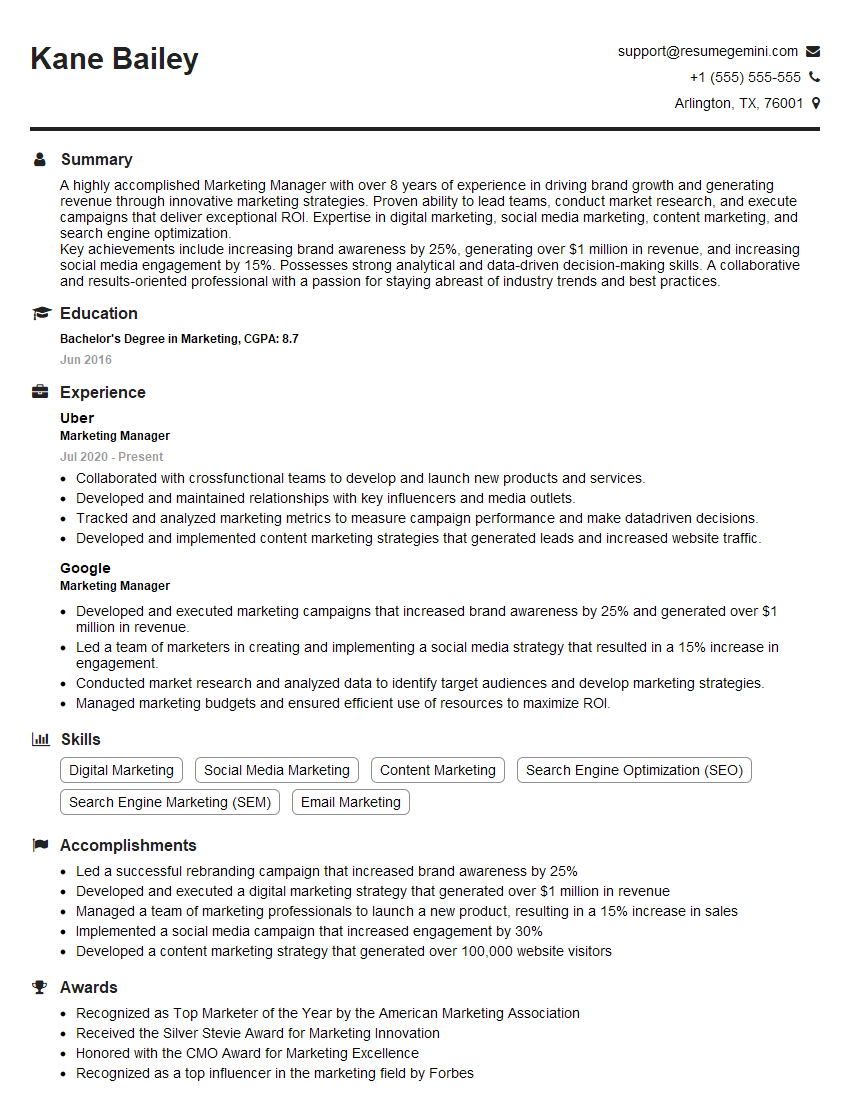
Marketing Manager Resume Sample
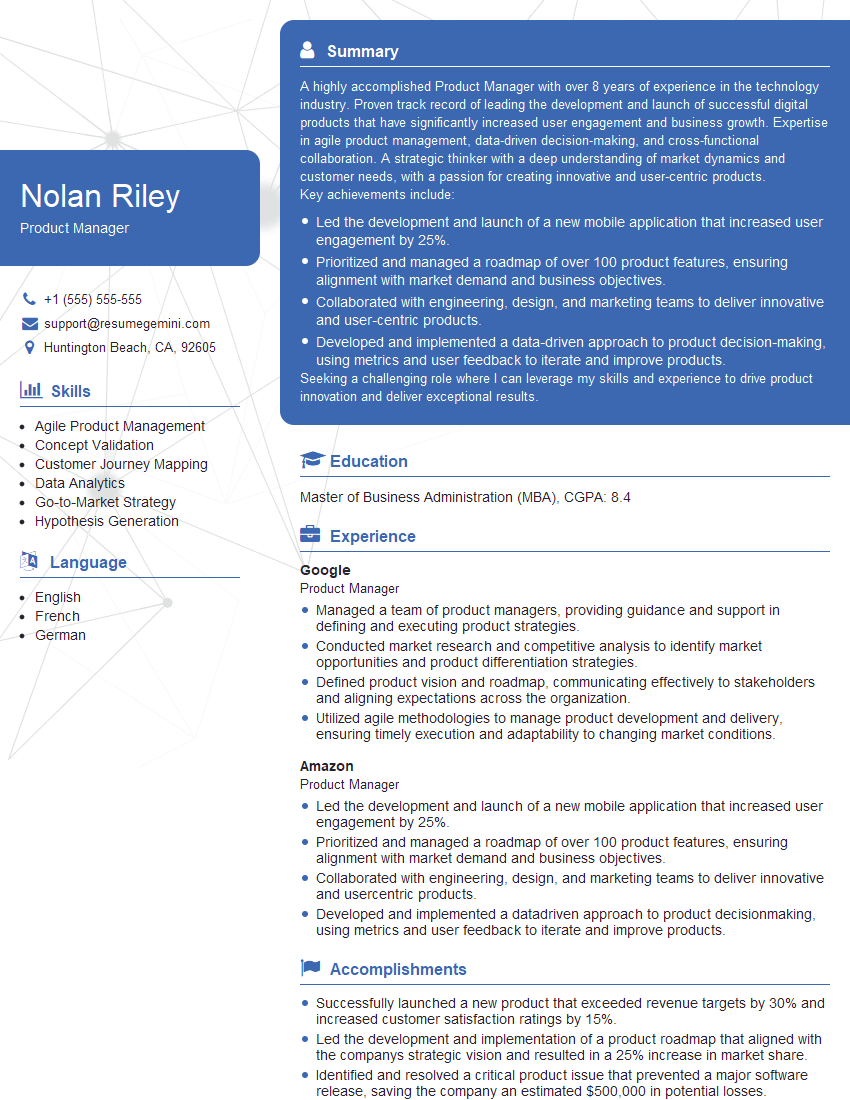
Product Manager Resume Sample
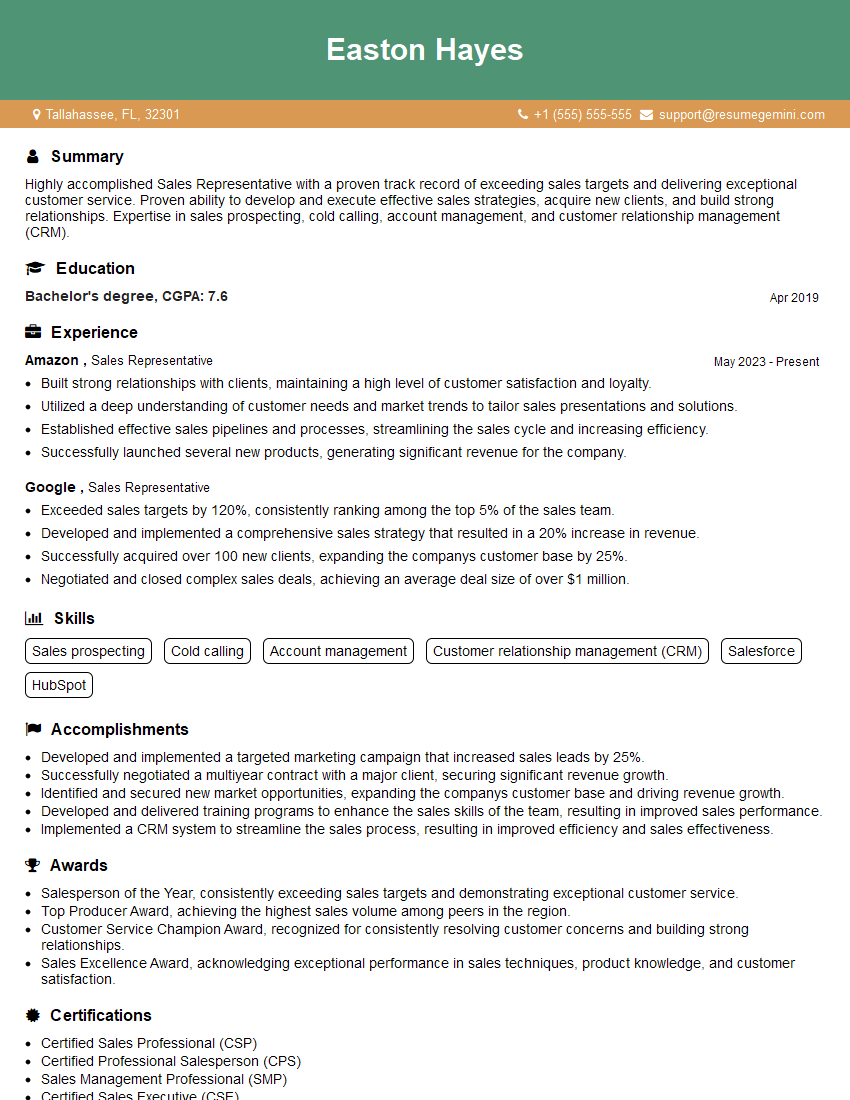
Sales Representative Resume Sample
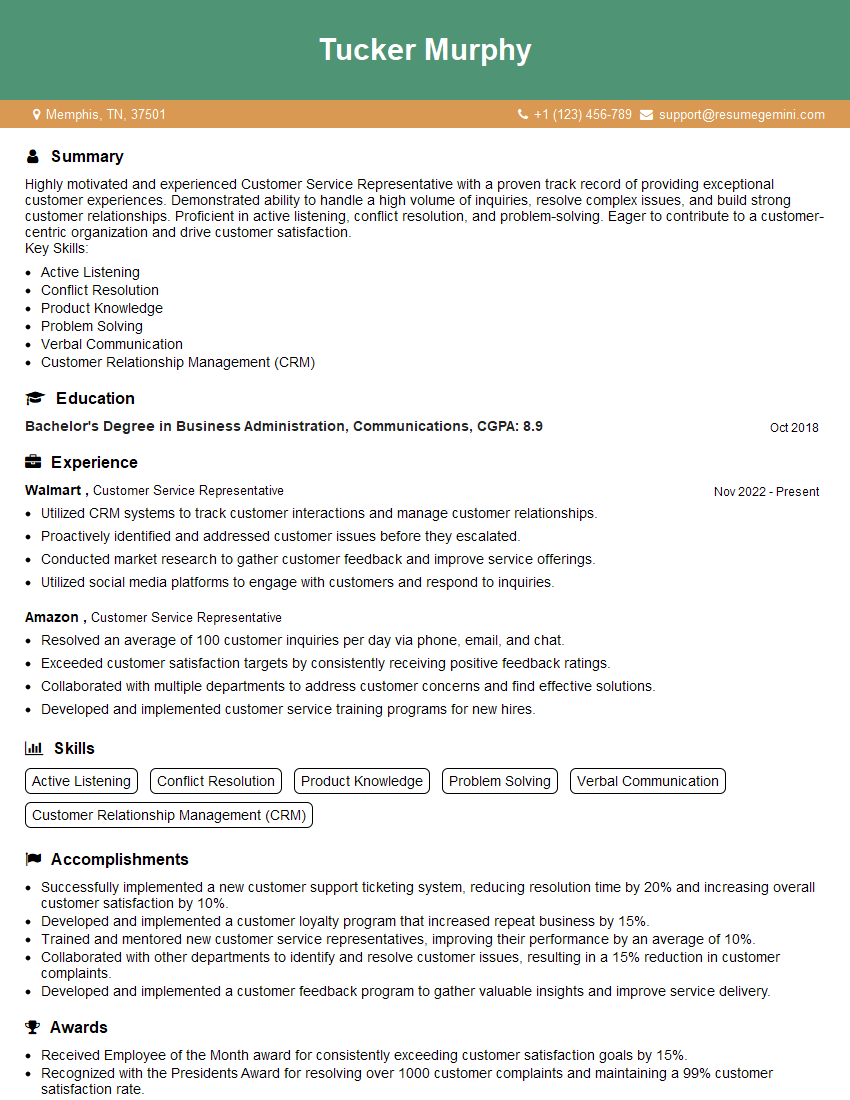
Customer Service Representative Resume Sample

Supply Chain Manager Resume Sample

Project Manager Resume Sample

Business Analyst Resume Sample
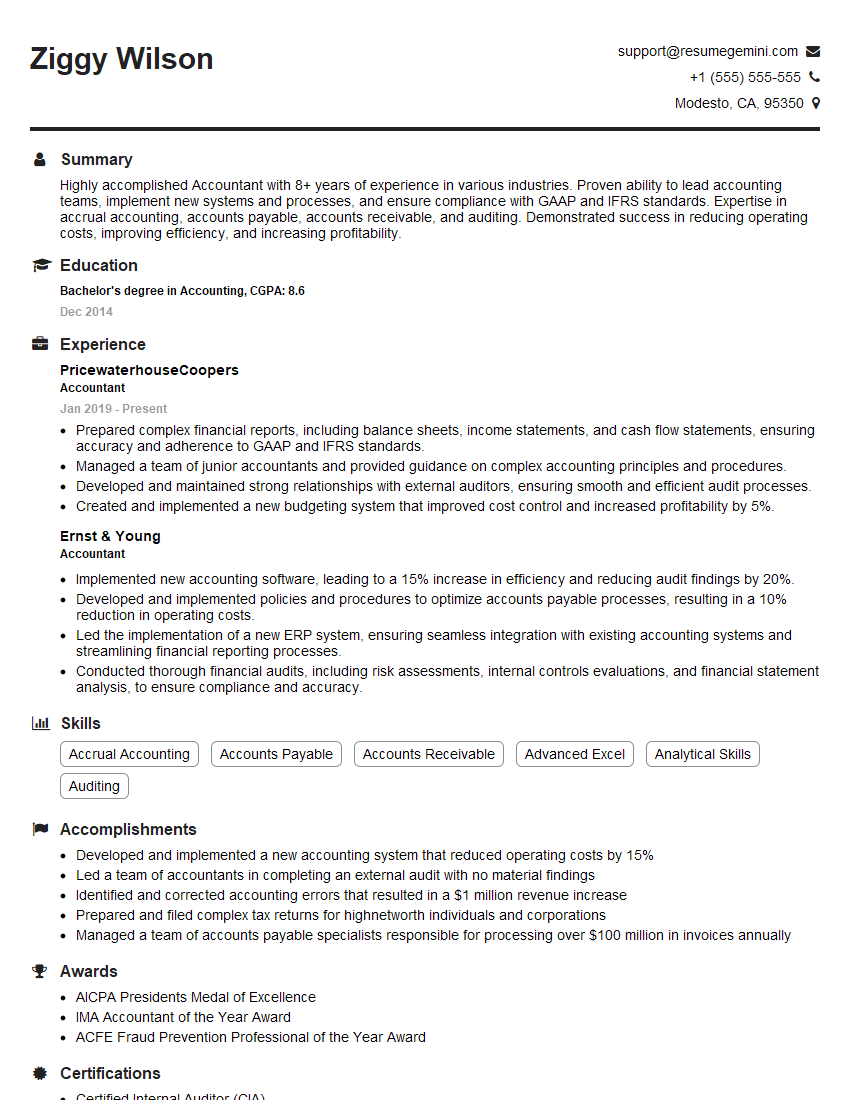
Accountant Resume Sample
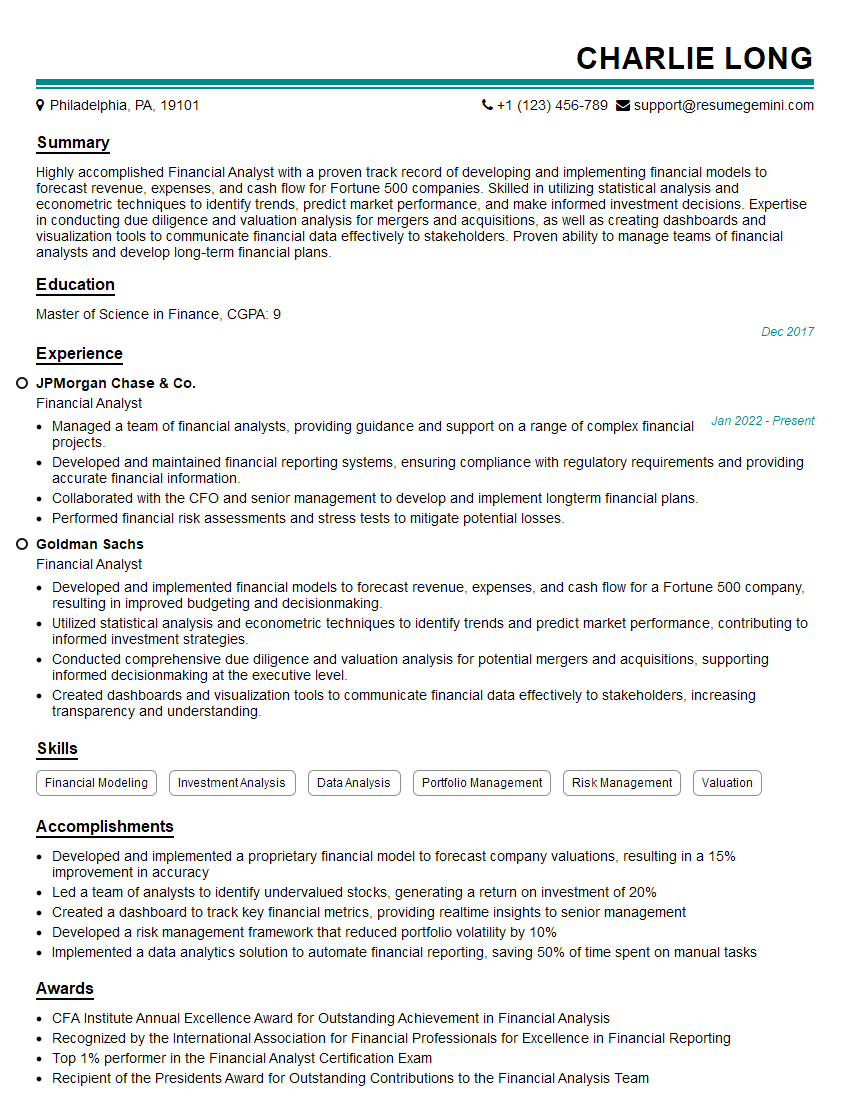
Financial Analyst Resume Sample
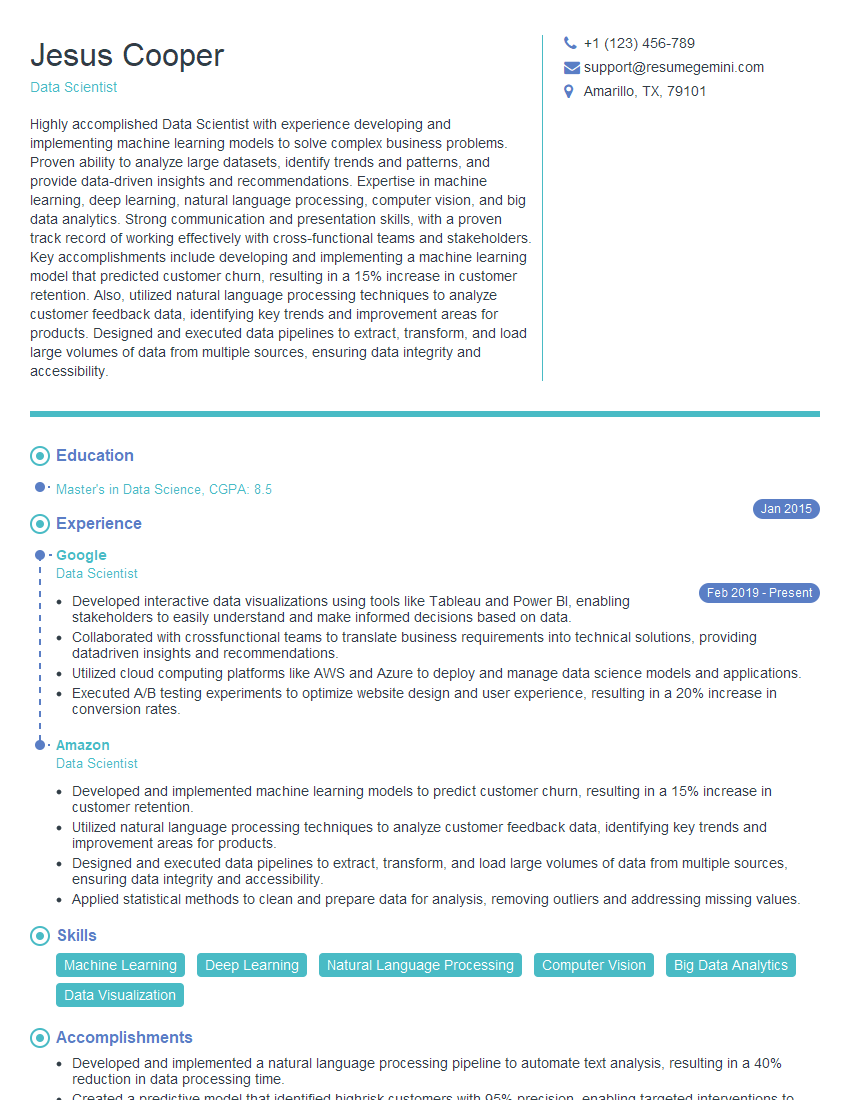
Data Scientist Resume Sample
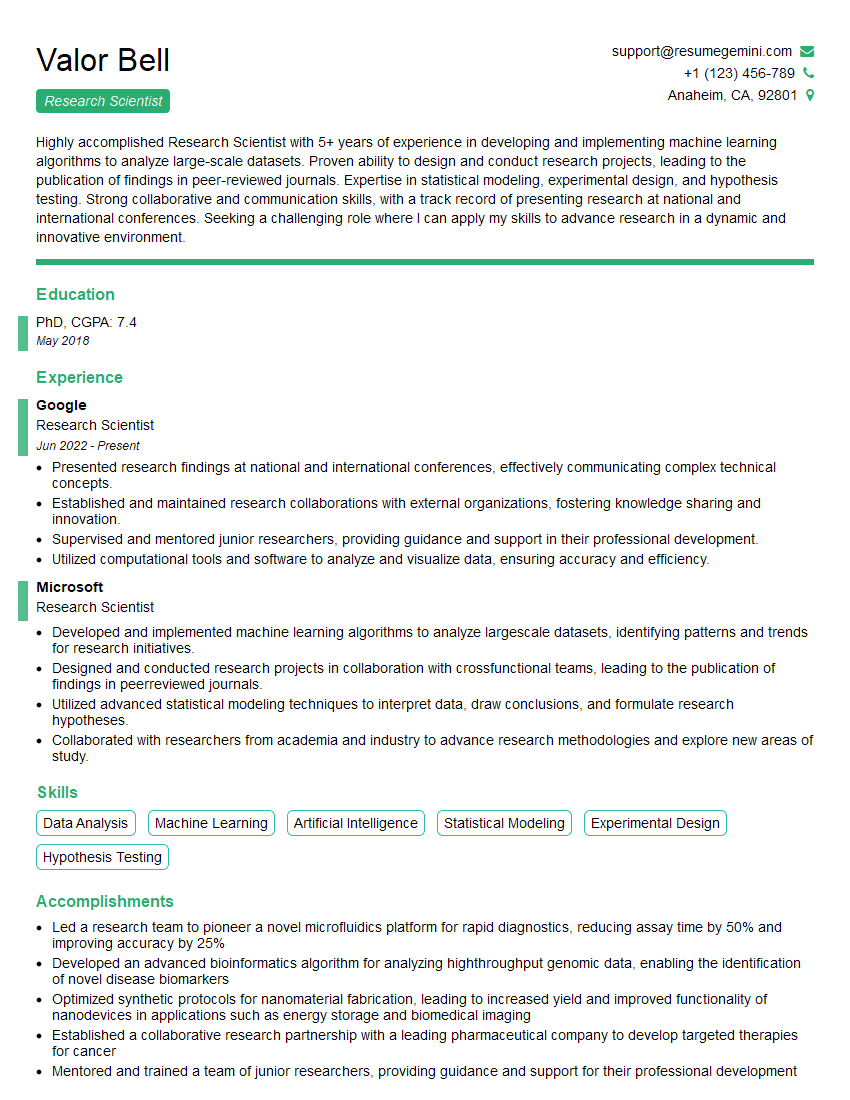
Research Scientist Resume Sample
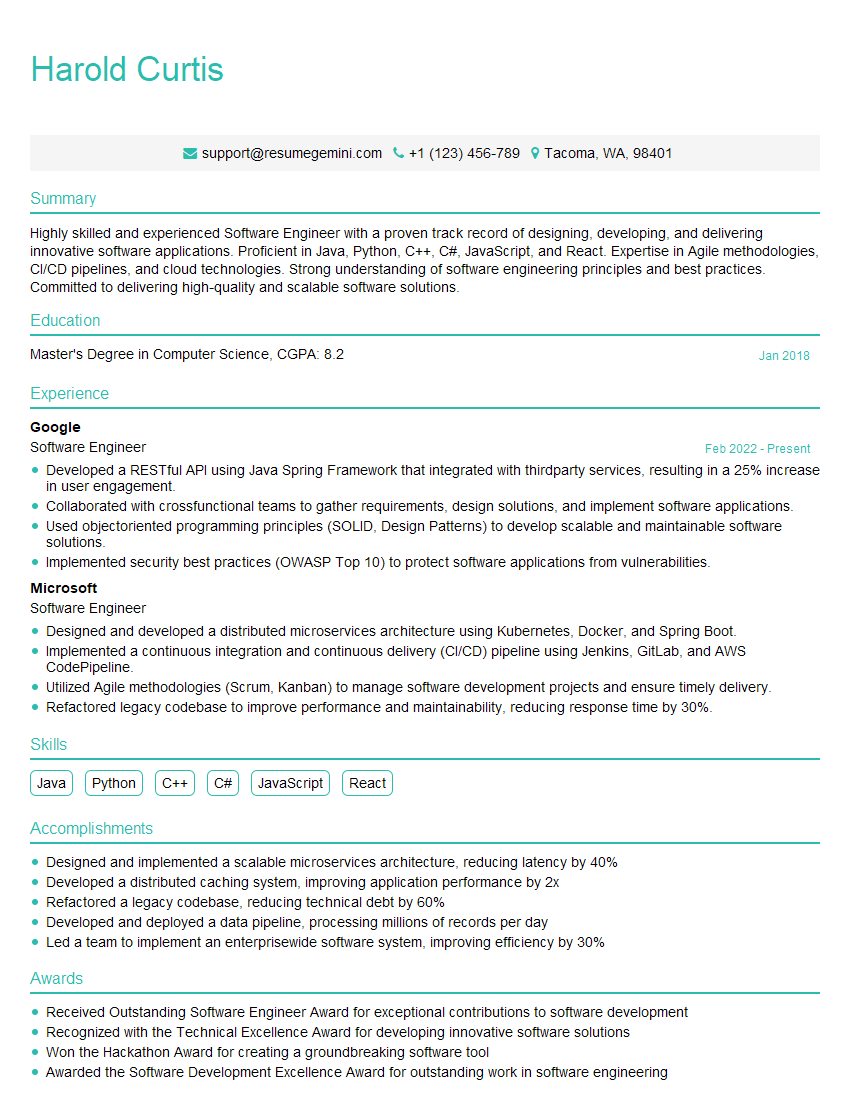
Software Engineer Resume Sample
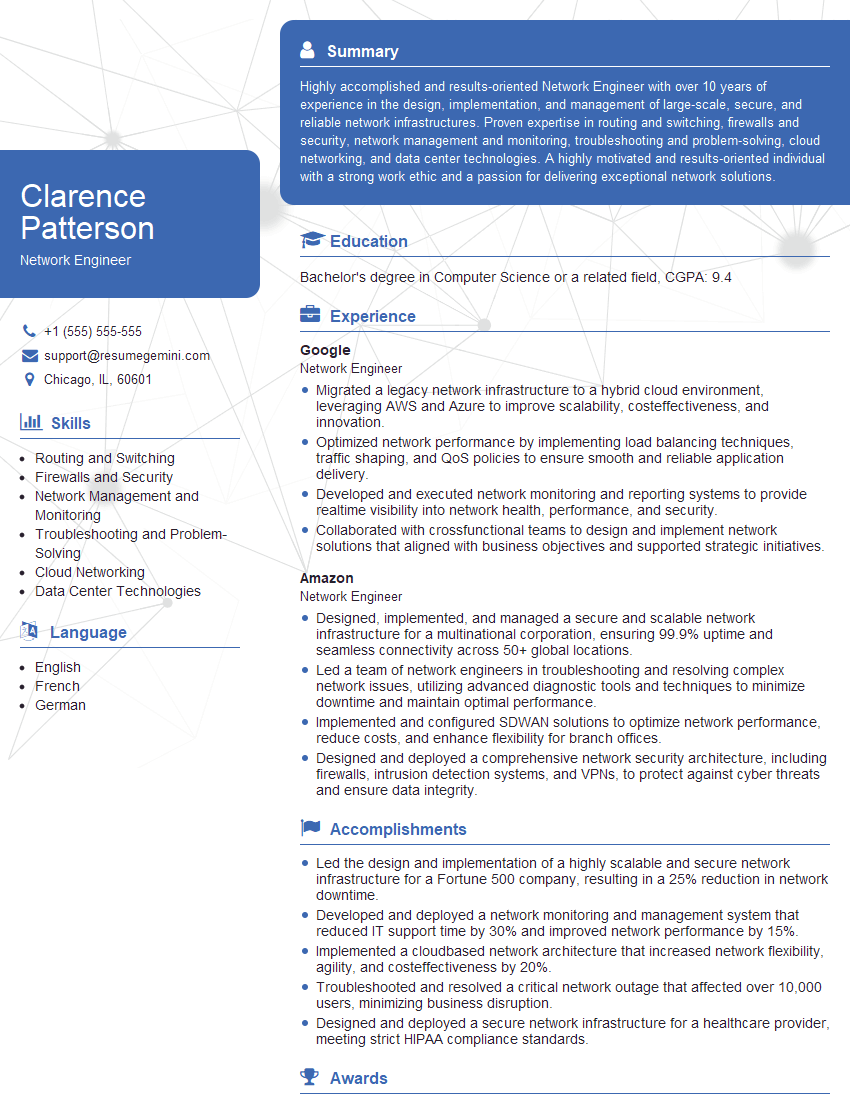
Network Engineer Resume Sample
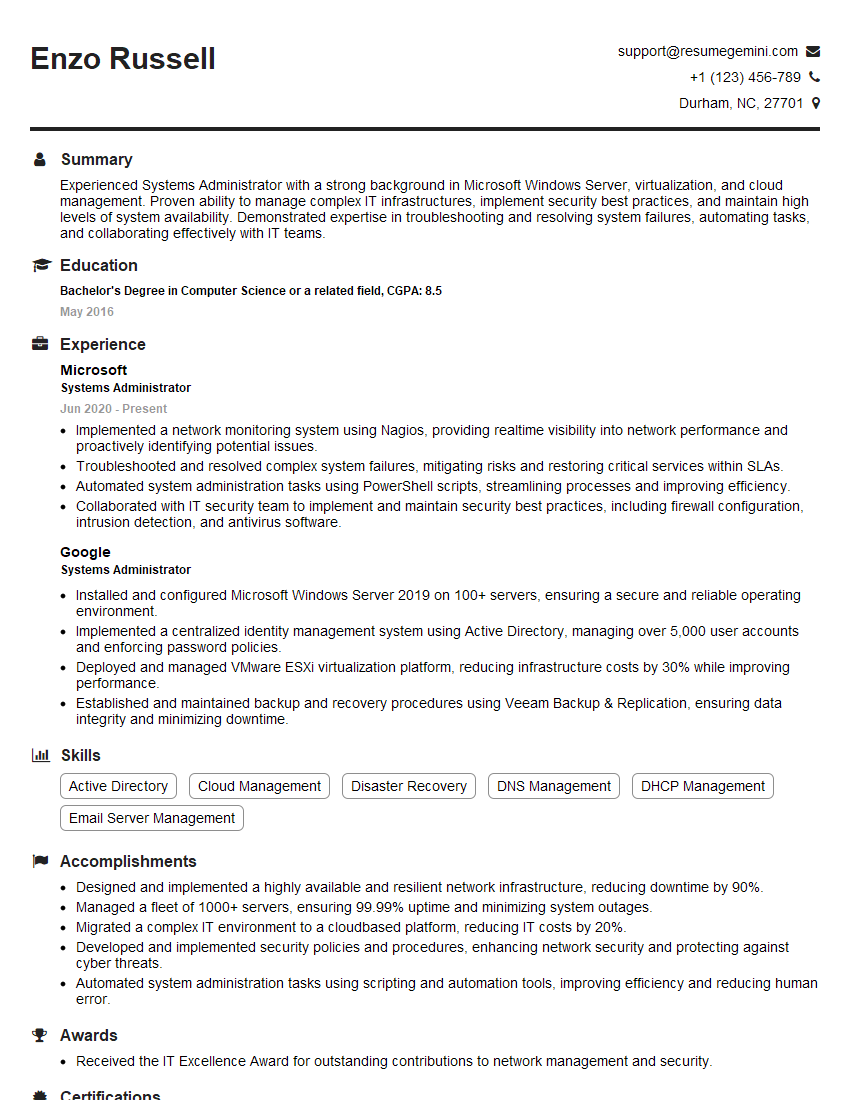
Systems Administrator Resume Sample
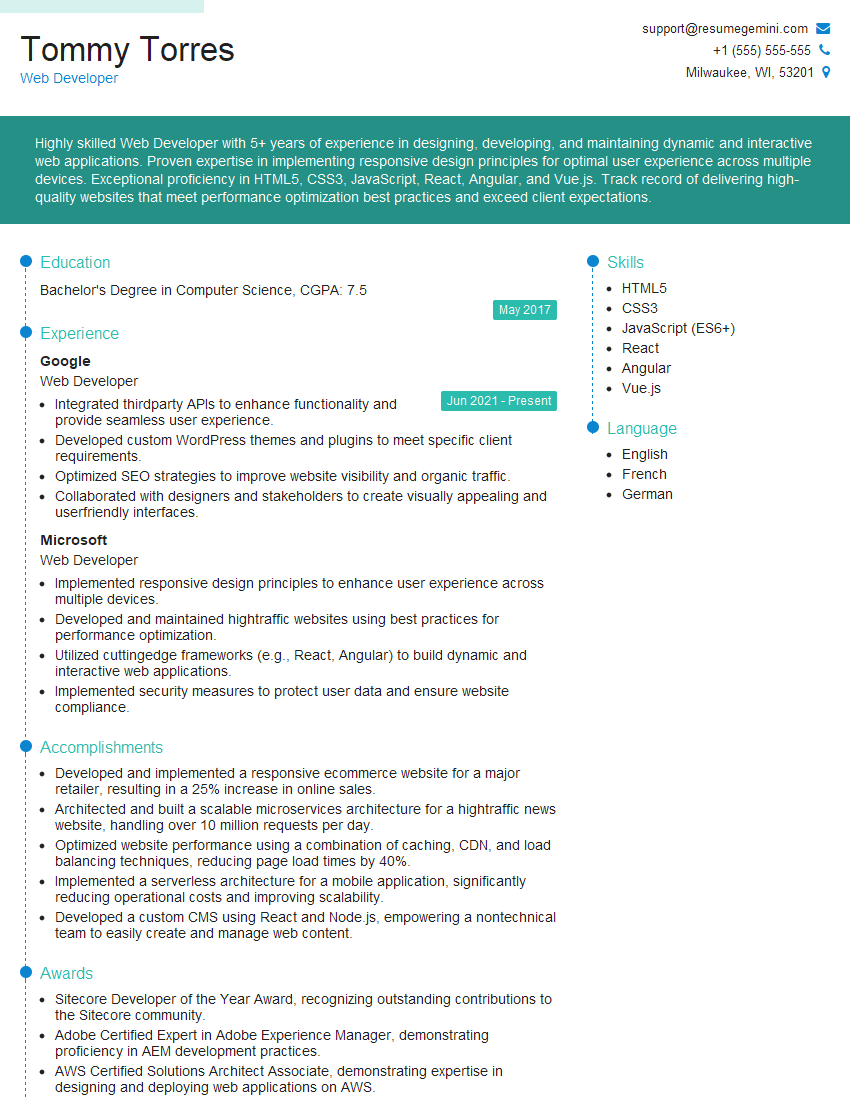
Web Developer Resume Sample
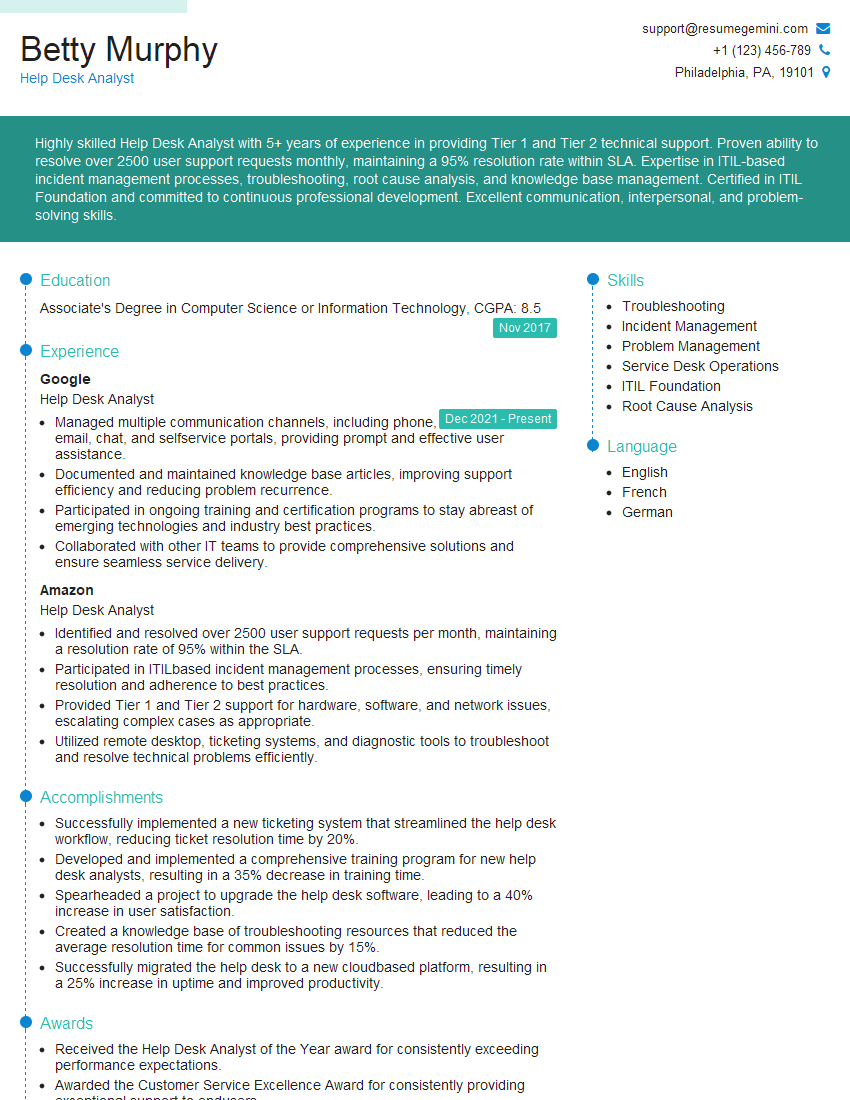
Help Desk Analyst Resume Sample
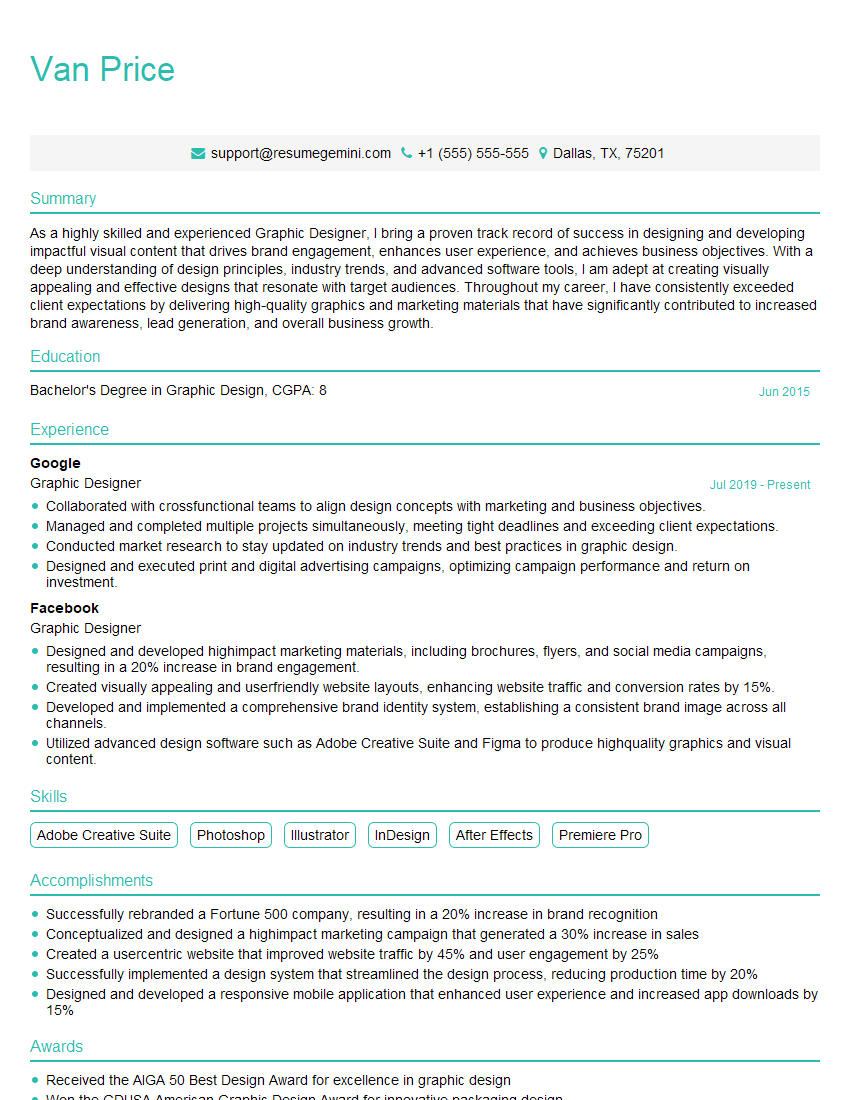
Graphic Designer Resume Sample

Technical Writer Resume Sample
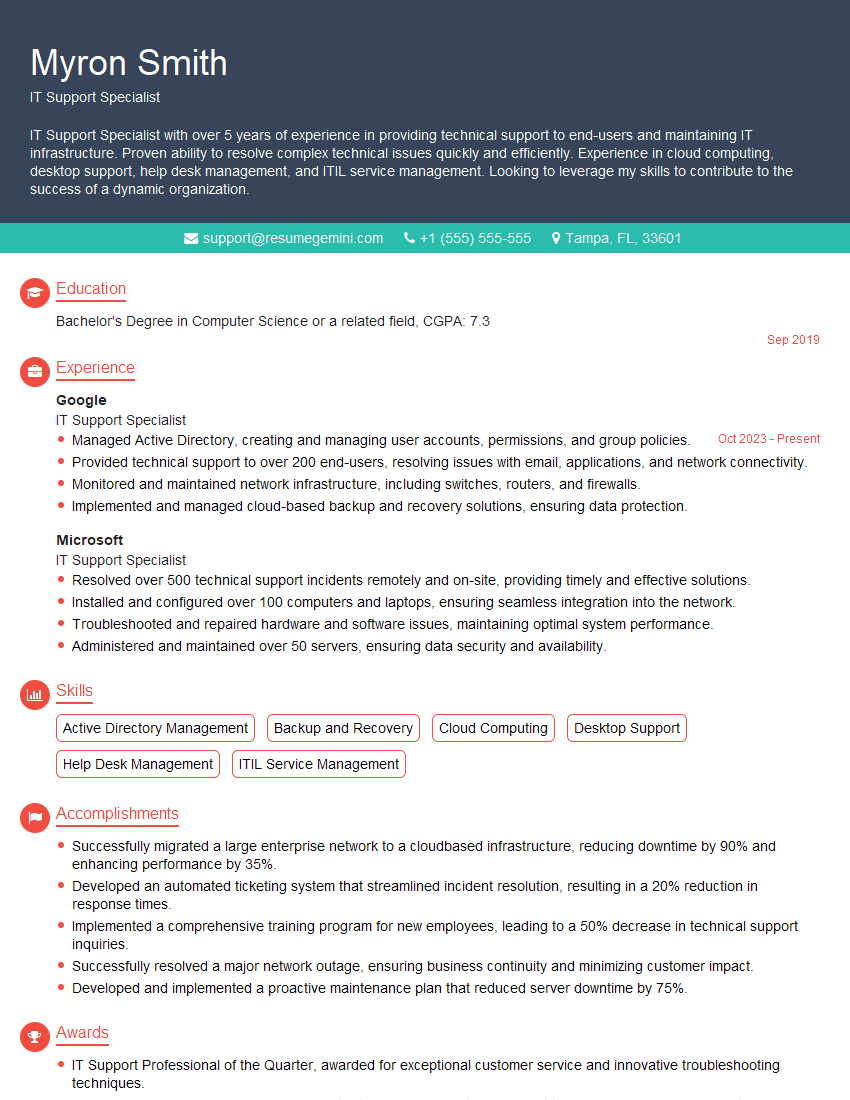
IT Support Specialist Resume Sample
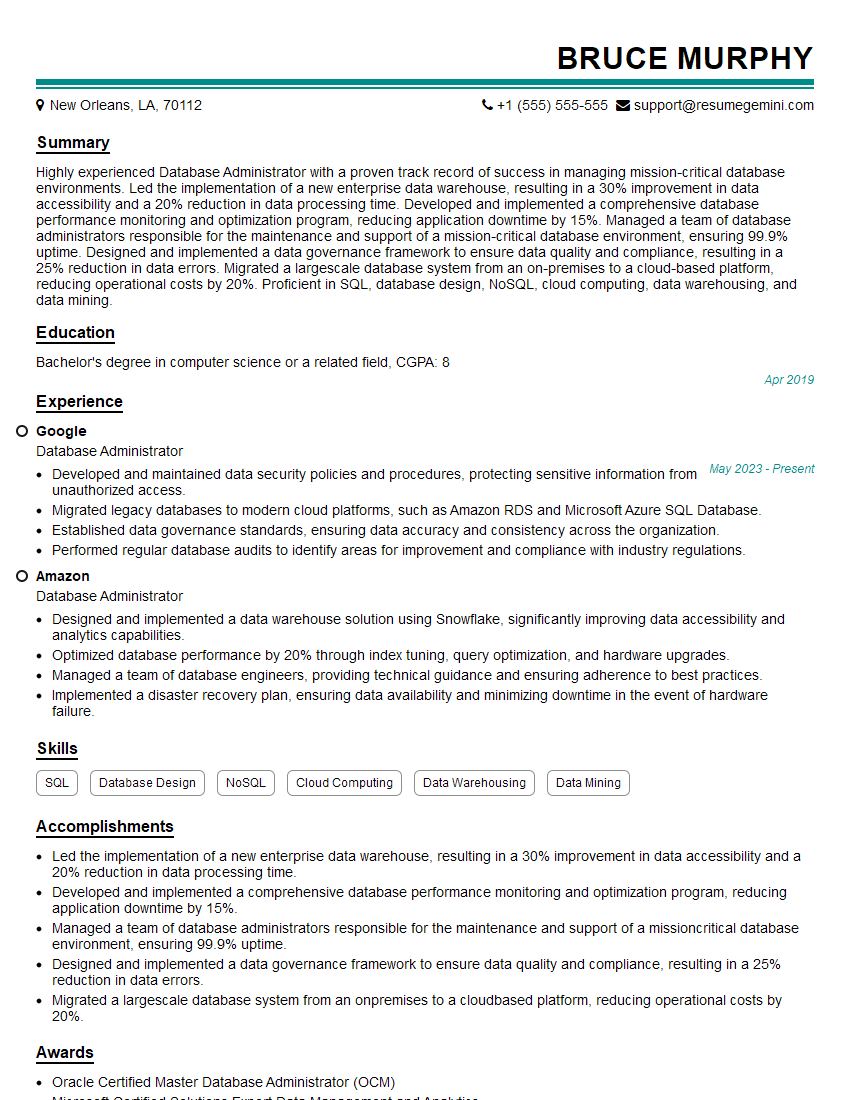
Database Administrator Resume Sample
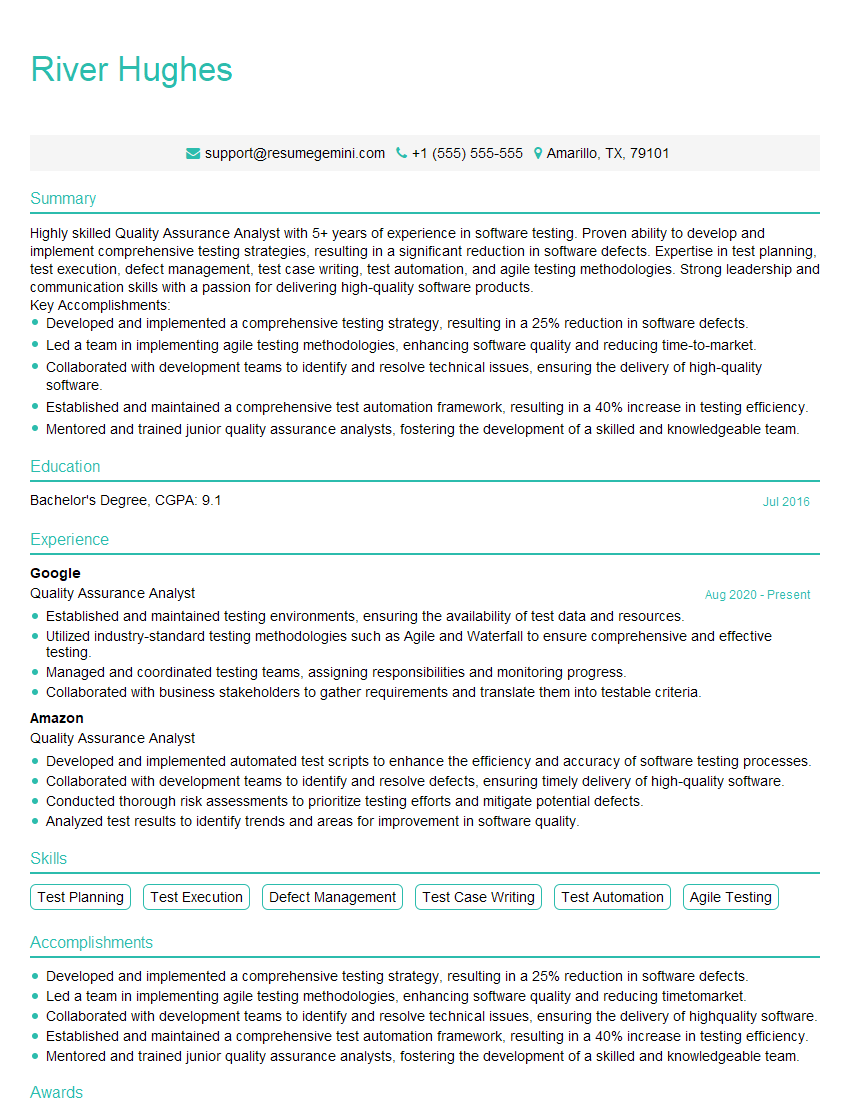
Quality Assurance Analyst Resume Sample
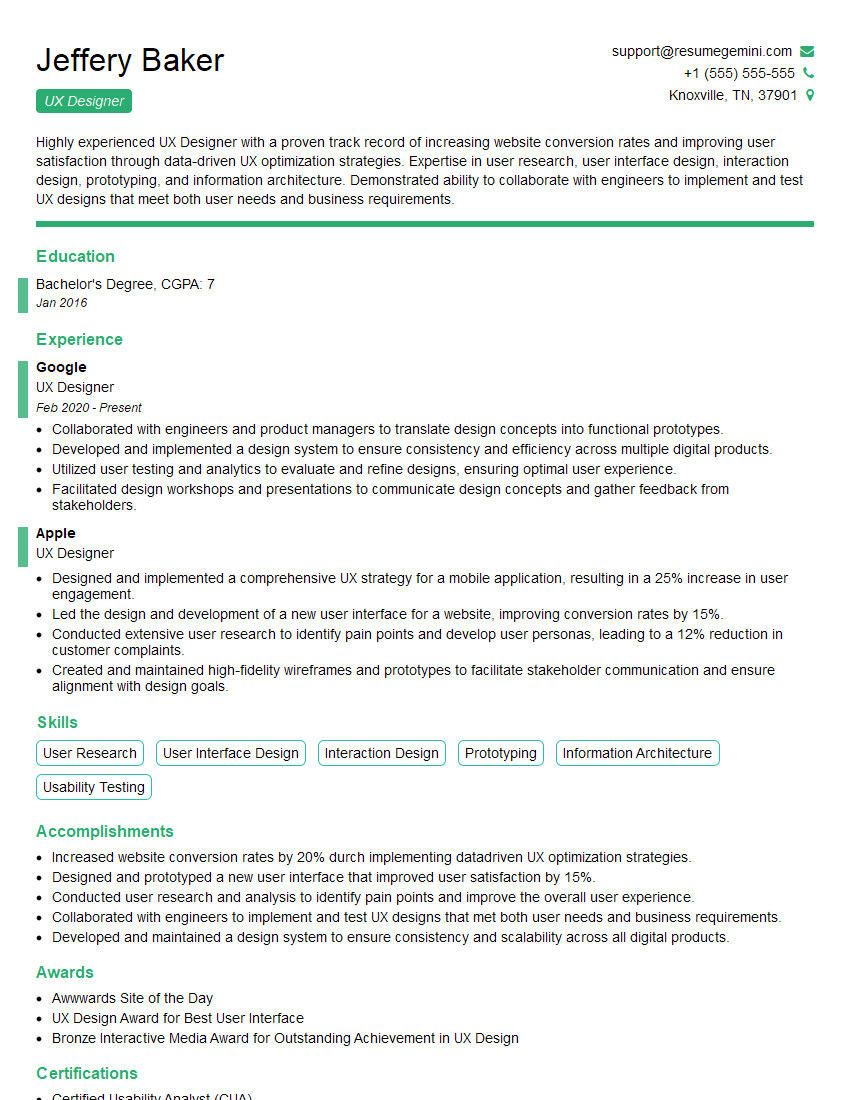
UX Designer Resume Sample
- Operations Manager
- Marketing Manager
- Product Manager
- Sales Representative
- Customer Service Representative
- Supply Chain Manager
- Project Manager
- Business Analyst
- Accountant
- Financial Analyst
- Data Scientist
- Research Scientist
- Software Engineer
- Network Engineer
- Systems Administrator
- Web Developer
- Help Desk Analyst
- Graphic Designer
- Technical Writer
- IT Support Specialist
- Database Administrator
- Quality Assurance Analyst
- UX Designer
Explore more articles
Users Rating of Our Blogs
Share Your Experience
We value your feedback! Please rate our content and share your thoughts (optional).
What Readers Say About Our Blog
good