Unlock your full potential by mastering the most common Ability to work with chemicals interview questions. This blog offers a deep dive into the critical topics, ensuring you’re not only prepared to answer but to excel. With these insights, you’ll approach your interview with clarity and confidence.
Questions Asked in Ability to work with chemicals Interview
Q 1. Describe your experience handling hazardous chemicals.
Throughout my career, I’ve extensively handled various hazardous chemicals, from highly reactive reagents in organic synthesis to corrosive acids and bases in analytical chemistry. For example, during my work at [Previous Company Name], I routinely worked with concentrated sulfuric acid and sodium hydroxide, requiring meticulous adherence to safety protocols to prevent accidents. Another instance involved handling volatile organic compounds (VOCs) which necessitates working under a fume hood to mitigate inhalation risks. This experience has instilled in me a deep respect for safe handling practices and a thorough understanding of emergency procedures.
Q 2. Explain the different types of chemical hazards and their associated risks.
Chemical hazards are broadly categorized into several types, each presenting unique risks.
- Toxicity: This refers to the harmful effects chemicals can have on living organisms, ranging from mild irritation to organ damage or even death. For instance, exposure to certain heavy metals can lead to long-term health problems.
- Flammability: This describes the ability of a chemical to ignite easily and burn rapidly. Flammable solvents like ethanol require careful handling and storage away from ignition sources.
- Reactivity: Some chemicals are highly reactive and can undergo violent reactions, even spontaneously, causing explosions or fires. Mixing certain acids and bases can create dangerous exothermic reactions.
- Corrosivity: Corrosive chemicals can damage or destroy living tissue or other materials by chemical action. Strong acids like hydrochloric acid and strong bases like sodium hydroxide are classic examples.
- Radioactivity: Radioactive materials emit ionizing radiation, which can cause serious health issues including cancer. Proper shielding and handling protocols are crucial when dealing with these materials.
The associated risks depend on the specific chemical, its concentration, the route of exposure (inhalation, ingestion, skin contact), and the duration of exposure. A risk assessment should always be performed before handling any chemical.
Q 3. What safety precautions do you take when working with chemicals?
My safety precautions are comprehensive and follow established best practices. They include:
- Personal Protective Equipment (PPE): Always wearing appropriate PPE such as lab coats, gloves (nitrile, neoprene, etc., depending on the chemical), safety goggles, and sometimes respirators, based on the specific hazard assessment.
- Engineering Controls: Utilizing fume hoods for volatile chemicals, using well-ventilated areas, and employing proper containment procedures.
- Administrative Controls: Following written safety procedures, attending safety training, having a clear understanding of emergency response protocols, and knowing the location of safety equipment (eye wash stations, safety showers).
- Safe Work Practices: Avoiding direct contact with chemicals, using appropriate tools and techniques to prevent spills and accidents, working in a clean and organized workspace.
Before starting any work, I always review the Material Safety Data Sheet (MSDS) for the chemical to understand its hazards and handling requirements.
Q 4. How do you ensure the accurate measurement and weighing of chemicals?
Accurate measurement and weighing of chemicals is paramount for experimental reproducibility and safety. I utilize calibrated analytical balances for precise weighing, ensuring the balance is properly zeroed and tared before each measurement. For liquids, I use volumetric glassware (pipettes, burets, graduated cylinders) that is appropriately sized and calibrated. I always double-check my measurements to minimize errors. For instance, when working with highly toxic substances, I would use a secondary method of verification, such as weighing out a sample and then comparing its volume to the expected value based on density to ensure accuracy. This reduces the chance of errors which can compromise experimental results or present safety hazards.
Q 5. Describe your experience with chemical waste disposal procedures.
My experience with chemical waste disposal encompasses a wide range of procedures, strictly adhering to all relevant regulations and safety guidelines. This includes segregating waste by chemical compatibility, using appropriate containers and labeling (e.g., using specific waste containers for hazardous organic solvents, acids, and bases), and correctly completing waste disposal paperwork. For example, in my previous role, we used a chemical waste management company that provided labeled containers for different waste streams. We filled these containers following specific safety protocols and notified the company once a container was full for scheduled pick-up and disposal. This rigorous process ensures environmental protection and worker safety.
Q 6. What is your understanding of Material Safety Data Sheets (MSDS)?
Material Safety Data Sheets (MSDS), now often called Safety Data Sheets (SDS), are crucial documents that provide comprehensive information about a specific chemical, including its physical and chemical properties, hazards, safe handling procedures, and emergency response information. They are the primary source of information for assessing the risks associated with a chemical and planning for its safe use and disposal. I regularly consult MSDS before handling any chemical to understand the potential dangers and ensure I’m taking the proper safety precautions. Key information I look for includes health hazards, flammability, reactivity, and recommended PPE.
Q 7. Explain the importance of proper labeling and storage of chemicals.
Proper labeling and storage of chemicals are fundamental for preventing accidents and ensuring workplace safety. Labels should clearly identify the chemical’s name, concentration, hazards (using appropriate pictograms), and any special handling instructions. Chemicals should be stored in designated areas, following compatibility guidelines to prevent dangerous reactions. Incompatible chemicals should never be stored together (e.g., oxidizing agents and reducing agents). Storage areas should be well-ventilated, away from ignition sources, and clearly labeled. For example, flammable chemicals should be stored in a flammable materials cabinet, and corrosive chemicals in a separate, compatible cabinet. Following proper labeling and storage practices helps to minimize risks and maintain a safe working environment.
Q 8. How do you handle spills or leaks of chemicals?
Handling chemical spills and leaks requires a swift and systematic approach prioritizing safety. The first step is always to ensure my own safety and the safety of others by evacuating the immediate area and alerting emergency personnel if necessary. The specific procedure then depends on the nature of the spilled chemical. For example, a small spill of a relatively benign substance like dilute acid might only require absorbent material, like vermiculite, to soak it up, followed by careful disposal according to safety data sheets (SDS). However, a larger spill of a highly reactive or toxic chemical would demand a more extensive response, potentially including specialized spill kits, neutralizing agents, and possibly the use of personal protective equipment (PPE) like respirators and full body suits. Proper documentation is crucial in all cases, noting the time, location, amount, chemical involved, and the cleanup procedures undertaken. This detailed record is essential for regulatory compliance and for tracing any potential consequences. I’ve personally handled a spill of concentrated sulfuric acid in a lab setting and followed the emergency procedure including neutralizing the spill with sodium bicarbonate before carefully disposing of the neutralized material following the university’s waste disposal protocols. The entire process highlighted the importance of preparedness, proper training, and adherence to established safety protocols.
Q 9. Describe your experience with different chemical analysis techniques.
My experience encompasses a wide range of chemical analysis techniques, both qualitative and quantitative. I am proficient in techniques such as spectrophotometry (UV-Vis, IR), titrations (acid-base, redox, complexometric), chromatography (GC, HPLC), and electrochemical methods (potentiometry, voltammetry). Spectrophotometry allows for the identification and quantification of substances based on their interaction with light. I’ve used UV-Vis spectrophotometry to analyze the concentration of various compounds in solutions, and IR spectroscopy to identify functional groups in unknown samples. Titration is a powerful technique for determining the concentration of an unknown solution by reacting it with a solution of known concentration. I’ve extensively used different types of titrations to quantify acids, bases, and oxidizing agents. Chromatographic techniques are indispensable for separating and analyzing mixtures of compounds. For example, I’ve used HPLC to analyze pharmaceuticals and GC to analyze volatile organic compounds. Electrochemical methods provide another set of tools, enabling the measurement of ion concentrations or the study of redox reactions. My experience in these diverse techniques provides me with a versatile toolkit for addressing diverse analytical challenges.
Q 10. What is your experience with titration and its applications?
Titration is a quantitative chemical analysis method where a solution of known concentration (the titrant) is used to determine the concentration of an unknown solution (the analyte). It involves the gradual addition of the titrant to the analyte until the reaction is complete, indicated by an endpoint or equivalence point. The different types of titrations include acid-base titrations, redox titrations, and complexometric titrations. Acid-base titrations are used to determine the concentration of acids or bases; redox titrations involve electron transfer between the titrant and analyte; and complexometric titrations involve the formation of a complex between the titrant and analyte. I’ve used titration extensively in various contexts, including determining the concentration of acids in food samples, measuring the purity of chemicals, and analyzing water quality. For example, I used acid-base titration to determine the concentration of acetic acid in vinegar, comparing it to the labelled concentration. A successful titration relies on careful technique, precise measurements, and an appropriate indicator to signal the endpoint. Accurate titration results are crucial for many applications, from quality control in industrial settings to research in academic laboratories.
Q 11. Explain your understanding of stoichiometry and its role in chemical reactions.
Stoichiometry is the quantitative relationship between reactants and products in a chemical reaction. It’s based on the law of conservation of mass, which states that matter cannot be created or destroyed in a chemical reaction. Stoichiometric calculations use the balanced chemical equation to determine the relative amounts of reactants and products involved. For instance, in the reaction 2H₂ + O₂ → 2H₂O, the stoichiometric ratio indicates that 2 moles of hydrogen react with 1 mole of oxygen to produce 2 moles of water. Understanding stoichiometry is essential for predicting the yield of a reaction, determining the limiting reagent, and calculating the percentage yield. In a practical setting, stoichiometry is critical for optimizing chemical processes in industries such as pharmaceuticals and manufacturing. For example, in the synthesis of a drug, accurate stoichiometric calculations are crucial to ensure that the reaction proceeds efficiently and produces the desired amount of product with minimal waste. Incorrect stoichiometric calculations can lead to inefficient reactions and reduced product yields.
Q 12. How do you ensure the accuracy and precision of your chemical measurements?
Ensuring accuracy and precision in chemical measurements is paramount. Accuracy refers to how close a measurement is to the true value, while precision refers to how close repeated measurements are to each other. Several strategies contribute to achieving both. First, using calibrated and properly maintained equipment is essential. Regular calibration of instruments like balances, pipettes, and spectrophotometers minimizes systematic errors. Second, appropriate measurement techniques are crucial. For example, using the correct pipette size and technique minimizes errors in volume measurements. Third, multiple measurements and statistical analysis help identify and minimize random errors. Repeating measurements several times and calculating the average and standard deviation helps provide a more reliable result. Finally, meticulous attention to detail and proper handling of samples, including avoiding contamination, are vital. For instance, using clean glassware and avoiding cross-contamination between samples ensure accurate results. In my experience, I’ve found that careful planning, rigorous execution, and critical evaluation of results are key to obtaining accurate and precise measurements that underpin reliable conclusions.
Q 13. Explain your experience with different types of laboratory equipment used for chemical analysis.
My experience includes working with a wide array of laboratory equipment essential for chemical analysis. This includes: balances (analytical and top-loading) for accurate mass measurements; volumetric glassware (burets, pipettes, volumetric flasks) for precise volume measurements; spectrophotometers (UV-Vis, IR) for analyzing light absorption and identifying compounds; titrators for automated titrations; pH meters for measuring pH; centrifuges for separating solids from liquids; ovens and hot plates for heating and drying samples; and various types of chromatography equipment including HPLC and GC systems. I’m familiar with the principles of operation, maintenance, and troubleshooting of these instruments, and proficient in selecting the appropriate equipment for a particular task. For example, when determining the concentration of a solution, I would select a suitable volumetric flask and pipette based on the desired accuracy. When purifying a substance I would use a centrifuge or filtration apparatus, depending on the nature of the substance. This broad understanding of equipment is critical in efficiently and accurately conducting chemical analysis and maintaining a safe lab environment.
Q 14. Describe your experience with chromatographic techniques (e.g., HPLC, GC).
Chromatographic techniques are vital separation methods used to analyze complex mixtures. I have considerable experience with both High-Performance Liquid Chromatography (HPLC) and Gas Chromatography (GC). HPLC separates components based on their interactions with a stationary phase in a liquid mobile phase. I’ve used HPLC for analyzing pharmaceuticals, identifying impurities in products, and quantifying various compounds in complex matrices. GC, on the other hand, uses a gaseous mobile phase to separate volatile compounds based on their boiling points and interactions with the stationary phase. I’ve applied GC to analyze volatile organic compounds (VOCs) in environmental samples, identify components in essential oils, and analyze the composition of various petroleum products. My experience includes both preparing samples for chromatographic analysis, optimizing chromatographic conditions to achieve optimal separation, and interpreting the resulting chromatograms to identify and quantify the various components present. I also understand the different types of detectors used in both HPLC and GC, including UV-Vis detectors, mass spectrometers, and flame ionization detectors. These techniques are invaluable for characterizing complex mixtures and obtaining detailed compositional information.
Q 15. Explain your understanding of different types of chemical reactions (e.g., oxidation, reduction).
Chemical reactions involve the rearrangement of atoms and molecules, leading to the formation of new substances. Oxidation and reduction are fundamental types, often occurring simultaneously. Oxidation involves the loss of electrons or an increase in oxidation state, while reduction involves the gain of electrons or a decrease in oxidation state. Think of it like a seesaw: one species gets oxidized (loses electrons, goes up in oxidation state), while another gets reduced (gains electrons, goes down in oxidation state).
- Oxidation: For instance, the rusting of iron (Fe) is an oxidation reaction where iron atoms lose electrons to oxygen (O2) in the air, forming iron oxide (Fe2O3), commonly known as rust.
4Fe + 3O2 → 2Fe2O3 - Reduction: In the same rusting example, oxygen atoms gain electrons and are reduced. Another example is the reduction of copper(II) ions (Cu2+) to copper metal (Cu) using zinc (Zn) as a reducing agent.
Cu2+ + Zn → Cu + Zn2+ - Other reaction types include: acid-base reactions (proton transfer), precipitation reactions (formation of an insoluble solid), and combustion reactions (rapid reaction with oxygen).
Understanding these reaction types is crucial for predicting the outcome of chemical processes and designing controlled reactions in various applications, such as synthesizing new materials or purifying substances.
Career Expert Tips:
- Ace those interviews! Prepare effectively by reviewing the Top 50 Most Common Interview Questions on ResumeGemini.
- Navigate your job search with confidence! Explore a wide range of Career Tips on ResumeGemini. Learn about common challenges and recommendations to overcome them.
- Craft the perfect resume! Master the Art of Resume Writing with ResumeGemini’s guide. Showcase your unique qualifications and achievements effectively.
- Don’t miss out on holiday savings! Build your dream resume with ResumeGemini’s ATS optimized templates.
Q 16. How do you interpret and analyze chemical data?
Interpreting chemical data involves critical analysis of experimental results to draw meaningful conclusions. This includes considering the accuracy and precision of measurements, identifying trends, and recognizing potential errors. I use several approaches:
- Statistical analysis: Calculating mean, standard deviation, and other statistical parameters to assess data reliability and variability. For example, using a t-test to compare the means of two different samples.
- Graphical representation: Creating graphs (e.g., calibration curves, titration curves) to visualize trends and relationships between variables. This makes it easier to identify outliers or unexpected patterns.
- Data validation: Checking for consistency and plausibility of results. Are my results within a reasonable range given the known properties of the chemicals involved? Are there any obvious mistakes in calculations or experimental procedures?
- Spectroscopic analysis: Utilizing techniques like NMR, IR, and UV-Vis spectroscopy to confirm the identity and purity of synthesized compounds. Analyzing peak intensities and chemical shifts to deduce structural information.
For example, during a synthesis, I might analyze the NMR spectra to verify the successful formation of the target compound and its purity. If impurities are present, I can then adjust my purification methods accordingly.
Q 17. What is your experience with chemical synthesis and purification techniques?
I possess extensive experience in chemical synthesis and purification. My experience encompasses a range of techniques, including:
- Organic Synthesis: I’m proficient in various reactions, such as Grignard reactions, Diels-Alder reactions, and esterification, employing techniques like reflux, distillation, and extraction.
- Inorganic Synthesis: I have experience in synthesizing inorganic compounds using methods such as precipitation, hydrothermal synthesis, and sol-gel methods.
- Purification Techniques: My expertise includes recrystallization, column chromatography (both flash and gravity), thin-layer chromatography (TLC), and high-performance liquid chromatography (HPLC). The choice of purification method depends on the properties of the compound and the scale of the synthesis.
For example, in a recent project involving the synthesis of a novel catalyst, I employed a multi-step synthesis involving Grignard reactions followed by purification using column chromatography and recrystallization to obtain a highly pure product. I regularly optimize synthesis pathways and purification procedures to maximize yield and purity.
Q 18. Explain your understanding of chemical kinetics and reaction rates.
Chemical kinetics studies the rates of chemical reactions and the factors that influence them. Reaction rates describe how quickly reactants are converted into products. Several factors affect reaction rates:
- Concentration: Higher concentrations of reactants generally lead to faster reaction rates due to increased collision frequency.
- Temperature: Increasing temperature usually accelerates reactions by increasing the kinetic energy of molecules, leading to more frequent and energetic collisions.
- Surface area: For heterogeneous reactions (reactions involving substances in different phases), increasing the surface area of a solid reactant increases the reaction rate.
- Presence of a catalyst: Catalysts lower the activation energy of a reaction, making it proceed faster without being consumed in the process.
Understanding reaction kinetics allows for optimizing reaction conditions to achieve desired rates and yields. For instance, in industrial processes, carefully controlling temperature and pressure is crucial for maintaining efficient reaction rates.
The Arrhenius equation, k = Ae-Ea/RT, quantifies the relationship between the rate constant (k), activation energy (Ea), temperature (T), and the pre-exponential factor (A), which is crucial in predicting reaction rates under different conditions.
Q 19. Describe your experience with quality control procedures in a chemical setting.
Quality control (QC) in a chemical setting ensures the quality and consistency of products and processes. My experience encompasses various QC procedures, including:
- Purity analysis: Employing techniques like NMR, HPLC, and titration to determine the purity of synthesized compounds and raw materials.
- Identification tests: Using various methods such as melting point determination, IR spectroscopy and other spectroscopic techniques to confirm the identity of chemicals.
- Impurity profiling: Identifying and quantifying any impurities present in the final product. This is essential for ensuring the product meets specifications and is safe for its intended use.
- Documentation and record-keeping: Maintaining detailed records of all QC tests and analyses. This is crucial for traceability and compliance.
In a past role, I implemented a new QC protocol that significantly improved the detection of trace impurities, leading to a reduction in customer complaints and improved product quality. I believe strict adherence to QC procedures is essential for maintaining high standards and safeguarding product safety and reliability.
Q 20. How do you ensure compliance with relevant safety regulations and standards?
Safety is paramount in any chemical setting. I am highly familiar with relevant regulations and standards, including OSHA guidelines and other industry-specific regulations. My approach to safety includes:
- Risk assessment: Thoroughly assessing potential hazards associated with chemicals, equipment, and procedures before commencing any work.
- Proper handling and storage of chemicals: Following strict protocols for handling, storing, and disposing of chemicals to prevent accidents and environmental contamination. This includes using appropriate personal protective equipment (PPE) like gloves, safety glasses and lab coats.
- Emergency preparedness: Knowing the location of safety equipment (e.g., eyewash stations, fire extinguishers) and being trained in emergency procedures.
- Detailed documentation: Maintaining comprehensive records of all safety procedures and incidents.
I’ve always prioritized safety in my work, actively participating in safety training and promoting a safety-conscious environment within my team. Proactive safety measures are essential for preventing accidents and protecting the health and well-being of all personnel.
Q 21. Explain your understanding of chemical equilibrium and its applications.
Chemical equilibrium describes a state where the rates of the forward and reverse reactions are equal, resulting in no net change in the concentrations of reactants and products. It’s a dynamic equilibrium – reactions are still occurring, but at equal rates.
The equilibrium constant (K) quantifies the relative amounts of reactants and products at equilibrium. A large K indicates that the equilibrium favors the products, while a small K indicates that it favors the reactants.
Le Chatelier’s principle states that if a change of condition is applied to a system in equilibrium, the system will shift in a direction that relieves the stress. This means changes in concentration, temperature, or pressure will affect the equilibrium position.
- Applications: Chemical equilibrium is crucial in numerous applications, including:
- Industrial processes: Optimizing reaction conditions to maximize product yield in chemical manufacturing.
- Environmental chemistry: Understanding the distribution of pollutants in the environment.
- Biological systems: Many biochemical processes are governed by equilibrium principles.
For instance, the Haber-Bosch process for ammonia synthesis (N2 + 3H2 ⇌ 2NH3) relies on understanding and manipulating equilibrium to maximize ammonia production. By controlling temperature and pressure, the equilibrium can be shifted to favor the formation of ammonia.
Q 22. How do you troubleshoot problems encountered during chemical experiments?
Troubleshooting chemical experiments requires a systematic approach. It’s like detective work – you need to gather clues, formulate hypotheses, and test them. First, I meticulously review the experimental procedure to identify any deviations from the protocol. Next, I analyze the results, looking for anomalies or unexpected outcomes. This often involves comparing my results to expected values or established literature.
For example, if a reaction yield is significantly lower than expected, I would investigate potential sources of error. This could include checking the purity of reagents, verifying the accuracy of measurements (like temperature and volume), or assessing the effectiveness of stirring or mixing. I might also consider the possibility of side reactions or incomplete reactions. If the problem persists, I would consult relevant literature or seek advice from colleagues to explore other possible explanations.
My approach always emphasizes safety. If there are any hazardous materials or conditions involved, I would prioritize safety procedures before further investigation. Documentation is crucial throughout this process – I would keep detailed notes on each step of the troubleshooting process, including observations, hypotheses, and tests conducted.
Q 23. Describe your experience working with different types of chemical reactors.
My experience encompasses various reactor types, each with its unique strengths and challenges. I’ve worked extensively with batch reactors, which are ideal for small-scale reactions and process optimization. Think of them as large, sophisticated mixing bowls. They’re easy to use for initial testing but may not be scalable for large-scale production. I’ve also worked with continuous flow reactors, which are better suited for continuous production. These maintain a steady-state reaction environment and offer excellent control and consistency. Imagine them as an assembly line for chemical reactions.
Furthermore, I’ve had experience with semi-batch reactors, which combine features of both batch and continuous systems, allowing for controlled addition of reagents over time. I am familiar with the operating principles and safety considerations of each, including temperature control, pressure regulation, and agitation. The choice of reactor depends heavily on the specific reaction being carried out, the desired scale of production, and the required level of control.
Q 24. Explain your understanding of different chemical separation techniques (e.g., distillation, filtration).
Chemical separation techniques are essential for purifying products and separating mixtures. Think of them as tools for refining raw materials into valuable products. Distillation, for instance, relies on differences in boiling points. It’s like separating different types of candies by heating them – the candies with lower melting points will melt first. This is widely used to separate liquids with different volatilities, like ethanol from water.
Filtration, on the other hand, separates solids from liquids or gases using a porous medium. Imagine it as a sieve separating sand from water. Different types of filtration exist (gravity filtration, vacuum filtration, etc.), each tailored for specific applications. Other techniques I’m proficient in include chromatography (separating components based on their differential adsorption to a stationary phase), extraction (separating based on solubility differences), and crystallization (separating based on differences in solubility at varying temperatures).
Q 25. How do you maintain accurate and detailed records of chemical experiments?
Maintaining accurate and detailed records is paramount in chemical research. It’s not just about following regulations; it’s about ensuring reproducibility and facilitating future research. My record-keeping involves a combination of electronic and physical methods. I use electronic laboratory notebooks (ELNs) to record observations, experimental procedures, data, and calculations. The ELNs provide a centralized, searchable repository.
Alongside the ELN, I keep a physical laboratory notebook for immediate jottings and sketches. I also meticulously label all samples and reagents, including the date of preparation, chemical composition, and any relevant information. Each experiment includes a clear title, detailed procedure, observed results (both qualitative and quantitative), and any potential sources of error. This careful documentation enables precise replication of experiments and simplifies troubleshooting if necessary. It’s like creating a detailed recipe, allowing someone else to recreate the experiment successfully.
Q 26. Describe your experience with using and maintaining laboratory equipment.
My experience includes using and maintaining a wide range of laboratory equipment, including sophisticated instruments and basic tools. This ranges from simple glassware (beakers, flasks, burettes) to advanced instruments like spectrometers (NMR, UV-Vis), chromatographs (GC, HPLC), and titrators. I understand the principles behind the operation of each instrument and am adept at performing routine maintenance, calibration, and troubleshooting minor issues.
For example, I’m familiar with the proper cleaning and storage procedures for glassware to prevent contamination. I regularly calibrate balances and pH meters to ensure accurate measurements. If an instrument malfunctions, I follow established protocols for troubleshooting, including checking connections, reviewing operational manuals, and seeking assistance when needed. Proper equipment maintenance is crucial to ensuring accurate and reliable results. This includes regularly scheduled calibration and preventative maintenance to extend the lifespan of these costly instruments.
Q 27. How would you handle a situation where a colleague is not following proper chemical safety procedures?
Safety is paramount in any chemical laboratory. If a colleague isn’t following proper safety procedures, my first step is to address the situation privately and constructively. I would politely point out the specific unsafe practice and explain the associated risks. My approach would focus on education and collaboration, rather than confrontation.
If the unsafe behavior continues, or if the situation involves a significant safety risk, I would escalate the matter to the supervisor or safety officer. It’s crucial to document all instances of unsafe conduct, including dates, times, and specifics of the unsafe practices. The goal is to ensure a safe working environment for everyone, and this sometimes requires involving higher authorities. Safety should always be the top priority.
Q 28. What are your strategies for staying updated on changes in chemical safety regulations and best practices?
Staying updated on chemical safety regulations and best practices requires a multi-pronged approach. I regularly review publications from relevant organizations such as OSHA (Occupational Safety and Health Administration) and the ACS (American Chemical Society). These organizations provide guidelines and updates on chemical safety protocols and best practices. I also attend relevant workshops and conferences to learn about the latest advancements in the field.
Furthermore, I actively participate in professional networks and subscribe to scientific journals to keep abreast of new research and emerging safety concerns. Staying informed about these changes is critical, not just for compliance but also for enhancing laboratory safety and overall efficiency. Safety regulations are constantly evolving, and staying updated is a continuous process requiring ongoing commitment and proactive engagement.
Key Topics to Learn for Ability to work with chemicals Interview
- Chemical Safety and Handling: Understanding safety data sheets (SDS), proper personal protective equipment (PPE) selection and use, safe handling procedures for various chemical classes (acids, bases, solvents, etc.), and emergency response protocols.
- Chemical Reactivity and Compatibility: Knowledge of chemical reactions, understanding potential hazards from mixing incompatible chemicals, and the ability to predict potential outcomes based on chemical properties.
- Quantitative Analysis and Measurement: Proficiency in accurate chemical measurements using various instruments (balances, volumetric glassware), understanding concentration units (molarity, normality), and performing calculations related to dilutions and stoichiometry.
- Waste Management and Disposal: Familiarity with proper procedures for handling and disposing of chemical waste, including segregation, labeling, and compliance with environmental regulations.
- Laboratory Techniques and Instrumentation: Practical experience with common laboratory techniques (e.g., titration, spectrophotometry, chromatography) and the ability to operate and maintain relevant instrumentation.
- Chemical Nomenclature and Properties: A strong understanding of chemical nomenclature, the ability to identify chemicals by name and formula, and knowledge of key chemical properties (e.g., boiling point, melting point, solubility).
- Problem-Solving and Troubleshooting: The ability to identify and troubleshoot issues related to chemical processes, experiments, and equipment malfunctions, demonstrating a systematic approach to problem-solving.
Next Steps
Mastering the ability to work safely and effectively with chemicals is crucial for advancement in many scientific and technical fields. A strong foundation in these skills will significantly improve your job prospects and open doors to exciting career opportunities. To maximize your chances of landing your dream role, it’s essential to present your qualifications effectively. Creating an ATS-friendly resume is key to getting your application noticed by recruiters. ResumeGemini is a trusted resource that can help you build a compelling and optimized resume. We provide examples of resumes tailored to highlight experience in working with chemicals, helping you showcase your skills and expertise to potential employers.
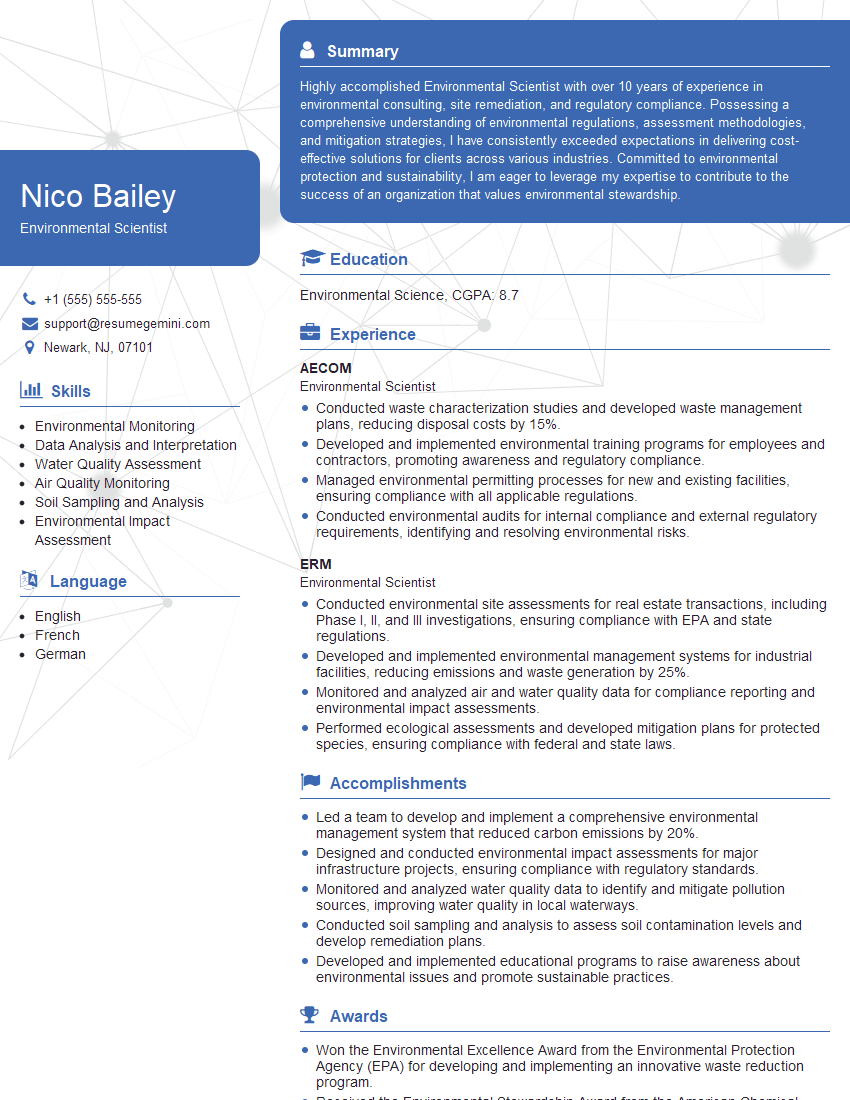
Environmental Scientist Resume Sample

Research Scientist Resume Sample
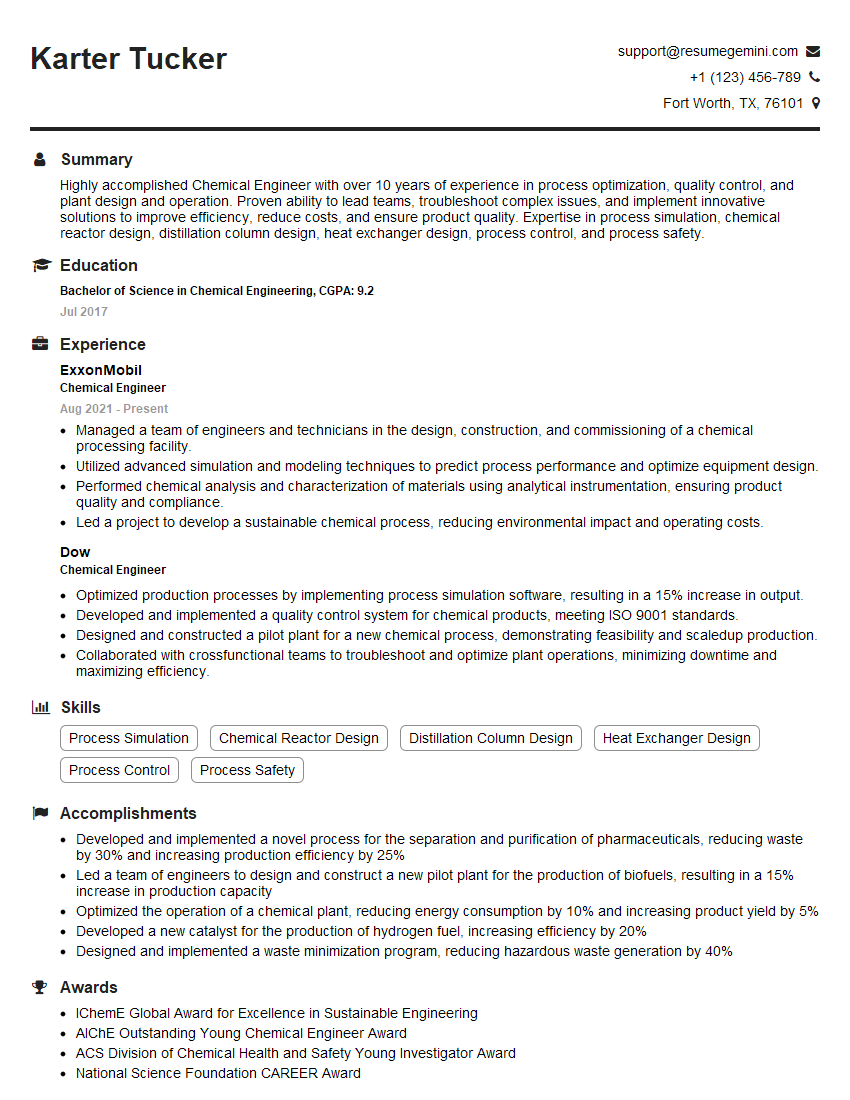
Chemical Engineer Resume Sample

Chemical Process Engineer Resume Sample
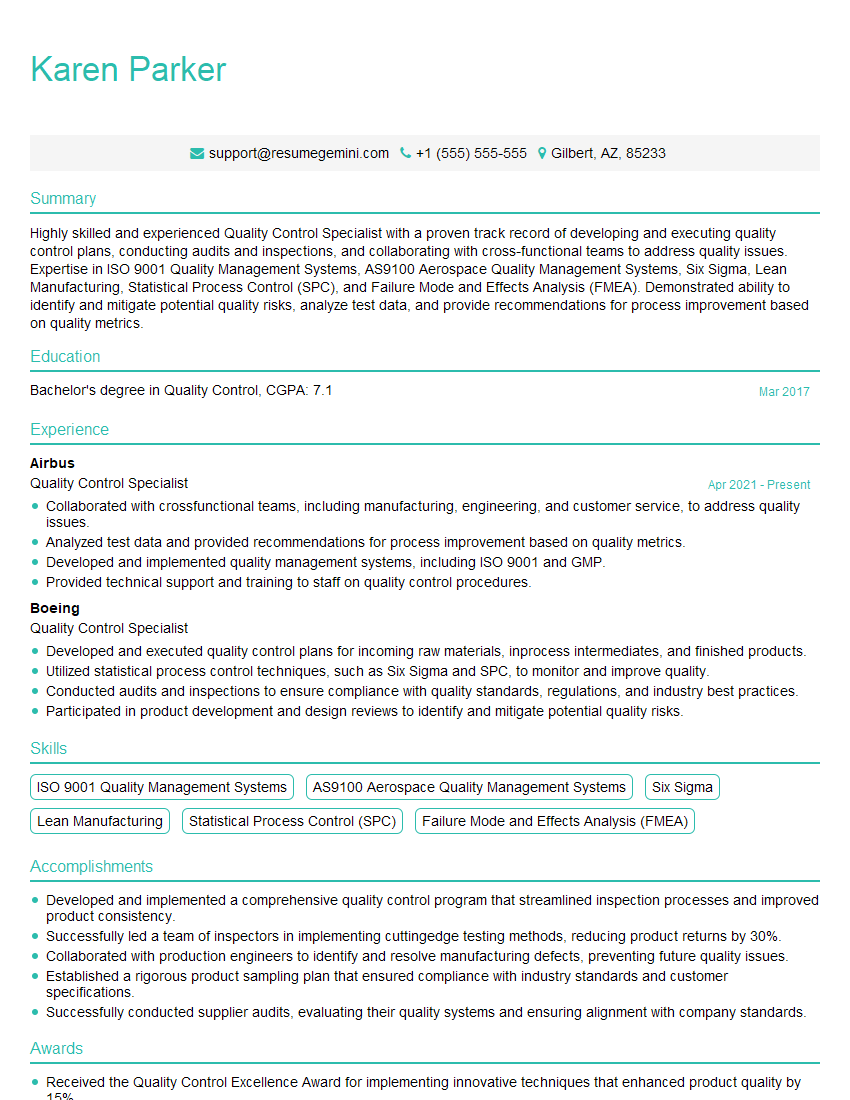
Quality Control Specialist Resume Sample

Laboratory Technician Resume Sample
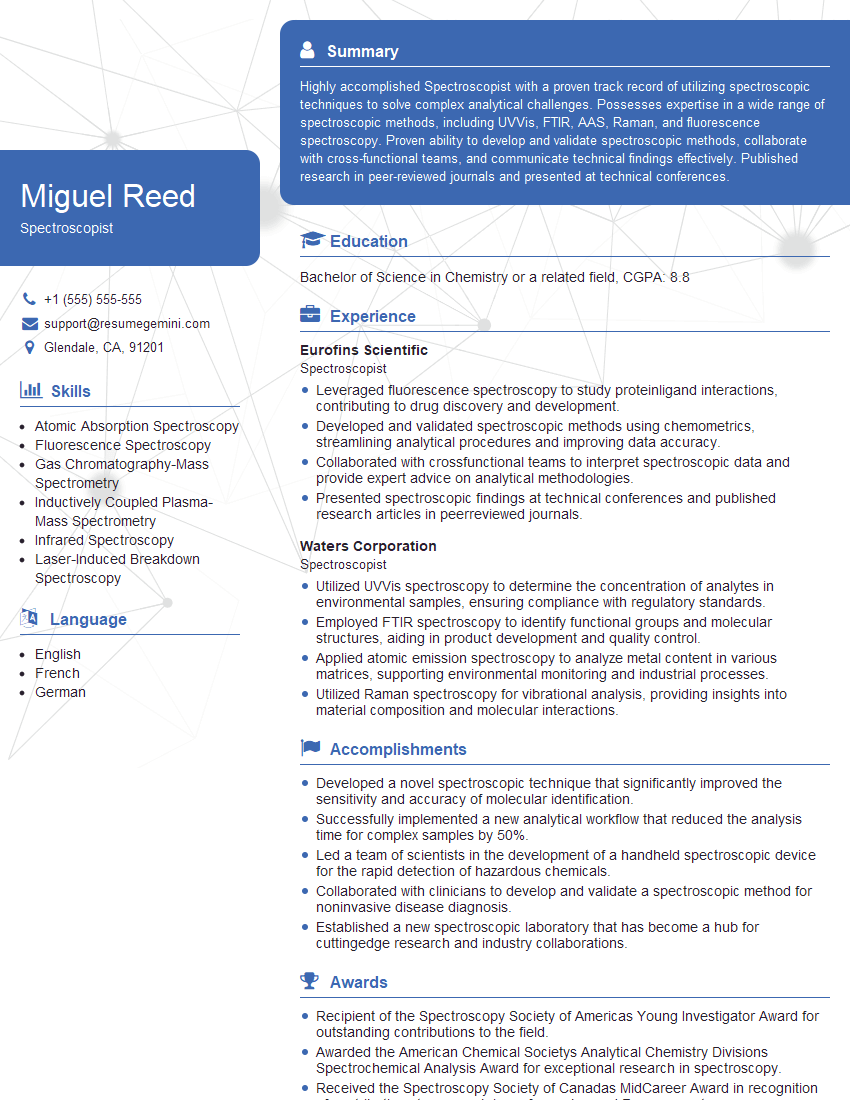
Spectroscopist Resume Sample
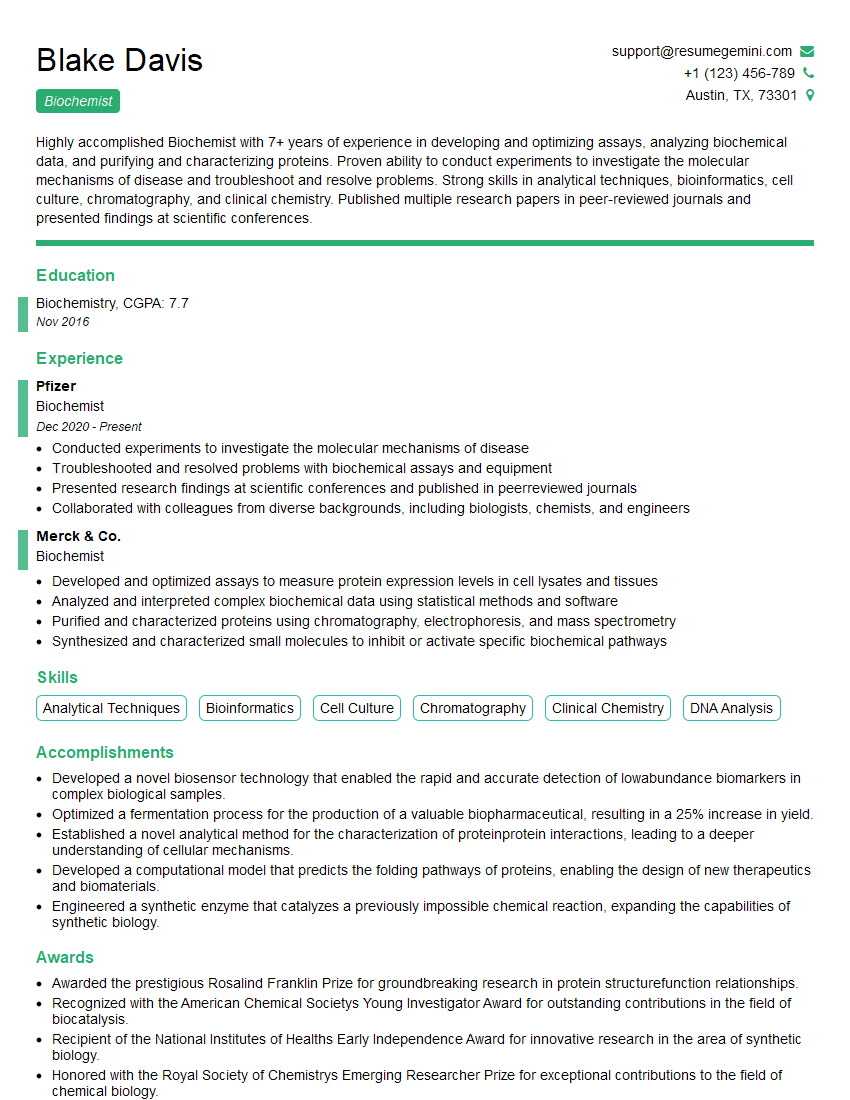
Biochemist Resume Sample

Toxicologist Resume Sample
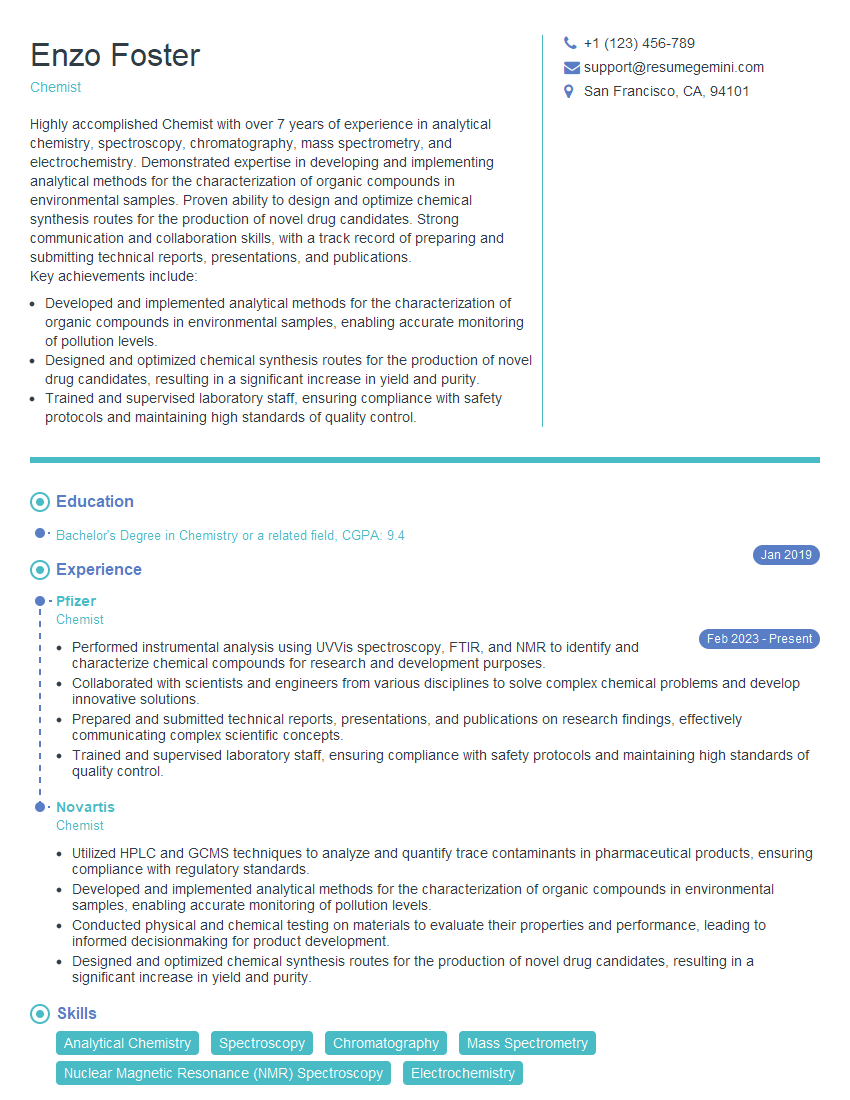
Chemist Resume Sample

Analytical Chemist Resume Sample
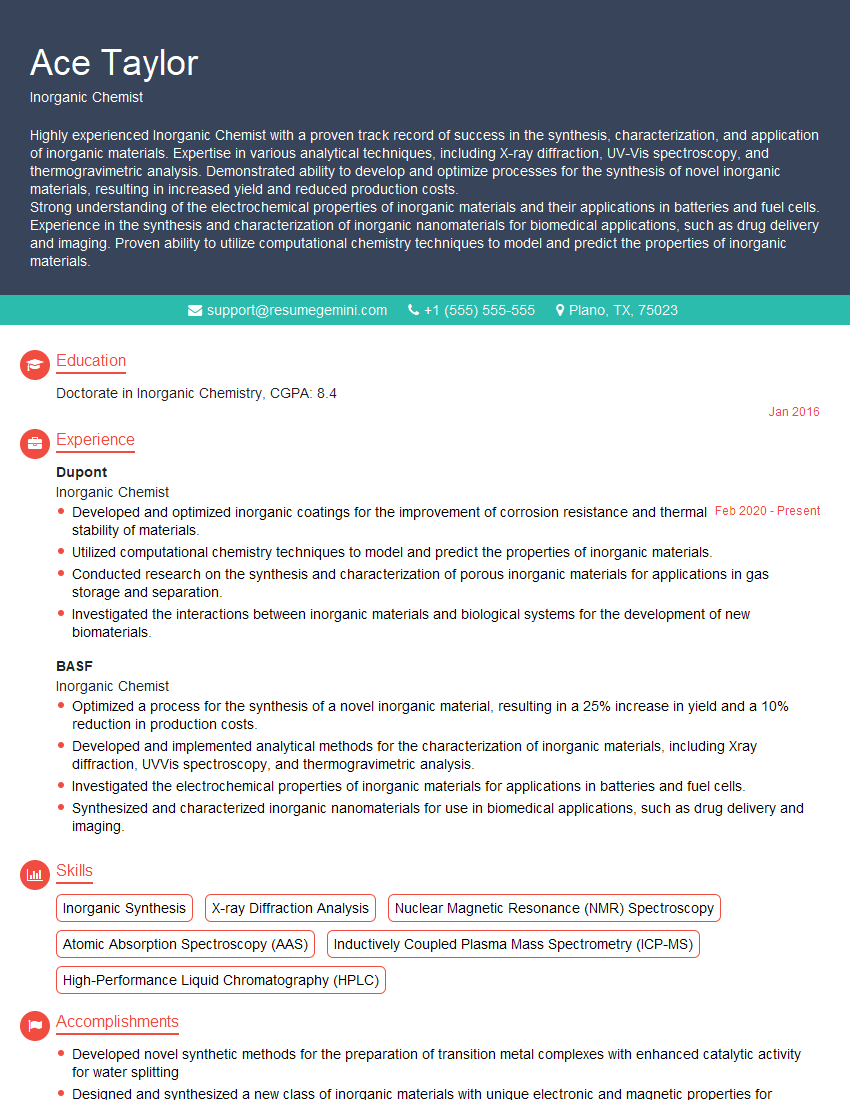
Inorganic Chemist Resume Sample
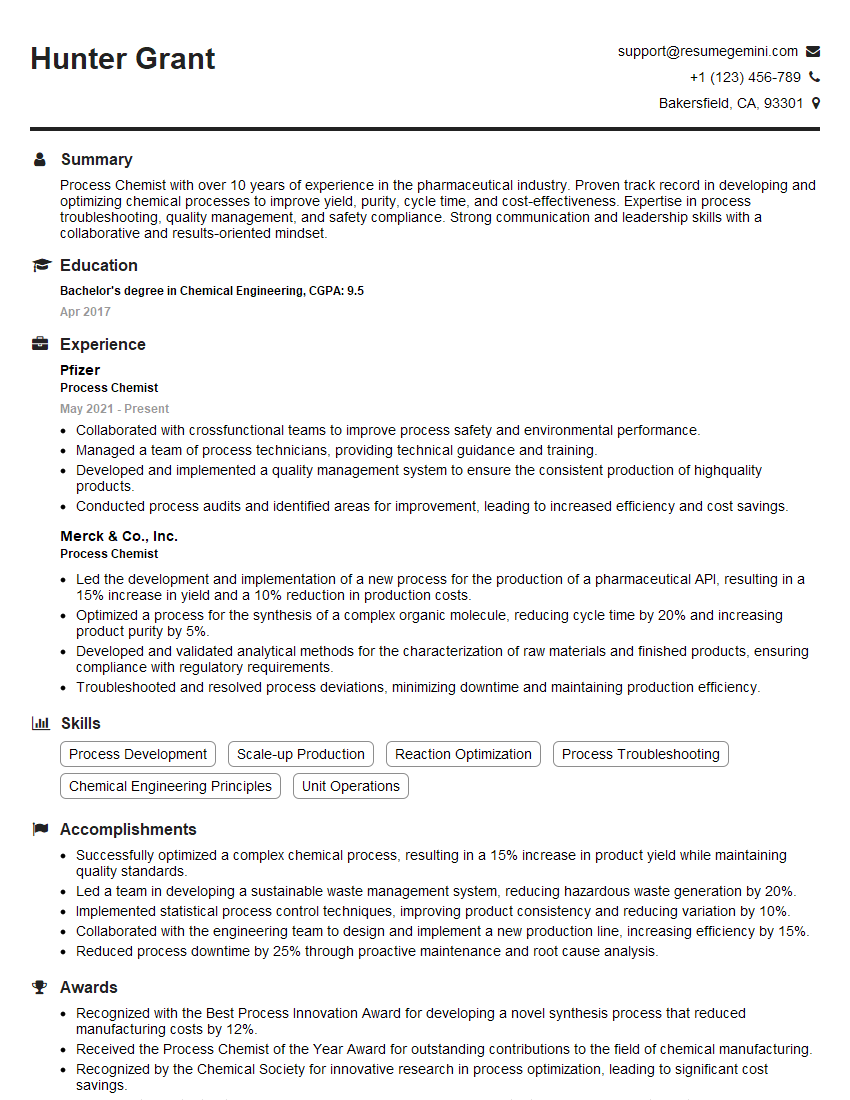
Process Chemist Resume Sample
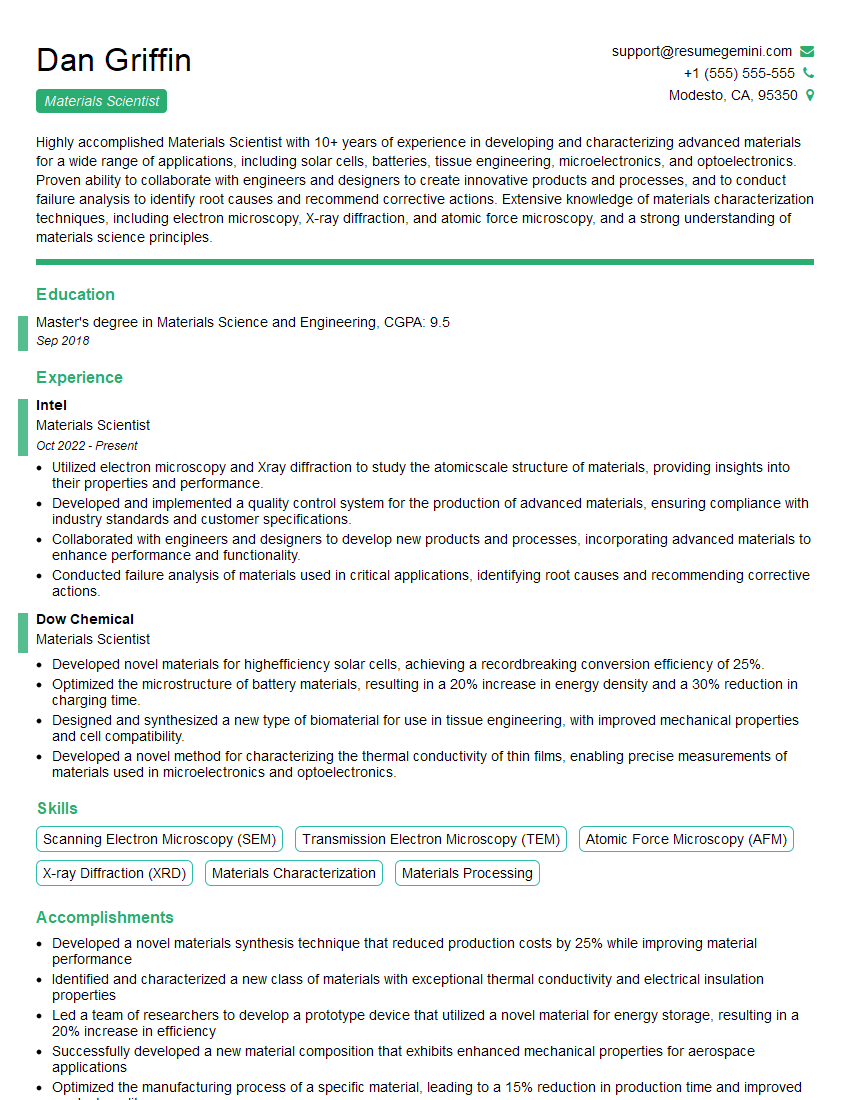
Materials Scientist Resume Sample
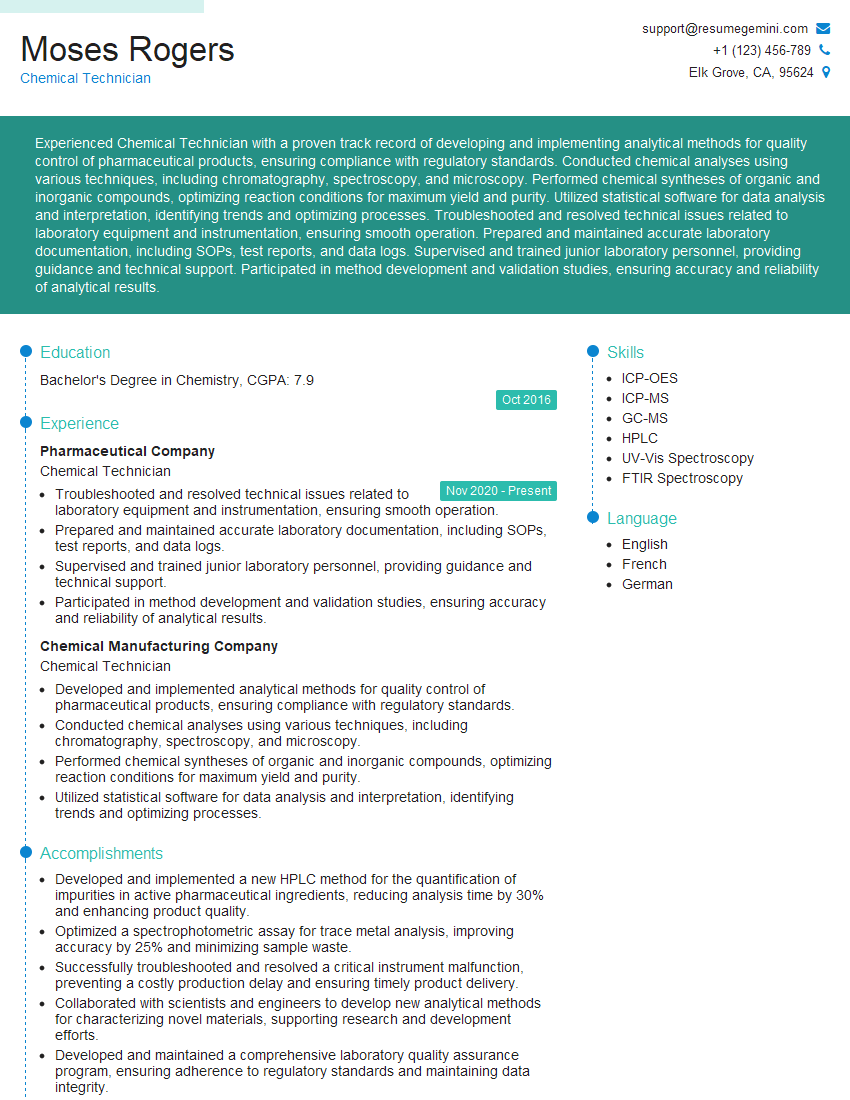
Chemical Technician Resume Sample
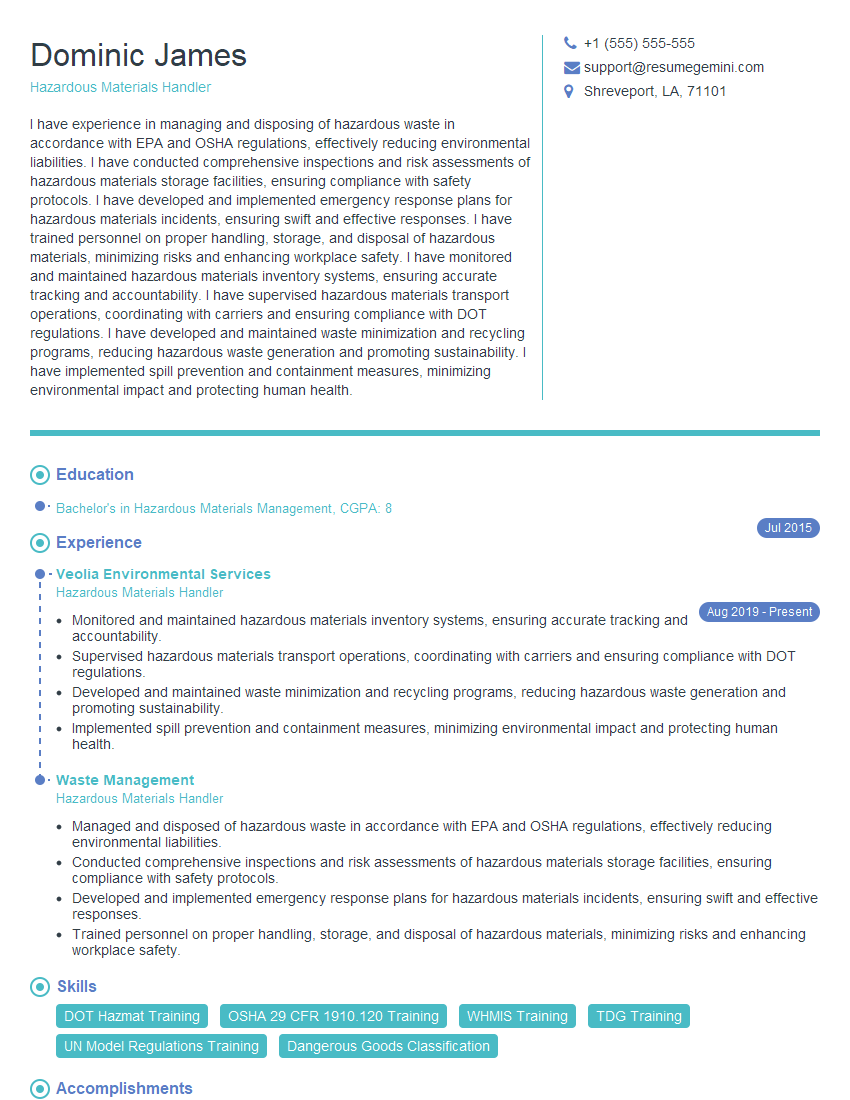
Hazardous Materials Handler Resume Sample
- Environmental Scientist
- Research Scientist
- Chemical Engineer
- Chemical Process Engineer
- Quality Control Specialist
- Laboratory Technician
- Spectroscopist
- Biochemist
- Toxicologist
- Chemist
- Analytical Chemist
- Inorganic Chemist
- Process Chemist
- Materials Scientist
- Chemical Technician
- Hazardous Materials Handler
Explore more articles
Users Rating of Our Blogs
Share Your Experience
We value your feedback! Please rate our content and share your thoughts (optional).
What Readers Say About Our Blog
Very informative content, great job.
good