The right preparation can turn an interview into an opportunity to showcase your expertise. This guide to Ability to work with machinery interview questions is your ultimate resource, providing key insights and tips to help you ace your responses and stand out as a top candidate.
Questions Asked in Ability to work with machinery Interview
Q 1. Describe your experience operating CNC milling machines.
My experience with CNC milling machines spans over eight years, encompassing both manual and automated operation. I’ve worked extensively with various models, including Haas VF-2SS and Fanuc Robodrill. My skills range from basic part programming using G-code to advanced techniques like 5-axis machining. For example, I was recently responsible for producing a complex titanium impeller for an aerospace application. This involved creating a highly accurate 3D model, generating the necessary G-code using Mastercam, and then meticulously executing the machining process on the Haas VF-2SS, ensuring precise tolerances were met.
I’m proficient in setting up and operating the machines, including tool changes, workholding, and zero-point systems. I’m also adept at diagnosing and resolving minor issues independently, reducing downtime and maximizing efficiency. In one instance, I quickly identified a misaligned tool causing inconsistent surface finish. By adjusting the tool offsets and running a quick test cut, I resolved the problem and avoided costly rework.
Q 2. Explain the safety procedures you follow when working with heavy machinery.
Safety is paramount when working with heavy machinery. My safety procedures adhere strictly to OSHA guidelines and company-specific protocols. Before commencing any operation, I always conduct a thorough machine inspection, checking for loose parts, damaged components, and ensuring all safety guards are securely in place. This is similar to pre-flight checks for an aircraft; you want to make sure everything is in order before commencing the operation.
I wear appropriate personal protective equipment (PPE) at all times, including safety glasses, hearing protection, and steel-toed boots. I ensure the work area is free of obstructions, and I never operate machinery while fatigued or under the influence of drugs or alcohol. Lockout/Tagout (LOTO) procedures are strictly followed during maintenance or repairs. Finally, I always train colleagues on safe practices to foster a culture of safety in the workplace.
Q 3. How do you troubleshoot common machinery malfunctions?
Troubleshooting machinery malfunctions involves a systematic approach. I begin by identifying the symptom: Is the machine making unusual noises? Are there error messages displayed? Is the tool not engaging properly? Then, I systematically check the most common causes. This often includes verifying power supply, checking coolant flow, inspecting tools for wear or damage, and examining the program for errors.
For example, if a machine is producing inaccurate parts, I might first check the tool offsets, then the workholding setup, and finally the G-code itself. If the problem persists, I consult the machine’s manual and may even use diagnostic tools to pinpoint the issue. I maintain detailed records of troubleshooting steps and solutions to help prevent future problems and assist in identifying patterns.
Q 4. What experience do you have with preventative maintenance on industrial equipment?
Preventative maintenance is crucial for extending the lifespan of machinery and preventing costly breakdowns. My experience includes performing scheduled lubrication, cleaning, and inspections as per manufacturer’s recommendations. I’m adept at identifying potential issues before they escalate into major problems. Think of it as regular check-ups for your car—they prevent significant repairs later.
For instance, I routinely check for signs of wear on cutting tools, replace worn-out components proactively, and monitor vibration levels to detect any imbalances. I also meticulously document all maintenance activities, ensuring compliance with industry standards and company policies. This contributes to improved machine uptime and reduced maintenance costs in the long run.
Q 5. Describe your experience with different types of machine control systems (e.g., PLC, HMI).
I have significant experience with various machine control systems, including PLCs (Programmable Logic Controllers) and HMIs (Human-Machine Interfaces). I understand the basic principles of PLC programming, including ladder logic, and can troubleshoot basic PLC programs. I am proficient in using HMIs to monitor machine status, adjust parameters, and oversee the production process. I’ve worked with both Allen-Bradley and Siemens systems.
For example, in a previous role, I used an HMI to adjust feed rates and spindle speeds in real-time, optimizing the machining process and reducing cycle times. Understanding these systems allows for improved process control, fault diagnosis and a deeper integration into the overall manufacturing process.
Q 6. How do you ensure the accuracy and precision of your work when using machinery?
Ensuring accuracy and precision involves a multi-faceted approach. Firstly, meticulous attention to detail during the entire process is vital, starting with proper machine setup and tool calibration. This includes precise alignment of workpieces, accurate tool length compensation, and the careful use of measuring tools, such as calipers and micrometers. Secondly, regular inspection of the parts throughout the manufacturing process helps identify any discrepancies early on.
Furthermore, careful selection of tooling and adherence to optimal cutting parameters are critical. Finally, thorough understanding of the G-code and the capability of the machine itself is essential for producing high-quality parts. For example, utilizing proper cutting speeds and feeds prevent tool chatter and maintain consistent surface finish.
Q 7. What is your experience with reading and interpreting technical manuals and schematics?
Reading and interpreting technical manuals and schematics are essential skills for any machinist. I’m proficient in understanding both electrical and mechanical schematics, allowing me to trace circuits, identify components, and diagnose problems. My experience encompasses a wide range of machinery manuals from diverse manufacturers. I’m not just reading the manuals; I am actively learning from them.
I use these documents to understand machine operation, troubleshooting procedures, and safety protocols. For example, recently, I used a schematic to identify a faulty relay causing a machine malfunction. This allowed for a quick repair, minimizing production downtime. This skill is like having a roadmap for every piece of equipment I’m working with, allowing me to efficiently complete tasks and to quickly solve technical problems.
Q 8. Explain your understanding of different types of machine tools (e.g., lathes, drills, presses).
Machine tools are the backbone of manufacturing, enabling the shaping and modification of materials. Different types excel in specific tasks. Lathes, for instance, are used for rotating workpieces to create cylindrical shapes through cutting or turning. Think of making a perfectly round shaft for an engine. Drilling machines, as the name suggests, create holes of various sizes and depths in materials. Imagine drilling holes for screws in a metal plate. Finally, presses utilize force to shape materials, such as stamping out parts from sheet metal or forging components into complex shapes; picture a car body panel being stamped out in a massive press.
- Lathes: Ideal for creating cylindrical parts, from screws to engine components. They use cutting tools to remove material precisely.
- Drilling Machines: Used to create holes in various materials, vital for assembly and creating functional parts. Different bits allow for diverse hole sizes and shapes.
- Presses: Employ immense force to form materials; critical for mass production of parts like automotive body panels or coins.
My experience encompasses working with a wide array of these machines, from small benchtop drills to large CNC lathes, providing me with a comprehensive understanding of their capabilities and limitations.
Q 9. How do you handle unexpected issues or breakdowns during operation?
Unexpected issues are part of working with machinery. My approach is systematic and prioritizes safety. First, I immediately stop the machine and secure the area, ensuring no one is at risk. Then, I carefully assess the problem; is it a minor adjustment or a major malfunction? For minor issues like a jammed feed mechanism, I’ll try troubleshooting based on my experience and the machine’s manual. For more serious problems like a hydraulic leak, I’ll follow established lockout/tagout procedures and contact maintenance personnel. I document everything – the issue, my attempts at resolution, and the outcome – to help prevent future occurrences.
For example, I once encountered a sudden power surge that caused a CNC lathe to malfunction. Following safety protocols, I shut down the machine and reported the issue. After checking for any visible damage, we determined the issue required an electrician and the machine was successfully repaired.
Q 10. Describe your experience with hydraulic and pneumatic systems.
Hydraulic and pneumatic systems are essential in many machines, providing power and control. Hydraulic systems use pressurized liquids, offering high force and precision. Think of the powerful clamping mechanisms on a large press. Pneumatic systems utilize compressed air, offering faster response times but generally lower force. An example would be the air cylinders used to actuate the grippers on a robotic arm.
I have experience troubleshooting and maintaining both. I understand the importance of pressure regulation, leak detection, and proper maintenance procedures to prevent system failure. I’m familiar with reading schematics and diagnosing problems using pressure gauges and other diagnostic tools. For instance, I once identified a leak in a hydraulic cylinder by carefully tracing the fluid trail, leading to its timely replacement and preventing a costly shutdown.
Q 11. What safety measures do you take to prevent accidents related to machinery?
Safety is paramount when operating machinery. My approach follows a multi-layered strategy. Before starting any task, I always inspect the machine for any damage or loose parts. I use appropriate personal protective equipment (PPE), including safety glasses, hearing protection, and sometimes gloves or a face shield. I strictly adhere to lockout/tagout procedures before performing any maintenance or repairs. I ensure all guards and safety interlocks are in place and functioning correctly. Finally, I regularly review safety guidelines and participate in training sessions to keep my knowledge current.
For instance, before using a lathe, I always inspect the chuck, tools, and workpiece for any potential hazards, ensuring they’re properly secured.
Q 12. How do you maintain a clean and organized work environment around machinery?
A clean and organized work environment is crucial for safety and efficiency. I maintain a tidy workspace by immediately cleaning up spills or debris. Tools are stored in designated locations, preventing accidents and saving time searching for them. I regularly inspect machines for accumulated chips or dust, regularly cleaning and maintaining them. A clear workspace minimizes tripping hazards and makes identifying potential problems easier.
Think of it like a surgeon’s operating room; a clean, organized space directly impacts productivity and safety. I apply the same principles to my machinery work.
Q 13. What is your experience with robotic machinery or automated systems?
I have experience working with robotic machinery and automated systems, specifically in a manufacturing setting where we utilize robotic arms for assembly tasks. I understand basic programming and troubleshooting of these systems, including sensor integration and error handling. I’m comfortable working collaboratively with robotics engineers and programmers to optimize processes and resolve malfunctions. I also understand the importance of safety protocols when working around automated systems, including emergency stops and safety zones.
For example, I’ve assisted in troubleshooting a robotic arm that was experiencing inconsistent gripping strength, identifying a problem with its pneumatic system and correcting the air pressure setting.
Q 14. Describe your experience with welding or fabrication techniques.
My experience with welding and fabrication encompasses various techniques, including MIG (Metal Inert Gas), TIG (Tungsten Inert Gas), and stick welding. I’m proficient in reading blueprints and translating them into functional metal structures. I also have experience with various fabrication processes such as cutting, grinding, and bending metal. Understanding the properties of different metals and selecting the right welding technique for a given application is a vital part of my skill set.
For example, I’ve constructed custom jigs and fixtures for use in a manufacturing environment, requiring a combination of welding, cutting, and bending metal to create the required structures. Safety is always a top priority when undertaking these tasks; proper ventilation and PPE are essential.
Q 15. What is your familiarity with different types of machine lubricants and their applications?
My familiarity with machine lubricants extends across various types, each suited for specific applications. Choosing the right lubricant is crucial for preventing wear, friction, and ultimately, costly equipment failure.
- Mineral Oils: These are the most common and cost-effective, suitable for many general applications. I’ve used them extensively in older machinery, for instance, on a large milling machine where their viscosity properties proved adequate for the working conditions.
- Synthetic Oils: Offer superior performance in extreme temperatures and conditions. I’ve used synthetics in high-speed precision machinery where maintaining consistent viscosity was critical. In one project, using synthetic oil in a CNC lathe dramatically improved its operational lifespan.
- Greases: Used in applications where a thick, lubricating film is needed, like bearings operating under heavy loads or in environments with limited access for re-lubrication. A recent example involved using a high-temperature lithium-based grease in a conveyor system operating in a very hot environment.
- Specialty Lubricants: These include things like food-grade lubricants for food processing equipment or extreme-pressure lubricants for gearboxes under heavy stress. The selection always depends on the specific operating conditions and regulatory compliance requirements.
Understanding the viscosity (thickness) and chemical properties of each type is essential for effective lubrication. I always consult manufacturers’ recommendations and material safety data sheets (MSDS) before selecting and applying any lubricant.
Career Expert Tips:
- Ace those interviews! Prepare effectively by reviewing the Top 50 Most Common Interview Questions on ResumeGemini.
- Navigate your job search with confidence! Explore a wide range of Career Tips on ResumeGemini. Learn about common challenges and recommendations to overcome them.
- Craft the perfect resume! Master the Art of Resume Writing with ResumeGemini’s guide. Showcase your unique qualifications and achievements effectively.
- Don’t miss out on holiday savings! Build your dream resume with ResumeGemini’s ATS optimized templates.
Q 16. How do you ensure compliance with safety regulations when operating machinery?
Safety is paramount when operating machinery. My approach to compliance involves a multi-layered strategy:
- Lockout/Tagout (LOTO): Before any maintenance or repair work, I always rigorously follow LOTO procedures to isolate power sources and prevent accidental starts. This is non-negotiable.
- Personal Protective Equipment (PPE): I consistently use appropriate PPE, including safety glasses, gloves, hearing protection, and steel-toed boots, depending on the task. I also ensure that all PPE is properly maintained and in good condition.
- Regular Inspections: Daily inspections of machinery for any visible signs of damage, wear, or potential hazards are a part of my routine. This proactive approach can help prevent accidents.
- Training and Certification: I maintain up-to-date training and certifications on all machinery I operate. Staying informed about updated safety protocols is vital.
- Following established procedures: This includes adherence to all company safety policies and procedures, which ensures everyone is on the same page and is working safely.
If I ever encounter any ambiguity or uncertainty about a safety procedure, I will always seek clarification from my supervisor before proceeding. Safety is never compromised.
Q 17. Explain your process for inspecting and maintaining machinery.
My machinery inspection and maintenance process is systematic and comprehensive:
- Visual Inspection: I begin with a thorough visual inspection, checking for leaks, cracks, loose bolts, unusual noises, or vibrations. I pay close attention to wear indicators on parts.
- Functional Testing: Next, I conduct functional tests to ensure the machine operates correctly. This might involve running tests at various speeds or under different loads, depending on the machinery.
- Lubrication: I apply or replenish lubricants according to the manufacturer’s recommendations. I record this maintenance activity in the logbook.
- Cleaning: Removing debris and contaminants is a critical aspect of maintenance to prevent issues. I use appropriate cleaning solvents and tools, always ensuring they don’t damage the machinery.
- Component Checks: Depending on the machine, this may include checking belts, chains, gears, hydraulic systems, pneumatic components, or electrical connections. I look for signs of excessive wear or damage.
- Documentation: I meticulously document all inspections, maintenance tasks, and findings. This information is essential for tracking machine history and scheduling future maintenance.
This process is tailored to the specific machine and is guided by manufacturers’ manuals and company procedures. Regular preventative maintenance minimizes the risk of major breakdowns and extends the lifespan of the equipment.
Q 18. What is your experience with calibrating and adjusting machinery?
Calibrating and adjusting machinery requires precision and a solid understanding of the machine’s operating principles. My experience spans various types of equipment.
For example, I’ve calibrated pressure sensors on hydraulic presses, using precision measuring instruments to ensure accurate readings. Adjusting the parameters often involves fine-tuning settings based on readings from these sensors. This requires a keen eye for detail and a systematic approach to ensure accuracy.
In another instance, I adjusted the timing of a conveyor belt system. Slight adjustments to the motor speed and tensioning mechanisms drastically improved the efficiency of the system. This involved understanding the mechanical properties and using specialized tools for precise adjustments.
My approach involves a step-by-step methodology, starting with a thorough understanding of the calibration procedure outlined in the machine’s manual. I then systematically make adjustments, carefully monitoring the results, until the desired accuracy and performance are achieved. I always document the adjustments made.
Q 19. How do you document your work and maintain accurate records related to machinery?
Accurate record-keeping is essential for effective machinery management. I maintain detailed records using a combination of methods:
- Maintenance Logs: I keep detailed logs, both paper-based and digital, that document all inspections, maintenance performed, parts replaced, and any issues encountered.
- Computerized Maintenance Management Systems (CMMS): I am proficient in using CMMS software to track maintenance schedules, inventory, and work orders, which helps in streamlined maintenance scheduling and parts management. I have experience with [mention specific CMMS software if applicable, e.g., UpKeep, Fiix].
- Digital Photography and Video: I often supplement written records with photos or videos documenting the condition of equipment before, during, and after maintenance. This provides clear visual documentation.
- Data Analysis: I can analyze data from the CMMS or other sources to identify trends and patterns that could indicate potential maintenance issues or areas for improvement.
These records are invaluable for tracking machine performance, predicting future needs, and ensuring compliance with safety and regulatory standards. They also aid in troubleshooting should problems occur.
Q 20. What is your proficiency level in using specific software related to machine control or maintenance?
My proficiency with software related to machine control and maintenance varies depending on the specific software. I am experienced with [mention specific software, e.g., Siemens TIA Portal, Rockwell Automation RSLogix 5000] for PLC programming and troubleshooting. This includes creating, modifying, and debugging PLC programs to control various machinery functionalities. I’m also comfortable with CMMS software, as mentioned earlier.
Additionally, I have experience using data acquisition software to collect and analyze machine performance data, such as vibration analysis or temperature monitoring software. This allows for predictive maintenance and quick identification of potential issues. I am adept at learning and adapting to new software as needed, as the industry is constantly evolving.
Q 21. Describe your experience with different types of material handling equipment.
My experience encompasses a wide range of material handling equipment:
- Forklifts: I’m certified to operate various types of forklifts, including counterbalanced, reach trucks, and order pickers. Safety is my top priority when operating these machines.
- Conveyors: I understand the operation and maintenance of various conveyor systems, including belt conveyors, roller conveyors, and overhead conveyors. I’ve worked on troubleshooting issues with conveyor systems and ensuring their efficient operation.
- Overhead Cranes: I have experience operating overhead cranes for lifting and moving heavy materials. Strict adherence to safety procedures is vital in this area.
- Pallet Jacks and Hand Trucks: While seemingly simple, safe and efficient operation of these manual handling tools is crucial to avoid injuries.
In each case, my approach prioritizes safety, efficiency, and adherence to best practices. I understand the limitations of each piece of equipment and always select the appropriate equipment for the specific task. I always ensure proper training and certification are in place before operating any material handling equipment.
Q 22. How do you prioritize tasks and manage your time effectively when working with multiple machines?
Prioritizing tasks and managing time effectively when working with multiple machines requires a structured approach. I utilize a combination of techniques, including task prioritization matrices (like Eisenhower Matrix – Urgent/Important), and time-blocking. This involves identifying all tasks related to each machine, assessing their urgency and importance, and scheduling them accordingly.
For example, if I’m operating a CNC milling machine, a lathe, and a 3D printer simultaneously, I might prioritize urgent tasks like completing a critical milling job before attending to less urgent tasks like loading filament into the 3D printer. I break down larger tasks into smaller, manageable steps, setting realistic deadlines for each to avoid feeling overwhelmed. Using a digital calendar or task management software is crucial for maintaining this schedule and tracking progress effectively.
Regularly reviewing and adjusting my schedule is also essential. Unexpected delays or machine malfunctions can disrupt even the most well-laid plans. Flexibility and adaptability are key to managing these unpredictable events.
Q 23. Describe a time you had to troubleshoot a complex machinery problem.
During my time at Acme Manufacturing, we experienced a significant issue with our automated assembly line. One of the robotic arms responsible for placing components on circuit boards began malfunctioning, causing a significant backlog. Initially, the error messages were vague and unhelpful. The problem wasn’t immediately apparent.
My troubleshooting involved a systematic approach. I first checked the obvious: power supply, connections, and basic sensor readings. Once I ruled those out, I consulted the machine’s detailed manuals and diagnostic tools. I meticulously traced the error messages back to their source, using the machine’s internal logging system.
I discovered the problem stemmed from a minor misalignment in one of the robotic arm’s actuators, causing erratic movements and inaccurate placement. This misalignment was so subtle that it wasn’t initially visible to the naked eye. After carefully realigning the actuator using precision tools, I ran several test cycles, and the problem was resolved. The entire process taught me the value of patience, methodical troubleshooting, and leveraging available diagnostic tools.
Q 24. What are your strengths and weaknesses when it comes to working with machinery?
My greatest strengths when working with machinery include my methodical approach to problem-solving, my attention to detail, and my quick learning ability. I’m comfortable learning new software and operating systems specific to different types of equipment. I also possess strong mechanical aptitude and enjoy understanding how machines work.
A potential area for improvement is my preference for independent work. While I excel at independent troubleshooting, I sometimes need to remind myself to seek help from colleagues or supervisors when facing exceptionally complex problems. Actively engaging with team members during problem-solving improves efficiency and fosters a collaborative environment. I am working on improving my collaboration skills by actively seeking out mentoring opportunities and participating in team-based projects.
Q 25. How do you adapt to new types of machinery or equipment?
Adapting to new machinery involves a structured learning process. First, I thoroughly review the equipment’s operational manuals, safety procedures, and any available training materials. I then focus on understanding the machine’s fundamental workings, including its control system, safety mechanisms, and maintenance procedures.
Hands-on experience is crucial. I prefer to start with simple tasks, gradually increasing the complexity as I gain confidence and familiarity with the machine. I find it helpful to shadow experienced operators, observing their techniques and asking clarifying questions. I also actively seek feedback on my performance, making adjustments as needed.
For example, when I transitioned from operating traditional lathes to CNC lathes, I spent several days learning the CAM software and the machine’s specific control interface. Through practice and seeking guidance from senior machinists, I was able to quickly become proficient with the new equipment.
Q 26. What are your salary expectations for this role?
My salary expectations for this role are in the range of [Insert Salary Range] annually. This is based on my experience, skills, and the requirements of this position. I am open to discussing this further and am confident that my contributions will justify the investment.
Q 27. What are your long-term career goals related to machinery and manufacturing?
My long-term career goals involve becoming a highly skilled and versatile machinery expert. I aspire to expand my expertise in advanced manufacturing techniques, such as automation and robotics. I’m interested in taking on more responsibility, potentially leading teams or managing projects related to machinery maintenance and improvement. Ultimately, I aim to contribute to innovation in the manufacturing sector, developing efficient and safe machinery solutions.
Key Topics to Learn for Ability to work with machinery Interview
- Machine Operation & Maintenance: Understanding the principles of operation for various types of machinery, including preventative maintenance procedures and troubleshooting common malfunctions.
- Safety Procedures & Regulations: Demonstrating knowledge of relevant safety protocols, including lockout/tagout procedures, personal protective equipment (PPE) usage, and hazard identification.
- Technical Specifications & Documentation: Interpreting technical manuals, schematics, and diagrams to understand machine functionality and perform necessary adjustments or repairs.
- Troubleshooting & Problem-Solving: Describing your approach to diagnosing and resolving mechanical or electrical issues, highlighting your analytical and problem-solving skills.
- Quality Control & Assurance: Explaining your understanding of quality control measures within a machinery operation context and how to maintain consistent output quality.
- Teamwork & Communication: Highlighting your ability to collaborate effectively with colleagues, communicate technical information clearly, and follow instructions precisely.
- Continuous Improvement: Demonstrating awareness of lean manufacturing principles and your ability to suggest improvements to machinery operation or maintenance processes.
Next Steps
Mastering the ability to work with machinery opens doors to exciting career opportunities in diverse industries, offering significant growth potential and competitive salaries. A strong resume is your key to unlocking these opportunities. Creating an ATS-friendly resume is crucial for getting your application noticed by recruiters. To help you build a compelling and effective resume that highlights your skills and experience, we encourage you to use ResumeGemini. ResumeGemini provides a user-friendly platform and resources to create a professional document that showcases your abilities. Examples of resumes tailored to highlight “Ability to work with machinery” are available to help guide your process.

Operations Manager Resume Sample
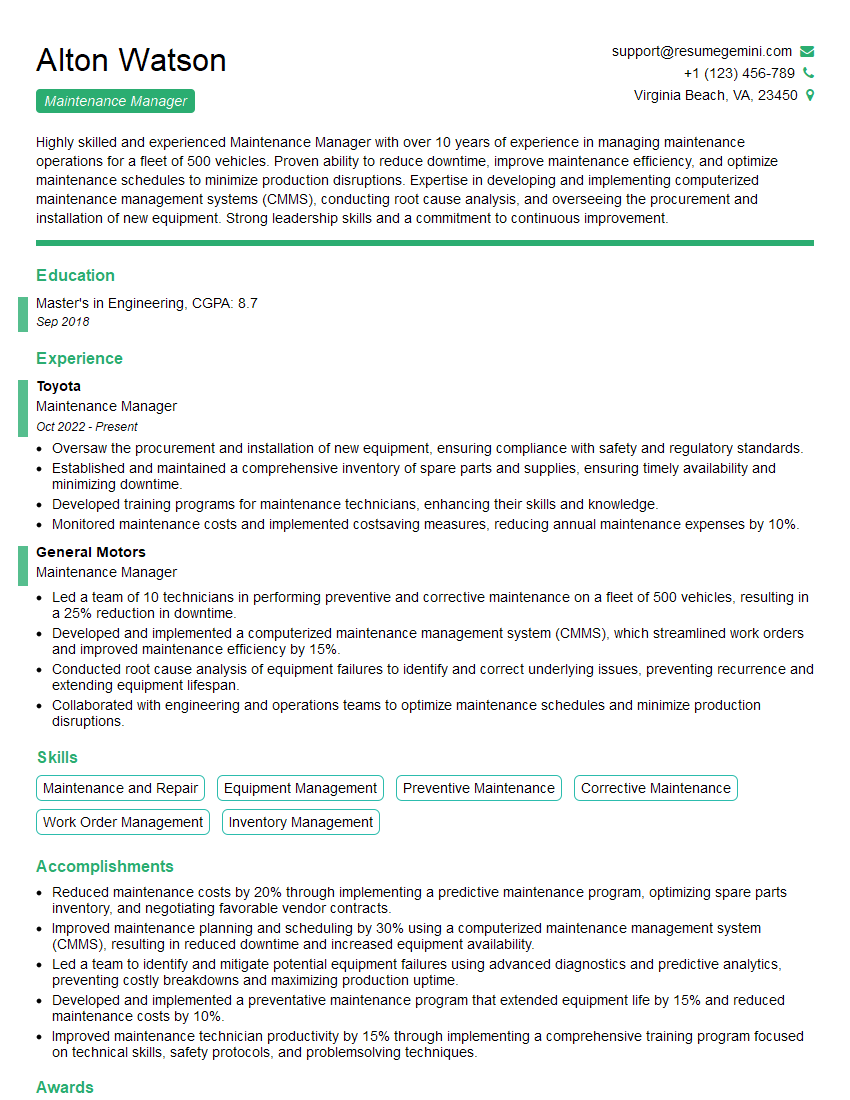
Maintenance Manager Resume Sample
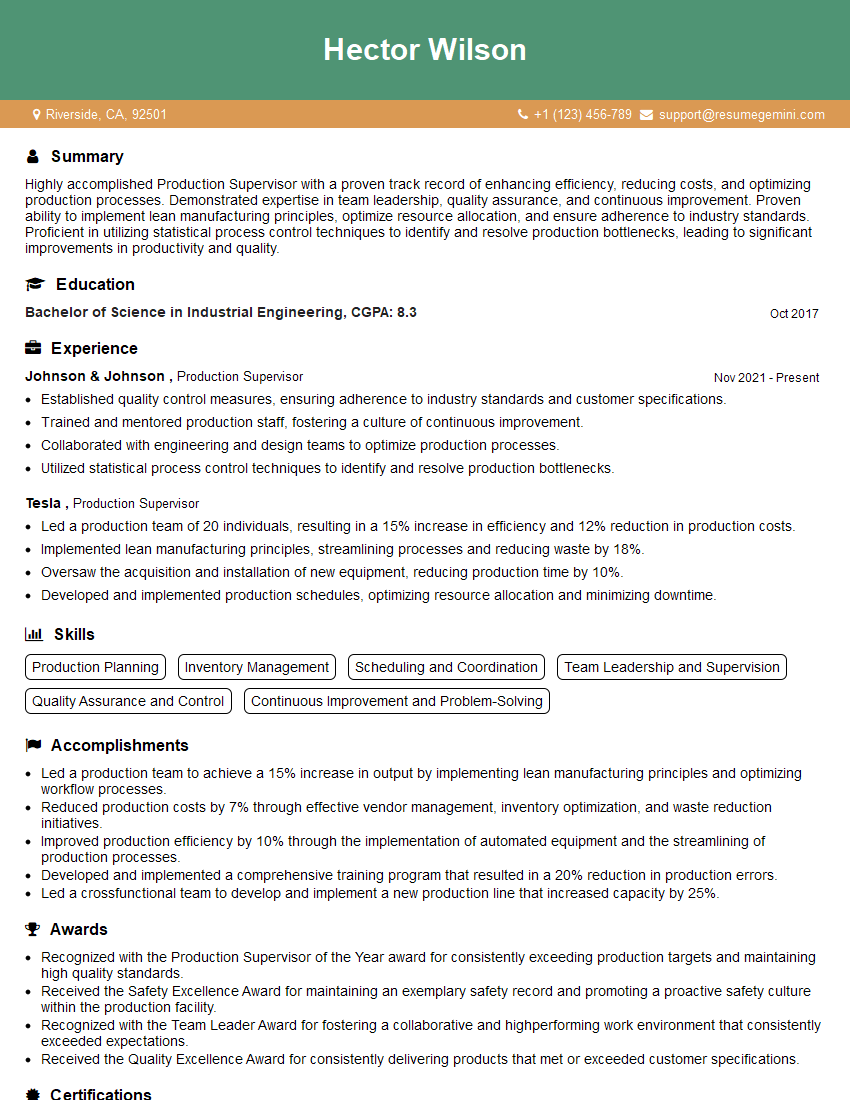
Production Supervisor Resume Sample
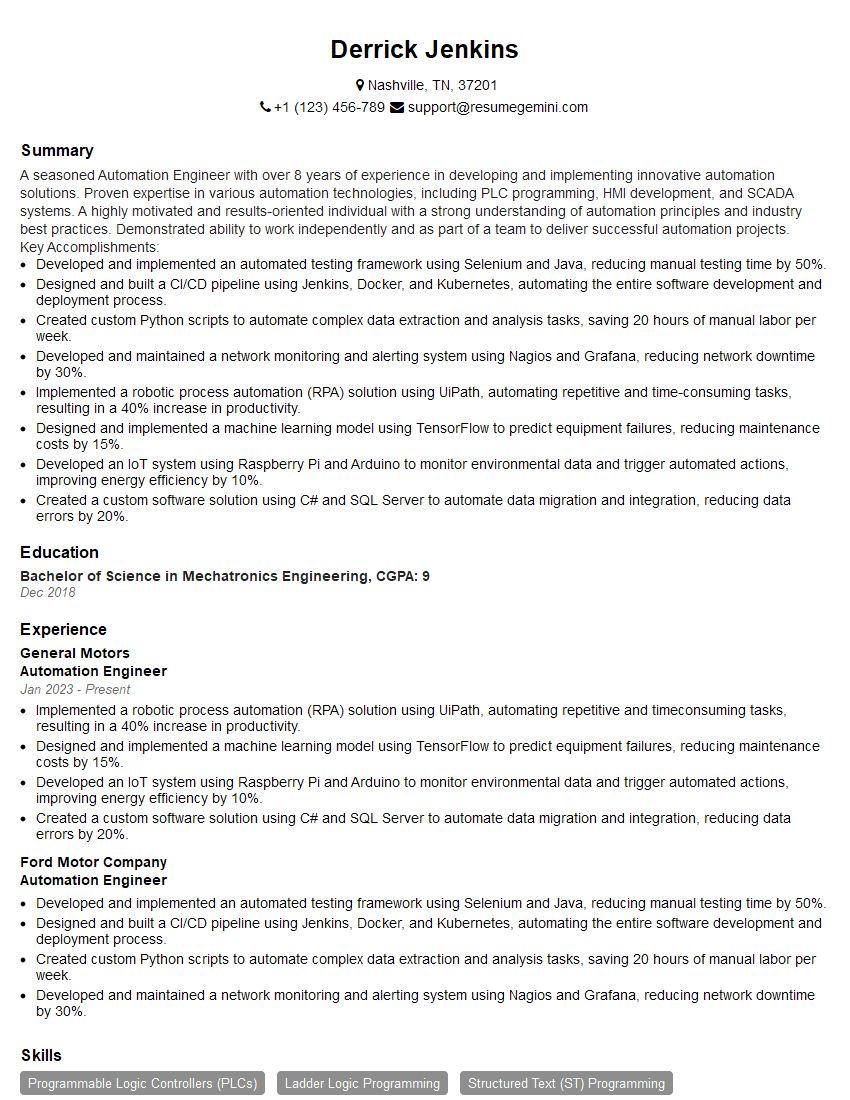
Automation Engineer Resume Sample
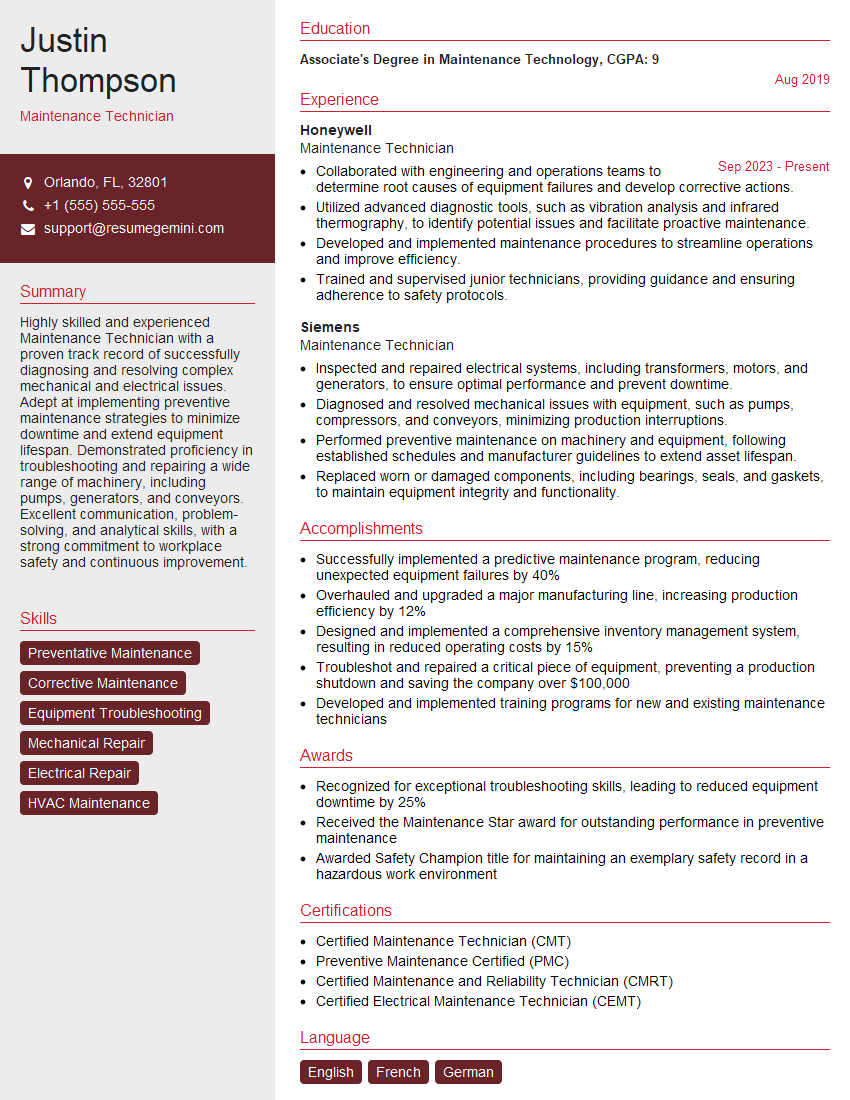
Maintenance Technician Resume Sample
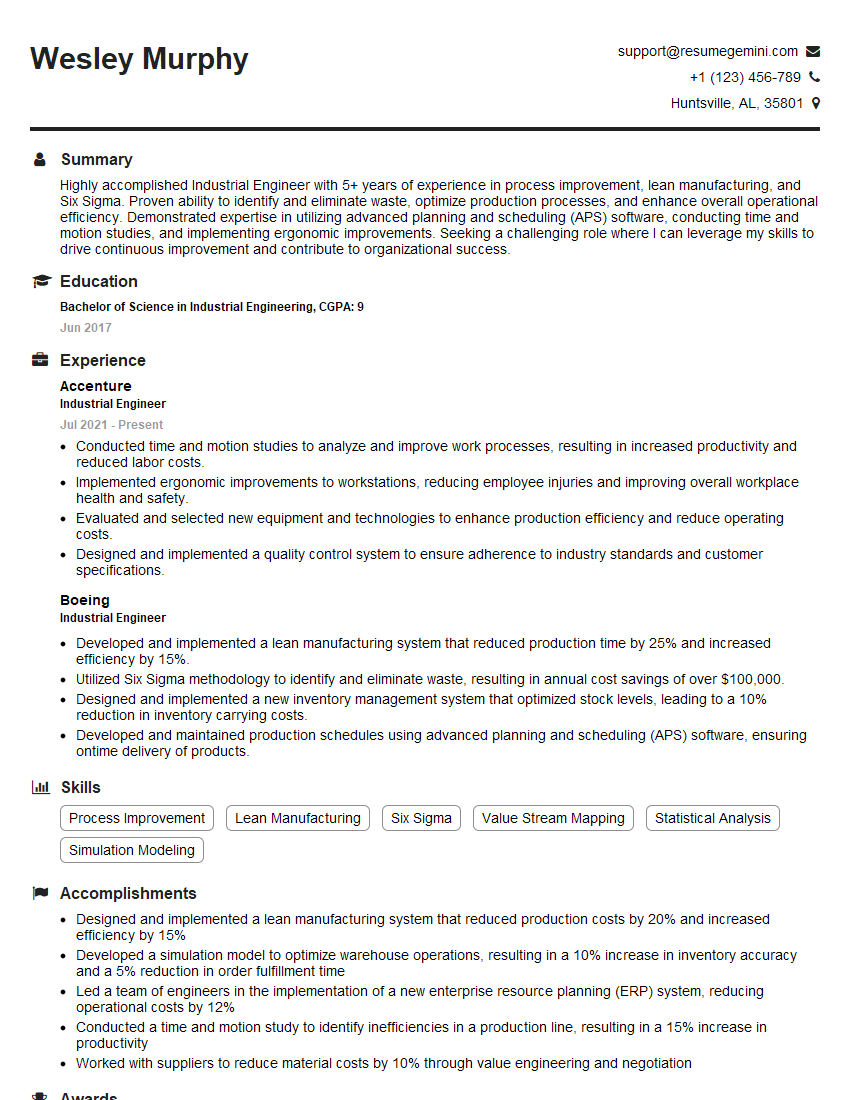
Industrial Engineer Resume Sample
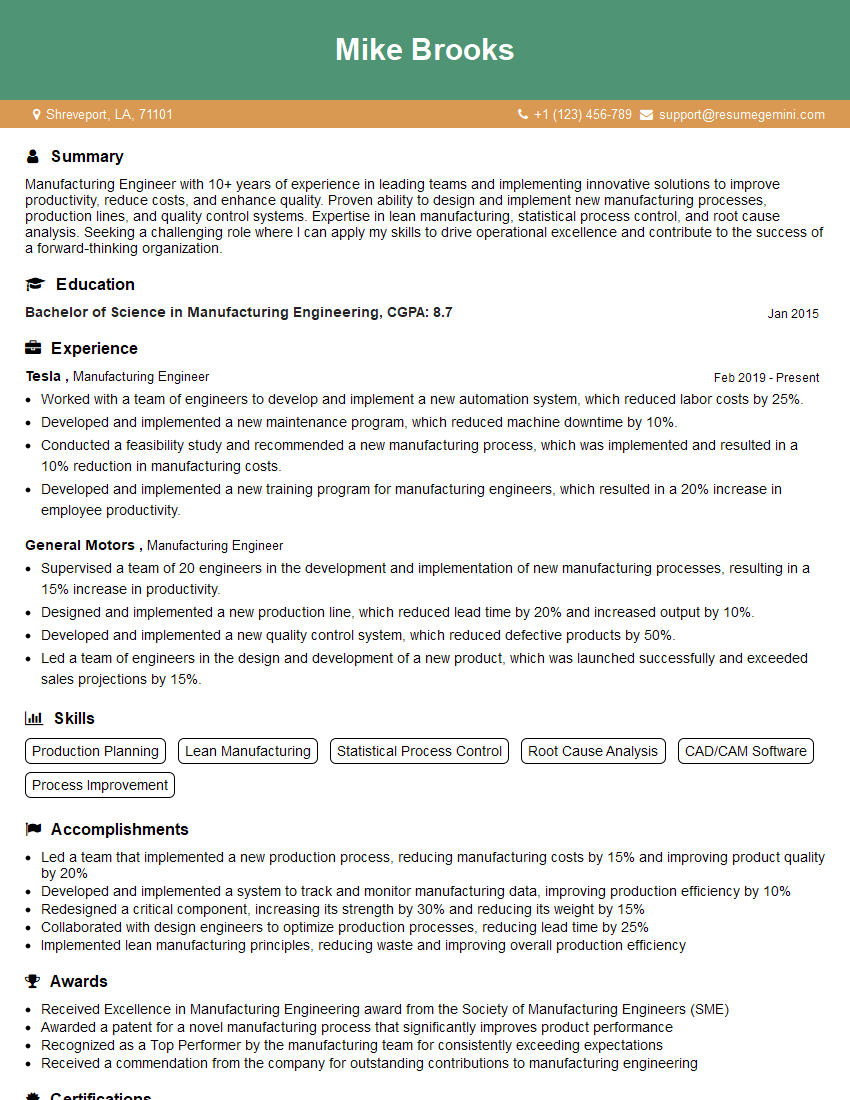
Manufacturing Engineer Resume Sample
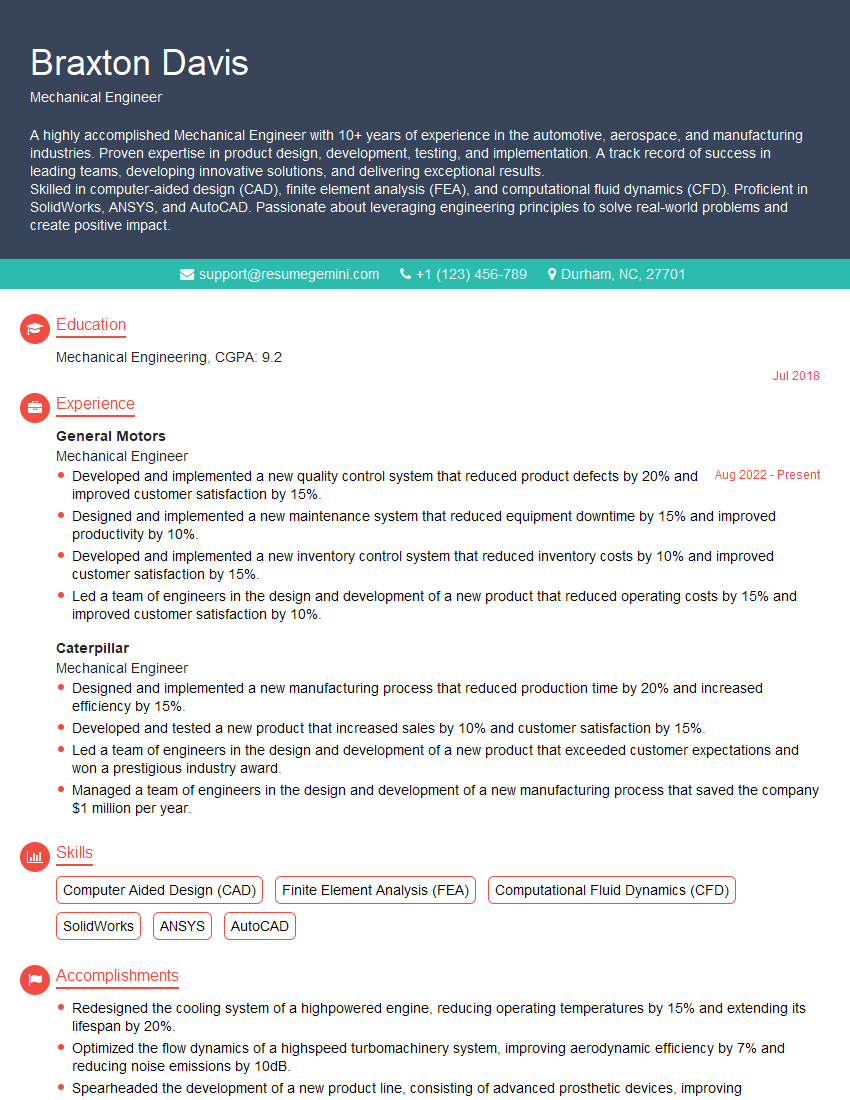
Mechanical Engineer Resume Sample
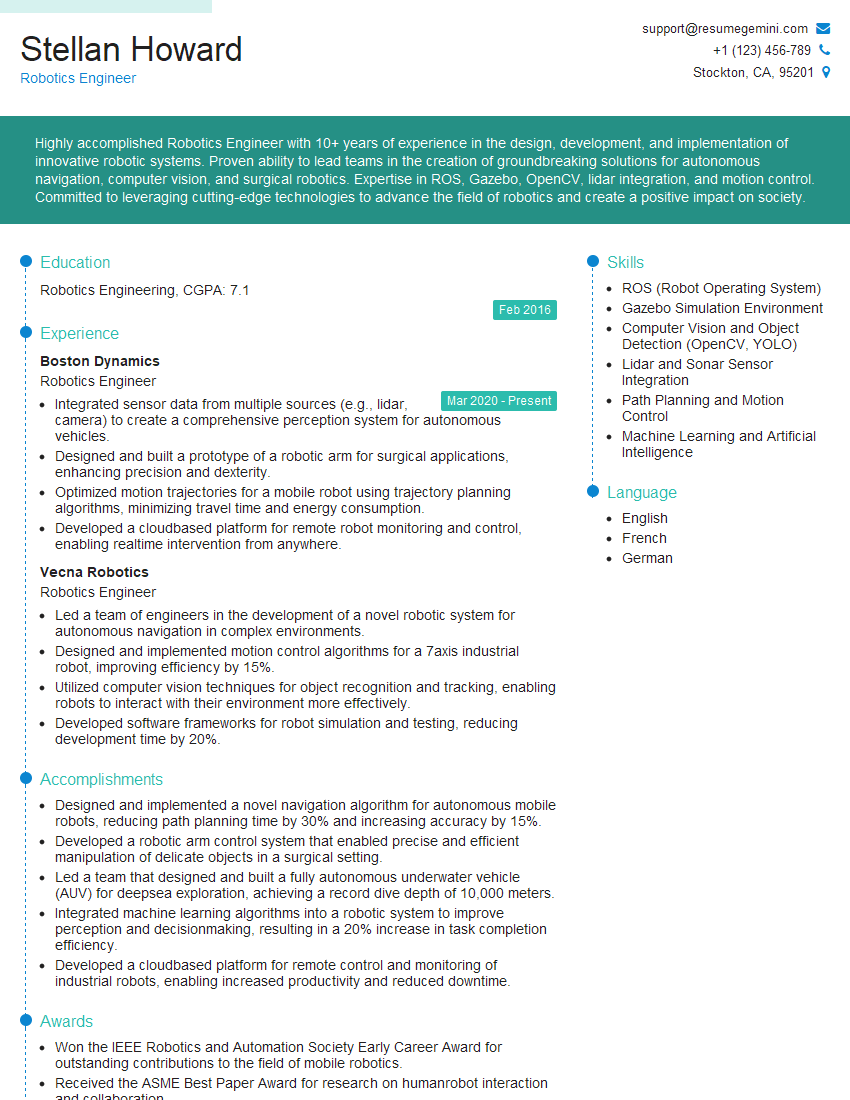
Robotics Engineer Resume Sample
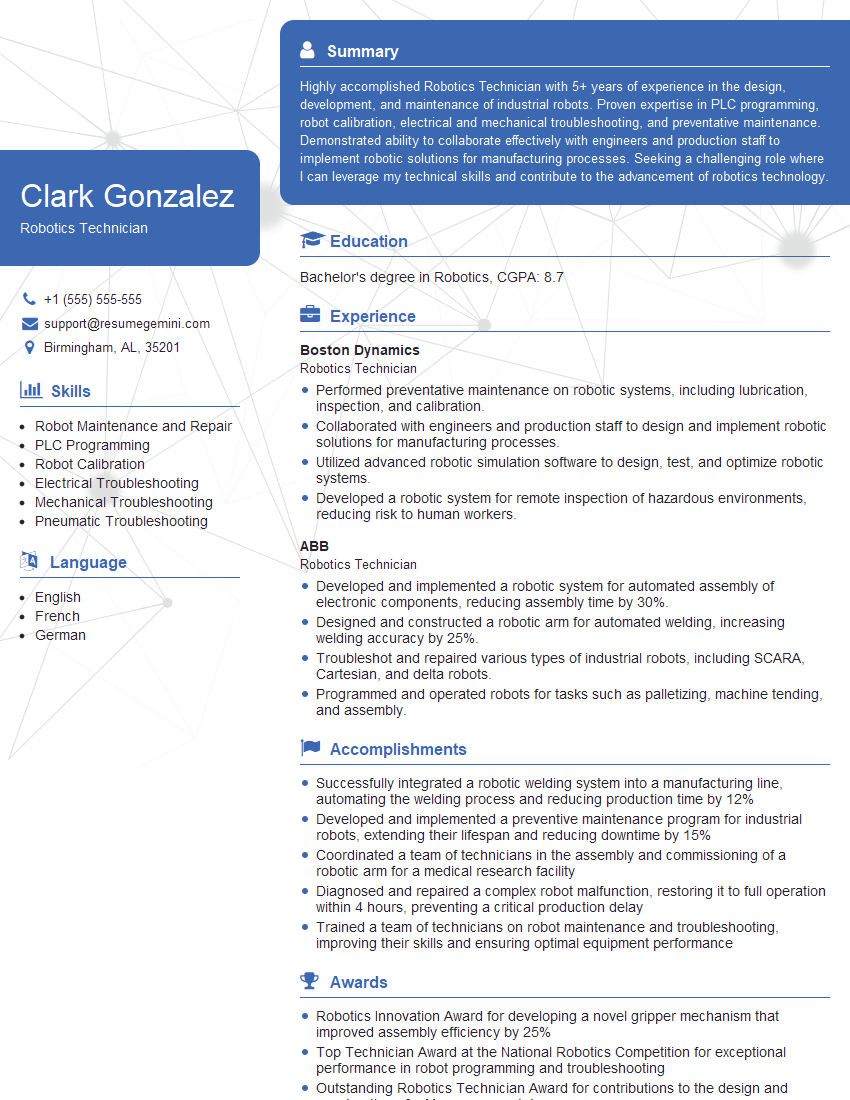
Robotics Technician Resume Sample
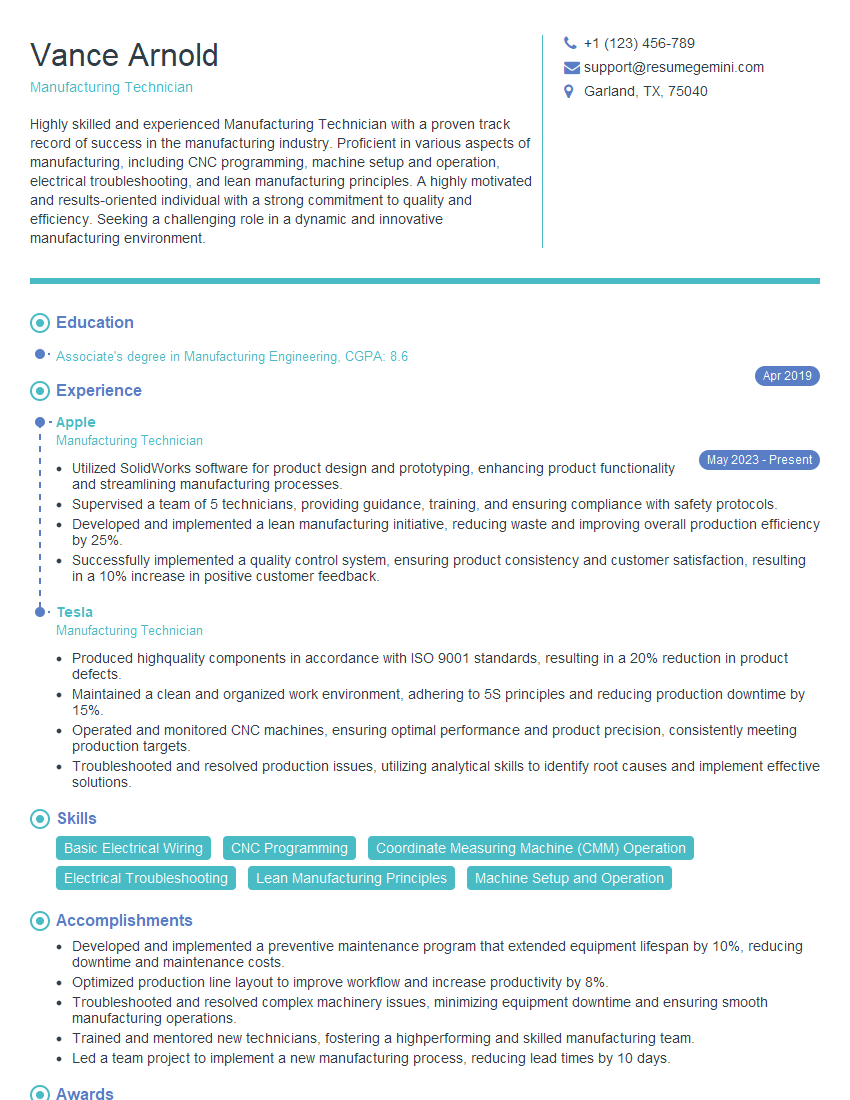
Manufacturing Technician Resume Sample
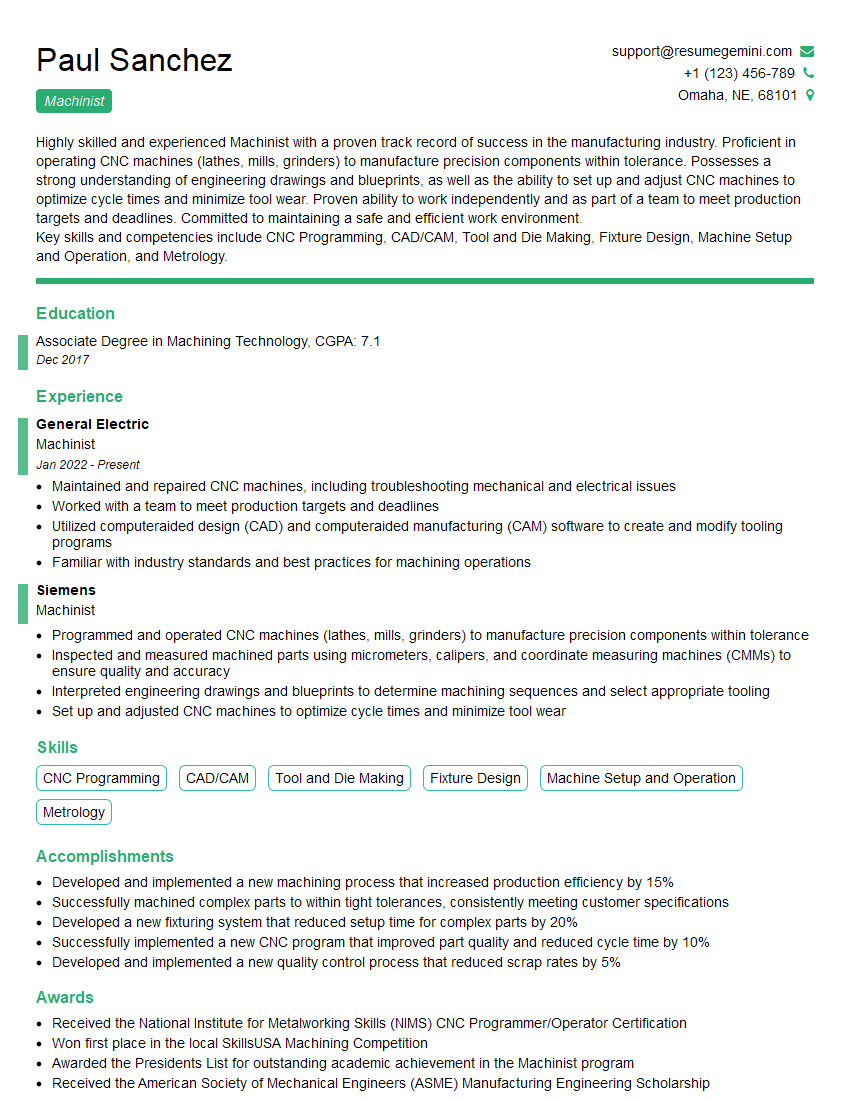
Machinist Resume Sample
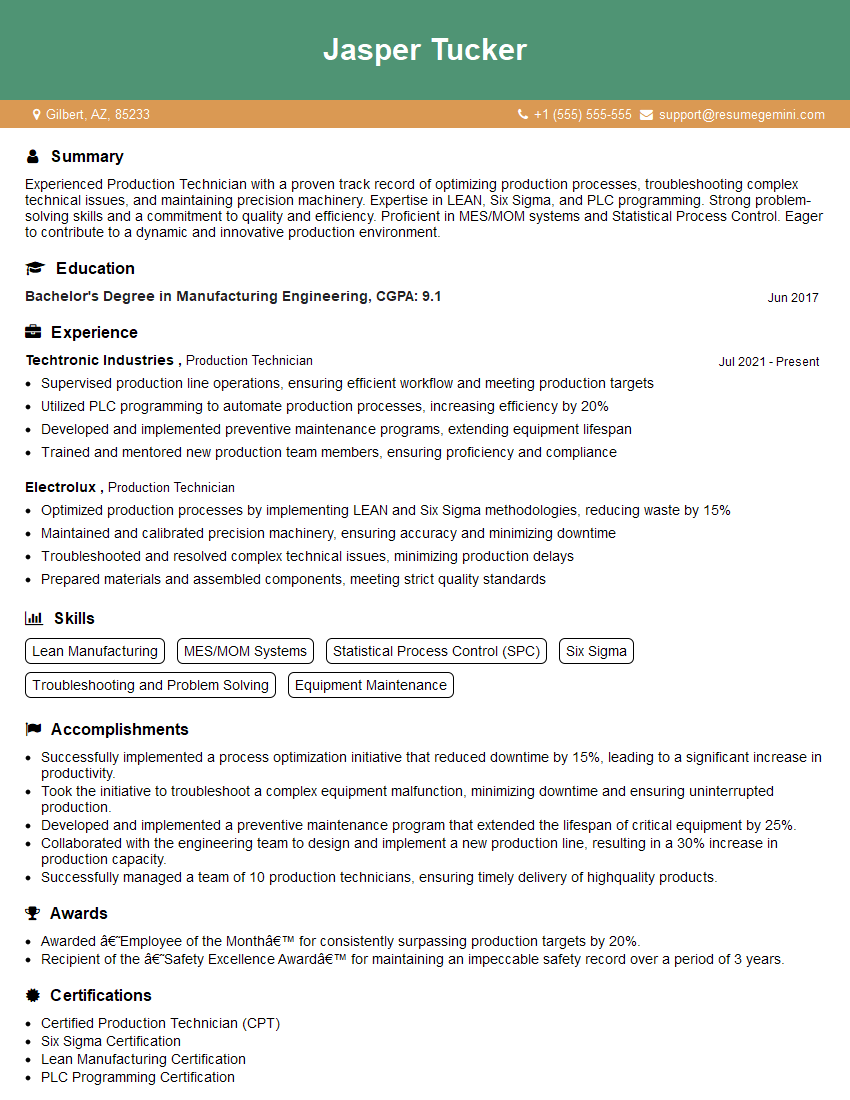
Production Technician Resume Sample
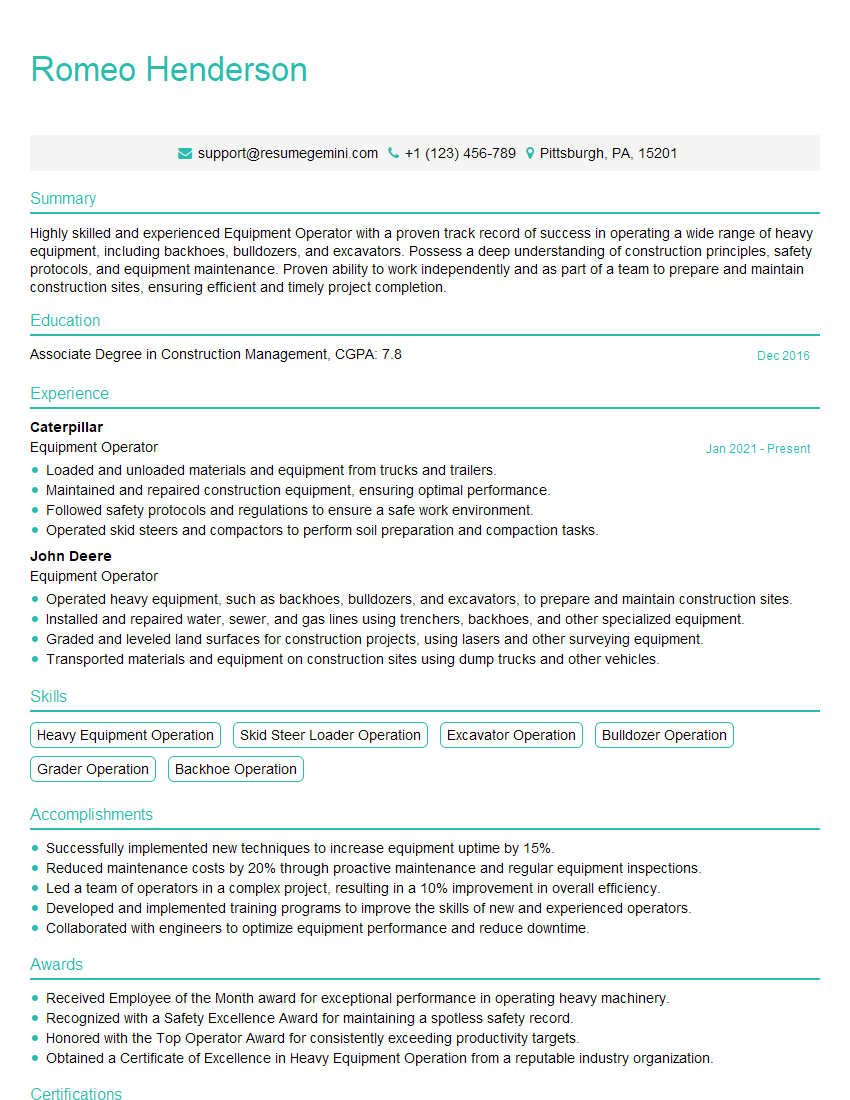
Equipment Operator Resume Sample
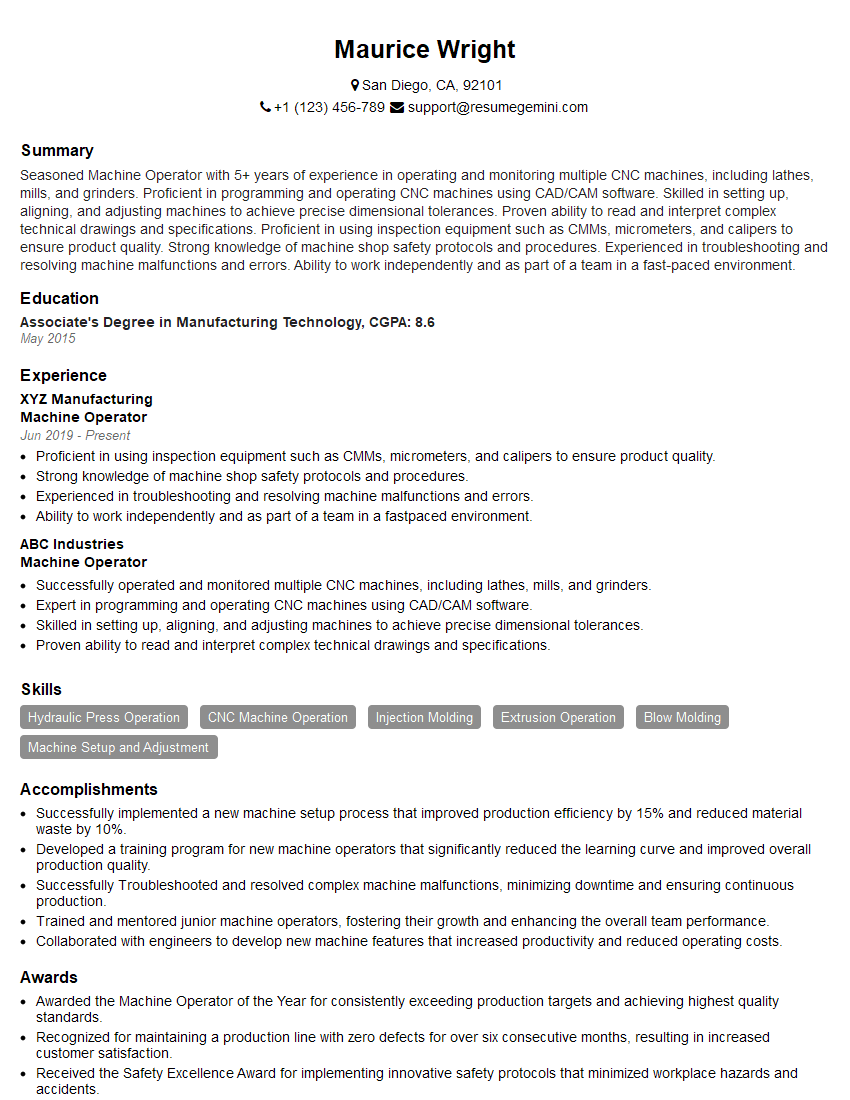
Machine Operator Resume Sample
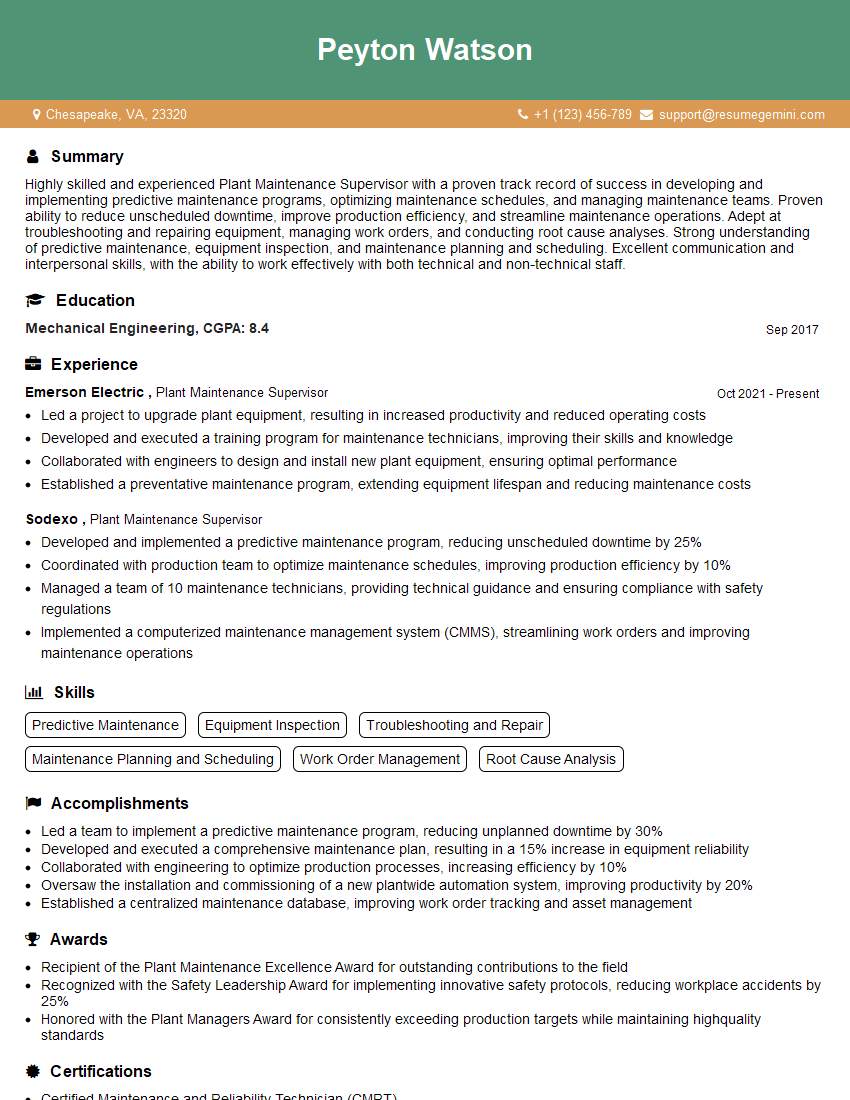
Plant Maintenance Supervisor Resume Sample
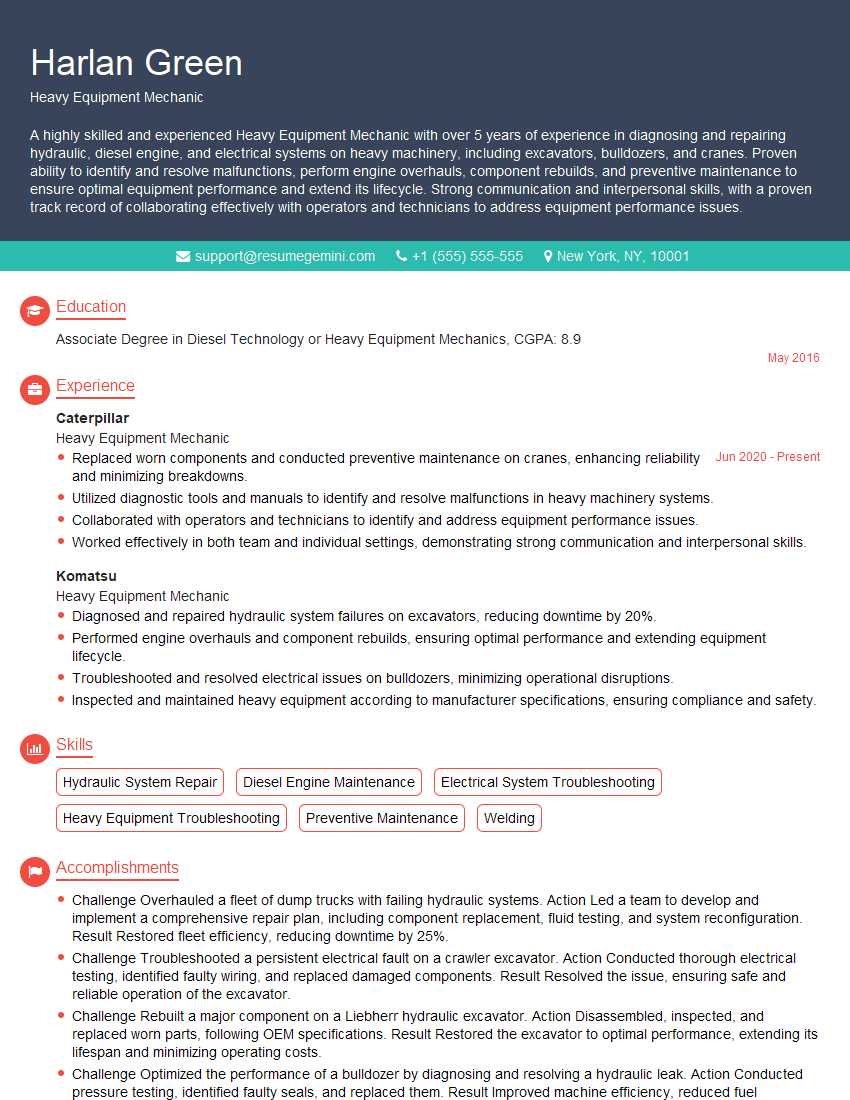
Heavy Equipment Mechanic Resume Sample

Welder Resume Sample
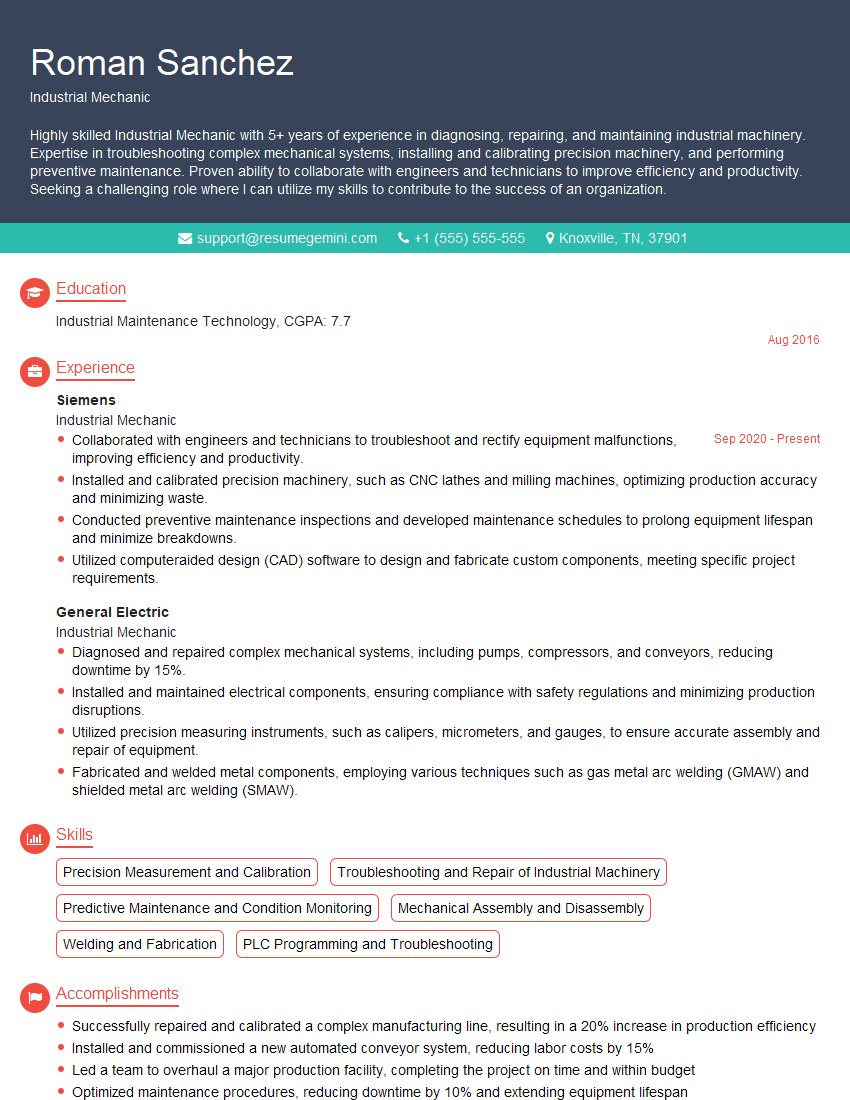
Industrial Mechanic Resume Sample
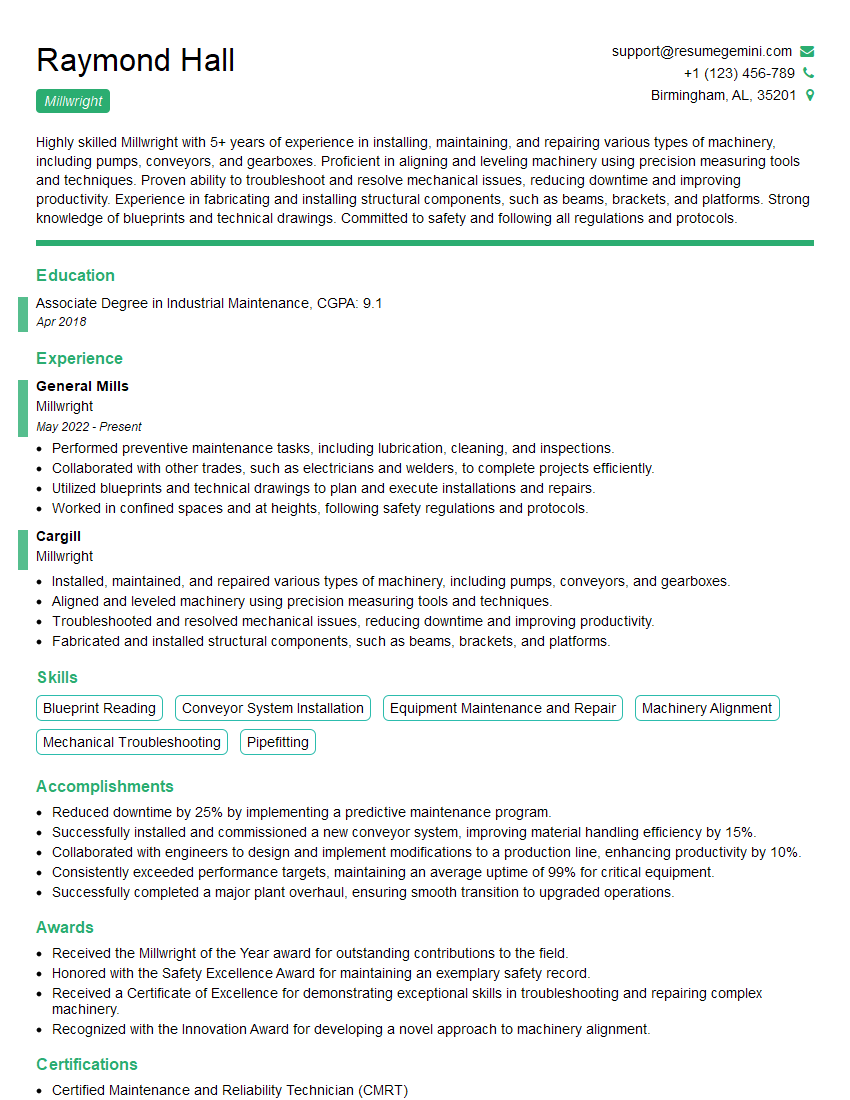
Millwright Resume Sample
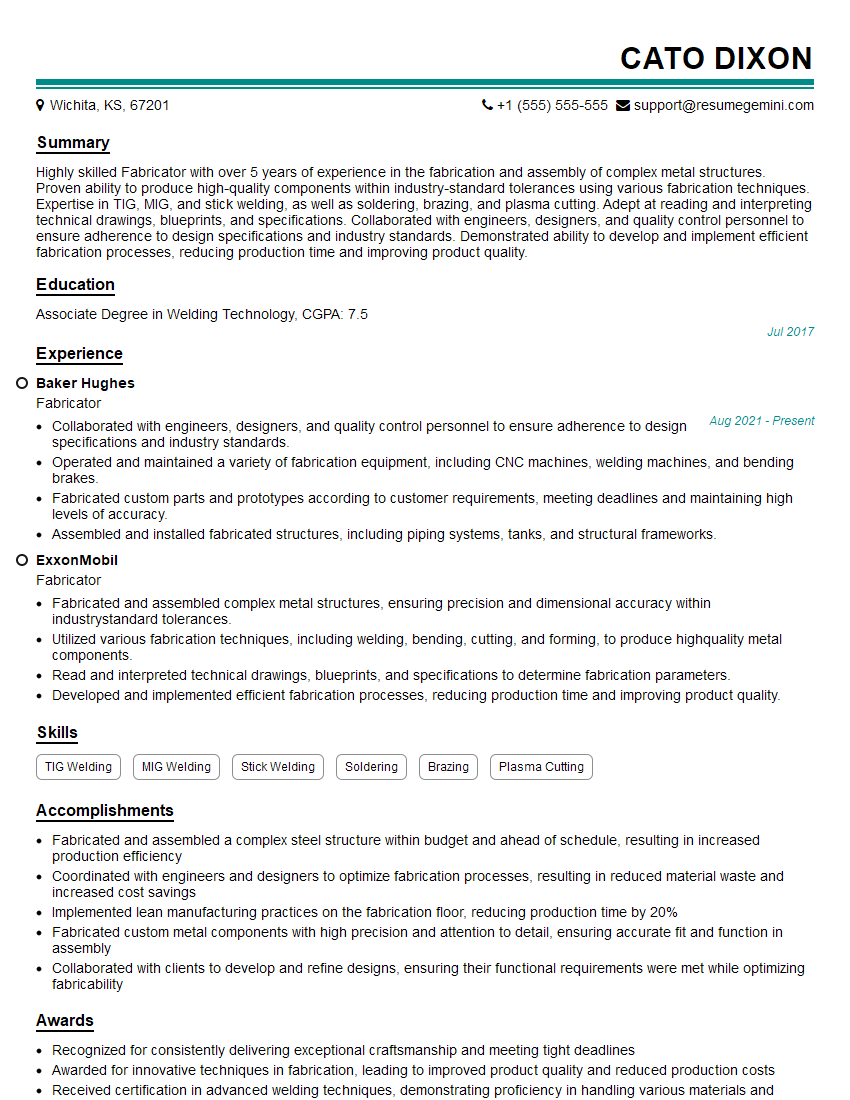
Fabricator Resume Sample
- Operations Manager
- Maintenance Manager
- Production Supervisor
- Automation Engineer
- Maintenance Technician
- Industrial Engineer
- Manufacturing Engineer
- Mechanical Engineer
- Robotics Engineer
- Robotics Technician
- Manufacturing Technician
- Machinist
- Production Technician
- Equipment Operator
- Machine Operator
- Plant Maintenance Supervisor
- Heavy Equipment Mechanic
- Welder
- Industrial Mechanic
- Millwright
- Fabricator
Explore more articles
Users Rating of Our Blogs
Share Your Experience
We value your feedback! Please rate our content and share your thoughts (optional).
What Readers Say About Our Blog
Very informative content, great job.
good