The thought of an interview can be nerve-wracking, but the right preparation can make all the difference. Explore this comprehensive guide to Ability to Work with Parents and Administrators interview questions and gain the confidence you need to showcase your abilities and secure the role.
Questions Asked in Ability to Work with Parents and Administrators Interview
Q 1. Describe your experience communicating effectively with parents from diverse backgrounds.
Effective communication with parents from diverse backgrounds requires cultural sensitivity, empathy, and a proactive approach to bridging communication gaps. I begin by actively listening and showing genuine interest in their perspectives, acknowledging that their experiences and communication styles might differ from my own. This includes being mindful of language barriers – utilizing translators when needed, providing materials in multiple languages, and employing visual aids whenever possible.
For example, I once worked with a family where the parents primarily spoke Spanish. Instead of simply relying on a translated document, I arranged a meeting with a translator present. This allowed for a more nuanced conversation, fostering trust and a stronger parent-teacher relationship. I also learned to adapt my communication style; using simpler language and avoiding idioms, ensuring that the message was clearly understood. Understanding the family’s cultural context—their values, beliefs, and parenting styles—is crucial in building a strong partnership and ensuring that communication is respectful and effective.
Furthermore, I utilize diverse communication channels to reach parents – emails, phone calls, text messages, and even home visits, depending on their preferences and comfort levels. I always follow up on communications to confirm understanding and address any remaining questions or concerns. This proactive approach ensures that parents feel heard, valued, and informed about their child’s progress.
Q 2. How do you handle parent concerns or complaints regarding their child’s education?
Handling parent concerns or complaints requires a calm, empathetic, and solution-oriented approach. I prioritize active listening – allowing parents to fully express their concerns without interruption. Once I fully understand their perspective, I empathize with their feelings, validating their concerns even if I don’t immediately agree with their assessment. This creates a safe space for open communication.
Next, I gather information relevant to the issue. This may involve reviewing student work, teacher notes, and school records. I then collaborate with the parent to identify the root cause of the issue and explore possible solutions. This is not a one-sided process; it’s a collaborative problem-solving session where I value their input and seek shared understanding.
For example, if a parent complains about their child’s grade, I would first discuss the specific areas of concern with the parent. Together we would review the child’s work, discuss specific learning goals, and explore strategies to improve. We would agree on achievable steps, both at home and at school, to support the student’s progress. Finally, I establish clear timelines for monitoring progress and follow-up communications to keep the parent informed and involved in the solution.
If the issue requires further intervention, I involve other relevant school personnel, ensuring transparency and collaboration throughout the process. Ultimately, my aim is to build a strong parent-school partnership to support the child’s success.
Q 3. Explain your strategy for building positive relationships with parents and administrators.
Building positive relationships with parents and administrators involves consistent effort, open communication, and mutual respect. I begin by creating a welcoming and accessible environment for parents, ensuring that they feel comfortable approaching me with questions or concerns. This includes making myself readily available through multiple communication channels and promptly responding to their inquiries.
With administrators, I maintain regular communication, sharing updates on relevant classroom issues, parent feedback, and initiatives that would benefit the school community. I proactively seek their support and guidance on matters that need their expertise or involvement. Building strong professional relationships with administrators ensures that I can effectively advocate for both my students and parents.
To foster parent relationships, I regularly send positive updates about their children’s progress, celebrating their achievements and highlighting their strengths. I also actively invite parents to participate in school events and activities, offering opportunities for them to connect with other parents and the school staff. This fosters a sense of community and involvement.
Ultimately, a foundation of mutual trust and respect is paramount. Openly communicating expectations, demonstrating competence, and consistently acting with integrity forms the bedrock of strong, productive relationships.
Q 4. How do you ensure clear and consistent communication between home and school?
Clear and consistent communication between home and school is crucial for student success. My strategy involves employing multiple communication channels tailored to the diverse needs and preferences of different families. This may include regular newsletters, email updates, class websites, or a dedicated school app, all while respecting families’ preferred communication methods.
I prioritize consistent and timely communication of important information – assignments, assessments, upcoming events, and student progress. For specific student concerns, I initiate direct communication with parents promptly and proactively. I utilize clear and concise language, avoiding educational jargon whenever possible, so that information is easily understandable.
Furthermore, I actively seek feedback from parents about the communication strategies we’re using. Are they receiving updates in a timely manner? Do they understand the information provided? Are there other methods of communication they’d prefer? This ensures that our communication remains relevant and effective. Regular parent-teacher meetings provide another avenue for discussion and clarification, further solidifying the home-school connection.
Q 5. How do you utilize parent-teacher conferences to support student success?
Parent-teacher conferences are invaluable opportunities to support student success by fostering collaboration between home and school. I utilize these meetings to share a comprehensive overview of the student’s academic progress, strengths, and areas needing improvement. I present data-driven evidence such as grades, test scores, and classwork samples to provide a clear picture of the student’s performance. The data should be explained in a relatable way, focusing on the implications and not just the numbers themselves.
Beyond academics, I discuss the student’s social-emotional development, highlighting their strengths, challenges, and any relevant behavioral observations. I actively listen to the parents’ perspectives and concerns, collaborating to develop a shared plan for supporting the student’s overall well-being and academic progress.
The goal is not just to inform but to empower. The conference should be a collaborative effort, jointly setting realistic goals and action steps. This may involve suggesting specific strategies for homework support, improved study habits, or addressing any learning challenges. I always confirm the agreed-upon actions in writing and set follow-up meetings as needed to monitor progress and make adjustments as necessary.
Q 6. Describe a time you had to mediate a conflict between a parent and a teacher.
In one instance, a disagreement arose between a parent and a teacher regarding a student’s behavior. The parent felt the teacher was being overly strict, while the teacher felt the student was exhibiting disruptive behavior that was impacting the learning environment. I acted as a mediator by first holding separate meetings with each party, actively listening to their concerns and perspectives without judgment.
I then facilitated a joint meeting where each party could express their views in a safe and respectful environment. I ensured that both the parent and the teacher had an opportunity to share their concerns and perspectives. I focused on identifying the underlying issues and guiding them toward a shared understanding of the problem.
By focusing on the student’s needs and the importance of a collaborative approach, we were able to establish a plan that incorporated strategies suggested by both the parent and the teacher. The plan included specific behavioral expectations for the student, clear communication strategies between the parent and the teacher, and a system for monitoring the student’s progress. Regular follow-up meetings were scheduled to address any new concerns or adapt the plan as needed. This showed both parties that their views were valued and the resolution was a collaborative one.
Q 7. How do you involve parents in the school’s decision-making process?
Involving parents in school decision-making processes is vital for creating a strong and supportive school community. I actively seek parent input through various methods, including surveys, focus groups, and parent-teacher organizations (PTOs). These platforms enable parents to voice their opinions on matters such as curriculum development, school policies, and budget allocation.
I also encourage parents to volunteer their time and expertise, contributing to school events, fundraising initiatives, and classroom activities. Their involvement helps enrich the educational experience for all students. By creating opportunities for parents to share their expertise and perspectives, the school gains valuable insights and builds a stronger connection with the community.
For example, our school established a parent advisory committee that played a significant role in the implementation of a new reading program. Parents on this committee provided valuable feedback on program elements, assisting in its adoption and positive implementation. This ensured that the program met the needs of both students and parents, leading to improved student outcomes. Active parental involvement fosters a sense of ownership and shared responsibility for the school’s success.
Q 8. How do you effectively communicate student progress to parents?
Effectively communicating student progress to parents requires a multi-faceted approach that goes beyond simply sharing grades. It involves establishing open communication channels, providing regular updates, and tailoring the message to each parent’s preferred communication style. I believe in proactive communication; I send regular progress reports that include not just grades but also qualitative feedback on the student’s effort, participation, and overall development. For instance, instead of just stating a ‘C’ grade in math, I might write, ‘Sarah is showing improvement in understanding fractions but could benefit from additional practice with word problems. We’re working on strategies to improve her problem-solving skills.’
I also utilize various communication tools like email, parent-teacher conferences, and school communication platforms to ensure parents receive updates in a timely manner and have multiple avenues to reach me with questions or concerns. I always encourage parents to schedule a meeting to discuss their child’s progress in more detail, providing a safe space for open dialogue.
Furthermore, I use data-driven communication, presenting progress in both qualitative and quantitative terms. This might involve showing trends in grades, test scores, or project completion rates to help parents visualize their child’s academic journey. I also use visual aids like graphs and charts if it enhances their understanding.
Q 9. How do you address concerns about student safety with parents and administrators?
Addressing concerns about student safety with parents and administrators requires a collaborative and transparent approach. It begins with clear communication protocols. If an incident occurs, I immediately report it to the appropriate administrators following established procedures. I then contact the parents to explain the situation, providing factual information and ensuring they understand the steps being taken to address the issue and prevent future occurrences. This includes emphasizing any measures implemented for student safety on campus and reassuring parents about the safety policies in place.
Transparency is paramount. I strive to keep parents and administrators informed throughout the process, providing updates on any investigations or actions taken. I also work closely with administrators to ensure consistent messaging and to address any conflicting information or concerns that might arise. Collaboration with school counselors and other support staff is crucial for providing holistic support to both the student and their family.
Involving parents in creating a safe learning environment is critical. I actively encourage parents to share any concerns they may have, no matter how small they might seem. This fosters a culture of open communication and collaboration, which is essential to maintaining a secure environment for all students.
Q 10. What strategies do you use to build trust and rapport with parents?
Building trust and rapport with parents is fundamental to effective collaboration and student success. I begin by creating a welcoming and approachable environment. This means responding promptly to emails and phone calls, and actively listening during conversations. I aim to be empathetic and understanding, acknowledging the parents’ perspectives and concerns. I make a concerted effort to learn about each child’s individual learning style, strengths, and challenges by using pre-conference questionnaires or casual informal chats.
I actively engage parents in their child’s education. I regularly communicate their child’s progress and solicit feedback about any challenges at home that may impact their learning. I also offer opportunities for parents to volunteer in the classroom or participate in school events. These interactions create a sense of community and shared responsibility for the child’s education.
Finally, I consistently maintain professionalism and follow up on any promises or commitments made. This demonstrates my reliability and reinforces the trust parents have in me. Consistency in communication and approach establishes a strong foundation for long-term collaboration.
Q 11. How do you handle sensitive information shared by parents about their child?
Handling sensitive information shared by parents requires strict adherence to confidentiality and ethical guidelines. I always maintain the privacy of student information, ensuring that any details shared are kept confidential unless mandated to be disclosed by law or school policy. I would only share such information with other relevant professionals involved in the student’s care, such as administrators, counselors, or other specialists, only with appropriate authorization and only if it is directly related to the student’s well-being or educational needs.
I document any sensitive information appropriately in confidential files, adhering to FERPA (Family Educational Rights and Privacy Act) regulations and school policies. I would never disclose sensitive information to other students, parents, or unauthorized personnel. If there is a concern about a child’s safety or well-being, I follow mandated reporting procedures, carefully documenting all actions taken. Transparent communication with parents about the processes involved is essential to maintaining trust and demonstrating accountability.
Q 12. Explain your approach to collaborating with administrators on student-related issues.
My approach to collaborating with administrators on student-related issues is based on open communication, shared responsibility, and a commitment to finding solutions that benefit the student. I always approach administrators with a well-defined plan, clearly outlining the issue, the proposed solutions, and the potential outcomes. I aim to proactively collaborate rather than react to crises. I maintain regular contact with the administration, sharing updates on students’ progress and addressing any concerns that may arise.
I participate actively in school-wide initiatives and professional development opportunities. This helps me understand the school’s overall goals and how I can best contribute to achieving them. I view administrators as valuable partners, not just supervisors. I value their expertise and experience and actively seek their input when facing challenges. I am always open to feedback and suggestions, and willing to adapt my approach based on their insights.
A collaborative approach means that we work together to establish a consistent and supportive learning environment for all students. This collaborative approach extends beyond just problem-solving; it includes sharing best practices, celebrating successes, and continuously improving our school’s educational environment.
Q 13. How do you adapt your communication style to different parental personalities?
Adapting my communication style to different parental personalities is crucial for effective collaboration. I believe in employing active listening skills to understand each parent’s individual communication preferences. Some parents prefer concise and direct communication, while others appreciate more detailed explanations. I try to gauge their communication style during initial interactions and adjust my approach accordingly.
For parents who prefer brevity, I provide concise updates and focus on key information. For parents who require more detailed explanations, I provide comprehensive updates and am available for more in-depth discussions. I might also use different communication mediums depending on the parent’s preferences; some may prefer email, while others may prefer phone calls or in-person meetings. I also consider cultural factors and communication styles. Sensitivity and respect for diverse communication approaches are integral to building positive relationships.
Ultimately, I prioritize clarity and transparency in all my communications. Regardless of communication style, I make sure the message is easily understood and the parent feels heard and respected. I strive to tailor my language and tone to the specific audience, always maintaining professionalism while establishing a personal connection.
Q 14. Describe a time you had to navigate a challenging situation involving a parent with strong opinions.
I once had a challenging situation with a parent who had very strong opinions about their child’s placement in a gifted program. They felt their child was being unfairly overlooked and expressed their frustration quite forcefully during a parent-teacher conference. My initial response was to listen empathetically to their concerns, acknowledging their emotions and validating their feelings. I actively listened without interrupting, taking notes to ensure I understood their perspective fully.
After fully understanding their concerns, I presented data and evidence related to the program’s selection criteria and their child’s performance, explaining the rigorous process involved in student placement. I also provided concrete examples of their child’s strengths and areas for growth. I avoided getting into an argument or becoming defensive; instead, I focused on presenting objective information and fostering a collaborative discussion.
Ultimately, we agreed on a plan to monitor the child’s progress closely and to explore additional support strategies if needed. We scheduled a follow-up meeting to review their progress. The key was maintaining open communication, demonstrating empathy, and focusing on finding solutions that addressed the parent’s concerns while ensuring the best educational outcome for the child. This experience reinforced the importance of patience, active listening, and a collaborative approach when navigating challenging situations with parents.
Q 15. How do you utilize technology to improve communication with parents?
Effective communication with parents is crucial, and technology plays a vital role in enhancing this. I utilize a multi-pronged approach, leveraging various platforms to reach parents effectively and efficiently. This includes:
School Website and Learning Management System (LMS): Our school website serves as a central hub for announcements, school calendar, important documents (e.g., handbooks, policies), and links to our LMS. The LMS allows me to post grades, assignments, and announcements directly to parents, providing a readily accessible record of student progress. For instance, I regularly post weekly newsletters with upcoming events and class highlights.
Email and Text Messaging: I use email for formal communication, such as sending progress reports or inviting parents to meetings. Text messages are used for timely updates on urgent matters or reminders for upcoming events. For example, a quick text reminding parents of an upcoming field trip deadline is much more effective than a reliance on email alone.
Parent Communication Apps: We use a dedicated app which enables me to send targeted messages, announcements, and photos directly to parents’ smartphones. This ensures prompt dissemination of crucial information and enhances parent engagement. The app also facilitates secure two-way communication, allowing me to address individual parent queries quickly and easily.
By combining these technological tools, I ensure that all parents are kept well-informed, regardless of their preferred communication method.
Career Expert Tips:
- Ace those interviews! Prepare effectively by reviewing the Top 50 Most Common Interview Questions on ResumeGemini.
- Navigate your job search with confidence! Explore a wide range of Career Tips on ResumeGemini. Learn about common challenges and recommendations to overcome them.
- Craft the perfect resume! Master the Art of Resume Writing with ResumeGemini’s guide. Showcase your unique qualifications and achievements effectively.
- Don’t miss out on holiday savings! Build your dream resume with ResumeGemini’s ATS optimized templates.
Q 16. How do you ensure parent input is incorporated into school policies?
Parent input is integral to shaping effective school policies. I actively seek parent involvement through several channels:
Parent Surveys and Feedback Forms: Regular surveys and feedback forms allow me to gather data on parents’ opinions and concerns regarding school policies. I analyze this data to identify areas for improvement and ensure our policies reflect the needs of our school community. For instance, a survey on school hours helped us adjust the school day to better accommodate working parents.
Parent-Teacher Associations (PTAs) and Committees: I actively participate in PTA meetings and school committees, encouraging parent input on policy development and review. These forums provide opportunities for open discussions and collaborative decision-making. For example, a parent committee played a significant role in revising the school’s dress code policy.
Parent Focus Groups: Targeted focus groups allow me to collect in-depth feedback on specific policy proposals. This enables a more nuanced understanding of parent perspectives and ensures that any changes are well-informed and supported by the community. For example, a focus group helped shape our new policy on technology use in the classroom.
Open Communication Channels: Maintaining open communication throughout the year allows me to address parent concerns proactively. I make it a point to be approachable and receptive to feedback from parents, regardless of the platform. This ensures that parent voices are heard and incorporated into ongoing policy review.
By utilizing these different strategies, I ensure that parent input significantly impacts school policies, fostering a collaborative and supportive environment.
Q 17. Describe your experience using different communication methods (e.g., phone calls, emails, newsletters).
My experience with different communication methods is extensive and tailored to the specific situation.
Phone Calls: I use phone calls for sensitive or urgent matters requiring immediate attention and a personal touch. For example, I’d call a parent to discuss a student’s serious behavioral issue rather than sending an email.
Emails: Emails are ideal for disseminating non-urgent information to a larger group. I use them for sending weekly newsletters, progress reports, event announcements, and general updates. For example, a reminder email about upcoming parent-teacher conferences is efficient.
Newsletters: Newsletters are excellent for sharing comprehensive information. They provide a space to showcase student achievements, highlight upcoming events, and discuss school-wide initiatives. A newsletter allows me to present information in a structured and accessible format to all parents.
The method I choose depends on the urgency, sensitivity, and recipient of the message. I believe that a varied approach maintains effective and diverse communication with the entire parent community.
Q 18. How do you handle situations where parents disagree with school decisions?
Disagreements are inevitable, and handling them with grace and professionalism is paramount. My approach involves:
Active Listening: I begin by actively listening to the parent’s concerns and perspectives, ensuring they feel heard and understood. I use reflective listening techniques to validate their feelings and demonstrate empathy.
Clearly Explaining School Policies and Decisions: I clearly articulate the rationale behind school decisions, referencing relevant policies and procedures. This transparency helps parents understand the context of the situation.
Finding Common Ground: I focus on finding common ground and exploring potential solutions that address both the school’s needs and the parents’ concerns. Collaborative problem-solving is key.
Mediation and Escalation Procedures: If a resolution cannot be reached, I involve relevant administrators to mediate the situation. We follow established escalation procedures to ensure fair and impartial handling of the dispute.
Documenting Interactions: I meticulously document all communications and decisions, ensuring a clear record of the process for future reference. This is critical for accountability and transparency.
My aim is to foster a respectful dialogue and find a mutually acceptable resolution, even in the face of differing opinions.
Q 19. How do you maintain confidentiality when communicating with parents and administrators?
Maintaining confidentiality is a cornerstone of my professional practice. I adhere to strict guidelines when communicating with parents and administrators:
FERPA Compliance: I strictly adhere to the Family Educational Rights and Privacy Act (FERPA), ensuring that only authorized individuals have access to student information. I never discuss student matters with individuals who are not directly involved in the child’s education unless mandated by law.
Secure Communication Channels: I use secure communication channels, such as encrypted email or secure messaging platforms, for sensitive discussions. I avoid discussing confidential information in public areas or via unsecured methods.
Need-to-Know Basis: I only share information on a need-to-know basis, limiting access to those directly involved in the student’s well-being or educational progress. For example, I would only share a student’s diagnosis with the relevant special education staff and the parents.
Confidentiality Agreements: I uphold confidentiality agreements, ensuring that all conversations and information exchanged remain private and protected.
By following these protocols, I ensure that all communications remain confidential and protect the privacy of students, parents, and staff.
Q 20. How do you respond to parental requests that are unreasonable or excessive?
Handling unreasonable or excessive requests requires tact and professionalism. My approach involves:
Empathetic Understanding: I begin by acknowledging the parent’s concerns and attempting to understand their perspective, even if the request is unreasonable. Empathy helps build a rapport, even when disagreeing.
Clearly Explaining Limitations: I clearly explain the school’s limitations, policies, and resource constraints that prevent me from fulfilling the request. I explain this in a respectful and non-judgmental manner.
Offering Alternatives: Where possible, I offer alternative solutions that meet the parent’s needs within the school’s boundaries. For instance, if a parent requests an excessive amount of individual attention for their child, I might suggest joining a tutoring program.
Setting Boundaries: I firmly but politely set boundaries, ensuring that the parent understands what is and isn’t possible. This prevents the situation from escalating.
Escalation (if Necessary): If the parent remains uncooperative or continues to make unreasonable demands, I escalate the issue to the appropriate administrator.
The goal is to manage expectations while maintaining a positive working relationship with the parent, even when faced with challenging requests.
Q 21. What are your strategies for resolving parental concerns about classroom activities?
Addressing parental concerns about classroom activities requires a thoughtful and proactive approach:
Open Communication: I encourage parents to communicate their concerns openly and directly. I provide opportunities for parents to share their thoughts and questions through various channels, like email, phone calls, or conferences.
Transparency and Explanation: I clearly explain the rationale and objectives behind classroom activities, providing parents with details about the curriculum, learning objectives, and assessment methods. I share examples of student work and explain how the activities contribute to student learning.
Demonstrating Alignment with Standards: If concerns arise about the appropriateness or effectiveness of an activity, I demonstrate how the activity aligns with established curriculum standards and best practices.
Collaboration and Compromise: I work collaboratively with parents to find solutions that address their concerns while maintaining the integrity of the curriculum and learning goals. This might involve adjusting aspects of an activity or providing alternative learning opportunities.
Observation Opportunities: I offer parents the opportunity to observe classroom activities firsthand to gain a better understanding of the learning environment and instructional strategies.
By proactively addressing parental concerns and working collaboratively, I foster trust and mutual understanding, creating a positive partnership between home and school.
Q 22. How do you work effectively with administrators to advocate for students’ needs?
Advocating for students’ needs with administrators requires a collaborative and data-driven approach. I begin by establishing strong, professional relationships built on mutual respect and trust. This involves proactively communicating with administrators, keeping them informed about student progress and challenges.
When advocating for a specific student, I present a comprehensive case supported by concrete evidence. This might include anecdotal observations, assessment data, IEP goals (if applicable), and examples of the student’s work. I clearly articulate the student’s needs, the impact of these needs on their learning, and propose specific, actionable solutions. For example, if a student needs extra support in math, I’d present their test scores, highlight areas of struggle, and suggest strategies like tutoring or differentiated instruction, backed by research demonstrating its effectiveness. I always frame my requests in terms of what benefits the student and aligns with the school’s overall goals.
Finally, I follow up regularly to ensure that implemented strategies are effective and make adjustments as needed. Open communication and a willingness to compromise are key to a successful advocacy process.
Q 23. How do you manage multiple communication demands from parents and administrators simultaneously?
Managing multiple communication demands from parents and administrators requires strong organizational skills and a proactive communication strategy. I utilize a combination of tools and techniques to streamline communication and ensure timely responses.
- Calendar Management: I maintain a detailed calendar, scheduling specific times for communication tasks. This prevents me from feeling overwhelmed and ensures I allocate sufficient time to each interaction.
- Communication Log: I keep a record of all communications with parents and administrators, including the date, time, method of communication (email, phone, in-person), and key takeaways. This helps me track progress and avoid duplicate efforts.
- Prioritization: I prioritize urgent matters, such as crisis situations or immediate student needs, while managing less urgent communications effectively. This requires judgment and the ability to assess the level of urgency of each communication.
- Clear and Concise Communication: I strive to be clear, concise, and professional in all my communications. I use subject lines that accurately reflect the content of my emails, and I keep my messages focused and easy to understand.
I also proactively communicate with parents and administrators to manage expectations and prevent misunderstandings. For instance, I might send out regular newsletters or updates to keep everyone informed about school events and student progress. This proactive approach significantly reduces the number of individual communication requests.
Q 24. Describe your experience working with parents with disabilities or language barriers.
Working with parents with disabilities or language barriers requires sensitivity, flexibility, and a commitment to inclusivity. I prioritize understanding their unique needs and adjusting my communication style accordingly.
- Accessibility: For parents with disabilities, I ensure that communication is accessible, using appropriate formats such as large print, Braille, or audio recordings. I also arrange meetings in accessible locations.
- Language Support: When working with parents who have limited English proficiency, I utilize translation services, interpreters, or bilingual staff members. I also ensure that important documents are translated into the parent’s native language.
- Cultural Sensitivity: I take the time to learn about the parents’ cultural backgrounds and communication styles. This helps me build rapport and avoid misinterpretations.
- Patience and Understanding: I am patient and understanding, allowing extra time for communication and respecting the parents’ individual learning styles and communication preferences. I focus on active listening and clear, simple language.
I have had positive experiences using visual aids and demonstrations to overcome language barriers, particularly when discussing student progress or school initiatives. Building trust and rapport takes time and effort but is crucial to effective collaboration.
Q 25. How do you utilize data to communicate student progress to parents and administrators?
Data plays a crucial role in communicating student progress effectively. I use a variety of data sources – assessment scores, classroom observations, attendance records, and anecdotal notes – to create a comprehensive picture of a student’s performance. I avoid overwhelming parents and administrators with raw data; instead, I focus on key indicators and trends.
When communicating with parents, I present the data in a user-friendly format. For instance, I might use graphs or charts to illustrate progress over time, highlighting both strengths and areas needing improvement. I also explain the data in clear, non-technical language, focusing on what it means for the student’s learning and development. For example, instead of just saying “John scored 75% on the math test”, I might say “John is making progress in math, but could benefit from additional support in fractions. We are working on strategies to address this.”
For administrators, I often present data in aggregated form, showing trends and patterns across student groups. This helps them make informed decisions about resource allocation and school-wide initiatives. I might use reports or presentations to summarize key findings and offer recommendations based on the data.
Q 26. Describe a time you had to facilitate a productive meeting between parents and school staff.
In one instance, a parent was extremely upset about their child’s placement in a specific classroom. The parent felt the teacher wasn’t a good fit, leading to several unproductive meetings with the teacher and the principal. I facilitated a productive meeting by first establishing a safe and respectful space for everyone to express their concerns. I utilized active listening and ensured that all participants felt heard.
I then guided the conversation towards finding solutions. We reviewed the student’s academic and social-emotional data, discussed the parent’s specific concerns, and explored alternative strategies. This involved collaborating with the teacher to develop a plan to address the parent’s concerns, which included modified classroom assignments and increased communication. The key was fostering open communication and focusing on the student’s best interests. The meeting concluded with a concrete action plan, and regular follow-up meetings to assess progress. The situation was successfully resolved, demonstrating the power of collaborative problem-solving.
Q 27. How do you build consensus among parents with differing perspectives on school initiatives?
Building consensus among parents with differing perspectives requires skillful facilitation and a focus on shared goals. I begin by creating a welcoming and inclusive environment where all voices are valued.
- Active Listening: I actively listen to each parent’s perspective, acknowledging their concerns and validating their feelings. This builds trust and demonstrates respect.
- Identify Shared Goals: I work to identify common ground and shared goals. Even when parents disagree on specific approaches, they usually share the overarching goal of their child’s success.
- Facilitate Discussion: I guide a structured discussion, encouraging parents to share their ideas and perspectives respectfully. I use neutral language and avoid taking sides.
- Collaborative Problem-Solving: I facilitate collaborative problem-solving, encouraging parents to brainstorm solutions together. This empowers them to take ownership of the process and find mutually acceptable outcomes.
- Compromise and Negotiation: I support compromise and negotiation, helping parents find solutions that address their individual concerns while aligning with the overall goals of the school initiative.
Sometimes, reaching complete consensus isn’t possible. In these cases, I focus on finding solutions that accommodate the majority while ensuring that the concerns of minority groups are addressed as fairly as possible. Transparency and clear communication are crucial throughout the process.
Q 28. How do you ensure all parents, regardless of background, feel welcome and included in the school community?
Creating a welcoming and inclusive school community for all parents requires a multifaceted approach.
- Multilingual Communication: Offering school information in multiple languages ensures accessibility for parents who may not speak English fluently. This could involve translating important documents, using interpreters at school events, and providing multilingual staff support.
- Culturally Responsive Events: Organizing school events and activities that celebrate the diverse cultural backgrounds of the families within the community promotes a sense of belonging and inclusion. This could include culturally relevant food, music, and performances.
- Parent Involvement Opportunities: Offering a range of parent involvement opportunities that cater to diverse schedules and abilities helps create a sense of community. This could include flexible volunteering opportunities, online communication platforms, and parent workshops at various times.
- Inclusive Communication: Using inclusive language in all communications, avoiding jargon and technical terms, ensures that all parents can easily understand important information. Consider using visuals or simplified language in addition to written information.
- Feedback Mechanisms: Regularly seeking parent feedback through surveys, focus groups, or informal conversations helps identify areas for improvement and demonstrates a commitment to inclusivity.
Building trust and rapport with parents from diverse backgrounds takes time and sustained effort, but the result is a stronger, more connected school community.
Key Topics to Learn for Ability to Work with Parents and Administrators Interview
- Effective Communication Strategies: Mastering clear, concise, and empathetic communication techniques for diverse audiences, including parents with varying levels of engagement and administrators with varying priorities.
- Building Rapport and Trust: Developing strong relationships based on mutual respect and understanding. This includes active listening, demonstrating empathy, and proactively addressing concerns.
- Conflict Resolution and Negotiation: Learning to navigate disagreements and find mutually acceptable solutions. This involves identifying the root causes of conflict, employing mediation skills, and documenting agreements effectively.
- Collaboration and Teamwork: Highlighting experiences of successfully collaborating with parents, administrators, and colleagues to achieve shared goals. This includes understanding different perspectives and contributing to a positive team dynamic.
- Professionalism and Boundaries: Maintaining appropriate professional boundaries while fostering positive relationships. Understanding confidentiality protocols and maintaining a consistent level of professionalism in all interactions.
- Advocacy and Problem-Solving: Demonstrating a proactive approach to problem-solving and advocating for students and their families within the school system. This includes identifying issues, proposing solutions, and implementing strategies effectively.
- Understanding Diverse Perspectives: Recognizing and appreciating the diverse backgrounds, experiences, and communication styles of parents and administrators. Demonstrating cultural sensitivity and adapting your communication approach accordingly.
- Data-Driven Decision Making: Utilizing data and assessments to inform communication and decision-making processes. This involves presenting information clearly and persuasively to both parents and administrators.
Next Steps
Mastering the ability to work effectively with parents and administrators is crucial for career advancement in education and related fields. It demonstrates essential interpersonal skills, leadership potential, and a commitment to building strong partnerships that benefit students. To significantly boost your job prospects, focus on creating an ATS-friendly resume that showcases your relevant skills and experiences. ResumeGemini is a trusted resource that can help you build a professional and impactful resume, significantly enhancing your chances of landing your dream job. Examples of resumes tailored to highlight your “Ability to Work with Parents and Administrators” are available to guide you.
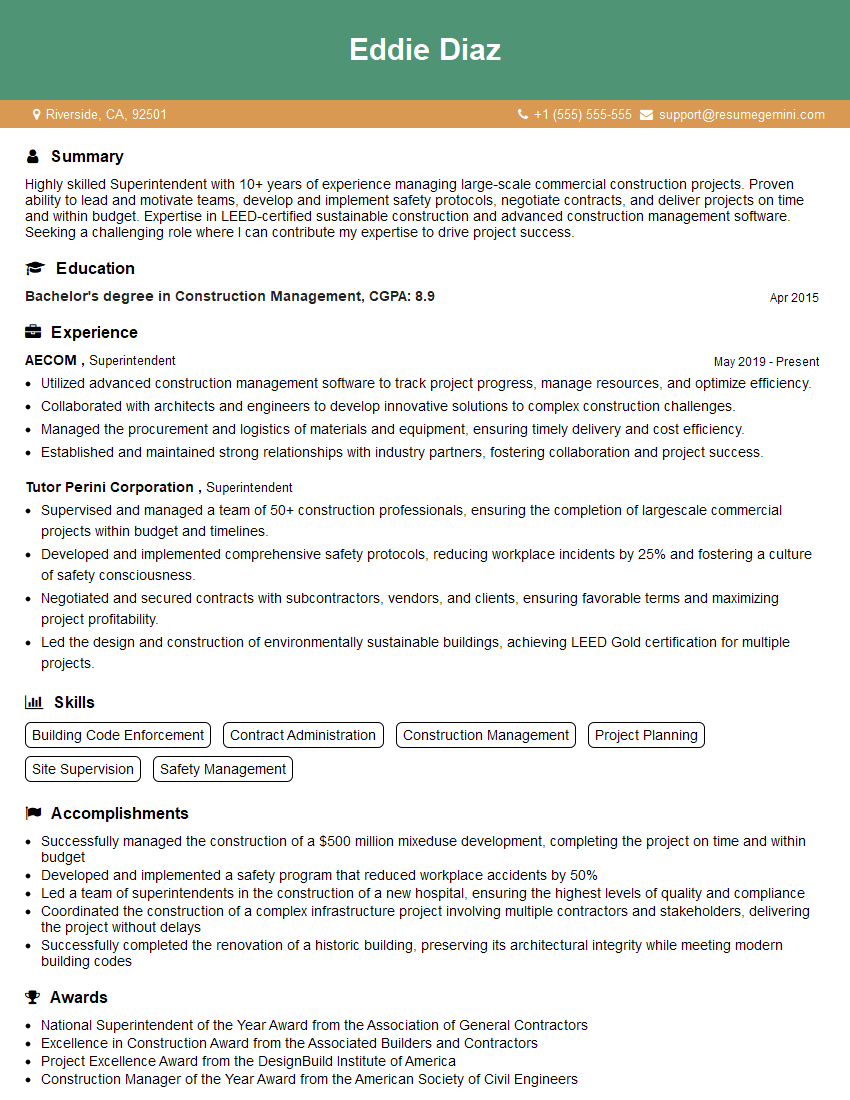
Superintendent Resume Sample
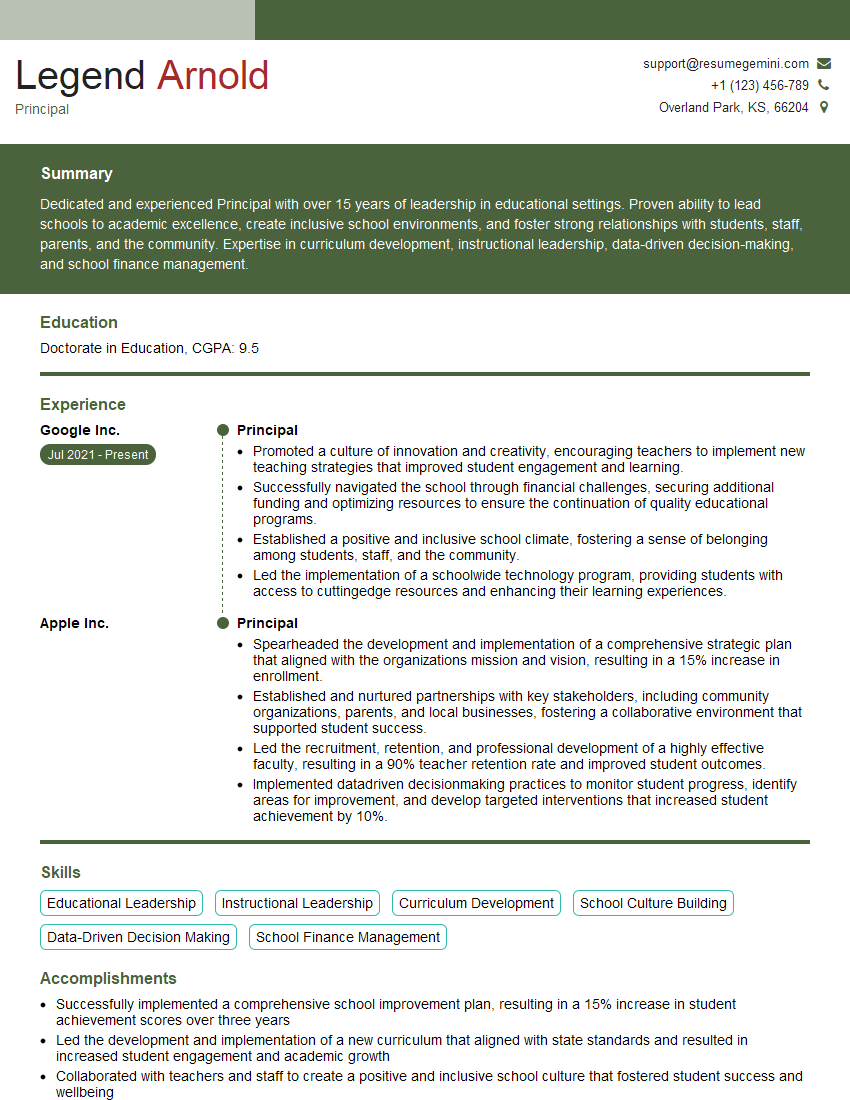
Principal Resume Sample
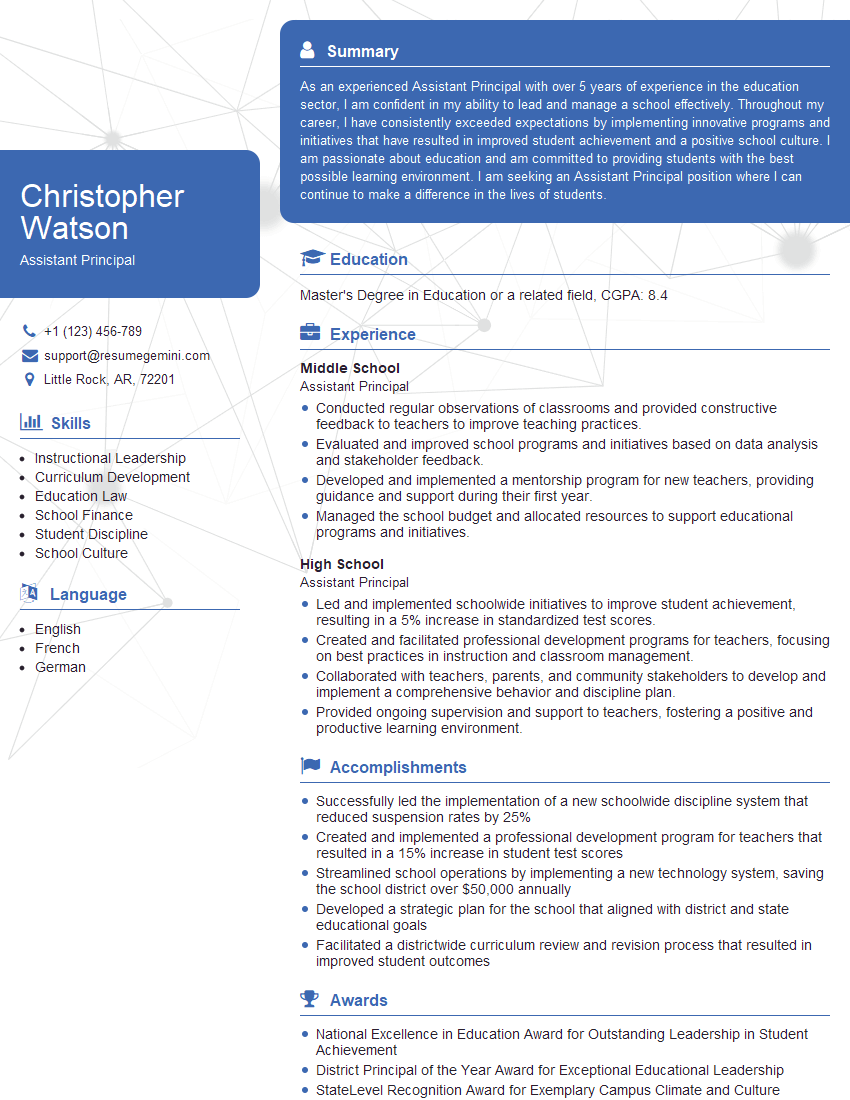
Assistant Principal Resume Sample
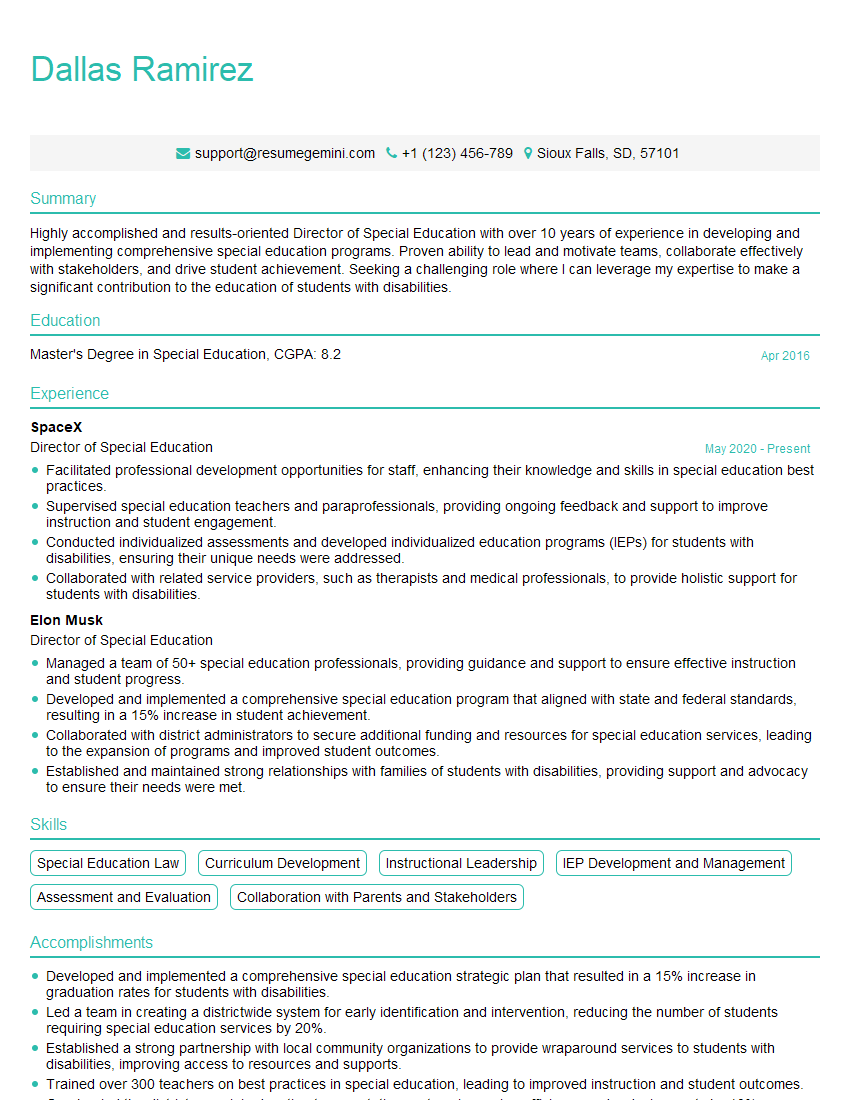
Director of Special Education Resume Sample
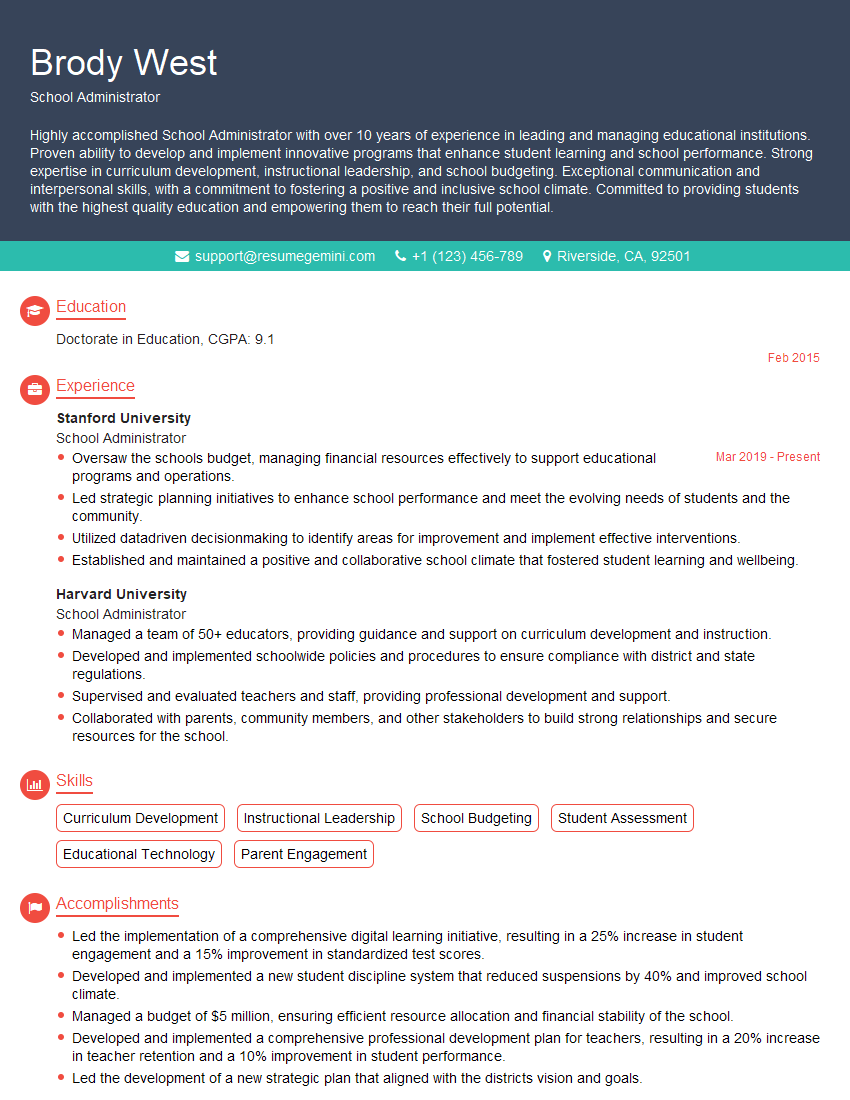
School Administrator Resume Sample
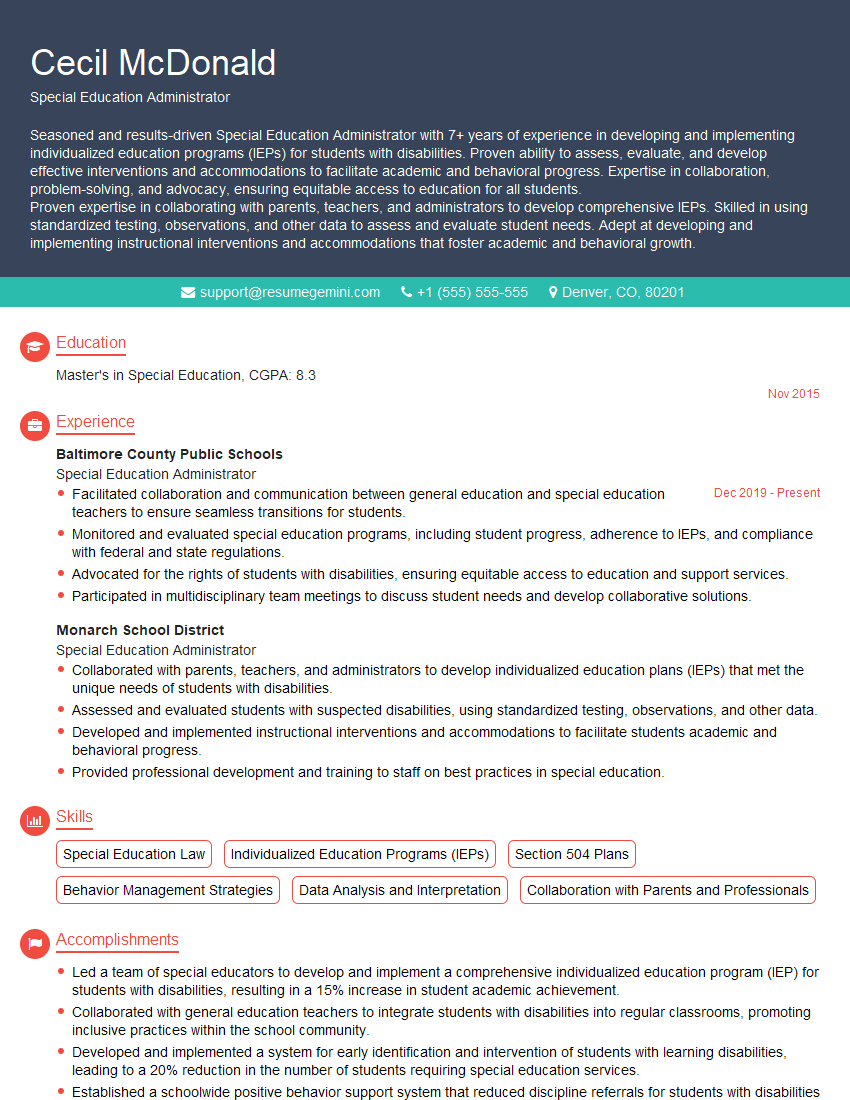
Special Education Administrator Resume Sample
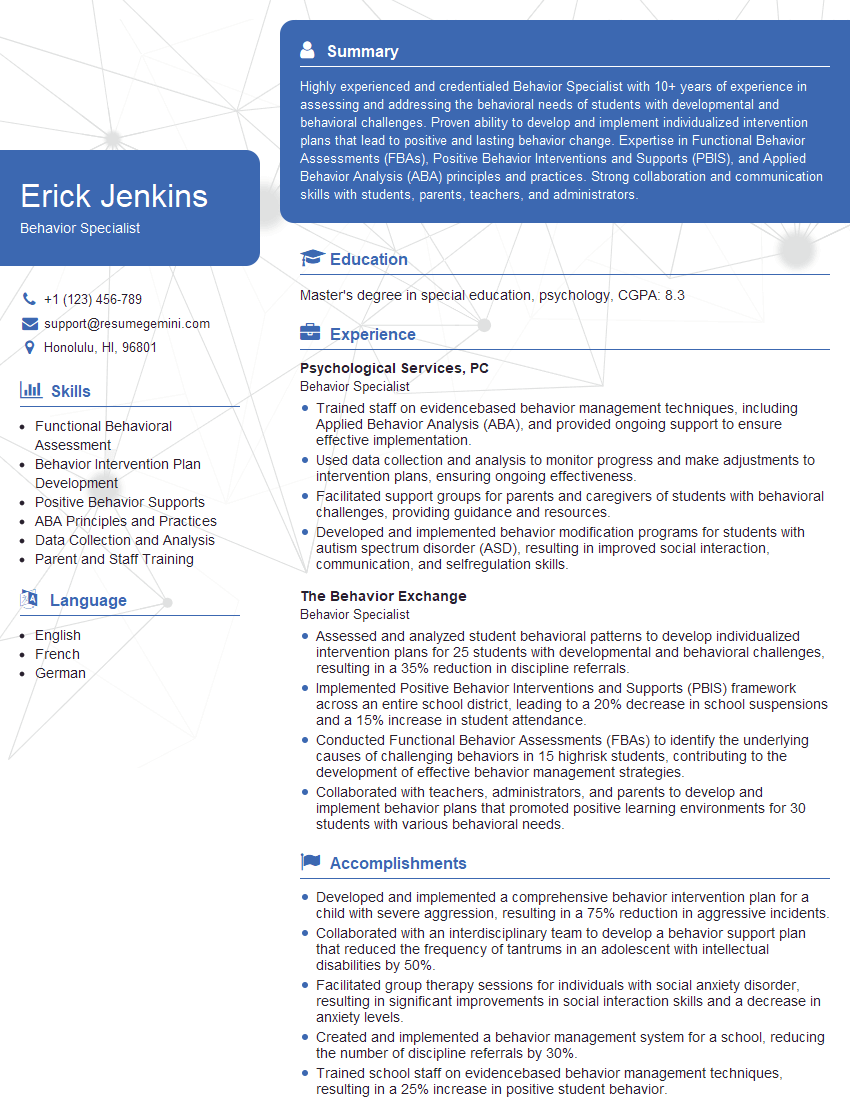
Behavior Specialist Resume Sample
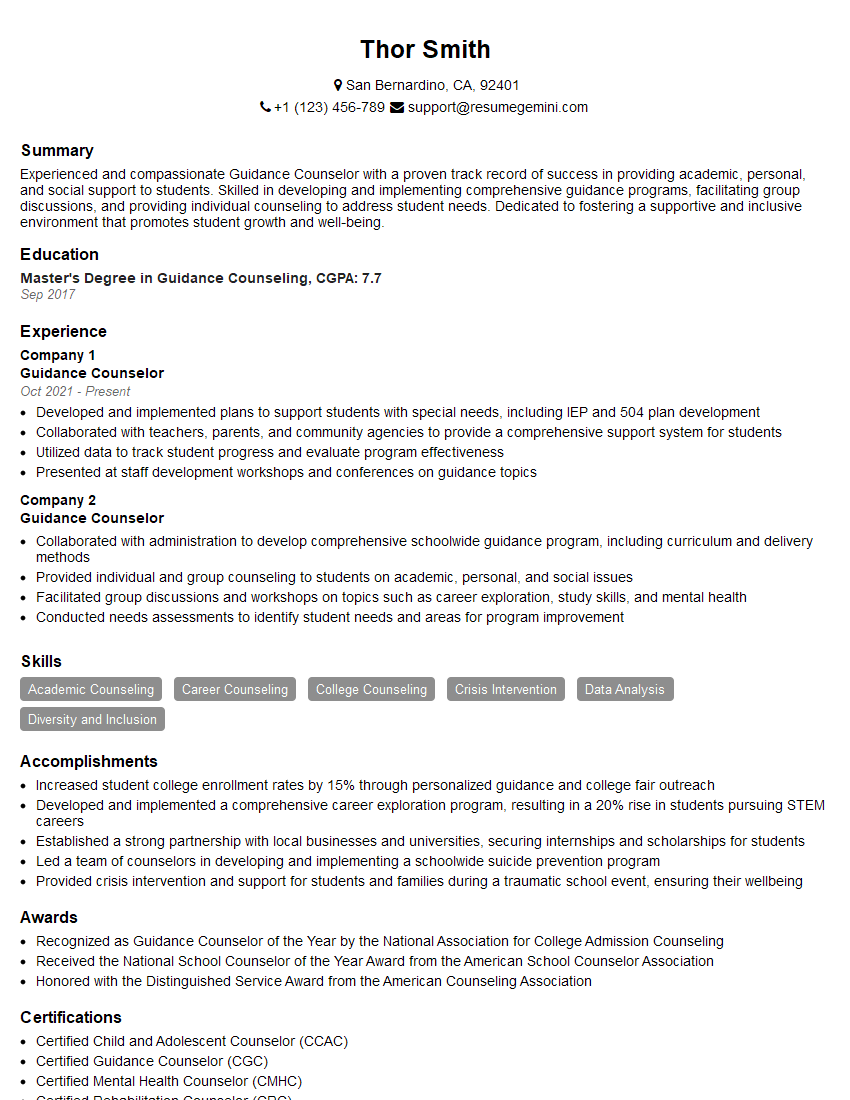
Guidance Counselor Resume Sample
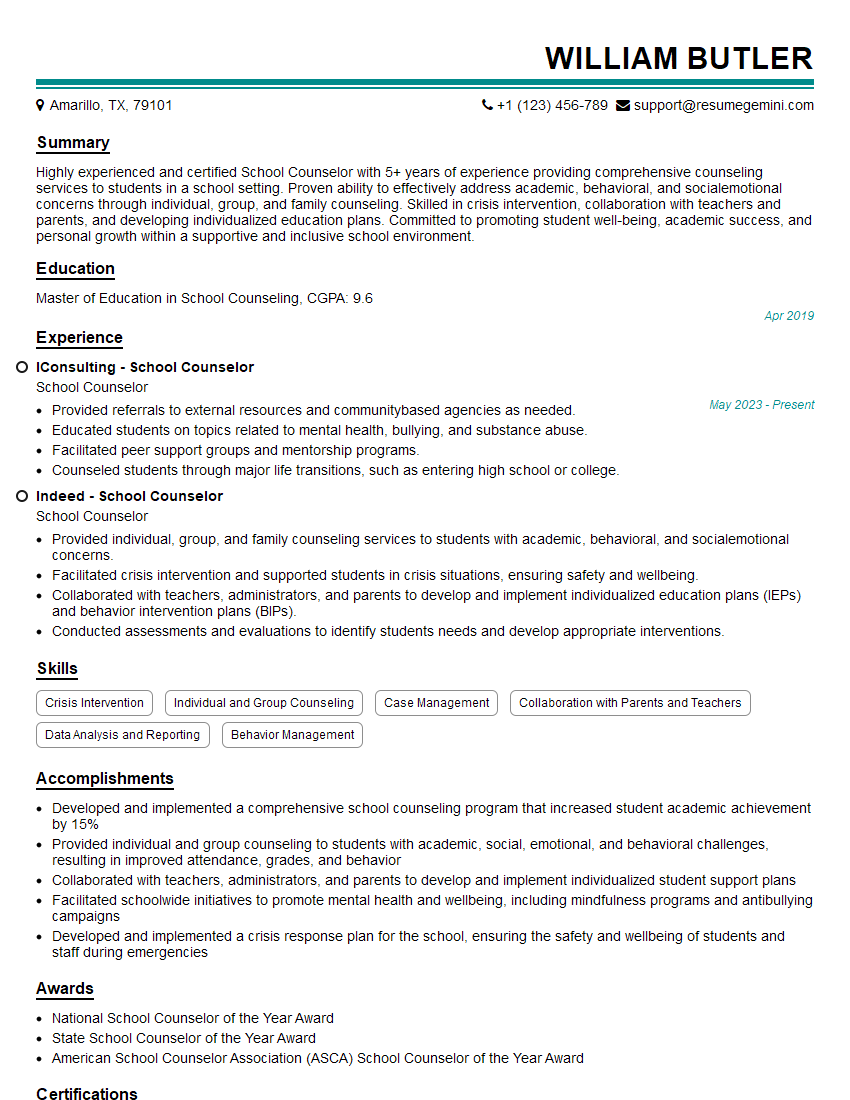
School Counselor Resume Sample
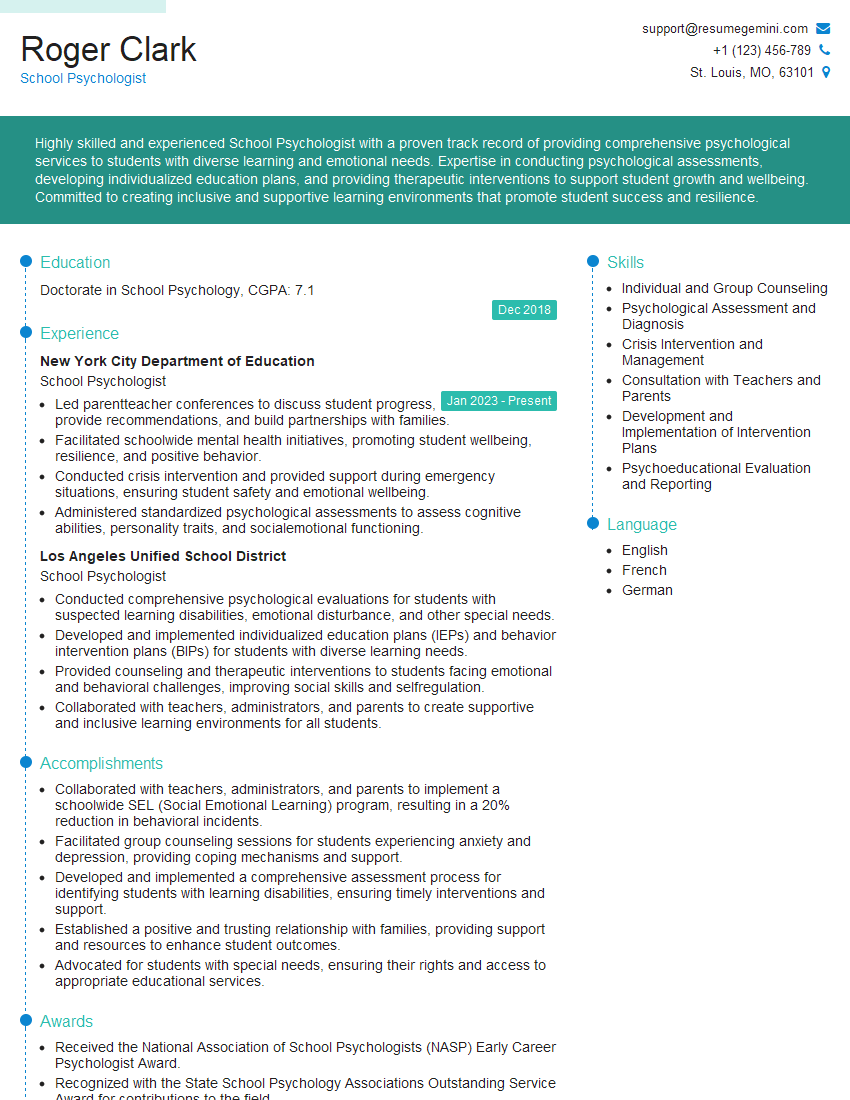
School Psychologist Resume Sample
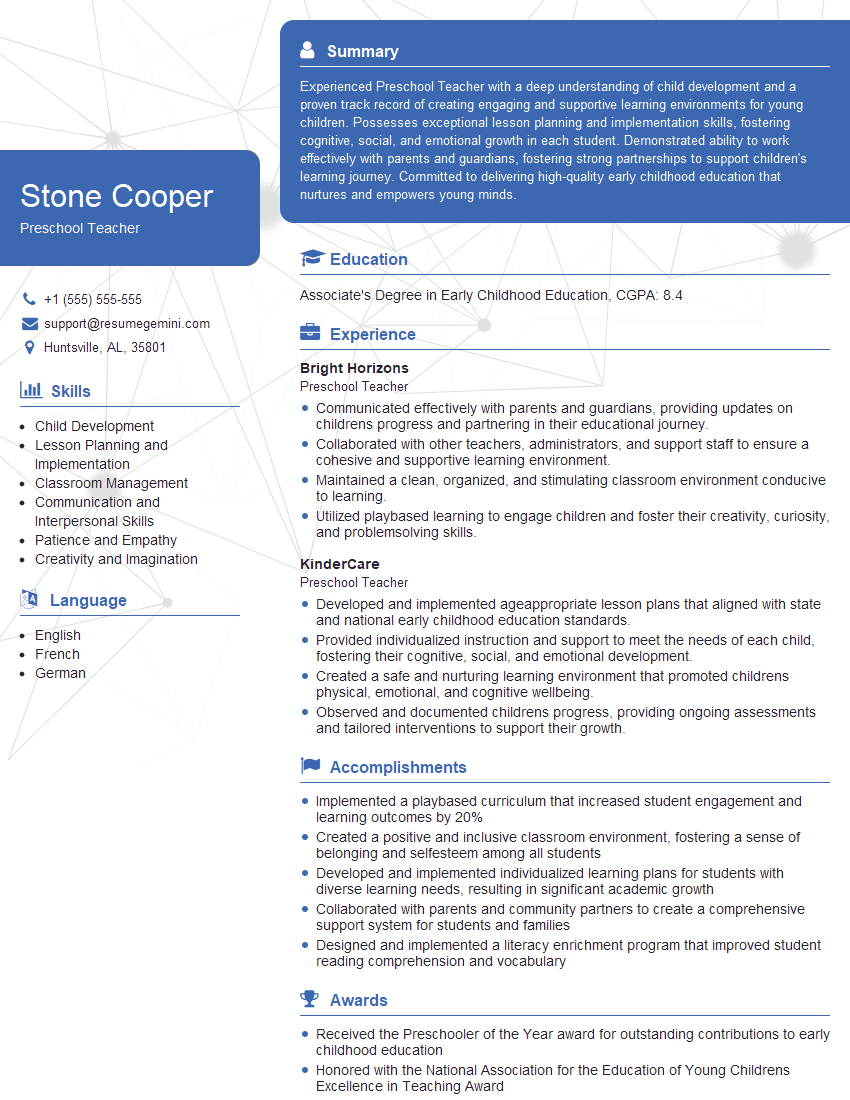
Preschool Teacher Resume Sample
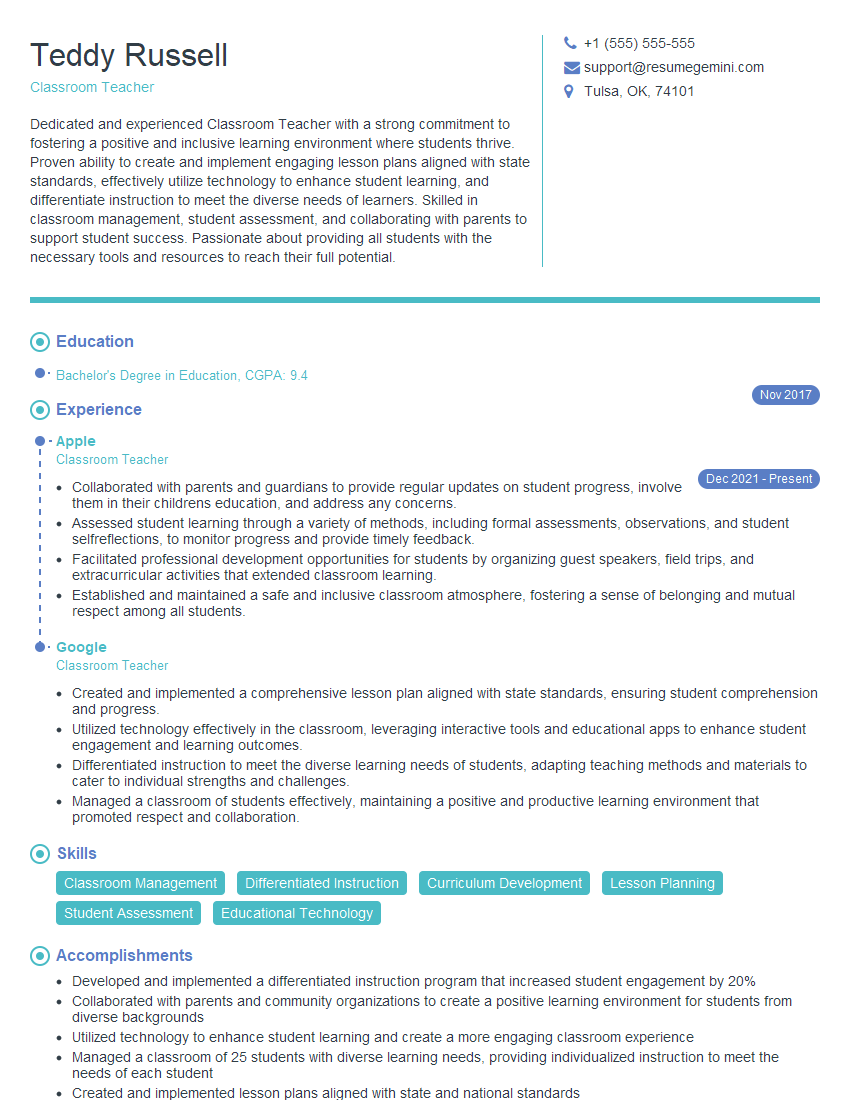
Classroom Teacher Resume Sample
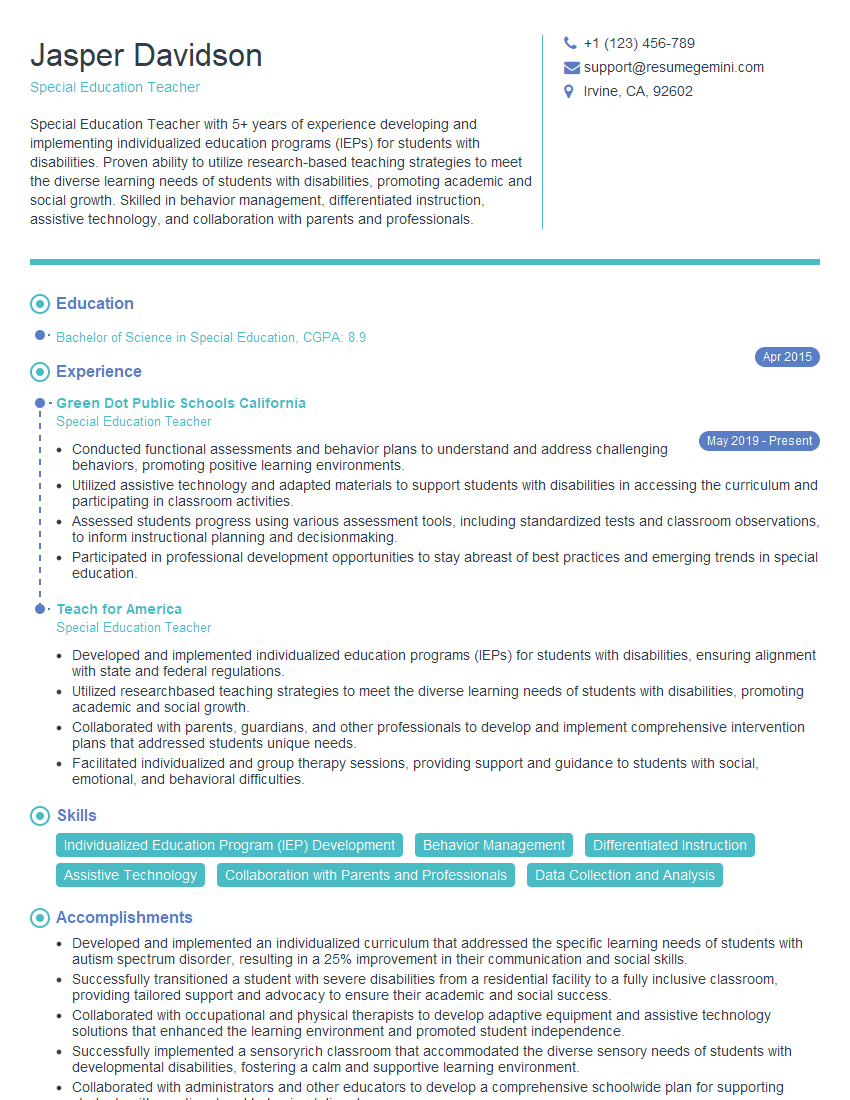
Special Education Teacher Resume Sample
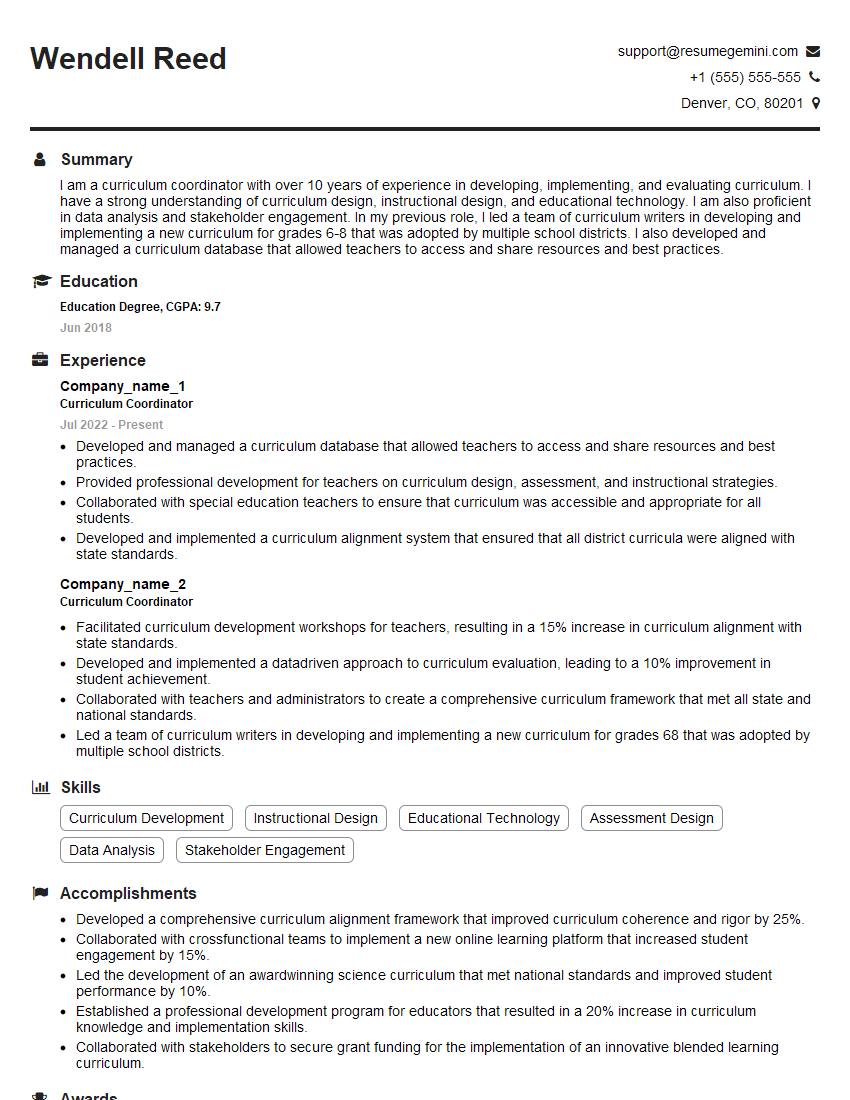
Curriculum Coordinator Resume Sample
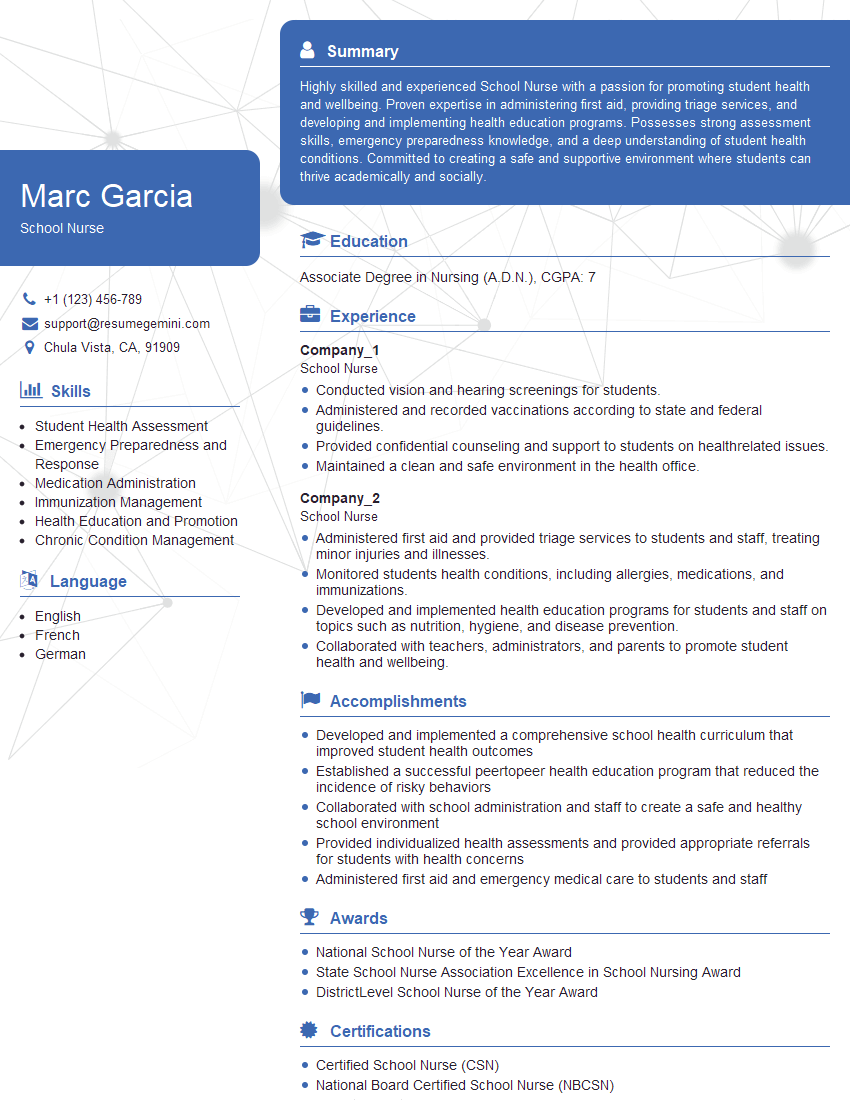
School Nurse Resume Sample
- Superintendent
- Principal
- Assistant Principal
- Director of Special Education
- School Administrator
- Special Education Administrator
- Behavior Specialist
- Guidance Counselor
- School Counselor
- School Psychologist
- Preschool Teacher
- Classroom Teacher
- Special Education Teacher
- Curriculum Coordinator
- School Nurse
Explore more articles
Users Rating of Our Blogs
Share Your Experience
We value your feedback! Please rate our content and share your thoughts (optional).
What Readers Say About Our Blog
Very informative content, great job.
good