The right preparation can turn an interview into an opportunity to showcase your expertise. This guide to Activated Sludge Process Design interview questions is your ultimate resource, providing key insights and tips to help you ace your responses and stand out as a top candidate.
Questions Asked in Activated Sludge Process Design Interview
Q 1. Explain the principles of the activated sludge process.
The Activated Sludge Process (ASP) is a secondary wastewater treatment method that uses microorganisms to break down organic matter. Imagine a tiny city of bacteria and other microbes working together. This ‘city’ is cultivated in a large tank called an aeration basin. The process relies on two key principles:
- Biological Oxidation: Aerobic microorganisms (those needing oxygen) consume dissolved organic matter in the wastewater, converting it into carbon dioxide, water, and new microbial cells. Think of them as tiny garbage disposal units breaking down pollutants.
- Solid-Liquid Separation: After the biological treatment, the resulting mixture (called mixed liquor) needs to be separated. The solids (the microbial biomass – our ‘city’) are separated from the treated liquid in a clarifier (settling tank). This separates the cleaned water from the active sludge.
The separated sludge is then partly returned to the aeration basin to maintain the active microbial population (return activated sludge or RAS). The excess sludge is removed (waste activated sludge or WAS) to prevent the system from becoming overloaded.
Q 2. Describe the different types of activated sludge reactors.
Various reactor configurations are used in ASP, each with its strengths and weaknesses. The choice depends on factors like wastewater characteristics, land availability, and budget.
- Conventional Activated Sludge: This is the simplest design, featuring a single aeration tank and clarifier. It’s straightforward but might not be as efficient for highly variable influent flow or strong shock loads.
- Completely Mixed Activated Sludge (CMAS): Wastewater and microorganisms are thoroughly mixed, leading to uniform conditions and better tolerance to shock loads. However, it might require higher energy consumption for aeration.
- Plug Flow Activated Sludge (PFAS): Wastewater flows through the aeration tank in a ‘plug’ fashion, mimicking a river. This leads to a higher concentration of microbes in the beginning and progressively lower concentrations downstream, optimizing treatment.
- Sequencing Batch Reactor (SBR): This system operates in cycles, filling, reacting (aerating), settling, and drawing off the effluent, all within one tank. It offers flexibility and is suitable for smaller plants or variable flows.
- Membrane Bioreactor (MBR): This combines ASP with membrane filtration for enhanced solids separation, producing higher-quality effluent. It’s more capital-intensive but requires less space and produces superior treatment.
Q 3. What are the key parameters monitored in an activated sludge process?
Effective ASP operation relies on continuous monitoring of several key parameters:
- Dissolved Oxygen (DO): Ensures sufficient oxygen for the microbes. Low DO leads to anaerobic conditions and poor treatment.
- Mixed Liquor Suspended Solids (MLSS): Indicates the concentration of microorganisms in the aeration tank (explained in more detail below).
- Mixed Liquor Volatile Suspended Solids (MLVSS): Represents the active biomass in the MLSS. This helps determine the amount of active microbes.
- Sludge Volume Index (SVI): A measure of sludge settleability (explained in more detail below).
- pH: Optimum pH range is needed for microbial activity.
- Temperature: Microbial activity is temperature-dependent.
- Influent and Effluent BOD and COD: Measures the organic matter before and after treatment.
Continuous monitoring of these parameters helps operators optimize the system’s performance and identify potential issues promptly.
Q 4. How do you control the sludge age in an activated sludge system?
Sludge age, or mean cell residence time (MCRT), is the average time the microorganisms stay in the system. Controlling it is crucial for maintaining an optimal balance of microbial activity and preventing bulking.
Sludge age is primarily controlled by adjusting the waste activated sludge (WAS) flow rate. A higher WAS flow rate reduces the sludge age, while a lower WAS flow rate increases it. Think of it like managing the population of our ‘city’ – too many, and it becomes overcrowded; too few, and it can’t handle the waste effectively.
Other factors influencing sludge age include the recycle sludge flow rate, influent flow, and the solids concentration in the WAS. Operators use mathematical models and real-time data to optimize WAS flow for desired sludge age based on the system’s performance indicators, such as effluent quality and SVI.
Q 5. Explain the concept of Mixed Liquor Suspended Solids (MLSS).
Mixed Liquor Suspended Solids (MLSS) refers to the total concentration of suspended solids in the aeration tank. It represents the total amount of both living and dead microorganisms, along with any other inorganic solids present in the mixed liquor. It is typically measured in milligrams per liter (mg/L) or grams per liter (g/L).
MLSS is a critical parameter as it directly reflects the biomass concentration within the aeration tank. Maintaining an optimal MLSS is crucial for efficient treatment and maintaining the desired sludge age. Too low, and the system might lack sufficient biomass for treatment. Too high, and the system might be overloaded, leading to poor treatment and sludge bulking.
Q 6. What is the significance of F/M ratio in activated sludge?
The Food-to-Microorganism ratio (F/M ratio) is a key design and operational parameter in ASP. It represents the ratio of the influent organic matter (usually measured as BOD or COD) to the amount of microorganisms (MLVSS) in the aeration tank. It’s expressed as:
F/M = (BOD or COD of influent)/(MLVSS in aeration tank)The F/M ratio dictates the growth rate of microorganisms. A high F/M ratio indicates a lot of food (organic matter) for the microbes, leading to faster growth. A low F/M ratio suggests limited food, resulting in slower growth. Finding the optimal F/M is vital. Too high, and you’ll have excessive sludge production. Too low, and you won’t have enough microbes to treat the waste efficiently.
The ideal F/M ratio depends on many factors, including the type of wastewater, the desired effluent quality, and the type of activated sludge reactor. It’s often determined through experimentation and optimization.
Q 7. How does the Sludge Volume Index (SVI) affect process performance?
The Sludge Volume Index (SVI) is a measure of how well the activated sludge settles in the clarifier. It’s expressed as the volume (in milliliters) occupied by one gram of settled sludge after 30 minutes of settling. A good SVI generally ranges from 50-150 mL/g.
A high SVI indicates poor settling, meaning the sludge is fluffy and doesn’t compact well, leading to sludge rising in the clarifier and poor effluent quality. This phenomenon is known as sludge bulking, and it can be caused by several factors, including filamentous bacteria growth, low DO, toxic substances, or nutrient imbalances.
A low SVI suggests good settling and a well-performing system, though excessively low values could indicate a lack of microbial biomass. Monitoring SVI helps identify potential problems early and allows operators to take corrective actions, such as adjusting operational parameters (DO, F/M ratio, sludge age) or adding chemical flocculants.
Q 8. Describe the process of sludge thickening and dewatering.
Sludge thickening and dewatering are crucial steps in wastewater treatment, aiming to reduce the volume and water content of the activated sludge before disposal or further processing. Thickening concentrates the sludge, making it easier to handle and transport. Dewatering reduces the water content even further, resulting in a solid cake that is easier to dispose of or potentially recover resources from.
Thickening typically involves gravity thickening (using settling tanks), or more advanced methods like dissolved air flotation (DAF). Gravity thickening relies on the sludge settling under gravity, while DAF introduces tiny air bubbles to help sludge particles float to the surface. Imagine it like separating cream from milk—the denser parts settle or float based on their properties.
Dewatering follows thickening. Common methods include belt filter presses, centrifuges, and vacuum filters. Belt filter presses use belts to squeeze water out, centrifuges use high-speed rotation, and vacuum filters use vacuum to draw water through a filter media. Think of wringing out a wet sponge – we’re essentially squeezing the water from the sludge.
The choice of thickening and dewatering methods depends on several factors, such as the sludge characteristics (e.g., concentration, particle size), site constraints (e.g., space, power availability), and environmental regulations. For example, a smaller plant might use gravity thickening and a centrifuge, while a larger plant with more space might opt for DAF and a belt filter press.
Q 9. What are the common problems encountered in activated sludge processes?
Activated sludge processes, while highly effective, can encounter various problems. These often manifest as reduced treatment efficiency, poor effluent quality, or operational difficulties.
- Bulking Sludge: Filamentous bacteria overgrow, causing poor settling and increased sludge volume in the clarifier.
- Foaming: Excessive foam formation on the aeration tank surface, often due to the presence of certain organic compounds or microorganisms.
- Poor Settling: Sludge doesn’t settle properly in the clarifier, leading to poor solids separation and effluent quality issues. This could be due to bulking, low sludge density, or other issues.
- Oxygen Deficiency: Insufficient dissolved oxygen in the aeration tank, limiting the effectiveness of microbial activity and potentially leading to anaerobic conditions.
- Shock Loads: Sudden influent changes (e.g., high organic loads, toxic substances) that disrupt the microbial balance and process efficiency.
- Nutrient Deficiency or Imbalance: Lack of essential nutrients (e.g., nitrogen, phosphorus) hindering microbial growth and the removal of pollutants.
Addressing these problems often involves diagnosing the root cause through careful monitoring, adjusting operational parameters (e.g., aeration rate, sludge retention time, wasting rate), and potentially implementing supplementary treatments.
Q 10. How do you address bulking sludge in an activated sludge system?
Bulking sludge, characterized by poor settling in the clarifier, is a common problem in activated sludge systems. It significantly reduces treatment efficiency. Tackling it requires a multi-pronged approach focused on identifying the cause and implementing corrective actions.
- Microscopic Examination: A crucial first step is to analyze sludge samples under a microscope to identify the dominant filamentous bacteria. Different filaments respond to different corrective measures. For instance, Microthrix parvicella requires different management strategies than Nocardia.
- Adjusting Operational Parameters: Strategies include increasing the dissolved oxygen concentration to favor non-filamentous organisms, adjusting the sludge retention time (SRT), and modifying the food-to-microorganism ratio (F/M).
- Chemical Treatment: In severe cases, chemical treatments like polymers or chlorine can improve sludge settling, though this adds operational costs and environmental considerations.
- Process Modifications: For persistent bulking, modifications like introducing a separate anoxic zone (to encourage denitrification and reduce filamentous bacteria) can be considered.
A case study might involve a plant experiencing bulking due to Sphaerotilus natans. Microscopic analysis confirmed this, and increasing the dissolved oxygen and shortening the SRT effectively resolved the issue within a few days. This highlights the importance of precise diagnosis to guide effective remedial actions.
Q 11. Explain the role of dissolved oxygen in the activated sludge process.
Dissolved oxygen (DO) is absolutely vital in the activated sludge process. Aerobic microorganisms, the workhorses of the system, require oxygen to break down organic matter. Without sufficient DO, the process shifts to anaerobic conditions, resulting in poor treatment efficiency and the production of undesirable byproducts like methane and hydrogen sulfide (with the characteristic rotten-egg smell).
The microorganisms use oxygen to oxidize organic compounds in the wastewater, converting them into carbon dioxide, water, and new microbial biomass. This oxidation is an exothermic reaction, releasing energy that the microorganisms use for growth and reproduction. Sufficient DO ensures that the process runs optimally, maximizing the removal of pollutants like BOD (Biochemical Oxygen Demand) and COD (Chemical Oxygen Demand).
Maintaining adequate DO levels is achieved through aeration, a critical design and operational aspect of the process. Insufficient DO leads to incomplete treatment, poor effluent quality, and potential odor problems. Monitoring DO is crucial for effective process control.
Q 12. What are the different methods for aeration in activated sludge systems?
Aeration in activated sludge systems introduces oxygen to maintain the aerobic environment necessary for microbial activity. Several methods are employed, each with its advantages and disadvantages:
- Surface Aerators: These mechanical devices rotate on the surface of the aeration tank, drawing air into the water. They’re relatively simple and cost-effective but less efficient in deeply submerged tanks.
- Fine-Bubble Diffusers: These diffusers introduce air through small pores at the bottom of the tank, creating fine bubbles with a large surface area for oxygen transfer. They’re highly efficient but require regular maintenance to prevent clogging.
- Coarse-Bubble Diffusers: Similar to fine-bubble diffusers, but with larger pores, they are less efficient but more resistant to clogging.
- Jet Aerators: These use high-pressure air jets to create turbulence and dissolve oxygen. They’re energy-intensive but offer good mixing.
The choice of aeration method depends on factors like tank size and depth, oxygen demand, energy costs, and maintenance considerations. For instance, a deep tank might benefit from fine-bubble diffusers for better oxygen transfer, while a shallow tank might use surface aerators for cost-effectiveness.
Q 13. How do you design for nitrification in an activated sludge process?
Nitrification, the biological oxidation of ammonia to nitrate, is a critical process in many activated sludge plants, particularly for removing nitrogenous pollutants. Designing for nitrification requires careful consideration of several key factors.
- Long Sludge Retention Time (SRT): Nitrifying bacteria grow slowly; hence, a longer SRT (typically 5-10 days or more) is crucial to provide sufficient time for these bacteria to establish and perform their function. Think of it like giving them time to fully develop their expertise.
- Sufficient Dissolved Oxygen (DO): Nitrification requires ample oxygen. DO levels should be maintained above 2 mg/L throughout the aeration tank to support the aerobic processes.
- Alkalinity Control: Nitrification consumes alkalinity, so sufficient alkalinity must be maintained to prevent pH drops. This can often be achieved by adding lime or other alkalinity sources.
- Temperature Control: Nitrification is temperature-sensitive, and optimal temperatures range from 15-30°C. If temperatures are consistently outside this range, it is necessary to provide supplemental heat or cooling.
- Inhibition Avoidance: Nitrification is sensitive to various inhibitors, including certain industrial chemicals (e.g., heavy metals, ammonia concentrations above 50 mg/L). Proper influent monitoring is needed to avoid such inhibition.
A well-designed nitrification process usually incorporates a dedicated nitrification zone within the aeration tank, potentially with separate control over aeration and SRT to optimize the process. The goal is to achieve high levels of ammonia and nitrite conversion into nitrate.
Q 14. Describe the process of denitrification in activated sludge systems.
Denitrification is the biological reduction of nitrate to nitrogen gas (N2), a vital step in nitrogen removal. It’s an anaerobic process, meaning it occurs in the absence of oxygen. In activated sludge systems, denitrification is typically achieved by creating anoxic conditions.
Creating Anoxic Conditions: This is often done by incorporating an anoxic zone within the aeration tank or a separate anoxic tank. The anoxic zone is designed to be essentially oxygen-free. This can be by limiting the introduction of air into the tank or by strategically placing the zone within the flow patterns of the wastewater to prevent oxygen introduction.
Carbon Source: Denitrification requires a readily available carbon source (electron donor) for the bacteria to use in the reduction of nitrate. This carbon source is often an organic compound like methanol, acetate, or even the wastewater itself (which provides internal carbon).
The Process: Under anoxic conditions, specialized bacteria use nitrate as an electron acceptor and organic compounds as electron donors. This process reduces nitrate to nitrite, then to nitric oxide, nitrous oxide, and finally nitrogen gas, which is released into the atmosphere. This effectively removes nitrogen from the wastewater.
Effective denitrification requires careful control of oxygen levels in the anoxic zone, sufficient carbon source availability, and appropriate hydraulic retention time to allow the reaction to proceed effectively. It’s common practice to use the process of creating anoxic conditions strategically within the overall system design, especially in the secondary stage of wastewater treatment.
Q 15. What are the energy considerations in the design and operation of activated sludge plants?
Energy consumption is a significant operational cost in activated sludge plants, primarily driven by aeration. The design must carefully balance treatment efficiency with energy minimization. This involves optimizing aeration system design, including the type of diffusers (e.g., fine-bubble diffusers are more energy-efficient than coarse-bubble), the air blower selection, and the control strategy. For example, using dissolved oxygen (DO) sensors and control systems allows for aeration to only be activated when needed, preventing energy waste by over-aeration. Furthermore, energy-efficient mixing strategies within the aeration tank, like using multiple smaller blowers instead of one large one, can help reduce power consumption. The selection of equipment also plays a crucial role—energy-efficient motors and variable-speed drives are now commonly implemented to further reduce the overall energy footprint. Finally, the plant’s overall layout and hydraulic design should minimize unnecessary pumping energy needs, for example by carefully considering the elevation differences between process units.
Consider a scenario where an older plant is being upgraded: switching to fine-bubble diffusers alongside the installation of a DO control system could significantly decrease the operational energy cost by 20-30%, easily recouping the initial upgrade costs within a few years.
Career Expert Tips:
- Ace those interviews! Prepare effectively by reviewing the Top 50 Most Common Interview Questions on ResumeGemini.
- Navigate your job search with confidence! Explore a wide range of Career Tips on ResumeGemini. Learn about common challenges and recommendations to overcome them.
- Craft the perfect resume! Master the Art of Resume Writing with ResumeGemini’s guide. Showcase your unique qualifications and achievements effectively.
- Don’t miss out on holiday savings! Build your dream resume with ResumeGemini’s ATS optimized templates.
Q 16. Explain the importance of Return Activated Sludge (RAS) and Waste Activated Sludge (WAS).
Return Activated Sludge (RAS) and Waste Activated Sludge (WAS) are crucial for maintaining a healthy and effective activated sludge process. RAS is the recirculated sludge from the clarifier back to the aeration tank. It provides the inoculum of active microorganisms necessary for efficient wastewater treatment. Imagine it as the experienced workforce in a factory, ready to tackle the incoming wastewater (raw materials). A sufficient RAS flow rate ensures a high concentration of microorganisms in the aeration tank, enhancing treatment efficiency and BOD removal. Conversely, WAS is the sludge removed from the system to control the concentration of microorganisms in the aeration tank. Too much sludge would result in poor settling, bulking, and higher energy consumption. WAS removal maintains the optimal sludge age and prevents the system from becoming overloaded. Think of WAS removal as regulating the workforce size; removing excess employees prevents overcrowding and ensures optimal productivity. The balance between RAS and WAS is vital to achieving the desired sludge age and process stability.
Q 17. How do you determine the required aeration tank volume for an activated sludge plant?
Determining the required aeration tank volume involves several key parameters and calculations. First, you need to know the design flow rate (Q), the desired food-to-microorganism (F/M) ratio, the Mixed Liquor Suspended Solids (MLSS) concentration, and the Sludge Retention Time (SRT). The F/M ratio dictates the amount of biodegradable substrate compared to the biomass. A lower F/M ratio indicates a higher sludge concentration and a longer SRT, promoting slow-growing organisms and better nutrient removal.
The aeration tank volume (V) can be approximated using this formula:
V = (Q * SRT * MLSS) / (Xa * (1 - 1/θc))Where:
- Q = Design flow rate
- SRT = Sludge Retention Time
- MLSS = Mixed Liquor Suspended Solids
- Xa = concentration of active biomass (a fraction of MLSS)
- θc = Sludge concentration in the aeration tank and the clarifier (θc ≥ 1)
This formula takes into account the sludge concentration in both the aeration tank and clarifier and aims to incorporate the amount of biomass utilized for treatment, reflecting a more refined estimation. Different design guidelines and software may use slightly different approaches but the fundamental principles remain the same. It’s critical to remember that this is an estimation, and factors like temperature, wastewater characteristics, and the type of activated sludge process (e.g., conventional, extended aeration) must be considered to fine-tune the design. Pilot testing and modelling are frequently employed to confirm the calculated volume and ensure optimal performance.
Q 18. Describe the different types of clarifiers used in activated sludge systems.
Several clarifier types are used in activated sludge systems, each with its own advantages and disadvantages. The most common are:
- Circular clarifiers: These are the classic design, simple to operate and maintain. They’re often used for smaller plants.
- Rectangular clarifiers: These offer a larger surface area for the same footprint, potentially improving settling performance in high-flow situations.
- Lamella clarifiers: These utilize inclined plates to increase the settling surface area significantly, reducing the overall footprint and improving solids separation, especially useful in space-constrained sites or where high solids concentrations are involved.
- Sequencing Batch Reactors (SBRs): While technically a different treatment method, SBRs perform the aeration and clarification steps in the same tank, eliminating the need for separate clarifiers.
The choice of clarifier type depends on factors like plant capacity, available land area, wastewater characteristics, and budget.
Q 19. What are the key design considerations for an activated sludge clarifier?
Designing an effective activated sludge clarifier requires careful consideration of several key factors. The primary goals are efficient solids separation and minimal sludge carryover (loss of active biomass) to ensure good treatment efficiency. Key considerations include:
- Surface area: Sufficient surface area is crucial to allow adequate settling time. Overloading leads to poor settling and sludge carryover.
- Hydraulic loading rate: This is the flow rate per unit surface area. High hydraulic loading rates can disrupt the settling zone and cause washout.
- Solids loading rate: This is the mass of solids entering the clarifier per unit surface area. High solids loading rates can lead to sludge blanketing and poor clarification.
- Solids retention time: Sufficient time for complete sludge settling and efficient separation.
- Sludge blanket depth: Maintaining an appropriate sludge blanket depth is important for optimizing settling efficiency. A thick sludge blanket could hinder effective settling.
- Effluent weir design: This needs to prevent sludge carryover and maintain even flow distribution.
- Sludge withdrawal system: Efficient sludge removal is critical to control sludge inventory and prevent build-up.
A well-designed clarifier will minimize sludge carryover, maintain a stable sludge blanket, and provide a clear effluent. Inadequate design can lead to poor effluent quality and process instability, requiring extensive troubleshooting and potentially costly remediation.
Q 20. How do you calculate the oxygen demand in an activated sludge process?
Calculating the oxygen demand in an activated sludge process is crucial for designing the aeration system. The primary oxygen demand is related to the biochemical oxygen demand (BOD) of the incoming wastewater and the microbial respiration of the activated sludge. Several methods exist for estimation; a common approach involves using the BOD5 of the influent and accounting for the oxygen demand of nitrification (if applicable). The formula is:
Oxygen Demand = BOD5 * (1 + Nitrification Factor) * (1 + Safety Factor)Where:
- BOD5 is the 5-day BOD of the influent wastewater.
- Nitrification Factor accounts for the additional oxygen required for nitrification (conversion of ammonia to nitrate), typically ranging from 1.0 to 2.0 depending on the nitrogen loading and desired level of nitrification. It’s 0 in plants without nitrification.
- Safety Factor is typically included to accommodate variations in process performance and environmental conditions (e.g., temperature). A safety factor of 1.2-1.5 is commonly used.
This calculation provides an estimate of the total oxygen demand. More sophisticated models consider other factors such as MLSS concentration, sludge age, and temperature for greater accuracy. Process data from similar plants or pilot tests can help refine the calculations.
Q 21. Explain the concept of biological nutrient removal (BNR).
Biological Nutrient Removal (BNR) is an advanced wastewater treatment process designed to remove nitrogen and phosphorus, the main causes of eutrophication in receiving waters. Traditional activated sludge processes primarily focus on BOD removal; BNR takes it a step further. The process typically involves two stages:
- Anaerobic/Anoxic zone: Under anaerobic (oxygen-free) conditions, denitrifying bacteria convert nitrate to nitrogen gas (N2), which is released into the atmosphere. Anoxic conditions (low oxygen) also allows for the release of phosphorus from the sludge.
- Aerobic zone: This is the typical activated sludge process where aerobic bacteria consume BOD and ammonia is converted into nitrite and then nitrate through nitrification.
The alternating anaerobic/anoxic and aerobic conditions are achieved through specific process configurations, such as using separate tanks or implementing zones within a single tank. This process requires specific operational control strategies and the careful management of sludge retention time and the dissolved oxygen concentration in each zone. Efficient BNR requires careful planning and control; successful implementation depends heavily on proper process design, appropriate operational strategies, and accurate monitoring of key parameters.
Q 22. Describe the role of microorganisms in the activated sludge process.
Microorganisms are the heart of the activated sludge process. They are responsible for the biological treatment of wastewater, breaking down organic pollutants into simpler, less harmful substances. Think of them as tiny cleanup crews working tirelessly to purify the water. They consume the organic matter present in the wastewater as their food source, converting it into biomass (more microorganisms) and stable end products like carbon dioxide and water. This process is crucial for achieving the required effluent quality.
The efficiency of the entire process hinges on maintaining a healthy and diverse microbial population. Factors like dissolved oxygen levels, nutrient availability (nitrogen and phosphorus), and temperature greatly influence their activity and therefore the overall treatment efficiency.
Q 23. What are the different types of microorganisms found in activated sludge?
Activated sludge is a complex ecosystem teeming with a variety of microorganisms, including bacteria, protozoa, fungi, and metazoa. Each plays a specific role in the wastewater treatment process.
- Bacteria: These are the primary workhorses, responsible for the majority of organic matter degradation. Different bacterial species specialize in breaking down different types of organic compounds. Some examples include aerobic heterotrophic bacteria (consuming organic matter in the presence of oxygen), nitrifying bacteria (converting ammonia to nitrate), and denitrifying bacteria (converting nitrate to nitrogen gas).
- Protozoa: These single-celled organisms are crucial for maintaining a healthy balance in the activated sludge. They graze on bacteria, preventing overgrowth and promoting a more efficient and stable system. Examples include Paramecium and Amoeba.
- Fungi: Fungi play a less dominant role compared to bacteria and protozoa, but they can contribute to the breakdown of certain recalcitrant organic compounds.
- Metazoa: These are multicellular organisms like rotifers and nematodes, also contributing to the process by grazing on bacteria.
The specific microbial community composition can vary depending on factors like wastewater characteristics, operational parameters, and environmental conditions. A healthy sludge will exhibit a diverse and balanced microbial community.
Q 24. How do you handle influent variations in an activated sludge system?
Influent variations, meaning changes in the characteristics of the incoming wastewater, are a common challenge in activated sludge plants. These variations can include fluctuations in flow rate, organic load (BOD and COD), and nutrient concentrations. Effective management strategies are crucial to maintain consistent effluent quality.
- Sequencing Batch Reactors (SBR): These systems handle variations well by operating in cycles, allowing for flexibility in adjusting the treatment time based on influent characteristics.
- Aerobic Digestion: By allowing for a longer retention time within the aeration basin, shock loads are diluted and their negative impact reduced.
- Control Strategies: Implementing advanced control systems, such as those based on dissolved oxygen (DO) and mixed liquor suspended solids (MLSS) monitoring, allows for real-time adjustments in aeration and return sludge rates, counteracting influent variations.
- Buffer Tanks: Employing equalization or buffer tanks can help to dampen the impact of sudden influent flow and load variations.
For example, during periods of high influent flow, increasing the aeration rate can ensure sufficient oxygen is available for the microorganisms, preventing oxygen limitation and poor treatment efficiency. Conversely, during periods of low flow, reducing the aeration rate and return sludge will optimize energy use and prevent over-aeration. A well-designed and operated activated sludge plant incorporates several strategies to maintain stability and efficiency despite these variations.
Q 25. Describe the process of designing a secondary clarifier for an activated sludge system.
Designing a secondary clarifier for an activated sludge system is critical for effectively separating the treated effluent from the activated sludge. The design process involves several key considerations:
- Sizing: The clarifier’s surface area and depth are determined based on the design flow rate and the solids settling characteristics of the activated sludge. This ensures adequate settling time for the solids to separate from the effluent.
- Hydraulic Characteristics: The inlet and outlet structures must be designed to minimize short-circuiting and ensure even flow distribution across the clarifier. This prevents areas of high or low solids concentration.
- Solids Settling: The clarifier’s design must account for the settling characteristics of the activated sludge, ensuring sufficient time for settling and minimizing solids carryover in the effluent. We use parameters such as sludge volume index (SVI) to characterize settleability.
- Sludge Removal: A mechanism for removing settled sludge from the bottom of the clarifier is essential. This often involves a mechanical scraper system that moves the sludge to a central sump for return to the aeration basin or disposal.
- Effluent Overflow Rate: This parameter dictates the rate at which the clarified effluent is removed from the clarifier. Excessive overflow rate can lead to solids carryover, while insufficient rate leads to prolonged detention time which can result in anaerobic conditions and affect effluent quality.
Proper clarifier design is essential for achieving high effluent quality and preventing solids carryover which affects the overall treatment efficiency and potentially cause issues downstream.
Q 26. What are the safety considerations in the operation and maintenance of an activated sludge plant?
Safety is paramount in the operation and maintenance of an activated sludge plant. The presence of biological material, chemicals, and confined spaces necessitates a rigorous safety program. Key considerations include:
- Confined Space Entry: Proper procedures must be in place for entry into confined spaces like clarifiers and aeration tanks, including atmospheric testing for oxygen deficiency and hazardous gases.
- Personal Protective Equipment (PPE): Workers must be provided and trained on the proper use of PPE, including respirators, gloves, and protective clothing to minimize exposure to biological hazards and chemicals.
- Lockout/Tagout Procedures: Strict lockout/tagout procedures should be implemented before performing maintenance on any equipment to prevent accidental start-up and injuries.
- Chemical Handling: Safe handling and storage of chemicals used in the plant, such as chlorine for disinfection, are vital to prevent spills and exposure incidents.
- Emergency Response Plan: A comprehensive emergency response plan must be in place to address potential incidents, such as spills, equipment failures, or worker injuries.
- Training: Comprehensive training programs for all personnel are essential to ensure a safe and efficient plant operation.
Regular safety inspections and audits, along with a strong safety culture, are essential to minimize risks and ensure the well-being of all personnel.
Q 27. Explain the importance of proper instrumentation and control in an activated sludge plant.
Proper instrumentation and control are critical for efficient and reliable operation of an activated sludge plant. They enable real-time monitoring and automated control of key process parameters, resulting in optimal performance and improved effluent quality.
- Dissolved Oxygen (DO) Sensors: These sensors monitor the DO levels in the aeration tank, allowing for precise control of the aeration system to maintain optimal conditions for aerobic microorganisms.
- pH Sensors: Monitoring pH helps ensure that the environment remains within the optimal range for microbial activity and prevents undesirable chemical reactions.
Flow Meters: Accurately measuring influent and effluent flow rates is essential for process control and performance evaluation.
- MLSS Sensors: Measuring mixed liquor suspended solids (MLSS) helps in maintaining the desired concentration of microorganisms in the aeration tank.
- Control Systems: Programmable logic controllers (PLCs) and supervisory control and data acquisition (SCADA) systems integrate the data from various sensors and control actuators to optimize process performance.
For example, a DO control system automatically adjusts the aeration rate to maintain a pre-set DO level, optimizing energy usage and ensuring sufficient oxygen for microbial activity. Effective instrumentation and control minimizes operational issues, improves effluent quality and reduces overall operating costs. A properly instrumented plant allows for better process optimization, early detection of issues, and reduces manual intervention.
Q 28. Discuss your experience with troubleshooting activated sludge process issues.
Troubleshooting activated sludge process issues often involves a systematic approach. I’ve encountered various challenges over the years, including:
- Bulking Sludge: This is characterized by poor settling of the sludge, resulting in solids carryover in the effluent. Troubleshooting often involves identifying the cause (filamentous bacteria overgrowth, nutrient imbalance, etc.) and implementing corrective actions, such as adjusting the aeration rate or adding flocculants.
- Foaming: Excessive foaming can be caused by various factors, including the presence of certain types of bacteria and nutrient imbalances. Solutions involve adjusting operational parameters or using anti-foaming agents.
- Poor Effluent Quality: If effluent quality does not meet standards, we investigate the cause, which could be insufficient aeration, high organic loading, or ineffective clarifier operation. Actions could include increasing aeration, reducing the organic load or modifying clarifier operation.
- Oxygen Limitation: If DO levels are consistently low, we assess the aeration system’s efficiency and address possible mechanical failures or inadequate aeration capacity.
In my experience, a thorough understanding of the process, combined with systematic data analysis and careful evaluation of operational parameters, are crucial for effectively diagnosing and resolving issues in activated sludge systems. A detailed understanding of the microbial ecology is crucial as well. For example, microscopic analysis of the activated sludge can help identify the presence of filamentous bacteria and aid in diagnosis of bulking sludge issues.
Key Topics to Learn for Activated Sludge Process Design Interview
- Microbiology of Activated Sludge: Understanding the microbial communities involved, their roles in organic matter degradation, and factors influencing their activity (e.g., dissolved oxygen, temperature, pH).
- Process Kinetics and Modeling: Applying kinetic models (e.g., Monod equation) to predict process performance, optimize design parameters, and troubleshoot operational issues.
- Reactor Design and Hydraulics: Analyzing different reactor configurations (e.g., completely mixed, plug flow, sequencing batch reactors), understanding hydraulic residence time, and its impact on treatment efficiency.
- Oxygen Transfer and Aeration: Calculating oxygen requirements, selecting appropriate aeration systems, and optimizing oxygen transfer efficiency to minimize energy consumption.
- Solids Retention Time (SRT) and Sludge Age: Understanding the relationship between SRT, sludge age, and microbial biomass, and their influence on nutrient removal and effluent quality.
- Nutrient Removal (Nitrogen and Phosphorus): Exploring nitrification, denitrification, and biological phosphorus removal processes, and design considerations for enhanced nutrient removal.
- Waste Activated Sludge (WAS) Disposal: Evaluating different WAS treatment methods (e.g., thickening, dewatering, anaerobic digestion), and their environmental and economic implications.
- Process Control and Instrumentation: Understanding the role of sensors, controllers, and automation systems in maintaining optimal process performance and ensuring effluent compliance.
- Troubleshooting and Process Optimization: Developing problem-solving skills to diagnose operational issues (e.g., bulking sludge, foaming, poor effluent quality) and implement effective solutions.
- Design Considerations for Different Wastewater Types: Adapting design parameters and operational strategies based on variations in wastewater characteristics (e.g., industrial wastewater, municipal wastewater).
Next Steps
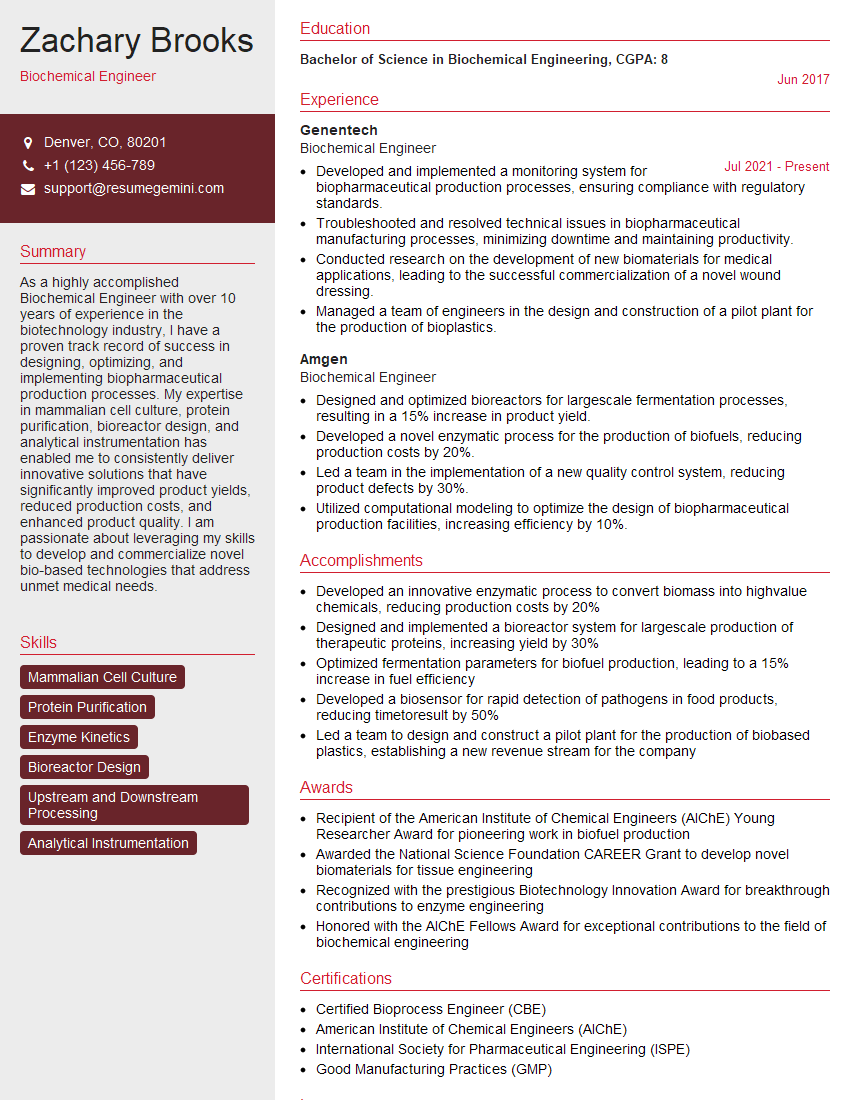
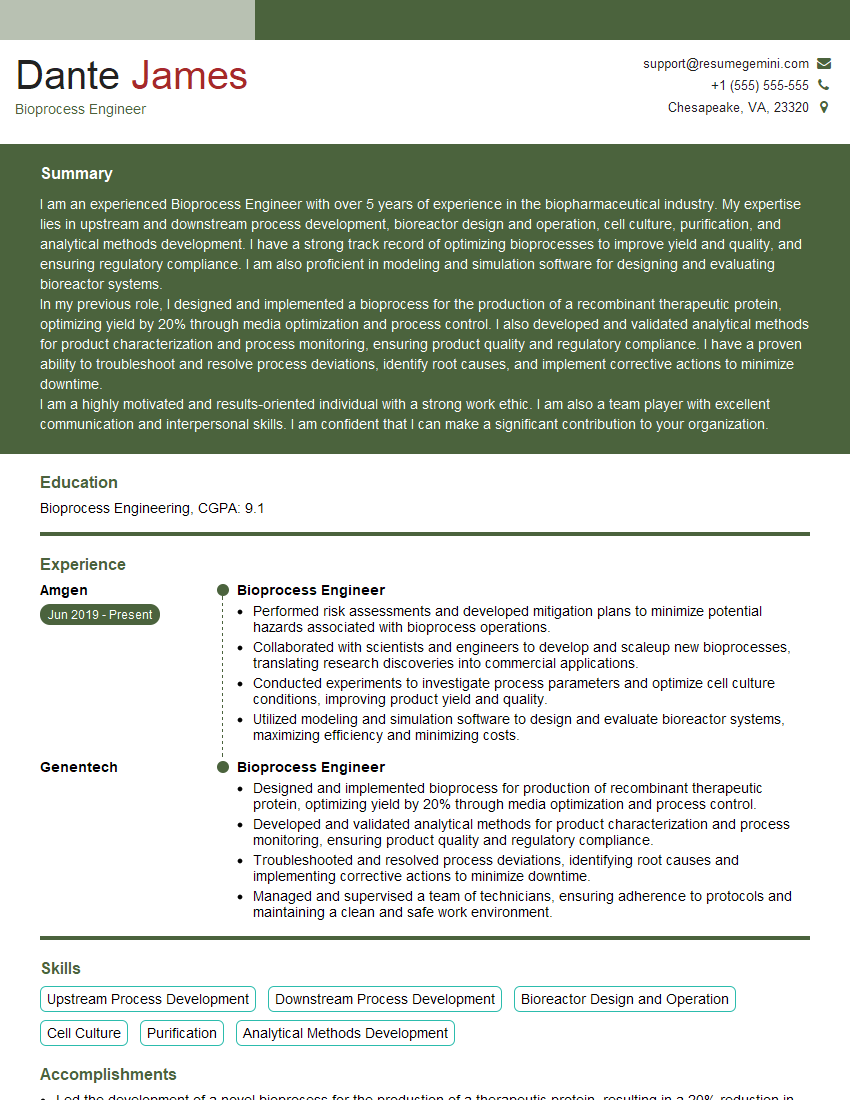
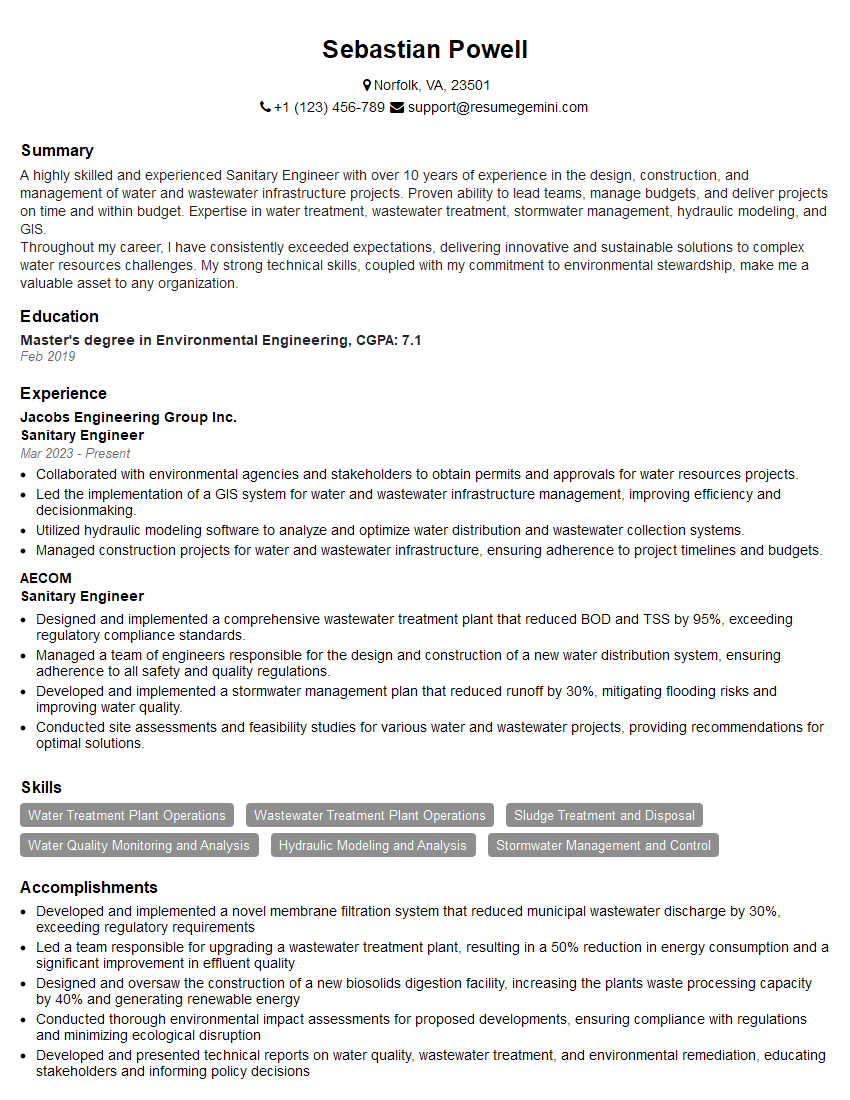
Mastering Activated Sludge Process Design is crucial for a successful and rewarding career in environmental engineering. A strong understanding of these principles opens doors to exciting opportunities in design, operation, and research. To maximize your job prospects, create an ATS-friendly resume that highlights your skills and experience effectively. ResumeGemini is a trusted resource that can help you build a professional and impactful resume. Examples of resumes tailored to Activated Sludge Process Design are available to guide you through the process. Take the next step towards your dream career – build a winning resume today!
Explore more articles
Users Rating of Our Blogs
Share Your Experience
We value your feedback! Please rate our content and share your thoughts (optional).
What Readers Say About Our Blog
Very informative content, great job.
good