The right preparation can turn an interview into an opportunity to showcase your expertise. This guide to Adapting to Different Team Dynamics interview questions is your ultimate resource, providing key insights and tips to help you ace your responses and stand out as a top candidate.
Questions Asked in Adapting to Different Team Dynamics Interview
Q 1. Describe a time you had to adapt your communication style to work effectively with a team member who had a very different communication style.
Adapting communication style is crucial for effective teamwork. It’s about understanding that different people have different preferences – some prefer direct, concise communication while others value detailed explanations and collaborative discussions. In one project, I worked with a team member, Sarah, who was very detail-oriented and preferred email for communication. My natural style is more direct and prefers quick verbal updates. Recognizing this, I shifted my approach. I started including more detail in my emails to Sarah, ensuring all relevant information was explicitly stated. I also scheduled regular one-on-one calls to address any questions she might have. This helped avoid misunderstandings and fostered a smoother working relationship. We established clear expectations regarding response times, further improving efficiency. The key was recognizing her preference and consciously adjusting my communication to meet her needs, ultimately improving team cohesion and project success.
Q 2. How do you identify the strengths and weaknesses of individual team members and leverage them for collective success?
Identifying team strengths and weaknesses is a cornerstone of effective team leadership. I use a multi-pronged approach. First, I observe team members during collaborative tasks, noting their contributions and problem-solving approaches. Second, I actively solicit feedback through regular one-on-one meetings and team check-ins. These informal conversations allow individuals to self-assess and highlight their preferred work styles and areas of expertise. I also employ 360-degree feedback mechanisms, where team members assess each other anonymously, providing a broader perspective. Once I’ve gathered this data, I leverage the strengths by assigning tasks strategically. For example, if a team member excels in data analysis, they lead data-driven decisions. Weaknesses are addressed through mentorship, training, or task re-allocation. By focusing on strengths and providing support for weaknesses, I create an environment where everyone feels valued and the team functions at optimal efficiency. Think of it like a sports team – a coach leverages each player’s unique abilities to create a winning strategy.
Q 3. Explain your approach to resolving conflicts within a team setting.
Conflict is inevitable in any team, but it’s how we handle it that determines success. My approach is based on open communication and collaborative problem-solving. The first step is to identify the root cause of the conflict through open discussion, encouraging all parties to express their perspectives without interruption. I then facilitate a structured discussion, focusing on finding common ground and identifying shared goals. This helps shift the focus from blaming to problem-solving. I might use techniques like brainstorming or root cause analysis to generate solutions collaboratively. The goal isn’t to win the argument, but to find a mutually acceptable solution. If the conflict is severe or involves interpersonal issues, I might suggest mediation or conflict resolution training.
Q 4. How do you build rapport and trust with team members from diverse backgrounds?
Building rapport and trust with diverse teams requires empathy, active listening, and cultural sensitivity. I start by creating a safe space for open communication where everyone feels comfortable expressing themselves. I actively seek to understand each individual’s background, work style, and communication preferences. This often involves informal conversations outside of formal meetings – a casual lunch, coffee break, or even a virtual coffee chat. By demonstrating genuine interest in their experiences, I build personal connections and foster trust. I ensure that communication styles accommodate cultural differences and that team processes are inclusive and fair. This involves adapting meeting structures, communication channels, and decision-making processes to account for varying communication preferences and cultural norms.
Q 5. Describe a situation where you had to navigate differing opinions within a team to reach a consensus.
In a recent project, the team had sharply differing opinions on the best approach to a critical design decision. Some favored a more traditional solution, while others advocated a more innovative, riskier approach. To navigate this, I organized a structured discussion, ensuring everyone had the opportunity to present their arguments and supporting evidence. We then engaged in a brainstorming session, identifying the advantages and disadvantages of each approach. This process wasn’t about winning a debate but about a thorough evaluation of each solution. Finally, we used a weighted scoring system to rank the various options based on factors like feasibility, cost, and impact. This transparent and objective process led to a consensus on the best solution, even though it differed from some individuals’ initial preferences. The key was creating a fair and transparent decision-making process, allowing everyone a voice, and using a neutral approach to evaluate the options.
Q 6. How do you handle situations where team members have differing work styles or priorities?
Differing work styles and priorities are common in team settings. My approach focuses on clarifying individual roles, responsibilities, and expectations from the outset. This often involves creating a shared project plan with clear deadlines and milestones for each task. I then facilitate regular check-ins to monitor progress, address any roadblocks, and ensure everyone stays aligned with project goals. I encourage open communication about workload and potential conflicts. If someone’s priorities are misaligned with the team’s, we discuss it collaboratively to find solutions. This may involve adjusting task assignments, setting new priorities, or providing additional support. The goal is not to force conformity, but to create a system where everyone feels supported and contributes effectively, while still being able to adjust based on the dynamic nature of projects.
Q 7. How do you adapt your leadership style to different team dynamics?
My leadership style is adaptive and depends on the specific team dynamics. With a highly experienced and self-motivated team, I adopt a more laissez-faire approach, offering guidance and support as needed. With a newer team or one lacking in experience, I adopt a more directive style, providing clear direction and mentorship. With a team facing challenges, I employ a more supportive and collaborative leadership style. I regularly assess team dynamics, paying attention to communication styles, motivation levels, and potential conflict areas. I then adjust my leadership approach accordingly, using a range of leadership techniques and communication styles to optimize team performance and morale. The goal is to leverage my abilities to best serve the team’s needs, creating an environment where individuals thrive and the team achieves its goals.
Q 8. Describe your experience working with remote teams.
My experience with remote teams spans several years and various projects. I’ve found that success hinges on establishing clear communication channels, setting realistic expectations, and fostering a strong sense of community despite the physical distance. For example, in my previous role, we utilized a combination of project management tools like Asana for task tracking and daily stand-up meetings via video conferencing to maintain transparency and accountability. We also scheduled virtual team-building activities – online games or informal chats – to strengthen relationships and improve team cohesion. It’s crucial to be mindful of different time zones and communication styles, ensuring everyone feels heard and included. Over-communication, especially during critical phases of a project, is often better than under-communication.
Q 9. How do you ensure inclusivity and equal participation within a team?
Inclusivity and equal participation require proactive measures. I start by creating a safe and respectful environment where everyone feels comfortable sharing their ideas, regardless of their background or seniority. This includes actively soliciting input from all team members during brainstorming sessions and decision-making processes. I make a point of acknowledging and valuing contributions from everyone, celebrating successes collectively. I also use various communication methods to cater to different learning styles and preferences – some people prefer written communication, while others thrive in verbal discussions. Furthermore, I pay close attention to potential biases in meetings and actively work to ensure that quieter voices are heard. For instance, in one project, I implemented a structured approach to discussions where each team member was given a specific time slot to present their ideas, preventing more dominant personalities from overshadowing others.
Q 10. How do you provide constructive feedback to team members with varying levels of experience?
Providing constructive feedback is an art that requires tailoring your approach to the individual’s experience level. For junior team members, feedback should be more detailed, focusing on both strengths and areas for improvement, offering specific examples and actionable steps for growth. I would use the ‘sandwich method’ – starting with positive feedback, highlighting areas for development, and concluding with another positive comment. With senior team members, the feedback can be more concise, focusing on the impact of their work and suggesting potential strategies for improvement. In both cases, the feedback should be delivered privately and respectfully, focusing on behavior rather than personality. For example, instead of saying ‘You’re disorganized,’ I’d say, ‘The project timeline was impacted by the late submission of the initial report. Let’s discuss strategies to improve time management for future projects.’
Q 11. Describe a time you had to adapt to a change in team structure or leadership.
In one instance, our team underwent a significant restructuring following a company merger. The new structure involved a change in leadership and a shift in project priorities. My initial reaction was uncertainty, but I quickly adapted by focusing on understanding the new structure, building relationships with the new leadership team, and actively seeking clarity on the revised goals. I volunteered for tasks that aligned with the new priorities, demonstrating flexibility and adaptability. This proactive approach allowed me to quickly integrate into the new team dynamics and contribute effectively to the new strategic direction. I actively sought opportunities to mentor junior members and share my experience, which helped create a more stable and supportive team environment during the transition.
Q 12. How do you motivate a team when morale is low?
Boosting morale requires understanding the root cause of the low spirits. Is it workload, lack of recognition, unclear goals, or interpersonal conflicts? Once identified, I would address the issues directly. This might involve facilitating open discussions, adjusting workloads, celebrating individual and team achievements, providing additional training or resources, or mediating conflicts. I might also organize team-building activities to strengthen bonds and foster a more positive atmosphere. In one instance, I noticed low morale due to a complex and challenging project. To address this, I implemented regular check-ins, recognized individual contributions publicly, and introduced a reward system for milestones achieved. This approach not only improved morale but also boosted productivity.
Q 13. How do you encourage collaboration and knowledge sharing within a team?
Encouraging collaboration and knowledge sharing is vital for team success. I establish a culture of open communication, where team members feel comfortable sharing their knowledge and seeking help from colleagues. This can be facilitated through regular knowledge-sharing sessions, mentoring programs, internal wikis or shared documentation, and cross-functional project assignments. I also encourage peer-to-peer learning and knowledge transfer through informal interactions and brainstorming sessions. For instance, I implemented a ‘brown bag lunch’ series where team members could present their expertise on different subjects, fostering a sense of community and encouraging learning.
Q 14. How do you handle disagreements on project approaches or methodologies within a team?
Disagreements are inevitable, but they can be productive if managed constructively. My approach focuses on active listening, encouraging respectful communication, and facilitating a collaborative problem-solving process. I would start by ensuring all parties feel heard and understood, encouraging them to explain their perspectives clearly and concisely. I then guide the team towards finding common ground, exploring different solutions, and evaluating the pros and cons of each approach. The goal is to reach a consensus that is acceptable to everyone, even if it’s a compromise. If necessary, I would involve a neutral third party to mediate the discussion and help the team reach a resolution. The key is to focus on the problem, not the personalities involved, and to ensure that the decision-making process is transparent and fair.
Q 15. Describe your experience working within Agile or other collaborative frameworks.
My experience with Agile frameworks, specifically Scrum and Kanban, is extensive. I’ve consistently worked in teams utilizing these methodologies, participating in daily stand-ups, sprint planning, sprint reviews, and retrospectives. In Scrum, I’ve actively contributed to defining user stories, estimating effort, and tracking progress towards sprint goals. With Kanban, I’ve helped visualize workflow, identify bottlenecks, and improve overall team efficiency. For example, in a previous role, we transitioned from a waterfall model to Scrum. Initially, there was resistance to change, but by actively participating in training sessions and championing the benefits of Agile, I helped the team smoothly adapt. We saw a significant improvement in project delivery times and team morale.
Beyond Agile, I’ve collaborated effectively in various team structures, including matrixed teams and cross-functional groups. I’ve learned to adapt my communication style and collaboration approach depending on the specific framework and team dynamic.
Career Expert Tips:
- Ace those interviews! Prepare effectively by reviewing the Top 50 Most Common Interview Questions on ResumeGemini.
- Navigate your job search with confidence! Explore a wide range of Career Tips on ResumeGemini. Learn about common challenges and recommendations to overcome them.
- Craft the perfect resume! Master the Art of Resume Writing with ResumeGemini’s guide. Showcase your unique qualifications and achievements effectively.
- Don’t miss out on holiday savings! Build your dream resume with ResumeGemini’s ATS optimized templates.
Q 16. How do you identify and address potential team conflicts before they escalate?
Addressing potential team conflicts proactively involves active listening and open communication. I pay close attention to nonverbal cues as well as verbal communication to detect simmering tensions. For instance, if I notice two team members consistently disagreeing during meetings or avoiding each other, I’ll schedule a private conversation with each individual to understand their perspectives. This involves asking open-ended questions, encouraging them to express their feelings, and ensuring both sides feel heard. My goal isn’t to force a resolution but to facilitate understanding and find common ground.
If the conflict involves a disagreement on a project approach, I’ll facilitate a collaborative problem-solving session. This might involve brainstorming alternative solutions, evaluating their pros and cons using a decision matrix, and coming to a consensus based on objective criteria. I believe in fostering a culture of psychological safety where team members feel comfortable expressing their concerns and disagreeing respectfully.
Q 17. How do you measure the effectiveness of your team’s performance and adapt strategies accordingly?
Measuring team effectiveness requires a multi-faceted approach. I use a combination of quantitative and qualitative metrics. Quantitative metrics might include project completion rates, velocity (in Agile), defect rates, and customer satisfaction scores. Qualitative metrics are equally important and involve assessing team morale, collaboration effectiveness, and individual growth. This often includes regular team retrospectives where we openly discuss what’s working well, what’s not, and identify areas for improvement. For example, if our project completion rate is consistently below target, we’ll analyze the root causes – perhaps insufficient resources, unclear requirements, or a lack of appropriate skill sets.
Based on these assessments, we adjust our strategies. This might involve re-allocating resources, refining our processes, providing additional training, or implementing new tools to enhance productivity. The key is to continuously monitor performance, adapt to changing circumstances, and foster a culture of continuous improvement.
Q 18. Explain your understanding of different team personalities and how you work effectively with them.
Understanding different team personalities is crucial for effective collaboration. I’ve found the Myers-Briggs Type Indicator (MBTI) or similar personality frameworks helpful for self-awareness and understanding others. While not a definitive guide, these models provide a useful framework for recognizing diverse communication styles and work preferences. For instance, working with someone who is highly detail-oriented (e.g., an ISTJ) requires me to provide thorough and well-structured information, while collaborating with a more creative and innovative individual (e.g., an ENFP) requires embracing a more flexible and open-ended approach.
My approach involves adapting my communication style to each individual’s preferences and needs. This includes being mindful of communication mediums (e.g., email vs. face-to-face conversation), providing appropriate levels of detail, and valuing each team member’s contributions.
Q 19. How do you delegate tasks effectively within a team with diverse skillsets?
Delegating effectively in a team with diverse skillsets involves carefully matching tasks to individual strengths and development needs. I start by clearly defining the task, its objectives, and expected outcomes. Then, I assess each team member’s skills, experience, and capacity. For example, if I have a complex technical task, I’ll assign it to the team member with the relevant expertise. For tasks that provide learning opportunities, I’ll assign them to team members seeking skill development, providing support and mentoring as needed.
I also consider workload balance and avoid overloading any single team member. Effective delegation involves providing the necessary resources, clarifying expectations, and setting clear deadlines. Regular check-ins help me provide timely support and address any challenges.
Q 20. How do you facilitate decision-making within a team with varying levels of influence?
Facilitating decision-making in a team with varying levels of influence requires creating a structured and inclusive process. I avoid imposing decisions from the top down. Instead, I employ collaborative decision-making techniques, such as brainstorming, weighted voting, or consensus building. When dealing with differing opinions, I ensure everyone has a chance to express their views and concerns. This is particularly important when dealing with individuals with higher levels of authority. I ensure all perspectives are understood, emphasizing the importance of both logic and intuition in a balanced manner.
Transparency is key. I make sure that the decision-making criteria and process are clear to everyone involved. If there’s a conflict of interest, I proactively address it to ensure impartiality. The goal is to arrive at a decision that considers all perspectives and is accepted by the majority, or at least understood and respected by all.
Q 21. Describe your approach to coaching and mentoring team members.
My approach to coaching and mentoring is based on a collaborative, supportive, and results-oriented framework. I start by identifying the individual’s developmental goals and learning style. I use a combination of techniques including active listening, observation, providing constructive feedback, and setting achievable goals. For example, if a team member is struggling with a specific skill, I’ll provide targeted training or resources, and offer regular check-ins to track their progress. I also encourage self-reflection and provide opportunities for growth through challenging assignments and mentorship experiences.
I believe in empowering team members by fostering a culture of learning and continuous improvement. My role is to facilitate their growth and enable them to achieve their full potential while contributing effectively to the team.
Q 22. How do you adapt to working with individuals who have strong personalities or conflicting viewpoints?
Adapting to strong personalities and conflicting viewpoints requires a blend of empathy, active listening, and strategic communication. It’s not about changing others, but about finding common ground and leveraging diverse perspectives.
- Active Listening: I focus on truly understanding their viewpoints, asking clarifying questions, and summarizing their points to ensure accurate comprehension. This shows respect and builds trust.
- Empathy and Perspective-Taking: I try to understand the reasons behind their strong opinions. Often, differing viewpoints stem from differing experiences and priorities. Putting myself in their shoes helps me find areas of compromise.
- Collaborative Problem-Solving: Instead of focusing on winning an argument, I frame discussions as collaborative problem-solving. I ask questions like, “How can we achieve our shared goals while addressing these differing perspectives?” This shifts the focus from conflict to collaboration.
- Seeking Common Ground: I search for shared objectives and values. Even with strong disagreements, there’s usually a foundation of shared goals that can be leveraged to find solutions.
- Respectful Communication: I use “I” statements to express my own views without blaming or accusing. Maintaining a respectful tone even when disagreeing is crucial for creating a productive environment.
For example, in a previous project, two team members had drastically different approaches to software development. By actively listening to their reasoning, I discovered that their differences stemmed from their experience with different development methodologies. Through a collaborative discussion, we found a middle ground that incorporated elements of both approaches, leading to a more efficient and robust solution.
Q 23. How do you handle pressure and maintain productivity when working with a challenging team?
Working with a challenging team under pressure requires effective time management, clear communication, and a proactive approach to problem-solving. Maintaining productivity relies on preventing issues before they escalate.
- Prioritize Tasks: I use techniques like Eisenhower Matrix (urgent/important) to prioritize tasks and ensure the most critical ones are tackled first. This helps maintain focus during stressful periods.
- Clear Communication: I proactively communicate roadblocks and potential delays to management and team members. This helps secure support and resources needed to stay on track.
- Proactive Problem-Solving: Instead of reacting to issues, I try to anticipate and address potential problems before they impact productivity. This involves regular progress checks and risk assessments.
- Delegate Effectively: I delegate tasks based on individual strengths and capabilities. This ensures that workload is distributed fairly and maximizes team efficiency.
- Self-Care: Under pressure, it’s crucial to prioritize self-care. This includes breaks, adequate sleep, and stress-reducing activities. Burnout significantly reduces productivity.
In a previous role, we faced a tight deadline with several team members struggling with different aspects of the project. By prioritizing key tasks, communicating clearly with management, and delegating effectively, we successfully met the deadline and delivered a high-quality product. We also implemented short breaks throughout the day to prevent burnout.
Q 24. Describe a situation where you had to adapt to a crisis or unexpected event within a team.
During a critical project launch, a major bug was discovered just hours before the scheduled go-live. This required an immediate and coordinated response from the entire team.
- Rapid Assessment: We first assessed the severity and scope of the bug, identifying its potential impact on the launch.
- Prioritization: We prioritized fixing the bug above all other tasks, focusing our collective resources on resolving it.
- Collaboration: We utilized our communication channels to coordinate efforts effectively, assigning different tasks to team members with relevant expertise.
- Contingency Planning: We developed a contingency plan, including a potential delay, in case the bug couldn’t be fixed within the short timeframe.
- Post-Mortem: After resolving the bug and launching the project successfully, we conducted a post-mortem analysis to understand the root cause and implement preventative measures in the future.
Despite the initial panic, our collaborative and problem-solving approach allowed us to successfully launch the project with minimal disruption. The post-mortem analysis improved our testing processes, preventing similar crises in the future.
Q 25. How do you prioritize tasks and manage workload effectively within a dynamic team environment?
Prioritizing tasks and managing workload in a dynamic team environment requires flexibility, clear communication, and effective tools. It’s about adapting to change and maintaining focus.
- Agile Methodologies: I often use Agile principles, such as Scrum or Kanban, to manage tasks. These frameworks provide iterative development and flexible task management.
- Task Management Tools: I use project management software such as Jira or Asana to track tasks, deadlines, and progress. This helps ensure everyone is aware of priorities.
- Regular Check-ins: I hold regular team meetings to discuss progress, identify roadblocks, and re-prioritize tasks as needed. Flexibility is key in a dynamic environment.
- Timeboxing: I allocate specific time blocks to complete certain tasks. This improves focus and prevents tasks from spilling over into other areas.
- Delegation and Collaboration: I delegate tasks appropriately, ensuring that the right people work on the right things. Collaboration is crucial to ensure efficient workload distribution.
For example, during a project with shifting priorities, using a Kanban board allowed the team to visually track the workflow, easily adjust task priorities as requirements changed, and maintain transparency on everyone’s workload.
Q 26. How do you ensure open communication and transparency within a team?
Open communication and transparency are fundamental to a high-performing team. It involves actively fostering an environment where everyone feels comfortable sharing information and expressing concerns.
- Regular Team Meetings: I conduct regular team meetings, creating a dedicated space for open dialogue and information sharing.
- Transparent Communication Channels: I use various communication tools like email, instant messaging, and project management software to keep everyone informed. Transparency reduces ambiguity.
- Active Listening and Feedback: I actively listen to team members’ concerns and provide constructive feedback. This shows respect and encourages open dialogue.
- Open-Door Policy: I maintain an open-door policy, making myself available for individual discussions and feedback. This fosters a sense of trust and approachability.
- Regular Progress Reports: I provide regular updates on project progress, challenges, and successes to ensure everyone remains informed.
In one project, we used a daily stand-up meeting to share progress updates, address concerns, and quickly resolve any bottlenecks. This transparency ensured that everyone was aligned and working towards the same goals.
Q 27. Describe your experience in using team collaboration tools and software.
I have extensive experience using a variety of team collaboration tools and software, including:
- Project Management Software: Jira, Asana, Trello – for task management, progress tracking, and collaboration.
- Communication Platforms: Slack, Microsoft Teams – for instant messaging, file sharing, and video conferencing.
- Version Control Systems: Git (GitHub, GitLab, Bitbucket) – for collaborative code development and management.
- Document Collaboration Tools: Google Docs, Microsoft Office 365 – for collaborative document creation and editing.
My experience spans using these tools in various project contexts, from small teams to large, distributed teams. I’m proficient in utilizing the features of these platforms to enhance team communication, efficiency, and project delivery. I also understand the importance of choosing the right tool for the specific project needs.
Q 28. How do you contribute to a positive and productive team culture?
Contributing to a positive and productive team culture involves fostering a sense of belonging, mutual respect, and shared purpose. It’s about creating an environment where everyone can thrive.
- Respectful Interactions: I always treat team members with respect, valuing their opinions and contributions. A respectful environment is crucial.
- Team Building Activities: I participate in and help organize team-building activities to strengthen relationships and improve collaboration. This can range from informal social events to structured workshops.
- Recognition and Appreciation: I actively acknowledge and appreciate individual and team accomplishments, reinforcing positive behaviors and motivation.
- Open Communication and Feedback: I encourage open communication and constructive feedback, both positive and negative, to support continuous improvement.
- Conflict Resolution: I actively participate in resolving conflicts in a fair and constructive manner, ensuring that all voices are heard.
In one team, we implemented a “Kudos” system where team members could publicly acknowledge each other’s contributions. This small initiative significantly boosted morale and created a more positive and supportive environment. A positive culture directly impacts productivity and overall job satisfaction.
Key Topics to Learn for Adapting to Different Team Dynamics Interview
- Understanding Team Dynamics: Learn to identify different team structures (e.g., hierarchical, flat, matrix) and communication styles (e.g., direct, indirect, collaborative).
- Communication Styles & Strategies: Explore effective communication techniques for various team personalities and preferences. Practice active listening, clear articulation, and non-verbal cues.
- Conflict Resolution: Develop strategies for identifying, addressing, and resolving conflicts constructively within a team environment. Consider approaches like mediation and compromise.
- Collaboration & Teamwork: Discuss your experience fostering collaboration, contributing effectively to group projects, and leveraging diverse perspectives for optimal results.
- Adaptability & Flexibility: Highlight your ability to adjust your approach based on the team’s needs and changing circumstances. Provide examples of successfully navigating ambiguous situations.
- Team Contribution & Leadership: Showcase instances where you’ve taken initiative, mentored colleagues, or contributed to team goals beyond your assigned tasks. Consider both leading and following roles.
- Recognizing & Leveraging Strengths: Discuss how you identify and utilize the strengths of team members to achieve shared objectives. Think about both individual and team strengths.
- Giving & Receiving Feedback: Prepare examples of providing and receiving constructive feedback effectively, emphasizing both positive reinforcement and areas for improvement.
Next Steps
Mastering the art of adapting to different team dynamics is crucial for career advancement. It demonstrates your ability to thrive in collaborative environments, a highly sought-after skill in today’s workplace. To significantly boost your job prospects, create an ATS-friendly resume that effectively showcases your relevant skills and experience. ResumeGemini is a trusted resource that can help you build a professional resume that highlights your adaptability and teamwork skills. Examples of resumes tailored to showcasing your ability to adapt to different team dynamics are available within the ResumeGemini platform. Invest in crafting a compelling resume – it’s your first impression on potential employers.
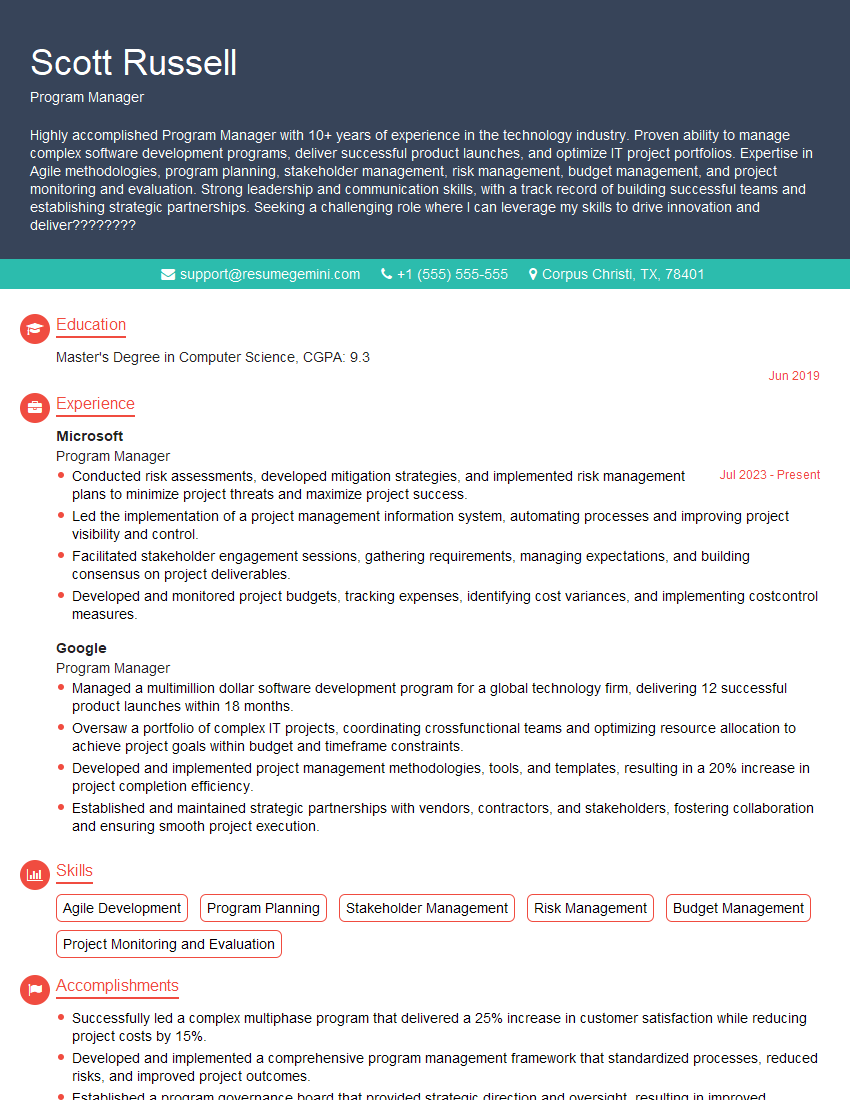
Program Manager Resume Sample

Operations Manager Resume Sample
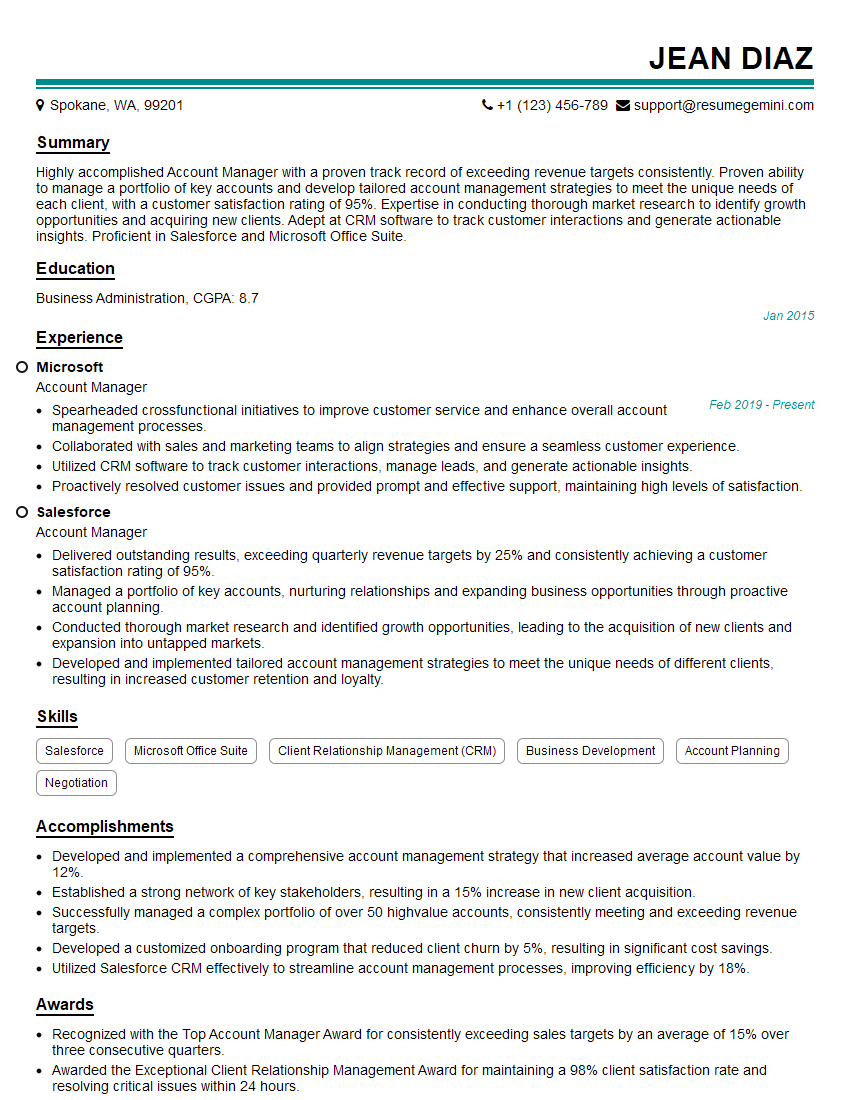
Account Manager Resume Sample
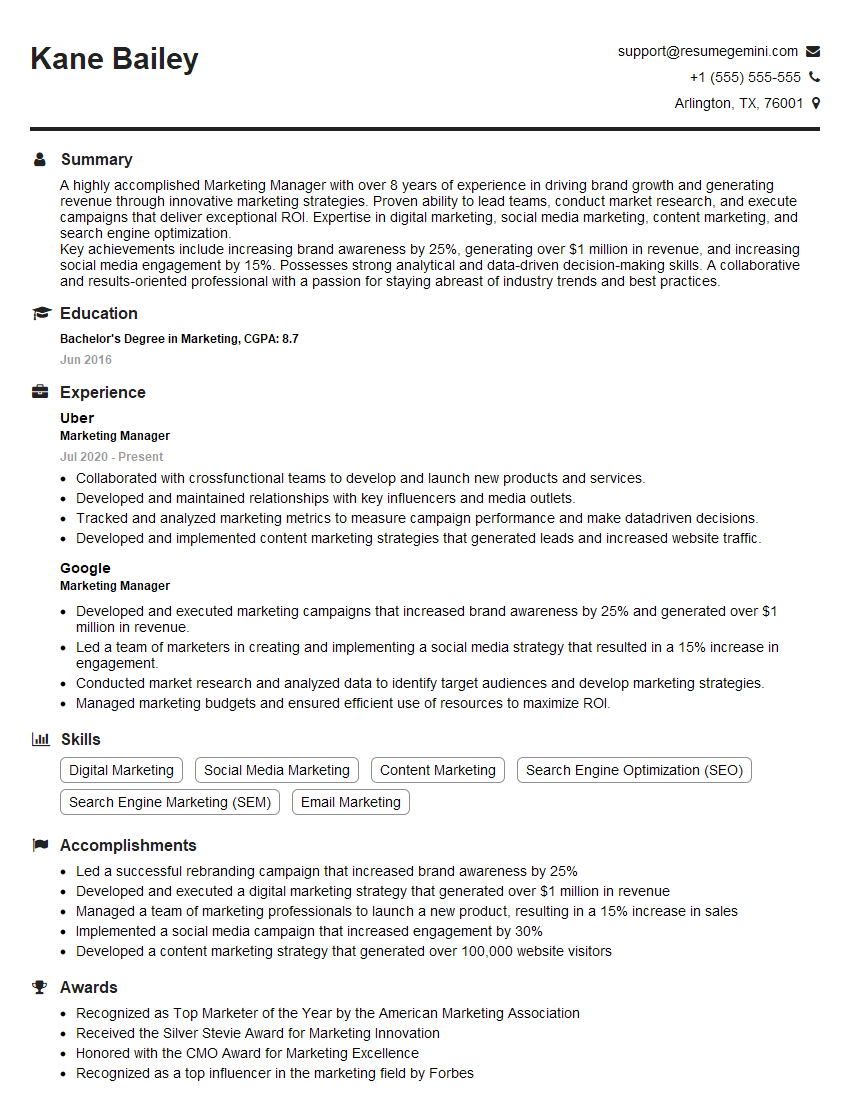
Marketing Manager Resume Sample
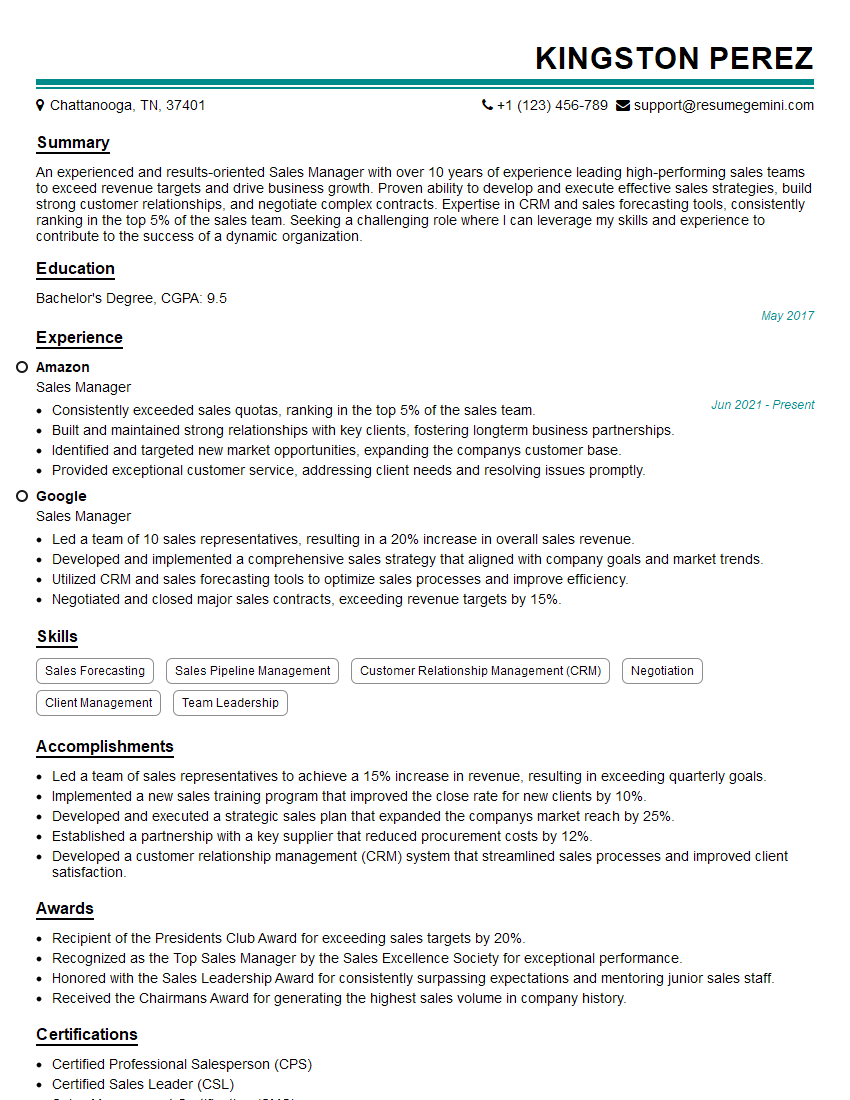
Sales Manager Resume Sample
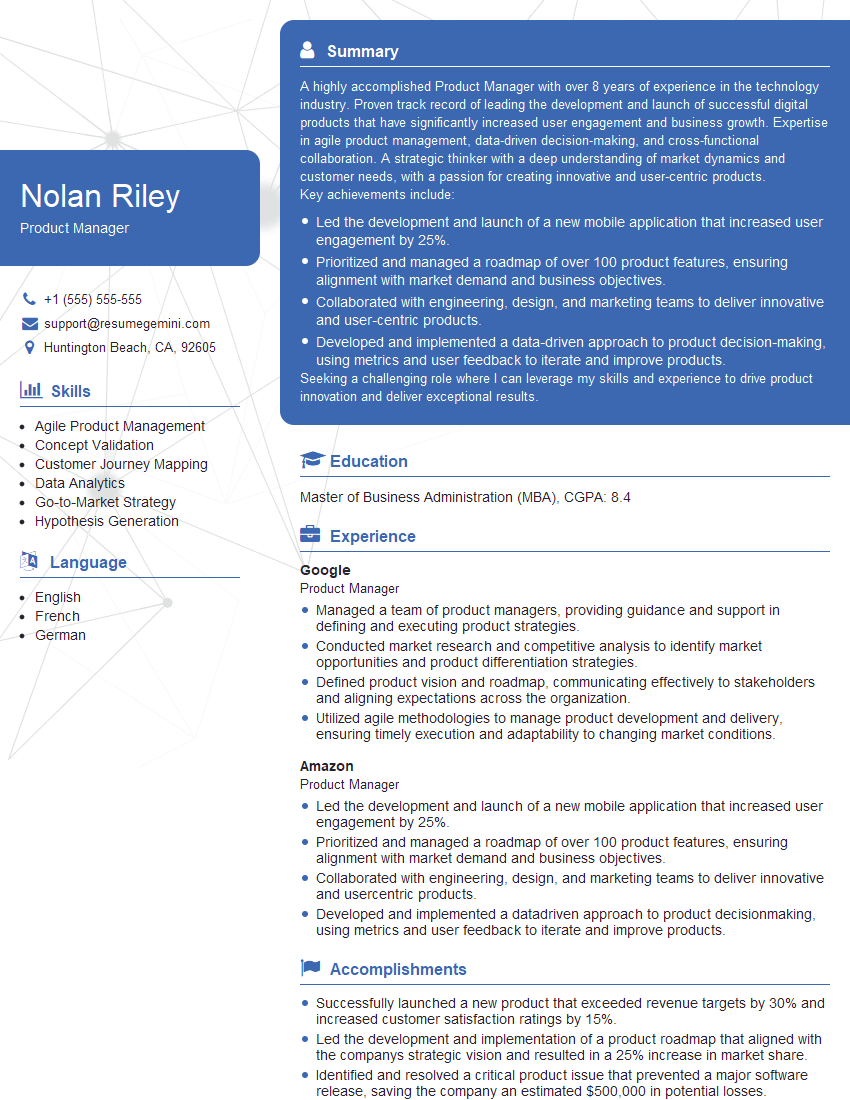
Product Manager Resume Sample
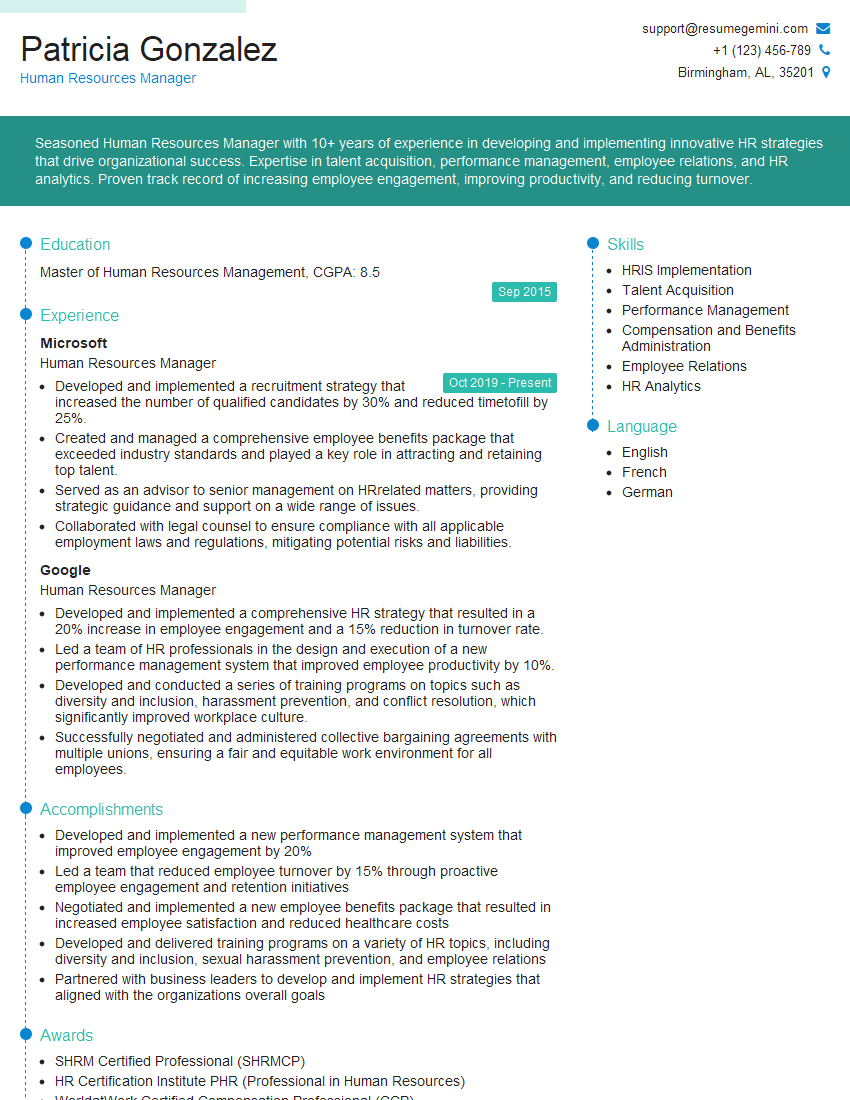
Human Resources Manager Resume Sample
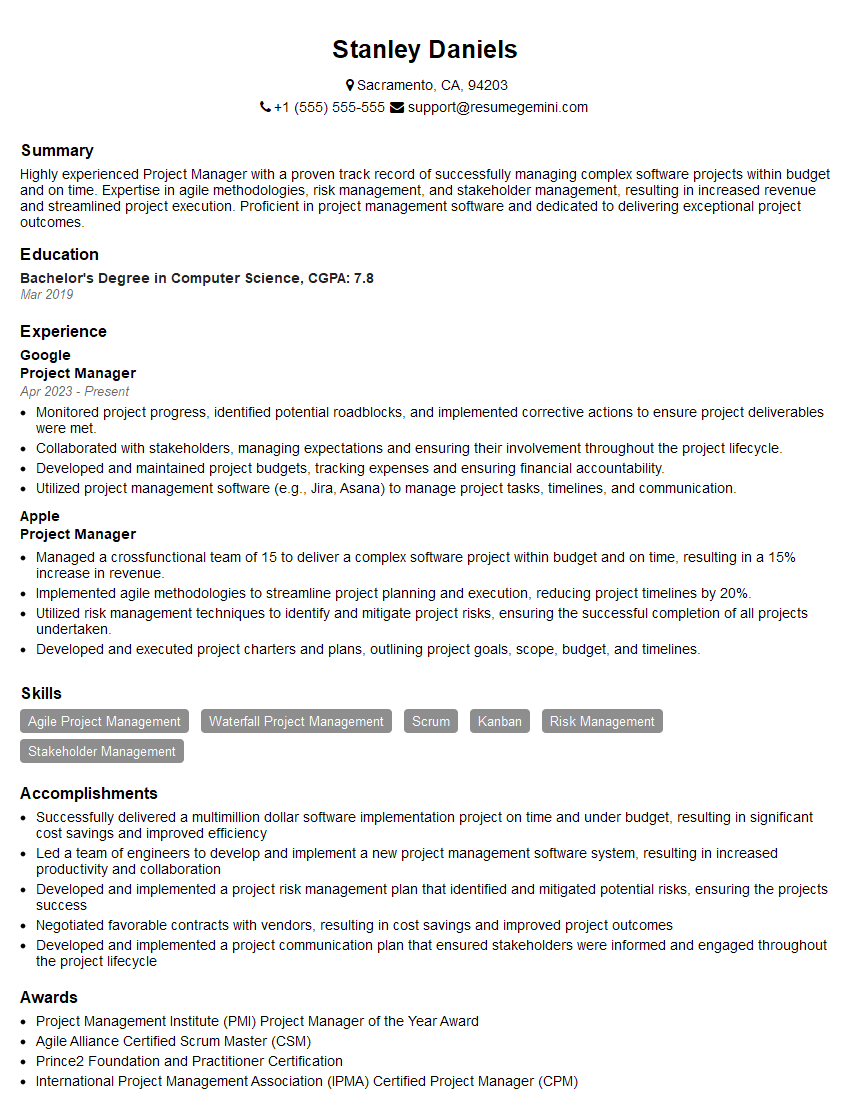
Project Manager Resume Sample
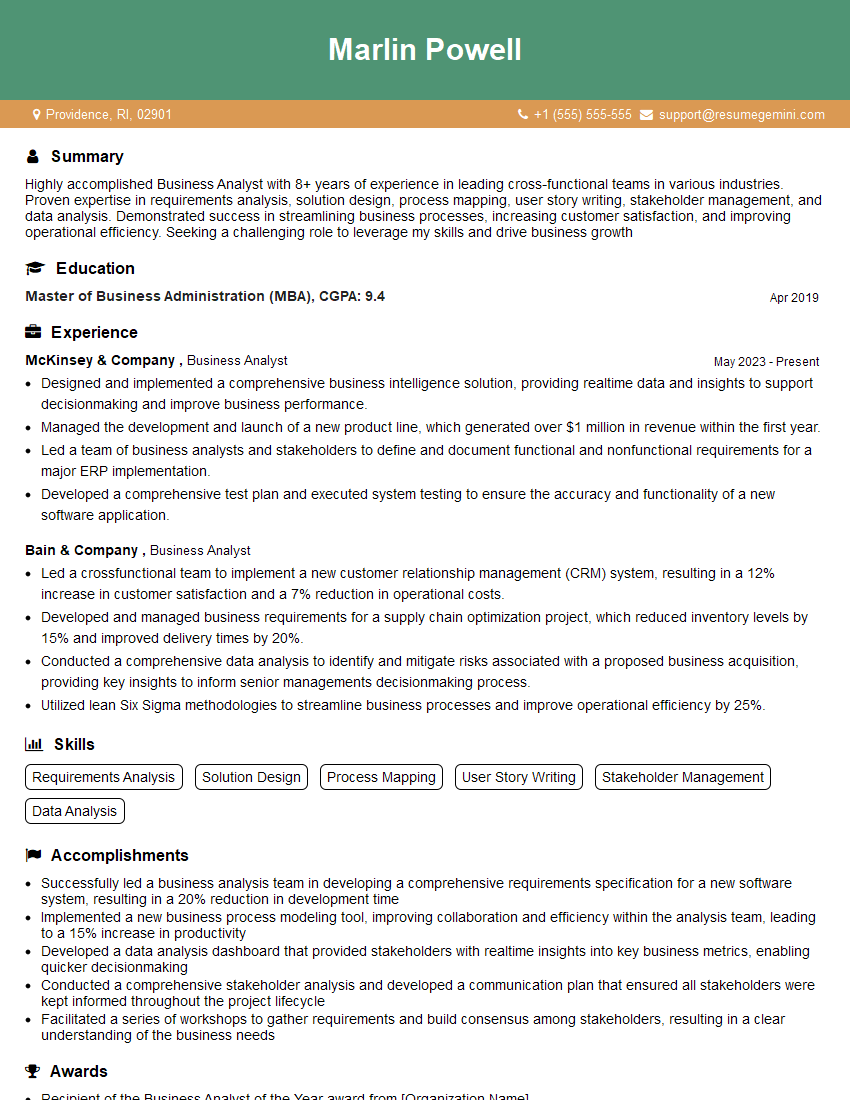
Business Analyst Resume Sample
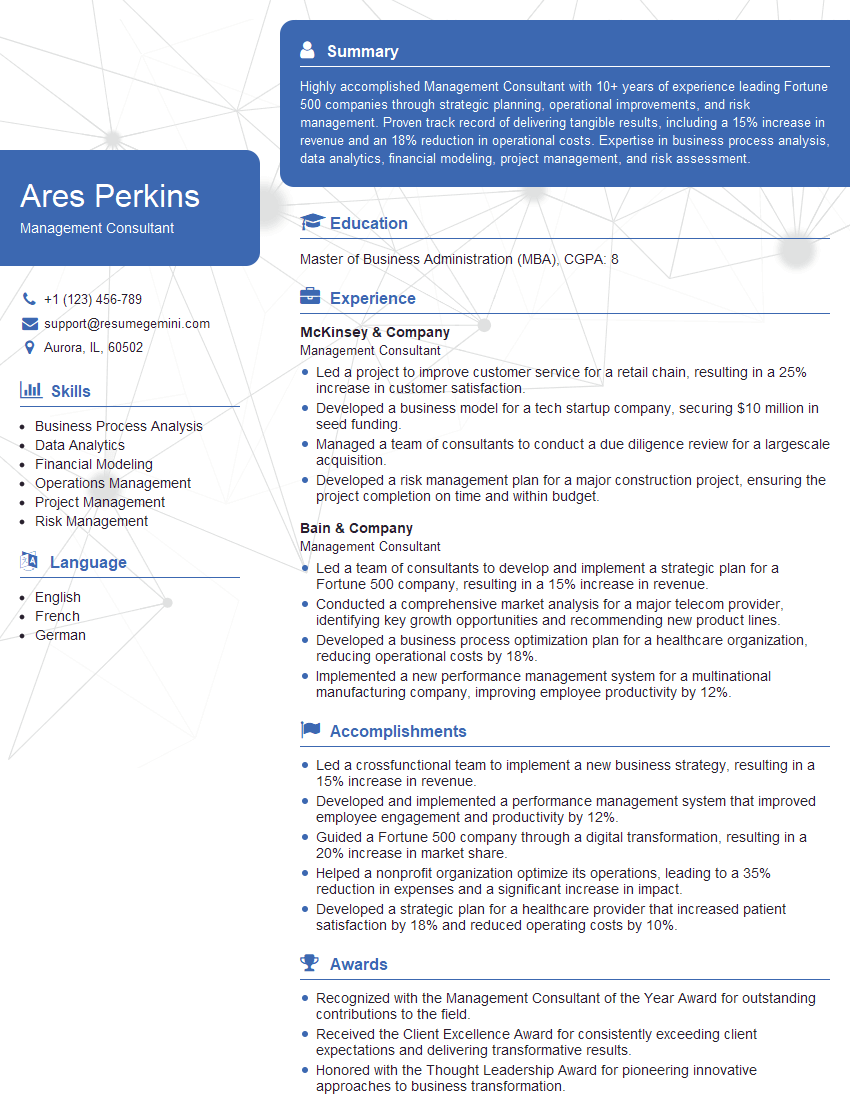
Management Consultant Resume Sample
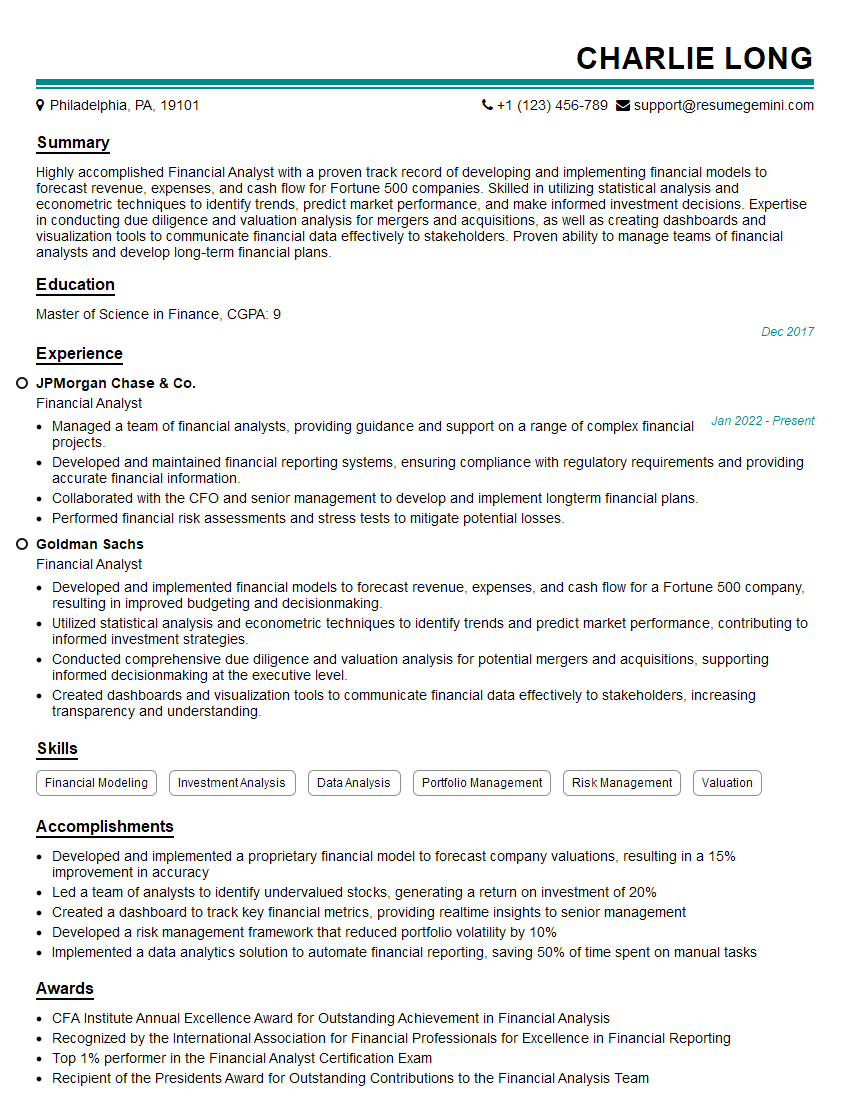
Financial Analyst Resume Sample
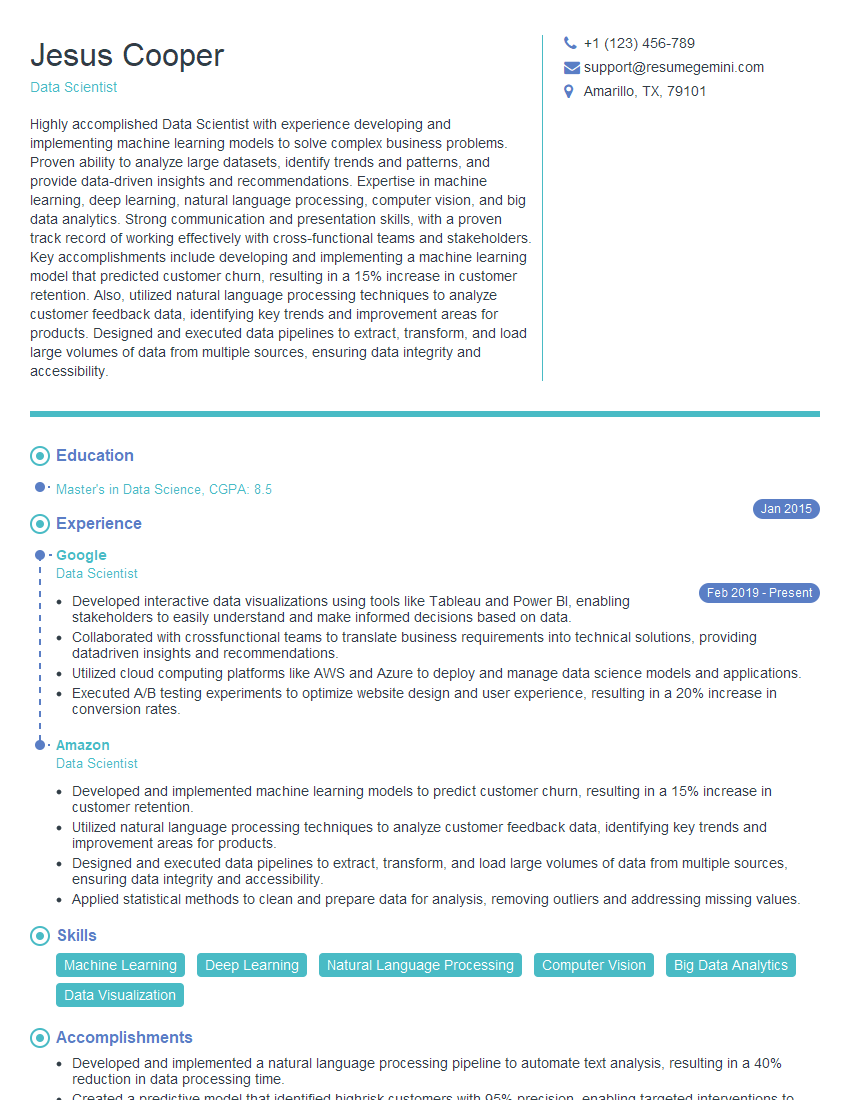
Data Scientist Resume Sample
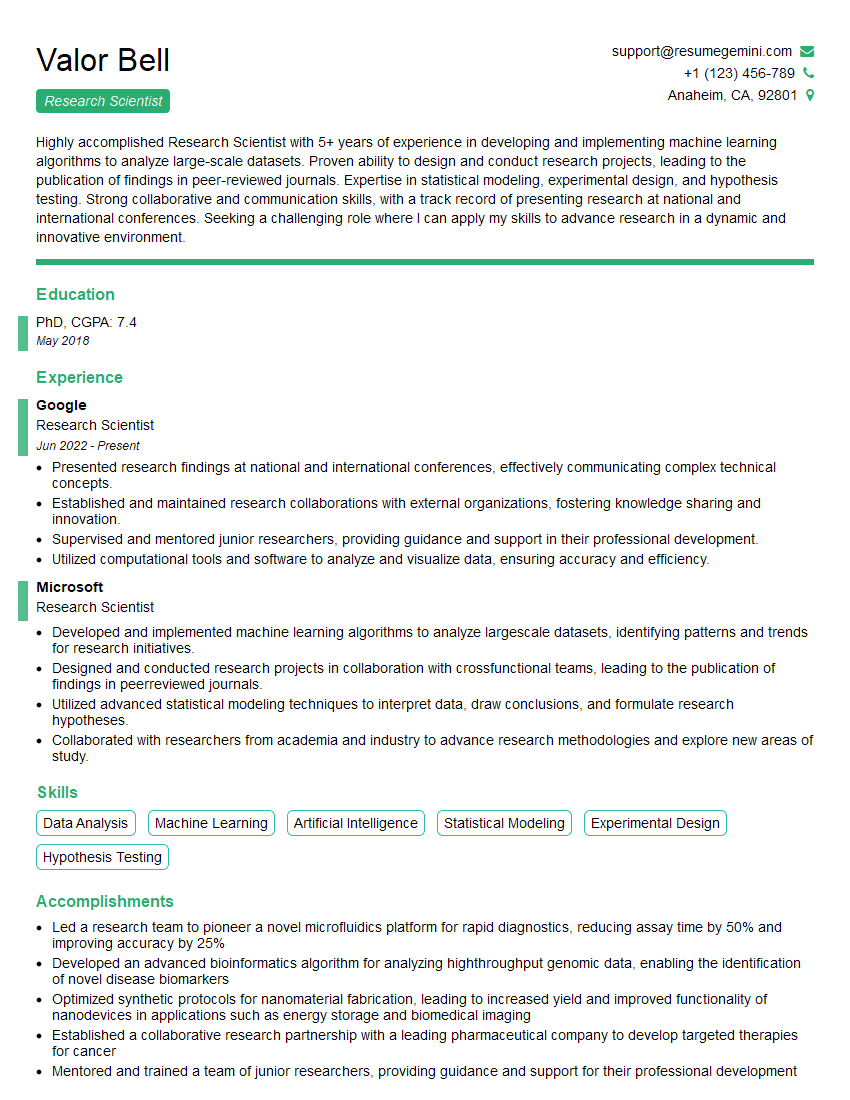
Research Scientist Resume Sample
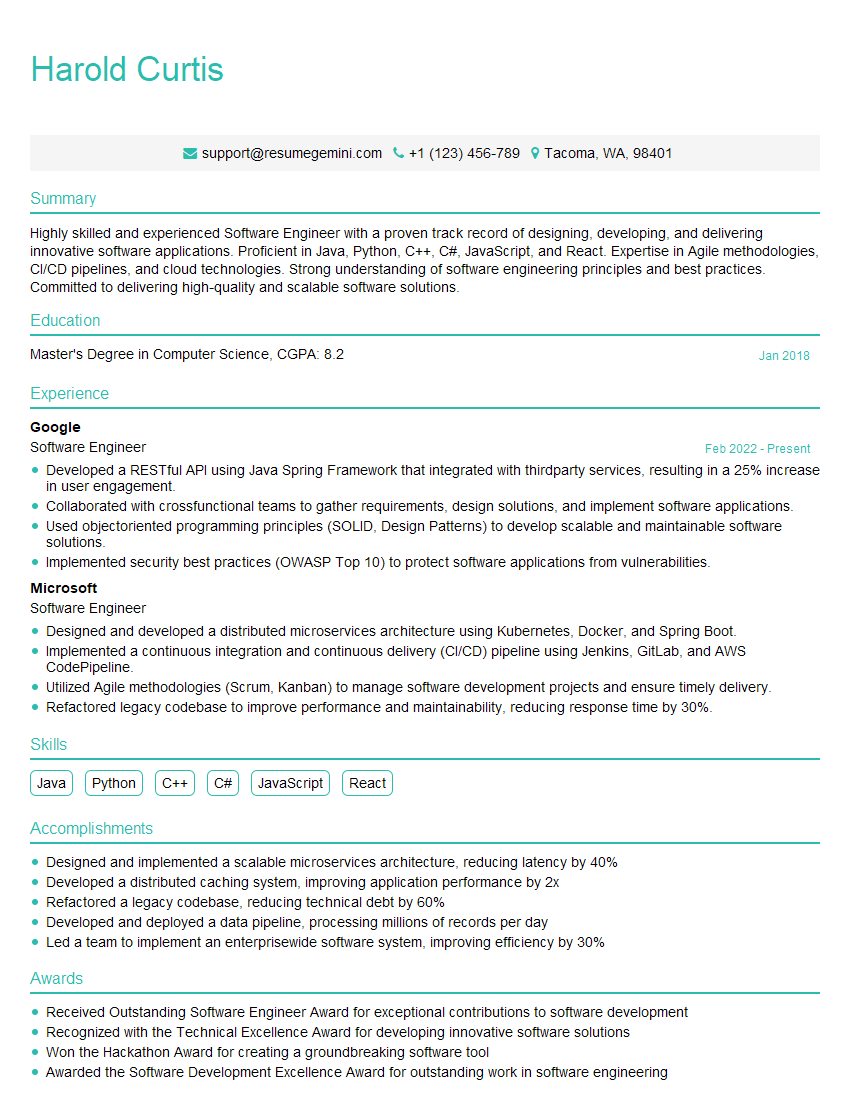
Software Engineer Resume Sample
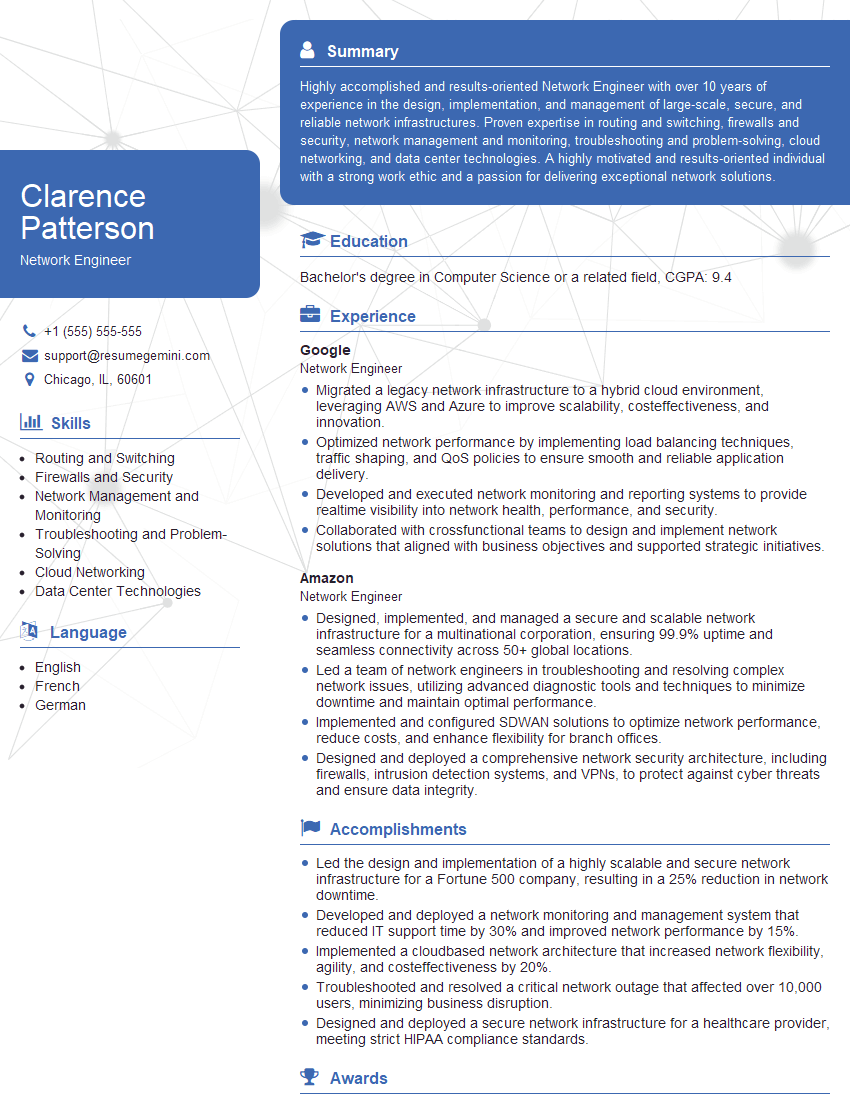
Network Engineer Resume Sample
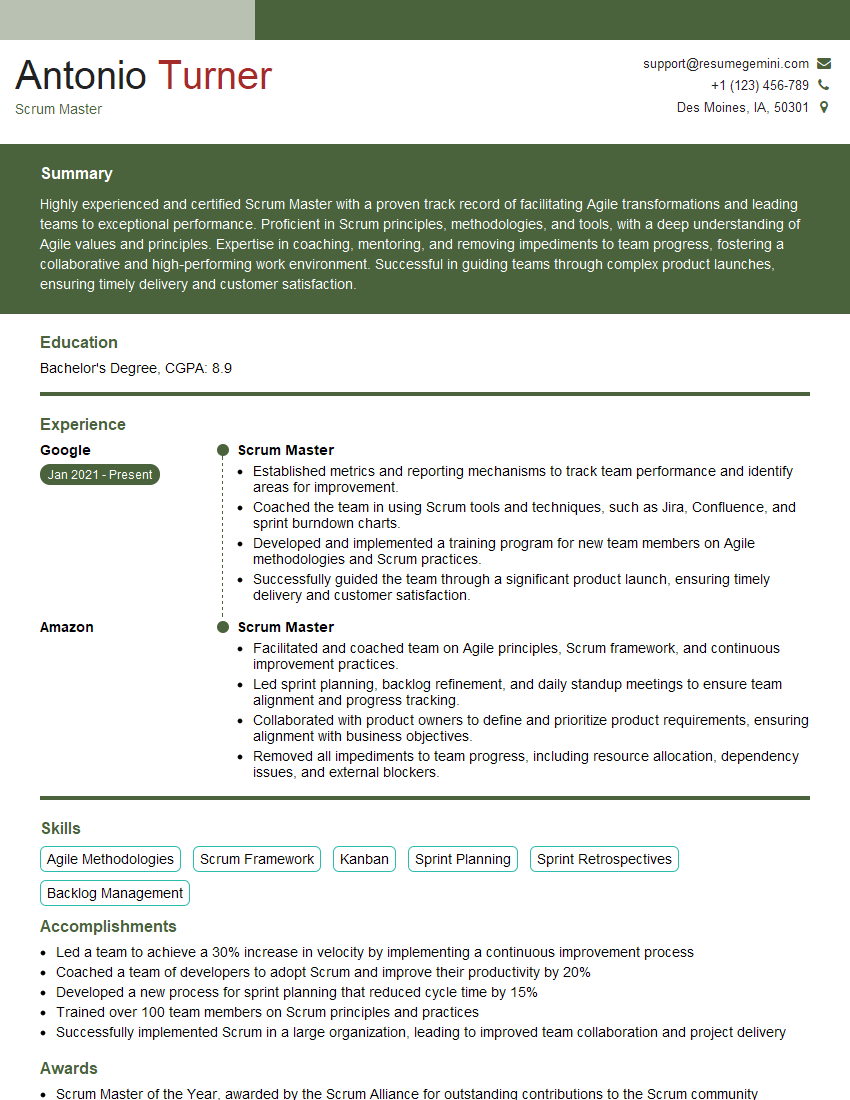
Scrum Master Resume Sample
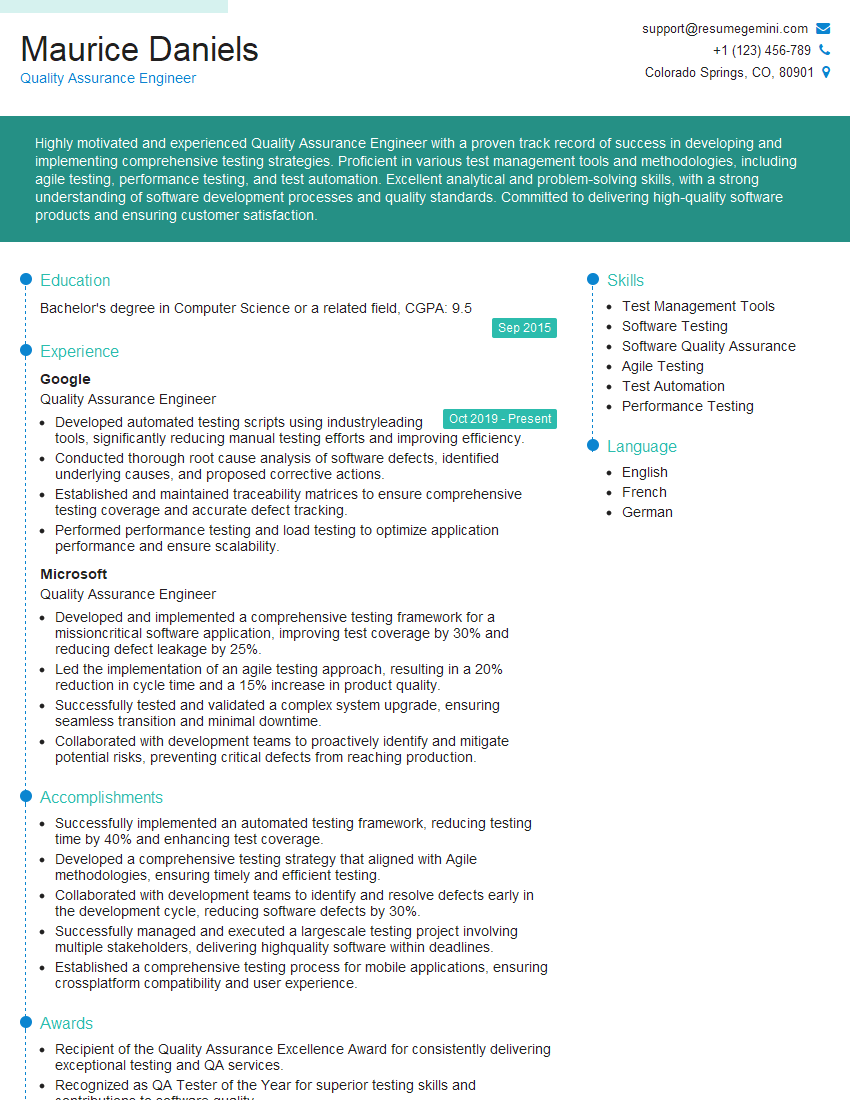
Quality Assurance Engineer Resume Sample

Technical Writer Resume Sample
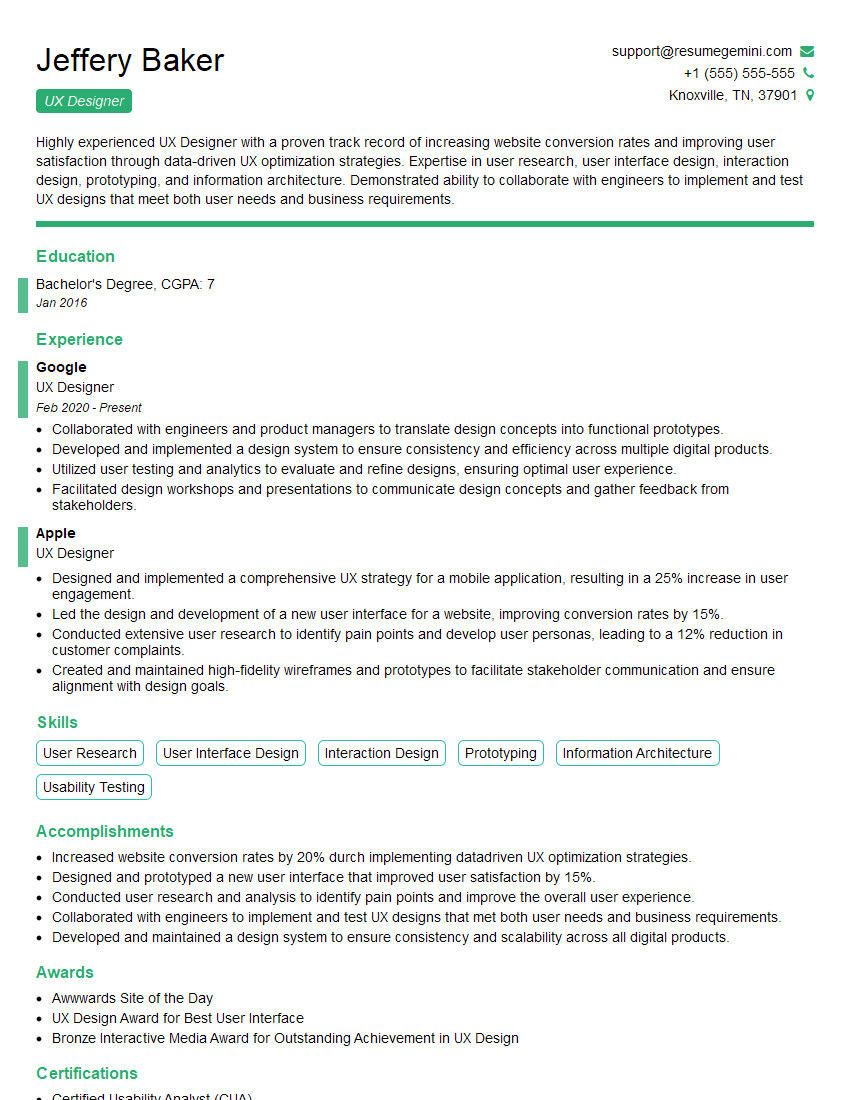
UX Designer Resume Sample
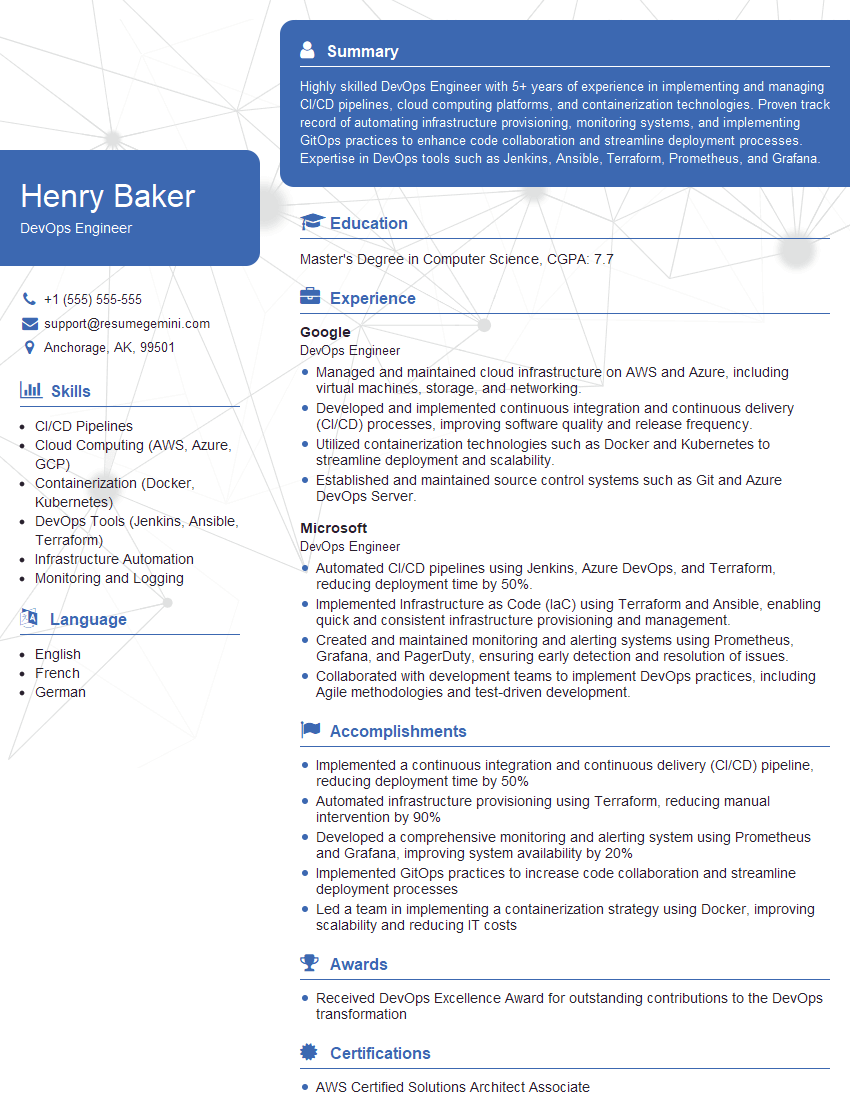
DevOps Engineer Resume Sample
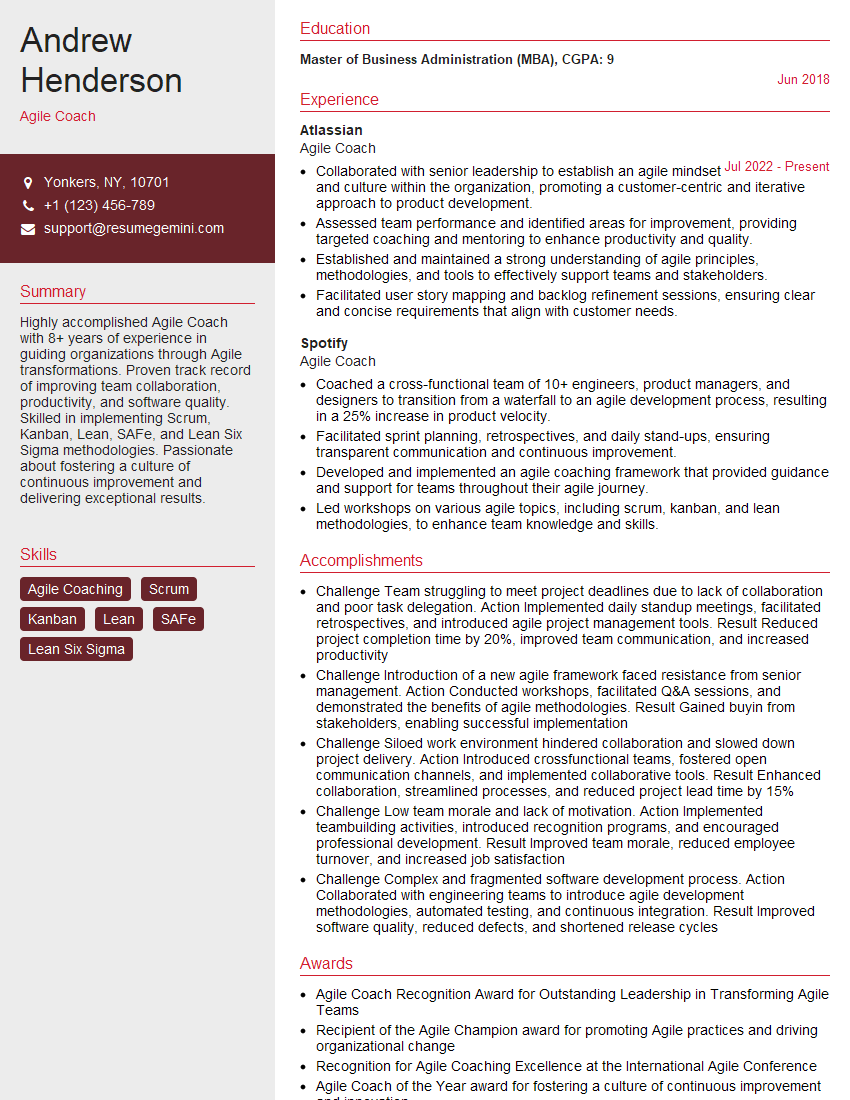
Agile Coach Resume Sample
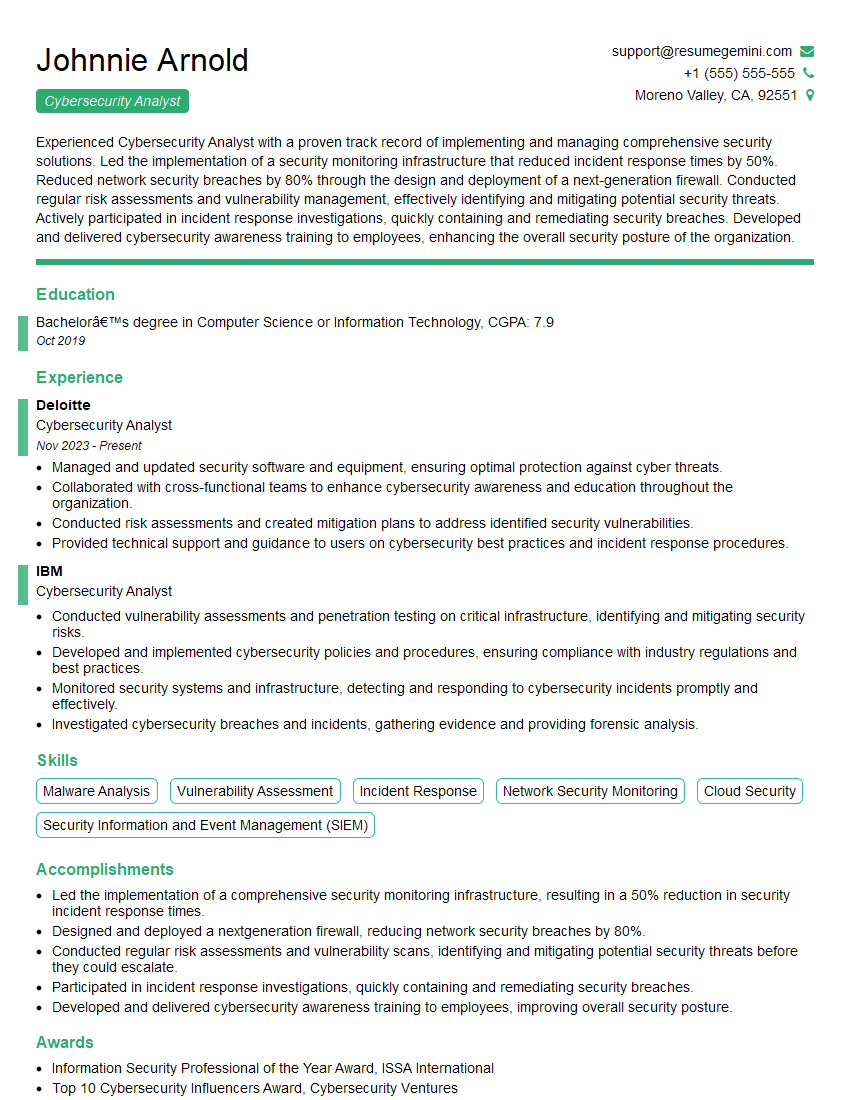
Cybersecurity Analyst Resume Sample
- Program Manager
- Operations Manager
- Account Manager
- Marketing Manager
- Sales Manager
- Product Manager
- Human Resources Manager
- Project Manager
- Business Analyst
- Management Consultant
- Financial Analyst
- Data Scientist
- Research Scientist
- Software Engineer
- Network Engineer
- Scrum Master
- Quality Assurance Engineer
- Technical Writer
- UX Designer
- DevOps Engineer
- Agile Coach
- Cybersecurity Analyst
Explore more articles
Users Rating of Our Blogs
Share Your Experience
We value your feedback! Please rate our content and share your thoughts (optional).
What Readers Say About Our Blog
good