Feeling uncertain about what to expect in your upcoming interview? We’ve got you covered! This blog highlights the most important Adaptive Guiding for Individuals with Disabilities interview questions and provides actionable advice to help you stand out as the ideal candidate. Let’s pave the way for your success.
Questions Asked in Adaptive Guiding for Individuals with Disabilities Interview
Q 1. Describe your experience with different assistive technologies for individuals with visual impairments.
My experience with assistive technologies for visual impairments is extensive. I’ve worked with a wide range of devices, from simple magnifiers and large-print materials to sophisticated screen readers like JAWS and NVDA, and Braille displays. I’m also familiar with optical character recognition (OCR) software that converts scanned documents into accessible text, and refreshable Braille displays that provide real-time feedback for computer use. For navigation, I’ve assisted individuals in utilizing GPS apps with audio output and smart canes. Understanding the strengths and limitations of each technology is crucial. For example, while screen readers are powerful, they can struggle with poorly designed websites. Therefore, a key part of my approach is to assess the individual’s needs and preferences, selecting and training them on the most appropriate and effective combination of technologies.
I remember one client, a young woman who was newly visually impaired after an accident. Initially, she felt overwhelmed by the technology options. We started with simple tools, gradually introducing more advanced ones as she gained confidence and proficiency. Her journey highlighted the importance of a patient, supportive, and individualized approach to technology integration.
Q 2. Explain the process of teaching orientation and mobility skills to a visually impaired individual.
Teaching orientation and mobility (O&M) skills is a progressive process built on trust and collaboration. It begins with a thorough assessment of the individual’s current abilities, visual acuity, remaining vision, and any other relevant physical or cognitive limitations. The learning process often involves a combination of indoor and outdoor training. Indoor training focuses on spatial awareness within familiar environments, such as their home or workplace. Techniques include learning to use tactile cues like walls, furniture placement, and landmarks. We practice using a long cane to detect obstacles and navigate safely.
Outdoor training gradually expands the individual’s range and independence. We work on techniques like using the cane to sweep the area ahead, identifying changes in terrain, using auditory cues like traffic sounds, and developing route planning skills. We begin with well-known, structured routes and gradually introduce unfamiliar areas. Building spatial memory is crucial; I incorporate memory games and route mapping exercises. The process is highly individualized; each lesson is tailored to the individual’s pace and learning style. We set realistic goals and regularly celebrate small milestones to maintain motivation and confidence.
For example, we might start with practicing crossing a street safely at a controlled intersection, before progressing to navigating more complex urban environments.
Q 3. How would you adapt a physical activity for someone with limited mobility?
Adapting physical activity for someone with limited mobility requires careful consideration of their specific limitations and capabilities. The key is to modify the activity to make it accessible and enjoyable without compromising safety. This might involve several strategies:
- Modifying the activity itself: Instead of running, perhaps walking, or using a wheelchair. Instead of weightlifting, using resistance bands or lighter weights.
- Adjusting the environment: Providing ramps instead of stairs, using adaptive equipment (e.g., adaptive bikes, specialized grips for exercise equipment).
- Altering the intensity and duration: Starting with shorter sessions and gradually increasing the time and intensity as the individual’s strength and endurance improves.
- Utilizing assistive devices: Including walkers, wheelchairs, or other supportive equipment.
For instance, if someone has limited upper body mobility, we might modify a yoga class by focusing on seated poses and using modified stretches that utilize their remaining range of motion, possibly substituting a chair or other adaptive support.
Q 4. What strategies do you use to ensure effective communication with individuals with diverse communication needs?
Effective communication with individuals with diverse communication needs is paramount. My approach is to always prioritize understanding and respect. I begin by identifying the individual’s preferred communication method – whether it’s spoken language, sign language, augmentative and alternative communication (AAC) devices, or picture exchange systems (PECS). I am proficient in using various AAC devices and readily adjust my communication style according to the individual’s needs.
If working with someone who uses sign language, I ensure I have a qualified interpreter, or, if my skill permits, I’ll use sign language myself. With individuals using AAC devices or PECS, I take the time to learn how the system works, ensuring I understand the symbols and their meanings. Patience and clear, concise communication are crucial. I actively listen and utilize visual aids, such as pictures or objects, to supplement verbal communication. Regular checks for comprehension are vital, ensuring I’m understood, and the individual feels heard.
For individuals with aphasia or other speech impairments, I might use written communication or rely on simple gestures. The focus is always on creating a comfortable and understanding environment where communication is a two-way process. For example, in one case, I used a combination of gestures, drawings, and a simple communication board to help a client express her needs during an activity.
Q 5. Describe your experience working with individuals with autism spectrum disorder.
My experience working with individuals with autism spectrum disorder (ASD) emphasizes creating a structured, predictable environment that promotes understanding and communication. I understand that individuals with ASD experience the world differently, often exhibiting varied sensory sensitivities and communication styles. Therefore, my approach is highly individualized, grounded in applied behavior analysis (ABA) principles and person-centered care.
This involves careful observation to identify triggers for challenging behaviors and develop strategies to manage them. Creating visual schedules and using visual supports like pictures or symbols helps individuals anticipate transitions and understand expectations. I incorporate their interests into activities to enhance engagement and motivation. For instance, I might use a child’s favorite cartoon characters in a visual schedule, or design activities around a specific interest, like trains or dinosaurs, to make learning more accessible and fun.
Building rapport and trust is fundamental. This involves being patient, understanding, and consistent in my interactions. For example, with one client, we developed a system of visual cues and rewards for positive behavior, which significantly reduced instances of self-injurious behavior.
Q 6. How do you handle challenging behaviors exhibited by individuals with disabilities?
Handling challenging behaviors in individuals with disabilities requires a multifaceted approach that prioritizes understanding the underlying cause of the behavior rather than simply suppressing it. My first step is to conduct a thorough functional behavior assessment (FBA) to identify the antecedents (triggers) and consequences (outcomes) of the behavior. This helps determine the function of the behavior – what the individual is trying to communicate or achieve through the behavior (e.g., attention, escape, sensory stimulation).
Once the function is understood, we develop a behavior intervention plan (BIP) that focuses on teaching replacement behaviors that serve the same function in a more appropriate way. This might involve positive reinforcement strategies, such as rewarding positive behaviors, or teaching alternative communication methods. For example, if the individual exhibits aggressive behaviors to get attention, we might teach them to use a communication board or verbally request attention.
Collaboration with families, therapists, and other professionals is essential. The BIP needs to be consistently implemented across all settings to be effective. Safety is always the priority. We implement strategies to ensure the safety of the individual and those around them while addressing the challenging behavior.
Q 7. Explain your understanding of the Americans with Disabilities Act (ADA).
The Americans with Disabilities Act (ADA) is a landmark civil rights law that prohibits discrimination based on disability in employment, state and local government services, public accommodations, commercial facilities, and transportation. It mandates reasonable accommodations for individuals with disabilities to ensure equal access to these areas. My understanding of the ADA is crucial to my work. It guides my practice in ensuring that individuals with disabilities have access to the same opportunities and services as everyone else.
The ADA’s key provisions include the requirement for employers to provide reasonable accommodations to employees with disabilities, unless doing so would cause undue hardship. It mandates accessibility in public spaces, requiring ramps, elevators, and other modifications to ensure physical access. It also addresses communication accessibility, requiring the provision of alternative formats such as Braille or large print, and the use of sign language interpreters when necessary. I am knowledgeable about the ADA standards for accessible design and ensure my practices align with these standards. Understanding the ADA’s requirements is not only ethically important but also legally crucial for providing inclusive and equitable services.
Q 8. How do you assess an individual’s needs to develop a personalized adaptive guiding plan?
Assessing an individual’s needs for a personalized adaptive guiding plan is a multifaceted process that goes beyond simply identifying a disability. It involves a thorough evaluation of their functional abilities, cognitive skills, sensory input, communication style, and personal goals. I begin by conducting a comprehensive interview with the individual, their family, and possibly other support staff, to understand their strengths, weaknesses, and aspirations.
This interview is complemented by observations of their movement, interaction with their environment, and use of assistive devices. I might use standardized assessments such as functional mobility scales or cognitive tests, depending on the individual’s needs. For example, I might assess their ability to navigate different terrains, their understanding of safety precautions, or their ability to follow instructions. The final plan then integrates these assessments into a structured, personalized approach tailored precisely to the individual’s unique requirements and goals. The plan is not static; it’s a living document updated regularly based on their progress and changing needs.
Q 9. Describe your experience with different types of mobility devices (wheelchairs, canes, etc.).
My experience encompasses a wide range of mobility devices. I’m proficient in assisting individuals using manual and power wheelchairs, understanding the nuances of different wheelchair types – from lightweight, agile chairs to heavy-duty models with specialized features. I’m also experienced with various assistive devices like canes, walkers, crutches, and specialized gait trainers. I’ve learned to adapt my guiding techniques to accommodate each device’s unique characteristics and limitations. For example, I’ve had to adjust my gait and body positioning when guiding someone using a power wheelchair to prevent unintended collisions and ensure smooth transitions across uneven surfaces. Understanding the specific functionality and limitations of each device is critical for providing safe and effective support.
Q 10. How do you ensure the safety of an individual during adaptive guiding activities?
Safety is paramount in adaptive guiding. I prioritize safety through several key strategies. First, a thorough risk assessment of the environment is conducted before each session. This includes identifying potential hazards like uneven pavements, obstacles, traffic, and changes in elevation.
Secondly, I always maintain appropriate physical proximity to the individual, providing support as needed but allowing for their independence. I use clear and concise communication, ensuring the individual understands my instructions and feedback. I emphasize the importance of situational awareness, encouraging the individual to be actively involved in identifying potential hazards. Thirdly, I always tailor the route to the individual’s capabilities and limitations. For example, I’d avoid busy streets if the individual exhibits difficulty with judging distances or reacting to sudden movements. If there’s a risk of falls, I would use appropriate assistive devices or support techniques. Finally, I educate the individual and their caregivers on safety procedures and best practices to promote self-sufficiency and ongoing safety.
Q 11. Explain your approach to teaching independent living skills.
My approach to teaching independent living skills is based on a holistic and person-centered model. It starts by understanding the individual’s current abilities and identifying areas where they need support. I use a combination of demonstration, modeling, guided practice, and feedback to teach practical skills. The curriculum is highly individualized and might include skills like meal preparation, laundry, personal hygiene, medication management, financial literacy, and community navigation.
I emphasize breaking down complex tasks into smaller, manageable steps. We set realistic goals, celebrate successes, and create a supportive environment where mistakes are viewed as learning opportunities. My focus is not just on skill acquisition, but also on fostering self-confidence and decision-making skills. For example, we might work on navigating public transportation step-by-step, starting with planning the route and using a bus schedule, and gradually progressing to independent travel. Continuous assessment and modification are crucial to ensuring the effectiveness and appropriateness of the intervention.
Q 12. Describe a time you had to problem-solve a challenging situation involving an individual with a disability.
I once worked with an individual who experienced a sudden, severe anxiety attack while we were navigating a crowded shopping mall. The individual, who used a wheelchair, became overwhelmed by the noise and stimuli. My initial response was to find a quiet, less stimulating area to help them calm down.
I then used calming techniques, like slow, deep breathing exercises, and reassured them with a calm and supportive demeanor. I engaged in active listening to understand what triggered their anxiety. Once they were calmer, we revisited the original plan, adjusting the route to avoid similar situations in the future. This experience highlighted the importance of recognizing and responding appropriately to unexpected emotional or medical challenges and emphasizing flexible planning to accommodate such situations. It also reinforced the importance of building a strong rapport with the individual to help them feel safe and supported in challenging moments.
Q 13. How do you build rapport and trust with individuals with disabilities?
Building rapport and trust is foundational to effective adaptive guiding. It begins with respectful communication and active listening. I always introduce myself clearly, explain my role, and address the individual with respect and dignity. I avoid making assumptions and ensure I use person-first language. I pay attention to nonverbal cues and create a safe, non-judgmental space where the individual feels comfortable expressing their needs and concerns.
I involve the individual in the planning process, ensuring their preferences and goals are considered. Consistency, reliability, and punctuality are also crucial in building trust. I follow through on my commitments and maintain open communication, providing regular updates and responding promptly to questions or concerns. Celebrating successes, big and small, further reinforces a positive and supportive relationship. Trust is built over time through consistent positive interactions and demonstrates care and respect.
Q 14. What are some common barriers to accessibility that you have encountered and how did you address them?
Common accessibility barriers I’ve encountered include inaccessible buildings lacking ramps or elevators, inadequate signage, narrow doorways, and poorly maintained pavements. I’ve also encountered issues with insufficient public transportation options or the lack of accessible restrooms.
To address these issues, I often collaborate with building managers or transportation authorities to advocate for accessibility improvements. I might suggest alternative routes, explore the use of assistive devices, or contact relevant organizations to report accessibility issues. Sometimes, creative problem-solving is required. For instance, when encountering a building without a ramp, I might identify a nearby accessible entrance or explore the possibility of using a portable ramp. Advocating for accessibility is a continuous process, requiring perseverance and engagement with relevant stakeholders.
Q 15. How do you incorporate person-centered planning into your adaptive guiding strategies?
Person-centered planning is the cornerstone of effective adaptive guiding. It means prioritizing the individual’s unique needs, goals, and preferences above all else. Instead of imposing a pre-determined approach, I begin by engaging in a thorough conversation with the individual to understand their abilities, limitations, desired outcomes, and preferred communication style. This involves active listening, asking open-ended questions, and observing their nonverbal cues. For example, if I’m guiding someone with visual impairment, I might ask about their preferred method of receiving directional information – verbal cues, tactile cues, or a combination of both. Based on this understanding, I co-create a personalized guiding plan that addresses their specific needs and empowers them to participate actively in the process. This might involve adjusting pace, using specific landmarks they recognize, or employing assistive technology they are comfortable using.
This collaborative approach fosters trust and ensures the individual feels safe, respected, and in control. It’s not just about getting them from point A to point B; it’s about supporting their independence and enhancing their overall quality of life.
Career Expert Tips:
- Ace those interviews! Prepare effectively by reviewing the Top 50 Most Common Interview Questions on ResumeGemini.
- Navigate your job search with confidence! Explore a wide range of Career Tips on ResumeGemini. Learn about common challenges and recommendations to overcome them.
- Craft the perfect resume! Master the Art of Resume Writing with ResumeGemini’s guide. Showcase your unique qualifications and achievements effectively.
- Don’t miss out on holiday savings! Build your dream resume with ResumeGemini’s ATS optimized templates.
Q 16. What are the ethical considerations involved in providing adaptive guiding services?
Ethical considerations in adaptive guiding are paramount. Maintaining confidentiality and respecting the individual’s autonomy are central. This includes obtaining informed consent before initiating any guiding service, safeguarding personal information, and ensuring that all interactions are conducted with dignity and respect. I am always mindful of the power dynamic inherent in the guide-individual relationship and strive to create an environment where the individual feels empowered to express their needs and concerns without fear of judgment or coercion.
Another crucial ethical consideration is avoiding assumptions about an individual’s capabilities. Every person is unique, and I approach each guiding situation with an open mind, adapting my strategies as needed. I also prioritize safety and take all necessary precautions to prevent accidents or injuries. If I encounter a situation I’m not equipped to handle, I will promptly seek assistance from qualified professionals.
Q 17. Describe your familiarity with various types of assistive listening devices.
My familiarity with assistive listening devices is extensive. I have experience working with various types, including:
- Hearing aids: I understand different styles (behind-the-ear, in-the-canal, etc.) and their limitations, and I adjust my communication style accordingly.
- FM systems: I’m proficient in using FM systems to transmit my voice directly to the individual’s hearing aid or cochlear implant, reducing background noise and improving audibility.
- Assistive listening devices (ALDs): I am familiar with various ALDs like infrared systems, induction loop systems, and personal amplifiers, and I know how to integrate these technologies into my guiding strategies.
- Cochlear implants: I understand the capabilities and limitations of cochlear implants and communicate accordingly, understanding that auditory information might be processed differently.
Choosing the right assistive device depends on the individual’s specific needs and the environment. My role involves not just utilizing these devices but also ensuring the individual feels comfortable and confident using them.
Q 18. Explain your understanding of different types of cognitive impairments and how they may impact adaptive guiding.
Cognitive impairments, such as dementia, intellectual disabilities, or traumatic brain injuries, significantly impact adaptive guiding strategies. These impairments can affect memory, attention, problem-solving, and judgment, impacting a person’s ability to understand instructions, follow directions, or react to unexpected events. For example, someone with dementia may struggle with spatial awareness or have difficulty recalling previously learned routes.
My approach involves adapting my communication style to match the individual’s cognitive abilities. This might include using simpler language, providing clear and concise instructions, using visual aids, and breaking down tasks into smaller, manageable steps. Regular repetition and positive reinforcement can also significantly improve comprehension and cooperation. It’s also crucial to build a trusting relationship based on patience and understanding, allowing ample time for processing information.
Q 19. How would you adapt your approach to guiding someone with a hearing impairment?
Guiding someone with a hearing impairment requires a multifaceted approach. Firstly, I would ensure clear visual communication. This includes using facial expressions, gestures, and written notes to supplement verbal communication. I would position myself where the individual can easily see my mouth and reduce background noise as much as possible.
I would also use visual aids like maps or diagrams to show the route. Furthermore, I might utilize assistive listening devices like FM systems to enhance audibility. Before starting the guiding session, I would establish clear communication strategies with the individual to ensure mutual understanding and a safe and comfortable experience. If needed, I would utilize sign language or other methods they are most comfortable with.
Q 20. How do you ensure confidentiality and privacy when working with individuals with disabilities?
Confidentiality and privacy are of utmost importance. I adhere to strict professional ethical guidelines. All information shared by the individual during guiding sessions is treated as confidential and is not shared with others without explicit consent. I follow all relevant data protection regulations and ensure that any personal information is stored securely and appropriately. I am also mindful of the physical environment and ensure that sensitive conversations take place in private settings.
Building trust is essential in protecting the individual’s privacy. It’s about consistently showing respect for their personal boundaries and reassuring them that their information is safe with me. This includes being transparent about how their information will be used and who will have access to it.
Q 21. What are your strategies for managing emergencies or unexpected events during guiding sessions?
Emergency preparedness is a key aspect of my guiding practice. Before each session, I assess potential risks and establish clear communication protocols. This includes having emergency contact numbers readily available and knowing the location of the nearest help points. I also tailor my strategies to the individual’s specific needs and limitations.
In case of an emergency, my first priority is to ensure the individual’s safety. This might involve providing immediate first aid, contacting emergency services, or seeking assistance from bystanders. Post-emergency, I would document the incident thoroughly and debrief with the individual and relevant authorities as necessary. Regular training and continuing education on emergency response procedures are crucial for maintaining my proficiency and preparedness.
Q 22. Describe your experience working with families and caregivers of individuals with disabilities.
Working with families and caregivers is paramount in adaptive guiding. It’s not just about supporting the individual with a disability; it’s about empowering the entire support system. I approach this by building strong, trusting relationships based on open communication and collaboration. This involves active listening to understand their concerns, goals, and challenges. I regularly schedule meetings, both individually and as a group, to discuss progress, address any arising issues, and collaboratively adjust strategies as needed. For example, I worked with a family whose child had autism and struggled with transitions. By involving the parents in developing a visual schedule and practicing transition routines at home, we saw a significant improvement in the child’s anxiety and overall independence.
Furthermore, I provide education and training to caregivers on various adaptive techniques and assistive technologies. I believe that equipping caregivers with the right knowledge and skills ensures consistent support and positive outcomes for the individual. I also actively seek feedback and incorporate their insights into the guiding plan, recognizing their invaluable understanding of the individual’s unique needs and preferences.
Q 23. How do you maintain accurate and up-to-date documentation of client progress?
Maintaining accurate and up-to-date documentation is crucial for tracking progress, informing future interventions, and ensuring accountability. I utilize a combination of methods to achieve this. I maintain a detailed electronic client file that includes comprehensive progress notes, assessment results, goal setting, intervention plans, and any relevant communication with caregivers or other professionals. I also use visual aids such as charts and graphs to represent the client’s progress over time; these are easily shared with families during progress meetings. These records are regularly updated after each session, reflecting the client’s performance, challenges faced, and any modifications made to the adaptive strategies. For example, if a client is working on improving their fine motor skills, I would record their progress in completing specific tasks, noting any changes in their approach or level of independence over time. This approach ensures that all progress, challenges, and subsequent adaptations are well-documented.
Q 24. What are your professional development goals in the field of adaptive guiding?
My professional development goals focus on expanding my expertise in emerging assistive technologies and inclusive practices. I aim to enhance my skills in using data-driven approaches to refine adaptive strategies, ensuring optimal outcomes. I plan to pursue certifications in specific areas like augmentative and alternative communication (AAC) and sensory integration therapy. This ongoing learning will enable me to provide more effective and personalized support to individuals with a wider range of disabilities. I also plan on presenting my work at professional conferences to share knowledge and engage in collaborative learning with other professionals in the field.
Q 25. How do you stay current with the latest advancements in assistive technology and adaptive methods?
Staying current with advancements in assistive technology and adaptive methods requires a multi-faceted approach. I regularly attend professional development workshops and conferences, subscribe to relevant journals and online resources, and actively participate in professional networks. I also engage in continuous self-directed learning through online courses and webinars. I actively follow leading researchers and organizations in the field, leveraging their insights and publications to inform my practice. This proactive approach helps me integrate the latest advancements into my adaptive guiding strategies, ensuring that I’m always employing the most effective and up-to-date techniques. For example, I recently learned about a new app that uses AI to improve communication skills in individuals with autism, and I am now exploring its potential use with my clients.
Q 26. Describe a time you had to modify an adaptive strategy to better meet an individual’s needs.
I once worked with a client who was visually impaired and struggled with independent mobility. The initial strategy involved using a long cane, but she found it cumbersome and lacked confidence. After observing her during several sessions, I noticed she had excellent auditory skills and a strong sense of spatial awareness. We then modified the strategy by incorporating auditory cues. I collaborated with her to develop a system using verbal directions and environmental sounds to navigate her surroundings. We also utilized a GPS-enabled device with audio feedback, which she quickly adapted to and found more user-friendly. This modification not only improved her mobility but also boosted her self-confidence and independence.
Q 27. What are your strengths and weaknesses in providing adaptive guiding services?
My strengths lie in my ability to build rapport with clients and their families, my creativity in developing personalized adaptive strategies, and my commitment to continuous professional development. I am patient, empathetic, and possess strong communication and problem-solving skills. A weakness I am actively working to improve is time management, particularly when balancing multiple clients with diverse needs. I am addressing this by utilizing project management tools and strategies to prioritize tasks and allocate time effectively.
Q 28. Explain your understanding of the importance of inclusive practices in adaptive guiding.
Inclusive practices are fundamental to effective adaptive guiding. It’s about creating an environment where individuals with disabilities are fully included and valued participants in all aspects of life. This means adapting the environment, not the individual. Inclusive practices involve recognizing and valuing the diverse strengths and abilities of each person, promoting their independence and self-determination, and fostering a sense of belonging. For example, inclusive practices would include providing adaptive equipment, modifying activities to meet individual needs, ensuring accessible communication, and fostering social interaction and participation in community activities. My goal is to create an inclusive and supportive experience where every individual can achieve their full potential and participate meaningfully in their community.
Key Topics to Learn for Adaptive Guiding for Individuals with Disabilities Interview
- Understanding Diverse Disabilities: Learn about various disabilities (visual, auditory, mobility, cognitive) and their impact on individual needs and guiding strategies.
- Adaptive Guiding Techniques: Master different guiding techniques, including verbal cues, physical guidance, and environmental awareness strategies tailored to diverse needs.
- Safety and Risk Management: Develop proficiency in identifying and mitigating potential hazards during guiding, ensuring client safety in various environments.
- Communication and Collaboration: Practice effective communication with individuals with disabilities, their families, and other professionals involved in their care.
- Legal and Ethical Considerations: Familiarize yourself with relevant laws and ethical guidelines pertaining to supporting individuals with disabilities.
- Individualized Approach: Understand the importance of creating personalized guiding plans based on individual needs and preferences, promoting independence and autonomy.
- Emergency Procedures: Prepare for potential emergencies and develop protocols for responding effectively and safely.
- Assistive Technology: Gain familiarity with various assistive technologies that may be used by individuals with disabilities and how to integrate them into guiding strategies.
- Sensory Considerations: Learn how to adapt guiding strategies to accommodate different sensory sensitivities and preferences.
- Documentation and Reporting: Understand the importance of maintaining accurate records and reporting any significant incidents or observations.
Next Steps
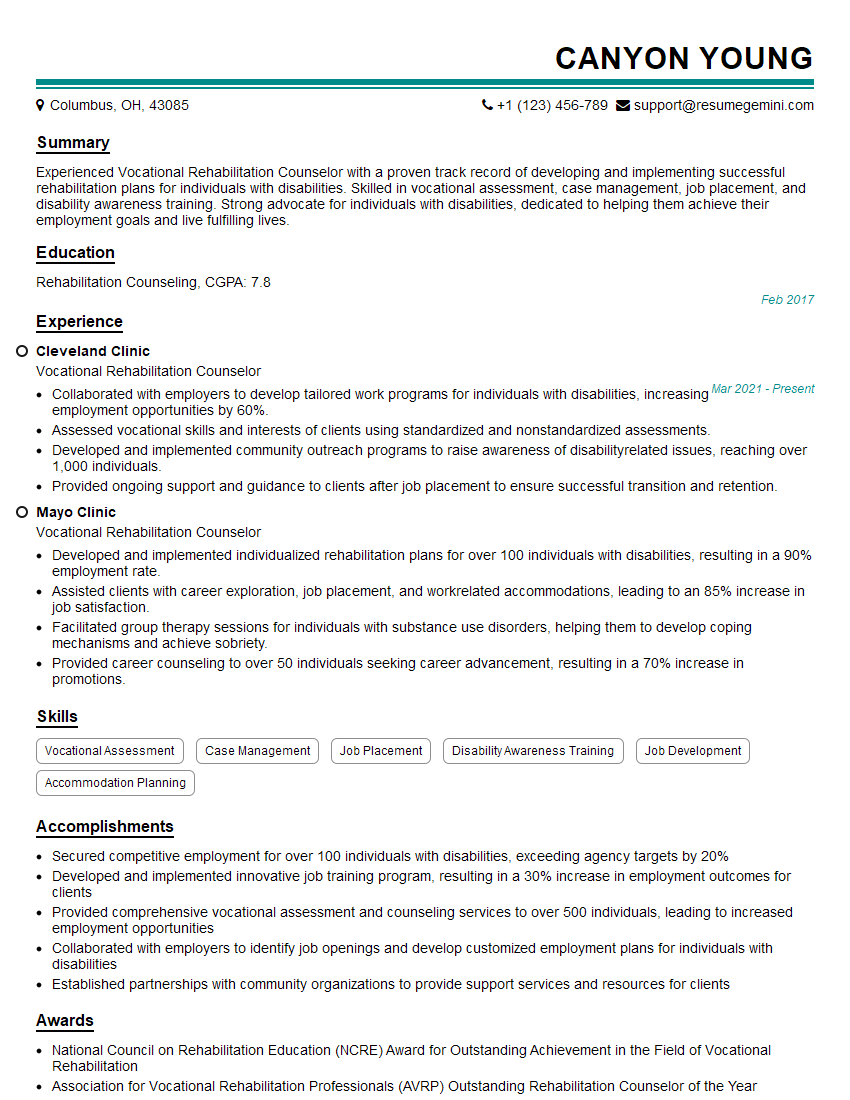
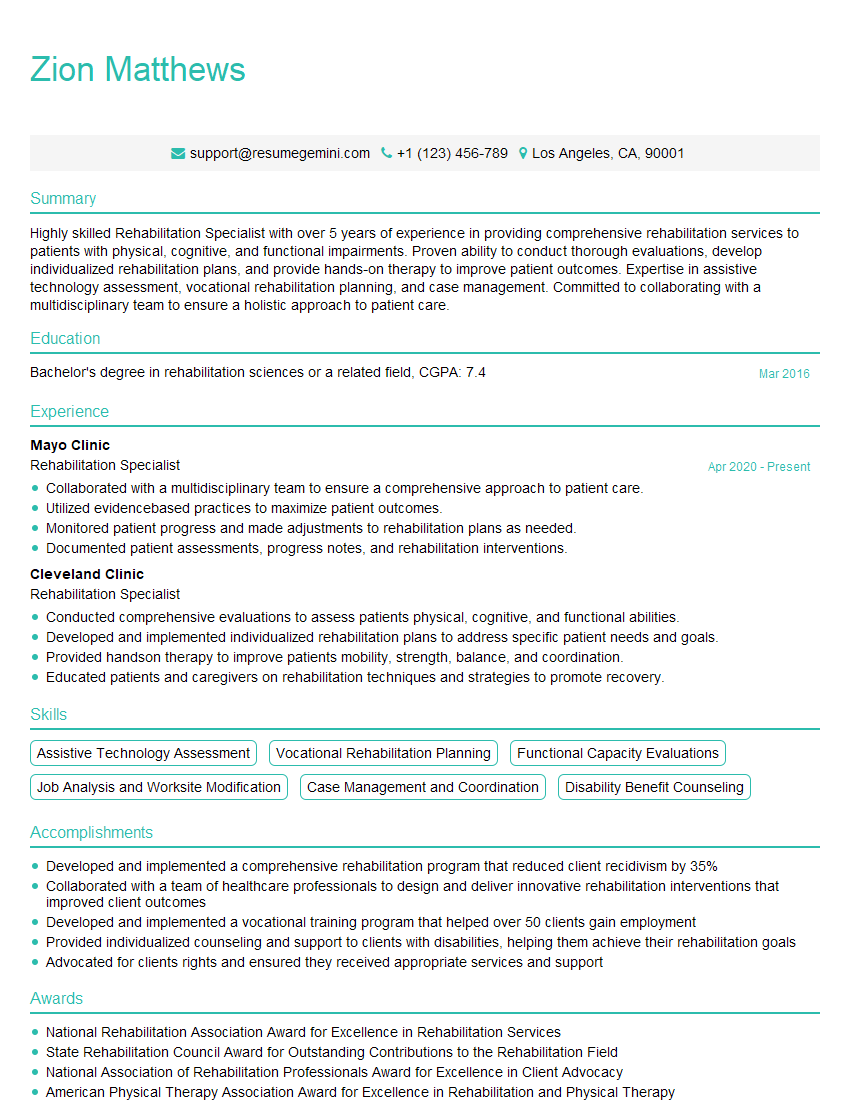
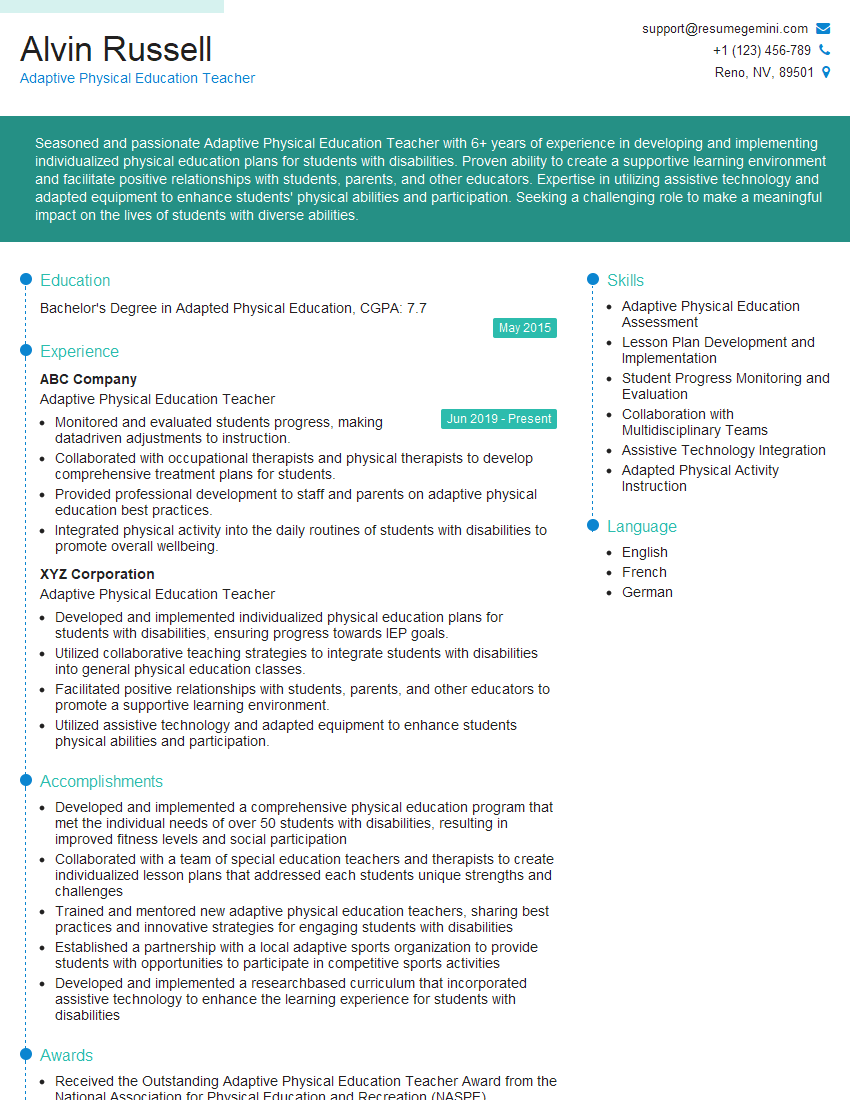
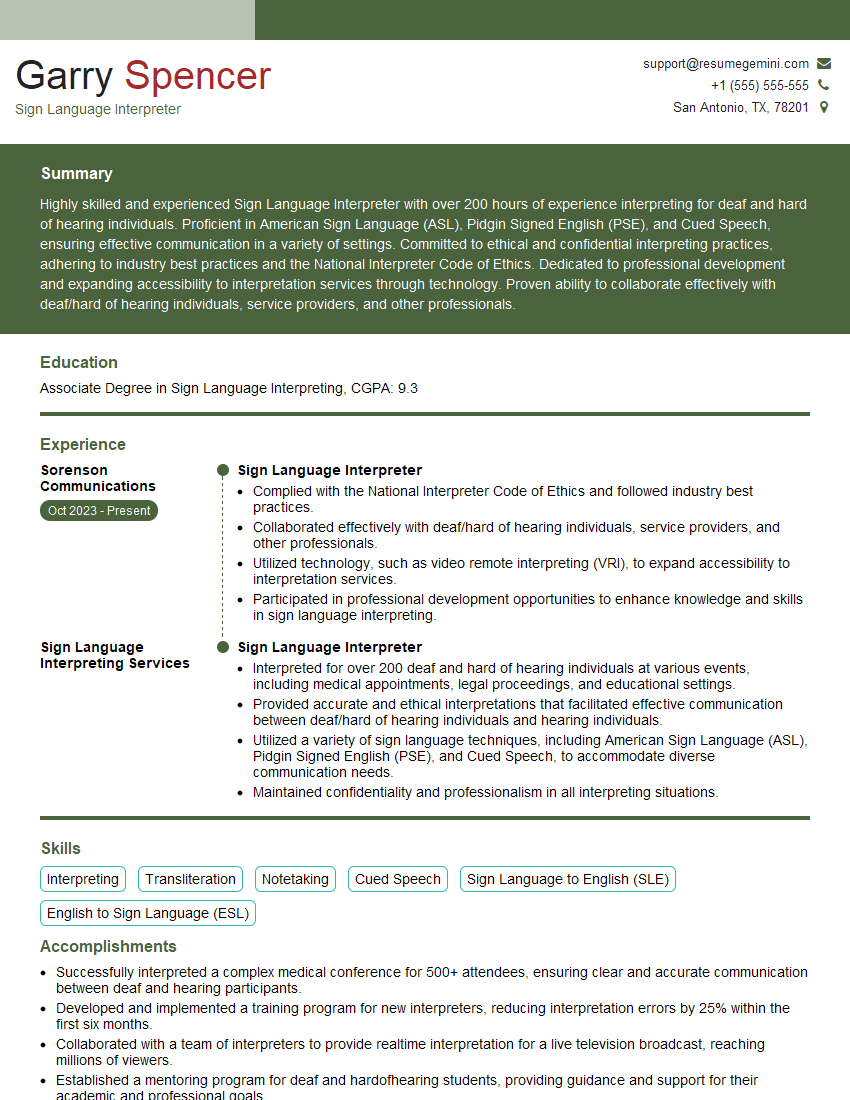
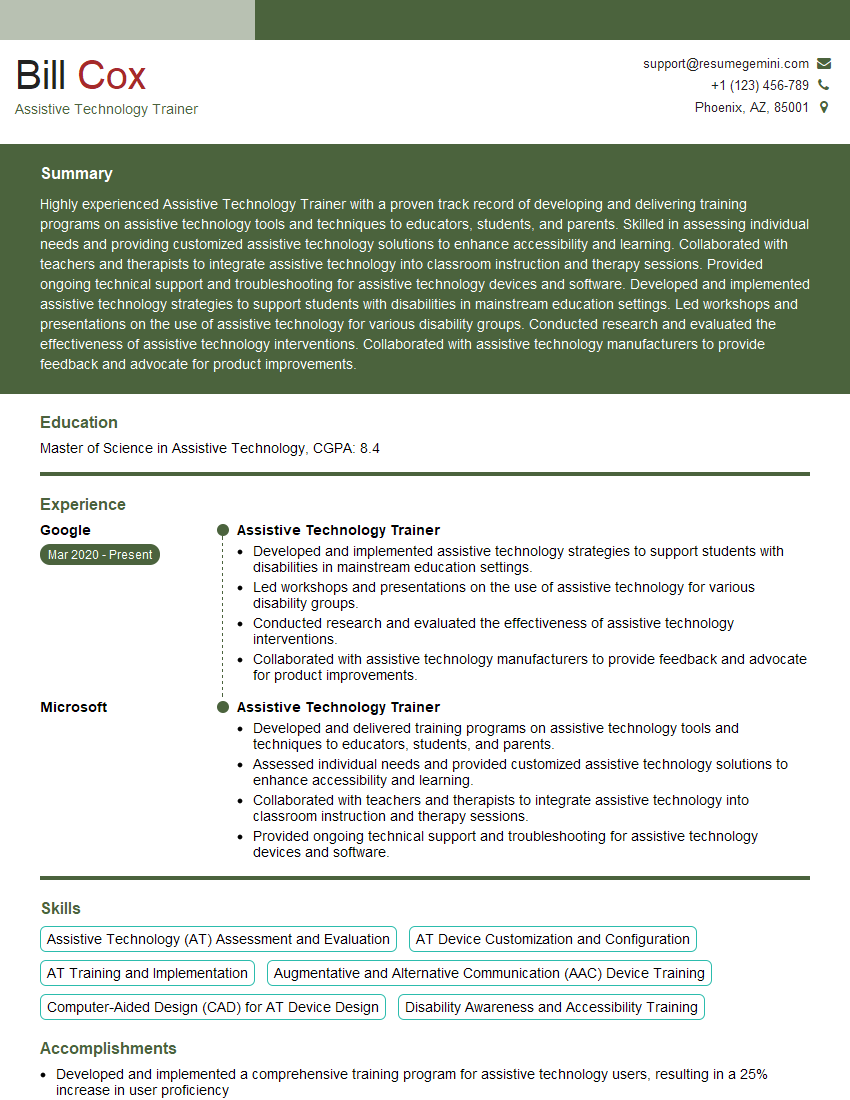
Mastering Adaptive Guiding for Individuals with Disabilities opens doors to a fulfilling career, impacting lives and making a real difference. A strong resume is crucial for showcasing your skills and experience. Creating an ATS-friendly resume significantly improves your chances of getting your application noticed. To build a powerful and effective resume, we recommend using ResumeGemini. ResumeGemini provides a user-friendly platform and offers examples of resumes tailored to Adaptive Guiding for Individuals with Disabilities, helping you present your qualifications effectively. Invest in crafting a compelling resume; it’s your first impression and a key to unlocking your career potential in this rewarding field.
Explore more articles
Users Rating of Our Blogs
Share Your Experience
We value your feedback! Please rate our content and share your thoughts (optional).
What Readers Say About Our Blog
Very informative content, great job.
good