Every successful interview starts with knowing what to expect. In this blog, we’ll take you through the top Adherence to environmental regulations interview questions, breaking them down with expert tips to help you deliver impactful answers. Step into your next interview fully prepared and ready to succeed.
Questions Asked in Adherence to environmental regulations Interview
Q 1. Describe your experience with ISO 14001 environmental management systems.
ISO 14001 is an internationally recognized standard that provides a framework for establishing, implementing, maintaining, and continually improving an Environmental Management System (EMS). My experience encompasses leading the implementation of ISO 14001 in several organizations across diverse industries. This involved conducting gap analyses to identify areas needing improvement against the standard’s requirements, developing and documenting environmental policies and procedures, conducting internal audits to ensure compliance, and managing corrective and preventive actions. For example, in a manufacturing facility, we implemented a robust waste management program reducing landfill waste by 30% within a year of certification. We also trained employees on environmentally sound practices and integrated environmental considerations into the product lifecycle. The result was not only certification but also significant cost savings and improved environmental performance, boosting the company’s reputation.
Q 2. Explain the process of conducting an environmental audit.
An environmental audit is a systematic, documented, periodic and objective evaluation of an organization’s environmental performance and management systems. It verifies compliance with environmental regulations, identifies potential risks and opportunities for improvement, and assesses the effectiveness of implemented environmental controls. The process typically involves:
- Planning: Defining the scope, objectives, methodology, and resources required.
- Data Collection: Gathering information through document review, interviews, site inspections, sampling, and testing.
- Evaluation: Comparing collected data against legal requirements, environmental standards, and organizational objectives.
- Reporting: Documenting findings, conclusions, and recommendations for improvements.
- Follow-up: Verifying the implementation of corrective and preventive actions.
Imagine auditing a chemical plant. We’d review permits, analyze waste streams, inspect equipment for leaks, and interview workers about their procedures. The audit report would detail findings, highlighting areas of compliance and non-compliance, proposing solutions for identified issues, and providing recommendations for continual improvement.
Q 3. How do you ensure compliance with environmental permits and licenses?
Ensuring compliance with environmental permits and licenses requires a proactive and systematic approach. This involves:
- Maintaining up-to-date records: All permits and licenses need to be meticulously organized, ensuring they are current and readily accessible.
- Regular monitoring and reporting: Parameters specified in the permits (e.g., emission levels, waste discharge limits) must be regularly monitored and reported to the regulatory authorities as required. This often involves automated data logging and reporting systems.
- Internal Audits: Regularly scheduled internal audits to verify compliance with permit conditions. Any deviations are addressed immediately.
- Proactive communication: Maintaining open communication with regulatory agencies, promptly addressing any questions or concerns they may have.
- Staying informed about changes: Environmental regulations change frequently, so staying informed about updates is crucial. This may involve subscribing to regulatory newsletters or consulting with environmental legal professionals.
For example, if a manufacturing plant has a permit to discharge treated wastewater, we would regularly monitor the effluent parameters and submit reports to the relevant agency. Failure to comply could result in penalties or even the revocation of the permit.
Q 4. What are the key components of a comprehensive environmental risk assessment?
A comprehensive environmental risk assessment identifies potential environmental hazards and evaluates their likelihood and consequences. Key components include:
- Hazard Identification: Identifying potential environmental impacts, such as air and water pollution, soil contamination, biodiversity loss, and climate change.
- Risk Analysis: Assessing the likelihood of each hazard occurring and the potential severity of its consequences. This often involves using quantitative methods to estimate probabilities and impact levels.
- Risk Evaluation: Evaluating the significance of the identified risks based on the assessed likelihood and severity, prioritizing high-risk scenarios.
- Risk Control: Developing and implementing measures to control or mitigate identified risks, such as installing pollution control equipment, implementing emergency response plans, and modifying operational procedures.
- Monitoring and Review: Regularly monitoring the effectiveness of implemented controls and reviewing the risk assessment periodically to account for changes in operations or regulatory requirements.
Imagine building a new pipeline. A risk assessment would consider the potential for oil spills, ground water contamination, habitat disruption and their impact. The assessment would propose mitigation measures, such as spill response plans, leak detection technology and pipeline route optimization.
Q 5. Describe your experience with environmental impact assessments (EIAs).
Environmental Impact Assessments (EIAs) are studies conducted to predict the environmental consequences of proposed projects or developments. My experience includes leading and participating in numerous EIAs across various sectors, including infrastructure, energy, and industrial projects. This involved:
- Scoping: Identifying the potential environmental impacts of the project and defining the scope of the EIA.
- Baseline Data Collection: Gathering data on existing environmental conditions in the project area.
- Impact Prediction: Using various models and techniques to predict the likely environmental impacts of the project.
- Mitigation Measures: Identifying and proposing measures to avoid, reduce, or offset negative environmental impacts.
- Impact Assessment Report: Preparing a comprehensive report that summarizes the findings of the EIA and provides recommendations for decision-makers.
For instance, in an EIA for a new wind farm project, we would assess potential impacts on bird populations, visual landscapes and noise levels, proposing mitigating strategies such as bird deterrent measures and careful site selection.
Q 6. How do you handle non-compliance issues with environmental regulations?
Handling non-compliance issues requires a prompt, transparent, and systematic approach. This involves:
- Immediate Corrective Action: Taking immediate steps to correct the non-compliance issue and prevent its recurrence.
- Root Cause Analysis: Identifying the underlying causes of the non-compliance issue to prevent future occurrences. This might involve interviewing staff, reviewing records and analyzing operational processes.
- Reporting to Authorities: Reporting the non-compliance to the relevant regulatory authorities in a timely and transparent manner. This needs to be done according to the legal requirements.
- Corrective and Preventive Actions (CAPA): Developing and implementing CAPAs to address the root cause and prevent recurrence. This is often documented and reviewed.
- Documentation: Maintaining thorough documentation of the entire process, including the corrective actions taken and the effectiveness of preventive measures.
Suppose a wastewater treatment plant exceeds its permitted discharge limits. We would immediately investigate, implement corrective actions (e.g., adjusting treatment processes), report the incident to the authorities, and undertake a root cause analysis to prevent future violations.
Q 7. What are your strategies for reducing a company’s environmental footprint?
Strategies for reducing a company’s environmental footprint involve a multifaceted approach targeting various areas. These include:
- Energy Efficiency: Implementing energy-efficient technologies and practices, such as upgrading equipment, improving building insulation, and optimizing energy consumption.
- Waste Reduction: Implementing waste reduction strategies, such as waste segregation, recycling, composting, and waste minimization techniques. This can include switching to reusable packaging.
- Water Conservation: Implementing water conservation measures, such as using water-efficient technologies and implementing leak detection and repair programs. This could include rainwater harvesting.
- Sustainable Sourcing: Sourcing materials and products from sustainable suppliers who have committed to environmental stewardship.
- Carbon Footprint Reduction: Reducing greenhouse gas emissions through measures such as using renewable energy, improving energy efficiency, and adopting carbon offsetting strategies.
- Employee Engagement: Educating and engaging employees in environmental sustainability initiatives. Training on proper disposal methods and energy conservation is key.
For example, a retail company can reduce its carbon footprint by switching to electric delivery vehicles, reducing packaging, and promoting sustainable product options.
Q 8. Explain your understanding of different environmental regulations (e.g., Clean Air Act, Clean Water Act).
Environmental regulations are the cornerstone of protecting our planet. They’re essentially laws and guidelines designed to minimize the negative impact of human activities on the environment. Two prominent examples are the Clean Air Act and the Clean Water Act in the United States. The Clean Air Act focuses on controlling air pollution, setting limits on emissions from various sources like vehicles and industrial facilities. Think of it as a traffic control system for the air, ensuring a breathable atmosphere. This involves setting National Ambient Air Quality Standards (NAAQS) for pollutants like ozone and particulate matter. Enforcement involves permits, inspections, and penalties for non-compliance. The Clean Water Act, similarly, aims to maintain the quality of our nation’s waters. It regulates the discharge of pollutants into waterways, protects wetlands, and promotes water quality standards. Imagine it as a guardian of our rivers, lakes, and oceans, ensuring their health and preventing contamination.
Beyond these two major acts, there are numerous other regulations focusing on specific pollutants (like the Toxic Substances Control Act), hazardous waste (like Resource Conservation and Recovery Act), and endangered species (Endangered Species Act). Each act has its own specific requirements, permitting processes, and enforcement mechanisms. Understanding the nuances of each is crucial for effective environmental compliance.
Q 9. How do you stay updated on changes in environmental legislation?
Staying updated on environmental legislation requires a multi-pronged approach. I regularly monitor federal and state environmental agencies’ websites for updates, proposed rule changes, and final regulations. I subscribe to newsletters and journals specializing in environmental law and regulations. Attending industry conferences and webinars keeps me abreast of the latest developments and best practices. Networking with other professionals in the field is invaluable, allowing me to learn from their experiences and insights. Finally, I actively use legal research databases to access official documents and case law related to specific environmental regulations relevant to my work.
Q 10. Describe your experience with waste management and disposal practices.
My experience encompasses the entire lifecycle of waste management, from generation to disposal. This includes designing and implementing waste reduction programs, focusing on the ‘reduce, reuse, recycle’ hierarchy. I’ve worked extensively with hazardous and non-hazardous waste streams, ensuring proper segregation, storage, and transportation. This requires detailed knowledge of relevant regulations like the RCRA (Resource Conservation and Recovery Act), which governs hazardous waste management. For example, I’ve been involved in developing and implementing comprehensive waste characterization plans to properly classify waste and determine appropriate disposal methods. I have experience with various disposal options, including landfills, incineration, and recycling facilities, always ensuring compliance with permits and environmental standards. Proper documentation and record-keeping are vital in this area.
Q 11. How do you ensure proper reporting and record-keeping for environmental compliance?
Maintaining accurate records and reports is paramount for demonstrating environmental compliance. I use a combination of electronic and physical record-keeping systems, ensuring data integrity and accessibility. For example, I might use environmental management software to track emissions, waste generation, and monitoring data. This software often includes automated reporting features, simplifying the process and reducing the risk of errors. All records are meticulously maintained, including permits, inspection reports, testing results, and training records. Data is organized in a clear and accessible manner, allowing for easy retrieval and audit trails. Regular internal audits are conducted to verify the accuracy and completeness of the records. This proactive approach minimizes the risk of non-compliance and ensures transparency.
Q 12. What are your strategies for improving environmental performance within an organization?
Improving environmental performance involves a holistic strategy. It starts with a thorough environmental assessment to identify areas for improvement. This might include energy audits, waste audits, and emissions assessments. Based on the assessment, I would develop a tailored environmental management plan incorporating specific targets and timelines. This could include implementing energy-efficient technologies, reducing water consumption, minimizing waste generation, and improving recycling rates. Employee training and engagement are crucial, fostering a culture of environmental responsibility. Regular monitoring and evaluation are essential to track progress, identify new challenges, and make adjustments to the plan as needed. Implementing a robust environmental management system (EMS), such as one based on ISO 14001 standards, provides a structured framework for continuous improvement.
Q 13. How do you communicate environmental regulations and compliance to different stakeholders?
Effective communication is key to successful environmental compliance. I tailor my communication style to the audience. For example, when communicating with employees, I use clear, concise language, focusing on practical implications and providing training. When communicating with regulatory agencies, I use precise technical language, ensuring complete and accurate reporting. With senior management, I highlight the business case for environmental sustainability, emphasizing cost savings, risk reduction, and brand reputation. Regular reports, newsletters, and meetings keep stakeholders informed about progress towards environmental goals. Transparency is crucial; open communication builds trust and facilitates collaboration.
Q 14. Describe your experience with environmental monitoring and data analysis.
Environmental monitoring and data analysis are critical for evaluating environmental performance and ensuring compliance. My experience includes designing and implementing monitoring programs for air, water, and soil quality. This involves selecting appropriate sampling methods, analyzing data using statistical software, and interpreting the results to identify trends and potential problems. For instance, I’ve used statistical process control (SPC) charts to track emissions data, identifying anomalies that require investigation. I’m proficient in using various software packages for data analysis and visualization. The data collected informs decision-making, driving improvements in environmental performance and ensuring compliance with permit limits and regulatory requirements. Clear and concise reporting of monitoring results to stakeholders is critical.
Q 15. How do you integrate environmental considerations into project planning and execution?
Integrating environmental considerations into project planning and execution is paramount for responsible development. It’s not just about compliance; it’s about proactively minimizing environmental impacts and maximizing resource efficiency. This involves a multi-stage approach:
Early Assessment: We begin with a thorough environmental site assessment, identifying potential impacts – from air and water pollution to habitat disruption. This often involves reviewing existing environmental data, conducting field surveys, and engaging with regulatory agencies.
Environmental Impact Assessment (EIA): A detailed EIA is conducted to predict the potential environmental consequences of the project. This helps us identify potential risks and opportunities for improvement. For example, if a construction project is near a wetland, the EIA might highlight the need for mitigation strategies like building elevated walkways to avoid disturbing the ecosystem.
Mitigation Planning: Based on the EIA, we develop a robust mitigation plan. This outlines specific measures to reduce or eliminate negative impacts. This might involve using eco-friendly building materials, implementing pollution control technologies, or creating habitat restoration areas.
Monitoring and Reporting: Throughout the project’s lifecycle, we monitor environmental performance against established parameters. This data is then used to generate regular reports, ensuring that we are staying on track and addressing any emerging issues promptly. We also track key performance indicators (KPIs) such as energy consumption, waste generation, and water usage.
Stakeholder Engagement: Collaboration is key. We engage with local communities, regulatory bodies, and other stakeholders throughout the project lifecycle to ensure transparency and address concerns. This participatory approach improves project acceptance and minimizes potential conflicts.
For instance, in a recent renewable energy project, we incorporated a comprehensive biodiversity offsetting strategy to compensate for habitat loss during construction. This proactive approach ensured the project’s positive environmental impacts outweighed the unavoidable negative ones.
Career Expert Tips:
- Ace those interviews! Prepare effectively by reviewing the Top 50 Most Common Interview Questions on ResumeGemini.
- Navigate your job search with confidence! Explore a wide range of Career Tips on ResumeGemini. Learn about common challenges and recommendations to overcome them.
- Craft the perfect resume! Master the Art of Resume Writing with ResumeGemini’s guide. Showcase your unique qualifications and achievements effectively.
- Don’t miss out on holiday savings! Build your dream resume with ResumeGemini’s ATS optimized templates.
Q 16. Explain your understanding of environmental remediation techniques.
Environmental remediation involves the cleanup or stabilization of contaminated sites. The techniques employed depend on the type and extent of contamination. Common methods include:
Soil Remediation: This might involve excavation and removal of contaminated soil, bioremediation (using microorganisms to break down contaminants), soil vapor extraction (removing volatile contaminants from soil), or phytoremediation (using plants to absorb contaminants).
Groundwater Remediation: Techniques include pump-and-treat systems (pumping out contaminated groundwater and treating it), in-situ bioremediation (using microorganisms to break down contaminants in the groundwater), and permeable reactive barriers (barriers that filter contaminants from groundwater as it flows through).
Air Remediation: This could involve installing air scrubbers or filters to remove pollutants from the air or using thermal desorption to remove volatile organic compounds from contaminated soil or materials.
Choosing the right technique requires a careful assessment of the site, the nature of the contamination, and regulatory requirements. For example, a site contaminated with heavy metals might require excavation and specialized treatment, whereas a site with petroleum hydrocarbons might be suitable for bioremediation.
The success of any remediation project is measured against pre-defined cleanup goals and is closely monitored and reported to the relevant regulatory authorities.
Q 17. What are the key challenges in ensuring environmental compliance in your industry?
Ensuring environmental compliance presents several significant challenges, particularly in industries with complex processes and high environmental risks. These include:
Evolving Regulations: Environmental regulations are constantly evolving, demanding continuous learning and adaptation to stay compliant. Keeping up with changes in permits, standards, and reporting requirements is a major undertaking.
Technological Advancements: Implementing new technologies to reduce environmental impacts can be expensive and complex. Integrating new equipment and processes while maintaining operational efficiency requires careful planning and investment.
Data Management: Effective environmental management requires robust data collection, analysis, and reporting. Managing large volumes of data and ensuring its accuracy can be challenging.
Stakeholder Management: Balancing environmental concerns with the needs of stakeholders (including employees, communities, and investors) is crucial. Effective communication and collaboration are essential to manage expectations and achieve consensus.
Enforcement and Penalties: Non-compliance can lead to hefty fines, legal actions, and reputational damage. The potential cost of non-compliance necessitates a proactive and robust compliance program.
For instance, in the manufacturing sector, maintaining consistent compliance across multiple sites, each with its unique set of environmental challenges, presents a significant operational hurdle.
Q 18. How do you prioritize environmental compliance activities against other business objectives?
Prioritizing environmental compliance activities requires a strategic approach that integrates environmental considerations into overall business objectives. This is not about viewing compliance as a separate entity, but rather as an integral part of sustainable business practices.
We use a risk-based approach. We assess the potential environmental risks associated with different activities and prioritize those that pose the highest likelihood of non-compliance or significant environmental impact. This might involve using a matrix that considers the probability of an event and the severity of its consequences. High-risk activities receive more immediate attention and resources.
We also factor in the cost-benefit analysis. While compliance might involve upfront investment, the long-term cost of non-compliance (fines, remediation, reputational damage) can far outweigh the initial investment. Therefore, proactively addressing environmental risks can contribute to long-term cost savings and improved business outcomes.
Finally, we align environmental compliance with overall business strategy, demonstrating that environmental stewardship is not only responsible but also good business practice. This involves reporting on environmental performance to investors and stakeholders, highlighting our commitment to sustainability.
Q 19. Describe your experience with environmental management software or tools.
I have extensive experience using various environmental management software and tools. These range from Environmental Management Systems (EMS) software to specialized tools for air emissions tracking, wastewater discharge monitoring, and waste management. The software we use typically includes features such as:
Data Management and Tracking: The ability to efficiently collect, store, analyze, and report on environmental data is crucial. We use software that allows us to track key environmental performance indicators (KPIs) and generate customized reports.
Permitting and Compliance Management: Tools to manage environmental permits, track deadlines, and ensure compliance with regulatory requirements are essential. These systems often provide alerts and notifications to prevent potential violations.
Auditing and Reporting: We utilize software that facilitates internal and external audits, allowing for easy generation of compliance reports and demonstration of regulatory adherence.
For example, I’ve used [Software Name - example] to manage our greenhouse gas emissions inventory, tracking emissions across different sources and generating reports for various regulatory bodies. The software’s reporting functionalities made it incredibly efficient to meet our emissions reporting requirements.
Q 20. How do you identify and mitigate potential environmental liabilities?
Identifying and mitigating potential environmental liabilities is crucial for risk management. It’s a proactive process that involves:
Phase I Environmental Site Assessments: These assessments involve reviewing historical records, conducting site reconnaissance, and interviewing stakeholders to identify potential environmental concerns. This helps us understand the potential risks associated with a specific site.
Phase II Environmental Site Assessments: If Phase I reveals potential contamination, Phase II involves more detailed investigation, including sampling and laboratory analysis to confirm the presence and extent of contamination.
Risk Assessment: Once contamination is identified (or the risk is deemed significant), a detailed risk assessment is conducted to evaluate the potential impact on human health and the environment. This guides the selection of appropriate mitigation strategies.
Mitigation Strategies: Mitigation measures can range from implementing environmental controls to conducting remediation activities. The choice of strategy depends on the risk assessment and regulatory requirements.
Insurance and Financial Reserves: Securing appropriate insurance coverage and establishing financial reserves can help manage the financial implications of environmental liabilities.
For example, before acquiring a new facility, we always conduct a Phase I and, when necessary, a Phase II Environmental Site Assessment to identify and address any pre-existing environmental contamination. This proactive approach minimizes our environmental liabilities and protects our business.
Q 21. Explain your understanding of life cycle assessment (LCA).
Life Cycle Assessment (LCA) is a comprehensive methodology used to evaluate the environmental impacts of a product or service throughout its entire life cycle. This includes from raw material extraction and manufacturing to use, disposal, and even end-of-life recycling or disposal. An LCA aims to provide a holistic view of a product’s environmental footprint, allowing for more informed decision-making.
The LCA process typically involves four stages:
Goal and Scope Definition: Defining the purpose of the LCA and establishing the boundaries of the assessment (which processes to include or exclude).
Inventory Analysis: Quantifying the inputs and outputs associated with each stage of the product’s life cycle. This includes energy consumption, raw material usage, emissions to air, water, and soil, and waste generation.
Impact Assessment: Evaluating the environmental impacts of the identified inputs and outputs. This often involves using impact categories such as global warming potential, ozone depletion, and acidification.
Interpretation: Analyzing the results of the impact assessment to draw conclusions and identify areas for improvement. This might involve comparing different product designs or production processes.
LCAs are valuable tools for identifying opportunities for environmental improvements and promoting sustainable design and manufacturing practices. For example, an LCA on a packaging material might reveal that using recycled content significantly reduces its carbon footprint compared to using virgin materials, informing decisions regarding sustainable packaging choices.
Q 22. How do you promote a culture of environmental responsibility within a company?
Promoting a culture of environmental responsibility requires a multi-pronged approach that integrates environmental considerations into every aspect of the company’s operations. It’s not just about ticking boxes; it’s about fostering a genuine commitment from the top down.
- Leadership Commitment: Visible and vocal support from senior management is crucial. This includes setting clear environmental goals and holding individuals accountable for their achievement. For example, I’ve worked with companies that tied executive bonuses to environmental performance metrics.
- Training and Education: Regular training programs educating employees on environmental regulations, best practices, and the company’s sustainability goals are essential. Interactive workshops, online modules, and gamified learning experiences can make this engaging and effective. I once developed a training program that used real-life case studies of environmental successes and failures to highlight the importance of adherence.
- Incentives and Recognition: Rewarding employees for environmentally friendly behavior, such as suggesting process improvements or participating in environmental initiatives, strengthens the culture. This can involve awards, public recognition, or even financial incentives.
- Open Communication: Establishing channels for employees to voice concerns, report incidents, and suggest improvements is key to building trust and accountability. Regular environmental performance reports, accessible to all employees, promote transparency.
- Collaboration and Partnerships: Engaging with external stakeholders, such as environmental NGOs or community groups, can enhance a company’s environmental reputation and build a stronger sense of shared responsibility. I’ve successfully facilitated partnerships that led to impactful community environmental projects.
Q 23. Describe your experience with environmental due diligence.
Environmental due diligence is a critical process of identifying and assessing potential environmental liabilities associated with a property, business, or transaction. It’s like a thorough environmental health check-up before making any major decisions.
My experience encompasses conducting Phase I and Phase II environmental site assessments, reviewing environmental permits and licenses, and assessing compliance history. For example, I was involved in a project where we assessed a manufacturing facility before its acquisition. The due diligence process uncovered past contamination issues that required remediation, preventing potential future liabilities for the acquiring company. We identified the responsible party, negotiated remediation plans, and incorporated the costs into the acquisition price, protecting the buyer.
This process typically involves reviewing historical records, conducting site inspections, and potentially employing specialized environmental consultants for testing and analysis. The ultimate goal is to understand potential environmental risks and liabilities before they become costly problems.
Q 24. What are your strategies for minimizing environmental incidents and accidents?
Minimizing environmental incidents and accidents relies on a proactive and multi-layered approach. Think of it as building a strong defense against potential environmental hazards.
- Robust Safety Management Systems: Implementing and maintaining a comprehensive safety management system (SMS) is fundamental. This includes regular safety inspections, employee training, emergency response plans, and hazard identification and risk assessment processes. I’ve worked with companies to develop and implement SMS systems compliant with ISO 14001 standards.
- Preventative Maintenance: Regular maintenance of equipment and infrastructure is critical in preventing leaks, spills, and equipment failures that can lead to environmental incidents. Scheduled maintenance programs with detailed checklists ensure equipment is operating safely and efficiently.
- Emergency Response Planning: Having well-defined and regularly tested emergency response plans is essential for minimizing the impact of any unforeseen events. These plans should include clear procedures for containing spills, reporting incidents, and coordinating with regulatory agencies.
- Continuous Improvement: Regularly reviewing and updating safety protocols and emergency response plans, based on lessons learned from near misses or actual incidents, helps ensure the effectiveness of the safety program. This includes conducting thorough post-incident analyses to understand root causes and implement corrective actions.
- Employee Engagement: Encouraging employees to actively participate in safety programs and report potential hazards contributes significantly to a safer working environment. This fosters a culture of safety and accountability.
Q 25. How do you measure the effectiveness of environmental programs and initiatives?
Measuring the effectiveness of environmental programs requires a combination of quantitative and qualitative metrics. It’s not enough to just implement programs; you must track their impact.
- Key Performance Indicators (KPIs): Establishing clear KPIs aligned with the program’s objectives is crucial. This might include reducing energy consumption, decreasing waste generation, improving water efficiency, or lowering emissions. For example, we might track the reduction in greenhouse gas emissions per unit of production.
- Data Collection and Analysis: Accurate and reliable data collection is paramount. This involves using various monitoring tools and techniques, such as energy meters, waste tracking systems, and emission monitoring equipment. Regular data analysis helps identify trends, assess progress, and make necessary adjustments.
- Environmental Audits: Regular environmental audits provide an independent assessment of a company’s environmental performance, identifying areas for improvement. Internal audits are important for continuous improvement, while external audits can demonstrate compliance to stakeholders.
- Stakeholder Feedback: Gathering feedback from employees, customers, and community members can provide valuable insights into the effectiveness of environmental programs. Surveys, focus groups, and community engagement initiatives can be valuable.
- Compliance Reporting: Tracking compliance with environmental regulations and reporting requirements demonstrates the effectiveness of the programs in minimizing environmental risks and ensuring legal compliance.
Q 26. Explain your understanding of carbon accounting and emissions reduction strategies.
Carbon accounting is the process of measuring, monitoring, and managing a company’s greenhouse gas (GHG) emissions. It’s like keeping a detailed ledger of your carbon footprint. Emissions reduction strategies are the actions taken to minimize those emissions.
My understanding encompasses using various methodologies like the Greenhouse Gas Protocol to calculate emissions across different scopes (Scope 1: direct emissions, Scope 2: indirect emissions from purchased energy, Scope 3: all other indirect emissions). I’ve worked with companies to develop carbon footprints, identifying emission hotspots. For example, in one project, we found that a significant portion of a company’s emissions came from its supply chain (Scope 3). This led us to develop strategies to engage suppliers in emissions reduction initiatives.
Emissions reduction strategies can include improving energy efficiency, transitioning to renewable energy sources, investing in carbon offset projects, and improving waste management. The specific strategies depend on the company’s industry, operations, and emissions profile. It’s important to set realistic, measurable, achievable, relevant, and time-bound (SMART) goals for emissions reduction.
Q 27. How do you ensure compliance with environmental reporting requirements?
Ensuring compliance with environmental reporting requirements involves a combination of proactive planning, diligent record-keeping, and accurate reporting. It’s about demonstrating to regulatory bodies that you’re playing by the rules.
My approach involves staying up-to-date on all applicable regulations, developing systems for accurate data collection and record-keeping, and using specialized software to manage reporting requirements. I’ve worked with clients to develop customized environmental management systems (EMS) that streamline data collection and reporting, ensuring data accuracy and facilitating efficient reporting processes. For instance, we implemented a system that automatically tracks energy consumption, waste generation, and emissions, simplifying compliance reporting. We also regularly conduct internal audits to ensure that our data is accurate and that our reporting meets all legal requirements.
Timely submission of reports is critical, as is maintaining detailed records to support the information provided in the reports. In some cases, this might involve engaging specialized environmental consultants to assist with complex reporting requirements or to ensure the accuracy and completeness of the reports.
Q 28. Describe your experience with environmental sustainability initiatives.
Environmental sustainability initiatives are actions taken to minimize a company’s environmental impact and contribute to a healthier planet. It’s about integrating environmental considerations into the core of a company’s strategy.
My experience includes leading projects focused on waste reduction, renewable energy adoption, water conservation, and sustainable sourcing. For example, I led a project where we successfully transitioned a manufacturing facility to 100% renewable energy, significantly reducing its carbon footprint. We also implemented a comprehensive waste management program that diverted over 70% of waste from landfills.
Developing and implementing these initiatives often involves conducting life cycle assessments, identifying areas for improvement, setting targets, and tracking progress. It’s a continuous process of improvement and innovation. Successful sustainability initiatives not only benefit the environment but can also enhance a company’s reputation, reduce costs, and improve its competitive advantage. I’ve seen firsthand how integrated sustainability strategies can improve operational efficiency and attract investors committed to ESG (Environmental, Social, and Governance) principles.
Key Topics to Learn for Adherence to Environmental Regulations Interview
- Environmental Legislation and Compliance: Understanding key environmental laws (e.g., Clean Air Act, Clean Water Act, Endangered Species Act) and their practical implications for various industries.
- Permitting and Licensing: The process of obtaining and maintaining environmental permits, understanding permit conditions, and ensuring compliance throughout the operational lifecycle.
- Environmental Impact Assessment (EIA): Conducting EIAs, identifying potential environmental impacts, and developing mitigation strategies. Understanding different EIA methodologies and reporting requirements.
- Pollution Prevention and Control: Implementing strategies to minimize waste generation, pollution control technologies, and waste management practices. This includes understanding best available technologies (BAT).
- Environmental Auditing and Reporting: Conducting internal environmental audits, preparing environmental reports, and ensuring accurate data collection and analysis for regulatory compliance.
- Environmental Monitoring and Data Management: Understanding methods for monitoring environmental parameters (air, water, soil), data analysis techniques, and reporting requirements. This includes proficiency in relevant software and database systems.
- Risk Assessment and Management: Identifying and assessing environmental risks, developing risk mitigation strategies, and implementing emergency response plans.
- Sustainability and Corporate Social Responsibility: Integrating environmental considerations into business strategies, understanding corporate sustainability initiatives, and demonstrating commitment to environmental stewardship.
- Stakeholder Engagement and Communication: Effectively communicating environmental performance to stakeholders (regulators, communities, investors), managing expectations, and addressing concerns.
Next Steps
Mastering adherence to environmental regulations is crucial for career advancement in today’s environmentally conscious world. Demonstrating a strong understanding of these principles is highly valued by employers and opens doors to exciting opportunities in various sectors. To significantly improve your job prospects, create an ATS-friendly resume that highlights your skills and experience effectively. ResumeGemini is a trusted resource that can help you build a professional resume showcasing your expertise in environmental regulations. Examples of resumes tailored to this field are available through ResumeGemini, providing valuable templates and guidance to help you present your qualifications in the best possible light.
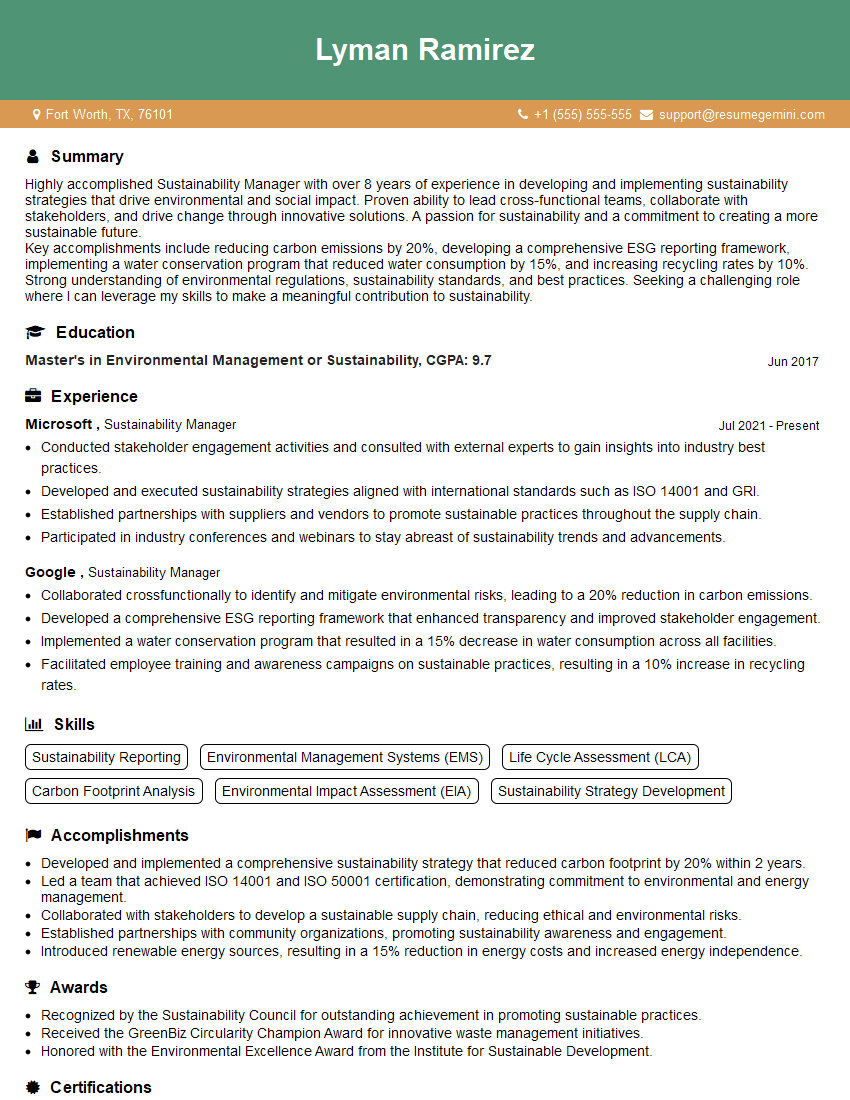
Sustainability Manager Resume Sample
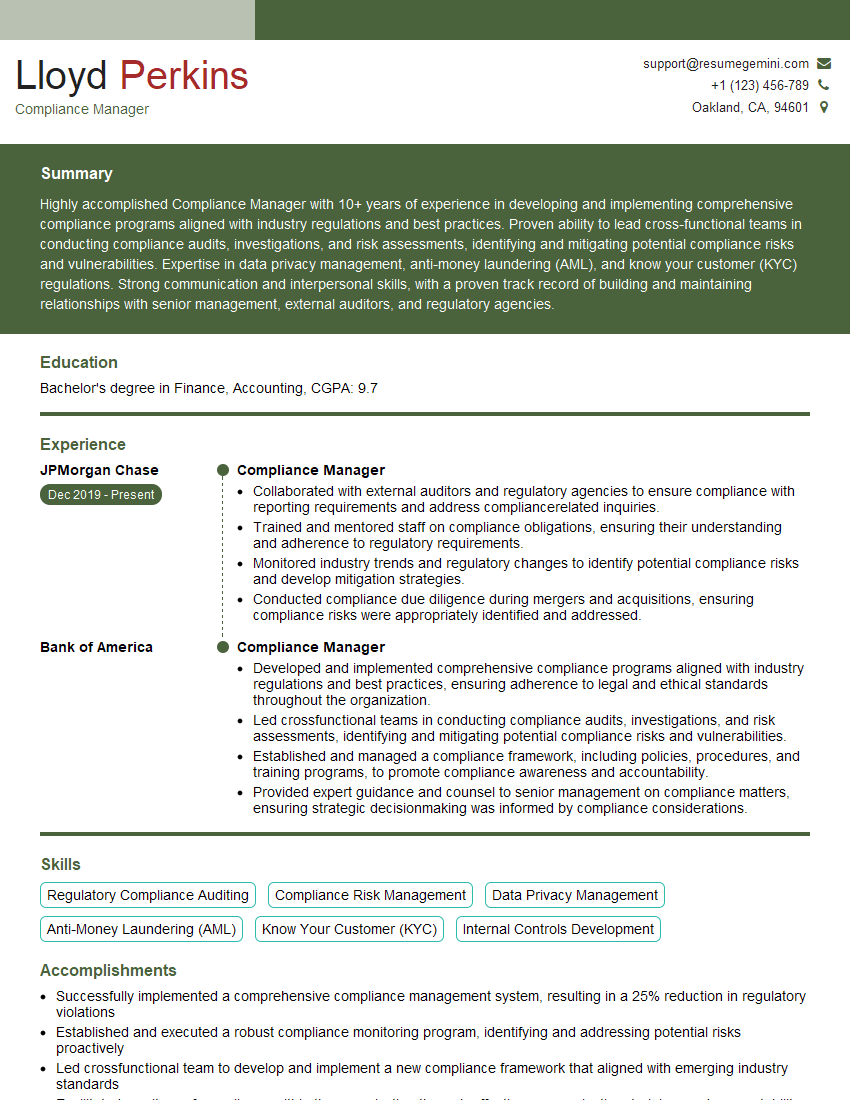
Compliance Manager Resume Sample
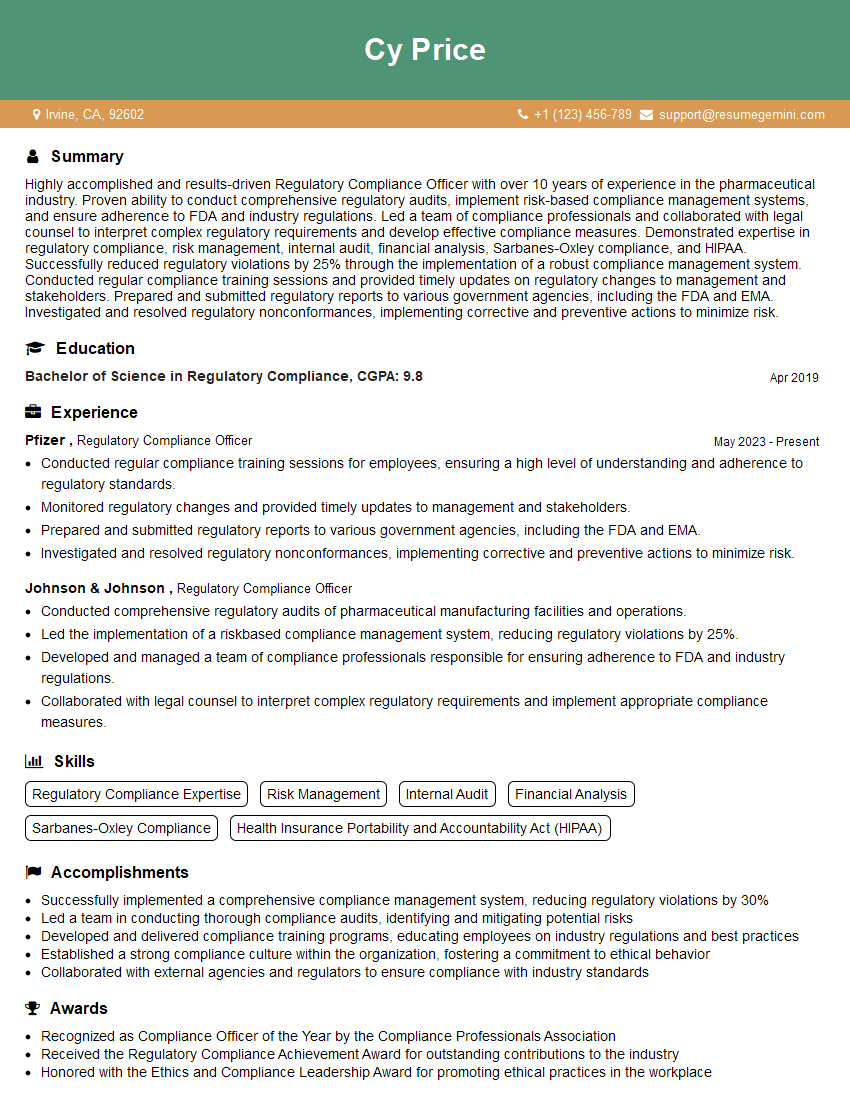
Regulatory Compliance Officer Resume Sample
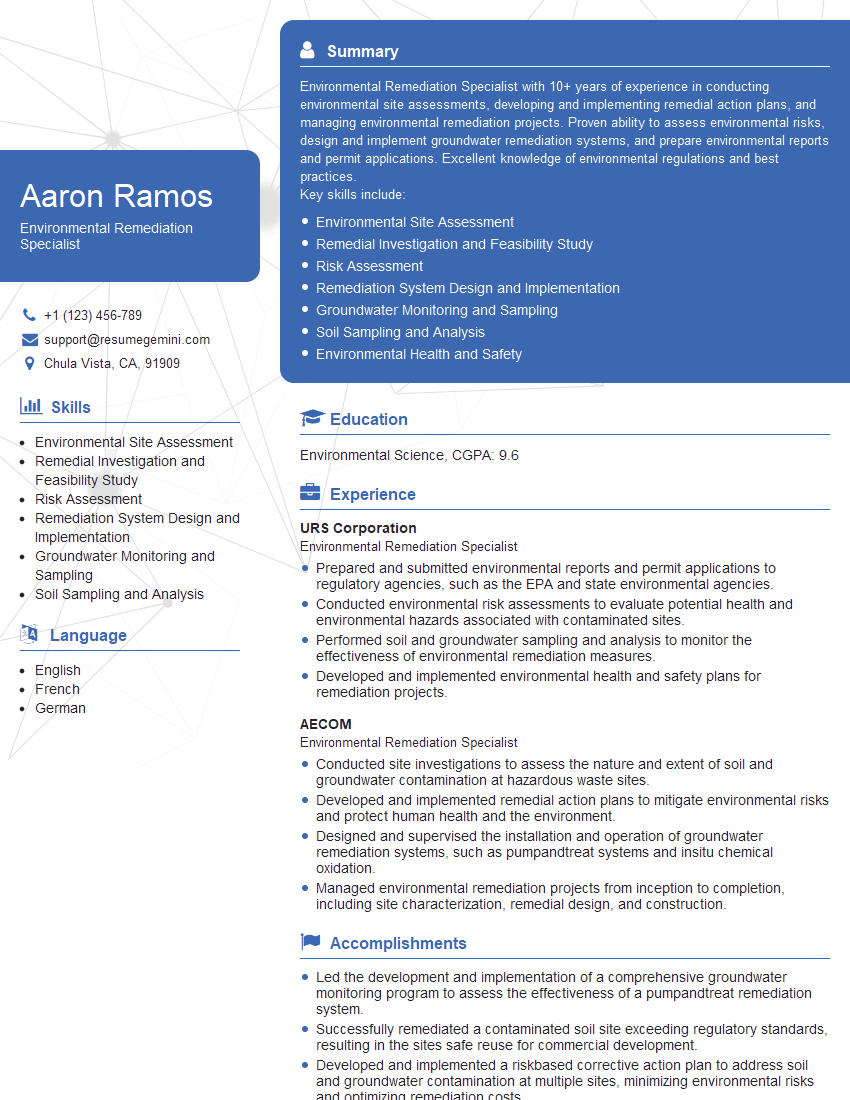
Environmental Remediation Specialist Resume Sample
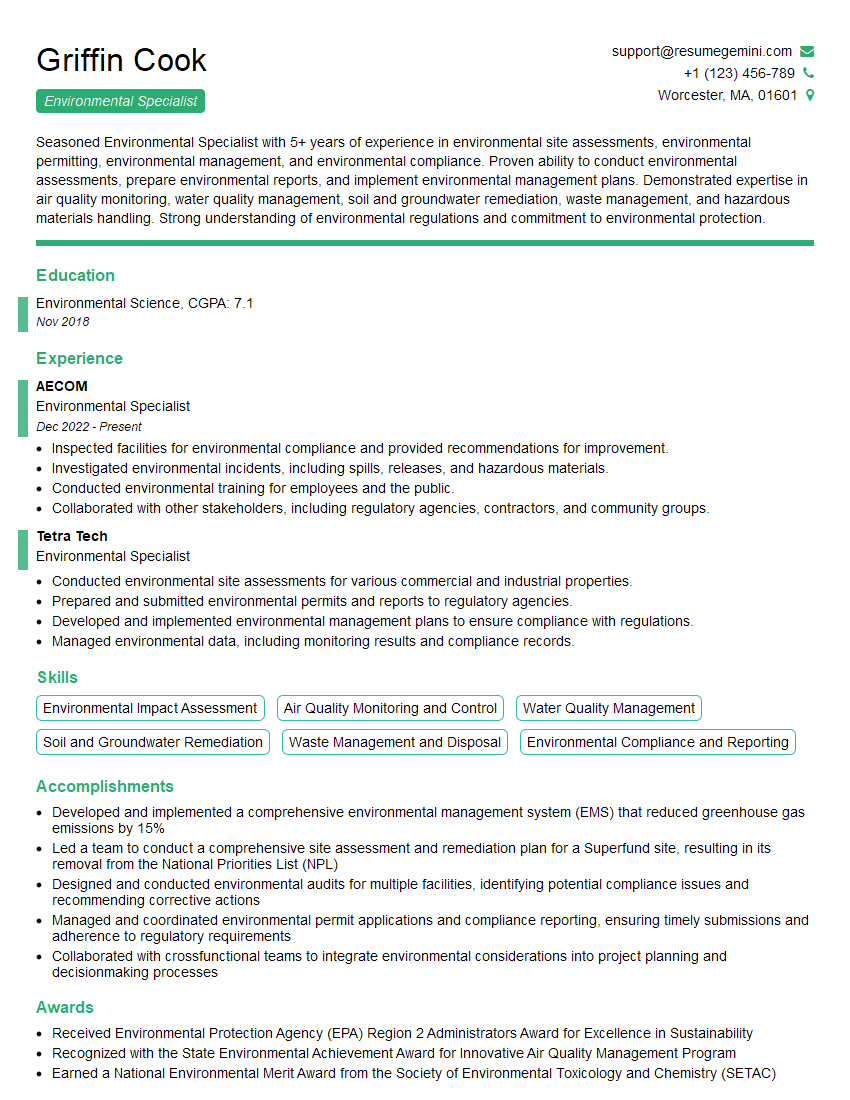
Environmental Specialist Resume Sample
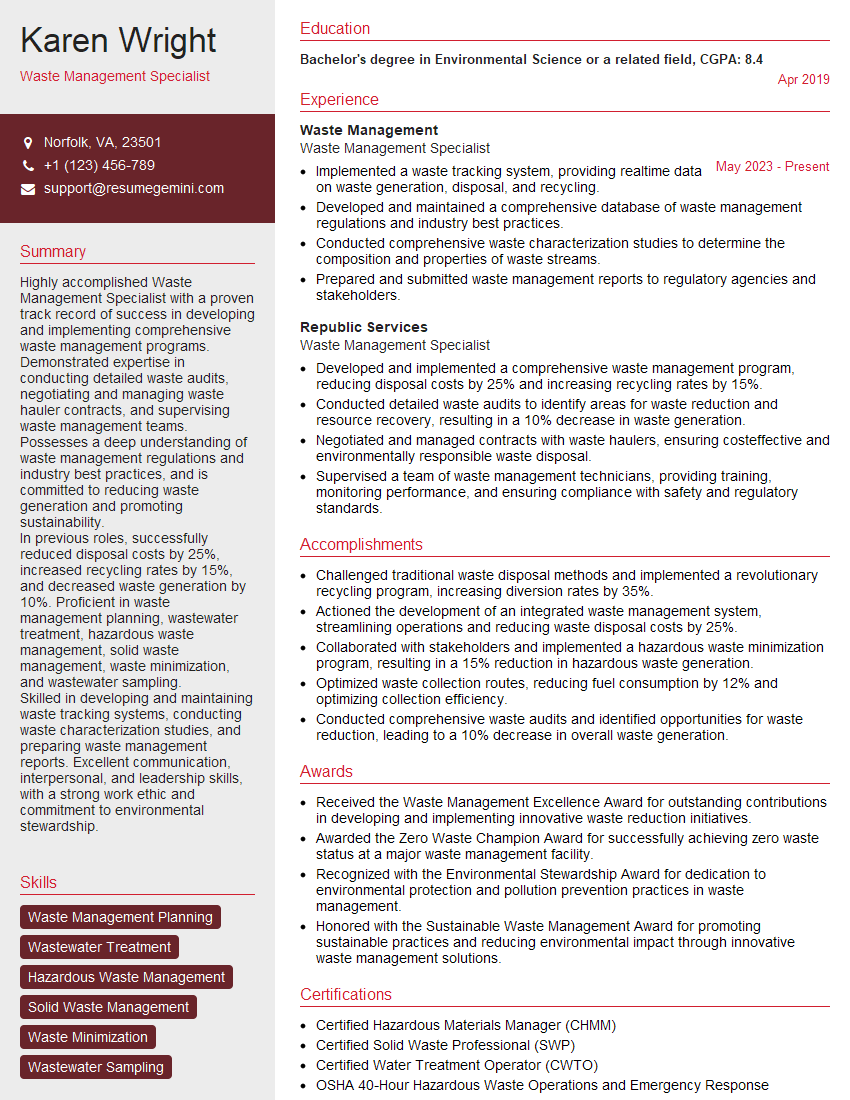
Waste Management Specialist Resume Sample
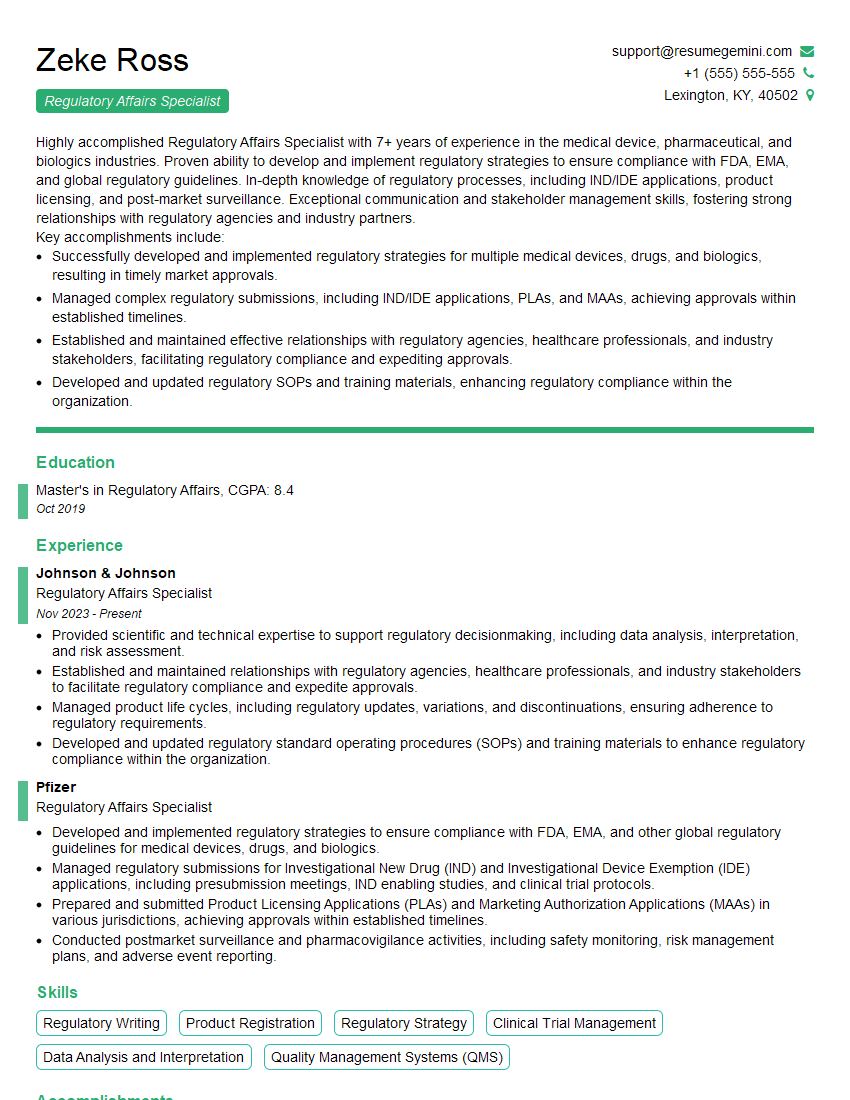
Regulatory Affairs Specialist Resume Sample

Sustainability Consultant Resume Sample
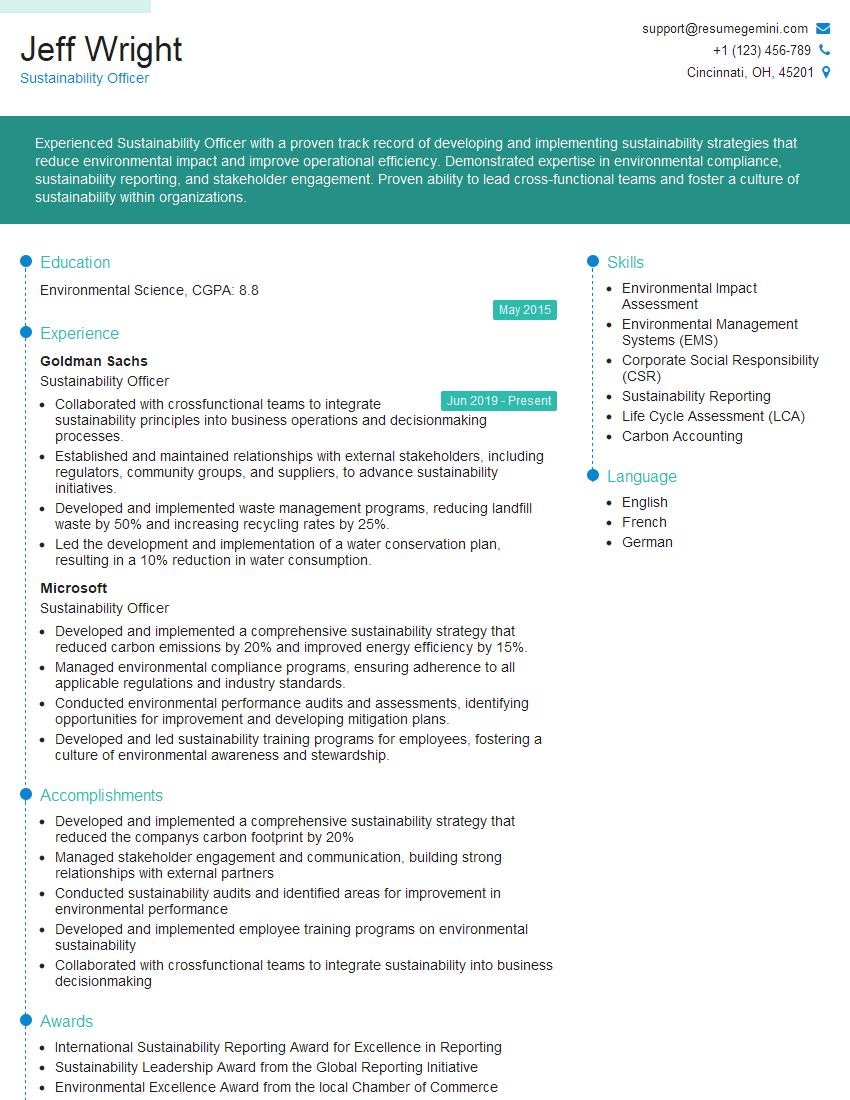
Sustainability Officer Resume Sample
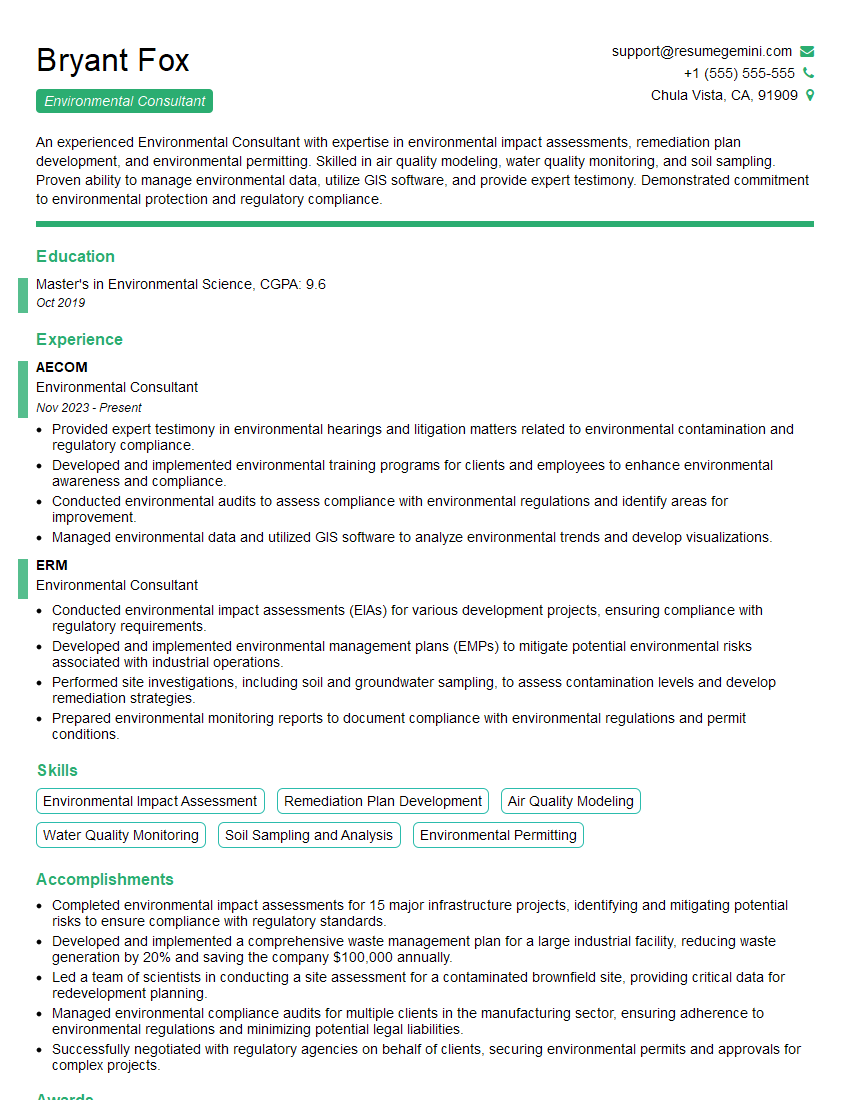
Environmental Consultant Resume Sample
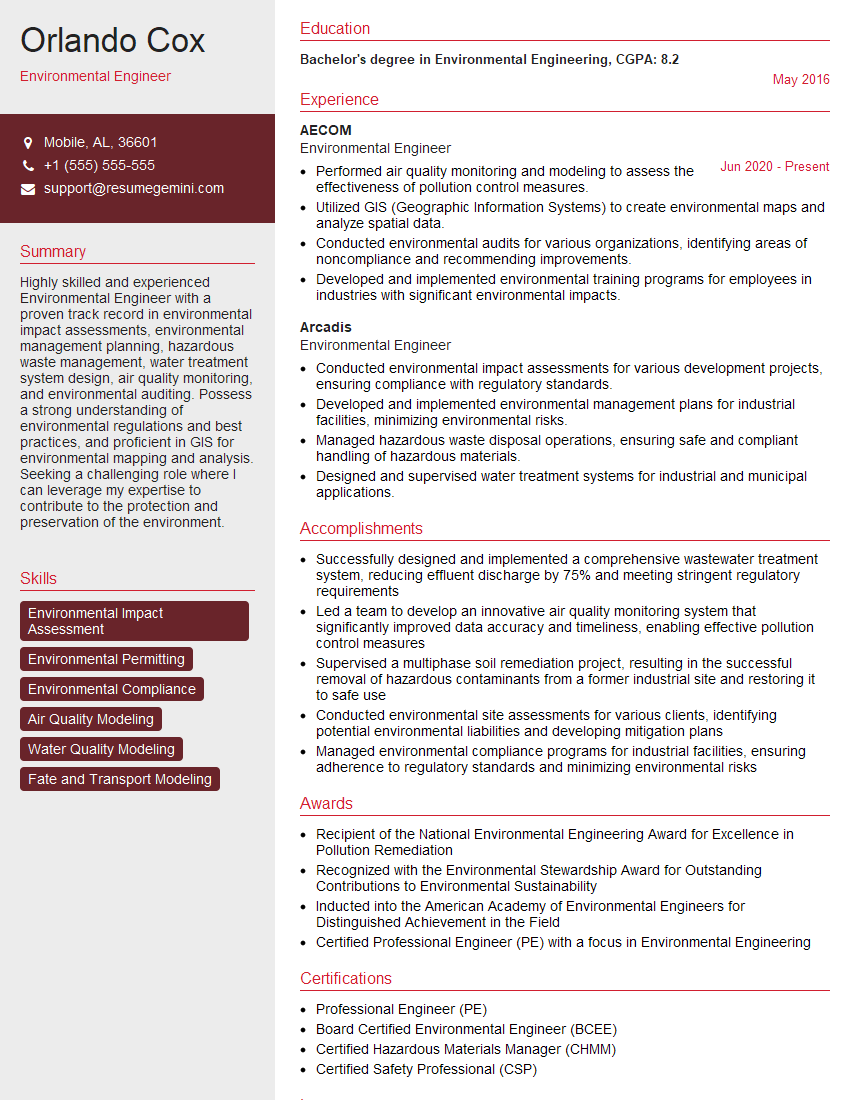
Environmental Engineer Resume Sample
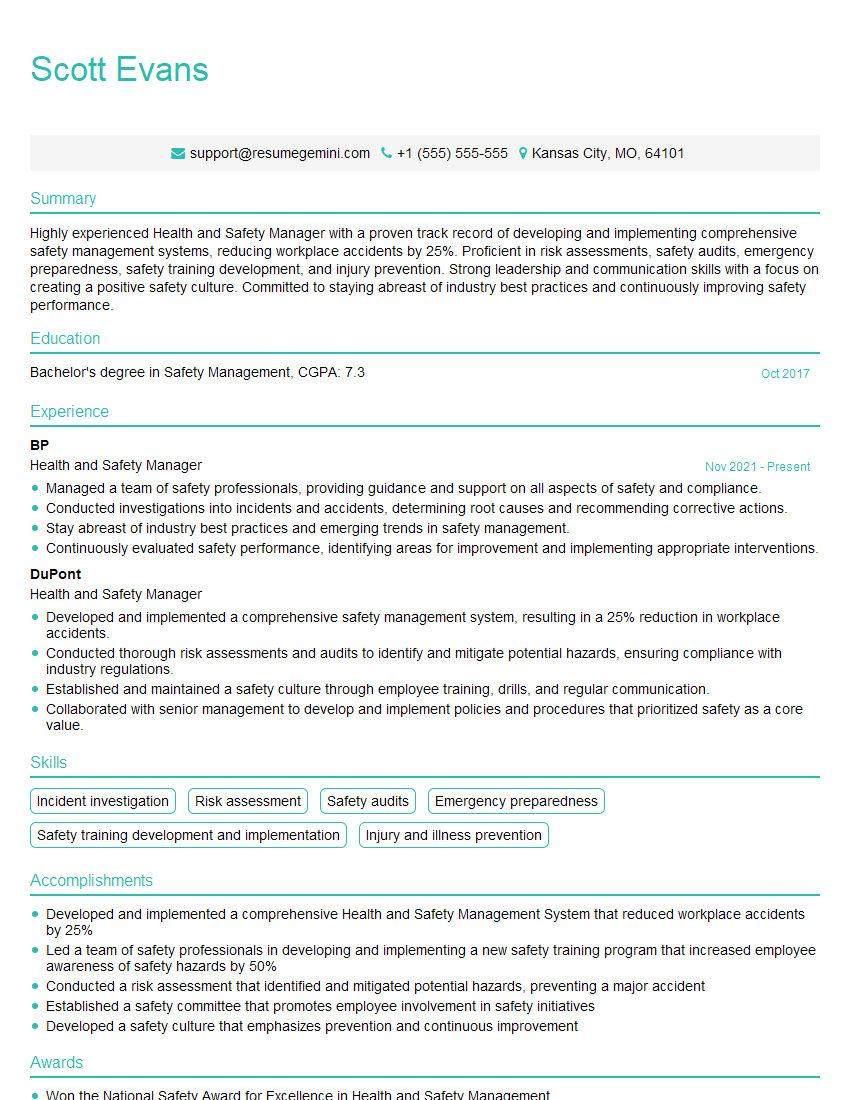
Health and Safety Manager Resume Sample
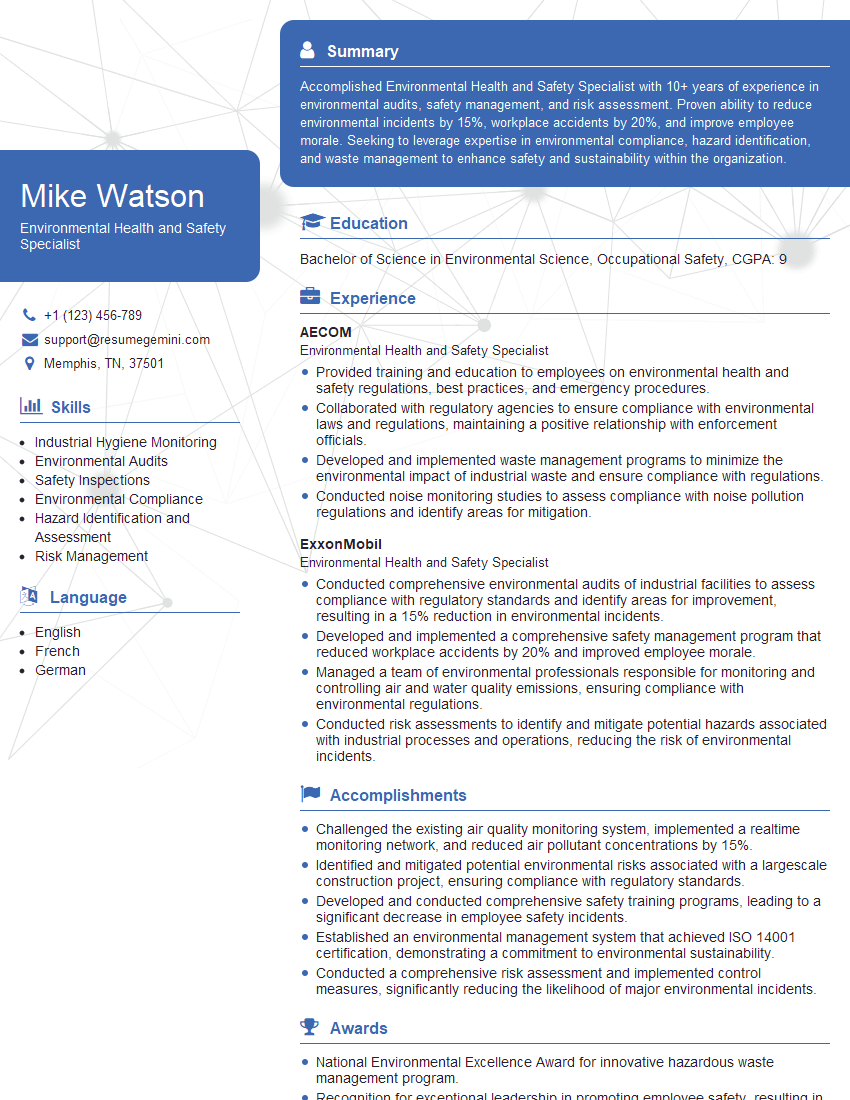
Environmental Health and Safety Specialist Resume Sample
- Sustainability Manager
- Compliance Manager
- Regulatory Compliance Officer
- Environmental Remediation Specialist
- Environmental Specialist
- Waste Management Specialist
- Regulatory Affairs Specialist
- Sustainability Consultant
- Sustainability Officer
- Environmental Consultant
- Environmental Engineer
- Health and Safety Manager
- Environmental Health and Safety Specialist
Explore more articles
Users Rating of Our Blogs
Share Your Experience
We value your feedback! Please rate our content and share your thoughts (optional).
What Readers Say About Our Blog
Very informative content, great job.
good