Cracking a skill-specific interview, like one for AdherenceToSafetyProtocols, requires understanding the nuances of the role. In this blog, we present the questions you’re most likely to encounter, along with insights into how to answer them effectively. Let’s ensure you’re ready to make a strong impression.
Questions Asked in AdherenceToSafetyProtocols Interview
Q 1. Describe your experience with implementing safety protocols in a high-risk environment.
Implementing safety protocols in high-risk environments, like construction sites or chemical plants, demands a multi-faceted approach. It begins with a thorough understanding of the specific hazards present. This involves comprehensive risk assessments, identifying potential dangers, and evaluating their likelihood and severity. For example, on a construction site, this might include analyzing fall hazards, electrical risks, and heavy machinery operation.
Once hazards are identified, we develop and implement control measures. This could involve engineering controls (e.g., installing guardrails), administrative controls (e.g., implementing lockout/tagout procedures), and personal protective equipment (PPE) such as hard hats, safety glasses, and harnesses. Crucially, the effectiveness of these controls must be regularly monitored and adjusted as needed. In one project, I oversaw the implementation of a new fall protection system on a skyscraper, which reduced fall-related incidents by 75% within a year. This involved not only installing the equipment but also providing extensive training and ongoing supervision to ensure proper usage.
Effective communication is vital. Safety protocols must be clearly communicated to all workers through training sessions, toolbox talks, and readily available documentation in multiple languages, if needed. Regular audits and inspections are essential to ensure ongoing compliance. Finally, a culture of safety needs to be fostered, where everyone feels empowered to report near misses and hazards without fear of retribution. This requires consistent reinforcement of safety rules and celebration of achievements in safety.
Q 2. Explain how you ensure adherence to safety regulations within a team.
Ensuring adherence to safety regulations within a team requires a combination of leadership, training, and consistent reinforcement. It starts with clearly defining roles and responsibilities, ensuring each team member understands their individual contribution to overall safety. I always emphasize that safety is everyone’s responsibility, not just the supervisor’s.
Comprehensive training is paramount. This includes both initial training and regular refresher courses, covering all relevant safety regulations and procedures. For example, I’ve led training sessions on hazard communication, confined space entry, and emergency response procedures. The training should be interactive and engaging, using real-life scenarios and case studies to enhance understanding.
Regular safety meetings, toolbox talks, and informal check-ins provide platforms for addressing concerns, reviewing recent incidents, and reinforcing safety messages. Visual aids, such as safety posters and checklists, can also significantly improve adherence. Furthermore, incorporating gamification elements, like safety awards or competitions, can boost engagement. Finally, leading by example is critical; team members are more likely to follow safety procedures if they see their leaders adhering to them diligently.
Q 3. How would you handle a situation where a team member consistently violates safety procedures?
Addressing a team member who consistently violates safety procedures requires a progressive disciplinary approach. First, I’d have a private conversation with the individual, seeking to understand the reasons behind their behavior. Are they unclear about the procedures? Do they lack the necessary training? Or is there a more serious underlying issue?
Following this discussion, I’d provide additional training or clarification if needed. If the violations persist, I’d implement progressive disciplinary actions, which may include written warnings, temporary suspension, or ultimately, termination depending on the severity of the violations and company policy. Documentation of each step in the process is critical. Every action taken should be clearly documented, including dates, times, and specific violations. The team member should be aware of the company’s safety policies and the potential consequences of non-compliance.
Involving HR and/or safety specialists is essential for navigating this process, particularly in cases involving repeated or serious violations. The goal is not simply to punish but to correct the behavior and ensure a safe work environment for everyone. In one instance, a team member repeatedly failed to use proper lockout/tagout procedures. Through a combination of retraining and increased supervision, we were able to correct this behavior.
Q 4. What methods do you utilize to identify and assess workplace hazards?
Identifying and assessing workplace hazards requires a systematic approach. It starts with conducting regular workplace inspections, involving a thorough walkthrough of the facility, paying close attention to details. I utilize a checklist approach, ensuring all critical areas are covered. This includes observing equipment, work processes, and employee behavior to identify potential hazards.
In addition to inspections, I conduct job hazard analyses (JHAs). This method involves systematically examining each step of a task to identify potential hazards associated with it. For instance, a JHA for operating a forklift would include analyzing the risk of collisions, falls, and equipment malfunctions. I also actively encourage employee participation through safety suggestion boxes and regular feedback sessions. This enables the identification of hazards that might be missed during formal inspections.
Data analysis plays a crucial role. Tracking incident reports, near misses, and worker compensation claims can reveal patterns and highlight areas needing improvement. Utilizing this data, we can prioritize our hazard mitigation efforts effectively. For example, a spike in hand injuries might indicate a need for improved hand protection training or better equipment design.
Q 5. Describe your experience with conducting safety audits and inspections.
Conducting safety audits and inspections involves a detailed and methodical review of safety practices, procedures, and equipment within a workplace. These are not simply walk-throughs; they require a deep understanding of relevant safety regulations and industry best practices. My approach typically involves developing a comprehensive checklist tailored to the specific environment and hazards present.
During an inspection, I would systematically verify compliance with established safety protocols, examining equipment for proper functioning and maintenance, checking for appropriate personal protective equipment (PPE), and observing worker behavior to ensure adherence to safety procedures. I also look for areas where improvements can be made, proactively identifying potential hazards before they lead to incidents. For example, a poorly maintained piece of equipment might be identified during an inspection and scheduled for repair.
Following the inspection, I compile a comprehensive report, documenting any findings, violations, and recommendations for improvement. This report is shared with relevant personnel, and a follow-up process is established to ensure corrective actions are taken. I’ve led numerous safety audits in diverse settings, resulting in significant improvements in safety performance and risk reduction.
Q 6. How do you ensure proper documentation of safety incidents and investigations?
Proper documentation of safety incidents and investigations is critical for preventing future occurrences and meeting regulatory requirements. My approach utilizes a structured system that captures all relevant information in a consistent and reliable manner. This begins with an immediate report of any incident, no matter how minor. This initial report includes details such as date, time, location, involved personnel, and a brief description of the event.
A thorough investigation follows, including gathering witness statements, reviewing relevant documentation (e.g., maintenance records, training records), and analyzing the root cause of the incident. The findings of this investigation are documented in a detailed report, including contributing factors, corrective actions, and recommendations for preventing similar events in the future. All documentation is stored securely and kept readily accessible for review.
We use a standardized reporting system to ensure consistency and completeness across all incidents. This system includes specific fields for recording essential information, simplifying the process and ensuring no critical details are overlooked. Digital tools and databases are frequently employed to facilitate efficient documentation and reporting. This organized system allows for effective tracking of incidents, identification of trends, and implementation of targeted preventative measures.
Q 7. Explain your familiarity with OSHA (or relevant regional) regulations.
My familiarity with OSHA (Occupational Safety and Health Administration) regulations is extensive. I understand the key standards related to hazard communication, personal protective equipment, lockout/tagout procedures, fall protection, confined space entry, and many others. I regularly stay updated on revisions and new regulations through professional development courses, industry publications, and direct engagement with OSHA resources.
I understand that OSHA’s role is to ensure safe and healthful working conditions for all employees by setting and enforcing standards and providing training, outreach, education, and assistance. Knowing these regulations allows me to create and implement safety programs that are compliant and effective. For instance, I am well-versed in OSHA’s requirements for hazard communication, ensuring that all chemicals are properly labeled, safety data sheets are accessible, and employees are properly trained on handling hazardous materials.
Furthermore, I’m proficient in using OSHA resources such as their website and publications to access current standards, guidelines, and training materials. Understanding OSHA regulations not only ensures legal compliance but also enhances my ability to create a safer working environment for all team members.
Q 8. How do you communicate safety information effectively to diverse workgroups?
Effective communication of safety information across diverse workgroups requires a multi-faceted approach. It’s not enough to simply post a notice; you need to ensure the message is understood and acted upon by everyone, regardless of their language skills, literacy levels, or cultural background.
- Tailor your message: Use simple language, avoiding jargon. Employ visual aids like pictograms and videos alongside written materials. For multilingual teams, provide translations in all relevant languages.
- Choose the right medium: Consider your audience. A toolbox talk might be best for a small team, while a company-wide email or safety meeting is needed for larger announcements. Interactive training modules can improve engagement and retention.
- Engage actively: Encourage questions and feedback. This demonstrates your commitment to safety and helps identify potential misunderstandings. Conduct regular safety briefings and discussions, making them interactive and relevant to the specific tasks employees are performing.
- Use multiple channels: Combine different methods – posters, emails, safety meetings, toolbox talks, and interactive training – to reinforce the message and reach everyone.
For example, in a construction setting with a largely non-English speaking workforce, I would use a combination of visual safety posters with pictograms, short training videos with subtitles, and hands-on demonstrations by supervisors who speak the workers’ native languages.
Q 9. Describe your experience with developing and delivering safety training programs.
I have extensive experience developing and delivering safety training programs, ranging from basic hazard awareness to specialized training for high-risk tasks. My approach is to create engaging and interactive programs that are tailored to the specific needs and roles of the participants.
In one instance, I developed a comprehensive training program for a manufacturing facility focused on lockout/tagout procedures. This involved creating a detailed curriculum, sourcing relevant training materials, and conducting hands-on training sessions with simulated equipment. The program incorporated interactive elements like quizzes and realistic scenarios to enhance learning and retention.
Another project involved developing online safety modules for remote workers. These modules included interactive elements, short videos, and assessments to ensure understanding and compliance. The online format allowed for flexible learning and accessibility, catering to geographically dispersed teams.
My training programs always follow a structured methodology, encompassing needs analysis, program design, delivery, evaluation, and continuous improvement. I use a variety of teaching methods, including lectures, demonstrations, role-playing, and simulations, to keep trainees engaged and promote active learning.
Q 10. How do you ensure the effectiveness of your safety training programs?
Ensuring the effectiveness of safety training programs requires a robust evaluation process. It’s not enough to simply deliver the training; you must measure its impact and make adjustments as needed.
- Pre- and post-training assessments: These help measure knowledge gained and identify areas needing improvement.
- Observation of on-the-job performance: Supervisors should observe employees applying the learned safety procedures in their daily work.
- Feedback mechanisms: Gather feedback from participants through surveys, focus groups, or informal discussions to identify areas for enhancement.
- Incident rate tracking: A reduction in workplace incidents related to the training topic is a key indicator of success.
- Regular program updates: Training programs must be reviewed and updated regularly to reflect changes in regulations, technology, and workplace practices.
For instance, after delivering a training program on forklift safety, I would track the number of near misses and accidents involving forklifts. A significant decrease would indicate the training’s effectiveness, while a lack of improvement would signal a need to revisit the training materials, delivery methods, or even the program’s overall design.
Q 11. How would you respond to an emergency situation in the workplace?
Responding to an emergency situation requires a calm and methodical approach. My response would be guided by the workplace’s emergency response plan, which should be clearly communicated and regularly practiced.
My immediate actions would involve:
- Assessing the situation: Identifying the nature and extent of the emergency, and any immediate threats to personnel.
- Ensuring personal safety: Taking steps to protect myself and others from further harm.
- Alerting emergency services: Calling emergency numbers and providing accurate information about the location, nature of the emergency, and number of casualties (if any).
- Evacuating or sheltering in place: Following established procedures depending on the type of emergency.
- Providing first aid: If qualified, providing appropriate first aid to injured individuals until paramedics arrive.
- Cooperating with emergency responders: Guiding responders to the scene and providing relevant information.
- Securing the area: Once the immediate danger has passed, securing the area to prevent further incidents.
Following the emergency, a thorough post-incident investigation would be conducted to identify contributing factors and implement corrective actions to prevent similar incidents in the future.
Q 12. Describe your experience with incident reporting and investigation.
My experience with incident reporting and investigation involves a systematic approach, emphasizing accuracy, thoroughness, and objectivity. The goal is not simply to assign blame but to understand the root causes of the incident and to implement corrective actions to prevent recurrence.
My process typically includes:
- Immediate response: Securing the scene and providing necessary first aid.
- Gathering evidence: Taking photographs, collecting witness statements, and reviewing relevant documentation (e.g., safety permits, equipment logs).
- Conducting interviews: Interviewing all involved parties and witnesses in a neutral and objective manner.
- Analyzing data: Identifying contributing factors, including unsafe acts, unsafe conditions, and underlying systemic issues.
- Developing corrective actions: Implementing measures to eliminate or mitigate identified hazards and prevent future incidents.
- Documenting the investigation: Creating a comprehensive report that details the findings and recommendations.
- Follow-up: Monitoring the effectiveness of the corrective actions and making any necessary adjustments.
I have used various investigation techniques, including fault tree analysis and the ‘5 Whys’ method, to systematically identify root causes. For example, in a near-miss incident involving a dropped object, I’d use the ‘5 Whys’ to delve into the reasons behind the drop, potentially uncovering issues such as inadequate training, poor housekeeping, or equipment malfunction.
Q 13. How do you ensure compliance with safety regulations in a fast-paced work environment?
Ensuring compliance in a fast-paced environment requires proactive measures and a strong safety culture. It’s not about simply checking boxes but about embedding safety into the very fabric of the organization.
- Clearly defined roles and responsibilities: Everyone should understand their responsibilities for safety.
- Regular safety audits and inspections: Identify potential hazards and non-compliance issues proactively.
- Leading indicators: Monitor metrics like near misses and safety observation reports to predict potential problems before they escalate.
- Real-time feedback mechanisms: Encourage employees to report safety concerns immediately through various channels.
- Employee involvement: Engage employees in safety initiatives, fostering a sense of ownership and responsibility.
- Continuous improvement: Regularly review safety procedures and practices to ensure effectiveness and adapt to changing circumstances.
For instance, in a fast-paced manufacturing facility, I might implement a system of daily safety checks conducted by team leaders, combined with weekly safety meetings to address emerging concerns and reinforce best practices. Regular safety audits would ensure compliance with regulations and identify areas for improvement.
Q 14. Explain your understanding of risk assessment methodologies.
Risk assessment methodologies are crucial for identifying and mitigating potential hazards. A thorough risk assessment helps prioritize safety efforts and allocate resources effectively.
Several methodologies exist, including:
- Qualitative risk assessment: Uses subjective judgment and scales to assess the likelihood and severity of hazards. This approach is often quicker and simpler, useful for preliminary assessments or where data is limited.
- Quantitative risk assessment: Uses numerical data to determine the probability and consequences of hazards. This approach provides a more precise estimation of risk but requires more data and analysis.
- HAZOP (Hazard and Operability Study): A structured, systematic technique used to identify potential hazards in complex systems. It involves a team brainstorming possible deviations from intended operations.
- What-if analysis: A brainstorming technique that asks ‘What if?’ questions to identify potential hazards.
Regardless of the chosen methodology, a risk assessment generally follows these steps:
- Identifying hazards: Identifying potential sources of harm.
- Assessing likelihood: Determining the probability of each hazard occurring.
- Assessing severity: Evaluating the potential consequences of each hazard.
- Determining risk level: Combining likelihood and severity to determine an overall risk level.
- Implementing control measures: Developing and implementing measures to eliminate or reduce risks.
- Monitoring and review: Regularly reviewing and updating the risk assessment.
For example, a risk assessment for a construction site might involve identifying hazards such as falls from height, equipment malfunctions, and contact with electricity. Each hazard’s likelihood and severity would be assessed, leading to the implementation of appropriate control measures, such as safety harnesses, regular equipment inspections, and safe work practices.
Q 15. How do you prioritize safety risks and allocate resources effectively?
Prioritizing safety risks and allocating resources effectively involves a systematic approach. It’s not simply about addressing the most immediately apparent dangers; it’s about understanding the likelihood and potential severity of each risk. I utilize a risk assessment matrix, often a combination of qualitative and quantitative methods. This matrix typically uses a scale for both the probability of an incident occurring and the severity of the consequences. Multiplying the probability and severity scores yields a risk priority number (RPN). Higher RPN values indicate higher-priority risks demanding immediate attention and greater resource allocation.
For example, a low probability, high severity risk (like a catastrophic equipment failure) might have a high RPN despite the low likelihood, demanding preventative maintenance and redundancy measures. Conversely, a high probability, low severity risk (like minor slips and falls) might have a lower RPN, but still needs attention through improvements in housekeeping and employee training. Following the risk assessment, resources are allocated proportionally to the RPN, ensuring that the highest-priority risks receive the necessary funding, personnel, and time.
Resource allocation isn’t just about money; it also includes personnel time, training programs, and the purchase of safety equipment. Regular review and updating of the risk assessment matrix is crucial to ensure that the allocation remains relevant and effective.
Career Expert Tips:
- Ace those interviews! Prepare effectively by reviewing the Top 50 Most Common Interview Questions on ResumeGemini.
- Navigate your job search with confidence! Explore a wide range of Career Tips on ResumeGemini. Learn about common challenges and recommendations to overcome them.
- Craft the perfect resume! Master the Art of Resume Writing with ResumeGemini’s guide. Showcase your unique qualifications and achievements effectively.
- Don’t miss out on holiday savings! Build your dream resume with ResumeGemini’s ATS optimized templates.
Q 16. What are your strategies for promoting a strong safety culture within a team?
Building a strong safety culture is paramount. It’s not simply about rules and regulations; it’s about fostering a shared commitment to safety at all levels. My strategy involves several key components:
- Leadership commitment: Visible and active leadership support is essential. Leaders must actively champion safety, setting the tone from the top and leading by example.
- Open communication: Establishing a culture where employees feel comfortable reporting hazards, near misses, and incidents without fear of reprisal is critical. This involves regular safety meetings, suggestion boxes, and anonymous reporting systems.
- Employee empowerment: Empowering employees to stop work if they identify an unsafe condition is vital. This requires training and clear procedures for reporting and addressing safety concerns.
- Training and education: Comprehensive safety training programs tailored to specific roles and risks are fundamental. Regular refresher courses and simulations keep safety knowledge current and promote continuous learning.
- Recognition and reward: Recognizing and rewarding safe work practices reinforces positive behavior and motivates employees to maintain high safety standards. This can involve formal awards, informal praise, or simply highlighting successes in team meetings.
I’ve found that involving employees in the development and implementation of safety programs increases buy-in and commitment. A successful safety culture is a collaborative effort, not a top-down imposition.
Q 17. How do you handle conflicts related to safety procedures?
Conflicts regarding safety procedures are inevitable. My approach focuses on collaborative problem-solving and de-escalation. First, I listen actively to all parties involved, ensuring each person feels heard and understood. It’s crucial to avoid judgment and create a safe space for open dialogue. Next, I identify the root cause of the conflict; is it a misunderstanding of the procedure, a disagreement on its effectiveness, or a personal conflict? Once the root cause is identified, I facilitate a discussion to find a mutually agreeable solution. This may involve reviewing the safety procedure, conducting additional training, or adjusting the procedure based on feedback.
If the conflict involves a violation of safety rules, disciplinary action may be necessary, but it should always be fair, consistent, and documented. Above all, the focus remains on preventing future incidents, not just addressing the immediate conflict. This process often involves finding a balance between maintaining safety standards and fostering respectful communication.
Q 18. Describe your experience with using safety management systems (SMS).
I have extensive experience with Safety Management Systems (SMS), including their implementation, maintenance, and continuous improvement. I’ve worked with various SMS frameworks, adapting them to suit the specific needs of different organizations. A typical SMS involves a cyclical process encompassing hazard identification, risk assessment, risk mitigation, and ongoing monitoring and review.
In a previous role, I was instrumental in implementing an SMS in a manufacturing facility. This involved conducting thorough risk assessments using tools like Failure Mode and Effects Analysis (FMEA) and developing comprehensive safety procedures. We also established a reporting system for near misses and incidents, allowing us to track trends and identify areas for improvement. Regular audits and management reviews ensured that the SMS remained effective and aligned with evolving regulations and best practices. The implementation of the SMS resulted in a significant reduction in accidents and near misses, demonstrating the effectiveness of a well-designed and implemented system.
Q 19. How familiar are you with personal protective equipment (PPE) selection and use?
My familiarity with Personal Protective Equipment (PPE) selection and use is comprehensive. Proper PPE selection is critical to minimize occupational hazards. This involves understanding the specific risks associated with each task and selecting appropriate PPE to mitigate those risks. This requires knowledge of various PPE types, their limitations, and their proper use and maintenance. The selection process usually involves a hazard assessment to identify potential hazards and then selecting PPE to protect against those hazards. For example, in a chemical handling environment, respirators, gloves, and eye protection would be necessary.
Beyond selection, proper use and maintenance are equally important. Employees need training on how to properly don, doff, inspect, and maintain their PPE. Regular inspections and replacements are necessary to ensure the effectiveness of the PPE. I am proficient in identifying and addressing compliance issues related to PPE usage and ensuring that all personnel are adequately trained and equipped.
Q 20. What is your approach to ensuring compliance with lockout/tagout procedures?
Lockout/Tagout (LOTO) procedures are essential for preventing accidental energization of equipment during maintenance or repair. My approach to ensuring compliance involves several key elements:
- Training: Comprehensive LOTO training for all authorized personnel is paramount. This training covers the procedures, the equipment used, and the importance of strict adherence to the steps.
- Standardized procedures: Clear, concise, and standardized LOTO procedures must be in place, covering all equipment. These procedures should be readily accessible to all employees.
- Regular inspections: Periodic inspections of LOTO devices and procedures ensure that everything is functioning correctly and that employees are following the established protocols.
- Audits: Regular audits by qualified personnel help identify areas for improvement and ensure consistent compliance.
- Enforcement: Consistent enforcement of LOTO procedures is vital. Any deviations must be addressed promptly and appropriately.
I’ve successfully implemented and overseen LOTO programs in various settings, always prioritizing employee safety and regulatory compliance. This includes developing and implementing robust training programs, conducting regular audits, and addressing any non-compliance issues promptly and effectively.
Q 21. Describe your experience with hazard communication programs.
Hazard Communication programs are vital for informing employees about the potential hazards in their workplace. My experience involves developing and implementing comprehensive programs compliant with all applicable regulations (e.g., OSHA’s Hazard Communication Standard). This includes creating and maintaining Safety Data Sheets (SDS) for all hazardous chemicals, providing adequate labeling for containers, and ensuring employee training on the hazards associated with the chemicals they handle.
A key aspect is ensuring that all information is readily accessible and understandable to employees. This might involve translating information into multiple languages or using visual aids for workers with limited literacy. Training programs should be engaging, practical, and tailored to the specific hazards present in the workplace. Regular updates and reviews of the program are crucial to keep it relevant and effective, reflecting any changes in chemicals used or regulations.
In past roles, I’ve been involved in the development of comprehensive hazard communication training, including interactive modules and hands-on exercises, improving employee understanding and reducing workplace hazards significantly.
Q 22. How do you ensure the proper use and maintenance of safety equipment?
Ensuring proper use and maintenance of safety equipment is paramount to preventing accidents. This involves a multi-pronged approach encompassing training, inspection, and proactive maintenance.
Comprehensive Training: All employees must receive thorough training on the correct use, limitations, and potential hazards associated with each piece of safety equipment. This includes hands-on practice and regular refresher courses. For example, training on a respirator would include proper fitting, testing for leaks, and understanding its limitations in different environments.
Regular Inspections: A formal inspection schedule should be implemented. This involves visually inspecting equipment for wear and tear, damage, or malfunction. Documentation of these inspections is crucial for tracking maintenance and identifying potential problems early. For instance, checking a hard hat for cracks or dents before each work shift.
Preventative Maintenance: A planned maintenance schedule is essential. This involves regular servicing, calibration, and repairs as needed, ensuring equipment is always in optimal working order. This might include annual inspections and calibrations of safety instruments or monthly checks of fire extinguishers.
Clear Communication: Open communication channels are vital. Employees should be encouraged to report any equipment issues immediately, fostering a proactive safety culture. A dedicated reporting system, such as a suggestion box or online portal, can facilitate this.
Q 23. What methods do you employ to monitor and measure the effectiveness of safety programs?
Monitoring and measuring the effectiveness of safety programs requires a combination of quantitative and qualitative data. Key performance indicators (KPIs) and regular audits are crucial.
Key Performance Indicators (KPIs): Track metrics such as the number of accidents, near misses, lost-time injuries, and safety violations. Analyzing trends in these KPIs helps to identify areas needing improvement. For example, a decreasing trend in near misses suggests that safety awareness is improving.
Safety Audits: Regular safety audits, both internal and external, provide a comprehensive assessment of the effectiveness of safety programs. These audits should involve reviewing safety procedures, inspecting work areas, and interviewing employees to gather feedback. A checklist-based approach ensures consistency and completeness.
Employee Feedback: Gathering employee feedback through surveys, focus groups, or informal discussions provides valuable insights into the effectiveness of safety programs from the perspective of those who use them daily. Addressing concerns promptly demonstrates a commitment to safety.
Incident Investigation: Thorough investigation of all safety incidents, including near misses, is crucial for identifying root causes and implementing corrective actions. This helps to prevent similar incidents from happening again.
Q 24. How do you stay current with changes in safety regulations and best practices?
Staying current with changes in safety regulations and best practices is an ongoing process. It requires proactive engagement with various resources.
Professional Organizations: Membership in professional safety organizations like OSHA (Occupational Safety and Health Administration) provides access to updated regulations, best practices, and networking opportunities.
Industry Publications: Staying informed through industry publications, journals, and online resources helps to stay abreast of new technologies and evolving safety standards. Attending industry conferences and webinars further enhances knowledge.
Regulatory Websites: Regularly checking governmental websites for updates on safety regulations is essential to maintaining compliance. Understanding these changes allows for timely adjustments to company safety procedures.
Continuing Education: Participating in continuing education courses and workshops keeps safety knowledge up-to-date. This might include certifications in specific safety areas or regular training on new technologies.
Q 25. Describe a time you had to enforce a safety rule despite resistance from others.
During a construction project, a crew was consistently neglecting to wear their hard hats, despite repeated warnings. This posed a significant safety risk. I first engaged in further conversation, explaining the potential consequences of head injuries, and highlighting the company’s zero-tolerance policy. However, the behavior continued. I then had to implement stricter measures.
Clear Communication: I reiterated the company’s zero-tolerance policy, clearly explaining the potential disciplinary actions, including temporary suspension, for continued non-compliance.
Enforced Consequences: I followed through on my warnings by issuing written warnings to those who continued to disobey the safety rule. This was coupled with additional safety training.
Positive Reinforcement: Alongside stricter enforcement, I recognized and praised those who consistently followed the safety protocols. This approach helped create a more positive and safety-conscious work environment.
Ultimately, the consistent enforcement of the safety rule, coupled with positive reinforcement, led to a significant improvement in hard hat usage.
Q 26. How would you address a safety concern raised by an employee?
Addressing a safety concern raised by an employee requires a prompt, thorough, and empathetic response.
Listen Actively: The first step is to listen carefully and attentively to the employee’s concerns. Ask clarifying questions to fully understand the nature and extent of the issue.
Investigate Thoroughly: Conduct a thorough investigation of the reported safety concern. This may involve observing the work area, reviewing relevant documentation, and interviewing other employees who might have relevant information.
Implement Corrective Actions: Based on the investigation, implement appropriate corrective actions to address the safety concern. This may involve changing work procedures, providing additional training, or acquiring new safety equipment.
Communicate the Resolution: Communicate the resolution of the safety concern to the employee and potentially other relevant personnel. This demonstrates that their concern was taken seriously and that action was taken to address it.
Q 27. How do you ensure that safety is integrated into all aspects of work processes?
Integrating safety into all aspects of work processes requires a holistic approach, making safety a core value rather than an afterthought.
Job Hazard Analysis (JHA): Conducting JHAs for all tasks identifies potential hazards and develops safe work procedures. This ensures that safety is considered during the planning and design of each task.
Safety-Focused Training: Providing comprehensive and regular safety training, tailored to each job role, emphasizes the importance of safety and equips employees with the necessary skills and knowledge to work safely.
Safety in Design: Incorporating safety considerations in the design of workplaces, equipment, and processes can prevent many hazards from ever arising. Ergonomic design is a key aspect.
Management Commitment: Active leadership commitment to safety is crucial. This involves demonstrating a strong safety culture from the top down and establishing clear accountability for safety.
Regular Communication: Regular communication about safety issues, near misses, and best practices keeps safety top of mind and fosters a culture of shared responsibility.
Q 28. Explain your experience with conducting root cause analysis of safety incidents.
Root cause analysis (RCA) is a systematic process used to identify the underlying causes of safety incidents. My experience involves using various techniques such as the ‘5 Whys’ and fishbone diagrams.
Data Gathering: The first step is to gather all relevant information about the incident, including witness statements, incident reports, and any available data.
Identify Contributing Factors: Once the data is collected, the next step is to identify all factors that contributed to the incident. Techniques such as the ‘5 Whys’ method (repeatedly asking ‘why’ to uncover the root cause) are used.
Root Cause Identification: The goal is to move beyond the immediate causes of the incident to identify the underlying, systemic issues that allowed it to occur. This often requires critical thinking and problem-solving skills.
Corrective Actions: Develop and implement corrective actions to address the identified root causes. This may involve changes to procedures, equipment, training, or management systems.
Follow-up: A critical step is to follow up on the corrective actions implemented to ensure their effectiveness in preventing similar incidents from occurring in the future.
For example, in one incident involving a fall from a ladder, using the ‘5 Whys’ helped us uncover a lack of proper ladder training as the root cause, leading to the implementation of mandatory training for all personnel.
Key Topics to Learn for Adherence to Safety Protocols Interview
- Understanding Safety Regulations: Thoroughly grasp relevant industry safety standards, regulations, and legal requirements. This includes knowing the specific protocols applicable to your target role.
- Risk Assessment and Mitigation: Demonstrate your ability to identify potential hazards, assess risks, and develop effective mitigation strategies. Practice explaining your thought process in identifying and solving safety concerns.
- Implementing Safety Procedures: Discuss your experience in implementing and enforcing safety procedures. Be prepared to provide examples of how you’ve ensured compliance and addressed non-compliance.
- Safety Training and Education: Explain your understanding of the importance of safety training and how you’ve contributed to or benefited from such programs. Highlight any experience in conducting or participating in safety training initiatives.
- Incident Reporting and Investigation: Detail your familiarity with incident reporting procedures and your approach to investigating safety incidents. Be prepared to discuss your role in analyzing root causes and implementing corrective actions.
- Emergency Response Procedures: Showcase your knowledge of emergency response protocols and your ability to remain calm and effective under pressure. Prepare examples illustrating your quick thinking and decisive action in emergency situations.
- Communication and Teamwork: Emphasize the importance of clear communication and teamwork in maintaining a safe work environment. Provide examples of how you’ve collaborated with others to promote safety.
- Personal Protective Equipment (PPE): Demonstrate your understanding of the proper use, selection, and maintenance of PPE. Be able to articulate the importance of PPE in preventing injuries.
Next Steps
Mastering adherence to safety protocols is crucial for career advancement in almost any field. It showcases your commitment to a safe and productive workplace, a quality highly valued by employers. To significantly boost your job prospects, it’s vital to have an ATS-friendly resume that highlights your relevant skills and experience. We highly recommend using ResumeGemini to craft a compelling resume that effectively presents your qualifications. ResumeGemini provides tools and examples to help you create a professional resume tailored to roles emphasizing Adherence to Safety Protocols. Examples of resumes tailored to this area are available.
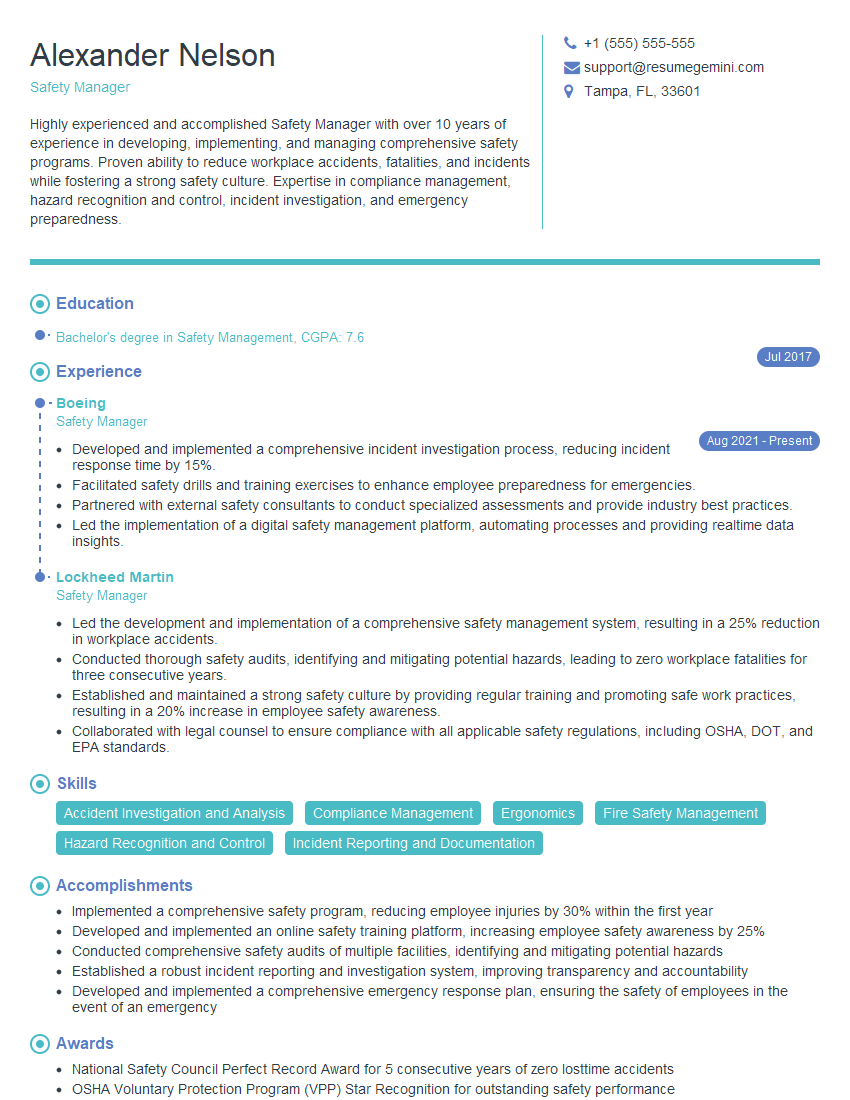
Safety Manager Resume Sample
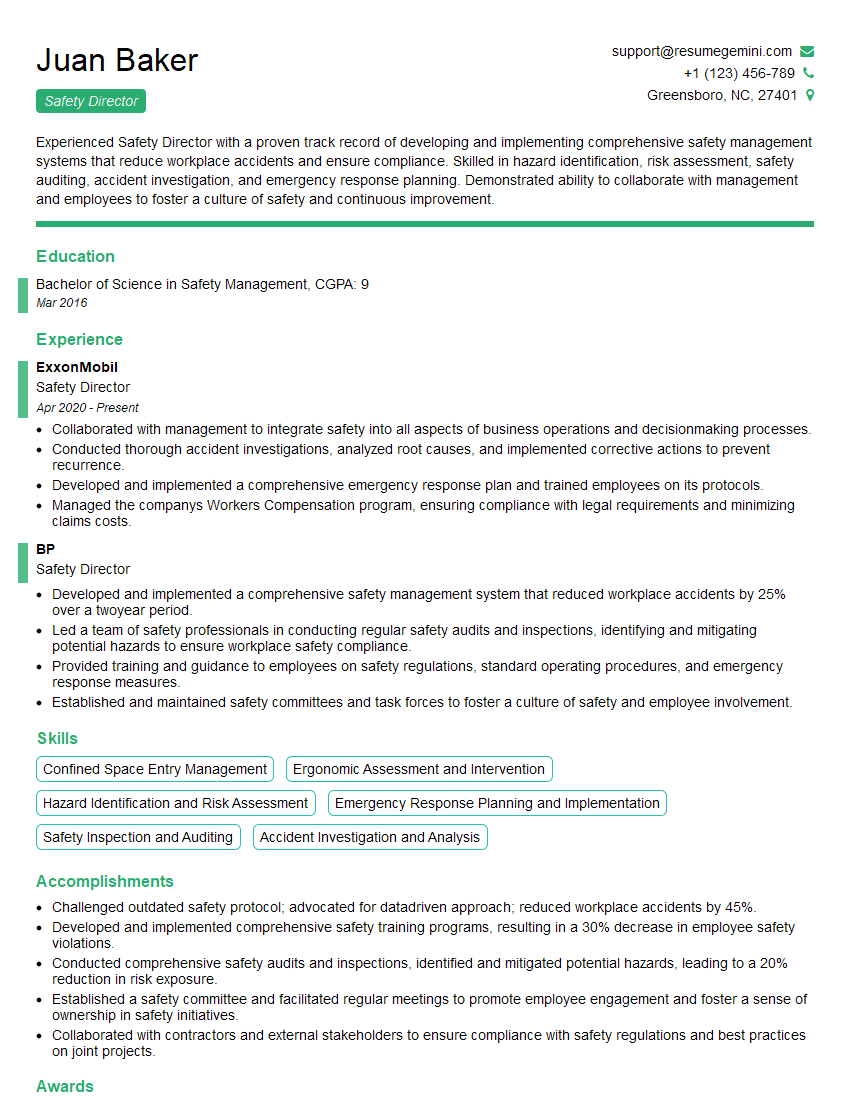
Safety Director Resume Sample
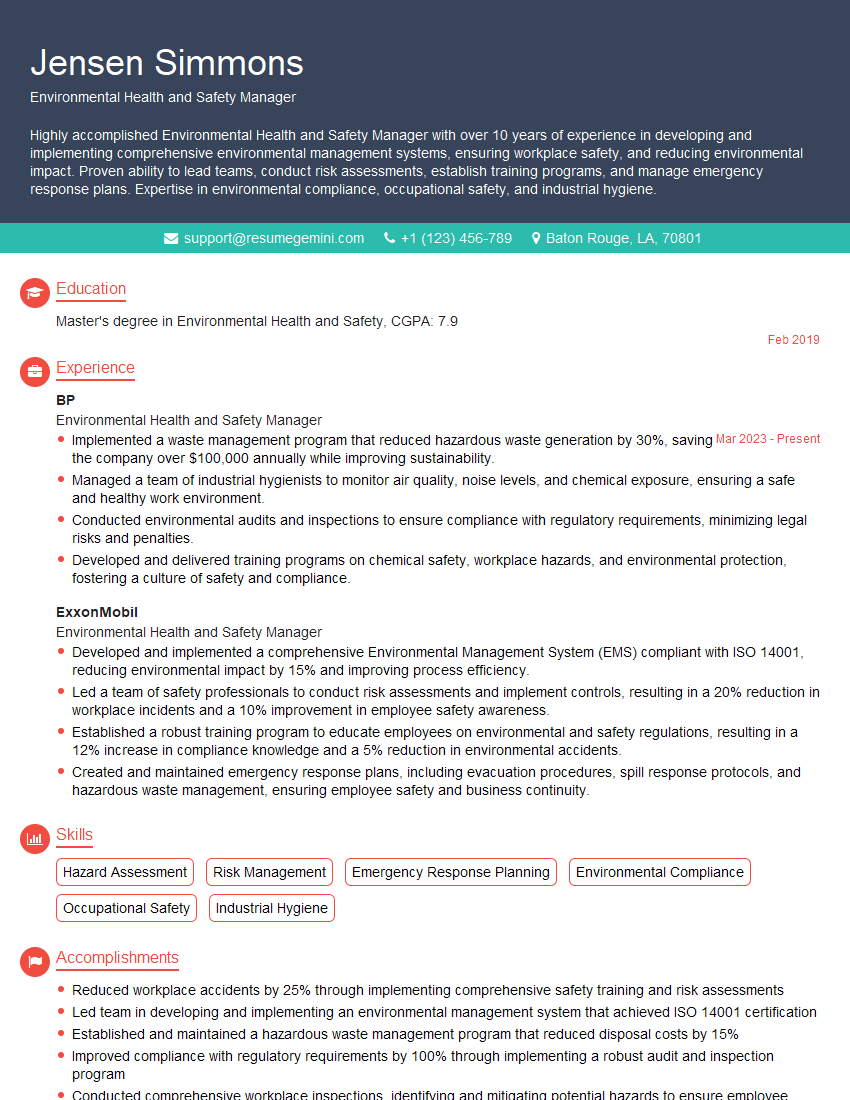
Environmental Health and Safety Manager Resume Sample
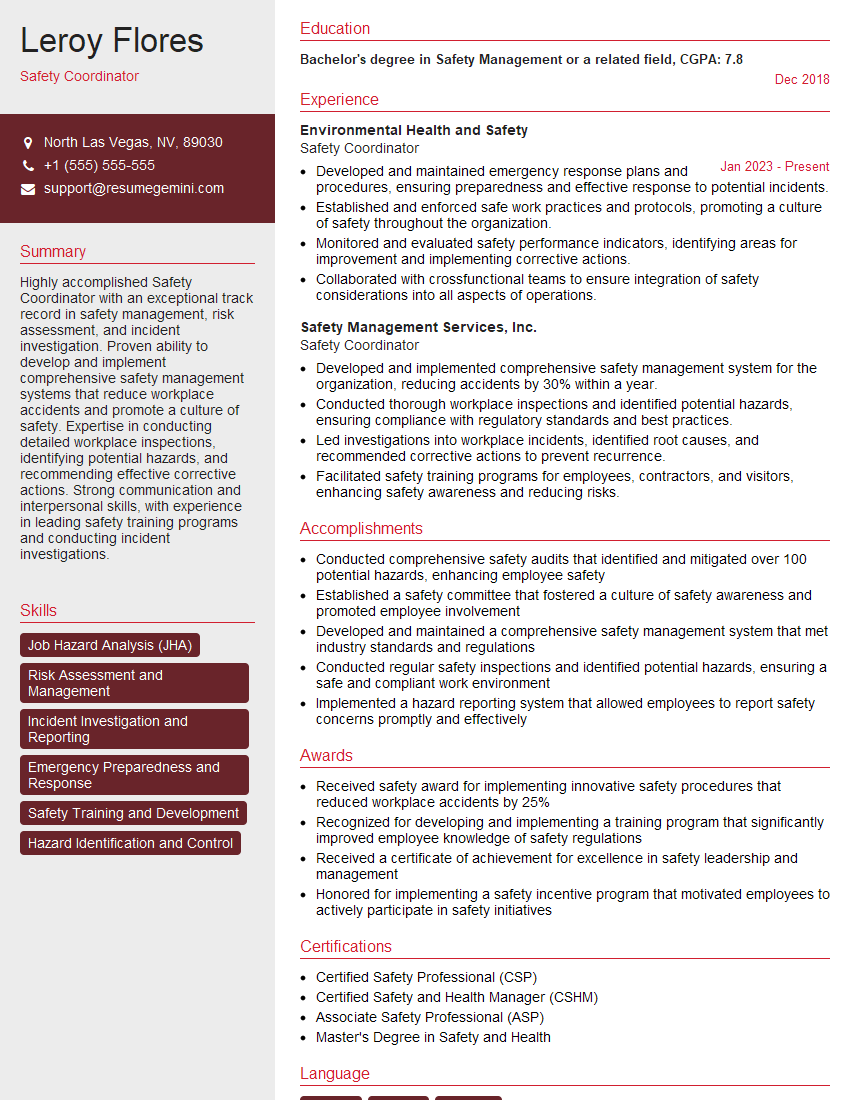
Safety Coordinator Resume Sample
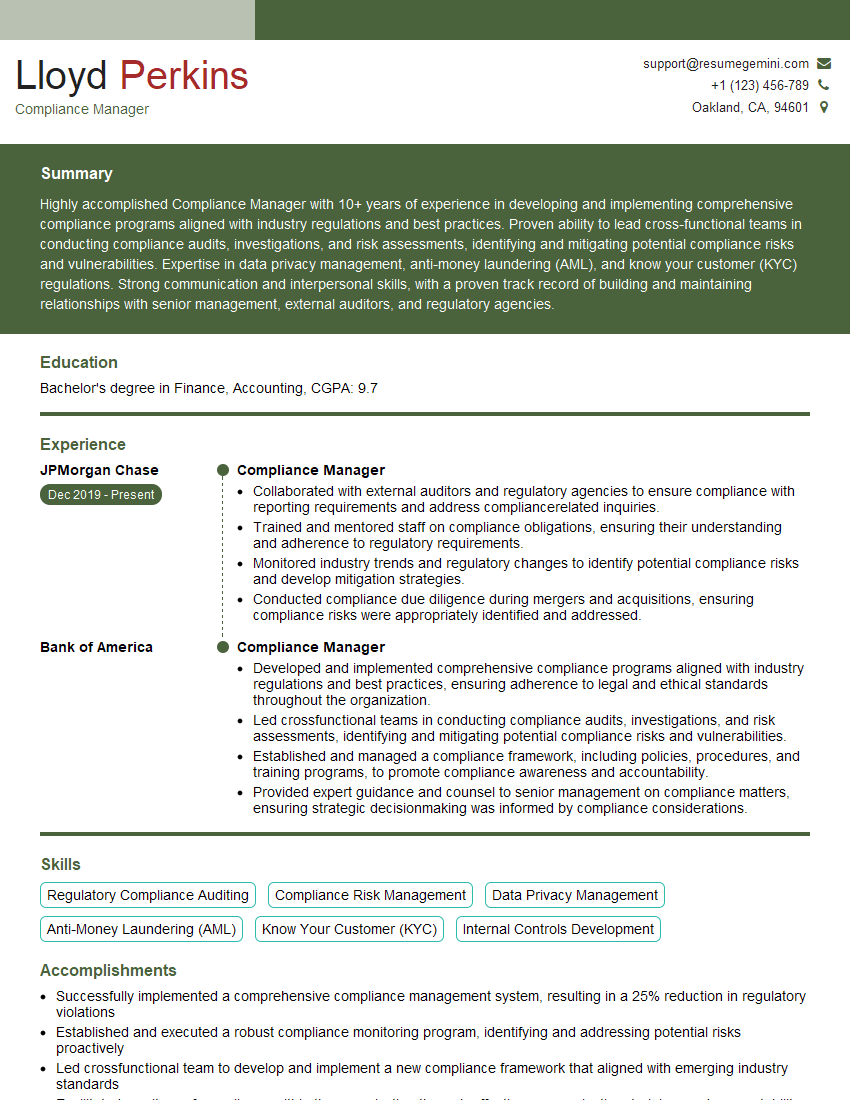
Compliance Manager Resume Sample

Compliance Officer Resume Sample
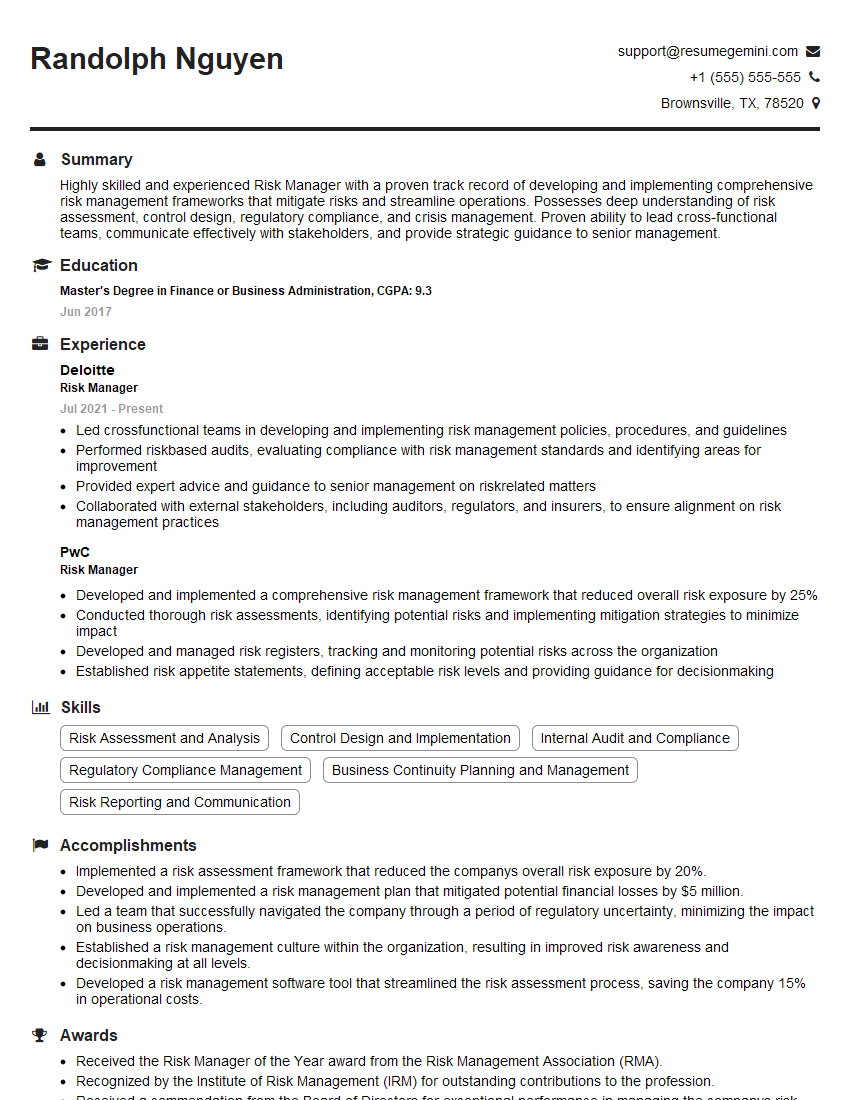
Risk Manager Resume Sample
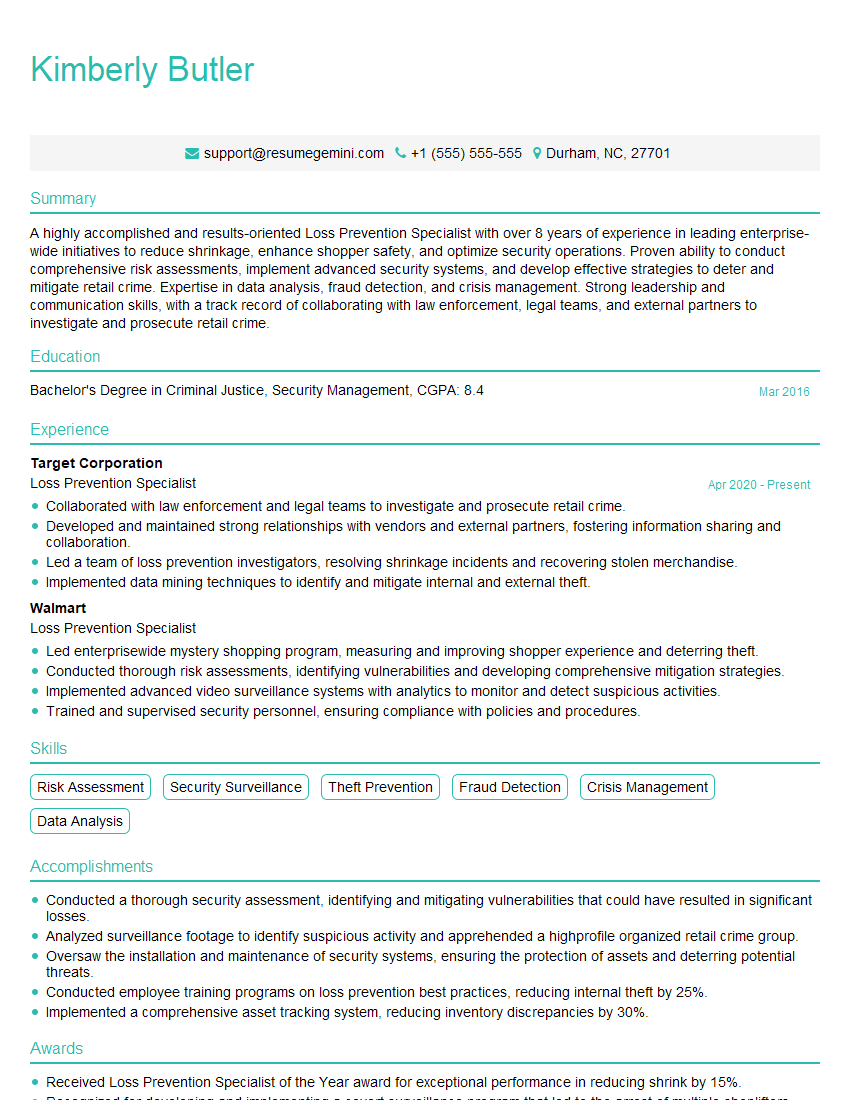
Loss Prevention Specialist Resume Sample
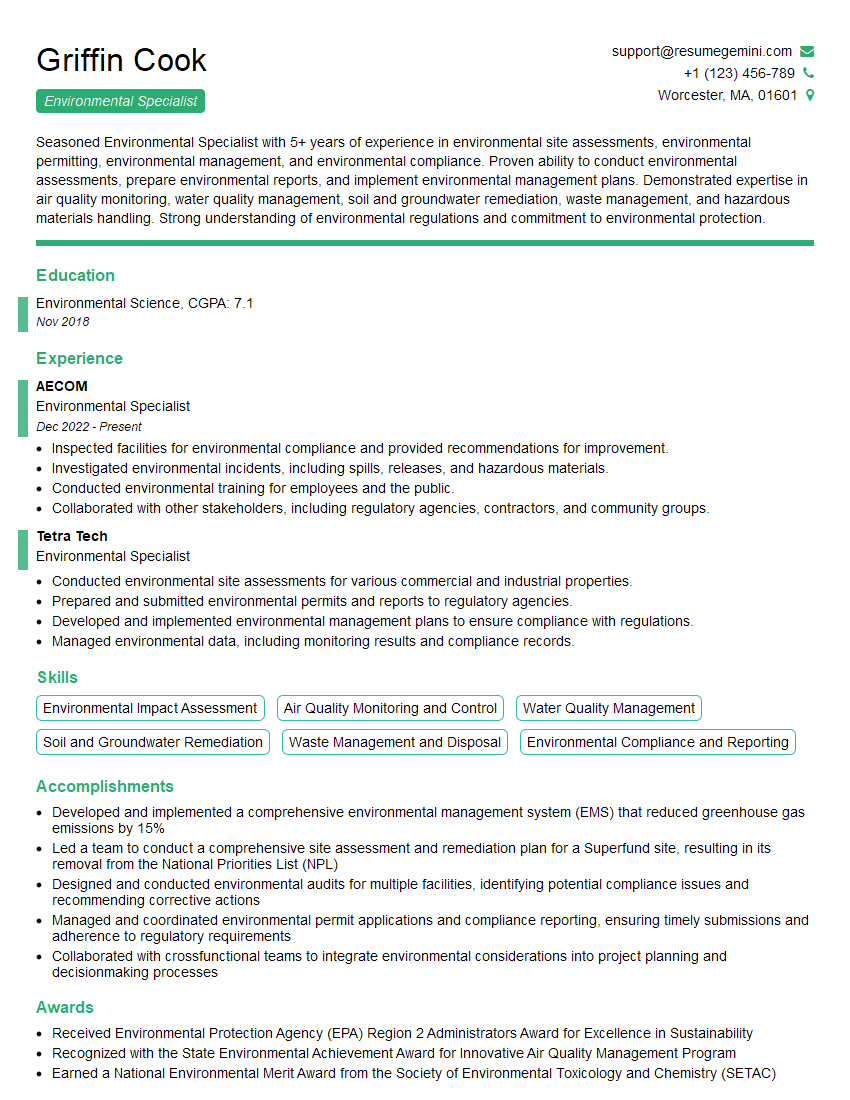
Environmental Specialist Resume Sample
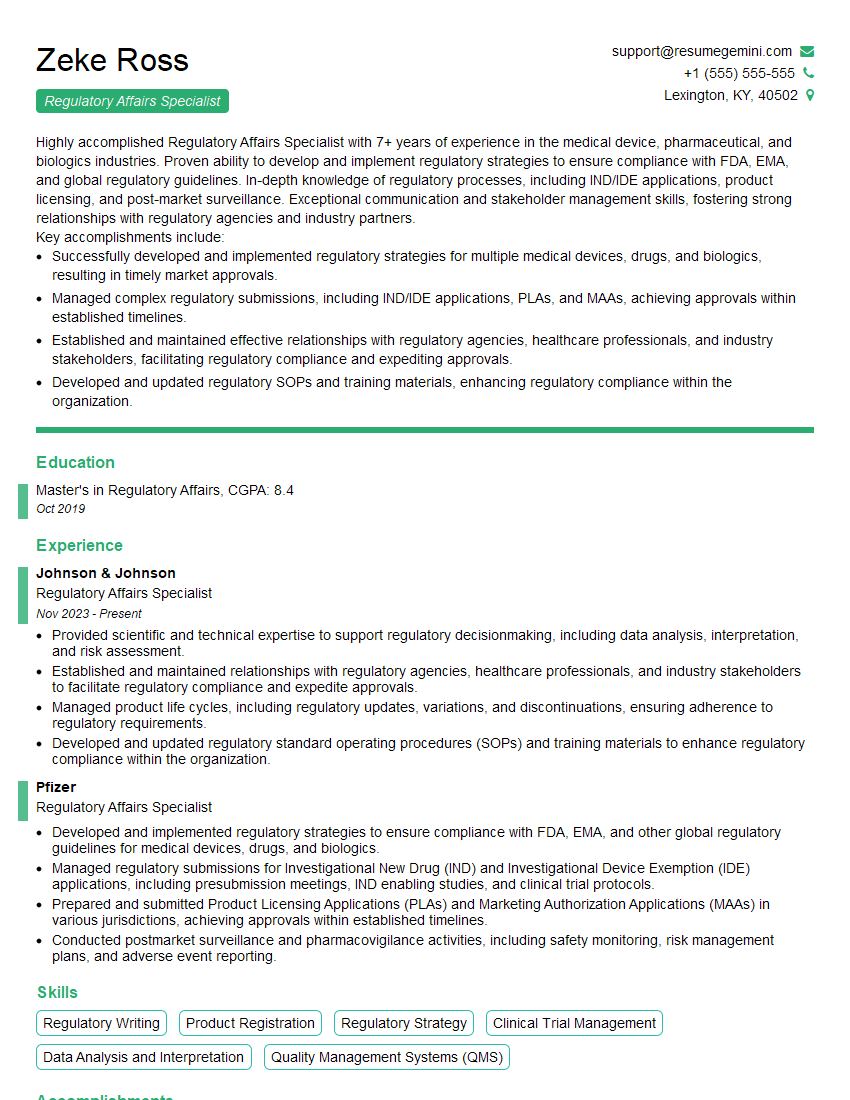
Regulatory Affairs Specialist Resume Sample
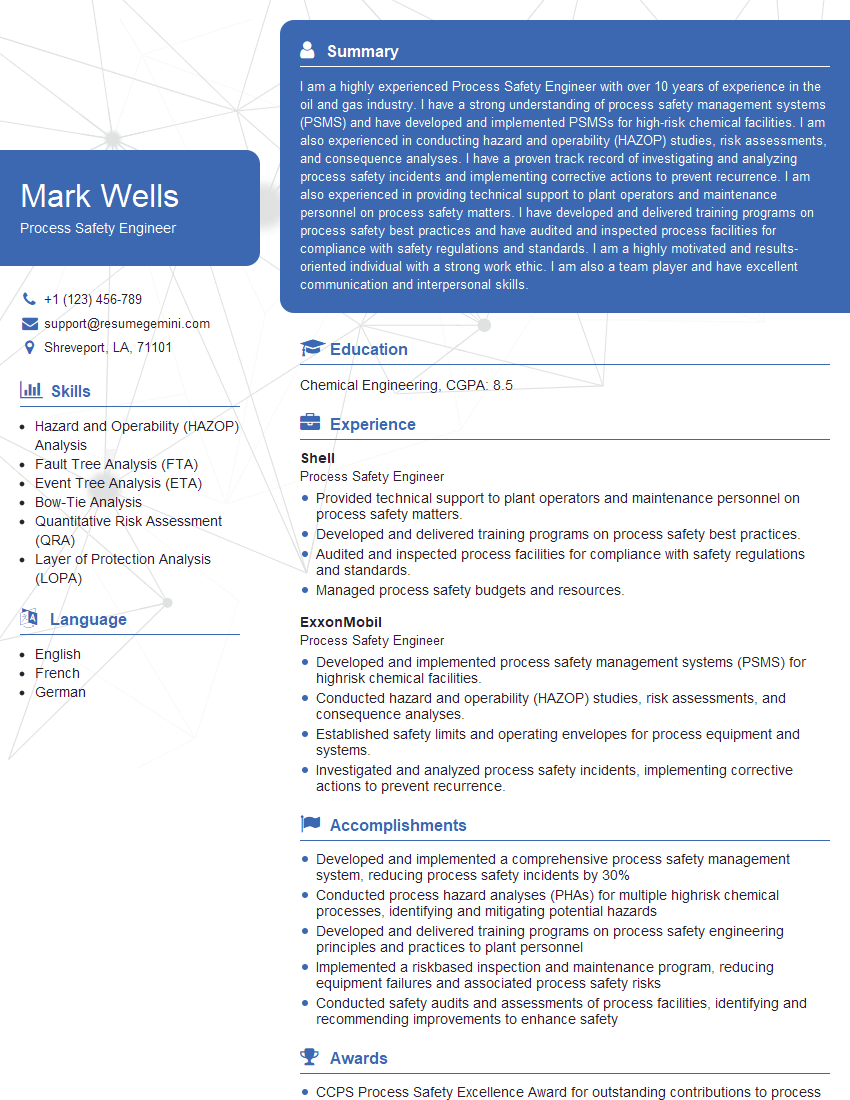
Process Safety Engineer Resume Sample
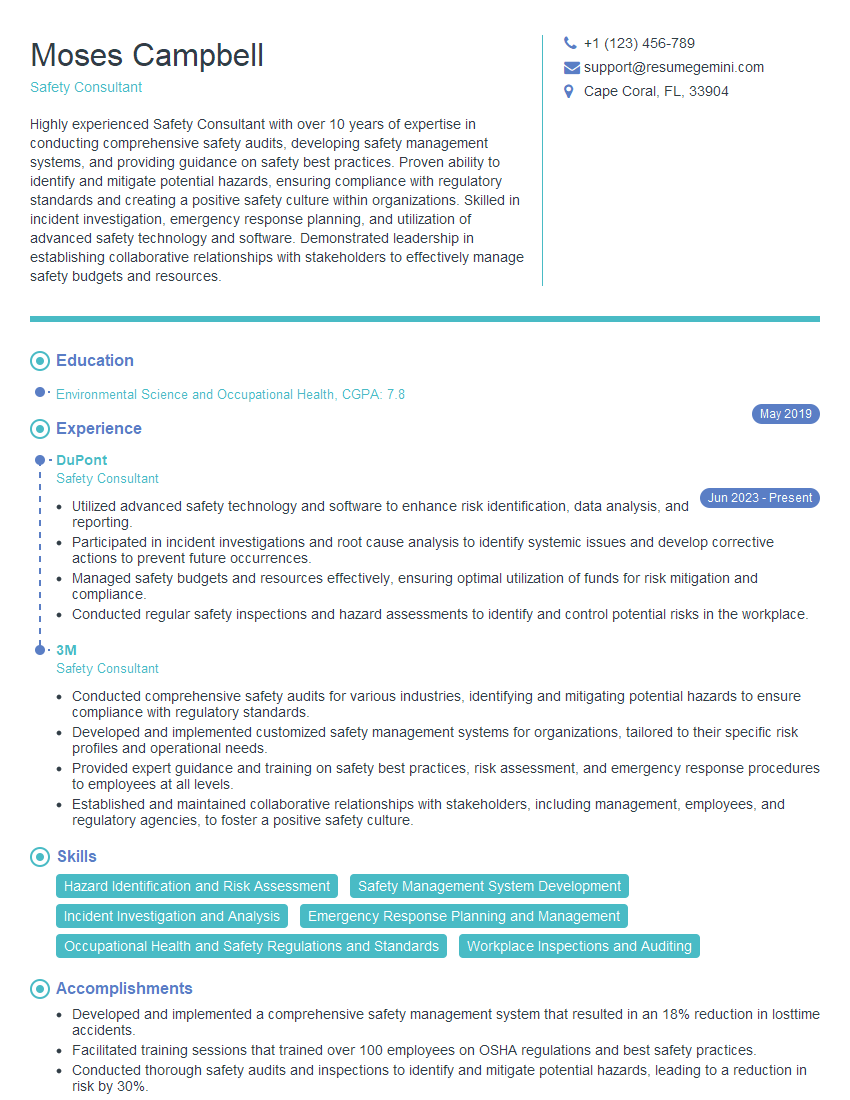
Safety Consultant Resume Sample
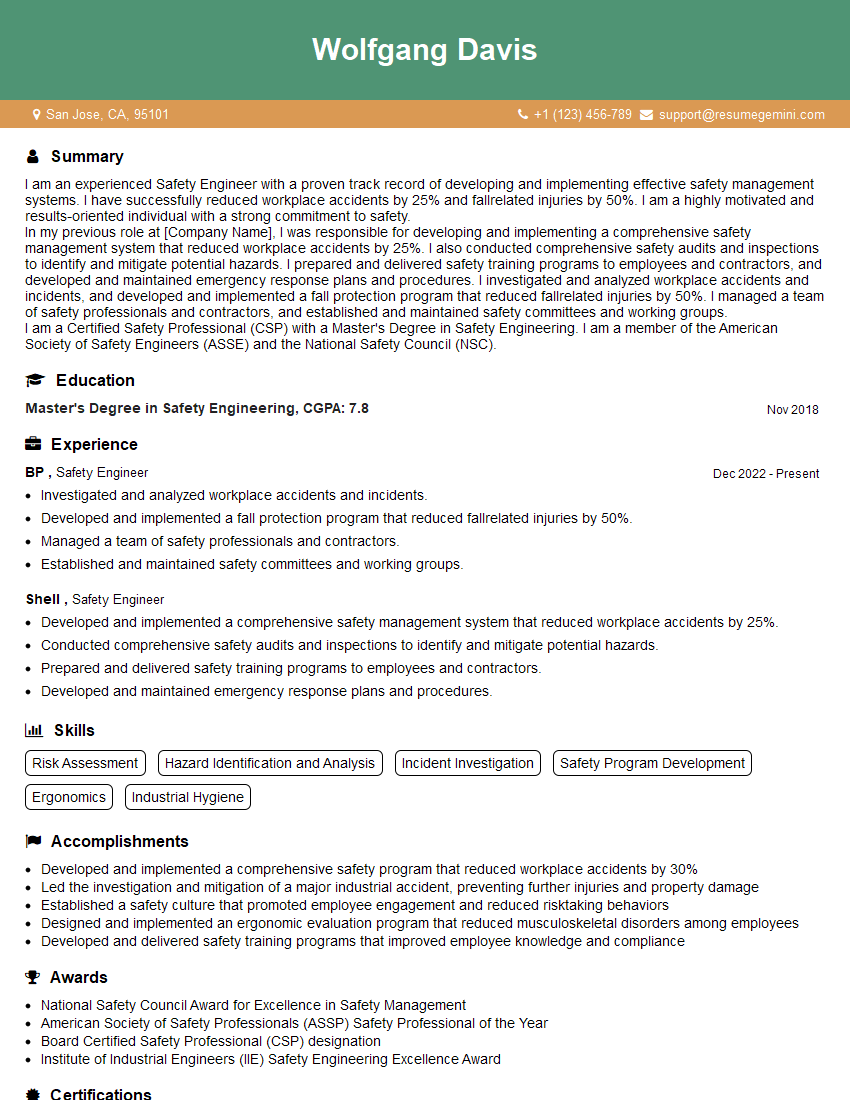
Safety Engineer Resume Sample
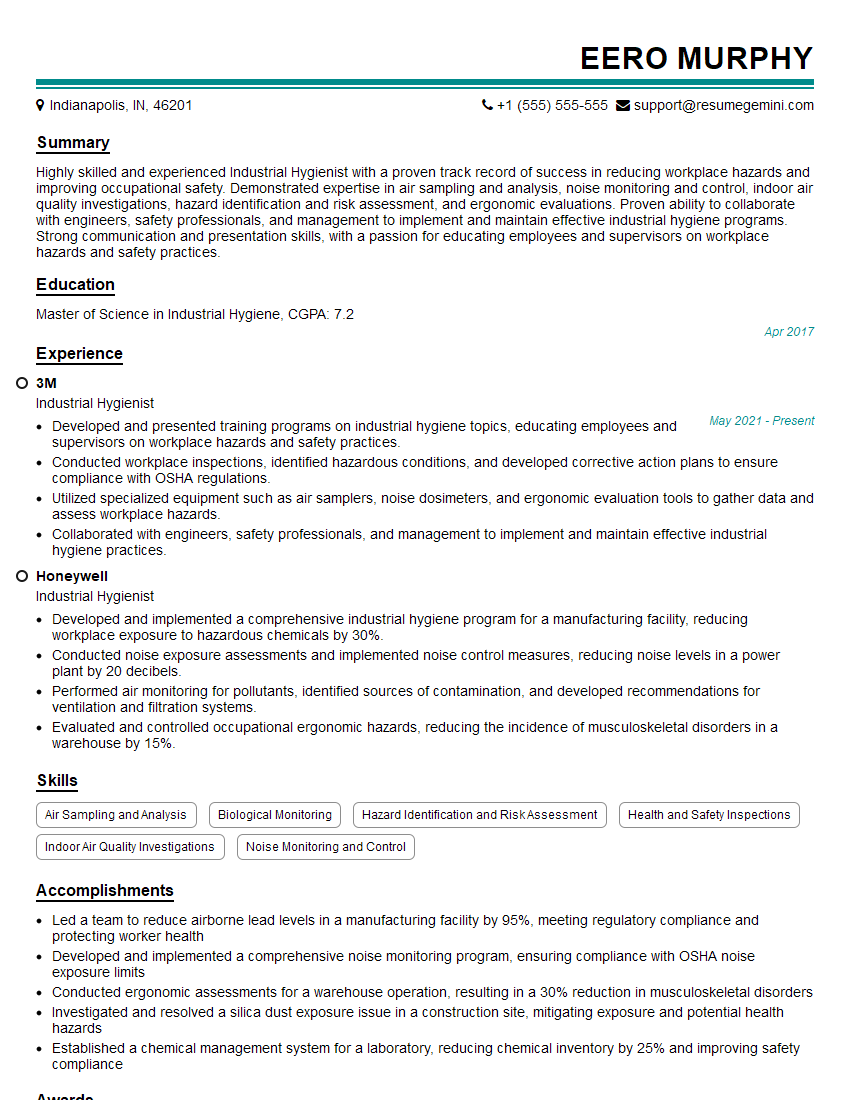
Industrial Hygienist Resume Sample
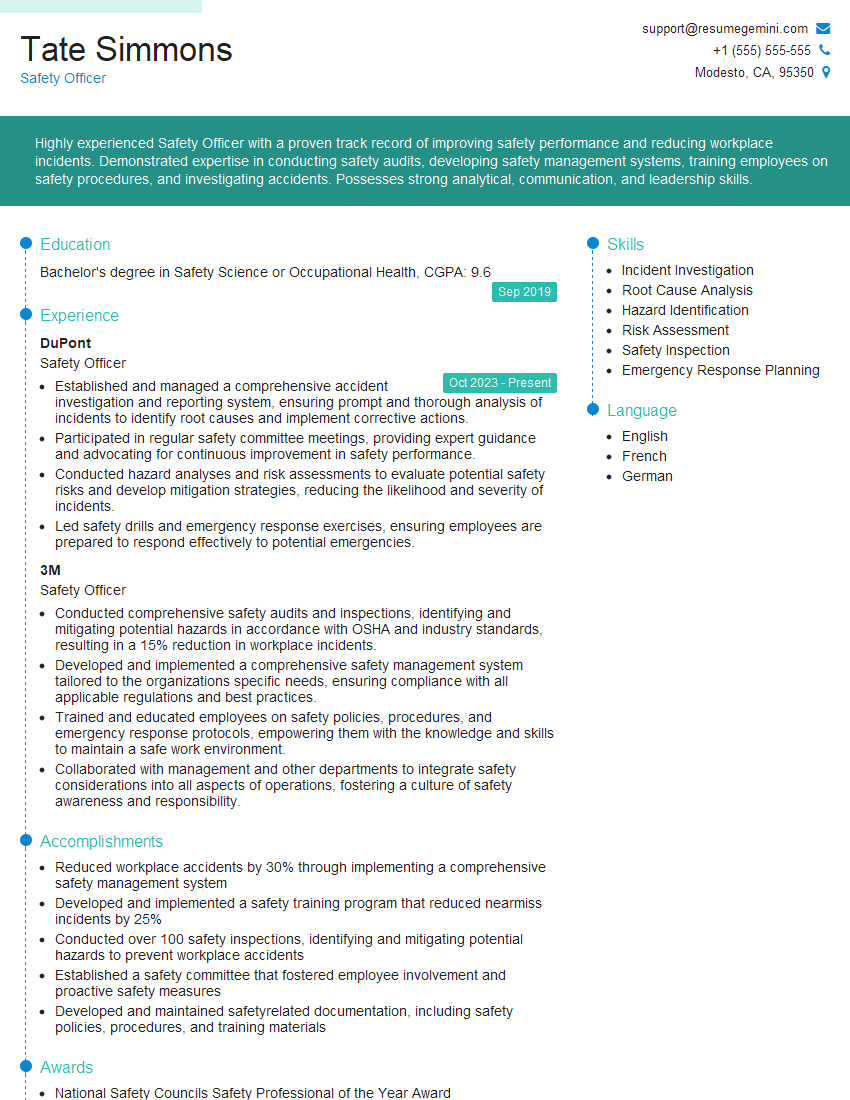
Safety Officer Resume Sample
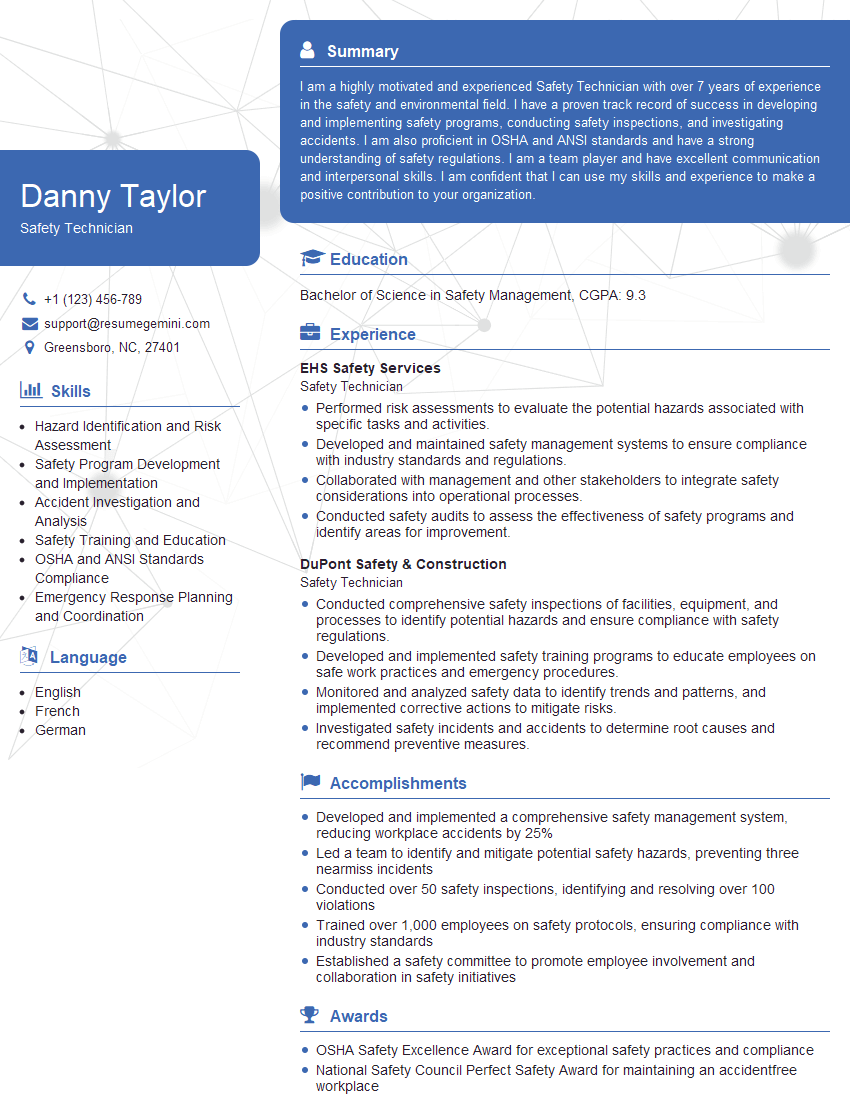
Safety Technician Resume Sample
- Safety Manager
- Safety Director
- Environmental Health and Safety Manager
- Safety Coordinator
- Compliance Manager
- Compliance Officer
- Risk Manager
- Loss Prevention Specialist
- Environmental Specialist
- Regulatory Affairs Specialist
- Process Safety Engineer
- Safety Consultant
- Safety Engineer
- Industrial Hygienist
- Safety Officer
- Safety Technician
Explore more articles
Users Rating of Our Blogs
Share Your Experience
We value your feedback! Please rate our content and share your thoughts (optional).
What Readers Say About Our Blog
Very informative content, great job.
good