Unlock your full potential by mastering the most common Adhering to Production Standards interview questions. This blog offers a deep dive into the critical topics, ensuring you’re not only prepared to answer but to excel. With these insights, you’ll approach your interview with clarity and confidence.
Questions Asked in Adhering to Production Standards Interview
Q 1. Describe your experience implementing quality control measures in a production environment.
Implementing quality control measures in a production environment is crucial for maintaining consistent product quality and minimizing defects. My approach involves a multi-pronged strategy encompassing preventative measures, in-process checks, and final product inspections.
Preventative Measures: This includes rigorous training for production staff on correct procedures, regular equipment calibration and maintenance to prevent malfunctions, and meticulous raw material inspection to eliminate substandard inputs. Think of it like a chef meticulously preparing ingredients before starting a dish – you wouldn’t start cooking with spoiled produce.
In-Process Checks: These are checkpoints strategically placed throughout the production line to identify and correct issues early. For example, in a bottling plant, we’d check fill levels at various stages of the process to catch inconsistencies before they lead to large-scale problems. This is similar to a proofreader catching typos in a manuscript before publication.
Final Product Inspections: A final quality check ensures products meet specifications before shipping. This might involve visual inspections, functional testing, or even destructive testing depending on the product. Imagine a car manufacturer performing a final check on the engine before the car leaves the factory. Statistical Process Control (SPC) charts are frequently used to track key metrics and identify trends suggesting potential quality issues.
Q 2. How do you ensure adherence to safety regulations within a production setting?
Ensuring adherence to safety regulations in a production setting is paramount, not just for legal compliance but also for the well-being of workers and the prevention of accidents. My approach centers around a culture of safety, proactive risk assessment, and robust training.
Safety Culture: This starts with leadership commitment and consistent communication of safety protocols. Regular safety meetings, readily available safety equipment, and clear signage are all crucial. We foster a culture where employees feel empowered to report hazards and near misses without fear of retribution. Think of it like a sports team emphasizing teamwork and rules to prevent injuries.
Proactive Risk Assessment: Regularly identifying and mitigating potential hazards is key. This involves thorough job hazard analyses (JHA) for each role and process, regular inspections of the work environment, and the implementation of appropriate safety controls, such as machine guarding or personal protective equipment (PPE).
Comprehensive Training: Every employee undergoes thorough safety training covering relevant regulations, emergency procedures, and the safe operation of machinery. Refresher training is provided regularly to keep knowledge current and reinforce best practices. This continual learning is critical for minimizing mistakes and maintaining a safe work environment. Think of it as the continuous learning required to become a skilled pilot.
Q 3. Explain your approach to troubleshooting production bottlenecks.
Troubleshooting production bottlenecks requires a systematic approach. My method involves identifying the bottleneck, analyzing its root cause, implementing solutions, and monitoring the results.
1. Identify the Bottleneck: This often involves analyzing production data, observing the workflow, and interviewing production personnel to pinpoint the specific area causing delays. Think of it as a detective investigating a crime scene to locate the perpetrator.
2. Analyze Root Cause: Once the bottleneck is identified, we use tools like the ‘5 Whys’ technique to delve deeper and discover the underlying reasons for the delay. Is it due to equipment malfunction, insufficient manpower, process inefficiencies, or material shortages?
3. Implement Solutions: Based on the root cause analysis, appropriate solutions are implemented. This might involve equipment upgrades, process improvements, better scheduling, or additional staffing. A software update, workflow redesign, or extra staff might be needed.
4. Monitor Results: After implementing solutions, we closely monitor key metrics (e.g., cycle time, throughput) to confirm the effectiveness of the interventions and to make any necessary adjustments. This continuous monitoring allows for adaptive problem-solving and sustained improvements.
Q 4. What metrics do you use to assess production efficiency and identify areas for improvement?
Assessing production efficiency requires a range of metrics tailored to the specific production environment. Some key metrics I use include:
- Overall Equipment Effectiveness (OEE): This metric measures the percentage of time equipment is producing good parts. It considers availability, performance, and quality.
- Throughput: This measures the total number of units produced within a specific timeframe.
- Cycle Time: The time taken to complete one production cycle.
- Defect Rate: The percentage of defective units produced.
- Labor Productivity: The amount of output per labor hour.
- Inventory Turnover: How quickly inventory is used and replenished. This helps us minimize waste from excess inventory.
By analyzing these metrics, we can identify areas where efficiency can be improved. For example, a low OEE might point to equipment reliability issues, while a high defect rate indicates quality control problems.
Q 5. Describe a time you had to balance production speed with maintaining quality standards.
In a previous role, we faced a situation where we needed to significantly increase production to meet a large, unexpected order. Initially, we focused solely on speed, cutting corners in quality checks. The result was a substantial increase in defective products, leading to customer complaints, returns, and ultimately, higher costs.
We realized that our initial approach was flawed. We implemented a revised strategy that involved streamlining the production process to eliminate unnecessary steps, improving worker training to enhance efficiency and accuracy, and reinforcing quality checks at critical points. This allowed us to increase production significantly while simultaneously maintaining acceptable quality standards. The key was finding a balance — focusing on efficiency without compromising quality.
Q 6. How do you handle discrepancies between production targets and actual output?
Discrepancies between production targets and actual output require immediate attention. My approach involves a thorough investigation to pinpoint the cause of the shortfall and implement corrective actions.
1. Investigate the Discrepancy: We analyze production data to determine the extent of the shortfall and identify any patterns or trends. This often involves comparing actual output against planned output, identifying any deviations from the schedule, and looking at potential contributing factors, such as equipment downtime, material shortages, or unexpected delays.
2. Identify Root Causes: We use root cause analysis techniques, such as the 5 Whys or fishbone diagrams, to determine the underlying reasons for the shortfall. This helps us move beyond the symptoms and address the fundamental problems.
3. Implement Corrective Actions: Based on the root cause analysis, we develop and implement corrective actions. These could include improving process efficiency, addressing equipment issues, optimizing resource allocation, or adjusting production schedules.
4. Prevent Future Discrepancies: We learn from the experience by documenting the root causes and corrective actions. This helps us prevent similar issues from occurring in the future. We might adjust production planning, improve forecasting, or implement preventative maintenance to enhance operational reliability.
Q 7. What is your experience with Lean manufacturing principles or Six Sigma methodologies?
I have extensive experience with Lean manufacturing principles and Six Sigma methodologies. Lean focuses on eliminating waste and maximizing value in the production process. Six Sigma aims to reduce defects and variability to achieve near-perfection.
Lean Manufacturing: I’ve applied Lean principles like 5S (Sort, Set in Order, Shine, Standardize, Sustain), Kaizen (continuous improvement), and value stream mapping to optimize production flows, reduce lead times, and eliminate non-value-added activities. For example, implementing 5S in a warehouse dramatically improved organization and efficiency.
Six Sigma: I’ve utilized DMAIC (Define, Measure, Analyze, Improve, Control) methodology to systematically improve processes and reduce variation. For instance, we used DMAIC to analyze a bottleneck in a packaging process, ultimately reducing defect rates by 70% by addressing a consistent equipment malfunction. My understanding of these methodologies allows me to lead teams in process improvement initiatives and contribute to a culture of continuous improvement.
Q 8. How do you ensure that all team members understand and follow production standards?
Ensuring a team understands and adheres to production standards is crucial for consistent quality and efficiency. My approach is multifaceted and focuses on clear communication, training, and ongoing reinforcement.
- Comprehensive Training: I begin with initial training that thoroughly explains each standard, using both theoretical explanations and practical demonstrations. For example, if we’re discussing safety protocols around machinery, we’d have hands-on sessions with the equipment, emphasizing proper procedures and potential hazards.
- Accessible Documentation: All standards are documented clearly and concisely, often with visuals like flowcharts and diagrams. This documentation is easily accessible to everyone on the team, either digitally or through printed copies in key locations.
- Regular Check-ins and Feedback: Consistent monitoring and feedback are vital. This can include regular team meetings to address any questions or concerns, one-on-one discussions to provide personalized guidance, and observation of actual work practices to identify areas for improvement. I encourage open communication, making it safe for team members to raise concerns without fear of reprisal.
- Gamification and Incentives: In some cases, incorporating friendly competition or incentives for adherence to standards can improve motivation and engagement. This could involve team-based recognition for consistently meeting quality targets or exceeding safety benchmarks.
By combining these methods, I aim to foster a culture where adherence to production standards isn’t just a rule, but an ingrained aspect of how we work.
Q 9. Describe your experience with production planning and scheduling software.
I have extensive experience with several production planning and scheduling software packages, including Microsoft Project, SAP Production Planning, and Oracle’s manufacturing suite. My expertise goes beyond simply using the software; I understand how to leverage these tools to optimize our production process effectively.
For example, in a previous role, we were struggling with bottlenecks in our assembly line. Using SAP Production Planning, I was able to analyze the workflow, identify the constraint (insufficient supply of a specific component), and adjust the schedule accordingly. This involved coordinating with procurement to expedite component delivery and rescheduling tasks to minimize downtime. The result was a significant improvement in throughput and a reduction in lead times.
Furthermore, I’m skilled in using these systems to generate reports that track key performance indicators (KPIs) such as on-time delivery, production efficiency, and inventory levels. This data is crucial for identifying areas that require attention and for making data-driven decisions to improve production processes.
Q 10. Explain your understanding of ISO 9001 or other relevant quality management systems.
ISO 9001 is a widely recognized international standard that outlines requirements for a quality management system (QMS). My understanding of ISO 9001 encompasses its core principles: customer focus, leadership, engagement of people, process approach, improvement, evidence-based decision making, and relationship management.
In practical terms, this means I understand the importance of documenting processes, controlling quality throughout the production cycle, regularly auditing operations to identify nonconformities, and implementing corrective and preventative actions. For example, if a defect is identified, we would not just fix the immediate problem but would investigate the root cause using tools like a fishbone diagram or 5 Whys analysis to prevent similar defects in the future. This focus on continuous improvement is a cornerstone of ISO 9001 and something I actively champion in my work.
Beyond ISO 9001, I also have experience with other quality management systems and industry-specific standards, tailoring my approach to the specific needs and requirements of each setting.
Q 11. How do you handle situations where production equipment malfunctions?
Equipment malfunction is an inevitable part of manufacturing. My approach involves a structured response to minimize disruption and ensure safety.
- Immediate Response: The first step is to shut down the affected equipment to prevent further damage or injury, ensuring the safety of personnel.
- Troubleshooting and Diagnosis: Once the situation is safe, we’ll begin troubleshooting the problem. This might involve checking sensors, power supplies, or conducting visual inspections. Depending on the complexity, this might involve calling in specialized technicians.
- Repair or Replacement: Depending on the severity of the malfunction, we will either repair the equipment or replace it with a spare, if available. Prioritization of repairs depends on the equipment’s criticality to the production process.
- Root Cause Analysis: Even after the repair is complete, we conduct a root cause analysis to understand why the failure happened. This helps prevent future occurrences and improves the overall reliability of our equipment.
- Documentation: The entire process, from initial detection to resolution, is meticulously documented. This includes the time of the malfunction, the cause of the malfunction, the repair actions taken, and the downtime incurred.
This structured approach ensures not only a swift resolution to the immediate problem but also contributes to proactive maintenance and improved equipment reliability.
Q 12. How do you identify and address potential risks to production efficiency or quality?
Identifying and mitigating risks to production efficiency and quality is a continuous process. I use a proactive approach that combines risk assessment, preventative measures, and monitoring.
- Regular Risk Assessments: I conduct regular risk assessments, involving relevant stakeholders, to identify potential hazards, both immediate and long-term. This might include factors like supply chain disruptions, equipment failures, or changes in market demand.
- Preventive Measures: Once risks are identified, we implement preventative measures to mitigate their impact. This could involve maintaining sufficient inventory levels, implementing preventative maintenance schedules, or diversifying our supply chain.
- Monitoring and Review: We continuously monitor our production process for potential issues and review the effectiveness of our risk mitigation strategies. Data analysis, including KPIs and trend analysis, plays a vital role in this process.
- Contingency Planning: For high-impact risks, we develop detailed contingency plans. This ensures we have a clear course of action in the event of an unexpected disruption. For example, we might have backup suppliers lined up for critical components.
By consistently assessing, mitigating, and monitoring risks, we strive to create a resilient production environment that can adapt to changing circumstances while maintaining high levels of efficiency and quality.
Q 13. What is your experience with root cause analysis in a production setting?
Root cause analysis is indispensable for continuous improvement in a production setting. I’m proficient in several techniques, including the 5 Whys, fishbone diagrams (Ishikawa diagrams), and fault tree analysis. My goal isn’t just to fix the immediate problem; it’s to identify the underlying cause to prevent recurrence.
For instance, let’s say we’re experiencing a high rate of defective products. Instead of just fixing the defects, we would use a root cause analysis technique like the 5 Whys. We’d ask ‘Why are the products defective?’ The answer might be ‘because the welding machine is malfunctioning.’ Then we’d ask ‘Why is the welding machine malfunctioning?’ and so on, progressively digging deeper until we reach the root cause, possibly something like inadequate maintenance or a faulty component. Once we identify the root cause, we implement corrective actions to address it permanently.
I ensure that the root cause analysis is collaborative, involving members from different departments such as engineering, quality control, and production, ensuring a holistic perspective on the issue. The outcomes are documented and used to inform improvements in our processes and training programs.
Q 14. Describe your experience in documenting and reporting production metrics.
Accurate and timely reporting of production metrics is critical for monitoring performance, identifying trends, and making informed decisions. My experience includes designing and implementing reporting systems that track key indicators such as:
- Production Output: Units produced per hour, day, week, or month.
- Efficiency: Overall equipment effectiveness (OEE), labor productivity, and material utilization.
- Quality: Defect rates, rework rates, and customer returns.
- On-Time Delivery: Percentage of orders delivered on time and within budget.
- Inventory Levels: Raw materials, work-in-progress, and finished goods.
I use various tools for data collection and reporting, including spreadsheets, databases, and specialized manufacturing execution systems (MES). I also create visually appealing dashboards that present key metrics in a concise and easily understandable format, allowing management to quickly grasp the status of production and identify areas for improvement. This data is also used to inform our production planning and scheduling, ensuring that we optimize resources and meet customer demand effectively.
Beyond simply generating reports, I also focus on presenting insights derived from the data, going beyond the numbers to identify trends, predict potential issues, and provide actionable recommendations for improvement.
Q 15. How do you communicate effectively with different stakeholders regarding production issues?
Effective communication with stakeholders regarding production issues is paramount. I utilize a multi-pronged approach tailored to the audience. For technical teams, I use precise, data-driven reports and diagrams outlining the issue, root cause analysis, and proposed solutions. For upper management, I provide concise executive summaries focusing on impact and proposed mitigation strategies. For clients, I maintain a clear, transparent, and empathetic communication style, emphasizing the steps we’re taking to address the problem and minimize disruption. For example, during a recent equipment malfunction, I prepared a detailed technical report for the engineering team, a concise email update for management outlining the downtime and recovery plan, and a short, reassuring phone call to our client explaining the situation and promising a swift resolution.
Career Expert Tips:
- Ace those interviews! Prepare effectively by reviewing the Top 50 Most Common Interview Questions on ResumeGemini.
- Navigate your job search with confidence! Explore a wide range of Career Tips on ResumeGemini. Learn about common challenges and recommendations to overcome them.
- Craft the perfect resume! Master the Art of Resume Writing with ResumeGemini’s guide. Showcase your unique qualifications and achievements effectively.
- Don’t miss out on holiday savings! Build your dream resume with ResumeGemini’s ATS optimized templates.
Q 16. What strategies do you use to motivate your team to meet production standards?
Motivating a team to meet production standards involves creating a positive and supportive environment. I believe in fostering a culture of collaboration and recognition. This includes setting clear, achievable goals, providing regular feedback, and celebrating successes. I also empower team members by giving them ownership over their tasks and encouraging innovative problem-solving. A key strategy is transparent communication – keeping everyone informed of progress, challenges, and upcoming milestones. For instance, I implemented a weekly team meeting where we discuss challenges, successes, and brainstorm improvements. We also have a system of peer recognition, where team members can commend each other for exceptional work. This fostered a sense of teamwork and shared responsibility.
Q 17. How do you manage conflicts between production goals and budget constraints?
Balancing production goals with budget constraints requires a strategic approach. I begin by clearly defining the project scope and prioritizing tasks based on their impact and feasibility within the budget. This often involves using techniques like value engineering, exploring alternative materials or processes, and negotiating with vendors to find cost-effective solutions. For example, when faced with exceeding the budget on a particular project, I prioritized essential tasks, explored using less expensive but equally effective materials, and renegotiated contract terms with a supplier. Open communication with stakeholders is vital, ensuring everyone understands the trade-offs involved and agrees on the prioritized approach. Data analysis helps identify areas where costs can be optimized without compromising quality or production targets.
Q 18. How do you maintain a safe and efficient work environment in a production setting?
Maintaining a safe and efficient work environment is a top priority. This begins with adhering to all relevant safety regulations and conducting regular safety training for the team. I ensure the work area is well-organized, equipment is properly maintained, and appropriate safety equipment is readily available and utilized. Ergonomic considerations are crucial, ensuring workstations are designed to prevent injuries. Regular safety audits and inspections help identify and address potential hazards proactively. For instance, after a minor workplace incident, we reviewed our safety protocols, added additional safety signage, and implemented more frequent equipment checks. We also initiated a feedback system, making it easier for employees to raise any safety concerns.
Q 19. Describe your experience with implementing continuous improvement initiatives.
I have extensive experience in implementing continuous improvement initiatives, leveraging methodologies like Lean and Six Sigma. In my previous role, I spearheaded a project to streamline our production process using Lean principles, identifying and eliminating waste (muda) in various stages. This involved mapping the value stream, identifying bottlenecks, and implementing improvements like kanban boards and 5S methodology. We saw a 15% increase in productivity and a 10% reduction in defects after implementing these changes. Data analysis is key to tracking progress and making informed decisions. Key Performance Indicators (KPIs) were established to monitor improvements in efficiency, quality, and safety. Regular review meetings helped us evaluate the efficacy of implemented changes and adapt our strategies as needed.
Q 20. What are your strategies for ensuring timely delivery of products or services?
Ensuring timely delivery involves meticulous planning and execution. I utilize project management tools to track progress, manage resources, and identify potential delays. Creating detailed project schedules with clearly defined milestones and deadlines is essential. Regular monitoring and communication are vital, allowing for proactive adjustments to address unforeseen challenges. I employ techniques like critical path analysis to identify critical tasks and allocate resources accordingly. For example, using a Gantt chart to visualize the project timeline and identify potential bottlenecks allowed us to proactively address resource constraints and ensure timely completion. We also implemented a daily stand-up meeting to track progress and identify any immediate roadblocks.
Q 21. How do you ensure the accuracy and reliability of production data?
Accuracy and reliability of production data are crucial for effective decision-making. I ensure this by implementing robust data collection methods, utilizing automated data entry systems wherever possible, and conducting regular data validation checks. Employing quality control procedures at every stage of the process minimizes errors. Regular calibration of measuring instruments and equipment is also essential. For example, we implemented a system of double-checking critical data points and using statistical process control (SPC) charts to monitor process variability and detect any deviations from established standards. Transparent data reporting to stakeholders builds trust and ensures everyone has access to reliable information for informed decision-making.
Q 22. How do you adapt your approach to production standards in response to changing market demands?
Adapting to changing market demands requires a flexible yet rigorous approach to production standards. It’s not simply about reacting to changes, but proactively anticipating them and building resilience into our processes.
For example, if market demand shifts towards a specific product variant, I would first analyze the impact on our existing production line. This involves assessing capacity, material requirements, and potential bottlenecks. Then, I would collaborate with the team to develop a revised production plan, potentially involving adjustments to workflow, resource allocation, and even the implementation of new technologies. This might involve prioritizing certain production lines, optimizing inventory management, or even retraining staff to handle the new demands. Regular monitoring of key performance indicators (KPIs) like throughput, defect rates, and lead times ensures we’re constantly adapting and optimizing for the evolving market landscape. I’ve successfully implemented this approach multiple times, resulting in minimized disruption and maintained on-time delivery.
Imagine a scenario where a sudden surge in demand for a particular product requires a 30% increase in production. My approach wouldn’t be to simply work overtime; instead, I’d focus on efficiency gains. This might involve implementing lean manufacturing techniques to eliminate waste, optimizing machine settings for faster throughput, or cross-training employees to handle multiple tasks.
Q 23. Describe your experience with process mapping and flow charting.
Process mapping and flowcharting are fundamental tools for understanding and improving production processes. I have extensive experience using these techniques to visually represent workflows, identify bottlenecks, and streamline operations.
I utilize various methods including swim lane diagrams to show responsibilities across different teams, and value stream mapping to analyze the entire production flow from raw materials to finished goods. For example, in my previous role, I used process mapping to identify a significant delay in the packaging process. The flowchart clearly showed a bottleneck at the labeling station. By implementing a simple change like adding an extra labeling machine, we reduced the overall production time by 15%.
Example of a simple flowchart: [Start] --> [Process A] --> [Process B] --> [Quality Check] --> [Packaging] --> [Shipping] --> [End]
These diagrams facilitate communication with the team and allow for collaborative problem-solving. They provide a clear and concise visual representation of the process that everyone can understand and contribute to improving.
Q 24. What is your experience with using data analytics to improve production efficiency?
Data analytics plays a crucial role in enhancing production efficiency. I leverage data from various sources – including production equipment, quality control systems, and inventory management – to identify areas for improvement and optimize performance.
For example, I’ve used statistical process control (SPC) charts to monitor production variables and detect deviations from target values. This allows for early identification of potential problems and proactive intervention, preventing costly defects or downtime. I’ve also utilized predictive analytics to forecast demand and optimize inventory levels, reducing storage costs and preventing stockouts.
In a recent project, we analyzed historical production data to identify the root causes of machine downtime. Using data visualization tools, we discovered that a specific machine was prone to failure during peak production hours due to overheating. This led to targeted preventative maintenance, resulting in a significant reduction in downtime and increased overall production output. I’m proficient in using various data analysis tools, including SQL, Excel, and specialized production management software.
Q 25. How do you prioritize tasks and manage competing demands in a production environment?
Prioritizing tasks and managing competing demands in a production environment requires a structured approach. I typically use a combination of methods, including:
- Prioritization Matrices: I use tools like Eisenhower Matrix (urgent/important) to categorize tasks and focus on high-impact activities first.
- Project Management Software: Tools like Jira or Asana help manage tasks, deadlines, and dependencies across multiple projects.
- Regular Team Meetings: Open communication ensures everyone is aligned on priorities and potential roadblocks are identified early.
- Agile Methodologies: In fast-paced environments, iterative approaches help adapt to changing demands and ensure that critical tasks are addressed promptly.
For instance, if faced with a critical order with a tight deadline alongside routine maintenance tasks, I would prioritize the critical order, potentially adjusting the maintenance schedule to minimize disruption. However, I wouldn’t compromise safety or quality for speed; a balanced approach is crucial. Transparent communication with all stakeholders ensures everyone understands the rationale behind the prioritization decisions.
Q 26. How do you handle pressure and deadlines when meeting production targets?
Handling pressure and deadlines requires a calm and systematic approach. I focus on clear communication, proactive problem-solving, and effective resource allocation.
My strategy often involves breaking down large tasks into smaller, manageable steps, setting realistic milestones, and regularly monitoring progress. When faced with a tight deadline, I’ll engage the team to brainstorm solutions, identify potential bottlenecks, and re-allocate resources if necessary. This might involve cross-training employees, adjusting schedules, or seeking external support if needed. Furthermore, maintaining a positive and supportive work environment helps reduce stress and foster collaboration during challenging times.
For example, during a period of unexpectedly high demand, I successfully met tight deadlines by working closely with the team, implementing overtime strategically, and leveraging existing resources efficiently. We celebrated the success together, recognizing the team’s hard work and dedication.
Q 27. Explain your experience with regulatory compliance in a production environment.
Regulatory compliance is paramount in any production environment. My experience includes working with various industry-specific regulations, including safety standards (OSHA), environmental regulations (EPA), and quality control certifications (ISO).
I ensure compliance through meticulous documentation, regular audits, and proactive training for team members. I’m familiar with the processes for obtaining and maintaining necessary licenses and permits. I also stay abreast of any changes or updates to regulations to ensure continuous compliance.
For instance, I was instrumental in implementing a new waste management system that ensured full compliance with environmental regulations, resulting in reduced waste and improved environmental performance. This required thorough understanding of the regulations, collaboration with environmental agencies, and investment in new technologies.
Q 28. Describe your experience with training and onboarding new team members on production standards.
Training and onboarding new team members on production standards is crucial for maintaining consistent quality and efficiency. My approach involves a combination of classroom training, on-the-job coaching, and mentorship.
I develop comprehensive training materials that cover all aspects of production, including safety procedures, quality control standards, and operational processes. I also use hands-on training to allow new team members to gain practical experience and apply their knowledge. Mentorship programs help new hires build relationships with experienced colleagues, accelerating their learning curve. Regular performance evaluations and feedback sessions provide opportunities for continuous improvement and skill development.
I’ve successfully implemented training programs that improved employee proficiency, reduced error rates, and enhanced overall production efficiency. For example, after implementing a structured training program for a new group of technicians, the overall production quality increased by 10% within three months.
Key Topics to Learn for Adhering to Production Standards Interview
- Understanding Quality Assurance Processes: Learn about different QA methodologies (e.g., Agile, Waterfall) and their role in maintaining production standards.
- Code Style Guides and Best Practices: Familiarize yourself with common coding style guides (e.g., PEP 8 for Python) and how they ensure code readability and maintainability. Practice applying these guidelines in your own projects.
- Version Control (Git): Master the fundamentals of Git, including branching, merging, and resolving conflicts. Understand the importance of a well-managed version control system in a production environment.
- Testing and Debugging Strategies: Learn different testing methodologies (unit, integration, system) and debugging techniques. Be prepared to discuss your approach to identifying and resolving software defects.
- Deployment Processes and Automation: Understand the different stages of software deployment and the role of automation tools in streamlining the process. Consider exploring Continuous Integration/Continuous Deployment (CI/CD) pipelines.
- Performance Optimization: Learn about profiling and optimizing code for performance. Understand the impact of inefficient code on production systems.
- Security Best Practices: Familiarize yourself with common security vulnerabilities and best practices for writing secure code. Discuss techniques to protect against common attacks.
- Documentation and Collaboration: Understand the importance of clear and concise documentation. Discuss your experience collaborating with teams and contributing to shared codebases.
Next Steps
Mastering adherence to production standards is crucial for career advancement in software development. It demonstrates your commitment to quality, efficiency, and teamwork – highly valued attributes in any development role. To increase your job prospects, it’s essential to create a resume that effectively showcases these skills to Applicant Tracking Systems (ATS). We strongly encourage you to leverage ResumeGemini to build a professional, ATS-friendly resume that highlights your experience in adhering to production standards. ResumeGemini offers a streamlined experience and provides examples of resumes tailored to this specific area, helping you present yourself effectively to potential employers.

Operations Manager Resume Sample
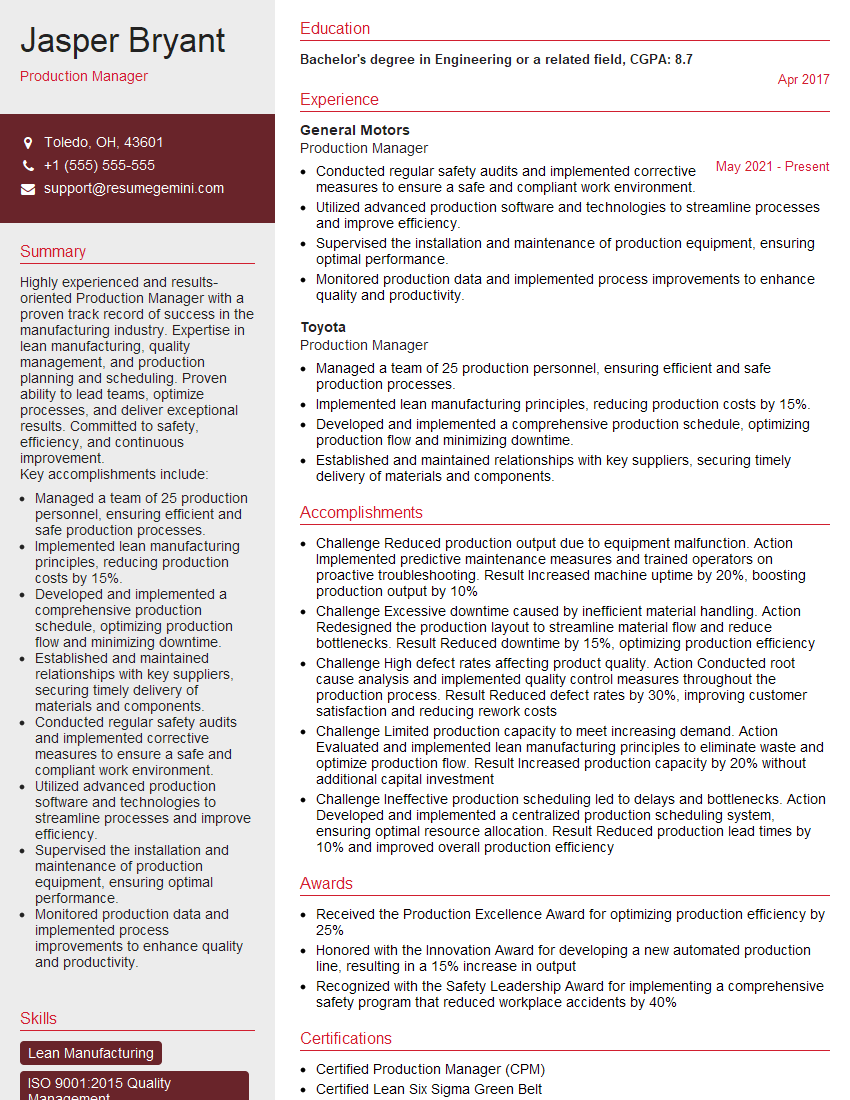
Production Manager Resume Sample
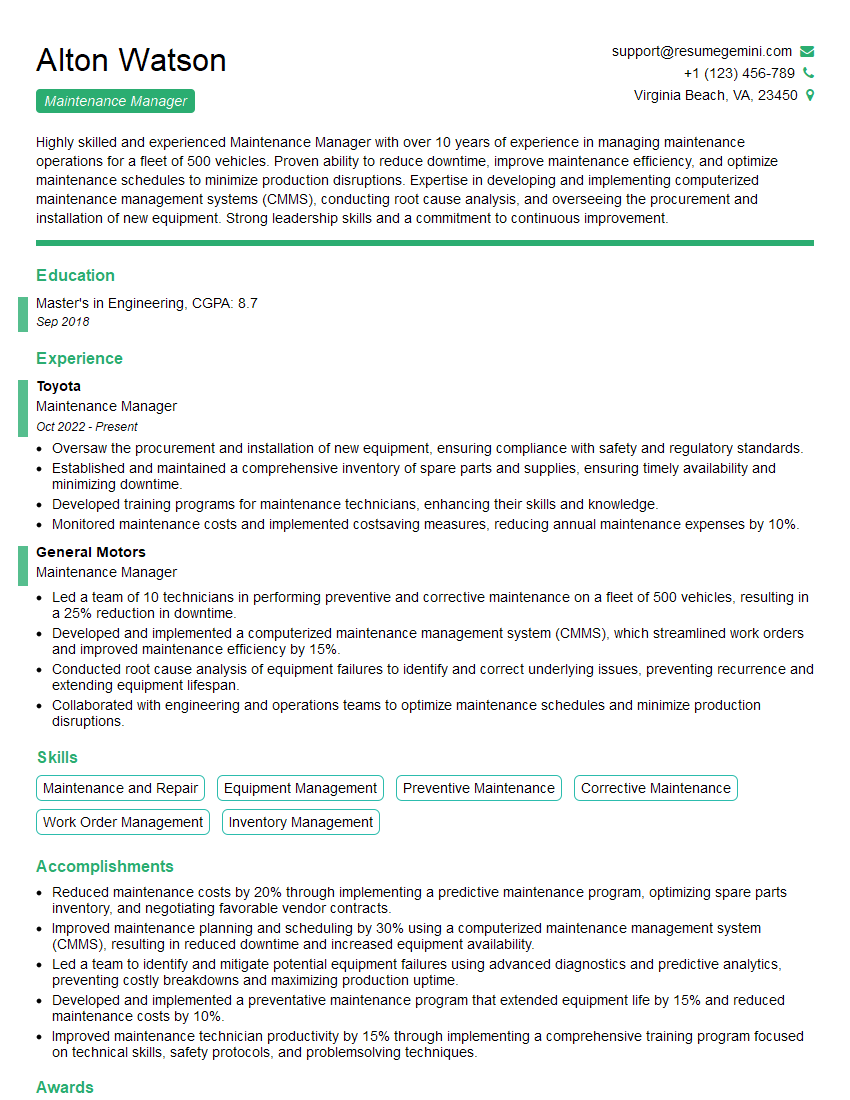
Maintenance Manager Resume Sample
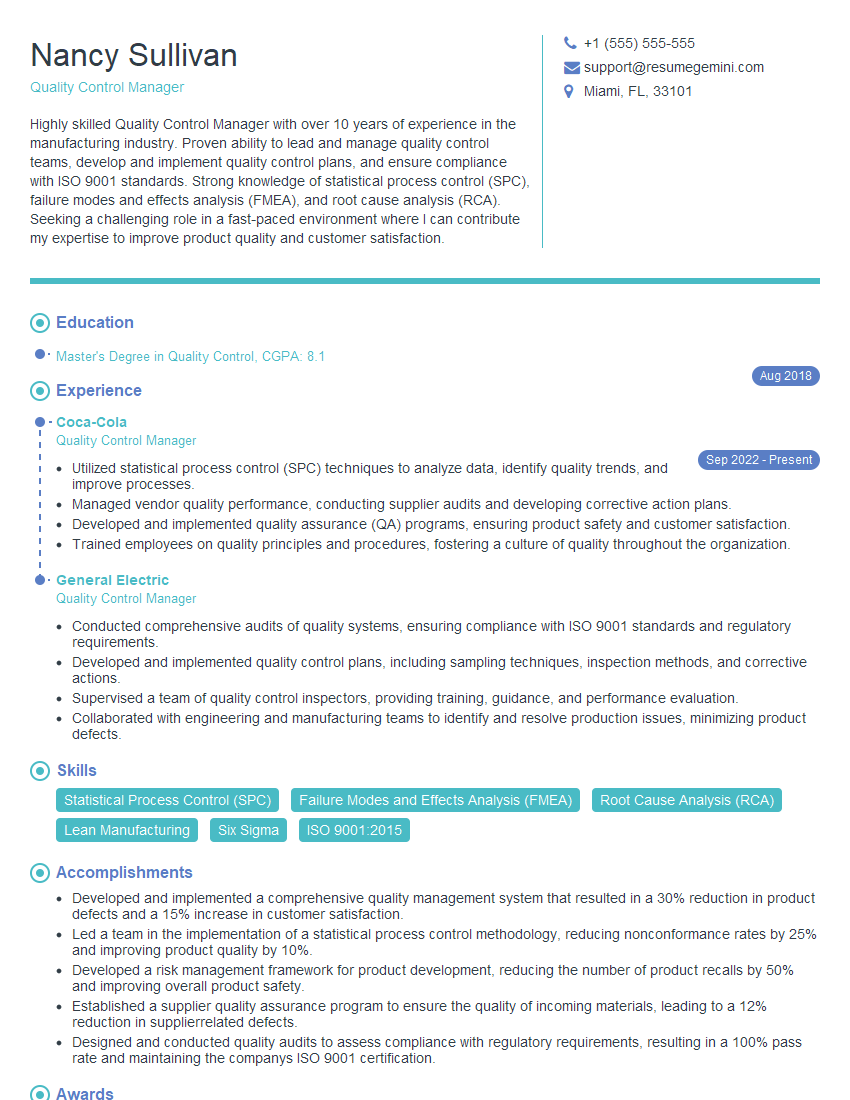
Quality Control Manager Resume Sample

Production Coordinator Resume Sample
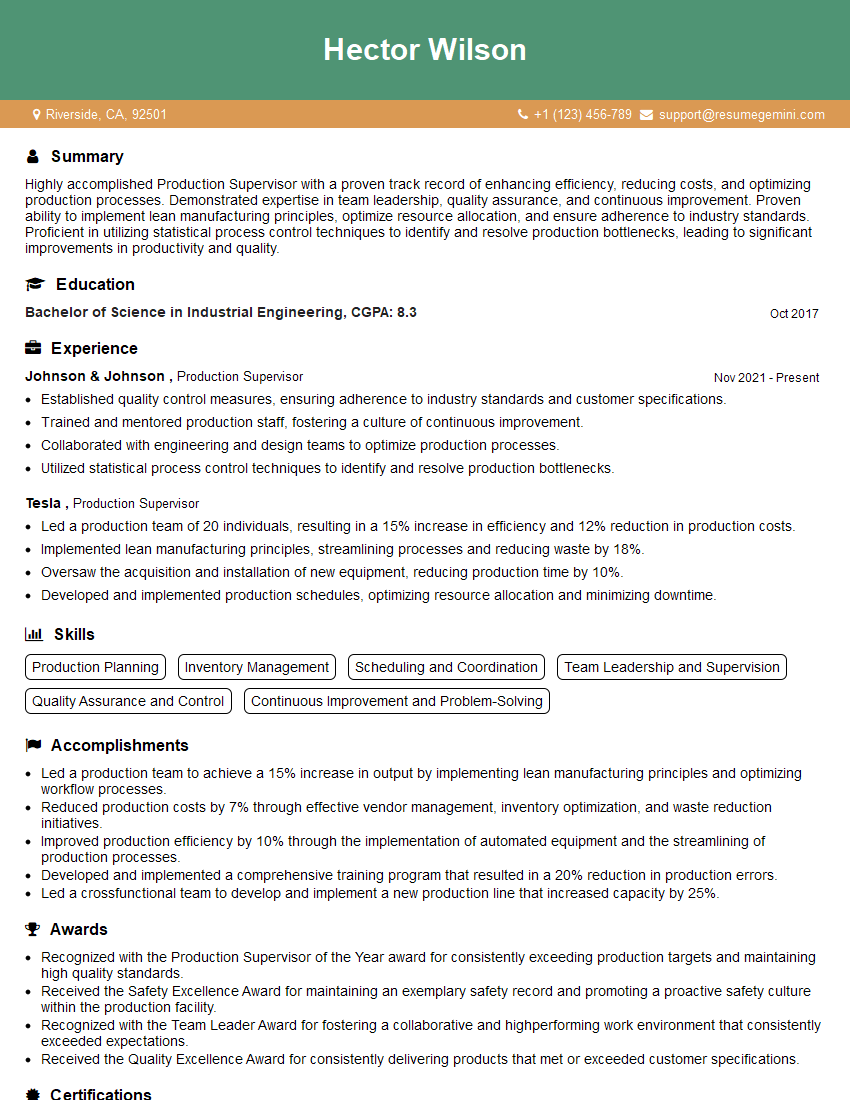
Production Supervisor Resume Sample
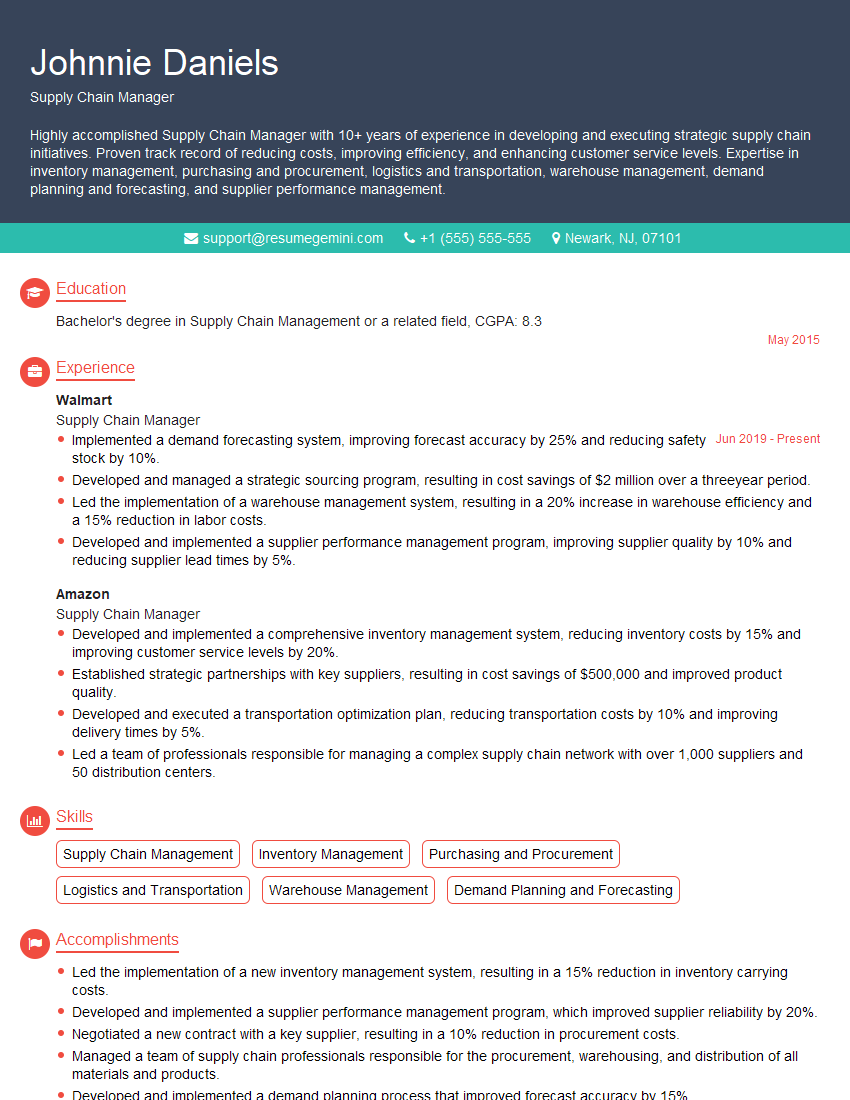
Supply Chain Manager Resume Sample
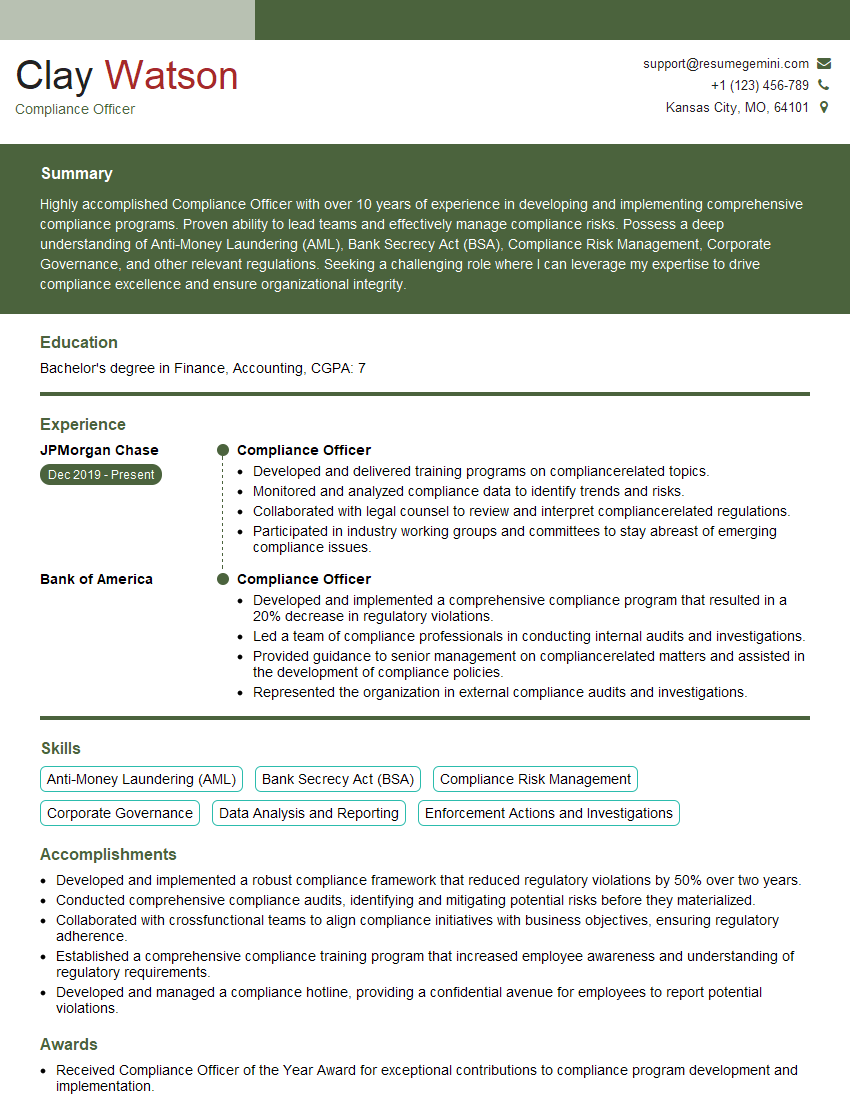
Compliance Officer Resume Sample
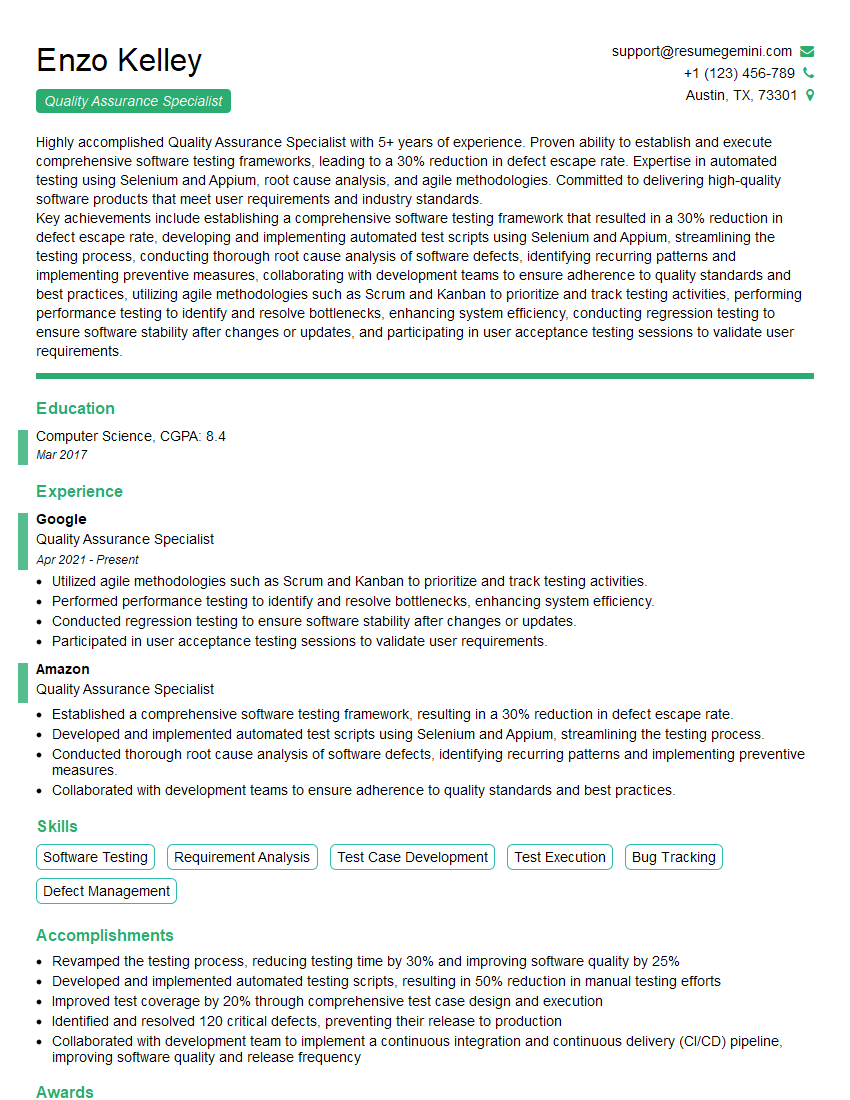
Quality Assurance Specialist Resume Sample
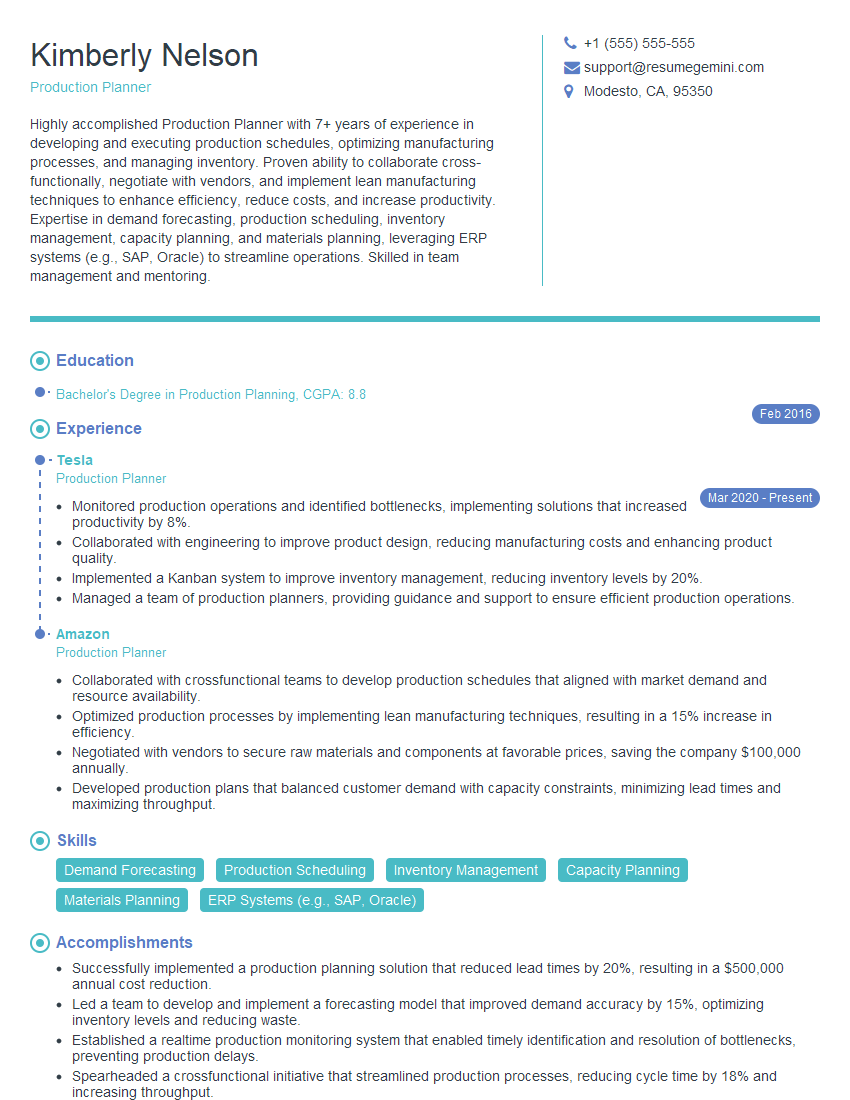
Production Planner Resume Sample
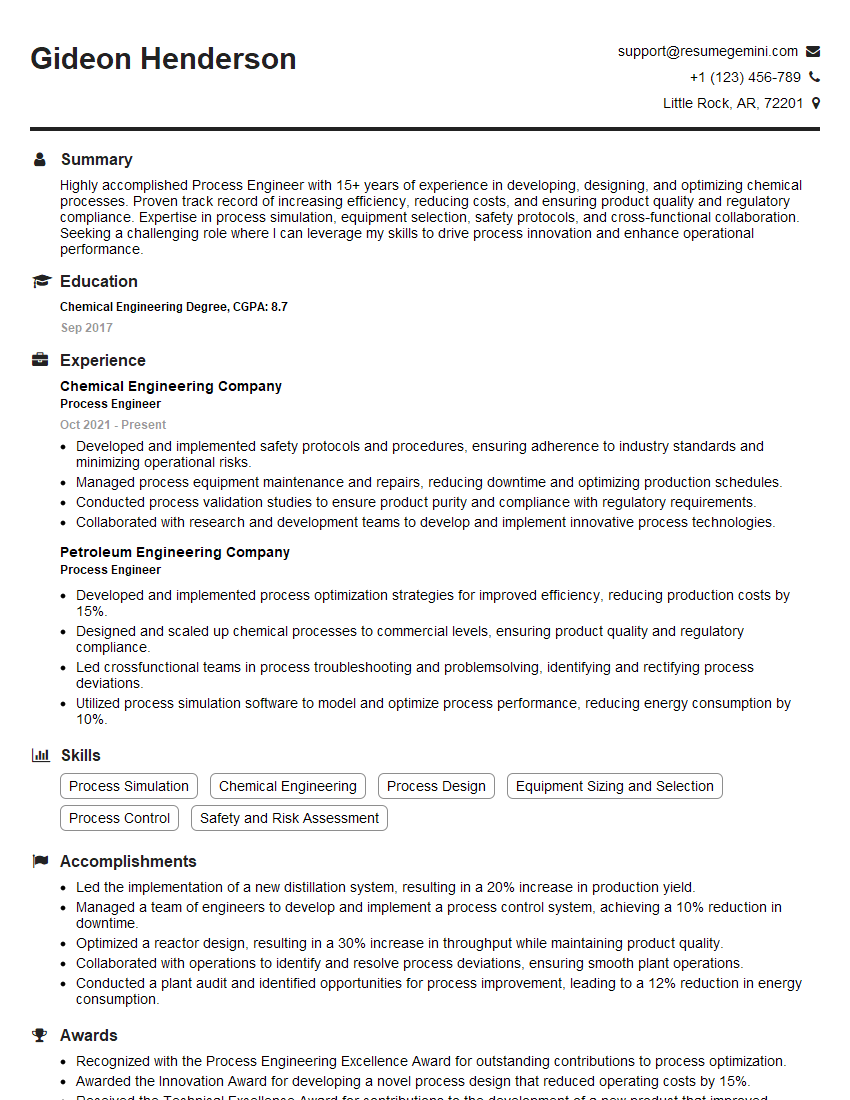
Process Engineer Resume Sample
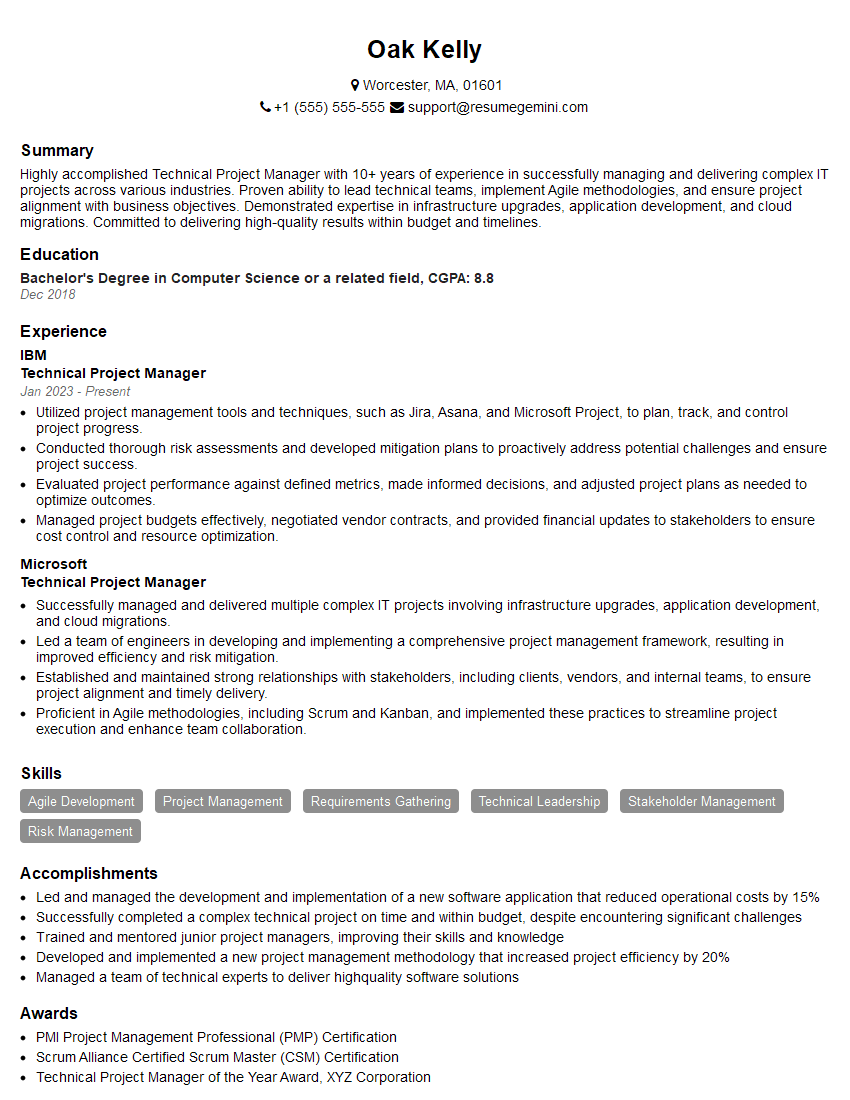
Technical Project Manager Resume Sample
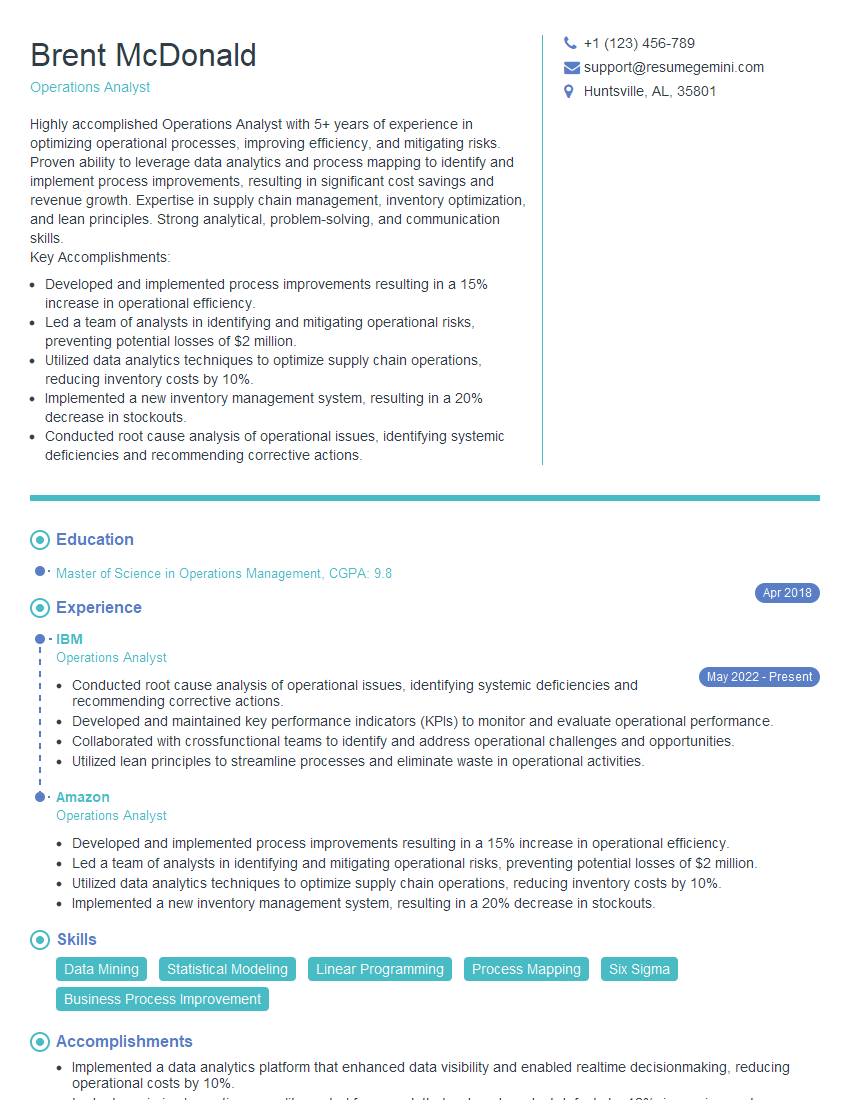
Operations Analyst Resume Sample
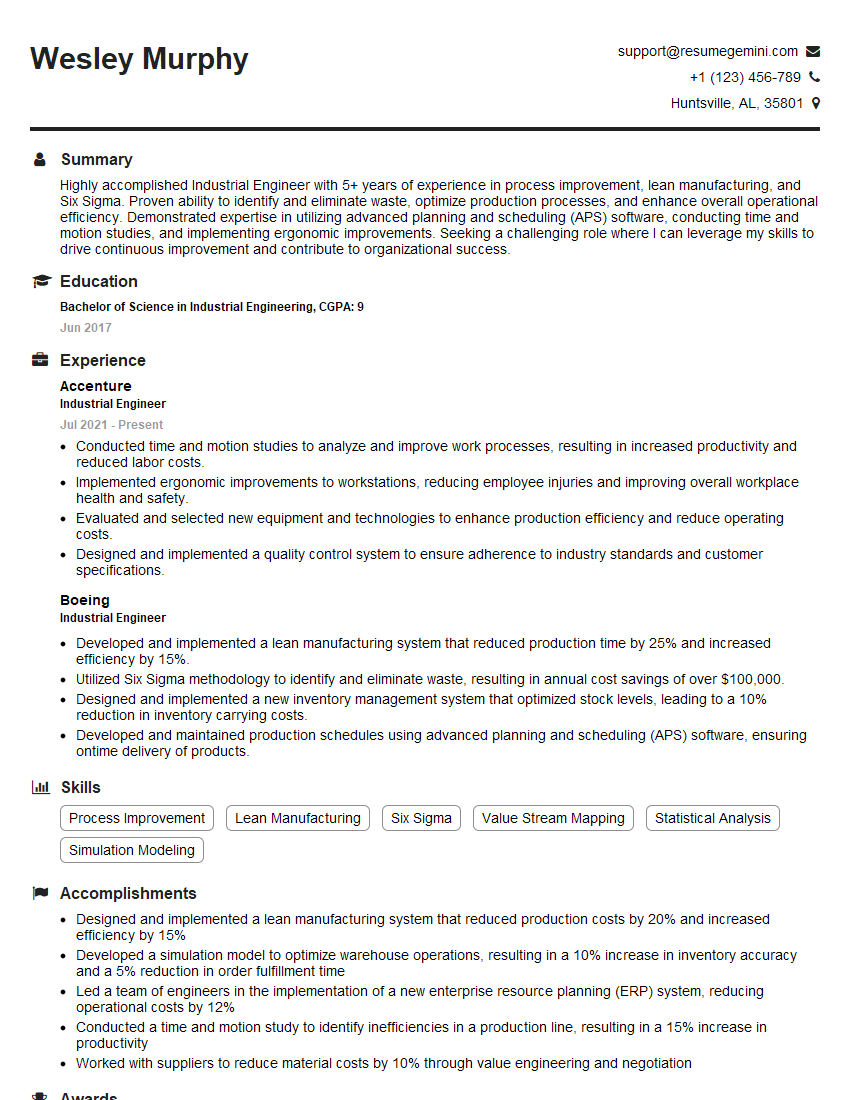
Industrial Engineer Resume Sample
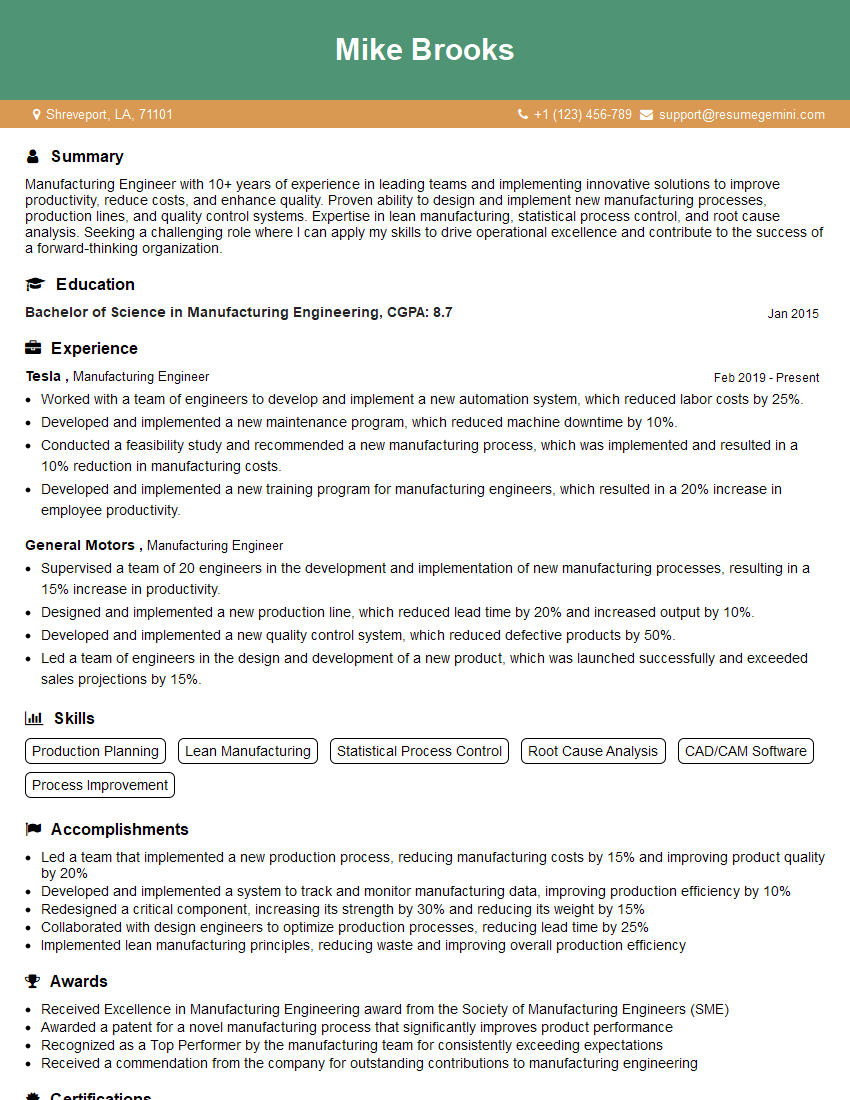
Manufacturing Engineer Resume Sample
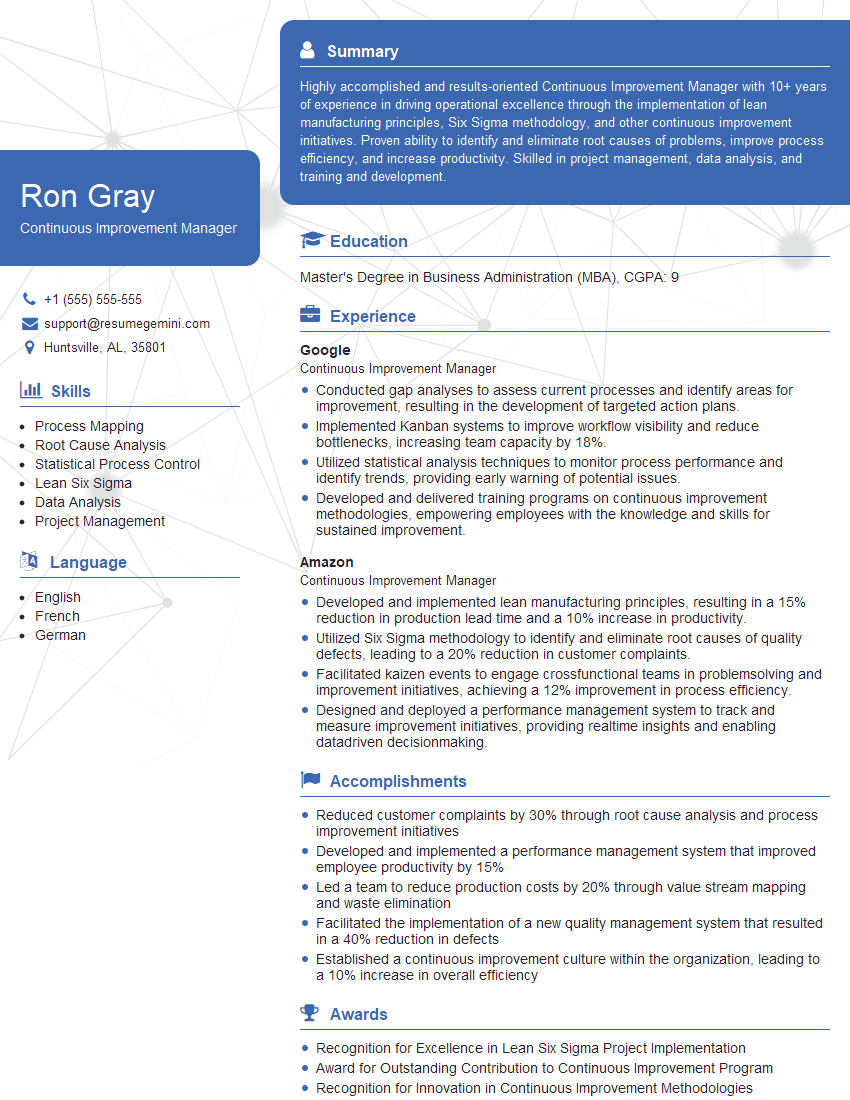
Continuous Improvement Manager Resume Sample
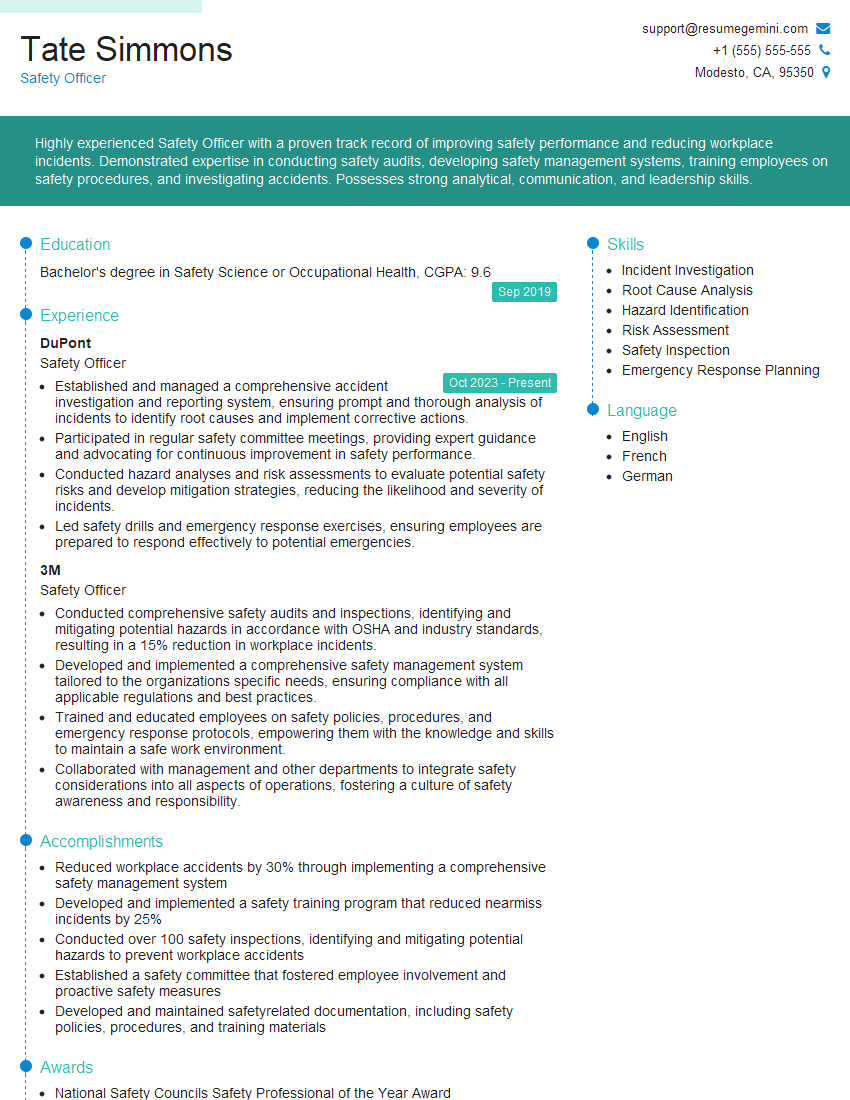
Safety Officer Resume Sample
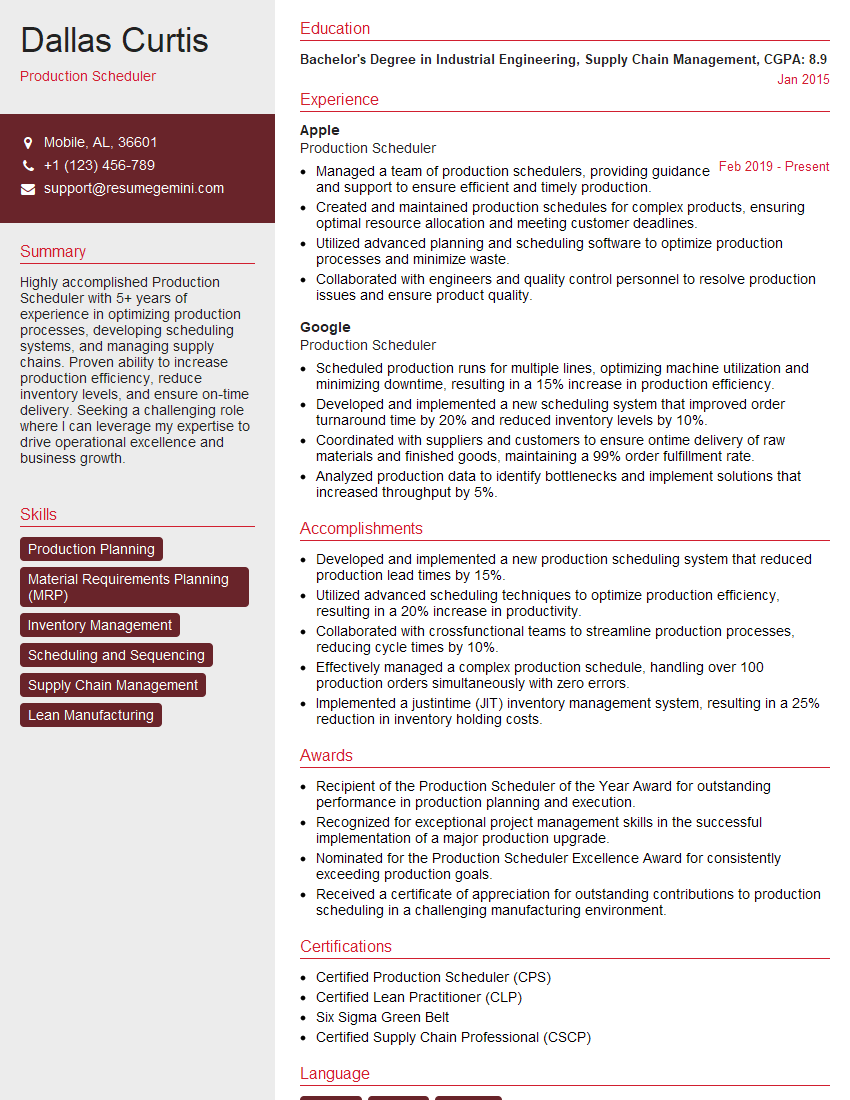
Production Scheduler Resume Sample
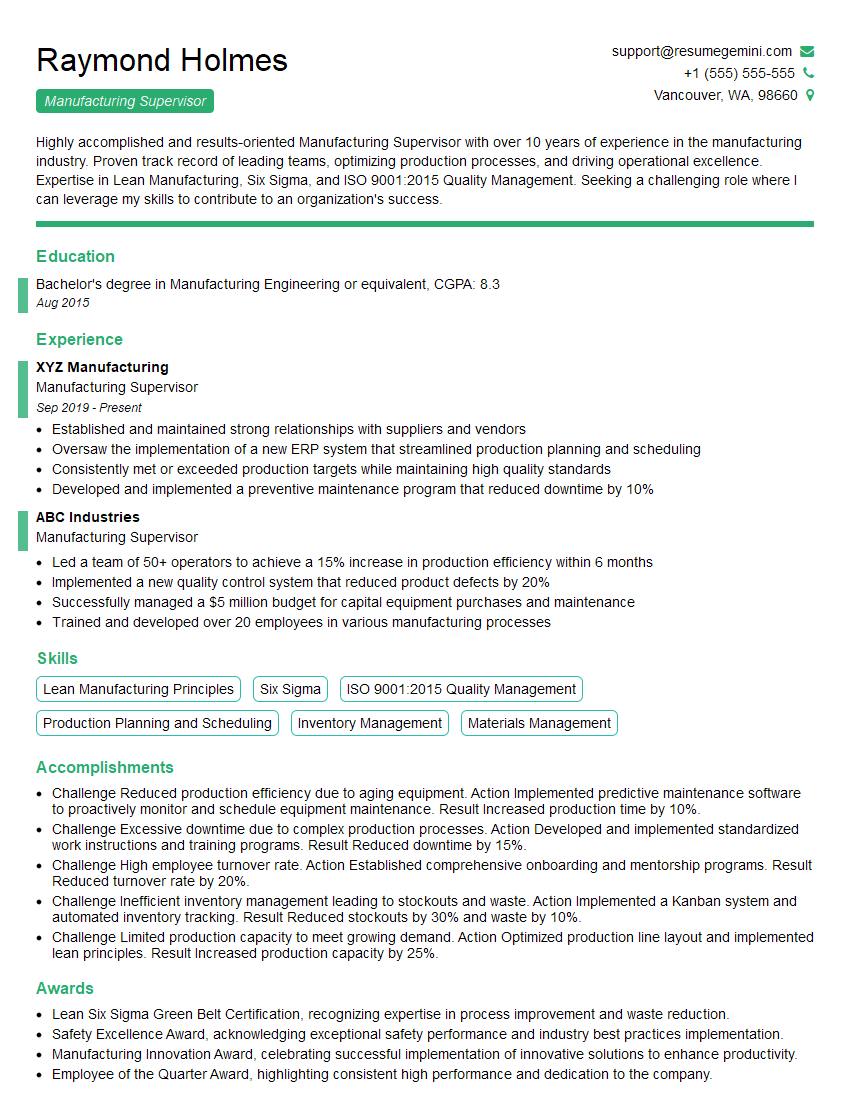
Manufacturing Supervisor Resume Sample

Quality Control Inspector Resume Sample
- Operations Manager
- Production Manager
- Maintenance Manager
- Quality Control Manager
- Production Coordinator
- Production Supervisor
- Supply Chain Manager
- Compliance Officer
- Quality Assurance Specialist
- Production Planner
- Process Engineer
- Technical Project Manager
- Operations Analyst
- Industrial Engineer
- Manufacturing Engineer
- Continuous Improvement Manager
- Safety Officer
- Production Scheduler
- Manufacturing Supervisor
- Quality Control Inspector
Explore more articles
Users Rating of Our Blogs
Share Your Experience
We value your feedback! Please rate our content and share your thoughts (optional).
What Readers Say About Our Blog
Very informative content, great job.
good