The thought of an interview can be nerve-wracking, but the right preparation can make all the difference. Explore this comprehensive guide to Aerobic Capacity interview questions and gain the confidence you need to showcase your abilities and secure the role.
Questions Asked in Aerobic Capacity Interview
Q 1. Define aerobic capacity and explain its significance in health and athletic performance.
Aerobic capacity refers to the body’s ability to utilize oxygen during prolonged physical activity. It’s essentially a measure of how efficiently your body can deliver oxygen to your working muscles and use it to produce energy. This is crucial for both health and athletic performance because it dictates how long and intensely you can exercise before experiencing fatigue. A higher aerobic capacity means you can sustain exercise for longer durations at higher intensities, leading to improved endurance in sports and better cardiovascular health in daily life. Think of it like the engine of a car – a more powerful engine (higher aerobic capacity) allows for longer journeys at faster speeds.
In terms of health, a strong aerobic capacity is linked to a lower risk of cardiovascular diseases, type 2 diabetes, some cancers, and obesity. Athletically, it’s fundamental to success in endurance sports like marathon running, cycling, and swimming.
Q 2. What are the primary physiological factors determining aerobic capacity?
Several key physiological factors determine aerobic capacity. These include:
- Maximum Cardiac Output (Q): This is the amount of blood your heart pumps per minute. A stronger heart can pump more blood, delivering more oxygen.
- Arteriovenous Oxygen Difference (a-vO2 diff): This reflects the difference in oxygen content between arterial blood (oxygen-rich) and venous blood (oxygen-depleted). A larger a-vO2 diff means your muscles are extracting more oxygen from the blood.
- Hemoglobin Concentration: Hemoglobin in red blood cells carries oxygen. Higher hemoglobin levels increase the oxygen-carrying capacity of your blood.
- Mitochondrial Density: Mitochondria are the powerhouses of the cells, where oxygen is used to produce energy. More mitochondria in muscle cells mean greater capacity for aerobic metabolism.
- Capillary Density: A dense network of capillaries delivers oxygen efficiently to muscle cells. Better capillary density enhances oxygen delivery.
- Muscle Fiber Type: Type I muscle fibers (slow-twitch) are more efficient at using oxygen than Type II fibers (fast-twitch). A higher proportion of Type I fibers can improve aerobic capacity.
These factors interact intricately; for example, a high cardiac output is less effective without sufficient hemoglobin to carry oxygen or a high capillary density to deliver it to the muscles.
Q 3. Explain the concept of VO2 max and its measurement methods.
VO2 max represents the maximum rate of oxygen consumption during intense exercise. It’s often considered the gold standard for measuring aerobic capacity. It’s expressed in milliliters of oxygen per kilogram of body weight per minute (ml/kg/min). A higher VO2 max indicates a greater capacity to utilize oxygen.
VO2 max is typically measured in a laboratory setting using a graded exercise test. The subject exercises on a treadmill or cycle ergometer, gradually increasing the intensity. Oxygen uptake and carbon dioxide production are continuously monitored using a metabolic cart. The test continues until the subject reaches volitional exhaustion (they can’t exercise any harder). The highest oxygen uptake achieved during the test represents the VO2 max.
Other, less precise methods for estimating VO2 max involve submaximal exercise tests or field tests like the 1.5-mile run. These methods rely on predicting VO2 max based on performance at submaximal intensities.
Q 4. Describe the relationship between aerobic capacity and lactate threshold.
The lactate threshold is the exercise intensity at which blood lactate concentration begins to rise exponentially. It’s a key indicator of endurance performance because it represents the point where the body’s ability to clear lactate produced during exercise is exceeded. Aerobic capacity and lactate threshold are closely related, but not identical. A higher aerobic capacity usually allows for a higher lactate threshold. This means individuals with higher aerobic capacity can sustain a higher exercise intensity before accumulating excessive lactate, leading to fatigue.
Think of it as a race between lactate production and lactate clearance. With higher aerobic capacity, the ‘clearance engine’ is more powerful, allowing for a higher intensity (faster pace) before the ‘lactate production’ overtakes it.
Q 5. How does training intensity and duration affect aerobic capacity?
Both training intensity and duration significantly impact aerobic capacity.
- Intensity: High-intensity interval training (HIIT) involving short bursts of intense exercise followed by periods of recovery is highly effective for improving VO2 max and lactate threshold. This stimulates significant physiological adaptations. However, it should be incorporated strategically as excessive high-intensity training can lead to overtraining.
- Duration: Longer duration, moderate-intensity exercise, such as long slow distance (LSD) running, is also crucial. LSD training enhances the body’s ability to utilize fat as fuel, improving endurance and increasing the capacity of the cardiovascular and respiratory systems.
Optimal training programs typically integrate both high-intensity and moderate-intensity training to maximize improvements in aerobic capacity.
Q 6. What are the different training methods used to improve aerobic capacity?
Several effective methods exist to enhance aerobic capacity. These include:
- Continuous Training: Sustained exercise at a moderate intensity for a prolonged duration (e.g., 30-60 minutes of jogging).
- Interval Training: Alternating high-intensity bursts with periods of rest or low-intensity exercise (e.g., 400m repeats).
- Fartlek Training: This involves varying the intensity and pace spontaneously during a run, mimicking the changing demands of a race or competition.
- High-Intensity Interval Training (HIIT): Short, intense bursts of exercise at near-maximal effort interspersed with brief recovery periods. Example: 8 x 400m repeats with 400m jog recovery.
- Circuit Training: A series of exercises performed one after another with minimal rest, promoting both cardiovascular fitness and strength.
The choice of method depends on the individual’s fitness level, training goals, and preferences. A combination of methods is often the most effective approach.
Q 7. Explain the principles of periodization in aerobic training.
Periodization in aerobic training involves systematically manipulating training variables (intensity, volume, frequency, and rest) over time to optimize performance and prevent overtraining. It’s typically structured in phases:
- Preparation Phase (Base Phase): Focuses on building a solid aerobic base with high volume and low intensity. This develops endurance and strengthens the cardiovascular system.
- Competitive Phase: Intensity and specificity of training increase as the target competition approaches. This refines fitness for the specific demands of the event.
- Transition Phase (Active Recovery): A period of reduced training volume and intensity to allow the body to recover from intense training, preventing overtraining and burnout.
Proper periodization minimizes the risk of injury and plateaus, leading to consistent improvement in aerobic capacity and peak performance at the appropriate time. It’s important to individualize periodization plans based on the athlete’s training history, current fitness level, and competition schedule.
Q 8. Discuss the role of genetics in determining aerobic capacity.
Aerobic capacity, or VO2 max, is significantly influenced by genetics. Think of it like this: genetics provides the blueprint for your body’s potential, but training and lifestyle are the builders that shape the final structure. While you can’t change your genes, understanding their role helps set realistic fitness goals.
Specific genes influence factors like the efficiency of your cardiovascular system (how well your heart pumps blood), your respiratory system (how efficiently you take in oxygen), and your muscles’ ability to utilize oxygen (mitochondrial function). Some individuals inherit a genetic predisposition towards a higher VO2 max, meaning they have a higher potential for aerobic fitness, even without intense training. However, even those with less favorable genetics can significantly improve their aerobic capacity through consistent training.
- Gene variations affecting oxygen transport: Genes influencing hemoglobin concentration and capillary density impact the body’s oxygen-carrying capacity.
- Mitochondrial biogenesis genes: These genes control the creation of mitochondria, the powerhouses of our cells that are crucial for oxygen utilization.
- Muscle fiber type distribution: Genes partly determine the proportion of slow-twitch (type I) and fast-twitch (type II) muscle fibers. Slow-twitch fibers are more efficient at utilizing oxygen for sustained activity.
It’s crucial to remember that genetics is only one piece of the puzzle. Environment, training, and lifestyle play a substantial role in determining an individual’s actual aerobic capacity.
Q 9. How can you assess an individual’s aerobic capacity using field tests?
Field tests offer a practical and often less expensive way to estimate aerobic capacity. They usually involve continuous exercise at a predetermined intensity or pace for a set duration, allowing for the estimation of VO2 max based on performance.
- 1.5-Mile Run Test: A classic example, measuring the time taken to complete a 1.5-mile run. Predictive equations, using time and participant characteristics, estimate VO2 max.
- 12-Minute Run Test: Individuals run as far as possible in 12 minutes. The distance covered is used to estimate VO2 max, similar to the 1.5-mile test.
- Cooper Test (12-minute run/walk): Participants cover as much distance as possible in 12 minutes, allowing for walking breaks; estimations of VO2 max are slightly less precise than continuous running tests.
- Step Tests: These involve stepping up and down on a bench at a specific cadence for a predetermined duration. Heart rate recovery is measured to estimate aerobic fitness.
While convenient, field tests provide estimations, not precise measurements of VO2 max. They are useful for large group screenings or when access to laboratory equipment is limited, but graded exercise tests are superior for precise measurements.
Q 10. Describe the use of graded exercise tests (GXT) in assessing aerobic capacity.
Graded Exercise Tests (GXTs), often performed on a treadmill or cycle ergometer, are the gold standard for assessing aerobic capacity. They involve progressively increasing the workload (intensity) over time, allowing for precise measurements of oxygen consumption (VO2), heart rate, and blood pressure at various intensities. This incremental increase ensures that the test reaches the individual’s maximum capacity (VO2 max).
The test is carefully monitored by trained professionals to ensure safety and accuracy. Electrocardiography (ECG) is usually utilized to monitor the heart’s electrical activity throughout the test, allowing for the detection of any abnormalities.
Procedure: Typically starts at a low intensity and progressively increases (e.g., increasing treadmill speed or incline, or increasing resistance on a cycle ergometer) every 2-3 minutes. Gas exchange is continuously measured during exercise to calculate oxygen uptake (VO2), and heart rate and blood pressure are also monitored. The test ends when the individual reaches their volitional fatigue (can’t continue) or pre-defined physiological criteria (e.g., reaching a plateau in oxygen consumption).
Q 11. Interpret a typical GXT data set, including heart rate, blood pressure, and oxygen consumption.
Interpreting a GXT data set involves analyzing several key variables plotted against exercise intensity:
- Oxygen Consumption (VO2): This is the primary indicator of aerobic capacity. A typical GXT shows a linear increase in VO2 with increasing workload, plateauing at or near VO2 max. The highest value achieved represents the individual’s VO2 max.
- Heart Rate: Heart rate usually increases linearly with increasing workload, reaching a maximum heart rate near the end of the test. Deviations from this pattern might indicate cardiovascular issues.
- Blood Pressure: Systolic blood pressure (the top number) typically rises with exercise intensity, while diastolic blood pressure (the bottom number) may remain relatively stable or slightly increase. Significant blood pressure changes can point to underlying health problems.
Example: Let’s say a GXT shows a VO2 max of 50 ml/kg/min, a maximum heart rate of 180 bpm, and a systolic blood pressure of 200 mmHg at peak exertion. This VO2 max is considered high for a sedentary individual, indicating good cardiovascular health. However, the high systolic blood pressure at peak exertion warrants further investigation, potentially suggesting hypertension or the need to modify the exercise program.
Clinicians use these data points to evaluate cardiovascular fitness, identify potential problems, and tailor exercise prescriptions to individual needs and capabilities. The slope of the VO2 versus workload curve indicates exercise efficiency.
Q 12. Explain the differences between maximal and submaximal exercise testing.
The key difference lies in whether or not the test pushes the individual to their absolute physiological limit.
- Maximal Exercise Testing: This involves exercising until volitional fatigue (the individual can’t continue) or until specific physiological criteria are met (e.g., reaching a plateau in oxygen uptake). It provides the most accurate assessment of VO2 max, but requires rigorous safety monitoring and is not suitable for all individuals.
- Submaximal Exercise Testing: This involves exercising below the individual’s maximal capacity. It’s generally safer and less demanding. VO2 max is estimated using predictive equations based on submaximal heart rate and workload data. It’s a useful alternative for individuals who cannot or should not perform a maximal test.
Practical Application: Maximal tests are usually conducted in clinical settings for detailed evaluations, whereas submaximal tests are more commonly used in fitness settings for assessing fitness levels and guiding exercise prescription.
Q 13. How does age affect aerobic capacity?
Age significantly impacts aerobic capacity. Generally, VO2 max peaks in young adulthood (around 20-30 years old) and gradually declines with age. This decline is typically around 1% per year after age 30. Several factors contribute to this decrease:
- Decreased Cardiovascular Function: The heart’s pumping efficiency reduces with age, leading to a lower capacity for delivering oxygen to working muscles.
- Reduced Respiratory Function: Lung capacity and efficiency also decrease, limiting the intake and delivery of oxygen.
- Muscle Mass and Mitochondrial Density Changes: Age-related muscle loss (sarcopenia) reduces the number of muscle fibers capable of utilizing oxygen and the density of mitochondria within those muscles.
However, this age-related decline is not inevitable. Regular exercise and a healthy lifestyle can significantly slow down or even partially reverse the decline in aerobic capacity throughout life. While you cannot prevent aging, maintaining an active lifestyle can significantly mitigate its effects on aerobic fitness.
Q 14. How does altitude impact aerobic capacity and training?
Altitude significantly impacts aerobic capacity and training. As altitude increases, the partial pressure of oxygen in the air decreases, leading to reduced oxygen availability.
- Impact on Aerobic Capacity: At high altitudes, VO2 max is typically reduced due to lower oxygen availability. This is because the body has to work harder to extract and utilize the limited oxygen present.
- Impact on Training: Training at high altitude can lead to various physiological adaptations, including increased red blood cell production (erythropoiesis), which enhances oxygen-carrying capacity. However, this benefit comes with potential downsides such as increased risk of altitude sickness and reduced training intensity due to the lower oxygen availability.
- Altitude Sickness: Symptoms can range from mild headaches and nausea to severe conditions like High Altitude Pulmonary Edema (HAPE) and High Altitude Cerebral Edema (HACE).
Live High, Train Low Strategy: Many elite athletes utilize this strategy, where they live at high altitude to stimulate red blood cell production but train at lower altitudes to maintain sufficient training intensity. It’s crucial to understand the risks and to acclimatize gradually to avoid altitude sickness.
The effects of altitude on training are complex and dependent on the individual, the altitude, and the duration of exposure. Proper planning and supervision are crucial when training at high altitude.
Q 15. Discuss the effects of overtraining on aerobic capacity.
Overtraining, a state of excessive training without adequate recovery, significantly impacts aerobic capacity. Instead of improving, your body starts to break down. This is because your body isn’t given enough time to repair and rebuild the tissues used during intense exercise. The result is a decrease in your VO2 max (the maximum amount of oxygen your body can utilize during intense exercise), a key indicator of aerobic fitness. Essentially, you’re pushing your body beyond its adaptive capacity, leading to a plateau or even a decline in performance.
Imagine a plant: you can water it and give it sunlight to help it grow. But if you overwater it, the roots rot, and the plant dies. Overtraining is similar; you’re overloading the system beyond its ability to recover and adapt.
Career Expert Tips:
- Ace those interviews! Prepare effectively by reviewing the Top 50 Most Common Interview Questions on ResumeGemini.
- Navigate your job search with confidence! Explore a wide range of Career Tips on ResumeGemini. Learn about common challenges and recommendations to overcome them.
- Craft the perfect resume! Master the Art of Resume Writing with ResumeGemini’s guide. Showcase your unique qualifications and achievements effectively.
- Don’t miss out on holiday savings! Build your dream resume with ResumeGemini’s ATS optimized templates.
Q 16. What are the signs and symptoms of overtraining?
Recognizing overtraining is crucial. Signs and symptoms can vary, but some key indicators include:
- Persistent fatigue and unusual tiredness, even after rest.
- Decreased performance despite increased training volume.
- Increased resting heart rate.
- Loss of motivation or enthusiasm for training.
- Irritability, anxiety, or depression.
- Frequent illness or infections.
- Muscle soreness that lasts longer than usual.
- Sleep disturbances.
- Loss of appetite.
It’s important to note that experiencing one or two of these symptoms doesn’t automatically mean you’re overtrained. However, the presence of multiple symptoms, especially persistent fatigue and decreased performance, warrants a careful evaluation of your training regimen and a potential reduction in training volume or intensity.
Q 17. Explain the importance of proper warm-up and cool-down in aerobic training.
Proper warm-up and cool-down are essential components of any aerobic training program. A warm-up prepares your body for exercise by gradually increasing heart rate, blood flow, and muscle temperature. This reduces the risk of injury and improves performance. A cool-down allows your body to gradually return to its resting state, preventing blood pooling and promoting recovery.
A good warm-up might include light cardio, such as jogging or cycling, followed by dynamic stretching (stretches that involve movement). A cool-down typically involves light cardio and static stretching (holding a stretch for a period of time).
Think of it like starting and stopping a car: you wouldn’t just floor it from zero to sixty, and you wouldn’t immediately turn off the engine after a long drive. The same principle applies to your body.
Q 18. How does nutrition influence aerobic capacity?
Nutrition plays a vital role in supporting aerobic capacity. A balanced diet rich in carbohydrates provides the necessary fuel for endurance exercise. Proteins are crucial for muscle repair and growth, and healthy fats support hormone production and overall cellular function. Sufficient intake of micronutrients, such as vitamins and minerals, ensures optimal physiological processes.
For example, consuming carbohydrates before, during, and after prolonged exercise helps maintain blood glucose levels and prevent fatigue. Adequate protein intake supports muscle recovery and adaptation to training. A well-planned diet will optimize the body’s ability to utilize oxygen efficiently.
Q 19. Describe the role of hydration in maintaining optimal aerobic performance.
Hydration is critical for maintaining optimal aerobic performance. Dehydration, even mild, can significantly impair cardiovascular function, reduce blood volume, and increase heart rate. This leads to decreased performance and increased risk of heatstroke. Maintaining adequate hydration helps regulate body temperature, transport nutrients to working muscles, and remove metabolic waste products.
Aim to drink plenty of fluids throughout the day, especially before, during, and after exercise. The amount you need will vary depending on factors such as intensity and duration of exercise, climate, and individual sweat rate.
Q 20. Discuss the impact of sleep and recovery on aerobic capacity.
Sleep and recovery are fundamental to enhancing aerobic capacity. During sleep, the body repairs and rebuilds tissues damaged during exercise, allowing for adaptation and improvement in performance. Adequate sleep also regulates hormones that influence muscle growth, recovery, and overall health. Insufficient sleep compromises the body’s ability to adapt to training, leading to reduced aerobic capacity and increased risk of overtraining.
Think of sleep as the ‘reset’ button for your body. Just like your computer needs to reboot occasionally, your body needs adequate sleep to function optimally and to fully recover from training.
Q 21. Explain how to design a personalized aerobic training program.
Designing a personalized aerobic training program requires careful consideration of several factors: your current fitness level, goals, available time, and any health concerns. A well-structured program should incorporate the principles of progressive overload (gradually increasing the intensity or duration of exercise over time), specificity (training in a way that targets your specific goals), and periodization (planning training cycles to optimize performance).
Step-by-step guide:
- Assess your current fitness level: Determine your baseline fitness using tests like a VO2 max test or a graded exercise test.
- Set realistic goals: Define specific, measurable, achievable, relevant, and time-bound (SMART) goals.
- Choose your training modalities: Select activities you enjoy, such as running, swimming, cycling, or a combination thereof.
- Develop a training schedule: Create a plan that incorporates various training intensities and durations. Include rest days.
- Monitor progress: Regularly track your workouts, performance, and any signs of overtraining. Adjust your program accordingly.
- Seek professional guidance: Consult with a qualified fitness professional or coach for personalized guidance.
Remember, consistency is key. Sticking to your plan, even on days when motivation is low, is crucial for achieving your goals.
Q 22. What are some common mistakes made in aerobic training?
Common mistakes in aerobic training often stem from a lack of planning, proper execution, or understanding individual limitations. One frequent error is overtraining, pushing the body too hard too soon, leading to injuries and burnout. Imagine running a marathon without proper training – disaster! Another mistake is lack of consistency; sporadic workouts won’t yield significant improvements. Think of it like trying to build a house with only a few bricks placed sporadically. Failing to incorporate varied intensity and types of exercise also hampers progress. Your body adapts, so sticking to the same routine limits gains. Lastly, ignoring proper warm-up and cool-down routines is a common oversight that can increase injury risk.
- Overtraining: Too much, too soon. Leads to exhaustion, injury, and plateaus.
- Inconsistent training: Irregular workout schedule hinders progress.
- Monotonous workouts: Lack of variation limits adaptation and motivation.
- Neglecting warm-up/cool-down: Increases risk of muscle strains and injuries.
Q 23. How can you monitor and track progress in aerobic training?
Monitoring progress in aerobic training involves a multifaceted approach combining subjective and objective measures. Subjectively, tracking mood, energy levels, and perceived exertion provides valuable insights. Objectively, we can use several methods. Heart rate monitoring during workouts shows if you’re in the target intensity zone. Measuring workout duration and distance, especially for activities like running or cycling, demonstrates improvement over time. Finally, and perhaps most importantly, fitness testing provides a quantifiable assessment. This could include a VO2 max test (a measure of maximum oxygen consumption), a graded exercise test (GXT), or a simpler test like a mile run or a timed 1.5-mile run. Comparing these test results over time shows tangible progress.
- Subjective Measures: Track mood, energy levels, perceived exertion (RPE).
- Objective Measures: Heart rate monitoring, workout duration/distance, fitness testing (VO2 max, GXT, timed runs).
Q 24. How can you modify aerobic training programs to accommodate specific health conditions?
Modifying aerobic training programs for specific health conditions requires careful consideration and often collaboration with healthcare professionals. For example, individuals with heart conditions may need to start with low-intensity exercise and gradually increase the duration and intensity under medical supervision. Those with arthritis might benefit from low-impact activities like swimming or cycling to minimize joint stress. Individuals with diabetes should focus on consistent exercise to improve insulin sensitivity, but need to be mindful of blood sugar levels. The key is individualization. A program tailored to the specific needs and limitations of the individual is paramount. This could involve adapting the intensity, duration, type of exercise, and frequency. A qualified professional can design a safe and effective program tailored to individual needs.
Q 25. Describe different types of aerobic exercises and their suitability for various fitness levels.
Aerobic exercises encompass a wide variety of activities, each suitable for different fitness levels. Walking, for instance, is a beginner-friendly activity that requires minimal equipment and can be adapted to various intensities. Cycling offers a similar low-impact benefit, but with the option to increase intensity through hills and speed. Swimming provides excellent cardiovascular training with minimal stress on joints, suitable for people of all ages and fitness levels. Running, however, requires a higher level of fitness and can be more strenuous on joints. High-intensity interval training (HIIT) involves short bursts of intense activity followed by periods of rest or low-intensity exercise and is generally suited for intermediate to advanced fitness levels. The selection depends on the individual’s current fitness, goals, preferences, and any health considerations.
- Beginner: Walking, cycling, swimming (low intensity).
- Intermediate: Cycling (moderate intensity), swimming (moderate intensity), jogging.
- Advanced: Running, HIIT, swimming (high intensity).
Q 26. How do you assess the effectiveness of an aerobic training program?
Assessing the effectiveness of an aerobic training program relies on several key metrics. Improvements in fitness tests, such as increases in VO2 max or faster times in timed runs, clearly indicate success. Changes in body composition, including reduced body fat percentage and increased lean muscle mass, also provide valuable insights. Subjective improvements like increased energy levels, better sleep, and improved mood are equally important, showcasing the overall positive impact on well-being. Ultimately, a successful program achieves the desired outcomes set out initially, whether those goals are weight loss, improved endurance, or enhanced overall health. If these metrics don’t show improvement, then adjustments to the program are needed.
Q 27. What are the ethical considerations in assessing and improving aerobic capacity?
Ethical considerations in assessing and improving aerobic capacity center on informed consent, safety, and responsible guidance. Informed consent ensures participants understand the risks and benefits before participating in any testing or training program. Prioritizing safety is paramount, including appropriate screening for pre-existing conditions and ensuring the program is tailored to individual needs and limitations. Avoiding coercion or pressure to achieve unrealistic goals is crucial. Individuals should be empowered to set their own goals and progress at their own pace. Maintaining professional competence, ensuring qualifications and experience are sufficient to provide safe and effective guidance, is also a crucial aspect of ethical practice. It’s vital to remember that the focus should always be on the well-being and personal goals of the individual.
Q 28. How can technology (e.g., wearable sensors) be used to enhance aerobic training and monitoring?
Technology, particularly wearable sensors, significantly enhances aerobic training and monitoring. Smartwatches and fitness trackers provide real-time data on heart rate, distance, pace, calories burned, and sleep patterns. This allows for precise monitoring of workout intensity and recovery. GPS trackers enable detailed analysis of workout routes and pace variations. Heart rate variability (HRV) monitors provide insights into the autonomic nervous system and recovery status. Advanced devices even integrate with training apps to personalize plans and provide feedback. This data-driven approach enables more accurate program design, more efficient training, and better understanding of the individual’s physiological responses to exercise, ultimately leading to more effective and safer training.
Key Topics to Learn for Aerobic Capacity Interview
- VO2 Max and its Measurement: Understand the theoretical basis of VO2 max, different testing methods (e.g., graded exercise test), and the interpretation of results. Consider the limitations of various testing protocols.
- Lactate Threshold: Explore the physiological mechanisms behind lactate threshold, its importance in endurance performance, and how training can shift it. Be prepared to discuss practical applications in training prescription.
- Aerobic Training Principles: Review the principles of training specificity, overload, progression, and individualization as they relate to improving aerobic capacity. Discuss the role of different training modalities (e.g., continuous, interval, high-intensity interval training).
- Energy Systems and their Interaction: Understand the interplay between the aerobic and anaerobic energy systems during exercise and how this impacts performance at different intensities. Be ready to discuss the contribution of each system to overall aerobic capacity.
- Factors Affecting Aerobic Capacity: Discuss the influence of genetics, age, sex, training, and environmental factors on aerobic capacity. Be able to explain how these factors interact and impact performance.
- Assessment and Monitoring of Aerobic Fitness: Explore various methods for assessing aerobic fitness beyond VO2 max, such as submaximal tests and field tests. Discuss the importance of monitoring training progress and making adjustments based on data.
- Practical Application in Different Fields: Consider how the principles of aerobic capacity apply to various fields such as sports science, exercise physiology, and healthcare. Think about specific examples.
Next Steps
Mastering the concepts of aerobic capacity is crucial for career advancement in various health and fitness-related fields. A strong understanding of these principles demonstrates expertise and opens doors to exciting opportunities. To maximize your job prospects, create an ATS-friendly resume that highlights your skills and experience effectively. ResumeGemini is a trusted resource that can help you build a professional and impactful resume. We provide examples of resumes tailored to Aerobic Capacity to guide you through the process. Invest time in crafting a compelling resume—it’s your first impression on potential employers.

Fitness Director Resume Sample

Wellness Coach Resume Sample
Public Health Specialist Resume Sample
Athletic Trainer Resume Sample
Health and Fitness Instructor Resume Sample
Professor of Exercise Science Resume Sample
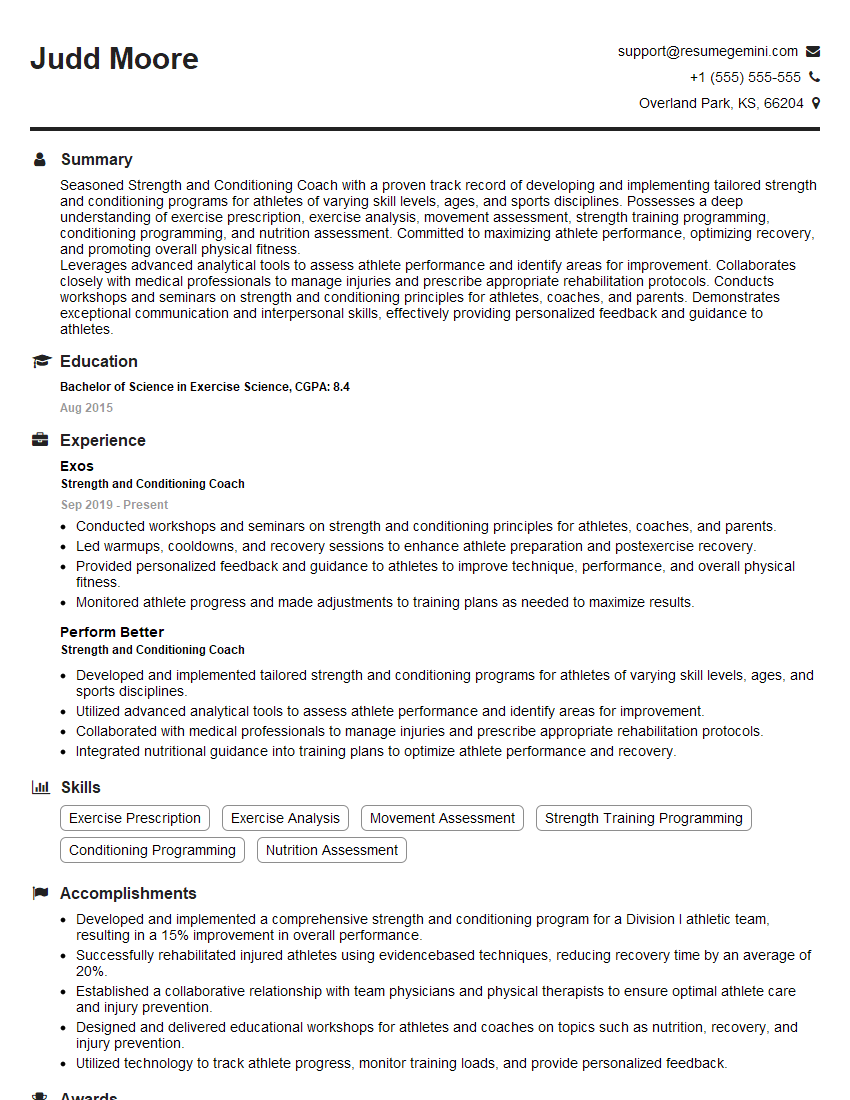
Strength and Conditioning Coach Resume Sample
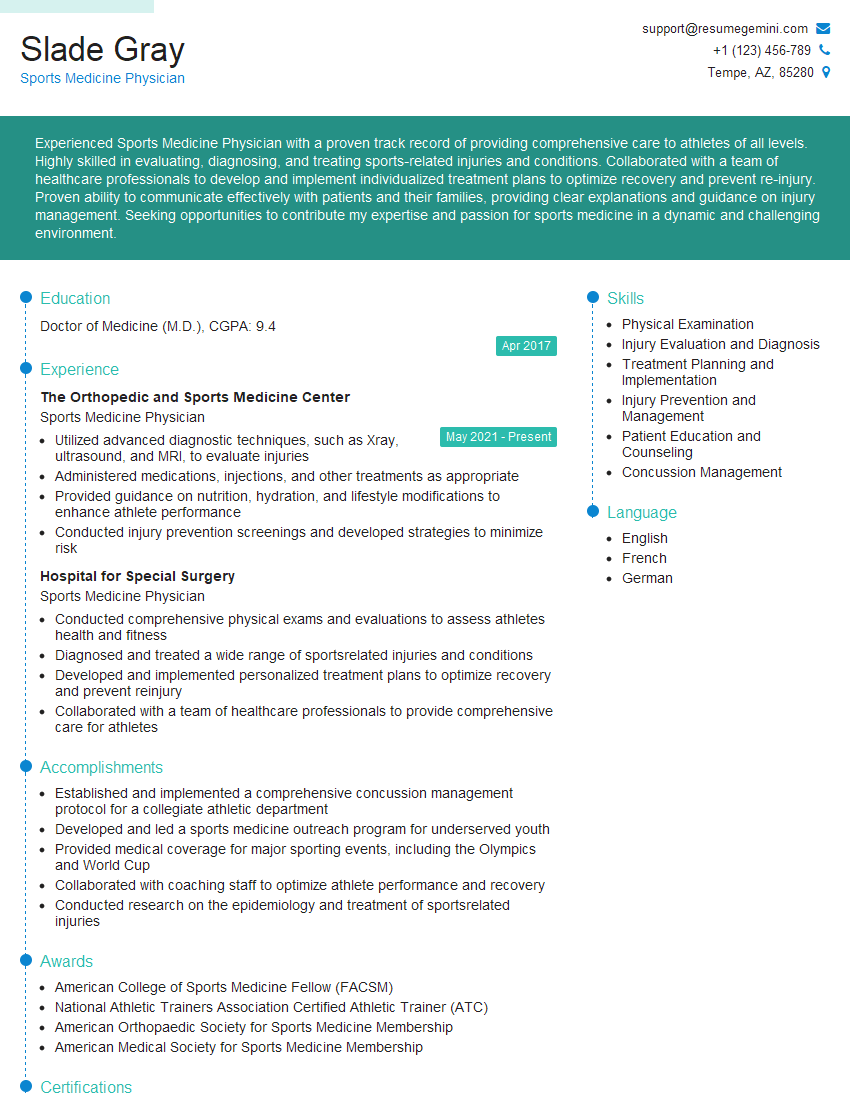
Sports Medicine Physician Resume Sample
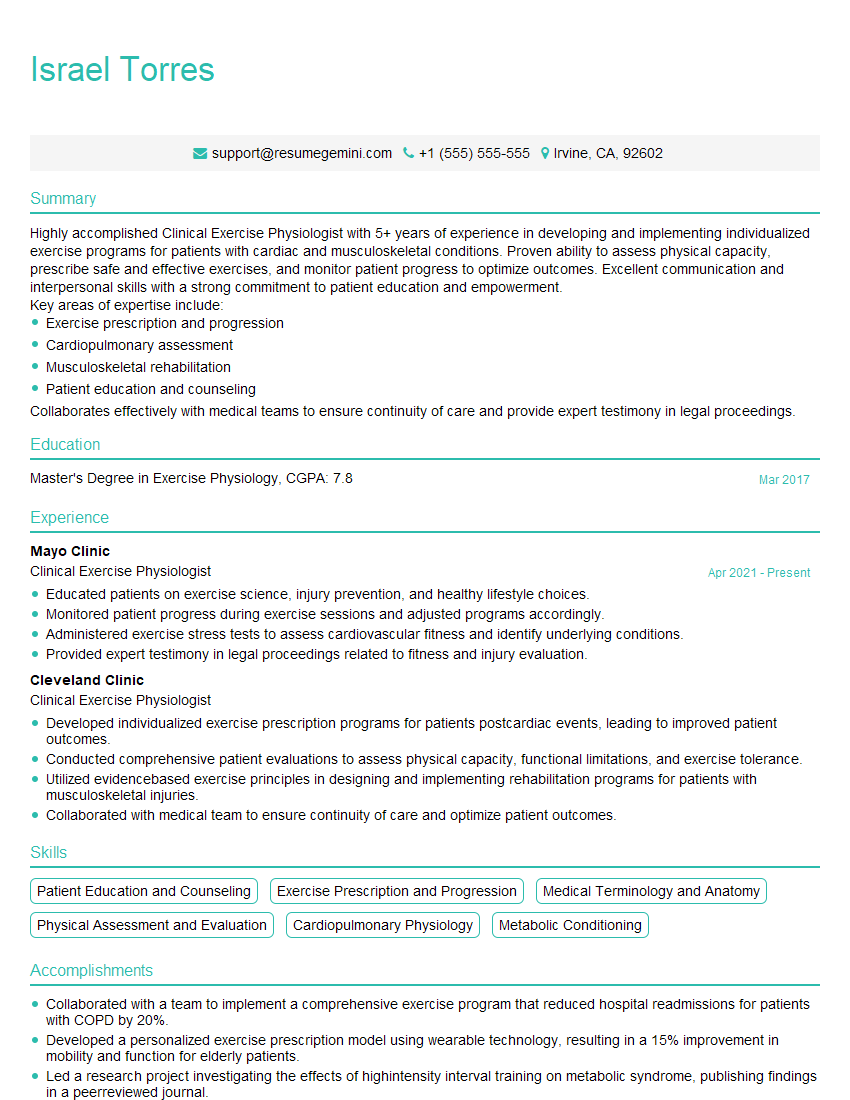
Clinical Exercise Physiologist Resume Sample
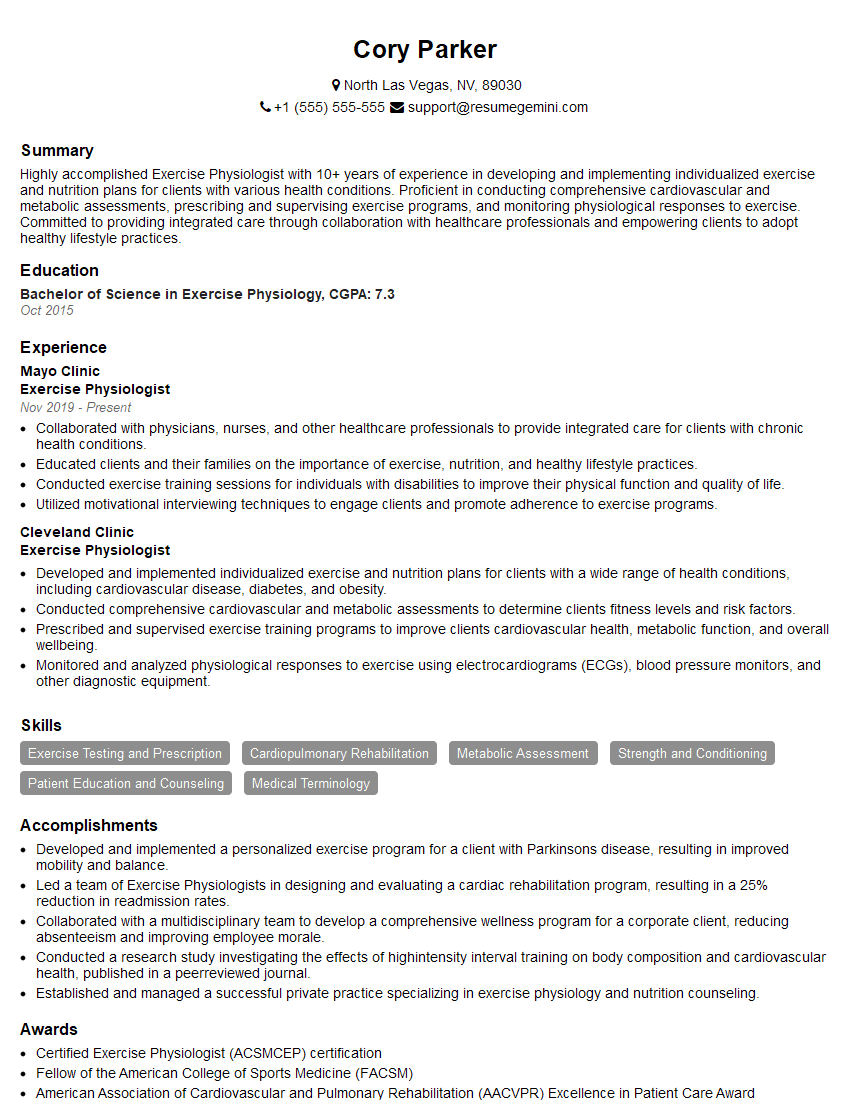
Exercise Physiologist Resume Sample
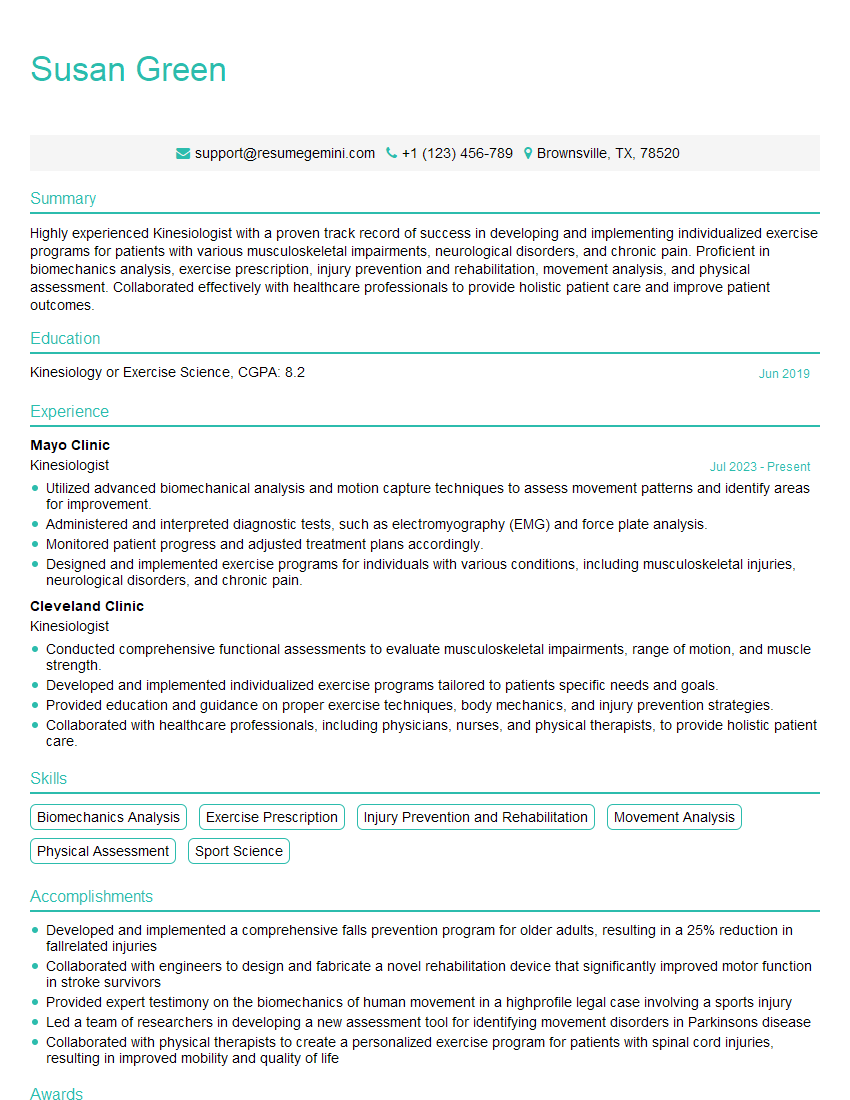
Kinesiologist Resume Sample
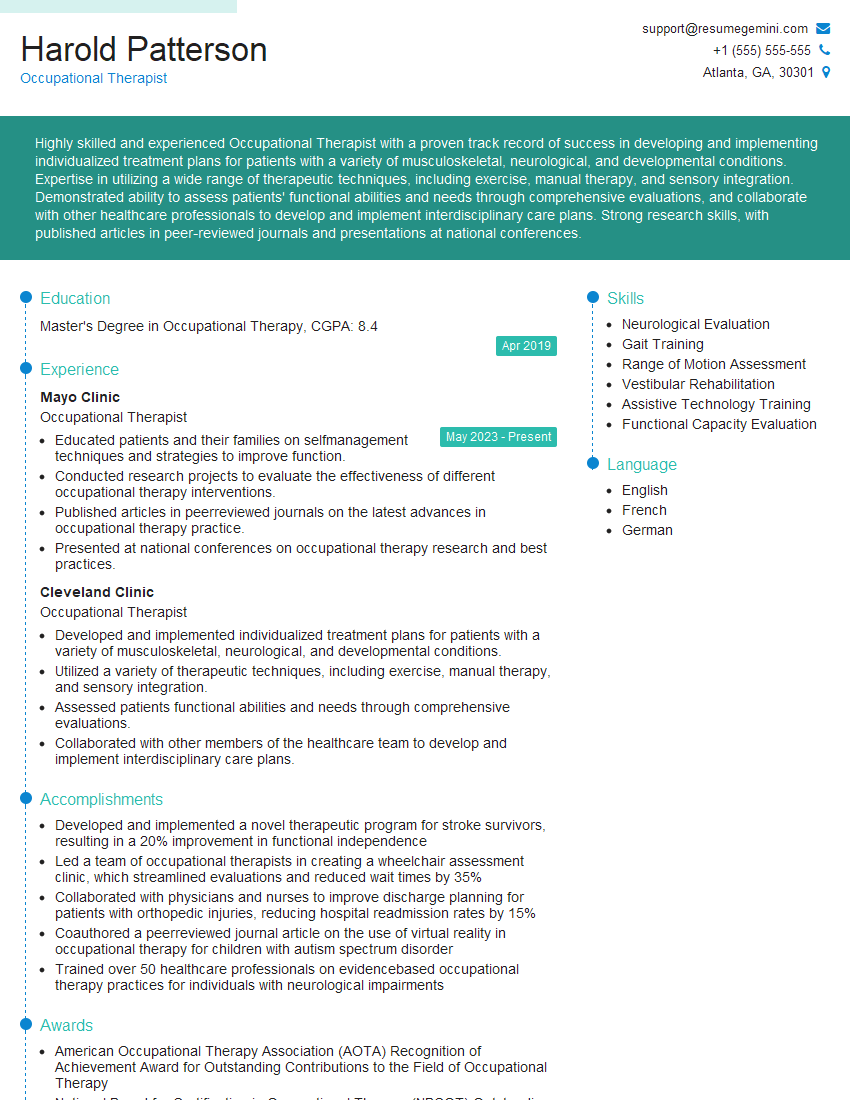
Occupational Therapist Resume Sample
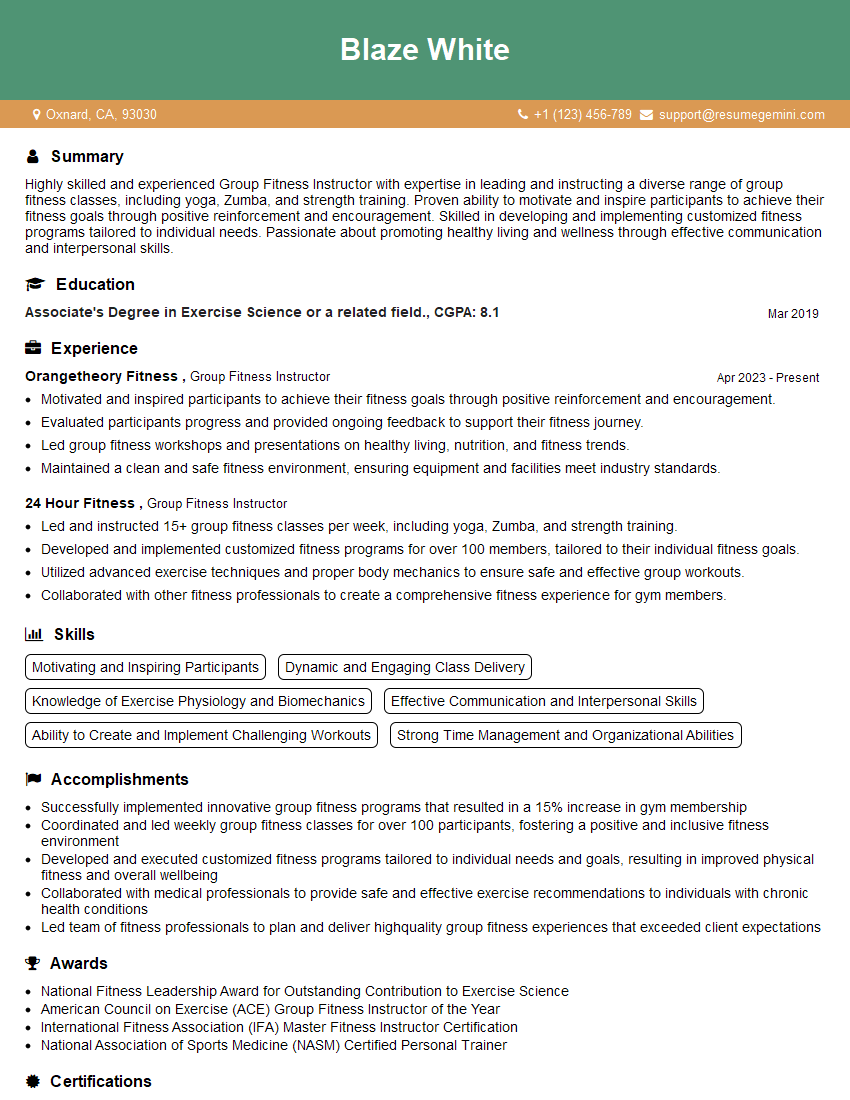
Group Fitness Instructor Resume Sample
- Fitness Director
- Wellness Coach
- Public Health Specialist
- Athletic Trainer
- Health and Fitness Instructor
- Professor of Exercise Science
- Strength and Conditioning Coach
- Sports Medicine Physician
- Clinical Exercise Physiologist
- Exercise Physiologist
- Kinesiologist
- Occupational Therapist
- Group Fitness Instructor
Explore more articles
Users Rating of Our Blogs
Share Your Experience
We value your feedback! Please rate our content and share your thoughts (optional).
What Readers Say About Our Blog
Very informative content, great job.
good