Are you ready to stand out in your next interview? Understanding and preparing for Agricultural Project Management interview questions is a game-changer. In this blog, we’ve compiled key questions and expert advice to help you showcase your skills with confidence and precision. Let’s get started on your journey to acing the interview.
Questions Asked in Agricultural Project Management Interview
Q 1. Describe your experience in developing and managing agricultural project budgets.
Developing and managing agricultural project budgets requires a meticulous approach, combining detailed cost estimation with proactive financial control. I begin by thoroughly analyzing the project scope, identifying all necessary inputs – from seeds and fertilizers to labor and equipment rentals. This involves breaking down the project into smaller, manageable tasks, assigning costs to each. I then build a comprehensive budget, incorporating contingency funds to account for unforeseen circumstances like adverse weather or equipment malfunctions. For example, in a recent irrigation project, I factored in potential pipe damage and pump repairs by allocating 10% of the total budget as a contingency. Regular monitoring and reporting throughout the project lifecycle are crucial. I use spreadsheets and project management software to track expenses against the budget, enabling timely identification and resolution of any cost overruns. This ensures transparency and accountability, providing stakeholders with up-to-date financial information.
I also utilize various budgeting techniques such as zero-based budgeting, where each expense is justified from scratch, and activity-based budgeting, which links costs directly to specific project activities. This detailed approach allows for better resource allocation and improved financial decision-making. For instance, in a precision agriculture project, activity-based budgeting helped us optimize fertilizer application by linking costs to the precise amount of fertilizer used in each field section.
Q 2. Explain your approach to risk assessment and mitigation in agricultural projects.
Risk assessment and mitigation are paramount in agricultural projects, given their susceptibility to external factors like weather patterns, pest infestations, and market fluctuations. My approach is a systematic one, starting with identifying potential risks. I use a combination of brainstorming sessions with project teams, reviewing historical data, and consulting with subject-matter experts. We then analyze the likelihood and impact of each risk, prioritizing those with the highest potential negative consequences. For example, in a large-scale crop production project, we identified drought as a significant risk given the region’s climate.
Mitigation strategies are developed for each high-priority risk. These strategies might involve purchasing crop insurance to protect against yield losses due to drought, implementing drought-resistant crop varieties, or employing water-efficient irrigation techniques. Regular risk monitoring is vital, and contingency plans are implemented as needed. Think of it like building a house – you wouldn’t build a house without planning for potential problems like termites or storms. Similarly, proactively addressing potential risks in agriculture ensures project success.
Q 3. How do you ensure the timely completion of agricultural projects?
Ensuring timely project completion involves meticulous planning, effective execution, and proactive monitoring. I start by creating a detailed project schedule using tools like Gantt charts, outlining tasks, dependencies, and deadlines. This schedule serves as a roadmap, allowing us to track progress effectively. Regular progress meetings are conducted to identify and address any potential delays. For instance, in a livestock farming project, we discovered a delay in obtaining necessary permits. Immediate action was taken to expedite the process, avoiding project slippage.
Communication is key. Clear communication among team members, stakeholders, and suppliers is essential. Any deviations from the plan are immediately communicated, and corrective actions are put in place. We use project management software to track progress, update timelines, and share information efficiently. A proactive approach, coupled with effective communication, significantly increases the likelihood of timely project completion.
Q 4. What are your preferred project management methodologies for agricultural settings?
My preferred project management methodologies for agricultural settings often blend elements of Agile and PRINCE2. Agile’s iterative nature allows for flexibility, crucial in responding to unpredictable weather or pest outbreaks. For example, in a greenhouse project, we used Agile to adjust our planting schedule based on real-time weather forecasts. PRINCE2’s structured approach provides a strong framework for governance and control, ensuring projects adhere to regulatory requirements and stakeholder expectations.
The specific methodology chosen depends on the project’s complexity and the client’s needs. In smaller projects, a leaner Agile approach might suffice, while larger, more complex projects benefit from the structure provided by PRINCE2. Regardless of the chosen methodology, transparent communication, effective risk management, and continuous monitoring are always essential components.
Q 5. Describe your experience with implementing sustainable agricultural practices.
Implementing sustainable agricultural practices is not just a trend; it’s a necessity for long-term food security and environmental protection. My experience includes working on projects that integrate various sustainable techniques. For example, in a coffee farming project, we implemented agroforestry, integrating trees into the coffee plantation to improve soil health, reduce erosion, and provide shade. This enhances biodiversity and resilience to climate change.
Other sustainable practices I’ve incorporated include water-efficient irrigation, using drip irrigation systems instead of flood irrigation to reduce water consumption and improve water use efficiency. We also focused on promoting integrated pest management, minimizing reliance on synthetic pesticides by using biological control agents and other sustainable pest control measures. The ultimate goal is to create environmentally responsible, economically viable, and socially equitable farming systems. Each project strives to minimize environmental impact while maximizing resource efficiency and farmer income.
Q 6. How do you handle conflicts among stakeholders in an agricultural project?
Conflict resolution is a critical skill in agricultural project management, as projects often involve diverse stakeholders with potentially competing interests. My approach begins with open communication and active listening. I create a safe space for all stakeholders to express their concerns and perspectives. I facilitate collaborative discussions, ensuring everyone feels heard and understood. For example, in a land acquisition project for an agricultural development, conflicts arose between local farmers and the project developers. I organized meetings to address the concerns of both parties, leading to a mutually agreeable solution that ensured fair compensation for the farmers while securing the land needed for the project.
Mediation and negotiation techniques are essential. If direct negotiation fails, I utilize conflict resolution frameworks, such as interest-based bargaining, to find common ground. Transparency and fairness are paramount. Decisions are made based on objective criteria, ensuring all stakeholders perceive the process as equitable. Documenting agreements and commitments is crucial to avoid future misunderstandings and prevent recurrence of conflicts.
Q 7. Explain your experience with precision agriculture technologies.
Precision agriculture technologies are revolutionizing the agricultural sector, offering significant improvements in efficiency and sustainability. My experience involves integrating various precision agriculture technologies into projects. This includes using GPS-guided machinery for precise planting and spraying, reducing input costs and environmental impact. For example, in a large-scale farming operation, we implemented variable rate technology to apply fertilizers and pesticides based on site-specific soil conditions, optimizing input utilization and minimizing waste.
I also have experience using remote sensing and GIS technologies for monitoring crop health and yield prediction. Drone imagery allows for timely identification of crop stress or disease outbreaks, enabling prompt intervention and minimizing yield losses. Data analytics is crucial. We utilize data from various sensors and technologies to generate insights and make informed decisions regarding irrigation, fertilization, and pest control. This data-driven approach enhances efficiency and improves overall project outcomes.
Q 8. How do you monitor and evaluate the performance of agricultural projects?
Monitoring and evaluating agricultural project performance requires a multi-faceted approach, combining quantitative and qualitative data. It’s like conducting a health check on your project throughout its lifecycle.
Key Performance Indicators (KPIs): We define specific, measurable, achievable, relevant, and time-bound (SMART) KPIs aligned with project goals. For example, yield per hectare, cost per unit of production, water usage efficiency, and market prices are crucial. Regular monitoring of these KPIs using field data, reports, and accounting systems allows us to track progress against targets.
Progress Reporting: Regular progress reports, often weekly or monthly, are vital. These reports compare actual performance against the planned schedule and budget, highlighting variances and potential problems. This could involve analyzing data on planting dates, fertilizer application, pest control measures, and harvesting yields.
On-site Inspections: Regular field visits are essential for direct observation. This allows for assessment of crop health, irrigation efficiency, and adherence to best practices. Visual inspections can reveal issues not captured in data reports, such as soil erosion or disease outbreaks.
Stakeholder Feedback: Gathering feedback from farmers, workers, and other stakeholders is crucial for understanding the project’s impact and identifying areas for improvement. This can be achieved through interviews, surveys, or focus group discussions.
Data Analysis: This is critical for identifying trends and patterns. Statistical analysis helps in identifying factors influencing project performance, enabling informed decision-making and corrective action. For instance, we might use regression analysis to model the relationship between fertilizer application and yield.
By combining these methods, we build a comprehensive understanding of project performance, allowing for timely adjustments and improved outcomes.
Q 9. Describe your experience with data analysis in agricultural project management.
Data analysis is the backbone of effective agricultural project management. My experience encompasses a wide range of techniques and tools, used to extract actionable insights from various datasets.
Yield Analysis: I’ve extensively used statistical software like R and Python to analyze yield data, identifying factors affecting crop productivity. This includes analyzing the impact of different fertilizer types, irrigation methods, and pest control strategies.
Cost Analysis: I’ve developed models to assess the economic viability of projects. This involves analyzing input costs (seeds, fertilizers, labor), operational expenses, and revenue projections to determine profitability and return on investment.
Geographic Information Systems (GIS): I’m proficient in using GIS software to map fields, analyze soil conditions, optimize irrigation systems, and monitor crop health. GIS allows for precise spatial analysis, leading to better resource allocation and targeted interventions.
Remote Sensing: I’ve integrated remote sensing data (satellite imagery and drone data) to monitor crop growth, detect stress conditions (drought, disease), and assess overall field health. This provides a timely and comprehensive overview of large areas.
For instance, in a recent project, I used a combination of yield data, soil analysis, and remote sensing to optimize fertilizer application, leading to a 15% increase in yield and a 10% reduction in fertilizer costs.
Q 10. How do you manage supply chain logistics in agricultural projects?
Managing supply chain logistics in agricultural projects is critical for ensuring timely access to inputs and efficient distribution of outputs. It’s like orchestrating a complex symphony, where every instrument needs to play its part at the right time.
Procurement Planning: This involves identifying required inputs (seeds, fertilizers, pesticides, machinery), sourcing reliable suppliers, negotiating favorable prices, and managing contracts. Thorough planning helps avoid delays and shortages.
Inventory Management: Efficient inventory control minimizes storage costs and spoilage. This includes establishing optimal stock levels, tracking inventory movements, and implementing effective warehousing and storage practices.
Transportation and Distribution: This involves coordinating the timely movement of inputs and outputs. Factors like transportation costs, infrastructure constraints, and seasonal variations are considered to optimize logistics. This often involves working closely with trucking companies or other transportation providers.
Quality Control: Implementing quality control measures at each stage of the supply chain ensures that inputs and outputs meet the required standards. This includes regular inspections and testing.
Risk Management: Identifying potential risks (e.g., price fluctuations, transportation disruptions, natural disasters) and developing contingency plans are vital for ensuring supply chain resilience.
In one project, by optimizing the transportation routes and consolidating shipments, I reduced transportation costs by 12% while ensuring timely delivery of inputs.
Q 11. Explain your experience with irrigation system design and management.
My experience with irrigation system design and management involves a deep understanding of water resources, soil characteristics, and crop requirements. It’s about providing the right amount of water at the right time to maximize crop yield and efficiency.
Needs Assessment: This involves evaluating the water availability, soil type, crop type, and topography to determine the most suitable irrigation method (drip, sprinkler, furrow). Site-specific assessments are crucial.
System Design: I’ve designed and implemented various irrigation systems, considering factors like water pressure, pipe sizing, emitter spacing, and automation. Computer-aided design (CAD) software is frequently used for this purpose.
Water Management: Efficient water management is crucial for maximizing yield and minimizing water waste. This involves monitoring water use, scheduling irrigation based on soil moisture levels and weather forecasts, and using sensors to optimize water delivery.
Maintenance and Repair: Regular maintenance and timely repairs are essential for preventing breakdowns and ensuring system longevity. This includes cleaning filters, checking pressure, and repairing leaks.
For example, in one project, we implemented a drip irrigation system, leading to a 20% increase in crop yield and a 30% reduction in water consumption compared to traditional flood irrigation.
Q 12. How do you ensure the quality of agricultural products throughout the production process?
Ensuring the quality of agricultural products requires a comprehensive approach, starting from the selection of seeds and extending to post-harvest handling. It’s like building a house – every brick needs to be of high quality for a strong foundation.
Seed Selection: Selecting high-quality seeds with desirable traits (yield, disease resistance, etc.) is paramount. Seed testing and certification programs are important.
Good Agricultural Practices (GAP): Adherence to GAPs throughout the production process minimizes contamination and maximizes product quality. This includes proper fertilization, pest control, and harvesting techniques.
Quality Control Checks: Regular inspections and testing during the growing season help identify and address potential quality issues early on. This might involve testing for pesticide residues or disease.
Harvesting Techniques: Proper harvesting techniques minimize damage to the products, preserving their quality and shelf life. Careful handling and appropriate equipment are crucial.
Traceability: Establishing a traceability system allows for tracking the products from the field to the consumer, facilitating quality control and recall procedures if necessary.
In a recent project, implementing stringent GAPs and quality control measures led to a significant reduction in product rejects and improved market access.
Q 13. Describe your experience with post-harvest management techniques.
Post-harvest management is critical for minimizing losses and preserving the quality of agricultural products. It’s like extending the shelf life of a delicate dish, ensuring it retains its flavor and appeal.
Harvesting and Handling: Careful handling during harvesting and transportation minimizes damage and spoilage. Appropriate containers and transportation methods are essential.
Cleaning and Grading: Cleaning and grading processes remove debris, separate products based on size and quality, and improve market value.
Storage: Proper storage conditions (temperature, humidity, ventilation) are crucial for preserving product quality and extending shelf life. This might involve using cold storage, controlled atmosphere storage, or other preservation techniques.
Processing: Processing techniques (e.g., drying, canning, freezing) can transform perishable products into more stable forms, extending shelf life and expanding market opportunities.
Packaging: Appropriate packaging protects products from damage during transportation and storage, maintaining their quality and freshness.
For example, in a project focusing on mangoes, implementing proper post-harvest handling, including cold storage and modified atmosphere packaging, increased the shelf life from 3 days to 2 weeks, significantly improving market access and profitability.
Q 14. How do you adapt to changing market conditions in agricultural projects?
Adapting to changing market conditions is essential for the success of any agricultural project. It’s about being agile and responsive to market signals, much like a ship adjusting its course based on changing winds.
Market Research: Continuous market research is crucial for understanding consumer preferences, price trends, and competitor activities. This helps in making informed decisions about crop selection, production methods, and marketing strategies.
Diversification: Diversifying crops and products reduces reliance on a single market and minimizes risks associated with price fluctuations or demand changes.
Value Addition: Processing and packaging agricultural products adds value and expands market opportunities. This can involve creating processed foods, value-added ingredients, or specialty products.
Strategic Partnerships: Developing strong relationships with buyers, processors, and other stakeholders provides access to market information and creates more resilient supply chains.
Flexibility and Innovation: Being flexible and open to innovation allows farmers and project managers to adapt to changing circumstances quickly and efficiently. This might include adopting new technologies or farming practices.
In one instance, when the price of a particular crop plummeted, we quickly shifted to a higher-value crop that was in greater demand, minimizing financial losses and ensuring the project’s continued viability.
Q 15. Explain your experience with regulatory compliance in agricultural projects.
Regulatory compliance in agricultural projects is paramount, encompassing a wide range of environmental, labor, and safety standards. My experience involves navigating these complexities to ensure projects adhere to all applicable laws and regulations. This includes understanding and implementing guidelines related to pesticide use, water management, waste disposal, and worker safety protocols. For example, in a recent project involving organic farming, we meticulously documented every step of the process, from seed selection to harvest, to ensure compliance with organic certification standards. This involved working closely with certifying bodies to guarantee the integrity of our methods and the quality of our produce. Another example is adhering to local regulations regarding water usage, especially crucial in drought-prone areas. We developed and implemented an irrigation strategy that optimized water consumption while still achieving high yields, preventing violations and promoting sustainable practices.
Career Expert Tips:
- Ace those interviews! Prepare effectively by reviewing the Top 50 Most Common Interview Questions on ResumeGemini.
- Navigate your job search with confidence! Explore a wide range of Career Tips on ResumeGemini. Learn about common challenges and recommendations to overcome them.
- Craft the perfect resume! Master the Art of Resume Writing with ResumeGemini’s guide. Showcase your unique qualifications and achievements effectively.
- Don’t miss out on holiday savings! Build your dream resume with ResumeGemini’s ATS optimized templates.
Q 16. How do you utilize technology to enhance efficiency in agricultural projects?
Technology plays a pivotal role in enhancing efficiency in agricultural projects. I leverage various technological tools, including precision agriculture techniques like GPS-guided machinery for optimized planting and fertilization. This minimizes resource waste and maximizes yields. Furthermore, I utilize farm management software to monitor crop health, track yields, and manage resources effectively. For instance, we used drone technology to assess crop health in a large-scale wheat farming project, allowing for early detection of disease and nutrient deficiencies, leading to timely interventions and cost savings. Data analysis from sensors integrated with irrigation systems provided real-time soil moisture information, optimizing water use and preventing overwatering. This data-driven approach to decision-making drastically improved resource allocation and overall project efficiency.
Q 17. Describe your experience with soil health management.
Soil health management is crucial for long-term agricultural sustainability. My experience includes implementing practices that improve soil structure, fertility, and water retention. This involves techniques like cover cropping, no-till farming, and crop rotation. For example, in a project focused on improving soil fertility on degraded land, we introduced a cover crop of legumes to fix nitrogen in the soil, reducing the need for synthetic fertilizers. This not only improved soil health but also decreased reliance on costly inputs. We also implemented no-till farming to protect soil structure and minimize erosion, contributing to long-term soil productivity and healthier ecosystems. The results were a significant increase in soil organic matter and improved water infiltration, leading to healthier plants and increased yields.
Q 18. How do you manage pest and disease control in agricultural projects?
Pest and disease control is a critical aspect of agricultural project management. My approach emphasizes integrated pest management (IPM), a holistic strategy that combines various methods to minimize pest and disease impact while reducing reliance on synthetic pesticides. This includes biological control, crop rotation, and the use of resistant crop varieties. For example, in a project dealing with a significant aphid infestation in a vegetable farm, we introduced ladybugs, natural predators of aphids, effectively controlling the infestation without the use of harmful chemicals. We also implemented a thorough crop rotation strategy, breaking the life cycle of pests and reducing the prevalence of soilborne diseases. Monitoring pest and disease levels was continuous, allowing for timely intervention and preventing widespread outbreaks.
Q 19. Explain your experience with crop rotation and diversification.
Crop rotation and diversification are essential for maintaining soil health, reducing pest and disease pressure, and improving overall farm resilience. My experience includes developing and implementing crop rotation plans tailored to specific soil types and climate conditions. For example, a project in a region prone to drought involved rotating drought-resistant crops like sorghum with other crops to maintain soil fertility and diversify income streams. We carefully selected crops that had different nutrient requirements, optimizing the use of soil resources while minimizing risks associated with monoculture farming. This diversification strategy resulted in increased resilience to environmental stresses, stable yields, and enhanced profitability for farmers.
Q 20. How do you ensure the safety and well-being of workers in agricultural projects?
Ensuring worker safety and well-being is paramount in agricultural projects. My approach involves implementing comprehensive safety programs that address potential hazards related to machinery operation, pesticide handling, and working conditions. This includes providing appropriate safety training, implementing safety protocols, and providing personal protective equipment (PPE). For example, before starting any project, we conduct a thorough risk assessment to identify potential hazards. We then develop a tailored safety plan incorporating safety training, regular inspections, and procedures for handling emergencies. In one project, we implemented a system to monitor worker exposure to pesticides, ensuring compliance with regulations and protecting workers’ health. This commitment to worker safety fosters a positive work environment and reduces the risk of accidents and injuries.
Q 21. Describe your experience with livestock management.
My experience in livestock management encompasses various aspects, from breeding and nutrition to disease control and animal welfare. This involves implementing sustainable livestock farming practices that maximize productivity while prioritizing animal health and minimizing environmental impact. For example, in a project focused on improving dairy farm efficiency, we implemented a precision feeding system that provided each cow with a customized feed ration based on its individual needs. This optimized milk production, reduced feed waste, and improved overall herd health. We also implemented a comprehensive biosecurity program to prevent the spread of diseases and ensure optimal animal welfare. Regular health checks, vaccination programs, and appropriate housing conditions were all implemented to maintain a healthy herd and maximize productivity.
Q 22. How do you promote sustainability in agricultural production?
Promoting sustainability in agricultural production is crucial for ensuring long-term food security and environmental protection. It involves a holistic approach encompassing economic, social, and environmental considerations. We need to move away from practices that deplete resources and towards systems that regenerate them.
Resource Efficiency: This includes optimizing water usage through techniques like drip irrigation and rainwater harvesting, minimizing fertilizer and pesticide use through precision agriculture and integrated pest management, and promoting efficient energy use in farming operations. For example, I worked on a project where we implemented a precision irrigation system that reduced water consumption by 40%, significantly lowering operational costs and environmental impact.
Soil Health: Maintaining healthy soil is paramount. Practices like no-till farming, cover cropping, and crop rotation help improve soil structure, fertility, and water retention. On a project focused on organic farming, we implemented a cover cropping program that resulted in a 25% increase in soil organic matter, enhancing soil health and reducing erosion.
Biodiversity: Promoting biodiversity through agroforestry (integrating trees and shrubs into farming systems) and crop diversification helps create resilient and productive ecosystems. In one instance, we collaborated with local farmers to establish agroforestry systems, leading to increased pollination, reduced pest pressure, and improved income diversification.
Climate Change Mitigation and Adaptation: Sustainable agriculture needs to address climate change. This involves adopting climate-smart practices such as drought-resistant crops, carbon sequestration through soil management, and reducing greenhouse gas emissions from farming activities. We’ve utilized climate modeling to predict future water scarcity and advised farmers on selecting appropriate drought-tolerant varieties.
Q 23. Explain your experience with water resource management in agriculture.
Water resource management is critical in agriculture, especially in water-stressed regions. My experience involves a multi-faceted approach focusing on efficient irrigation techniques, water harvesting, and water quality management.
Efficient Irrigation: I have extensive experience designing and implementing various irrigation systems, including drip irrigation, sprinkler irrigation, and micro-sprinklers, based on the specific needs of the project and available resources. For example, in one project, we replaced traditional flood irrigation with a drip irrigation system, resulting in a 60% reduction in water usage and a significant increase in crop yields.
Water Harvesting and Storage: I’ve worked on projects that incorporate rainwater harvesting techniques such as the construction of farm ponds and check dams. These structures help capture rainwater and store it for later use, reducing reliance on groundwater and surface water sources. I oversaw the construction of several farm ponds which increased water availability during dry spells.
Water Quality Management: Maintaining good water quality is vital. I’ve been involved in projects focused on improving water quality through practices like avoiding excessive fertilizer and pesticide application, implementing buffer strips along water bodies, and utilizing water treatment technologies where needed.
Q 24. How do you handle unexpected challenges during project execution?
Unexpected challenges are inevitable in agricultural project management. My approach involves proactive risk assessment, contingency planning, and a flexible, adaptive management style.
Proactive Risk Assessment: Before project initiation, I conduct a thorough risk assessment to identify potential challenges, such as extreme weather events, pest outbreaks, or market fluctuations. This helps in developing contingency plans.
Contingency Planning: Based on the risk assessment, we develop contingency plans for different scenarios. This might involve having alternative crop varieties, securing backup resources, or adjusting project timelines. For instance, in a project impacted by an unexpected drought, we implemented emergency water rationing and switched to drought-tolerant crops, minimizing losses.
Adaptive Management: Flexibility is key. We regularly monitor project progress and make adjustments as needed based on new information and emerging challenges. This requires strong communication and collaboration among the project team.
Problem-Solving Techniques: I utilize various problem-solving techniques, including root cause analysis, brainstorming, and decision-making frameworks, to address unexpected issues effectively and efficiently.
Q 25. Describe your experience with stakeholder engagement and communication.
Effective stakeholder engagement and communication are central to successful agricultural projects. This involves building strong relationships with various stakeholders, including farmers, community members, government agencies, and funding organizations.
Stakeholder Identification and Analysis: The first step involves identifying all relevant stakeholders and understanding their interests, concerns, and influence. I use stakeholder mapping to visualize these relationships and prioritize engagement strategies.
Communication Strategies: I employ various communication channels, such as workshops, field days, farmer meetings, and regular progress reports, to keep stakeholders informed and involved. Tailoring communication to different audiences is crucial for effective engagement.
Participatory Approaches: I often use participatory approaches, such as participatory rural appraisal (PRA), to actively involve stakeholders in project design and implementation. This ensures projects are relevant and sustainable.
Conflict Resolution: Addressing conflicts among stakeholders is crucial. I facilitate constructive dialogue and negotiation to find solutions that are mutually acceptable.
Q 26. How do you measure the success of an agricultural project?
Measuring the success of an agricultural project requires a multi-dimensional approach, considering both quantitative and qualitative indicators. We should look beyond simple yield increases to encompass broader economic, social, and environmental outcomes.
Yield and Productivity: Increased crop yields, improved livestock productivity, and enhanced resource efficiency are key indicators of project success. Data collection and analysis are essential here.
Economic Viability: Assessing the economic benefits for farmers and communities is important. This includes increased income, reduced production costs, and improved market access.
Social Impact: Measuring changes in social well-being is equally important. This could include improved food security, increased employment opportunities, and enhanced community empowerment.
Environmental Sustainability: Indicators such as reduced water and fertilizer use, improved soil health, and biodiversity enhancement measure the project’s environmental impact.
Project Sustainability: Ultimately, the success of a project is measured by its long-term sustainability. This requires ensuring that project benefits continue even after external support is withdrawn. We look at the adoption rate of new practices by farmers and their ability to maintain them.
Q 27. Explain your understanding of different agricultural production systems.
Agricultural production systems vary widely, each with its own advantages and disadvantages. Understanding these systems is crucial for effective project design and implementation.
Conventional Farming: This system relies heavily on external inputs like fertilizers, pesticides, and irrigation. It can lead to high yields but also environmental concerns.
Organic Farming: This system emphasizes ecological principles, using natural methods to improve soil fertility and pest control. It tends to be more sustainable but may have lower yields.
Integrated Farming Systems: This involves combining different agricultural enterprises, such as crop production, livestock rearing, and aquaculture, to create a synergistic and more resilient system.
Precision Agriculture: This utilizes technology such as GPS, remote sensing, and GIS to optimize resource use and improve efficiency.
Conservation Agriculture: This emphasizes soil conservation techniques, such as no-till farming, cover cropping, and crop rotation, to improve soil health and reduce erosion.
My experience encompasses all these systems, allowing me to adapt project strategies to the specific context and needs.
Q 28. Describe your experience with grant writing and funding acquisition for agricultural projects.
Securing funding is a critical aspect of agricultural project management. My experience in grant writing and funding acquisition spans various funding agencies, including governmental organizations, international development organizations, and private foundations.
Needs Assessment and Proposal Development: The process begins with a thorough needs assessment to identify the problem, propose solutions, and justify the project’s budget. A well-written proposal clearly articulates the project’s goals, methodology, and expected outcomes.
Funding Agency Research: I thoroughly research potential funding agencies, understanding their priorities and funding guidelines to tailor proposals to their specific requirements. This ensures a higher chance of success.
Budget Development and Justification: A detailed and well-justified budget is crucial. It should clearly outline all project costs and demonstrate cost-effectiveness. I’ve successfully managed budgets ranging from tens of thousands to millions of dollars.
Monitoring and Reporting: Once funding is secured, regular monitoring and reporting are crucial to ensure accountability and transparency. This includes submitting progress reports and financial statements to the funding agencies.
I’ve successfully secured funding for several agricultural projects, demonstrating a proven track record in this area.
Key Topics to Learn for Agricultural Project Management Interview
- Project Planning & Initiation: Understanding project lifecycles, defining clear objectives, scoping, and stakeholder management within the agricultural context. Practical application: Developing a project plan for implementing a new irrigation system, considering environmental impact and community engagement.
- Risk Management in Agriculture: Identifying and mitigating risks associated with weather patterns, pest infestations, market fluctuations, and technological failures. Practical application: Developing contingency plans for drought conditions in a large-scale farming operation.
- Resource Allocation & Budget Management: Optimizing the use of land, water, labor, equipment, and financial resources. Practical application: Creating a detailed budget for a precision agriculture project, including equipment costs, labor costs, and projected yields.
- Sustainable Agricultural Practices: Integrating environmentally friendly and socially responsible practices into project designs. Practical application: Designing a project that promotes biodiversity and reduces the environmental footprint of agricultural production.
- Data Analysis & Technology Integration: Utilizing precision agriculture technologies (GPS, sensors, GIS) to improve efficiency and decision-making. Practical application: Analyzing yield data to optimize fertilizer application and improve crop yields.
- Team Management & Communication: Effective leadership and communication strategies for managing diverse teams in agricultural settings. Practical application: Implementing effective communication channels to keep stakeholders informed about project progress and address concerns.
- Project Monitoring & Evaluation: Tracking project performance against targets, identifying deviations, and implementing corrective actions. Practical application: Using key performance indicators (KPIs) to monitor progress and make data-driven adjustments to project plans.
- Agricultural Regulations & Compliance: Understanding and adhering to relevant regulations and standards related to agricultural production and environmental protection. Practical application: Ensuring compliance with pesticide use regulations and environmental impact assessments.
Next Steps
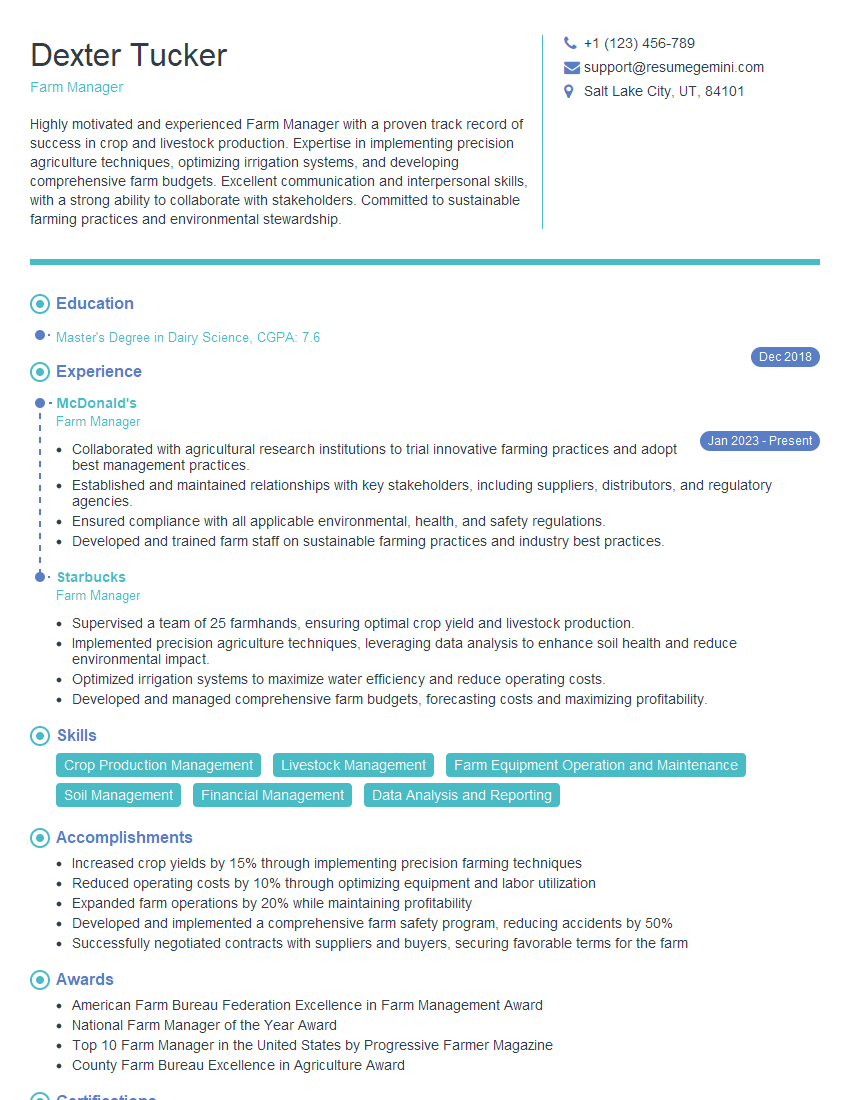
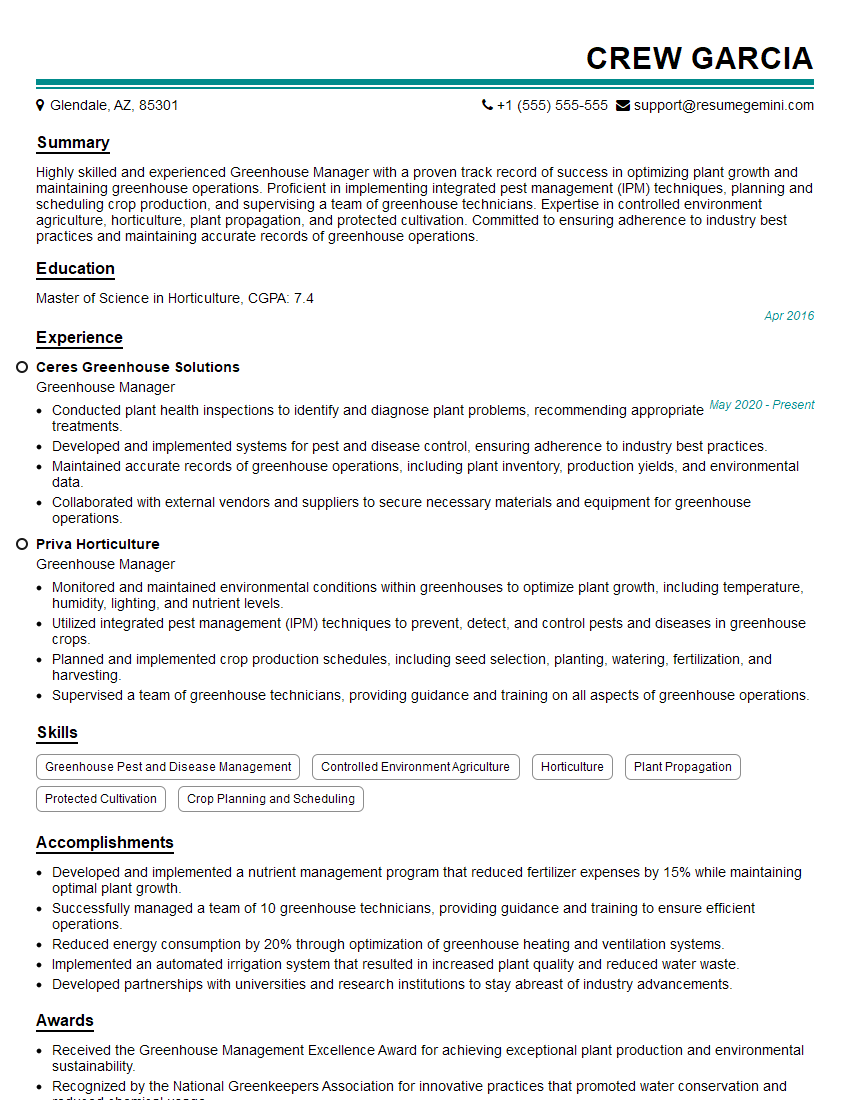
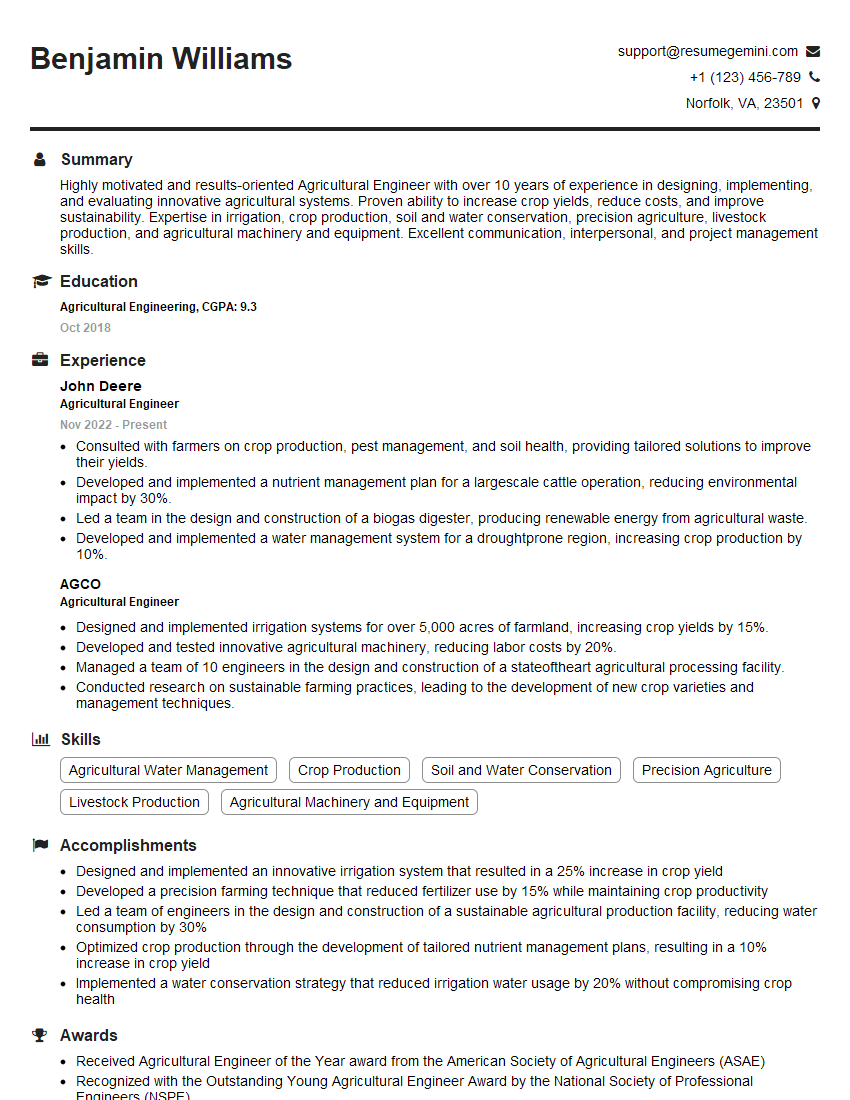
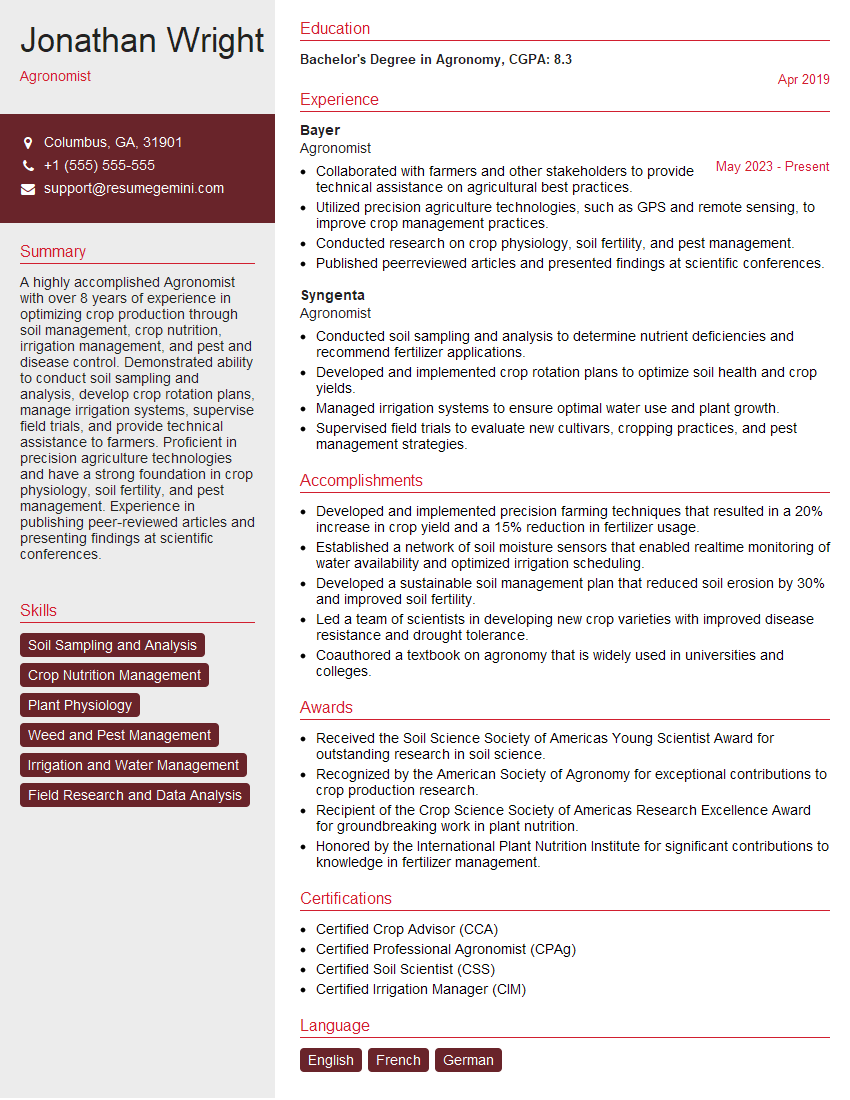
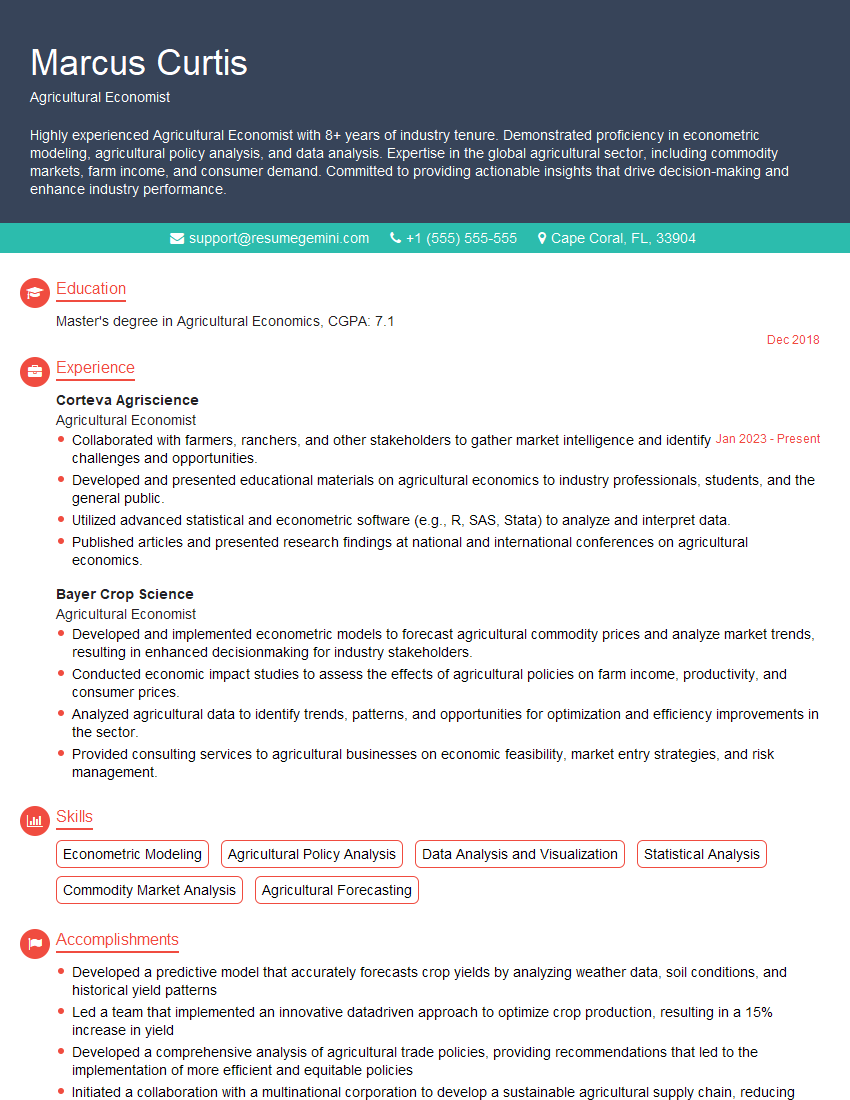
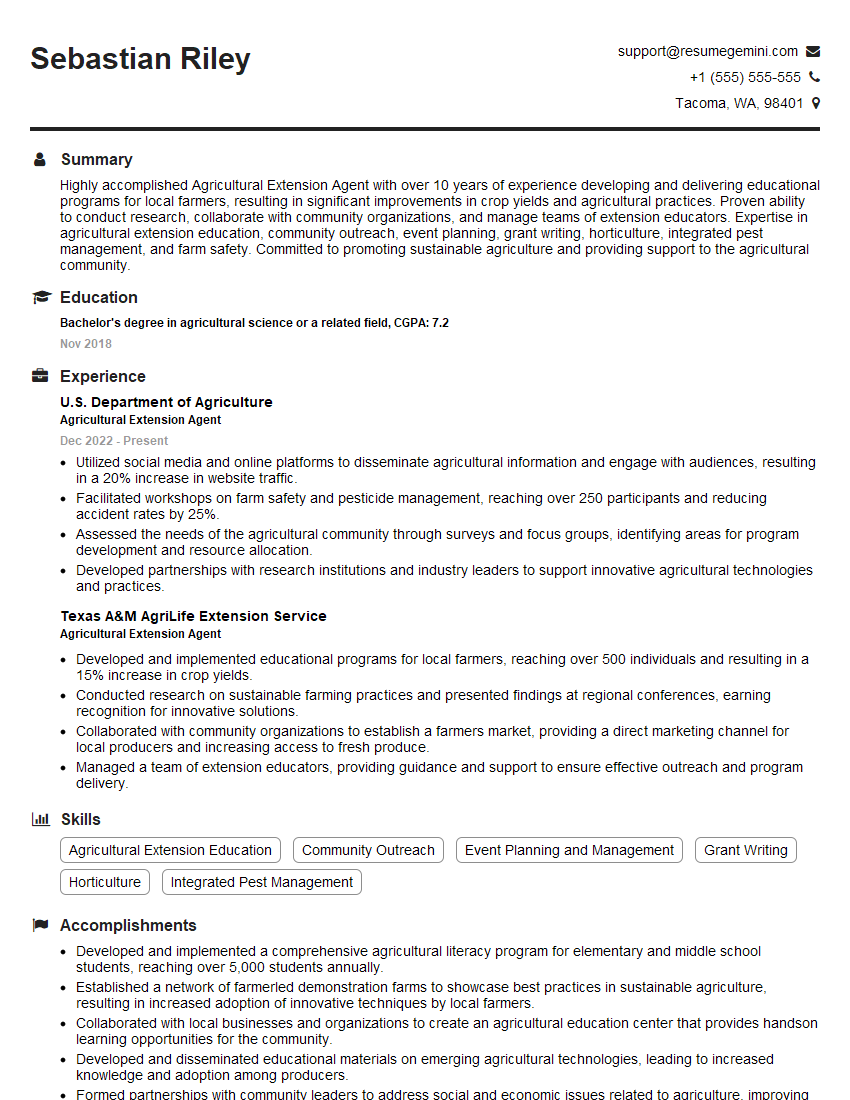
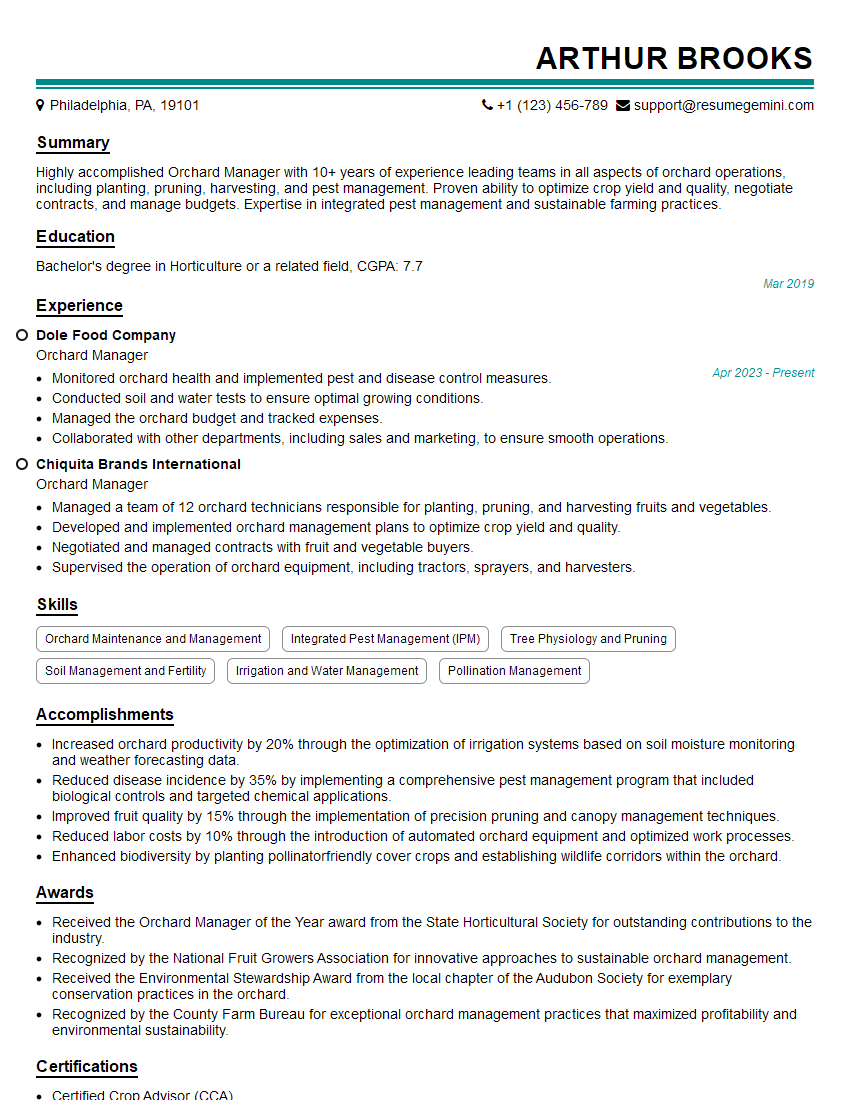
Mastering Agricultural Project Management is crucial for career advancement, opening doors to leadership roles and impactful contributions to the food and agricultural sector. A strong, ATS-friendly resume is your key to unlocking these opportunities. To significantly enhance your job prospects, consider leveraging ResumeGemini, a trusted resource for crafting professional resumes. ResumeGemini offers examples of resumes tailored to Agricultural Project Management, guiding you to create a document that showcases your skills and experience effectively. Take the next step toward your dream career – build a compelling resume that gets noticed.
Explore more articles
Users Rating of Our Blogs
Share Your Experience
We value your feedback! Please rate our content and share your thoughts (optional).
What Readers Say About Our Blog
Very informative content, great job.
good