Are you ready to stand out in your next interview? Understanding and preparing for Agricultural Structures and Buildings interview questions is a game-changer. In this blog, we’ve compiled key questions and expert advice to help you showcase your skills with confidence and precision. Let’s get started on your journey to acing the interview.
Questions Asked in Agricultural Structures and Buildings Interview
Q 1. Explain the key differences between post-frame and conventional construction for agricultural buildings.
Post-frame and conventional construction represent distinct approaches to building agricultural structures. Conventional construction, akin to building a house, involves a more complex system of interconnected walls, roofs, and floors, often built on a poured concrete foundation. Post-frame construction, on the other hand, utilizes large, heavy timber posts (or steel) set directly into the ground or on concrete piers. These posts form the primary structural support, with the walls clad on the outside.
- Conventional: More labor-intensive, often requiring skilled tradespeople for various stages. Offers greater design flexibility but can be more expensive.
- Post-frame: Faster and generally less expensive to construct due to its simpler design and less material usage. However, design flexibility is often more limited, and customization may be costly.
Imagine building a large hay barn: Conventional construction might involve brick or concrete block walls, whereas post-frame would utilize large wooden posts spaced apart, with metal sheeting covering the exterior. The choice often depends on the budget, desired lifespan, and level of customization needed.
Q 2. Describe the considerations for designing a livestock barn for optimal ventilation and climate control.
Designing a livestock barn for optimal ventilation and climate control requires a multi-faceted approach focusing on airflow, temperature regulation, and humidity management. Key considerations include:
- Airflow: Strategic placement of inlets and outlets to create consistent airflow across the barn. Ridge vents, sidewall vents, and even automated ventilation systems are crucial. Consider prevailing winds and sun exposure when planning the placement.
- Temperature: Insulation is vital, especially in climates with significant temperature fluctuations. Materials like fiberglass, foam board, or even straw bales can effectively reduce heat loss in winter and heat gain in summer. Shading the exterior can also reduce solar heat gain.
- Humidity: Proper ventilation helps control humidity levels, preventing the build-up of moisture which can lead to mold and respiratory problems for the animals. Consider incorporating materials with good moisture-wicking properties in the barn’s construction.
- Animal Comfort: The barn’s design should prioritize animal comfort. Ensure adequate space for animals to move freely and avoid drafts or excessively hot or cold areas. Consider the specific needs of the animal species you intend to house.
For example, a dairy barn might incorporate a sophisticated automated ventilation system that adjusts airflow based on temperature and humidity sensors, ensuring optimal conditions for the cows. A simpler poultry barn might rely on natural ventilation through strategically placed vents and gable ends.
Q 3. What are the common building materials used in agricultural structures, and what are their respective advantages and disadvantages?
Agricultural structures utilize a variety of materials, each with its own set of advantages and disadvantages:
- Wood: Readily available, relatively inexpensive, and easy to work with. However, it’s susceptible to rot, insect infestation, and fire. Proper treatment and maintenance are crucial.
- Steel: Strong, durable, and resistant to insects and rot. However, it’s more expensive than wood and can be susceptible to corrosion. Proper coatings and maintenance are needed.
- Concrete: Excellent compressive strength and durability, ideal for foundations and some wall sections. However, it’s expensive, labor-intensive, and has poor tensile strength.
- Metal Roofing & Siding: Durable, lightweight, and relatively inexpensive. Offers good protection from the elements but can be susceptible to dents and heat transfer (depending on the type).
- Insulation Materials: Fiberglass, polyurethane foam, and cellulose insulation are frequently used to improve energy efficiency. The choice depends on cost, R-value (thermal resistance), and fire safety requirements.
The choice of materials is highly context-dependent, with factors like budget, climate, and intended use influencing the decision. For instance, a barn in a humid climate might prioritize corrosion-resistant steel or pressure-treated wood, while a structure in a dry climate might allow for more cost-effective untreated lumber.
Q 4. How do you ensure structural integrity in agricultural buildings subjected to high wind loads?
Ensuring structural integrity in high-wind areas requires a focus on several key design elements:
- Robust Foundations: Deep foundations are crucial to anchor the structure firmly. This might involve concrete footings, piers, or even helical piles depending on the soil conditions and wind loads.
- Strong Framing: The framework must be designed to withstand the forces exerted by high winds. This often involves using stronger materials, increasing the size of structural members, and incorporating bracing systems to prevent racking (lateral movement).
- Aerodynamic Design: Minimizing wind resistance is critical. This might involve designing the building with a low profile, minimizing overhangs, and using streamlined shapes.
- Anchorage Systems: Properly anchoring the building to its foundation is crucial. This often involves using specialized connectors and straps that resist uplift and lateral forces.
- Wind Load Calculations: Accurate wind load calculations are essential to determine the appropriate design parameters. These calculations should be performed by qualified structural engineers considering the specific location and building characteristics.
For example, a grain silo in a hurricane-prone area would require significantly stronger foundations and bracing compared to a small shed in a sheltered location. Ignoring wind load calculations could lead to catastrophic failure during a severe storm.
Q 5. What are the regulatory requirements and building codes relevant to agricultural structures in your region?
Regulatory requirements and building codes for agricultural structures vary significantly by region and are often governed by a combination of state, county, and sometimes even local ordinances. It is crucial to consult with local authorities and review relevant codes before beginning any construction project. Common regulations often cover:
- Zoning regulations: These determine where agricultural structures can be built on a property.
- Building codes: These establish minimum standards for structural integrity, fire safety, and accessibility.
- Environmental regulations: These address issues such as runoff management, waste disposal, and protection of water resources.
- Health and safety regulations: These may relate to the design and construction of livestock barns, ensuring animal welfare and worker safety.
Specific codes might address aspects like minimum ceiling heights in livestock barns, required ventilation rates, and the use of approved materials. Failure to comply with these regulations can result in delays, fines, or even demolition orders.
Q 6. Describe your experience with designing or managing the construction of a large-scale agricultural facility.
I was involved in the design and construction management of a large-scale dairy facility encompassing 100,000 square feet. This project involved close collaboration with engineers, contractors, and the client to ensure efficient workflow and adherence to both budget and schedule. My role included:
- Site analysis: Assessing the terrain, soil conditions, and access for construction equipment.
- Design development: Collaborating with architects and engineers to develop detailed plans, ensuring optimal ventilation, climate control, and animal welfare.
- Material selection: Choosing appropriate, cost-effective building materials considering durability, aesthetics, and local regulations.
- Construction management: Overseeing the construction process, coordinating subcontractors, and ensuring compliance with safety regulations and the project schedule.
- Budget control: Tracking expenditures and managing costs to ensure the project remained within budget.
The project successfully concluded on time and within budget, resulting in a state-of-the-art dairy facility that improved efficiency and animal welfare. This experience honed my skills in project management, problem-solving, and effective communication across diverse teams.
Q 7. How do you incorporate sustainable and energy-efficient practices into the design of agricultural buildings?
Incorporating sustainable and energy-efficient practices into the design of agricultural buildings is increasingly important. Key strategies include:
- Passive solar design: Optimizing the building’s orientation and using natural light to minimize reliance on artificial lighting and heating.
- Energy-efficient insulation: Utilizing high-R-value insulation materials to reduce heating and cooling loads.
- High-performance windows: Using windows with low-E coatings to reduce heat transfer.
- Renewable energy sources: Incorporating solar panels or wind turbines to generate renewable energy.
- Water conservation: Using rainwater harvesting systems and efficient irrigation methods.
- Sustainable building materials: Utilizing locally sourced, recycled, or rapidly renewable materials whenever possible.
- Natural ventilation strategies: Optimizing natural airflow to minimize the need for mechanical ventilation.
For example, a poultry barn might incorporate solar panels to power its lighting and ventilation systems, while a greenhouse could use passive solar heating and natural ventilation to minimize energy consumption. These practices not only reduce environmental impact but also lead to long-term cost savings for the farm.
Q 8. What are the factors you consider when choosing the appropriate foundation for an agricultural building?
Selecting the right foundation for an agricultural building is crucial for its longevity and stability. The choice depends on several interconnected factors:
- Soil Conditions: A geotechnical investigation is essential. We need to understand the soil type (clay, sand, gravel), its bearing capacity (how much weight it can support), and the water table level. For example, expansive clay soils require special foundations like deep piers or reinforced concrete slabs to prevent settling and cracking. Sandy soils, on the other hand, might be suitable for simpler foundations.
- Building Size and Load: Larger structures and heavier equipment (like milking parlors or machinery storage) demand stronger foundations. A simple slab might suffice for a small shed, while a complex, reinforced foundation is necessary for a large dairy barn.
- Building Type: Different buildings have different needs. A free-standing structure might require a different foundation than one attached to an existing building. A poultry house, for example, might need a slightly elevated foundation to improve drainage and ventilation.
- Budget: Foundation costs can vary significantly. A cost-benefit analysis is essential to balance structural integrity with the budget. Often, a slightly more expensive, but long-lasting, foundation saves money in the long run by preventing repairs or replacements.
- Local Climate: Freezing and thawing cycles can affect the ground and foundation stability. In colder climates, we need to consider frost penetration depths to design a foundation that can withstand these forces. We might need to incorporate insulation or design a deeper foundation.
In my experience, I’ve seen projects where incorrect foundation choices led to significant problems, including settling, cracking, and even building collapse. A thorough assessment at the outset saves time and money in the long run.
Q 9. Explain the importance of proper drainage in the design and construction of agricultural structures.
Proper drainage is paramount in agricultural building design and construction. It prevents water damage to the building’s structure and protects the stored materials or livestock. Water accumulation can lead to foundation issues, rot, mold growth, and pest infestations.
- Site Drainage: The site should be graded appropriately to direct surface water away from the building. This involves creating slopes and channels to guide water flow. Proper drainage also means ensuring that gutters and downspouts effectively carry rainwater away from the building’s foundation.
- Foundation Drainage: A drainage system around the foundation is crucial. This can include gravel beds, perforated pipes, and French drains to collect and divert groundwater away from the building’s foundation. This is particularly important in areas with high water tables.
- Interior Drainage: In areas where livestock are housed or where liquid materials are stored, appropriate interior drainage systems must be installed. This could include sloped floors, floor drains, and channels to ensure that liquids are effectively removed.
- Material Selection: Choosing water-resistant materials for the building’s walls and roof is also crucial. This includes the use of treated lumber or appropriate waterproofing membranes.
For instance, I once worked on a project where inadequate drainage led to significant foundation damage within just a few years. This resulted in costly repairs. By carefully planning the drainage system from the start, we can prevent these types of issues and ensure the longevity of the structure.
Q 10. How do you address the challenges of integrating technology and automation into agricultural buildings?
Integrating technology and automation in agricultural buildings presents both challenges and exciting opportunities. The challenges often center around cost, reliability, and the need for skilled labor to operate and maintain the systems.
- Cost of Technology: Sensors, automated control systems, and data management software can be expensive upfront. A careful cost-benefit analysis is essential to determine the return on investment. We need to evaluate if the automation justifies the initial and ongoing costs.
- Reliability of Systems: Agricultural settings can be harsh, with dust, humidity, and temperature fluctuations impacting the reliability of electronic components. Robust and resilient systems are essential for successful integration.
- Skilled Labor: Operating and maintaining advanced automation systems often requires specialized knowledge. Proper training for the staff is crucial for efficient system usage and troubleshooting.
- Data Management: Integrating various sensors and systems generates large amounts of data. Efficient data management systems are needed to analyze and utilize this data for improved decision-making. This could involve using cloud-based solutions or specialized agricultural software.
Successful integration requires a phased approach. Starting with small-scale automation in specific areas before expanding the system can be beneficial. For example, you might start with automated ventilation control before adding more complex systems like automated feeding or environmental monitoring.
Q 11. Describe your experience with different types of roofing systems for agricultural buildings.
My experience encompasses a wide range of roofing systems for agricultural buildings, each with its own advantages and disadvantages.
- Metal Roofing: Metal roofs (e.g., corrugated steel, aluminum) are durable, long-lasting, and relatively low-maintenance. They are resistant to fire, insects, and rot, and they offer good protection against harsh weather conditions. However, they can be susceptible to dents and can be noisy during rain or hail.
- Pole Barn Style Roofing: This style uses a simple truss system and is commonly used for large open spaces. It’s generally cost-effective but might not provide optimal insulation or weather resistance compared to other systems.
- Fabric Roofing: This system utilizes durable fabrics, often PVC-coated polyester, stretched over a supporting structure. These roofs are lightweight and can span large areas, providing good natural light. They require careful consideration for UV degradation and potential tear resistance.
- Wood Roofing: Wood roofs, typically using traditional rafter systems, are often associated with smaller buildings or barns with a more traditional look. They require regular maintenance and are susceptible to rot, insect infestation, and fire if not properly treated.
The best choice depends on factors like budget, building size, climate, and aesthetic considerations. For example, in areas with heavy snowfall, a stronger metal roof might be preferred, while in areas with high winds, a more aerodynamic design might be needed.
Q 12. What are the safety considerations when designing and constructing agricultural structures?
Safety is paramount in the design and construction of agricultural structures. Several considerations are crucial:
- Structural Integrity: The building must be structurally sound to withstand expected loads (snow, wind, etc.). Regular inspections are needed to ensure ongoing structural stability. We should follow local building codes and standards.
- Fire Safety: Proper fire prevention measures such as fire-resistant materials, fire extinguishers, and clearly marked exits are essential, especially in barns storing hay or other flammable materials.
- Electrical Safety: All electrical systems must meet safety standards to prevent shocks and fires. Proper grounding and wiring are crucial. In areas with dampness, special precautions are needed to prevent electrical hazards.
- Livestock Safety: Buildings housing livestock need safe and secure enclosures to prevent animal escapes or injuries. Adequate ventilation and climate control are also necessary for animal welfare.
- Emergency Exits and Access: Clearly marked and accessible emergency exits are crucial to ensure quick escape in case of fire or other emergencies. Adequate access for emergency vehicles should also be considered.
- Fall Protection: Providing suitable fall protection systems for workers during construction and maintenance is critical, particularly on elevated surfaces like roofs.
Many accidents in agricultural settings can be prevented through careful planning and adherence to safety guidelines. I always emphasize safety during the entire design and construction process, from initial planning to final inspection.
Q 13. How do you estimate the cost of constructing an agricultural building?
Estimating the cost of constructing an agricultural building requires a detailed breakdown of various components.
- Site Preparation: This includes land clearing, grading, and excavation. The cost depends on the site conditions and the extent of work required.
- Foundation: Foundation costs vary significantly depending on the soil conditions, size of the building, and the type of foundation used (slab, pier, etc.).
- Materials: The cost of materials, such as lumber, steel, concrete, roofing materials, and insulation, forms a significant portion of the total cost. Price fluctuations in these materials need to be considered.
- Labor: Labor costs depend on the complexity of the construction, the location, and the prevailing wage rates. The skilled labor required for specific aspects like electrical or plumbing can increase the cost.
- Equipment Rental: Rental costs of construction equipment (e.g., cranes, excavators) must be included in the estimate.
- Permits and Inspections: The cost of obtaining necessary permits and inspections from relevant authorities varies depending on the location and the building’s size and complexity.
- Contingency: It’s essential to include a contingency for unforeseen costs or delays. Typically, a 10-15% contingency is added to the estimate.
I use detailed spreadsheets and software tools to generate accurate cost estimates. I also utilize historical data from past projects to refine my estimates and account for regional price variations. Transparency with clients is key, so they understand the cost breakdown and can make informed decisions.
Q 14. Describe your experience with different types of insulation materials for agricultural buildings.
The choice of insulation materials for agricultural buildings depends on several factors, including budget, climate, and the specific needs of the building.
- Fiberglass Insulation: Fiberglass batts or rolls are common and relatively inexpensive. They provide good thermal resistance but can be less effective in damp environments.
- Spray Foam Insulation: Spray foam insulation offers excellent air sealing and thermal performance. It can be applied to various surfaces and fills gaps effectively. However, it’s more expensive than fiberglass.
- Mineral Wool Insulation: Mineral wool (rock wool or slag wool) is a good choice for fire resistance and sound absorption. It also performs well in damp environments.
- Cellular Plastic Insulation (e.g., Polyisocyanurate, Polyurethane): These rigid foams offer high R-values and excellent thermal performance. They are typically used in wall and roof panels. They can be costly but provide long-term energy savings.
The choice also depends on the building’s purpose. For example, a dairy barn might require insulation that is resistant to moisture and ammonia. An appropriate insulation strategy helps control temperature and humidity within the building, which is crucial for the health and productivity of livestock and the preservation of stored materials.
Q 15. Explain the principles of structural mechanics relevant to agricultural building design.
Designing agricultural structures requires a solid understanding of structural mechanics principles. These principles govern how forces act upon and within a building, ensuring its stability and longevity. Key concepts include:
- Loads: This encompasses all forces acting on the structure, like the weight of the building materials (dead load), the weight of stored materials (live load), snow load, wind load, and seismic loads. Understanding these loads is crucial for sizing structural members appropriately.
- Stress and Strain: Stress is the force applied per unit area, while strain is the deformation resulting from that stress. We need to ensure that the stress on any structural component remains below its allowable limit to prevent failure. Think of it like bending a straw – too much stress, and it breaks.
- Material Properties: Different materials (wood, steel, concrete) possess unique strength and stiffness characteristics. Selecting appropriate materials based on load requirements and cost-effectiveness is vital. For example, steel is strong and durable but can be expensive, while wood is more readily available and cost-effective but may be less resistant to certain types of loads.
- Structural Systems: This involves choosing the overall structure’s design – like a simple frame, a truss system, or a post-and-beam design – each with its strength and suitability for specific applications. A simple frame might suffice for a small shed, while a truss system is better for larger spans, like a barn.
- Stability and Equilibrium: The structure needs to be stable and in equilibrium, meaning all forces are balanced. This prevents tipping, buckling, or collapse. This requires careful consideration of the foundation and the overall structure’s geometry.
Ignoring these principles can lead to structural failures, which are not only costly to repair but can also endanger livestock, crops, and workers.
Career Expert Tips:
- Ace those interviews! Prepare effectively by reviewing the Top 50 Most Common Interview Questions on ResumeGemini.
- Navigate your job search with confidence! Explore a wide range of Career Tips on ResumeGemini. Learn about common challenges and recommendations to overcome them.
- Craft the perfect resume! Master the Art of Resume Writing with ResumeGemini’s guide. Showcase your unique qualifications and achievements effectively.
- Don’t miss out on holiday savings! Build your dream resume with ResumeGemini’s ATS optimized templates.
Q 16. How do you design for accessibility and worker safety within agricultural facilities?
Designing for accessibility and worker safety is paramount in agricultural facilities. This involves several key aspects:
- Wide doorways and aisles: Sufficient space is crucial for maneuverability of machinery, especially tractors and forklifts, but also to accommodate workers and wheelchairs or other mobility aids.
- Proper lighting: Adequate lighting reduces accidents by improving visibility, especially in dimly lit areas such as storage spaces.
- Elevated work platforms and ramps: These provide safer access to elevated areas for maintenance and repair tasks, reducing the risk of falls. Proper handrails and anti-slip surfaces are vital.
- Emergency exits and escape routes: Clear, well-marked escape routes are essential in case of emergencies, ensuring quick and safe evacuation.
- Proper ventilation: Good ventilation prevents the buildup of harmful gases or dust, protecting the workers’ health and ensuring a comfortable working environment.
- Signage and warnings: Clear and visible signage warns of potential hazards and instructs workers on safe practices.
- Ergonomic design: Work surfaces and equipment should be designed ergonomically to minimize strain and injuries. This includes considering factors such as appropriate heights for workstations and hand tools to reduce physical strain on the worker.
For example, a well-designed dairy farm would include wide, easily accessible milking parlors with adequate lighting and ventilation, along with clear escape routes in case of emergency. These safety measures not only comply with regulations but also boost worker morale and productivity.
Q 17. What are the common types of agricultural storage structures and their respective applications?
Agricultural storage structures vary based on the commodity stored and climate. Common types include:
- Silos: Primarily used for storing grains, such as corn, wheat, and soybeans. They can be either upright or horizontal, and their size depends on storage needs. Design considerations include ensuring structural integrity under the weight of the stored grain and providing adequate ventilation to prevent spoilage.
- Grain bins: Similar to silos, but often smaller and may be made of various materials like steel or wood. They offer flexibility and are widely used by smaller farms.
- Hay barns: Designed to store hay, usually built with good ventilation to prevent moisture buildup and spoilage. Proper design ensures the structural integrity of the building under the heavy load of stored hay.
- Cold storage facilities: Used for preserving perishable goods, like fruits and vegetables. These facilities require precise temperature and humidity control, and efficient insulation is vital to reduce energy consumption.
- Equipment sheds: Simple structures designed to protect farm equipment from the elements. These can range from small open sheds to larger, enclosed structures.
- Livestock barns: These are carefully designed to accommodate the specific needs of different animals – pigs, cattle, poultry, etc. Factors like ventilation, waste management, and climate control are paramount.
The choice depends on the specific requirements. A large-scale grain operation would require numerous large silos, while a smaller farm might utilize grain bins and hay barns.
Q 18. How do you manage the construction schedule and budget of an agricultural building project?
Managing the schedule and budget of an agricultural building project requires a structured approach.
- Detailed planning: Start with a comprehensive design and detailed specifications, including material quantities and labor estimates. A well-defined scope of work prevents costly change orders down the line.
- Realistic scheduling: Create a realistic schedule that accounts for potential delays due to weather, material availability, or unforeseen issues. Using project management software like MS Project or Primavera P6 can aid in this process.
- Budgeting: Develop a detailed budget encompassing all costs – materials, labor, permits, and contingencies. Regular monitoring ensures the project stays within budget. Value engineering – finding cost-effective alternatives without sacrificing quality – is crucial.
- Contractor selection: Choosing a reputable and experienced contractor who understands agricultural building construction is crucial for timely completion and adherence to specifications.
- Regular progress meetings: Conduct regular meetings with the contractor and stakeholders to track progress, address issues, and maintain transparency.
- Change management: Establish a clear process for managing changes to the scope of work, minimizing disruption and unexpected costs.
For example, a project may be delayed due to unexpected soil conditions requiring foundation adjustments. A well-managed project would have a contingency plan for such issues, minimizing overall delay and cost overruns.
Q 19. Describe your experience with different types of doors and openings in agricultural buildings.
Experience with various doors and openings in agricultural buildings is vital. The choice depends on the building’s purpose and environmental factors. Common types include:
- Sliding doors: Ideal for large openings, like those in barns or equipment sheds, allowing easy access for large equipment. They can be manual or automated.
- Swinging doors: Simple and widely used, but may not be suitable for larger openings. They can be single or double-acting.
- Overhead doors: Space-saving, commonly used in garages and storage areas. They can be sectional or roll-up types. For agricultural settings, durability and resistance to harsh weather conditions are key considerations.
- Roll-up doors: These are suitable for large openings and offer excellent insulation. They are particularly useful in situations where frequent opening and closing are required.
- Dutch doors: Allow partial opening, offering ventilation without compromising security. Useful in livestock barns for ventilation and supervision.
Material choices are also critical. Steel doors are durable and weather-resistant, while wood doors are more aesthetically pleasing but require more maintenance. The selection must consider the specific needs of each application – for instance, a walk-in cooler would need a door with excellent insulation, while a loading dock might need a heavy-duty sliding door.
Q 20. Explain how you would approach troubleshooting a structural issue in an existing agricultural building.
Troubleshooting a structural issue in an existing agricultural building involves a systematic approach:
- Visual inspection: Begin with a thorough visual inspection to identify visible signs of damage, such as cracks in walls, sagging roofs, or distorted framing members.
- Data gathering: Gather information on the building’s history, construction methods, and any previous repairs. This helps understand the potential causes of the issue.
- Load assessment: Assess the loads acting on the structure – dead loads, live loads, and environmental loads. This helps determine if the loads exceed the structure’s capacity.
- Structural analysis: Conduct a more detailed structural analysis, possibly using software or consulting with a structural engineer. This may involve non-destructive testing methods, such as ultrasound or ground penetrating radar, to check for internal damage.
- Cause identification: Based on the analysis, identify the root cause of the issue, considering factors such as material degradation, foundation problems, or inadequate design.
- Repair or replacement: Develop a repair or replacement plan, ensuring compliance with relevant building codes and safety regulations. This might involve reinforcement, patching, or replacing damaged members.
For example, a sagging roof might be due to inadequate truss design or timber decay. The solution could involve reinforcing the existing trusses or replacing them entirely. Proper documentation throughout the troubleshooting process is crucial for future reference and insurance claims.
Q 21. What software or tools do you use for designing and modeling agricultural structures?
Several software and tools are used for designing and modeling agricultural structures. The choice often depends on the complexity of the project and personal preference.
- Autodesk Revit: A powerful Building Information Modeling (BIM) software capable of creating detailed 3D models, analyzing structural performance, and generating construction documents.
- Autodesk AutoCAD: Widely used for 2D drafting and detailed design work, especially for creating construction drawings.
- SketchUp: A user-friendly 3D modeling software, ideal for creating quick conceptual designs and visualizations.
- SAP2000: A powerful structural analysis software used for advanced structural analysis and design, particularly useful for complex structures.
- RISA-3D: Another popular structural analysis software that is frequently employed for modeling complex structures and assessing their behavior under various loading conditions.
In addition to software, engineers often utilize tools like surveying equipment for site assessments, material testing equipment to check material properties, and GPS technology for accurate site mapping. The integration of these tools enables efficient design, accurate analysis, and optimized construction processes. For instance, using BIM software in the design phase helps reduce construction errors and material waste.
Q 22. How do you select appropriate building materials considering local climate conditions and environmental impacts?
Selecting appropriate building materials for agricultural structures requires a holistic approach, prioritizing both climate resilience and environmental sustainability. We need to consider factors like temperature extremes, humidity, rainfall, wind load, and the potential for natural disasters specific to the region. For example, a region prone to hurricanes will require structures built with stronger, more resistant materials. Similarly, areas with extreme temperature swings will necessitate materials with superior insulation properties.
Climate Considerations: In hot, arid climates, materials with high thermal mass (like concrete or adobe) can help moderate internal temperatures. Conversely, in cold climates, materials with superior insulation (like straw bales or insulated panels) are essential. Materials’ resistance to moisture is crucial in humid environments to prevent mold and rot.
Environmental Impact: We need to factor in the embodied carbon of materials – the carbon emissions associated with their production, transport, and disposal. Locally sourced, recycled, or sustainably harvested materials significantly reduce the carbon footprint. For instance, using timber from sustainably managed forests is preferable to imported materials. Furthermore, the building’s lifecycle and potential for deconstruction and reuse are important considerations. We should prioritize materials that can be easily disassembled and repurposed.
Example: In designing a poultry house in a region with high summer temperatures, we might opt for insulated metal panels for their durability and thermal efficiency, along with natural ventilation strategies. In a colder region, we might incorporate straw bales in the wall construction for excellent insulation while also lowering the overall carbon footprint.
Q 23. Discuss your experience with dealing with regulatory inspections for agricultural buildings.
Navigating regulatory inspections for agricultural buildings involves meticulous planning and adherence to local building codes and regulations. My experience encompasses working with various jurisdictions, each with unique requirements concerning structural integrity, fire safety, sanitation, and environmental compliance. It’s crucial to engage with the regulatory authorities early in the design process to ensure compliance throughout. This includes obtaining necessary permits, submitting detailed plans, and undergoing inspections at various stages of construction.
Documentation is Key: Thorough documentation is paramount. This includes detailed architectural plans, engineering calculations demonstrating structural stability, and compliance certifications for all materials used. We maintain meticulous records of all inspections and any corrective actions taken.
Proactive Communication: Open and proactive communication with inspectors is essential. We anticipate potential issues and address them proactively, often by consulting with the inspectors before major construction phases. This minimizes delays and avoids costly rework.
Example: In one project involving a large-scale dairy barn, we had to ensure compliance with stringent regulations concerning manure management and wastewater disposal. We worked closely with environmental engineers to design a system that met all local and state requirements, and we documented this meticulously throughout the construction process.
Q 24. How do you ensure quality control and manage risks during the construction phase?
Ensuring quality control and managing risks during the construction phase is a multi-faceted process demanding diligent oversight. We implement a robust quality control plan that includes regular inspections, detailed documentation, and adherence to established building standards. Risk management involves identifying potential hazards and implementing mitigation strategies.
Regular Inspections: We conduct regular inspections at each stage of construction, verifying adherence to plans and specifications. This includes checks on material quality, workmanship, and adherence to safety protocols. Any deviations are immediately addressed.
Detailed Documentation: We maintain comprehensive records of all aspects of the construction process, including material specifications, inspections reports, and any changes or modifications made. This documentation ensures transparency and accountability.
Risk Assessment: We conduct a thorough risk assessment early in the project, identifying potential hazards such as equipment failure, weather events, and worker safety issues. We then implement mitigation strategies, such as using appropriate safety equipment, developing contingency plans for weather delays, and providing regular safety training to workers.
Example: On a recent greenhouse project, we implemented a comprehensive quality control program that involved daily inspections, regular material testing, and rigorous adherence to the building code. We also included a contingency plan for unexpected weather delays, which proved crucial when an early winter storm threatened the project’s timeline.
Q 25. Explain the impact of climate change on the design and construction of agricultural structures.
Climate change significantly impacts the design and construction of agricultural structures. Increased frequency and intensity of extreme weather events, such as heatwaves, droughts, floods, and storms, necessitate the incorporation of climate-resilient design strategies.
Increased Temperatures: Higher temperatures necessitate better insulation and improved ventilation systems to maintain optimal internal temperatures for livestock or crops. This might involve incorporating passive cooling techniques, such as natural ventilation and shading.
Extreme Weather Events: Structures must be designed to withstand stronger winds, heavier rainfall, and more frequent flooding. This may require reinforcing structural elements, using more durable materials, and incorporating flood protection measures.
Water Scarcity: In regions experiencing increased water scarcity, water-efficient design is critical. This includes using water-saving irrigation systems in greenhouses and efficient water management strategies for livestock facilities.
Example: Designing a barn in a flood-prone area requires elevating the structure above the anticipated flood level and using flood-resistant materials. In areas prone to heatwaves, incorporating shade structures and enhanced ventilation systems in livestock facilities is essential to prevent heat stress.
Q 26. Describe your understanding of different ventilation systems used in agricultural buildings.
Ventilation systems in agricultural buildings are crucial for maintaining optimal environmental conditions for livestock or crops. Different systems cater to various needs and building types. Proper ventilation controls temperature, humidity, and air quality, significantly impacting animal health, crop yield, and overall productivity.
Natural Ventilation: This relies on natural air pressure differences to induce airflow. It’s cost-effective but less controllable. It often involves strategically placed openings, such as ridge vents, sidewall inlets, and louvers.
Mechanical Ventilation: This uses fans to control airflow, offering greater precision and control over environmental conditions. It’s more energy-intensive but allows for precise climate regulation. This can include exhaust fans, intake fans, and even sophisticated climate-control systems.
Tunnel Ventilation: Common in long structures like poultry barns, this system involves a series of inlets and exhaust fans creating a continuous airflow through the building.
Example: A large-scale poultry barn may utilize a combination of tunnel ventilation and exhaust fans for efficient air exchange. A smaller greenhouse may primarily rely on natural ventilation augmented by strategically placed fans.
Q 27. How do you integrate pest control strategies into the design of agricultural buildings?
Integrating pest control strategies into the design of agricultural buildings requires a multi-pronged approach that combines preventative measures with targeted interventions. The aim is to minimize pest infestations while minimizing the use of harmful chemicals.
Preventative Design: This involves designing buildings to deter pest entry. This may include using sealed walls and roofs, insect screens on vents and openings, and strategic placement of doors and windows.
Material Selection: Choosing pest-resistant materials can help minimize infestation. For example, using treated lumber or pest-resistant concrete can reduce the risk of wood-boring insects or rodent damage.
Hygiene and Sanitation: Maintaining high levels of hygiene and sanitation within the building significantly reduces the attractiveness of the building to pests. Regular cleaning and waste removal are crucial.
Integrated Pest Management (IPM): IPM involves a holistic approach that incorporates monitoring, prevention, and targeted control measures. It emphasizes using non-chemical methods wherever possible, like biological controls or pheromone traps. Only resorting to chemical pesticides as a last resort.
Example: In designing a grain storage facility, we would incorporate features like sealed walls, rodent-proof floors, and regular monitoring using pest detection tools. In a greenhouse, we might use biological controls like beneficial insects to manage pest populations.
Q 28. What are the key considerations for designing a greenhouse for optimal plant growth?
Designing a greenhouse for optimal plant growth demands careful consideration of several key factors influencing the microclimate within the structure.
Light: Optimizing light transmission is crucial. This involves selecting glazing materials with high light transmittance, orienting the greenhouse to maximize sunlight exposure, and potentially incorporating supplemental lighting systems.
Temperature and Humidity: Maintaining the appropriate temperature and humidity ranges is essential for plant growth. This often involves using ventilation systems, heating systems, and humidification or dehumidification techniques.
Ventilation: Proper ventilation is essential to regulate temperature and humidity, prevent disease buildup, and maintain proper CO2 levels. Natural ventilation can be supplemented with fans for better control.
Climate Control: Advanced greenhouses often incorporate sophisticated climate control systems that automate environmental regulation, ensuring optimal growing conditions.
Structural Considerations: The greenhouse structure itself must be robust and durable, able to withstand local climate conditions. This involves material selection, structural design, and consideration of wind load and snow load.
Example: A commercial tomato greenhouse would require a sophisticated system incorporating supplemental lighting, climate control systems with heating, cooling, and humidity control, and a robust ventilation system. A smaller hobby greenhouse might rely on simpler methods, utilizing natural light and passive ventilation strategies.
Key Topics to Learn for Agricultural Structures and Buildings Interview
- Design Principles: Understanding structural loads (live, dead, environmental), material selection (wood, steel, concrete), and building codes specific to agricultural applications.
- Environmental Control: Exploring climate control strategies for livestock housing (ventilation, insulation, temperature regulation) and crop storage (humidity, temperature management).
- Construction Methods: Familiarizing yourself with various construction techniques for barns, silos, greenhouses, and other agricultural buildings, including prefabricated structures.
- Structural Analysis: Developing an understanding of basic structural calculations and analysis techniques to ensure the stability and safety of agricultural buildings.
- Sustainability and Efficiency: Exploring sustainable building materials, energy-efficient designs, and environmentally responsible practices in agricultural construction.
- Health and Safety: Understanding relevant safety regulations and best practices for working with agricultural structures, including hazard identification and risk mitigation.
- Cost Estimation and Budgeting: Developing skills in estimating material costs, labor costs, and overall project budgets for agricultural construction projects.
- Maintenance and Repair: Understanding routine maintenance procedures and troubleshooting common issues related to agricultural structures and buildings.
- Livestock Housing Design: Specific considerations for designing structures to accommodate various livestock species, including space requirements, ventilation, and waste management.
- Crop Storage and Handling: Designing facilities for efficient storage and handling of crops, considering factors such as moisture control, pest management, and airflow.
Next Steps
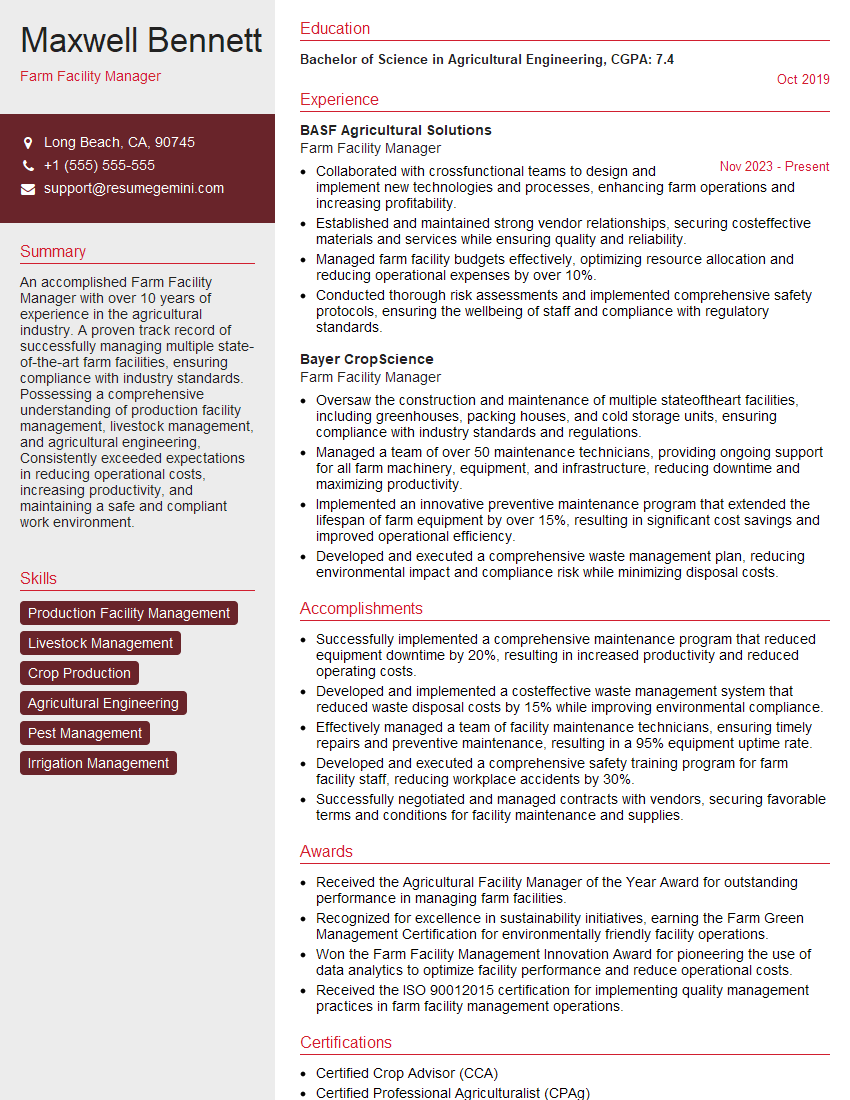
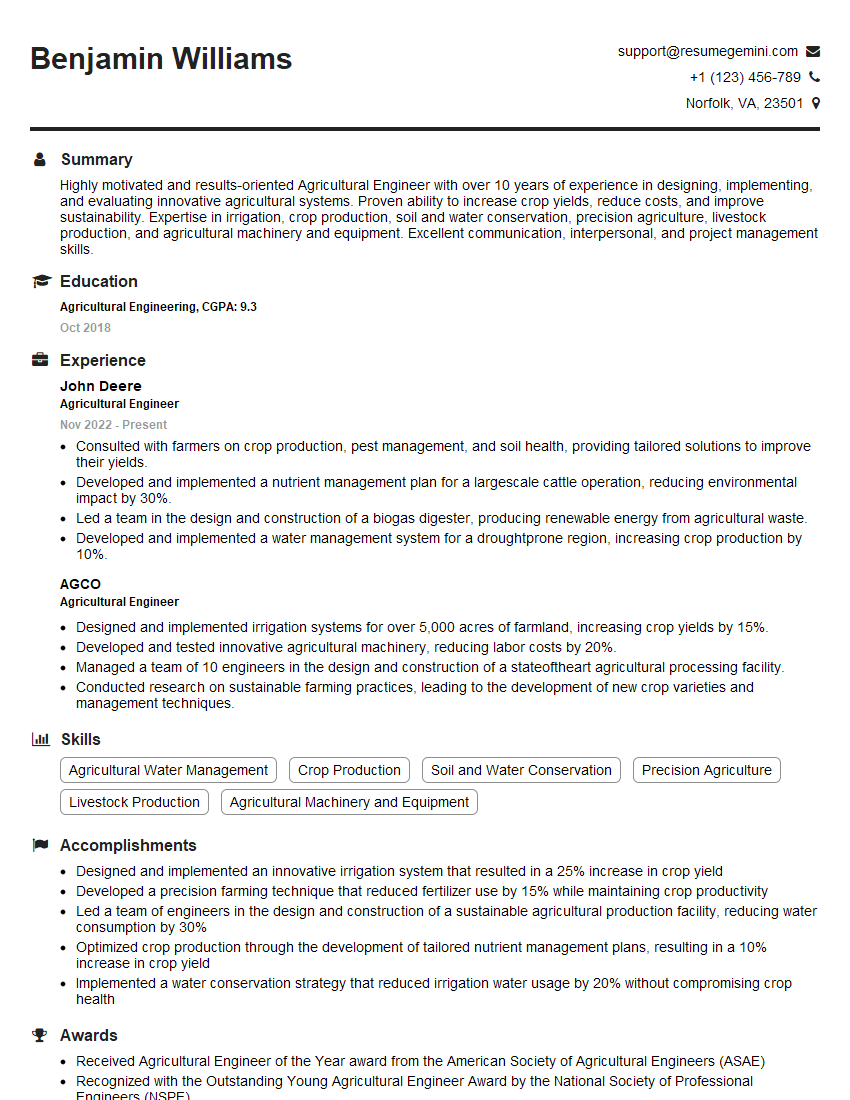
Mastering Agricultural Structures and Buildings is crucial for a successful and rewarding career in this vital field. A strong understanding of these principles demonstrates your expertise and commitment to innovation in agricultural practices. To maximize your job prospects, create an ATS-friendly resume that highlights your skills and experience effectively. We strongly recommend using ResumeGemini, a trusted resource, to build a professional and impactful resume that captures the attention of recruiters. ResumeGemini provides examples of resumes tailored to the Agricultural Structures and Buildings field, giving you a head start in crafting your application materials.
Explore more articles
Users Rating of Our Blogs
Share Your Experience
We value your feedback! Please rate our content and share your thoughts (optional).
What Readers Say About Our Blog
Very informative content, great job.
good