Interviews are more than just a Q&A session—they’re a chance to prove your worth. This blog dives into essential Air Handler Balancing interview questions and expert tips to help you align your answers with what hiring managers are looking for. Start preparing to shine!
Questions Asked in Air Handler Balancing Interview
Q 1. Explain the process of air handler balancing.
Air handler balancing is the process of adjusting the airflow within an HVAC system to ensure that each zone or room receives the proper amount of conditioned air. Think of it like balancing a seesaw – you need the right amount of air on each side to achieve optimal comfort and efficiency. An unbalanced system can lead to uneven temperatures, poor indoor air quality, and increased energy consumption. The process involves measuring airflow at various points in the system, identifying imbalances, and then adjusting dampers or other components to correct those imbalances.
This is crucial because if one zone receives too much air, others may be starved, resulting in uncomfortable temperatures and inefficiency. The goal is to deliver the designed airflow to each space, achieving the desired temperature and humidity while minimizing energy waste. This ensures a comfortable and healthy indoor environment.
Q 2. What tools and equipment are used in air handler balancing?
Air handler balancing requires a suite of specialized tools. These include:
- Airflow measuring devices: These are crucial. Common examples are hot-wire anemometers (which measure velocity), and pressure-measuring devices like inclined manometers (measuring static pressure).
- Dampers: These are adjustable valves controlling airflow in individual ducts. Balancing often involves fine-tuning these dampers.
- Screwdrivers and wrenches: For adjusting dampers and other components.
- Pressure taps: Small access ports installed in the ductwork to facilitate accurate pressure readings.
- Test and balancing report software: This aids in organizing data and calculating the required adjustments.
- Measuring tape and markers: Used to record ductwork locations, dimensions, and damper settings for documentation.
- Safety equipment: Safety glasses, gloves, and potentially a respirator (especially in older systems where there might be asbestos concerns).
The exact tools needed can vary depending on the complexity of the system. For larger, more complex systems, specialized electronic balancing equipment may be used for faster and more precise measurements.
Q 3. How do you measure airflow in an air handler?
Airflow measurement is at the heart of air handler balancing. There are several methods:
- Anemometer: This device measures air velocity (speed) at the duct opening. The velocity is then multiplied by the duct area to calculate the volumetric airflow (CFM – Cubic Feet per Minute).
- Hood or Cap: A hood is placed over the duct opening, and the pressure drop across the hood is measured using a manometer. This pressure drop is then related to airflow using a calibration curve provided by the manufacturer.
- Flow Hood: A flow hood measures both the velocity and the area simultaneously, often giving a direct CFM reading.
The choice of method depends on factors like duct size, accessibility, and the accuracy required. For example, hot-wire anemometers are generally suitable for smaller ducts, while flow hoods are better suited for larger ones. It’s important to note that accurate measurements necessitate careful calibration of the measuring devices and proper positioning within the ductwork.
For instance, in a recent project, we used a flow hood to measure airflow in the main supply duct and then used anemometers to check individual branch ducts ensuring consistent results across the system.
Q 4. Describe the different types of air handler balancing methods.
There are two primary air handler balancing methods:
- Commissioning Balancing (CXB): This method is typically done during the construction or commissioning phase of a building project. It provides precise control of airflow to meet the design specifications.
- Retro-Commissioning Balancing (RCXB): This method focuses on optimizing existing systems by improving the functionality of the existing air handlers. The goal is to restore a system to the original design or improve performance as much as possible given the constraints of an existing setup.
Both methods usually involve iterative measuring and adjusting of dampers until the target airflow is achieved in each zone. The difference lies mainly in the timing and the level of detail required. CXB is performed during new construction with the goal of achieving design specifications. RCXB usually deals with existing systems, making adjustments based on what’s achievable.
Q 5. What are the common problems encountered during air handler balancing?
Common problems encountered during air handler balancing include:
- Incorrect damper settings: Dampers might be improperly adjusted or even seized, hindering airflow.
- Leaks in the ductwork: Leaks significantly affect the accuracy of airflow measurements and system performance.
- Obstructions in the ductwork: Foreign objects blocking airflow. This is more common in older systems.
- Inadequate equipment: Using inaccurate tools or inappropriate tools for the situation.
- Incorrect design calculations: Errors in the original system design that can’t easily be corrected in the field.
- Difficult access to dampers: Dampers might be located in hard-to-reach areas, making adjustment challenging.
These problems can lead to inaccurate airflow measurements and ultimately an unbalanced system. Addressing these issues systematically is key to successful balancing.
Q 6. How do you troubleshoot an unbalanced air handler system?
Troubleshooting an unbalanced air handler system requires a systematic approach:
- Inspect the system: Visually inspect the ductwork for leaks, obstructions, and ensure all dampers are accessible and functional.
- Measure airflow: Use appropriate tools to measure airflow in each branch duct and the main supply and return ducts.
- Compare measurements to design specifications: Identify discrepancies between actual and desired airflow values.
- Investigate discrepancies: If a discrepancy is found in a zone, try to find the cause. Is there a leak, an obstruction, or a faulty damper?
- Adjust dampers: Carefully adjust the dampers to correct the airflow imbalances. Start with minor adjustments and re-measure.
- Re-measure and verify: After making adjustments, re-measure the airflow in all branches to check that the system is balanced.
- Document results: Record all measurements and adjustments made during the process.
A methodical approach using a combination of visual inspection, precise measurements, and systematic adjustment is the best way to overcome these challenges.
Q 7. Explain the concept of static pressure in an air handler system.
Static pressure is the pressure exerted by the air within the ductwork system when the air is not moving. It’s essentially the air’s resistance to flow. Think of it as the ‘air pressure’ inside a closed pipe. A high static pressure means the air is resisting flow more strongly.
In an air handler system, static pressure is crucial because it’s the force that pushes the air through the ducts. A too high static pressure indicates that there’s excessive resistance to airflow, potentially from duct restrictions, leaks, or poorly designed ductwork. This can strain the system’s fan motor, leading to increased energy consumption and premature motor failure. Conversely, very low static pressure might indicate leakage or a problem with the fan itself. The ideal static pressure is carefully calculated during the design stage of the HVAC system to ensure optimal efficiency and performance.
Measuring static pressure at various points in the system is essential during balancing to understand the flow resistance and to identify points of high pressure that could cause problems.
Q 8. How do you calculate the required airflow for a specific space?
Calculating the required airflow for a specific space involves considering several factors. It’s not a simple equation, but rather a process that integrates design specifications and building codes. We essentially need to determine the amount of air needed to effectively heat, cool, and ventilate the space while maintaining acceptable indoor air quality.
First, we determine the space’s heating and cooling load. This involves calculating the heat gain (from solar radiation, internal heat sources like people and equipment) and heat loss (through walls, windows, etc.). Specialized software and industry-standard methodologies (like ASHRAE standards) assist in these calculations. The load determines the required BTU (British Thermal Units) per hour or kW (kilowatts).
Next, we use the design air volume flow rate, usually expressed in cubic feet per minute (CFM). This is the volume of air moved through the space per minute. The CFM required depends on the type of system (heating, cooling, or both) and the design parameters. There are established formulas and rules of thumb based on the space’s volume and occupancy. For example, a common guideline is a certain number of CFM per square foot or per person.
Finally, we need to factor in air changes per hour (ACH). ACH represents how many times the entire volume of air in a room is replaced per hour. This is important for ventilation and maintaining acceptable indoor air quality. The required ACH depends on the building’s use. A higher ACH is needed for spaces with a lot of occupants or where good air quality is critical (e.g., hospitals, schools).
Example: Let’s say we have an office space with a calculated cooling load of 10,000 BTUH. Using design specifications and considering occupancy and ventilation requirements, we determine the required airflow is 500 CFM. We would ensure the air handler and ductwork are sized to deliver this amount of air effectively.
Q 9. What are the safety precautions to consider when balancing an air handler?
Safety is paramount when balancing an air handler. We must always prioritize the well-being of ourselves and others on the job site.
- Lockout/Tagout Procedures: Before accessing any electrical components or moving parts, we must follow strict lockout/tagout procedures to prevent accidental energization or activation. This is crucial to avoid electrocution and injury.
- Personal Protective Equipment (PPE): Appropriate PPE is essential, including safety glasses, gloves, and hearing protection, depending on the task. Working with sharp objects or moving parts necessitates added safety measures.
- Confined Space Entry: If working in confined spaces (e.g., inside ductwork), we must adhere to confined space entry protocols, including proper ventilation, monitoring for hazardous atmospheres, and using appropriate safety harnesses and rescue equipment.
- Working at Heights: When accessing air handlers in elevated areas, fall protection is a must. We employ safety harnesses, guardrails, and other fall prevention measures.
- Proper Tool Use: Using tools according to manufacturers’ instructions is vital to prevent injury. We maintain tools in good condition and use appropriate techniques.
Ignoring these safety precautions can lead to serious accidents, including electrocution, falls, cuts, and exposure to hazardous materials. A thorough risk assessment is conducted before any work begins to identify potential hazards and implement appropriate controls.
Q 10. How do you document the air handler balancing process?
Thorough documentation is critical for air handler balancing. It ensures that the system performs as designed and helps with future maintenance and troubleshooting.
Our documentation typically includes:
- System Diagram: A detailed diagram showing the entire air handler system, including all branches, dampers, and measuring points.
- Measurement Data: Recorded data from each measuring point, including airflow (CFM), static pressure (inches of water column or Pascals), and damper positions.
- Calculations: Calculations demonstrating the balancing process, including how adjustments were made to achieve the design airflow.
- Adjustments Made: Detailed records of adjustments to dampers, valves, or other components, along with the resulting airflow changes.
- Before & After Comparisons: A comparison of initial and final airflow measurements for each branch or zone to show the improvement achieved through balancing.
- Photographs: Photographs of the air handler system, particularly those illustrating damper positions and measurement points.
- As-Built Drawings: Updated as-built drawings reflecting the final system configuration and balancing adjustments.
This documentation aids in future system maintenance, repairs, and potential modifications. It also serves as a valuable reference for verifying that the system operates within design specifications. We typically use specialized software or spreadsheets to create and manage these records.
Q 11. Explain the relationship between airflow and static pressure.
Airflow and static pressure are intrinsically linked in an air handler system. They are inversely related, meaning that as one increases, the other decreases, all else being equal. Think of it like this: imagine trying to push air through a pipe – the more resistance (static pressure) there is, the harder it is to move the air (reduce airflow).
Static pressure is the resistance to airflow within the ductwork. It’s caused by friction between the air and the duct walls, as well as fittings and dampers that restrict airflow. Higher static pressure indicates more resistance to airflow. Airflow, as discussed earlier, is the volume of air moved per unit time.
Example: If we increase the damper setting on an air handler branch, this increases the resistance to airflow (static pressure) which reduces the amount of air moving through that branch (airflow).
Understanding this relationship is crucial for air handler balancing. We adjust dampers to balance the system, ensuring proper airflow to all zones while maintaining acceptable static pressure levels. Excessive static pressure can lead to increased energy consumption and system strain, while insufficient airflow impairs the system’s ability to heat, cool, or ventilate adequately.
Q 12. What is the importance of balancing dampers in an air handler system?
Balancing dampers are crucial for controlling the airflow distribution in an air handler system. They act as valves, allowing us to precisely regulate the amount of air passing through each branch or zone. This ensures that each area receives the correct amount of airflow according to the design specifications, achieving uniform temperature and ventilation.
Importance:
- Uniform Air Distribution: Dampers allow for precise control of airflow distribution, preventing over- or under-ventilation in different zones.
- Energy Efficiency: By directing airflow effectively, we optimize system performance and minimize energy waste. Uneven airflow can lead to some areas being overcooled while others are undercooled, requiring more energy to achieve the desired temperature.
- Improved Comfort: Correct airflow ensures even temperature and ventilation across the space, leading to improved occupant comfort. Hot and cold spots become less prevalent.
- Prevent System Strain: Balancing prevents overloading individual parts of the system, which extends the life of the equipment.
During the balancing process, we systematically adjust the dampers to achieve the target airflow for each zone. We use specialized tools, like pressure gauges and flow hoods, to measure airflow and static pressure and make adjustments accordingly.
Q 13. How do you deal with balancing challenges in complex HVAC systems?
Complex HVAC systems present unique balancing challenges due to their size, intricate design, and multiple interconnected components. These systems often involve multiple air handlers, variable air volume (VAV) boxes, and sophisticated control systems.
Strategies for tackling these challenges include:
- Systematic Approach: We follow a methodical approach, balancing the system in stages, starting with the main branches and gradually moving to smaller zones. This allows us to isolate problems and make targeted adjustments.
- Advanced Measurement Tools: Specialized tools like digital flow hoods and pressure transducers provide accurate and detailed measurements, essential for fine-tuning complex systems.
- Computer-Based Simulation: Software simulations can model the system’s performance and predict airflow distribution before and after balancing, helping us optimize the process.
- Commissioning and Start-up: A thorough commissioning process that involves verification testing before and after installation of the system ensures optimal system performance and identifies any balancing issues early on.
- Collaboration: We work closely with engineers, designers, and contractors to coordinate balancing efforts and resolve any design conflicts or unexpected issues.
- Iterative Process: Balancing complex systems is often an iterative process, requiring multiple rounds of measurements, adjustments, and re-measurements to achieve the desired results.
Example: In a large commercial building with multiple VAV boxes, we might use a combination of software modeling and on-site measurements to balance the system, adjusting VAV box dampers and main air handler dampers to optimize airflow throughout the building.
Q 14. Describe your experience with different types of air handlers.
Throughout my career, I’ve worked extensively with various types of air handlers, each with unique characteristics and balancing requirements.
- Packaged Air Handlers: These self-contained units are common in smaller buildings and commercial spaces. Balancing focuses on adjusting dampers and ensuring even airflow to different zones.
- Split System Air Handlers: These consist of separate indoor and outdoor units, often used in larger residential or commercial buildings. Balancing involves coordinating the airflow between the indoor and outdoor units and adjusting dampers for optimal performance.
- Variable Air Volume (VAV) Air Handlers: These systems use VAV boxes to modulate airflow to individual zones, based on the needs of each space. Balancing involves calibrating VAV controllers and ensuring proper airflow within the setpoints.
- Rooftop Air Handlers: These units are usually large and located on a building’s roof. Balancing is crucial because of their impact on several zones. Balancing also considers factors like rooftop access and safety.
My experience encompasses both new installations and retrofit projects, requiring different balancing strategies and considerations depending on the system’s age, condition, and modifications.
I’ve successfully balanced systems in a range of settings, from small offices to large multi-story buildings, demonstrating my ability to adapt to different complexities and challenges. I’m always up-to-date on the latest technologies and industry standards.
Q 15. How do you ensure accurate airflow measurements?
Accurate airflow measurements are crucial for proper air handler balancing. We achieve this using a combination of techniques and tools. Firstly, we use calibrated flow hoods to directly measure the airflow at the supply and return grilles and registers. These hoods are placed over the openings and the readings are taken, ensuring the hood is properly sealed for accurate readings. For larger systems or ducts that don’t readily accommodate a flow hood, we employ anemometers, devices that measure air velocity. By knowing the duct’s cross-sectional area, we can then calculate the volume flow rate (CFM). It’s vital to ensure anemometer placement is consistent and representative of the entire duct section. Finally, we use pressure measurements to infer airflow in some cases, correlating pressure differences with established flow curves specific to the ductwork and equipment. We always double-check our readings and perform multiple measurements to minimize error and ensure accuracy.
For example, on a recent project in a large office building, we used a combination of flow hoods for smaller registers and an anemometer within the larger ductwork to measure the overall airflow. This multifaceted approach ensured comprehensive and accurate data, leading to a balanced and efficient system.
Career Expert Tips:
- Ace those interviews! Prepare effectively by reviewing the Top 50 Most Common Interview Questions on ResumeGemini.
- Navigate your job search with confidence! Explore a wide range of Career Tips on ResumeGemini. Learn about common challenges and recommendations to overcome them.
- Craft the perfect resume! Master the Art of Resume Writing with ResumeGemini’s guide. Showcase your unique qualifications and achievements effectively.
- Don’t miss out on holiday savings! Build your dream resume with ResumeGemini’s ATS optimized templates.
Q 16. What are the effects of an unbalanced air handler system?
An unbalanced air handler system has several negative consequences. Imagine trying to water a garden with a hose that has some nozzles spraying forcefully while others barely drip. That’s essentially what happens with an unbalanced system. Inconsistent airflow leads to uneven temperatures throughout the building. Some areas will be too hot, others too cold, resulting in discomfort and potentially impacting productivity. Further, an unbalanced system can strain the air handler itself, causing premature wear and tear on components, increased energy consumption and higher utility bills due to inefficient operation, and reduced lifespan of the equipment. It can also lead to poor indoor air quality because unbalanced airflow can affect the distribution of pollutants and fresh air.
For instance, insufficient airflow to a specific zone can result in poor ventilation and potential moisture buildup, leading to mold growth. Conversely, excessive airflow in other areas might create uncomfortable drafts.
Q 17. How do you address noise issues related to air handler balancing?
Noise issues stemming from an air handler often originate from unbalanced airflow. High-velocity air rushing through constricted dampers or improperly sized ducts generates significant noise. Addressing this involves careful balancing of the system to ensure smooth and even airflow. By reducing the velocity, we significantly minimize the noise generated. This often requires adjustments to dampers, balancing valves, or even modifications to the ductwork itself. In some cases, we may need to employ acoustic dampeners within the ductwork to further reduce noise levels. It’s a matter of optimizing airflow while mitigating any unwanted sound.
In one instance, we tackled excessive noise in a school’s library by carefully adjusting the dampers in the air handler’s supply ducts. A slight recalibration of the system resulted in a noticeable decrease in noise levels, creating a more conducive learning environment.
Q 18. Explain the role of the VAV box in air handler balancing.
A Variable Air Volume (VAV) box is a crucial component in modern air handler systems. It allows for precise control of airflow to individual zones within a building. The VAV box contains a damper that adjusts the airflow based on the zone’s temperature requirements. In air handler balancing, VAV boxes are vital because they allow for fine-tuning of the airflow to each zone, ensuring that the overall system is balanced. Proper calibration and testing of VAV boxes are critical to accurate balancing and the overall performance of the system. We need to ensure that each VAV box is functioning correctly and that the damper is responding properly to the control signals.
Think of VAV boxes as individual flow regulators in a larger network. Precisely regulating each box is crucial for delivering consistent airflow to every part of the building, maximizing comfort and minimizing energy waste.
Q 19. How do you use pressure transducers in air handler balancing?
Pressure transducers play a key role in air handler balancing, particularly in larger or more complex systems. They provide a precise measurement of static pressure within the ductwork. This information allows us to identify pressure drops across different sections of the system, highlighting areas of restriction or imbalance. By analyzing pressure readings at various points, we can infer airflow distribution and identify areas that require adjustment. This non-invasive method offers valuable data that complements the readings from flow hoods and anemometers, especially for hard-to-reach areas.
For example, we used pressure transducers during the commissioning of a large hospital ventilation system. Pressure readings revealed a significant restriction in a particular branch, which we then investigated, finding a partially blocked damper. Adjusting the damper restored the proper pressure and airflow balance.
Q 20. What are the different types of dampers used in air handlers?
Several types of dampers are used in air handlers, each suited to different applications and control strategies. We commonly encounter:
- Butterfly dampers: These are circular dampers that rotate to adjust airflow. They are simple, relatively inexpensive, and suitable for many applications.
- Multi-blade dampers: These offer more precise control than butterfly dampers and are commonly used in VAV boxes.
- Volume dampers: These are designed to achieve accurate and consistent airflow control over a wide range of operation.
- Fire dampers: These are safety-critical dampers designed to automatically close in case of a fire, preventing the spread of flames and smoke.
The choice of damper depends on factors such as the required level of control, the size of the duct, and the pressure drop across the damper. We always select dampers that are appropriate for the specific application and that meet all relevant safety standards.
Q 21. Describe your experience with different control systems used in air handler balancing.
Throughout my career, I’ve worked extensively with various control systems used in air handler balancing, ranging from simple pneumatic systems to advanced Direct Digital Control (DDC) systems. Pneumatic systems utilize compressed air to actuate dampers, offering a relatively simple and robust solution. However, they can lack the precision and flexibility of modern DDC systems. DDC systems employ digital controllers to manage and monitor the air handler’s operation, providing precise control over airflow, temperature, and other parameters. They offer features like remote monitoring, automated control sequences, and data logging, leading to more efficient and cost-effective operation.
My experience includes working with Building Automation Systems (BAS) that integrate DDC with building-wide monitoring and control systems. This enables us to seamlessly integrate the air handler balancing into the overall building management strategy. For example, in a recent project using a BAS, we could remotely monitor and adjust the air handler’s operation in real time, adapting to changing conditions and optimizing energy use.
Q 22. How do you handle situations where the desired airflow cannot be achieved?
Sometimes, achieving the desired airflow in every zone of an air handler system proves impossible due to various constraints like ductwork limitations, equipment capacity restrictions, or unforeseen obstacles during installation. When this happens, a systematic approach is crucial. First, we meticulously review the design specifications and verify the system’s capacity. This often involves checking the fan’s performance curve to ensure it can deliver the required CFM (Cubic Feet per Minute). Then, we investigate the ductwork for any restrictions – perhaps a kink in the duct, a poorly sized damper, or insufficient duct area. We use a variety of tools like pressure gauges, velocity sensors, and flow hoods to pinpoint bottlenecks. If the problem is a capacity issue, we explore options such as adding a booster fan to increase airflow in a particular zone. If ductwork is the culprit, we may need to consider modifying or replacing sections of the ductwork. Ultimately, compromises might be necessary, prioritizing critical zones such as patient rooms in a hospital or server rooms in a data center. The final solution will involve careful documentation and a clear explanation to the client outlining the limitations and the rationale behind the choices made.
Q 23. How do you prioritize balancing different zones in a large system?
Prioritizing zones in a large system requires a thoughtful strategy. It’s not simply about balancing for comfort; it’s about balancing for functionality and safety. We typically prioritize zones based on criticality and occupancy. For example, in a hospital, operating rooms and intensive care units would take precedence over administrative offices. In a commercial building, server rooms and critical equipment spaces would be prioritized. We use a systematic approach, starting with the most critical areas and gradually working towards less critical zones. This involves a detailed understanding of the building’s intended use and occupancy patterns. We might also use a weighted scoring system, assigning points based on factors like occupant density, criticality of function, and the potential impact of under-performance. A sophisticated approach might involve using Building Management Systems (BMS) data to inform our balancing strategy, allowing for real-time adjustments and ongoing optimization. The process involves clear communication with the client to manage expectations and ensure everyone understands the balancing strategy and any potential compromises involved.
Q 24. What is your experience with commissioning air handler systems?
Commissioning air handler systems is a core part of my expertise. I have extensive experience in performing both pre-commissioning and post-commissioning activities. Pre-commissioning involves reviewing the design documents, verifying the equipment specifications, and checking the installed equipment for proper function and operation before the system goes live. This proactive approach significantly reduces the likelihood of problems. Post-commissioning, often the most visible part, involves a comprehensive testing and balancing process to ensure the system meets the design specifications. This involves the systematic measurement and adjustment of airflow in all zones, ensuring the system achieves the desired performance while maintaining energy efficiency. My experience encompasses a wide variety of building types, from small commercial spaces to large industrial facilities and healthcare settings. I’m proficient in using various testing and balancing tools and software, and I meticulously document all my findings and adjustments. I’m also experienced in working collaboratively with other commissioning agents to ensure a holistic and integrated approach to project completion.
Q 25. Explain your understanding of energy efficiency in relation to air handler balancing.
Energy efficiency and air handler balancing are intrinsically linked. An improperly balanced system wastes energy in several ways. For example, if a zone receives significantly more airflow than required, the system has to work harder, consuming more energy. Conversely, under-ventilated zones may lead to poor temperature control, forcing the heating or cooling system to run longer to compensate. Proper balancing ensures that each zone receives the right amount of air, minimizing energy waste. This is often reflected in lower operating costs for the building owner. Techniques such as optimizing fan speeds, using variable-air-volume (VAV) systems, and selecting energy-efficient components all contribute to increased energy efficiency. My approach involves analyzing the system’s performance data to identify areas for improvement. For instance, I might recommend upgrading damper actuators to reduce leakage or optimize the control strategy of the VAV system to better respond to changing demands. A properly balanced system contributes directly to achieving LEED certifications and reducing a building’s carbon footprint.
Q 26. How do you ensure the long-term performance of a balanced air handler system?
Ensuring long-term performance of a balanced air handler system requires a multi-faceted approach. Firstly, thorough documentation of the initial balancing process is paramount. This includes detailed records of all measurements, adjustments, and equipment settings. This allows for easy troubleshooting and future adjustments. Regular maintenance is crucial, with scheduled inspections of dampers, filters, and other components. Preventative maintenance reduces the likelihood of malfunctions and ensures the system continues to operate at peak efficiency. Implementing a building automation system (BAS) allows for remote monitoring and control of the system’s performance. This enables early detection of any deviations from the optimal settings and allows for timely intervention. A well-maintained system will also benefit from periodic re-balancing to account for changes in occupancy, equipment, or other factors that might affect the airflow. Think of it like regular car maintenance – small, regular checks and adjustments ensure its longevity and efficiency.
Q 27. Describe a challenging air handler balancing project and how you overcame it.
One challenging project involved balancing the HVAC system in a historical building that had undergone extensive renovation. The existing ductwork was aged, irregular, and partially concealed within the building’s structure. The initial design was based on limited access and accurate measurements were difficult to obtain. We overcame this challenge by using a combination of advanced testing techniques, including ultrasonic flow measurement and pressure-drop calculations to estimate airflow in inaccessible areas. We also employed specialized tools and cameras to inspect ductwork conditions without causing further damage to the historic structure. Close collaboration with the construction team and architects was crucial, ensuring that any necessary modifications to the ductwork were carefully planned and executed to preserve the building’s integrity. The project required a flexible approach and creative problem-solving, and ultimately, we delivered a balanced system that met the client’s needs while respecting the building’s historical significance. The project highlighted the importance of thorough planning, adaptability, and a collaborative approach to successfully navigate complex balancing challenges.
Q 28. What are your continuous learning strategies to stay updated in air handler balancing?
Staying updated in the field of air handler balancing requires continuous learning. I actively participate in professional organizations like ASHRAE (American Society of Heating, Refrigerating and Air-Conditioning Engineers), attending conferences and workshops to learn about the latest technologies and best practices. I regularly review industry publications and journals to stay abreast of new developments. I also actively seek opportunities to work on challenging projects that push my skills and expose me to new techniques and technologies. Online courses and webinars offer convenient ways to enhance my knowledge base, especially on specialized areas like VAV system optimization and BMS integration. Moreover, I network with other professionals in the field to share experiences and insights and learn from their expertise. This multifaceted approach ensures that I remain a highly skilled and up-to-date professional in this dynamic field.
Key Topics to Learn for Air Handler Balancing Interview
- Fundamentals of Airflow: Understanding pressure, velocity, and volume relationships in ductwork systems. This includes static pressure, total pressure, and velocity pressure.
- Balancing Methods: Mastering various balancing techniques, including the use of dampers, and understanding the differences between flow and static pressure balancing.
- Testing and Measurement Tools: Familiarity with different tools used for airflow measurement (e.g., anemometers, manometers) and their proper usage. Understanding accuracy and limitations of each tool is crucial.
- System Design and Schematics: Ability to interpret blueprints and schematics to understand the airflow design of a system and locate potential balancing issues.
- Troubleshooting and Problem Solving: Diagnosing and resolving common airflow problems, such as unbalanced systems, inadequate airflow, excessive noise, and pressure drops.
- Safety Procedures: Understanding and adhering to relevant safety regulations and procedures while working with HVAC systems.
- Building Codes and Standards: Familiarity with industry standards and building codes related to air handler balancing and HVAC systems.
- Energy Efficiency Considerations: Understanding how proper balancing contributes to energy efficiency and minimizing energy waste.
- Commissioning and Start-up Procedures: Knowledge of the processes involved in commissioning and starting up HVAC systems, including the role of air handler balancing.
- Documentation and Reporting: Understanding the importance of accurate documentation and reporting of balancing procedures and results.
Next Steps
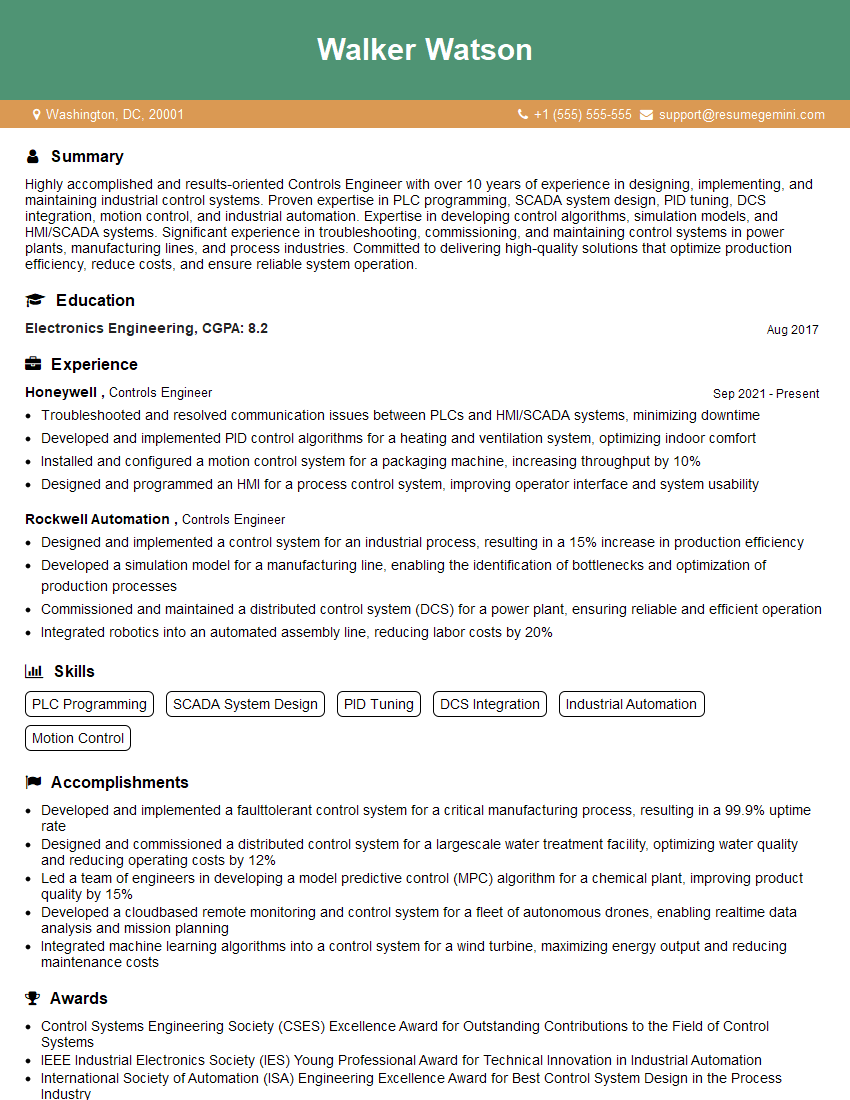
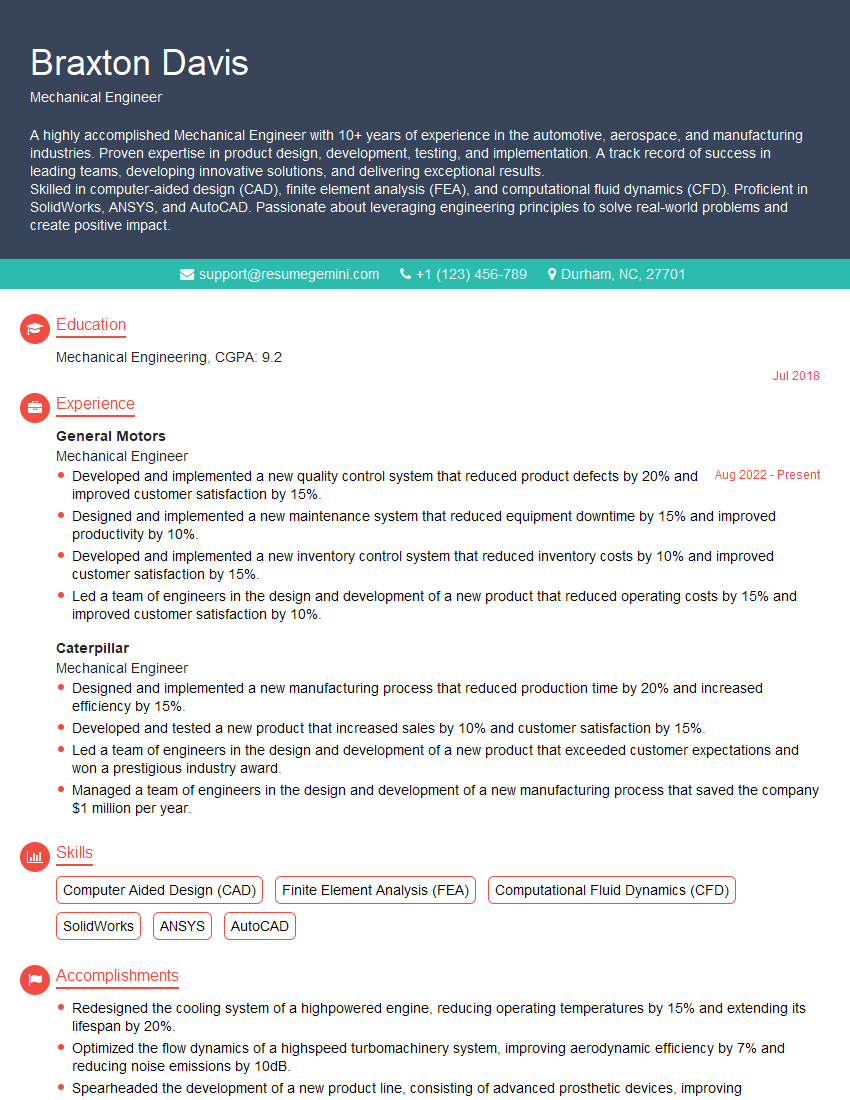
Mastering air handler balancing opens doors to exciting career opportunities in a growing field, offering specialization and advancement potential. To make the most of your job search, a well-crafted, ATS-friendly resume is essential. ResumeGemini can help you create a professional and impactful resume that highlights your skills and experience effectively. They offer examples of resumes tailored to Air Handler Balancing to provide you with a strong foundation for your job search. Invest in your career future—create a resume that showcases your expertise and gets you noticed.

Explore more articles
Users Rating of Our Blogs
Share Your Experience
We value your feedback! Please rate our content and share your thoughts (optional).
What Readers Say About Our Blog
Very informative content, great job.
good