Preparation is the key to success in any interview. In this post, we’ll explore crucial Aircraft Systems Monitoring and Maintenance interview questions and equip you with strategies to craft impactful answers. Whether you’re a beginner or a pro, these tips will elevate your preparation.
Questions Asked in Aircraft Systems Monitoring and Maintenance Interview
Q 1. Explain the principles of Predictive Maintenance.
Predictive maintenance moves beyond scheduled maintenance by leveraging data analysis to predict potential equipment failures before they occur. Instead of relying on fixed intervals, it uses real-time sensor data, historical performance records, and advanced algorithms to identify patterns and anomalies that indicate impending issues. Think of it like getting a check-up and blood test: instead of simply assuming your health is fine based on age, doctors use data to identify potential problems early.
Principles:
- Data Acquisition: Gathering data from various aircraft systems – engines, landing gear, avionics – via sensors and onboard diagnostic systems.
- Data Analysis: Employing advanced analytics techniques, like machine learning and statistical modeling, to identify trends and predict failures. For example, a slight increase in engine vibration frequency over time, well within the normal operating range, could be a precursor to a more serious mechanical problem.
- Predictive Modeling: Developing models that forecast the likelihood of failure based on the analysed data, allowing for proactive maintenance.
- Decision Support: Providing maintenance teams with actionable insights, suggesting optimal maintenance strategies to prevent costly downtime and potential safety hazards. This might include prioritizing a specific component inspection or suggesting an early engine oil change.
Practical Application: Imagine predicting a potential hydraulic leak in a landing gear system days in advance. This allows for a planned maintenance event, preventing a potentially dangerous emergency landing.
Q 2. Describe your experience with aircraft diagnostic systems.
My experience with aircraft diagnostic systems spans over ten years, encompassing various platforms, including Airbus A320, Boeing 737, and regional jets. I’ve worked extensively with integrated modular avionics (IMA) systems, troubleshooting issues related to flight control systems, engine health monitoring, and environmental control systems. I’m proficient in interpreting data from onboard diagnostic systems, such as ACARS (Aircraft Communications Addressing and Reporting System) messages and analyzing fault codes. This includes working with various diagnostic tools, from hand-held diagnostic units to sophisticated ground-based systems used for deeper analysis.
For instance, I was instrumental in resolving a recurring issue with an A320’s flight control system. Through systematic analysis of the diagnostic data, we identified a faulty sensor causing erratic readings. This highlights the importance of meticulous data analysis in identifying the root cause of issues and preventing recurrence.
Q 3. How do you troubleshoot a faulty sensor in an aircraft system?
Troubleshooting a faulty sensor involves a systematic approach. It’s like detective work! First, you need to isolate the problem.
- Identify the symptom: Determine the specific malfunction or error message related to the suspected faulty sensor. Is it an incorrect reading, a missing data point, or an outright failure?
- Review historical data: Analyze past sensor readings to identify any gradual degradation or unusual patterns preceding the fault. Was it a sudden failure or a gradual decline in performance?
- Check wiring and connections: Visually inspect the sensor wiring for any damage, loose connections, or corrosion, a common cause of intermittent sensor failures. If appropriate, use a multimeter to check continuity.
- Calibration and testing: If possible, calibrate the sensor using established procedures. If calibration doesn’t solve the problem, consider bench testing the sensor using specialized equipment. Alternatively, if the sensor is easily replaceable, a direct sensor swap might be the simplest solution.
- Data comparison: Compare readings from the suspect sensor to other, similar sensors to validate the suspected sensor failure and check for consistency across the system.
- Isolate the faulty sensor: Use diagnostic tools, built-in test equipment, or specialized software to pinpoint the problematic sensor definitively. Many aircraft systems have built-in self-tests.
- Documentation and reporting: Meticulously document every step taken, including the results of each test and the final conclusion. This critical documentation is vital for safety and regulatory compliance.
Throughout this process, safety is paramount. All work must adhere to strict safety procedures and regulations. Remember, a faulty sensor in an aircraft can have serious consequences, so accuracy and thoroughness are essential.
Q 4. What are the common causes of aircraft system failures?
Aircraft system failures stem from a variety of causes. They can be broadly classified as:
- Mechanical failures: These include wear and tear on components (e.g., engine wear, fatigue in airframe structures), material degradation, and manufacturing defects.
- Electrical failures: Wiring issues (e.g., shorts, breaks), component failures (e.g., faulty sensors, actuators), and power supply problems are common causes.
- Hydraulic failures: Leaks, component malfunctions (e.g., pumps, valves), and contamination of the hydraulic fluid can lead to failures.
- Software glitches: Errors in software code, data corruption, or issues with software integration can impact various systems.
- Environmental factors: Extreme temperatures, humidity, and corrosion can degrade components and lead to failures.
- Human error: Improper maintenance, incorrect operation, or inadequate training can all contribute to aircraft system failures.
For example, fatigue cracks in a wing spar are a mechanical failure, while a short circuit in a wiring harness is an electrical one. Understanding these diverse failure modes is crucial for implementing effective maintenance strategies.
Q 5. Explain the importance of maintaining accurate maintenance records.
Maintaining accurate maintenance records is not just about compliance; it is absolutely critical for ensuring aircraft safety and operational efficiency. Think of it as a detailed medical history for the aircraft. Accurate records:
- Prevent repeat failures: By tracking repairs and replacements, you can identify recurring issues and implement preventative measures. If a specific component fails repeatedly, it points to a systemic problem or design flaw that needs addressing.
- Support regulatory compliance: Aviation authorities mandate rigorous record-keeping for safety and certification. Incomplete or inaccurate records can lead to significant penalties and grounding.
- Improve maintenance efficiency: Well-maintained records allow technicians to quickly find historical data, reducing downtime during troubleshooting and maintenance.
- Enhance aircraft value: Comprehensive and accurate maintenance logs demonstrate the aircraft’s airworthiness and history, increasing its value for resale.
- Facilitate fleet management: For airlines operating multiple aircraft, centralized and standardized record-keeping is essential for optimizing maintenance scheduling and resource allocation.
A single missing entry or an inaccurate record can have far-reaching consequences. The meticulous upkeep of these records is a keystone of safe and reliable flight operations.
Q 6. Describe your experience with different aircraft maintenance software.
My experience includes working with various aircraft maintenance software packages, such as AMOS, Trax, and IBM Maximo. I’m familiar with their features, including work order management, parts inventory tracking, maintenance scheduling, and reporting capabilities. I understand the importance of data integrity and the role of these systems in ensuring compliance with regulatory requirements. I’ve particularly valued the ability to access and analyze historical data to identify trends in component failures or maintenance cycles. For instance, AMOS’s reporting features allowed us to identify a consistent pattern of engine oil leaks on a specific fleet of aircraft, prompting a more proactive maintenance strategy.
The differences lie in the specific features and functionalities, user interfaces, and integration with other systems. Each software has strengths and weaknesses depending on the airline’s specific needs and operational structure.
Q 7. How do you prioritize maintenance tasks in a busy operational environment?
Prioritizing maintenance tasks in a busy environment requires a structured approach. We often use a combination of methods, prioritizing safety and operational needs.
- Safety criticality: Tasks impacting flight safety are always top priority. This includes addressing any issues identified during pre-flight inspections or reported by pilots.
- Airworthiness directives (ADs): Compliance with ADs issued by regulatory authorities takes precedence, ensuring the aircraft meets the minimum safety standards.
- Maintenance schedules: While predictive maintenance informs us of potential issues, scheduled maintenance based on flight hours or calendar time is also important for preventative care and compliance.
- Urgency and impact: Tasks that would lead to significant disruption or grounding if delayed are prioritized over less critical tasks. For example, a faulty engine component is more urgent than a minor cosmetic repair.
- Resource availability: We consider the availability of skilled personnel, parts, and equipment when scheduling tasks.
- Cost-benefit analysis: While safety is paramount, we must also balance the costs and benefits of various maintenance actions. A cost-benefit analysis is essential for larger maintenance events.
In practice, we often use software tools to aid prioritization, visualizing upcoming tasks and their relative importance based on these criteria. Flexibility is also crucial to respond to unexpected events or urgent needs.
Q 8. What are your skills in interpreting aircraft maintenance manuals?
Interpreting aircraft maintenance manuals is fundamental to my work. These manuals, often incredibly detailed, serve as the definitive guides for all maintenance, repair, and overhaul (MRO) activities. My skill lies not just in reading them, but in understanding the underlying principles and applying the information correctly. I’m proficient in navigating the complex structure of these manuals, quickly locating specific procedures, interpreting diagrams, and understanding the nuances of technical language. This includes understanding the different sections, such as the general maintenance instructions, specific procedures for different components, and the illustrated parts catalogues. I regularly cross-reference information from different sections to ensure complete understanding and accuracy before undertaking any maintenance task. For instance, I recently used the maintenance manual for an Airbus A320 to troubleshoot a faulty landing gear indicator light. The manual guided me through a systematic diagnostic process, leading to the successful identification and replacement of a faulty sensor.
Q 9. Explain your understanding of FAA regulations pertaining to aircraft maintenance.
My understanding of FAA regulations is comprehensive and directly informs my daily work. I’m intimately familiar with FAR Part 43 (Maintenance, Preventive Maintenance, Rebuilding, and Alteration), which outlines the requirements for aircraft maintenance. This includes understanding the different levels of maintenance (preventive, corrective, and overhaul), the required documentation (logbooks, maintenance records), and the certification requirements for maintenance personnel. I also have a strong understanding of FAR Part 145 (Repair Stations), which governs repair station operations. Compliance with these regulations is paramount, impacting safety, airworthiness, and legal operation. For example, I’ve ensured that all maintenance entries in aircraft logbooks are accurate, complete, and compliant with FAA regulations, and I have personal experience with applying for and renewing my FAA mechanic certificate. Understanding these regulations is not simply about following rules, but about ensuring the safety of the aircraft and its occupants.
Q 10. Describe your experience with different types of aircraft systems (e.g., hydraulics, electricals).
My experience encompasses a wide range of aircraft systems. I’ve worked extensively on hydraulic systems, including troubleshooting leaks, replacing components, and performing scheduled maintenance. I’m comfortable with understanding hydraulic schematics and pressure testing. In the electrical domain, my expertise involves troubleshooting electrical faults, wiring harness repairs, and understanding the aircraft’s electrical power distribution system. I’ve also worked on pneumatic systems, environmental control systems (ECS), and flight control systems, gaining experience with their respective components, functionalities, and maintenance procedures. For instance, I resolved a hydraulic leak on a Boeing 737 by systematically checking all lines and components, using pressure testing equipment to pinpoint the source of the leak, before repairing the affected area and ensuring the integrity of the system. This involved a combination of technical knowledge and practical skills.
Q 11. How do you handle unexpected maintenance issues during a flight operation?
Handling unexpected maintenance issues during flight operations requires a calm, systematic approach. My priority is always safety. The first step involves assessing the situation to understand the nature and severity of the problem. This may involve reviewing system indications, communicating with the flight crew, and consulting available documentation. Once the problem is understood, I’ll prioritize actions based on severity; critical issues needing immediate resolution take precedence over less urgent ones. Then, I’ll develop a plan for addressing the issue, which may involve temporarily mitigating the problem or implementing a workaround while considering the aircraft’s limitations. Proper communication with the flight crew and air traffic control is crucial throughout this process. For example, during a flight, we experienced a loss of one engine’s auxiliary power unit (APU). We followed established emergency procedures, informing air traffic control and executing a safe landing at the nearest suitable airport. Post-flight, a thorough investigation pinpointed the cause (a faulty starter motor), and repairs were carried out before the aircraft returned to service.
Q 12. Explain your experience with using diagnostic tools to identify aircraft system faults.
I’m proficient in using a variety of diagnostic tools to identify aircraft system faults. This includes built-in test equipment (BITE), handheld diagnostic tools, and specialized software for data acquisition and analysis. I’m familiar with interpreting diagnostic codes, sensor readings, and other data to pinpoint the source of a malfunction. For example, using a handheld multimeter, I once identified a faulty circuit breaker causing an intermittent failure in the aircraft’s lighting system. My experience also extends to utilizing onboard computers and troubleshooting systems with the help of digital maintenance documentation, allowing for efficient diagnosis. The ability to interpret data effectively and relate it to system schematics and manuals is vital for accurate fault identification, which was critical in that scenario.
Q 13. Describe your proficiency in troubleshooting engine-related issues.
Troubleshooting engine-related issues requires specialized knowledge and experience. My proficiency includes understanding engine performance parameters, interpreting engine data, and using diagnostic tools specific to engine systems. I’m familiar with different types of engines and their associated maintenance procedures. I’ve worked on various issues, from minor component replacements to complex diagnostic procedures involving engine borescope inspections. One instance involved an engine exhibiting high vibration levels. By systematically checking various engine parameters, we were able to identify a problem with the engine’s balancing system which was corrected by a specialized mechanic.
Q 14. How do you ensure compliance with safety regulations during aircraft maintenance?
Ensuring compliance with safety regulations is an integral part of my work. This involves meticulous documentation, adherence to standard operating procedures, and rigorous quality control. Every step of the maintenance process is documented accurately in the aircraft logbooks, ensuring a clear auditable trail. I strictly follow maintenance manuals and FAA regulations, ensuring all work is carried out to the highest safety standards. Regular training and staying updated with the latest regulations and best practices are also essential to maintaining compliance. For instance, before every maintenance task, I perform a thorough pre-job check to verify tool availability, documentation accuracy, and the aircraft’s safety status. This proactive approach ensures that safety is never compromised throughout the maintenance process.
Q 15. What are your skills in conducting pre-flight and post-flight inspections?
Pre-flight and post-flight inspections are crucial for ensuring aircraft safety and airworthiness. Pre-flight inspections focus on identifying any issues that could compromise the flight, while post-flight inspections assess the aircraft’s condition after operation.
My pre-flight inspections follow a standardized checklist, meticulously examining:
- Exterior: I check for damage to the fuselage, wings, control surfaces, and landing gear. I also inspect tires, brakes, and the propeller (if applicable) for wear and tear.
- Interior: I verify the functionality of flight controls, instruments, seatbelts, and emergency equipment, ensuring everything is in place and working correctly.
- Fluid levels: I check engine oil, hydraulic fluid, and fuel levels, noting any discrepancies.
- Systems checks: I conduct a walk-around visual inspection, paying attention to any unusual signs, such as leaks, loose parts, or abnormal wear.
Post-flight inspections are similar but focus on identifying any issues that arose during the flight. This includes looking for evidence of leaks, unusual wear, or any damage that might have occurred during landing or flight maneuvers. I meticulously document all findings in the aircraft logbook, highlighting any necessary maintenance or repairs.
For example, during a recent pre-flight inspection, I noticed a slight crack in the leading edge of one of the aircraft’s wings. This was immediately reported, and the aircraft was grounded until the necessary repairs were completed, preventing a potentially dangerous situation.
Career Expert Tips:
- Ace those interviews! Prepare effectively by reviewing the Top 50 Most Common Interview Questions on ResumeGemini.
- Navigate your job search with confidence! Explore a wide range of Career Tips on ResumeGemini. Learn about common challenges and recommendations to overcome them.
- Craft the perfect resume! Master the Art of Resume Writing with ResumeGemini’s guide. Showcase your unique qualifications and achievements effectively.
- Don’t miss out on holiday savings! Build your dream resume with ResumeGemini’s ATS optimized templates.
Q 16. Describe your experience with performing routine maintenance tasks.
My experience encompasses a wide range of routine maintenance tasks, all performed in accordance with the manufacturer’s guidelines and regulatory requirements. These tasks include:
- Lubrication: Regularly lubricating moving parts to prevent wear and tear and ensure smooth operation. This involves using the correct type and amount of lubricant for each component.
- Cleaning: Thoroughly cleaning the aircraft’s interior and exterior to remove dirt, debris, and contaminants that could affect the aircraft’s performance or structural integrity. Specific cleaning agents are used depending on the material.
- Inspection and replacement of parts: Regularly inspecting parts for wear and tear and replacing them as needed. This includes parts such as filters, belts, and seals.
- Troubleshooting and minor repairs: Identifying and resolving minor mechanical issues, such as replacing faulty light bulbs or repairing small dents. More complex issues are always referred to a qualified technician.
I am proficient in using various hand tools and specialized equipment, ensuring all work is done safely and efficiently. For example, during a routine maintenance check, I discovered a small hydraulic leak. Using my knowledge and troubleshooting skills, I traced the leak to a faulty seal, which I promptly replaced, resolving the issue and preventing a more serious problem.
Q 17. Explain your understanding of different types of aircraft maintenance checks (A, B, C checks).
Aircraft maintenance checks are categorized into different levels, commonly referred to as A, B, and C checks. These checks are scheduled at varying intervals depending on the type of aircraft and its usage. The checks are designed to progressively increase in depth and scope:
- A-Check (Light Maintenance): This is a routine check that involves a visual inspection of easily accessible areas and performing minor maintenance tasks. It focuses on ensuring that everything is functioning correctly and that there is no apparent damage or wear. This might include checking fluid levels, tire pressure, and basic controls.
- B-Check (Intermediate Maintenance): A B-check is a more comprehensive check than an A-check, involving more detailed inspections of various systems and more extensive maintenance tasks. This check often includes removing some components to allow more thorough inspections and lubrication of inaccessible areas. This could include checking instruments, components of the flight control system, and more detailed inspection of engines.
- C-Check (Heavy Maintenance): This is a major maintenance check that involves a complete overhaul of several critical aircraft systems. It typically involves stripping down major parts of the aircraft, including significant engine work, and detailed structural inspection. This is a much more intensive and time-consuming process than A or B checks, often requiring specialized tools and highly qualified personnel.
The frequency and detail of these checks are determined by factors such as flight hours, number of landings, and the age of the aircraft. Proper maintenance schedules are critical for ensuring the safety and airworthiness of the aircraft.
Q 18. How do you manage and resolve conflicts in a team maintenance environment?
Conflict resolution is a crucial aspect of team maintenance. In a fast-paced environment like aircraft maintenance, disagreements can arise due to tight deadlines, complex issues, or differences in opinions. My approach focuses on open communication, collaboration, and respect for diverse perspectives.
When conflict arises, I:
- Actively listen: I ensure all involved parties feel heard and understood before offering solutions.
- Identify the root cause: I try to pinpoint the underlying issue driving the conflict, rather than focusing solely on symptoms.
- Seek common ground: I focus on finding areas of agreement to build a foundation for resolution.
- Brainstorm solutions: Collaboratively developing solutions with the team, ensuring all voices are considered.
- Mediate if necessary: If I’m unable to resolve the issue, I’ll involve a supervisor or senior technician for mediation.
For instance, in one instance, a disagreement arose between mechanics about the best approach to a complex engine repair. By facilitating open discussion and encouraging collaborative problem-solving, we found a solution that combined the best aspects of both approaches, leading to a more efficient and effective repair.
Q 19. Describe your experience with working under pressure to meet deadlines.
Working under pressure to meet deadlines is an inherent part of aircraft maintenance. Safety is paramount, and delays can have significant consequences. My experience has honed my ability to prioritize tasks, manage time effectively, and remain calm under pressure.
My strategies include:
- Prioritization: Focusing on the most critical tasks first to ensure compliance with safety standards and deadlines.
- Time management: Breaking down large tasks into smaller, more manageable steps to improve workflow and track progress.
- Effective communication: Keeping team members informed of progress and any potential delays. This proactive approach minimizes misunderstandings and facilitates smoother collaboration.
- Problem-solving: Approaching challenges systematically and efficiently to resolve problems quickly and minimize disruption.
For example, during a particularly busy period, we faced a tight deadline for a major aircraft inspection. By efficiently delegating tasks, closely monitoring progress, and maintaining clear communication, the team successfully completed the inspection on time and to the required standards.
Q 20. What are your skills in using specialized maintenance equipment?
My skills in using specialized maintenance equipment are extensive. I am proficient in operating and maintaining a wide range of tools and equipment common in aircraft maintenance, including:
- Specialized hand tools: Torque wrenches, various types of screwdrivers, pliers, and other tools needed for precision work.
- Diagnostic equipment: Using advanced diagnostic tools to identify and troubleshoot problems in various aircraft systems. This could involve interpreting data from sensors, actuators, and control systems.
- Hydraulic and pneumatic tools: Operating hydraulic jacks, pneumatic rivet guns, and other specialized power tools.
- Testing equipment: Using equipment such as multimeters, oscilloscopes, and other specialized testing tools to verify the proper functioning of various aircraft systems.
I also possess a deep understanding of the safety procedures associated with using this equipment, ensuring that all work is performed safely and efficiently. Regular training and adherence to safety regulations are paramount to my work practices.
Q 21. Explain your knowledge of different types of aircraft materials and their maintenance.
Aircraft are constructed from a variety of materials, each with its own unique properties and maintenance requirements. Understanding these materials is crucial for effective maintenance.
My knowledge includes:
- Aluminum alloys: These are commonly used in aircraft construction due to their high strength-to-weight ratio. Maintenance involves inspecting for corrosion, cracks, and other damage. Specialized cleaning and protection methods are employed to prevent corrosion.
- Titanium alloys: Used in high-stress areas, titanium is incredibly strong and resistant to heat. Its maintenance requires careful handling to prevent scratching or damage during inspections.
- Composite materials: These materials, made from fibers embedded in a resin matrix, are increasingly common in modern aircraft. Their maintenance requires specialized techniques to inspect for delamination, cracking, and other types of damage that may not be visible to the naked eye.
- Steel and other metals: Various types of steel and other metals are used in aircraft construction, each requiring specific maintenance procedures to address issues such as corrosion or fatigue.
Understanding the properties and maintenance requirements of these materials allows me to conduct thorough inspections and ensure that any damage is identified and addressed promptly. For example, I’m familiar with the use of specialized non-destructive testing (NDT) methods, such as ultrasonic inspection, to detect internal flaws in composite materials without causing further damage.
Q 22. How do you ensure the quality of your maintenance work?
Ensuring the quality of maintenance work in aircraft systems is paramount for safety and operational efficiency. It’s a multi-faceted process that begins with meticulous adherence to manufacturer’s guidelines, regulatory requirements (like FAA regulations in the US or EASA in Europe), and our company’s stringent internal procedures.
- Rigorous Inspections: We employ detailed checklists and utilize advanced inspection tools like borescopes and ultrasonic testing equipment to detect even minute flaws. Every step is documented meticulously.
- Calibration & Verification: All our tools and test equipment are regularly calibrated and verified to ensure accuracy. This eliminates the risk of incorrect readings leading to improper maintenance.
- Quality Control Checks: A second, independent inspection is always conducted after a major maintenance task. This acts as a crucial safety net, catching any potential oversights.
- Continuous Training: Our technicians undergo continuous training and certification to stay abreast of the latest technologies and best practices. This ensures competence and consistent high quality.
- Data Analysis: We leverage data from aircraft monitoring systems to proactively identify potential issues and adjust our maintenance schedules accordingly. This data-driven approach helps us to prevent problems before they escalate.
For example, during a recent engine inspection, a minor crack was detected during the initial inspection, but it was missed during the second independent check. This highlighted a need for additional training on identifying such cracks, which we immediately addressed. This near miss highlighted the importance of our layered safety approach.
Q 23. Describe your experience with conducting root cause analysis of maintenance issues.
Root cause analysis (RCA) is critical for preventing recurrence of maintenance issues. My approach follows a structured methodology, often employing techniques like the ‘5 Whys’ or Fishbone diagrams.
Let’s say we experience repeated failures in a specific aircraft component. I wouldn’t just replace the part; I’d systematically investigate the underlying cause. This involves:
- Data Collection: Gathering all available data – maintenance logs, sensor readings, pilot reports, and any relevant documentation.
- Identifying the Problem: Clearly defining the problem and its symptoms.
- Brainstorming Potential Causes: A team-based approach is crucial here, leveraging the diverse expertise of the team to explore multiple potential root causes.
- Analyzing Potential Causes: Using data and evidence to eliminate possibilities and pinpoint the most likely root cause.
- Implementing Corrective Actions: Developing and implementing solutions to address the root cause, not just the symptoms. This might involve modifying maintenance procedures, replacing faulty parts, or improving training protocols.
- Verifying Effectiveness: Monitoring the effectiveness of implemented solutions to ensure the problem doesn’t reappear.
In one instance, repeated failures of a landing gear component were traced back to inadequate lubrication procedures during routine maintenance. By revising our lubrication protocol and providing additional training, we eliminated this recurring problem.
Q 24. Explain your understanding of human factors in aircraft maintenance.
Human factors are a significant contributor to errors in aircraft maintenance. Understanding these factors is crucial to improving safety and efficiency. These factors include:
- Fatigue: Long shifts or insufficient rest can lead to mistakes. Effective scheduling and rest breaks are essential.
- Stress: High-pressure situations and time constraints can impair judgment. Implementing strategies to manage stress, such as clear communication and adequate staffing, is vital.
- Training and Knowledge: Inadequate training or lack of up-to-date knowledge can lead to errors. Continuous training and access to updated technical documentation are essential.
- Communication: Poor communication between team members can result in misunderstandings and errors. Clear, concise, and consistent communication protocols must be established.
- Work Environment: Poor lighting, uncomfortable working conditions, or inadequate tools can contribute to errors. Maintaining a well-lit, organized, and ergonomically sound work environment is crucial.
For instance, we implemented a system for mandatory breaks during lengthy maintenance tasks. This helped reduce fatigue-related errors significantly, improving overall work quality and safety.
Q 25. How do you stay up-to-date with the latest advancements in aircraft maintenance technology?
Staying current with advancements in aircraft maintenance technology is an ongoing process. I actively engage in several strategies:
- Professional Organizations: Membership in organizations like the Society of Automotive Engineers (SAE) and attending industry conferences provides access to the latest research and best practices.
- Publications and Journals: I regularly read industry publications and journals to stay updated on new technologies and techniques.
- Manufacturer Training: Participating in manufacturer-sponsored training programs keeps me abreast of changes and improvements to specific aircraft systems.
- Online Courses and Webinars: Many online platforms offer courses and webinars on cutting-edge maintenance technologies and techniques.
- Networking: Regular networking with colleagues and professionals in the field facilitates knowledge sharing and exposure to new developments.
Recently, I completed a course on the implementation of predictive maintenance using AI-powered diagnostic tools. This has significantly enhanced our ability to anticipate and address potential maintenance issues proactively.
Q 26. Describe a time you had to make a difficult decision during aircraft maintenance.
During a pre-flight inspection, I discovered a potential issue with a critical flight control system. The repair required specialized tools and expertise, and the aircraft was scheduled for an important flight. Replacing the faulty component would have necessitated a significant delay, but proceeding without repair could jeopardize safety.
I carefully weighed the risks and benefits of each option. I consulted with senior engineers and reviewed the manufacturer’s guidelines. Ultimately, we decided to temporarily ground the aircraft and expedite the repair process. The decision involved prioritizing safety over the schedule, resulting in a slightly delayed departure but ensuring the safety of passengers and crew. This situation underscored the importance of decisive action, thorough risk assessment, and collaboration with experienced colleagues in making critical decisions.
Q 27. How do you communicate technical information effectively to non-technical personnel?
Communicating technical information effectively to non-technical personnel requires simplifying complex concepts and using clear, concise language. I use several techniques:
- Visual Aids: Diagrams, charts, and pictures are highly effective in conveying complex information visually.
- Analogies and Metaphors: Relating technical concepts to everyday experiences makes them easier to understand.
- Plain Language: Avoiding jargon and technical terms whenever possible ensures clarity.
- Step-by-Step Explanations: Breaking down complex processes into smaller, manageable steps makes them easier to grasp.
- Active Listening and Feedback: Ensuring the audience understands the information by checking for comprehension and answering their questions.
For example, when explaining a complex engine maintenance procedure to a non-technical stakeholder, I used a car engine analogy to illustrate the process. This made the information readily understandable and fostered confidence in the maintenance work.
Q 28. What are your salary expectations for this role?
My salary expectations are commensurate with my experience and skills in aircraft systems monitoring and maintenance, and are in line with industry standards for this role. I am open to discussing a competitive salary range based on the specifics of the position and the company’s compensation structure. I am more interested in a challenging and rewarding role than a specific salary figure.
Key Topics to Learn for Aircraft Systems Monitoring and Maintenance Interview
- Aircraft Systems Fundamentals: Understanding the core principles behind various aircraft systems (hydraulic, pneumatic, electrical, environmental control) – their functions, interdependencies, and failure modes.
- Monitoring Techniques: Familiarize yourself with different monitoring methods, including real-time data acquisition, sensor technologies, and onboard diagnostic systems. Understand how to interpret data and identify anomalies.
- Troubleshooting and Diagnostics: Practice problem-solving approaches for diagnosing system malfunctions. This includes using fault isolation manuals, interpreting diagnostic codes, and applying systematic troubleshooting methodologies.
- Maintenance Procedures: Become proficient in understanding and applying standard maintenance procedures, including scheduled maintenance, corrective maintenance, and preventative maintenance. Know the importance of adherence to safety regulations and documentation.
- Regulatory Compliance: Gain a solid understanding of relevant aviation regulations and safety standards impacting aircraft maintenance and monitoring. This is crucial for ensuring airworthiness and compliance.
- Predictive Maintenance: Explore the concepts and applications of predictive maintenance techniques, including data analysis, trend identification, and risk assessment to optimize maintenance schedules and minimize downtime.
- Safety and Risk Management: Understand the importance of safety protocols, risk assessment, and human factors in aircraft systems monitoring and maintenance. This includes hazard identification, risk mitigation, and incident reporting.
- Specific Aircraft Systems: Depending on the role, gain in-depth knowledge of specific aircraft systems relevant to the position (e.g., flight control systems, engine monitoring, landing gear systems).
Next Steps
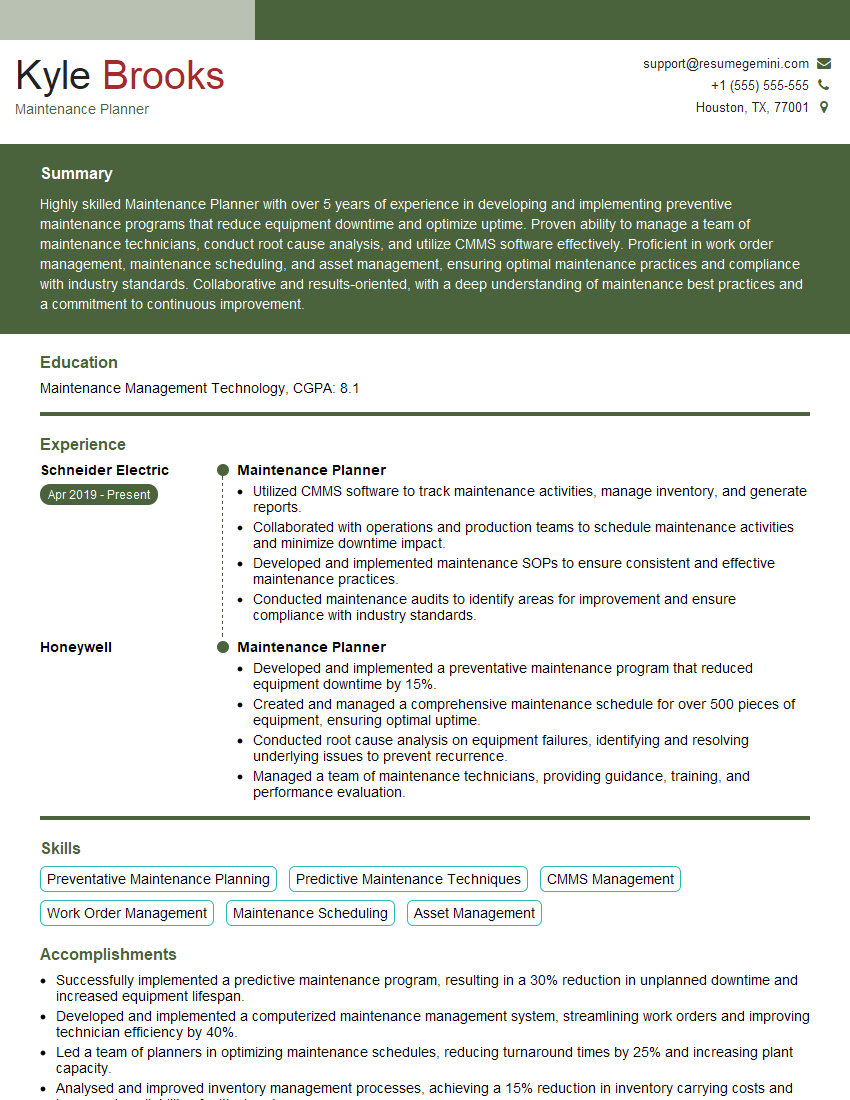
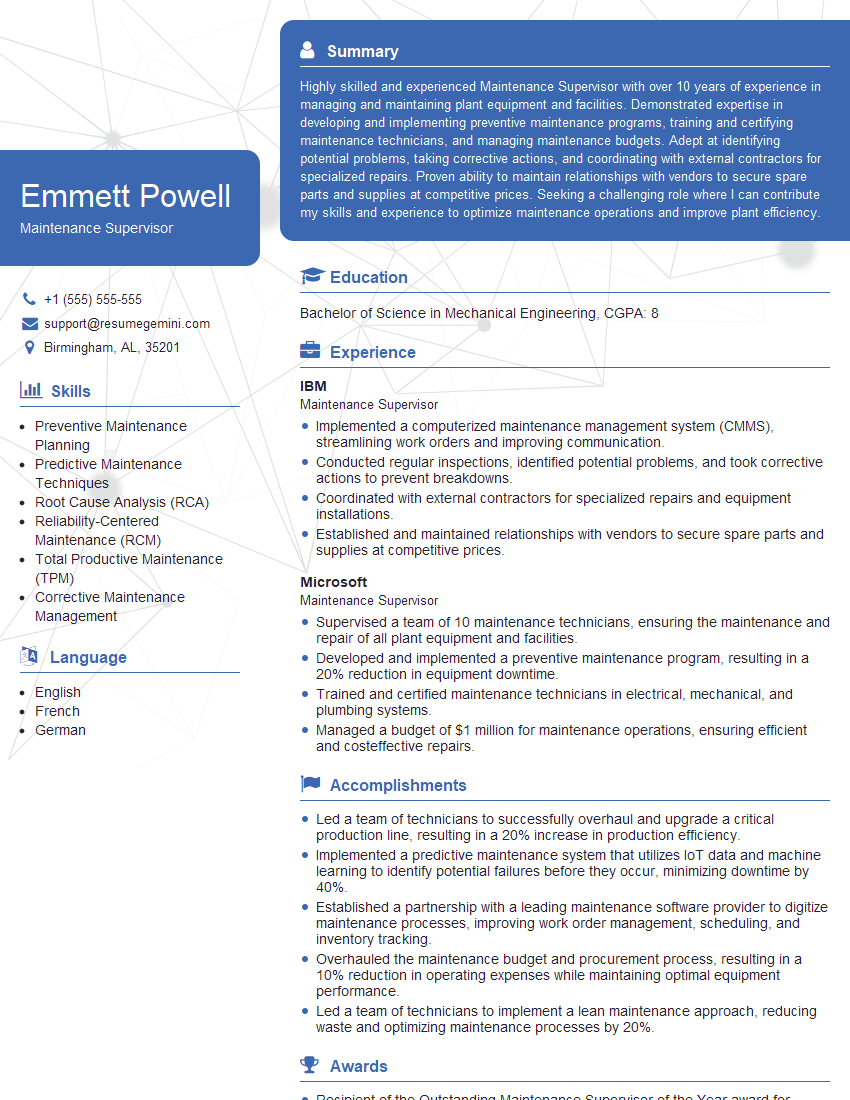
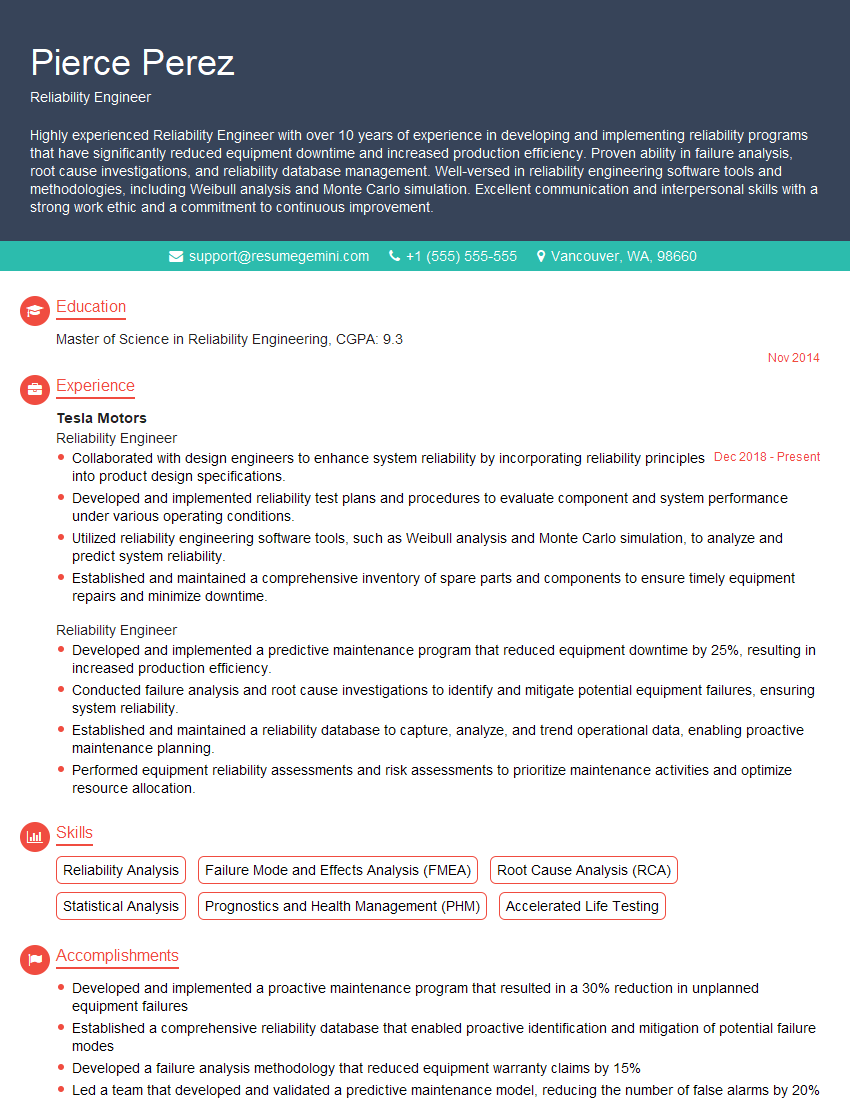
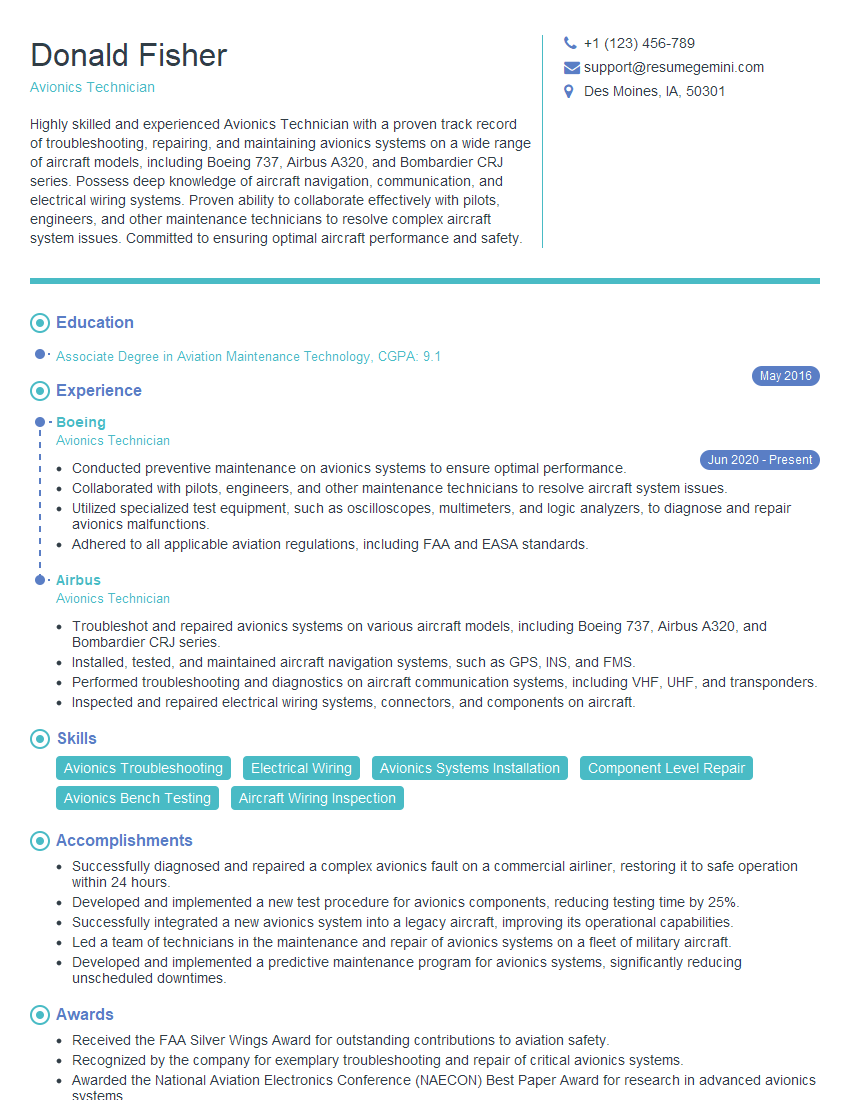
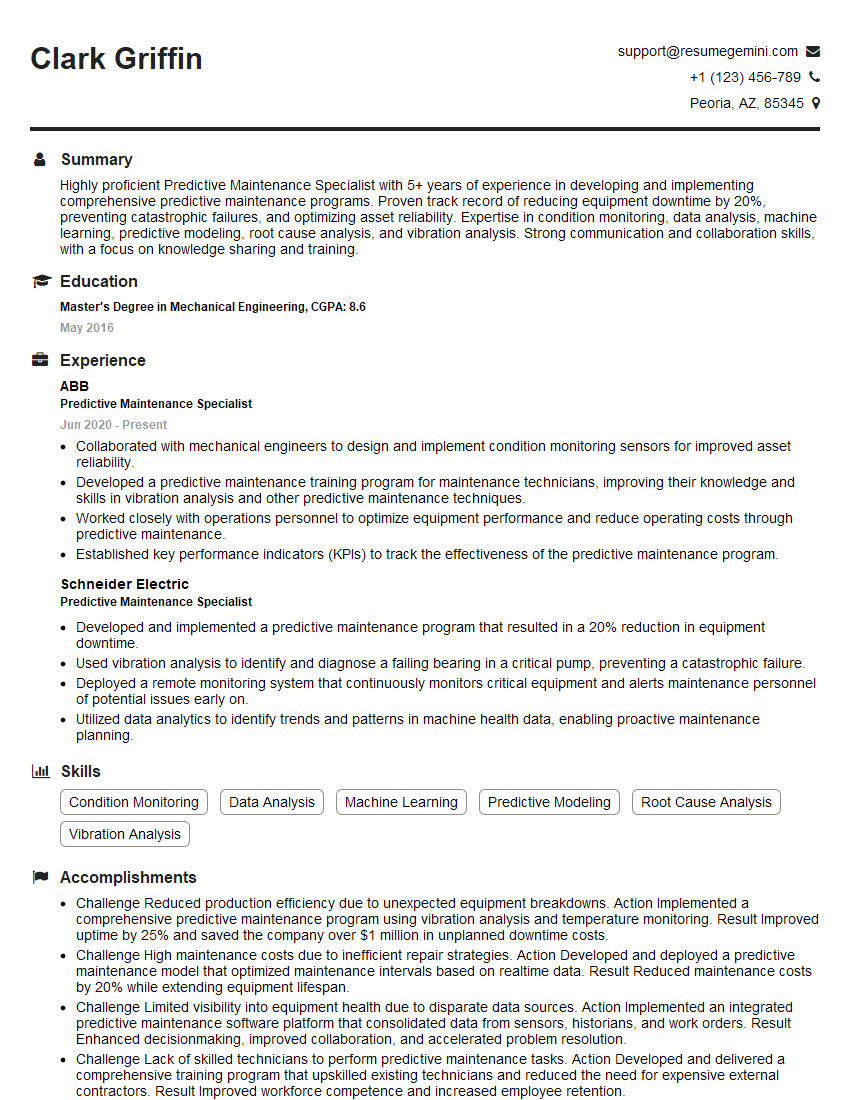
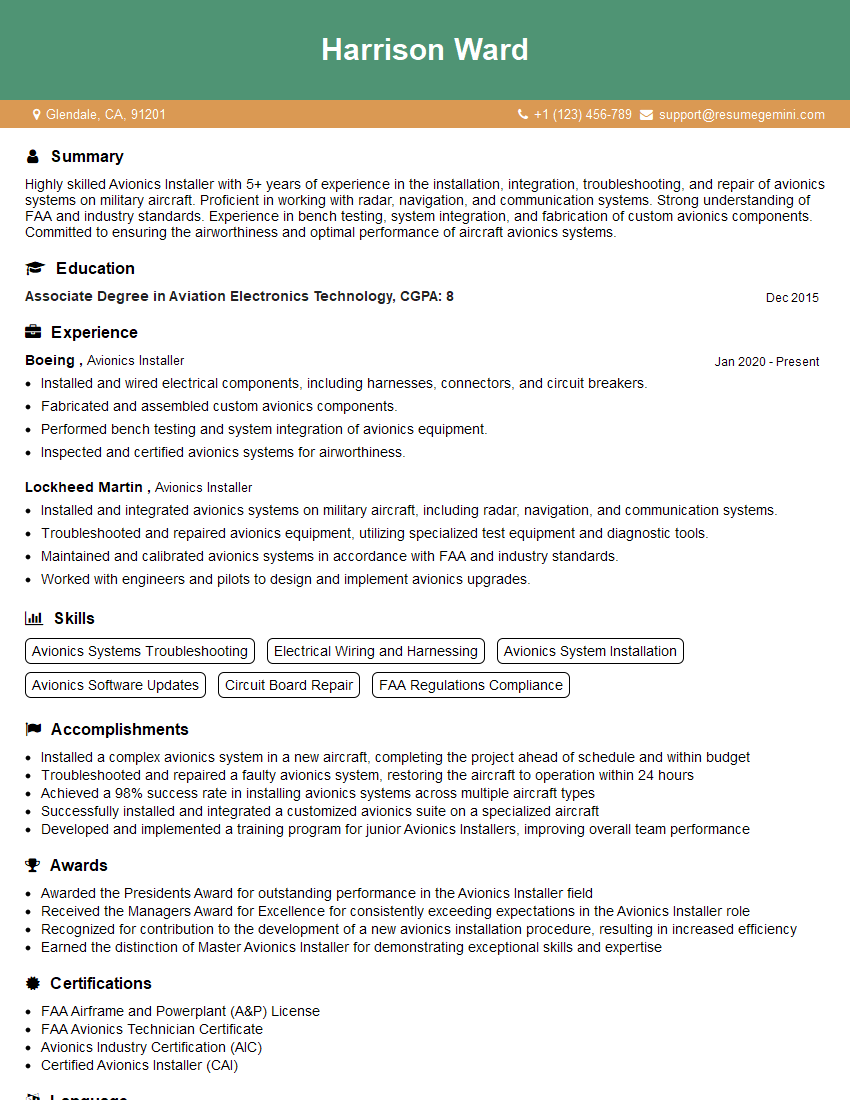
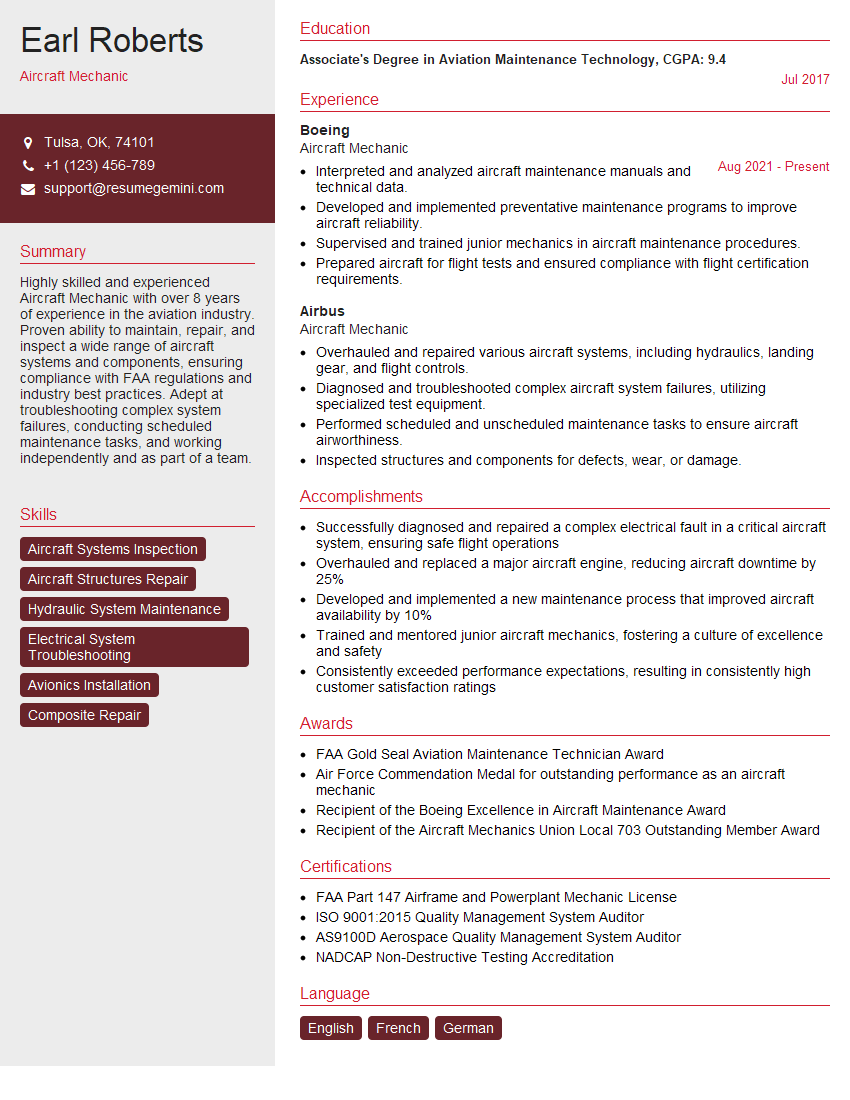
Mastering Aircraft Systems Monitoring and Maintenance opens doors to exciting and rewarding career opportunities within the aviation industry, offering excellent growth potential and specialized expertise. To maximize your job prospects, creating a compelling and ATS-friendly resume is essential. ResumeGemini can help you build a professional resume that highlights your skills and experience effectively. ResumeGemini provides examples of resumes tailored to Aircraft Systems Monitoring and Maintenance, guiding you through the process of showcasing your qualifications to potential employers. Invest time in crafting a strong resume; it’s your first impression and a crucial step in securing your dream role.
Explore more articles
Users Rating of Our Blogs
Share Your Experience
We value your feedback! Please rate our content and share your thoughts (optional).
What Readers Say About Our Blog
Very informative content, great job.
good