Interviews are opportunities to demonstrate your expertise, and this guide is here to help you shine. Explore the essential Allowable Stress Design (ASD) interview questions that employers frequently ask, paired with strategies for crafting responses that set you apart from the competition.
Questions Asked in Allowable Stress Design (ASD) Interview
Q 1. Explain the fundamental principles of Allowable Stress Design (ASD).
Allowable Stress Design (ASD) is a structural design method based on the principle that the maximum stress induced in a structural member under service loads should remain below a specified allowable stress. This allowable stress is a fraction of the material’s ultimate strength, determined by incorporating a factor of safety. Think of it like this: your car has a maximum speed, but you wouldn’t drive at that speed all the time, right? ASD is similar; it keeps the stress well below the material’s breaking point to ensure safety and prevent failure.
In essence, ASD ensures that the stresses in a structure remain within safe limits under normal operating conditions. It’s a straightforward approach, making it relatively easy to understand and apply.
Q 2. What are the key differences between ASD and Load and Resistance Factor Design (LRFD)?
The key difference between ASD and Load and Resistance Factor Design (LRFD) lies in how they handle uncertainty. ASD uses a single factor of safety applied to the allowable stress, implicitly considering uncertainties in material properties and loads. LRFD, on the other hand, uses separate factors for loads and resistances (material strength). This allows for a more refined and potentially more economical design by explicitly addressing uncertainties in both load estimation and material behavior.
- ASD: Focuses on keeping stresses below an allowable value. Simpler to calculate.
- LRFD: Focuses on ensuring that the resistance exceeds the load with a specified probability. More complex, allowing for potentially more efficient designs.
Imagine building a bridge. In ASD, you’d design it so that the stresses are significantly below the material’s breaking point, using a single safety factor. LRFD, however, would involve separately considering the probability of higher-than-expected loads and the probability of lower-than-expected material strength, leading to a more probabilistic design.
Q 3. How do you determine the allowable stress for a given material?
Determining the allowable stress involves several steps. First, you need the material’s ultimate tensile strength (or yield strength, depending on the design code and material behavior). This value is typically obtained from material testing or manufacturer’s specifications. Then, a factor of safety is applied to account for uncertainties in material properties, load estimations, and construction tolerances. This factor of safety is usually greater than 1 and varies depending on the material, application, and relevant design codes (e.g., AISC for steel structures).
Allowable stress = Ultimate Tensile Strength / Factor of Safety
For example, if the ultimate tensile strength of steel is 60 ksi (kips per square inch) and the factor of safety is 2, then the allowable stress would be 30 ksi. This means the stress in the structural member should never exceed 30 ksi under service loads.
Q 4. Describe the process of calculating allowable stresses for different loading conditions (axial, bending, torsion).
Allowable stress calculations differ based on loading type:
- Axial Loading: The allowable stress is simply the axial force divided by the cross-sectional area.
Allowable Stress = Axial Force / Area - Bending: The allowable bending stress is calculated using the bending moment and section modulus.
Allowable Stress = Bending Moment / Section Modulus - Torsion: The allowable shear stress due to torsion is determined using the torsional moment and polar moment of inertia.
Allowable Shear Stress = Torsional Moment * Radius / Polar Moment of Inertia
For combined loading conditions (e.g., axial load and bending), interaction equations are used to ensure that the combined stresses remain below the allowable limits. These equations are often found in design codes and handbooks. A crucial step is ensuring the correct selection of the appropriate failure criteria (e.g., maximum principal stress, maximum shear stress) depending on the material’s properties and failure mode.
Q 5. What are the limitations and advantages of using ASD?
Advantages of ASD:
- Simplicity: Relatively straightforward to understand and apply, particularly for simpler structures.
- Intuitive: The concept of allowable stress is easily grasped, making it suitable for engineers with varying levels of experience.
Limitations of ASD:
- Conservative: The single factor of safety can lead to overly conservative designs, resulting in higher material costs.
- Limited Consideration of Uncertainty: Does not explicitly account for the variability in both load and resistance in a systematic way.
- Difficult to Handle Combined Stress States: Interaction equations can be complex for multiple loading scenarios.
In practice, the choice between ASD and LRFD depends on project requirements, complexity, and the engineer’s experience. ASD remains relevant for simpler projects where its simplicity is advantageous.
Q 6. How do you account for stress concentrations in ASD?
Stress concentrations, which are areas of locally high stress due to geometric discontinuities (holes, notches, etc.), need careful consideration in ASD. Design codes often provide stress concentration factors (Kt) that are multiplied by the nominal stress to obtain the actual maximum stress at the concentration point.
Maximum Stress = Kt * Nominal Stress
This maximum stress must then be compared to the allowable stress. If the maximum stress exceeds the allowable stress, design modifications like increasing the cross-sectional area, using a higher-strength material, or altering the geometry to reduce the stress concentration are required. The application of stress concentration factors often demands a thorough understanding of the geometry and load conditions.
Q 7. Explain the concept of factor of safety in ASD.
The factor of safety (FS) in ASD is a crucial element that accounts for uncertainties and variations in material properties, loads, and construction quality. It acts as a buffer to prevent failure even under unexpected conditions. It’s a ratio of the material’s ultimate strength (or yield strength) to the allowable stress.
Factor of Safety = Ultimate Strength / Allowable Stress
A higher factor of safety implies a more conservative design and greater safety margins, but potentially increased costs. The specific factor of safety used depends on various factors, including the application, material type, and relevant building codes. Selection of the appropriate factor of safety is a critical decision based on risk assessment and design considerations.
Q 8. How do you select appropriate safety factors for different materials and applications?
Selecting appropriate safety factors in Allowable Stress Design (ASD) is crucial for ensuring structural integrity. The factor of safety isn’t a single number but depends on several factors, including the material’s properties, the application’s importance, and the level of uncertainty associated with the loads and material behavior. Think of it like this: you wouldn’t use the same safety factor for a child’s toy as you would for a bridge!
Factors influencing safety factor selection:
- Material Properties: Materials with well-established properties and consistent behavior (like structural steel) may allow for lower safety factors compared to materials with more variability (like timber or some composites). The variability is often reflected in material allowable stress values already incorporating inherent safety.
- Load Uncertainty: If the loads on a structure are precisely known and consistently applied, a lower safety factor might be acceptable. Conversely, situations with fluctuating or poorly understood loads necessitate a higher safety factor to account for potential unforeseen stresses.
- Application Importance: A structure with critical functions (like a hospital or nuclear power plant) requires a higher safety factor than one with less critical functions (like a small shed).
- Construction Quality: Structures built with meticulous quality control might permit slightly lower safety factors compared to structures built under less rigorous conditions.
Code standards, such as AISC (American Institute of Steel Construction) or ACI (American Concrete Institute), typically provide guidance on appropriate safety factors for different materials and applications. These codes often account for these different variables through their prescribed design stresses or allowable stresses already incorporating a measure of safety.
Q 9. What are the common failure modes considered in ASD?
Common failure modes considered in ASD include:
- Yielding: The material deforms plastically beyond its elastic limit, leading to permanent deformation.
- Fracture: The material breaks under stress, which can be brittle or ductile.
- Buckling: A slender structural member fails due to compressive stress, suddenly collapsing under its own weight or external loads. This is especially relevant for columns.
- Fatigue: Material failure due to repeated cyclic loading causing progressive crack growth, (often lower stress than yield or ultimate)
- Creep: A gradual permanent deformation of a material under sustained stress, especially at elevated temperatures.
ASD aims to prevent all these failure modes by ensuring that the calculated stresses remain well below the material’s allowable stresses, with appropriate safety factors.
Q 10. How do you apply ASD to design a simple beam?
Designing a simple beam using ASD involves several steps:
- Determine Loads: Calculate all loads acting on the beam, including dead loads (self-weight, permanent fixtures) and live loads (occupancy, snow, etc.).
- Determine Reactions: Calculate support reactions at the beam ends using statics principles (sum of forces and moments equal zero).
- Calculate Bending Moments and Shear Forces: Determine the maximum bending moment and shear force along the beam’s length. Various methods exist (like shear and moment diagrams).
- Select Material and Section: Choose a suitable material (steel, wood, concrete, etc.) and cross-sectional shape (rectangular, I-beam, etc.) based on strength, availability, and cost. The section modulus (S) is a crucial property.
- Calculate Stresses: Determine the bending stress (σ = M/S) and shear stress (τ) at the critical location on the beam. These stresses will vary along the beam length, and the maximum values are of interest.
- Check Allowable Stress: Compare the calculated stresses to the allowable stress (σallowable) for the selected material and safety factor. The allowable stress is typically found in material codes and handbooks. If σ ≤ σallowable, the design is acceptable.
Example: A simply supported steel beam with a maximum bending moment of 100 kNm needs a section modulus that can withstand this stress. If the allowable stress is 150 MPa, the required section modulus would be S = M/σallowable = (100 x 106 Nm) / (150 x 106 N/m2) = 0.67 m3. A suitable I-beam with a section modulus greater than or equal to 0.67 m3 would then be selected.
Q 11. How do you apply ASD to design a column?
Designing a column using ASD involves a similar process to beam design, but the primary concern is buckling, in addition to compressive stress. The design process:
- Determine Loads: Calculate axial loads acting on the column.
- Select Material and Section: Choose a suitable material and cross-section (often a wide-flange section for steel). The column’s slenderness ratio (ratio of length to least radius of gyration) is critical for buckling considerations.
- Determine Critical Stress: This involves considering both the compressive stress (P/A, where P is the axial load and A is the cross-sectional area) and the buckling stress, determined using Euler’s formula or other more advanced approaches that account for inelastic buckling (when the material yields prior to reaching the elastic buckling load).
- Check Allowable Stress: Compare the critical stress to the allowable compressive stress for the material. The allowable stress is adjusted to account for buckling using stability factors obtained from interaction equations found in design codes.
Important Consideration: Column design frequently involves interaction equations to account for combined axial and bending stresses if the column is subjected to both. This is crucial as the allowable stress in compression is often reduced in the presence of bending.
Q 12. How do you account for fatigue in ASD?
Accounting for fatigue in ASD requires considering the repeated cyclic loading the structure will experience. Simple ASD calculations don’t directly address fatigue; instead, modified allowable stresses are used to account for fatigue. These modified stresses are substantially lower than yield strength to minimize fatigue-related failures.
The process often involves:
- Determining Cyclic Loading: Identify the range and frequency of cyclic loads and stress ranges.
- Using Fatigue Curves or Equations: Material-specific fatigue curves or equations (like S-N curves) are utilized to determine the allowable stress amplitude for a given number of cycles. These curves illustrate the relationship between the stress amplitude and the number of cycles to failure.
- Applying a Fatigue Safety Factor: An additional safety factor, beyond the static safety factor, may be used to account for uncertainties in fatigue behavior.
- Detailed Fatigue Analysis (if necessary): For complex loading scenarios or critical applications, a more detailed fatigue analysis might be required, employing methods like fracture mechanics. This allows for more accurate assessment of crack initiation and propagation.
It’s important to note that fatigue design is a specialized area, and neglecting it can lead to premature failure in structures under cyclic loading.
Q 13. How do you handle combined stresses in ASD?
Handling combined stresses in ASD involves considering multiple stress components acting simultaneously on a structural member. These might include axial stress, bending stress, shear stress, and torsional stress.
There are several approaches to handle this:
- Interaction Equations: Many design codes provide interaction equations that describe the combined effect of different stress components. These equations consider the allowable stress of each component and often introduce a reduced allowable stress due to the presence of other stressors. For example, in steel column design, interaction equations account for the combination of axial and bending stresses.
- Maximum Shear Stress Theory: This theory states that failure occurs when the maximum shear stress exceeds the allowable shear stress.
- Maximum Principal Stress Theory: This theory assumes failure when the maximum principal stress exceeds the allowable tensile or compressive stress.
- Von Mises Stress (Distortion Energy Theory): This theory considers the distortion energy of the material and provides a more accurate prediction for ductile materials compared to the maximum shear stress or maximum principal stress theories.
The choice of approach depends on the material and the specific combination of stresses involved. Design codes typically provide guidance on suitable methods.
Q 14. Explain the role of material properties in ASD.
Material properties are fundamental in ASD. They dictate the structure’s strength and determine the allowable stresses. The most critical material properties used include:
- Yield Strength (σy): The stress at which a material begins to deform plastically. It’s a key parameter determining the allowable stress in many applications.
- Ultimate Tensile Strength (σu): The maximum stress a material can withstand before fracture.
- Compressive Strength (σc): The material’s resistance to compression. This is crucial in column design.
- Shear Strength (τ): The material’s resistance to shear stress, important in beam design and other applications.
- Elastic Modulus (E): A measure of material stiffness, relating stress and strain in the elastic region. It is needed in calculations related to deflection and buckling.
- Poisson’s Ratio (ν): Relates lateral strain to axial strain, often used in more advanced stress analysis.
- Fatigue Properties: Data defining the material’s behavior under cyclic loading, essential for fatigue design.
Accurate material properties, obtained from testing or reliable sources, are essential for safe and efficient structural design in ASD. These properties are usually defined in design standards and specifications.
Q 15. What are the different types of stress and how are they handled in ASD?
Allowable Stress Design (ASD) considers several types of stress acting on a structural member. Understanding these stresses is crucial for ensuring safety and preventing failures. The primary types include:
- Axial Stress: This is a force acting along the longitudinal axis of a member, causing either tension (pulling apart) or compression (pushing together). Imagine stretching a rubber band (tension) or squeezing a spring (compression). In ASD, we ensure that the calculated axial stress remains below the allowable stress specified in design codes, considering factors like material strength and safety factors.
- Bending Stress: When a member is subjected to a bending moment (like a beam supported at its ends and carrying a load), bending stress develops. The top fibers are typically in compression, while the bottom fibers are in tension. We determine the maximum bending stress and compare it against the allowable bending stress, accounting for the shape and material of the beam.
- Shear Stress: This stress acts parallel to the cross-section of a member, resulting from forces that try to slide one part of the member past another. Think of cutting a piece of paper with scissors – the stress is shear stress. In ASD, we calculate the shear stress and ensure it doesn’t exceed the allowable shear stress.
- Torsional Stress: This arises when a member is subjected to twisting moments, causing shear stresses throughout its cross-section. Imagine twisting a rod. We check the calculated torsional stress against the allowable torsional stress.
- Combined Stress: Many structural members experience a combination of these stresses. ASD handles this through superposition, adding the individual stress components algebraically. However, more complex scenarios might require advanced analysis methods.
ASD manages these stresses by ensuring that the maximum calculated stress (considering all types) for any point in the structure remains below the allowable stress for the material and load conditions. This allowable stress is determined by dividing the material’s ultimate strength by a safety factor (typically between 1.67 and 3.0, depending on the material and code requirements). This safety factor accounts for uncertainties in material properties, loads, and analytical models.
Career Expert Tips:
- Ace those interviews! Prepare effectively by reviewing the Top 50 Most Common Interview Questions on ResumeGemini.
- Navigate your job search with confidence! Explore a wide range of Career Tips on ResumeGemini. Learn about common challenges and recommendations to overcome them.
- Craft the perfect resume! Master the Art of Resume Writing with ResumeGemini’s guide. Showcase your unique qualifications and achievements effectively.
- Don’t miss out on holiday savings! Build your dream resume with ResumeGemini’s ATS optimized templates.
Q 16. How do you verify your ASD calculations?
Verifying ASD calculations involves a multi-step process focused on accuracy and thoroughness. I follow these key steps:
- Independent Checks: I always perform independent checks of all calculations, often using a different method or software to cross-verify the results. This reduces the chance of errors due to calculation mistakes.
- Code Compliance: I rigorously check that all calculations comply with relevant building codes and standards, such as the American Institute of Steel Construction (AISC) or American Concrete Institute (ACI) codes. This ensures the design adheres to accepted industry practices.
- Unit Consistency: Maintaining consistent units (e.g., kips, inches, psi) throughout calculations is crucial. I meticulously track units to prevent errors. A simple mistake in units can lead to catastrophic results.
- Peer Review: For significant projects, I ensure peer review by another experienced structural engineer. This helps to identify potential oversights or errors.
- Software Verification: When using software, I check the results against hand calculations for critical aspects of the design. This ensures that I understand the underlying principles and identify any potential bugs.
- Documentation: Comprehensive documentation is vital. I thoroughly document all assumptions, calculations, and references to codes and standards, enabling clear traceability and future review.
Ultimately, verification is about building confidence in the design’s integrity. It’s a systematic approach that minimizes the risks associated with structural engineering.
Q 17. What are some common software tools used for ASD analysis?
Several software tools are widely used for ASD analysis, each with its strengths and weaknesses. My experience encompasses:
- RISA-3D: A powerful and versatile software package for structural analysis and design, suitable for various materials and structural systems. It excels in handling complex geometries and load cases.
- Autodesk Robot Structural Analysis: Another comprehensive software program that facilitates detailed analysis and design according to different standards and codes. Its integration with other Autodesk products can be advantageous for large projects.
- STAAD Pro: A widely used software known for its efficiency and robustness in analyzing large and complex structures. It provides extensive capabilities for various analysis techniques.
- SAP2000: A leading analysis software that offers powerful features for both linear and nonlinear analysis, enabling detailed investigations of structural behavior under diverse load conditions.
The choice of software often depends on the project’s complexity and specific requirements. I select the tool that best addresses the challenges presented by the project while ensuring accurate and efficient analysis.
Q 18. Describe your experience with finite element analysis (FEA) in the context of ASD.
Finite Element Analysis (FEA) is a sophisticated numerical technique that can provide highly detailed insights into structural behavior. While ASD primarily relies on simplified analytical methods, FEA can be valuable in specific cases within an ASD framework.
For example, FEA can be used to:
- Verify Stress Concentrations: In areas with complex geometries or stress concentrations (e.g., around holes or sharp corners), FEA can provide a more accurate stress distribution than simplified formulas used in ASD. This is crucial for identifying potential failure points.
- Analyze Non-Linear Behavior: When non-linear material behavior (like yielding of steel) or large deformations are anticipated, FEA is indispensable for accurate modeling. ASD, in its basic form, often assumes linear elastic behavior.
- Refine ASD Assumptions: FEA can help validate simplifications made in the ASD approach. For instance, it can confirm the adequacy of assumed support conditions or load distributions.
However, FEA results need careful interpretation. It’s critical to understand the limitations of the FEA model (mesh density, material properties, boundary conditions) and to ensure that the results align with the overall ASD design philosophy and code requirements. The primary use of FEA, in my experience, is to enhance the accuracy of certain aspects of the ASD design process, not to replace it entirely.
Q 19. How do you handle uncertainties and variations in material properties in ASD?
Uncertainties in material properties are addressed in ASD through the use of safety factors and allowable stresses. These factors are incorporated into the design process to account for variations in material strength and other uncertainties. Instead of using the average value, we use a reduced value (allowable stress) derived from material test data. Variations in material properties are considered statistically. Building codes and standards typically provide guidance on the appropriate safety factors and material properties to be used in design.
For example, if a steel member’s yield strength is specified as 50 ksi, we wouldn’t directly use this value in ASD calculations. The allowable stress would be lower—perhaps 20 ksi—after applying an appropriate safety factor, thereby accounting for the possible variation in the actual yield strength from member to member.
This approach ensures that even if the material properties fall below the specified average values, the structure will still maintain a reasonable margin of safety. In complex cases, probabilistic methods might be used to more explicitly model uncertainty.
Q 20. Explain the importance of code compliance in ASD.
Code compliance in ASD is paramount for ensuring public safety and legal compliance. Building codes and standards define minimum requirements for structural design, encompassing factors such as material properties, load factors, and allowable stresses. By adhering to these codes, engineers ensure that their designs meet or exceed established safety standards.
Non-compliance can lead to:
- Structural Failure: Structures designed without proper code adherence have a higher risk of failure, potentially resulting in injury or loss of life.
- Legal Liability: Engineers are legally responsible for the safety and integrity of their designs. Non-compliance can lead to significant legal and financial consequences.
- Project Delays and Cost Overruns: Non-compliant designs may necessitate costly rework or redesign, delaying project completion.
Therefore, strict adherence to relevant codes is not just good practice; it’s a professional responsibility that safeguards public welfare and protects the engineer’s professional reputation.
Q 21. What are the relevant building codes and standards for ASD?
The specific building codes and standards relevant for ASD depend on several factors such as the location of the project, the type of structure, and the materials used. Some of the most commonly used codes include:
- American Institute of Steel Construction (AISC) Specification for Structural Steel Buildings: This code provides design specifications for steel structures, including allowable stresses and design procedures.
- American Concrete Institute (ACI) Building Code Requirements for Structural Concrete: This code outlines the design provisions for concrete structures, encompassing allowable stresses, load factors, and material properties.
- International Building Code (IBC): While not solely focused on structural design, the IBC establishes broader building regulations and references the AISC and ACI codes among others for structural aspects.
- American Society of Civil Engineers (ASCE) standards: ASCE publishes numerous standards relevant to various aspects of structural engineering, including loading provisions and material specifications, that may be incorporated into the design process.
It’s essential to consult the appropriate codes and standards relevant to the specific project to ensure the design complies with all applicable regulations. Staying updated on code changes is crucial for professional practice.
Q 22. How do you interpret stress-strain diagrams in the context of ASD?
Stress-strain diagrams are fundamental to Allowable Stress Design (ASD). They visually represent a material’s response to applied stress. The diagram shows the relationship between the stress applied to a material and the resulting strain (deformation). In ASD, we’re primarily interested in the elastic region of the diagram – the linear portion before yielding. This is because ASD dictates that the stresses in a structure should always remain below the material’s yield strength.
Interpreting the Diagram in ASD: We focus on the elastic modulus (slope of the linear region), the yield strength (the stress at the beginning of plastic deformation), and the ultimate tensile strength (the maximum stress the material can withstand before failure). The allowable stress, which is a fraction of the yield strength (typically a safety factor is applied), is directly determined from these values and used in design calculations to ensure structural safety.
Example: If a steel member’s yield strength is 36 ksi (kips per square inch) and the design code specifies a safety factor of 2, then the allowable stress would be 18 ksi (36 ksi / 2). Any stress in the member during its service life must remain below this 18 ksi limit. If the calculated stress exceeds this allowable stress, the design needs to be revised—perhaps by increasing the member’s size or using a stronger material.
Q 23. How do you determine the appropriate load combinations for ASD?
Determining appropriate load combinations for ASD is crucial for ensuring structural safety. Building codes, such as ASCE 7, provide prescriptive load combinations that account for various loading scenarios a structure might experience during its lifespan. These combinations usually involve dead loads (the weight of the structure itself), live loads (occupancy loads, furniture, etc.), wind loads, snow loads, and earthquake loads (depending on location).
How Load Combinations are Determined: The specific load combination factors are defined in the relevant building codes. They incorporate factors of safety to account for uncertainties in load estimations and material properties. Typically, they are expressed as mathematical equations, combining different load types with specific load factors. For example, a common load combination might be 1.4D (1.4 times the dead load) or 1.2D + 1.6L (1.2 times the dead load plus 1.6 times the live load).
Example: Let’s say a beam has a dead load of 10 kips and a live load of 5 kips. According to a specific code, one load combination might be 1.2D + 1.6L = 1.2(10) + 1.6(5) = 20 kips. The beam’s design must accommodate this 20-kip load.
It’s vital to use the correct load combinations as specified by the governing code for the project’s location and type of structure. Incorrectly applying load combinations can lead to unsafe designs.
Q 24. Describe a challenging ASD design problem you solved.
One challenging ASD design problem involved designing a complex steel truss system for a large warehouse addition. The challenge was to minimize material costs while ensuring the structure could withstand high wind loads in a hurricane-prone region. The geometry of the truss was irregular, with various angles and member lengths, making the analysis quite intricate.
Problem-Solving Approach: I began by performing a detailed structural analysis using finite element software to model the truss behavior under various load scenarios. Then, I used iterative design optimization techniques to explore different truss configurations and member sizes. The goal was to find the most cost-effective combination that satisfied all the code requirements and allowable stress limits.
Success Factors: Careful consideration of load combinations, accurate material property data, and a thorough understanding of the applicable building codes were critical to resolving this problem. Using specialized software to conduct the analysis efficiently also played a significant role. The final design successfully met all the requirements, resulting in a structurally sound and economically viable solution.
Q 25. How do you ensure the accuracy and reliability of your ASD calculations?
Ensuring accuracy and reliability in ASD calculations is paramount. I employ several strategies:
- Utilizing established software: I rely on well-vetted structural analysis software that incorporates advanced computational methods and checks for errors.
- Independent verification: I always have another engineer review my calculations and designs to catch any potential mistakes.
- Detailed documentation: Thorough documentation of all assumptions, calculations, and design decisions is essential for traceability and future reference.
- Adherence to codes and standards: Strict adherence to relevant building codes and design standards ensures compliance with safety regulations.
- Understanding material properties: Accurate material properties are critical for accurate stress calculations. I carefully review material test reports and ensure consistent application of these data throughout the design process.
These practices reduce the likelihood of errors and foster confidence in the integrity of the design.
Q 26. What are your strengths and weaknesses regarding ASD?
Strengths: My strengths include a deep understanding of ASD principles, proficiency in using relevant software, meticulous attention to detail, and a strong ability to solve complex structural problems. I also have excellent communication skills, enabling me to effectively explain technical information to both technical and non-technical audiences.
Weaknesses: While proficient in most aspects of ASD, I am always looking to expand my knowledge in areas such as advanced finite element analysis techniques and specialized software for complex geometries. I also acknowledge that even with rigorous procedures, human error is always a possibility; continuous improvement and thorough review are necessary to mitigate this risk.
Q 27. Explain how you stay current with the latest advancements in ASD.
Staying current with advancements in ASD involves a multi-faceted approach:
- Professional development courses: I regularly attend continuing education courses and workshops focused on structural engineering and ASD.
- Industry publications and journals: I keep abreast of the latest research and advancements through professional publications and journals.
- Networking with colleagues: I actively participate in professional organizations and engage with colleagues to share knowledge and learn about new techniques.
- Code updates: I diligently monitor updates and revisions to relevant building codes and design standards.
This ongoing learning process ensures I remain at the forefront of ASD best practices and employ the most efficient and effective methods in my work.
Q 28. How would you explain Allowable Stress Design to a non-engineer?
Imagine building a strong bridge. Allowable Stress Design (ASD) is like a set of safety rules for ensuring that bridge won’t collapse. It’s a way of designing structures so that the forces acting on them (like the weight of cars and trucks) are always much smaller than the material’s ability to withstand them.
Think of it like this: every material has a breaking point—the point where it’ll snap. ASD says we must never stress a material anywhere close to that breaking point. We use safety factors to ensure that the structure will never even get close, even if we slightly miscalculate the forces. It’s better to be over-engineered and safe than risk catastrophic failure.
So, ASD makes sure that buildings, bridges, and all kinds of structures can safely handle whatever forces they experience throughout their lifetime, leaving a substantial margin for error.
Key Topics to Learn for Allowable Stress Design (ASD) Interview
- Fundamental Principles of ASD: Understanding the core concepts of allowable stress, safety factors, and the design philosophy behind ASD. This includes grasping the differences between ASD and other design methods.
- Material Properties and Selection: Knowing how to select appropriate materials based on their yield strength, allowable stress values, and suitability for the intended application. This includes understanding material behavior under stress.
- Stress Analysis Techniques: Mastering the application of various stress analysis techniques, including axial stress, bending stress, shear stress, and torsion, to determine the stresses within structural elements.
- Design Codes and Standards: Familiarity with relevant design codes and standards (mentioning general categories is sufficient, avoid specifying codes) and their application in the design process. This involves understanding how these standards influence allowable stress values.
- Practical Applications in Structural Design: Gaining experience with real-world applications of ASD in different structural elements such as beams, columns, and connections. This includes understanding load calculations and design considerations.
- Failure Theories and Limit States: Understanding different failure theories and how they relate to the determination of allowable stresses. This includes comprehending the concept of limit states and their role in design.
- Load Combinations and Load Factors: Proficiency in determining appropriate load combinations and applying load factors to account for uncertainties in loading conditions. This is crucial for ensuring safety margins.
- Problem-Solving and Design Iteration: Developing problem-solving skills to effectively analyze design problems and iterate through different design solutions to optimize performance and cost.
Next Steps
Mastering Allowable Stress Design (ASD) is crucial for a successful career in structural engineering and related fields. A strong understanding of ASD principles demonstrates a solid foundation in engineering mechanics and opens doors to a wide range of exciting opportunities. To enhance your job prospects, focus on creating a resume that is both effective and ATS-friendly. ResumeGemini is a trusted resource that can help you build a professional resume tailored to highlight your ASD expertise. Examples of resumes tailored to Allowable Stress Design (ASD) are available to help you craft the perfect application. Invest in your future – build a compelling resume today!

Engineering Manager Resume Sample
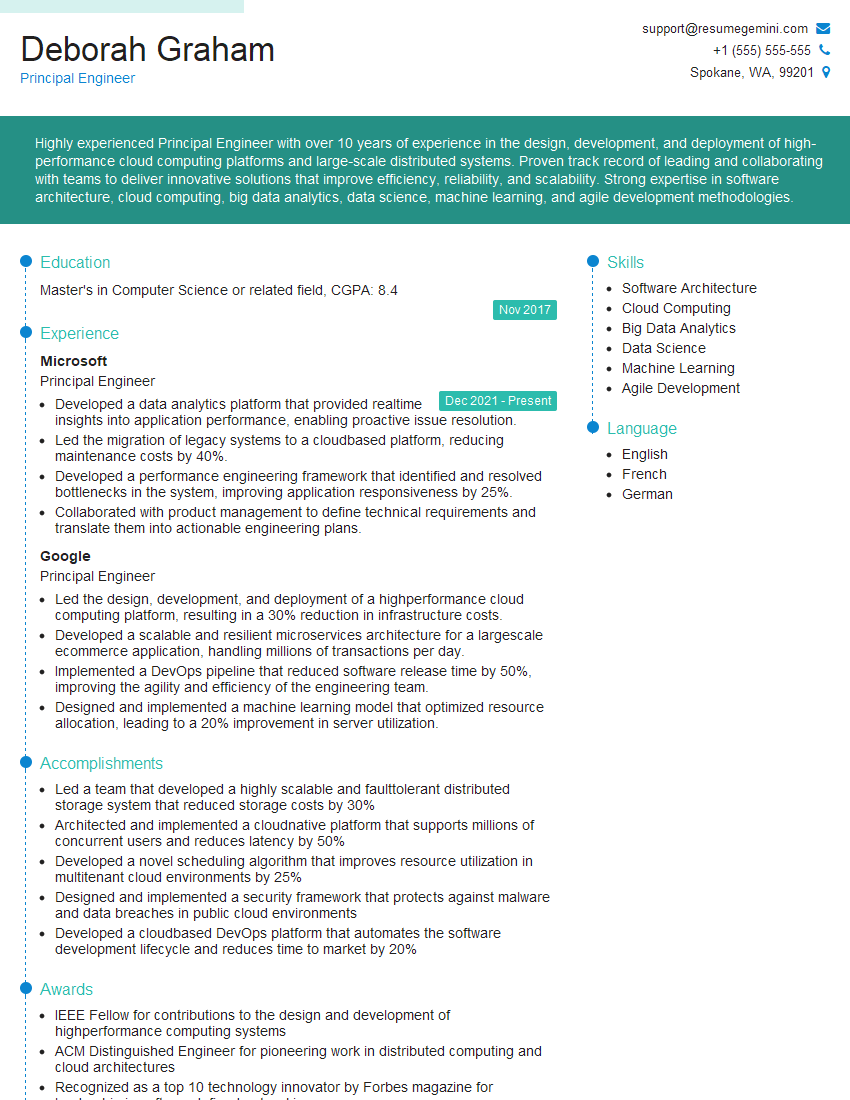
Principal Engineer Resume Sample

Project Engineer Resume Sample
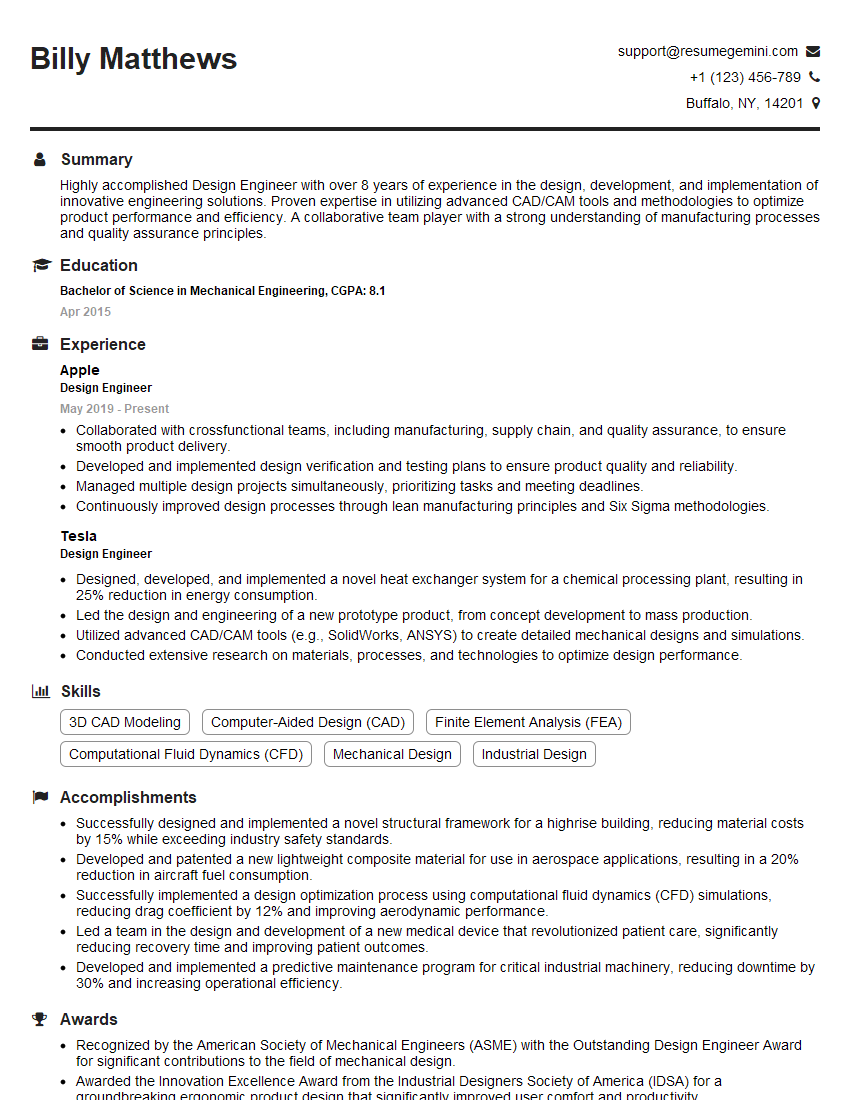
Design Engineer Resume Sample
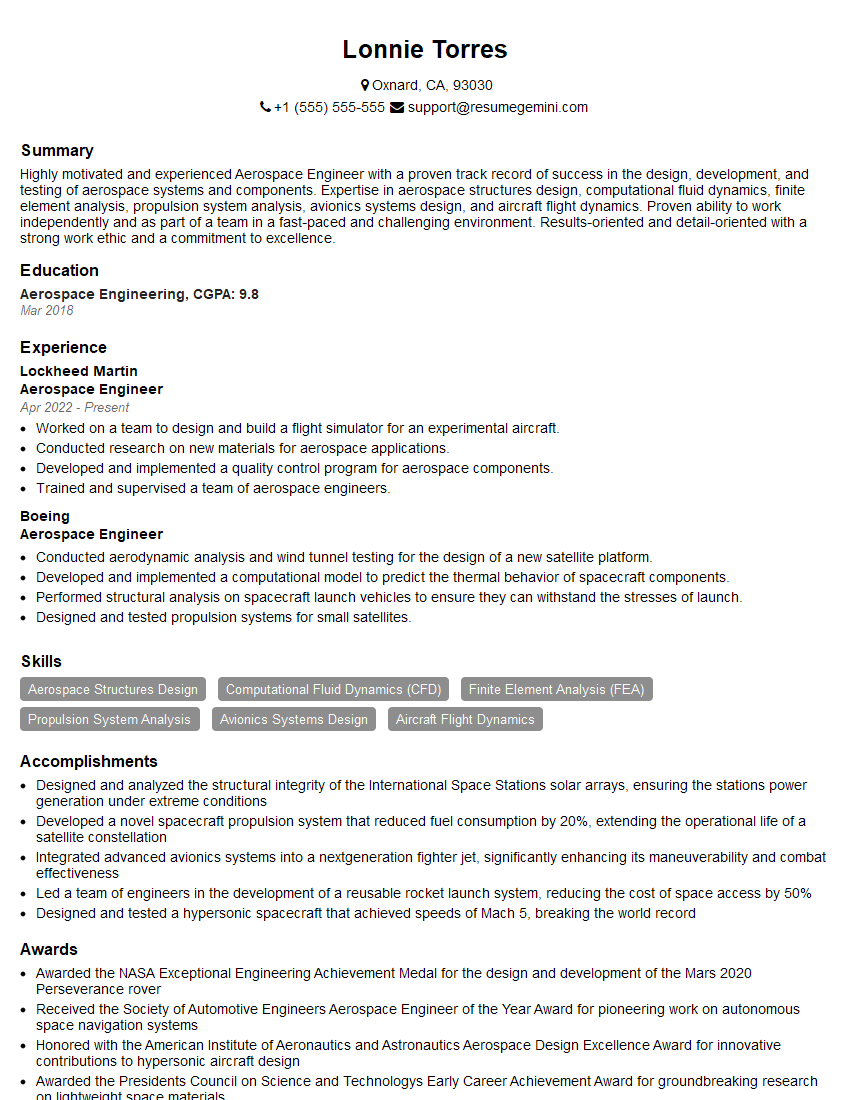
Aerospace Engineer Resume Sample
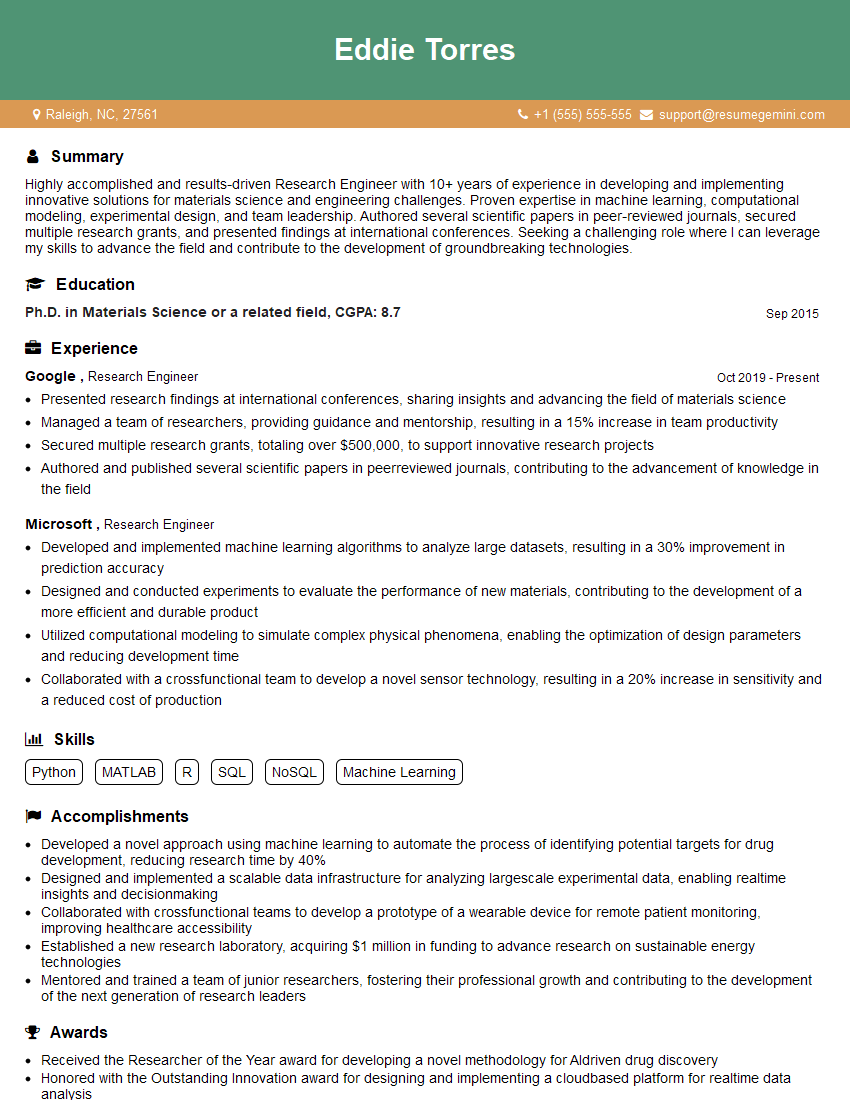
Research Engineer Resume Sample
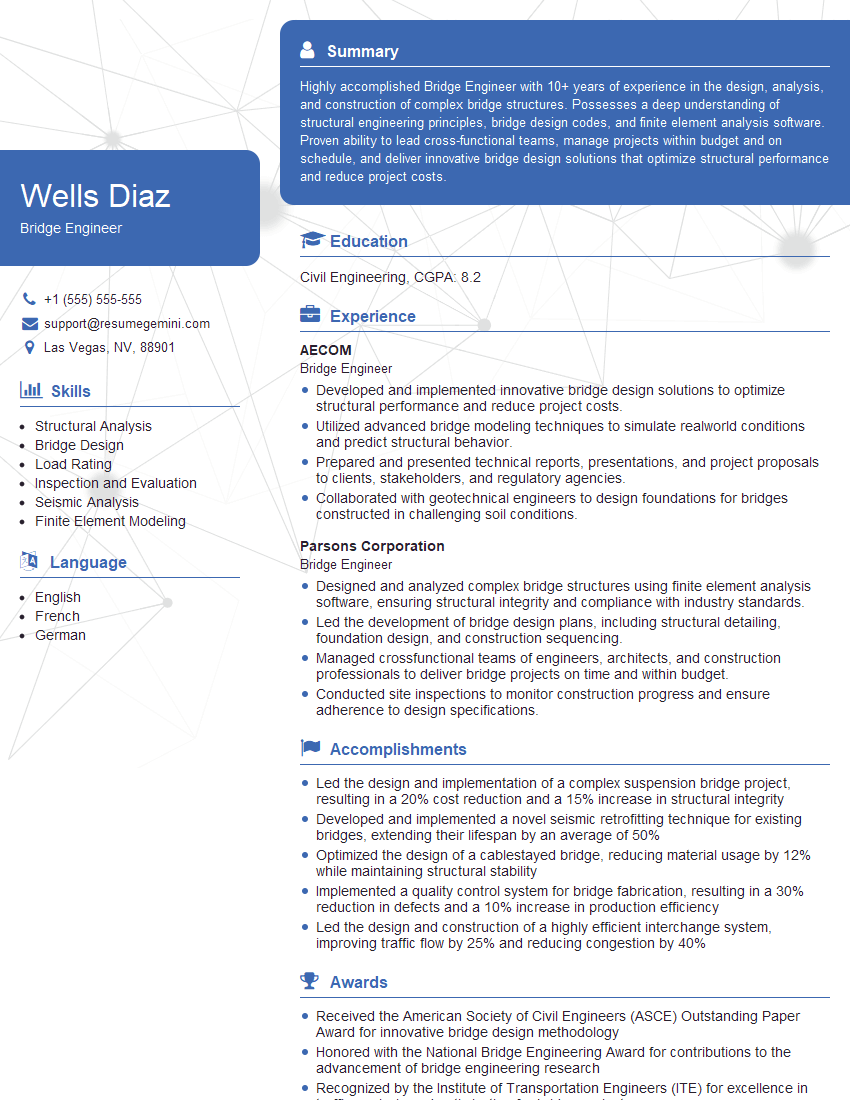
Bridge Engineer Resume Sample

Civil Engineer Resume Sample
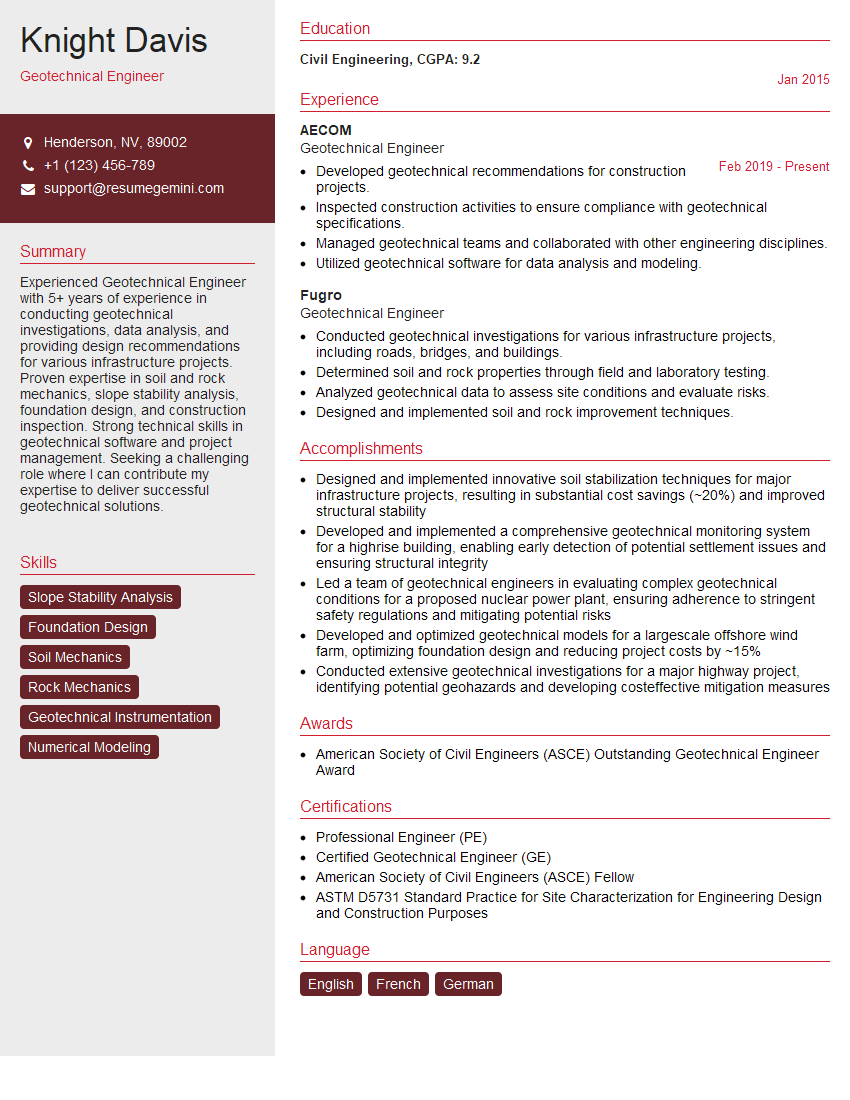
Geotechnical Engineer Resume Sample
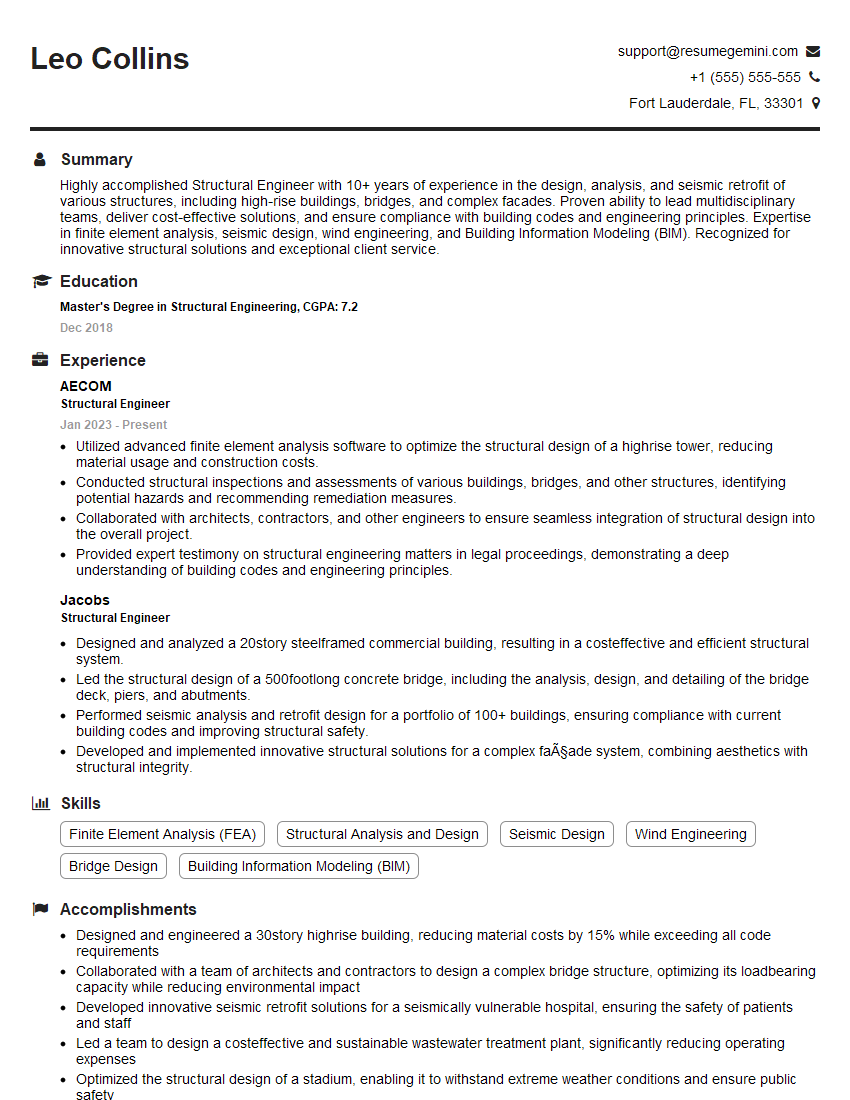
Structural Engineer Resume Sample
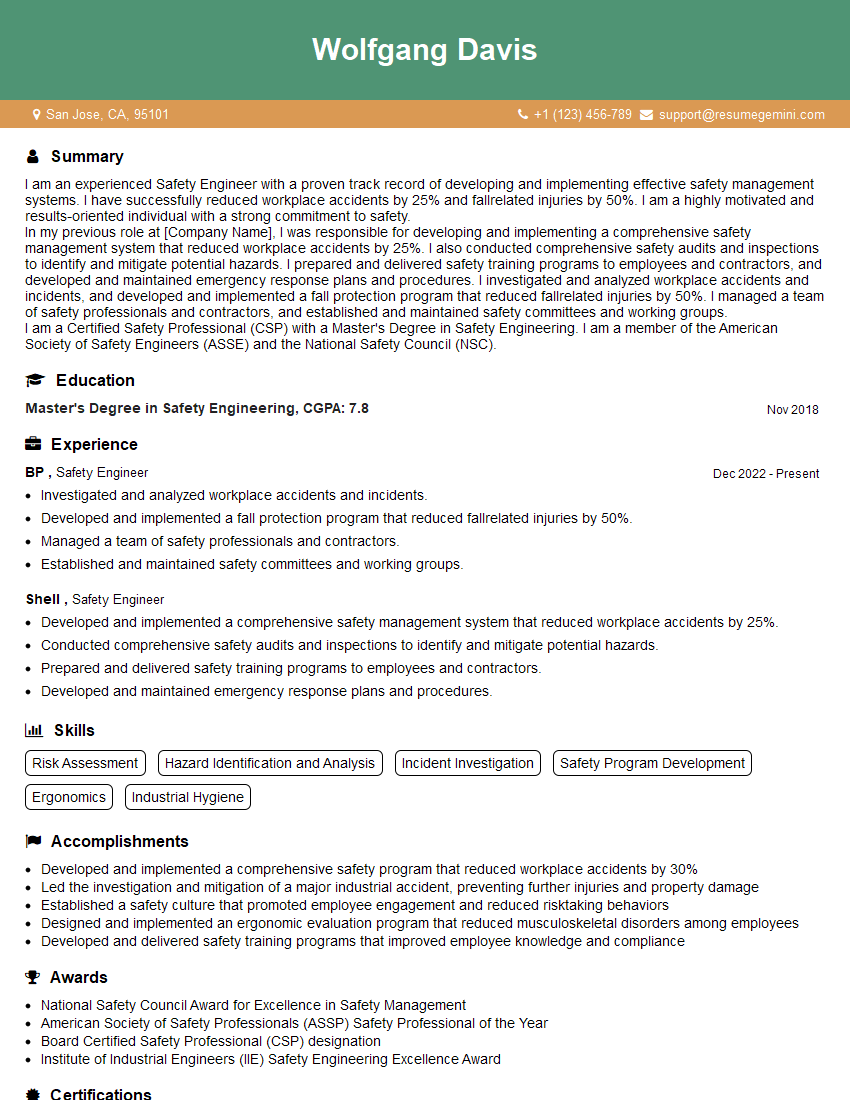
Safety Engineer Resume Sample

Consulting Engineer Resume Sample
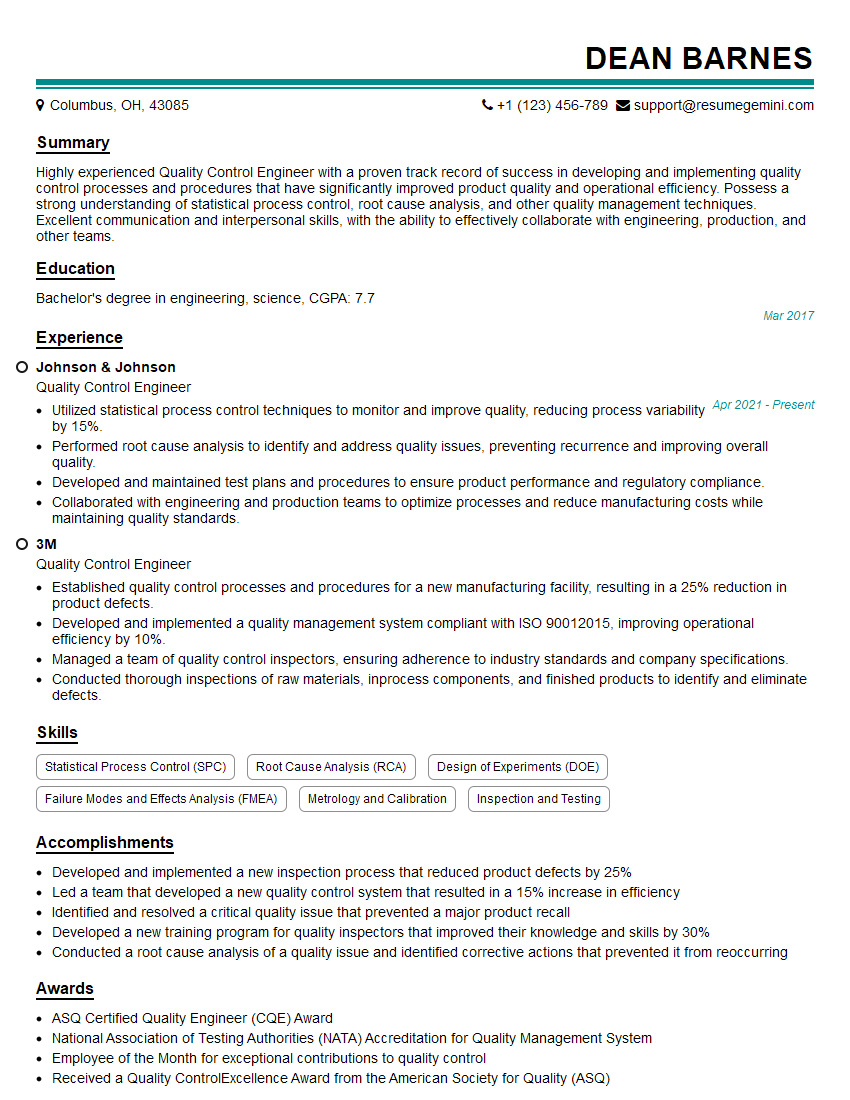
Quality Control Engineer Resume Sample
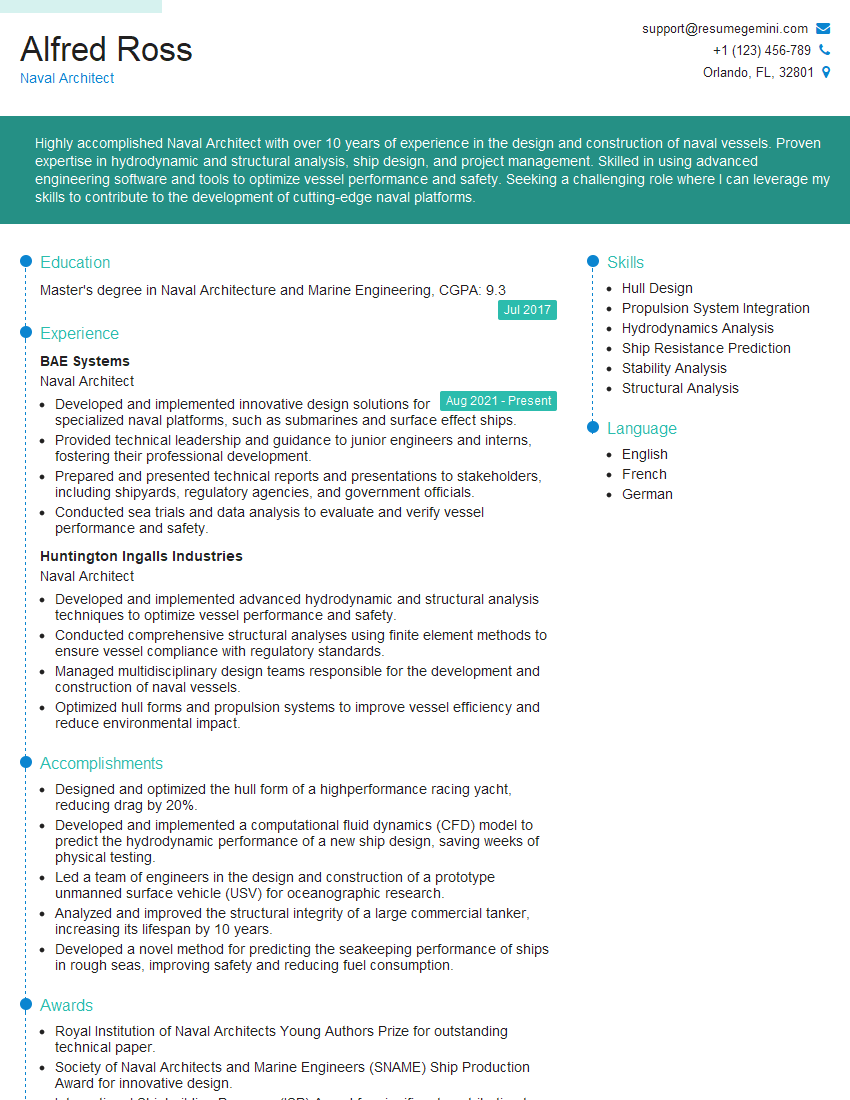
Naval Architect Resume Sample

Materials Engineer Resume Sample

Welding Engineer Resume Sample
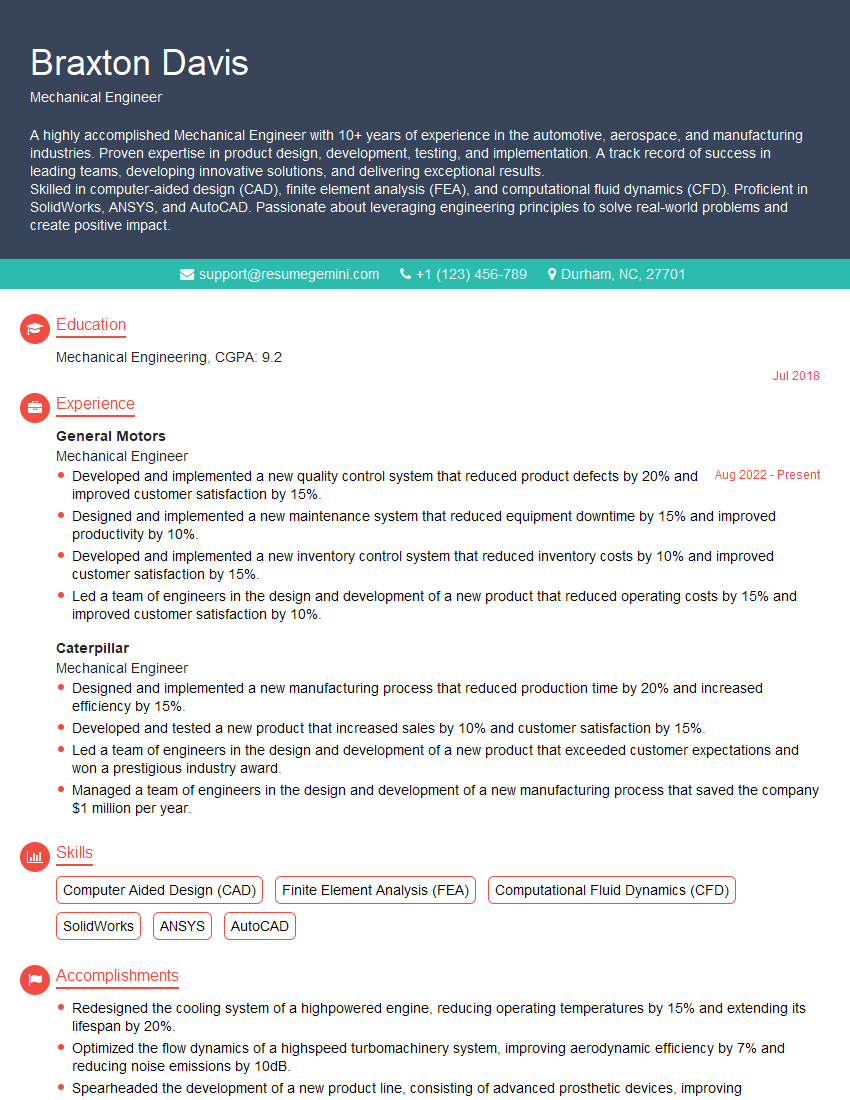
Mechanical Engineer Resume Sample
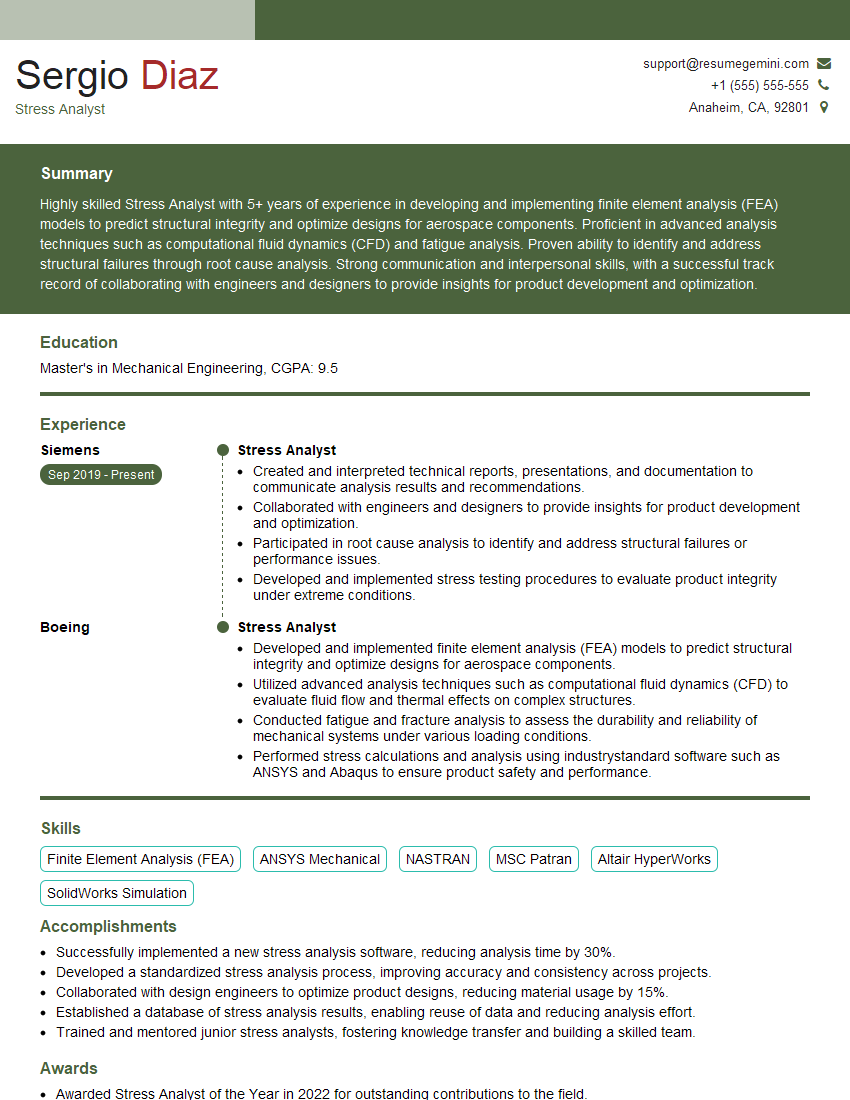
Stress Analyst Resume Sample
- Engineering Manager
- Principal Engineer
- Project Engineer
- Design Engineer
- Aerospace Engineer
- Research Engineer
- Bridge Engineer
- Civil Engineer
- Geotechnical Engineer
- Structural Engineer
- Safety Engineer
- Consulting Engineer
- Quality Control Engineer
- Naval Architect
- Materials Engineer
- Welding Engineer
- Mechanical Engineer
- Stress Analyst
Explore more articles
Users Rating of Our Blogs
Share Your Experience
We value your feedback! Please rate our content and share your thoughts (optional).
What Readers Say About Our Blog
Very informative content, great job.
good