Cracking a skill-specific interview, like one for Anatomy Study, requires understanding the nuances of the role. In this blog, we present the questions you’re most likely to encounter, along with insights into how to answer them effectively. Let’s ensure you’re ready to make a strong impression.
Questions Asked in Anatomy Study Interview
Q 1. Describe the layers of the epidermis.
The epidermis, the outermost layer of skin, is composed of several distinct strata, or layers. Think of it like a layered cake, each layer with a specific role in protecting the body. These layers, from superficial (outermost) to deep (innermost), are:
- Stratum corneum: This is the outermost layer, composed of dead, keratinized cells. It’s like a tough shield, providing waterproofing and protection against abrasion, pathogens, and dehydration. Imagine it as the ‘crumb coat’ of your skin cake – the first layer of defense.
- Stratum lucidum: Found only in thick skin (like the palms and soles), this translucent layer is composed of flattened, dead cells. It adds an extra layer of protection in high-wear areas.
- Stratum granulosum: In this layer, keratinization begins. Cells produce keratin, a tough, fibrous protein, and lose their nuclei, effectively becoming ‘dead’ cells. This is where the ‘cake layers’ begin to solidify and lose their ‘moisture’ (cell components).
- Stratum spinosum: This layer contains cells that are connected by desmosomes, which give them a spiny appearance under a microscope. These connections are like the ‘glue’ holding the cake layers together, maintaining structural integrity.
- Stratum basale: This is the deepest layer, where new epidermal cells are produced through mitosis. These cells are constantly dividing and pushing older cells upward, renewing the epidermis. This is the ‘base’ layer of your skin cake, the source of all the other layers.
Understanding these layers is crucial for diagnosing skin conditions. For example, psoriasis affects the stratum spinosum and granulosum, causing rapid cell turnover and scaling.
Q 2. Explain the function of the cerebellum.
The cerebellum, a major part of the brain located at the back of the head, plays a vital role in coordinating movement and balance. Think of it as the brain’s ‘movement control center’. Its functions include:
- Coordination of voluntary movements: The cerebellum receives input from the sensory systems and motor cortex, refining movements to ensure they are smooth, accurate, and precise. For example, it allows you to smoothly pour a cup of coffee without spilling it.
- Maintenance of posture and balance: It constantly monitors body position and adjusts muscle tone to maintain equilibrium. Imagine trying to stand on one leg – the cerebellum plays a critical role in preventing you from falling.
- Motor learning: The cerebellum is involved in the acquisition of new motor skills, such as learning to ride a bicycle or play a musical instrument. It fine-tunes movements through practice and repetition.
Damage to the cerebellum can result in ataxia, characterized by incoordination, tremors, and difficulty maintaining balance. This highlights its essential role in fine motor control.
Q 3. What are the main branches of the abdominal aorta?
The abdominal aorta is the continuation of the thoracic aorta, descending through the abdomen to supply blood to the abdominal organs and lower limbs. Its main branches include:
- Celiac trunk: This branch supplies blood to the stomach, liver, spleen, and pancreas.
- Superior mesenteric artery: This artery supplies blood to most of the small intestine and the right half of the large intestine.
- Inferior mesenteric artery: This supplies blood to the left half of the large intestine.
- Renal arteries (paired): These arteries supply blood to the kidneys.
- Gonadal arteries (paired): These supply blood to the gonads (testes or ovaries).
- Lumbar arteries (paired): These arteries supply blood to the muscles and tissues of the lumbar region of the back.
- Common iliac arteries (paired): These are the terminal branches of the abdominal aorta, further dividing into the internal and external iliac arteries to supply the pelvic organs and lower limbs, respectively.
Understanding these branches is essential in diagnosing and treating abdominal vascular diseases, such as aneurysms or occlusions.
Q 4. Identify the bones of the wrist.
The wrist is made up of eight carpal bones, arranged in two rows of four. Memorizing these bones often requires some mnemonic devices. The proximal row (closest to the forearm) consists of:
- Scaphoid: Often fractured in wrist injuries.
- Lunate:
- Triquetrum:
- Pisiform:
The distal row (closest to the hand) consists of:
- Trapezium:
- Trapezoid:
- Capitate:
- Hamate:
Knowing the individual bones and their articulations is crucial for diagnosing wrist fractures and other injuries. The arrangement of these bones allows for a wide range of wrist movements.
Q 5. Describe the pathway of blood through the heart.
The pathway of blood through the heart is a continuous loop, ensuring oxygenated blood is delivered to the body and deoxygenated blood is oxygenated in the lungs. The pathway is as follows:
- Deoxygenated blood enters the right atrium via the superior and inferior vena cava.
- Blood flows from the right atrium to the right ventricle through the tricuspid valve.
- The right ventricle pumps blood to the lungs via the pulmonary artery through the pulmonary valve.
- In the lungs, blood picks up oxygen and releases carbon dioxide.
- Oxygenated blood returns to the heart via the pulmonary veins, entering the left atrium.
- Blood flows from the left atrium to the left ventricle through the mitral valve.
- The left ventricle pumps oxygenated blood to the rest of the body via the aorta through the aortic valve.
This continuous cycle ensures that oxygen and nutrients are delivered throughout the body and waste products are removed.
Q 6. What are the different types of muscle tissue and their functions?
Three main types of muscle tissue exist in the human body, each with distinct characteristics and functions:
- Skeletal Muscle: This is voluntary muscle, meaning we consciously control its contractions. It’s attached to bones via tendons and responsible for movement. Imagine lifting a weight – skeletal muscle is at work.
- Smooth Muscle: This is involuntary muscle, found in the walls of internal organs like the stomach, intestines, and blood vessels. It’s responsible for processes like digestion and blood pressure regulation. We don’t consciously control its contractions.
- Cardiac Muscle: This specialized muscle tissue forms the heart. It’s involuntary and responsible for pumping blood throughout the body. Its rhythmic contractions are crucial for life.
Understanding the differences between these muscle types is important in various medical fields. For example, understanding smooth muscle function is vital in treating conditions like hypertension (high blood pressure).
Q 7. Explain the process of bone remodeling.
Bone remodeling is a continuous process of bone breakdown (resorption) and bone formation (formation). It’s a dynamic process, crucial for maintaining bone strength, repairing micro-damage, and regulating calcium homeostasis. Think of it as a constant ‘renovation’ of your skeletal system.
The process involves two main cell types:
- Osteoclasts: These large, multinucleated cells resorb bone tissue. They secrete acids and enzymes that break down the bone matrix. Imagine them as the ‘demolition crew’ removing old, damaged bone.
- Osteoblasts: These cells synthesize new bone matrix, building new bone tissue. Think of them as the ‘construction crew’ laying down new bone material.
This constant resorption and formation cycle is regulated by various factors, including hormones (like parathyroid hormone and calcitonin) and mechanical stress. Imbalances in this process can lead to conditions like osteoporosis (weakened bones).
Q 8. What are the major nerves of the brachial plexus?
The brachial plexus is a network of nerves that originates from the lower cervical and upper thoracic spinal nerves (C5-T1). It’s responsible for innervating the muscles and skin of the upper limb. Think of it as a complex highway system delivering signals to and from your arm and hand.
- Five major terminal branches emerge from this network: These nerves are like the major roads branching off the highway, each heading to a specific destination in the arm and hand.
- Axillary nerve: Innervates the deltoid and teres minor muscles (shoulder muscles) and provides sensory input to the shoulder region. Imagine this nerve enabling you to lift your arm overhead.
- Musculocutaneous nerve: Innervates the biceps brachii, brachialis, and coracobrachialis muscles (muscles in the front of your upper arm) and provides sensory input to the lateral forearm. This allows for elbow flexion (bending your elbow).
- Radial nerve: Innervates the posterior arm and forearm muscles (back of your arm and forearm), including those involved in extending the wrist and fingers. This nerve helps straighten your hand and fingers.
- Median nerve: Innervates many muscles in the anterior forearm (front of your forearm) and hand, including the thenar muscles (thumb muscles). It’s vital for fine motor skills like buttoning a shirt. Damage to the median nerve can cause carpal tunnel syndrome.
- Ulnar nerve: Innervates several muscles in the forearm and hand, particularly those involved in finger flexion and abduction. It’s critical for gripping and hand dexterity. The ‘funny bone’ is actually the ulnar nerve.
Understanding the brachial plexus is crucial in diagnosing and treating injuries to the upper limb, such as nerve damage from trauma or compression. For instance, a damaged radial nerve could significantly impact a musician’s ability to play an instrument.
Q 9. Describe the structure and function of a nephron.
The nephron is the functional unit of the kidney. Imagine it as a tiny filtering machine that removes waste and excess fluid from the blood, ultimately producing urine. Each kidney contains over a million nephrons working together.
Structure: A nephron consists of:
- Renal corpuscle: This is the filtering part, comprising the glomerulus (a capillary network) and Bowman’s capsule (a cup-like structure surrounding the glomerulus). Blood enters the glomerulus, where pressure forces water, small molecules (like glucose and waste products), and ions into Bowman’s capsule. Larger molecules like proteins remain in the blood.
- Renal tubule: This long, twisted tube continues the processing of the filtered fluid. It has several segments:
- Proximal convoluted tubule (PCT): Reabsorption of essential substances like glucose, amino acids, and water occurs here. Think of this as reclaiming valuable nutrients from the filtered fluid.
- Loop of Henle: This U-shaped structure establishes an osmotic gradient that facilitates water reabsorption. This allows for more efficient water concentration of the urine.
- Distal convoluted tubule (DCT): Further reabsorption and secretion of ions occur here, fine-tuning the composition of the urine.
- Collecting duct: Multiple nephrons’ DCTs empty into the collecting duct, where final adjustments to urine concentration are made before it exits the kidney.
Function: The primary function is to filter blood, reabsorb essential nutrients, and excrete waste products. This process maintains the body’s fluid and electrolyte balance, regulates blood pressure, and removes toxins.
Understanding nephron function is critical for diagnosing and managing kidney diseases such as glomerulonephritis or kidney failure, both of which impair nephron function.
Q 10. Explain the role of the lymphatic system.
The lymphatic system is a network of vessels, tissues, and organs that work together to remove excess fluid, waste products, and pathogens (disease-causing organisms) from the body. Think of it as a body-wide drainage and defense system.
Role:
- Fluid balance: The lymphatic system collects excess interstitial fluid (fluid surrounding cells) and returns it to the bloodstream, preventing fluid buildup in tissues (edema).
- Immune defense: Lymph nodes, located throughout the lymphatic vessels, contain immune cells that filter lymph (the fluid in the lymphatic vessels) and destroy pathogens. Lymph nodes act as checkpoints, identifying and eliminating invaders.
- Fat absorption: Lymphatic vessels in the small intestine absorb fats and transport them to the bloodstream.
- Waste removal: Lymphatic vessels remove cellular debris and waste products from tissues.
A properly functioning lymphatic system is crucial for overall health. Dysfunction can lead to various health issues such as lymphedema (swelling due to fluid buildup), immune deficiencies, and impaired fat absorption. Conditions such as cancer can also impact lymphatic function due to the blockage of lymphatic vessels by tumor cells.
Q 11. What are the main components of the respiratory system?
The respiratory system is responsible for gas exchange, bringing in oxygen (O2) and expelling carbon dioxide (CO2). It’s like the body’s air conditioning and ventilation system.
Main components:
- Upper respiratory tract: Includes the nose, nasal cavity, pharynx (throat), and larynx (voice box). This acts as the pathway for air entry and initial filtration.
- Lower respiratory tract: Includes the trachea (windpipe), bronchi (branching airways), bronchioles (smaller airways), and alveoli (tiny air sacs where gas exchange occurs). This is where the actual gas exchange happens.
- Lungs: These are the main organs of the respiratory system, containing millions of alveoli where oxygen enters the bloodstream and carbon dioxide leaves.
- Diaphragm and intercostal muscles: These muscles drive the mechanics of breathing, expanding and contracting the chest cavity to facilitate airflow.
Understanding the respiratory system is crucial in many medical fields, especially pulmonology. Diseases like pneumonia, asthma, and COPD (Chronic Obstructive Pulmonary Disease) affect different parts of this system and can severely impact a person’s ability to breathe and live comfortably.
Q 12. Describe the different types of joints and their movement.
Joints are the points where two or more bones meet. They enable movement and provide structural support.
Types of joints and movement:
- Fibrous joints: These joints are held together by fibrous connective tissue and have little to no movement. Examples include sutures in the skull.
- Cartilaginous joints: These joints are held together by cartilage and allow for limited movement. Examples include intervertebral discs in the spine.
- Synovial joints: These are the most common type of joint and allow for a wide range of motion. They are characterized by a synovial cavity (a space filled with synovial fluid) that lubricates the joint. Examples include:
- Ball-and-socket joints (e.g., shoulder, hip): Allow for movement in multiple planes.
- Hinge joints (e.g., elbow, knee): Allow for movement in one plane.
- Pivot joints (e.g., between the atlas and axis vertebrae): Allow for rotation.
- Saddle joints (e.g., carpometacarpal joint of the thumb): Allow for movement in two planes.
- Gliding joints (e.g., between carpals and tarsals): Allow for sliding movements.
- Condyloid joints (e.g., wrist): Allow for movement in two planes.
Understanding joint structure and function is crucial for diagnosing and treating musculoskeletal disorders such as arthritis, sprains, and dislocations. For instance, a doctor needs this knowledge to assess the damage to a joint after a fall or accident.
Q 13. Explain the mechanism of action of skeletal muscle contraction.
Skeletal muscle contraction is a complex process involving the interaction of proteins within muscle fibers to generate force. Imagine it as a coordinated dance between two key proteins: actin and myosin.
Mechanism:
- Nerve impulse: A nerve impulse stimulates the muscle fiber, triggering the release of calcium ions (Ca2+) from the sarcoplasmic reticulum (a storage compartment within the muscle fiber).
- Calcium binding: Ca2+ binds to troponin, a protein complex on the actin filament. This binding causes a conformational change in troponin, which moves tropomyosin (another protein on the actin filament) away from the myosin-binding sites on actin.
- Cross-bridge formation: Myosin heads, which are part of the myosin filament, can now bind to the exposed myosin-binding sites on actin, forming cross-bridges.
- Power stroke: After binding, the myosin heads undergo a conformational change, causing them to pivot and pull the actin filaments towards the center of the sarcomere (the basic contractile unit of muscle). This is the power stroke that generates the force of muscle contraction.
- ATP binding and detachment: ATP (adenosine triphosphate), the body’s energy currency, binds to the myosin heads, causing them to detach from actin.
- Myosin head re-cocking: The ATP is hydrolyzed (broken down), providing energy for the myosin heads to return to their original position, ready to bind to actin again and repeat the cycle.
- Relaxation: When the nerve impulse ceases, Ca2+ is pumped back into the sarcoplasmic reticulum, tropomyosin returns to its original position, blocking the myosin-binding sites on actin, and muscle relaxation occurs.
Understanding muscle contraction is vital in fields like sports medicine, physical therapy, and exercise physiology. For example, a physiotherapist uses this knowledge to design rehabilitation programs for patients with muscle injuries.
Q 14. What are the functions of the endocrine system?
The endocrine system is a network of glands that produce and secrete hormones, chemical messengers that regulate various bodily functions. Think of it as the body’s internal communication and control center.
Functions:
- Metabolism regulation: Hormones such as insulin and glucagon control blood glucose levels, while thyroid hormones regulate metabolism rate.
- Growth and development: Growth hormone stimulates growth during childhood and adolescence. Sex hormones control sexual development and reproduction.
- Stress response: Hormones like cortisol and adrenaline are released in response to stress, preparing the body for ‘fight or flight’.
- Fluid and electrolyte balance: Hormones like aldosterone and antidiuretic hormone (ADH) regulate fluid and electrolyte balance.
- Reproduction: Hormones regulate sexual development, reproduction, and menstrual cycles.
- Mood and sleep regulation: Hormones such as melatonin and serotonin influence sleep patterns and mood.
Dysfunction of the endocrine system can lead to various disorders like diabetes, hypothyroidism, hyperthyroidism, and growth disorders. Endocrinology is the branch of medicine dedicated to diagnosing and treating these conditions.
Q 15. Identify the major salivary glands.
There are three major pairs of salivary glands in the human body, producing saliva essential for initial food digestion and oral hygiene. These are:
- Parotid glands: The largest salivary glands, located just anterior to the ears. Their secretions are primarily serous (watery) containing enzymes like amylase, which begins carbohydrate breakdown.
- Submandibular glands: Located beneath the mandible (jawbone), these glands produce a mixed secretion, both serous and mucous, contributing to lubrication and enzyme activity.
- Sublingual glands: The smallest of the major salivary glands, situated under the tongue. Their secretion is predominantly mucous, adding to the lubrication and texture of saliva.
Minor salivary glands are also scattered throughout the oral mucosa but contribute less overall saliva volume compared to the major glands. Problems with these glands, such as inflammation (sialadenitis) or obstruction, can significantly impact oral health and overall digestion.
Career Expert Tips:
- Ace those interviews! Prepare effectively by reviewing the Top 50 Most Common Interview Questions on ResumeGemini.
- Navigate your job search with confidence! Explore a wide range of Career Tips on ResumeGemini. Learn about common challenges and recommendations to overcome them.
- Craft the perfect resume! Master the Art of Resume Writing with ResumeGemini’s guide. Showcase your unique qualifications and achievements effectively.
- Don’t miss out on holiday savings! Build your dream resume with ResumeGemini’s ATS optimized templates.
Q 16. Describe the layers of the digestive tract.
The digestive tract wall comprises four main layers, each with specific functions. Imagine it like a layered cake, each layer contributing to the overall function:
- Mucosa: The innermost layer, lining the lumen (the space inside the tube). It’s responsible for secretion (enzymes, mucus), absorption of nutrients, and protection from pathogens. Think of this as the ‘icing’ on the cake, directly interacting with the food.
- Submucosa: A layer of connective tissue containing blood vessels, lymph vessels, and nerves. It provides support and nourishment to the mucosa and plays a role in regulating blood flow and immune responses. This is like the ‘sponge cake’ layer, providing support and structure.
- Muscularis externa: Composed of smooth muscle layers arranged circularly and longitudinally. This layer facilitates peristalsis, the rhythmic contractions that propel food through the digestive tract. This is like the ‘filling’ layer, giving the cake its motion.
- Serosa: The outermost layer, a thin membrane that protects the digestive tract and reduces friction. It’s part of the peritoneum, the lining of the abdominal cavity. This is like the protective outer coating of the cake.
Variations in these layers exist throughout the digestive tract; for instance, the stomach has an additional oblique muscle layer for powerful churning.
Q 17. Explain the difference between afferent and efferent neurons.
Afferent and efferent neurons are the two main types of neurons involved in transmitting information throughout the nervous system. Think of them as the ‘incoming’ and ‘outgoing’ traffic of the nervous system:
- Afferent neurons (sensory neurons): These neurons carry signals from sensory receptors (e.g., in the skin, eyes, ears) towards the central nervous system (CNS). They inform the CNS about the internal and external environment. For example, if you touch a hot stove, afferent neurons transmit the pain signal to your brain.
- Efferent neurons (motor neurons): These neurons carry signals from the CNS towards effector organs (e.g., muscles, glands). They initiate actions based on the information received. In the hot stove example, efferent neurons would signal your muscles to withdraw your hand.
Together, afferent and efferent neurons form the crucial communication pathways that allow for sensory perception and motor responses.
Q 18. What are the components of the central nervous system?
The central nervous system (CNS) is the command center of the body, responsible for processing information and coordinating actions. It consists of two main parts:
- Brain: The control center housed within the skull. It’s divided into the cerebrum (higher cognitive functions), cerebellum (coordination and balance), and brainstem (basic life functions like breathing and heart rate).
- Spinal cord: A long, cylindrical structure extending from the brainstem down through the vertebral column. It acts as the primary communication pathway between the brain and the rest of the body, carrying both sensory and motor information.
Protecting the CNS are the skull and vertebral column, as well as protective membranes called meninges and cerebrospinal fluid (CSF), which cushions and nourishes the delicate neural tissue.
Q 19. Describe the process of neurotransmission.
Neurotransmission is the process of communication between neurons, involving the transmission of signals across a synapse—the tiny gap between two neurons. It’s a complex process that can be summarized in these steps:
- Action potential arrives at the presynaptic terminal: An electrical signal (action potential) travels down the axon of the presynaptic neuron.
- Neurotransmitter release: The arrival of the action potential triggers the release of neurotransmitters, chemical messengers, from vesicles into the synaptic cleft.
- Neurotransmitter binding: Neurotransmitters diffuse across the synaptic cleft and bind to specific receptors on the postsynaptic neuron.
- Postsynaptic potential: The binding of neurotransmitters causes changes in the membrane potential of the postsynaptic neuron, potentially triggering a new action potential.
- Neurotransmitter removal: Neurotransmitters are then removed from the synaptic cleft through reuptake, enzymatic degradation, or diffusion, terminating the signal.
Different neurotransmitters mediate various effects, leading to excitation or inhibition of the postsynaptic neuron. This intricate process allows for rapid and targeted communication within the nervous system.
Q 20. What are the different types of glial cells and their functions?
Glial cells, also known as neuroglia, are non-neuronal cells in the nervous system that provide structural and functional support to neurons. Unlike neurons, they do not directly transmit electrical signals. Several types exist, each with distinct roles:
- Astrocytes: Star-shaped cells that provide structural support, regulate blood flow, and maintain the blood-brain barrier.
- Oligodendrocytes (CNS) and Schwann cells (PNS): Form the myelin sheath, a fatty insulating layer around axons that increases the speed of nerve impulse transmission. Oligodendrocytes myelinate multiple axons in the CNS, while Schwann cells myelinate single axons in the peripheral nervous system (PNS).
- Microglia: The resident immune cells of the CNS. They act as phagocytes, removing cellular debris and pathogens.
- Ependymal cells: Line the ventricles of the brain and the central canal of the spinal cord, producing and circulating cerebrospinal fluid.
Glial cells are crucial for the proper functioning of the nervous system, playing critical roles in maintaining homeostasis, supporting neuronal activity, and providing immune defense.
Q 21. Explain the difference between mitosis and meiosis.
Mitosis and meiosis are both types of cell division, but they serve very different purposes and produce different outcomes. Think of mitosis as cell replication for growth and repair, while meiosis is specialized cell division for sexual reproduction:
- Mitosis: A single cell divides into two identical daughter cells. This is how our bodies grow, repair tissues, and maintain cell populations. The resulting daughter cells are diploid (containing two sets of chromosomes), genetically identical to the parent cell. Think of it like photocopying a document; you get two identical copies.
- Meiosis: A specialized type of cell division that occurs in germ cells (sperm and egg cells). A single cell undergoes two rounds of division to produce four haploid daughter cells (each containing only one set of chromosomes). These cells are genetically diverse due to recombination events (crossing over) during meiosis I. The purpose is to generate gametes for sexual reproduction, ensuring genetic variation in offspring. Think of it like shuffling a deck of cards before dealing hands; you get unique combinations.
Errors in either mitosis or meiosis can have severe consequences, leading to conditions like cancer (mitosis) or genetic disorders (meiosis).
Q 22. Describe the stages of embryonic development.
Embryonic development is a fascinating journey, transforming a single fertilized egg into a complex organism. It’s broadly divided into several stages:
- Germinal Stage (Weeks 1-2): This begins with fertilization, forming a zygote. Rapid cell division (cleavage) occurs, creating a morula, then a blastocyst which implants in the uterine wall. This stage establishes the foundation for the embryo.
- Embryonic Stage (Weeks 3-8): This is a period of rapid organogenesis, where the major organ systems begin to form. The three primary germ layers—ectoderm, mesoderm, and endoderm—differentiate, giving rise to specific tissues and organs. For instance, the ectoderm forms the nervous system and skin, the mesoderm forms muscles and bones, and the endoderm forms the digestive system and lungs. This is a critical period for development, highly susceptible to teratogens (agents causing birth defects).
- Fetal Stage (Weeks 9-40): This stage focuses on growth and maturation of existing organs. The fetus increases significantly in size and further organ development takes place. By the end of this stage, the fetus is ready for birth. The organ systems continue to refine and connect, becoming functional for life outside the womb.
Think of it like building a house: the germinal stage lays the foundation, the embryonic stage builds the walls and rooms (organ systems), and the fetal stage is like furnishing and decorating the house to make it fully habitable.
Q 23. What are the different types of connective tissue?
Connective tissues are the body’s ‘supporting cast,’ binding, supporting, and separating different tissues and organs. They’re incredibly diverse; here are some key types:
- Connective Tissue Proper: This includes loose connective tissue (like adipose tissue for fat storage and areolar tissue, providing cushioning and support), and dense connective tissue (like tendons connecting muscle to bone, and ligaments connecting bone to bone). Think of the ‘packing peanuts’ (loose) versus the ‘strong ropes’ (dense).
- Specialized Connective Tissue: This group encompasses cartilage (hyaline, elastic, and fibrocartilage, providing flexible support), bone (providing rigid support and protection), and blood (transporting nutrients and oxygen). Cartilage in your nose provides flexibility, while bone in your skull provides protection for the brain.
- Fluid Connective Tissue: Blood is the primary example, with its plasma and cellular components facilitating oxygen and nutrient delivery, waste removal, and immune responses. Imagine it as the body’s delivery system, carrying essential packages throughout the body.
Understanding the different types of connective tissue is crucial for comprehending injuries like sprains (ligaments) and fractures (bone).
Q 24. Explain the role of the integumentary system.
The integumentary system, comprising the skin, hair, and nails, plays a vital role in protecting the body and maintaining homeostasis. Its functions are multifaceted:
- Protection: The skin acts as a barrier against pathogens, UV radiation, and dehydration. It also protects against mechanical injury.
- Thermoregulation: Sweating helps to cool the body, while constriction of blood vessels in the skin helps to conserve heat.
- Sensation: Sensory receptors in the skin detect touch, pressure, temperature, and pain.
- Excretion: Small amounts of waste products are excreted through sweat.
- Vitamin D Synthesis: The skin produces vitamin D when exposed to sunlight.
For example, a sunburn is a clear indication of the integumentary system’s failure to fully protect against UV radiation. Proper skincare is essential for maintaining its integrity and overall health.
Q 25. What are the major blood vessels supplying the brain?
The brain’s blood supply is critical for its constant high metabolic activity. The major arteries supplying it are:
- Internal Carotid Arteries: These arteries branch from the common carotid arteries and enter the skull, supplying the anterior and middle parts of the brain.
- Vertebral Arteries: These arteries arise from the subclavian arteries and enter the skull through the foramen magnum, merging to form the basilar artery. The basilar artery and its branches supply the posterior part of the brain, including the brainstem and cerebellum.
A blockage in any of these vessels can lead to a stroke, resulting in significant neurological damage. The Circle of Willis, a network of interconnected arteries at the base of the brain, provides some redundancy to minimize the impact of a blockage in a single vessel.
Q 26. Describe the structure and function of the eye.
The eye is a remarkable sensory organ, responsible for vision. Its structure and function are intimately linked:
- Structure: The eye comprises the cornea (transparent outer layer), lens (focuses light onto the retina), iris (controls pupil size), retina (contains photoreceptor cells: rods for low-light vision and cones for color vision), and optic nerve (transmits visual information to the brain).
- Function: Light enters the eye through the cornea, passing through the pupil, and being focused by the lens onto the retina. Photoreceptor cells in the retina convert light into electrical signals, which are transmitted to the brain via the optic nerve, where the image is interpreted.
Think of a camera: the cornea and lens are like the lens focusing light onto the film (retina), and the optic nerve is the cable transferring the picture to a computer (brain) for processing. Problems like cataracts (clouding of the lens) directly impact this process, blurring vision.
Q 27. Explain the process of respiration.
Respiration, the process of gas exchange, is vital for life. It involves two main phases:
- Pulmonary Ventilation (Breathing): This involves the physical movement of air into (inspiration) and out of (expiration) the lungs. The diaphragm and intercostal muscles are key players, changing the volume of the thoracic cavity to create pressure gradients driving air flow.
- External Respiration (Gas Exchange in Lungs): Oxygen diffuses from the alveoli (tiny air sacs in the lungs) into the pulmonary capillaries (blood vessels), while carbon dioxide diffuses from the capillaries into the alveoli. This exchange is driven by partial pressure gradients.
- Internal Respiration (Gas Exchange in Tissues): Oxygen diffuses from the systemic capillaries (blood vessels) into the body tissues, while carbon dioxide diffuses from the tissues into the capillaries. This process supplies oxygen to cells for cellular respiration and removes carbon dioxide, a waste product.
Consider it like a two-way street: oxygen travels from the lungs to the tissues (delivery), and carbon dioxide travels from the tissues to the lungs (waste removal). Conditions like asthma or emphysema impair this process, leading to breathing difficulties.
Q 28. What are the major functions of the liver?
The liver is a truly remarkable organ, performing numerous vital functions:
- Metabolism: It plays a crucial role in carbohydrate, protein, and lipid metabolism, maintaining blood glucose levels, synthesizing proteins, and processing fats.
- Detoxification: The liver filters the blood, removing toxins, drugs, and waste products. It converts many harmful substances into less toxic forms for excretion.
- Bile Production: Bile, essential for fat digestion, is produced in the liver and stored in the gallbladder.
- Storage: The liver stores vital nutrients, including vitamins and minerals, for later use.
- Synthesis of Plasma Proteins: It synthesizes many plasma proteins necessary for blood clotting and other functions.
Imagine it as the body’s main processing center, filtering, storing, and producing essential substances. Liver disease, such as cirrhosis, significantly impairs its ability to perform these vital tasks, resulting in serious health consequences.
Key Topics to Learn for Anatomy Study Interview
- Human Body Organization: Understanding the different systems (skeletal, muscular, nervous, etc.) and their interrelationships. Focus on hierarchical organization from cells to organ systems.
- Regional Anatomy: Mastering the anatomical structures of specific body regions (head and neck, thorax, abdomen, etc.). Practice visualizing these regions in 3D.
- Microscopic Anatomy (Histology): Familiarize yourself with the cellular composition of tissues and organs. Be prepared to discuss tissue types and their functions.
- Developmental Anatomy (Embryology): Understanding the formation and development of anatomical structures. This is crucial for comprehending variations and congenital anomalies.
- Neuroanatomy: A strong understanding of the brain, spinal cord, and peripheral nervous system is essential, especially for roles involving neurological aspects.
- Practical Application: Relate your theoretical knowledge to practical scenarios. For example, how does understanding muscle attachments help in diagnosing musculoskeletal injuries?
- Problem-Solving: Practice applying your anatomical knowledge to solve clinical case studies or interpret anatomical images (radiographs, CT scans, etc.).
- Anatomical Terminology: Mastering anatomical terminology is critical for clear and effective communication.
Next Steps
Mastering Anatomy Study opens doors to exciting and impactful careers in healthcare, research, and education. A strong foundation in anatomy is highly sought after in many fields. To significantly improve your job prospects, focus on creating an ATS-friendly resume that highlights your skills and experience effectively. ResumeGemini is a trusted resource that can help you build a professional and compelling resume tailored to your specific career goals. We provide examples of resumes specifically crafted for Anatomy Study professionals to guide you through the process. Investing time in a well-structured resume is an investment in your future success.
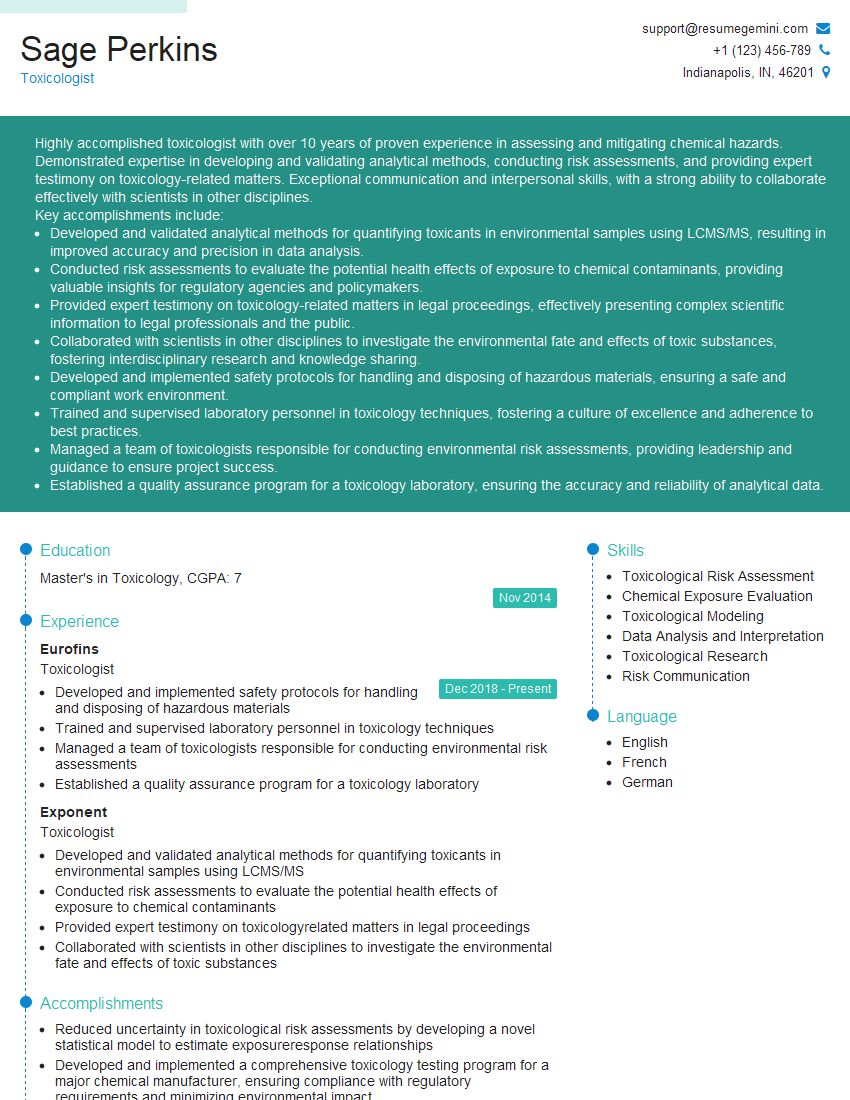
Toxicologist Resume Sample
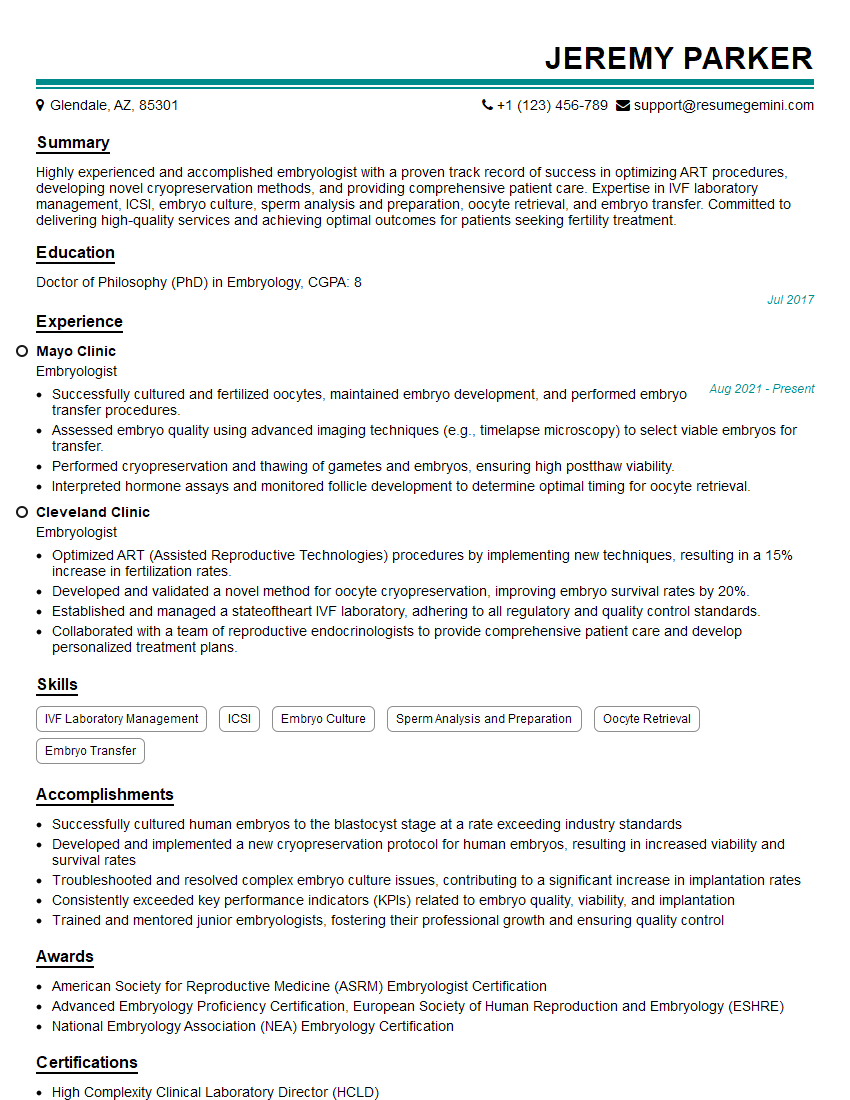
Embryologist Resume Sample
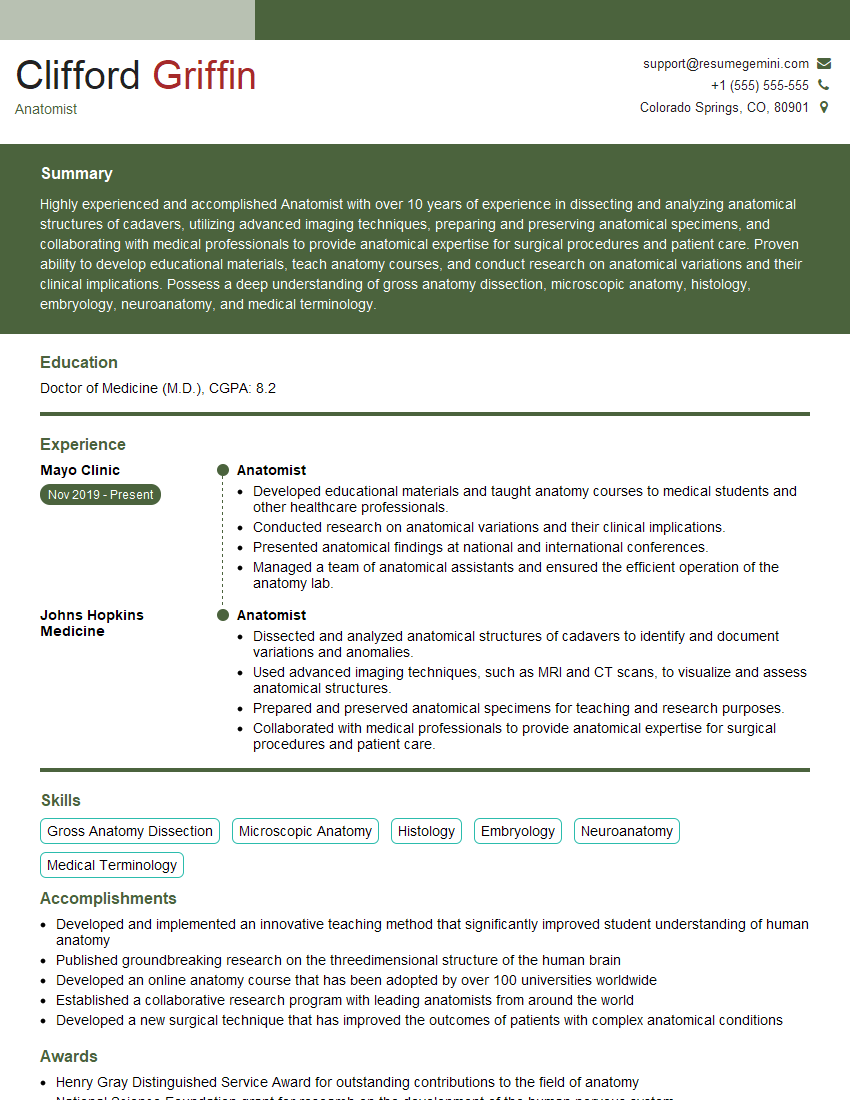
Anatomist Resume Sample
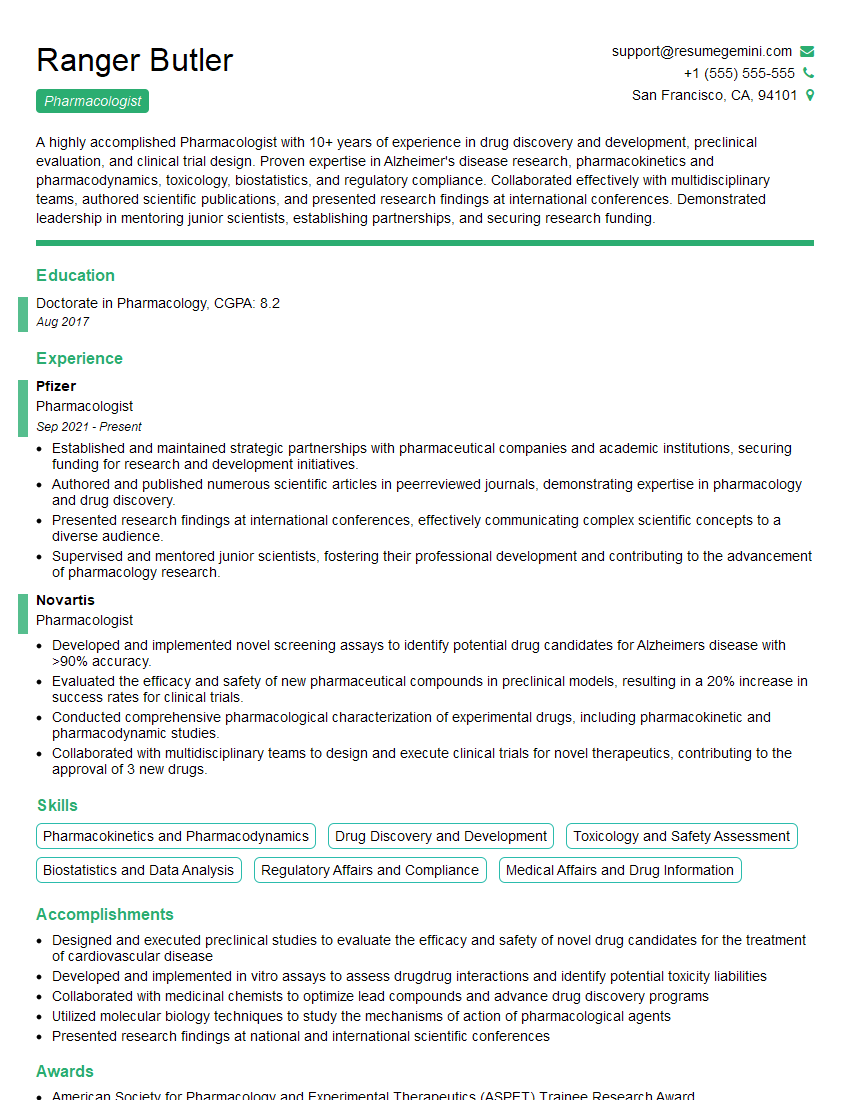
Pharmacologist Resume Sample
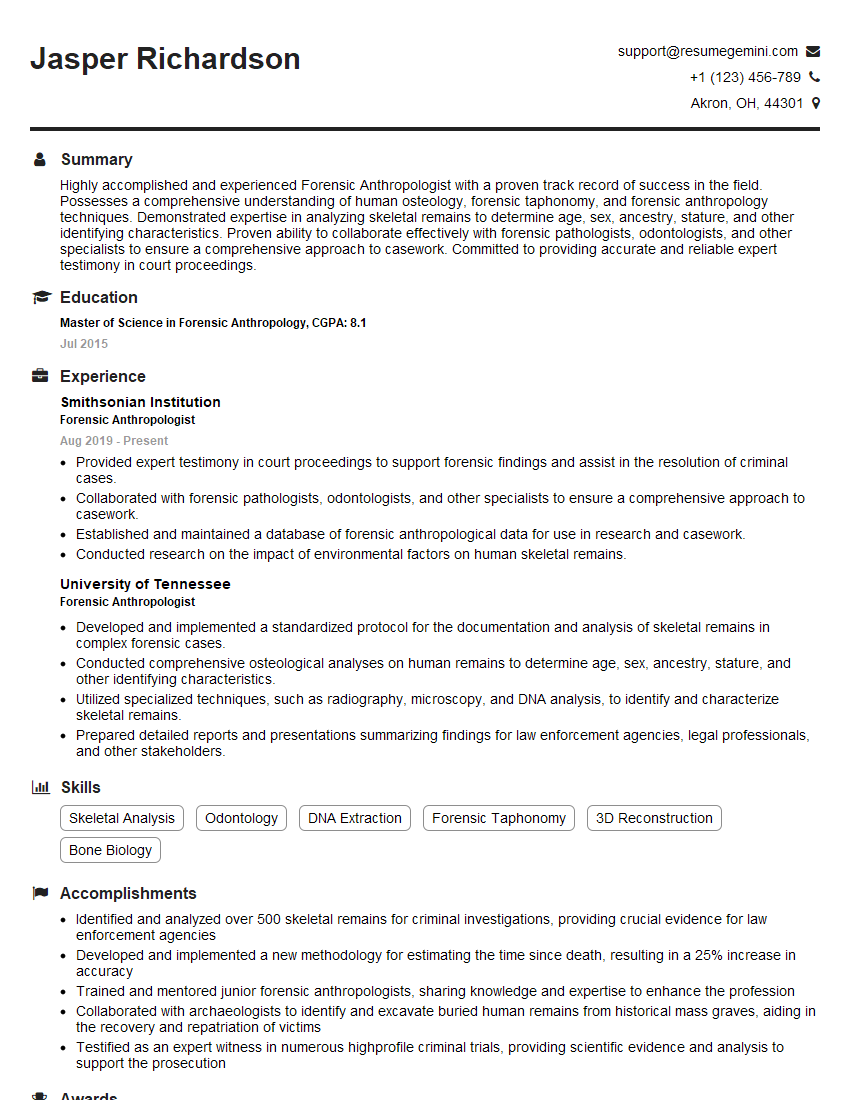
Forensic Anthropologist Resume Sample
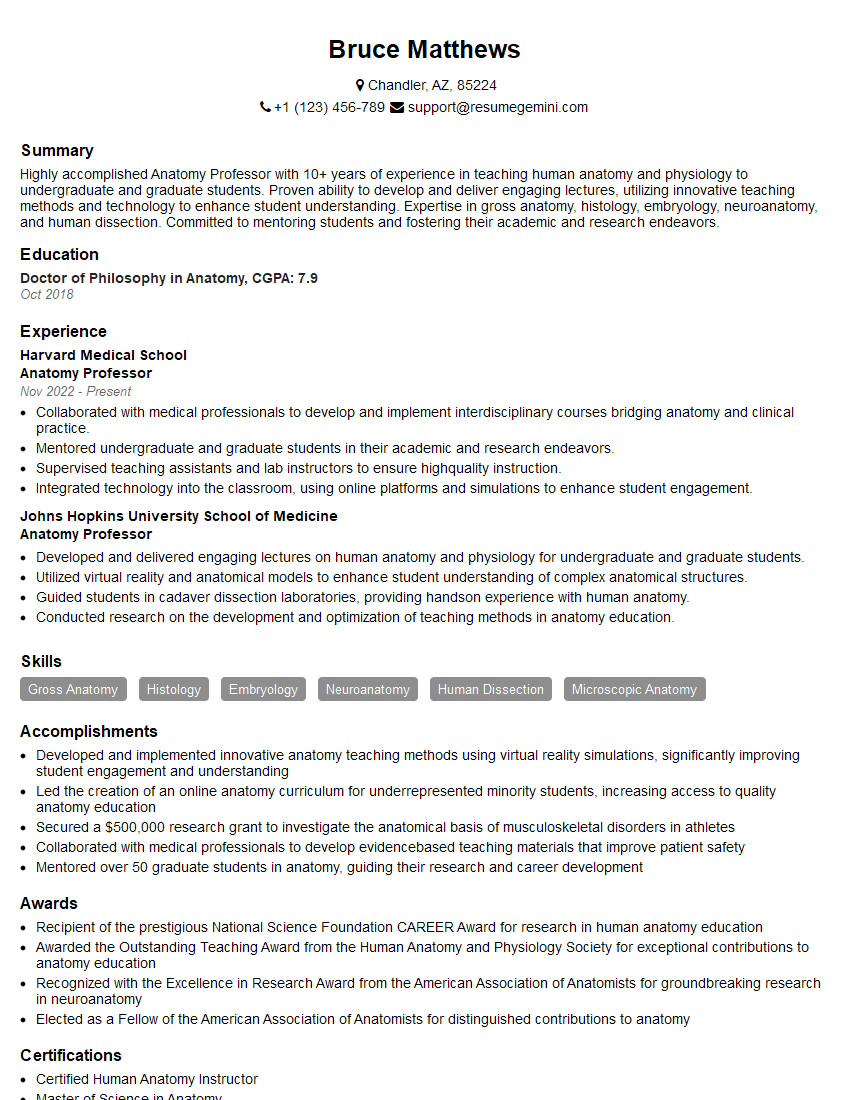
Anatomy Professor Resume Sample
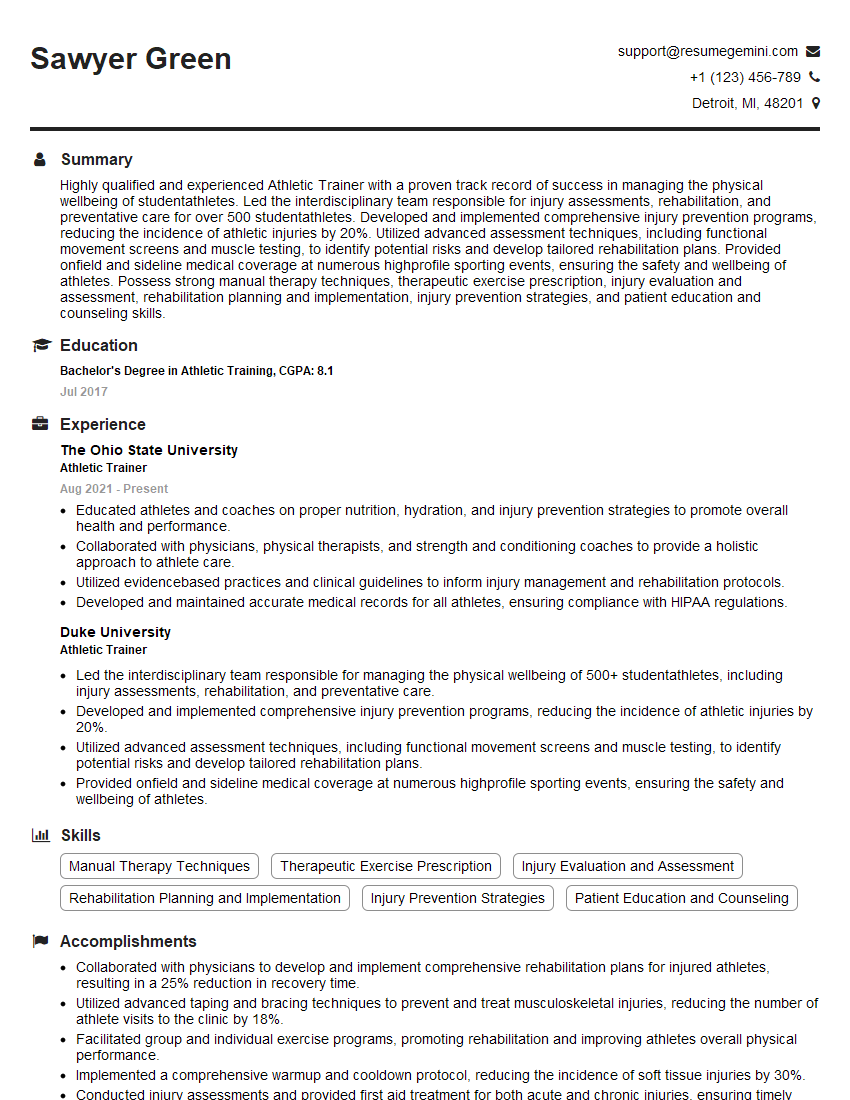
Athletic Trainer Resume Sample
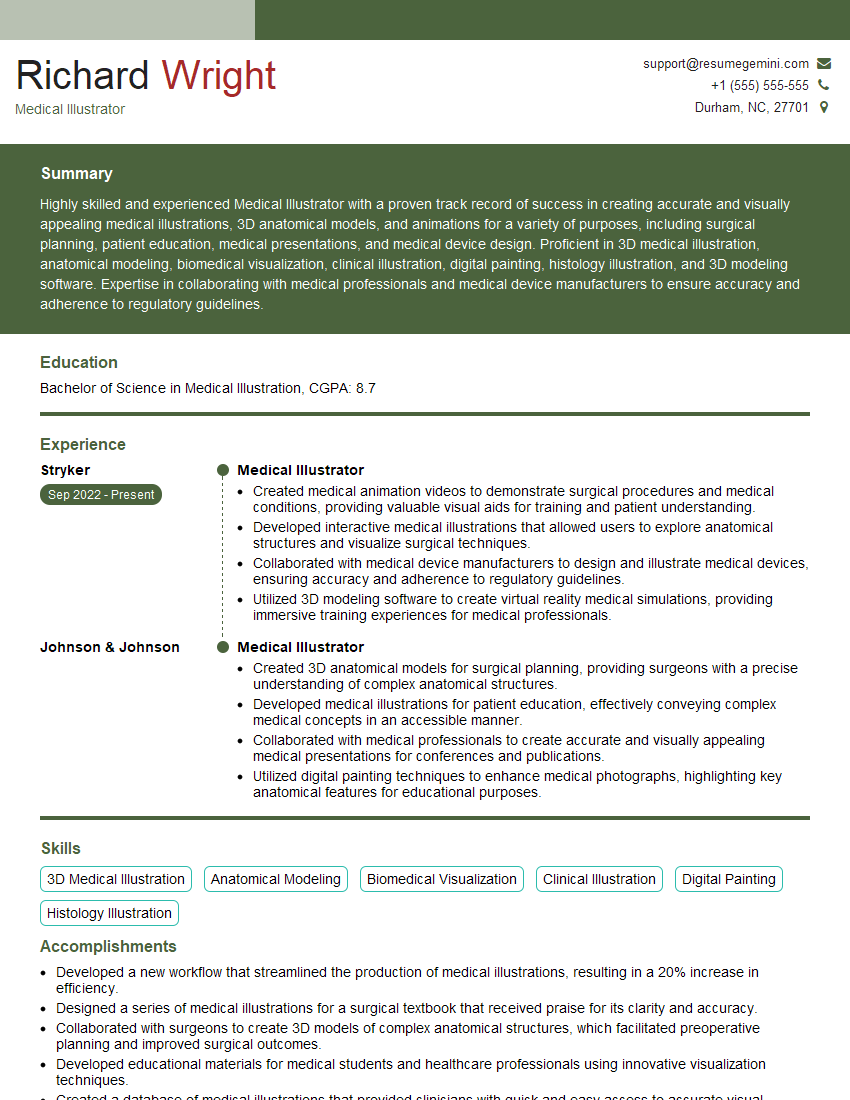
Medical Illustrator Resume Sample
Medical Writer Resume Sample
Chiropractor Resume Sample
Medical Doctor (MD) Resume Sample

Physician Assistant Resume Sample
Pathologist Resume Sample
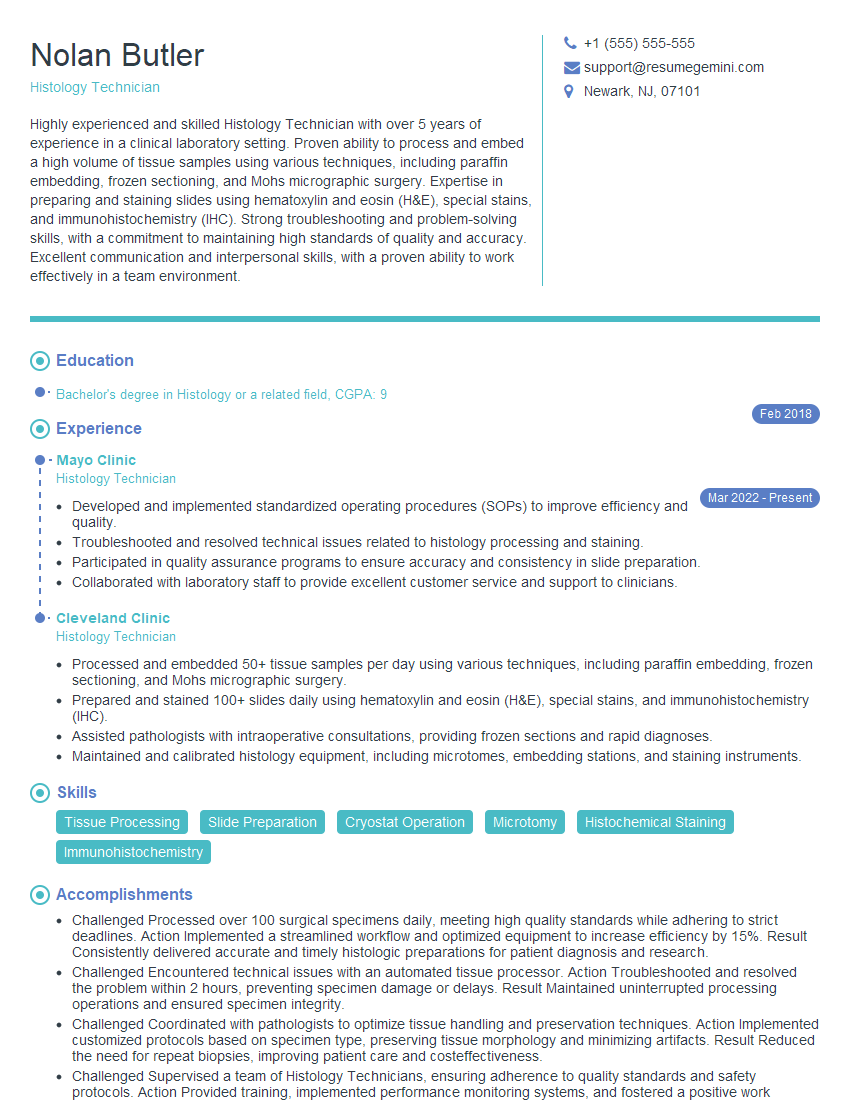
Histology Technician Resume Sample
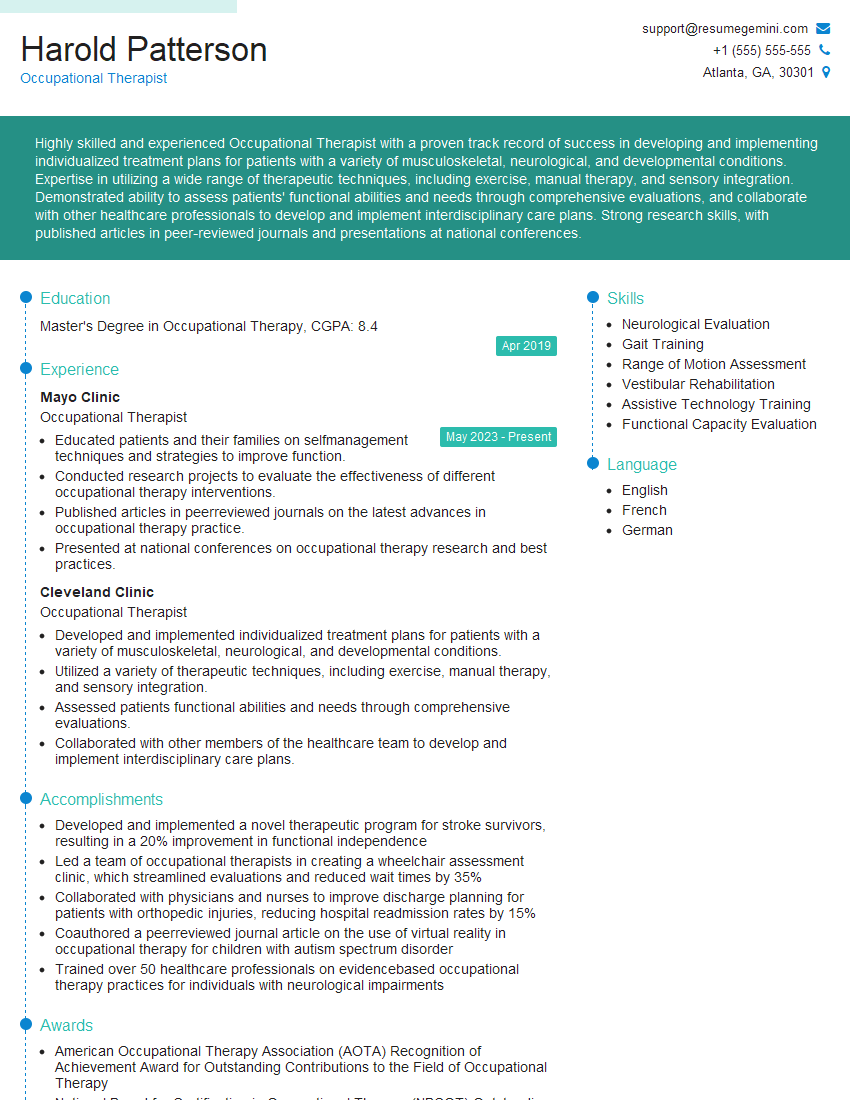
Occupational Therapist Resume Sample
Explore more articles
Users Rating of Our Blogs
Share Your Experience
We value your feedback! Please rate our content and share your thoughts (optional).
What Readers Say About Our Blog
Very informative content, great job.
good