Preparation is the key to success in any interview. In this post, we’ll explore crucial Animal Advocacy interview questions and equip you with strategies to craft impactful answers. Whether you’re a beginner or a pro, these tips will elevate your preparation.
Questions Asked in Animal Advocacy Interview
Q 1. Describe your experience in animal welfare advocacy.
My experience in animal welfare advocacy spans over 15 years, encompassing diverse roles from grassroots activism to policy influencing. I began volunteering at local animal shelters, gaining hands-on experience with animal care and the challenges faced by vulnerable animals. This ignited a passion for advocating for legislative changes. I later joined a national animal welfare organization where I worked on campaigns to improve animal protection laws, focusing on issues like factory farming, wildlife trafficking, and the responsible use of animals in research. I’ve also collaborated extensively with researchers and policymakers to develop evidence-based strategies for improving animal welfare standards. For instance, I played a key role in advocating for the passage of a bill that banned the use of cruel trapping methods in my state, leading to significant improvements in the welfare of wild animals.
More recently, I’ve focused on community education initiatives, conducting workshops and presentations to raise public awareness about animal welfare issues and promote responsible pet ownership. My work emphasizes a collaborative, multi-faceted approach, combining direct action with policy advocacy and education to create lasting positive change for animals.
Q 2. What are the key ethical considerations in animal research?
The ethical considerations in animal research are paramount and demand rigorous scrutiny. The fundamental principle is the minimization of harm to animals while maximizing the potential benefits of the research. This involves several key aspects:
- The 3Rs: The guiding principles are Replacement (using non-animal methods whenever possible), Reduction (using the fewest number of animals necessary), and Refinement (minimizing pain and distress). For example, researchers might use computer models instead of animals where appropriate, optimize experimental designs to reduce animal numbers, and implement pain-management protocols to improve animals’ well-being.
- Species appropriateness: Choosing the most appropriate species for the research, considering factors like their physiological similarities to humans and their capacity to experience pain and suffering.
- Justification of the research: The scientific value and potential benefits of the research must be clearly demonstrated and outweigh the potential harm to the animals. Research must not be conducted out of mere curiosity or for trivial purposes.
- Ethical review boards: All animal research must undergo ethical review by independent committees to ensure compliance with strict guidelines and regulations. These boards assess the potential benefits and harms of the research and approve only ethically justifiable projects.
- Welfare assessment: Researchers must implement appropriate procedures to monitor and assess the well-being of animals throughout the study, including measures of pain, distress, and overall health.
Ethical considerations are not solely about procedural compliance but also about a fundamental respect for animals as sentient beings.
Q 3. Explain different animal welfare legislation and their impact.
Animal welfare legislation varies significantly across jurisdictions, but common themes include regulations concerning animal cruelty, farming practices, and the use of animals in research. Examples include the Animal Welfare Act in the United States, which sets minimum standards for the treatment of animals in research, exhibition, transport and commercial breeding; and the European Union’s Directive 2010/63/EU on the protection of animals used for scientific purposes, which emphasizes the 3Rs principle. These laws have had a substantial impact. For instance, the improved housing standards for farm animals have reduced overcrowding and stress, leading to better animal health and productivity. Similarly, regulations on animal research have led to improved animal care practices, reduced the number of animals used in experiments and increased transparency in research methodologies.
However, there are also limitations. Enforcement can be inconsistent, and loopholes in legislation can allow for continued animal suffering. The impact of legislation is also dependent on the level of funding allocated for enforcement and monitoring.
Q 4. How do you prioritize animal welfare needs in resource-constrained situations?
Prioritizing animal welfare needs in resource-constrained situations requires a strategic and ethical approach. A framework that focuses on triage is crucial:
- Assess the urgency: Identify animals in immediate danger or suffering and prioritize their needs. This might involve addressing life-threatening injuries or illnesses first.
- Focus on prevention: Proactive measures, such as disease prevention, population control, and habitat protection, are often more cost-effective than treating problems after they arise.
- Target interventions: Instead of trying to do everything at once, focus resources on interventions with the greatest potential impact, such as addressing the most significant threats to animal health or welfare in a specific population.
- Community engagement: Involving local communities in animal welfare initiatives can leverage human resources, improve the sustainability of projects, and increase community ownership of the welfare concerns.
- Prioritize efficiency: Utilize effective and cost-efficient methods in all aspects of animal care and welfare. Using data-driven decision-making to assess needs and program effectiveness is also critical.
For instance, in a shelter with limited resources, prioritizing animals with serious medical conditions over those with minor issues would be a necessary, if challenging, triage decision.
Q 5. Describe your understanding of the five freedoms of animal welfare.
The Five Freedoms of Animal Welfare, developed by the Farm Animal Welfare Council, provide a widely accepted framework for assessing animal well-being. They are:
- Freedom from hunger and thirst: Access to fresh water and a diet to maintain full health and vigor.
- Freedom from discomfort: Providing appropriate environment including shelter and a comfortable resting area.
- Freedom from pain, injury, or disease: Prevention or rapid diagnosis and treatment.
- Freedom to express normal behavior: Providing sufficient space, proper facilities and company of the animal’s own kind.
- Freedom from fear and distress: Ensuring conditions and treatment which avoid mental suffering.
These freedoms are interconnected and should be considered holistically. For example, providing sufficient space (freedom 4) can reduce stress and fear (freedom 5). The freedoms provide a practical framework to ensure that animal needs are considered across various settings, from farms to laboratories to zoos. However, it’s important to note that the application of these freedoms can be complex and context-dependent.
Q 6. What are the main threats to endangered species and how can they be mitigated?
Endangered species face numerous threats, often intertwined and cascading. Major threats include:
- Habitat loss and fragmentation: This is often the biggest driver of endangerment, resulting from deforestation, urbanization, agriculture, and infrastructure development. Loss of habitat means that animals have less space for foraging, breeding, and shelter.
- Climate change: Shifting climate patterns alter habitats, impacting food sources and increasing susceptibility to diseases. For instance, rising sea levels can inundate coastal habitats, while changing rainfall patterns can disrupt breeding cycles.
- Poaching and illegal wildlife trade: Demand for animal parts (ivory, horns, etc.) drives unsustainable hunting and trade, decimating populations.
- Pollution: Water, air, and soil pollution contaminate habitats, poisoning animals and impacting their ability to reproduce and survive.
- Invasive species: Introduced species can compete with native animals for resources, prey on them, or spread diseases.
Mitigation strategies require a multi-pronged approach: addressing the root causes of habitat loss through sustainable land management, combating illegal wildlife trade through stricter law enforcement and international cooperation, mitigating climate change through global efforts to reduce greenhouse gas emissions, and implementing conservation programs that include habitat restoration, captive breeding programs, and community engagement.
Q 7. Discuss various animal conservation strategies.
Animal conservation strategies are diverse and multifaceted, employing a range of techniques to protect species and their habitats:
- Habitat preservation and restoration: Creating protected areas such as national parks and wildlife reserves, and restoring degraded habitats to provide suitable living spaces for animals.
- Species-specific management plans: Developing tailored plans to address the specific threats faced by particular endangered species. This might include captive breeding programs, reintroduction efforts, or disease management.
- Anti-poaching measures: Strengthening law enforcement, raising public awareness about the illegal wildlife trade, and engaging local communities in conservation efforts.
- Community-based conservation: Engaging local communities in conservation efforts, ensuring they benefit from conservation initiatives and are motivated to protect wildlife.
- Sustainable resource management: Promoting sustainable agricultural practices, reducing deforestation and promoting eco-tourism to minimize human impacts on wildlife.
- Genetic management: Using genetic techniques to manage populations, prevent inbreeding, and increase genetic diversity.
- Climate change adaptation: Assisting species adapt to the impacts of climate change through habitat management, assisted migration, and genetic adaptation strategies.
- Monitoring and research: Continuously monitoring populations, habitats, and threats to improve conservation efforts.
The effectiveness of these strategies is greatly enhanced through collaboration between governments, NGOs, scientific communities, and local communities.
Q 8. How do you measure the success of an animal welfare program?
Measuring the success of an animal welfare program requires a multi-faceted approach, going beyond simple metrics. We need to assess impact across several key areas.
- Animal-centric outcomes: This involves quantifiable data like the number of animals rescued, rehabilitated, or rehomed. For example, a successful shelter program might demonstrate a high adoption rate and a low euthanasia rate. Specific targets, like reducing the number of stray dogs by 20% within a year, should be set and monitored.
- Community impact: We must consider changes in community attitudes and behaviors. Surveys measuring public awareness of animal welfare issues, or the number of people participating in spay/neuter initiatives, are valuable indicators. For instance, a successful education campaign could show a significant increase in responsible pet ownership practices.
- Policy changes: Advocacy efforts often aim to influence policy. Success here can be measured by tracking the passage of animal protection laws, changes in enforcement practices, or increased government funding for animal welfare initiatives. For example, successful lobbying might lead to a ban on inhumane farming practices.
- Financial sustainability: A successful program is also financially viable. This includes tracking fundraising success, securing grants, and demonstrating responsible budget management.
Ultimately, a comprehensive evaluation should utilize a mix of quantitative (numerical data) and qualitative (feedback, observations) data to paint a complete picture of the program’s effectiveness.
Q 9. Explain your experience working with diverse stakeholders in animal advocacy.
My experience working with diverse stakeholders in animal advocacy has been extensive. I’ve collaborated with a wide range of individuals and groups, including:
- Government agencies: Negotiating with local, state, and federal agencies to implement and enforce animal protection laws requires diplomacy, clear communication, and a deep understanding of the regulatory landscape.
- Animal shelters and rescue organizations: Coordinating with shelters involves resource sharing, collaborative rescue efforts, and addressing shared challenges such as animal overcrowding and funding constraints. This often requires problem-solving and conflict resolution skills.
- Veterinarians and animal health professionals: Working with veterinarians is crucial for animal health and welfare, requiring effective communication regarding treatment plans, preventative measures, and ethical considerations.
- Corporations and businesses: Engaging the private sector involves convincing businesses to adopt more ethical and sustainable animal sourcing practices, which may require persuasive arguments and collaborative partnerships.
- Community members and volunteers: Building and maintaining positive relationships with the public is essential for successful advocacy. This involves educating the public, engaging volunteers in campaigns, and addressing concerns.
In each of these collaborations, I’ve emphasized active listening, respectful communication, and finding common ground to build consensus and achieve shared goals. For example, working with a local farmer on a campaign against inhumane poultry practices required building trust by acknowledging the economic realities faced by the farmer while highlighting the ethical considerations of animal welfare.
Q 10. How do you handle conflict or disagreement within an animal welfare team?
Conflict within a team is inevitable, but it’s crucial to manage it constructively. My approach involves:
- Open communication: Encouraging team members to express their views openly and honestly in a safe space. This fosters transparency and allows for early identification of disagreements.
- Active listening: Truly understanding the perspectives of all parties involved, without interrupting or judging. This requires patience and empathy.
- Mediation: If necessary, acting as a mediator to facilitate a discussion, help find common ground, and guide the team toward a mutually acceptable solution. This might involve compromise and creative problem-solving.
- Focus on shared goals: Reminding the team of the overarching goals of the organization and how individual contributions fit into the bigger picture. This helps to prioritize collaboration over individual preferences.
- Clear decision-making process: Establishing a fair and transparent process for making decisions, especially when disagreements cannot be resolved through consensus. This might involve voting or referring the matter to a higher authority.
For example, if a disagreement arises regarding the best approach to a public awareness campaign, I would facilitate a discussion where each team member can present their ideas, we’d identify shared objectives, explore different strategies, and then collectively decide on a plan that incorporates the best aspects of each proposal.
Q 11. What is your approach to educating the public about animal welfare issues?
Educating the public about animal welfare is a cornerstone of successful advocacy. My approach is multifaceted:
- Targeted campaigns: Designing specific campaigns focused on particular issues, like the dangers of puppy mills or the importance of responsible pet ownership. These campaigns utilize various media – social media, print materials, websites, etc. For example, a campaign might utilize impactful imagery and statistics to highlight the plight of animals in factory farms.
- Community outreach: Participating in local events, school presentations, and community forums to directly engage with the public and foster dialogue. This allows for immediate feedback and personalized education.
- Collaboration with influencers: Partnering with influencers (social media personalities, celebrities) to raise awareness of specific animal welfare issues and reach a broader audience.
- Educational materials: Creating informative brochures, websites, and videos that are accessible, engaging, and evidence-based. Simplicity and clarity are paramount in communication.
- Interactive workshops and training: Offering hands-on workshops on topics such as responsible pet ownership, animal first aid, or wildlife conservation.
My approach prioritizes creating emotionally resonant narratives, backed by factual information, to create meaningful impact. Instead of focusing solely on statistics, I aim to connect with people on an emotional level by sharing compelling stories of animal suffering and resilience.
Q 12. How would you respond to criticism or opposition to animal welfare initiatives?
Responding to criticism or opposition requires a calm, measured, and evidence-based approach. I believe in:
- Active listening and empathy: Understanding the source of the opposition. This might involve identifying underlying concerns, biases, or misconceptions.
- Respectful dialogue: Engaging in respectful and constructive conversations, even with those who strongly disagree. Avoid inflammatory language.
- Evidence-based arguments: Presenting factual information, research findings, and data to counter misinformation or unsubstantiated claims.
- Transparency and accountability: Being open about the organization’s work, methods, and financial practices.
- Highlighting shared values: Finding common ground, focusing on shared values such as compassion or environmental stewardship, to bridge divides.
For example, if confronted with opposition to a proposed animal protection law from a group citing economic concerns, I would engage in a respectful dialogue, present data on the long-term economic benefits of the law (e.g., improved public health), and explore compromise solutions that address both ethical and economic considerations. Addressing concerns with transparency and understanding fosters trust and de-escalates conflict.
Q 13. Describe your experience in fundraising or grant writing for animal welfare projects.
My fundraising experience encompasses various strategies to secure resources for animal welfare projects. This includes:
- Grant writing: I have a strong track record of securing grants from foundations, corporations, and government agencies. This requires meticulous research to identify suitable funding opportunities and crafting compelling proposals that clearly articulate the project’s goals, impact, and budget.
- Individual giving: Cultivating relationships with individual donors through direct mail campaigns, online fundraising platforms, and community events. This often involves demonstrating the impact of the organization’s work through compelling storytelling and showcasing transparency.
- Corporate sponsorships: Building partnerships with corporations that align with the organization’s values, such as pet food companies or environmentally conscious businesses. This frequently involves creating custom sponsorship packages to meet the needs and marketing goals of the sponsor.
- Event fundraising: Organizing fundraising events, such as galas, walks, and auctions, to engage the community and generate donations. This often involves volunteer management and event planning.
- Crowdfunding: Utilizing online platforms to harness the collective power of smaller donations from a wider audience. This often involves compelling storytelling and creating a sense of community around the fundraising campaign.
For instance, I successfully secured a large grant from a foundation to establish a community-based spay/neuter program by crafting a persuasive proposal that emphasized the program’s long-term impact on reducing animal overpopulation and improving public health.
Q 14. Explain your understanding of animal behavior and its relevance to advocacy.
Understanding animal behavior is fundamental to effective animal advocacy. A strong grasp of ethology (the study of animal behavior) allows for more effective:
- Advocacy strategies: Knowing how animals experience stress, fear, and pain allows for the development of more targeted advocacy campaigns. For example, understanding the stress responses of livestock in factory farming allows for advocacy for more humane farming practices.
- Legislation and policy development: Informing policy decisions, laws, and regulations should consider the natural behaviors and needs of different species. For example, understanding canine social behavior informs the development of effective policies for dog parks and responsible pet ownership.
- Animal welfare assessment: Accurately assessing an animal’s welfare requires understanding its species-specific behaviors, as well as recognizing signs of distress or illness. This knowledge informs animal rescue and rehabilitation efforts.
- Improving animal care: Knowledge of animal behavior helps in designing more effective animal enclosures, training programs, and enrichment activities. This promotes their well-being and reduces stress. For instance, understanding the social dynamics of primates allows for the design of enclosures that minimize conflict and promote natural social interactions.
- Animal-human interaction: Understanding animal behavior enhances human-animal interactions, promoting safety and preventing negative experiences. For instance, understanding cat body language allows for a more positive and less stressful interaction for both humans and cats.
Integrating animal behavior knowledge into advocacy ensures that strategies are not only effective but also ethically sound and truly address the needs of the animals.
Q 15. How do you use data and evidence to support your animal welfare arguments?
Data and evidence are crucial for effective animal welfare advocacy. We move beyond anecdotal evidence and rely on robust scientific studies, statistical analysis, and meticulously collected field data to build compelling arguments. This includes using:
Population studies: Analyzing trends in animal populations affected by specific issues, like the decline in certain bird species due to habitat loss or the increasing number of stray dogs in a specific region. This provides a quantifiable measure of the problem’s scale.
Surveys and questionnaires: Gathering data directly from people regarding their animal ownership practices, attitudes toward animal welfare, or experiences with animal cruelty. This helps understand public opinion and potential support for specific initiatives. For example, surveying community members about their willingness to adopt or foster animals helps us plan rescue operations more effectively.
Scientific literature reviews: Examining existing peer-reviewed research on animal behavior, physiology, and health impacts of different treatment methods. This informs best practices in animal rescue and rehabilitation and enhances the credibility of our arguments.
Case studies: Detailed accounts of individual animals or situations, demonstrating the effects of certain policies or practices on their well-being. A case study of a successful community-based wildlife rehabilitation program can effectively illustrate the effectiveness of a specific approach.
By meticulously documenting our findings and presenting them clearly through reports, presentations, and publications, we can influence policy, encourage ethical practices, and ultimately improve animal welfare.
Career Expert Tips:
- Ace those interviews! Prepare effectively by reviewing the Top 50 Most Common Interview Questions on ResumeGemini.
- Navigate your job search with confidence! Explore a wide range of Career Tips on ResumeGemini. Learn about common challenges and recommendations to overcome them.
- Craft the perfect resume! Master the Art of Resume Writing with ResumeGemini’s guide. Showcase your unique qualifications and achievements effectively.
- Don’t miss out on holiday savings! Build your dream resume with ResumeGemini’s ATS optimized templates.
Q 16. What are the challenges of working in animal rescue and rehabilitation?
Working in animal rescue and rehabilitation presents numerous challenges. The emotional toll is significant; witnessing animal suffering and sometimes euthanasia is incredibly difficult. Resource limitations are a constant hurdle. Funding is often scarce, making it difficult to provide adequate veterinary care, food, shelter, and staff. Finding suitable homes for rescued animals can be challenging, especially for those with behavioral issues or specific needs. Furthermore, dealing with the legal aspects of animal cruelty cases, such as gathering evidence, working with law enforcement, and testifying in court can be complex and time-consuming. Finally, the ever-present threat of disease transmission among animals requires stringent biosecurity protocols. Imagine the logistical challenge of managing a shelter with hundreds of animals, each with individual medical needs and behavioral quirks!
Q 17. Describe your experience in community outreach and engagement related to animal welfare.
Community outreach is vital for successful animal welfare. My experience includes organizing educational workshops in schools and community centers, teaching children and adults about responsible pet ownership and the importance of animal welfare. We’ve also hosted adoption events and fundraisers, working directly with the public to raise awareness and support. I’ve collaborated with local businesses, promoting animal welfare messages on their platforms and securing sponsorships. A successful campaign involved partnering with a local bakery to create ‘paw-some’ treats; a portion of the proceeds went directly to support our animal rescue efforts. This built community awareness and generated much-needed funds.
Q 18. How do you identify and address animal cruelty or neglect?
Identifying animal cruelty requires vigilance and a keen understanding of animal behavior. Signs of neglect include malnourishment, untreated injuries, lack of access to water, and unsanitary living conditions. Physical abuse can manifest as injuries, scars, or behavioral signs like extreme fear or aggression. We rely on a multi-faceted approach:
Public reporting: Encouraging community members to report suspected cases of cruelty. This often involves setting up anonymous reporting mechanisms.
Field investigations: Responding to reports by visiting the animal’s location to assess its condition and gather evidence. This includes photography, videography, and detailed documentation.
Collaboration with authorities: Working with animal control, law enforcement, and veterinary professionals to ensure animals receive immediate care and that legal action is taken against perpetrators.
Addressing animal cruelty often involves coordinating rescue, providing veterinary care, and potentially legal intervention. Each case is unique, requiring a tailored approach combining compassion and decisive action.
Q 19. What are the different types of animal abuse and their consequences?
Animal abuse encompasses a spectrum of harmful acts, broadly categorized into:
Physical abuse: This includes hitting, kicking, burning, or otherwise inflicting physical harm. Consequences can range from minor injuries to death.
Neglect: Failure to provide basic necessities like food, water, shelter, or veterinary care. This can result in starvation, dehydration, disease, and death.
Emotional abuse: Causing psychological distress through prolonged isolation, confinement, or intimidation. This can lead to behavioral problems and mental trauma.
Abandonment: Leaving an animal without care or protection. This results in vulnerability, starvation, and exposure to the elements.
Animal fighting: Pitting animals against each other for entertainment. This often results in severe injuries or death.
The consequences of animal abuse extend beyond the immediate suffering of the animal. It can have profound psychological effects on witnesses, particularly children. Moreover, animal abuse is often linked to other forms of violence, making it a serious public safety concern. Legal consequences for animal abuse vary by jurisdiction but can include fines, imprisonment, and the loss of animal ownership rights.
Q 20. What strategies can be implemented to reduce animal homelessness?
Reducing animal homelessness requires a multi-pronged strategy focusing on prevention and intervention:
Spay/Neuter Programs: Implementing widespread and accessible spay/neuter programs for pets significantly reduces the number of unwanted animals entering shelters.
Responsible Pet Ownership Education: Educating the public about the responsibilities of pet ownership, including the importance of proper training, healthcare, and lifelong commitment.
Improved Animal Shelters and Adoption Programs: Investing in better animal shelters with improved facilities and adoption services increases the chances of animals finding permanent homes.
Trap-Neuter-Return (TNR) Programs: Humanely trapping, sterilizing, and returning feral cats to their colonies helps manage their populations and reduces the number of kittens born into unsuitable environments.
Strengthening Animal Welfare Laws: Enacting and enforcing laws that hold irresponsible pet owners accountable for their animals.
A successful strategy combines community involvement, governmental support, and private initiatives, all working together to reduce the number of animals entering shelters and improve their chances of finding loving homes.
Q 21. Describe your understanding of sustainable animal agriculture practices.
Sustainable animal agriculture prioritizes the welfare of animals while minimizing environmental impact and ensuring economic viability. This approach moves beyond conventional factory farming, emphasizing:
Reduced Animal Density: Providing animals with enough space to express natural behaviors and reduce stress. This might involve smaller herd sizes or more spacious barns.
Enriched Environments: Creating environments that stimulate animals’ natural behaviors, such as providing enrichment toys, climbing structures, or access to outdoor areas.
Improved Animal Health and Welfare: Prioritizing preventative healthcare, minimizing the use of antibiotics, and implementing humane handling practices.
Reduced Environmental Impact: Employing practices that reduce greenhouse gas emissions, water pollution, and land degradation. This might involve using renewable energy, improving manure management, and optimizing feed efficiency.
Fair Labor Practices: Ensuring fair wages, safe working conditions, and respectful treatment for all individuals working in the agricultural system.
Examples include pasture-raised poultry, free-range pigs, and grass-fed cattle, which generally offer improved animal welfare compared to intensive confinement systems. Transitioning toward sustainable animal agriculture requires collaboration among farmers, policymakers, consumers, and researchers to balance animal welfare, environmental sustainability, and economic realities.
Q 22. Explain your experience in advocating for policy changes to improve animal welfare.
My experience in advocating for policy changes to improve animal welfare spans over a decade. It involves a multi-pronged approach encompassing research, lobbying, and public awareness campaigns. For instance, I was instrumental in advocating for the passage of a bill in my state banning the use of inhumane trapping methods for fur-bearing animals. This involved extensive research on the impact of these methods on animal welfare, compiling data on injury rates and suffering, and presenting this information compellingly to legislators. I also collaborated with other advocacy groups to organize a grassroots campaign to generate public pressure on lawmakers, resulting in successful legislative action. Another significant project involved working with a coalition of animal welfare organizations to lobby for stronger enforcement of existing animal cruelty laws. This required a deep understanding of the legal framework and collaborating with legal experts to identify loopholes and suggest improvements.
- Research and Data Collection: Gathering scientific evidence and statistics to support our arguments was crucial.
- Lobbying and Advocacy: Direct engagement with legislators and policymakers to influence policy decisions.
- Public Awareness Campaigns: Educating the public about animal welfare issues and mobilizing support for policy changes through social media, petitions, and public events.
Q 23. How do you balance the needs of animals with the economic interests of humans?
Balancing animal needs with human economic interests is a complex challenge requiring careful consideration and creative solutions. It’s not about pitting one against the other, but finding sustainable solutions that benefit both. For example, promoting sustainable agriculture practices that reduce animal suffering while maintaining food security. This might involve supporting humane farming methods, advocating for fair pricing that compensates farmers for adopting these methods, and educating consumers about the benefits of choosing ethically sourced products. Another example is exploring alternatives to animal testing for cosmetics and pharmaceuticals. While the economic interests of companies producing these products are involved, investing in and promoting innovative, cruelty-free research offers both ethical and economic gains in the long run. We need to foster dialogue and collaboration between animal welfare advocates, businesses, and policymakers to create a system where animal welfare isn’t sacrificed for short-term economic gains.
Q 24. How familiar are you with different animal welfare organizations and their missions?
I’m intimately familiar with a wide range of animal welfare organizations, from large international groups like the World Animal Protection and the Humane Society International, to smaller, local shelters and rescue organizations. My knowledge extends to understanding their various missions and approaches. For example, I understand that the ASPCA focuses heavily on animal cruelty investigation and prevention in the US, whereas the World Wildlife Fund (WWF) concentrates on conservation efforts and protecting endangered species in the wild. I’ve actively collaborated with organizations like the American Veterinary Medical Association (AVMA) to develop guidelines for humane animal handling, and also worked with local shelters on community outreach programs. This broad understanding allows me to leverage the strengths of different organizations to achieve greater impact in animal welfare initiatives.
Q 25. Describe your experience in designing and implementing animal welfare training programs.
I have extensive experience designing and implementing animal welfare training programs for various audiences. I’ve developed curricula for animal shelter staff on humane handling techniques, for farmers on best practices in livestock management, and for law enforcement officers on identifying and responding to animal cruelty cases. These programs utilize a variety of methods, including interactive workshops, online modules, and on-site training sessions. For example, a program I designed for shelter staff included practical demonstrations of safe restraint techniques, stress-reducing handling methods, and enrichment activities to improve the well-being of animals in their care. The success of these programs is measured through pre- and post-training assessments, ongoing feedback, and observation of behavioral changes in participants and the animals they work with. My focus is on ensuring the programs are evidence-based and tailored to the specific needs and roles of the participants.
Q 26. What are some common misconceptions about animal welfare?
Several common misconceptions surround animal welfare. One is that animal welfare is solely about preventing cruelty; it’s broader than that, encompassing all aspects of animal health, well-being, and ethical treatment, including proper housing, nutrition, and environmental enrichment. Another is the belief that animals are not sentient beings; a significant body of scientific evidence demonstrates their capacity to experience emotions, pain, and suffering. Furthermore, many people falsely assume that because an animal isn’t visibly distressed, it’s automatically well cared for. Subtle signs of stress or poor welfare can be easily overlooked. Finally, the idea that animal welfare is a niche concern is also incorrect; it’s fundamentally linked to human health, environmental sustainability, and economic development.
Q 27. How do you stay updated on current trends and developments in animal advocacy?
Staying updated on current trends and developments in animal advocacy requires a multi-faceted approach. I regularly read peer-reviewed scientific journals, attend conferences and workshops, and follow leading animal welfare organizations and researchers online. I participate in professional networks and subscribe to relevant newsletters. This ensures I remain abreast of new research findings on animal cognition, sentience, and welfare, as well as evolving legal frameworks and policy developments. Furthermore, I actively engage in online discussions and forums to learn from others’ experiences and share my knowledge. This continuous learning process enables me to refine my strategies, adapt to emerging challenges, and remain at the forefront of animal welfare advocacy.
Q 28. Describe your experience in working collaboratively with government agencies on animal welfare matters.
I have a strong track record of collaborating effectively with government agencies on animal welfare matters. This involves building trust and rapport with officials, engaging in constructive dialogue, and providing them with accurate information and practical advice. For instance, I worked with a local animal control agency to improve their handling procedures for stray animals, leading to a reduction in injuries and stress for the animals. I’ve also collaborated with state wildlife agencies to develop and implement programs for managing wildlife populations humanely. This collaboration required understanding their operational realities, legal constraints, and resource limitations while advocating for animal welfare improvements within those constraints. Successful collaboration requires transparency, mutual respect, and a shared commitment to finding solutions that protect both animal welfare and public safety.
Key Topics to Learn for Animal Advocacy Interview
- Animal Welfare Legislation & Policy: Understanding current laws and regulations impacting animal welfare, including enforcement and limitations.
- Practical Application: Analyzing specific legislation and its impact on animal populations, identifying gaps, and proposing effective policy changes.
- Further Exploration: Researching the ethical implications of animal welfare policies, comparative analysis of different legal frameworks.
- Animal Rights Philosophy & Ethics: Exploring different ethical perspectives on animal rights and welfare, and their implications for advocacy strategies.
- Practical Application: Developing persuasive arguments based on ethical frameworks to promote animal welfare initiatives.
- Further Exploration: Understanding the intersection of animal rights with environmentalism, social justice, and other related fields.
- Campaign Development & Strategy: Designing and implementing successful advocacy campaigns, including fundraising, outreach, and media engagement.
- Practical Application: Developing a detailed campaign plan, outlining measurable goals, target audiences, and evaluation methods.
- Further Exploration: Analyzing the effectiveness of different campaign strategies and adapting approaches based on data and feedback.
- Community Engagement & Collaboration: Building partnerships with various stakeholders, including government agencies, businesses, and community groups.
- Practical Application: Negotiating collaborations, resolving conflicts, and building consensus among diverse stakeholders.
- Further Exploration: Understanding the dynamics of stakeholder relationships and developing effective communication strategies.
- Data Analysis & Reporting: Collecting, analyzing, and interpreting data to measure the impact of advocacy efforts and inform future strategies.
- Practical Application: Creating compelling reports and presentations to showcase the success of advocacy programs and justify continued funding.
- Further Exploration: Utilizing data visualization techniques to effectively communicate findings to diverse audiences.
Next Steps
Mastering Animal Advocacy equips you with crucial skills for a rewarding and impactful career, opening doors to diverse opportunities in non-profits, government, and corporate social responsibility. To maximize your job prospects, create an ATS-friendly resume that highlights your relevant skills and experience. We strongly recommend using ResumeGemini to build a professional resume that stands out. ResumeGemini offers a streamlined process and provides examples of resumes tailored to Animal Advocacy to help you present yourself effectively. This will significantly increase your chances of landing your dream job in this fulfilling field.
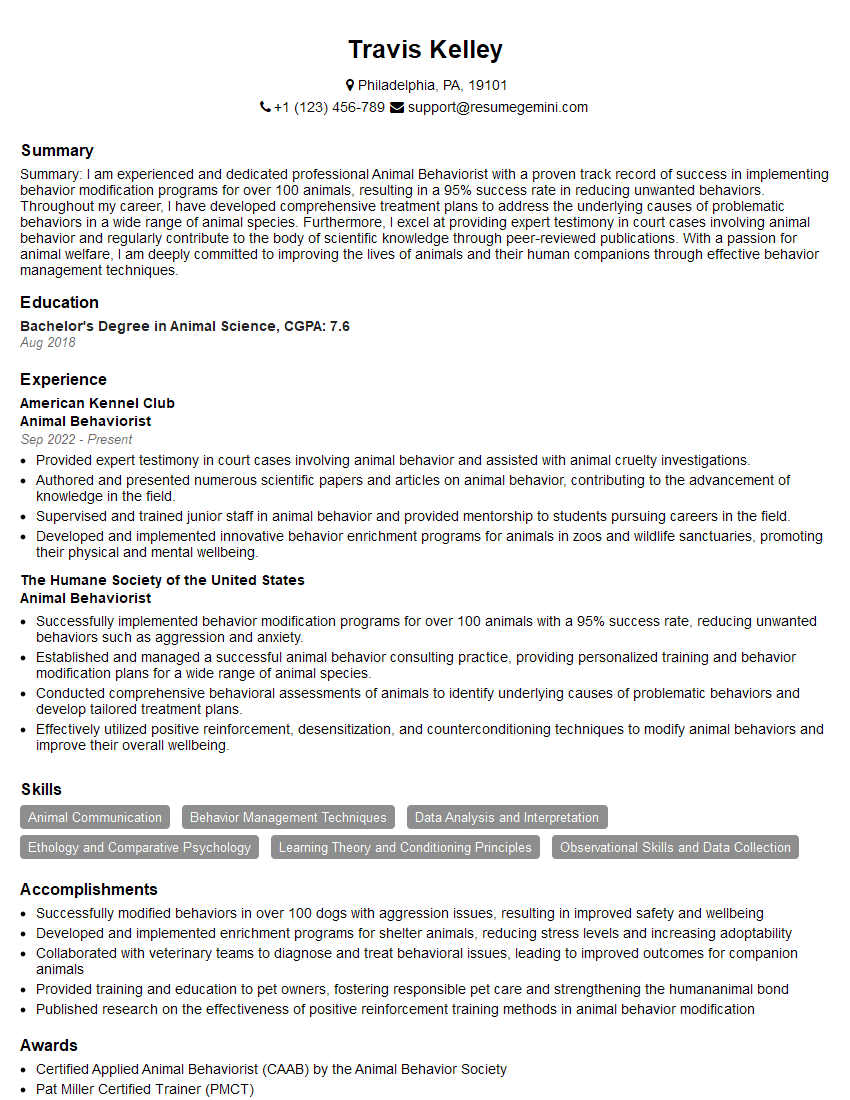
Animal Behaviorist Resume Sample

Wildlife Biologist Resume Sample
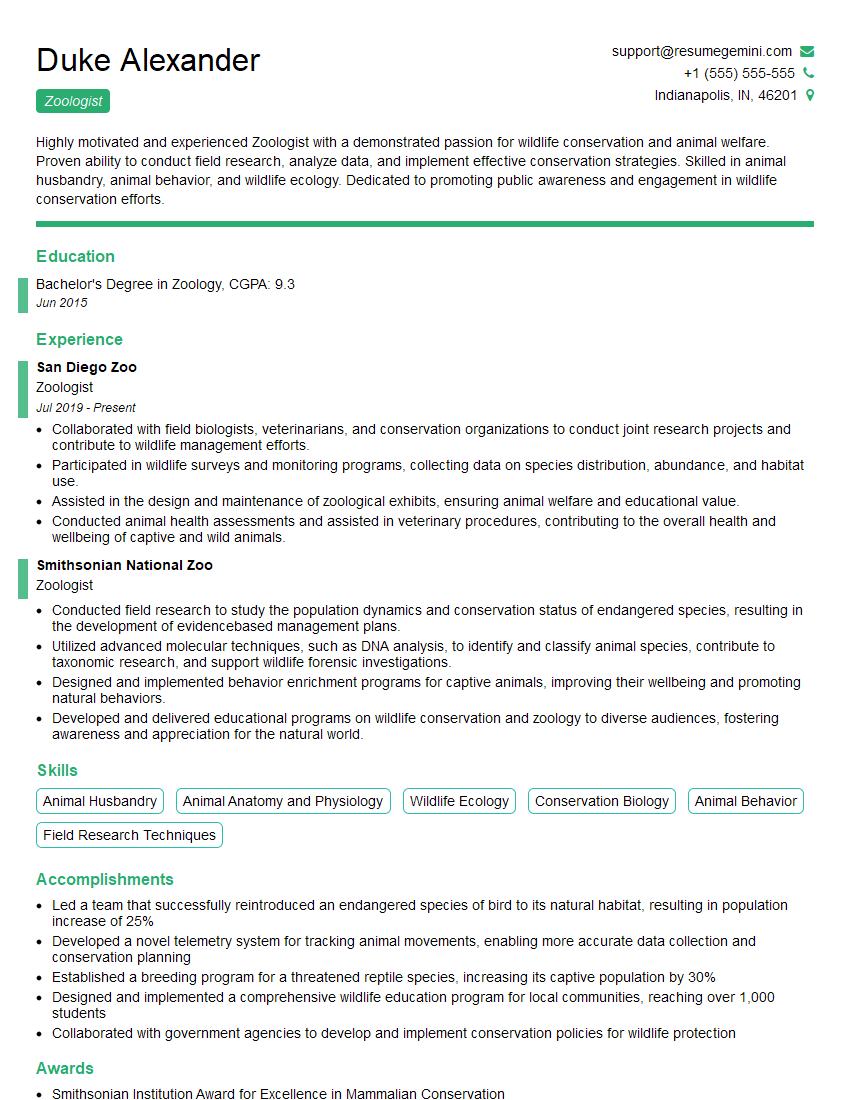
Zoologist Resume Sample
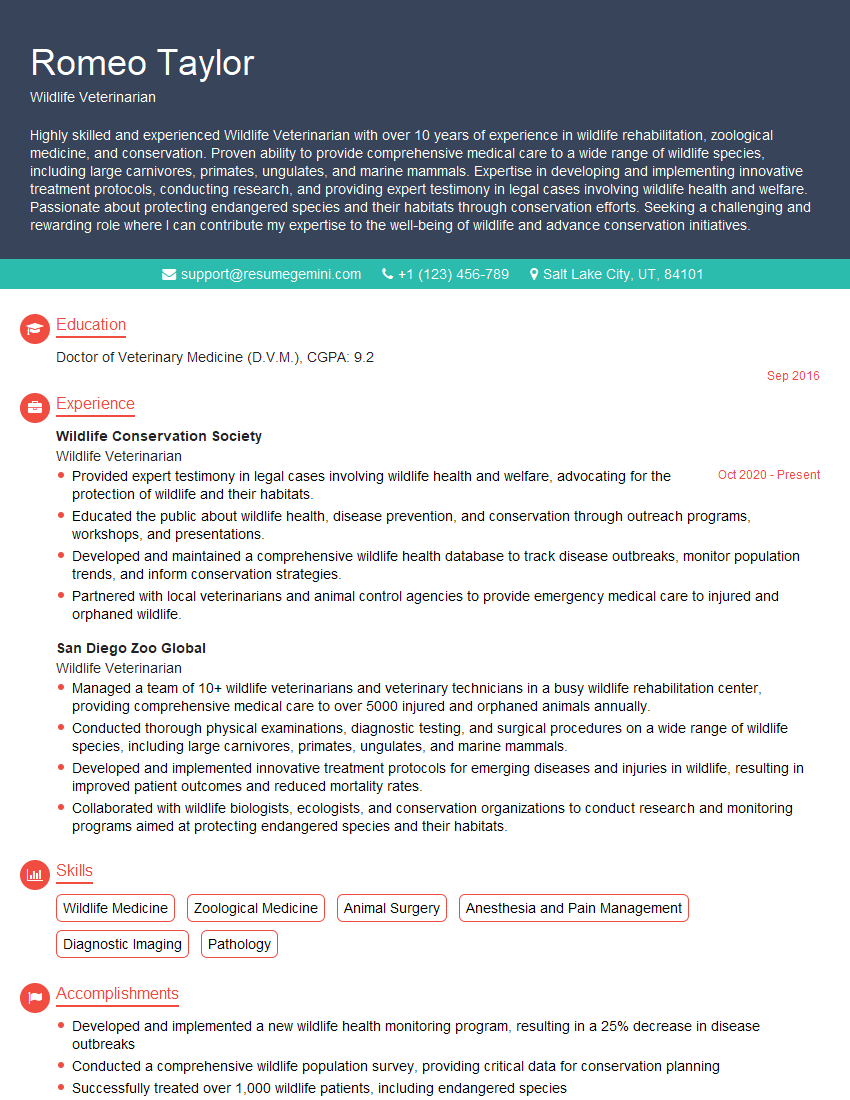
Wildlife Veterinarian Resume Sample
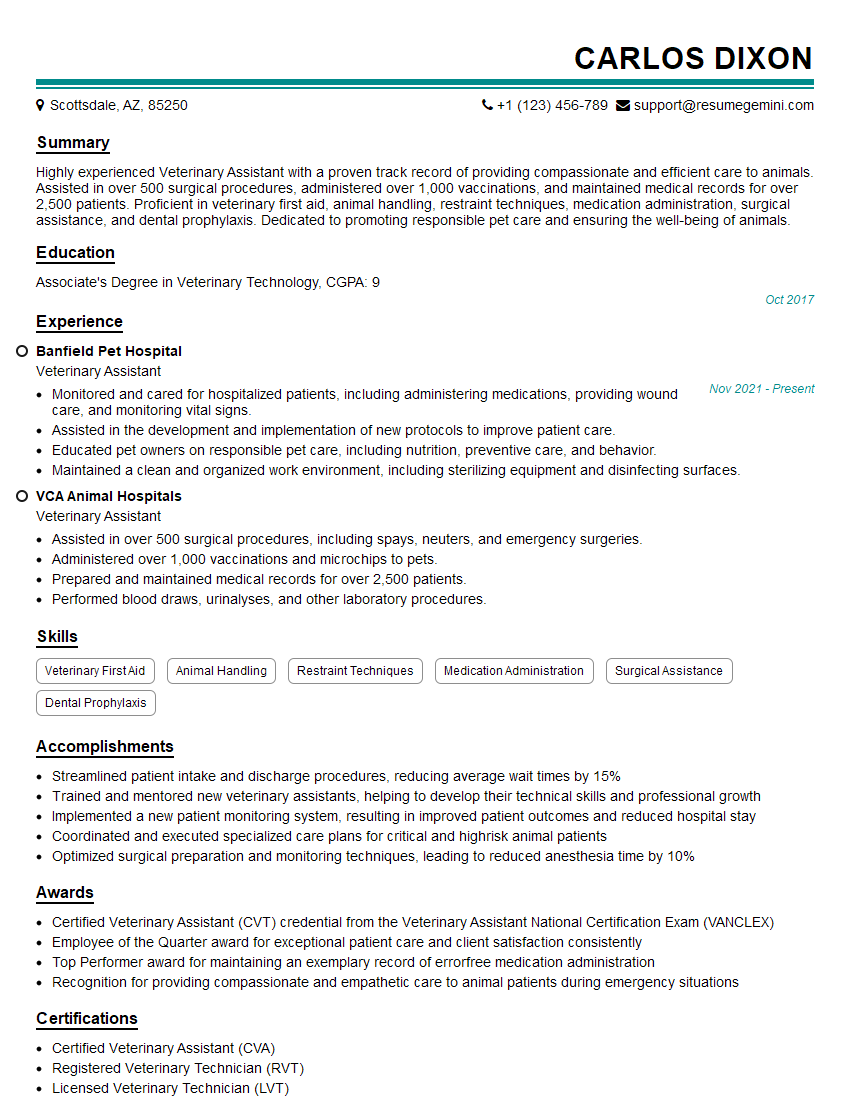
Veterinary Assistant Resume Sample
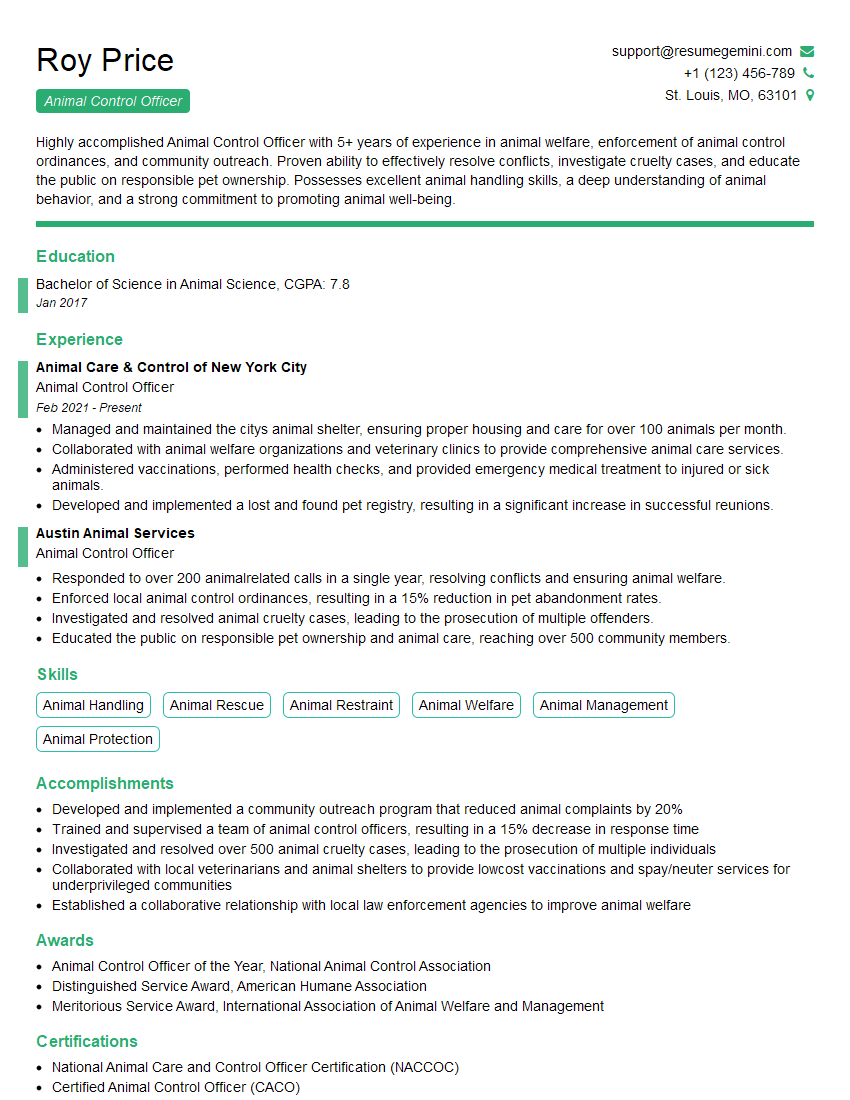
Animal Control Officer Resume Sample
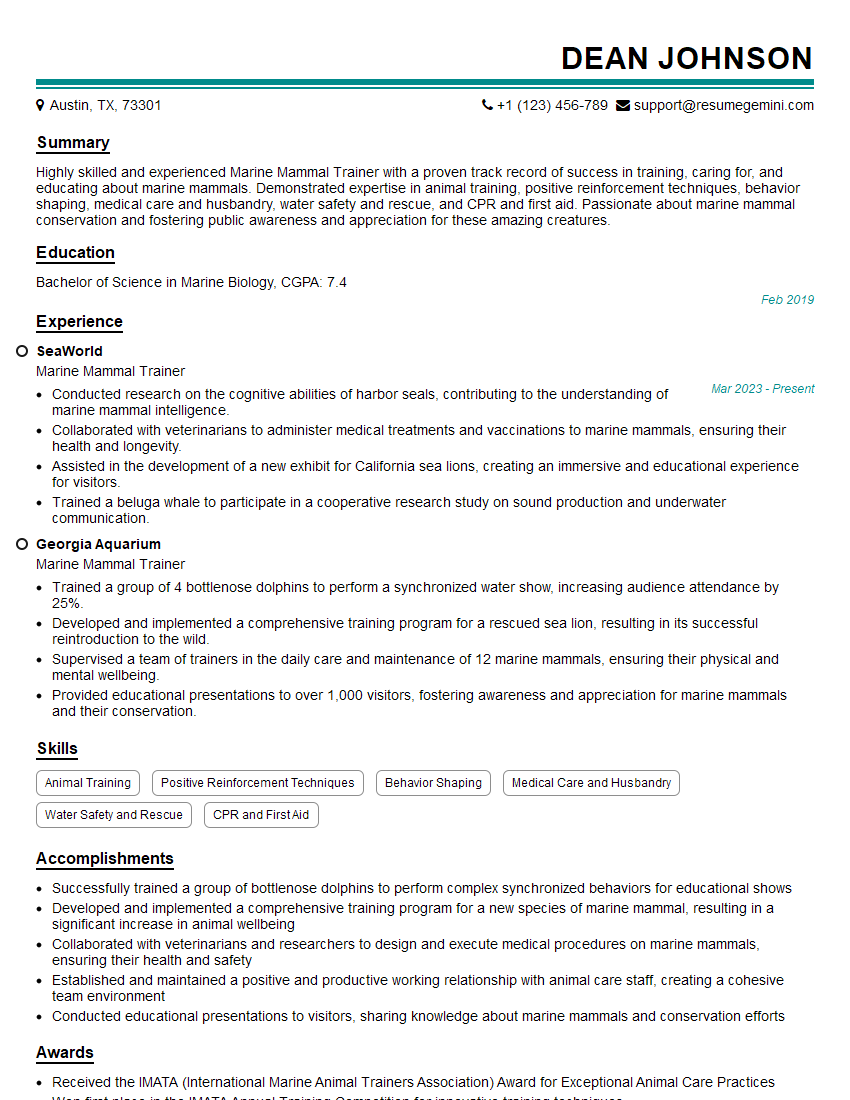
Marine Mammal Trainer Resume Sample
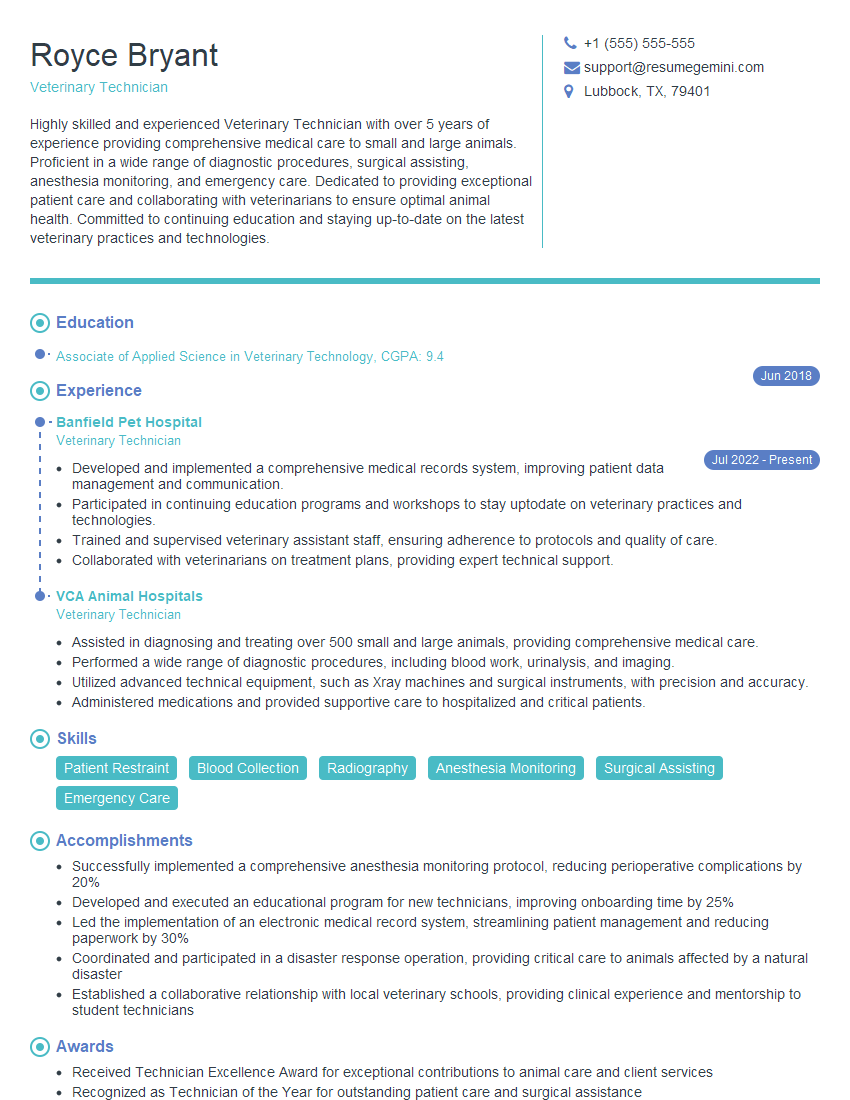
Veterinary Technician Resume Sample

Wildlife Rehabilitator Resume Sample
Explore more articles
Users Rating of Our Blogs
Share Your Experience
We value your feedback! Please rate our content and share your thoughts (optional).
What Readers Say About Our Blog
Very informative content, great job.
good