Interviews are opportunities to demonstrate your expertise, and this guide is here to help you shine. Explore the essential Animal Euthanasia interview questions that employers frequently ask, paired with strategies for crafting responses that set you apart from the competition.
Questions Asked in Animal Euthanasia Interview
Q 1. Describe the different methods of animal euthanasia and their associated risks.
Animal euthanasia, the humane ending of an animal’s life, employs several methods, each with its own set of risks. The most common and widely accepted method is intravenous injection of barbiturates, specifically pentobarbital. This provides rapid and painless loss of consciousness followed by cardiac arrest. In some situations, other methods may be used, though they are often less preferred. These include inhalant agents (like isoflurane) for small animals where IV access is challenging, and in rare instances, intraperitoneal or intramuscular injections of barbiturates (though these methods are slower and can be less humane).
- Intravenous Barbiturate Injection: Risks are minimal when administered correctly by a trained professional, but complications like accidental injection into an artery or extravasation (leakage outside the vein) can occur. Proper training and careful technique significantly mitigate these.
- Inhalant Agents: While generally safe, challenges include maintaining the animal’s calm and ensuring proper ventilation. Improper administration can result in prolonged distress.
- Intraperitoneal/Intramuscular Injections: These methods carry a higher risk of pain and prolonged distress due to the slower absorption rate of the drug.
Choosing the appropriate method depends on several factors, including the animal’s species, size, health status, and the availability of trained personnel and equipment. It’s crucial that the method chosen minimizes pain and distress, prioritizing a peaceful passing.
Q 2. What are the ethical considerations surrounding animal euthanasia?
Ethical considerations in animal euthanasia are paramount. The core principle is to prioritize the animal’s welfare and minimize suffering. This involves ensuring a painless and peaceful death, using the most humane method possible. Ethical considerations extend beyond the technical aspects of the procedure and include:
- Informed Consent: Owners must be fully informed about the procedure, its risks, and alternatives (if any). They should have the opportunity to ask questions and make an informed decision.
- Minimizing Distress: Every effort should be made to keep the animal calm and comfortable throughout the process, including proper handling and providing a familiar and supportive environment.
- Appropriate Indications: Euthanasia should only be performed when there are no other reasonable treatment options and the animal’s suffering is irreversible and unbearable. The decision shouldn’t be based solely on convenience or financial constraints.
- Competent Personnel: The procedure should be performed only by trained and qualified professionals who understand the ethical and practical aspects of euthanasia.
Ethical dilemmas can arise when dealing with difficult cases, such as animals with chronic incurable diseases or those with significant behavioral problems. In these situations, open communication with the owner, careful assessment of the animal’s quality of life, and adherence to professional guidelines are essential.
Q 3. Explain the process of preparing an animal for euthanasia.
Preparing an animal for euthanasia is crucial for ensuring a smooth and peaceful transition. It involves creating a calm and supportive environment. First, you carefully assess the animal’s physical condition. This is also a chance to address the owner’s emotional needs.
- Environment: The procedure should ideally be done in a quiet, comfortable setting, either in a veterinary clinic or at home. Familiar objects can help reduce anxiety.
- Physical Comfort: The animal should be positioned comfortably. Soft bedding and blankets can offer reassurance.
- Medication: In some cases, mild sedation may be administered to reduce anxiety prior to the injection. This is always at the vet’s discretion.
- Owner Presence: Unless the owner requests otherwise, it’s important to allow the owner to be present during the procedure to say goodbye and provide comfort. The veterinarian should make this process as peaceful as possible for the owner as well.
The preparation is about creating a respectful and serene environment that promotes a peaceful and dignified passing for both the animal and its owner. Open communication between the veterinarian and the owner is paramount.
Q 4. How do you ensure a humane and painless euthanasia procedure?
Ensuring a humane and painless euthanasia requires meticulous attention to detail and adherence to established protocols. This requires a skilled professional with the correct training and expertise.
- Proper Drug Administration: The euthanasia solution must be administered correctly – via intravenous injection – to ensure rapid unconsciousness and cessation of respiration. The dose must be calculated accurately based on the animal’s weight and species.
- Monitoring Vital Signs: Continuous monitoring of heart rate and respiration is crucial to ensure the procedure is effective. It helps to also monitor the animal’s response to the injection.
- Post-Euthanasia Care: Once the animal has passed, appropriate post-mortem care should be provided, including respectful handling and arrangements for body disposal, as per client preference.
- Using Appropriate Equipment: The use of sharp needles, appropriate sized syringes, and good quality anaesthetic are all necessary to ensure effective administration.
Professional competence, rigorous training, adherence to protocols, and compassion are the cornerstones of a truly humane euthanasia procedure. Regular continuing education to stay abreast of the latest advancements in techniques and protocols are essential.
Q 5. What are the signs of pain and distress in an animal undergoing euthanasia?
While the goal of euthanasia is to minimize pain and distress, some signs might still be observed, especially with improperly administered procedures or unforeseen complications. These may be subtle or more obvious.
- Vocalizations: Whining, yelping, or other sounds of distress can occur, especially if the injection is not administered smoothly.
- Muscle Tremors: Minor muscle twitching is possible during the transition to unconsciousness. This is usually short-lived and not indicative of pain.
- Changes in Respiration and Heart Rate: Initially there may be irregularities in breathing and heartbeat until the drug takes effect. This is usually short-lived and then becomes regular.
- Sudden Movements: An animal might make sudden movements or jerks, which is usually only if something is wrong. This is not indicative of pain as such.
It’s vital to remember that any sign of distress should be immediately addressed and investigated to evaluate the efficacy and quality of the euthanasia procedure. Thorough training and experience aid in identifying and managing such situations effectively.
Q 6. Describe your experience administering euthanasia solutions.
Administering euthanasia solutions requires a high level of skill, precision, and emotional intelligence. I have extensive experience performing this procedure on a wide range of animals. It begins with a thorough assessment of the animal, carefully selecting the appropriate drug and dosage based on weight and species. The solution must be administered intravenously, ideally into a large vein to ensure quick and even distribution. I always use aseptic technique to minimize the risk of infection. During the procedure, I closely monitor the animal’s vital signs, providing additional support and comfort, including gentle handling and calming words to minimize stress.
While it’s a difficult task, I have always prioritized minimizing pain and distress. My experience has honed my ability to administer the solution smoothly and efficiently, ensuring a peaceful transition for the animal. After the procedure, I ensure the animal is handled with respect and dignity. My clinical records are meticulous; they are vital for auditing and for tracking effective procedures.
Q 7. How do you manage client emotions during the euthanasia process?
Managing client emotions during euthanasia is a crucial part of my role. It’s a profoundly emotional experience for pet owners. My approach focuses on empathy, compassion, and clear communication.
- Active Listening: I allow owners to express their feelings openly, validating their grief and providing a safe space for them to share their experiences and memories.
- Clear Explanation: I explain the procedure in simple terms, answering all their questions honestly and patiently. I ensure they understand what to expect and try to dispel their anxieties.
- Emotional Support: I offer a kind and supportive presence, being mindful of their emotional state. Sometimes, simply holding their hand or providing a comforting presence can be incredibly helpful.
- Post-Euthanasia Support: I provide information on post-euthanasia resources, such as grief counseling or pet loss support groups, helping owners navigate this challenging time.
My aim is to create a compassionate environment, helping owners to experience a dignified farewell for their beloved companion and to begin their healing process.
Q 8. What are the legal and regulatory requirements for performing animal euthanasia?
Legal and regulatory requirements for animal euthanasia vary significantly depending on location (country, state, or province). Generally, these regulations aim to ensure humane treatment and minimize suffering. This often involves licensing or certification for individuals performing euthanasia, specifying acceptable methods, and mandating proper record-keeping. For example, in many jurisdictions, only licensed veterinarians are permitted to euthanize animals, and specific protocols must be followed, such as using approved drugs and methods that minimize pain and distress. The disposal of the animal’s remains is also usually regulated, with guidelines on proper cremation or burial procedures to protect public health and the environment. Failure to adhere to these regulations can result in legal penalties, including fines and license revocation. It’s crucial for anyone involved in animal euthanasia to be thoroughly familiar with all applicable laws and regulations in their area.
- Licensing and Certification: Verification of qualifications to perform the procedure.
- Approved Methods: Restriction to humane and effective techniques.
- Record Keeping: Detailed documentation of the procedure and disposal.
- Disposal Regulations: Guidelines for safe and ethical body disposal.
Q 9. How do you handle unexpected complications during an euthanasia procedure?
Unexpected complications during euthanasia are rare but can occur. These might include the drug not taking effect as expected, a reaction to the medication, or difficulty administering the injection. My approach focuses on immediate problem-solving and maintaining the animal’s comfort. For example, if the drug isn’t working efficiently, I might need to carefully administer a supplemental dose, always adhering to the proper dosage and monitoring for any adverse reactions. If a reaction occurs, I’d immediately address the symptoms and contact a colleague for advice if needed. Throughout this process, calmness and clear communication with the animal’s owner are essential to alleviate their anxiety. I prioritize maintaining the animal’s dignity and minimizing any additional stress or pain. Open communication with the client is paramount, explaining what’s happening in a compassionate and understandable way.
Q 10. Describe your experience with post-euthanasia care, including body disposal.
Post-euthanasia care involves handling the animal’s body with respect and dignity. This includes ensuring the body is comfortable, cleaning any mess from the procedure area and gently wrapping the body in a blanket. Many owners prefer to spend some time with their pet after euthanasia. I always provide that opportunity, allowing them to say goodbye in a peaceful setting. After that, disposal methods vary depending on owner preference and local regulations. This could involve cremation (individual or communal), burial on private property (if permitted), or utilizing a pet cemetery service. I always provide clear explanations of all available options and assist with the logistical arrangements, offering emotional support during what can be a very difficult time for the owner.
Q 11. Explain the importance of accurate record-keeping in euthanasia procedures.
Accurate record-keeping in euthanasia procedures is vital for legal compliance, professional accountability, and ensuring best practices. Detailed records demonstrate that the procedure was performed humanely, within regulatory guidelines, and with proper care. The records usually include the animal’s identification (species, breed, age, etc.), date and time of the procedure, the drugs used (including dosage and route of administration), the method of euthanasia, any complications encountered, the name and credentials of the person performing the euthanasia, and details of the body’s disposal. Maintaining these records is crucial for protecting both the veterinarian and the client, providing a transparent and verifiable account of the process. Incomplete or inaccurate records could lead to legal or ethical issues.
Q 12. How do you maintain composure and professionalism while performing a difficult procedure?
Maintaining composure and professionalism during a difficult euthanasia procedure requires both emotional intelligence and professional training. It’s a deeply emotional event for the owners, and it’s crucial to handle the situation with sensitivity and respect. I find that focusing on my training and the technical aspects of the procedure helps maintain my composure. Maintaining clear communication with the client is paramount. Empathy and active listening are vital to help them through the emotional experience. I try to create a calm and peaceful atmosphere, acknowledging their grief and providing support, both during the procedure and after. Prioritizing the animal’s comfort and minimizing their distress is key to ensuring that the process is as peaceful and humane as possible. Sometimes, after the procedure, I’ll allow myself some time for reflection in a private space before moving onto the next client, ensuring that I’m emotionally ready and able to perform my duties with complete dedication.
Q 13. Describe your experience working with different species and age groups of animals.
My experience encompasses a wide range of animal species and age groups, from small rodents and birds to large dogs and cats, and even occasionally livestock. The approach to euthanasia varies depending on the size, species, and temperament of the animal, as well as their overall health status. Working with geriatric animals requires a gentler approach, recognizing their increased fragility. For example, a very young kitten will require a significantly different method than a large, mature dog. I’ve learned to adjust my techniques and communication style to accommodate each individual animal’s unique needs and circumstances. In each case, I place the animal’s comfort and the minimization of pain and distress at the forefront.
Q 14. What are the differences in euthanasia techniques for various animal species?
Euthanasia techniques vary significantly across species due to differences in physiology and anatomy. Common methods include intravenous injection of barbiturates (the most common and widely accepted method), and in certain circumstances, inhalant agents may be employed. However, the specific drug selection and administration method are chosen based on the animal’s species, size, and health condition. For example, the dosage of barbiturates will differ drastically between a small bird and a large horse. In some situations, other methods such as intraperitoneal or intramuscular injection may be necessary. Strict protocols exist for each species to ensure a humane and effective procedure. In all cases, careful consideration must be given to minimizing pain and distress during the process.
Q 15. How do you determine if euthanasia is the appropriate course of action?
Determining if euthanasia is the right choice is a deeply compassionate and complex decision. It’s never taken lightly. We consider several crucial factors, prioritizing the animal’s quality of life. This assessment isn’t about convenience but about alleviating suffering. We look at the animal’s overall health, considering their pain level, ability to eat and drink, mobility, and responsiveness. Is their suffering unrelievable despite our best efforts? Are they experiencing consistent and significant distress? Do their symptoms negatively impact their ability to engage in any enjoyable aspects of life? We also discuss the prognosis – is there a realistic chance for improvement, or is their condition likely to worsen, leading to prolonged and unbearable suffering?
For example, an elderly dog with terminal cancer, experiencing constant pain despite medication and unable to eat or drink, would be a strong candidate for euthanasia. Conversely, an animal with a treatable illness, even if currently uncomfortable, might not be. Every case is thoroughly evaluated, often involving multiple assessments, discussions with owners, and a deep consideration of the animal’s individual circumstances. The goal is always to minimize suffering and ensure a peaceful passing.
Career Expert Tips:
- Ace those interviews! Prepare effectively by reviewing the Top 50 Most Common Interview Questions on ResumeGemini.
- Navigate your job search with confidence! Explore a wide range of Career Tips on ResumeGemini. Learn about common challenges and recommendations to overcome them.
- Craft the perfect resume! Master the Art of Resume Writing with ResumeGemini’s guide. Showcase your unique qualifications and achievements effectively.
- Don’t miss out on holiday savings! Build your dream resume with ResumeGemini’s ATS optimized templates.
Q 16. Describe your knowledge of different types of injectable euthanasia solutions.
The most common injectable euthanasia solution is a combination of pentobarbital and other agents. Pentobarbital is a barbiturate that acts as a central nervous system depressant, leading to a peaceful and painless loss of consciousness and ultimately, cessation of breathing and heartbeat. Other additives might include lidocaine (a local anesthetic to minimize any discomfort during injection) and phenytoin (to reduce potential seizures). The precise formulation can vary slightly depending on the manufacturer and the species being euthanized. The solution is administered intravenously, usually in a vein in the front leg, ensuring rapid and efficient distribution throughout the body. It’s crucial to use appropriately-formulated solutions specific to the species and size of the animal to ensure a humane and effective procedure. The method is chosen carefully to ensure the most peaceful and painless exit possible.
There are regulations and guidelines regarding the sourcing and use of euthanasia solutions, and strict adherence is crucial for ethical and legal reasons. Using a solution that’s not fit for the animal, or not administering it correctly, can cause unnecessary distress and prolong the process, directly contradicting the very aim of euthanasia which is to swiftly and compassionately ease the animal’s passing.
Q 17. What are the signs that an animal is ready for euthanasia?
Recognizing when an animal is ready for euthanasia involves observing a constellation of clinical signs and assessing the animal’s overall quality of life. There is no single definitive sign. It is a holistic evaluation. We consider factors like persistent and unrelieved pain, despite medication; difficulty breathing or labored respiration; persistent vomiting or diarrhea leading to dehydration; loss of appetite or inability to swallow; inability to stand or move without significant distress; loss of awareness or responsiveness; and recurrent or prolonged seizures. It’s also important to look at the animal’s behavior; are they showing signs of fear, depression, or extreme lethargy? The key is recognizing a pattern of decline and irreversible suffering that cannot be relieved.
Think of it like this: a senior person nearing the end of their life – the deterioration may not be one single event, but a combination of issues indicating their body is giving up. Similarly, with animals, we look for a cumulative effect of suffering that indicates the end of life’s comfort is nearing.
Q 18. How do you communicate effectively with clients about euthanasia options?
Communicating about euthanasia is one of the most challenging aspects of veterinary practice. It requires empathy, sensitivity, and clear, honest communication. I begin by creating a safe and supportive space for the client to express their emotions and concerns. We discuss the animal’s condition in detail, using clear and straightforward language, avoiding technical jargon whenever possible. I present all available options, including euthanasia as one of several possibilities, but only if it’s genuinely warranted. I highlight that my role is to support their decision, not dictate it. It’s crucial to listen actively and validate their feelings, whether they choose euthanasia or explore other treatment options.
I provide detailed information about the euthanasia procedure itself, explaining what to expect, helping the client understand what will happen to their pet during, and after the process. We discuss post-euthanasia options like cremation or burial, offering support and guidance through every stage. I aim to provide a compassionate and informed experience, allowing clients to make the most suitable decision for their beloved pet.
Q 19. Explain the importance of consent in animal euthanasia procedures.
Informed consent is paramount in animal euthanasia. It means the owner fully understands the animal’s condition, the procedure itself (including potential risks or complications, though exceedingly rare), and alternative treatment options. They must freely and voluntarily agree to proceed, without pressure or coercion from the veterinary team. This includes understanding the irreversibility of the procedure. Documentation of this consent is essential, typically including a signed consent form that outlines all aspects of the procedure. This legally protects both the client and the veterinary professional, ensuring transparency and ethical practice.
Without informed consent, the procedure is unethical and potentially illegal. It’s not enough to merely obtain a signature; we ensure the client genuinely understands everything involved before proceeding. We answer all their questions patiently and thoroughly, ensuring they feel empowered to make an informed decision.
Q 20. What are your personal feelings about animal euthanasia and how do you manage them?
Animal euthanasia is an emotionally complex aspect of my profession. While I deeply value and respect animal life, I also recognize that compassion dictates relieving suffering when it becomes unbearable. My personal feelings are integrated with my professional role. I strive to maintain a level of emotional distance that allows me to perform my duties effectively while still feeling deeply for the animals and their owners. I process my emotions through various coping mechanisms including discussing challenging cases with colleagues, engaging in self-care practices like exercise or mindfulness, and relying on my strong support system. The reward is knowing I’m providing a peaceful and dignified end-of-life experience for the animal, which is profoundly important.
It’s essential to have healthy coping strategies; otherwise, the emotional toll can be overwhelming. I view this part of my job as a service, a crucial act of kindness that brings a measure of peace to both the animal and its family during a difficult time.
Q 21. How do you deal with difficult or emotional client interactions involving euthanasia?
Difficult or emotional client interactions are inevitable in this field. My approach is rooted in empathy and active listening. I validate their feelings, acknowledging the grief and loss they’re experiencing. I allow them to express their emotions without interruption, creating a space for them to grieve. If they are angry or upset, I try to remain calm and professional, actively listening to their concerns, and addressing them with understanding and respect. Sometimes, providing practical support can also be helpful, such as offering information on grief counseling or pet loss support groups. In some instances, a colleague may be needed to assist in managing the emotional dynamics of the interaction.
It’s crucial to remember that the client’s reaction is a natural response to the loss of a beloved pet. I strive to be a source of comfort and support, guiding them through this difficult period with sensitivity and respect. The goal is to help them navigate their grief while ensuring the process remains humane and respectful for both them and their pet.
Q 22. Describe a situation where you had to make a difficult decision regarding euthanasia.
One of the most difficult euthanasia decisions involved a young, otherwise healthy Golden Retriever suffering from severe, untreatable, and progressive degenerative myelopathy. His quality of life had deteriorated significantly; he was experiencing increasing pain and loss of mobility, despite aggressive pain management. The owner, understandably devastated, initially clung to hope for a miracle cure. However, after several weeks of careful monitoring and open, honest discussions about the dog’s prognosis and suffering, we collaboratively reached the conclusion that euthanasia was the most humane and compassionate option. This decision required navigating intense emotional distress, balancing clinical judgment with empathy, and facilitating a dignified farewell for both the pet and the owner. It highlighted the crucial role of open communication and shared decision-making in these sensitive situations.
Q 23. What are the potential physical and psychological risks to veterinary staff performing euthanasia?
Euthanasia, while a compassionate act, presents significant physical and psychological risks to veterinary staff. Physically, repeated exposure to the chemicals used (typically pentobarbital) can pose risks through accidental needle sticks or inhalation. Furthermore, the demanding physical nature of the procedure, particularly when dealing with large or struggling animals, can lead to musculoskeletal injuries. Psychologically, the emotional toll is substantial. Witnessing the death of an animal, especially one with a strong bond with its owner, can be intensely stressful and can lead to compassion fatigue, burnout, and secondary traumatic stress. This necessitates robust support systems, including access to mental health professionals and debriefing sessions, to mitigate the psychological impact.
Q 24. Describe your experience with post-mortem care, including body preparation and handling.
Post-mortem care is a crucial aspect of compassionate end-of-life services. Body preparation typically involves gently cleaning the animal, removing any intravenous catheters or other medical devices, and carefully grooming the fur. This process is performed with respect and dignity, recognizing the emotional significance of the animal to its owner. Handling the body requires careful attention to avoid causing further trauma or disfigurement. We use appropriate containers and transport methods to ensure safe and respectful transfer of the remains, often coordinating with pet cremation or burial services according to the owner’s wishes. Throughout this process, maintaining a calm and respectful demeanor is essential, acknowledging the grief of the pet owner and providing support as needed.
Q 25. How do you ensure the safety and well-being of yourself and your team during euthanasia?
Ensuring safety and well-being during euthanasia involves a multi-pronged approach. We always utilize appropriate personal protective equipment (PPE), including gloves, gowns, and eye protection, to minimize the risk of exposure to chemicals or bodily fluids. Proper restraint techniques are essential, especially for animals who may be anxious or distressed, to protect both the animal and the veterinary staff. We frequently use well-trained veterinary assistants to help restrain the animals safely. Furthermore, we emphasize a calm and supportive environment to minimize stress for both the animal and its owner. Post-procedure, we follow strict protocols for proper disposal of used needles and other sharps, adhering to all relevant biohazard safety regulations. Regular safety training and refresher courses are vital to maintaining our competence and minimizing risks.
Q 26. What continuing education or professional development activities have you undertaken related to euthanasia?
My continuing education in animal euthanasia has included participation in advanced veterinary anesthesia workshops, focusing on pain management and humane euthanasia techniques. I’ve also completed several courses on grief counseling and end-of-life care, specifically tailored to veterinary professionals. This has expanded my understanding of the emotional impact on pet owners and enhanced my ability to provide compassionate support. I regularly attend conferences and webinars to stay abreast of the latest advancements in euthanasia protocols, pain management medications, and best practices in end-of-life care. Maintaining up-to-date knowledge is paramount in this field, ensuring we provide the highest standard of care.
Q 27. What are your long-term career goals within the field of animal euthanasia?
My long-term career goals involve becoming a recognized expert in veterinary palliative and end-of-life care. I aspire to mentor and train other veterinary professionals in humane euthanasia techniques, pain management strategies, and grief support. I’m also interested in conducting research on improving the euthanasia process, focusing on minimizing stress for animals and maximizing emotional support for owners. Ultimately, I aim to contribute to a greater understanding and acceptance of euthanasia as a compassionate component of responsible pet ownership and veterinary medicine.
Q 28. Describe your understanding of the psychological impact of euthanasia on pet owners.
The psychological impact of euthanasia on pet owners is profound and multifaceted. It’s a significant loss, often comparable to the loss of a family member. Owners often experience a range of emotions, including grief, guilt, sadness, anger, and even relief (especially in cases of prolonged suffering). The intensity and duration of these emotions vary depending on the pet’s age, the nature of their illness, and the owner’s individual coping mechanisms. Some owners may struggle with feelings of failure or inadequacy for not being able to prevent their pet’s death. Providing compassionate support, offering resources for grief counseling, and allowing space for open and honest discussion are crucial components of appropriate veterinary care during this difficult time. Acknowledging and validating their feelings is vital in helping them navigate their grief and find ways to honor their beloved companion’s memory.
Key Topics to Learn for Animal Euthanasia Interview
- The Humane Approach: Understanding the ethical considerations and principles of compassionate euthanasia, including minimizing animal distress and ensuring a peaceful passing.
- Pharmacology and Procedures: Knowledge of the different euthanasia agents, their administration methods (intravenous, intracardiac), and potential complications. Practical experience administering these agents safely and effectively will be highly valued.
- Client Communication and Support: Mastering the art of communicating with pet owners during a difficult time, providing emotional support, and answering their questions with empathy and professionalism. Role-playing these scenarios will greatly aid your preparation.
- Post-Euthanasia Care: Understanding procedures for handling the animal’s body with respect, including proper disposal or cremation, and providing support to grieving owners.
- Legal and Regulatory Compliance: Familiarity with relevant laws and regulations concerning euthanasia practices in your area. This includes understanding proper record-keeping and documentation procedures.
- Recognizing End-of-Life Signs: Ability to accurately assess an animal’s condition and determine when euthanasia is the most humane option. Understanding the subtle signs of suffering is critical.
- Teamwork and Collaboration: Demonstrating your ability to work effectively within a veterinary team, collaborating with colleagues to provide the best possible care.
- Stress Management and Self-Care: The emotional toll of this work is significant. Interviewers will value candidates who demonstrate awareness of this and possess strategies for managing stress and maintaining their well-being.
Next Steps
Mastering the complexities of animal euthanasia demonstrates a commitment to compassionate care and positions you for advancement in veterinary medicine. To maximize your job prospects, creating a strong, ATS-friendly resume is essential. ResumeGemini is a trusted resource to help you build a professional and impactful resume that highlights your skills and experience in this sensitive area. Examples of resumes tailored to Animal Euthanasia are available to help guide you.
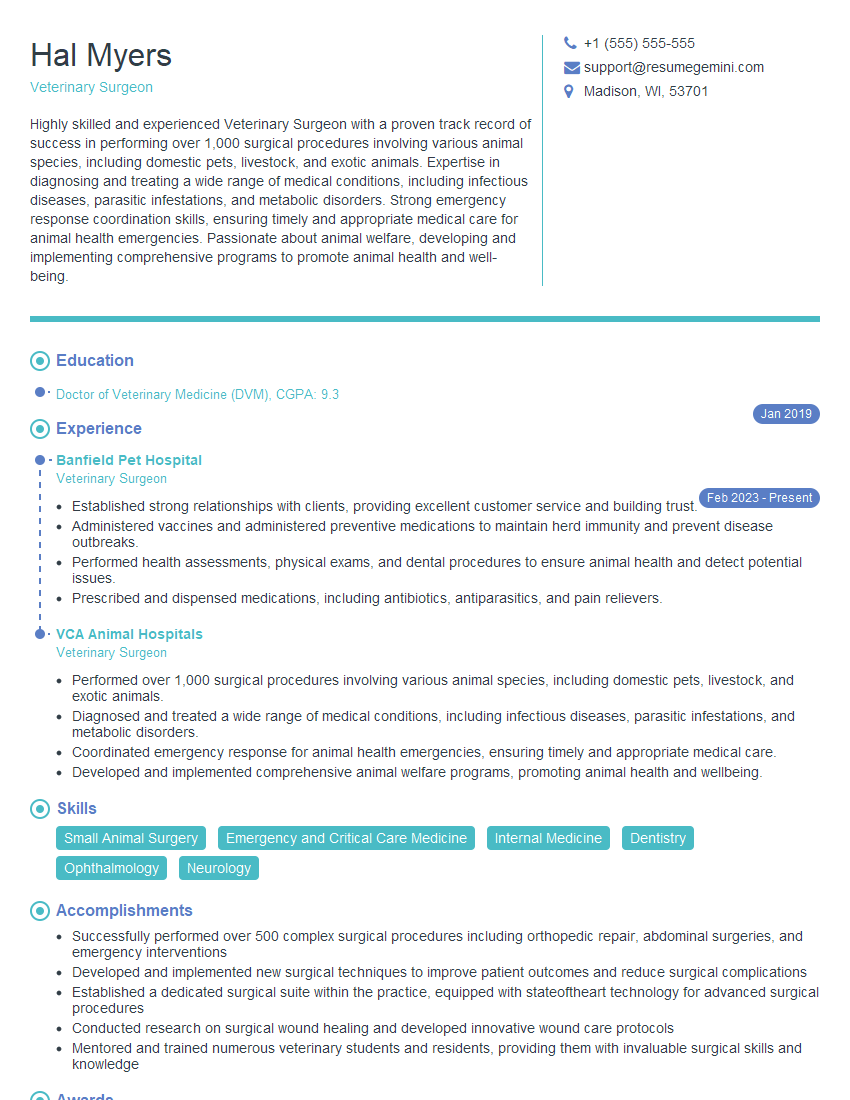
Veterinary Surgeon Resume Sample
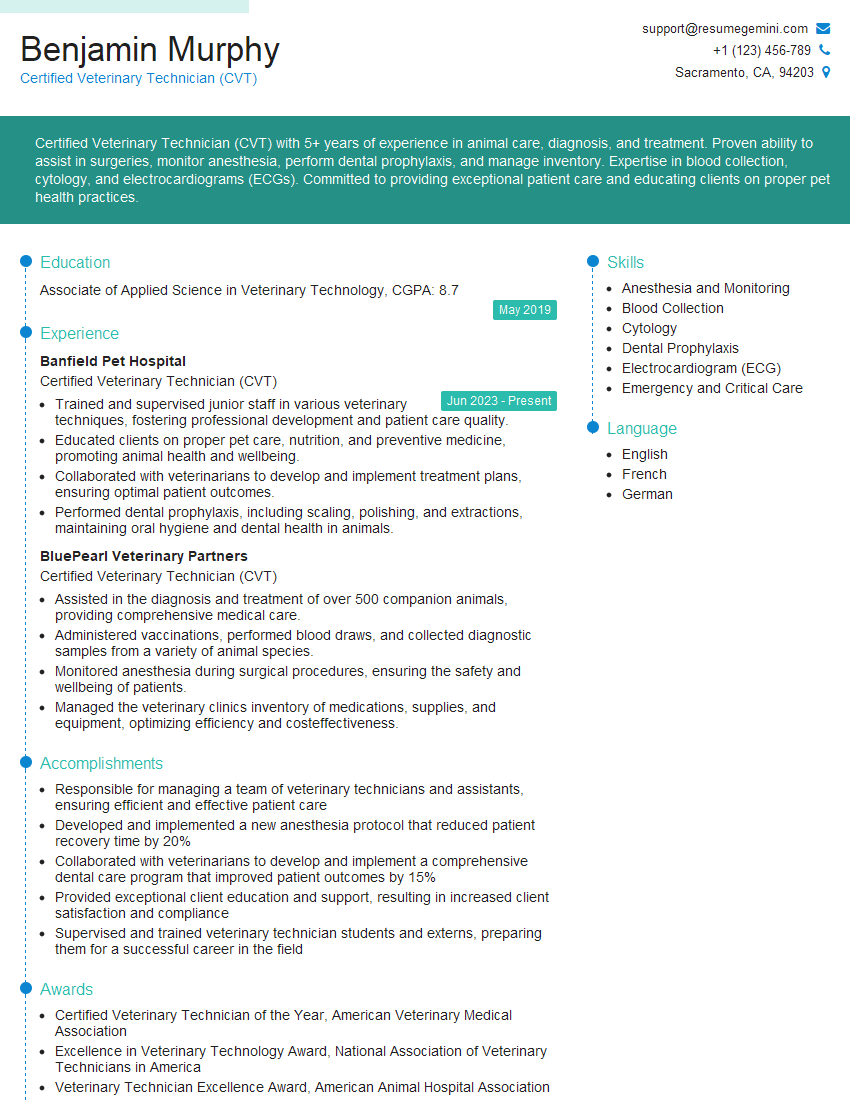
Certified Veterinary Technician (CVT) Resume Sample
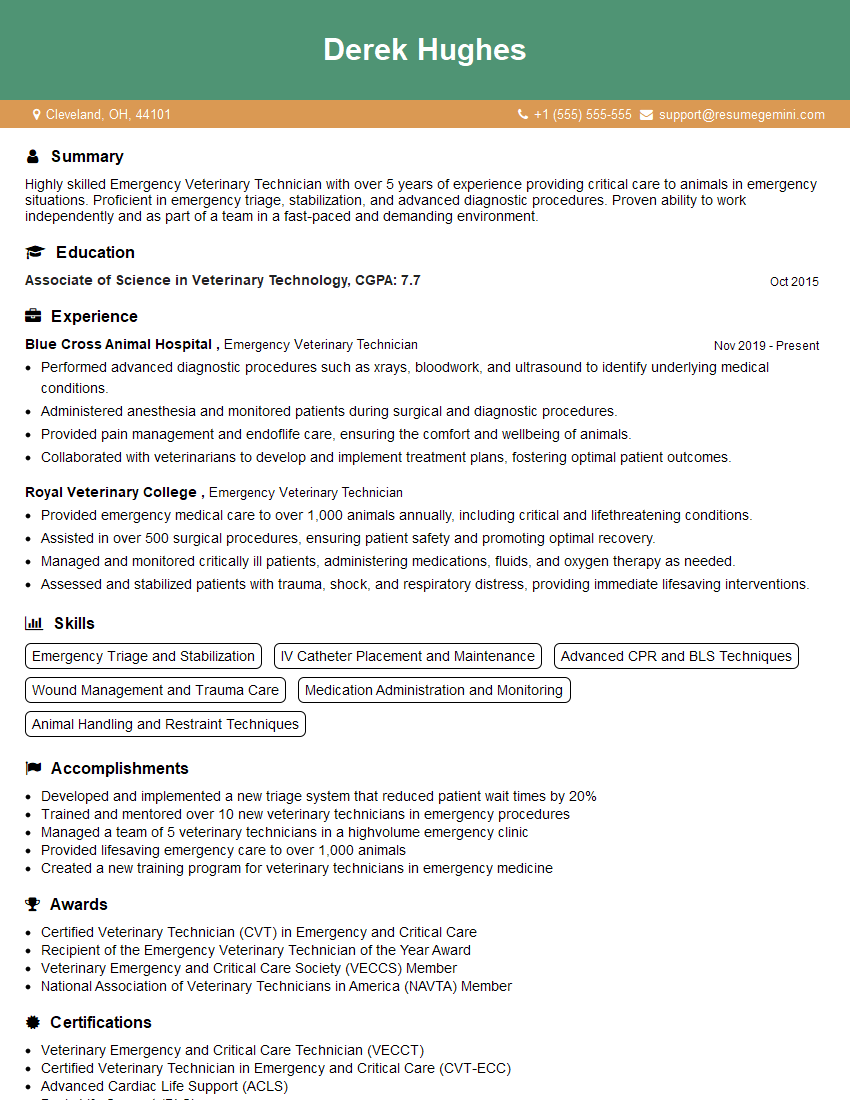
Emergency Veterinary Technician Resume Sample
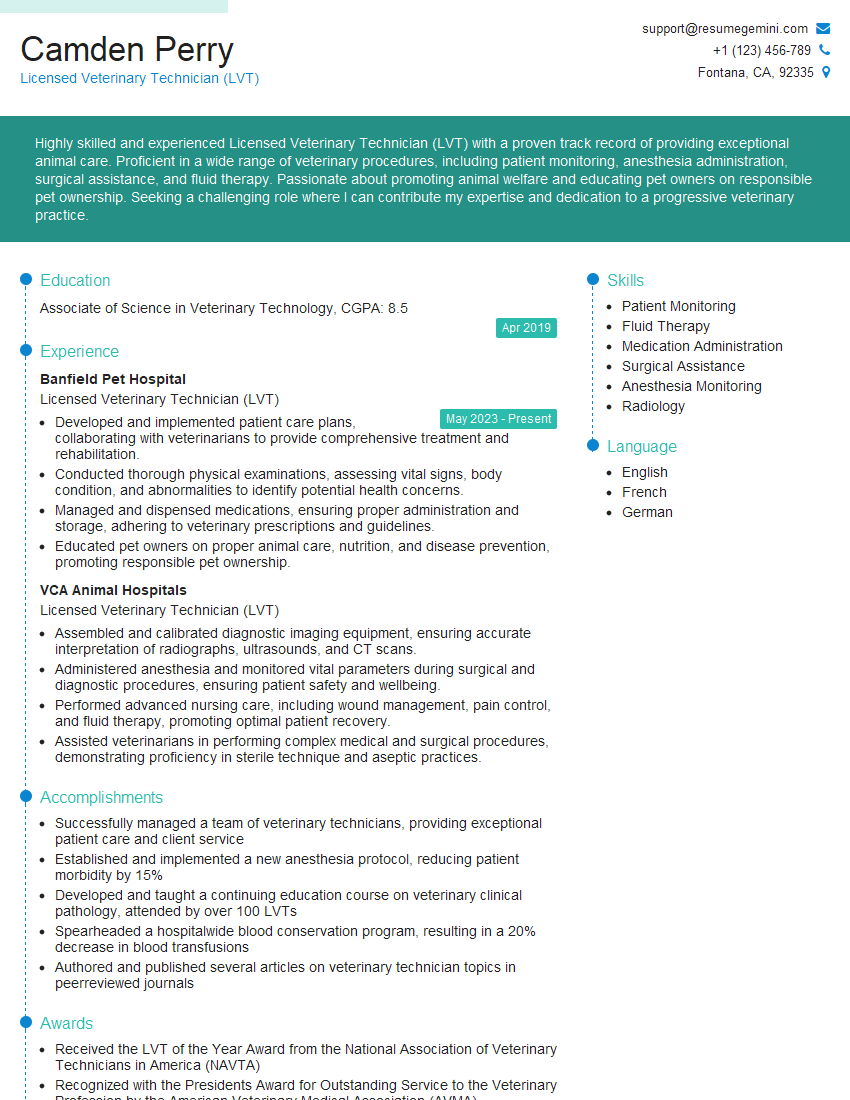
Licensed Veterinary Technician (LVT) Resume Sample
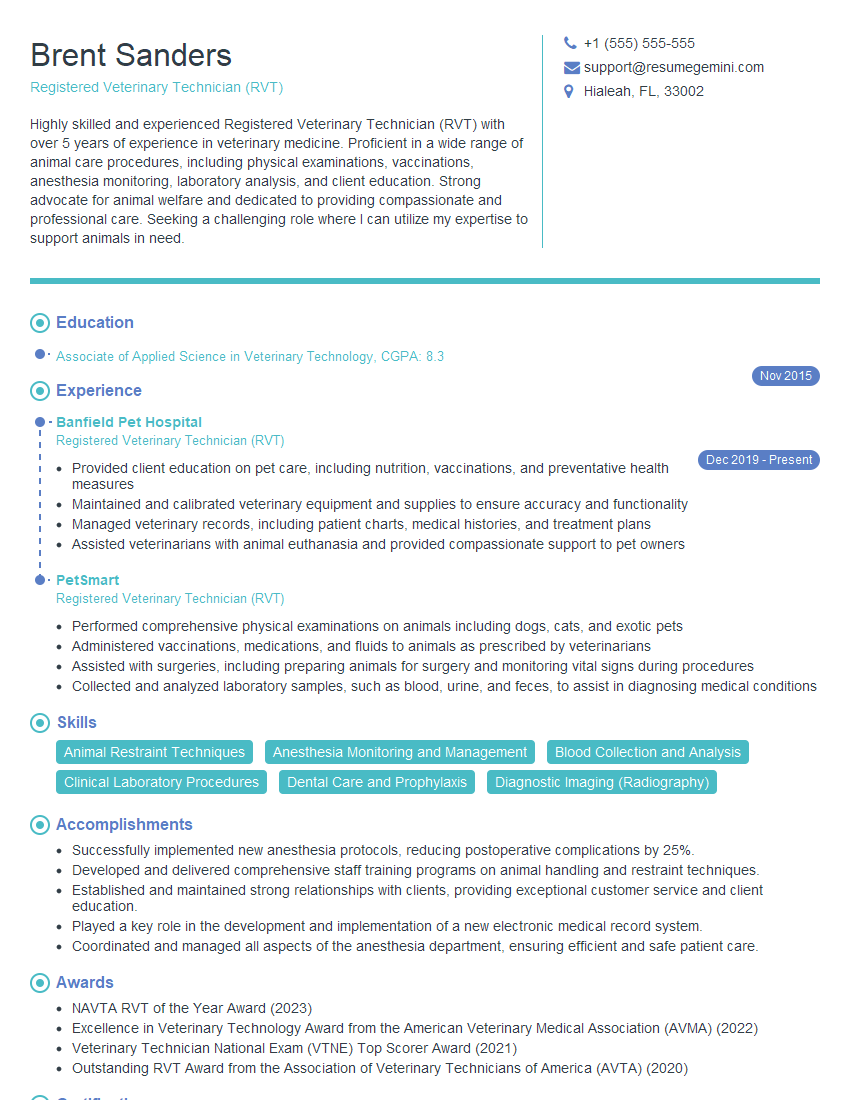
Registered Veterinary Technician (RVT) Resume Sample
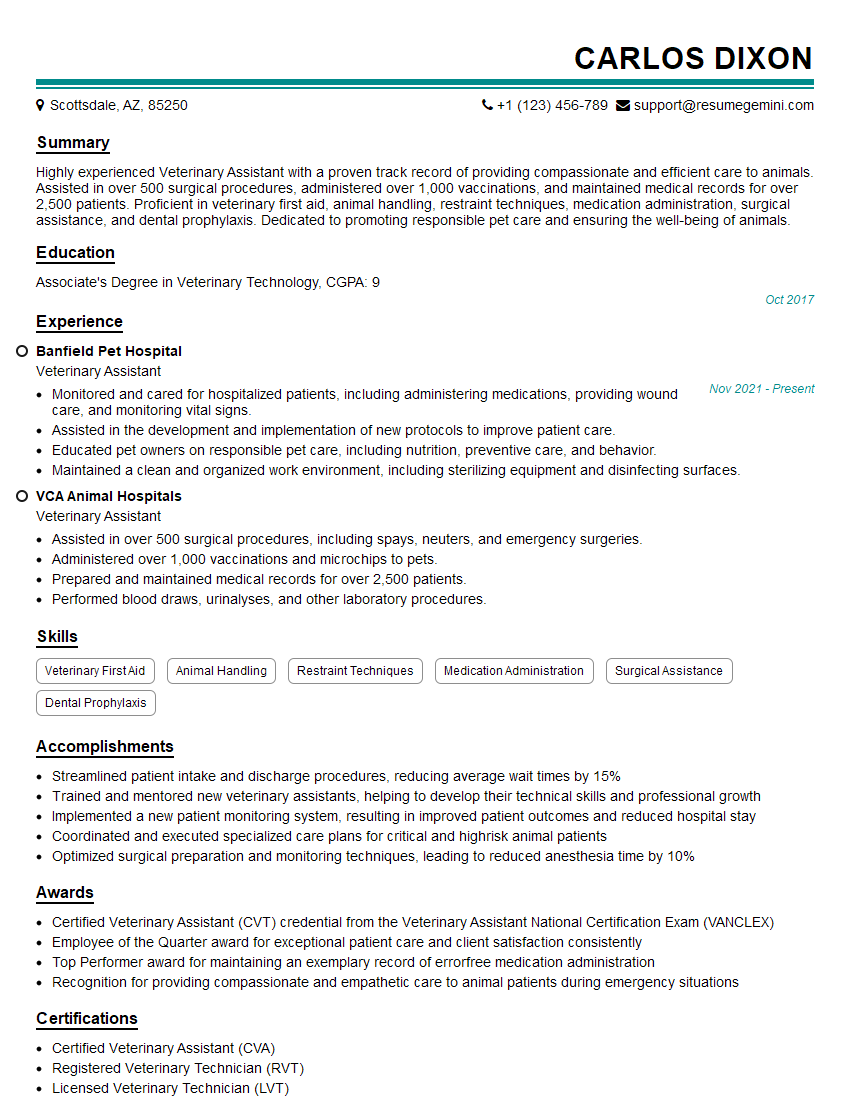
Veterinary Assistant Resume Sample
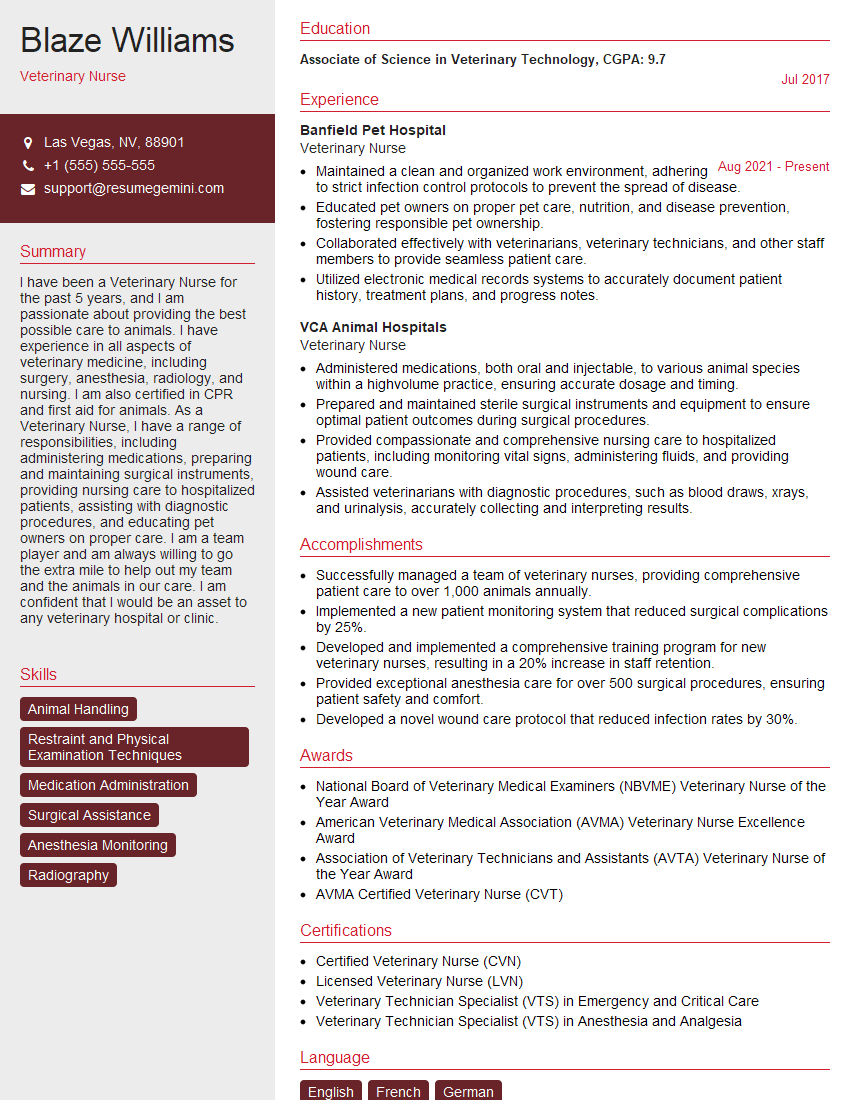
Veterinary Nurse Resume Sample
Explore more articles
Users Rating of Our Blogs
Share Your Experience
We value your feedback! Please rate our content and share your thoughts (optional).
What Readers Say About Our Blog
Very informative content, great job.
good