The thought of an interview can be nerve-wracking, but the right preparation can make all the difference. Explore this comprehensive guide to Animal handling and care experience interview questions and gain the confidence you need to showcase your abilities and secure the role.
Questions Asked in Animal handling and care experience Interview
Q 1. Describe your experience handling different animal species.
My experience encompasses a wide range of animal species, from common domestic animals like dogs and cats to various farm animals such as cattle, sheep, goats, pigs, and poultry. I’ve also worked extensively with exotic species including reptiles (snakes, lizards, tortoises), birds (both aviary and raptors), and small mammals like rabbits and rodents. This experience has provided me with a deep understanding of species-specific behaviors, handling techniques, and health needs. For instance, handling a frightened rabbit requires a completely different approach than safely restraining a bull. With rabbits, gentle, slow movements and a quiet demeanor are key, while cattle often require assertive but controlled movements and the use of specialized equipment.
- Dogs and Cats: Routine examinations, administering medication, behavioral modification techniques.
- Farm Animals: Assisting with birthing, vaccinations, hoof trimming, general health checks.
- Reptiles: Safe handling and containment, specialized husbandry techniques, dietary management.
- Birds: Banding, health assessments, environmental enrichment.
Q 2. Explain your approach to restraining an agitated animal.
Restraining an agitated animal requires a calm, assertive approach prioritizing both the animal’s and handler’s safety. The method depends greatly on the species and the cause of agitation. My approach is always to assess the situation first, identifying the reason for agitation (fear, pain, territoriality). I would then use the least invasive restraint method possible, starting with verbal cues and calming body language. If this fails, I’ll utilize appropriate physical restraints, always minimizing the risk of injury to both the animal and myself.
- Dogs: Gentle but firm control of the collar and leash, potentially using a muzzle if necessary.
- Cats: Careful scooping or towel restraint, avoiding sudden movements.
- Large Animals: Specialized equipment like halters, ropes, and potentially sedation (only when absolutely necessary and under veterinary guidance).
For example, if a dog is exhibiting aggressive behavior due to fear, I would approach slowly, avoiding direct eye contact, and offer calming verbal cues before attempting any physical restraint. Conversely, if a cat is agitated due to injury, a gentle towel restraint will allow examination while minimizing stress.
Q 3. How do you identify signs of illness or injury in animals?
Identifying illness or injury in animals involves close observation and a keen eye for detail. I look for changes in behavior (lethargy, aggression, changes in appetite or elimination habits), physical signs (discharge, swelling, lameness, abnormal respiration or heart rate), and any deviation from the animal’s normal baseline. Temperature checks are crucial, and knowing the species-specific normal ranges is essential. For example, a rabbit with a hunched posture and reduced appetite is showing clear signs of illness.
- Behavioral Changes: Lethargy, restlessness, vocalization, changes in appetite, abnormal urination or defecation.
- Physical Signs: Discharge from eyes, nose, or ears; wounds; lameness; coughing or sneezing; labored breathing; abnormal skin condition.
- Vital Signs: Changes in heart rate, respiratory rate, and body temperature.
Regular preventative health checks are critical for early detection. For instance, while examining a flock of sheep, I would easily spot lameness caused by foot rot, allowing for prompt treatment and prevention of an outbreak.
Q 4. What are the common safety protocols when handling animals?
Safety protocols when handling animals are paramount. They include understanding the animal’s temperament and potential for aggression, using appropriate personal protective equipment (PPE) such as gloves, protective clothing, and safety glasses, and never working alone, particularly with large or unpredictable animals. Proper restraint techniques are critical, and always understanding the animal’s body language is crucial to preventing injury. Before any procedure, a thorough risk assessment is mandatory.
- PPE: Gloves, eye protection, sturdy footwear, protective clothing (depending on the species).
- Restraint Techniques: Species-specific methods to minimize stress and risk of injury.
- Environmental Safety: Secure handling area, avoidance of hazards.
- Teamwork: Multiple handlers for large or potentially dangerous animals.
For instance, when handling a potentially aggressive dog, I would always ensure the use of a muzzle and have an assistant to assist with restraint.
Q 5. Detail your experience administering medication to animals.
Administering medication to animals requires knowledge of proper techniques for each species and the specific medication. Different species have varying physiological responses to medications, different routes of administration (oral, injection, topical), and different tolerances to restraint. Accurate dosage is critical, and I always double-check medication calculations to avoid errors. I am well-versed in both oral and injectable medications and always follow all safety guidelines. Documentation is meticulous, recording the date, time, dose, medication administered, and the animal’s response.
- Oral Medications: Using appropriate techniques to ensure ingestion, potentially with the aid of food or treats.
- Injectable Medications: Strict adherence to aseptic technique to avoid infection, using appropriate needle sizes and injection sites.
- Topical Medications: Careful application following product guidelines.
For example, administering oral medication to a cat requires a different approach than administering an injection to a horse. The cat may require careful handling and possibly a pill-pocket, whereas the horse needs to be securely restrained and the injection site carefully selected.
Q 6. How do you handle aggressive or fearful animals?
Handling aggressive or fearful animals requires patience, understanding, and a calm, confident approach. Aggression often stems from fear, pain, or territoriality. A thorough assessment is crucial to identify the root cause. My approach involves creating a safe and predictable environment, utilizing appropriate restraint and minimizing stressful stimuli. Positive reinforcement, such as rewarding calm behavior with treats or praise, can be highly effective. In cases of extreme aggression, professional veterinary assistance is sought.
- Fearful Animals: Slow, calm movements; gentle touch; avoidance of eye contact; providing safe hiding places.
- Aggressive Animals: Appropriate physical restraint; use of muzzles or other safety equipment; seeking veterinary assistance if necessary.
- Positive Reinforcement: Using treats, praise, or other rewards to encourage calm behavior.
For example, a dog exhibiting fear-based aggression might benefit from desensitization and counter-conditioning, gradually exposing them to fearful stimuli while providing positive reinforcement. An aggressive animal, however, might require sedation and veterinary intervention.
Q 7. Describe your experience with animal husbandry practices.
My experience with animal husbandry encompasses all aspects of animal care, including nutrition, sanitation, environmental enrichment, and preventative healthcare. I am familiar with various housing systems and understand the species-specific requirements for space, temperature, humidity, and social interaction. Maintaining clean and hygienic environments is critical to preventing disease, and I’m proficient in implementing preventative health measures, such as vaccination and parasite control. I place a strong emphasis on providing environmental enrichment that promotes natural behaviors and improves animal welfare.
- Nutrition: Providing species-appropriate diets tailored to age, health status, and reproductive cycle.
- Sanitation: Maintaining clean and hygienic environments to prevent disease.
- Environmental Enrichment: Providing opportunities for natural behaviors, such as foraging, climbing, and social interaction.
- Preventative Healthcare: Vaccinations, parasite control, routine health checks.
For example, in a dairy farm setting, proper hygiene practices are crucial to prevent mastitis, and providing suitable housing to reduce stress is critical for maximizing milk production and cow welfare.
Q 8. How do you maintain a clean and sanitary environment for animals?
Maintaining a clean and sanitary environment for animals is paramount to their health and well-being. It involves a multifaceted approach focusing on preventative measures and regular cleaning protocols. This goes beyond just visual cleanliness; it’s about minimizing the presence of pathogens and parasites.
- Regular Cleaning: Daily spot cleaning of enclosures, including removal of feces and soiled bedding, is crucial. Frequency depends on the species and the enclosure type. For example, a small rodent cage needs daily cleaning, whereas a large outdoor enclosure might require less frequent, but more thorough, cleanings.
- Disinfection: Regular disinfection of surfaces using appropriate veterinary-approved disinfectants is essential to kill bacteria and viruses. Different disinfectants are effective against different pathogens, so choosing the right one is vital. It’s important to always follow the manufacturer’s instructions carefully to ensure effectiveness and avoid harming the animals.
- Waste Disposal: Proper waste disposal is crucial to prevent the spread of disease. Feces and soiled bedding should be disposed of in sealed bags, according to local regulations and biohazard protocols, and not left in easily accessible areas to prevent rodents or other animals from contacting it.
- Ventilation: Good air circulation is critical to reduce humidity and ammonia buildup, which can cause respiratory problems in animals. Adequate ventilation can involve strategically placed fans or natural airflow in outdoor enclosures.
- Pest Control: Regular pest control measures are necessary to prevent infestations of rodents, insects, and other pests that can spread diseases or compete with the animals for resources. This might involve using traps, insecticides (carefully used and following all safety instructions), or natural pest control methods.
For instance, in my previous role at a wildlife sanctuary, we followed a strict cleaning schedule tailored to each species, using different disinfectants depending on the animal’s sensitivity and the type of pathogen we were targeting. We also monitored humidity levels and used ventilation systems to ensure a healthy environment.
Q 9. Explain your knowledge of animal nutrition and dietary requirements.
Animal nutrition is a complex field that requires a thorough understanding of species-specific dietary needs, including macronutrients (proteins, carbohydrates, fats), micronutrients (vitamins, minerals), and water. A balanced diet is essential for maintaining an animal’s health, growth, reproduction, and overall well-being.
- Species-Specific Requirements: Different animals have vastly different nutritional needs. Carnivores, like cats and dogs, require high protein diets, while herbivores, like rabbits and horses, need diets rich in fiber. Omnivores, such as pigs, have more flexible diets but still need a balance of nutrients.
- Life Stage Considerations: Nutritional requirements also change throughout an animal’s life cycle. Puppies and kittens need diets higher in calories and protein for growth, while older animals might require diets lower in calories and higher in fiber to support healthy digestion and weight management. Pregnant and lactating animals have increased nutritional demands.
- Dietary Formulation: Understanding the composition of commercial pet food and formulating appropriate diets is crucial. This includes considering nutrient density, digestibility, and the presence of potential allergens or toxins.
- Individual Needs: Even within a species, individual animals may have different dietary needs based on health status, activity level, and other factors. Animals with medical conditions, for example, might require specialized diets.
In my work at a veterinary clinic, I assisted veterinarians in developing and monitoring customized feeding plans for animals with various health conditions, including diabetes, kidney disease, and allergies. This involved calculating caloric intake, adjusting macronutrient ratios, and selecting appropriate commercial or homemade diets.
Q 10. How do you handle animal waste disposal safely and efficiently?
Safe and efficient animal waste disposal is crucial for maintaining hygiene, preventing disease transmission, and complying with environmental regulations. It involves several key steps, emphasizing both safety and environmental responsibility.
- Appropriate Containment: Waste should be collected in sealed, leak-proof bags or containers to prevent spills and odors. The type of container will depend on the type and volume of waste.
- Biohazard Precautions: When dealing with potentially infectious waste (e.g., from animals with known diseases), proper personal protective equipment (PPE), such as gloves, masks, and eye protection, should be used. Waste should be handled carefully to prevent exposure.
- Disposal Methods: Disposal methods vary depending on local regulations and the type of waste. Options might include incineration, landfill disposal (in designated areas), or composting (for certain types of waste, such as animal bedding, under appropriate conditions).
- Record Keeping: Maintaining accurate records of waste disposal, including dates, volumes, and disposal methods, is often required for regulatory compliance.
- Regular Maintenance: Regular cleaning and disinfection of waste disposal areas are essential to prevent pathogen buildup and odor.
At a zoological park, I developed and implemented a waste management system that minimized environmental impact, including a composting program for biodegradable waste and a regulated system for disposing of hazardous waste, ensuring we met all environmental regulations.
Q 11. What is your experience with animal enrichment programs?
Animal enrichment programs are crucial for promoting the physical and psychological well-being of animals in captivity. These programs aim to stimulate natural behaviors, reduce stress, and improve overall quality of life. They should be tailored to the specific species and individual needs of the animal.
- Environmental Enrichment: This involves modifying the animal’s environment to provide opportunities for exploration, foraging, and problem-solving. Examples include providing climbing structures, hiding places, puzzle feeders, and different substrate types.
- Social Enrichment: For social animals, appropriate social interaction is vital for their well-being. This might involve introducing compatible companions or providing opportunities for safe interaction with humans.
- Sensory Enrichment: This focuses on stimulating the animal’s senses. Examples include providing different textures, smells, sounds, and visual stimuli. Music and interactive toys that engage different senses can be very beneficial.
- Behavioral Enrichment: This involves providing opportunities for animals to engage in natural behaviors, like foraging, hunting, or exploring. Puzzle feeders and training sessions can stimulate natural behaviours.
- Rotation of Enrichment: It’s crucial to regularly rotate enrichment items and activities to prevent boredom and maintain engagement. Animals can quickly become habituated to a single enrichment item, making it less effective over time.
In a wildlife rehabilitation center, I developed and implemented enrichment programs for various species, including creating foraging puzzles for raccoons and designing climbing structures for monkeys, ensuring their daily lives were stimulating and enriching. We monitored the animals’ responses to different enrichment activities to optimize their effectiveness.
Q 12. Describe your experience with animal behavior modification.
Animal behavior modification involves using various techniques to change undesirable behaviors and promote more desirable ones. It requires a thorough understanding of animal behavior, learning principles, and the underlying causes of the behavior problem.
- Identifying the Cause: The first step is to carefully observe the animal’s behavior and identify the underlying causes. This might involve medical issues, environmental factors, or learned behaviors.
- Positive Reinforcement Training: This is a humane and effective method that involves rewarding desired behaviors with positive reinforcement, such as treats, praise, or toys. This approach builds a positive association with the desired behavior.
- Negative Punishment: This involves removing something desirable when the undesired behavior occurs. For instance, removing attention from a dog that is barking excessively. It’s crucial to use this carefully and not to resort to punishment that causes fear or harm.
- Counter-Conditioning: This technique involves associating a previously aversive stimulus with something positive. For instance, slowly desensitizing a fearful dog to loud noises by pairing them with treats.
- Systematic Desensitization: This involves gradually exposing the animal to the feared stimulus at a low intensity and gradually increasing it as the animal becomes more comfortable. This approach is commonly used for treating phobias.
I worked with a dog exhibiting aggression towards other dogs and successfully modified its behavior using a combination of positive reinforcement training and counter-conditioning techniques. This involved teaching the dog alternative behaviors, like sitting calmly when another dog approaches, and rewarding those behaviors with treats and praise.
Q 13. How do you monitor animal health and well-being?
Monitoring animal health and well-being is a continuous process that involves regular observation, preventative care, and prompt attention to any signs of illness or distress. It involves a combination of proactive and reactive measures.
- Daily Observations: Regular visual inspection of animals is crucial to detect any changes in behavior, appearance, or appetite. This includes monitoring fecal consistency, urination patterns, and overall activity levels. Any deviations from normal should be noted and investigated.
- Preventative Care: Preventative health measures, such as vaccinations, parasite control, and regular veterinary check-ups, are vital to maintaining the animal’s health. This helps prevent many diseases and health issues.
- Weight Monitoring: Regular weight checks can help detect weight loss or gain, both of which can indicate underlying health problems. Weight is often used to assess nutritional status.
- Behavioral Assessments: Changes in behavior can be early indicators of illness or stress. For example, lethargy, aggression, or self-mutilation can indicate underlying issues.
- Veterinary Consultations: Prompt veterinary attention is crucial when any signs of illness or injury are observed. This includes taking appropriate samples for diagnostics and seeking appropriate treatments.
In my experience at a veterinary hospital, I developed proficiency in recognizing early warning signs of various diseases and illnesses, ensuring prompt treatment and improved outcomes for the animals under our care. We used comprehensive record-keeping to track changes in the animals’ health over time.
Q 14. Explain your understanding of animal anatomy and physiology.
A strong understanding of animal anatomy and physiology is fundamental to animal handling and care. It enables effective assessment of an animal’s health status, appropriate handling techniques, and informed decision-making regarding their care.
- Skeletal System: Knowledge of bone structure and joint movement informs handling techniques to prevent injury to both the animal and the handler. Knowing where joints are located allows for careful lifting and restraint.
- Muscular System: Understanding muscle groups and their functions is important for identifying potential muscle strains or injuries, as well as understanding how an animal’s body moves and reacts to different stimuli.
- Digestive System: Knowledge of digestive processes helps in understanding nutritional requirements and diagnosing digestive problems. This allows for the appropriate selection and management of diets.
- Respiratory System: Understanding respiratory anatomy and function helps in recognizing respiratory distress and appropriate intervention. This includes being able to identify signs of pneumonia or other respiratory infections.
- Nervous System: Knowledge of the nervous system is essential for understanding behavior and response to stimuli. This enables better handling techniques and appropriate behavioral interventions.
My background in veterinary science gave me a solid foundation in animal anatomy and physiology. For instance, understanding the respiratory system’s anatomy helped me recognize signs of respiratory distress in a sick animal, prompting swift veterinary intervention and improving its chances of survival. This is applicable across numerous species and situations.
Q 15. What is your experience with emergency animal care?
Emergency animal care requires quick thinking and decisive action. My experience encompasses a wide range of situations, from treating trauma injuries like broken bones and lacerations to managing respiratory distress and administering emergency medications. For instance, I once responded to a dog hit by a car. My immediate actions included assessing the airway, controlling bleeding, and stabilizing the spine before transport to a veterinary hospital. This involved efficiently applying a makeshift splint using readily available materials until professional veterinary care could be obtained. My experience also includes managing seizures, heat stroke, and allergic reactions, always prioritizing the animal’s safety and comfort.
Effective emergency care hinges on a thorough understanding of animal anatomy and physiology, coupled with proficiency in administering first aid and recognizing life-threatening conditions. I’m adept at using various monitoring equipment, including pulse oximeters and ECG machines, to track vital signs and guide treatment decisions. Continuing education is crucial; I regularly attend workshops and seminars to stay updated on the latest emergency protocols and techniques.
Career Expert Tips:
- Ace those interviews! Prepare effectively by reviewing the Top 50 Most Common Interview Questions on ResumeGemini.
- Navigate your job search with confidence! Explore a wide range of Career Tips on ResumeGemini. Learn about common challenges and recommendations to overcome them.
- Craft the perfect resume! Master the Art of Resume Writing with ResumeGemini’s guide. Showcase your unique qualifications and achievements effectively.
- Don’t miss out on holiday savings! Build your dream resume with ResumeGemini’s ATS optimized templates.
Q 16. How do you handle animal bites or scratches?
Handling animal bites or scratches involves a multi-step process prioritizing safety and preventing infection. First and foremost, I ensure the safety of myself and others by carefully removing myself from the situation and assessing the animal’s behavior. If the animal is aggressive, I may utilize appropriate restraint techniques, but my priority remains safety. Next, I thoroughly cleanse the wound with soap and water, then apply an antiseptic solution like povidone-iodine or chlorhexidine. I would then cover the wound with a clean bandage. Finally, I strongly recommend seeking immediate medical attention for professional evaluation and potential treatment to prevent infection, including rabies prophylaxis, if there’s a risk of exposure.
The severity of the treatment will depend on the type and depth of the wound. Minor scratches might only require cleaning and antiseptic application, while deeper wounds might need stitches or further medical intervention. Recording the animal’s identification and the circumstances of the incident is crucial for both the animal’s welfare and any necessary legal reporting.
Q 17. Describe your experience working with various animal handling equipment.
My experience with animal handling equipment is extensive, covering a variety of tools and techniques. This includes everything from basic equipment like leashes, collars, and muzzles to more specialized tools such as catch poles, nets, and animal carriers. I am skilled in using restraint equipment safely and effectively to minimize stress on the animal while ensuring the safety of the handlers. I’ve worked with various types of animal carriers, ensuring each animal is transported safely and comfortably in appropriate-sized crates or carriers. I understand the importance of selecting the right equipment for each species and situation, including the proper use of slings and hydraulic lifts for larger animals. I’m also familiar with the safety protocols and maintenance procedures for each piece of equipment.
For example, when handling a large, anxious dog, I’d use a gentle approach, starting with a calm verbal cue and slowly introducing a gentle leash. If the dog remains agitated, I might carefully use a well-fitting muzzle and a long leash for distance control. In the case of a feral cat, a humane trap and appropriate gloves would be utilized for safe capture and handling. Proper training and familiarity with the equipment are vital for ensuring both the animal’s and handler’s safety.
Q 18. What is your approach to conflict resolution in an animal care setting?
Conflict resolution in an animal care setting involves understanding the root cause of the conflict and employing strategies that prioritize the safety and well-being of all involved. This often starts with clear communication and observation. Understanding the animal’s body language and behavior is essential to determine if the behavior stems from fear, pain, or territoriality. For example, if two dogs are fighting, I would use visual barriers to separate them and approach calmly, rather than making abrupt movements. In some cases, I’d utilize positive reinforcement techniques to redirect behavior and reward calm interactions. For human conflicts, open communication, active listening, and professional de-escalation techniques would be utilized.
Documenting the events, the actions taken and the outcome is crucial. It allows for better understanding of patterns, improvement of care practices, and support in addressing similar issues in the future. Effective conflict resolution in this field requires patience, empathy, and a comprehensive understanding of animal behavior and human dynamics. The goal is always to create a safe and positive environment for both the animals and the staff.
Q 19. How do you maintain accurate animal records and documentation?
Maintaining accurate animal records and documentation is critical for responsible animal care. This involves a comprehensive system for tracking each animal’s history, including their species, breed, age, medical history, vaccinations, treatments, and behavioral characteristics. I am proficient in using various record-keeping systems, from physical files to digital databases, ensuring data is up-to-date, easily accessible, and secure. A standardized format ensures consistency and clarity.
For example, each animal’s medical information is recorded chronologically and includes details of every examination, treatment, and medication administered. This ensures efficient communication and collaboration among the care team and provides a reliable historical record for future reference. The system should also allow for easy identification of animals requiring special care or attention, enabling a proactive approach to their needs. I ensure that all records comply with relevant data protection regulations and industry standards.
Q 20. Explain your experience with animal transportation and logistics.
My experience with animal transportation and logistics includes planning and executing safe and stress-free transport for a variety of animals, from small pets to large livestock. This involves assessing the animals’ needs, selecting the appropriate transport methods, and ensuring compliance with all relevant regulations and safety protocols. I am familiar with various transport methods, including crates, carriers, trailers, and specialized vehicles. For example, during the transport of horses, I ensure the trailer is properly ventilated and padded to prevent injury, with appropriate spacing to minimize stress.
Successful animal transportation requires meticulous planning and attention to detail. This includes properly securing animals in their carriers, ensuring adequate food and water, maintaining appropriate temperatures, and monitoring their health during transit. I have experience in navigating logistical challenges, including permits, customs regulations, and emergency situations that may arise during transport. Prioritizing the animals’ welfare throughout the entire journey is paramount.
Q 21. How do you manage stressful situations involving animals?
Managing stressful situations involving animals requires a calm and controlled approach, prioritizing both the animal’s and human safety. My strategy involves assessing the situation quickly to identify the source of stress and the animal’s behavioral cues. I use positive reinforcement techniques, such as offering treats or gentle verbal reassurance, to calm the animal. If necessary, I utilize appropriate restraint techniques while maintaining a safe distance to avoid escalating the situation. For example, if a cat is exhibiting extreme fear or aggression during an examination, I might use a towel to gently restrain it while minimizing direct contact.
Maintaining a calm demeanor is crucial to de-escalate stressful situations. Rushing or using force can intensify the animal’s anxiety and increase the risk of injury. Understanding the underlying cause of the stress, whether it’s medical discomfort, fear, or a change in environment, is essential to develop an appropriate response. Collaboration with the veterinary team and communication with colleagues help resolve complex situations efficiently and safely.
Q 22. What is your understanding of zoonotic diseases?
Zoonotic diseases are infectious diseases that can be transmitted from animals to humans. These diseases are caused by various pathogens, including bacteria, viruses, parasites, and fungi. The transmission can occur through direct contact with an infected animal, indirect contact (e.g., through contaminated surfaces or vectors like mosquitoes), or through the consumption of contaminated food or water. Understanding zoonotic diseases is crucial in animal handling to mitigate risks and protect both animal and human health.
Examples of common zoonotic diseases include rabies, salmonellosis, leptospirosis, and avian influenza. Each disease has specific transmission routes and preventative measures. For example, rabies, a deadly viral disease, is transmitted through the bite of an infected animal; rigorous vaccination protocols for both animals and humans are key preventative measures. Salmonellosis, a bacterial infection, can spread through contaminated feces; maintaining high levels of hygiene in animal care facilities is paramount.
Q 23. How do you ensure the safety of both animals and humans in your work environment?
Ensuring the safety of both animals and humans requires a multifaceted approach encompassing preventative measures, proper handling techniques, and emergency protocols. This starts with thorough training on animal behavior, disease prevention, and safe handling procedures. We always utilize appropriate personal protective equipment (PPE), such as gloves, masks, and protective eyewear, when handling animals, especially those with known or potential zoonotic diseases. Facilities are maintained to the highest hygienic standards, with regular cleaning and disinfection protocols. Animals are assessed for signs of illness before handling, and those showing signs of illness are isolated and treated appropriately. Furthermore, clear emergency protocols are in place to handle bites, scratches, or escapes, involving immediate first aid and reporting to relevant authorities.
For example, in my previous role at a wildlife rescue center, we implemented a strict handwashing policy after any animal contact and used specialized cleaning agents to disinfect enclosures occupied by animals with suspected illnesses. This prevented cross-contamination and ensured the safety of both staff and other animals.
Q 24. Describe your experience working in a team environment within an animal care setting.
My experience in team environments within animal care settings has been overwhelmingly positive. Effective teamwork is essential for providing high-quality animal care. I’ve worked in collaborative settings where clear communication, shared responsibility, and mutual respect were paramount. We regularly held team meetings to discuss animal health, behavioral issues, and upcoming projects. This collaborative approach ensured that every member of the team felt valued, and that animal welfare remained our top priority. I’ve also learned the importance of delegating tasks effectively and assisting colleagues when needed. This allows for efficient workflow and a more supportive environment for everyone.
For instance, during a particularly busy period at a veterinary clinic where I worked, our team successfully managed a surge in patients by coordinating schedules, delegating tasks, and communicating effectively to minimize stress on both the animals and staff. We maintained professionalism and teamwork even under pressure.
Q 25. How do you adapt your animal handling techniques to different species and individuals?
Adapting animal handling techniques requires a deep understanding of animal behavior and physiology. Each species has unique characteristics, and individual animals within a species may also exhibit diverse temperaments and needs. My approach involves thorough observation of the animal’s body language, assessing its temperament, and adjusting my techniques accordingly. For example, a timid rabbit requires a gentle and slow approach, while a more assertive dog may require a firmer but still respectful handling style.
For large animals like horses, I’d use specific haltering and leading techniques while prioritizing safety and the animal’s comfort. For smaller animals like rodents, I would use appropriate restraint methods and prioritize minimizing stress. This often involves using positive reinforcement techniques, such as offering treats or praise, to build trust and reduce fear. Regular training and ongoing education on animal behavior and handling techniques are crucial for maintaining proficiency and adaptability.
Q 26. What are your professional development goals in animal handling and care?
My professional development goals center around enhancing my expertise in advanced animal handling techniques and specializing in wildlife rehabilitation. I plan to pursue further certifications in wildlife rescue and emergency animal care. I’m particularly interested in learning more about the application of positive reinforcement training methods and the use of technology in animal monitoring and care. This includes expanding my knowledge of advanced diagnostic imaging and animal behavior analysis. Continuous learning is vital in this field, as new techniques, research findings, and animal welfare standards constantly evolve. I also aim to contribute to the wider animal care community by sharing my knowledge and experiences through mentoring and publication.
Q 27. Describe a time you had to make a difficult decision regarding animal welfare.
I once faced a difficult decision concerning an elderly dog with severe arthritis and significant pain. The dog’s owner was emotionally attached but struggled to manage the dog’s needs due to financial constraints. The vet recommended euthanasia as the most humane option to alleviate the animal’s suffering. After careful consideration, including discussions with the owner, the vet, and the animal care team, I supported the owner’s decision to proceed with euthanasia. It was a difficult decision, as it involved acknowledging the loss of the beloved pet, but it was based on prioritization of the animal’s welfare and quality of life.
This experience reinforced the importance of open communication with pet owners, compassionate end-of-life care, and making tough decisions based on the animal’s best interests, even if it’s emotionally challenging.
Q 28. How would you handle a situation where an animal escapes its enclosure?
An animal escaping its enclosure is a serious situation requiring a calm and coordinated response. The first step is to ensure the safety of both the animal and the people in the vicinity. The area surrounding the enclosure should be secured to prevent further escape and to protect the public. We would then attempt to lure the animal back into its enclosure using familiar scents, food, or sounds. If luring proves unsuccessful, we would employ appropriate restraint methods depending on the species and the animal’s temperament, while prioritizing its safety and minimizing stress. If necessary, we would involve qualified professionals, such as animal control officers or specialized veterinary staff. After the animal is secured, a thorough investigation is conducted to identify the cause of the escape and implement corrective measures to prevent recurrence.
For example, if a monkey escaped, we would first ensure public safety by cordoning off the area and alerting nearby residents, then try to gently lure it back to its enclosure with familiar treats. If this fails, experienced staff would attempt to safely capture it using appropriate nets and restraint techniques. A post-incident report would be filed, detailing the circumstances, and steps would be taken to improve the enclosure’s security.
Key Topics to Learn for Animal Handling and Care Experience Interview
- Animal Behavior and Psychology: Understanding animal body language, recognizing signs of stress or illness, and adapting your approach based on individual animal needs. This includes species-specific behaviors and understanding the impact of environment on behavior.
- Safe Handling Techniques: Mastering appropriate restraint methods for various species, minimizing stress and ensuring both animal and handler safety. Practical application includes demonstrating knowledge of different handling techniques for cats, dogs, birds, reptiles, etc., and knowing when to seek assistance.
- Animal Health and Hygiene: Recognizing common illnesses and injuries, administering basic first aid, maintaining clean and sanitary environments, and understanding preventative health measures. This includes knowledge of vaccination schedules, parasite control, and recognizing symptoms needing veterinary attention.
- Dietary Needs and Nutrition: Understanding species-specific nutritional requirements, preparing appropriate diets, and recognizing signs of malnutrition or dietary deficiencies. This includes understanding different feeding methods and the importance of fresh water access.
- Enclosure Management and Enrichment: Creating stimulating and safe environments for animals, providing appropriate enrichment activities, and performing regular cleaning and maintenance. This includes understanding the importance of habitat design and species-specific enrichment needs.
- Record Keeping and Documentation: Maintaining accurate records of animal health, feeding schedules, behavior observations, and any other relevant information. This includes understanding the importance of clear and concise record-keeping for legal and animal welfare reasons.
- Emergency Procedures: Knowing how to respond to emergencies, such as escapes, injuries, or aggressive behavior, and understanding the protocols for contacting emergency services. This includes having a plan for various emergency scenarios.
Next Steps
Mastering animal handling and care expertise is crucial for career advancement in this rewarding field. A strong foundation in these areas will significantly improve your interview performance and open doors to exciting opportunities. To increase your job prospects, create an ATS-friendly resume that highlights your skills and experience effectively. ResumeGemini is a trusted resource that can help you build a professional resume tailored to showcase your expertise in animal handling and care. Examples of resumes tailored to this field are available to help guide you.
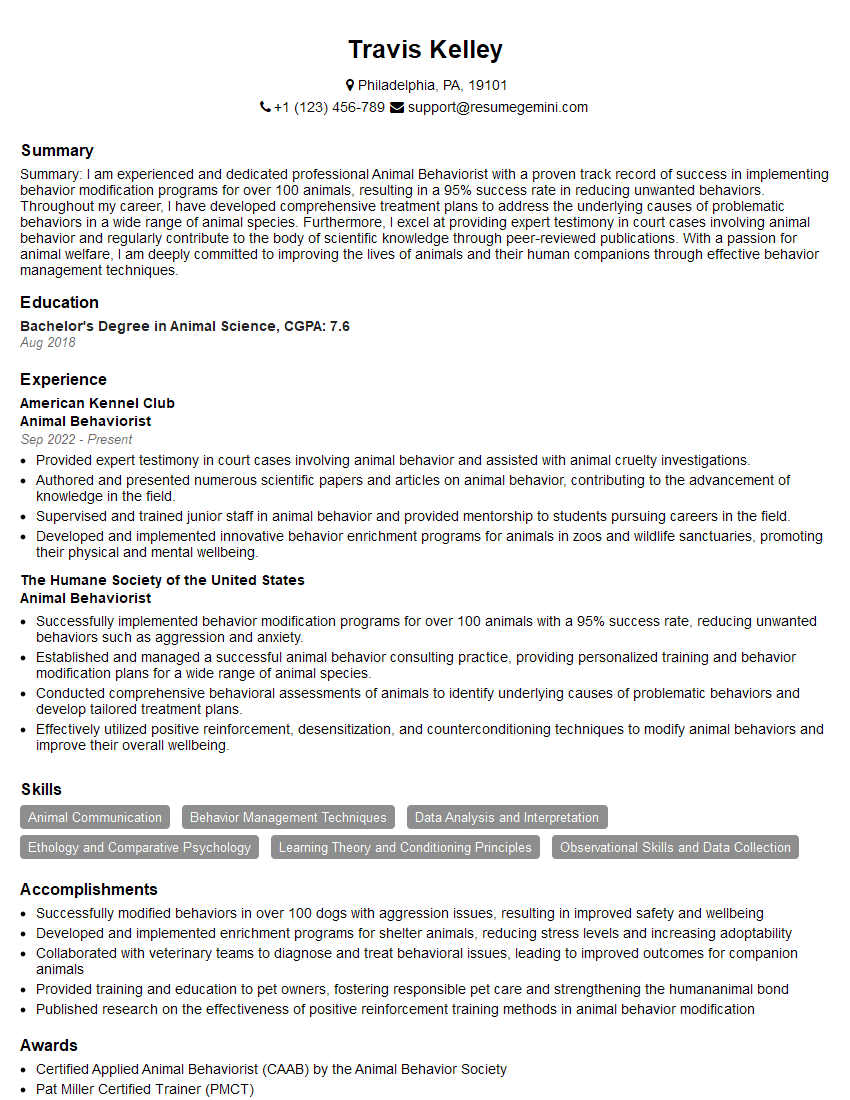
Animal Behaviorist Resume Sample
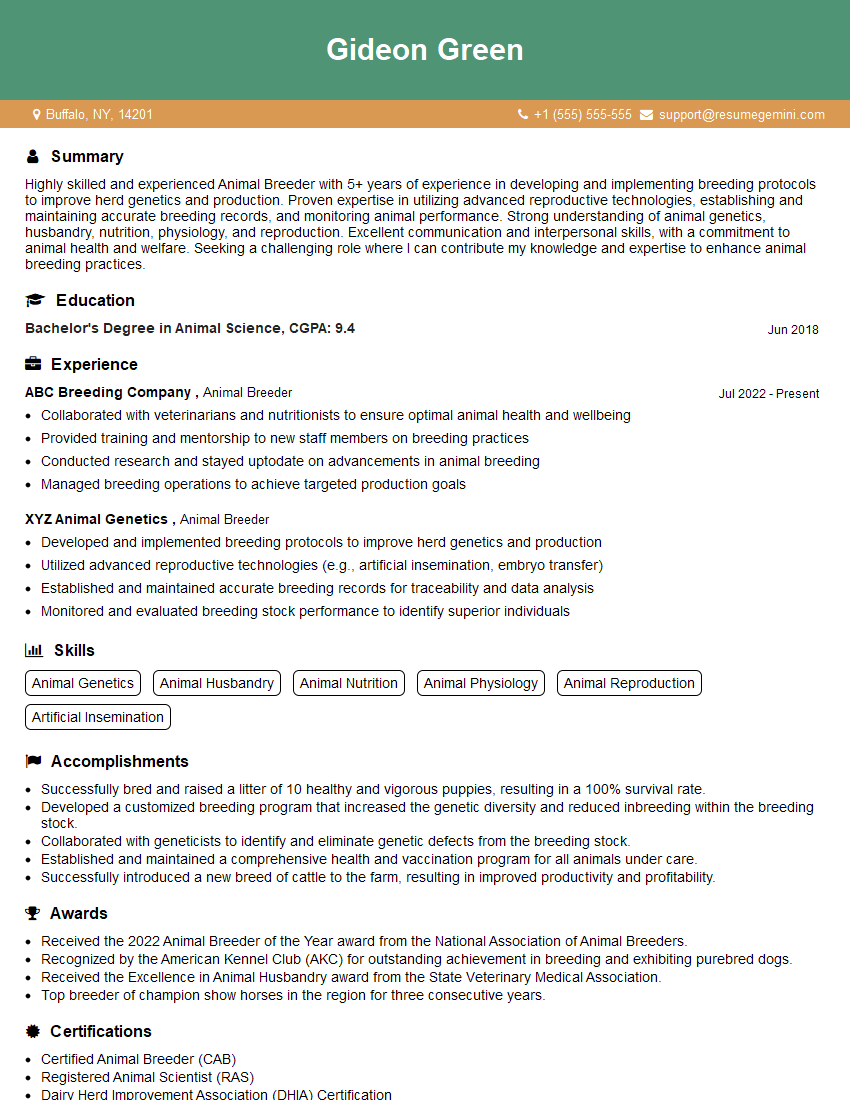
Animal Breeder Resume Sample
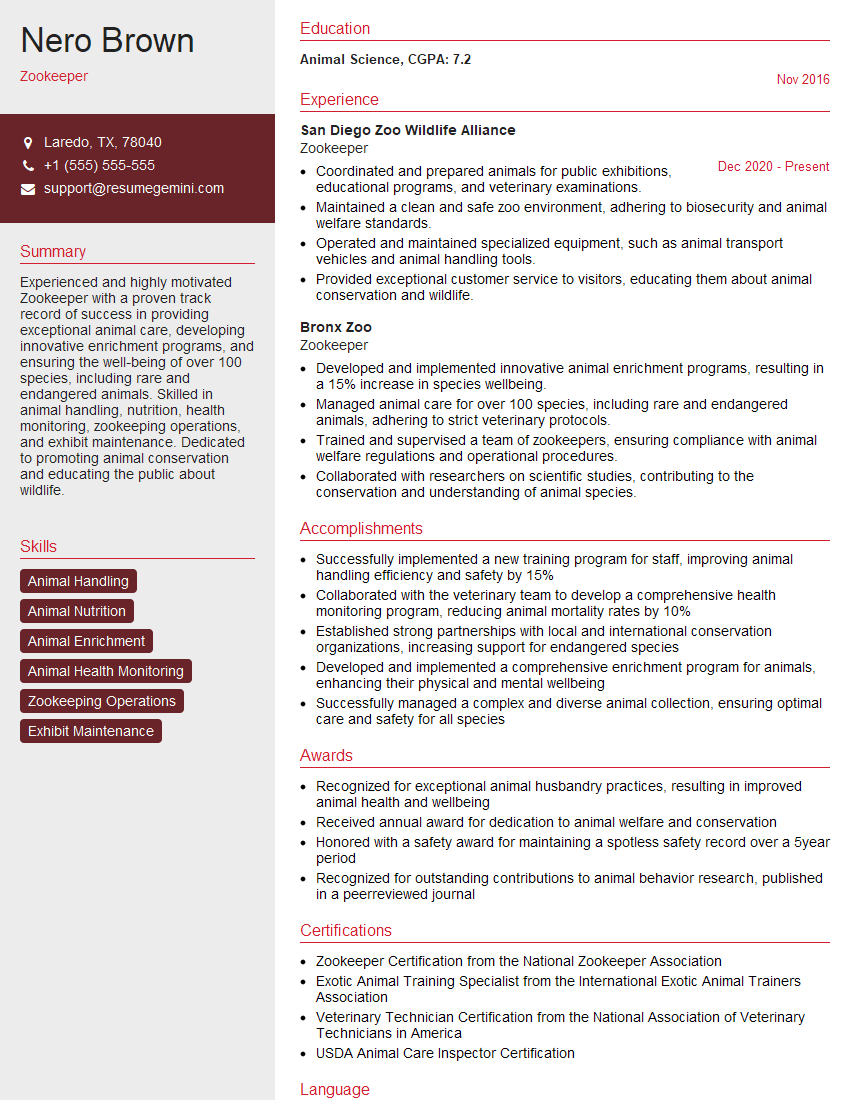
Zookeeper Resume Sample
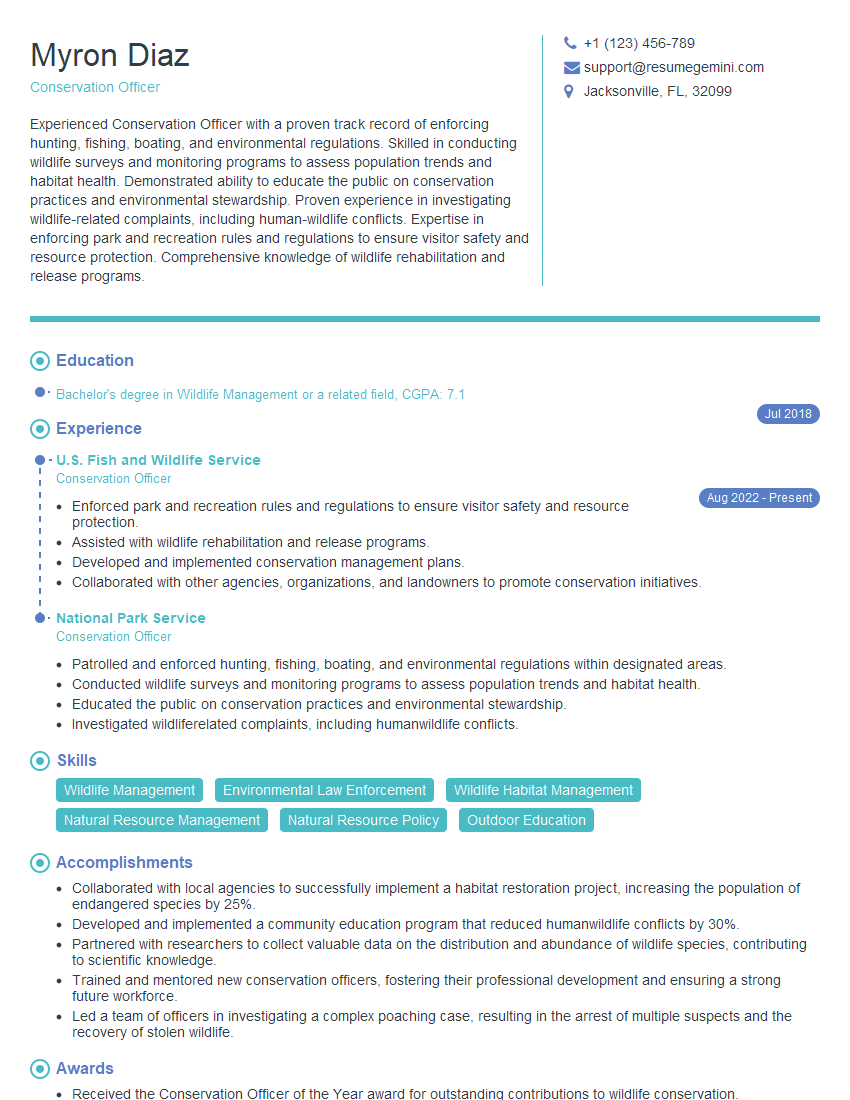
Conservation Officer Resume Sample

Veterinary Assistant Resume Sample
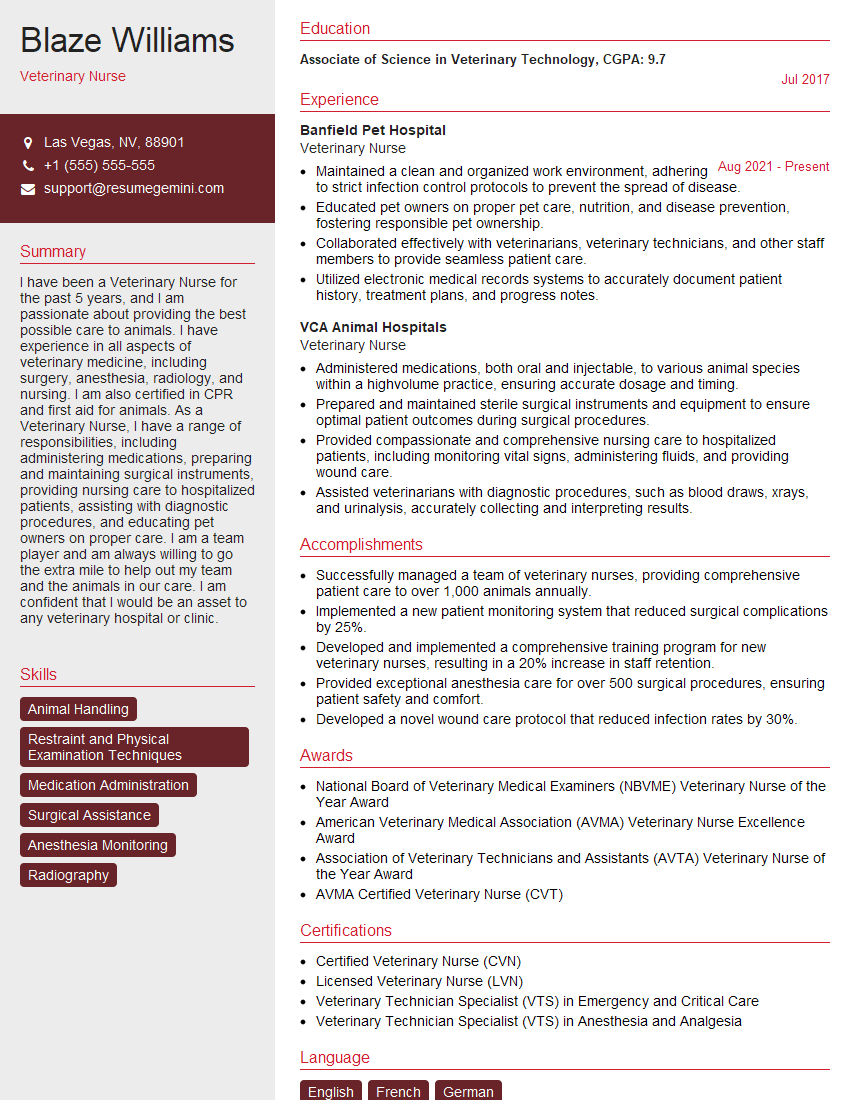
Veterinary Nurse Resume Sample
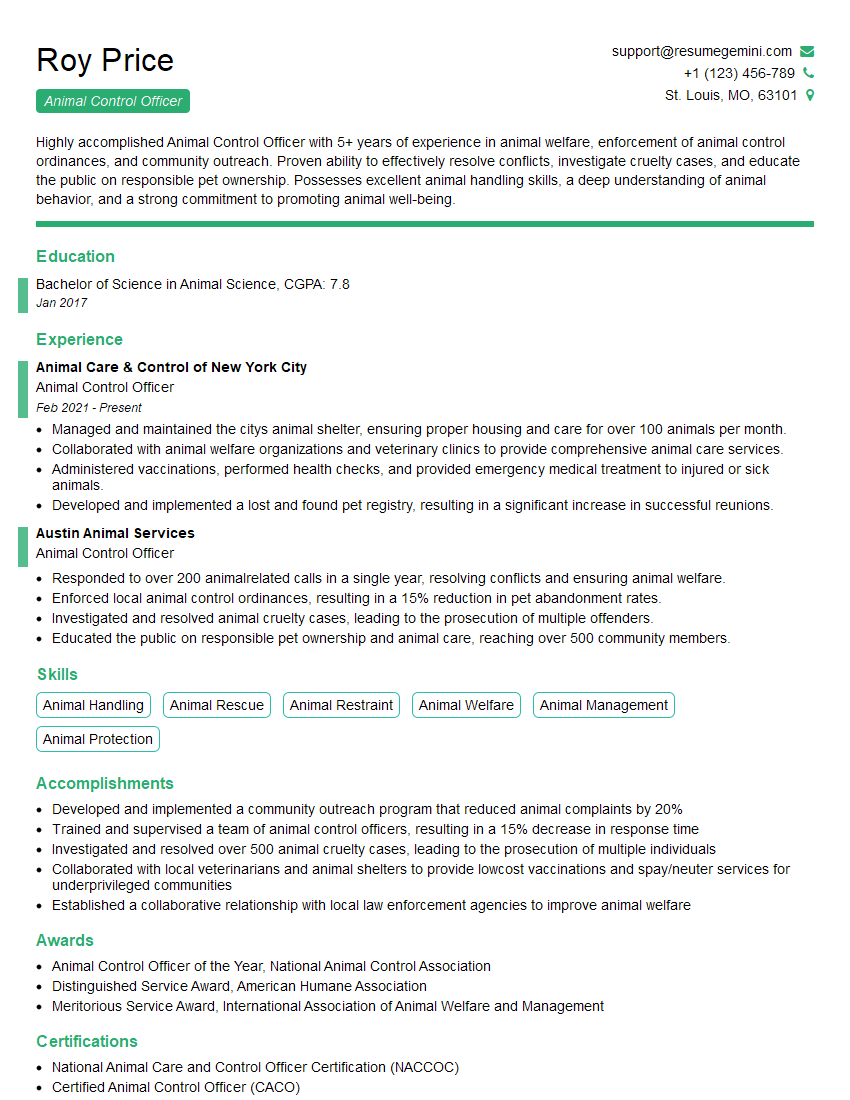
Animal Control Officer Resume Sample
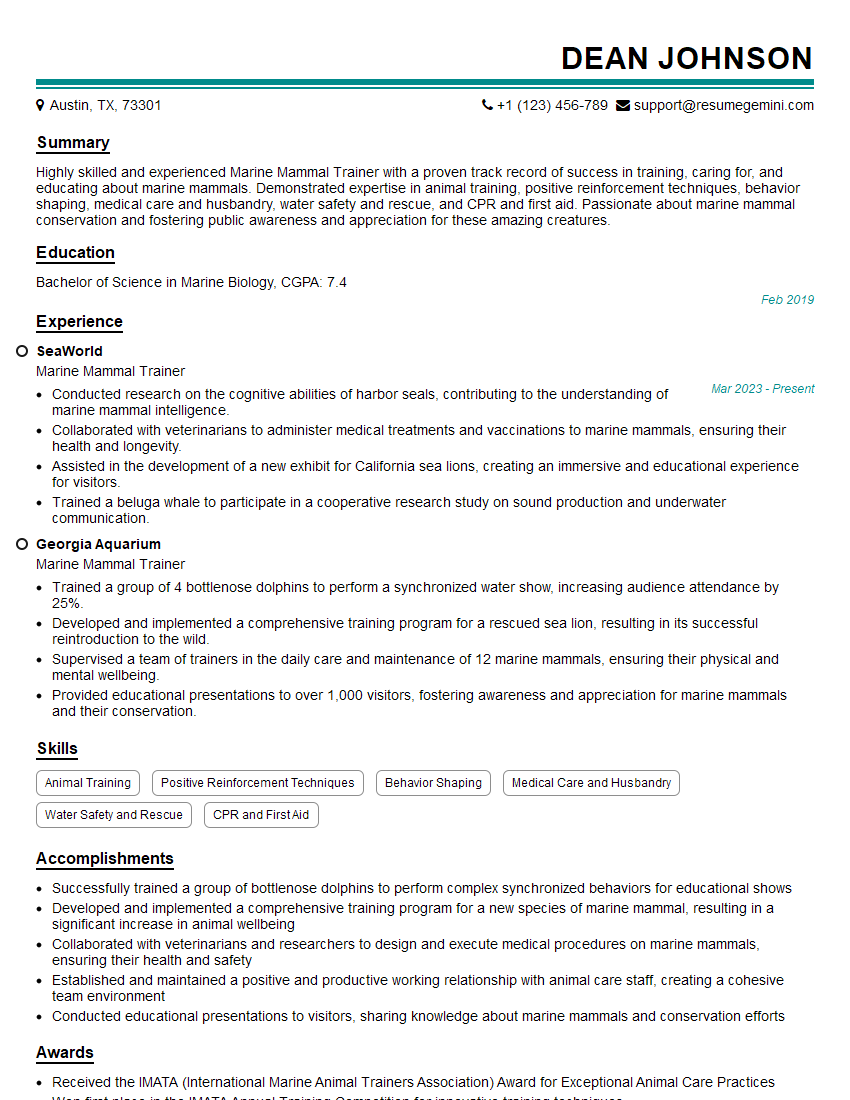
Marine Mammal Trainer Resume Sample

Kennel Technician Resume Sample
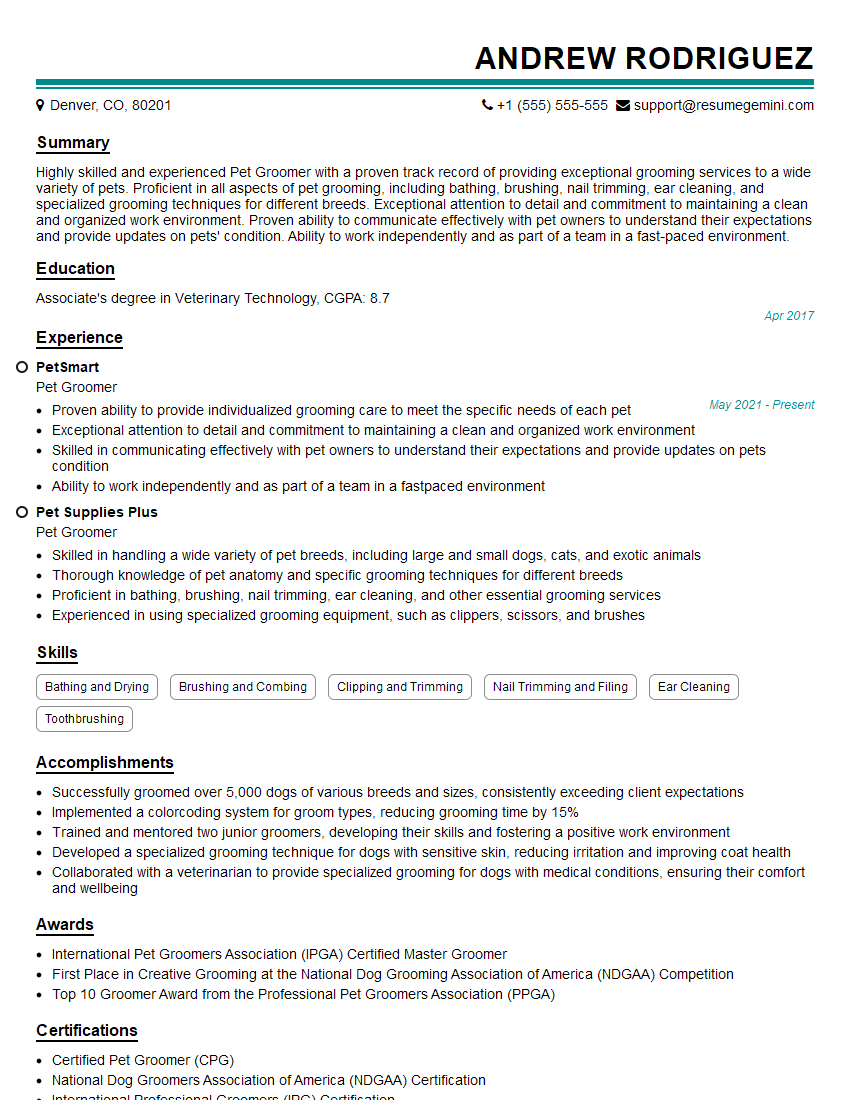
Pet Groomer Resume Sample
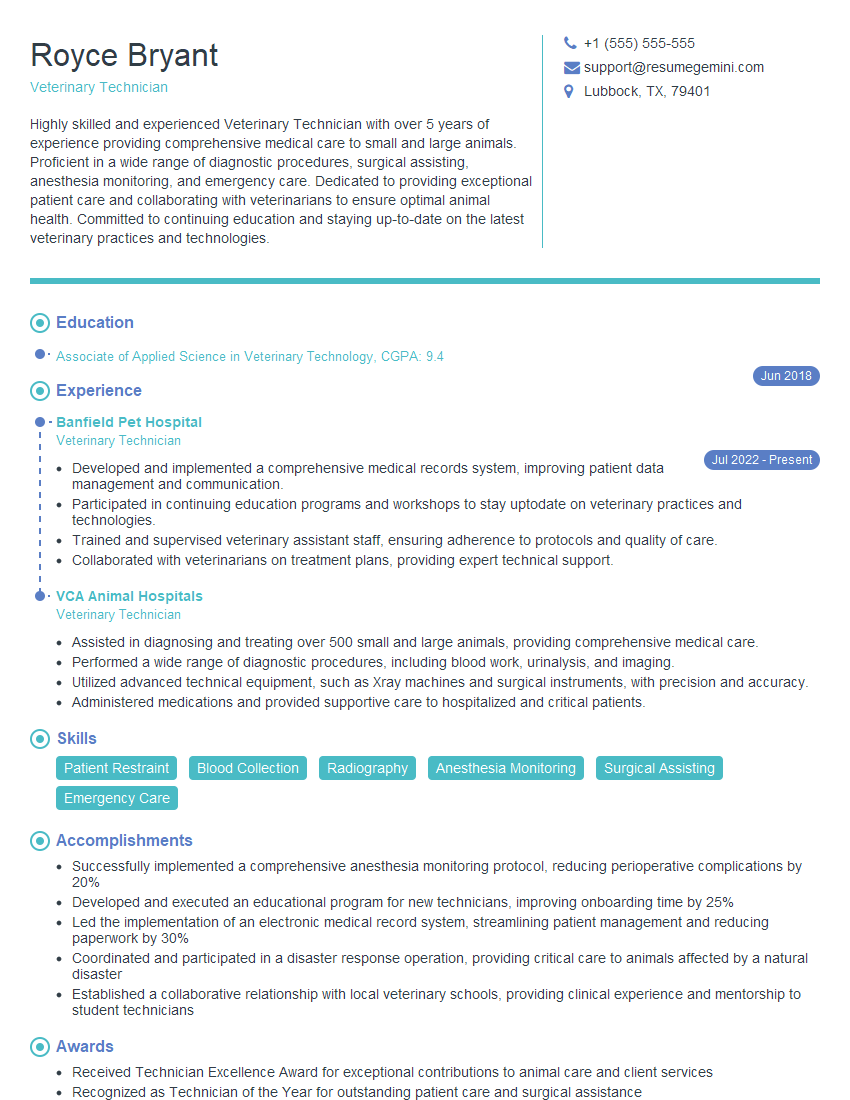
Veterinary Technician Resume Sample

Wildlife Rehabilitator Resume Sample
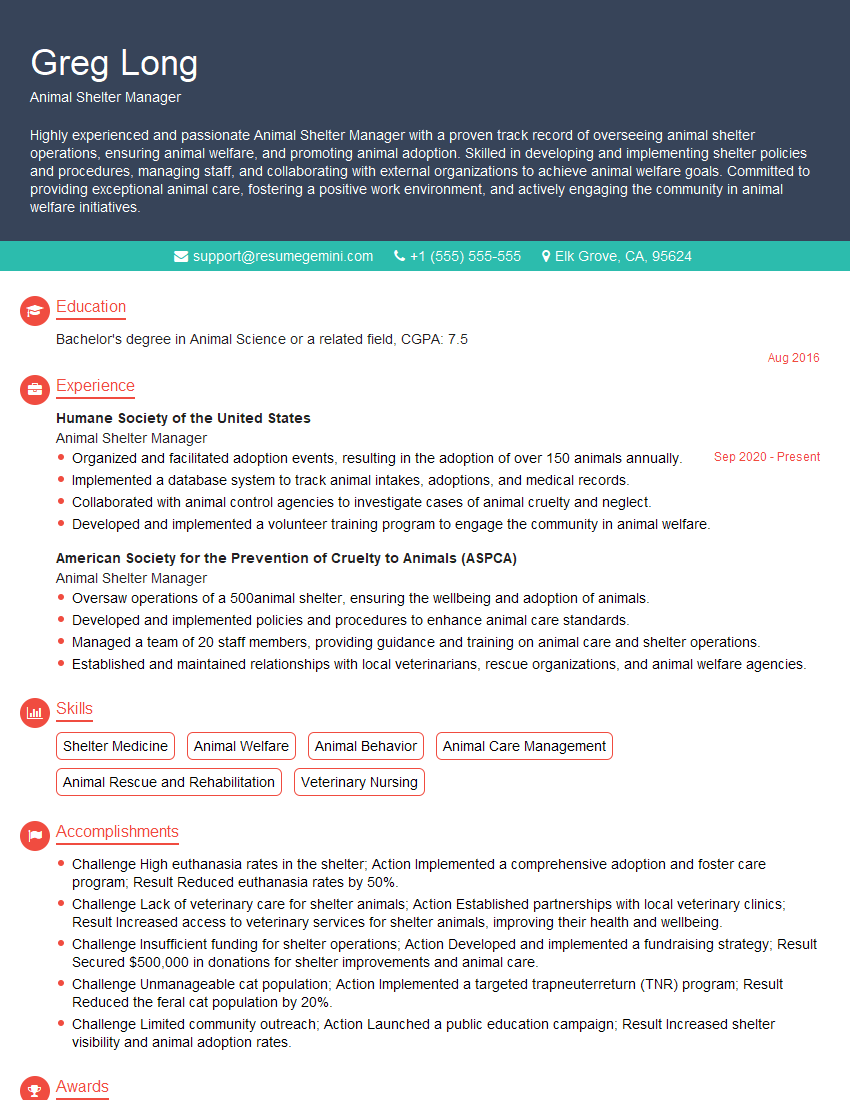
Animal Shelter Manager Resume Sample
Explore more articles
Users Rating of Our Blogs
Share Your Experience
We value your feedback! Please rate our content and share your thoughts (optional).
What Readers Say About Our Blog
Very informative content, great job.
good