Feeling uncertain about what to expect in your upcoming interview? We’ve got you covered! This blog highlights the most important Animal Law Enforcement interview questions and provides actionable advice to help you stand out as the ideal candidate. Let’s pave the way for your success.
Questions Asked in Animal Law Enforcement Interview
Q 1. Describe the legal definition of animal cruelty in your jurisdiction.
The legal definition of animal cruelty varies slightly across jurisdictions, but generally, it encompasses the intentional infliction of harm or suffering on an animal, or the willful neglect that leads to such harm. This includes acts of commission (actively causing harm) and acts of omission (failing to provide necessary care). For example, in my jurisdiction, animal cruelty is defined as any act, omission, or neglect that causes unnecessary pain, suffering, or death to an animal. This encompasses physical abuse (such as beating, burning, or mutilation), psychological abuse (such as prolonged confinement or deprivation of necessities), and neglect (such as starvation, dehydration, or lack of veterinary care). Specific statutes often define categories of cruelty, such as torture, aggravated cruelty, and animal fighting, each with varying degrees of penalties.
The key element is the unnecessary nature of the suffering or harm. Providing a humane euthanasia, for instance, would not typically be considered animal cruelty, while unnecessarily prolonging an animal’s suffering would be.
Q 2. What are the common signs of animal neglect?
Recognizing animal neglect requires careful observation and understanding of animal welfare needs. Common signs include:
- Emaciation or significant weight loss: The animal appears severely underweight with visible ribs, hip bones, and spine.
- Dehydration: Sunken eyes, dry gums, and lethargy indicate a lack of water.
- Lack of proper shelter or protection from the elements: Exposure to extreme temperatures without adequate shelter is a major red flag.
- Unsanitary living conditions: Overcrowding, accumulation of feces and urine, and lack of clean water and food contribute to disease and suffering.
- Untreated injuries or illnesses: Obvious wounds, infections, or other health problems without veterinary attention.
- Behavioral changes: Lethargy, aggression, or unusual fearfulness can indicate underlying neglect or abuse.
It’s crucial to remember that the absence of one sign doesn’t necessarily mean neglect isn’t occurring. A combination of factors should be considered. For example, a dog might be underweight but also have access to food, suggesting a medical condition rather than neglect. However, lack of veterinary attention in this situation would be neglect.
Q 3. Explain the procedures for seizing animals in suspected cruelty cases.
Seizing animals suspected to be victims of cruelty is a serious step, requiring adherence to specific legal procedures. Typically, this involves obtaining a warrant based on probable cause, which requires sufficient evidence to suggest a crime has been committed. However, in emergency situations where immediate action is necessary to prevent imminent harm or death to the animal, a warrantless seizure may be permissible under the ‘exigent circumstances’ doctrine. This requires a detailed justification that is presented to a court afterward.
The procedure usually involves:
- Assessment of the situation: Evaluating the animal’s condition and the circumstances surrounding the suspected cruelty.
- Documentation: Thoroughly documenting all observations, including photographs, videos, and written descriptions of the animal’s condition and the surrounding environment.
- Warrant application (if necessary): Preparing a detailed affidavit outlining the probable cause for the warrant, including evidence of cruelty and the potential for further harm if the animals are not seized immediately.
- Seizure: Executing the warrant or undertaking a warrantless seizure (with appropriate justification) and carefully removing the animals to a safe location.
- Temporary custody: The animals are typically placed in a temporary shelter or a foster home until court proceedings are completed.
- Court proceedings: The case proceeds through the courts, and the owner may have the opportunity to reclaim the animals if the charges are dropped or the owner complies with mandated conditions. If found guilty, animals may be surrendered to an animal shelter.
The goal is to minimize stress and trauma to the animals during the seizure process and ensure their safety while legal proceedings unfold. All actions must be legally sound and documented rigorously.
Q 4. How do you gather and preserve evidence in animal cruelty investigations?
Gathering and preserving evidence is paramount in animal cruelty investigations. The goal is to create a comprehensive and admissible record that supports the prosecution’s case. This includes:
- Photographs and videos: Capturing detailed images and videos of the animal’s condition, injuries, living environment, and any evidence of abuse or neglect. Time and date stamps are crucial.
- Veterinary records: Obtaining veterinary reports that document the animal’s injuries, medical history, and the extent of its suffering. This evidence helps establish the nature and severity of the cruelty.
- Witness statements: Collecting sworn statements from any witnesses who observed the cruelty or can provide relevant information.
- Physical evidence: Collecting and preserving any physical evidence, such as weapons used in the abuse, or contaminated food or water.
- Chain of custody: Maintaining a strict chain of custody for all collected evidence, documenting who handled the evidence at each stage and ensuring its integrity.
Proper preservation techniques are critical, following established protocols to avoid contamination or degradation of the evidence. For example, biological samples need appropriate storage and handling to prevent spoilage. Each piece of evidence should be meticulously labeled and documented.
Q 5. What are the legal requirements for obtaining search warrants in animal cruelty cases?
Obtaining a search warrant in animal cruelty cases requires demonstrating probable cause to a judge. This means providing sufficient evidence to convince the judge that a crime has been committed and that evidence related to the crime is likely to be found at a specific location. The evidence presented must meet a certain threshold of reliability and credibility.
Generally, the affidavit supporting the warrant application must include:
- Specific details about the suspected cruelty: A clear and concise description of the alleged acts of cruelty, including dates, times, and locations.
- Evidence supporting the allegations: Supporting evidence like witness statements, photographs, videos, or veterinary reports that corroborate the claims.
- A description of the location to be searched: The exact address or location where evidence is believed to be located.
- A description of the items to be seized: A specific list of items to be seized, such as animals, weapons, or documents relevant to the case.
The judge will review the affidavit and determine if probable cause exists. The specificity and persuasiveness of the affidavit are crucial in obtaining the warrant. Providing incomplete or vague information can lead to the warrant application being denied.
Q 6. Describe your experience handling aggressive or dangerous animals.
Handling aggressive or dangerous animals requires specialized training and expertise. Safety is paramount both for the animal and the personnel involved. My approach emphasizes using non-confrontational techniques and employing appropriate safety measures. This often involves consulting with experienced animal handlers or specialists, utilizing specialized equipment such as catch poles and protective gear, and carefully assessing the animal’s behavior and body language before interacting.
In some cases, tranquilization might be necessary, but this requires veterinary consultation and careful consideration of potential risks to the animal’s health. The ultimate goal is to secure the animal safely without causing unnecessary stress or harm while collecting essential evidence. For instance, I once had to deal with a severely neglected pit bull exhibiting extreme aggression. We had to employ a veterinarian to tranquilize the animal before safely removing it from its extremely unsanitary enclosure. The entire process was carefully documented with video and photographs, and the veterinarian’s report was an integral part of the evidence.
Q 7. How do you prioritize cases involving multiple animals or varying levels of severity?
Prioritizing cases involving multiple animals or varying levels of severity requires a systematic approach. My strategy prioritizes cases based on the immediacy and severity of the threat to the animals’ lives. Animals facing imminent death or suffering will always take precedence. I use a triage system, similar to emergency medical services, assigning cases to different urgency levels.
The factors considered include:
- Imminence of harm: Cases where animals are in immediate danger of death or serious injury are given top priority.
- Severity of suffering: The extent of the animals’ injuries, malnutrition, or neglect influences the priority.
- Number of animals involved: Cases with a larger number of animals in distress are often given higher priority to avoid further suffering.
- Resources available: Practical considerations like staff availability, shelter space, and other resources also influence prioritization.
Maintaining clear documentation of each case and its assigned priority helps ensure transparency and accountability in resource allocation. Regular case reviews and reassessments are vital to ensure the most urgent cases are addressed promptly, and that the welfare of all animals is protected.
Q 8. Explain your understanding of the legal rights of animal owners.
Animal owners’ legal rights vary depending on jurisdiction, but generally encompass the right to own, possess, and care for their animals responsibly. This includes the right to reasonable protection from unwarranted seizure or interference with their property. However, these rights are not absolute and are subject to various limitations, including animal cruelty laws, public safety concerns, and zoning ordinances. For example, an owner has the right to keep a dog, but not if it’s consistently neglected or poses a danger to the public. Similarly, ordinances may restrict the number or type of animals allowed on a property. Owners also have the right to due process if facing accusations of animal neglect or abuse, ensuring a fair hearing before any action is taken against them or their animal.
Failing to provide adequate care, such as food, water, and veterinary attention, can lead to legal consequences. Conversely, law enforcement must adhere to legal procedures when seizing an animal, ensuring that the process is justified and legally sound. This often involves obtaining a warrant based on probable cause, demonstrating that the animal is in danger or the owner is violating relevant laws.
Q 9. How do you handle situations involving conflicting witness accounts?
Conflicting witness accounts are a common challenge in animal law enforcement. My approach is methodical and focuses on corroborating evidence. First, I carefully document each witness statement, noting any inconsistencies or discrepancies. I then cross-reference the accounts with physical evidence – such as veterinary reports, photographs, or the animal’s condition itself. Next, I investigate the credibility of each witness, considering their relationship to the case, any potential biases, and their overall demeanor during the interview. Finally, I might employ independent verification – perhaps through additional witnesses or expert opinions. For instance, if witnesses disagree on the severity of an injury, veterinary records would provide objective evidence. The goal is to build a comprehensive picture, acknowledging the limitations of each account while seeking verifiable facts to establish the truth.
Q 10. Describe your experience with testifying in court.
Testifying in court is a critical part of my job. I’ve testified numerous times in both civil and criminal cases involving animal cruelty, poaching, and wildlife trafficking. My preparation is key. Before each testimony, I meticulously review all case files, including police reports, witness statements, and evidence collected. I practice my testimony to ensure clarity and conciseness, focusing on presenting objective facts and avoiding emotional language. On the stand, I maintain a calm and professional demeanor, answering questions directly and honestly, while always acknowledging the limits of my knowledge when necessary. For example, I might state that ‘while I observed X, I am not a veterinarian and can’t definitively state Y.’ My aim is to provide the court with credible and unbiased information that helps them reach a just verdict. The credibility of the testimony is crucial for securing convictions and ensuring the protection of animals.
Q 11. What are the common challenges in wildlife enforcement?
Wildlife enforcement faces unique challenges. Vast and often remote areas make surveillance difficult and costly. Poachers are often skilled and resourceful, employing advanced techniques to avoid detection. Lack of funding and staffing can limit enforcement capacity. Moreover, the complex web of interstate and international trafficking networks complicates investigations. Wildlife crime often transcends jurisdictional boundaries, requiring collaboration between different agencies and countries. The varied nature of wildlife crimes – from poaching and illegal trade to habitat destruction – also adds complexity. For example, investigating illegal logging impacting a specific endangered species habitat requires specialized knowledge and coordination with forestry and environmental agencies. Ultimately, effective wildlife enforcement requires strong inter-agency cooperation, advanced technology, and sufficient resources to tackle these multifaceted issues.
Q 12. How do you identify and respond to poaching activities?
Identifying and responding to poaching requires a multi-pronged approach. This starts with proactive surveillance, often using techniques like trail camera monitoring and aerial patrols. Analysis of wildlife crime trends helps identify hotspots and predict future poaching activities. Information from informants and the public is crucial; community engagement and establishing trust are essential for effective reporting. When a poaching incident is detected, we secure the scene to preserve evidence – ensuring that no evidence is disturbed before proper documentation. This includes collecting potential evidence such as weapons, poaching tools, and any carcasses found, all carefully documented and photographed. Investigative techniques may include tracking poachers through their vehicles, identifying their methods of transport, and tracking the sale of poached goods. This often requires collaboration with other law enforcement agencies and specialized forensic experts.
Q 13. Explain your familiarity with relevant state and federal wildlife laws.
My familiarity with state and federal wildlife laws is extensive. I have a thorough understanding of the Endangered Species Act (ESA), the Lacey Act, and the Migratory Bird Treaty Act, along with relevant state regulations. I regularly consult these statutes and case law to ensure my actions align with legal standards. Understanding the nuances of each law is critical, as penalties can vary greatly depending on the species involved, the method employed, and other factors. For example, the penalties for poaching an endangered species are far more severe than those for hunting a non-endangered game animal out of season. Staying updated on legal changes and case precedents is crucial, as both federal and state laws are continually evolving to better protect wildlife. I rely heavily on professional development courses, legal databases, and ongoing training to maintain this expertise. My work often involves interpreting these regulations to determine if actions constitute a violation and subsequently build a case for prosecution.
Q 14. Describe your experience with wildlife rehabilitation protocols.
My experience with wildlife rehabilitation protocols is focused primarily on assisting licensed rehabilitation facilities. I do not personally rehabilitate animals, as that requires specialized training and permits. However, my role frequently involves coordinating with wildlife rehabilitators, ensuring animals seized through enforcement action receive appropriate care. This includes safe transport, provision of necessary medical attention, and ensuring compliance with relevant regulations. For instance, I’ve helped transport injured birds of prey to a licensed facility and coordinated the release of rehabilitated animals back into their natural habitat, following established protocols. It is critical to work closely with the rehabilitators to ensure proper documentation of the animal’s treatment, ensuring transparency and accountability. Understanding these protocols is vital to protect the animals and ensure they receive the best chance of recovery and successful reintegration into their natural environment. Ethical and legal considerations are paramount in all stages of this process.
Q 15. How do you manage interactions with the public, including angry or uncooperative individuals?
Managing interactions with the public, especially those who are angry or uncooperative, requires a calm and professional approach. It’s crucial to remember that their anger often stems from concern for their animals or misunderstanding of the situation. I always start by actively listening to their concerns, validating their emotions (even if I don’t agree with their actions), and speaking calmly and clearly. I use clear, concise language, avoiding jargon.
For example, if an owner is upset about a seizure of their animal, I’ll explain the legal basis for the action, highlighting the animal’s welfare concerns in a factual and empathetic manner. If they remain uncooperative, I’ll clearly state the legal consequences of obstructing an investigation or refusing compliance. In extreme cases where safety is compromised, I involve law enforcement colleagues to ensure a safe resolution. De-escalation techniques are crucial, remembering to maintain a safe personal distance and avoid escalating the situation with aggressive body language.
I also find that offering written information, such as pamphlets on animal welfare laws or relevant contact details for support services, can help diffuse the situation and promote understanding.
Career Expert Tips:
- Ace those interviews! Prepare effectively by reviewing the Top 50 Most Common Interview Questions on ResumeGemini.
- Navigate your job search with confidence! Explore a wide range of Career Tips on ResumeGemini. Learn about common challenges and recommendations to overcome them.
- Craft the perfect resume! Master the Art of Resume Writing with ResumeGemini’s guide. Showcase your unique qualifications and achievements effectively.
- Don’t miss out on holiday savings! Build your dream resume with ResumeGemini’s ATS optimized templates.
Q 16. Explain your approach to building rapport with animal owners.
Building rapport with animal owners is essential for successful investigations. It’s about fostering trust and understanding, even when dealing with difficult situations. I approach each interaction with empathy and respect, recognizing that most owners love their animals and may be genuinely concerned, even if their actions are negligent or unintentional.
I begin by introducing myself professionally and explaining the reason for my visit in a clear and non-judgmental manner. I actively listen to their perspective, asking open-ended questions to understand their circumstances and the animal’s history. I focus on shared goals – the well-being of the animal – to find common ground. For instance, if an animal is underweight, I’ll ask about the animal’s feeding habits rather than immediately accusing them of neglect. Body language is important; I maintain a calm, approachable demeanor and avoid any actions that might be perceived as threatening.
Offering practical advice and resources, such as information on proper animal care or veterinary services, often builds trust and strengthens the relationship. Documenting conversations accurately and respectfully is crucial, as well. This approach transforms potentially confrontational situations into collaborative efforts towards a positive outcome for the animal.
Q 17. How do you deal with emotionally challenging situations involving animal suffering?
Dealing with emotionally challenging situations involving animal suffering is a significant aspect of this work. Witnessing cruelty or neglect can be incredibly distressing. I address this by developing effective coping mechanisms, including self-care strategies like regular exercise, mindfulness techniques, and open communication with supportive colleagues or supervisors.
It is important to maintain a professional demeanor even in difficult situations. This doesn’t mean suppressing emotions, but rather channeling them into effective action. I focus on gathering evidence methodically and objectively, documenting the details precisely to ensure a successful prosecution. This helps transform the emotional distress into purposeful action. After a particularly challenging case, I may take a break or engage in debriefing with colleagues to process the emotional impact. Seeking support from a professional counselor or therapist is vital for maintaining mental well-being in this demanding role.
Remembering the importance of my role – to be a voice for those animals who cannot speak for themselves – helps me to remain focused and committed.
Q 18. Describe your experience with documenting and reporting findings in written reports.
Thorough and accurate documentation is critical in animal law enforcement. All findings must be meticulously documented in written reports, which serve as legal evidence. My reports include detailed descriptions of the animal’s condition, the environment, any evidence of neglect or abuse, and the actions taken. I use clear and concise language, avoiding jargon and ambiguity.
I utilize a standardized reporting format that includes sections for identifying information (case number, date, location), witness statements, photographic and video evidence (with detailed captions), and a detailed account of the investigation process and any actions taken, such as seizing an animal or issuing a citation. I always strive for objectivity, avoiding subjective opinions or interpretations. Accuracy is paramount, as these reports might be used in court proceedings. I regularly review my reports for clarity and completeness and always maintain proper chain of custody for any collected evidence.
I’m proficient in using various software for report generation, including word processing and database management programs, and ensure that all information is securely stored and backed up.
Q 19. How do you ensure the safety and well-being of both animals and yourself during investigations?
Ensuring the safety and well-being of both animals and myself is a top priority. When investigating potential animal cruelty cases, I follow established safety protocols. This includes assessing the situation before entering a property and, if necessary, requesting backup from law enforcement colleagues. I might need to utilize personal protective equipment (PPE) if dealing with aggressive animals or hazardous environments.
When handling animals, I am trained in safe animal handling techniques to minimize stress and prevent injuries to both the animal and myself. If an animal is injured or requires immediate medical attention, I arrange transportation to a veterinary clinic or other appropriate facility. I am trained in recognizing signs of aggression in animals and utilize appropriate de-escalation strategies. I always document any safety concerns or incidents in my reports.
For example, I might utilize tranquilizer darts in conjunction with veterinary professionals to safely apprehend a severely distressed or dangerous animal. This action would only be taken with proper authorization and safety measures in place.
Q 20. What software or technology are you proficient in using for animal law enforcement work?
Proficiency in various software and technology is essential for efficient animal law enforcement work. I am proficient in word processing software for report writing, spreadsheet software for data analysis (e.g., tracking caseloads, animal statistics), and database management systems for organizing evidence and case files. I am also skilled in using photographic and video recording equipment to document evidence accurately.
Furthermore, I utilize Geographic Information Systems (GIS) software to map locations of reported incidents, identify patterns of abuse, and prioritize investigations effectively. I am familiar with various evidence management systems for the secure storage and retrieval of digital evidence. I also use communication technologies, such as secure email and messaging apps, to facilitate collaboration and information sharing among colleagues and other relevant agencies. Knowledge of specialized animal welfare databases (if available in my jurisdiction) is beneficial for accessing relevant information.
Q 21. What are the ethical considerations in animal law enforcement?
Ethical considerations are paramount in animal law enforcement. We must always act with integrity, fairness, and impartiality. Objectivity is crucial, ensuring that decisions are based on evidence and not personal biases. We must adhere to all relevant laws and regulations, respecting the rights of all parties involved, even those who are accused of animal cruelty.
Maintaining confidentiality is essential, particularly when dealing with sensitive information concerning animal owners or witnesses. We must be mindful of the potential impact of our actions on the animals involved, prioritizing their welfare at all times. This includes making decisions that are in the best interests of the animals, even when those decisions may be difficult or unpopular. We must ensure that all actions align with the organization’s ethical guidelines and the principles of animal welfare. Regular review and ethical reflection help maintain high standards of professional conduct in this challenging field.
For example, the decision to euthanize an animal is never taken lightly and only undertaken when it’s the most humane course of action, following all ethical protocols and after consulting with veterinary professionals.
Q 22. Explain your understanding of the role of forensic evidence in animal cruelty cases.
Forensic evidence is crucial in animal cruelty investigations, providing objective proof to support allegations of abuse or neglect. It moves the case beyond anecdotal evidence and strengthens the prosecution’s ability to secure convictions. This evidence can take many forms, ranging from the readily observable to the more sophisticated.
Visible Injuries: Photographs and veterinary reports documenting wounds, burns, fractures, or malnutrition are prime examples. For instance, a pattern of injuries consistent with a specific weapon, like a whip, can directly link a suspect to the crime.
Trace Evidence: Hair, fibers, blood, or other biological materials found at the scene or on the animal can be analyzed to identify suspects or establish a chain of custody. For example, matching a suspect’s hair to hair found on an injured animal can be incredibly incriminating.
Environmental Evidence: Conditions of confinement, such as lack of food, water, or adequate shelter, serve as powerful evidence of neglect. Photographs depicting squalid living conditions, coupled with temperature data, can illustrate the severity of the neglect.
Veterinary Records: Pre- and post-seizure veterinary reports detailing the animal’s condition, injuries, and treatment are essential in establishing the extent and severity of the abuse or neglect. These provide crucial information on healing time and long-term effects of the cruelty.
Proper collection and preservation of forensic evidence are paramount. Chain of custody documentation meticulously tracks the evidence’s handling from collection to analysis and presentation in court, preventing any questions about its integrity.
Q 23. Describe your experience with various animal species and their specific care requirements.
My experience spans a wide range of animal species, from common domestic animals like dogs and cats to more specialized cases involving livestock, wildlife, and exotic pets. Understanding their specific care requirements is fundamental to assessing whether abuse or neglect has occurred.
Dogs and Cats: I’m proficient in recognizing signs of neglect like malnutrition, dehydration, untreated injuries, and unsanitary living conditions. I also understand the nuances of breed-specific needs.
Livestock: My experience includes evaluating the welfare of cattle, horses, pigs, and poultry, considering factors like appropriate housing, nutrition, and veterinary care. I understand the legal and ethical considerations regarding livestock practices.
Wildlife: Working with wildlife cases requires specialized knowledge. This involves understanding their natural behaviors, habitat requirements, and potential injuries from human interaction, illegal poaching, or habitat destruction. My experience includes working with rehabilitators to ensure proper care for seized wildlife.
Exotic Pets: These often require specialized husbandry and care, which can be challenging to assess without prior experience. This knowledge is essential in determining appropriate care standards and potential animal cruelty.
This diverse experience allows me to effectively investigate a variety of cases and appropriately assess the severity of animal cruelty based on species-specific needs.
Q 24. How do you stay updated on changes in animal welfare legislation and best practices?
Staying current in animal welfare legislation and best practices is crucial. I utilize several methods to maintain my knowledge base:
Professional Organizations: I’m an active member of the [Name of relevant professional organization(s)], attending conferences and webinars to stay abreast of the latest advancements in animal welfare and law enforcement techniques.
Legal Databases: I regularly consult legal databases such as [Name of relevant legal databases] to track changes in relevant laws and case law.
Government Agencies: I maintain contact with federal, state, and local agencies involved in animal welfare to receive updates on policy changes and emerging trends.
Scholarly Journals and Publications: I regularly review scholarly journals and publications focusing on animal welfare, veterinary medicine, and forensic science to stay updated on research and best practices.
Continuing Education: I actively participate in continuing education courses and workshops focused on animal cruelty investigation techniques and animal welfare law.
By combining these methods, I ensure my knowledge remains current and applicable to my daily work.
Q 25. How do you collaborate effectively with other agencies involved in animal welfare?
Effective collaboration is essential in animal welfare enforcement. I work closely with a range of agencies including:
Animal Shelters and Rescuers: These organizations often are the first responders to animal cruelty cases and provide crucial temporary care for seized animals. Open communication and coordination ensure efficient handling and seamless transfer of animals.
Veterinary Professionals: Veterinarians provide critical medical care, conduct forensic examinations, and testify in court. Building strong relationships with veterinarians is crucial for obtaining timely and accurate information.
Law Enforcement Agencies: Collaboration with local police departments, sheriff’s offices, and other law enforcement agencies is vital for investigations requiring search warrants, arrests, and evidence collection.
District Attorneys’ Offices: Prosecutors play a critical role in the successful prosecution of animal cruelty cases. Clear and concise communication is crucial to presenting strong cases in court.
Social Services Agencies: In some cases, animal cruelty is intertwined with other forms of abuse or neglect, necessitating collaboration with social services to ensure the safety and wellbeing of both the animals and humans involved.
I believe in open communication, clear roles, and mutual respect to create effective partnerships, ensuring the best possible outcome for animals involved in cruelty cases.
Q 26. What are your strengths and weaknesses in terms of animal law enforcement work?
Strengths: My strengths lie in my thorough investigative skills, ability to gather and analyze evidence effectively, my calm demeanor under pressure, and my deep empathy for animals, which allows me to approach cases objectively while prioritizing animal welfare.
Weaknesses: Like any investigator, I can sometimes be emotionally affected by the horrific nature of animal cruelty cases. I mitigate this through effective self-care strategies and debriefing with colleagues. Additionally, I am always striving to expand my knowledge of emerging trends and techniques in the field.
Q 27. Describe a time you had to make a difficult decision involving animal welfare.
I once faced a difficult decision involving a severely neglected horse. The owner was financially unable to provide adequate care, but genuinely loved the animal. Euthanasia was medically recommended due to the severity of the horse’s condition, but the owner was devastated at the prospect.
I had to weigh the ethical dilemma of ending the horse’s suffering against the owner’s emotional distress. I collaborated with the veterinarian, the owner, and animal welfare organizations to reach a solution. We established a care plan involving community support to help improve the horse’s condition. Ultimately, while this was not feasible, the collaborative approach helped the owner understand the gravity of the situation and eventually agree to humane euthanasia. Although difficult, this collaborative approach allowed us to make a decision that prioritized the animal’s welfare while acknowledging the emotional impact on the owner. It underscored the importance of compassion and collaboration in addressing complex animal welfare issues.
Q 28. Describe your experience with community outreach programs related to animal welfare.
Community outreach is a vital part of animal welfare enforcement. It’s not just about responding to cases, but preventing them. I’ve participated in and led several community initiatives:
Educational Workshops: I’ve conducted workshops for schools, community groups, and animal shelters, teaching responsible pet ownership, animal cruelty recognition, and reporting procedures.
Public Awareness Campaigns: I’ve contributed to public awareness campaigns emphasizing the importance of reporting suspected animal cruelty, educating the community about animal welfare laws, and promoting responsible pet ownership.
Community Partnerships: I’ve built relationships with local organizations to facilitate the sharing of resources and information, fostering a more collaborative approach to animal welfare. This allows for stronger interventions and more effective responses to animal cruelty cases within the community.
These programs increase public awareness, promote responsible pet ownership, and empower community members to report animal cruelty, leading to a significant reduction in the number of cases and improved overall animal welfare within the community.
Key Topics to Learn for Your Animal Law Enforcement Interview
- Animal Welfare Laws and Regulations: Understanding federal, state, and local laws concerning animal cruelty, neglect, and protection. This includes knowing the specific statutes and their practical application in different scenarios.
- Investigation Techniques: Mastering the skills to effectively investigate reports of animal abuse, including evidence collection, witness interviews, and report writing. Practical experience or case studies will be beneficial here.
- Animal Handling and Care: Demonstrating knowledge of safe and humane animal handling techniques, recognizing signs of distress or illness, and understanding the specific needs of various animal species. This includes experience working with animals in a professional setting.
- Court Procedures and Testimony: Understanding the legal processes involved in prosecuting animal cruelty cases, preparing for court appearances, and providing clear and compelling testimony. This includes preparing for cross-examination and understanding legal terminology.
- Ethics and Professional Conduct: Demonstrating a strong commitment to ethical conduct and professionalism, including maintaining objectivity, respecting due process, and adhering to departmental policies. This will be assessed through behavioral questions.
- Emergency Response and First Aid: Understanding how to respond to emergencies involving animals, including providing basic first aid and assessing the severity of injuries. This can include scenarios ranging from minor injuries to severe trauma.
- Community Outreach and Education: Knowledge of effective strategies for educating the public about animal welfare laws and promoting responsible pet ownership. This might cover educational programs, outreach activities, and community partnerships.
Next Steps
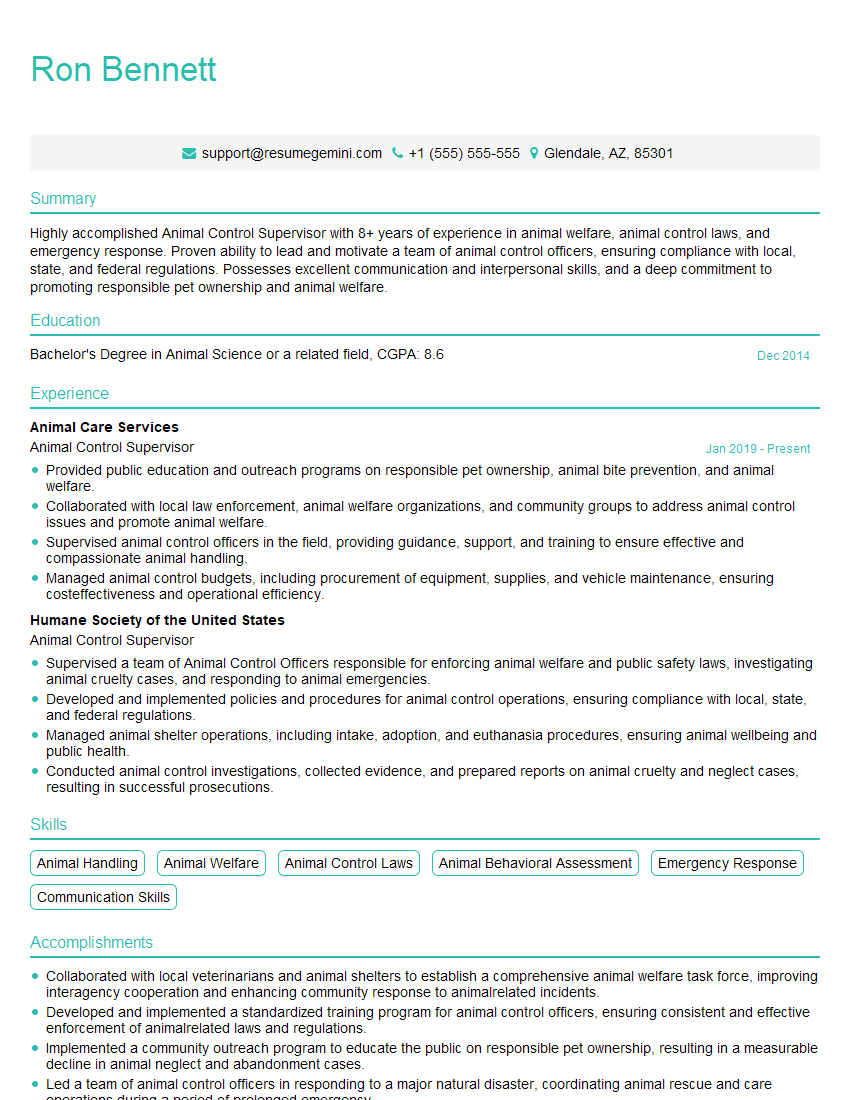
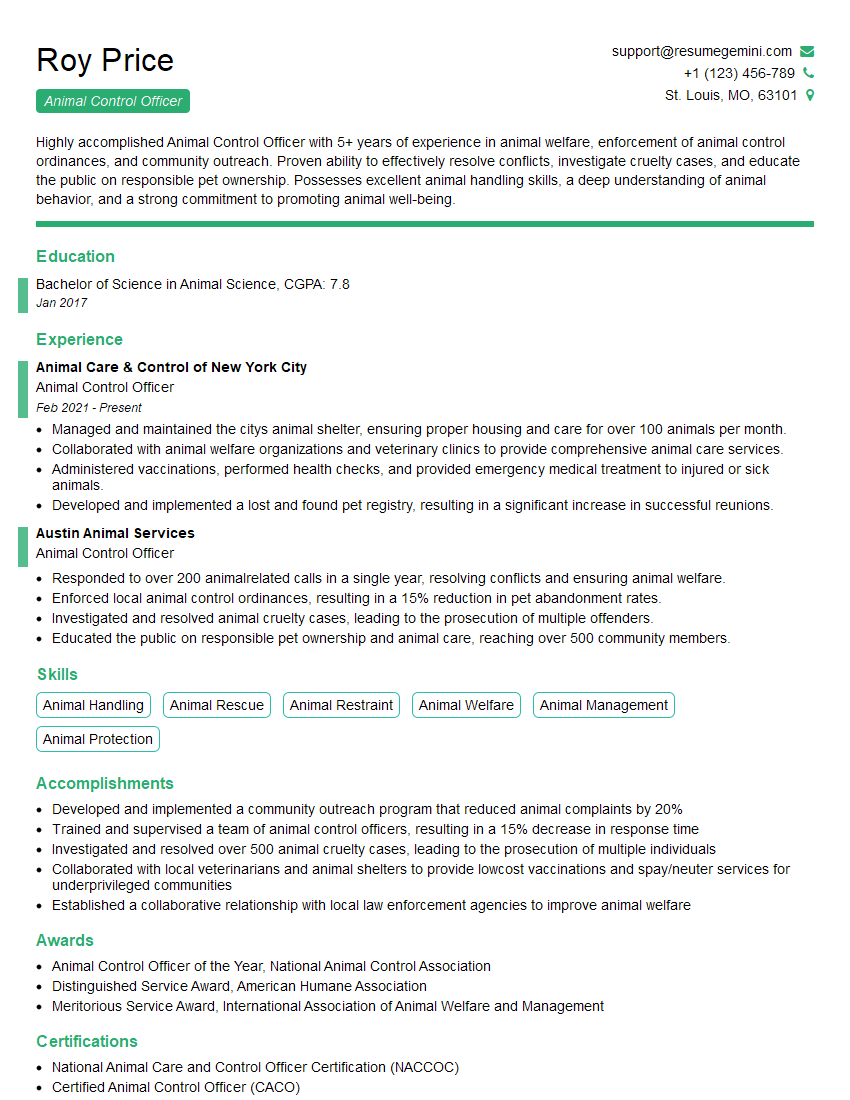
A career in Animal Law Enforcement offers immense rewards, allowing you to make a tangible difference in the lives of animals and contribute to a more just and compassionate society. To maximize your chances of securing your dream role, creating a strong, ATS-friendly resume is crucial. This ensures your application is effectively screened by Applicant Tracking Systems and highlights your qualifications to human recruiters. We highly recommend using ResumeGemini to build a professional and impactful resume tailored to this specific field. ResumeGemini provides examples of resumes specifically designed for Animal Law Enforcement positions, guiding you through the process and maximizing your application’s potential.
Explore more articles
Users Rating of Our Blogs
Share Your Experience
We value your feedback! Please rate our content and share your thoughts (optional).
What Readers Say About Our Blog
Very informative content, great job.
good