Feeling uncertain about what to expect in your upcoming interview? We’ve got you covered! This blog highlights the most important Animal Population Management interview questions and provides actionable advice to help you stand out as the ideal candidate. Let’s pave the way for your success.
Questions Asked in Animal Population Management Interview
Q 1. Describe the different methods used to estimate animal population size.
Estimating animal population size is crucial for effective wildlife management. We can’t simply count every individual, so we rely on various methods, each with its strengths and weaknesses. These methods broadly fall into two categories: complete counts and sampling methods.
Complete counts are only feasible for small, easily observable populations, like captive animals or small, localized populations. Think of counting penguins on a small island.
- Complete counts: Directly counting all individuals in a defined area. This is rare for wildlife due to their mobility and often hidden nature.
Sampling methods are much more common. They involve counting individuals in a smaller area (a sample) and extrapolating that to the larger population.
- Mark-recapture: Animals are captured, marked (e.g., tagged), released, and then a second sample is captured. The proportion of marked individuals in the second sample allows us to estimate the total population size. This is effective for mobile animals. For example, imagine tagging a set of butterflies, releasing them, and then capturing a second sample to see how many tagged butterflies you find.
- Distance sampling: Observers record the distance to sighted animals along a transect line. This data is then used to model the probability of detection, leading to a population estimate. This is often used for animals that are relatively easy to spot, like birds.
- Quadrat sampling: The area of interest is divided into smaller quadrats (squares), and the number of animals in a random sample of quadrats is counted. The average density per quadrat is then used to estimate the population size. This works well for sessile organisms or those living in high density.
- Index methods: These methods don’t directly estimate population size but provide an index of relative abundance. For example, counting nests, tracks, or scat can indicate changes in population size, even if the exact number remains unknown.
Choosing the right method depends heavily on the species, habitat, and available resources.
Q 2. Explain the concept of carrying capacity and its influence on population dynamics.
Carrying capacity represents the maximum population size of a given species that an environment can sustain indefinitely, given the food, habitat, water, and other resources available. It’s a dynamic concept, not a fixed number, as environmental conditions can change over time. Imagine a pond with a limited amount of algae; only a certain number of fish can survive based on this resource.
Influence on population dynamics: Carrying capacity acts as a natural governor on population growth. When a population is below carrying capacity, resources are abundant, and the population grows rapidly. As it approaches carrying capacity, resource competition intensifies, leading to slowed growth, increased mortality, and possibly decreased birth rates. If a population surpasses carrying capacity, it experiences a population crash due to resource depletion, disease, and increased competition.
For example, consider a deer population in a forest. If the forest provides enough food and space for 100 deer (its carrying capacity), the population might grow rapidly initially. However, once it approaches 100, the deer will compete for food, leading to decreased reproduction and increased mortality until the population stabilizes around the carrying capacity. If a disease outbreak reduces available resources, the carrying capacity might decrease, leading to a population decline.
Q 3. What are the key factors affecting wildlife population growth and decline?
Wildlife population growth and decline are complex, influenced by a multitude of interacting factors. These can be broadly classified as:
- Biotic factors: These are living factors affecting the population.
- Predation: The presence and abundance of predators significantly influence prey populations.
- Competition: Competition for resources (food, water, shelter, mates) among individuals within a species (intraspecific) or between different species (interspecific) limits population growth.
- Disease: Outbreaks of disease can decimate populations, especially those already stressed by other factors.
- Parasitism: Parasites can weaken individuals, reducing their survival and reproductive rates.
- Abiotic factors: These are non-living factors.
- Habitat availability: Loss or degradation of habitat due to deforestation, urbanization, or pollution directly impacts population size.
- Climate change: Changes in temperature, precipitation patterns, and extreme weather events can dramatically affect the survival and reproduction of wildlife.
- Resource availability: The abundance of food, water, and other essential resources dictates population size.
For instance, a decline in salmon populations could be due to overfishing (human impact), habitat loss due to dam construction (abiotic), increased predation from bears (biotic), or a combination of these factors. Understanding the interplay of these factors is vital for effective management strategies.
Q 4. Discuss different population monitoring techniques and their advantages/disadvantages.
Population monitoring techniques are essential for tracking population trends and informing management decisions. They range from simple to sophisticated methods.
- Visual censuses: Direct observation, often from fixed points or transects. Simple, inexpensive, but highly dependent on observer skill and visibility of the animals. For example, bird counts using binoculars are a classic example.
- Camera trapping: Motion-activated cameras record images or videos of animals, providing data on abundance, species composition, and activity patterns. Offers less observer bias than visual censuses but requires significant equipment and data analysis.
- Acoustic monitoring: Recording animal vocalizations to identify individuals and estimate population size. Useful for elusive species, particularly nocturnal animals or those that are difficult to visually identify. An example is using acoustic sensors to monitor whale calls.
- Genetic monitoring: DNA analysis of scat, hair, or other samples to estimate population size, genetic diversity, and relatedness. Powerful for cryptic species or when visual identification is challenging. This technique helps manage endangered species.
- Telemetry: Using radio collars or GPS trackers to monitor individual animal movements, behavior, and habitat use. Provides detailed individual-level data, which is useful for understanding population dynamics and movement patterns. This is frequently used to monitor large mammals.
The choice of technique depends on species-specific characteristics, habitat accessibility, budget, and research questions. Each method has limitations; for example, visual censuses are influenced by observer bias, and telemetry is expensive and may alter animal behavior. A combination of methods is often employed to gain a more comprehensive understanding of the population.
Q 5. How do you interpret population data to identify trends and potential issues?
Interpreting population data involves analyzing trends over time and identifying potential causes for changes. This often involves visualizing the data using graphs (e.g., time series plots) to identify patterns.
Steps in interpreting population data:
- Data visualization: Plotting population size over time to identify trends (e.g., increases, decreases, fluctuations).
- Statistical analysis: Applying statistical tests to determine if observed changes are statistically significant (i.e., not due to random chance).
- Identifying potential factors: Considering biotic and abiotic factors that might be driving the observed trends. This might involve comparing population trends with environmental data (e.g., rainfall, temperature, habitat loss).
- Developing hypotheses: Formulating hypotheses about the causes of population changes based on the available data and knowledge of the species and its environment.
- Model development (if necessary): Creating population models to simulate different scenarios and predict future population trends.
- Management recommendations: Based on data interpretation and modeling results, developing recommendations for management actions (e.g., habitat restoration, predator control, population augmentation).
For example, a consistent decline in a bird species’ population might suggest habitat loss, increased predation, or disease. Correlation does not equal causation, so further investigation is often needed to pinpoint the underlying causes.
Q 6. Explain the concept of metapopulations and their importance in conservation.
A metapopulation is a group of spatially separated populations of the same species that interact through dispersal (movement of individuals between populations). Think of it as a network of smaller populations connected by occasional migration.
Importance in conservation: Understanding metapopulations is crucial for conservation because:
- Resilience: A metapopulation is more resilient to local extinctions than a single, isolated population. If one subpopulation goes extinct, individuals from other subpopulations can recolonize the empty habitat, preventing complete species loss.
- Genetic diversity: Dispersal between subpopulations maintains genetic diversity, making the metapopulation better adapted to environmental changes.
For example, consider a butterfly species inhabiting several isolated meadows. If one meadow is destroyed, the butterflies from nearby meadows could recolonize it, preventing the species from becoming locally extinct in that area. However, if the meadows are too isolated, this rescue effect won’t occur, and the species could be lost from that patch permanently.
Q 7. Describe different approaches to wildlife population control.
Wildlife population control aims to manage populations to prevent overgrazing, minimize damage to crops or property, or prevent the spread of disease. Methods vary and should be carefully considered due to ethical and ecological implications.
- Habitat management: Modifying the habitat to reduce carrying capacity (e.g., reducing food availability, altering habitat structure). This is a more environmentally friendly method compared to lethal control.
- Contraception: Using immunocontraceptives or other methods to reduce fertility. This avoids the ethical concerns of lethal control but is often expensive and may be less effective for large populations.
- Translocation: Moving animals from areas of high density to areas of lower density. This can help alleviate local overpopulation but may pose risks to the translocated animals and their new environments.
- Lethal control: Culling (killing) animals. This is a controversial method but may be necessary in cases of severe overpopulation or disease outbreaks. Careful planning, monitoring, and adherence to strict regulations are essential.
The choice of method depends on the specific species, the reason for control, and ethical and ecological considerations. A holistic approach, considering multiple factors and prioritizing non-lethal methods whenever possible, is often preferred.
For example, controlling deer populations near urban areas might involve a combination of methods such as habitat management (reducing browse availability), contraception (in sensitive areas), and possibly lethal control (in extreme cases).
Q 8. How do you assess the impact of habitat fragmentation on wildlife populations?
Habitat fragmentation, the breaking up of continuous habitat into smaller, isolated patches, significantly impacts wildlife populations. This impact can be assessed by considering several key factors.
- Reduced habitat area: Smaller patches support fewer individuals, leading to smaller population sizes and increased vulnerability to extinction. Think of it like shrinking a house for a family – less space means more crowding and stress.
- Increased edge effects: The edges of habitat fragments experience different environmental conditions (e.g., increased sunlight, wind, predation) than the interior, negatively affecting species adapted to the interior habitat. Imagine a forest edge becoming exposed to strong winds, harming interior-dwelling birds.
- Increased isolation: Fragmentation restricts movement between patches, limiting gene flow and increasing the risk of inbreeding depression. It’s like separating family members – they can’t interact or support each other as effectively.
- Loss of connectivity: The absence of corridors or pathways linking fragments hinders dispersal and migration. It’s like removing bridges between towns – individuals are trapped and can’t move to better locations.
Assessments often involve mapping habitat patches, analyzing species distribution data, and modeling population dynamics considering connectivity and edge effects. For example, comparing population densities and genetic diversity in fragmented versus continuous habitats provides strong evidence of the negative impacts.
Q 9. What are the ethical considerations in managing wildlife populations?
Ethical considerations in wildlife population management are paramount. We must balance the needs of wildlife with human interests while upholding moral principles.
- Animal welfare: Management actions should minimize suffering and prioritize humane treatment of animals. This includes avoiding practices like indiscriminate culling without careful consideration of alternatives.
- Biodiversity conservation: Management should strive to maintain the diversity of species and genetic variation within populations. This means considering not just the target species but the entire ecosystem.
- Precautionary principle: Uncertainty should be factored into management decisions; actions with potentially irreversible consequences should be avoided unless the benefits clearly outweigh the risks. This is crucial when dealing with endangered species.
- Social justice: Management decisions should consider the needs and rights of local communities who are often most affected by changes in wildlife populations. For example, ensuring equitable benefits from wildlife-based tourism.
- Scientific integrity: Management actions should be based on sound scientific data and transparent decision-making processes. This avoids biases and ensures accountability.
For instance, the debate surrounding wolf reintroduction involves balancing the interests of ranchers with the need for ecological restoration and biodiversity. Ethical frameworks provide guidance on how to navigate these difficult trade-offs.
Q 10. How do you integrate GIS and remote sensing data into population management?
Geographic Information Systems (GIS) and remote sensing are indispensable tools in population management. They provide spatial data critical for understanding habitat use, distribution, and population dynamics.
- Habitat mapping: Remote sensing data (e.g., satellite imagery) is used to map different habitat types, identify suitable habitat patches, and assess habitat fragmentation.
- Species distribution modeling: GIS integrates remotely sensed data with species occurrence records to create predictive models of species distribution. This helps identify areas of high species richness or critical habitat.
- Population monitoring: GIS can integrate data from various sources (e.g., GPS tracking, camera traps) to monitor animal movements, track population size and density, and assess habitat use across space and time.
- Conservation planning: GIS facilitates spatial analysis to design protected areas, wildlife corridors, and other conservation strategies.
For example, analyzing satellite imagery of deforestation and its proximity to chimpanzee habitats helps predict the impact on the chimpanzee population and prioritize conservation actions. GIS then allows us to visualize these impacts spatially, aiding planning and decision-making.
Q 11. Explain the role of mark-recapture methods in estimating population size.
Mark-recapture methods are widely used to estimate population size, particularly for elusive or mobile species. The basic principle involves capturing and marking a sample of animals, releasing them, and then recapturing a second sample after a period of time.
The Lincoln-Petersen index is a common method:
- Capture a sample of animals (n1) and mark them.
- Release the marked animals back into the population.
- After a period, recapture a second sample (n2).
- Count the number of marked animals in the second sample (m).
The population size (N) is estimated using the formula:
N ≈ (n1 * n2) / mThis is a simplified example; more sophisticated models exist to account for factors like mortality, emigration, and immigration during the study period. Assumptions underlying mark-recapture methods (e.g., equal catchability of marked and unmarked animals) must be carefully considered.
For instance, estimating the population size of a rare bird species would benefit from using mark-recapture methods. By tracking marked individuals over time, researchers can gain insights into their survival rates, movement patterns, and other crucial information.
Q 12. What are the challenges in managing invasive species populations?
Managing invasive species populations presents significant challenges due to their adaptability and ecological disruption.
- Rapid spread and adaptation: Invasive species often reproduce quickly and adapt easily to new environments, making eradication or control extremely difficult.
- Ecological impacts: They outcompete native species for resources, introduce diseases, and alter habitats, leading to biodiversity loss.
- Economic costs: Control measures can be expensive, and invasive species can cause significant damage to agriculture, forestry, and other sectors.
- Unpredictable interactions: The effects of invasive species on ecosystems are complex and often difficult to predict, making management planning challenging.
- Lack of resources: Insufficient funding and manpower often hamper effective control efforts.
For example, the management of lionfish in the Caribbean is a constant struggle. They reproduce rapidly, have few natural predators, and are devastating coral reef ecosystems. Control strategies involve a combination of culling, public awareness campaigns, and research into biological control methods.
Q 13. Describe different strategies for mitigating human-wildlife conflict.
Mitigating human-wildlife conflict requires a multi-faceted approach focusing on both preventing conflict and addressing its consequences.
- Habitat protection and restoration: Protecting and restoring natural habitats reduces encounters between humans and wildlife.
- Livestock protection: Using guard dogs, fences, and other methods to protect livestock from predation.
- Crop raiding mitigation: Employing methods like electric fences, scarecrows, and alternative cropping techniques to prevent wildlife from damaging crops.
- Compensation programs: Providing financial compensation to individuals who have suffered losses due to wildlife damage.
- Community engagement: Involving local communities in conflict mitigation strategies to ensure their acceptance and participation.
- Translocation or removal: Relocating problem animals to suitable habitats (when feasible and ethical).
For instance, in areas with human-elephant conflict, creating wildlife corridors allows elephants to move without encroaching on human settlements. Combining habitat restoration with community-based conservation is crucial for long-term success.
Q 14. How do you assess the effectiveness of conservation interventions?
Assessing the effectiveness of conservation interventions involves setting clear objectives, monitoring key indicators, and analyzing the results using appropriate statistical methods.
- Establish baseline data: Gather data on the target species or ecosystem before intervention to provide a benchmark for comparison.
- Define clear objectives: Specify what you hope to achieve through the intervention (e.g., increase population size, improve habitat quality).
- Select relevant indicators: Identify key indicators that reflect progress towards the objectives (e.g., population density, habitat area, species richness).
- Monitor indicators over time: Collect data regularly to track changes in indicators after the intervention.
- Analyze data and evaluate impact: Use statistical methods to determine if there has been a significant change in the indicators and whether this change can be attributed to the intervention.
For example, evaluating the success of a reforestation project might involve comparing the number of bird species before and after reforestation, assessing changes in forest cover using remote sensing, and analyzing changes in water quality. Robust statistical analysis would then confirm the effectiveness of the reforestation project.
Q 15. Discuss the importance of population viability analysis (PVA).
Population viability analysis (PVA) is a crucial tool in conservation biology that helps us predict the probability of a species or population persisting for a specified time period. It’s essentially a risk assessment for a population, taking into account various factors that could lead to extinction. Imagine you’re managing a small population of endangered pandas – PVA helps you determine if current conservation efforts are sufficient to ensure their survival, or if more drastic measures are needed.
A PVA uses a variety of demographic and environmental data, often input into computer models, to simulate the population’s trajectory under different scenarios. These scenarios might include various levels of habitat loss, climate change impacts, or disease outbreaks. The output typically includes the probability of extinction within a set number of years, and can help inform management decisions like habitat restoration, captive breeding programs, or anti-poaching initiatives. For example, a PVA might show that if poaching rates remain unchanged, the panda population has a 90% chance of extinction within 50 years, prompting a significant shift in management strategy.
Career Expert Tips:
- Ace those interviews! Prepare effectively by reviewing the Top 50 Most Common Interview Questions on ResumeGemini.
- Navigate your job search with confidence! Explore a wide range of Career Tips on ResumeGemini. Learn about common challenges and recommendations to overcome them.
- Craft the perfect resume! Master the Art of Resume Writing with ResumeGemini’s guide. Showcase your unique qualifications and achievements effectively.
- Don’t miss out on holiday savings! Build your dream resume with ResumeGemini’s ATS optimized templates.
Q 16. What are the key indicators of a healthy wildlife population?
A healthy wildlife population displays several key characteristics. Think of it like a thriving community – everyone needs to be doing okay. First, you’d expect a stable or slowly growing population size. This indicates a positive balance between births and deaths. Second, a healthy population will have a good age and sex ratio, reflecting successful reproduction across all age classes. A skewed ratio suggests problems like unequal sex-specific mortality or reproductive challenges.
Genetic diversity is also vital. High genetic diversity indicates resilience to disease and environmental changes. Low genetic diversity can lead to inbreeding depression and increased vulnerability. Finally, a healthy population exhibits a suitable distribution across its habitat, indicating sufficient resources and minimal habitat fragmentation. For example, a healthy elephant population might have individuals of all ages, males and females in roughly equal proportions, a good level of genetic diversity, and a suitable spread across their habitat. Observing any deviation from these indicators may signal the need for intervention.
Q 17. How do you incorporate community involvement in wildlife management?
Community involvement is paramount to successful wildlife management. It’s not just about scientists and managers making decisions in isolation. Local communities often have invaluable traditional ecological knowledge (TEK) and are directly affected by wildlife conservation efforts. Think of a village near a protected area – their livelihoods may depend on the area’s resources, and their cooperation is essential.
Incorporating community involvement can take many forms. This can involve participatory mapping exercises to identify important habitat areas, collaborative monitoring programs where community members help collect data (such as tracking animal movements or counting individuals), and co-management schemes where communities share decision-making power with government agencies. Crucially, conservation projects must ensure that local communities benefit directly from conservation, through employment, improved infrastructure, or other economic incentives. This approach ensures long-term sustainability and reduces conflicts between humans and wildlife.
Q 18. Describe the role of adaptive management in wildlife conservation.
Adaptive management is a structured, iterative approach to wildlife conservation. Unlike traditional management where strategies are implemented and rarely reassessed, adaptive management embraces uncertainty and treats management itself as an experiment. This approach involves setting clear objectives, formulating testable hypotheses, monitoring the effectiveness of management actions, and using the data collected to adjust strategies over time. Think of it like navigating by compass and map, continually correcting your course based on your progress.
For example, if we’re trying to control invasive species, we might start by implementing a specific control method. We then carefully monitor the population of the invasive species and assess whether our chosen method is actually effective. If not, we adjust the approach, perhaps trying a different method or adjusting the intensity of the control measures. This continuous cycle of learning, adapting, and evaluating leads to more effective conservation outcomes.
Q 19. What are some common statistical models used in analyzing wildlife population data?
Many statistical models are used in wildlife population data analysis. The choice depends on the specific data available and the research question. Common models include:
- Capture-recapture models: These models are used to estimate population size based on data from multiple capture events. They’re widely used for animals that are difficult to count directly.
Example: Estimating the population size of a secretive bird species using mark-recapture data. - Time series analysis: This helps us understand trends in population size or other characteristics over time, identifying patterns of growth, decline, or oscillation.
Example: Analyzing yearly census data to identify population trends of a large mammal. - Spatial capture-recapture: This extends capture-recapture methods to account for spatial information, helping to estimate population density and distribution.
Example: Estimating the density of a rodent species across a landscape using spatially explicit capture-recapture data. - State-space models: These integrate process and observation models to handle uncertainty in both population dynamics and data collection. They are particularly useful for analysing time series data with measurement error or missing data.
Selecting the appropriate model requires careful consideration of data quality, the study design, and the research objectives.
Q 20. How do you address data limitations in population estimation?
Data limitations are a common challenge in wildlife population estimation. These limitations can stem from various sources, including the difficulty of observing elusive animals, the vastness of the study area, or limitations in funding or technology. Addressing data limitations requires a multifaceted approach.
We can use techniques such as non-parametric methods, which make fewer assumptions about the underlying data distribution. We might incorporate available data from multiple sources to improve estimation accuracy – combining census data with tracking data, for instance. We can also employ statistical techniques to handle missing data, such as imputation or model averaging. Furthermore, it’s crucial to clearly acknowledge data limitations and uncertainties in our conclusions, rather than pretending they don’t exist. This transparency builds confidence and ensures that decisions are made with an awareness of potential biases.
Q 21. Explain the concept of source-sink dynamics in metapopulations.
Source-sink dynamics describe the interplay between different habitat patches within a metapopulation (a population of populations connected by dispersal). A source patch is a high-quality habitat where the population grows and produces excess individuals. These excess individuals then disperse to sink patches, which are lower-quality habitats where the population may not be self-sustaining. Think of it like a city (source) and surrounding villages (sinks).
The city is prosperous, producing more people than it can support, so some move to the villages. The villages, though less desirable, receive migrants from the city and maintain a population despite having a lower birth rate. The overall metapopulation persists because of the source’s surplus, even though sink patches experience constant immigration and emigration. Understanding source-sink dynamics is crucial for conservation because it highlights the importance of protecting high-quality source habitats to ensure the long-term viability of the entire metapopulation. Protecting only sink habitats is unlikely to be successful in the long run.
Q 22. How do you prioritize conservation efforts among different species?
Prioritizing conservation efforts requires a multifaceted approach, balancing scientific data with ethical considerations and resource availability. We use a framework that considers several key factors:
- Species’ extinction risk: Species classified as critically endangered or endangered by organizations like the IUCN (International Union for Conservation of Nature) naturally receive higher priority. This is often guided by population viability analysis (PVA) which assesses the probability of a species persisting for a specified time.
- Ecosystem role: Keystone species, those that have a disproportionately large impact on their environment, are prioritized due to their cascading effects on other species. For instance, protecting apex predators can have a positive impact on the entire food web.
- Genetic diversity: Maintaining genetic diversity within a species is crucial for long-term survival. Populations with low genetic diversity are more vulnerable to diseases and environmental changes. Therefore, efforts may focus on preserving genetically diverse populations.
- Recovery potential: Some species, even if critically endangered, may have a higher recovery potential than others based on their reproductive rate, adaptability, and existing conservation measures. A cost-benefit analysis is usually incorporated here.
- Socioeconomic factors: Conservation efforts are sometimes influenced by human needs and economic considerations. For instance, protecting species crucial to local communities or tourism might be prioritized.
In practice, this involves creating a ranked list of species based on a scoring system which weights these factors. For example, a species with high extinction risk, a significant ecosystem role, low genetic diversity, but high recovery potential might receive a high priority score despite its high recovery potential.
Q 23. Discuss the effects of climate change on wildlife populations.
Climate change significantly impacts wildlife populations through various mechanisms. These effects are often complex and interconnected, leading to a cascade of negative consequences.
- Habitat alteration: Changes in temperature and precipitation patterns directly alter habitats, rendering them unsuitable for certain species. For example, coral bleaching due to rising ocean temperatures has devastated coral reef ecosystems and the many species that depend on them.
- Range shifts: Species may attempt to migrate to more suitable climates, but geographical barriers or human land use can impede this, resulting in habitat loss and reduced population sizes. Mountaintop species, for example, may find themselves with nowhere to go as temperatures rise.
- Phenological mismatch: Changes in the timing of seasonal events (e.g., migration, breeding, flowering) can disrupt the relationships between species. If a bird’s migration doesn’t align with its food source’s availability, it can lead to population decline.
- Increased disease prevalence: Warmer temperatures can expand the range of disease vectors, increasing the risk of outbreaks in wildlife populations. Tick-borne diseases are a prime example of this effect.
- Extreme weather events: Increased frequency and intensity of extreme weather events (hurricanes, droughts, floods) can cause direct mortality and habitat destruction. Coastal bird populations, for example, are highly vulnerable to hurricanes.
Understanding these interconnected impacts is crucial for effective conservation planning, requiring us to implement strategies that both mitigate climate change and enhance the resilience of wildlife populations.
Q 24. What are some key legal and regulatory frameworks governing wildlife management?
Wildlife management is governed by a complex web of international, national, and regional laws and regulations. These frameworks aim to balance conservation needs with human activities.
- The Convention on International Trade in Endangered Species (CITES): This international treaty regulates the trade of endangered and threatened species and their products, aiming to prevent extinction caused by overexploitation.
- The Convention on Biological Diversity (CBD): A broader agreement that focuses on the conservation of biodiversity at all levels, including genetic, species, and ecosystem diversity. It promotes sustainable use of resources and equitable sharing of benefits arising from their use.
- National Endangered Species Acts (varies by country): Many countries have their own legislation protecting endangered and threatened species within their borders. These acts often outline specific measures for species recovery and habitat protection, including penalties for violations.
- Hunting and fishing regulations: Laws regulating hunting and fishing seasons, bag limits, and licensing help manage populations sustainably and prevent overexploitation.
- Protected area legislation: Laws establishing national parks, wildlife refuges, and other protected areas are critical for preserving habitat and ensuring the long-term survival of species.
Enforcement of these regulations is critical to their effectiveness, requiring collaboration between government agencies, conservation organizations, and local communities.
Q 25. Describe your experience with data analysis software used in population modeling (e.g., R, ArcGIS).
My experience with data analysis software is extensive. I’m proficient in both R and ArcGIS, using them for various aspects of population modeling.
- R: I frequently use R for statistical analyses, including population viability analysis (PVA), capture-recapture modeling, and time series analyses of population trends. For example, I’ve used the
RMarkpackage to analyze mark-recapture data to estimate survival and abundance for several bird species.library(RMark)# Code to import and analyze data would follow here... - ArcGIS: ArcGIS is invaluable for spatial analysis, allowing me to overlay species distribution data with environmental variables (climate, habitat type), to identify crucial habitats, model species’ range shifts under climate change scenarios, and assess habitat connectivity. I frequently use spatial autocorrelation analysis to understand the spatial structure of populations.
These tools, when used in conjunction, provide a powerful framework for understanding and managing wildlife populations. The ability to integrate spatial and statistical analyses enhances the accuracy and precision of our models.
Q 26. How do you communicate complex scientific findings to non-technical audiences?
Communicating complex scientific findings to non-technical audiences requires careful consideration of the audience’s knowledge level and interests. I use a variety of techniques:
- Storytelling: Weaving scientific findings into a compelling narrative makes the information more engaging and memorable. For example, I might describe a species’ life cycle or conservation challenges through a relatable story.
- Visual aids: Graphs, maps, and images are crucial for conveying complex information visually. Simple, clear visuals are more effective than dense tables or graphs.
- Analogies and metaphors: Using analogies can help explain complex concepts in a simpler way. For instance, I might compare the dynamics of a wildlife population to the growth of a plant.
- Plain language: Avoiding technical jargon and using everyday language ensures that the message is understandable to a wider audience.
- Interactive presentations: Incorporating interactive elements, such as questions and discussions, can foster engagement and understanding.
Adapting my communication style to different audiences (e.g., policymakers, community members, school children) is a key aspect of successful communication.
Q 27. Explain your experience with fieldwork techniques, including data collection and sampling methods.
My fieldwork experience spans a wide range of techniques tailored to the specific species and research questions.
- Data collection: I’ve utilized various methods including visual surveys (e.g., point counts, line transects), mark-recapture studies (using uniquely identifiable tags or natural markings), camera trapping, and GPS tracking of animals to assess population size, distribution, and movement patterns.
- Sampling methods: The choice of sampling method depends on several factors such as the species’ behavior, habitat type, and research objectives. Random sampling ensures unbiased representation of the population, while stratified sampling is used when the population is heterogeneous. For instance, in assessing bird populations, point counts are frequently used in relatively open habitats, while line transects are better suited for habitats with varied vegetation.
- Data quality control: Maintaining rigorous data quality control procedures is crucial. This includes careful data entry, regular checks for errors, and the use of appropriate statistical methods to account for uncertainties in the data.
Experience with GPS technology, GIS mapping and data loggers are essential aspects of modern field techniques. Fieldwork demands meticulous attention to detail, adaptability to unexpected challenges, and a deep respect for the environment and animal welfare.
Q 28. Describe a challenging wildlife management project you worked on and the outcome.
One particularly challenging project involved managing the declining population of the California Condor. This critically endangered species faced numerous threats including habitat loss, lead poisoning from ingested ammunition, and low reproductive rates.
Our team employed a multifaceted approach:
- Lead ammunition ban: We worked with stakeholders to implement a ban on lead ammunition in condor habitat, significantly reducing lead poisoning cases.
- Captive breeding program: Participation in the captive breeding program ensured that a reserve population existed, increasing genetic diversity and providing individuals for reintroduction into the wild.
- Habitat restoration: Efforts were made to restore and protect existing condor habitat, addressing issues such as habitat fragmentation and human encroachment.
- Monitoring and tracking: We used GPS tracking to monitor individual condors, understanding their movements and identifying potential threats.
The outcome was positive, with a significant increase in the wild condor population and a decrease in lead poisoning rates. The success highlights the importance of integrating scientific research with policy changes and community involvement for effective conservation.
Key Topics to Learn for Animal Population Management Interview
- Population Dynamics: Understanding concepts like birth rates, death rates, immigration, emigration, and their impact on population size and growth. Practical application: Modeling population growth in a specific ecosystem to predict future trends.
- Population Viability Analysis (PVA): Learn the methods used to assess the risk of extinction for a population. Practical application: Using PVA to inform conservation strategies for an endangered species.
- Habitat Management: Exploring techniques to optimize habitat for target species and manage competing species. Practical application: Designing a habitat restoration project to increase carrying capacity for a declining population.
- Disease Management: Understanding the impact of diseases on population dynamics and strategies for mitigation. Practical application: Developing a disease surveillance and control program for a livestock population.
- Data Analysis & Modeling: Proficiency in statistical methods and software for analyzing population data and creating predictive models. Practical application: Using R or Python to analyze capture-recapture data to estimate population size.
- Conservation Strategies: Familiarize yourself with different conservation approaches, including habitat preservation, captive breeding, and translocation programs. Practical application: Evaluating the effectiveness of different conservation interventions.
- Ethical Considerations: Understanding the ethical implications of population management decisions and balancing human needs with wildlife conservation. Practical application: Participating in stakeholder engagement and conflict resolution processes.
Next Steps
Mastering Animal Population Management opens doors to impactful careers in conservation, wildlife management, and research. A strong understanding of these principles is highly sought after by employers. To maximize your job prospects, focus on building a compelling and ATS-friendly resume that showcases your skills and experience effectively. ResumeGemini is a trusted resource that can help you craft a professional resume that stands out. We provide examples of resumes tailored specifically to Animal Population Management to guide you through the process. Invest time in crafting a strong resume—it’s your first impression and a crucial step in landing your dream job.
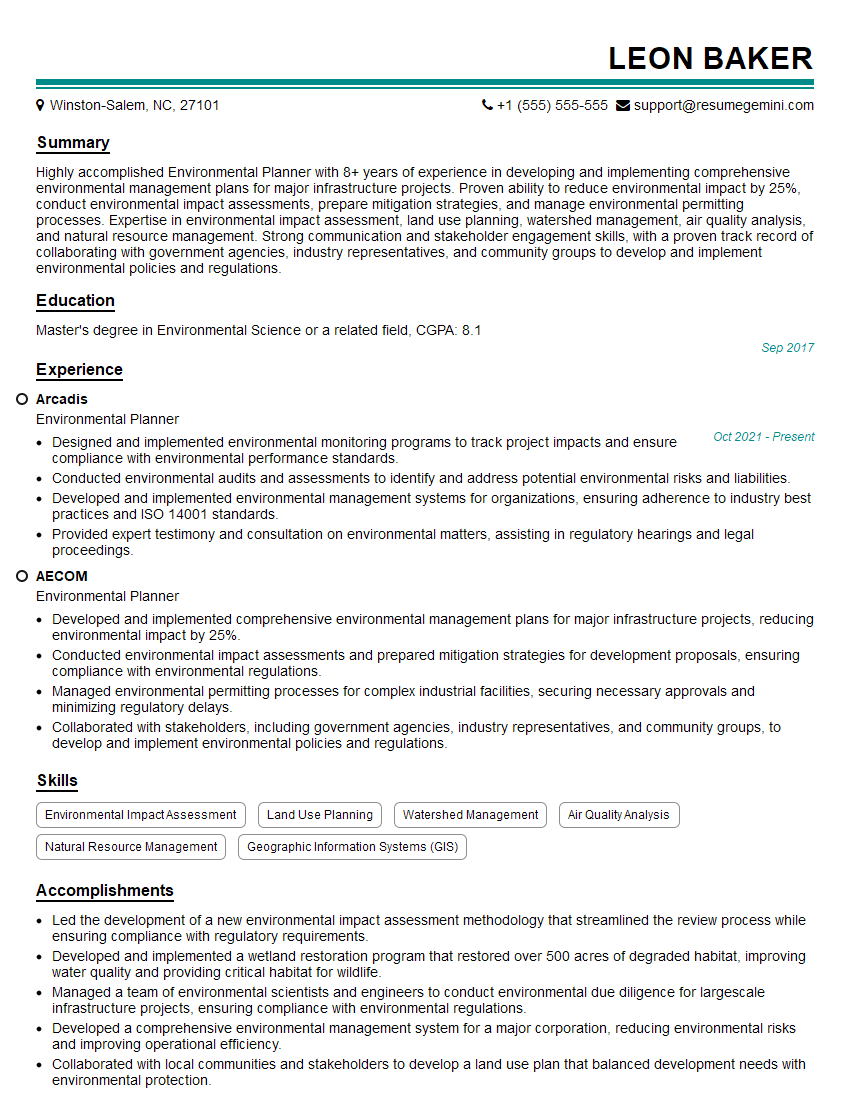
Environmental Planner Resume Sample
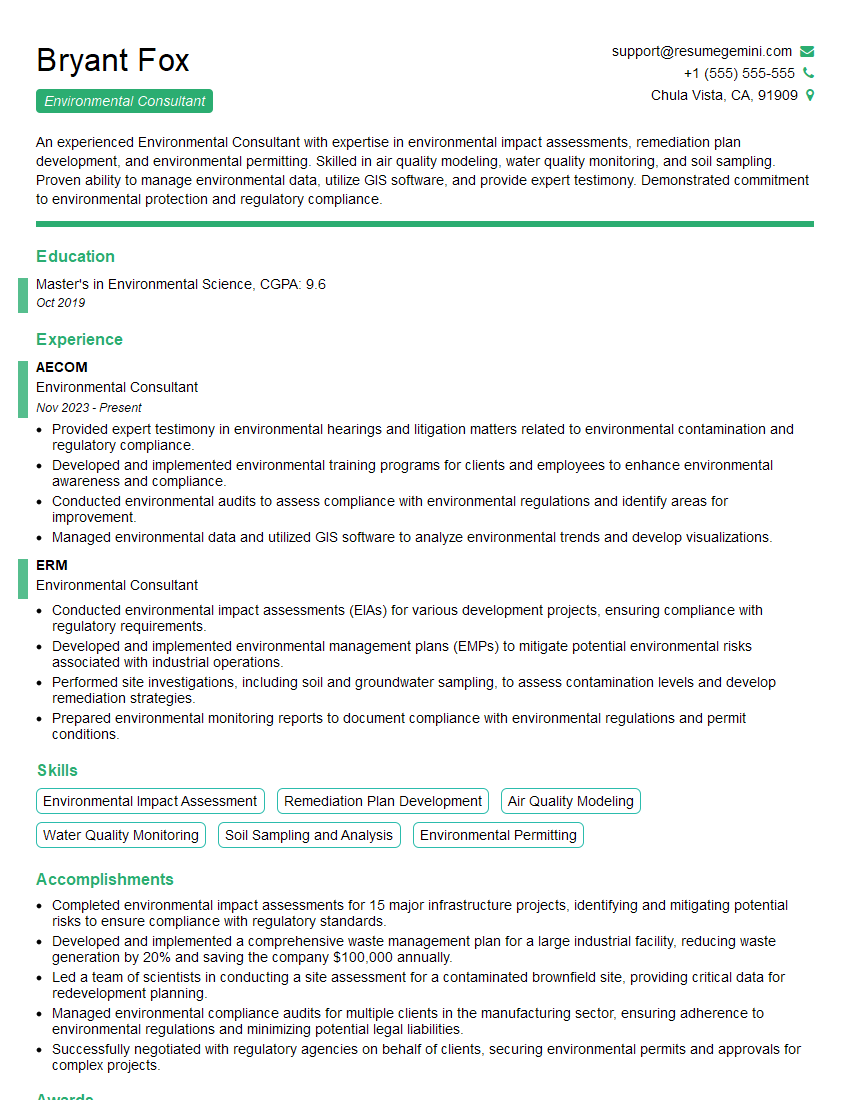
Environmental Consultant Resume Sample
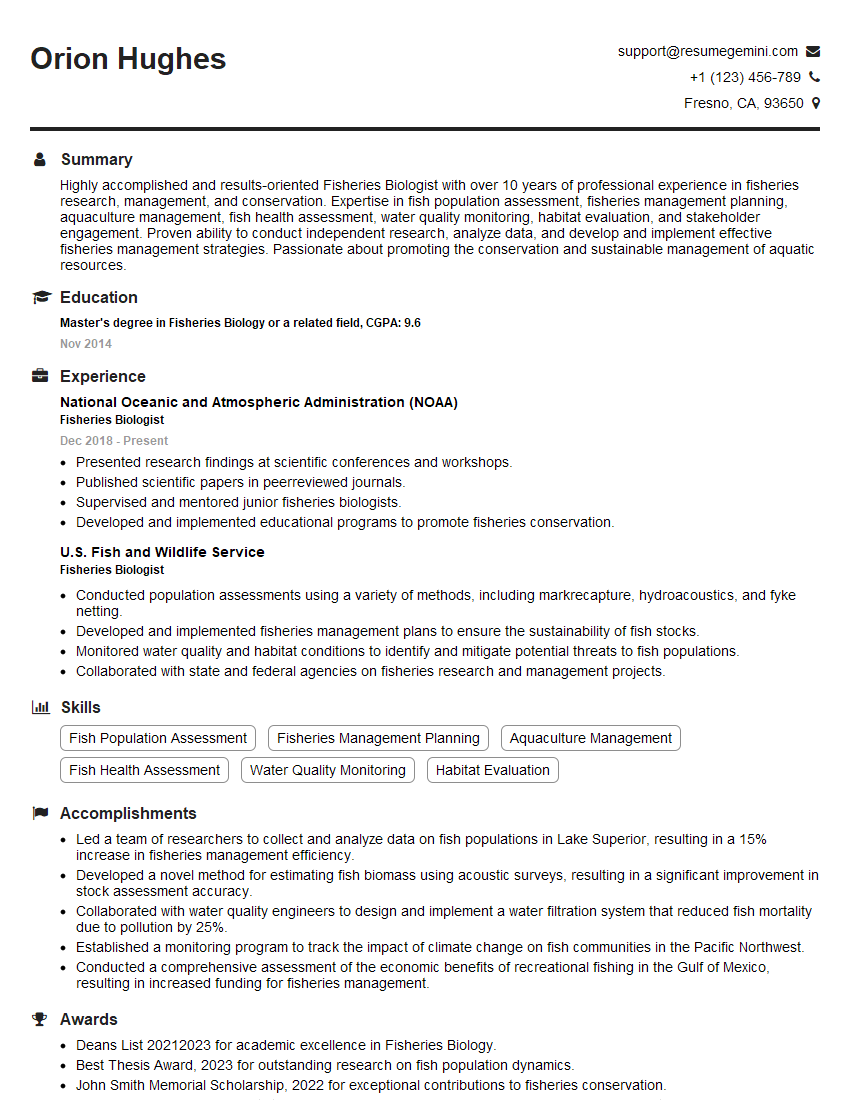
Fisheries Biologist Resume Sample

Wildlife Biologist Resume Sample
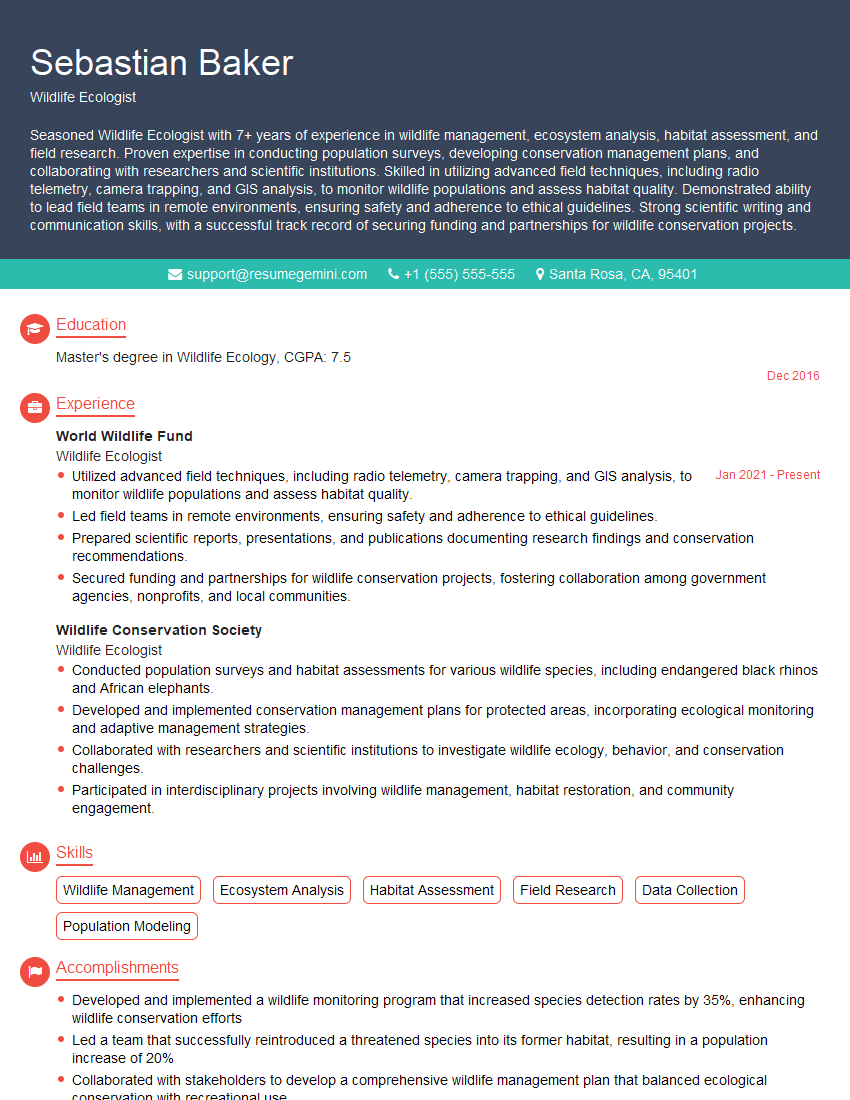
Wildlife Ecologist Resume Sample
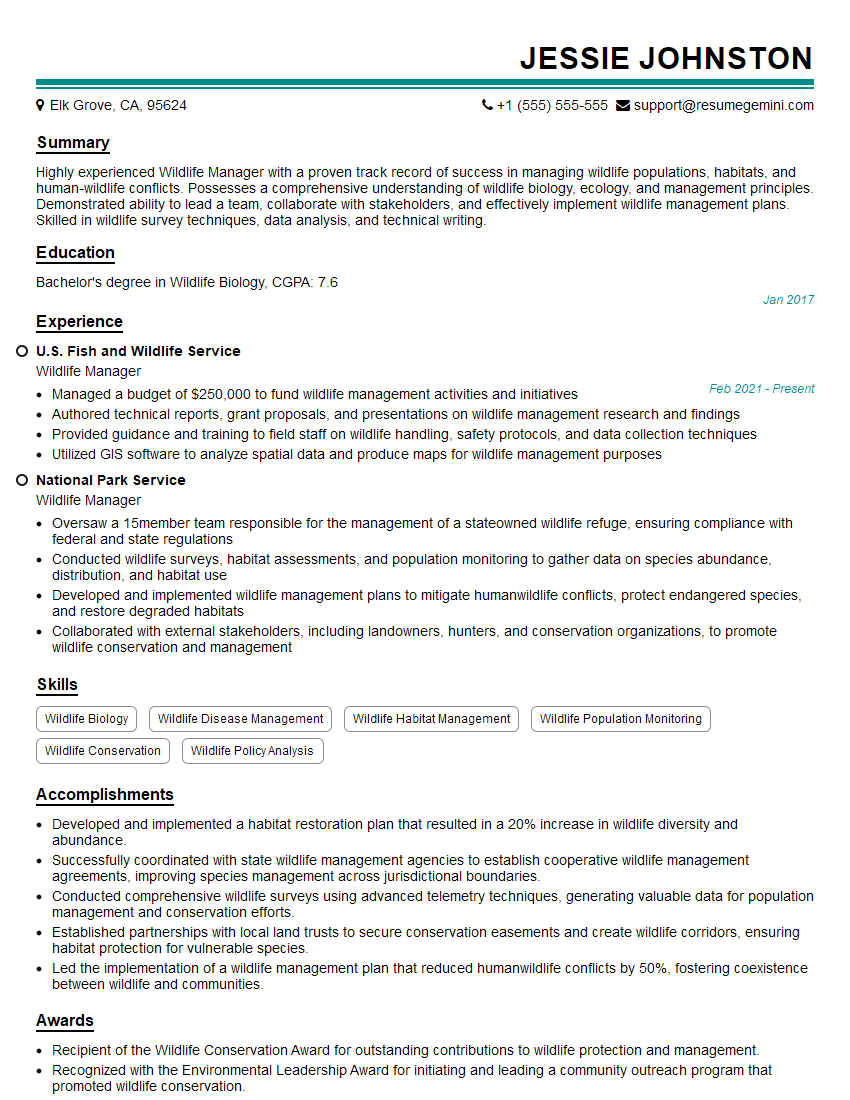
Wildlife Manager Resume Sample
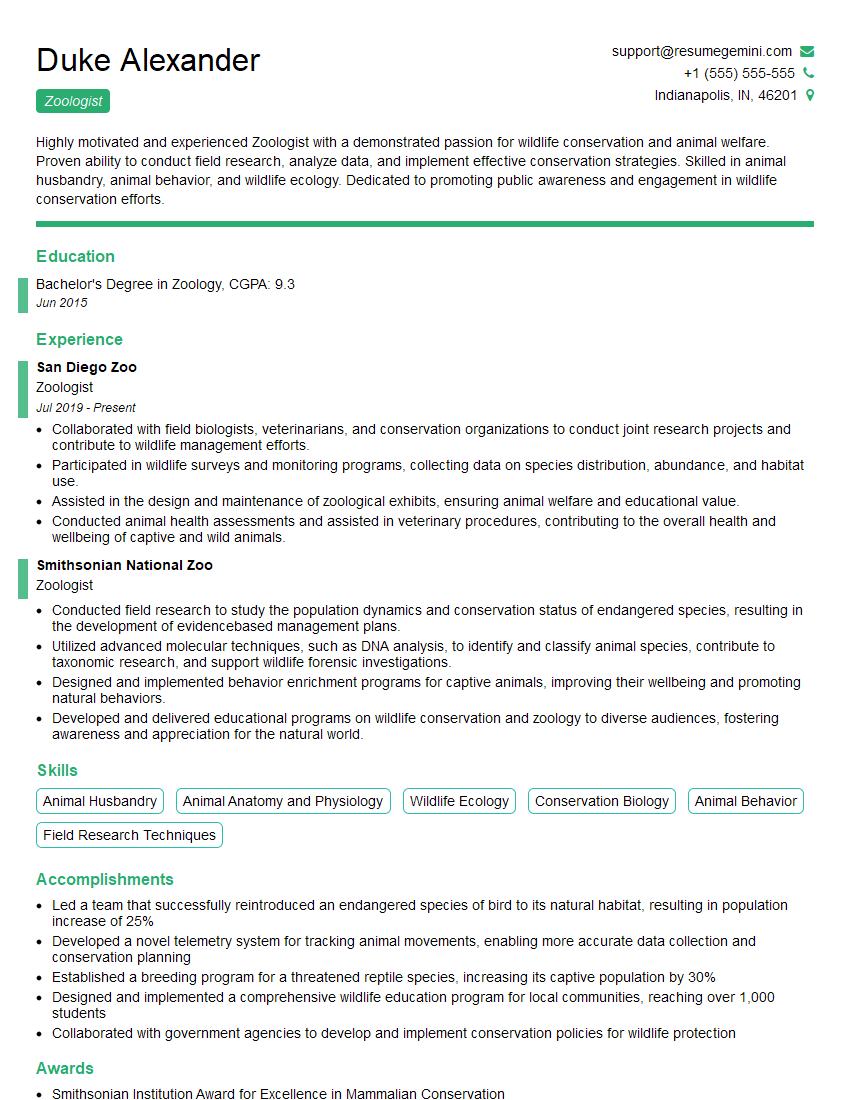
Zoologist Resume Sample
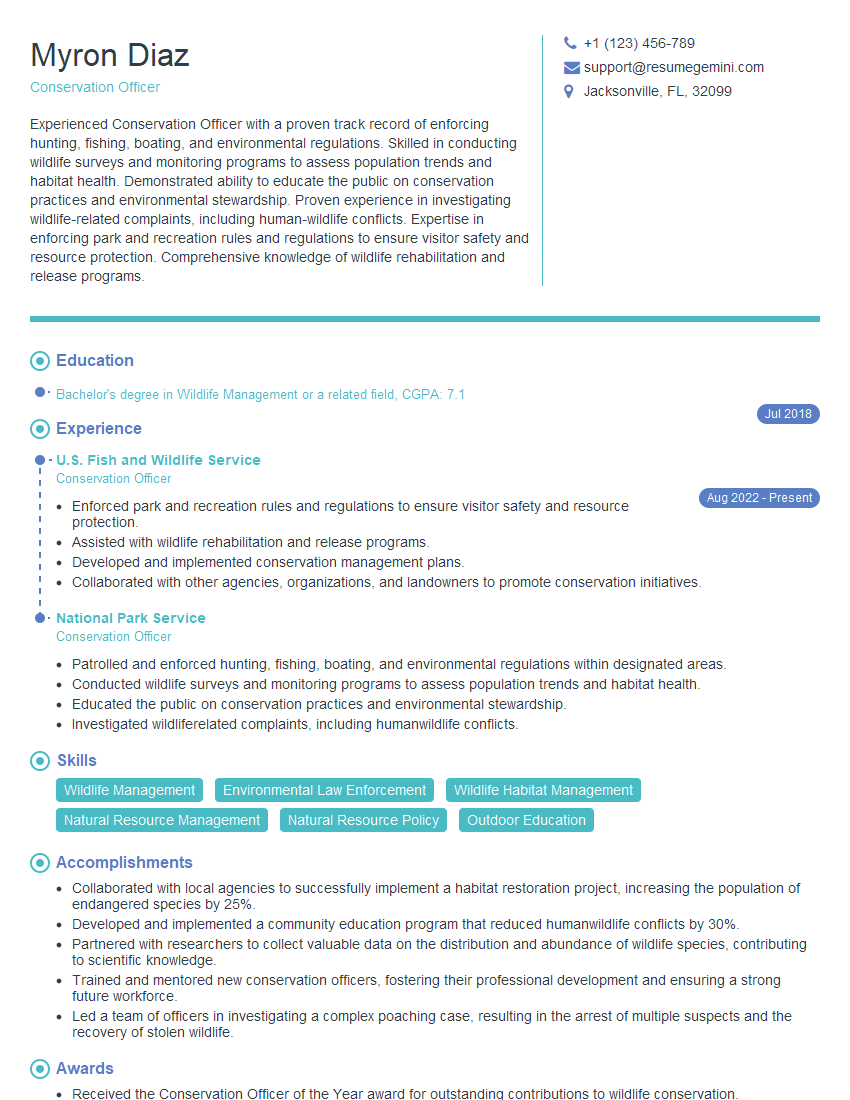
Conservation Officer Resume Sample
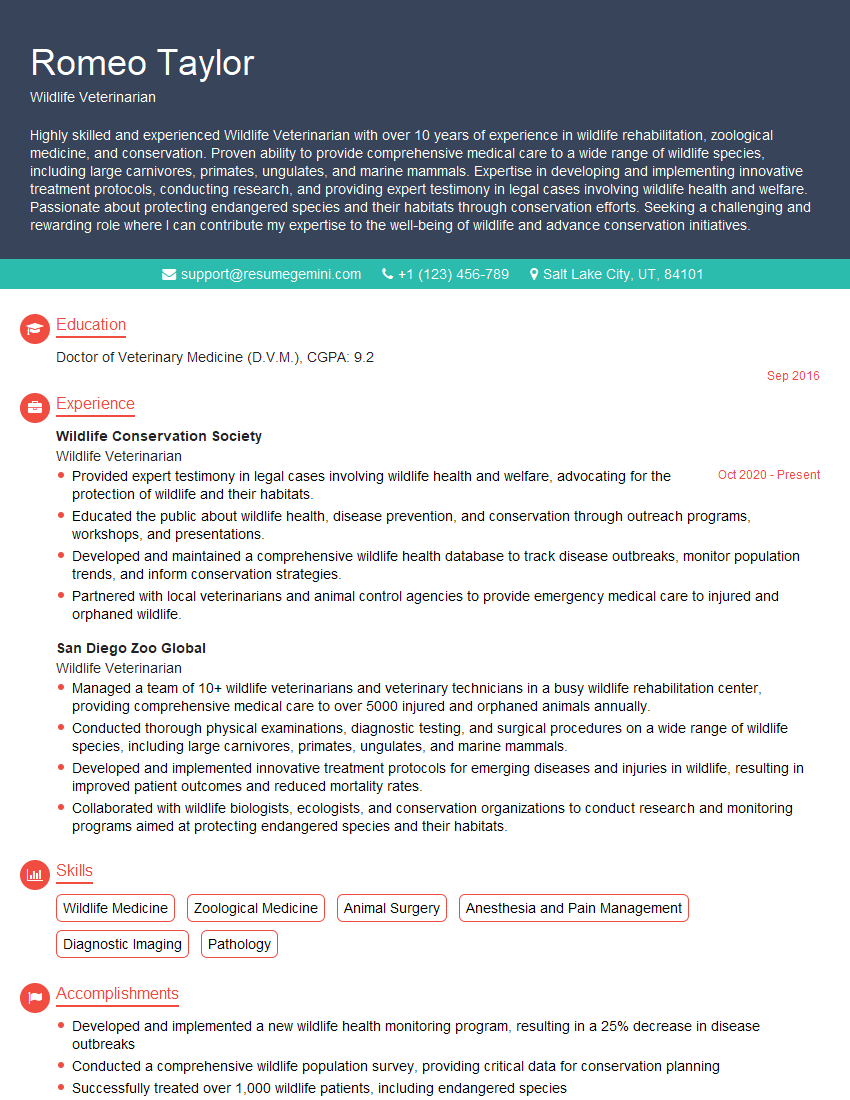
Wildlife Veterinarian Resume Sample

Game Warden Resume Sample
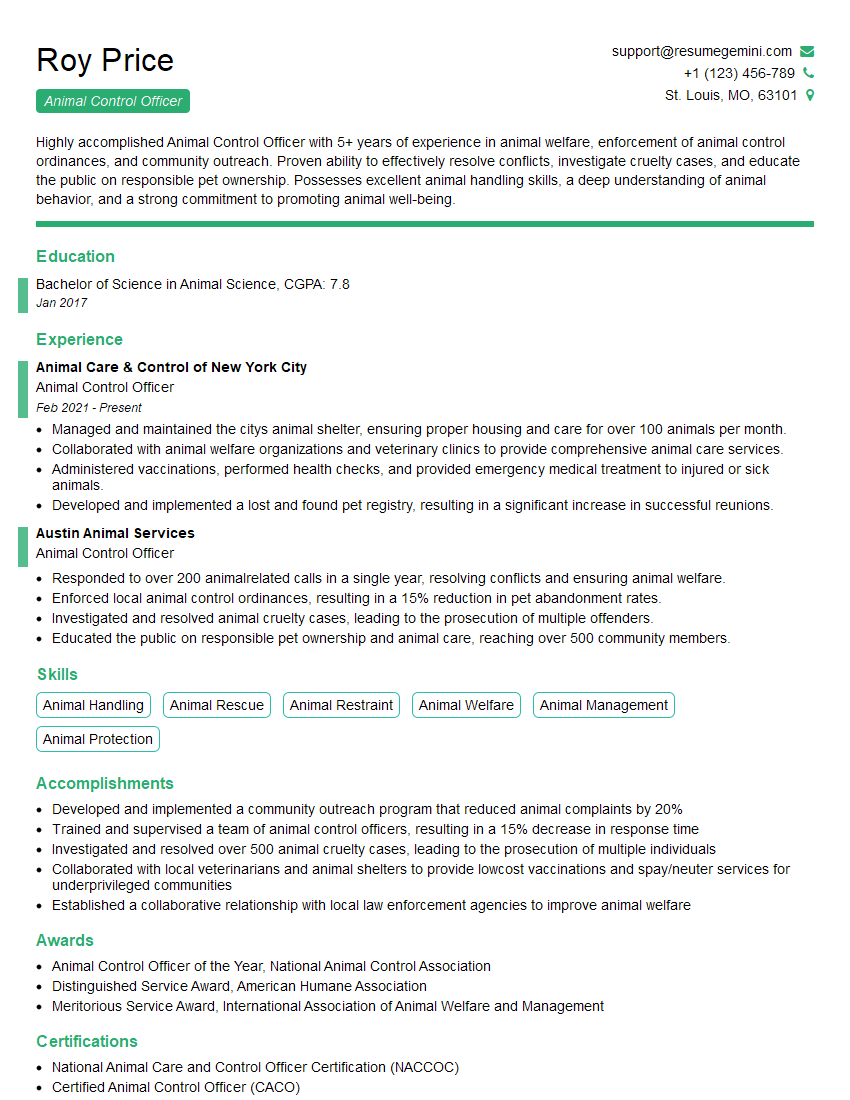
Animal Control Officer Resume Sample

Wildlife Rehabilitator Resume Sample
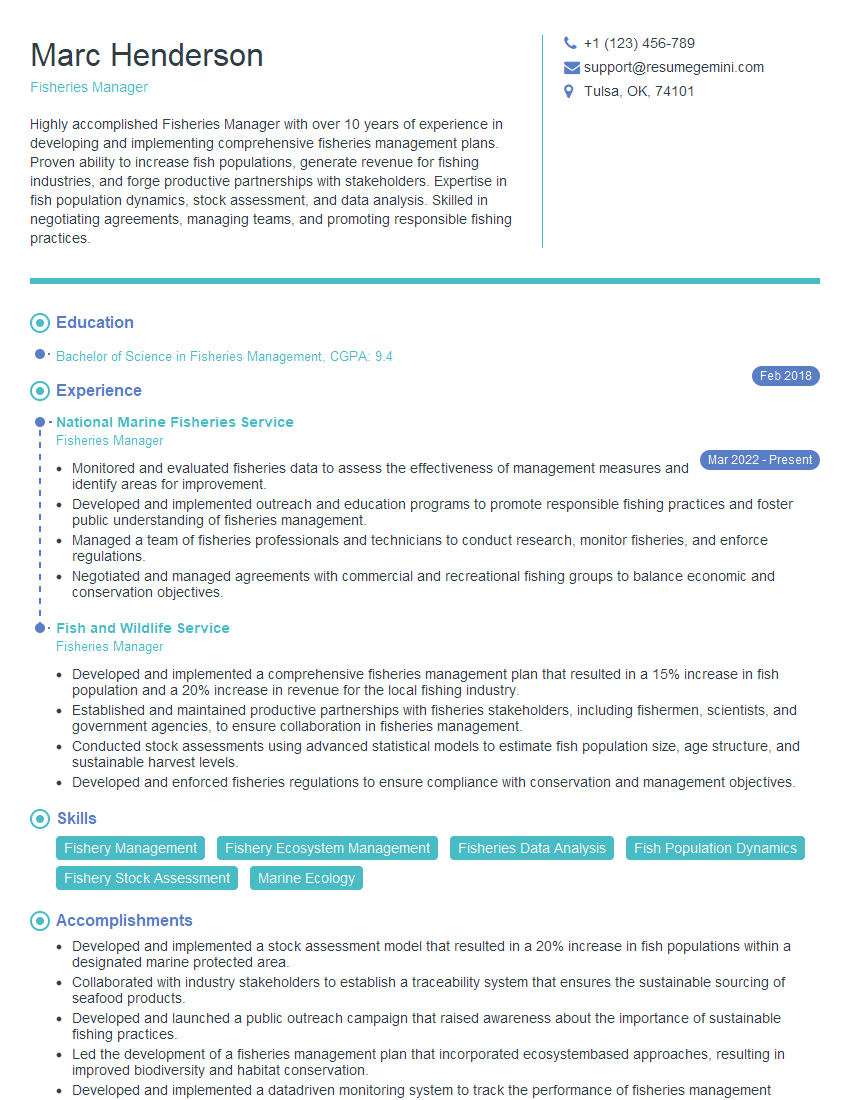
Fisheries Manager Resume Sample
Explore more articles
Users Rating of Our Blogs
Share Your Experience
We value your feedback! Please rate our content and share your thoughts (optional).