Cracking a skill-specific interview, like one for Animal Protection, requires understanding the nuances of the role. In this blog, we present the questions you’re most likely to encounter, along with insights into how to answer them effectively. Let’s ensure you’re ready to make a strong impression.
Questions Asked in Animal Protection Interview
Q 1. Describe your experience with animal handling techniques.
My experience with animal handling encompasses a wide range of species, from domestic pets like dogs and cats to livestock such as sheep and cattle, and even wildlife in rehabilitation. I’ve received extensive training in safe restraint techniques, prioritizing the animal’s comfort and safety. For instance, with a fearful dog, I would utilize a calm, gentle approach, avoiding sudden movements or loud noises, and employing positive reinforcement techniques to build trust. For larger animals like horses or cattle, I’m proficient in using appropriate halters, leads, and other equipment to ensure both their safety and mine. I always adapt my technique based on the animal’s species, size, temperament, and any pre-existing medical conditions.
Understanding an animal’s body language is crucial. A tense posture, flattened ears, or bared teeth can all indicate stress or aggression, requiring a change in approach. For example, if a cat is hissing and arching its back, I would give it ample space and avoid direct eye contact.
Q 2. Explain your understanding of animal behavior and its relevance to welfare.
Animal behavior is fundamental to animal welfare. Understanding an animal’s natural behaviors, including their social structures, communication methods, and innate needs, allows us to identify potential welfare issues. For example, a dog confined to a small crate for extended periods may exhibit signs of stress like excessive barking, pacing, or destructive chewing, indicating a compromised welfare state. Similarly, a lack of environmental enrichment for primates can lead to repetitive stereotypical behaviors.
By recognizing these behavioral indicators, we can make informed decisions about how to improve an animal’s environment, husbandry practices, or even medical care. This holistic approach ensures their physical and psychological wellbeing. Analyzing behavioral patterns also assists in diagnosing illness; changes in appetite, sleep patterns, or social interaction can signal underlying health problems.
Q 3. How would you respond to an animal exhibiting signs of distress?
My response to an animal exhibiting distress would depend on the specific signs and the animal’s species. A systematic approach is key. First, I would assess the situation to determine the cause of distress, observing the animal’s body language, surroundings, and any potential hazards. For instance, is the animal injured? Is it frightened? Is there something in its environment causing anxiety?
If the distress is due to a medical issue, I would prioritize immediate veterinary attention. For instance, a dog struggling to breathe might need immediate oxygen and veterinary assessment. For behavioral distress – such as a cat hiding constantly due to fear – I would focus on creating a safe and comfortable environment, potentially using pheromone diffusers or enrichment activities to reduce anxiety. My approach is always calm, patient, and avoids any actions that could further exacerbate the animal’s distress.
Q 4. What is your experience with animal health and disease prevention?
My experience with animal health and disease prevention is extensive. I’m familiar with common animal diseases, their symptoms, and appropriate treatment protocols. This includes preventative measures like vaccinations, parasite control, and maintaining hygienic environments. I’ve worked closely with veterinarians, assisting with examinations, administering medications, and implementing disease control programs. For instance, in a shelter environment, we implement strict protocols to prevent the spread of contagious diseases, including quarantine procedures for new arrivals and regular health checks for all animals.
I understand the importance of biosecurity, recognizing the potential for zoonotic diseases (diseases transferable between animals and humans). Implementing biosecurity measures is crucial, such as strict hygiene protocols, handwashing, and the use of appropriate personal protective equipment.
Q 5. Outline your knowledge of animal welfare legislation and regulations.
My understanding of animal welfare legislation and regulations is comprehensive, encompassing both national and international laws and standards. I’m aware of regulations surrounding animal transportation, housing, experimentation, and slaughter. I am familiar with acts like the Animal Welfare Act (or equivalent in the relevant jurisdiction), and understand the specific requirements for different species. For example, I know the specific housing requirements for poultry, the regulations concerning the transportation of livestock, and the ethical guidelines for laboratory animal care.
Staying updated on legal changes and best practices is an ongoing process, ensuring that all my actions comply with current regulations. This involves regularly reviewing relevant legislation and participating in professional development opportunities to remain knowledgeable and compliant.
Q 6. Describe your experience with wildlife rehabilitation protocols.
My experience with wildlife rehabilitation involves rescuing, assessing, treating, and releasing injured or orphaned wildlife. This includes handling various species, from birds and small mammals to larger animals. My protocol involves a thorough initial assessment to determine the animal’s injuries, nutritional needs, and overall health. I understand the importance of minimizing human contact, using appropriate restraint techniques, and providing species-specific care. For example, a baby bird requires specialized feeding techniques to mimic its natural diet.
Rehabilitation often requires close monitoring, ensuring the animal is recovering adequately before release back into its natural habitat. This involves assessing their ability to forage, hunt, or otherwise survive independently. Success hinges on minimizing human interaction to avoid habituation and maximize the chances of successful reintegration into the wild.
Q 7. How do you ensure the safety of both animals and personnel in your work?
Ensuring the safety of both animals and personnel is paramount in my work. This involves implementing strict safety protocols tailored to the specific species and task. For handling potentially dangerous animals, I use appropriate protective equipment, like bite-resistant gloves or protective clothing. With larger animals, secure restraint methods and appropriate handling techniques are crucial. For instance, when working with horses, I always ensure that there is adequate space for both the horse and the handler, minimizing the risk of injury.
Risk assessment is essential before any interaction with animals. I carefully consider the potential hazards, including the animal’s temperament, behavior, and any potential environmental risks. Regular safety training and adherence to established protocols minimize risk, creating a safe working environment for everyone.
Q 8. Explain your approach to conflict resolution in animal-related situations.
My approach to conflict resolution in animal-related situations centers on de-escalation, communication, and collaboration. I believe in prioritizing the animal’s well-being above all else. My process typically involves:
- Active Listening: Understanding all perspectives involved, including those of owners, witnesses, and other stakeholders. This involves asking clarifying questions and paraphrasing to ensure comprehension.
- Needs Assessment: Identifying the root cause of the conflict. Is it a misunderstanding about animal behavior? A dispute over ownership? A disagreement on appropriate care?
- Mediation: Facilitating constructive dialogue between conflicting parties to find a mutually acceptable solution. This often requires patience, empathy, and strong communication skills. Sometimes, a neutral third party can help.
- Legal Framework: Understanding and applying relevant laws and regulations regarding animal welfare and ownership. This ensures solutions are legally sound and protect the animal.
- Documentation: Meticulously documenting all interactions, agreements, and actions taken. This protects everyone involved and provides a record for future reference.
For example, I once mediated a conflict between neighbours over a dog’s barking. By carefully listening to both parties and identifying the root cause (lack of proper training and exercise for the dog), we developed a solution involving training classes and a modified walking schedule, resulting in a peaceful resolution.
Q 9. What are your methods for assessing animal needs and providing appropriate care?
Assessing animal needs and providing appropriate care requires a holistic approach that considers physical, behavioral, and environmental factors. My methods include:
- Observation: Carefully observing the animal’s behavior, body language, and physical condition. This includes assessing their appetite, activity levels, coat condition, and any signs of illness or injury.
- Veterinary Consultation: Regular veterinary checkups are crucial for detecting and addressing potential health issues. I work closely with veterinarians to develop appropriate treatment plans and monitor progress.
- Species-Specific Knowledge: Understanding the unique needs of different animal species is paramount. This involves knowing their dietary requirements, social structures, environmental preferences, and typical behavioral patterns.
- Environmental Enrichment: Providing stimulating environments to promote natural behaviors and prevent boredom or stress. This might include toys, puzzles, climbing structures, or social interaction opportunities (depending on the species).
- Record Keeping: Maintaining detailed records of each animal’s health history, care routine, and behavioral observations. This allows for consistent monitoring and informed decision-making.
For instance, when caring for a rescued parrot, I’d consider its specific dietary needs, ensure a large, stimulating cage with toys and opportunities to climb and socialize, and observe its behavior for any signs of stress or illness.
Q 10. How would you handle a situation involving an injured or sick animal in the field?
Encountering an injured or sick animal in the field requires immediate and careful action. My approach involves:
- Safety First: Assessing the situation for potential risks to both the animal and myself. This includes considering the animal’s temperament and potential dangers in the environment.
- Initial Assessment: Quickly assessing the animal’s condition, noting the type and severity of injury or illness. This helps prioritize immediate needs.
- Stabilization: Providing immediate first aid, if possible and safe. This might involve controlling bleeding, immobilizing fractures, or providing warmth.
- Transport: Carefully transporting the animal to a safe location for further treatment, using appropriate methods to minimize stress and further injury. This could involve a humane trap, or if the animal is docile enough, gentle restraint.
- Veterinary Care: Contacting a wildlife rehabilitator or veterinarian immediately for professional assessment and treatment. Providing detailed information about the animal’s condition and location is critical.
Imagine finding a bird with a broken wing. I’d prioritize my safety, gently approach the bird, carefully assess the injury, provide temporary support to the wing (if possible and safe), and transport it to a wildlife rehabilitation center.
Q 11. Describe your experience with community outreach and education programs regarding animal welfare.
I have extensive experience with community outreach and education programs focusing on animal welfare. This has involved developing and delivering presentations, workshops, and educational materials targeted at various audiences (children, adults, community groups). My approach emphasizes:
- Interactive Sessions: Engaging audiences through interactive activities, demonstrations, and discussions to maximize learning and retention.
- Tailored Messaging: Adapting the message to resonate with different age groups and levels of prior knowledge. For example, explaining the importance of responsible pet ownership to children differently than to adults.
- Collaboration: Partnering with local organizations, schools, and community groups to increase reach and impact. This can help extend the program’s reach and build stronger community bonds.
- Resource Provision: Providing participants with access to relevant resources, such as websites, brochures, and contact information for local animal welfare organizations.
- Evaluation: Measuring the effectiveness of the programs through feedback collection and outcome assessment. This helps improve future outreach initiatives and track long-term impact.
For instance, I have led numerous workshops on responsible dog ownership, covering topics like training, nutrition, and recognizing signs of distress.
Q 12. Explain your familiarity with different animal housing and enrichment strategies.
My familiarity with animal housing and enrichment strategies is extensive and species-specific. I understand that appropriate housing and enrichment are crucial for animal welfare and well-being. This encompasses:
- Species-Appropriate Housing: Designing and maintaining enclosures that meet the specific physical and behavioral needs of different animal species. This includes consideration of size, temperature, lighting, and environmental features.
- Environmental Enrichment Techniques: Implementing various enrichment strategies to stimulate natural behaviors and prevent boredom. This might involve providing puzzle feeders, climbing structures, hiding places, social interaction (where appropriate), and sensory stimulation.
- Hygiene and Sanitation: Maintaining high standards of hygiene and sanitation within animal enclosures to prevent the spread of disease and maintain a healthy environment.
- Safety Considerations: Implementing safety measures to protect animals from injury and ensure their well-being. This could involve secure fencing, escape-proof enclosures, and removal of hazardous materials.
- Legislation and Best Practices: Staying informed of current legislation and best practices related to animal housing and enrichment, ensuring compliance with all relevant regulations.
For example, I’ve designed enrichment programs for primates that include foraging puzzles to simulate their natural food-seeking behaviors and social interaction opportunities within their enclosures.
Q 13. How do you prioritize animal welfare needs within budgetary constraints?
Prioritizing animal welfare needs within budgetary constraints requires careful planning and strategic decision-making. My approach involves:
- Needs Assessment: Prioritizing essential needs over wants. This involves identifying critical requirements for animal health and well-being (food, shelter, veterinary care) and addressing those first.
- Cost-Effective Solutions: Exploring cost-effective options without compromising animal welfare. This might involve seeking donations, grants, or collaborating with other organizations.
- Resource Allocation: Developing a realistic budget that allocates resources effectively to maximize the impact on animal welfare. This involves setting clear priorities and carefully tracking expenses.
- Creative Fundraising: Actively seeking funding opportunities through fundraising events, grant applications, and public awareness campaigns.
- Volunteer Management: Leveraging volunteer support to reduce costs while increasing the capacity for animal care and enrichment activities.
For example, instead of purchasing expensive commercial pet food, we might explore cost-effective alternatives such as preparing food in-house using high-quality ingredients. This would reduce costs while maintaining nutritional standards.
Q 14. What is your experience with animal euthanasia protocols and ethical considerations?
My experience with animal euthanasia protocols and ethical considerations is grounded in the principle of minimizing animal suffering. I understand that euthanasia is sometimes a necessary and humane option to alleviate pain and suffering when there’s no reasonable prospect of recovery or rehabilitation. My approach follows strict guidelines:
- Legal and Ethical Frameworks: Adherence to all relevant legal and ethical standards governing euthanasia. This includes understanding specific protocols and ensuring they are strictly followed.
- Veterinary Oversight: Euthanasia should always be performed by a qualified veterinarian or under their direct supervision. This ensures the procedure is humane and minimizes pain and distress.
- Pain Management: Prioritizing pain management before, during, and after the procedure. This might include administering appropriate analgesics or sedatives to minimize any discomfort.
- Emotional Support: Providing emotional support to both the animal and any people involved in the decision. This acknowledges the emotional impact of such a procedure.
- Post-Euthanasia Procedures: Following established protocols for the respectful disposal or cremation of the animal’s remains.
I’ve been involved in situations where euthanasia was the most humane choice, always prioritizing a peaceful and painless end for the animal, adhering to all ethical and legal guidelines, and providing support to staff and other stakeholders involved.
Q 15. Describe your experience with animal adoption and placement procedures.
Animal adoption and placement is a multifaceted process requiring careful assessment of both the animal’s needs and the potential adopter’s capabilities. It starts with a thorough behavioral and medical evaluation of each animal in our care. This includes noting temperament, medical history, any special needs, and ideal living environment preferences. We then create detailed profiles for each animal, highlighting their unique personalities and requirements.
Potential adopters undergo a screening process to ensure a good match. This might involve an application, a home visit, and an interview to assess their lifestyle, experience with animals, and understanding of the animal’s specific needs. For example, a highly energetic dog wouldn’t be a good fit for a sedentary individual. We strive for transparency throughout, openly discussing any potential challenges and ensuring realistic expectations. Post-adoption, we provide ongoing support, answering questions and offering guidance to help ensure a successful and lasting relationship. We might also offer follow-up calls or home visits, especially in the initial weeks. A successful adoption is a collaborative effort between shelter staff and the new owner.
Career Expert Tips:
- Ace those interviews! Prepare effectively by reviewing the Top 50 Most Common Interview Questions on ResumeGemini.
- Navigate your job search with confidence! Explore a wide range of Career Tips on ResumeGemini. Learn about common challenges and recommendations to overcome them.
- Craft the perfect resume! Master the Art of Resume Writing with ResumeGemini’s guide. Showcase your unique qualifications and achievements effectively.
- Don’t miss out on holiday savings! Build your dream resume with ResumeGemini’s ATS optimized templates.
Q 16. How do you maintain accurate and comprehensive animal records?
Maintaining accurate and comprehensive animal records is paramount for ethical and efficient animal care. We utilize a sophisticated database system, often customized software designed specifically for animal shelters or veterinary clinics. This system tracks every detail of an animal’s journey, from intake to adoption. Key information includes species, breed, age, sex, medical history (including vaccinations, treatments, and any pre-existing conditions), behavioral notes, adoption status, and the adopter’s contact information.
Data integrity is crucial; we employ rigorous data entry protocols and regular audits to minimize errors. Imagine a scenario where an animal with a specific allergy is inadvertently given a medication triggering a reaction. Accurate records prevent such incidents. We also ensure regular backups of the database to prevent data loss. The system is designed for easy access by authorized personnel, streamlining workflows and improving collaboration among our team. This data also helps us track trends in animal intake, identify common health issues, and inform our adoption strategies.
Q 17. How would you manage a team of animal care professionals?
Managing a team of animal care professionals demands strong leadership, effective communication, and a focus on collaboration. I believe in fostering a positive and supportive work environment, where every team member feels valued and empowered. This begins with clear communication of expectations and responsibilities. Regular team meetings are crucial for discussing challenges, sharing best practices, and celebrating successes. I prioritize ongoing professional development opportunities, encouraging staff to participate in workshops and training sessions to enhance their skills.
Delegation is key; I ensure that tasks are assigned according to individual skills and expertise. We utilize project management techniques to ensure efficient workflow and coordination of care. Conflict resolution is addressed promptly and fairly, focusing on finding solutions that benefit both the team and the animals in our care. For example, if there’s a disagreement about a particular animal’s treatment, open discussion and consultation with veterinary staff help reach a consensus. Ultimately, the success of the team is measured by the welfare of the animals and the satisfaction of the staff.
Q 18. What is your experience with fundraising or grant writing for animal welfare projects?
Fundraising and grant writing are essential for securing the resources necessary to support animal welfare initiatives. My experience encompasses developing comprehensive grant proposals targeting various funding organizations, including foundations, corporations, and government agencies. This involves a thorough understanding of the funding organization’s priorities and tailoring proposals to align with their interests.
I have successfully secured funding for various projects, such as building renovations to improve animal housing, purchasing specialized medical equipment, and implementing community outreach programs. For example, I secured a grant to establish a low-cost spay/neuter clinic, significantly impacting the number of stray animals in our community. In addition to grant writing, I have experience organizing fundraising events such as galas, auctions, and crowdfunding campaigns. Developing compelling narratives and demonstrating a clear return on investment are crucial to successful fundraising.
Q 19. Describe your understanding of animal ethics and welfare philosophies.
Animal ethics and welfare philosophies guide my approach to animal care. My understanding is grounded in the ‘Five Freedoms’ framework: freedom from hunger and thirst, freedom from discomfort, freedom from pain, injury, or disease, freedom to express normal behavior, and freedom from fear and distress. I recognize that these freedoms are interconnected and must be considered holistically.
This philosophy translates into practical applications such as providing enriched environments that cater to the natural behaviors of different species. For example, providing climbing structures for cats, puzzle toys for dogs, and spacious enclosures for birds. It also informs our adoption policies, ensuring that animals are placed in suitable homes where their needs can be met. Ethical considerations also extend to our euthanasia practices, prioritizing humane methods only when necessary and as a last resort. Ongoing education for staff on animal welfare best practices is crucial to ensuring consistent application of these principles.
Q 20. Explain your experience with emergency response and disaster preparedness for animals.
Emergency response and disaster preparedness are critical aspects of animal welfare. We have developed comprehensive emergency plans that address various scenarios, such as natural disasters (hurricanes, floods, wildfires) and public health emergencies. These plans outline procedures for evacuating animals, providing temporary shelter and care, and coordinating with other organizations.
We maintain a readily available emergency supply kit, including food, water, medications, and first-aid supplies. Regular drills and training exercises ensure staff are adequately prepared to respond effectively. We also collaborate with local emergency management agencies and other animal welfare organizations to establish communication protocols and mutual aid agreements. For example, we have partnered with a local veterinary clinic to provide emergency medical care during disaster situations. Effective communication and collaboration are essential for coordinating a swift and efficient response during emergencies.
Q 21. How do you address public concerns and misconceptions about animal welfare?
Addressing public concerns and misconceptions about animal welfare requires a combination of education and open communication. We utilize various channels to reach the public, including our website, social media platforms, and community outreach events.
We aim to provide accurate and accessible information about animal care, adoption, and responsible pet ownership. We proactively address common misconceptions, such as those surrounding breed-specific legislation or the effectiveness of certain training methods. For instance, we might address concerns about pit bull-type dogs by highlighting individual animal temperaments and promoting responsible ownership practices. We encourage constructive dialogue and are open to feedback, creating a space where people feel comfortable asking questions and expressing their concerns. Transparency and a commitment to evidence-based practices build trust and help foster a better understanding of animal welfare issues.
Q 22. What is your experience with animal transportation and logistics?
My experience in animal transportation and logistics spans over ten years, encompassing various roles from coordinating the relocation of rescued animals to overseeing the import/export of animals for conservation breeding programs. I’ve worked with a range of species, from small rodents to large mammals, each requiring specialized handling and transport considerations. This includes ensuring proper climate control, minimizing stress, and adhering to strict biosecurity protocols to prevent disease transmission. For example, during a recent project involving the relocation of a primate troop, I meticulously planned the transport route, ensuring adequate rest stops and minimizing travel time to reduce stress on the animals. We also conducted thorough health checks before and after transport to monitor their well-being. Furthermore, I’m experienced in navigating the complex regulatory landscape surrounding animal transportation, including obtaining necessary permits and complying with international and domestic regulations.
I understand the importance of employing appropriate crate sizes, ensuring adequate ventilation and space, and using suitable bedding materials. Proper documentation and tracking of each animal throughout the transport process are also paramount to ensure accountability and traceability.
Q 23. Describe your understanding of infectious disease control in animal populations.
Infectious disease control in animal populations is crucial for maintaining their health and welfare. My understanding encompasses preventative measures, rapid response strategies, and post-outbreak management. This includes implementing effective biosecurity protocols, such as quarantine procedures for new arrivals and strict hygiene practices to prevent the spread of pathogens. I’m familiar with a range of diseases affecting various animal species and understand the importance of vaccination programs, parasite control, and early detection mechanisms.
For instance, during an outbreak of avian influenza on a poultry farm, I played a key role in coordinating the culling of affected birds, the implementation of strict disinfection protocols, and the establishment of a surveillance system to prevent further spread. Data analysis played a crucial role in identifying the source of the outbreak and implementing targeted control measures. Understanding the epidemiology of diseases, including transmission routes and risk factors, is essential for effective control strategies. I also have experience working with government agencies and veterinary professionals to implement comprehensive disease management plans.
Q 24. Explain your experience with data analysis and reporting in relation to animal welfare outcomes.
Data analysis and reporting are integral to evaluating the effectiveness of animal welfare initiatives. My experience involves collecting, analyzing, and presenting data on various animal welfare indicators, such as mortality rates, injury rates, and behavioral observations. I’m proficient in using statistical software packages (like R or SPSS) to analyze data and create meaningful reports. For example, I recently analyzed data from a wildlife rehabilitation center to assess the success rate of different treatment protocols for injured birds. This involved compiling data on admission dates, treatments administered, recovery times, and release rates. The analysis revealed that a modified treatment protocol significantly improved the birds’ chances of survival and successful release back into the wild. This data was then used to refine our protocols and improve our overall success rate.
I believe in creating clear, concise reports that effectively communicate complex data to a range of audiences, including researchers, policymakers, and the general public. Data visualization techniques, like graphs and charts, play an important role in ensuring the findings are easily accessible and understandable.
Q 25. How do you stay up-to-date on advances in animal welfare science and best practices?
Staying current with advances in animal welfare science and best practices is an ongoing process. I actively participate in professional organizations, such as the American Veterinary Medical Association (AVMA) and the World Organisation for Animal Health (OIE), attending conferences and workshops to learn about the latest research and best practices. I regularly read peer-reviewed journals and subscribe to relevant newsletters to stay informed about emerging issues and advancements in the field. I also actively engage in online communities and forums dedicated to animal welfare, allowing me to learn from experts and practitioners globally.
Furthermore, I actively seek out training opportunities to enhance my skills and knowledge in specific areas, such as enrichment techniques and advanced animal handling procedures. Continuous professional development is essential to ensure that I’m implementing the most effective and ethical approaches to animal care.
Q 26. Describe a time you had to make a difficult ethical decision related to animal care.
During my time at a wildlife rescue center, we received a severely injured owl. Initially, the prognosis was poor, and there was a real possibility that euthanasia would be the most humane option. However, our veterinary team felt there was a small chance of recovery with extensive, costly treatment. The ethical dilemma was whether to allocate limited resources to this one owl, potentially compromising care for other animals in our facility, or to prioritize the other animals and euthanize the owl. After careful consideration, including discussions with our veterinary staff, and factoring in potential community support for the owl’s care, we decided to proceed with treatment. It was a difficult decision, but the owl eventually made a full recovery and was successfully released back into the wild. This experience highlighted the importance of careful consideration of resources, prognosis, and potential for successful rehabilitation when making ethical decisions in animal care.
Q 27. How would you handle a situation involving animal cruelty or neglect?
My response to animal cruelty or neglect would follow a clear protocol. First, I would ensure the immediate safety and well-being of the animal(s) involved. This might involve contacting emergency services or local animal control authorities, depending on the severity of the situation. I would then carefully document the incident, including photographic and video evidence, witness statements, and any other relevant information. This documentation is crucial for legal proceedings. Next, I would work with law enforcement and animal welfare organizations to conduct a thorough investigation, aiming to identify the perpetrator(s) and hold them accountable.
Depending on the situation and legal requirements, I may be involved in the animal’s care and rehabilitation. If the animal requires veterinary attention, I would coordinate its treatment. Finally, I would collaborate with relevant stakeholders to prevent similar incidents from occurring in the future. This could involve educational initiatives, community awareness campaigns, and advocating for stronger animal welfare legislation.
Q 28. What are your long-term career goals in animal protection?
My long-term career goals in animal protection involve leveraging my expertise to advocate for systemic changes that improve animal welfare on a broader scale. I aim to contribute to policy development and implementation, working with government agencies and NGOs to create effective animal welfare legislation and enforce existing regulations. I aspire to lead research projects focused on improving animal transport standards and developing innovative solutions for disease prevention and control. Ultimately, I want to be a driving force in creating a world where animal welfare is prioritized and all animals are treated with respect and compassion.
Key Topics to Learn for Your Animal Protection Interview
Preparing for an interview in Animal Protection requires a multifaceted approach. Demonstrate your understanding of the field by focusing on these key areas:
- Animal Welfare & Ethics: Understand different ethical frameworks in animal care, including species-specific needs and the five freedoms of animal welfare. Be prepared to discuss practical applications of these principles in various settings.
- Legislation & Policy: Familiarize yourself with relevant animal protection laws and regulations at local, state, and national levels. Consider how policy impacts shelter operations, wildlife conservation, and animal research.
- Animal Behavior & Handling: Demonstrate your knowledge of animal behavior principles and safe handling techniques for different species. Discuss practical examples where understanding behavior is crucial for effective intervention.
- Shelter Management & Operations: Explore the complexities of running an animal shelter, including intake processes, medical care, adoption procedures, and volunteer management. Be ready to discuss challenges and solutions in a shelter environment.
- Conservation & Wildlife Protection: Understand threats to wildlife populations and the strategies employed for conservation efforts. Discuss specific conservation programs or initiatives you admire and why.
- Community Engagement & Education: Highlight the importance of public education and outreach in promoting responsible pet ownership and wildlife conservation. Discuss ways to engage communities in animal protection efforts.
- Investigation & Enforcement (if applicable): If applying for roles involving investigations, be prepared to discuss ethical considerations, evidence gathering, and legal procedures related to animal cruelty cases.
Next Steps: Launch Your Animal Protection Career
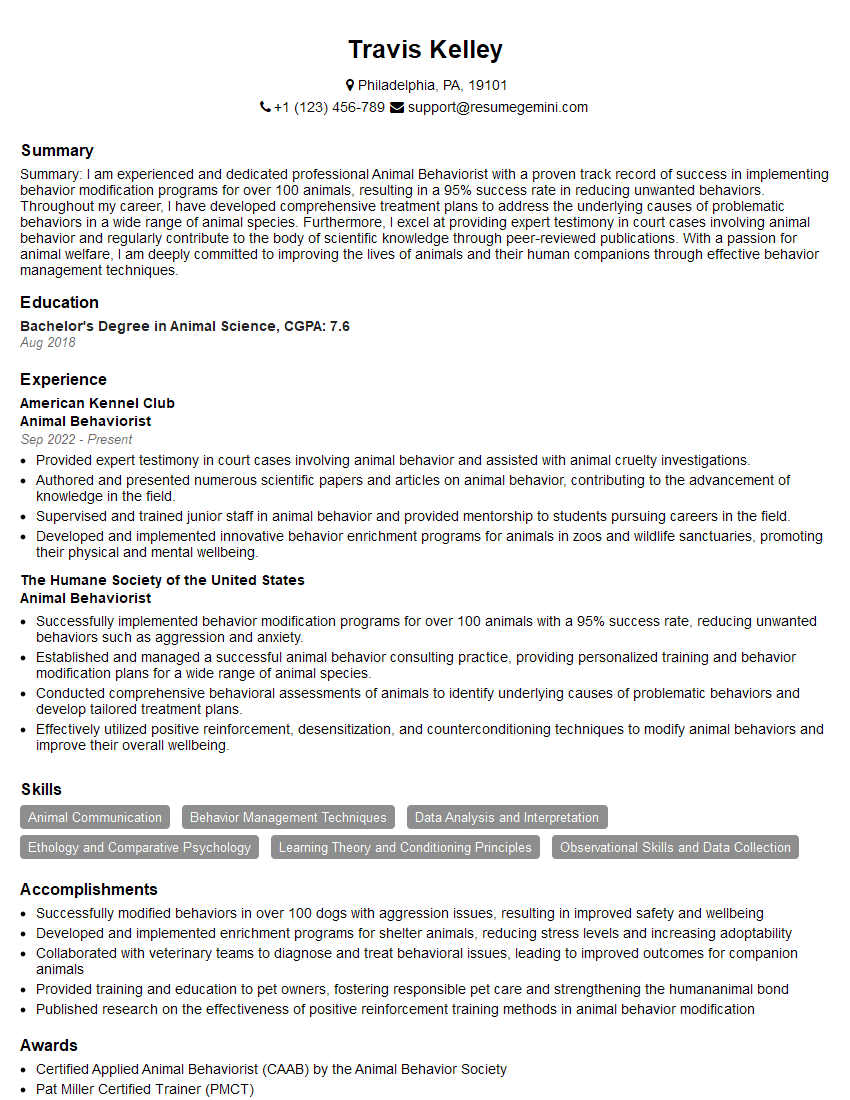
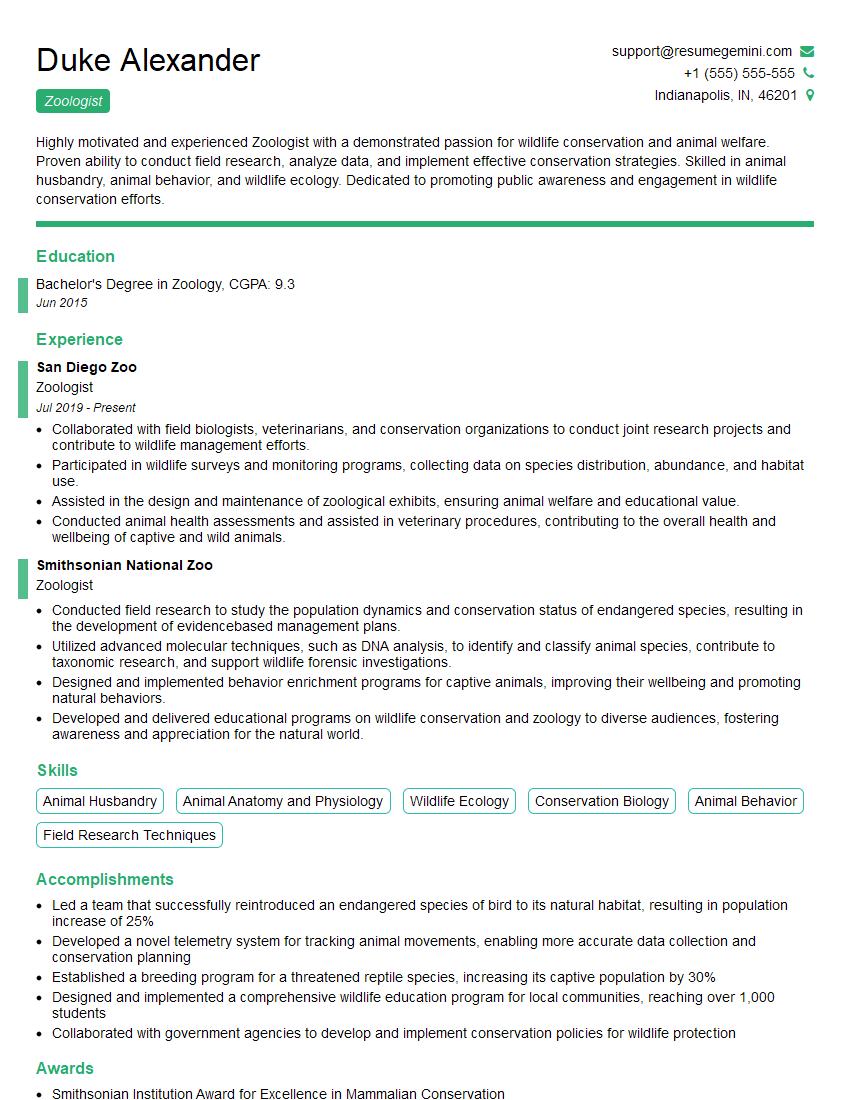
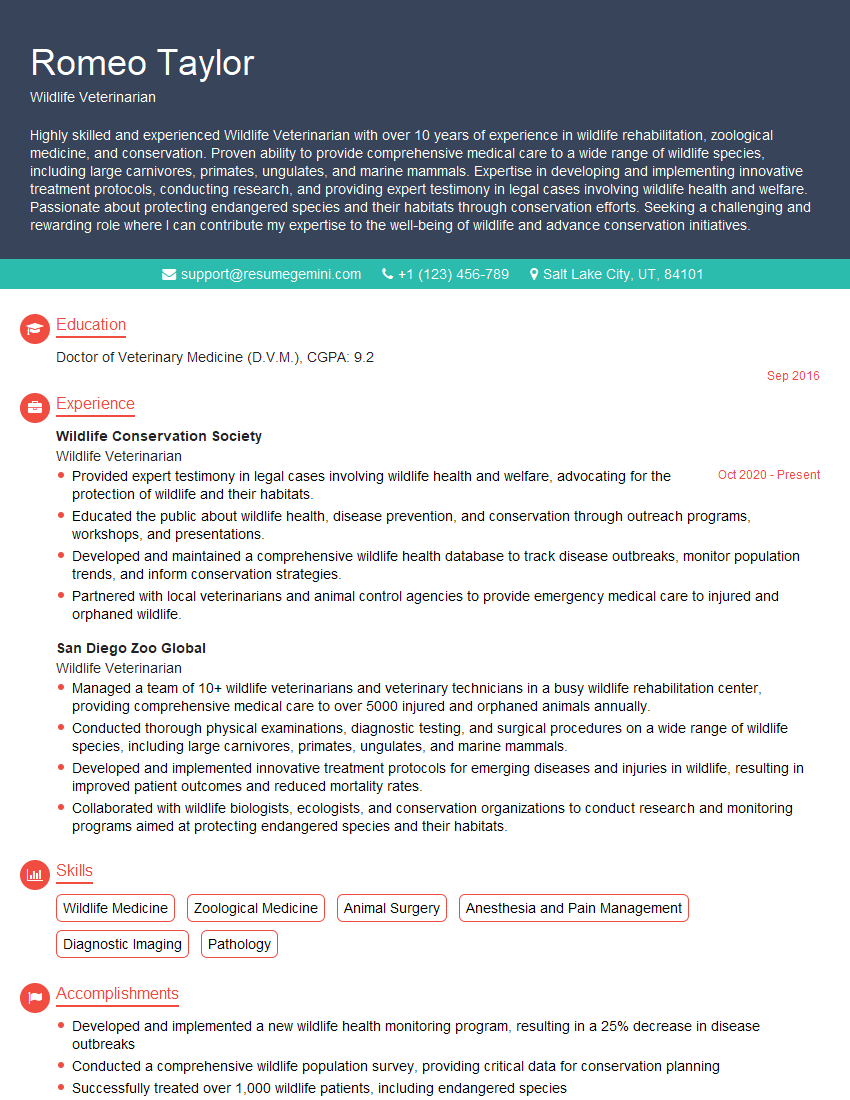
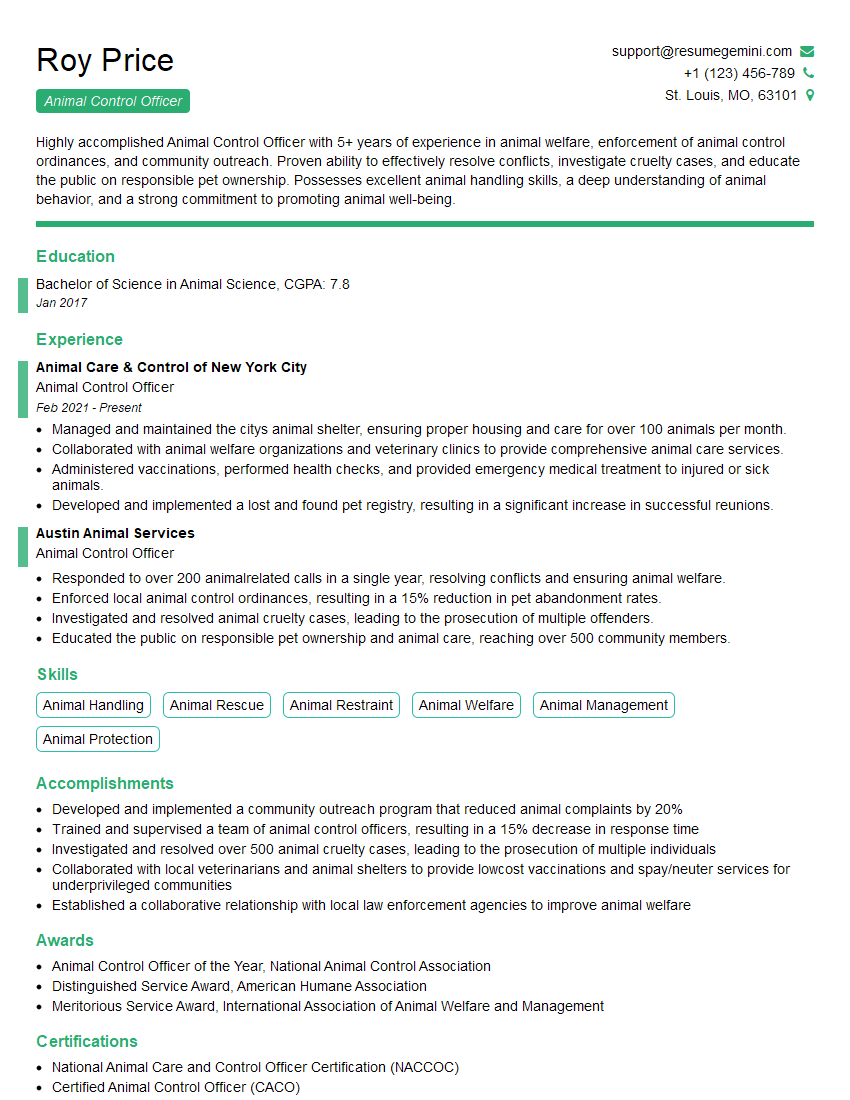
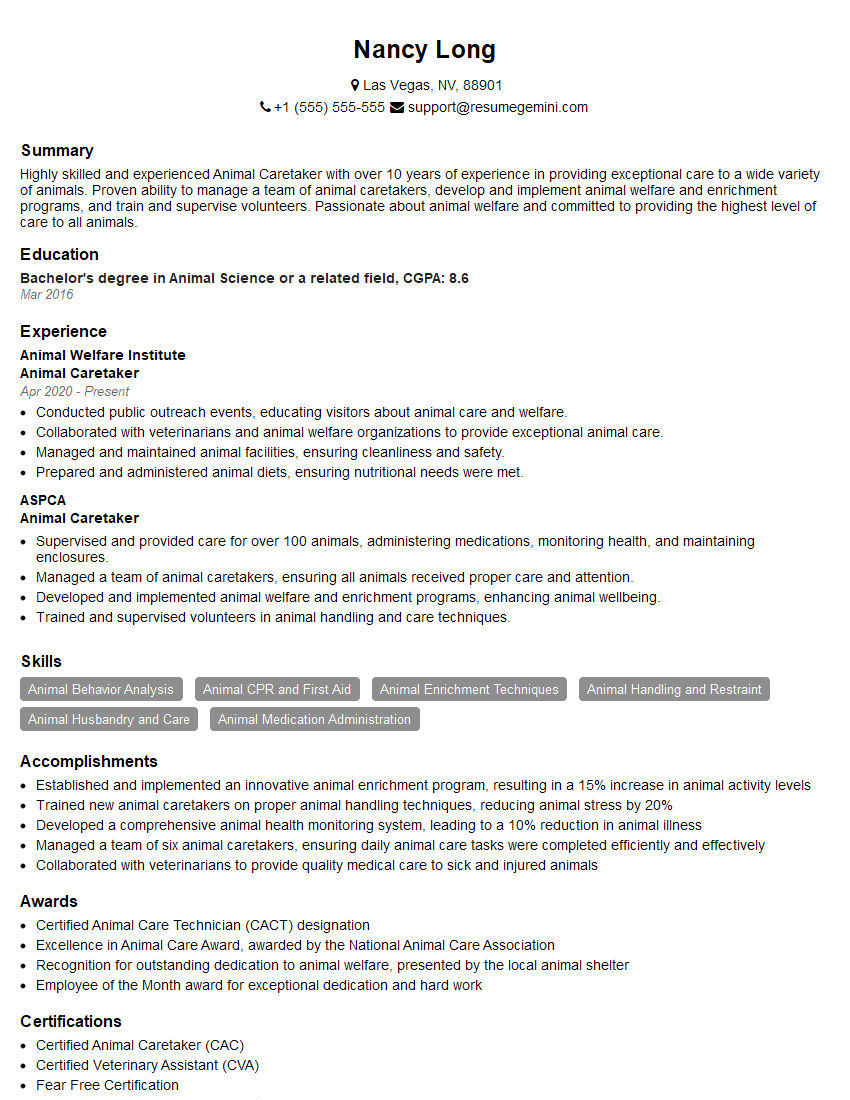
Mastering these topics will significantly boost your interview performance and demonstrate your commitment to animal welfare. To further enhance your job prospects, crafting a strong, ATS-friendly resume is crucial. ResumeGemini can help you create a compelling resume that highlights your skills and experience effectively. ResumeGemini provides examples of resumes tailored specifically to the Animal Protection field, allowing you to tailor your own application for maximum impact. Invest in your future – build a powerful resume and secure your dream job in Animal Protection.

Explore more articles
Users Rating of Our Blogs
Share Your Experience
We value your feedback! Please rate our content and share your thoughts (optional).
What Readers Say About Our Blog
Very informative content, great job.
good