Preparation is the key to success in any interview. In this post, we’ll explore crucial Animal Rehabilitation interview questions and equip you with strategies to craft impactful answers. Whether you’re a beginner or a pro, these tips will elevate your preparation.
Questions Asked in Animal Rehabilitation Interview
Q 1. Describe your experience with different animal rehabilitation modalities.
My experience encompasses a wide range of animal rehabilitation modalities, all chosen to address specific needs and goals. This includes passive therapies such as massage, range of motion exercises, and therapeutic ultrasound, which are crucial for pain management and tissue healing in the early stages of recovery. I also extensively utilize active therapies, including aquatic therapy, treadmill training, and proprioceptive exercises. These help improve strength, coordination, and balance. Finally, I incorporate electrotherapy modalities like transcutaneous electrical nerve stimulation (TENS) to manage pain and edema in various musculoskeletal injuries. For example, a dog recovering from cruciate ligament surgery might initially benefit from passive therapies like massage and ultrasound, followed by a gradual progression to active modalities like underwater treadmill exercises to build strength without excessive stress on the joint.
Q 2. Explain the process of assessing an animal’s range of motion.
Assessing an animal’s range of motion (ROM) is a crucial step in diagnosing and monitoring progress during rehabilitation. It involves systematically evaluating the extent of movement at each joint. I use a combination of visual observation and palpation. For example, when assessing shoulder flexion in a dog, I visually observe the dog’s limb movement while gently palpating the joint to detect any crepitus (grinding sound) or restriction. I measure the ROM using a goniometer, which helps record objective data. I always start with gentle movements to avoid pain and increase the animal’s comfort. The process is carefully documented to track changes over time. Each joint’s normal ROM varies depending on the species and breed. We compare the injured limb with the unaffected one to establish a baseline and identify the extent of limitation. This detailed assessment is critical to create a personalized treatment plan.
Q 3. How do you determine the appropriate treatment plan for an animal with a musculoskeletal injury?
Developing an appropriate treatment plan for a musculoskeletal injury requires a holistic approach. It begins with a thorough assessment, including a detailed history, physical examination, and diagnostic imaging (X-rays, ultrasound, MRI). This helps to identify the specific injury, its severity, and any underlying conditions. Based on this information, I develop a treatment plan that includes specific goals and measurable outcomes. For instance, a dog with a fractured femur would require initial immobilization, followed by gradual weight-bearing exercises once the fracture heals. The plan considers the animal’s age, breed, overall health, and owner compliance. It’s crucial to collaborate with veterinarians and owners. The plan is frequently revised based on the animal’s response to therapy, ensuring continuous improvement and adjustment. Regular reassessment helps to modify the treatment plan to optimize outcomes and avoid unnecessary stress.
Q 4. What are the contraindications for therapeutic ultrasound in animal rehabilitation?
Therapeutic ultrasound, while beneficial for pain relief and tissue healing, has contraindications. It shouldn’t be used over areas with impaired sensation, open wounds, or active hemorrhage as it could cause further damage. Pregnancy is another major contraindication, as the ultrasound energy can potentially harm the developing fetus. Areas with malignant tumors or acute inflammation should also be avoided, as ultrasound may increase inflammation and worsen the condition. It’s crucial to carefully assess the animal before applying ultrasound and avoid these areas completely. It’s always safest to err on the side of caution and consult with a veterinarian before using ultrasound therapy.
Q 5. Describe your experience with aquatic therapy for animals.
Aquatic therapy is a valuable modality in my practice, providing a low-impact, supportive environment for exercise. The buoyancy of water reduces stress on joints and allows for greater range of motion, making it ideal for animals recovering from orthopedic injuries or suffering from arthritis. The hydrostatic pressure in water helps with edema reduction and improves circulation. I’ve successfully used aquatic therapy with various animals, from dogs with hip dysplasia to horses with back pain. For example, a dog recovering from ACL surgery benefited greatly from underwater treadmill sessions, gradually increasing the speed and resistance as the joint strengthened. The warmth of the water also provides added comfort and pain relief. The controlled environment allows for precise adjustments to the therapy, tailoring the exercise to individual needs. For safety and to maintain cleanliness, I always ensure the use of clean, adequately chlorinated water.
Q 6. How do you monitor an animal’s progress during rehabilitation?
Monitoring an animal’s progress is crucial for effective rehabilitation. This involves regular assessment of the animal’s ROM, strength, pain levels, and overall function. I use various tools, including the goniometer for ROM measurements, and objective measures like weight-bearing analysis on a force plate. Subjective assessments include gait analysis and observations of the animal’s behavior. Progress is documented through detailed notes, video recordings, and photographic evidence. We look for improvements in pain scores, increased mobility, and an enhancement in functional abilities. Regular communication with the owner helps to monitor the animal’s progress outside of therapy sessions. Adjustments to the treatment plan are made as needed. We celebrate small victories, keeping the focus on progress and maintaining motivation for both the animal and the owner.
Q 7. What are the common signs of pain in animals?
Recognizing pain in animals can be challenging, as they don’t always express it in the same way humans do. Common signs include vocalization (whimpering, yelping), changes in behavior (lethargy, hiding, decreased appetite), limping, reluctance to move, changes in posture (hunched back, stiffness), guarding of a specific area, aggression or irritability when touched near an injured area, and changes in gait. It’s important to observe subtle changes in an animal’s demeanor and activity levels compared to their normal behavior. A combination of behavioral changes and physical findings helps confirm pain. We also use pain scoring systems that help objectively assess pain levels. Understanding species-specific behaviors helps in accurately interpreting pain signs. If pain is suspected, a thorough veterinary examination is always necessary.
Q 8. Explain your approach to working with owners during the rehabilitation process.
Building a strong owner-patient-rehabilitation team is paramount. My approach begins with a thorough initial consultation, explaining the rehabilitation process clearly and setting realistic expectations. I emphasize the importance of owner compliance with the home exercise program, providing detailed instructions and demonstrations. Regular communication is key; I utilize various methods such as phone calls, emails, and video consultations to monitor progress, address concerns, and make necessary adjustments to the treatment plan. For example, with a dog recovering from cruciate ligament surgery, I’ll demonstrate proper leash walking techniques and show the owner how to perform range-of-motion exercises at home. I also encourage open dialogue and answer any questions thoroughly, creating a supportive environment where owners feel comfortable asking for clarification or expressing concerns.
Furthermore, I emphasize the importance of positive reinforcement during home exercises. We discuss strategies for rewarding the animal for successful completion of exercises. Finally, I provide educational materials, such as handouts or videos, to reinforce key concepts and ensure consistency in the rehabilitation process.
Q 9. Describe your experience with different types of assistive devices for animals.
My experience encompasses a wide range of assistive devices, tailored to the specific needs of each patient. For example, I’ve used slings and harnesses to support weight-bearing in animals recovering from fractures or neurological injuries. We often use underwater treadmills for low-impact exercise, especially beneficial for animals with arthritis or post-surgical conditions. I’m also proficient in fitting and adjusting wheelchairs for animals with paralysis or significant mobility impairments. Other devices I regularly utilize include splints and braces to provide support and stability to injured limbs. Selecting the right device requires careful consideration of the animal’s anatomy, the nature of their injury, and their overall tolerance levels. We regularly monitor for any signs of discomfort or irritation to ensure the device is functioning properly and comfortably for the patient. For instance, I once used a custom-made splint for a cat with a fractured radius to allow for controlled movement during healing, significantly aiding its recovery.
Q 10. How do you adapt your rehabilitation techniques for different animal species?
Adapting techniques across species requires a deep understanding of their unique anatomy, physiology, and behavior. For instance, the rehabilitation of a small dog with a knee injury will differ significantly from that of a large horse with a similar condition. A small dog might benefit from manual therapy techniques and targeted exercises, while a horse may require more advanced modalities like shockwave therapy. Furthermore, each animal’s personality must be considered. A naturally timid animal will require a gentler, more gradual approach than a confident and playful one. I use a variety of positive reinforcement strategies – tailored to the individual species – to encourage cooperation and participation. For example, a cat may respond well to food rewards, whereas a dog might be motivated by praise and toys. Communication with other veterinary specialists, such as equine veterinarians or avian veterinarians, is crucial for optimizing the rehabilitation process for less commonly encountered species.
Q 11. What is your experience with electrotherapy modalities in animal rehabilitation?
Electrotherapy plays a significant role in my practice, particularly in managing pain and inflammation. I utilize various modalities including transcutaneous electrical nerve stimulation (TENS) to reduce pain and muscle spasms, and interferential current (IFC) to decrease edema and promote healing. These therapies can be particularly effective post-surgery or in managing chronic conditions like arthritis. However, it’s crucial to understand the potential contraindications, such as in animals with pacemakers or during pregnancy. Careful monitoring of the animal’s response during electrotherapy is critical, ensuring its comfort and safety. Prior to using any electrotherapy modality, I assess the animal’s condition thoroughly, carefully selecting the appropriate parameters for current intensity, frequency, and duration of treatment. For example, I might use low-intensity TENS to ease discomfort in a dog recovering from a back injury, gradually increasing the intensity as tolerated. Proper patient positioning and electrode placement are vital to ensure the desired therapeutic effect is achieved.
Q 12. Describe your understanding of animal anatomy and physiology relevant to rehabilitation.
A comprehensive understanding of animal anatomy and physiology is fundamental to effective rehabilitation. This includes detailed knowledge of musculoskeletal structures, such as bone, muscle, tendon, and ligament anatomy, as well as the nervous and cardiovascular systems. I need to understand how these systems interact and how injuries affect function. For instance, I must know the specific muscle groups involved in a dog’s gait to design appropriate exercises to strengthen those muscles post-operatively. Understanding the biomechanics of movement is also crucial for assessing gait abnormalities and developing compensatory strategies. A deep understanding of the healing process, including inflammation, tissue repair, and scar formation, is essential for tailoring rehabilitation protocols to optimize healing and reduce the risk of re-injury. This detailed knowledge guides the selection of appropriate therapies and exercises to support the natural healing process.
Q 13. How do you handle a situation where an animal is uncooperative during treatment?
Dealing with uncooperative animals requires patience, understanding, and a flexible approach. First, I try to identify the reason for the uncooperativeness. Is the animal in pain? Is the treatment uncomfortable? Is it fearful or anxious? Addressing the underlying cause is the first step. I might modify the treatment approach, using less invasive techniques or shorter treatment sessions. Positive reinforcement techniques are particularly valuable in these situations. I use treats, praise, and toys to reward cooperation and gradually increase the duration and intensity of the treatments. If necessary, I might utilize calming techniques, such as aromatherapy or a quiet, comfortable treatment environment. In extreme cases, mild sedation may be considered in consultation with the attending veterinarian. For example, with a fearful cat, I might start with desensitization, gradually exposing it to the treatment tools and environment before initiating the actual treatment. It’s critical to maintain the animal’s trust and avoid any negative experiences that could further hinder the cooperation.
Q 14. What is your experience with post-surgical rehabilitation?
Post-surgical rehabilitation is a critical component of the overall treatment plan, significantly impacting the success of the surgery and the animal’s long-term well-being. My experience encompasses a wide range of post-surgical scenarios, from orthopedic surgeries like cruciate ligament repairs and fracture repair, to soft tissue surgeries. The immediate post-surgical phase often focuses on pain management, reducing inflammation, and promoting early controlled movement to prevent joint stiffness and muscle atrophy. Therapies like passive range of motion exercises, gentle massage, and cold therapy are frequently used in this phase. As the healing progresses, the focus shifts to regaining strength, improving mobility, and restoring normal function. This phase may involve more active exercises, such as underwater treadmill therapy or land-based exercises, and the gradual introduction of assistive devices if necessary. Close monitoring and collaboration with the surgeon are essential to ensure the rehabilitation process is aligned with the surgical goals and the healing process. For example, with a dog recovering from hip replacement surgery, the initial phase would focus on pain management and very gentle range of motion, gradually progressing to weight-bearing exercises and activities as healing permits.
Q 15. How do you prevent injuries during animal handling?
Preventing injuries during animal handling is paramount in animal rehabilitation. It requires a blend of understanding animal behavior, employing safe handling techniques, and creating a secure environment.
- Understanding the Animal: Before approaching any animal, assess its temperament, potential for aggression or fear, and any existing injuries that might make it more sensitive or prone to panic. A fearful or injured animal is much more likely to react unpredictably. For example, a cat with a fractured leg will be more likely to bite or scratch than a healthy cat.
- Proper Restraint Techniques: The type of restraint depends on the species and the situation. Gentle, firm control is key. We use muzzles for dogs that are likely to bite, and for cats, we might employ a towel or cat bag. Using appropriate equipment is critical and proper training in restraint techniques is mandatory.
- Safe Environment: The rehabilitation area must be safe and free of hazards, with appropriate surfaces (non-slip mats) to prevent falls. We use padded surfaces to cushion falls and protect any injuries. For example, we might use specialized slings or harnesses to assist animals with mobility issues in a controlled manner, reducing stress and the risk of injury.
- Teamwork: Handling larger or more challenging animals often requires multiple people, each with a specific role to ensure safety and coordination. Clear communication among team members is essential.
Career Expert Tips:
- Ace those interviews! Prepare effectively by reviewing the Top 50 Most Common Interview Questions on ResumeGemini.
- Navigate your job search with confidence! Explore a wide range of Career Tips on ResumeGemini. Learn about common challenges and recommendations to overcome them.
- Craft the perfect resume! Master the Art of Resume Writing with ResumeGemini’s guide. Showcase your unique qualifications and achievements effectively.
- Don’t miss out on holiday savings! Build your dream resume with ResumeGemini’s ATS optimized templates.
Q 16. Explain your experience with manual therapy techniques such as massage.
Manual therapy, including massage, plays a significant role in my practice. I’m experienced in various massage techniques, adapting them to the specific needs and anatomy of different animals. For example, I use:
- Effleurage: Long, gentle strokes used to relax muscles and increase circulation. This is particularly useful for reducing inflammation and muscle soreness.
- Petrissage: Kneading and lifting of muscle tissue to improve lymphatic drainage, reduce muscle spasms, and improve tissue mobility. This can be incredibly helpful for animals recovering from surgery or injury.
- Trigger Point Therapy: Applying pressure to specific points in the muscle to alleviate pain and release tension. This is particularly useful for animals experiencing chronic pain.
I always carefully assess the animal’s response to treatment, modifying techniques as needed. For instance, if an animal is experiencing discomfort, I would adjust the pressure or change the technique immediately. Ethical treatment and the animal’s well-being are my top priorities. I have successfully used these techniques on a variety of species, including dogs, cats, and horses, to alleviate pain, improve range of motion, and promote healing.
Q 17. How do you address behavioral issues that may interfere with rehabilitation?
Behavioral issues can significantly hinder the rehabilitation process. Addressing these requires a multi-faceted approach.
- Behavior Assessment: First, I conduct a thorough behavioral assessment to identify the root cause of the problem – is it pain-related, learned behavior, anxiety, or something else? For example, a dog might be aggressive during rehabilitation due to pain, while a cat might be reluctant to participate due to past negative experiences.
- Positive Reinforcement: I utilize positive reinforcement techniques such as rewarding desired behaviors with treats, praise, or toys. This helps establish a positive association with the rehabilitation process.
- Environmental Modification: Altering the environment to minimize stressors is crucial. For example, creating a quiet, comfortable space can reduce anxiety. Using pheromone diffusers, in the case of cats, can create a calming effect.
- Desensitization and Counterconditioning: Gradually exposing the animal to stimuli that trigger negative behaviors while pairing them with positive experiences can help modify the animal’s response. This can be particularly useful in addressing fear-based behavior.
- Collaboration: In cases of significant behavioral challenges, I might collaborate with a veterinary behaviorist to develop a comprehensive behavioral modification plan.
Q 18. What is your experience with thermotherapy and cryotherapy?
Thermotherapy and cryotherapy are valuable tools in animal rehabilitation, each serving a different purpose.
- Thermotherapy (Heat Therapy): This involves the application of heat to increase blood flow, reduce muscle spasms, and promote tissue healing. Methods include heat packs, warm water therapy, and infrared lamps. For example, we use warm water therapy to improve range of motion in joints with arthritis.
- Cryotherapy (Cold Therapy): This involves the application of cold to reduce inflammation, pain, and swelling. Methods include ice packs, cold water immersion, and cryosprays. For example, I use ice packs immediately following injury to minimize swelling.
The choice between thermotherapy and cryotherapy depends on the stage of injury and the animal’s specific needs. Acute injuries generally benefit from cryotherapy initially, while chronic conditions might respond better to thermotherapy.
Q 19. Describe your understanding of neuromuscular re-education.
Neuromuscular re-education focuses on retraining the nervous system and muscles to work together efficiently. It’s crucial for animals recovering from neurological injuries or those with muscle weakness or atrophy.
Techniques include:
- Proprioceptive exercises: These exercises challenge the animal’s balance and coordination, helping to improve proprioception (awareness of body position). Examples include balance board exercises or walking on uneven surfaces.
- Strengthening exercises: Exercises designed to improve muscle strength and endurance. Examples include weight-bearing exercises or resistance training using specialized equipment tailored to the species and capabilities.
- Range of motion exercises: Gentle stretching and mobilization exercises to maintain or improve joint flexibility.
Neuromuscular re-education is often used in conjunction with other modalities like manual therapy and electrotherapy to achieve optimal results. Careful monitoring of the animal’s response is necessary to ensure exercises are appropriately challenging and safe.
Q 20. How do you document and track an animal’s progress during rehabilitation?
Accurate documentation and progress tracking are vital for effective animal rehabilitation. I use a combination of methods:
- Detailed Initial Assessment: This includes a comprehensive history, physical examination findings, and the establishment of baseline measurements (e.g., range of motion, muscle strength). A detailed photographic record is maintained.
- Treatment Records: Each treatment session is meticulously documented, including the type and duration of therapy applied, the animal’s response to treatment, and any observed changes in behavior or physical condition.
- Progress Charts: I use charts and graphs to track the animal’s progress over time, visualizing changes in key parameters such as range of motion, weight-bearing ability, and pain scores. This allows for objective assessment of the rehabilitation program’s effectiveness.
- Video Recordings: Recording the animal’s performance during exercises can provide a valuable visual record of progress. This is especially helpful for monitoring subtle changes in gait or coordination.
- Client Communication: Regular communication with the owner keeps them informed of the animal’s progress, allowing for shared decision-making and collaboration on the rehabilitation plan.
This comprehensive approach ensures a clear and detailed record of the animal’s journey throughout the rehabilitation process.
Q 21. What safety precautions do you employ in your work?
Safety is a top priority in my work. I implement numerous precautions:
- Personal Protective Equipment (PPE): I consistently use appropriate PPE, such as gloves, eye protection, and potentially bite-resistant sleeves, depending on the animal and the procedure.
- Sterilization and Hygiene: Maintaining a clean and sterile environment is critical to prevent infection. All equipment is thoroughly cleaned and sterilized between uses.
- Emergency Preparedness: I’m prepared for potential emergencies with a well-stocked first-aid kit and knowledge of emergency protocols. I know precisely how to contact the attending veterinarian in case of unforeseen complications.
- Species-Specific Knowledge: Understanding the specific handling needs and potential hazards associated with each species is essential. For example, I know the different ways of handling birds versus large mammals.
- Regular Safety Training: Continuous professional development and regular safety training ensure I am up-to-date on best practices and equipped to handle any situation safely and effectively.
Q 22. Describe your experience with different types of exercise equipment.
My experience with exercise equipment spans a wide range, tailored to the specific needs of each animal. This includes everything from simple, low-impact tools like underwater treadmills (which provide buoyancy support for injured limbs) and wobble boards (enhancing proprioception and balance), to more advanced equipment such as eccentric strengthening devices which help rebuild muscle strength after injury. I’m also proficient with passive range of motion equipment to maintain joint mobility, and specialized slings and harnesses for supporting weakened animals during exercise.
For example, I’ve used underwater treadmills extensively with dogs recovering from cruciate ligament injuries. The buoyancy reduces stress on the joint while still providing cardiovascular exercise. With cats recovering from fractures, I might utilize a customized harness and leash system for controlled, low-impact walks, gradually increasing the distance and intensity as their recovery progresses.
Selection of the appropriate equipment is crucial and depends on factors such as the animal’s species, size, injury type, and overall fitness level. A thorough assessment always precedes the introduction of any equipment.
Q 23. How do you assess an animal’s cardiovascular fitness?
Assessing an animal’s cardiovascular fitness involves a multifaceted approach. It goes beyond just looking at heart rate. We start with a thorough physical examination to identify any pre-existing conditions. Then we utilize several methods, including resting heart rate measurement, monitoring heart rate response to exercise (using a heart rate monitor), and observing respiratory rate and effort during activity. We might also employ more advanced techniques, depending on the species and the severity of the condition. This could include electrocardiography (ECG) or even blood tests to assess cardiac function.
For example, with a dog recovering from surgery, we might start with a short, low-intensity walk, monitoring its heart rate and respiratory rate. If the animal shows signs of fatigue or an abnormally high heart rate, we immediately reduce the intensity and duration of the exercise. Gradual increases in intensity and duration are carefully monitored to prevent overexertion and ensure optimal cardiovascular conditioning without causing further harm.
Q 24. What is your experience with working with different veterinary specialists?
Collaboration with veterinary specialists is essential in animal rehabilitation. My experience involves close working relationships with veterinary surgeons (orthopedics, neurology), internal medicine specialists, and radiologists. For instance, I regularly consult with orthopedic surgeons regarding post-surgical care plans, receiving guidance on weight-bearing restrictions and appropriate exercise protocols for animals recovering from fractures or ligament repairs. Collaboration with neurologists is crucial in managing animals with neurological conditions, where tailored rehabilitation programs are essential for regaining lost function.
Effective communication with specialists ensures that the rehabilitation plan aligns perfectly with the animal’s medical condition. Regular updates on the animal’s progress are shared and any changes in the animal’s condition are immediately reported to the relevant specialist allowing for timely adjustments to the treatment plan.
Q 25. How do you handle emergency situations?
Handling emergency situations requires quick thinking, decisive action, and a calm demeanor. My training includes advanced first aid and emergency response procedures for animals. This involves assessing the situation rapidly to determine the nature of the emergency, providing immediate stabilization, and contacting the attending veterinarian or emergency services as needed.
For example, if an animal experiences a sudden collapse during exercise, I would immediately stop the activity, assess its breathing and pulse, and provide necessary supportive care like administering oxygen if equipped to do so. I would then contact the veterinarian and follow their instructions while carefully monitoring the animal until professional help arrives. Prioritization of safety, both for the animal and myself, is paramount.
Q 26. Describe your understanding of the ethical considerations in animal rehabilitation.
Ethical considerations are central to my practice. The animal’s welfare always comes first. This involves carefully balancing the benefits of rehabilitation with potential risks. We must avoid any procedures or exercises that could cause further harm or pain. Informed consent from the owner is crucial, ensuring they fully understand the treatment plan, potential benefits, and any risks involved.
Transparency about the animal’s progress and any setbacks is essential. We must also respect the animal’s natural behavior and individual needs, adjusting the rehabilitation program accordingly. Finally, maintaining the highest standards of professional conduct and adhering to relevant regulations is paramount.
Q 27. Explain your proficiency in using specific rehabilitation equipment.
My proficiency with rehabilitation equipment includes extensive hands-on experience with various modalities. I’m skilled in operating and maintaining underwater treadmills, adjusting water depth and speed to suit the animal’s needs. I can effectively utilize therapeutic lasers and ultrasound units, ensuring proper application techniques and safety protocols are followed. My expertise extends to the safe and effective use of electrical stimulation units for muscle strengthening and pain management. I am also skilled in using various types of slings and harnesses for support and assistance with ambulation.
For instance, using therapeutic ultrasound requires a deep understanding of its biophysical effects to target specific tissues for pain reduction and soft tissue healing. Incorrect use can be detrimental, therefore continuous education and up-to-date knowledge are essential. Proper documentation of equipment use, including settings and duration, is integral to monitoring treatment effectiveness.
Q 28. Describe your experience with patient education and communication with clients
Patient education and client communication are crucial components of successful animal rehabilitation. I strive to explain complex medical information in a clear, concise, and easily understandable manner. I use visual aids, such as diagrams and videos, when appropriate. Communication involves educating clients about the rehabilitation plan, the animal’s progress, and any potential challenges.
For instance, I always explain the rationale behind each exercise, the expected outcome, and any potential side effects in terms the owner can easily grasp. I encourage open communication and answer any questions the owner might have. I provide written instructions and home exercise programs to ensure consistent treatment. Regular follow-up appointments allow for monitoring progress and making any necessary adjustments to the rehabilitation plan.
Key Topics to Learn for Animal Rehabilitation Interview
- Animal Anatomy and Physiology: Understanding the musculoskeletal, nervous, and cardiovascular systems is crucial for assessing injuries and developing rehabilitation plans. Consider the specific needs of different animal species.
- Rehabilitation Techniques: Mastering techniques like therapeutic exercise, hydrotherapy, electrotherapy, and manual therapy is essential for practical application. Be prepared to discuss the pros and cons of various methods and their appropriate application.
- Assessment and Diagnosis: Discuss your understanding of gait analysis, range of motion assessment, and the use of diagnostic imaging (X-rays, ultrasound) to inform treatment decisions. Knowing how to interpret these findings is key.
- Rehabilitation Program Development: Explain your ability to create individualized rehabilitation plans, considering the animal’s species, age, injury type, and overall health. Highlight your experience in setting realistic goals and tracking progress.
- Client Communication and Education: Discuss the importance of clear communication with pet owners regarding the rehabilitation process, prognosis, and home care instructions. Effective communication is vital for successful outcomes.
- Case Management and Record Keeping: Demonstrate your understanding of maintaining accurate and detailed patient records, including progress notes, treatment plans, and communication logs. This shows your attention to detail and professionalism.
- Ethical Considerations and Animal Welfare: Be ready to discuss ethical considerations in animal rehabilitation, including pain management, humane handling, and adhering to professional standards.
Next Steps
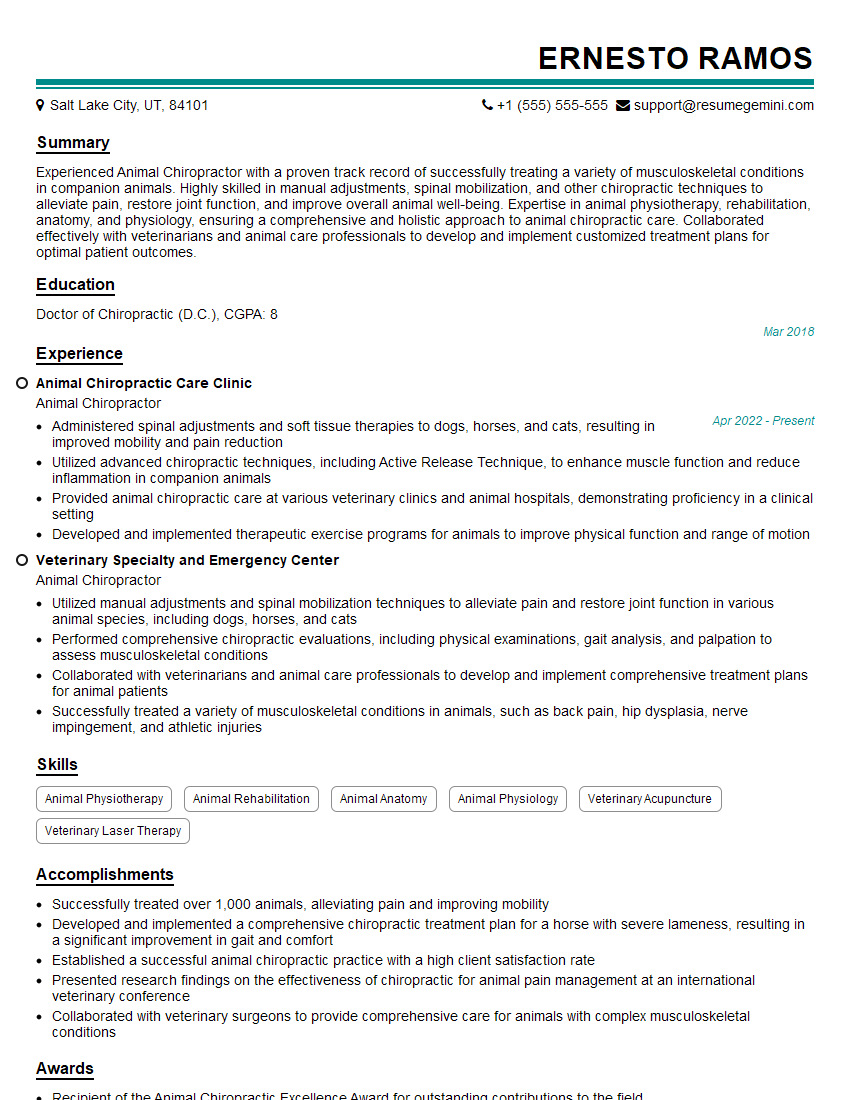
Mastering animal rehabilitation opens doors to a rewarding career with diverse opportunities for growth, from private practice to research and zoological settings. To significantly boost your job prospects, creating an ATS-friendly resume is paramount. An effectively structured resume will help your application stand out and increase your chances of securing an interview. We highly recommend leveraging ResumeGemini to craft a professional and impactful resume. ResumeGemini provides valuable tools and resources, including examples of resumes tailored to Animal Rehabilitation, to help you present your skills and experience effectively. Take the next step in your career journey – build a resume that showcases your potential!
Explore more articles
Users Rating of Our Blogs
Share Your Experience
We value your feedback! Please rate our content and share your thoughts (optional).
What Readers Say About Our Blog
Very informative content, great job.
good