Interviews are opportunities to demonstrate your expertise, and this guide is here to help you shine. Explore the essential Animal Trap Setting interview questions that employers frequently ask, paired with strategies for crafting responses that set you apart from the competition.
Questions Asked in Animal Trap Setting Interview
Q 1. What are the different types of animal traps commonly used?
Animal traps come in a wide variety of designs, each suited for different animals and trapping purposes. They can be broadly categorized into two main types: lethal traps and live traps.
Lethal Traps: These traps are designed to kill the target animal quickly and efficiently. Examples include foothold traps (designed to hold an animal by a foot), body-gripping traps (which restrain the entire body), and snares (a loop of wire or cable that constricts the animal).
Live Traps: These traps aim to capture the animal alive without causing harm. Common live traps include cage traps (various sizes and designs), havahart traps (a popular brand of cage trap), and drop traps (which use a sudden drop to confine the animal).
The choice of trap depends heavily on the target species, local regulations, and the intended outcome (e.g., relocation, population control, or pest removal).
Q 2. Describe your experience with live-trapping techniques.
My experience with live-trapping spans over 15 years, encompassing a wide range of species, from small rodents like mice and voles to larger animals such as raccoons and opossums. I’ve worked extensively in both urban and rural settings, adapting my techniques to the specific environment and target animal. For example, when trapping raccoons in a residential area, I prioritize minimizing disturbance to the neighborhood by carefully selecting trap placement locations and using scent lures strategically. My success rate with live trapping is consistently high, largely due to my attention to detail in bait selection, trap placement, and regular trap checks. I’m particularly skilled in handling sensitive species, ensuring minimal stress during capture and release.
I’ve also incorporated advanced techniques, like using trail cameras to identify animal movement patterns and select optimal trap locations, to increase efficiency and reduce the need for multiple trap deployments.
Q 3. How do you select the appropriate trap for a specific animal?
Selecting the appropriate trap is critical for both ethical and effective trapping. The process involves considering several key factors:
Target Species: The size and behavior of the animal will dictate the trap type and size. A small mouse would require a significantly different trap than a large raccoon.
Trapping Objective: Are you aiming to relocate the animal, remove it permanently, or simply study its presence? This determines whether a lethal or live trap is appropriate.
Local Regulations: Laws and regulations often restrict the use of certain trap types and may specify trap placement requirements. It’s essential to be fully compliant with these regulations.
Environment: The terrain, vegetation, and potential hazards within the trapping area must be considered. A trap needs to be secure and easily accessible for checking.
For example, a foothold trap might be appropriate for managing a coyote population in a rural area, but it would be entirely unsuitable for trapping a squirrel in a suburban backyard. A live cage trap would be far safer and more appropriate for the latter.
Q 4. Explain the process of setting a foothold trap safely and effectively.
Setting a foothold trap safely and effectively requires careful attention to detail. Improper setting can lead to injury to the animal and even to the trapper.
Choose the Right Location: Select a location with evidence of animal activity, such as tracks or droppings. Avoid areas where non-target animals might be at risk.
Prepare the Trap: Carefully inspect the trap for any damage or defects. Ensure the jaws are properly set and functioning smoothly. Apply appropriate lures or scents to attract the target animal.
Secure the Trap: Use appropriate stakes or anchoring methods to prevent the trap from being moved or disturbed. The trap should be firmly anchored to the ground.
Concealment: Partially bury or camouflage the trap to avoid alerting the animal to its presence. Use natural materials to blend it into the environment.
Regular Checks: Check traps frequently to avoid prolonged suffering of the animal. Depending on local regulations, the frequency will vary. Ensure to wear appropriate safety gear during these checks.
Always remember to prioritize the safety of both the target animal and the trapper. Never touch the jaws of a set trap with your bare hands!
Q 5. What are the legal requirements and regulations for trapping in your area?
Trapping regulations vary significantly by location. In my area, [replace with your area/state], it’s mandatory to obtain a trapping license. This license usually involves passing a safety course demonstrating knowledge of humane trapping practices and understanding relevant regulations. There are restrictions on the types of traps allowed, the target species that can be trapped, and the trapping seasons. Trapping is generally prohibited on private property without explicit permission from the landowner. Specific regulations often exist regarding the reporting of catches, the proper disposal of trapped animals, and the safe storage of traps when not in use. It’s crucial to consult your local wildlife agency for detailed and up-to-date information on trapping laws and regulations in your specific area.
Q 6. How do you ensure the humane treatment of trapped animals?
Humane treatment of trapped animals is paramount. This involves minimizing stress and suffering throughout the entire process. This begins with the selection of appropriate traps, ensuring quick capture and minimal injury. Regular trap checks are crucial to prevent prolonged suffering. If live-trapping, immediate and careful handling is necessary to avoid causing fear or injury. For relocation, animals should be released to a suitable habitat with sufficient resources. If euthanasia is necessary (in cases permitted by law and ethical considerations), it must be performed swiftly and humanely using approved methods.
Furthermore, proper trap maintenance and cleanliness helps prevent diseases and infections that can affect captured animals. By adhering to these practices, we ensure the welfare of the animals, even those we are managing as part of a control or management program.
Q 7. What are the common safety precautions when handling traps?
Safety precautions when handling traps are critical to prevent accidents and injuries. Always wear heavy-duty gloves to protect your hands from accidental snags or bites. Use caution when setting and checking traps; never assume a trap is not set. Avoid touching the jaws of a set trap directly. Carry appropriate tools, such as a trap stretcher or tongs, to safely handle and reset traps. Be aware of the environment and avoid handling traps in unsafe or hazardous areas. When transporting traps, secure them properly to prevent accidental deployment. Regularly inspect traps for damage or wear and tear, and replace any faulty parts immediately. Finally, it’s extremely important to understand and comply with all local safety regulations and guidelines when trapping.
Q 8. How do you identify different animal tracks and droppings?
Identifying animal tracks and droppings requires a keen eye for detail and a solid understanding of local wildlife. It’s like being a detective, piecing together clues to identify the culprit! We examine several key features.
Size and Shape: The size of a track indicates the size of the animal. A small, delicate track might belong to a mouse, while a large, heavy track could be a deer or bear. The shape – round, elongated, clawed, etc. – further narrows down the possibilities.
Gait Pattern: The way an animal walks leaves a distinct pattern. For example, a canine (dog, fox, coyote) usually has a characteristic gait pattern of paired tracks. Ungulates (deer, elk) have a distinctive alternating pattern.
Dropping Characteristics: Droppings also provide vital clues. Their size, shape, color, and contents (seeds, bones, fur) can help distinguish between different species. Rabbit droppings are small and pellet-shaped, while coyote droppings are typically larger and contain undigested bone fragments.
Location and Context: The location of the tracks and droppings can also be informative. Tracks near a stream might indicate a deer drinking, while droppings near a den could signify a fox’s territory.
Using field guides and online resources with images of local wildlife tracks and scat is crucial for accurate identification. Practice and experience are key to becoming proficient.
Q 9. Describe your experience in dealing with aggressive animals.
Dealing with aggressive animals requires a calm, deliberate approach, prioritizing safety above all else. I’ve had encounters with aggressive skunks, raccoons, and even a couple of territorial bobcats. The key is understanding their behavior and minimizing potential conflict.
Maintaining Distance: Never approach an aggressive animal directly. Give it ample space to retreat. Back away slowly, avoiding sudden movements that could trigger a defensive response.
Non-Threatening Body Language: Avoid eye contact, which can be interpreted as a challenge. Keep your body low, and speak in a calm, reassuring tone.
Using Deterrents: Loud noises (like shouting or banging pots and pans) or bright lights can often deter an aggressive animal. In extreme cases, using approved repellent sprays might be necessary, but always with caution and following instructions meticulously.
Seeking Professional Help: If an animal is persistently aggressive or poses a threat to public safety, it is crucial to contact animal control or wildlife professionals. They have the training and equipment to handle these situations safely and humanely.
For example, once, a raccoon was trapped near a residential area and became aggressive. I backed off, alerted the local wildlife authorities, and they were able to safely remove the animal and relocate it to a more appropriate habitat.
Q 10. How do you handle trap malfunctions or injuries to trapped animals?
Trap malfunctions and injuries to trapped animals are serious concerns that need immediate attention. Prevention is always the first step, through regular trap checks and proper maintenance. But, preparedness for unforeseen circumstances is essential.
Trap Malfunctions: If a trap malfunctions (e.g., a broken spring, a jammed mechanism), I address it immediately, ensuring the animal isn’t injured or able to escape. Safety is paramount. Repairs should be made with the trap securely disabled to prevent further issues.
Injured Animals: If an animal is injured, I carefully assess the situation. Minor injuries might heal on their own after prompt release. However, significant injuries necessitate immediate action. Contacting a licensed veterinarian or wildlife rehabilitator is critical for ethical and humane treatment.
Humane Dispatch: In situations where an animal is severely injured and suffering beyond recovery, humane euthanasia might be the most ethical course of action. This decision should always be made in consultation with a veterinarian or wildlife professional, with adherence to strict regulations and guidelines.
Documenting any incidents involving trap malfunctions or injuries, including the type of trap, the species of animal, the nature of the injury, and the actions taken, is crucial for improving future trapping practices and ensuring accountability.
Q 11. Explain your experience with different types of bait and lure.
My experience encompasses a variety of baits and lures, each with its strengths and weaknesses depending on the target species and environmental factors. It’s about understanding animal preferences and employing the most effective attractants.
Natural Baits: Fruits (apples, berries), nuts, and vegetables are effective for various omnivores and herbivores. For example, apples work well for deer, while nuts might lure squirrels.
Commercial Baits: Pre-made baits, often containing fishmeal, meat scraps, or other attractants, are readily available and can be quite effective. These are usually designed for specific target species.
Lures: Lures utilize scents to attract animals. Urine or gland secretions from the target species can be incredibly effective but require careful handling and knowledge of local regulations. Artificial lures mimicking natural scents are also widely used.
Bait Placement: The placement of bait is equally important. Consider the target animal’s behavior. For example, placing bait high in a tree is useful for squirrels, while placing it near ground level works better for raccoons.
I always experiment with different bait and lure combinations, keeping careful records of what works best under specific conditions. This data allows for fine-tuning techniques for optimal results.
Q 12. What are the common signs of animal activity you look for?
Recognizing animal activity requires a careful examination of subtle clues. It’s like reading a story written in the language of nature.
Tracks and Trails: Fresh tracks, especially those with clearly visible imprints, signify recent animal passage. Trails often indicate regular movement patterns.
Droppings: As previously mentioned, the presence and characteristics of droppings provide crucial insights into animal presence and activity.
Feeding Signs: Evidence of feeding, such as gnawed branches, scattered seeds, or partially eaten fruits, points to the presence of animals foraging in the area.
Nesting or Denning Areas: Identifying nests, burrows, or dens indicates the presence of animals establishing territories or raising young.
Scratches or Rub Marks: Marks left by animals scratching on trees or other objects might be territorial markers or simply signs of activity.
Scent Marking: Scent marking from urine or gland secretions provides evidence of the presence of various animals, especially canids and felines.
Combining various signs allows a more comprehensive understanding of animal activity and the overall habitat usage.
Q 13. How do you determine the appropriate trap placement for optimal success?
Proper trap placement is paramount for successful trapping. It requires understanding the target animal’s behavior and habits. It’s all about putting the trap where the animal is most likely to go.
Travel Routes: Animals often follow established paths, like trails or fence lines. Placing traps along these routes increases the chances of interception.
Feeding Areas: Setting traps near food sources, water sources, or other areas of high animal activity increases the likelihood of a capture.
Scent Trails: Using lures strategically to create an attractive scent trail can lead animals directly to the trap.
Concealment: Camouflaging the trap, either by blending it into the environment or using natural materials as cover, significantly increases effectiveness. Animals are naturally cautious and avoiding detection is key.
Terrain Considerations: The terrain significantly influences trap placement. Avoid placing traps in areas that are too muddy, rocky, or obstructed.
For instance, to trap a raccoon, I’d place a cage trap near a garbage can or compost bin, using a bit of fish or other suitable bait. To trap a deer, I’d place a snare trap along a well-worn trail, hidden in the vegetation.
Q 14. What is your experience with trapping in different terrains and environments?
My trapping experience spans diverse terrains and environments, from dense forests and open fields to riparian zones and urban areas. Adaptability is crucial.
Forest Environments: Trapping in forests often requires careful consideration of undergrowth, dense vegetation, and the need for concealment.
Open Fields: Trapping in open fields requires different strategies. Traps may need to be more visible to attract animals, but also need to avoid detection by people.
Riparian Zones: These areas, near water sources, often support high biodiversity, requiring an understanding of the specific animal behaviors.
Urban Areas: Urban trapping presents its own challenges, requiring additional caution and awareness of safety considerations and local regulations.
Each environment requires a tailored approach to trap selection, placement, and baiting. For example, in a dense forest, I might use smaller traps and rely heavily on scent lures. In an open field, I may use larger, more visible traps and focus on natural baits.
Q 15. How do you maintain and clean your traps?
Maintaining and cleaning traps is crucial for their effectiveness and to prevent disease transmission. It’s also a matter of ethical treatment of animals. Neglecting this can lead to injury or suffering for the animals and damage to the trap itself.
Trap Disassembly: I carefully disassemble the trap, removing any debris, mud, or blood. This prevents cross-contamination and ensures the trap’s mechanisms function correctly.
Cleaning: I use a stiff brush and warm soapy water to thoroughly clean all parts. For stubborn residues, I might use a mild disinfectant, ensuring it’s completely rinsed off afterwards to avoid harming any animals. For example, I use a solution of diluted bleach for particularly dirty traps, always rinsing extensively.
Lubrication: After cleaning, I apply a suitable lubricant, such as silicone spray, to moving parts, preventing rust and ensuring smooth operation. Over-lubrication should be avoided, as this can interfere with the trap’s mechanism.
Inspection: I meticulously inspect the trap for any damage, such as broken springs or bent wires. If any damage is found, the trap is repaired or replaced to avoid malfunction and potential animal injury.
Storage: Clean and dried traps are stored in a safe, dry place, away from children and pets, to prevent accidental injury or damage.
Career Expert Tips:
- Ace those interviews! Prepare effectively by reviewing the Top 50 Most Common Interview Questions on ResumeGemini.
- Navigate your job search with confidence! Explore a wide range of Career Tips on ResumeGemini. Learn about common challenges and recommendations to overcome them.
- Craft the perfect resume! Master the Art of Resume Writing with ResumeGemini’s guide. Showcase your unique qualifications and achievements effectively.
- Don’t miss out on holiday savings! Build your dream resume with ResumeGemini’s ATS optimized templates.
Q 16. Describe your understanding of animal behavior and its relevance to trapping.
Understanding animal behavior is fundamental to successful and ethical trapping. Animals have predictable patterns influenced by factors such as food sources, breeding cycles, and habitat preferences. This knowledge helps in choosing effective trap locations and types.
Habitat Selection: For example, if I’m targeting squirrels, I would place traps near their commonly used routes, such as tree branches or fence lines, and during times of peak activity, often dawn and dusk.
Scent and Bait: Knowing an animal’s preferred food and scents allows me to effectively bait traps and increase catch rates. I often utilize species-specific baits, such as peanut butter for squirrels or fish for raccoons.
Trap Placement: Careful consideration of the target animal’s size and behavior is vital for effective trap placement. Too large a trap might let the animal escape, too small a trap might cause injury.
Minimizing Stress: Understanding an animal’s natural behaviors can help minimize the stress of trapping. Quick and efficient handling reduces suffering. For instance, quickly dispatching a trapped animal (if required) according to the relevant ethical guidelines and regulations is paramount.
Q 17. How do you monitor traps and check for caught animals?
Regular trap monitoring is essential for ethical and legal reasons. Delayed checks can lead to animal suffering. My monitoring schedule varies depending on the species and weather conditions.
Frequency: Traps are checked at least once daily, but more frequently during extreme weather conditions or in areas of high animal activity. For example, during a cold snap, checks might be twice a day.
Visual Check: I use visual inspection, ensuring a safe distance to avoid potential animal reactions. This first check looks for signs of the trap being triggered. This is crucial because sometimes the animal escapes or a non-target animal is caught.
Caution and Safety: If an animal is caught, I approach cautiously, wearing appropriate protective gear like gloves and potentially heavy-duty clothing. I prioritize my safety and the safe handling of the animal.
Record Keeping: Each trap check is documented. This includes the date, time, location, trap number, and species (if any) captured. This documentation is crucial for compliance with regulations and for managing trapping effectiveness.
Q 18. Explain the process of releasing a trapped animal safely and humanely.
Releasing a trapped animal safely and humanely requires careful handling and knowledge of the species. The goal is to minimize stress and ensure the animal’s survival.
Assessment: Before handling, I assess the animal’s condition for injuries or signs of stress. I also identify the species to determine the appropriate release method.
Controlled Release: I use appropriate tools to gently and safely remove the animal from the trap, minimizing unnecessary handling. For example, a snare may require special tools to safely release the animal. The quicker the animal is released, the less stressful the experience.
Safe Distance: Once freed, I move to a safe distance to allow the animal to recover and leave the area without feeling threatened. I observe for a short period to ensure that the animal is able to move away safely.
Post-Release Monitoring (if necessary): In some cases, I might monitor the area following release, especially if the animal appears weak or injured. Depending on regulations, this might involve reporting findings to wildlife officials.
Q 19. What are the ethical considerations involved in animal trapping?
Ethical considerations are paramount in animal trapping. My practices are guided by principles of minimizing animal suffering, respecting wildlife populations, and adhering to all relevant regulations.
Species-Specific Approaches: I use only appropriate and humane traps for the target species, considering their size and strength. This avoids causing unnecessary injury or suffering.
Minimizing Bycatch: I take steps to minimize the trapping of non-target species. This might involve selective baiting or strategic trap placement.
Trap Check Frequency: Regular and frequent trap checks prevent undue suffering of caught animals.
Quick Dispatch (if necessary): When authorized and necessary to do so, humane dispatch methods are used for trapping species that must be killed according to the guidelines set by regulatory bodies.
Compliance with Regulations: I always adhere to all local, state, and federal regulations concerning trapping.
Q 20. How do you handle public concerns or complaints about trapping activities?
Public concerns about trapping are understandable. Transparency and education are crucial in addressing these concerns. My approach is to engage in open dialogue and provide factual information.
Open Communication: I am always willing to explain my trapping methods, the reasons behind them, and the measures taken to ensure humane practices. I am happy to answer questions clearly and honestly.
Education: I often share information about the importance of wildlife management and the role trapping plays in conservation efforts. This helps dispel misconceptions about trapping.
Addressing Specific Concerns: I directly address specific complaints, providing explanations and potentially adjusting my methods based on valid feedback.
Respectful Dialogue: I strive to maintain a respectful dialogue, acknowledging and understanding the public’s concerns. Open communication is crucial.
Q 21. What is your experience with record-keeping and reporting of trapping activities?
Record-keeping and reporting are crucial aspects of responsible trapping. Accurate records ensure compliance with regulations and provide valuable data for wildlife management.
Detailed Records: I maintain detailed records of all trapping activities, including trap locations, dates, species caught, and any related observations.
Digital and Physical Records: I use both digital and physical records, ensuring data backups to avoid loss of important information.
Compliance Reporting: I submit all required reports to the appropriate regulatory bodies in a timely manner. This includes submitting required reports concerning catches, methods used, and any other relevant data.
Data Analysis: I analyze my data to track trapping success, identify trends in wildlife populations, and inform future trapping strategies. This allows me to refine my techniques and methods to ensure effectiveness and minimize impact.
Q 22. Describe your understanding of various trapping laws and permits.
Trapping laws and permits are crucial for responsible and legal wildlife management. My understanding encompasses federal, state, and sometimes even local regulations, which vary significantly depending on the species, location, and trapping methods. These laws often dictate what species can be trapped, the types of traps allowed, trapping seasons, and the required permits or licenses. For instance, some areas might require a specific fur harvester license for trapping certain animals, while others might have restrictions on the use of live traps in certain habitats to protect endangered species. I’m familiar with the nuances of these regulations and always ensure my trapping activities remain fully compliant. I regularly consult updated resources from relevant wildlife agencies to stay informed about any changes or additions to the legal framework. This includes checking both the online resources and contacting directly with wildlife officials for specific details regarding permits and regulations for specific species and locations.
Q 23. How do you address the issue of non-target species capture?
Non-target species capture is a major concern in trapping. Minimizing this risk requires a multi-pronged approach. First, selecting the right trap type for the target species is critical. For example, using a trap designed for a specific size and shape of animal helps to exclude unintended captures. Secondly, trap placement is crucial; careful consideration must be given to the target species’ habits and the location of non-target animals. Thirdly, regular trap checks are essential. Frequent checks allow for the prompt release of any non-target species, minimizing their stress and potential harm. Lastly, using trap modifications like funnels or baffles can help to further exclude smaller or different shaped animals from the trap. For example, placing a small funnel on the entrance of a trap designed for larger animals would be a practical modification. This reduces the likelihood of capturing smaller mammals while still successfully trapping the target species. In my experience, consistent attention to detail in these areas significantly reduces non-target captures.
Q 24. How would you handle a situation involving a dangerous animal in a populated area?
Handling a dangerous animal in a populated area demands immediate and decisive action while prioritizing public safety. My first step would be to secure the area, establishing a perimeter to prevent further interaction between the animal and the public. I would then contact appropriate authorities – wildlife control agencies, animal control, or even law enforcement, depending on the animal and the situation’s severity. This is not a task to undertake alone; experts with specialized equipment and training are best equipped to safely handle such scenarios. While waiting for professionals, I’d focus on maintaining the perimeter and monitoring the animal’s behaviour to aid the professionals in their approach. It’s crucial to avoid any actions that might provoke or agitate the animal and risk escalation. One specific instance I recall involved a mountain lion near a school. We immediately secured the area, notified the school, and contacted wildlife services. They safely tranquilized and relocated the animal, minimizing risk to both the community and the animal.
Q 25. Explain your familiarity with different trap designs and their specific uses.
My familiarity with trap designs extends to a broad range of types, each suited to specific species and situations. For example,
- Conibear traps are very effective for larger animals like beavers and raccoons, but require careful placement to avoid non-target catches.
- Snare traps are selective for specific sized animals, and often used for furbearers like foxes and coyotes, but their proper set-up and ethical considerations are critically important.
- Live traps, such as Havahart traps, are used for relocation and are ideal for capturing animals alive, minimizing harm, and allowing for release or relocation. These are often employed for nuisance animals like skunks or raccoons.
Q 26. Describe your experience working independently and as part of a team.
I’ve worked extensively both independently and as part of a team in trapping operations. Independent work requires strong self-discipline, meticulous planning, and the ability to handle diverse challenges autonomously. I can develop and implement effective trapping strategies on my own, managing time, resources, and safety procedures with precision. However, teamwork often optimizes trapping effectiveness. Collaborating with others offers shared expertise, facilitating efficient coverage of larger areas, providing backup support for potentially dangerous situations, and enabling more complex trapping projects. A recent project involving population control of a specific species of rodent across a large farm required coordinating with multiple individuals to cover the entire area, monitor traps, and analyze the data. The collaborative approach significantly improved efficiency and accuracy.
Q 27. How do you ensure the long-term effectiveness of your trapping strategies?
Long-term trapping strategy effectiveness hinges on adaptive management. This means regularly monitoring the population of the target species and assessing the trapping’s impact. Data collection on captures, species identification, and environmental factors provides valuable insight to adjust strategies. For instance, if initial trapping efforts prove ineffective, analysis may reveal the need to shift trap locations, adjust trap types, or alter trapping times based on observed patterns of the target animal. Ongoing monitoring allows for a dynamic response to changing conditions, ensuring the long-term efficacy and sustainability of your trapping goals. This continuous assessment and adjustment is essential for maintaining control and managing the environment.
Q 28. What are your strategies for minimizing environmental impact during trapping?
Minimizing environmental impact is paramount. My strategies include selecting traps with minimal environmental disturbance. For example, avoiding heavy equipment that could damage soil or vegetation. Careful trap placement minimizes habitat disruption. Furthermore, promptly removing traps after the trapping season and properly disposing of waste ensures minimal long-term impact. Finally, respecting wildlife corridors and crucial habitats during trap placement helps protect overall biodiversity. For instance, I avoid placing traps in areas known to be used for nesting or denning by non-target animals. These strategies aim to ensure the preservation of the ecological balance during trapping operations.
Key Topics to Learn for Animal Trap Setting Interview
- Trap Selection and Placement: Understanding the various types of traps available (e.g., cage traps, snares, foothold traps) and their appropriate application based on target species, terrain, and legal regulations.
- Safe Trap Handling and Deployment: Mastering the proper techniques for setting and securing traps to minimize the risk of injury to both animals and humans. This includes understanding safe distances and handling procedures.
- Animal Behavior and Identification: Knowledge of animal behavior patterns, including habitat preferences, activity cycles, and common signs of animal presence, is crucial for effective trap placement and species identification.
- Legal and Ethical Considerations: Understanding and adhering to all local, state, and federal regulations regarding trapping, including licensing requirements, permitted species, and humane trapping practices. This includes understanding ethical implications and best practices for animal welfare.
- Trap Maintenance and Monitoring: Regular inspection and maintenance of traps are vital for ensuring their effectiveness and preventing malfunctions. Understanding how to monitor traps, properly handle captured animals, and implement humane dispatch methods, when necessary.
- Problem-Solving and Adaptability: Developing the ability to troubleshoot issues with trap placement and functionality, adapt to changing environmental conditions, and make effective decisions in the field.
- Record Keeping and Reporting: Maintaining accurate records of trapping activities, including trap locations, species captured, and any relevant observations. This is crucial for compliance and data analysis.
Next Steps
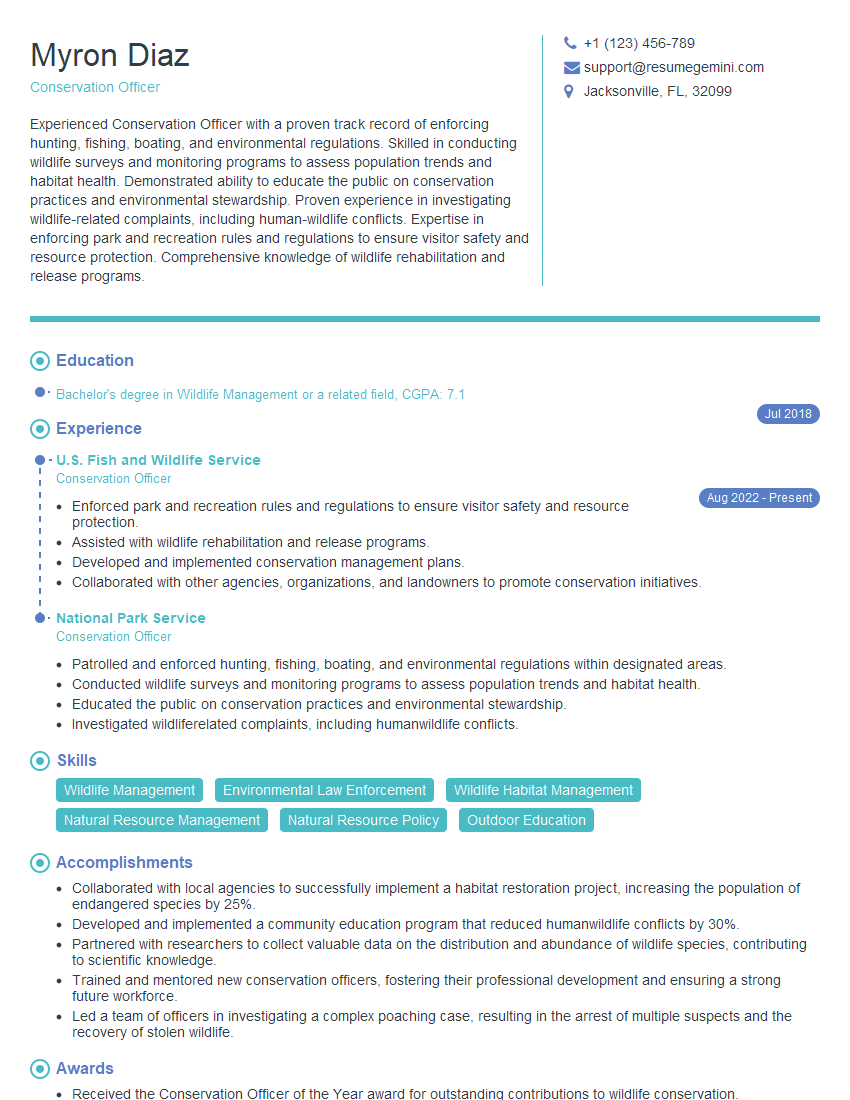
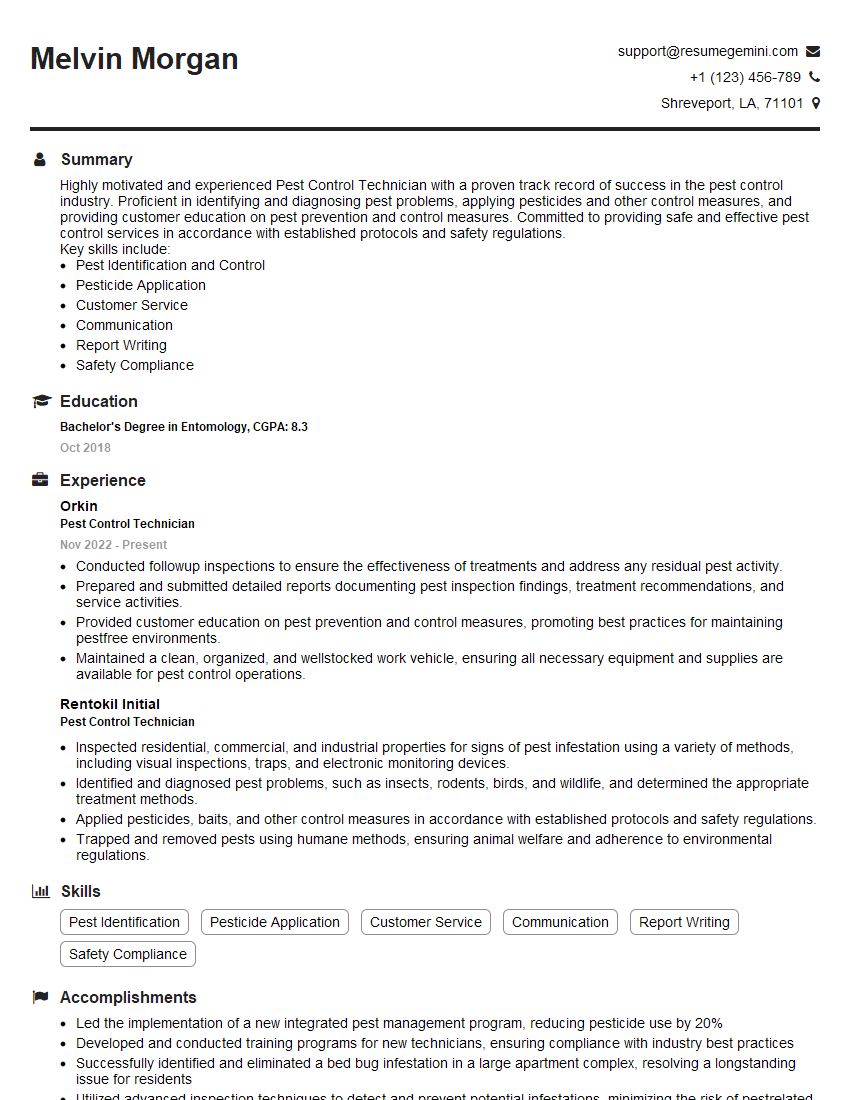
Mastering animal trap setting opens doors to a rewarding career in wildlife management, pest control, or research. A strong understanding of these techniques demonstrates crucial skills for employers. To significantly increase your chances of landing your dream job, crafting an ATS-friendly resume is essential. ResumeGemini is a trusted resource to help you build a professional and impactful resume that highlights your qualifications effectively. Examples of resumes tailored to the Animal Trap Setting field are available to guide you in creating a compelling application.




Explore more articles
Users Rating of Our Blogs
Share Your Experience
We value your feedback! Please rate our content and share your thoughts (optional).
What Readers Say About Our Blog
Very informative content, great job.
good