Feeling uncertain about what to expect in your upcoming interview? We’ve got you covered! This blog highlights the most important ANSI Z540-1 Product Safety Labeling Standard interview questions and provides actionable advice to help you stand out as the ideal candidate. Let’s pave the way for your success.
Questions Asked in ANSI Z540-1 Product Safety Labeling Standard Interview
Q 1. Explain the purpose and scope of ANSI Z540-1.
ANSI Z540-1, “American National Standard for Design of Safety Symbols for Use in Workplace Safety and Health”, is a crucial standard for creating effective and consistent safety labels. Its purpose is to provide guidelines for designing product safety labels that are easily understood and reduce workplace hazards. The scope covers the design, development, and implementation of safety symbols and labels across various industries. It essentially aims to make sure that warnings are clear, concise, and universally understood, preventing accidents and injuries.
Think of it as a universal language for safety. No matter what language a worker speaks, the symbols and labels will communicate the same crucial information.
Q 2. Describe the key elements of a compliant safety label according to ANSI Z540-1.
A compliant safety label according to ANSI Z540-1 includes several key elements:
- Signal Word: Indicates the severity of the hazard (DANGER, WARNING, CAUTION).
- Hazard Statement: Describes the specific hazard (e.g., ‘May cause cancer’).
- Precautionary Statement: Explains how to avoid the hazard (e.g., ‘Wear gloves’).
- Pictogram(s): A standardized symbol representing the hazard.
- Supplier Identification: Information about the manufacturer or distributor.
- Appropriate Size and Placement: The label must be large enough to be easily read from a safe distance and placed where it is clearly visible.
For example, a label on a hazardous chemical might have a DANGER signal word, a skull and crossbones pictogram, a hazard statement describing the chemical’s toxicity, and precautionary statements advising users to wear protective gear.
Q 3. What are the requirements for signal words (e.g., DANGER, WARNING, CAUTION) in ANSI Z540-1?
ANSI Z540-1 specifies three signal words, each with a different level of hazard severity:
- DANGER: Indicates an immediate hazard that will likely result in death or serious injury if not avoided.
- WARNING: Indicates a hazard that could result in death or serious injury.
- CAUTION: Indicates a hazard that could result in minor or moderate injury.
The choice of signal word is critical for conveying the urgency and potential consequences of the hazard. Using the wrong signal word could lead to misunderstanding and potentially serious consequences. Think of it like traffic signals: a red light (DANGER) demands immediate action, while a yellow light (WARNING) gives you time to react, and a green light (CAUTION) indicates that you should proceed with care.
Q 4. How does ANSI Z540-1 address pictogram usage on safety labels?
ANSI Z540-1 strongly encourages the use of pictograms – standardized symbols – to communicate hazards quickly and across language barriers. The standard recommends using pictograms from the Globally Harmonized System of Classification and Labelling of Chemicals (GHS) whenever possible. These pictograms are standardized internationally, making labels more easily understood worldwide.
The standard specifies the design, size, and placement requirements for pictograms to ensure consistency and clarity. For example, the GHS pictogram for flammability is a flame, which would be instantly recognizable to anyone, regardless of their native language.
Q 5. Explain the difference between hazard warnings and hazard statements.
While both hazard warnings and hazard statements describe the potential dangers of a product, they differ in their presentation and purpose:
- Hazard Warning: A concise, attention-grabbing statement that alerts the user to a specific hazard. It often incorporates the signal word. Example: ‘WARNING: May cause skin irritation.’
- Hazard Statement: A more detailed description of the nature and degree of the hazard. Often used in conjunction with hazard warnings to give more context. Example: ‘Causes serious eye irritation.’
Think of a hazard warning as a headline and a hazard statement as the supporting text explaining the headline.
Q 6. What are the requirements for pre-cautionary statements in ANSI Z540-1?
Precautionary statements in ANSI Z540-1 explain how to prevent or minimize exposure to the hazard. They provide clear instructions on safe handling, storage, use, and disposal of the product. They should be actionable and easy to understand. For instance, a label on a corrosive substance might include a precautionary statement like ‘Wear appropriate protective gloves, eye protection and clothing.’
The standard encourages the use of concise and clear language, avoiding technical jargon wherever possible.
Q 7. How does ANSI Z540-1 address multilingual labeling requirements?
ANSI Z540-1 doesn’t specifically mandate multilingual labeling but strongly recommends it whenever a product is distributed internationally or used by a diverse workforce. The standard emphasizes the importance of using clear and unambiguous translations to ensure the safety message is conveyed correctly. A poorly translated label can be worse than no label at all.
In practice, companies often use both pictograms and translated text to communicate safety information effectively to a broader audience. Consistency is key; the translation must accurately reflect the meaning of the original label.
Q 8. Describe the requirements for label size and placement according to ANSI Z540-1.
ANSI Z540-1 doesn’t prescribe specific dimensions for labels but emphasizes legibility and visibility. The size must be large enough for all safety information to be easily read from a typical viewing distance, considering the user’s age and visual acuity. Placement is equally crucial. Labels should be placed where they’re easily seen before the product is used or hazardous conditions are encountered. Think about it like this: a warning about hot surfaces on a coffee maker should be prominently displayed on the visible side, not hidden underneath. For complex products, multiple labels might be needed, each targeting a specific hazard or operating instruction. For instance, a power tool might have labels near the power switch (electrical hazard), on the operating handles (moving parts hazard), and on the base (stability hazard). The label placement should always prioritize user safety and prevent accidents.
Example: A small, inconspicuous label on a powerful industrial machine would be insufficient; the safety information needs to be easily visible and clearly understood, even from a distance.
Q 9. What are the implications of non-compliance with ANSI Z540-1?
Non-compliance with ANSI Z540-1 can have severe consequences. Firstly, it significantly increases the risk of product-related injuries or fatalities, leading to potential lawsuits and reputational damage. Secondly, it can result in product recalls, costly repairs, and significant financial losses. Furthermore, regulatory bodies may impose fines or even halt the sale of non-compliant products. In some industries, failure to adhere to safety labeling standards can affect insurance premiums and contractual obligations. Essentially, the implications extend beyond mere financial penalties to encompass ethical, legal, and public safety concerns.
Example: A toy missing a choking hazard warning, in violation of ANSI Z540-1, could result in serious injury to a child and lead to a costly product recall and legal battles.
Q 10. Explain the role of ANSI Z540-1 in product liability.
ANSI Z540-1 plays a pivotal role in product liability by providing a framework for manufacturers to communicate safety information effectively. By adhering to the standard, manufacturers demonstrate due diligence in protecting consumers. This significantly mitigates their liability in case of accidents resulting from unsafe product use. Courts often consider compliance with ANSI Z540-1 as evidence of reasonable care. Conversely, non-compliance can be interpreted as negligence, making manufacturers more vulnerable to lawsuits and hefty judgments. The standard provides a defense against liability claims by showing an attempt to prevent accidents through clear and adequate warnings and instructions.
Example: If a manufacturer complies with ANSI Z540-1 by providing a clear warning label about the risk of electric shock on a power tool, it strengthens their defense in case of an accident involving that risk, while a lack of warning would likely weaken their position.
Q 11. How does ANSI Z540-1 relate to other safety standards (e.g., OSHA, ISO)?
ANSI Z540-1 isn’t a standalone standard; it complements and interacts with other safety regulations. For example, OSHA (Occupational Safety and Health Administration) regulations often reference ANSI Z540-1 as a guideline for workplace safety labeling. Similarly, ISO standards (International Organization for Standardization) frequently incorporate principles from ANSI Z540-1 regarding hazard communication and safety information. These standards all aim for a common goal: preventing accidents and promoting safe product use. Think of them as different pieces of a larger puzzle, each contributing to a comprehensive safety framework. While they might have different scopes and specific requirements, their underlying objective is consistency and effectiveness in hazard communication.
Q 12. Describe your experience in developing or reviewing safety labels compliant with ANSI Z540-1.
Throughout my career, I’ve been extensively involved in developing and reviewing safety labels for a wide array of products, from household appliances to industrial machinery. I’ve led teams in creating labels that comply fully with ANSI Z540-1, ensuring clarity, accuracy, and effectiveness. This involved careful consideration of hazard assessment, target audience, and optimal label placement. I recall a project involving a new line of power saws where we had to develop labels that clearly communicated the risks associated with kickback and blade contact, using pictograms and concise text. Another project involved a review of existing labels for a range of chemicals to ensure compliance with both ANSI Z540-1 and GHS (Globally Harmonized System) requirements. My expertise lies in not only ensuring legal compliance but also in creating user-friendly labels that minimize the risk of misinterpretation.
Q 13. How would you address a situation where a product label does not fully comply with ANSI Z540-1?
Addressing non-compliance with ANSI Z540-1 requires a systematic approach. The first step is to identify the specific areas of non-compliance. Is it the size, placement, wording, or the use of symbols? Once identified, the next step involves creating a corrective action plan. This plan should outline specific changes to the label, including revisions to wording, size adjustments, or relocation. If the label’s design needs a significant overhaul, a complete redesign might be necessary. Before implementing the changes, internal review and testing should ensure the revised label addresses the initial non-compliance issues and that it’s both effective and compliant. Finally, the updated labels must be implemented across all affected products, and relevant stakeholders must be notified about the changes. Documentation of the entire process, including the original non-compliance assessment and corrective actions, is crucial for future reference and potential audits.
Q 14. Explain the process for obtaining ANSI Z540-1 compliance certification.
There isn’t a formal ‘certification’ process for ANSI Z540-1 compliance itself. The standard is a guideline, not a certification program. Compliance is demonstrated through adherence to the standard’s requirements. Manufacturers are responsible for ensuring their labels meet these requirements. However, third-party testing and verification services can be used to independently assess compliance and provide reports that support product claims. These reports don’t grant a ‘certificate’, but they demonstrate a commitment to meeting the standard and can be valuable for demonstrating due diligence to customers, insurers, and regulatory bodies. It’s advisable to maintain comprehensive documentation of the label development process, including hazard analysis, label design rationale, and testing results, to support compliance claims and facilitate any future audits.
Q 15. What are some common challenges in achieving ANSI Z540-1 compliance?
Achieving full ANSI Z540-1 compliance can be challenging due to several factors. One major hurdle is the need to balance concise, easily understandable warnings with the need to fully address all potential hazards. Finding the right balance between brevity and comprehensiveness is a delicate act.
- Language barriers: Ensuring labels are easily understood across various linguistic groups requires careful translation and consideration of cultural nuances.
- Multiple hazard identification: Products often present multiple hazards requiring multiple warnings, potentially leading to overcrowded labels. Strategic label design and prioritization of warnings are crucial here.
- Keeping up with evolving technology: New technologies constantly introduce novel hazards requiring adaptation of labeling practices. Staying current with industry best practices is essential.
- Label durability: Choosing durable label materials and printing methods to ensure warnings remain legible throughout the product’s lifespan presents significant logistical challenges, especially in harsh environments.
- Regulatory ambiguity: Interpretation of certain ANSI Z540-1 guidelines can be subjective, leading to inconsistencies in labeling practices across manufacturers.
For instance, I once worked with a manufacturer whose product had a complex series of potential hazards related to both electrical and mechanical components. Balancing the need for comprehensive warnings with avoiding label clutter required careful prioritization and a redesigned label layout.
Career Expert Tips:
- Ace those interviews! Prepare effectively by reviewing the Top 50 Most Common Interview Questions on ResumeGemini.
- Navigate your job search with confidence! Explore a wide range of Career Tips on ResumeGemini. Learn about common challenges and recommendations to overcome them.
- Craft the perfect resume! Master the Art of Resume Writing with ResumeGemini’s guide. Showcase your unique qualifications and achievements effectively.
- Don’t miss out on holiday savings! Build your dream resume with ResumeGemini’s ATS optimized templates.
Q 16. How do you stay updated on changes and revisions to ANSI Z540-1?
Staying updated on ANSI Z540-1 revisions is crucial for maintaining compliance. I employ a multi-pronged approach:
- Subscription to ANSI updates: I maintain a direct subscription to ANSI updates, ensuring I receive notifications of any revisions or reinterpretations of the standard.
- Professional development: Active participation in industry conferences and workshops dedicated to product safety and labeling keeps me informed about the latest trends and changes.
- Networking: Regular interaction with colleagues and experts in the field allows me to share insights and learn about emerging challenges and best practices.
- Review of industry publications: I regularly scan industry publications and journals for articles analyzing changes to the standard and their practical implications.
This proactive approach ensures I remain informed and adapt my practices accordingly, avoiding any potential legal or safety issues.
Q 17. Describe your experience working with different types of safety labels (e.g., chemical, electrical, mechanical).
My experience encompasses a wide range of safety labels, including chemical, electrical, and mechanical. Each type requires a unique approach due to the specific hazards involved:
- Chemical labels: These labels often involve Signal Words (Danger, Warning), Hazard Statements, Precautionary Statements, and pictograms as mandated by GHS (Globally Harmonized System) and often integrated with ANSI Z540-1 for overall label design.
- Electrical labels: These frequently incorporate warnings about high voltage, shock hazards, and proper grounding procedures. They often emphasize the need for qualified personnel to handle electrical components.
- Mechanical labels: These labels address hazards such as moving parts, pinch points, sharp edges, and potential for crushing or shearing injuries. They often use pictograms and clear warnings about appropriate usage.
For example, I worked on a project involving a high-powered industrial tool. The label needed to address both electrical hazards (high voltage) and mechanical hazards (rotating blades, potential for amputation). This required careful placement and organization of warnings to ensure clarity and accessibility without overwhelming the user.
Q 18. Explain your understanding of hazard communication and its relationship to ANSI Z540-1.
Hazard communication is intrinsically linked to ANSI Z540-1. The standard provides a framework for effectively communicating hazards through labels. Effective hazard communication aims to inform users about potential dangers, providing them with the knowledge needed to use the product safely.
ANSI Z540-1 specifies the elements of a safety label, including signal words, hazard statements, precautionary statements, and pictograms, which are all crucial components of hazard communication. The standard guides the design and placement of these elements to ensure optimal visibility and understanding. Compliance ensures that critical safety information reaches the end-user in a clear, concise, and effective manner.
Q 19. How do you determine the appropriate level of hazard warning for a given product?
Determining the appropriate level of hazard warning is critical. It involves a careful risk assessment. The severity of potential harm, the likelihood of the hazard occurring, and the exposure level all factor into this determination.
The ANSI Z540-1 standard doesn’t explicitly define a numerical scale for hazard levels; instead, it uses signal words (‘Danger’ for immediate and severe hazards, ‘Warning’ for less severe but still significant hazards, and ‘Caution’ for minor hazards). The choice of signal word heavily influences the overall perception of risk. This is where experience and understanding of human factors psychology become vital. We need to present the information in a way that catches attention and conveys the urgency appropriately.
For example, a product with a risk of minor burns would likely warrant a ‘Caution’ label, while a product with a risk of death would require a ‘Danger’ label.
Q 20. How would you handle a situation where conflicting safety standards apply?
Conflicting safety standards require a careful and methodical approach. The first step is to identify all applicable standards and analyze the specific requirements of each.
If the conflict is minor (e.g., a difference in preferred label placement), I’d prioritize the most stringent requirement to ensure maximum safety. If the conflict is more substantial (e.g., differing signal word recommendations for the same hazard), consultation with relevant regulatory bodies or qualified safety professionals is necessary to determine the most appropriate course of action. Documentation of this process is crucial for demonstrating due diligence. Often, a solution involves harmonizing the requirements or seeking a consensus-based interpretation that prioritizes worker safety.
Q 21. Describe your familiarity with different label materials and their suitability for various applications.
Label material selection is crucial for ensuring label durability and legibility. The choice depends heavily on the application environment:
- Vinyl: A common choice for indoor and outdoor applications, offering good durability and resistance to moisture and abrasion. Different grades exist, offering varying degrees of resistance.
- Polyester: Highly durable, resistant to chemicals and extreme temperatures, often used for harsh environments.
- Polypropylene: Good for applications requiring flexibility, often used for curved surfaces.
- Paper: Suitable for indoor applications where durability is less critical, generally the least expensive option.
The choice depends on factors such as exposure to sunlight, moisture, chemicals, and the temperature range. For instance, a label for an outdoor piece of equipment would require a much more durable material like polyester compared to an indoor appliance that could utilize a vinyl label. Selecting the right label material is a cost-benefit analysis that balances durability and cost.
Q 22. How do you ensure the effectiveness and readability of safety labels?
Ensuring effective and readable safety labels hinges on adhering to the principles outlined in ANSI Z540.1 and understanding your target audience. We need to consider several key factors:
- Signal Word and Symbol Selection: Using the correct signal word (DANGER, WARNING, CAUTION) is crucial to convey the severity of the hazard. Accompanying symbols, standardized where possible, enhance quick comprehension. For example, a skull and crossbones immediately communicates a fatal hazard.
- Clear and Concise Language: Avoid technical jargon. Use simple, direct language that’s easily understood by anyone, regardless of their literacy level or native language. Consider using pictograms for international understanding.
- Font and Size: The font should be highly legible, with sufficient contrast against the background. The size must be large enough to read from a safe distance. Consider the visual acuity of the potential user.
- Placement and Durability: Labels must be placed where they are clearly visible and accessible, and they need to withstand environmental conditions (weather, chemicals, wear and tear). A poorly placed or faded label is useless.
- Background Color and Contrast: Choose colors that provide good contrast between the text and background for maximum readability. This is especially important for users with visual impairments.
For example, imagine a label on a power tool. A large, bold WARNING symbol with the text ‘WARNING: Risk of Severe Injury. Do not operate without safety glasses’ in a highly visible font color against a contrasting background would be far more effective than a small, unclear label written in technical terms.
Q 23. How would you assess the effectiveness of an existing safety labeling system?
Assessing an existing safety labeling system requires a systematic approach. I would use a multi-pronged strategy:
- Compliance Audit: A thorough review against ANSI Z540.1 and all relevant regulations to ensure the labels comply with the standards. This includes checking signal words, symbols, text clarity, font size, and placement.
- User Testing: Conducting usability studies with a representative sample of end-users to determine if they understand the labels. We’d observe how they interact with the labels, identify any confusion, and gather feedback.
- Incident Review: Analyzing past incidents or near misses to determine if labeling deficiencies contributed to the events. This is a critical step in identifying areas for improvement.
- Comparative Analysis: Examining best practices in the industry and comparing them to the existing labeling system. What are competitors doing, and what are the industry’s leading safety practices?
Based on these findings, a report would be produced highlighting areas of strength and weakness, accompanied by recommendations for improvements. This might include redesigning labels, providing additional training, or implementing a more robust system for label management.
Q 24. Describe your experience in collaborating with design and engineering teams to develop safe products.
Throughout my career, I’ve collaborated extensively with design and engineering teams, integrating safety labeling into the product development lifecycle from the initial design phase. This is crucial for ensuring safety is prioritized from the outset rather than being an afterthought.
- Early Involvement: I participate in brainstorming sessions to discuss potential hazards and how to mitigate them through both design and clear labeling.
- Hazard Analysis: I contribute to Failure Mode and Effects Analysis (FMEA) and other risk assessments to help identify potential hazards and inform the design of safety features and labels.
- Label Design Input: I provide design input on the placement, size, font, and content of safety labels, making sure they are both effective and aesthetically pleasing. We strive for safety and a good user experience.
- Prototyping and Testing: I actively participate in testing the prototypes, evaluating how users interact with the labels in realistic scenarios, and providing feedback on improvements.
- Regulatory Compliance: I play a key role in ensuring the final product’s labeling meets all relevant safety regulations and standards.
A successful example involved a new power tool. By collaborating closely with the engineering team early on, we were able to incorporate features like an improved safety mechanism, and labeling that clearly communicates both the function of the safety mechanism and the associated risks.
Q 25. How would you incorporate user feedback into the safety labeling process?
User feedback is invaluable in improving the effectiveness of safety labels. I would incorporate this feedback through several methods:
- Surveys and Questionnaires: Collecting data on user understanding and readability of labels, either through online surveys or direct interviews.
- Focus Groups: Conducting structured discussions with small groups of representative users to gather in-depth feedback on label design, content, and placement.
- Usability Testing: Observing users as they interact with the product and its labeling, identifying areas of confusion or difficulty.
- Incident Reporting: Analyzing any reported incidents or near misses to determine if labeling deficiencies played a role. This feedback can be incredibly valuable.
- Post-Market Surveillance: Continuously monitoring product usage to gather long-term feedback on label effectiveness. Regular analysis of user feedback ensures labels stay updated.
The data collected from these various sources would inform revisions to existing labels and the design of future labels, ensuring they are as clear, concise, and effective as possible. User feedback often reveals insights that wouldn’t be apparent through standard compliance reviews.
Q 26. Describe your knowledge of relevant regulations and laws impacting product safety labeling.
My knowledge of relevant regulations and laws is extensive. I’m intimately familiar with ANSI Z540.1, of course, but also with other pertinent regulations such as OSHA (Occupational Safety and Health Administration) standards in the United States, and their international equivalents like those from the European Union (e.g., REACH, CLP) and globally harmonized systems (GHS). I also have knowledge of the relevant laws governing product liability, which is intricately linked to proper safety labeling.
Staying abreast of these regulations is a continuous process. Regular review of updates, participation in industry conferences and training sessions, and consulting legal experts ensures my understanding remains current. Failing to comply can result in costly fines and reputational damage. Moreover, it can even lead to serious injury or death. This is unacceptable, and prevention is paramount.
Q 27. Explain your process for creating or reviewing a safety data sheet (SDS).
My process for creating or reviewing a Safety Data Sheet (SDS) follows a structured approach, ensuring compliance with the Globally Harmonized System of Classification and Labeling of Chemicals (GHS):
- Identification: Clearly identify the chemical substance or mixture and its manufacturer or supplier.
- Hazard Identification: Determine the hazardous properties of the substance based on standardized classification criteria (e.g., flammability, toxicity, corrosivity).
- Composition/Information on Ingredients: List all ingredients present in the mixture, along with their concentrations.
- First-aid Measures: Specify the appropriate first-aid procedures in case of exposure.
- Fire-fighting Measures: Outline the proper methods and extinguishing agents for fire suppression.
- Accidental Release Measures: Describe the steps to take in case of accidental release or spillage.
- Handling and Storage: Provide guidelines for safe handling and storage of the chemical.
- Exposure Controls/Personal Protection: Recommend appropriate personal protective equipment (PPE).
- Physical and Chemical Properties: Document the physical and chemical properties of the substance (e.g., boiling point, melting point, density).
- Stability and Reactivity: Describe the chemical’s stability and reactivity under various conditions.
- Toxicological Information: Present information on the health effects of exposure to the chemical.
- Ecological Information: Describe the environmental effects of the chemical.
- Disposal Considerations: Explain the proper disposal methods for the chemical waste.
- Transport Information: Provide instructions for the safe transportation of the chemical.
- Regulatory Information: List relevant regulations and laws pertaining to the chemical.
- Other Information: Include any other relevant information, such as references or additional safety precautions.
A meticulous review process ensures the SDS is accurate, comprehensive, and compliant with GHS, incorporating any relevant updates or changes to regulations. This process is vital for protecting workers and the environment.
Q 28. How do you balance the need for comprehensive safety information with the need for clear and concise labeling?
Balancing comprehensive safety information with clear and concise labeling requires careful planning and execution. The key lies in prioritizing critical information and using effective communication techniques. Here’s how I approach this challenge:
- Prioritize Critical Information: Identify the most significant hazards and focus on communicating those clearly and concisely on the label itself. Less critical information can be included in supplementary materials, such as an accompanying leaflet or online resource.
- Use Pictograms and Symbols: International symbols convey hazard information quickly and effectively, transcending language barriers. They help reduce the reliance on text.
- Layered Communication: Use a tiered approach. The label provides essential warnings and instructions, while detailed information is provided in separate resources. This allows for both ease of understanding and comprehensive coverage. Think of a traffic sign – it gives you the essence of the warning (stop, yield, etc.), but the specifics are implied or known.
- Target Audience: Tailor the language and complexity of the information to the target audience. A label for a professional-grade tool will differ significantly from one intended for home use.
- Design for Usability: Effective label design incorporates visual hierarchy and clear organization to guide the user’s attention to the most important information. Whitespace and color coding play an important role.
Imagine a chemical product: The label clearly displays hazard pictograms and concise warnings about flammability and toxicity. More detailed information on safe handling procedures, first aid, and disposal methods is provided in a separate SDS, accessible via a QR code on the label or website.
Key Topics to Learn for ANSI Z540-1 Product Safety Labeling Standard Interview
- Fundamental Principles of ANSI Z540-1: Understanding the core objectives of the standard, including hazard communication and risk reduction through effective labeling.
- Signal Words and Symbols: Mastering the proper usage and significance of signal words (DANGER, WARNING, CAUTION) and standard safety symbols. Practice applying these elements to different product scenarios.
- Hazard Identification and Risk Assessment: Learn how to conduct a thorough hazard analysis to identify potential risks associated with a product and determine appropriate warning labels.
- Label Design and Placement: Understand the criteria for effective label design, including font sizes, color schemes, and optimal placement on the product to ensure visibility and readability. Consider different product types and their labeling challenges.
- Specific Hazard Communication Requirements: Explore the standard’s guidance on conveying specific hazards, such as electrical shock, flammability, or chemical exposure, through clear and concise labeling.
- Regulatory Compliance and Legal Aspects: Familiarize yourself with the legal implications of non-compliance with ANSI Z540-1 and related regulations. Understanding the potential consequences is crucial.
- Practical Application and Case Studies: Review examples of effective and ineffective product labels. Analyze real-world case studies to understand how the standard is applied in different contexts.
- Problem-Solving in Label Design: Develop your ability to identify and resolve labeling challenges, such as balancing conciseness with comprehensiveness, or adapting labels to accommodate various languages or cultures.
Next Steps
Mastering the ANSI Z540-1 Product Safety Labeling Standard significantly enhances your value to employers in safety-conscious industries. Demonstrating this expertise through a well-crafted resume is crucial for securing your dream role. Building an ATS-friendly resume that highlights your knowledge and experience is key to getting noticed by recruiters. To create a professional and impactful resume, leverage the power of ResumeGemini. ResumeGemini provides a trusted platform for building standout resumes, and we offer examples of resumes tailored specifically to the ANSI Z540-1 Product Safety Labeling Standard to help you get started. Invest in your future, build a strong resume, and showcase your expertise.
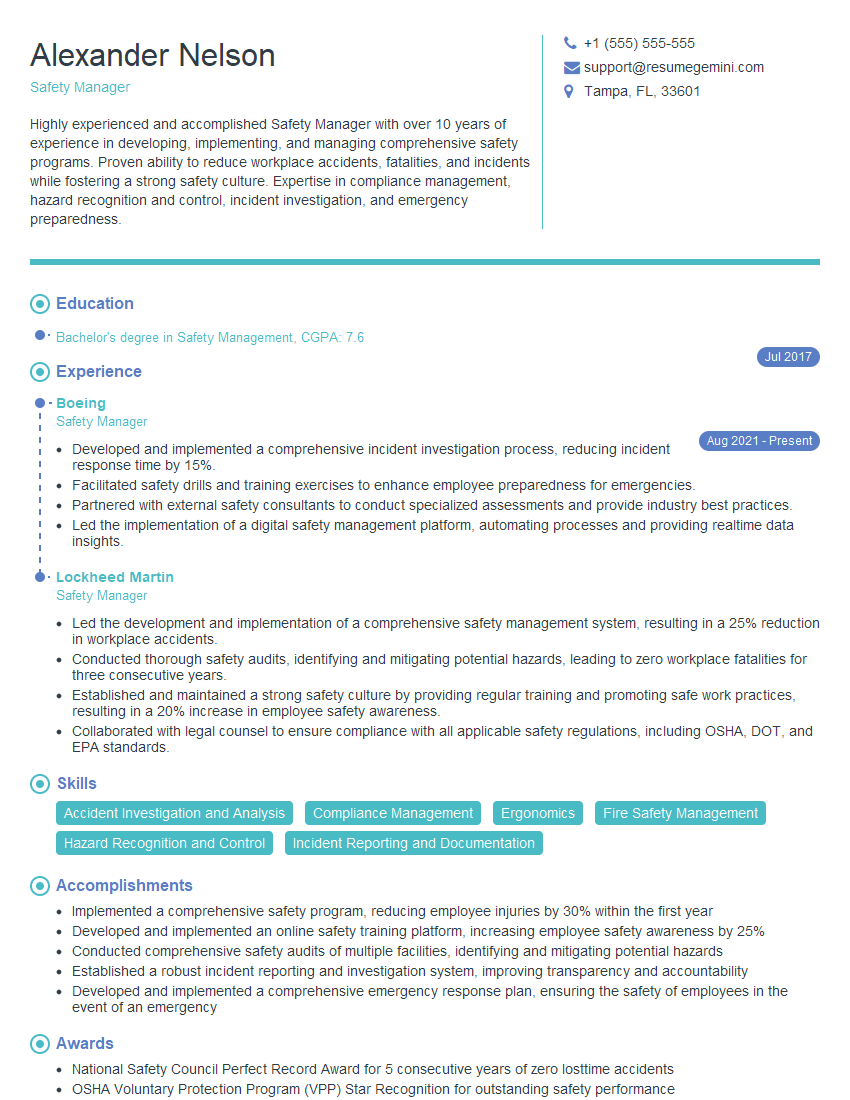
Safety Manager Resume Sample

Supply Chain Manager Resume Sample
Principal Engineer Resume Sample
Compliance Manager Resume Sample
Regulatory Compliance Officer Resume Sample
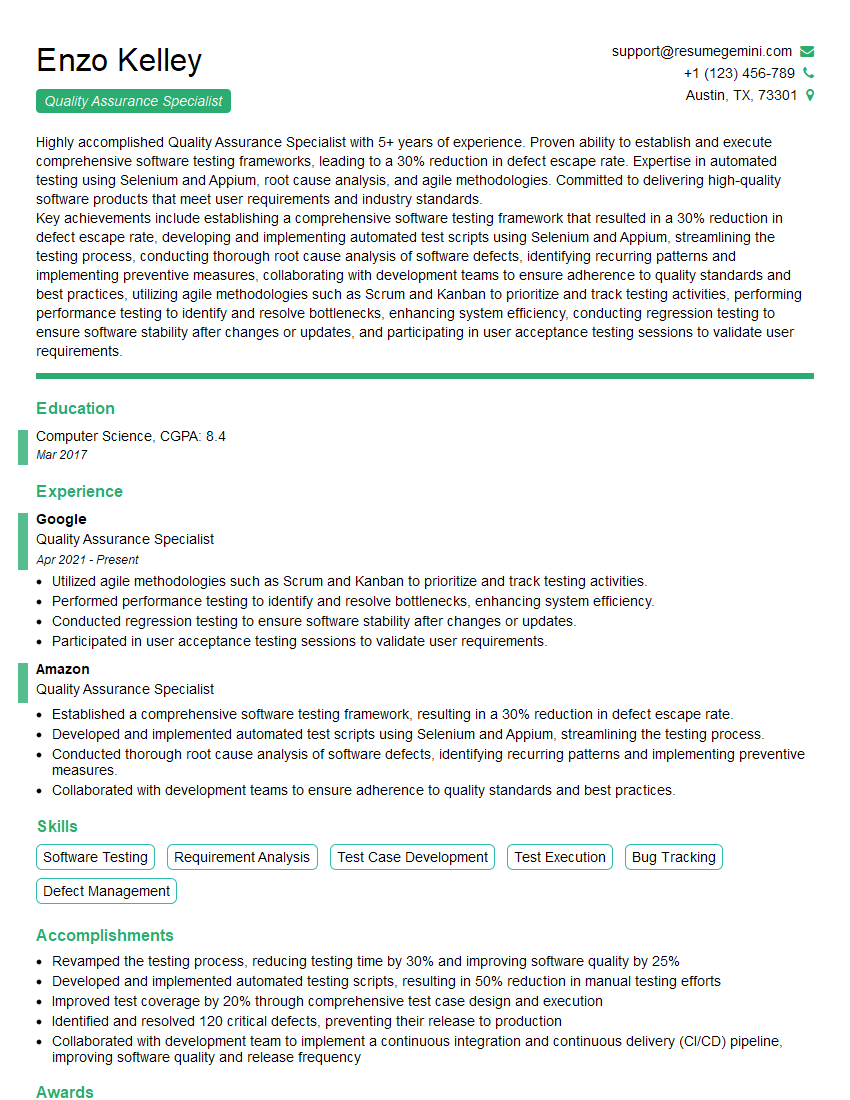
Quality Assurance Specialist Resume Sample
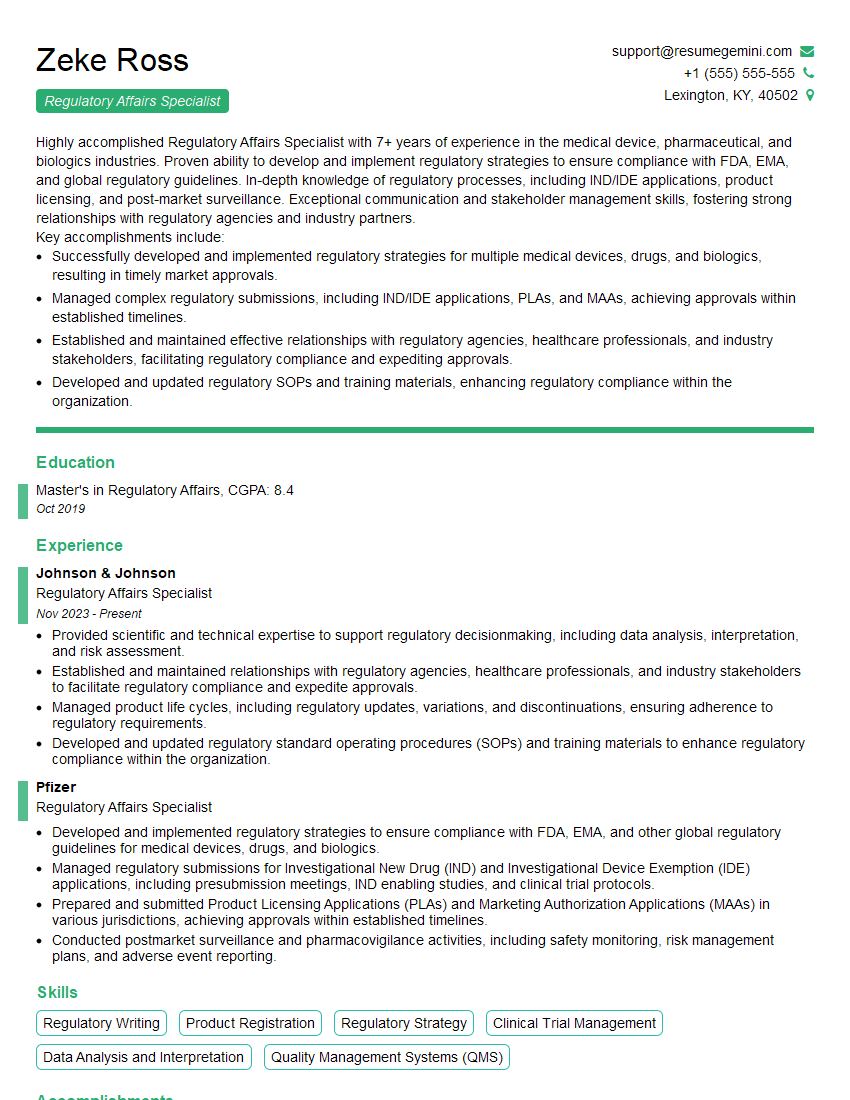
Regulatory Affairs Specialist Resume Sample
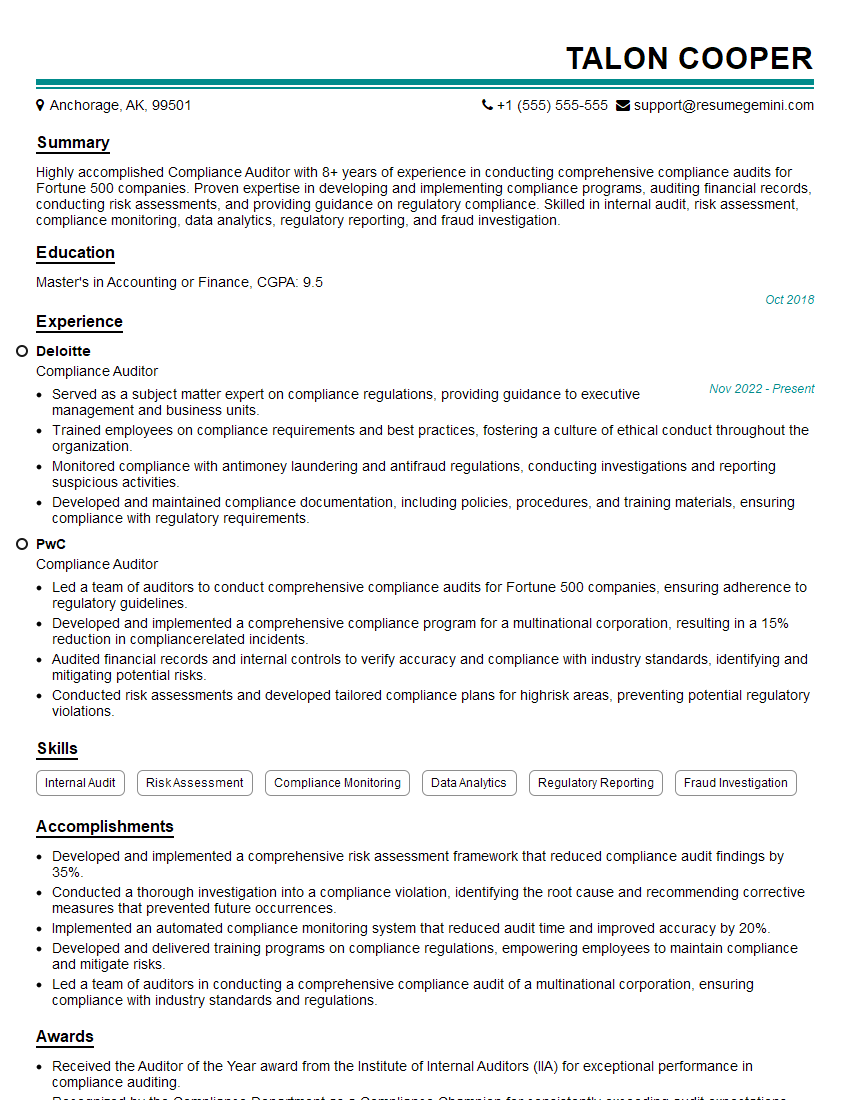
Compliance Auditor Resume Sample
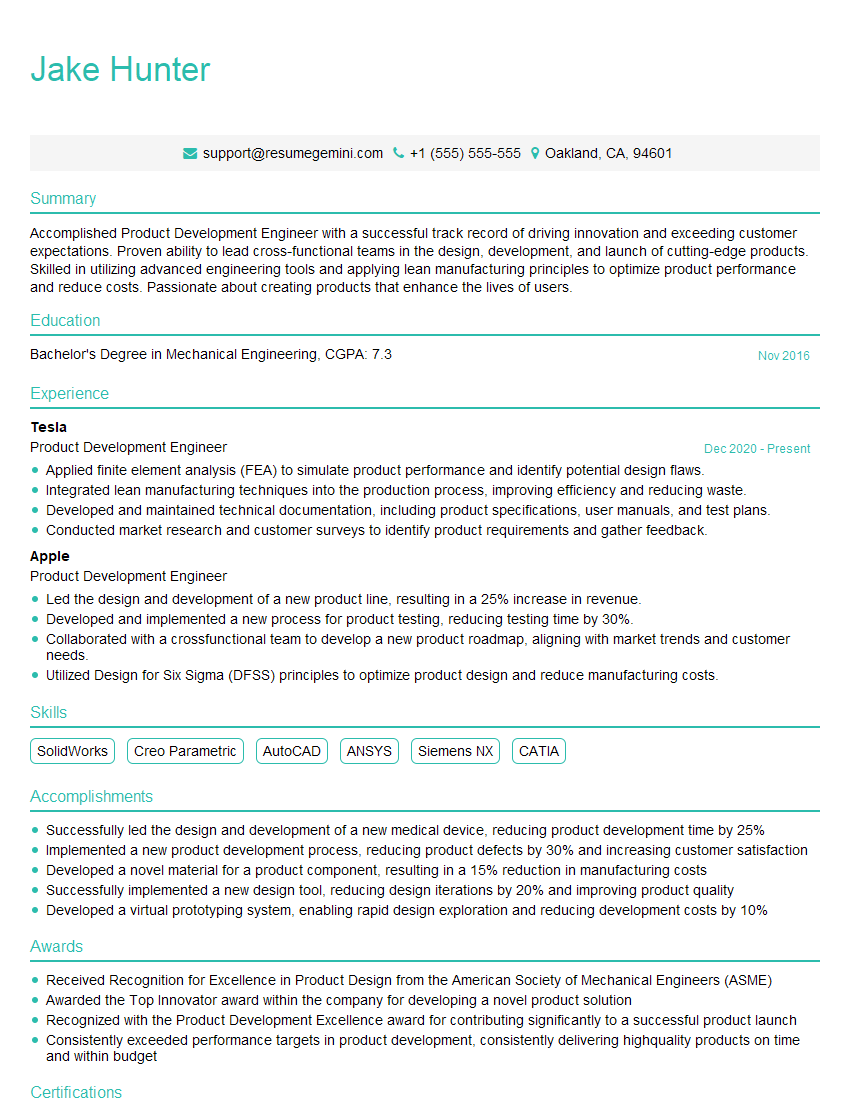
Product Development Engineer Resume Sample
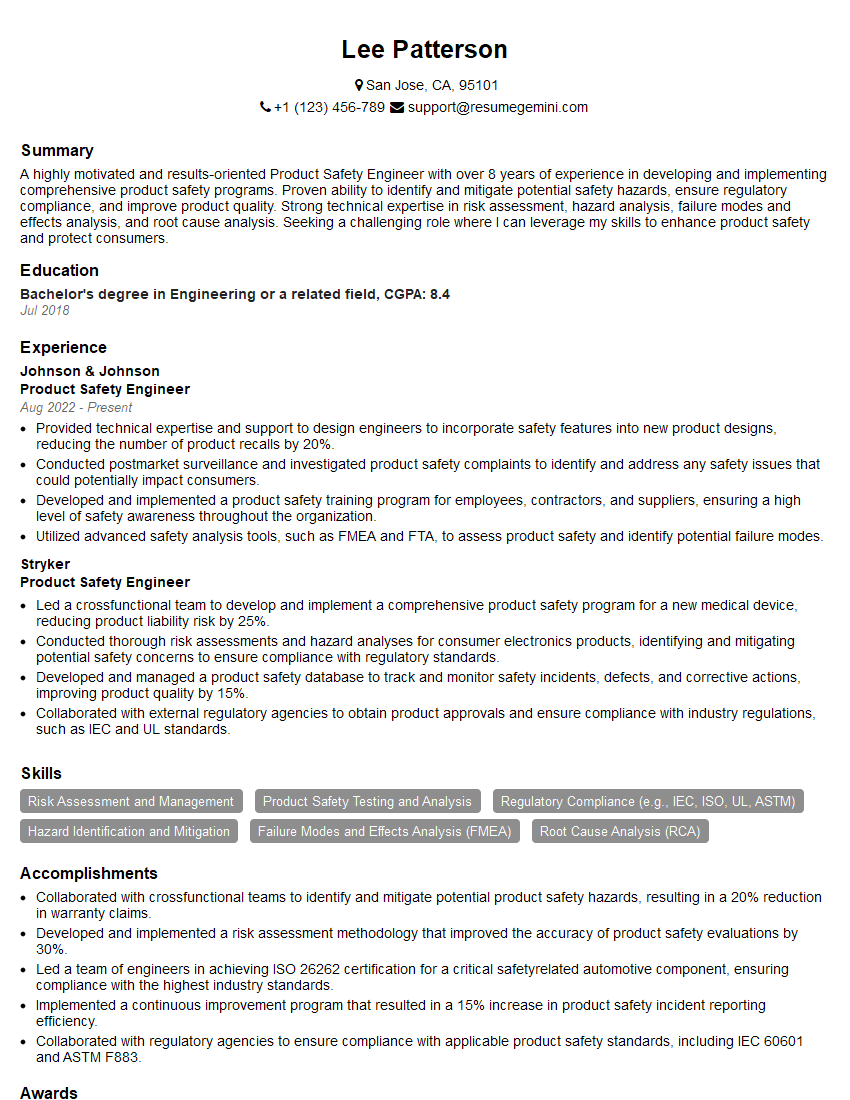
Product Safety Engineer Resume Sample
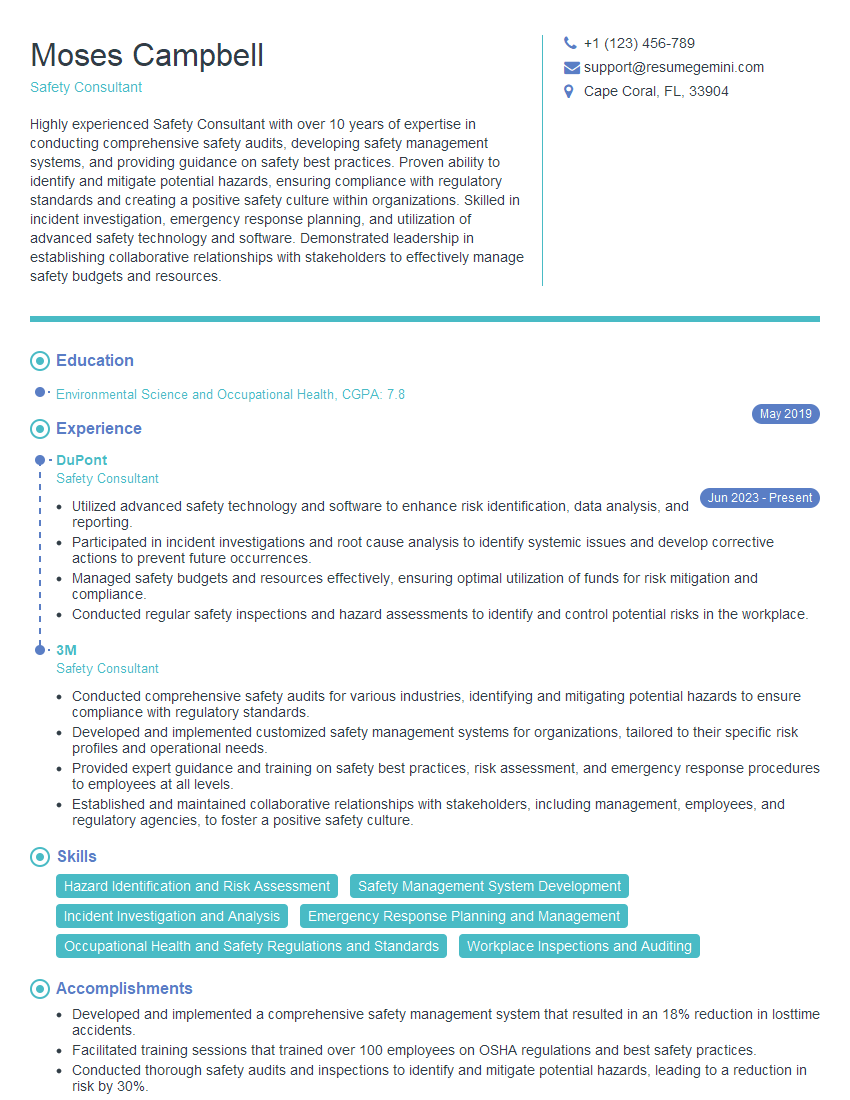
Safety Consultant Resume Sample
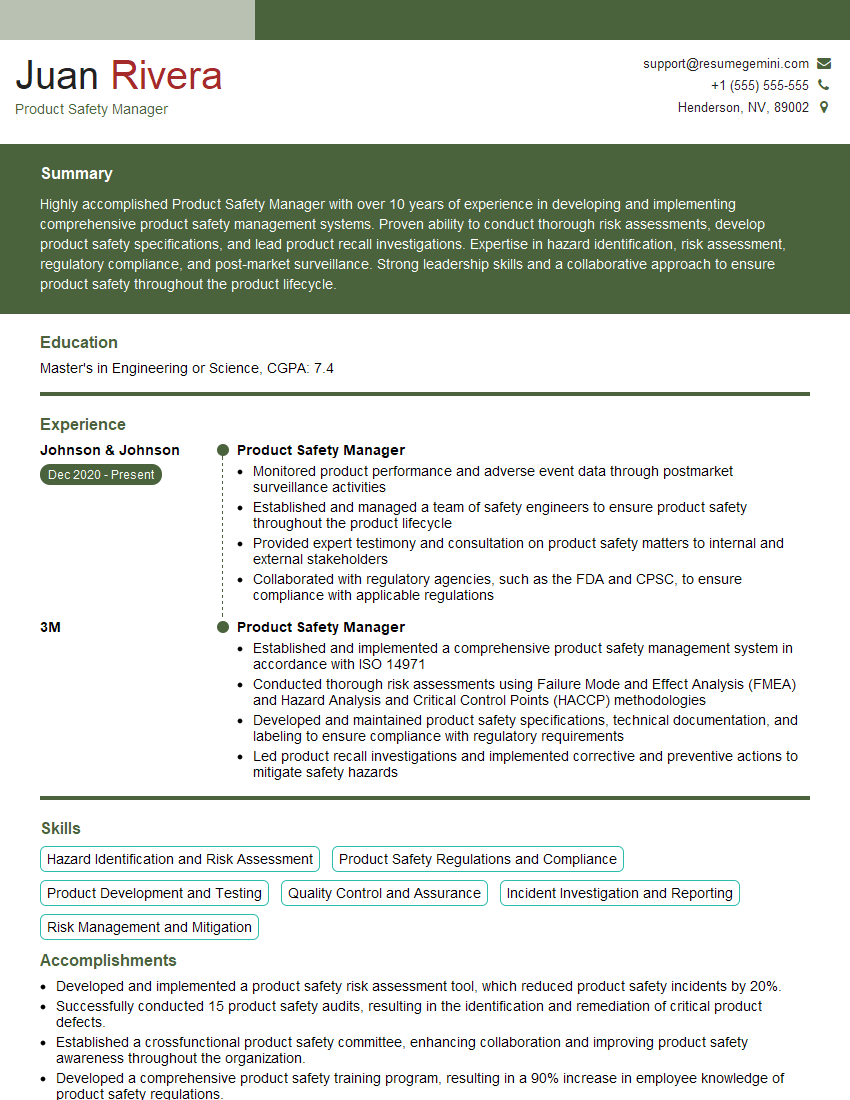
Product Safety Manager Resume Sample
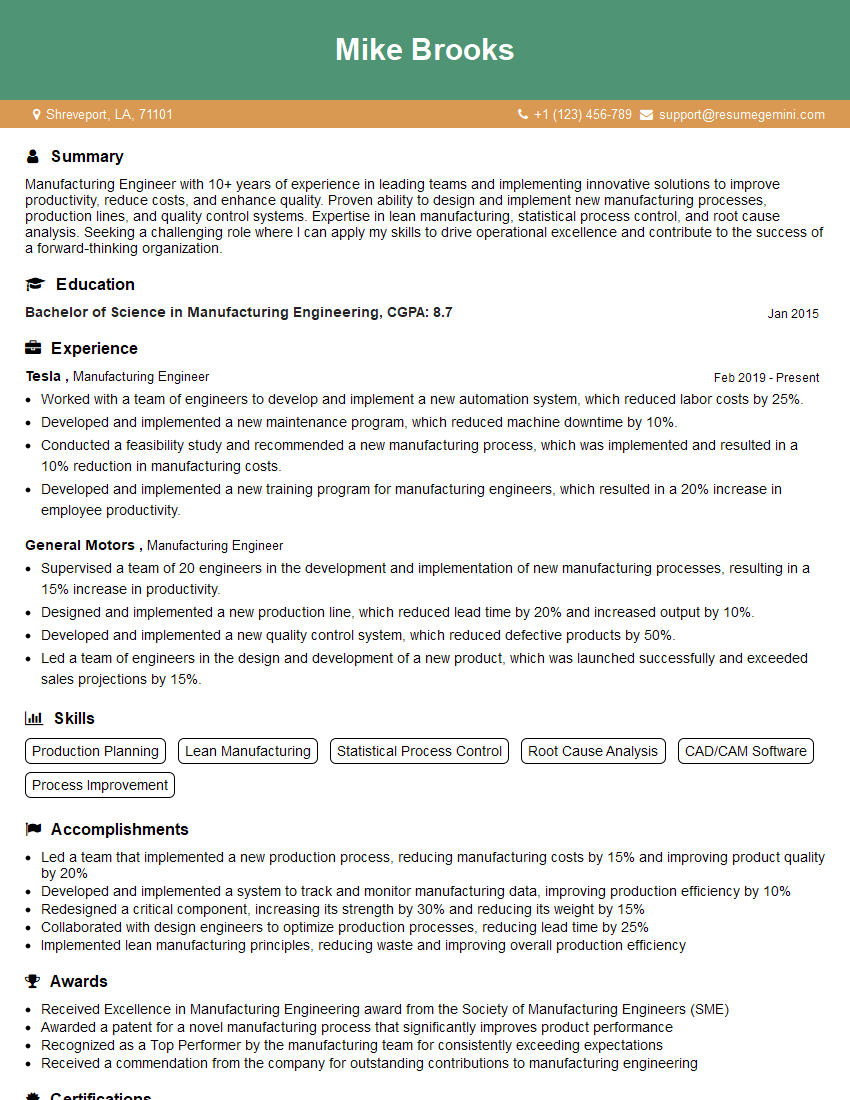
Manufacturing Engineer Resume Sample
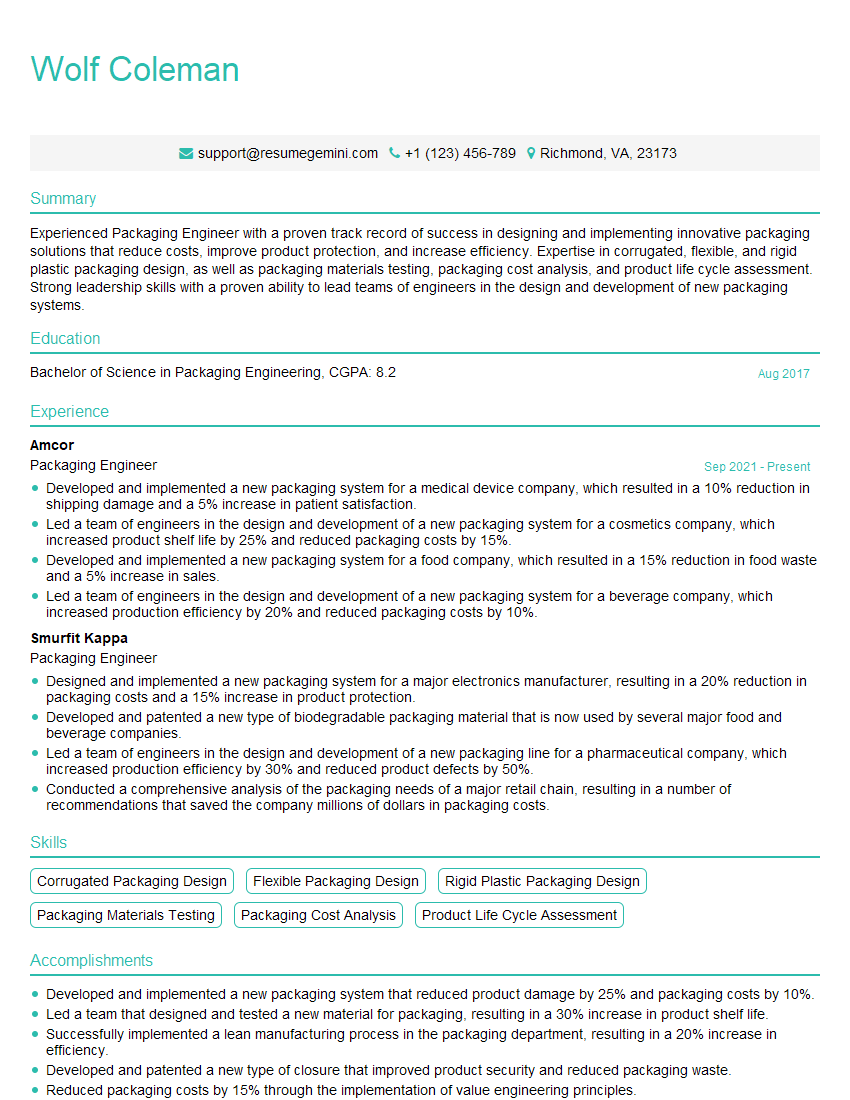
Packaging Engineer Resume Sample
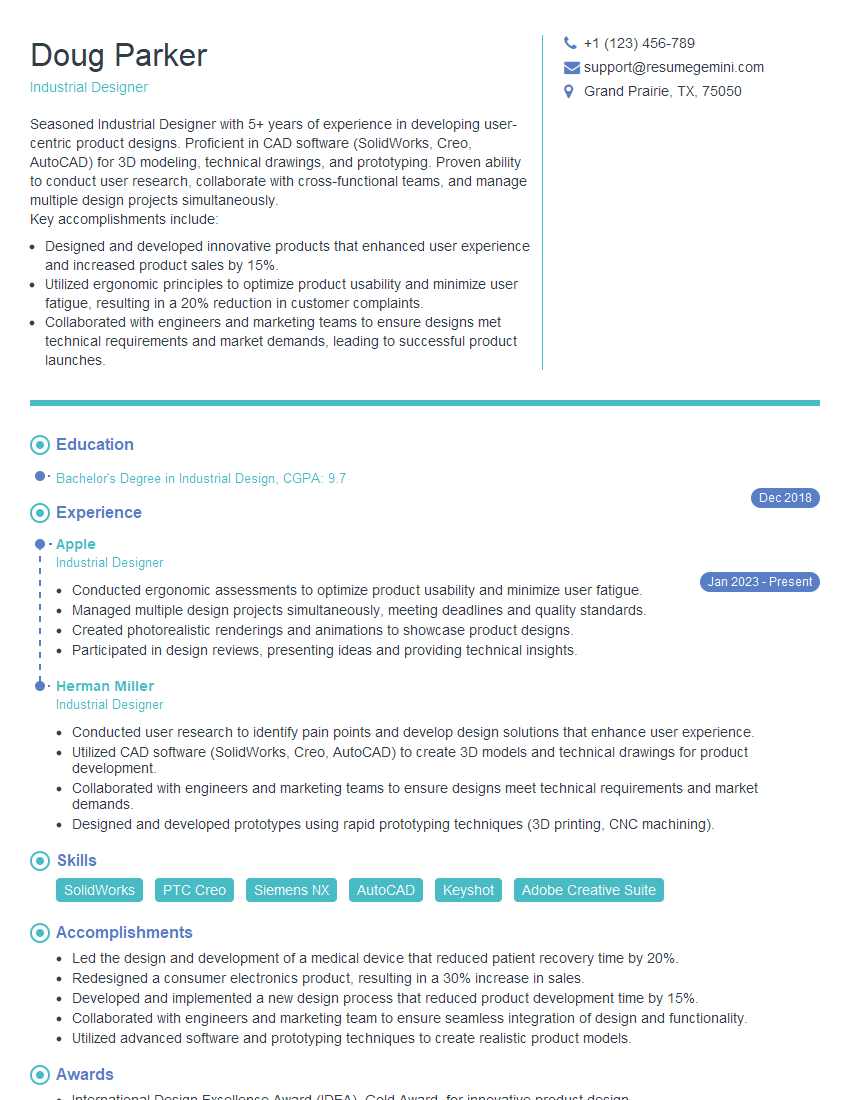
Industrial Designer Resume Sample

Technical Writer Resume Sample
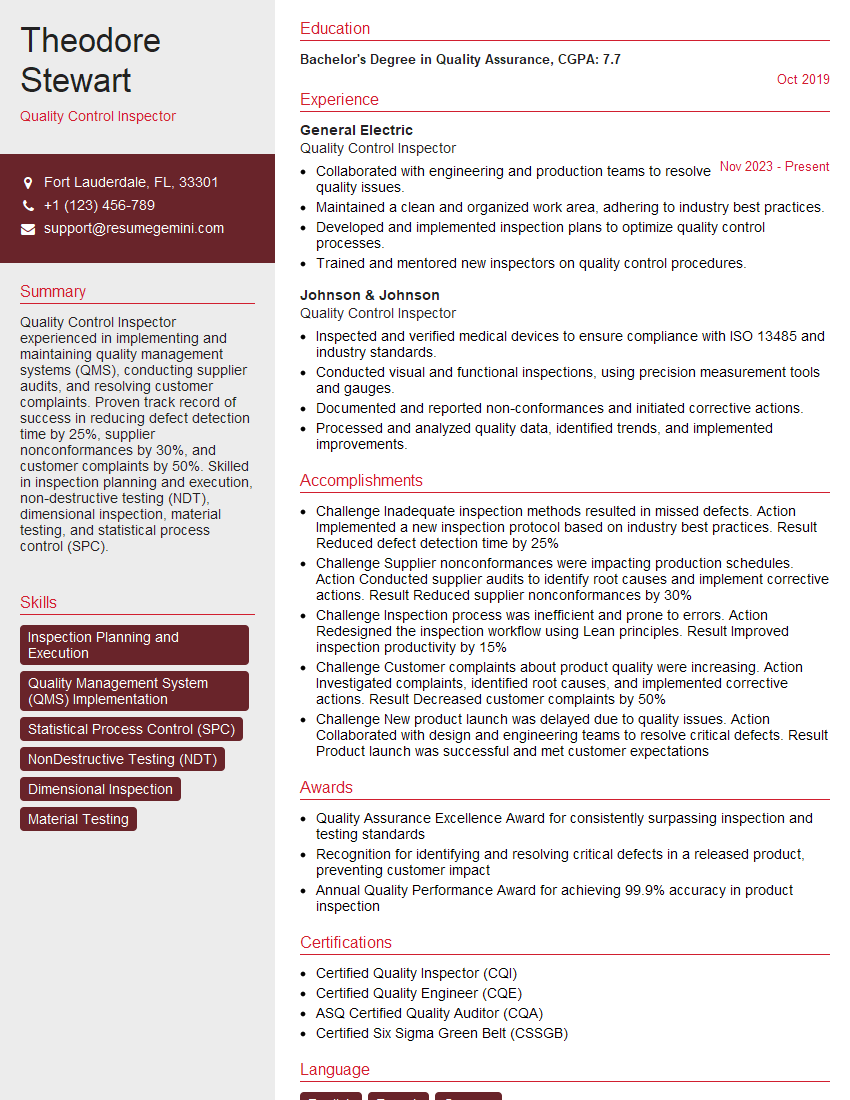
Quality Control Inspector Resume Sample
- Safety Manager
- Supply Chain Manager
- Principal Engineer
- Compliance Manager
- Regulatory Compliance Officer
- Quality Assurance Specialist
- Regulatory Affairs Specialist
- Compliance Auditor
- Product Development Engineer
- Product Safety Engineer
- Safety Consultant
- Product Safety Manager
- Manufacturing Engineer
- Packaging Engineer
- Industrial Designer
- Technical Writer
- Quality Control Inspector
Explore more articles
Users Rating of Our Blogs
Share Your Experience
We value your feedback! Please rate our content and share your thoughts (optional).
What Readers Say About Our Blog
Very informative content, great job.
good