Preparation is the key to success in any interview. In this post, we’ll explore crucial Antiterrorism and Force Protection Measures interview questions and equip you with strategies to craft impactful answers. Whether you’re a beginner or a pro, these tips will elevate your preparation.
Questions Asked in Antiterrorism and Force Protection Measures Interview
Q 1. Describe your experience conducting threat assessments.
Conducting a threat assessment involves systematically identifying, analyzing, and prioritizing potential threats to personnel, assets, and operations. It’s a multi-faceted process that requires a deep understanding of the environment and potential adversaries. My experience spans various contexts, including critical infrastructure protection, event security, and executive protection. I utilize a structured approach, starting with defining the scope – who, what, where, when – then gathering intelligence from open sources, human intelligence, and technical surveillance. This information is then analyzed using various frameworks, such as the Diamond Model of intrusion, to identify potential attack vectors and vulnerabilities. Finally, the threats are prioritized based on their likelihood and potential impact, leading to the development of mitigation strategies. For example, in assessing the security of a large public event, I would consider threats such as terrorism, civil unrest, and even natural disasters, factoring in crowd size, location accessibility, and potential emergency response capabilities. The resulting assessment would inform security protocols, resource allocation, and contingency planning.
Q 2. Explain the difference between physical and cybersecurity vulnerabilities.
Physical vulnerabilities relate to tangible aspects that can be exploited to compromise security. Think of things like unlocked doors, weak fencing, lack of surveillance, or inadequate lighting. Cybersecurity vulnerabilities, on the other hand, are weaknesses in computer systems, networks, or applications that can be exploited by malicious actors. This could include outdated software, weak passwords, unpatched systems, or insufficient network security measures. The key difference is that physical vulnerabilities involve the physical world and the physical security of locations or assets, while cybersecurity vulnerabilities involve digital systems and data.
For instance, a physical vulnerability might be a poorly secured warehouse allowing easy access to sensitive materials. A cybersecurity vulnerability could be a company’s website lacking sufficient protection against SQL injection attacks, allowing hackers to steal customer data. Both types of vulnerabilities can have severe consequences, and a robust security posture requires addressing them both comprehensively.
Q 3. What are the key components of a comprehensive force protection plan?
A comprehensive force protection plan is a dynamic document that outlines measures to safeguard personnel, facilities, and assets from threats. Its key components include:
- Threat Assessment: A thorough analysis of potential threats, as previously discussed.
- Risk Assessment: Evaluating the likelihood and potential impact of each threat.
- Vulnerability Assessment: Identifying weaknesses in security measures.
- Mitigation Strategies: Developing and implementing countermeasures to reduce risks, such as enhanced security patrols, access control systems, and cybersecurity defenses.
- Emergency Response Plan: Establishing procedures for responding to incidents and crises.
- Training and Education: Equipping personnel with the knowledge and skills to recognize and respond to threats.
- Communication Plan: Establishing clear communication channels for reporting and responding to security incidents.
- Continuous Monitoring and Evaluation: Regularly reviewing and updating the plan to adapt to changing threats and circumstances.
A well-structured force protection plan needs to be adaptable, regularly reviewed, and continuously improved. It’s not a static document; it’s a living, breathing strategy.
Q 4. How would you assess the risk of a specific location or event?
Assessing the risk of a specific location or event involves a structured process. First, I would conduct a thorough site survey, gathering information about the environment, potential threats, and vulnerabilities. This would include physical security aspects, such as perimeter security, access controls, and surveillance systems, as well as considering the event itself—the number of attendees, the presence of VIPs, and the duration of the event. I would also investigate the local threat environment – considering both the general crime rate and any specific threats, such as extremist groups or known individuals. Next, I’d use a risk matrix, a tool that helps to visualize and prioritize risks based on likelihood and impact. By plotting the likelihood and the severity of each potential threat on the matrix, we can easily identify high-priority risks demanding immediate action. Finally, the risk assessment would inform the development of appropriate security measures and contingency plans.
For example, a large outdoor concert in a high-crime area would require a different security approach than a small private gathering in a secure location. The assessment would inform the level of security personnel, the use of technology such as CCTV and metal detectors, and the establishment of emergency procedures.
Q 5. Outline your process for developing and implementing security protocols.
Developing and implementing security protocols follows a phased approach. It begins with a clear understanding of the objectives – what are we trying to protect, and from what? Then, we design the protocols, based on the threat and vulnerability assessments. This includes defining access control procedures, surveillance strategies, communication protocols, and emergency response plans. The protocols are documented in detail, ensuring clarity and consistency. After that comes implementation, involving the procurement of necessary equipment, the training of personnel, and the deployment of the security measures. Finally, the protocols are tested and evaluated through exercises and audits to ensure their effectiveness and identify areas for improvement. The entire process needs continuous monitoring and adjustments based on evolving threats and lessons learned. Consider this example: implementing a new access control system in an office building. This would involve designing the system (card readers, access levels), procuring the equipment, training employees, and then regularly testing the system to ensure it functions as intended and identifying and resolving any issues or weaknesses.
Q 6. How do you stay updated on emerging threats and counterterrorism techniques?
Staying updated on emerging threats and counterterrorism techniques requires a multi-pronged approach. I regularly review intelligence reports from various governmental and private sector sources. I participate in professional development programs and conferences, networking with other experts in the field and learning about the latest advancements in technology and tactics. I also actively monitor online forums, publications, and news sources for emerging threats and trends. It’s a continuous learning process that requires staying current on relevant legislation, technological developments, and geopolitical changes. For example, subscription to specialized journals, participation in intelligence briefings and conferences, and maintaining professional networks allows me to adapt to shifting trends in terrorism tactics and technologies.
Q 7. Describe your experience with vulnerability assessments and penetration testing.
My experience with vulnerability assessments and penetration testing includes conducting both internal and external assessments to identify security weaknesses. In vulnerability assessments, I leverage automated tools and manual techniques to identify exploitable vulnerabilities in systems and networks, then produce a detailed report of findings including recommendations for remediation. Penetration testing, on the other hand, simulates real-world attacks to assess the effectiveness of security controls. This involves attempting to exploit identified vulnerabilities to understand the potential impact of a successful breach. For example, I’ve conducted penetration tests on client networks to simulate phishing attacks, identifying vulnerabilities in employee awareness and security protocols. The results of such tests are then incorporated to improve the client’s security posture. Both vulnerability assessments and penetration testing are essential components of a robust security program – one identifies the weaknesses, and the other validates the effectiveness of the mitigating controls.
Q 8. Explain your understanding of different types of surveillance and counter-surveillance measures.
Surveillance encompasses various methods used to monitor individuals, groups, or locations. These range from overt techniques, like visible CCTV cameras, to covert methods such as electronic eavesdropping or social media monitoring. Counter-surveillance, conversely, aims to detect and neutralize surveillance efforts.
- Types of Surveillance:
- Technical Surveillance: This includes bugs, cameras, GPS tracking, and data interception. Think of a hidden microphone in a meeting room or a tracking device placed on a vehicle.
- Physical Surveillance: This involves visual observation, often through following individuals or using binoculars to monitor locations. Imagine someone discreetly following a target person to see where they go.
- Open Source Intelligence (OSINT): Gathering information from publicly available sources like social media, news articles, and government records. For example, analyzing someone’s social media activity to identify patterns or connections.
- Human Intelligence (HUMINT): Gathering information from people, which could be through informants or undercover operatives. This might involve working with a source who provides information about potential threats.
- Counter-Surveillance Measures:
- Technical Countermeasures: Employing signal detectors to identify hidden bugs or using anti-GPS technology to prevent tracking. This could include using a Faraday cage to block electronic signals.
- Physical Countermeasures: Varying routes, using secure transportation, and maintaining situational awareness to detect visual surveillance. An example might be changing driving routes frequently to avoid being followed.
- Operational Security (OPSEC): Implementing practices to protect sensitive information and avoid patterns that could be exploited by adversaries. This involves being mindful of what you share publicly and the routines you establish.
Understanding both surveillance and counter-surveillance techniques is crucial for effective security planning and risk mitigation. The balance between the two is dynamic, and adapting to new technologies is vital.
Q 9. How would you respond to a potential security breach or terrorist threat?
Responding to a security breach or terrorist threat requires a rapid, multi-faceted approach. My response would follow a standardized protocol, prioritizing the safety of personnel and the containment of the threat.
- Immediate Actions: Initiate emergency procedures, activate relevant security systems (e.g., lockdown, evacuation), and alert emergency services. This involves clear communication and rapid decision-making in a chaotic environment.
- Threat Assessment: Gather information to determine the nature and scale of the threat. This could involve assessing the type of threat, the potential impact and possible motives of the perpetrators.
- Containment and Response: Employ appropriate countermeasures to neutralize the threat, depending on the situation (e.g., law enforcement intervention, evacuation procedures). This might range from securing a building perimeter to working with specialized units.
- Damage Control: Once the immediate threat is neutralized, focus on managing the aftermath, providing first aid, assessing damages and safeguarding any sensitive materials. This involves coordinating with emergency medical personnel and damage repair crews.
- Post-Incident Analysis: Conduct a thorough investigation to identify weaknesses in security protocols, learn from mistakes and improve future preparedness. This also includes reviewing security protocols to prevent any future occurrences.
Effective response requires clear communication, coordinated efforts, and a pre-planned emergency response plan. Regular training and drills are critical to ensuring that responses are swift and effective.
Q 10. What are your strategies for crisis communication and coordination?
Crisis communication and coordination are critical during security incidents. My strategy focuses on clear, consistent, and timely information dissemination.
- Establish Communication Channels: Pre-defined communication channels (e.g., secure radio systems, dedicated phone lines) must be in place before a crisis occurs. These channels need to be tested regularly to ensure functionality.
- Centralized Information Hub: A central command post should be established to coordinate the flow of information. This central hub will ensure the smooth flow of information among different response teams.
- Targeted Messaging: Tailor communication to different audiences (e.g., employees, media, emergency responders) based on their needs and security clearance. This ensures each audience receives relevant information.
- Transparency and Honesty: Transparency builds trust and minimizes speculation. It is important to be upfront, however, information should be relayed carefully while being sensitive to the situation.
- Debriefing and Feedback: Conduct a post-incident review to gather feedback on the effectiveness of communication strategies. This allows continuous improvement and helps to identify weaknesses.
A well-coordinated communication strategy minimizes confusion, facilitates efficient response, and maintains public trust during a crisis. Utilizing a pre-defined communication system minimizes any confusion during a security incident.
Q 11. Describe your experience working with law enforcement and other agencies.
Throughout my career, I’ve collaborated extensively with diverse agencies, including local law enforcement, federal agencies like the FBI and DHS, and specialized units.
- Joint Exercises: Participated in numerous joint exercises simulating various threat scenarios (e.g., active shooter drills, bomb threats) to refine coordination protocols. This involved joint planning sessions and simulations.
- Information Sharing: Established secure channels for the exchange of sensitive intelligence and threat information with partner agencies. Maintaining a secure flow of information is paramount for a cohesive response.
- Liaison Officers: Served as a liaison between our organization and external agencies, fostering collaborative relationships and ensuring a seamless response during incidents. Regular communication and building relationships with these agencies allows for a smooth collaborative effort.
- Data Sharing Agreements: Developed and managed data-sharing agreements to ensure the appropriate flow of information while complying with privacy regulations and security protocols. This ensures compliance with legal and security requirements.
Successful collaboration requires trust, open communication, and a shared understanding of roles and responsibilities. Building strong relationships with these agencies is paramount for an effective response to a security incident.
Q 12. How familiar are you with relevant security regulations and compliance standards?
I am thoroughly familiar with a range of security regulations and compliance standards, including those related to physical security, cybersecurity, and data privacy. My knowledge encompasses:
- National Security Directives: I understand and adhere to relevant national security directives and executive orders pertaining to antiterrorism and force protection. These directives dictate the security level required and the measures to be taken.
- Industry Best Practices: I am well-versed in industry best practices and standards such as ISO 27001 (information security) and NIST Cybersecurity Framework. This ensures our security measures are up-to-date and efficient.
- Data Privacy Regulations: I am familiar with and comply with regulations like GDPR and CCPA, ensuring the privacy and security of sensitive data. Compliance with these regulations is necessary to maintain the privacy of sensitive information.
- Physical Security Standards: I am knowledgeable about physical security standards, including access control systems, CCTV systems, perimeter security, and emergency response procedures. This involves the implementation of appropriate security measures.
Staying updated on evolving regulations and best practices is crucial for maintaining a robust and compliant security posture. Regular training and auditing are necessary to ensure compliance.
Q 13. How would you manage a team in a high-pressure security environment?
Managing a team in a high-pressure security environment requires strong leadership, clear communication, and effective delegation.
- Clear Roles and Responsibilities: Each team member should have clearly defined roles and responsibilities to avoid confusion during a crisis. Ensuring that all members understand their tasks is paramount.
- Open Communication: Encourage open and honest communication among team members to foster trust and collaboration. A streamlined communication system will aid in this process.
- Delegation and Empowerment: Delegate tasks effectively based on individual strengths and capabilities, empowering team members to make decisions within their scope of responsibility. This fosters trust and helps reduce stress during high-pressure scenarios.
- Stress Management: Prioritize the well-being of the team by providing resources to manage stress and maintain morale. This may include mental health support and stress management strategies.
- Training and Development: Invest in ongoing training and development to enhance skills and maintain proficiency. Regular training and simulations are vital in preparing the team.
Leading effectively in a high-pressure environment requires building a strong, cohesive team, anticipating challenges and empowering individuals to take ownership.
Q 14. What are your methods for training and educating personnel on security procedures?
Training and education are cornerstone to maintaining a high level of security. My approach is multifaceted:
- Comprehensive Training Programs: Develop tailored training programs covering security procedures, threat awareness, emergency response protocols, and relevant regulations. These training programs should be tailored to the specific roles and responsibilities.
- Scenario-Based Training: Utilize scenario-based training exercises, including simulations and drills, to provide practical experience in responding to various threats and emergencies. This helps reinforce learning and prepares the team for real-world scenarios.
- Regular Refresher Courses: Offer regular refresher courses to keep personnel up-to-date on evolving threats, new technologies, and updated procedures. Regular training ensures that procedures are current and relevant.
- Feedback Mechanisms: Implement feedback mechanisms, such as post-training assessments and debriefings, to identify areas for improvement and enhance learning effectiveness. Continuous improvement is a vital aspect of maintaining a high level of security.
- Technology Integration: Incorporate technology-based training tools, such as online modules and interactive simulations, to enhance engagement and accessibility. This allows training to be accessible at anytime and on any device.
Effective training empowers personnel to actively contribute to a secure environment and strengthens the organization’s overall security posture.
Q 15. Describe a time you had to make a quick, critical decision in a security-related situation.
During a VIP motorcade, we received an unverified threat indicating a potential IED (Improvised Explosive Device) along the planned route. This wasn’t a drill; it was a live situation requiring immediate action. My role was to assess the threat’s credibility, weigh the risks of proceeding versus delaying, and recommend a course of action to the lead protection officer within minutes. We used a decision matrix, prioritizing the VIP’s safety above all else. Considering the limited time and incomplete information, we opted for a route deviation, employing a rapid rerouting protocol developed for precisely such situations. We informed the VIP discreetly, minimizing disruption while maximizing security. Post-incident analysis revealed that while the initial threat lacked specific details, our proactive response proved vital; subsequent investigation indicated suspicious activity near the original route. This highlighted the importance of rapid, decisive action in high-stakes security scenarios, even with incomplete data, using pre-planned protocols and established risk assessment frameworks.
Career Expert Tips:
- Ace those interviews! Prepare effectively by reviewing the Top 50 Most Common Interview Questions on ResumeGemini.
- Navigate your job search with confidence! Explore a wide range of Career Tips on ResumeGemini. Learn about common challenges and recommendations to overcome them.
- Craft the perfect resume! Master the Art of Resume Writing with ResumeGemini’s guide. Showcase your unique qualifications and achievements effectively.
- Don’t miss out on holiday savings! Build your dream resume with ResumeGemini’s ATS optimized templates.
Q 16. What are the common indicators of terrorist activity?
Identifying potential terrorist activity requires a multi-faceted approach, looking beyond single indicators. Common indicators can be categorized into:
- Surveillance/Reconnaissance: Unusual photographic or video recording of critical infrastructure, detailed maps, or repeated observation of security personnel or procedures.
- Acquiring Supplies: The suspicious purchase or attempted acquisition of materials that can be used in the construction of explosives or weapons (e.g., large quantities of fertilizer, chemicals, or specific electronic components).
- Suspicious Behavior: Individuals exhibiting unusual behavior near potential targets, such as loitering, casing a building, or deploying surveillance equipment.
- Communications Intercepts: Information obtained through intelligence gathering that reveals communications plans or intentions, often coded or encrypted but sometimes inadvertently revealing critical information.
- Financial Transactions: Unusual financial transactions or movements of funds that could suggest funding of terrorist activities.
- Travel Patterns: Travel patterns to known terrorist training camps or areas known for terrorist activities.
- Online Activity: Online postings, communications, or engagement in extremist forums.
It’s crucial to remember that these indicators are rarely present in isolation. A holistic approach, correlating various information sources and employing threat assessment methodologies, is essential to determine a credible threat.
Q 17. How do you prioritize security risks and allocate resources effectively?
Prioritizing security risks involves a structured risk assessment methodology. I typically use a combination of qualitative and quantitative methods. First, I identify all potential threats (e.g., insider threats, external attacks, natural disasters). Then, I assess the likelihood of each threat occurring and its potential impact. This often involves using a risk matrix to visually represent the threats, helping to determine which threats are high priority. A simple example is a matrix with likelihood and impact scored 1-5, with 1 being low and 5 being high. Threat score is Likelihood X Impact. Threats with higher scores require immediate attention. Resource allocation follows the prioritization; higher-risk threats receive more resources – be it personnel, technology, or budget. Regular reviews and adjustments are key; threat landscapes constantly evolve, so regular reassessment is crucial for optimal resource distribution.
For example, a high-likelihood, high-impact threat like a potential bomb threat to a public building would warrant a significantly larger resource allocation (increased security personnel, bomb-sniffing dogs, enhanced surveillance) compared to a low-likelihood, low-impact threat such as a minor equipment malfunction.
Q 18. Explain your experience with access control systems and security technologies.
My experience encompasses various access control systems and technologies, ranging from traditional keycard systems to sophisticated biometric authentication and intrusion detection systems. I’ve worked with systems like HID Global and Lenel, managing their implementation, maintenance, and integration with other security systems. I understand the importance of layered security, utilizing a combination of physical barriers (e.g., fences, gates), electronic access control, and surveillance systems to create a robust perimeter security. Furthermore, I’m experienced with intrusion detection systems (IDS) and closed-circuit television (CCTV) systems, including the analysis and interpretation of security footage to detect suspicious activity. My experience also includes designing and implementing access control policies and procedures, ensuring compliance with relevant regulations and best practices. The effective use of such technology is intertwined with security protocols, and clear procedures for both normal operation and incident management are paramount.
Q 19. How familiar are you with emergency response planning and execution?
Emergency response planning and execution are critical for effective force protection. My experience includes developing and implementing comprehensive emergency response plans for various scenarios, including terrorist attacks, natural disasters, and active shooter situations. These plans detail roles and responsibilities, communication protocols, evacuation procedures, and post-incident recovery strategies. I’ve participated in numerous emergency response drills and exercises, ensuring that plans are effective and personnel are well-trained. Furthermore, my experience includes utilizing specialized software for emergency management, enabling real-time tracking and coordination during crises. Effective emergency response relies heavily on clear communication, coordinated actions, and pre-planned procedures. Post-incident analysis is equally crucial for identifying weaknesses and improving future response strategies. For example, during a recent active shooter drill, we discovered a communication bottleneck. We addressed this by implementing a redundant communication system using both radio and satellite communication which enhanced team coordination.
Q 20. Describe your understanding of different types of explosives and their detection.
My understanding of explosives covers various types, including military-grade high explosives (like C4 and TNT), commercial explosives (like dynamite and ammonium nitrate), and improvised explosive devices (IEDs). IEDs are particularly concerning due to their unpredictable nature and diverse construction methods. Detection methods vary depending on the type of explosive. For example, high explosives might be detected using trace detection techniques (vapor detectors, ion mobility spectrometers), while IEDs could be detected through visual inspection, canine detection, X-ray machines, or metal detectors. Understanding the chemical composition and construction methods of different explosives is crucial for effective detection and countermeasures. I’m familiar with various detection technologies, including handheld explosive detectors, stationary screening systems used at airports and border crossings, and advanced technologies like standoff detection systems that can detect explosives from a safe distance. Effective explosive detection also involves intelligence gathering to identify potential threats and preempt attacks.
Q 21. What are your methods for conducting background checks and security screenings?
Background checks and security screenings are integral components of a robust security program. My approach involves conducting thorough background investigations, including criminal history checks, employment verification, credit history reviews, and sometimes even social media analysis where appropriate and legally permissible. The depth and scope of the checks depend on the individual’s security clearance level or job responsibilities. Security screenings employ a combination of methods, such as physical inspections, metal detectors, X-ray machines, and explosive trace detectors. In high-security environments, more advanced screening techniques might be utilized, such as biometric authentication (fingerprint, iris, or facial recognition). Strict adherence to legal and ethical guidelines is paramount during all stages of the background check and screening process to safeguard privacy and ensure compliance. Regular review and updates to screening protocols are essential to adapt to emerging threats and security risks.
Q 22. How would you evaluate the effectiveness of existing security measures?
Evaluating the effectiveness of security measures requires a multi-faceted approach that goes beyond simply checking boxes. It involves a rigorous process of assessment, analysis, and continuous improvement. I would begin by conducting a comprehensive vulnerability assessment, identifying potential weaknesses in existing security protocols, physical infrastructure, and personnel practices. This involves reviewing existing risk assessments, reviewing incident reports, and conducting physical security surveys.
Next, I’d analyze the effectiveness of current security technologies. This might include examining the performance of surveillance systems, access control systems, and cybersecurity measures. Are these systems adequately maintained? Are they providing the expected level of protection? Data analysis plays a crucial role here; looking at metrics like incident rates, response times, and the overall cost-effectiveness of the measures.
Finally, and critically, I would assess the human element. Are staff adequately trained? Are security protocols clearly understood and consistently followed? Regular drills and exercises, coupled with feedback mechanisms, are essential for evaluating the human factor in overall security effectiveness. For example, a perfectly implemented security system is useless if personnel fail to follow proper procedures. The process concludes with a detailed report outlining areas for improvement, prioritized by risk and cost-benefit analysis, proposing concrete recommendations for enhancement.
Q 23. What are your strategies for building and maintaining relationships with stakeholders?
Building and maintaining strong relationships with stakeholders is paramount in force protection. This involves fostering trust and open communication with various groups, including government agencies, law enforcement, community leaders, and private sector partners. My approach emphasizes proactive engagement, transparency, and mutual respect.
- Proactive Engagement: Regular meetings, briefings, and collaborative workshops are crucial. This allows for the exchange of information, identification of shared concerns, and the development of unified strategies.
- Transparency: Openly sharing relevant information (while maintaining appropriate security considerations) builds trust and demonstrates commitment to shared goals. This fosters collaboration and ensures that everyone is working towards the same objectives.
- Mutual Respect: Recognizing the expertise and perspectives of different stakeholders is key. This means actively listening to concerns, valuing diverse viewpoints, and incorporating feedback into decision-making processes.
For instance, during my time working on a large-scale event, I actively engaged with local law enforcement to coordinate security strategies. This collaboration led to a comprehensive plan that addressed potential threats effectively, resulting in a secure and successful event. Maintaining these relationships ensures ongoing cooperation and support in future endeavors.
Q 24. Describe your understanding of international security protocols and best practices.
My understanding of international security protocols and best practices is extensive, encompassing a wide range of areas, including information sharing, crisis management, and threat assessment. Key frameworks like the UN’s counter-terrorism strategies, international conventions on aviation security, and maritime security protocols are deeply ingrained in my professional practice. I’m familiar with the nuances of different national security approaches and their impact on international collaboration.
For example, the International Maritime Organization’s (IMO) International Ship and Port Facility Security (ISPS) Code provides a framework for securing ships and port facilities globally. Understanding and implementing these standards are crucial to preventing terrorist attacks targeting maritime infrastructure. Similarly, proficiency in the Aviation Security program, a globally recognized set of security measures for air travel, is essential for addressing risks in the aviation sector.
Furthermore, I recognize the importance of information sharing between nations and organizations to address transnational threats. This includes understanding data privacy concerns and the legal frameworks governing such exchanges.
Q 25. How familiar are you with different types of terrorist organizations and their tactics?
I have extensive familiarity with various types of terrorist organizations and their tactics, categorized broadly by their ideology, geographic location, and operational methods. This includes understanding the operational structures, recruitment strategies, financing mechanisms, and propaganda techniques employed by groups ranging from transnational terrorist networks like ISIS to smaller, localized extremist groups.
My knowledge encompasses various tactics, including bombings, kidnappings, assassinations, cyberattacks, and the use of improvised explosive devices (IEDs). Analyzing past attacks allows for the identification of patterns, prediction of potential targets, and the development of effective countermeasures. For example, understanding the evolution of IED technology and tactics is crucial for developing effective detection and mitigation strategies.
I also keep abreast of emerging trends, such as the use of social media for radicalization and the exploitation of vulnerabilities in critical infrastructure.
Q 26. Explain your experience with developing and implementing security awareness programs.
Developing and implementing effective security awareness programs requires a multi-pronged approach focusing on education, training, and engagement. I have a proven track record in designing and delivering programs that cater to diverse audiences, from front-line security personnel to senior management. My approach starts with a thorough needs assessment to identify knowledge gaps and tailor training materials accordingly.
These programs are not one-size-fits-all. They incorporate various methods, including interactive workshops, online modules, simulations, and regular briefings, to ensure consistent reinforcement. For example, I’ve developed a gamified security awareness training program that significantly increased employee engagement and knowledge retention, compared to traditional methods. The program utilized scenarios and quizzes to test knowledge and reinforce key concepts.
Crucially, these programs emphasize practical application. Employees are trained to recognize suspicious activity, report security incidents, and respond appropriately to threats. Regular drills and exercises test their preparedness and identify areas needing further training. Post-training assessments and feedback mechanisms ensure continuous improvement.
Q 27. Describe your experience using security analytics and data to inform decision-making.
Security analytics and data play a vital role in informing effective decision-making. I have extensive experience leveraging data from various sources – surveillance systems, access control logs, intelligence reports, and social media – to identify trends, predict threats, and optimize security strategies. This involves using data visualization tools to identify patterns and anomalies, which might indicate potential security breaches or emerging threats.
For example, using predictive analytics, we can identify potential targets based on historical data and patterns of past attacks. Analyzing access control logs can reveal potential insider threats or vulnerabilities in security protocols. Social media monitoring can provide early warning signs of planned attacks or radicalization efforts. Example: A spike in social media posts referencing a specific location combined with intelligence reports indicating potential extremist activity could signal an increased threat level requiring heightened security measures.
The effective use of data necessitates strong data governance practices, ensuring data accuracy, integrity, and security. It also requires the ability to translate complex data analysis into actionable insights that can be understood and implemented by diverse stakeholders.
Key Topics to Learn for Antiterrorism and Force Protection Measures Interview
- Threat Assessment and Risk Management: Understanding methodologies for identifying, analyzing, and mitigating potential threats. This includes vulnerability assessments and risk prioritization.
- Physical Security Measures: Practical application of security technologies and procedures, such as access control systems, surveillance technologies, and perimeter security. Consider case studies on implementing and improving these measures.
- Personnel Security: Understanding background checks, security clearances, and the importance of personnel vetting processes in maintaining force protection.
- Emergency Response Planning and Procedures: Developing and executing effective emergency plans, including incident response, evacuation protocols, and crisis communication strategies. Practice applying these to various scenarios.
- Intelligence Gathering and Analysis: Methods for collecting, analyzing, and disseminating intelligence relevant to antiterrorism and force protection. Consider the ethical and legal implications.
- Protective Measures for Critical Infrastructure: Understanding vulnerabilities and protective strategies for essential facilities and assets. Focus on practical applications and risk mitigation techniques.
- Communication and Coordination: The critical role of effective communication and collaboration among various stakeholders in ensuring comprehensive force protection.
- Legal and Ethical Considerations: Understanding the legal framework governing antiterrorism and force protection, including human rights and due process.
Next Steps
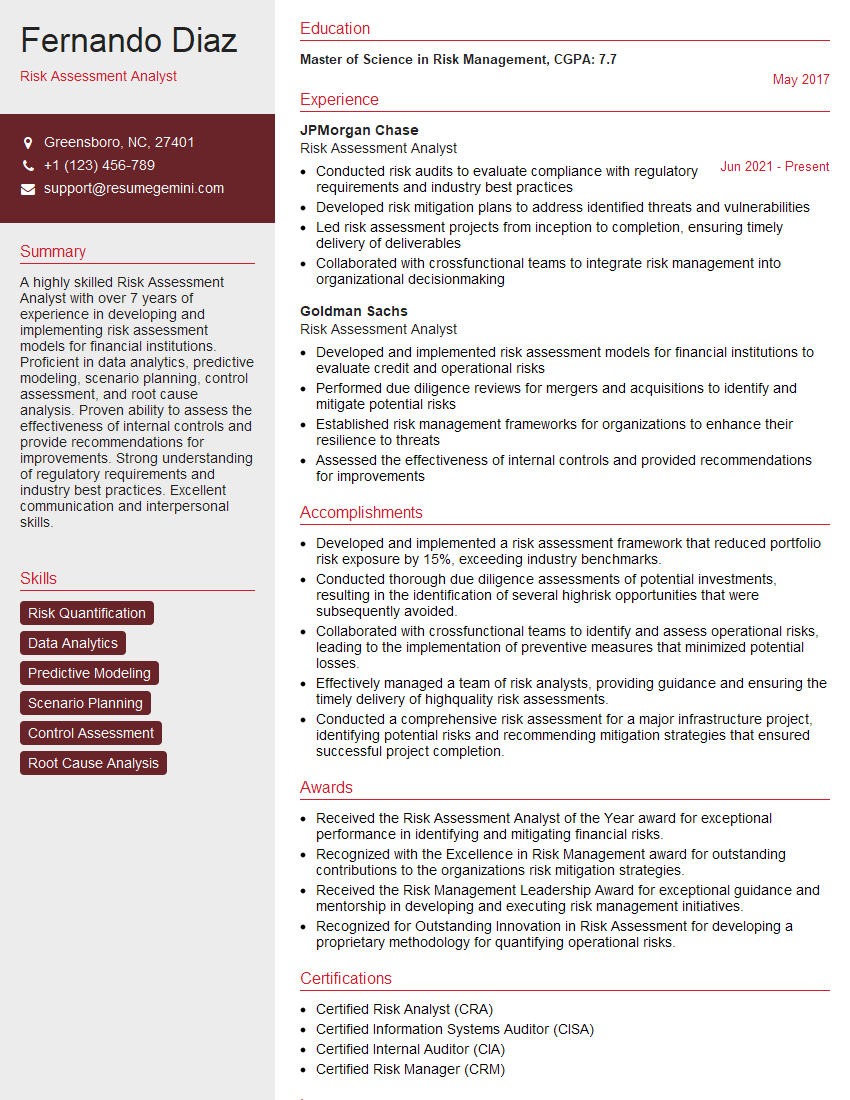
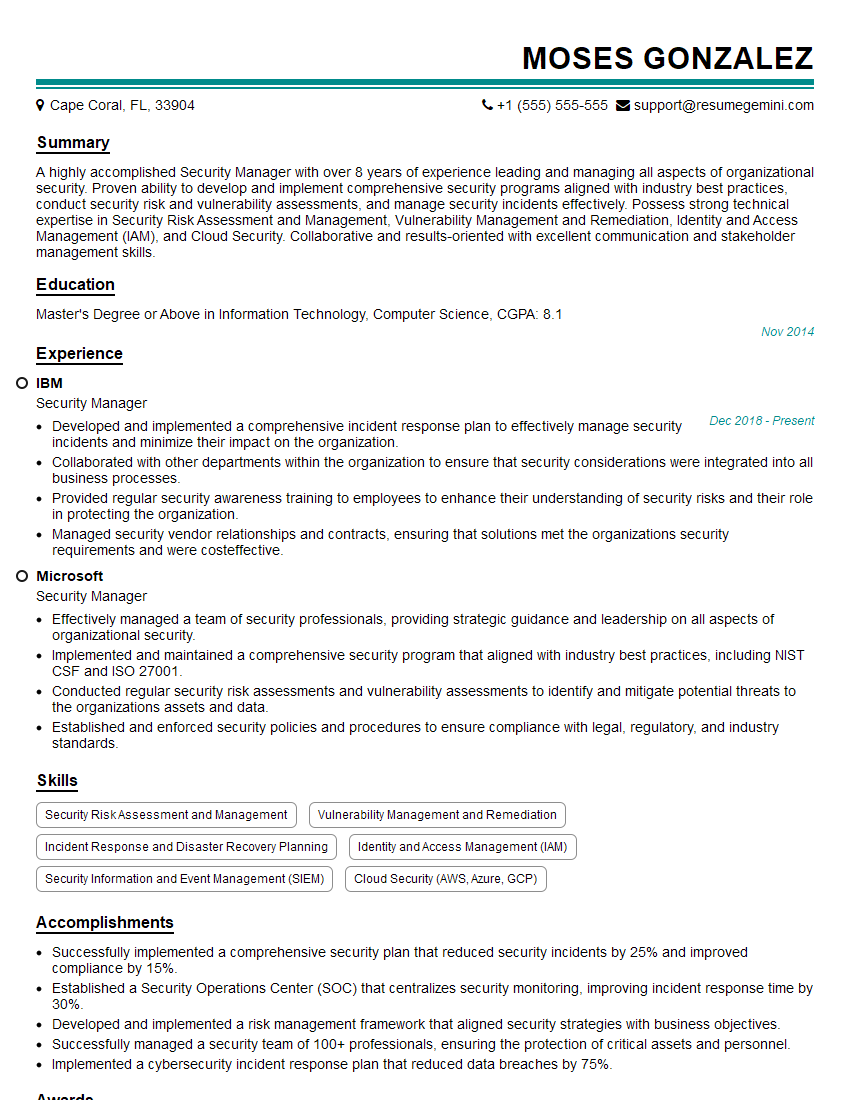
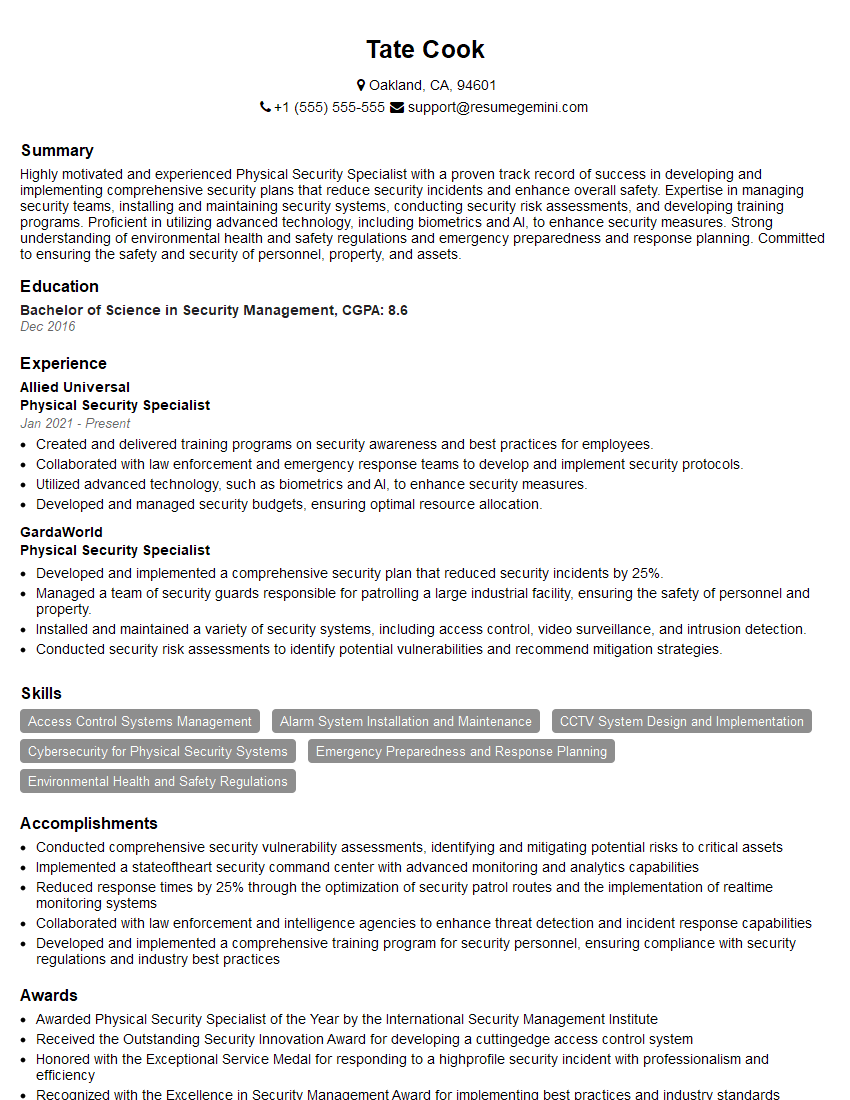
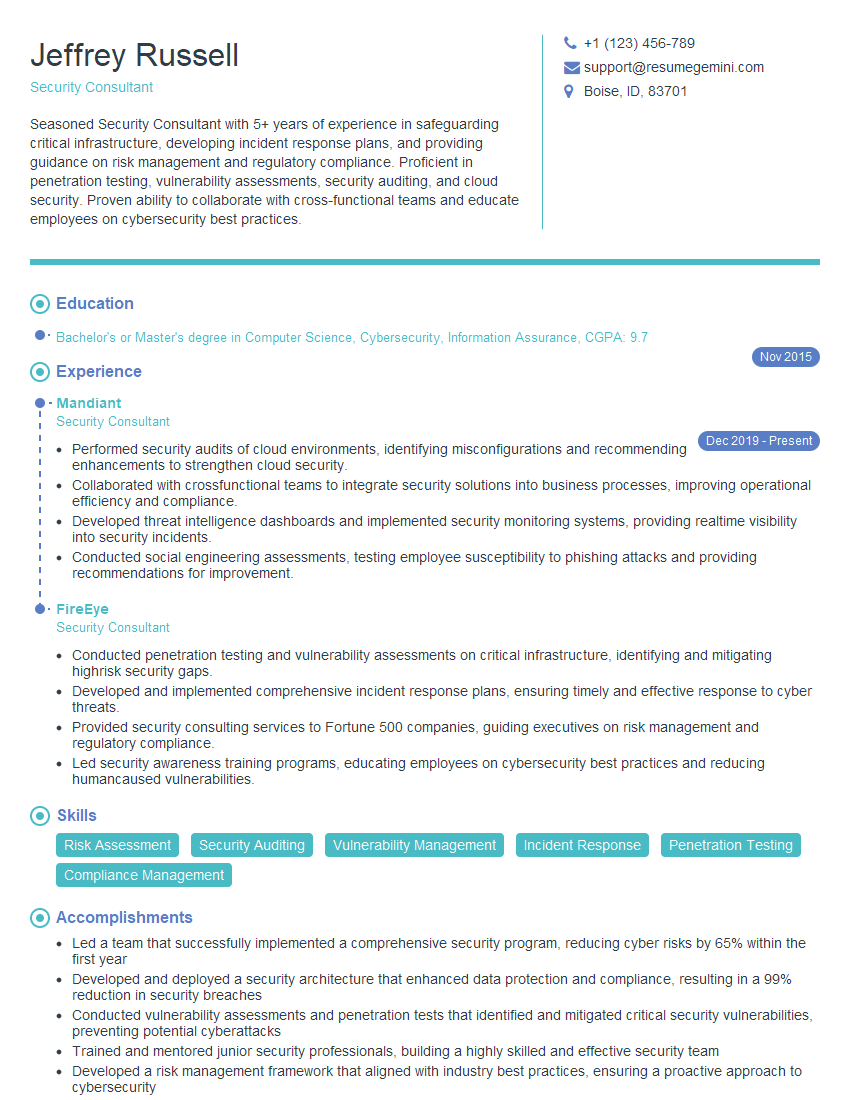
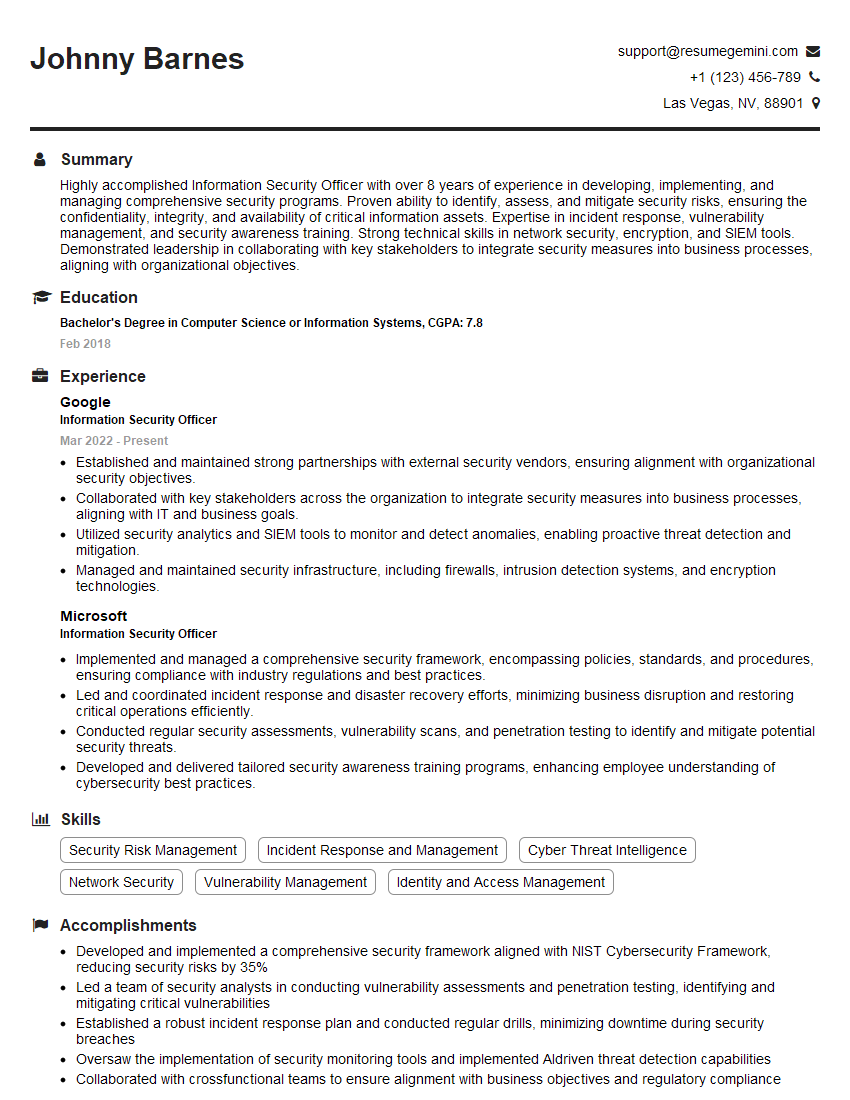
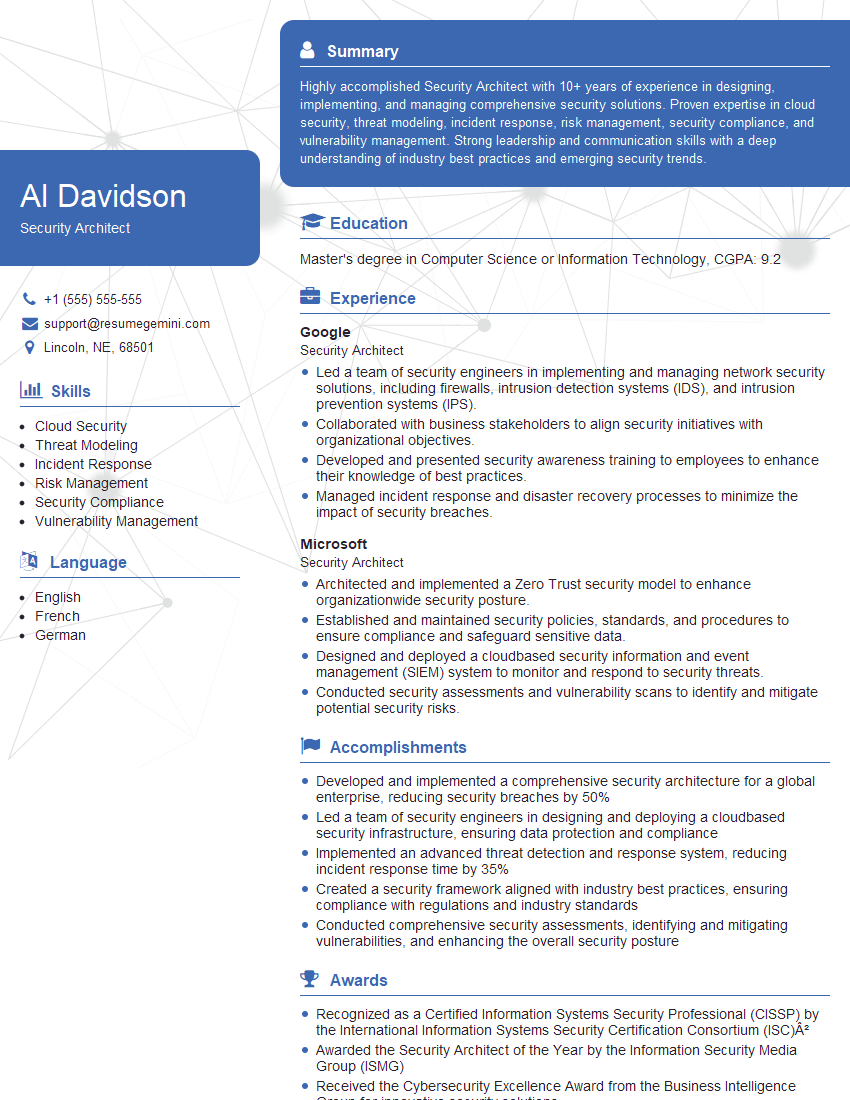
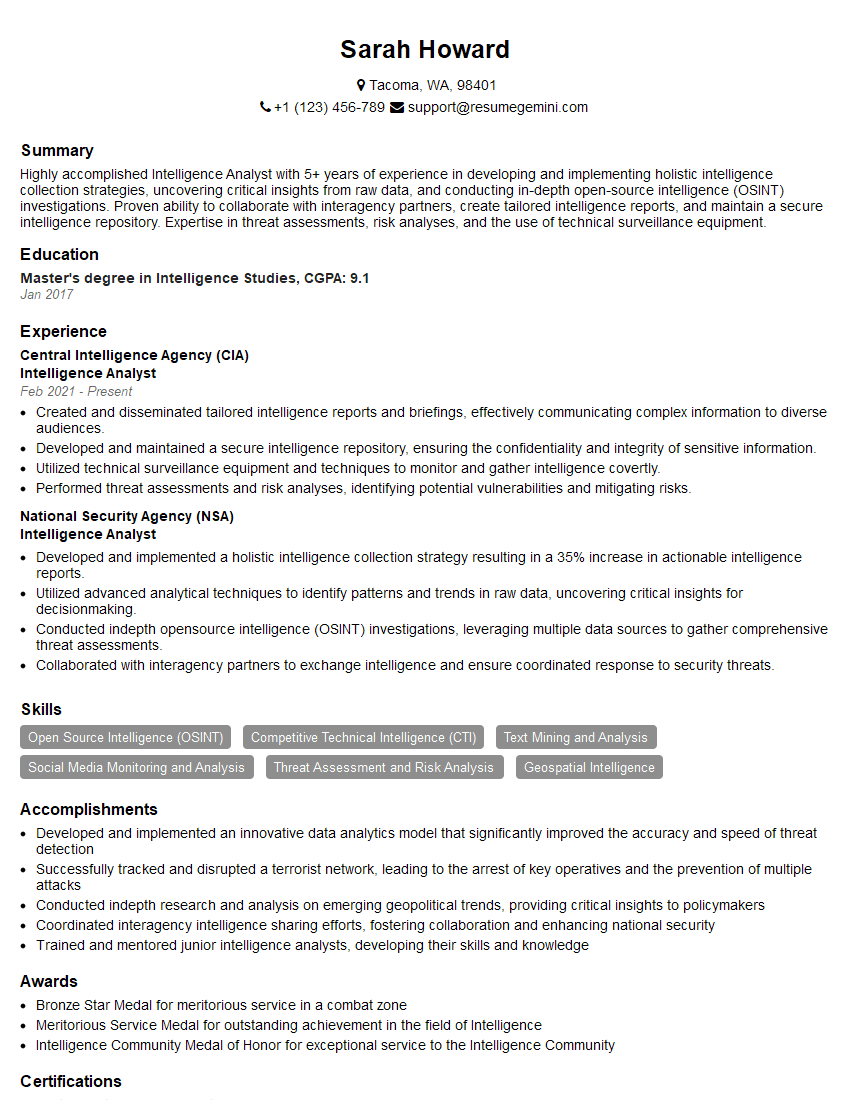
Mastering Antiterrorism and Force Protection Measures is crucial for career advancement in a field demanding high levels of expertise and responsibility. A strong understanding of these concepts opens doors to leadership roles and impactful contributions. To maximize your job prospects, crafting an ATS-friendly resume is essential. This ensures your qualifications are effectively highlighted to potential employers. ResumeGemini is a trusted resource to help you build a professional and impactful resume that showcases your skills and experience in this specialized field. Examples of resumes tailored to Antiterrorism and Force Protection Measures are available to guide your creation process. Invest time in this crucial step; a well-crafted resume significantly increases your chances of interview success.
Explore more articles
Users Rating of Our Blogs
Share Your Experience
We value your feedback! Please rate our content and share your thoughts (optional).
What Readers Say About Our Blog
Very informative content, great job.
good