Interviews are opportunities to demonstrate your expertise, and this guide is here to help you shine. Explore the essential Aquaculture Systems and Technologies interview questions that employers frequently ask, paired with strategies for crafting responses that set you apart from the competition.
Questions Asked in Aquaculture Systems and Technologies Interview
Q 1. Explain the principles of recirculating aquaculture systems (RAS).
Recirculating Aquaculture Systems (RAS) are closed or semi-closed systems that minimize water exchange with the environment. They operate on the principle of continuously treating and reusing the water, drastically reducing water consumption and environmental impact compared to open-flow systems. Think of it like a highly efficient water recycling plant for fish.
The core components are:
- Tanks: Hold the fish.
- Filtration System: Removes solid waste (uneaten feed, feces) using mechanical filters (screens, drum filters) and biological filters (biofilters utilizing beneficial bacteria to break down ammonia into less toxic nitrites and then nitrates).
- Water Treatment: This usually involves protein skimming (removing dissolved organic matter), UV sterilization (killing pathogens), and potentially ozonation (disinfecting and oxidizing organic matter).
- Oxygenation: Maintaining sufficient dissolved oxygen levels crucial for fish health, often through air pumps or oxygen injection.
- Monitoring System: Regularly measures water quality parameters (temperature, pH, dissolved oxygen, ammonia, nitrite, nitrate).
The process involves water continuously circulating through these components, ensuring clean, oxygenated water is constantly provided to the fish. Effective RAS design and management are key to successful fish production.
Q 2. Describe different types of aquaculture systems and their advantages/disadvantages.
Aquaculture systems vary widely, each with its own set of pros and cons:
- Extensive Systems: These systems involve minimal human intervention. Fish are raised in natural bodies of water like ponds or lakes with little to no water exchange management. Advantages: Low initial investment, utilizes natural resources. Disadvantages: High susceptibility to environmental fluctuations, disease outbreaks, and low production efficiency.
- Semi-intensive Systems: These systems incorporate some level of management, such as supplemental feeding and some water quality control measures. Advantages: Moderate production efficiency, relatively low cost. Disadvantages: Still vulnerable to environmental changes and disease.
- Intensive Systems: These systems involve high stocking densities and require significant management, including controlled water quality, feeding, and disease prevention. Examples: Cage culture, raceways, and RAS. Advantages: High production yields, better control over environment and disease. Disadvantages: High initial investment, increased operational costs, potential for environmental pollution if not managed properly.
- Integrated Multi-Trophic Aquaculture (IMTA): Combines different species in a system to improve resource utilization and reduce environmental impact. For example, integrating seaweed cultivation with finfish farming to remove excess nutrients. Advantages: Environmentally friendly, sustainable, potential for higher economic returns. Disadvantages: More complex management, requires careful species selection and integration.
Q 3. How do you monitor and maintain water quality parameters in an aquaculture system?
Maintaining optimal water quality is paramount in aquaculture. Regular monitoring and adjustments are essential for fish health and production. We use a multi-pronged approach:
- Regular Testing: Employing water quality meters to measure parameters like temperature, pH, dissolved oxygen, ammonia, nitrite, and nitrate. The frequency depends on the system type and species being cultured, but typically daily or multiple times daily for intensive systems.
- Automated Monitoring Systems: Many modern systems utilize automated sensors and data loggers for continuous monitoring and alarm systems to alert us to critical deviations. This provides real-time data enabling proactive interventions.
- Water Exchange and Filtration: Adjusting water flow rates and cleaning filters according to the levels of suspended solids and biological waste. Regular backwashing of filters is crucial.
- Biological Filtration: Maintaining healthy biofilter populations by avoiding drastic changes in water parameters and regularly monitoring the nitrification process (conversion of ammonia to less harmful nitrates).
- Chemical Treatments: In cases of disease outbreaks or extreme water quality issues, targeted chemical treatments (e.g., using hydrogen peroxide or other approved disinfectants) might be necessary. However, these need to be carefully implemented to avoid harming the fish.
Data analysis and record-keeping are critical in identifying trends and predicting potential problems. A proactive approach is significantly more effective and cost-efficient than reactive measures.
Q 4. What are the common diseases affecting farmed fish and their treatments?
Farmed fish are susceptible to various diseases, both bacterial and parasitic. Some common ones include:
- Bacterial Infections: Edwardsiella tarda (causes septicemia), Aeromonas hydrophila (causes hemorrhagic septicemia), and Vibrio spp. (cause various infections). Treatment often involves antibiotics, but responsible use is vital to avoid antibiotic resistance. Prophylactic measures, such as maintaining good water quality, are crucial.
- Parasitic Infections: Ichthyophthirius multifiliis (ich or white spot disease), Argulus (fish lice), and various nematodes. Treatments include using appropriate chemotherapeutants or employing parasite removal techniques.
- Viral Infections: Viral diseases, like viral hemorrhagic septicemia virus (VHSV) and infectious pancreatic necrosis virus (IPNV), are often difficult to treat. Prevention through biosecurity measures (strict hygiene protocols, quarantine of new fish) is the best approach.
- Fungal Infections: Saprolegnia spp. cause fungal infections that can be treated with antifungal agents.
Accurate diagnosis is paramount before initiating any treatment. A veterinary consultation is always recommended for serious disease outbreaks.
Q 5. Discuss different aquaculture feeding strategies and their impact on fish growth.
Feeding strategies significantly influence fish growth, health, and overall production efficiency. Different approaches exist:
- Ad libitum feeding: Providing fish with as much feed as they will consume. This is simple but can lead to excess feed wastage and water quality issues.
- Restricted feeding: Providing a specific amount of feed based on fish biomass and growth requirements. This is more efficient and minimizes waste but requires careful monitoring and adjustments.
- Automatic feeding systems: Utilize computerized systems to deliver precise amounts of feed at predetermined times. This ensures consistent feeding and reduces labor costs but demands higher initial investment.
- Feeding based on fish size/age: Adjusting the feed formulation and quantity to the fish’s developmental stage for optimal nutrient utilization. Smaller fish require different feed composition than larger ones.
The impact of feeding strategies varies depending on factors such as fish species, water temperature, and overall system management. Optimized feeding improves feed conversion ratios (FCR) – a key metric in aquaculture, indicating the amount of feed required to produce a unit of fish biomass. Lower FCRs signify better efficiency.
Q 6. Explain the role of probiotics and prebiotics in aquaculture health management.
Probiotics and prebiotics are increasingly used to improve the health and resilience of farmed fish, promoting a more sustainable aquaculture. They enhance gut health and the immune system, reducing the need for antibiotics.
- Probiotics: Live microorganisms (like beneficial bacteria) that, when administered in adequate amounts, confer a health benefit to the host. They compete with pathogenic bacteria for resources, inhibiting their growth and improving digestion. Examples include Bacillus spp. and Lactobacillus spp.
- Prebiotics: Non-digestible food ingredients that stimulate the growth and activity of beneficial bacteria in the gut. They act as “food” for probiotics, enhancing their effectiveness. Examples include certain types of carbohydrates and fibers.
The use of probiotics and prebiotics can reduce disease outbreaks, improve feed conversion rates, and enhance the overall health and growth of the fish. However, proper selection and application are crucial for optimal results, and strain specificity should be considered.
Q 7. How do you manage waste and effluent in an aquaculture facility?
Waste management is a crucial aspect of responsible aquaculture. Untreated effluent can have a significant negative impact on the environment. Effective strategies involve:
- Solid Waste Removal: Regular cleaning of tanks and removal of solid waste through efficient filtration systems. This minimizes the organic load in the water.
- Biological Treatment: Employing effective biological filtration to convert ammonia and nitrite to less harmful nitrates. This is a cornerstone of RAS and essential for minimizing pollution.
- Nutrient Removal: Techniques like protein skimming and advanced filtration systems can help remove dissolved organic matter and excess nutrients. In some cases, incorporating other organisms into the system (like seaweed or shellfish) can help absorb these nutrients.
- Effluent Treatment: Depending on regulations and environmental conditions, effluent may require further treatment before discharge. This could involve processes like clarification, disinfection (using UV or ozone), and potentially tertiary treatment to remove remaining nutrients.
- Land Application: In some cases, treated effluent can be used for land fertilization, offering a sustainable way to manage nutrient-rich wastewater.
Sustainable waste management practices reduce environmental impacts, minimize risks of water contamination, and contribute to the overall sustainability of the aquaculture operation.
Q 8. Describe different methods of fish harvesting and their suitability for various species.
Fish harvesting methods vary greatly depending on the species, culture system, and scale of operation. Think of it like choosing the right tool for the job – a tiny net won’t work for a large school of tuna!
- Seine netting: This is a common method for harvesting fish from ponds or open waters. A large net is drawn around a school of fish, effectively enclosing them. It’s suitable for schooling species like sardines or herring in larger bodies of water.
- Trawl netting: Used in open waters, trawl nets are dragged along the seabed or through the water column to capture fish. This method is often employed for demersal (bottom-dwelling) species like cod or shrimp, though it can also target pelagic (open water) species.
- Trap fishing: This passive method uses traps or cages to attract and capture fish. It’s particularly suitable for species that are attracted to specific baits or shelter, such as lobster or certain types of catfish.
- Draining ponds: For smaller, contained operations like ponds, simply draining the water allows for easy collection of fish. This is often used for species raised in earthen ponds. This method is only viable for species that can handle being exposed to air briefly.
- Mechanical harvesting: For intensive systems, automated systems may be used to harvest fish, often involving conveyor belts and sorting mechanisms. This is common in recirculating aquaculture systems (RAS) where high densities of fish are raised.
Choosing the right method requires careful consideration of factors such as species behavior, water depth, bottom topography, and the overall scale of the operation.
Q 9. What are the key considerations for selecting an appropriate aquaculture site?
Selecting an appropriate aquaculture site is critical for success. It’s like choosing the perfect location for a house – you need to consider factors like water quality, climate, access, and proximity to markets. Key considerations include:
- Water quality: This is paramount. You need sufficient water flow, appropriate salinity (depending on the species), dissolved oxygen levels, and minimal pollution. Water testing is essential before any site development.
- Climate: The chosen location should have a suitable temperature range for the target species. Extreme temperature fluctuations can be detrimental. It is also crucial to consider the amount of sunlight needed.
- Accessibility: The site should be easily accessible for transportation of feed, fish, and equipment. Good road access, proximity to processing facilities, and availability of skilled labor are crucial.
- Environmental impact: Consider the potential impact on surrounding ecosystems. Careful site selection can minimize environmental concerns. It is important to consult with relevant authorities and environmental specialists during the site selection process.
- Legal and regulatory compliance: Ensuring compliance with all relevant permits and regulations is critical. This may involve obtaining permits for water use, land use, and environmental protection.
A thorough site assessment, including water quality testing and environmental impact studies, is crucial before making a final decision.
Q 10. How do you ensure biosecurity in an aquaculture operation?
Biosecurity is crucial in aquaculture; it’s like having a strong immune system for your fish farm. It prevents the introduction and spread of diseases and parasites that can decimate a fish population. Key strategies include:
- Quarantine: Newly introduced fish should be quarantined before introduction to the main production system. This allows for observation and treatment of any potential diseases.
- Disinfection: Regular disinfection of equipment, vehicles, and facilities is necessary to prevent the spread of pathogens. Appropriate disinfectants must be used and their effectiveness monitored. Common methods include UV sterilization and chemical treatments.
- Pest and disease surveillance: Regular monitoring for disease outbreaks is essential. This involves regular inspections, water quality monitoring, and potentially, laboratory testing.
- Waste management: Proper waste management practices are critical to prevent the spread of pathogens. Solid waste should be disposed of safely, and effluent should be treated before discharge.
- Access control: Limiting access to the aquaculture facility reduces the risk of disease introduction. This includes the proper use of protective clothing and equipment.
- Personnel hygiene: Good hygiene practices for staff are essential. This includes showering, wearing clean clothing, and adhering to strict hygiene protocols.
A comprehensive biosecurity plan should be developed and implemented, tailored to the specific species and production system. Regular reviews and updates are crucial to ensure effectiveness.
Q 11. Explain the concept of integrated multi-trophic aquaculture (IMTA).
Integrated Multi-Trophic Aquaculture (IMTA) is a sustainable aquaculture approach that mimics natural ecosystems. Instead of relying on single-species farming, IMTA incorporates multiple trophic levels (producers, consumers and decomposers), creating a more balanced system. Think of it like a miniature version of a natural marine ecosystem.
For instance, a typical IMTA system might include cultivated seaweed (producer), which absorbs excess nutrients from fish waste, reducing the environmental impact of traditional farming. These nutrients are then utilized by filter-feeding shellfish (consumer), further reducing nutrient pollution. Waste from the shellfish in turn supports the growth of various microbes which are consumed by deposit-feeding species. These in turn can be harvested and used as fertilizer.
The benefits of IMTA include reduced nutrient pollution, improved water quality, increased biodiversity, enhanced profitability through diversification, and potentially less need for external inputs. This holistic approach provides a more ecologically sound approach to fish farming.
Q 12. Describe different aquaculture production methods (e.g., extensive, intensive, semi-intensive).
Aquaculture production methods are categorized by their intensity of management and resource input. It’s like choosing different levels of gardening – from a low-maintenance wildflower patch to an intensive greenhouse operation.
- Extensive aquaculture: This involves minimal intervention. Fish are raised in natural environments with little to no management of feed or water quality. Think of rice paddy fish farming – fish are simply allowed to forage in the paddy fields with minimal input from farmers. This method has low production but minimal environmental impact.
- Semi-intensive aquaculture: This involves some level of management, such as supplemental feeding or limited water quality control. Fish are often raised in ponds or cages with controlled access to the environment. The balance between input and output is optimized to maximize yield.
- Intensive aquaculture: This involves high levels of management, with controlled feeding, water quality management (often using recirculating aquaculture systems – RAS), and high stocking densities. Think of large-scale RAS facilities where every aspect is highly regulated and automated to maximize output. Production is high, but there’s a higher risk of disease and potential environmental impacts if not managed properly.
The choice of method depends on factors such as species, available resources, market demand, and environmental considerations.
Q 13. What are the environmental impacts of aquaculture, and how can they be mitigated?
Aquaculture, while providing a vital food source, can have significant environmental impacts. It’s essential to be aware of these impacts and implement mitigation strategies. Think of it as a tradeoff—we need to produce food sustainably.
- Nutrient pollution: Excess feed and fish waste can lead to eutrophication, causing harmful algal blooms and oxygen depletion in the water. This is mitigated through efficient feeding practices, use of formulated feeds, and treatment of effluent.
- Disease outbreaks: High stocking densities can increase the risk of disease outbreaks, leading to the use of antibiotics which could have negative impacts downstream. This risk is reduced through good biosecurity practices and careful disease management.
- Habitat destruction: Construction of aquaculture facilities can damage coastal ecosystems, such as mangroves and seagrass beds. Minimising the impact on these ecosystems through careful site selection and construction techniques is essential.
- Escape of farmed fish: Farmed fish can escape and compete with wild populations or introduce diseases. Secure containment systems and careful management are needed to prevent escapes.
- Use of chemicals and antibiotics: Some aquaculture operations use antibiotics and chemicals that can pollute the surrounding environment. Minimizing the usage of chemicals through sustainable and integrated aquaculture practices is required.
Sustainable aquaculture practices, including IMTA, responsible siting, and effective waste management, are crucial for mitigating these impacts.
Q 14. How do you manage algal blooms in aquaculture ponds?
Algal blooms in aquaculture ponds can be harmful, reducing dissolved oxygen and creating toxic conditions for fish. It’s like an overgrowth of weeds in a garden – it needs to be managed. Effective management strategies include:
- Water exchange: Regular water exchange can help dilute nutrient levels and reduce algal growth. The amount of water exchange needs to be considered based on the specific design and needs of the farm.
- Aeration: Increased aeration can help maintain dissolved oxygen levels, even during algal blooms. This is especially crucial during the night when photosynthesis stops and oxygen levels can drop significantly.
- Biomanipulation: Introducing herbivorous fish or zooplankton can help control algal growth by consuming algae directly. The type of biomanipulation depends heavily on the specific ecosystem at play.
- Algaecides: Chemical algaecides can be used as a last resort, but careful consideration is needed due to potential toxicity to fish and the environment. Algaecides should only be used as a last resort and under strict regulatory oversight.
- Nutrient management: Reducing nutrient input through efficient feeding practices and proper waste management can prevent excessive algal growth in the first place.
A proactive approach, combining preventative measures with appropriate corrective actions, is crucial for effective algal bloom management.
Q 15. Explain the importance of oxygen management in aquaculture.
Oxygen is paramount in aquaculture; it’s the lifeblood of our fish. Insufficient oxygen, or hypoxia, leads to stress, reduced growth, disease susceptibility, and ultimately, mortality. Think of it like us needing air – without enough, we can’t function properly. Effective oxygen management involves understanding and controlling several factors.
- Water flow: Adequate water flow is crucial for oxygen distribution throughout the tank or pond. Stagnant water quickly depletes oxygen.
- Water temperature: Warmer water holds less dissolved oxygen than colder water. This means we need to increase aeration in warmer conditions.
- Stocking density: Overcrowding leads to rapid oxygen consumption. Careful consideration of stocking density is essential.
- Aeration techniques: Methods like surface aeration (using paddle wheels or air pumps), diffused aeration (using air diffusers), and even oxygen injection can be employed to ensure sufficient oxygen levels.
- Monitoring: Regular dissolved oxygen (DO) measurements are vital. We use DO meters to track oxygen levels and adjust aeration accordingly. Anything below 5 mg/L for most species is a serious concern.
For example, in a recirculating aquaculture system (RAS), we meticulously monitor DO levels and adjust the aeration system based on real-time data. In a pond system, we might strategically place aeration devices to ensure even oxygen distribution and manage algal blooms that can impact oxygen levels during the night.
Career Expert Tips:
- Ace those interviews! Prepare effectively by reviewing the Top 50 Most Common Interview Questions on ResumeGemini.
- Navigate your job search with confidence! Explore a wide range of Career Tips on ResumeGemini. Learn about common challenges and recommendations to overcome them.
- Craft the perfect resume! Master the Art of Resume Writing with ResumeGemini’s guide. Showcase your unique qualifications and achievements effectively.
- Don’t miss out on holiday savings! Build your dream resume with ResumeGemini’s ATS optimized templates.
Q 16. What are the different types of aquaculture feeds, and how do you select the appropriate feed?
Aquaculture feeds vary greatly, depending on the species, life stage, and desired growth rate. We broadly categorize them into:
- Complete feeds: These contain all the necessary nutrients in balanced proportions. They’re like a perfectly balanced meal for your fish.
- Supplemental feeds: These feeds add specific nutrients lacking in the fish’s primary diet. Think of them as supplements for added nutritional boost.
- Live feeds: Such as rotifers, brine shrimp, and microalgae, are commonly used for larval and juvenile stages. They are highly nutritious and promote optimal development.
- Dry feeds: These are cost-effective and easy to store and handle. They come in various forms like pellets, crumbles, and flakes.
- Moist feeds: These contain higher moisture content compared to dry feeds and can be used to improve feed palatability.
Selecting the right feed involves considering several factors: species-specific nutritional requirements, growth stage, water temperature, feeding frequency, and budget. For instance, a rapidly growing salmon needs a higher protein and energy diet compared to a slower-growing carp. A good feed manufacturer will provide detailed specifications to guide this selection process. We also conduct regular feed trials to optimize the diet and ensure optimal growth and health of our fish.
Q 17. Describe different methods for monitoring fish health (e.g., visual inspection, blood tests).
Monitoring fish health is crucial for preventing disease outbreaks and maintaining productivity. We employ a combination of methods:
- Visual inspection: This is the most basic yet important method. We look for signs of lethargy, abnormal swimming patterns, fin rot, lesions, unusual coloration, or excessive mucus production. Think of it as a regular health check-up.
- Behavioral observation: Observing the fish’s activity level, feeding behavior, and social interactions can provide clues about their overall well-being.
- Blood tests: These are more advanced diagnostics, providing insights into hematocrit (red blood cell count), blood glucose levels, and the presence of pathogens. They’re like a more detailed blood test at the doctor’s.
- Parasitological examination: Microscopic examination of skin scrapings or feces can reveal the presence of parasites. It’s similar to checking for parasites in a stool sample.
- Histopathology: Examining tissue samples under a microscope helps identify diseases at the cellular level. This is like a biopsy for a more precise diagnosis.
- Water quality testing: Regular water quality analysis (monitoring parameters like ammonia, nitrite, nitrate, pH, and dissolved oxygen) is critical as poor water quality can predispose fish to diseases.
For example, a sudden increase in mortalities might prompt blood tests to rule out bacterial infections or parasitism. A visual inspection might reveal fin rot, indicating potential bacterial or fungal infection. By combining these methods, we can effectively monitor fish health and promptly address any issues.
Q 18. How do you diagnose and treat common fish diseases?
Diagnosing and treating fish diseases requires careful observation, accurate identification, and appropriate treatment strategies. The process typically involves:
- Identify symptoms: Observe the fish for clinical signs (as described above).
- Collect samples: This might involve water samples, tissue samples, or fecal samples.
- Laboratory testing: Microscopic examination, bacterial cultures, and serological tests might be necessary to identify the pathogen.
- Treatment: Treatment options vary depending on the disease. This might involve antibiotics for bacterial infections, antiparasitics for parasitic infestations, or fungicides for fungal infections. Sometimes, we use immunostimulants to boost the fish’s immune system.
- Quarantine: Affected fish should be isolated to prevent the spread of disease.
- Environmental management: Improving water quality, reducing stocking density, and optimizing feeding practices can help to prevent future disease outbreaks. This is about addressing the underlying cause and preventing future occurrences.
For example, if we identify bacterial fin rot, we might treat the affected fish with an appropriate antibiotic and improve water quality to reduce stress and promote healing. However, misdiagnosis and improper treatment can be detrimental. Experienced aquaculture professionals often consult with veterinary specialists for complex disease situations.
Q 19. What are the key performance indicators (KPIs) for evaluating aquaculture success?
Key Performance Indicators (KPIs) in aquaculture are essential for evaluating success and identifying areas for improvement. These KPIs can be categorized as follows:
- Production KPIs: These include growth rate (weight gain per day), feed conversion ratio (FCR – the amount of feed required to produce 1 kg of fish), survival rate, and harvest yield.
- Economic KPIs: These cover production costs, operating expenses, revenue, profit margins, and return on investment (ROI).
- Environmental KPIs: These include water quality parameters, feed efficiency, waste management, and overall environmental impact.
- Health KPIs: These focus on disease prevalence, mortality rates, and the overall health status of the fish.
Tracking these KPIs helps us make informed decisions regarding feed management, water quality control, disease prevention, and overall farm management. For example, a high FCR suggests that there might be inefficiencies in feed utilization and might warrant adjustments to the feed formulation or feeding strategy. Low survival rates might signal the need for improved biosecurity measures or disease management strategies.
Q 20. Discuss the role of technology in modern aquaculture (e.g., sensors, automation).
Technology plays a transformative role in modern aquaculture, enhancing efficiency, sustainability, and profitability. Here are some key examples:
- Sensors: Real-time monitoring of water quality parameters (DO, temperature, pH, ammonia, etc.) using sensors enables proactive management and reduces the risk of environmental stress or disease outbreaks. Think of it like a sophisticated early warning system.
- Automation: Automated feeding systems, water exchange systems, and aeration systems improve efficiency and consistency, freeing up labor for other tasks. Imagine precisely timed feeding, ensuring every fish gets enough to eat.
- Remote monitoring: Using remote sensors and data logging systems, farmers can monitor their farms remotely, even from afar. This enables timely interventions and reduces the need for constant on-site presence.
- Artificial Intelligence (AI) and Machine Learning (ML): AI and ML algorithms can analyze vast amounts of data to predict disease outbreaks, optimize feeding strategies, and improve overall farm management. It’s like having a smart assistant that can predict problems before they arise.
- Recirculating Aquaculture Systems (RAS): RAS technology enables efficient water reuse and reduces water consumption and environmental impact. These systems offer better control over the environment.
For example, an AI-powered system might analyze real-time data from multiple sensors and predict an impending algal bloom, allowing the farmer to take preventative actions before the bloom negatively impacts oxygen levels. This blend of technology offers significant advantages in terms of sustainability and efficient production.
Q 21. How do you manage stress in farmed fish?
Stress in farmed fish can significantly impact their health, growth, and overall productivity. It’s like feeling overwhelmed – your body doesn’t function as well. Managing stress requires a holistic approach.
- Optimize water quality: Maintaining stable water quality parameters is crucial. Sudden changes in temperature, pH, or dissolved oxygen levels are major stressors.
- Reduce stocking density: Overcrowding leads to competition for resources and increased aggression, which are major stressors. Providing ample space reduces these issues.
- Handle fish carefully: Rough handling during harvesting, sorting, or transportation causes significant stress. Gentle handling is vital.
- Minimize noise and light disturbances: Loud noises and sudden changes in light intensity can induce stress. Creating a calm environment is beneficial.
- Proper nutrition: Ensuring proper nutrition and reducing feed competition minimizes stress. Adequate feed enhances resilience.
- Disease management: Promptly diagnosing and treating diseases reduces stress associated with illness.
- Use of immunostimulants: Boosting the fish’s immune system with immunostimulants helps them cope better with stressful situations.
For instance, using a proper anesthetic during handling or transport can significantly reduce stress, improving survival and minimizing post-stress mortality. Likewise, strategic placement of aeration devices in ponds can alleviate oxygen stress in high-density situations.
Q 22. Explain the importance of genetic selection in aquaculture.
Genetic selection in aquaculture is crucial for improving the productivity and resilience of farmed species. It’s essentially like breeding superior livestock, but for fish and shellfish. By selecting and breeding individuals with desirable traits, we can enhance growth rates, disease resistance, feed conversion efficiency, and even product quality (e.g., flesh color, texture).
For example, selecting for faster growth means we can harvest fish sooner, reducing production time and costs. Similarly, breeding for disease resistance can significantly reduce reliance on antibiotics and improve overall fish health, leading to higher survival rates and lower mortality. This process often involves sophisticated techniques like marker-assisted selection (MAS), where specific genes associated with desirable traits are identified and used to guide breeding programs. We also employ genomic selection (GS), which uses the entire genome to predict the breeding value of individuals, allowing for more accurate selection.
In practice, this means analyzing large datasets of genetic and phenotypic data to identify superior individuals. These individuals are then used as broodstock to produce the next generation of improved fish. The results are healthier, more productive aquaculture operations with reduced environmental impact.
Q 23. Describe different methods for controlling parasites in aquaculture.
Controlling parasites in aquaculture requires a multi-faceted approach, combining preventative measures with targeted treatments. The goal is always to minimize parasite burden while promoting the health and welfare of the cultured species and minimizing environmental impact. Let’s look at the key methods:
- Prevention: This includes selecting healthy broodstock, implementing robust biosecurity protocols to prevent parasite introduction (e.g., quarantine procedures for new arrivals), maintaining optimal water quality (parasites thrive in stressful conditions), and proper stocking density to reduce stress and transmission.
- Chemical treatments: While effective, this method should be employed judiciously and only when absolutely necessary. Overuse leads to drug resistance and potential environmental contamination. We need to carefully consider the specific parasite and host species before selecting an appropriate treatment and always adhering to dosage guidelines. Examples of chemical treatments include formalin, hydrogen peroxide, and specific antiparasitic drugs.
- Biological control: This involves using other organisms to control parasite populations, for example, introducing specific bacterial strains that inhibit parasite growth. The research and development in this area are still ongoing, but it holds promise as a more sustainable approach.
- Resistant strains: Through selective breeding, as discussed in the previous question, we can produce strains with enhanced resistance to specific parasites. This minimizes the need for chemical treatments.
- Hygiene practices: Regular cleaning and disinfection of equipment and facilities are crucial for reducing parasite build-up.
The most effective approach is an integrated pest management (IPM) strategy combining multiple methods tailored to a specific situation and species.
Q 24. How do you ensure the sustainability of an aquaculture operation?
Sustainable aquaculture hinges on minimizing environmental impact while maintaining economic viability and social responsibility. It’s about producing food in a way that doesn’t compromise future generations’ ability to do the same. Key aspects include:
- Responsible feed management: Using sustainable feed sources, such as insect-based protein or single-cell proteins, reduces reliance on wild-caught fishmeal, lessening pressure on wild fisheries. Improving feed efficiency through genetic selection further reduces the environmental footprint.
- Water quality management: Minimizing water usage and pollution through efficient recirculation aquaculture systems (RAS) or integrated multi-trophic aquaculture (IMTA) systems that incorporate other organisms to process waste products. This reduces the impact on surrounding ecosystems.
- Disease management: Avoiding the overuse of antibiotics and other chemicals, relying on preventative measures such as biosecurity and robust health management to reduce the risk of disease outbreaks.
- Ecosystem considerations: Minimizing the escape of farmed species that could negatively impact wild populations. Choosing locations that have minimal impact on sensitive ecosystems.
- Social responsibility: Ensuring fair labor practices and community engagement throughout the supply chain.
- Traceability and certification: Adhering to industry best practices and certifications (e.g., ASC, BAP) provides verification of sustainability efforts.
A holistic approach integrating these aspects is essential for ensuring the long-term sustainability of any aquaculture operation. It’s not just about the environment; it’s about the entire social and economic ecosystem surrounding the operation.
Q 25. What are the regulatory requirements for aquaculture in your region?
Regulatory requirements for aquaculture vary considerably depending on location. However, typical regulations often include:
- Environmental permits: These are required for water discharge, ensuring that effluent meets established water quality standards. They might also include permits for land use and habitat protection.
- Species-specific regulations: Some species are subject to more stringent regulations due to their potential for invasive behavior or other environmental concerns.
- Disease reporting: Strict guidelines are in place for reporting disease outbreaks to prevent their spread.
- Feed regulations: Regulations related to feed composition and quality to ensure animal health and food safety.
- Biosecurity protocols: Strict measures to minimize the introduction and spread of disease agents.
- Health certification: Requirements for health certifications of imported and exported animals.
- Record-keeping: Detailed record-keeping requirements to ensure traceability and compliance.
- Waste management: Regulations for the proper disposal of solid and liquid waste.
Specific requirements will differ based on the region’s environmental regulations and the type of aquaculture operation (e.g., finfish, shellfish, freshwater, marine).
It’s crucial to consult with the relevant authorities in your specific region to understand the complete set of regulatory requirements.
Q 26. Explain the principles of fish nutrition and dietary requirements.
Fish nutrition is a complex field, but the core principle is to provide fish with the right balance of nutrients necessary for optimal growth, health, and reproduction. These nutrients are broadly categorized into:
- Proteins: Essential for building and repairing tissues. Fish require a diverse range of amino acids, some of which they cannot synthesize and must obtain from their diet.
- Lipids (Fats): Provide energy and are essential for membrane structure and hormone synthesis. The right balance of fatty acids, particularly omega-3 and omega-6 fatty acids, is vital.
- Carbohydrates: A source of energy, although fish typically rely more on protein and fat for energy than mammals.
- Vitamins: Essential for various metabolic processes. Deficiencies can lead to various health problems.
- Minerals: Required for bone development, enzyme function, and other physiological processes.
Dietary requirements vary greatly depending on species, life stage, and environmental conditions. For example, juvenile fish generally require higher protein levels for growth than adult fish. Different species also have varying requirements for specific amino acids and fatty acids. A well-formulated diet considers these factors to optimize fish health and production efficiency. Feed manufacturers utilize sophisticated analytical techniques to ensure that the composition matches these requirements. Poor nutrition can manifest as reduced growth, impaired immune function, and increased susceptibility to disease. Therefore, understanding and meeting the specific nutritional needs of cultured species is critical for successful aquaculture.
Q 27. Discuss your experience with different aquaculture species.
Throughout my career, I’ve worked extensively with a variety of aquaculture species, gaining hands-on experience in both freshwater and marine environments. My experience includes:
- Salmonids (Atlantic salmon, rainbow trout): Extensive experience in their culture, from broodstock management to harvest, including work on optimizing growth rates and disease management in various rearing systems.
- Tilapia: Experience with intensive tilapia culture in recirculating aquaculture systems (RAS), focusing on water quality management and optimizing feed efficiency.
- Shrimp (Penaeus vannamei): Experience in both extensive and semi-intensive shrimp farming, with a focus on sustainable practices and disease prevention.
- Oysters (Crassostrea gigas): Knowledge of oyster hatchery operations, including larval culture and grow-out techniques.
Each species presents unique challenges and opportunities. For instance, salmonids are relatively high-value species requiring sophisticated management strategies, while tilapia are more adaptable and can thrive in various systems. Shrimp farming presents its own set of sustainability challenges concerning water usage and environmental impact. This diverse experience has provided me with a broad understanding of the principles and practices across various aquaculture sectors.
Q 28. How would you troubleshoot a sudden drop in dissolved oxygen in a RAS system?
A sudden drop in dissolved oxygen (DO) in a recirculating aquaculture system (RAS) is a critical situation that requires immediate attention. Here’s a step-by-step approach to troubleshooting:
- Assess the situation: Immediately measure DO levels using multiple probes to confirm the drop and identify the affected areas within the system. Observe the fish for signs of stress (e.g., gasping at the surface).
- Identify potential causes: Consider the following factors:
- Overstocking: Too many fish for the system’s capacity to maintain sufficient DO.
- Malfunctioning aeration system: Check air pumps, diffusers, and pipelines for blockages or failures.
- High organic load: Accumulation of uneaten feed and fish waste leads to increased oxygen consumption by bacteria during decomposition.
- Temperature increase: Higher temperatures reduce DO solubility in water.
- Power outage: This could shut down aeration and filtration systems.
- Take immediate action:
- Increase aeration: Turn on backup aerators if available. Increase the flow rate of existing aerators.
- Reduce stocking density (if possible): If the system is overloaded, consider harvesting some fish.
- Reduce feeding: Temporarily reduce or stop feeding to reduce organic load.
- Water exchange: If appropriate for the system, a partial water exchange can help restore DO levels.
- Investigate the root cause: Once the immediate threat is addressed, systematically investigate the identified potential causes. Clean filters, check for pump failures, and assess the overall system’s health.
- Prevent future occurrences: Implement preventative measures such as regular maintenance schedules, monitoring of water quality parameters (DO, temperature, ammonia, nitrite), and alarm systems to alert to critical changes.
Prompt and efficient action is critical to prevent fish mortality. Regular monitoring and maintenance are essential to prevent such events.
Key Topics to Learn for Aquaculture Systems and Technologies Interview
- Water Quality Management: Understanding parameters like dissolved oxygen, pH, ammonia, nitrite, and nitrate; practical application in maintaining optimal conditions for fish health and growth; troubleshooting water quality issues and implementing corrective actions.
- Aquaculture System Design and Engineering: Recirculating Aquaculture Systems (RAS), flow-through systems, integrated multi-trophic aquaculture (IMTA); designing systems for optimal efficiency and sustainability; evaluating the trade-offs between different system types.
- Feeding and Nutrition: Formulating diets for different species; understanding nutrient requirements and feed conversion ratios (FCR); managing feed costs and minimizing environmental impact.
- Disease Management and Biosecurity: Identifying common fish diseases; implementing preventative measures and treatment protocols; maintaining biosecurity to prevent disease outbreaks.
- Harvesting and Post-Harvest Handling: Understanding efficient and humane harvesting techniques; proper handling and processing to maintain product quality; minimizing waste and maximizing yield.
- Sustainability and Environmental Impact: Evaluating the environmental footprint of aquaculture; implementing sustainable practices to minimize impact on surrounding ecosystems; understanding and applying best management practices (BMPs).
- Aquaculture Economics and Business Management: Analyzing production costs and profitability; understanding market dynamics and pricing strategies; developing business plans for aquaculture operations.
- Data Acquisition and Analysis: Utilizing sensors and monitoring systems to track key parameters; applying statistical methods to analyze data and improve operational efficiency; using data to inform decision-making.
Next Steps
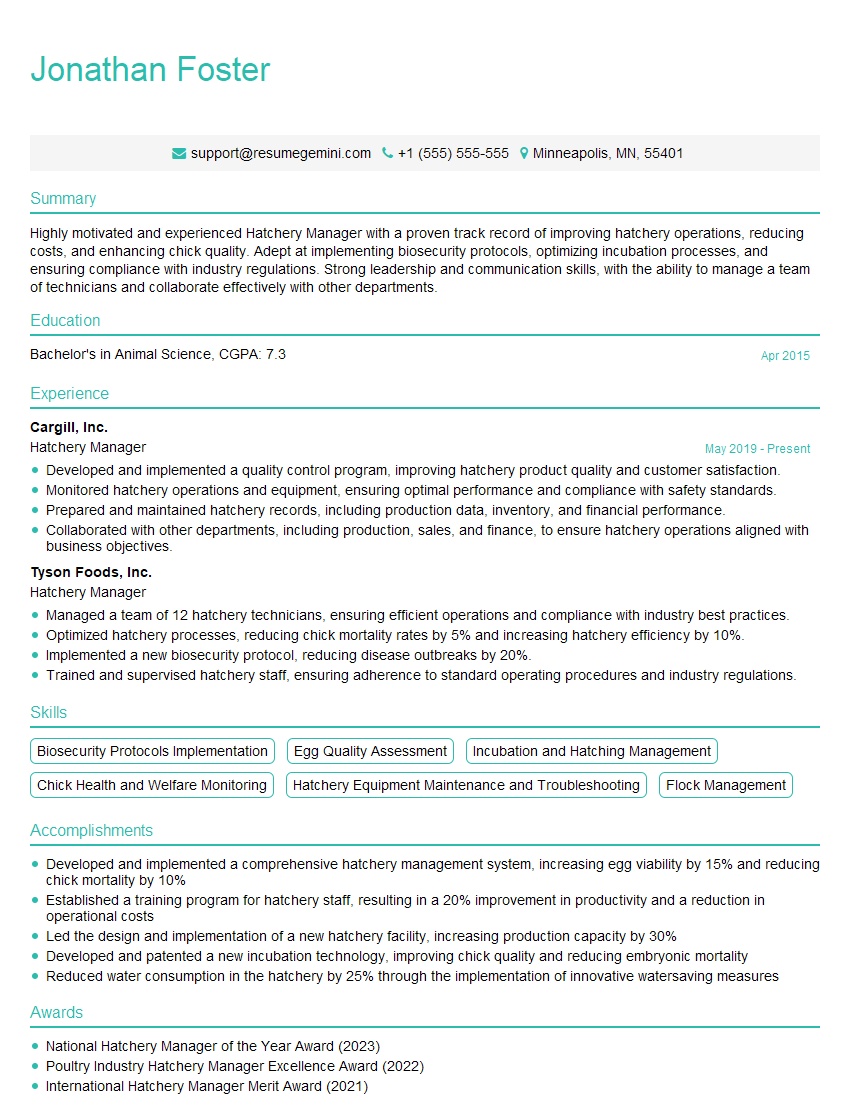
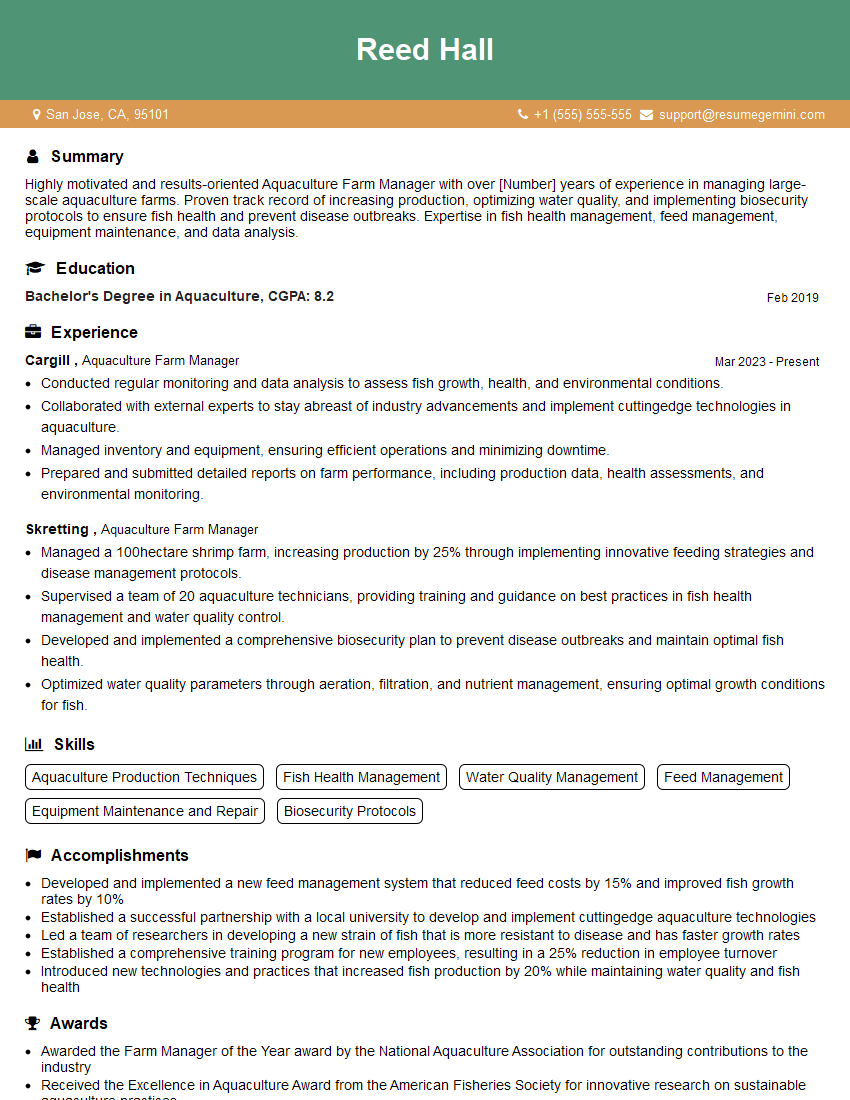
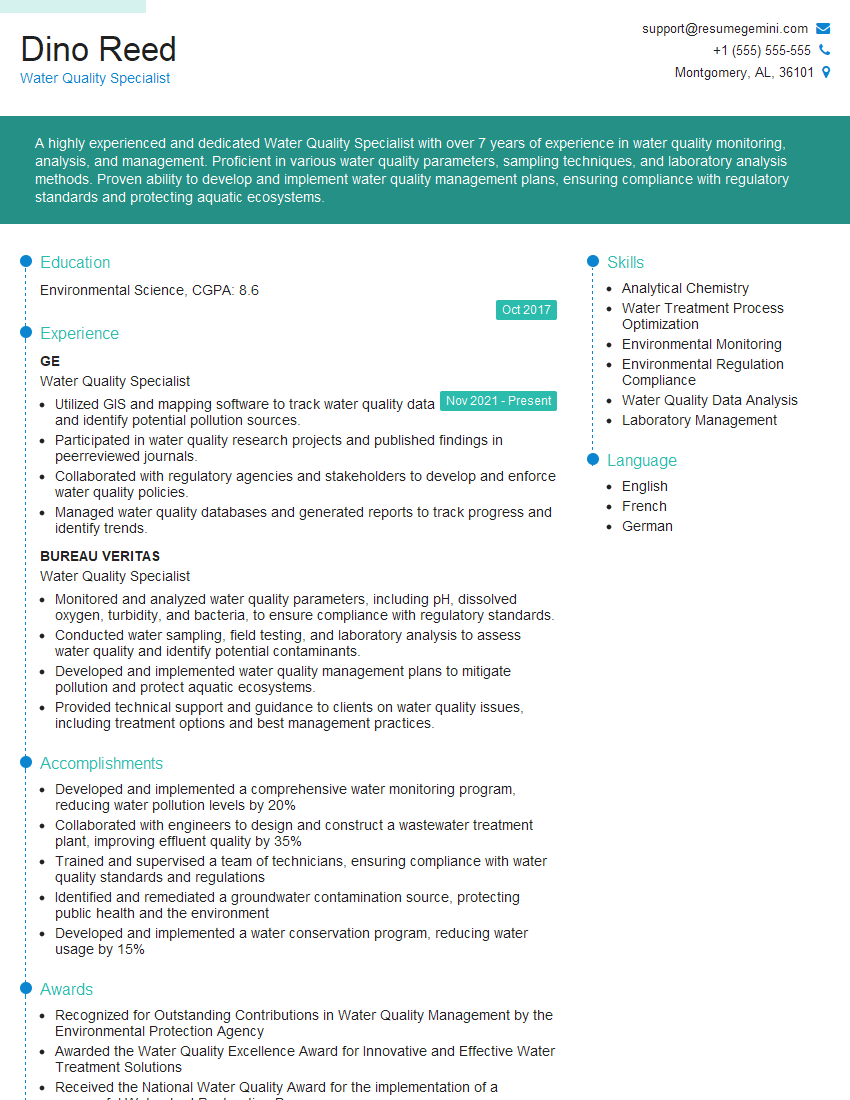
Mastering Aquaculture Systems and Technologies is crucial for a successful and rewarding career in this growing field. A strong understanding of these concepts will set you apart from other candidates and open doors to exciting opportunities. To further enhance your job prospects, it’s essential to create a compelling and ATS-friendly resume that showcases your skills and experience effectively. We highly recommend using ResumeGemini, a trusted resource for building professional resumes. ResumeGemini can help you craft a powerful document that highlights your qualifications and increases your chances of landing your dream job. Examples of resumes tailored to Aquaculture Systems and Technologies are available to help you get started.
Explore more articles
Users Rating of Our Blogs
Share Your Experience
We value your feedback! Please rate our content and share your thoughts (optional).
What Readers Say About Our Blog
Very informative content, great job.
good