Interviews are opportunities to demonstrate your expertise, and this guide is here to help you shine. Explore the essential Aquatic Plant Management interview questions that employers frequently ask, paired with strategies for crafting responses that set you apart from the competition.
Questions Asked in Aquatic Plant Management Interview
Q 1. Describe the life cycle of common aquatic plants in your region.
The life cycle of common aquatic plants in my region (let’s assume a temperate climate zone) varies greatly depending on the species, but generally follows a pattern of vegetative growth, flowering, seed production, and overwintering. Many species are perennial, meaning they live for multiple years.
Vegetative Growth: This begins in spring with the warming of water temperatures. Plants sprout from overwintering structures like rhizomes (underground stems) or tubers. They grow rapidly, producing new leaves and stems through vegetative propagation (asexual reproduction).
Flowering and Seed Production: During the summer, many aquatic plants produce flowers, often above the water surface. Pollination occurs, typically by insects or wind, leading to seed production. These seeds are often dispersed by water currents or animals.
Overwintering: As temperatures drop in autumn, the above-water portions of many perennial aquatic plants die back. However, the below-water structures (rhizomes, tubers) remain viable, storing energy for the next growing season. Some species produce resting buds or turions that sink to the bottom and overwinter. Annual species complete their life cycle within a single year, producing seeds before dying.
For example, the common Eurasian watermilfoil (Myriophyllum spicatum) follows this pattern, growing vigorously in summer from extensive rhizome systems, flowering above the water, and overwintering via its rhizomes. Contrastingly, duckweeds (Lemna spp.) are annuals completing their life cycle within a single season.
Q 2. What are the different methods for controlling aquatic weeds?
Controlling aquatic weeds involves a multi-pronged approach, often employing a combination of methods to achieve sustainable management. The best method depends on the specific weed species, water body characteristics, and desired outcomes.
Mechanical Methods: These include harvesting (cutting and removing weeds), dredging (removing sediment and plants), and drawdown (lowering water levels to expose and kill plants).
Biological Control: This involves introducing natural enemies of the target weed, such as insects or fish that feed on them. This requires careful assessment to avoid unintended ecological consequences.
Chemical Control (Herbicides): Specific herbicides target aquatic weeds, often applied selectively to minimize impacts on non-target organisms. This requires careful consideration of the herbicide type, application method, and water body characteristics.
Integrated Pest Management (IPM): This holistic approach combines several methods, often prioritizing less harmful techniques before resorting to more drastic measures. It involves monitoring weed populations, understanding their life cycles, and implementing targeted control strategies.
For example, in a small pond with a light infestation of hydrilla, hand-harvesting might be sufficient. In a large lake struggling with an invasive species like Eurasian watermilfoil, an IPM approach might involve a combination of herbicide application in targeted areas and subsequent biological control using a suitable weevil species.
Q 3. Explain the advantages and disadvantages of herbicide application.
Herbicide application offers effective control of aquatic weeds, but it’s crucial to weigh its advantages and disadvantages carefully.
Advantages: Herbicides can provide rapid and widespread control, especially for extensive infestations where other methods are impractical. Specific herbicides can target particular weed species, minimizing harm to non-target plants. They can be cost-effective for large areas.
Disadvantages: Herbicides can have unintended consequences for non-target organisms, including fish, invertebrates, and other plants. They can pose risks to human health if not handled and applied correctly. Repeated use can lead to herbicide resistance in weeds. Environmental concerns about water contamination are paramount.
Imagine a scenario where a lake is severely infested with an invasive weed like hydrilla. Herbicides offer a quicker solution compared to mechanical methods alone. However, careful planning and precise application are crucial to protect the fish populations and overall ecosystem health. An environmental impact assessment and permitting might be required before any herbicide use.
Q 4. How do you assess the health of an aquatic ecosystem?
Assessing the health of an aquatic ecosystem requires a multifaceted approach, looking at various biological, chemical, and physical parameters. This can involve:
Water Quality Analysis: Measuring parameters like dissolved oxygen, pH, temperature, nutrient levels (nitrogen and phosphorus), and turbidity (water clarity).
Biological Surveys: Sampling and identifying aquatic plants, invertebrates (macroinvertebrates), and fish. The presence, abundance, and diversity of these organisms provide insights into ecosystem health.
Habitat Assessment: Evaluating the physical structure of the aquatic environment, including substrate type, riparian vegetation (vegetation along the banks), and water depth. The availability of suitable habitats is crucial for healthy aquatic life.
Nutrient Cycling: Assessing how nutrients are moving through the system. High levels of nutrients often indicate pollution, leading to excessive algal growth and oxygen depletion.
For instance, low dissolved oxygen levels, combined with a dominance of one or two plant species and a lack of macroinvertebrates, could indicate an unhealthy ecosystem possibly affected by pollution or poor water flow.
Q 5. What are the key indicators of nutrient pollution in aquatic environments?
Key indicators of nutrient pollution in aquatic environments include elevated levels of nitrogen and phosphorus. These nutrients act as fertilizers, stimulating excessive growth of algae (algal blooms) and aquatic plants.
Elevated Nitrate (NO3-) and Phosphate (PO43-) Levels: Direct measurement of these nutrients in water samples provides quantitative data.
Algal Blooms: Visible blooms of algae, often characterized by discolored water (green, brown, or red), indicate excessive nutrient availability.
Reduced Water Clarity: High algal biomass reduces light penetration, impacting submerged aquatic plants and decreasing water clarity.
Decreased Dissolved Oxygen: As algal blooms decompose, bacteria consume oxygen, leading to hypoxic (low-oxygen) or anoxic (no-oxygen) conditions, harmful to aquatic life.
Changes in Aquatic Plant Communities: Nutrient pollution can shift plant communities, favoring fast-growing, nutrient-loving species at the expense of more diverse assemblages.
For example, a lake experiencing frequent algal blooms, reduced water clarity, and fish kills likely suffers from nutrient pollution. This often stems from agricultural runoff, sewage discharge, or other human activities.
Q 6. Describe your experience with aquatic plant surveys and data analysis.
I have extensive experience in aquatic plant surveys and data analysis. My work typically involves:
Field Surveys: Conducting systematic surveys of aquatic plant communities using various methods like quadrat sampling, transect lines, and visual estimations. This involves identifying species, recording their abundance, and documenting habitat characteristics.
Data Collection and Management: Using GPS technology and digital data loggers to accurately record survey data. This data is then organized and managed using databases and spreadsheets.
Data Analysis: Applying statistical techniques to analyze the data, identifying trends in plant distribution, abundance, and diversity over time. This analysis informs management decisions.
Reporting and Visualization: Communicating findings through reports, maps, and graphs, making complex data easily understandable for stakeholders.
For example, I’ve conducted extensive surveys on a river system to track the spread of invasive species, using the collected data to build predictive models of future invasion patterns to guide management efforts.
Q 7. How do you identify invasive aquatic plant species?
Identifying invasive aquatic plant species requires a combination of field observation and laboratory techniques. Key steps include:
Visual Identification: This involves careful observation of plant morphology (physical characteristics), such as leaf shape, size, arrangement, and flower structure. Field guides and online resources are helpful tools.
Geographic Location: Knowing the location of the plant is crucial, as invasive species are often found outside their native range.
Comparison with Reference Collections: Collecting plant samples for comparison with herbarium specimens or online databases can help confirm identification.
Genetic Analysis (if necessary): In cases of difficult identification, DNA barcoding or other genetic techniques can help distinguish closely related species.
For example, I might encounter a plant with whorled leaves and finely dissected leaflets in a lake. Knowing its geographic location and comparing it with images and descriptions, I might identify it as Eurasian watermilfoil, a well-known invasive species. If unsure, I would collect a sample for further analysis.
Q 8. What are the environmental impacts of uncontrolled aquatic plant growth?
Uncontrolled aquatic plant growth, also known as aquatic weed proliferation, significantly impacts the environment. Imagine a lake overtaken by dense mats of plants – this drastically alters the ecosystem.
- Reduced Water Quality: Excessive plant growth depletes oxygen levels (hypoxia) as decaying plants consume it, harming fish and other aquatic life. Think of it like a party where too many guests use up all the oxygen.
- Habitat Degradation: Dense plant growth can displace native species, reducing biodiversity and disrupting the delicate balance of the ecosystem. It’s like an invasive species taking over a neighborhood and displacing the original residents.
- Impaired Water Flow: Excessive plant growth can clog waterways, reducing water flow and impacting navigation, irrigation, and flood control. Picture a clogged drain in your bathtub – the water can’t flow properly.
- Increased Greenhouse Gas Emissions: Decomposing plants release methane and carbon dioxide, contributing to greenhouse gas emissions. It’s like a compost pile that emits gases.
- Economic Impacts: These issues affect recreation, tourism, fisheries, and water infrastructure, leading to significant economic losses. Think of a lake that’s too overgrown for boating or fishing – it’s a loss for the local economy.
Q 9. Explain the role of integrated pest management in aquatic plant control.
Integrated Pest Management (IPM) for aquatic plants is a holistic approach that prioritizes environmentally sound, cost-effective, and sustainable methods. Instead of relying on a single, often harsh, control method, IPM integrates various techniques to minimize negative impacts.
- Monitoring and Assessment: Regular monitoring is crucial to identify the species, extent of infestation, and overall health of the aquatic system. This is like taking a patient’s vital signs before prescribing treatment.
- Prevention: Preventing the spread of invasive species through measures like boat inspections and decontamination is critical. Think of this as quarantine for preventing a disease outbreak.
- Biological Control: Introducing natural enemies (like specific insects or fish) to control plant populations is a sustainable option. This is like introducing a natural predator to control a pest population in a garden.
- Mechanical Control: Techniques like harvesting and dredging remove plants physically. This is like weeding your garden.
- Chemical Control: Herbicides are used judiciously as a last resort, only when other methods are ineffective and environmental risks are carefully assessed. Think of this as a strong medicine only used when necessary.
- Cultural Control: Manipulating water levels or nutrient levels can suppress plant growth. This is like adjusting soil conditions to prevent weeds from growing.
IPM is a flexible strategy. It adapts to specific situations, prioritizing the least disruptive methods while achieving effective plant control.
Q 10. How do you develop a management plan for a specific aquatic plant problem?
Developing a management plan requires a systematic approach. It’s like creating a recipe, with each step carefully considered.
- Problem Identification and Assessment: Identify the problematic plant species, the extent of the infestation, and the affected area. This is like diagnosing a patient’s illness.
- Goal Setting: Define specific, measurable, achievable, relevant, and time-bound (SMART) goals for the management program. For instance, reduce the coverage of hydrilla by 50% within two years.
- Method Selection: Choose appropriate control methods based on the identified species, extent of infestation, environmental conditions, and desired outcomes. This involves selecting the right tools for the job.
- Implementation: Carry out the chosen methods following all safety regulations and best practices.
- Monitoring and Evaluation: Monitor the effectiveness of the chosen methods and make adjustments as needed. This is like checking if the treatment is working.
- Documentation: Maintain detailed records of all activities, including monitoring data and management actions. This provides a history of the management efforts and informs future actions.
The plan should always consider the potential impacts on the ecosystem and be adaptive to changing conditions.
Q 11. Describe your experience with different types of aquatic plant harvesting equipment.
My experience encompasses a range of aquatic plant harvesting equipment, each suited to different scenarios.
- Mechanical Harvesting: I’ve used various types of mechanical harvesters, from small, boat-mounted units for localized control to large, amphibious harvesters for extensive areas. The choice depends on factors like the size of the waterbody, the density of vegetation, and the accessibility of the site.
- Dredging: I’ve overseen dredging operations to remove sediment and plants from deeper waters. This is usually used for more extensive infestations and necessitates careful consideration of sediment disposal and water quality impacts.
- Cutting and Raking: Simpler methods, such as hand-raking or cutting with specialized tools, are effective for small-scale infestations or in sensitive areas where larger machinery is unsuitable.
Each piece of equipment has its limitations and considerations. For example, mechanical harvesters can be expensive to operate and maintain, while dredging can disturb benthic habitats. Careful selection is crucial for both efficacy and environmental protection.
Q 12. What are the regulatory considerations for aquatic plant management?
Aquatic plant management is subject to various regulations depending on location and the specific species involved. These regulations are designed to protect the environment and prevent the spread of invasive species.
- Permitting: Permits are often required before initiating any aquatic plant management activities, especially those involving herbicides or large-scale mechanical harvesting. This ensures that all activities are done according to legal requirements.
- Species-Specific Regulations: Regulations may differ depending on the plant species. Invasive species are generally subject to stricter control measures than native plants.
- Herbicide Use: The use of herbicides is typically heavily regulated. Specific herbicides may be prohibited, and application methods are strictly controlled to minimize environmental impact.
- Environmental Impact Assessments: For large-scale projects, environmental impact assessments (EIAs) may be required to evaluate the potential effects of the management actions on the aquatic ecosystem.
It’s crucial to be fully aware of and compliant with all applicable regulations to ensure responsible and sustainable management practices.
Q 13. How do you ensure the safety of aquatic plant management practices?
Ensuring safety during aquatic plant management is paramount. Safety protocols should be meticulously followed throughout all stages of the project.
- Risk Assessment: Conduct thorough risk assessments to identify potential hazards, including equipment-related risks, chemical exposure risks, and environmental risks.
- Personal Protective Equipment (PPE): Always provide and enforce the use of appropriate PPE, including gloves, eye protection, and other protective clothing depending on the tasks involved.
- Equipment Safety: Regular maintenance and inspections of equipment are essential to prevent malfunctions. Proper training for equipment operators is also crucial.
- Chemical Handling: When using herbicides, adhere strictly to label instructions and safety data sheets (SDS). Proper handling, storage, and disposal are critical.
- Emergency Response Plan: A detailed emergency response plan should be in place and all personnel should be trained on emergency procedures.
Safety should never be compromised. A proactive approach, emphasizing training, preventative measures, and emergency preparedness, will minimize risks and ensure a safe working environment.
Q 14. What are the common water quality parameters you monitor in relation to aquatic plants?
Monitoring water quality parameters provides crucial insights into the overall health of an aquatic system and the impact of aquatic plants. Key parameters include:
- Dissolved Oxygen (DO): DO levels are critical, as excessive plant growth can lead to hypoxia (low oxygen). Regular monitoring helps assess the impact on aquatic life.
- pH: Changes in pH can affect plant growth and the overall health of the ecosystem. Monitoring helps track any significant shifts.
- Turbidity: High turbidity, caused by suspended particles from decaying plants, can impact light penetration and affect other organisms.
- Nutrients (Nitrogen and Phosphorus): High nutrient levels can fuel excessive plant growth, so monitoring these levels helps understand the factors driving the problem.
- Temperature: Temperature affects plant growth rates and the overall metabolism of aquatic organisms.
- Chlorophyll-a: This pigment indicates the biomass of algae and phytoplankton, which can be influenced by aquatic plant growth.
By tracking these parameters, we can better understand the relationship between aquatic plants and water quality, allowing for more informed management decisions.
Q 15. Explain the relationship between aquatic plants and water clarity.
Aquatic plants and water clarity are intricately linked. Excessive plant growth, particularly algal blooms, can significantly reduce water clarity by blocking sunlight penetration and increasing turbidity (cloudiness). Conversely, clear water allows sunlight to reach the bottom, fueling further plant growth, creating a positive feedback loop. The type and density of plants also matter. For instance, submerged plants, while consuming nutrients, can indirectly improve clarity by reducing suspended sediment through their root systems. However, if they become overly dense, they can shade out other plants and reduce overall oxygen levels, leading to poor water quality and reduced clarity.
Imagine a swimming pool: If the pool is covered in algae, you cannot see to the bottom. Similarly, a lake choked with excessive aquatic plants will have low clarity. Conversely, a well-maintained pool or a lake with a balanced aquatic plant community will have high clarity.
Career Expert Tips:
- Ace those interviews! Prepare effectively by reviewing the Top 50 Most Common Interview Questions on ResumeGemini.
- Navigate your job search with confidence! Explore a wide range of Career Tips on ResumeGemini. Learn about common challenges and recommendations to overcome them.
- Craft the perfect resume! Master the Art of Resume Writing with ResumeGemini’s guide. Showcase your unique qualifications and achievements effectively.
- Don’t miss out on holiday savings! Build your dream resume with ResumeGemini’s ATS optimized templates.
Q 16. How do you communicate complex aquatic plant management information to non-technical audiences?
Communicating complex aquatic plant management information to non-technical audiences requires simplifying terminology and utilizing visual aids. I avoid jargon and instead use analogies and relatable examples. For instance, instead of saying ‘eutrophication,’ I explain it as the process of a water body becoming overly rich in nutrients, similar to over-fertilizing a garden, resulting in excessive plant growth. I use charts, graphs, and maps to show data visually and make complex concepts more accessible. I also encourage questions and use storytelling to keep the audience engaged. Interactive presentations and workshops are also highly effective.
For example, when explaining the impact of nutrient pollution, I might use a visual analogy comparing a healthy lake ecosystem to a thriving garden. Then, I would show what happens when excessive nutrients are introduced, comparing it to over-fertilizing that same garden, leading to uncontrolled plant growth and disrupting the balance.
Q 17. What is your experience with GIS mapping and data visualization in aquatic plant management?
GIS mapping and data visualization are crucial tools in my work. I’ve extensively used ArcGIS to map aquatic plant distribution, track their growth over time, and assess the effectiveness of management strategies. I can integrate various data layers, such as water depth, nutrient levels, and sediment type, to build detailed models predicting plant growth and identifying optimal treatment areas. This allows for targeted interventions, maximizing efficiency and minimizing environmental impact. I’m proficient in creating interactive maps and generating reports that visualize the data, making it easily understandable for both technical and non-technical stakeholders.
For example, I used GIS to map the spread of invasive hydrilla in a local reservoir. By analyzing the spatial patterns of hydrilla infestation, we could prioritize treatment efforts in high-density areas, reducing the overall treatment costs and enhancing the efficacy of the control program.
Q 18. Describe your experience with budget management and project planning in aquatic plant management.
I have significant experience in managing budgets and planning projects for aquatic plant management. This involves developing detailed budgets, securing funding from various sources (grants, municipal budgets, etc.), and tracking expenditures. My project planning typically follows a structured approach involving setting clear objectives, identifying tasks and timelines, assigning responsibilities, and regularly monitoring progress. I utilize project management software to track tasks and resources effectively. Risk assessment and mitigation planning are integral parts of my project planning process.
In one project, I successfully managed a $500,000 budget for a multi-year lake restoration project. This involved carefully planning herbicide applications, mechanical harvesting, and monitoring efforts, ensuring that funds were utilized efficiently while achieving the project goals.
Q 19. How do you manage conflicts between stakeholder interests regarding aquatic plant management?
Managing stakeholder conflicts requires open communication, active listening, and a collaborative approach. I facilitate workshops and meetings to understand differing perspectives and priorities. I often use compromise and negotiation to find solutions that meet most stakeholder needs. Transparency in decision-making and clearly communicating the rationale behind management strategies are essential. Data-driven decision-making is key to objectively justifying choices and minimizing bias.
For example, in a situation where some stakeholders favored complete eradication of aquatic plants while others wanted to preserve certain species, I facilitated a series of meetings that involved all parties. Through data presentation and open discussion, we reached a consensus on a management plan that balanced ecological considerations with the needs of recreational users.
Q 20. What are the challenges in managing aquatic plants in different water body types (e.g., lakes, rivers, ponds)?
Managing aquatic plants in different water body types presents unique challenges. Lakes, for instance, often face issues with nutrient loading and stratified water columns affecting plant distribution and control. Rivers have high flow rates that can disperse herbicides and make mechanical harvesting difficult. Ponds usually require a different approach due to their smaller size and potentially higher sensitivity to treatment methods. The types of plants also vary, with certain species thriving in specific conditions. Therefore, a site-specific approach tailored to the characteristics of each water body is essential for effective management.
For example, while herbicide application may be effective in a still pond, it may be less so in a fast-flowing river due to rapid dilution. Similarly, mechanical harvesting, which might be feasible in a smaller pond, may be impractical for a large lake.
Q 21. How do you adapt management strategies to seasonal changes in aquatic plant growth?
Aquatic plant growth is highly seasonal, and management strategies must adapt accordingly. During the growing season (typically spring and summer), plant growth is rapid, requiring more frequent monitoring and potentially more aggressive control measures. In autumn and winter, growth slows considerably, providing an opportunity for less intensive management, such as focused removal of persistent invasive species. This seasonal variation requires a flexible approach, employing a range of tactics throughout the year.
For instance, during the peak growing season, we might employ a combination of herbicide treatment and mechanical harvesting. In the winter, we might focus on preventative measures, such as nutrient reduction strategies, to minimize growth the following spring.
Q 22. Explain the principles of biological control for aquatic plants.
Biological control of aquatic plants harnesses natural enemies, like insects or fish, to suppress the target plant’s population. It’s a more environmentally friendly approach compared to chemical herbicides. The principles involve identifying a suitable biological control agent – one that is highly specific to the target invasive plant and poses minimal risk to native species. This requires extensive research and testing to ensure efficacy and safety.
For example, the weevil Neochetina eichhorniae is used to control water hyacinth (Eichhornia crassipes). This weevil feeds exclusively on water hyacinth, weakening and eventually killing the plant. Before release, rigorous testing is done to make sure the weevil doesn’t attack native plants.
- Specificity: The control agent should only target the invasive species.
- Efficacy: The agent should effectively reduce the invasive plant population.
- Safety: The agent should not pose a threat to native ecosystems.
- Persistence: The agent should establish a self-sustaining population.
Successful implementation involves careful monitoring and potential augmentation of the biological control agent’s population if necessary.
Q 23. How do you evaluate the effectiveness of an aquatic plant management program?
Evaluating an aquatic plant management program’s effectiveness is crucial for determining its success and guiding future strategies. A multi-faceted approach is essential, combining quantitative and qualitative data.
- Quantitative measures include assessing the plant’s biomass (weight or cover), density, and distribution before, during, and after implementation. We often use techniques like quadrat sampling, remote sensing, and underwater surveys to gather this data.
- Qualitative measures involve assessing changes in water quality parameters (e.g., dissolved oxygen, clarity), habitat suitability for native species, and stakeholder satisfaction. This might include interviews with recreational users or property owners affected by the invasive plant.
For instance, if we’re managing hydrilla, we might track its coverage using aerial photography and compare it to pre-treatment levels. Simultaneously, we’d monitor water clarity to see if improved light penetration benefits native plants. Comparing these results across various sites with different management methods provides valuable insights into the overall effectiveness.
Regular monitoring and adaptive management are vital; the program’s approach may need adjustments based on these evaluations to optimize results and ensure long-term sustainability.
Q 24. What is your experience with using different types of herbicides and their environmental impact?
My experience spans various herbicide types, including contact herbicides (like glyphosate), systemic herbicides (like diquat), and plant growth regulators. Each has its own application method, target species, and environmental impact.
Contact herbicides kill plants upon direct contact; they have a short-term impact but can be less selective. Systemic herbicides are absorbed into the plant and translocate throughout, offering longer-lasting control but with a potential for broader environmental impacts if not used carefully. Plant growth regulators disrupt plant development but usually require repeated application.
The environmental impact is a major consideration. Herbicide application must adhere to strict regulations and best management practices (BMPs) to minimize harm to non-target organisms (fish, insects, etc.) and prevent water contamination. Choosing the right herbicide depends on the target species, environmental sensitivity, and the feasibility of application. We always prioritize using the least toxic and most environmentally sound method.
For example, in a sensitive wetland ecosystem, we might favour a targeted, low-impact herbicide application technique with careful monitoring, while in a large, less sensitive reservoir, a broader approach might be feasible (always within regulatory guidelines).
Q 25. What are the best practices for preventing the spread of invasive aquatic plants?
Preventing the spread of invasive aquatic plants is crucial for protecting native ecosystems and water resources. Prevention is far more cost-effective and environmentally preferable than control.
- Clean equipment and boat hulls: Thoroughly clean all watercraft, trailers, and equipment before moving between water bodies to remove plant fragments. High-pressure washing is extremely effective.
- Prevent the introduction of new species: Educate stakeholders about the risks of introducing new aquatic plants, either deliberately (e.g., planting in water features) or accidentally (e.g., aquarium releases).
- Early detection and rapid response: Implement monitoring programs to detect new infestations early. Early intervention is key to minimizing spread and management costs.
- Public awareness campaigns: Educate the public about the impacts of invasive species and the importance of preventing their spread. This may involve outreach programs, signage at boat ramps, and educational materials.
- Waterway management practices: Implement practices to reduce the likelihood of invasive plants establishing. This may include controlling erosion, improving water quality, and managing water levels.
Imagine a lake infested with Eurasian water-milfoil. By implementing a comprehensive prevention program, we can greatly reduce the chances of that infestation spreading to other lakes in the region.
Q 26. Describe your familiarity with relevant environmental regulations (e.g., Clean Water Act).
I am very familiar with environmental regulations relevant to aquatic plant management, particularly the Clean Water Act (CWA) in the United States. The CWA establishes water quality standards and regulates pollutant discharges, including those from herbicide application. I understand the permitting requirements for herbicide use in waters, including the need for permits before application and the reporting that follows.
Additionally, I am aware of state-specific regulations that might be more stringent than federal requirements. My work always prioritizes compliance with all applicable laws and regulations. This includes understanding the restrictions on the use of specific herbicides, the procedures for proper disposal of contaminated materials and adherence to reporting protocols and any associated environmental impact statements.
For example, before any herbicide application, we would obtain all necessary permits and develop a detailed application plan to ensure compliance with CWA and state-level requirements.
Q 27. How do you handle unexpected challenges or setbacks in aquatic plant management projects?
Unexpected challenges in aquatic plant management projects are common. My approach involves a systematic problem-solving process:
- Identify the problem: Carefully assess the nature and extent of the challenge. This involves collecting data and determining the root cause.
- Evaluate options: Explore potential solutions, considering their feasibility, cost, and environmental impact. This could involve consulting with experts, researching new techniques, and modifying existing strategies.
- Implement a solution: Select the best course of action and implement it effectively. This includes obtaining necessary approvals and resources.
- Monitor and adapt: Continuously monitor the situation to assess the effectiveness of the solution. Be prepared to adjust the plan based on new information and any unforeseen consequences.
For example, if an herbicide application proves less effective than anticipated due to unexpected weather conditions, I would adjust the application strategy, possibly incorporating alternative control methods like mechanical harvesting or biological control, to enhance the results.
Flexibility and adaptability are key to successful aquatic plant management; setbacks are opportunities for learning and improvement.
Q 28. What are your long-term career goals in the field of aquatic plant management?
My long-term career goals involve advancing the field of aquatic plant management through innovative research and effective implementation. I aim to become a leading expert in sustainable aquatic plant management techniques, particularly in the development and application of integrated pest management (IPM) strategies.
This involves exploring new biological control agents, optimizing herbicide use through precision application methods, and advancing our understanding of the ecological impacts of invasive species. I hope to contribute to the development of comprehensive management plans that balance ecological health, economic viability, and human needs. I see myself mentoring the next generation of aquatic plant managers, contributing to scientific publications, and participating in the development and implementation of effective national and international policies related to aquatic invasive species.
Key Topics to Learn for Your Aquatic Plant Management Interview
- Aquatic Plant Identification and Classification: Mastering the ability to identify native and invasive aquatic plant species, understanding their ecological roles, and recognizing key morphological characteristics for effective management.
- Aquatic Plant Ecology and Physiology: Understanding the growth patterns, nutrient requirements, and environmental factors influencing aquatic plant populations. This knowledge is crucial for developing effective management strategies.
- Integrated Pest Management (IPM) Strategies for Aquatic Plants: Explore various IPM techniques, including biological control, mechanical harvesting, herbicide application, and integrated approaches. Be prepared to discuss the pros and cons of each method and their environmental impact.
- Water Quality Monitoring and Assessment: Understand the parameters used to assess water quality and their relationship to aquatic plant growth. This includes nutrient levels, dissolved oxygen, pH, and turbidity.
- Lake and Pond Management Techniques: Discuss different management approaches for various aquatic ecosystems, considering the specific needs of each environment and the potential impact of various interventions.
- Legislation and Regulations related to Aquatic Plant Management: Familiarize yourself with relevant environmental regulations and permits required for aquatic plant control in your region.
- Data Analysis and Reporting: Demonstrate your ability to collect, analyze, and interpret data related to aquatic plant populations and management outcomes. Practice presenting your findings clearly and concisely.
- Problem-solving and Decision-making in Aquatic Plant Management: Be prepared to discuss real-world scenarios and how you would approach challenges such as invasive species outbreaks or unexpected environmental changes.
Next Steps: Launch Your Aquatic Plant Management Career
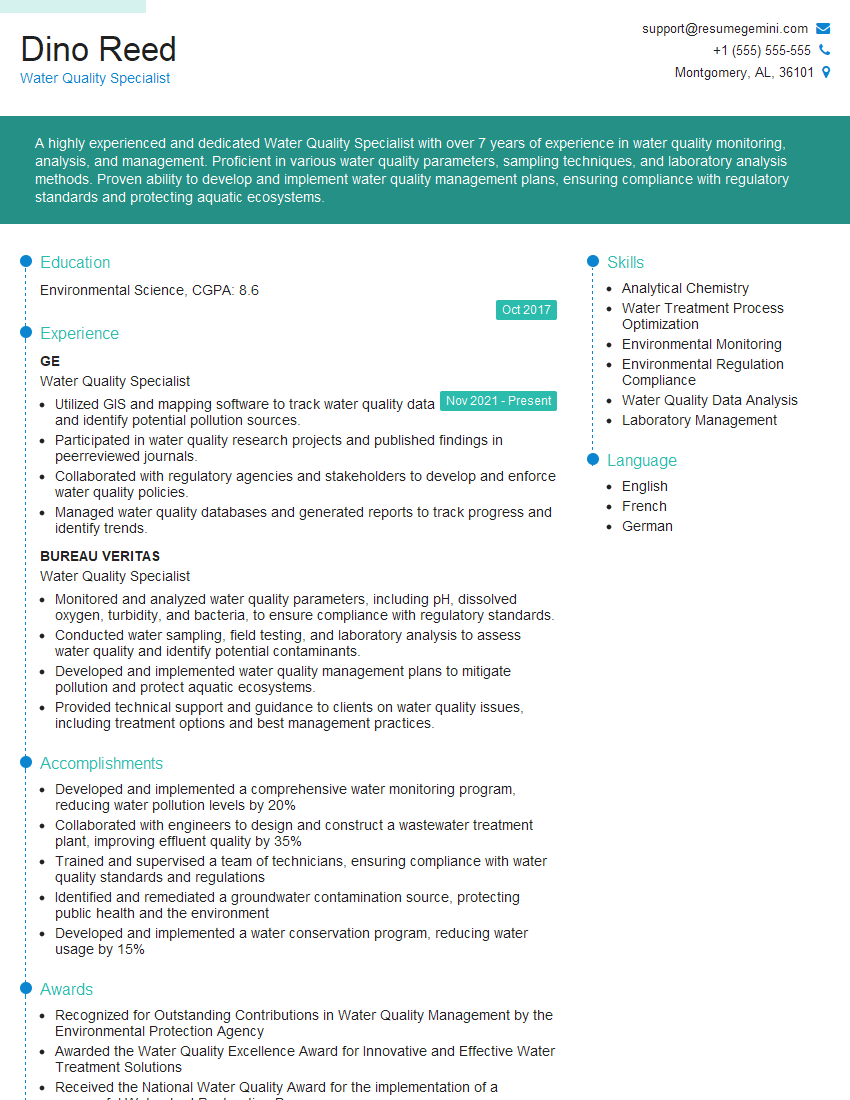
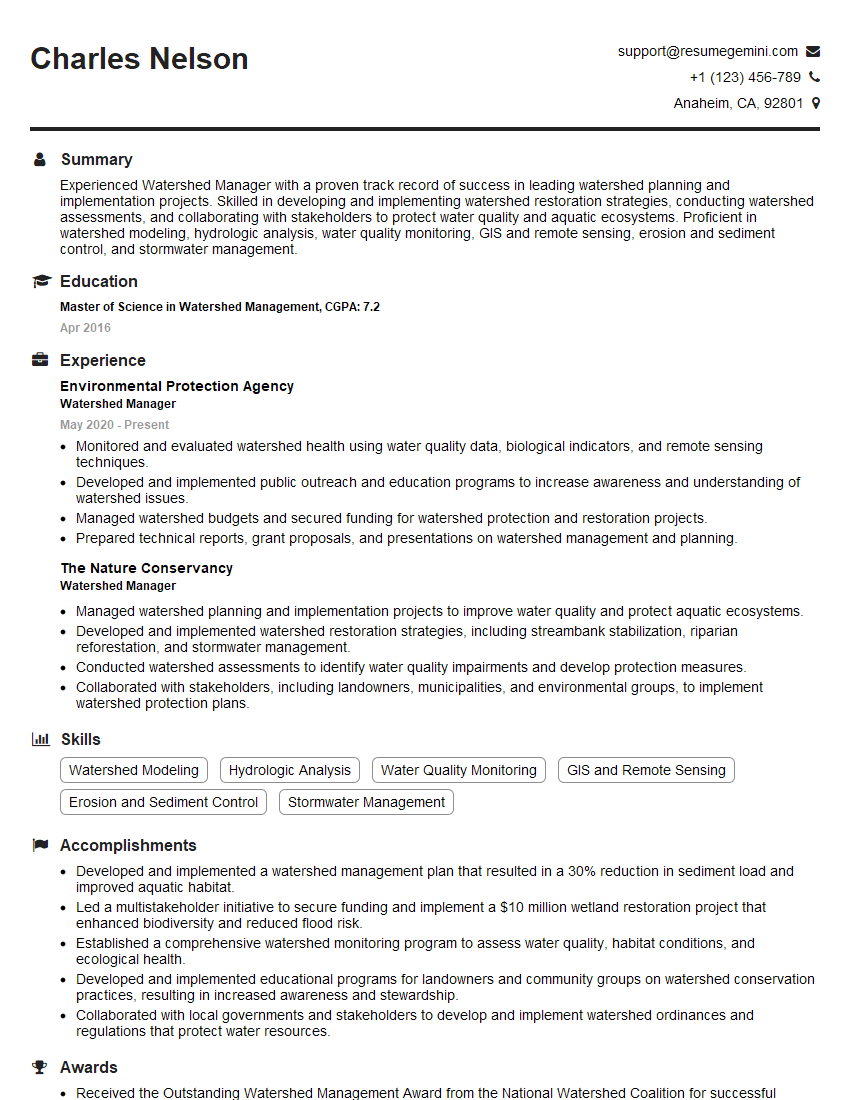
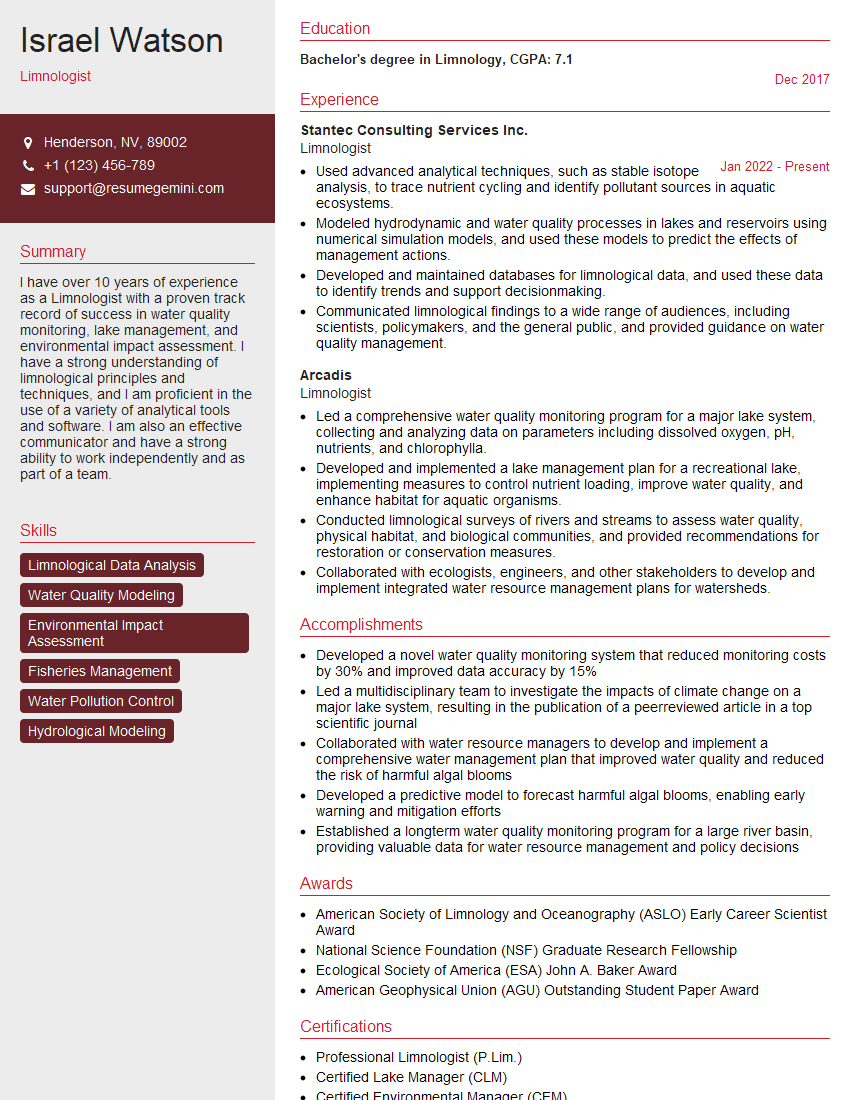
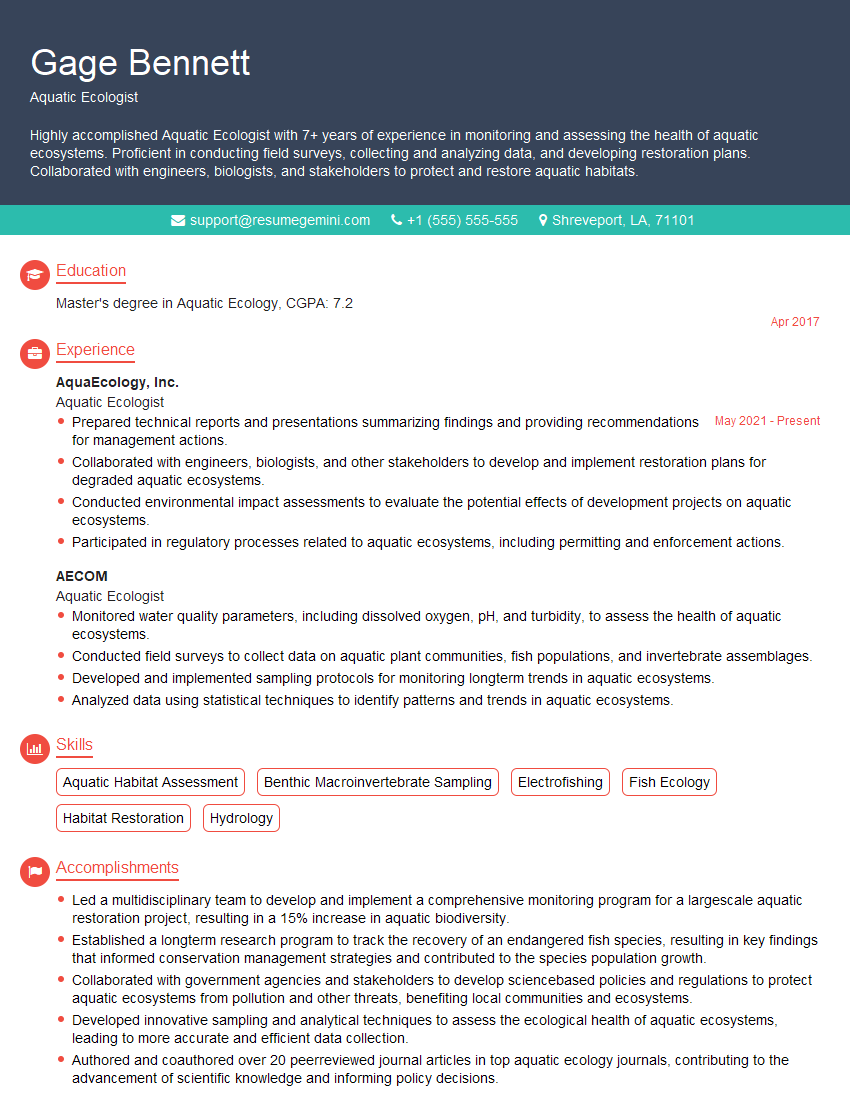
Mastering aquatic plant management opens doors to a rewarding career with diverse opportunities for growth and specialization. To maximize your job prospects, creating a strong, ATS-friendly resume is crucial. ResumeGemini is a trusted resource that can help you build a professional resume that highlights your skills and experience effectively. We provide examples of resumes tailored specifically to Aquatic Plant Management positions to help you present yourself in the best possible light. Invest in your future – craft a compelling resume that showcases your expertise and helps you land your dream job.
Explore more articles
Users Rating of Our Blogs
Share Your Experience
We value your feedback! Please rate our content and share your thoughts (optional).
What Readers Say About Our Blog
Very informative content, great job.
good