Unlock your full potential by mastering the most common Arc Flash Mitigation interview questions. This blog offers a deep dive into the critical topics, ensuring you’re not only prepared to answer but to excel. With these insights, you’ll approach your interview with clarity and confidence.
Questions Asked in Arc Flash Mitigation Interview
Q 1. What are the primary hazards associated with arc flash incidents?
Arc flash incidents present a multitude of severe hazards, primarily stemming from the immense energy released during a short circuit. These hazards can be broadly categorized into thermal, mechanical, and electrical effects.
- Thermal Hazards: The intense heat generated by an arc flash can cause severe burns, potentially fatal, across vast areas of exposed skin. The heat can also ignite clothing and nearby flammable materials, leading to significant fire hazards. Imagine the heat of a welding torch, but multiplied exponentially.
- Mechanical Hazards: The explosive pressure wave from an arc flash can inflict serious injuries, including ruptured eardrums, lung damage, and even blindness due to the intense light. The force can also throw objects across the room, causing secondary injuries.
- Electrical Hazards: Even without a direct contact, the arc flash can induce electrical currents through the body, leading to ventricular fibrillation (a fatal heart rhythm disturbance), nerve damage, and other electrical shock injuries.
The combination of these hazards makes arc flashes incredibly dangerous, emphasizing the critical need for robust mitigation strategies.
Q 2. Explain the concept of incident energy and its calculation.
Incident energy (I2t) is the total amount of energy released during an arc flash. It’s a crucial metric in arc flash risk assessment, directly related to the severity of the potential burns. The calculation isn’t straightforward; it requires specialized software or calculation methods based on the electrical system’s characteristics.
Incident energy is expressed in joules (J) per square centimeter (J/cm2). It takes into account two key factors:
- Current (I): The magnitude of the fault current plays a significant role. Higher fault currents generate more energy.
- Time (t): The duration of the arc flash—how long the fault persists—significantly influences the total energy released. Longer arcs mean more energy.
The calculation itself is complex and usually performed using software that takes into account various system parameters including voltage, impedance, and clearing time. Simplified formulas are available, but they provide only estimations and should not be used for official calculations. A professional electrical engineer specializing in arc flash hazard analysis should always perform the calculations using industry-standard software and methodologies.
Q 3. Describe the different arc flash boundary calculations methods.
Several methods exist for calculating arc flash boundary distances. These methods utilize different approaches, often relying on software to consider complex electrical system parameters. These aren’t simple calculations performed by hand.
- IEEE 1584: This is the most widely accepted standard and often the basis for arc flash risk assessments. It uses a sophisticated model to calculate incident energy based on system characteristics and fault current levels. The resulting incident energy levels help define the boundary distances for various PPE categories.
- Simplified Calculation Methods: These offer quicker estimates but are less precise than IEEE 1584. They are generally not recommended for official assessments due to their limitations and potential inaccuracies, which can compromise worker safety.
Regardless of the method used, it’s crucial to remember that the accuracy of the boundary calculation directly impacts the safety of workers. Incorrect calculations can lead to inadequate PPE and increased risk of injury. A qualified professional should always perform these calculations.
Q 4. What are the key components of an arc flash risk assessment?
A comprehensive arc flash risk assessment is vital for protecting personnel. It involves a detailed investigation of the electrical system to identify potential hazards and determine appropriate mitigation measures. Key components include:
- System Identification: Thoroughly documenting the electrical system’s components, configurations, and protection devices.
- Fault Current Calculations: Determining the available fault current at each point of the system under various fault conditions.
- Incident Energy Calculation: Determining the incident energy levels at various locations within the system using methods like IEEE 1584.
- Arc Flash Boundary Determination: Defining the distances from energized equipment at which the incident energy levels exceed the safety thresholds for different PPE categories.
- Risk Categorization: Classifying the risk level of working near energized equipment based on the calculated incident energy and associated hazards.
- PPE Selection: Choosing the appropriate PPE, based on the determined risk categories and associated incident energy levels.
- Mitigation Strategy Development: Developing and implementing strategies to reduce the risk of arc flash incidents (engineering controls, administrative controls, PPE).
- Training and Documentation: Training personnel on the hazards of arc flash, the use of PPE, and emergency procedures. Properly documenting the entire assessment.
A well-executed arc flash risk assessment provides a roadmap for creating a safer working environment for electrical workers.
Q 5. How do you determine the appropriate personal protective equipment (PPE) for arc flash hazards?
Selecting appropriate PPE is crucial for arc flash protection. The selection process is directly tied to the arc flash risk assessment and the calculated incident energy levels. The PPE’s arc rating (in calories per square centimeter) must be equal to or greater than the incident energy level at the working location.
Different PPE categories exist, each with a specific arc rating:
- Category 1: Provides the lowest level of protection and is suitable for environments with low incident energy levels.
- Category 2: Offers intermediate protection for moderately higher incident energy.
- Category 3: Offers the highest level of protection for very high incident energy levels.
The arc flash risk assessment will determine the required category. For example, a location with an incident energy of 4 cal/cm² would require at least Category 2 PPE (or higher). The assessment should specify the exact requirements, including the required arc rating for the clothing, gloves, face protection, and hearing protection. Remember, it’s always better to err on the side of caution and select higher-rated PPE when uncertainty exists.
Q 6. What are the different arc flash mitigation strategies?
Arc flash mitigation strategies focus on reducing the likelihood and severity of arc flash incidents. These strategies can be broadly classified into three categories:
- Engineering Controls: These involve modifying the electrical system itself to reduce fault currents, shorten arc durations, or otherwise lower incident energy levels. Examples include installing arc flash relays, using properly sized fuses and breakers, and implementing improved grounding practices.
- Administrative Controls: These strategies focus on controlling worker behavior and access to hazardous areas. Examples include implementing lockout/tagout procedures, establishing safe work practices, providing comprehensive training, and utilizing permit-required work systems.
- Personal Protective Equipment (PPE): This forms the last line of defense against arc flash. It includes flame-resistant clothing, arc flash-rated gloves, face shields, and hearing protection, all selected based on the incident energy levels calculated in the arc flash risk assessment.
A comprehensive arc flash mitigation plan will often utilize a combination of all three strategies to provide the most effective level of protection.
Q 7. Explain the role of engineering controls in reducing arc flash hazards.
Engineering controls play a crucial role in arc flash mitigation by addressing the root causes of arc flash hazards, thereby proactively reducing the risks. These controls aim to either decrease the available fault current or limit the duration of the arc. This is far more effective than relying solely on PPE as a mitigating factor.
Examples of effective engineering controls include:
- Improved Grounding: Ensuring proper grounding reduces the likelihood of ground faults and limits the potential for high fault currents.
- Selective Coordination: Properly coordinating protective devices (fuses, circuit breakers) to ensure that a fault is cleared quickly minimizes the arc’s duration and reduces the incident energy.
- Arc Flash Relays: These advanced protection devices detect and respond rapidly to arc flashes, drastically reducing the arc’s duration.
- Reduced Voltage Systems: Using lower voltage systems inherently reduces the potential severity of an arc flash.
- Current Limiting Devices: These devices help to limit the amount of fault current that can flow through the system during a short circuit.
By implementing these engineering controls, companies demonstrate a commitment to workplace safety and proactively mitigate the risk of potentially life-threatening arc flash incidents. These are primary lines of defense, and investing in them yields significant returns in terms of employee safety and potential cost savings from reduced incidents.
Q 8. Describe the process of creating and implementing an arc flash safety program.
Creating and implementing a robust arc flash safety program is a multifaceted process that prioritizes worker safety. It begins with a thorough hazard assessment, identifying all electrical equipment with potential arc flash hazards. This involves performing arc flash studies to determine the incident energy levels at various points in the electrical system. These studies utilize software and calculations based on system characteristics (voltage, fault current, impedance, etc.) to predict the energy released during an arc flash event.
Following the assessment, we develop a comprehensive program that includes:
- Engineering Controls: These are the most effective way to reduce hazard, such as replacing outdated equipment, installing arc flash relays, and improving electrical system design.
- Administrative Controls: This involves establishing clear procedures, such as lockout/tagout (LOTO) processes, safe work practices, and training programs.
- Personal Protective Equipment (PPE): Selecting and providing appropriate PPE, such as arc-rated clothing, face shields, and gloves, based on the calculated incident energy levels. Regular inspection and maintenance of this PPE is crucial.
- Training: Providing comprehensive and ongoing training to all personnel who work near energized electrical equipment, covering topics such as hazard recognition, safe work practices, and proper use of PPE.
- Program Management and Auditing: Regularly auditing the program’s effectiveness to ensure it remains compliant and protective. This involves reviewing incident reports, updating arc flash studies periodically, and conducting regular inspections of equipment and PPE.
For example, imagine a manufacturing plant with outdated switchgear. The arc flash study reveals high incident energy levels. The program would include replacing the switchgear with modern, arc-resistant designs (engineering control), implementing detailed LOTO procedures (administrative control), and ensuring workers wear appropriate arc-rated clothing (PPE).
Q 9. What is the importance of arc flash labels and their proper application?
Arc flash labels are critical for communicating the potential hazards associated with energized electrical equipment. They serve as a visual warning, providing workers with essential information about the incident energy level and the required PPE. Proper application ensures that this vital information is readily visible and accessible.
A properly applied label includes:
- Arc Flash Boundary: A clear demarcation of the hazardous area.
- Arc Flash Hazard Warning: A prominent warning symbol.
- Incident Energy Level: The calculated energy level in calories per centimeter squared (cal/cm²).
- Required PPE Category: The PPE category required to mitigate the risk.
- Date of Study: The date the arc flash study was conducted.
Improper application, such as faded labels, labels in inaccessible locations, or outdated information, renders them ineffective and compromises worker safety. Imagine a worker approaching a panel with a faded label, unaware of the high incident energy level. The consequences could be catastrophic.
Q 10. How do you conduct a lockout/tagout procedure to prevent arc flash incidents?
Lockout/Tagout (LOTO) is a critical safety procedure designed to prevent the unexpected energization or startup of equipment during maintenance or repair. It’s crucial for preventing arc flash incidents, as it ensures that the electrical power is completely isolated before any work begins.
The LOTO process typically involves the following steps:
- Preparation: Identify the energy sources and equipment to be isolated. Gather the necessary LOTO devices (locks, tags, and appropriate tools).
- Notification: Notify other workers in the area about the upcoming LOTO procedure.
- Shutdown: De-energize the equipment according to established procedures.
- Lockout/Tagout: Apply locks and tags to the energy isolating devices, ensuring that the equipment cannot be accidentally re-energized.
- Verification: Verify that the equipment is de-energized using appropriate testing equipment.
- Work Performance: Perform the necessary maintenance or repair work.
- Lockout/Tagout Removal: After work is complete, remove the locks and tags in the reverse order of their application. Verify the equipment is safe to re-energize.
- Startup: Re-energize the equipment according to the established procedures.
- Verification: Verify the equipment is functioning correctly.
Failing to follow the LOTO procedure thoroughly can lead to serious consequences, including electrical shock, burns, and fatalities. Each step is essential, and thorough documentation is necessary.
Q 11. Explain the concept of arc flash relays and their function.
Arc flash relays are protective devices designed to detect and interrupt an arc flash fault rapidly. They function by monitoring the electrical current and voltage levels in a circuit. When an arc flash occurs, these relays detect the characteristic changes in these parameters (rapid rise in current, unusual voltage waveforms) and trip the circuit breaker to isolate the faulty section of the system within milliseconds.
This rapid response significantly reduces the duration of the arc flash event and consequently the amount of incident energy released, minimizing the potential for injury. Arc flash relays are typically configured with specific settings based on the arc flash study results to optimize their performance and response time.
Consider this scenario: Without arc flash relays, a fault could persist for several cycles before a traditional protective device trips, leading to severe consequences. However, a rapid response from an arc flash relay significantly reduces the duration of the arc, protecting personnel and equipment.
Q 12. What are the limitations of using arc flash PPE?
While arc flash PPE is essential for mitigating the risks associated with arc flash incidents, it has limitations. It doesn’t provide absolute protection, and its effectiveness depends on several factors:
- Proper Selection: PPE must be correctly selected based on the calculated incident energy level. Using PPE rated for a lower incident energy level than what is present exposes workers to unnecessary risk.
- Proper Use and Maintenance: PPE must be worn correctly and regularly inspected for damage or wear. A damaged or improperly worn garment significantly reduces its effectiveness.
- Environmental Conditions: Extreme temperatures, moisture, or other environmental factors can compromise PPE performance.
- Human Error: Improper donning, doffing, or failure to wear all required components can negate the PPE’s effectiveness.
- Limitations in Protection: Even the best PPE cannot completely prevent all injuries in a severe arc flash event. It can mitigate the severity, but burns and other injuries might still occur.
Regular training and inspections are key to mitigating these limitations. Regularly replacing worn or damaged PPE is critical for maintaining effectiveness.
Q 13. How do you verify the effectiveness of implemented arc flash mitigation measures?
Verifying the effectiveness of implemented arc flash mitigation measures requires a multi-pronged approach. It’s not enough to just install protective devices and provide training; ongoing monitoring and assessment are vital.
Methods for verification include:
- Periodic Arc Flash Studies: Regularly updating arc flash studies to reflect changes in the electrical system. These studies should be updated whenever major system modifications occur.
- Inspection and Testing of Protective Devices: Regularly inspect and test protective devices, such as circuit breakers and arc flash relays, to ensure they are functioning correctly. This usually involves functional testing and possibly calibration.
- PPE Inspection and Testing: Regularly inspect arc-rated clothing and other PPE for signs of damage or wear, and test its arc-rating as per manufacturer guidelines.
- Incident Reporting and Investigation: Thoroughly investigate any near misses or incidents involving arc flash hazards to identify areas for improvement in the safety program.
- Employee Feedback: Encourage feedback from employees to identify any deficiencies or concerns regarding the safety program and the effectiveness of the mitigation measures.
Regular review of these aspects allows for proactive identification of potential issues and ensures the ongoing effectiveness of the arc flash mitigation strategy. A well-maintained and regularly audited program is critical for long-term safety.
Q 14. What are the relevant industry standards and regulations for arc flash mitigation (e.g., NFPA 70E)?
Several industry standards and regulations govern arc flash mitigation, ensuring worker safety. The most prominent is NFPA 70E, Standard for Electrical Safety in the Workplace. This standard provides requirements for assessing, mitigating, and controlling electrical hazards, including arc flash.
Other relevant standards include:
- OSHA (Occupational Safety and Health Administration) Regulations: OSHA sets general industry safety regulations that indirectly address arc flash through requirements for electrical safety programs and lockout/tagout procedures. Compliance is mandatory.
- IEEE (Institute of Electrical and Electronics Engineers) Standards: IEEE offers several standards related to power systems analysis and protection that are relevant to arc flash mitigation.
- IEC (International Electrotechnical Commission) Standards: IEC standards provide international guidance on electrical safety, and many are adopted or referenced by national standards organizations.
These standards provide guidance on risk assessment, hazard analysis, protective measures, PPE selection, training requirements, and record keeping. Compliance with these standards is crucial for ensuring a safe working environment and minimizing the risk of arc flash incidents.
Q 15. Explain the differences between different types of arc flash protective devices.
Arc flash protective devices are crucial for mitigating the risks associated with arc flash incidents. Different devices offer varying levels of protection and are chosen based on the specific hazard analysis. Key differences lie in their operating principles and the level of protection they provide.
- Personal Protective Equipment (PPE): This forms the first line of defense. It includes arc-rated clothing (FR clothing), arc-rated gloves, face shields, and hearing protection. The selection of PPE is dictated by the incident energy level determined by arc flash studies. For example, a Category 2 arc flash hazard would require more robust PPE than a Category 1 hazard.
- Overcurrent Protective Devices (OCPDs): These are designed to interrupt the flow of current quickly in the event of a fault. Examples include circuit breakers and fuses. Their crucial role is to limit the duration of the arc flash, thus reducing the incident energy. Different OCPDs have different interrupting capacities and tripping characteristics, influencing the overall arc flash mitigation strategy.
- Arc Flash Relays: These sophisticated devices are designed to detect the onset of an arc flash much faster than traditional overcurrent protection. They can initiate a faster disconnect, significantly reducing the exposure time and the associated energy. They are often employed in high-risk applications where minimizing incident energy is paramount.
- Ground Fault Protection Devices (GFPDs): These are specifically designed to detect ground faults, which are a common cause of arc flash incidents. Rapid detection and isolation via GFPDs can prevent the escalation of a fault into a significant arc flash.
The selection of appropriate protective devices is a critical part of a comprehensive arc flash mitigation plan and should be guided by a thorough risk assessment and arc flash study.
Career Expert Tips:
- Ace those interviews! Prepare effectively by reviewing the Top 50 Most Common Interview Questions on ResumeGemini.
- Navigate your job search with confidence! Explore a wide range of Career Tips on ResumeGemini. Learn about common challenges and recommendations to overcome them.
- Craft the perfect resume! Master the Art of Resume Writing with ResumeGemini’s guide. Showcase your unique qualifications and achievements effectively.
- Don’t miss out on holiday savings! Build your dream resume with ResumeGemini’s ATS optimized templates.
Q 16. How do you communicate arc flash hazards and safety procedures to workers?
Communicating arc flash hazards and safety procedures effectively requires a multi-faceted approach. It’s not enough to simply post a sign; workers need to understand the risks and how to protect themselves.
- Arc Flash Hazard Awareness Training: This is the cornerstone. Training should be interactive, engaging, and include real-world examples and potentially even a demonstration of the effects of an arc flash (from a safe distance of course). It must go beyond simply showing a video; it needs hands-on experience in proper PPE use and emergency procedures.
- Clear and Concise Documentation: Arc flash study reports, safety procedures, and emergency response plans need to be written in plain language, easily understandable by all workers regardless of their technical expertise. Using visual aids like diagrams and illustrations can significantly improve comprehension.
- Job Safety Analysis (JSA): Prior to any work near energized equipment, a JSA should be conducted, identifying potential arc flash hazards and outlining the necessary safety precautions. This JSA must be signed off by the worker and supervisor, indicating their understanding and acceptance of the risks and procedures.
- Regular Communication and Reinforcement: Safety messages should not be one-time events. They need to be repeated regularly through toolbox talks, safety meetings, and visual reminders on the job site. This ensures continuous awareness and reduces complacency.
- Lockout/Tagout (LOTO) Procedures: Rigorous LOTO procedures are essential for de-energizing equipment before any work is performed. Proper training and strict adherence to LOTO protocols prevent inadvertent energization during maintenance.
Remember, effective communication saves lives. By making safety a priority and continually reinforcing the importance of arc flash safety, we create a safer work environment.
Q 17. What is the role of training in mitigating arc flash risks?
Training is absolutely paramount in mitigating arc flash risks. It’s not just about compliance; it’s about empowering workers with the knowledge and skills to protect themselves.
- Theoretical Knowledge: Training should cover the fundamentals of arc flash hazards, including the physics behind the phenomenon, the factors that influence incident energy, and the potential consequences of an arc flash event. This understanding fosters a respect for the hazard.
- Practical Skills: Workers must receive hands-on training in selecting and using appropriate PPE. This includes proper donning and doffing techniques, inspection of PPE for damage, and understanding the limitations of the equipment.
- Emergency Response Procedures: Workers should be trained on emergency response protocols, including how to recognize the signs of an arc flash, what actions to take if an arc flash occurs, and how to use emergency equipment like fire extinguishers and first aid kits.
- Incident Investigation: Training should also cover the process of incident investigation to better understand what went wrong and implement corrective actions.
- Refresher Courses: Regular refresher courses are essential to reinforce safety procedures, address any changes in technology or regulations, and ensure that workers remain vigilant.
A well-structured training program is an investment in safety and ultimately, in lives. It should be tailored to the specific risks present in the workplace and adapted to various skill levels.
Q 18. Describe your experience with arc flash incident investigations.
I have extensive experience in arc flash incident investigations, following a structured approach to identify root causes and prevent future incidents. Each investigation typically follows these steps:
- Secure the Scene: The immediate priority is to ensure the safety of personnel and prevent further incidents. This includes de-energizing equipment and ensuring that the area is secure.
- Gather Evidence: Collect data from various sources, including witness statements, incident reports, maintenance logs, and the damaged equipment. Photography and videography are crucial for documenting the scene.
- Analyze the Data: This involves determining the sequence of events leading to the arc flash, identifying the contributing factors, and analyzing any available data from protective devices or monitoring systems.
- Determine Root Causes: The goal is to identify the underlying reasons for the incident, which could range from equipment failures to inadequate safety procedures or human error. Using tools like Fault Tree Analysis (FTA) can help to systematically find the root causes.
- Develop Corrective Actions: Based on the identified root causes, develop specific corrective actions to prevent similar incidents from happening in the future. This might involve upgrading equipment, modifying safety procedures, or enhancing worker training.
- Implement and Monitor: Ensure that corrective actions are implemented and monitor their effectiveness to confirm that they address the root causes and reduce the risk of future arc flash incidents.
One investigation I recall involved a failure in an arc flash relay. A thorough analysis revealed a misconfiguration during installation. This led to changes in our installation protocols and additional training for technicians on relay configuration.
Q 19. How do you assess the effectiveness of an existing arc flash safety program?
Assessing the effectiveness of an existing arc flash safety program requires a comprehensive review of various aspects. This typically involves:
- Review of Documentation: Check for up-to-date arc flash studies, safety procedures, training records, and incident reports. Outdated documents or inconsistencies can indicate weaknesses in the program.
- Observation of Practices: Observe workers in their day-to-day activities to assess their adherence to established safety procedures. Are they using appropriate PPE? Are LOTO procedures followed consistently? Are they reporting near misses?
- Interviews and Surveys: Conduct interviews with workers to gather feedback on the program’s effectiveness and identify any areas for improvement. Anonymous surveys can encourage honest feedback.
- Incident Rate Analysis: Track the number and severity of arc flash incidents (or near misses) over time. A decreasing trend indicates a successful program, while an increasing trend signals the need for corrective actions. This includes analyzing the types of incidents to identify trends.
- Gap Analysis: Compare the existing program to industry best practices and regulatory requirements to identify any gaps or shortcomings that need addressing.
The overall goal is to ensure that the program is comprehensive, effective, and actively reducing the risk of arc flash incidents. Regular audits and reviews are essential to maintain the effectiveness of the program over time.
Q 20. What are some common mistakes made in arc flash mitigation?
Common mistakes in arc flash mitigation stem from a lack of understanding, complacency, or inadequate resources. Some frequent errors include:
- Outdated Arc Flash Studies: Arc flash studies are not static; they need to be updated when system configurations change. Relying on outdated studies can lead to inaccurate risk assessments and inadequate protection.
- Improper PPE Selection: Choosing PPE that does not meet the required arc flash rating can expose workers to unnecessary risk. This often stems from cost-cutting measures or a lack of understanding of the hazard.
- Ignoring Near Misses: Near misses are valuable learning opportunities. Ignoring them can lead to a recurrence of the incident and potentially more serious consequences.
- Insufficient Training: Inadequate training leads to workers not understanding the hazards or how to use the provided protective equipment effectively.
- Lack of LOTO Enforcement: Failing to consistently enforce LOTO procedures increases the risk of accidental energization.
- Failure to Communicate: Poor or infrequent communication of safety procedures to all relevant personnel creates confusion and increases the likelihood of mistakes.
Preventing these mistakes requires a strong commitment to safety, rigorous procedures, and continuous improvement.
Q 21. How do you stay updated on the latest advancements in arc flash mitigation technologies?
Staying current with advancements in arc flash mitigation requires a proactive approach. I utilize several methods to keep my knowledge up-to-date:
- Professional Organizations: Active membership in organizations like IEEE and participation in their conferences and workshops provide access to the latest research and best practices.
- Industry Publications: Regularly reading industry journals and publications keeps me informed about new technologies, regulations, and case studies.
- Manufacturer Websites and Training: Many manufacturers offer training and resources on their latest products and technologies. This can be invaluable for staying abreast of innovations in PPE and protective devices.
- Conferences and Workshops: Attending industry conferences and workshops is an excellent way to network with other professionals and learn about the latest advancements from experts in the field.
- Online Courses and Webinars: Numerous online courses and webinars offer continuing education on arc flash mitigation topics.
- Regulatory Updates: Regular review of relevant codes and standards (like NFPA 70E) ensures compliance and helps stay ahead of any changes in requirements.
Continuous learning is essential in this field to ensure that safety procedures are based on the latest knowledge and technology. The landscape of arc flash mitigation is constantly evolving, demanding a proactive approach to stay current.
Q 22. Explain the concept of arc flash studies and their importance.
Arc flash studies are a crucial part of electrical safety. They analyze the potential for arc flash incidents – dangerous electrical explosions – in electrical systems. These studies determine the incident energy levels at various points in the system, allowing us to understand the severity of potential hazards and select appropriate personal protective equipment (PPE).
The importance lies in preventing severe burns, fatalities, and equipment damage. Imagine a welder accidentally contacting a live electrical busbar: an arc flash could occur, releasing immense energy and causing significant injuries. A properly conducted arc flash study would have identified this risk and allowed for implementing mitigation measures.
These studies utilize software that considers factors like system voltage, fault current, and equipment impedances. The results are typically documented in arc flash labels affixed to equipment, providing critical information for workers. This ensures everyone knows the potential hazards before working on or near energized equipment.
Q 23. Describe different types of arc flash protective equipment and their applications.
Several types of arc flash PPE exist, each designed to protect against the specific hazards of an arc flash. The selection depends on the incident energy level determined by the arc flash study. Here are some key examples:
- Arc Flash Suits: These are the most comprehensive protection, offering full-body coverage and designed for high incident energy levels. They are usually multi-layered and incorporate flame-resistant materials.
- Arc Flash Jackets and Trousers: These offer protection against lower incident energy levels. They are often worn in conjunction with other PPE like flame-resistant shirts and pants.
- Arc Flash Gloves: Insulated and flame-resistant, these gloves protect hands and forearms from electrical shock and burns. Different classes of arc flash gloves exist to cover a range of incident energy levels.
- Arc Flash Hoods and Face Shields: These protect the face and head from the intense heat and light of an arc flash. They are typically made from flame-resistant materials with a high degree of visibility.
- Arc Flash Footwear: Insulated boots prevent electrical shock, while flame-resistant materials protect against burns.
Consider this: working on a low-voltage panel might only necessitate arc flash jackets and gloves, whereas working on a high-voltage substation would require a full arc flash suit.
Q 24. What are the key considerations when selecting arc flash protective equipment?
Selecting appropriate arc flash PPE requires careful consideration of several critical factors. The primary factor is the incident energy level as determined by the arc flash study. This dictates the minimum PPE required to provide adequate protection.
Other factors include:
- Work Task: The type of work being performed influences the level of protection needed. For example, working on a live circuit requires higher levels of protection than simply observing equipment.
- Environmental Conditions: Extreme temperatures, wet conditions, or confined spaces can affect the choice of PPE. For instance, working in a hot environment might necessitate lighter, more breathable materials (within safety limits).
- Comfort and Fit: PPE needs to be comfortable and allow for proper mobility. Improperly fitted equipment can reduce effectiveness and increase risk.
- Compliance: Ensuring the chosen PPE meets relevant safety standards (like NFPA 70E) and regulatory requirements is crucial.
A thorough risk assessment and appropriate PPE selection are essential to ensure the safety of personnel.
Q 25. How do you ensure compliance with regulatory requirements for arc flash mitigation?
Compliance with regulatory requirements for arc flash mitigation is paramount. This primarily involves adhering to standards like NFPA 70E (National Fire Protection Association 70E) in the US or equivalent standards in other regions. These standards provide detailed guidelines for performing arc flash risk assessments, developing safe work practices, and selecting and using appropriate PPE.
To ensure compliance, we must:
- Conduct regular arc flash studies: These studies must be updated whenever system changes occur.
- Implement safe work practices: This involves lockout/tagout procedures, proper grounding, and using appropriate tools and techniques.
- Train employees: Workers must receive comprehensive training on arc flash hazards, safe work practices, and the proper use of PPE.
- Label equipment: Arc flash labels must clearly display the incident energy level at various points in the electrical system.
- Maintain records: Accurate documentation of all arc flash studies, training records, and inspections is essential for demonstrating compliance.
Regular audits and inspections are crucial to ensure ongoing compliance and identify potential hazards.
Q 26. Explain your experience with working on high-voltage electrical systems.
I have extensive experience working on high-voltage electrical systems, ranging from 480V to 13.8kV, encompassing both preventative maintenance and emergency repairs. My experience includes working on switchgear, transformers, and transmission lines. I’ve been directly involved in projects requiring thorough arc flash risk assessments, lockout/tagout procedures, and the implementation of appropriate safety protocols.
For example, on a recent project involving a 13.8kV substation upgrade, I led the team in conducting a comprehensive arc flash study, ensuring all personnel were adequately trained and equipped with the necessary PPE, leading to a successful and incident-free project completion. We used advanced equipment like infrared cameras and specialized testing instruments to assess the system’s health and identify potential hazards.
Q 27. How do you balance safety with productivity in an industrial setting?
Balancing safety and productivity is a crucial aspect of any industrial setting. It’s not a trade-off, but rather a synergistic relationship. Prioritizing safety does not necessarily equate to lower productivity; rather, it often leads to increased efficiency and reduced downtime.
To achieve this balance, we must:
- Invest in proper training and equipment: Well-trained employees with the correct PPE are more efficient and less prone to accidents. This reduces downtime from injuries and damage.
- Implement robust safety protocols: Clear procedures for working on electrical equipment, including lockout/tagout and proper grounding, streamline processes and prevent accidents.
- Utilize risk assessments: Identifying and mitigating risks proactively prevents incidents, reducing disruptions. An ounce of prevention is worth a pound of cure.
- Foster a safety culture: Open communication, employee participation in safety programs, and consistent enforcement of safety rules are crucial for building a safety-conscious environment.
Safety is not a cost; it’s an investment that pays dividends in the long run, leading to a more productive and less risky work environment. A safe workplace is always a more productive workplace.
Key Topics to Learn for Arc Flash Mitigation Interview
- Arc Flash Hazard Analysis: Understanding the process of identifying and assessing arc flash hazards, including incident energy calculations and risk assessment methodologies.
- Arc Flash PPE Selection and Use: Practical application of selecting appropriate personal protective equipment (PPE) based on calculated incident energy levels and understanding the proper use and limitations of this equipment.
- Mitigation Techniques: Exploring various methods for reducing arc flash hazards, including engineering controls (e.g., reduced voltage systems, improved equipment design), administrative controls (e.g., lockout/tagout procedures, work permits), and personal protective equipment (PPE).
- Electrical Safety Standards and Regulations: Familiarity with relevant safety standards (e.g., NFPA 70E) and regulations governing arc flash mitigation in your specific region or industry.
- Incident Investigation and Reporting: Understanding the importance of thoroughly investigating arc flash incidents, identifying root causes, and implementing corrective actions to prevent future occurrences. This includes accurate documentation and reporting.
- Application of Software and Tools: Proficiency in using software and tools for arc flash hazard analysis, incident energy calculations, and risk assessment. Understanding the limitations and assumptions inherent in these tools.
- Practical Problem-Solving: Ability to analyze real-world scenarios, identify potential arc flash hazards, and develop effective mitigation strategies. This includes critical thinking and decision-making skills.
- Communication and Teamwork: Demonstrating the ability to effectively communicate technical information to both technical and non-technical audiences, and collaborate effectively within a team environment to ensure electrical safety.
Next Steps
Mastering Arc Flash Mitigation demonstrates a crucial commitment to safety and expertise in electrical systems, significantly enhancing your career prospects in the power industry and related fields. A strong resume is key to showcasing this expertise to potential employers. Creating an ATS-friendly resume is essential for maximizing your chances of getting your application noticed. ResumeGemini is a trusted resource that can help you build a professional and effective resume tailored to highlight your skills and experience in Arc Flash Mitigation. Examples of resumes tailored to this specific field are available to help you get started. Invest in presenting yourself effectively – it’s an investment in your future.
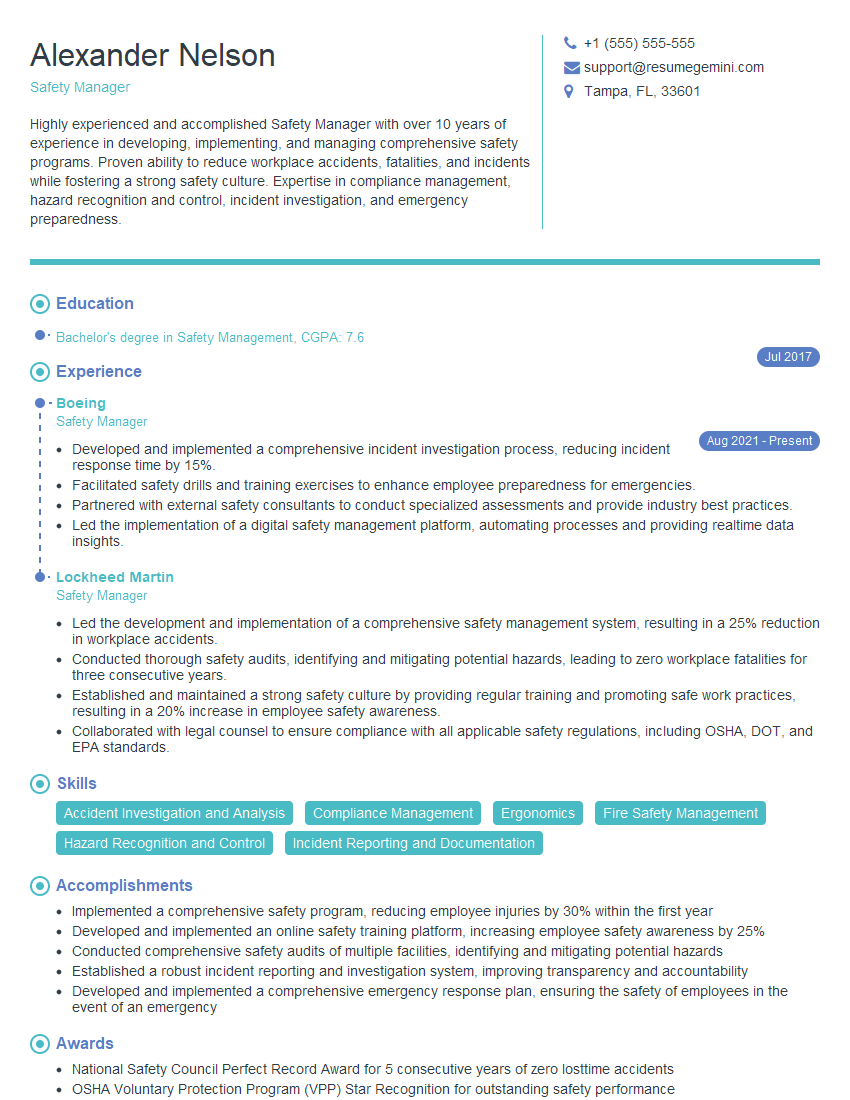
Safety Manager Resume Sample
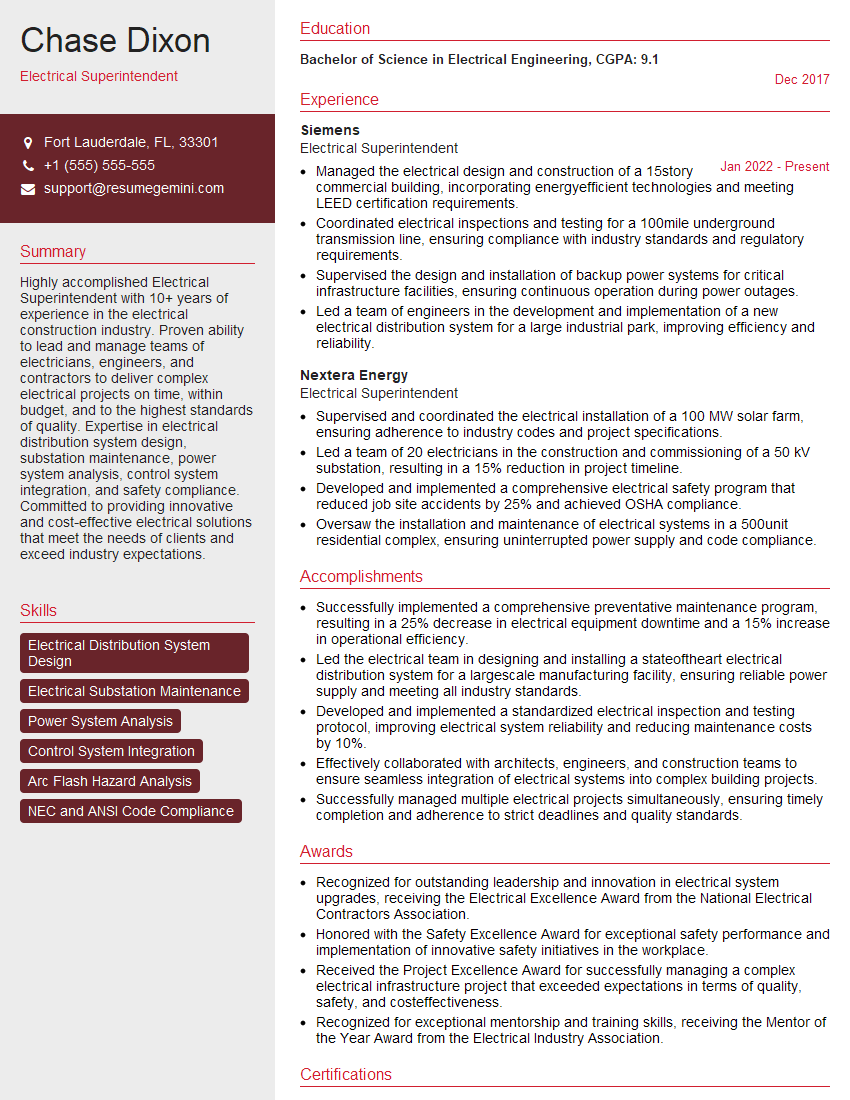
Electrical Superintendent Resume Sample

Operations Manager Resume Sample
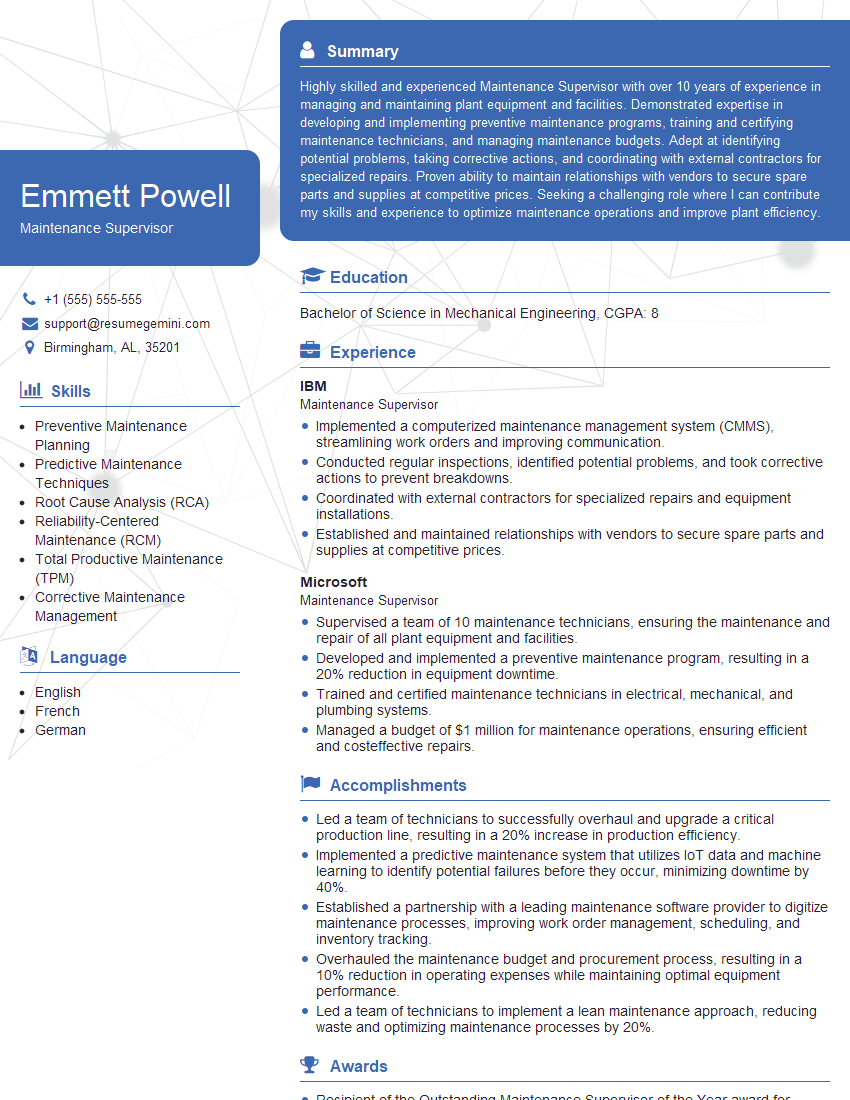
Maintenance Supervisor Resume Sample

Compliance Officer Resume Sample
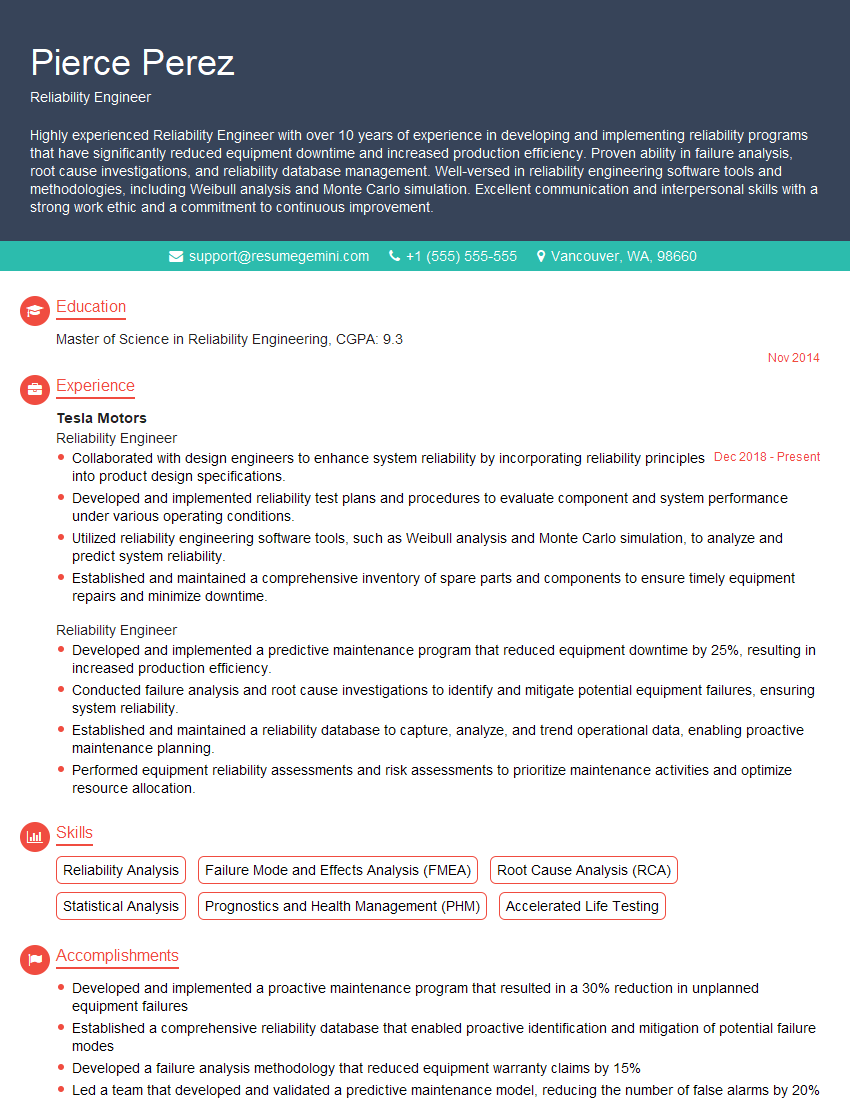
Reliability Engineer Resume Sample

Field Service Engineer Resume Sample
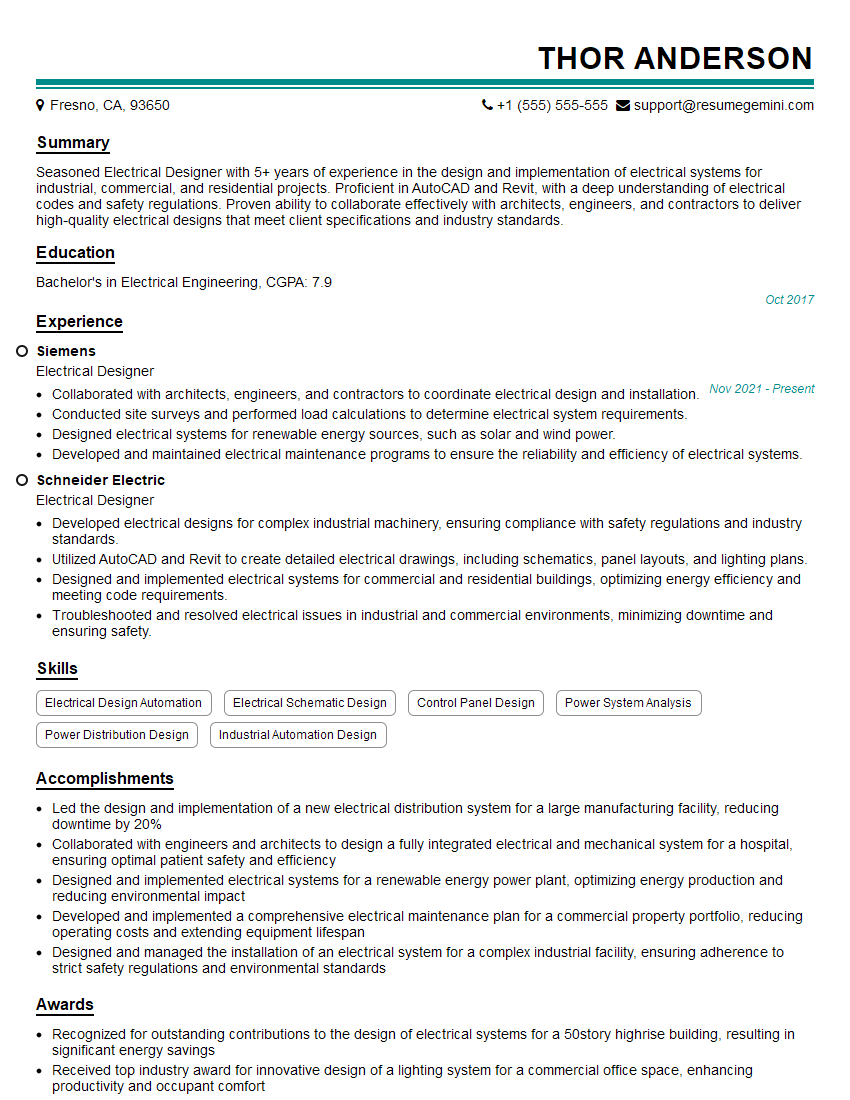
Electrical Designer Resume Sample

Electrical Project Engineer Resume Sample

Power Systems Engineer Resume Sample
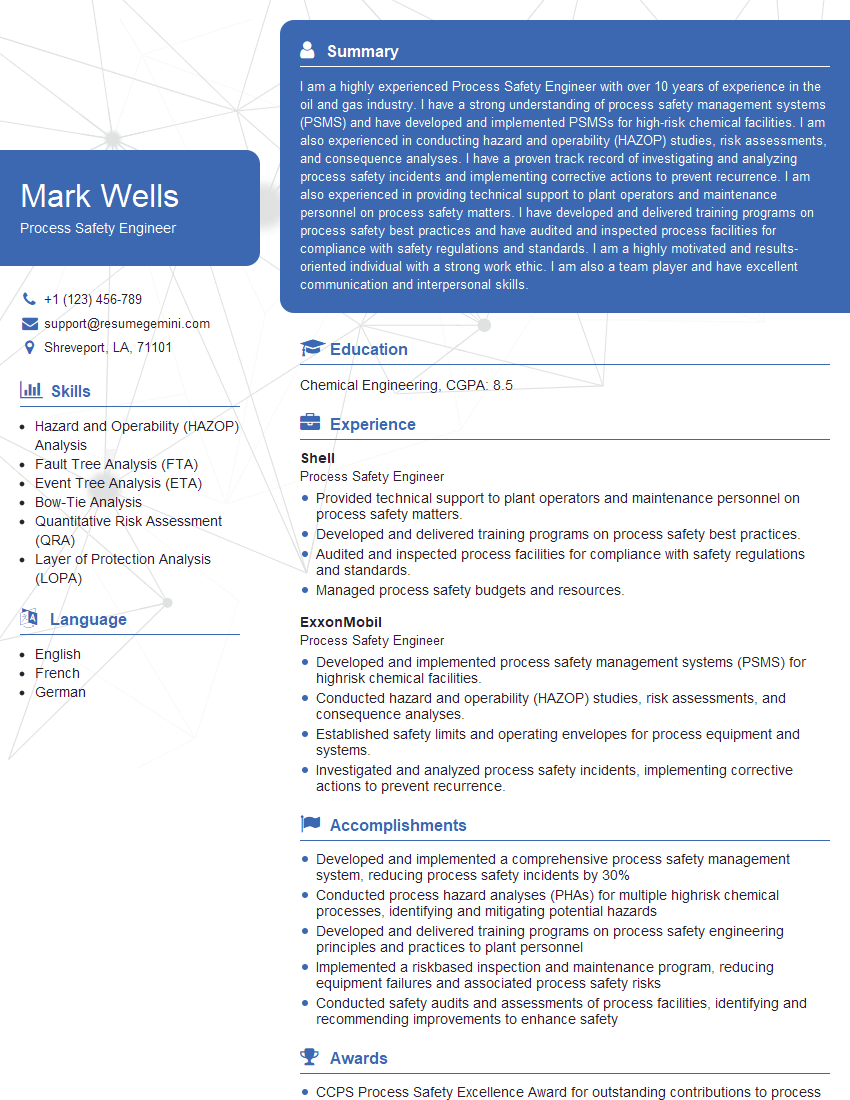
Process Safety Engineer Resume Sample
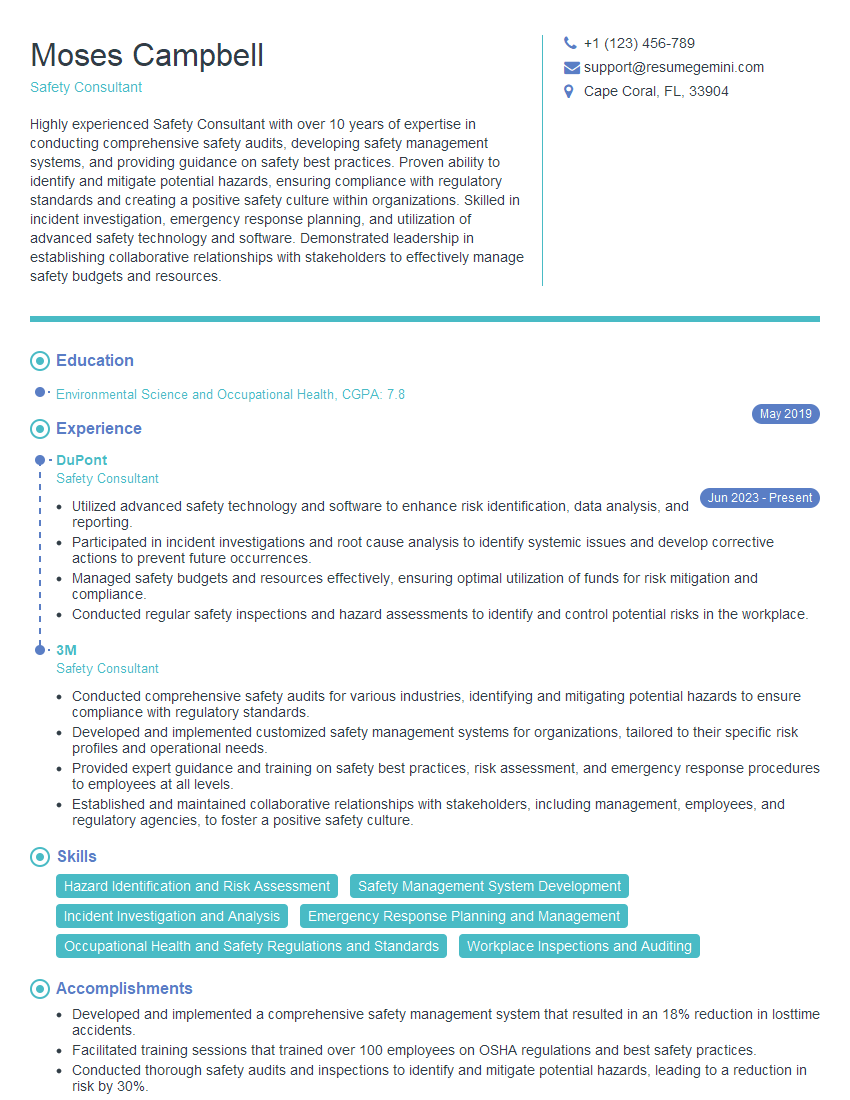
Safety Consultant Resume Sample

Safety Engineer Resume Sample
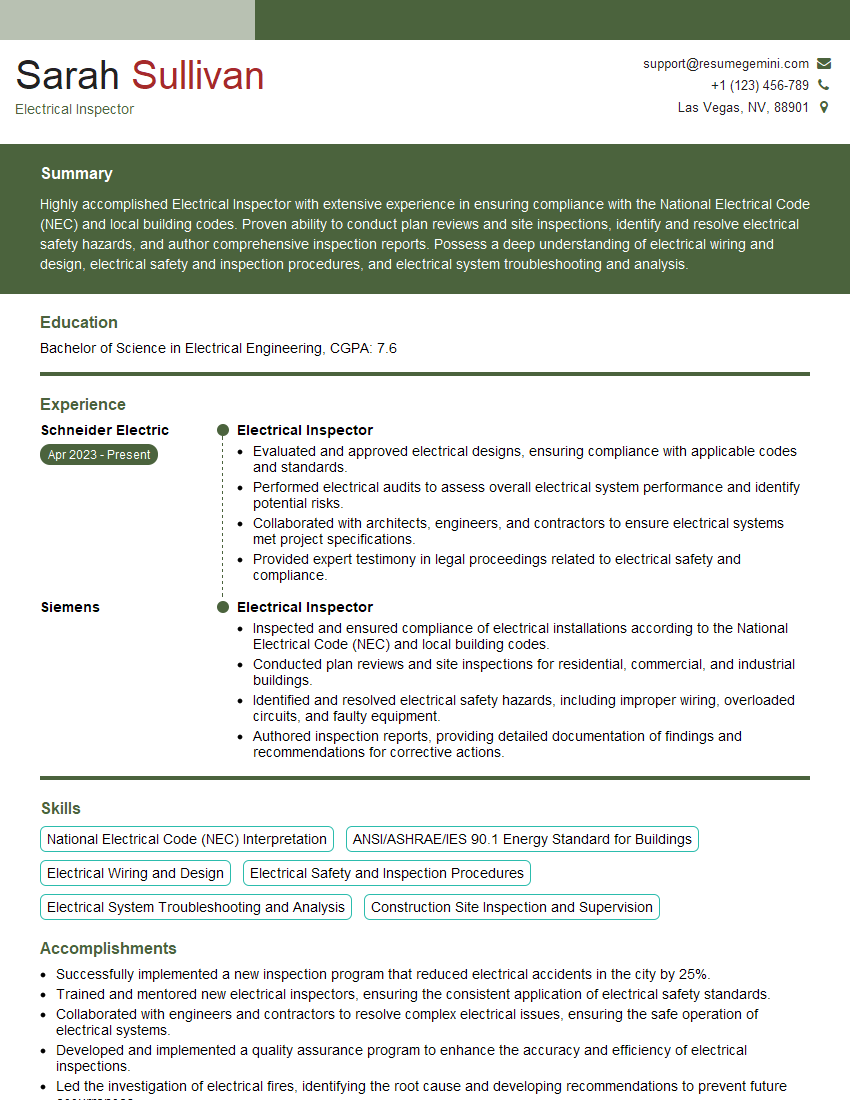
Electrical Inspector Resume Sample
Explore more articles
Users Rating of Our Blogs
Share Your Experience
We value your feedback! Please rate our content and share your thoughts (optional).
What Readers Say About Our Blog
good