Preparation is the key to success in any interview. In this post, we’ll explore crucial Arena Management and Set-up interview questions and equip you with strategies to craft impactful answers. Whether you’re a beginner or a pro, these tips will elevate your preparation.
Questions Asked in Arena Management and Set-up Interview
Q 1. Describe your experience with event risk assessment and mitigation.
Event risk assessment is crucial for a smooth and safe event. My process begins with identifying potential hazards, which could range from fire risks and crowd surges to equipment malfunctions and security breaches. I then analyze the likelihood and potential severity of each risk. This analysis informs the development of mitigation strategies. For instance, if a large crowd is anticipated, we might implement a tiered ticketing system to manage entry flow and deploy additional security personnel. Similarly, a thorough inspection of all equipment, including sound and lighting systems, prior to the event minimizes the risk of technical failures. Documentation of this entire process – from hazard identification to mitigation – is key. We use checklists and detailed reports to ensure thoroughness and accountability. For example, during a recent concert, we identified the risk of overcrowding at the merchandise booths. We mitigated this by setting up multiple booths and strategically placing staff to manage queues, ultimately preventing bottlenecks and ensuring a safe and positive experience for attendees.
Q 2. Explain your process for scheduling and coordinating event setup crews.
Scheduling and coordinating setup crews requires meticulous planning. I begin by creating a detailed timeline, breaking down the setup process into manageable tasks. This timeline considers the specific requirements of each event, factoring in things like stage construction, lighting and sound rigging, seating arrangements, and vendor setup. Then, I assign tasks to specific crew members based on their expertise and availability, using a scheduling software to manage personnel and avoid conflicts. Clear communication is vital; daily briefings are held to ensure everyone understands their role and the overall timeline. For example, during a trade show, we have a dedicated team for booth construction, another for electrical work, and a third for A/V setup. Their work is carefully sequenced to ensure efficient workflow, avoiding delays and conflicts.
Q 3. How do you manage multiple events simultaneously within an arena?
Managing multiple simultaneous events requires exceptional organizational skills. We utilize a centralized event management system to track all events, deadlines, and resource allocation. This system provides a clear overview of the arena’s schedule, allowing us to identify potential conflicts and proactively adjust schedules. We also employ a color-coded system on the arena floor plan to visually represent the different events and their setup phases. Dedicated teams are assigned to each event, with clear lines of communication between them and the central management team to prevent conflicts over resources. For instance, we might have a hockey game in the main arena and a smaller concert in a secondary space. Careful coordination is crucial to ensure that the ice is ready for the game while the concert setup proceeds smoothly without interfering with the hockey preparations.
Q 4. What are your strategies for efficient logistical planning during arena setup?
Efficient logistical planning is paramount. This involves detailed mapping of the arena, identifying optimal staging areas, and planning efficient traffic flow for both equipment and personnel. We use CAD software to create detailed floor plans, which allow us to visualize and optimize the placement of equipment and materials. Pre-event meetings with vendors and contractors are crucial to confirm delivery times and ensure that all materials arrive on schedule and are easily accessible. We also develop a detailed materials list, ensuring all necessary resources are secured in advance. A recent example involved using a specialized software that simulated the movement of equipment and crew members, allowing us to identify and resolve potential bottlenecks before they happened. This minimized setup time significantly.
Q 5. How do you ensure the safety of staff and attendees during event setup and breakdown?
Ensuring staff and attendee safety is our top priority. This starts with comprehensive safety training for all staff members, covering topics such as emergency procedures, hazard identification, and proper equipment usage. We provide personal protective equipment (PPE) as needed, and conduct regular safety inspections to identify and address potential hazards. Clearly marked escape routes, first aid stations, and emergency communication systems are in place. For attendee safety, we work closely with security personnel to manage crowd flow and prevent overcrowding. Pre-event safety briefings are conducted with all staff to ensure a shared understanding and commitment to safety protocols. For example, a pre-event walk-through with security identifies potential hazards like uneven flooring that may require caution tape or temporary signage.
Q 6. What software or tools do you use for event planning and management?
We use a variety of software and tools for efficient event planning and management. This includes a Computer-Aided Design (CAD) software for creating detailed arena layouts and visualizing event setups. We utilize project management software to track tasks, deadlines, and resource allocation for each event. This software allows us to assign tasks to specific team members, monitor progress, and identify potential delays. Furthermore, we use a dedicated event management system that integrates with ticketing, scheduling, and financial management tools. This centralized platform provides a holistic view of event operations, facilitating communication and collaboration among different teams.
Q 7. Describe your experience with managing budgets for arena events.
Managing arena event budgets requires careful planning and oversight. I begin with developing a detailed budget that includes all anticipated expenses, such as venue rental, labor costs, equipment rentals, marketing, and security. Throughout the event planning process, I regularly monitor expenses against the budget, identifying potential overruns early on and implementing corrective measures. We use budgeting software that allows for real-time tracking of expenses and revenue, facilitating informed decision-making. Negotiating favorable contracts with vendors and suppliers also helps in controlling costs. For instance, during a large-scale concert, careful negotiation with catering providers resulted in significant cost savings without compromising the quality of food offered.
Q 8. How do you handle unexpected issues or emergencies during event setup?
Handling unexpected issues during event setup requires a proactive and adaptable approach. My strategy involves a three-pronged approach: preparedness, communication, and swift problem-solving.
Preparedness: Before the event, we conduct thorough risk assessments identifying potential problems (e.g., equipment malfunction, power outages, inclement weather). We develop contingency plans for each, including backup equipment, alternative solutions, and designated personnel responsible for each scenario. For example, if a key vendor is delayed, we have backup vendors on standby and a detailed communication plan ready.
Communication: A clear and efficient communication system is crucial. During setup, we use a dedicated communication channel (e.g., a group chat or radio system) to immediately report any issues. This ensures everyone is informed and can contribute to finding solutions. This is especially critical during emergencies. For instance, if a fire alarm is triggered, our pre-established emergency protocol dictates immediate evacuation, reporting to the assembly point, and contacting emergency services.
Swift Problem-Solving: Once an issue is identified, we prioritize the problem based on its impact on event readiness and safety. We assemble a small team of experienced personnel to brainstorm solutions and implement the best course of action. For example, if a stage lighting fixture malfunctions, the team would assess the severity – is it critical to the show or just a minor aesthetic issue? They would then decide on a repair, replacement, or work-around.
Q 9. What are your methods for communicating with different teams involved in arena setup (e.g., vendors, security)?
Effective communication with various teams is paramount. I utilize a multi-faceted approach:
Pre-Event Meetings: Detailed briefings with each team (vendors, security, catering, etc.) occur well in advance of the event. This clarifies roles, responsibilities, timelines, and contact information. I ensure everyone understands the overall event plan and their contribution. For example, a meeting with security would detail their assigned zones, reporting procedures, and emergency protocols.
Dedicated Communication Channels: During the setup, a centralized communication system (e.g., a project management software, radio communication) ensures seamless information flow. This allows for real-time updates and quick responses to queries and issues.
Regular Updates: I conduct regular check-ins with team leads to monitor progress, address concerns, and ensure everything is on schedule. This provides opportunities for proactive problem-solving and prevents minor issues from escalating.
Formal Documentation: All communication, agreements, and instructions are formally documented and shared with relevant parties. This minimizes miscommunication and provides a reference point for future events. For example, a detailed checklist for vendor deliveries, including arrival times and designated loading zones, is provided to logistics teams and vendors.
Q 10. Explain your experience with crowd control and management during large events.
My experience with crowd control and management encompasses various strategies to ensure safe and efficient crowd flow. This includes:
Pre-Event Planning: We meticulously plan crowd movement pathways, entry and exit points, designated waiting areas, and emergency evacuation routes based on the expected crowd size and the venue layout. For instance, for a concert, we’d identify bottlenecks and plan for additional security personnel to manage crowd flow.
Clear Signage and Wayfinding: We use clear, easily visible signage to guide attendees and maintain orderly movement throughout the venue. Interactive maps and digital signage can further enhance this.
Trained Personnel: We deploy trained personnel (e.g., ushers, security guards) to manage crowd flow, assist attendees, and address any potential issues. They are equipped to handle emergency situations efficiently.
Technology Integration: Using technology like crowd monitoring systems and CCTV cameras provides real-time crowd density data, enabling proactive measures to prevent overcrowding and bottlenecks. This ensures early identification and management of high-density areas.
Emergency Procedures: Well-defined emergency procedures are established and practiced to ensure swift and safe evacuation in case of an incident. Regular drills and training for staff are essential.
Q 11. How do you ensure compliance with all relevant health and safety regulations?
Ensuring health and safety compliance is a top priority. This involves a multi-layered approach:
Risk Assessment: We conduct thorough risk assessments to identify potential hazards and implement appropriate control measures. This includes assessing fire safety, emergency exits, electrical safety, and potential health risks.
Compliance with Regulations: We ensure strict adherence to all relevant local, regional, and national health and safety regulations, including building codes and fire safety standards. Regular inspections and audits are conducted to maintain compliance.
Emergency Preparedness: We develop and regularly update comprehensive emergency plans, including evacuation procedures, first aid protocols, and communication strategies. All staff receive adequate training and familiarization with these plans.
Documentation: We maintain detailed records of all safety inspections, training programs, and emergency procedures. This ensures transparency and accountability.
Vendor Oversight: We ensure all vendors involved in the event also comply with the relevant safety regulations. This includes conducting due diligence on their safety records and requiring them to adhere to our safety protocols.
Q 12. Describe your experience with managing vendor relationships.
Managing vendor relationships requires a collaborative and professional approach. My experience focuses on:
Clear Contracts: I ensure detailed contracts are established with each vendor, outlining services, timelines, payment terms, and responsibilities clearly. This mitigates potential disputes and misunderstandings.
Open Communication: Maintaining open and consistent communication throughout the process is crucial. This involves regular updates, addressing concerns promptly, and fostering a collaborative working environment.
Performance Monitoring: I closely monitor vendor performance to ensure they meet contractual obligations and expectations. This may involve regular site visits and performance reviews.
Conflict Resolution: I have experience resolving conflicts and addressing challenges that may arise during the vendor engagement. This may involve mediation and finding mutually acceptable solutions.
Performance Evaluation: After each event, a formal evaluation of vendor performance is conducted. This feedback is utilized for selecting vendors for future events and for improving the vendor management process.
Q 13. What is your experience with different types of arena events (concerts, sporting events, conferences)?
My experience encompasses a wide range of arena events, including concerts, sporting events, conferences, and trade shows. Each event type presents unique challenges and requires a tailored approach to arena setup and management:
Concerts: These events often require complex stage setups, sophisticated lighting and sound systems, and crowd management strategies to handle large, enthusiastic audiences. Experience includes coordinating with artists’ technical riders and managing backstage operations.
Sporting Events: These events require specialized arena configurations, including court or field setup, scoreboard operation, and dedicated areas for athletes and staff. Crowd management involves understanding the unique dynamics of sporting fans and ensuring security protocols are suitable for the event.
Conferences: These usually involve intricate booth setups, registration and ticketing systems, and dedicated areas for presentations and networking events. Focus here is often on providing a professional and efficient environment for delegates and speakers.
Trade Shows: These events involve large-scale booth setups, logistical management of exhibition materials, and careful planning for attendee flow and traffic management within exhibition halls.
Adaptability is key; I leverage my experience across event types to optimize setup and ensure seamless execution.
Q 14. How do you prioritize tasks during a busy event setup period?
Prioritizing tasks during a busy event setup involves a structured approach combining critical path analysis and risk management:
Critical Path Method (CPM): We identify tasks that are essential for the event to proceed and determine their dependencies. This allows us to focus on tasks that have the greatest impact on the overall timeline. For example, if stage construction is critical and dependent on other tasks, it takes priority.
Risk Assessment: Tasks associated with high risk or potential delays receive priority. This could include critical equipment setups or tasks with potential for safety issues. For instance, ensuring adequate electrical safety checks is prioritized to mitigate electrical hazards.
Time-boxing: We allocate specific timeframes for each task, ensuring realistic deadlines. This requires flexible scheduling to accommodate unforeseen issues while preventing overruns. For example, designating specific time windows for vendor deliveries or technical rehearsals.
Team Collaboration: Regular team communication keeps everyone informed of priorities and progress. This fosters collaboration and ensures tasks are completed efficiently. Daily briefings and progress reports are essential.
Contingency Planning: We build contingency into the schedule for unforeseen issues and potential delays. This buffer time allows for adjustments and prevents major setbacks.
Q 15. Describe a time you had to solve a complex logistical problem during event setup.
One particularly challenging logistical problem arose during the setup for a large music festival. We were faced with unexpectedly heavy rain the day before the event, which flooded a significant portion of the designated vendor area. This meant we had to quickly relocate over 30 vendors, reconfigure the power grid to accommodate the new layout, and ensure all the necessary infrastructure – like waste disposal and signage – was moved and set up effectively before the first attendees arrived. My solution involved immediately assembling a crisis management team, leveraging our pre-existing emergency contingency plan, and contacting local contractors for assistance with drainage and ground stabilization. We prioritized the relocation of vendors with perishable goods first, and communicated constantly with all parties involved. By working collaboratively and utilizing efficient resource allocation, we managed to complete the relocation and set-up before the festival gates opened, minimizing disruption to the event and maintaining attendee satisfaction. This incident highlighted the importance of having a robust contingency plan, effective communication channels, and a strong team capable of quick and decisive action.
Career Expert Tips:
- Ace those interviews! Prepare effectively by reviewing the Top 50 Most Common Interview Questions on ResumeGemini.
- Navigate your job search with confidence! Explore a wide range of Career Tips on ResumeGemini. Learn about common challenges and recommendations to overcome them.
- Craft the perfect resume! Master the Art of Resume Writing with ResumeGemini’s guide. Showcase your unique qualifications and achievements effectively.
- Don’t miss out on holiday savings! Build your dream resume with ResumeGemini’s ATS optimized templates.
Q 16. What is your understanding of different rigging techniques and safety protocols?
Rigging is a critical aspect of arena management, involving the safe suspension of lighting, sound, and other equipment. My understanding encompasses various techniques, including chain hoists, counterweight systems, and motorized rigging. Safety protocols are paramount, and I am proficient in all relevant safety regulations and best practices, such as load calculations, regular equipment inspections, and utilizing certified riggers. I always ensure that all personnel involved in rigging operations are properly trained and possess the necessary certifications. This includes thorough risk assessments before any rigging work commences and the use of fall protection equipment. For instance, I always require the use of harnesses and safety lines for workers working at heights. A key aspect is understanding different load-bearing capacities and ensuring that all equipment is properly secured and inspected prior to, during, and after events.
Q 17. How familiar are you with audio-visual equipment and its setup?
I possess extensive experience with a wide range of audio-visual (AV) equipment. My familiarity extends to setting up and troubleshooting various systems, including lighting consoles, sound mixers, projectors, LED screens, and camera systems. I am proficient in connecting and configuring these systems, ensuring optimal audio and visual quality. For example, during a corporate event, I successfully integrated a complex multi-camera setup with live switching and graphics overlays, producing a high-quality broadcast-style experience. Furthermore, I understand the importance of sound system balancing and lighting design to create the appropriate atmosphere for different event types. Troubleshooting is a crucial skill, and I am comfortable identifying and resolving issues related to signal processing, audio feedback, and lighting malfunctions.
Q 18. How do you ensure efficient post-event cleanup and breakdown?
Efficient post-event cleanup and breakdown are crucial for maintaining a venue’s reputation and preparing for future events. My approach involves creating a detailed breakdown plan in advance, outlining the order of operations and responsibilities for different teams. This plan typically involves assigning dedicated crews for various tasks such as waste removal, equipment dismantling, floor cleaning, and restoration of the venue to its pre-event state. We employ a color-coded system for waste disposal, making recycling and proper waste management seamless. Thorough checklists ensure that nothing is overlooked during the breakdown process. This system helps to minimize downtime between events, making the venue available for booking sooner. Regular communication with cleaning crews, contractors, and venue staff keeps everyone on schedule and addresses any unforeseen issues promptly. Post-event surveys and feedback also inform improvements to our breakdown procedures for future events.
Q 19. What strategies do you use to optimize the flow of people and equipment during setup?
Optimizing the flow of people and equipment is achieved through careful planning and coordination. This begins with creating a detailed site plan that designates specific areas for equipment staging, crew access, and material storage. We establish a clear and well-defined staging area away from high-traffic zones, preventing congestion and ensuring safety. A well-communicated schedule helps to minimize conflicts between different crews and departments. Time-slotted deliveries and load-in procedures avoid bottlenecks. For instance, we use a phased approach for setup, prioritizing essential components first, before moving to secondary elements. Clear signage and communication protocols also guide personnel efficiently. Regular communication, ideally through walkie-talkies, provides real-time updates and address potential issues rapidly. Implementing these strategies avoids congestion, minimizes delays, and enhances overall efficiency.
Q 20. Describe your experience with managing ticketing systems and access control.
I have extensive experience managing ticketing systems, including online platforms like Eventbrite and Ticketmaster, and have worked with customized in-house systems. This involves configuring ticket types, pricing, and access levels; managing inventory and sales; and generating reports. I understand the importance of data security and compliance with privacy regulations. Access control is equally important, and my experience includes implementing various methods, such as barcode scanners, RFID technology, and manual check-in processes. I am proficient in integrating ticketing systems with security systems, ensuring seamless entry and exit processes. This coordination streamlines operations and helps to prevent issues like ticket fraud and unauthorized access, contributing to a smooth and secure event experience for all attendees.
Q 21. How do you handle complaints or issues from attendees or staff?
Handling complaints and issues from attendees or staff requires a calm, empathetic, and professional approach. My strategy involves actively listening to the concern, acknowledging the individual’s feelings, and thoroughly understanding the situation before offering a solution. I always prioritize prompt and effective communication. This may involve immediate action to address the issue, such as providing a replacement item, offering a refund, or connecting the individual with the appropriate department. For more complex or persistent issues, I document the complaint and follow up to ensure a resolution. I also proactively look for ways to prevent similar issues in the future by reviewing processes and identifying potential areas for improvement. For example, if we receive multiple complaints about inadequate seating, we would review our seating chart and consider adjustments for future events. A focus on transparent and responsive communication builds trust and enhances the overall experience.
Q 22. What is your experience with emergency evacuation procedures within an arena?
Emergency evacuation procedures are paramount in arena management. My experience encompasses developing and implementing comprehensive plans, ensuring compliance with all relevant safety regulations and building codes. This involves regular drills, clearly marked exits, and designated assembly points. I’ve worked on plans that incorporate various scenarios, from natural disasters to security threats, and utilize technology like PA systems and digital signage for effective communication during emergencies. For example, at a large concert venue, I oversaw the implementation of a system that used color-coded lighting to direct crowd flow to designated exits during a simulated power outage, significantly reducing evacuation time.
A crucial aspect is staff training. I ensure all staff, from security personnel to ushers, are well-versed in the evacuation plan, their roles and responsibilities, and procedures for assisting people with disabilities. Regular training and drills reinforce preparedness and ensure a coordinated response. Post-incident analysis, including debriefings, enables continuous improvement and refinement of the evacuation plans.
Q 23. Describe your understanding of accessibility requirements for events.
Accessibility is a critical element in event setup. My understanding encompasses compliance with the Americans with Disabilities Act (ADA) and similar international standards. This involves providing adequate wheelchair-accessible seating, ramps, elevators, accessible restrooms, and clear signage. Beyond the basic requirements, I strive to create an inclusive environment. This means considering things like audio description for visually impaired attendees, sign language interpreters, and designated quiet areas for sensory-sensitive individuals. I’ve worked on events that utilized assistive listening devices and ensured accessible parking was appropriately allocated and clearly marked, going beyond the minimum regulatory requirements.
Effective accessibility planning requires collaboration with disability advocacy groups and organizations to understand the diverse needs of attendees and ensure we meet and exceed expectations. Pre-event site inspections from a diverse perspective help identify and address potential accessibility barriers before they become problems.
Q 24. What metrics do you use to assess the success of an event setup?
Assessing the success of an event setup involves a multi-faceted approach using various metrics. Key performance indicators (KPIs) include:
- On-time and within-budget completion: This ensures efficient resource allocation and cost management.
- Attendee satisfaction: Feedback surveys and social media monitoring gauge the overall experience.
- Operational efficiency: Metrics such as staff productivity, equipment utilization, and waste management efficiency contribute to overall performance.
- Safety incidents: A low incident rate reflects the effectiveness of safety protocols.
- Accessibility compliance: Feedback and observations demonstrate compliance and satisfaction among attendees with disabilities.
- Event attendance: Tracking ticket sales and actual attendance offers insight into marketing effectiveness.
For example, a successful event might show high attendee satisfaction scores, on-time completion within budget, minimal safety incidents, and positive feedback on accessibility provisions. Analyzing these metrics allows for identifying areas of strength and weakness, informing future planning and improvement strategies.
Q 25. How familiar are you with different types of arena seating configurations?
I’m very familiar with various arena seating configurations. These range from simple general admission setups to complex configurations including:
- General Admission (GA): Open floor plan, often used for concerts or large gatherings.
- Reserved Seating: Individual numbered seats, commonly found in theaters or arenas for specific events.
- Stadium Seating: Tiered seating with multiple levels, typical in large arenas or stadiums.
- VIP/Premium Seating: Exclusive seating areas with enhanced amenities and services.
- Box Seating: Private seating areas enclosed within the main seating area.
Understanding the specific requirements of each event, along with seating capacity, sightlines, and accessibility needs, guides the selection of the appropriate configuration. Using event management software, I can visualize and model different seating layouts, optimizing space and ensuring maximum attendee comfort and visibility. For instance, during a wrestling event, we used a mix of general admission floor seating and tiered reserved seating to accommodate different ticket types and fan preferences.
Q 26. How do you manage waste disposal and recycling during and after events?
Waste disposal and recycling are integral to sustainable event management. My approach involves a multi-pronged strategy including:
- Pre-event planning: This includes identifying waste streams, choosing appropriate bins, and designating clear recycling zones.
- Waste reduction strategies: Promoting reusable items, minimizing single-use plastics, and utilizing compostable materials whenever possible.
- Efficient collection and sorting: Employing adequate staffing and clearly labeled waste receptacles for effective sorting.
- Post-event processing: Partnering with waste management companies for efficient disposal and recycling.
- Data tracking and reporting: Monitoring waste quantities and recycling rates to track progress and identify improvement areas. This informs future planning and enables a move towards a more sustainable approach.
In one instance, for a large festival, we implemented a color-coded waste management system with clear signage, leading to a significant increase in recycling rates compared to previous events. Data tracking allowed us to assess the success of our initiatives and continually improve our processes.
Q 27. What is your experience with using event management software?
I have extensive experience with various event management software packages. My expertise includes using software to manage:
- Ticketing and registration: Selling tickets, managing registrations, and tracking attendance.
- Scheduling and resource allocation: Allocating staff, equipment, and facilities effectively.
- Seating charts and layouts: Creating and managing various seating arrangements and configurations.
- Vendor management: Coordinating with vendors and managing contracts.
- Financial tracking: Managing budgets, expenses, and revenue streams.
- Communication and collaboration: Facilitating communication between teams and stakeholders.
Software such as Eventbrite, Ticketmaster, and specialized arena management systems significantly streamline event planning and management. For example, I’ve used [Specific software name - replace with a real example] to manage seating charts, track ticket sales in real-time, and optimize resource allocation, ultimately reducing costs and improving efficiency. Data analysis within these systems provides valuable insights, which are critical for improving operations and enhancing future event outcomes.
Key Topics to Learn for Arena Management and Set-up Interview
- Venue Layout and Design: Understanding the principles of efficient space utilization, seating arrangements, and accessibility considerations for different event types.
- Event Logistics and Planning: Practical application includes scheduling, resource allocation (staff, equipment, materials), risk assessment, and contingency planning for smooth event execution.
- Technical Production Management: This encompasses sound, lighting, staging, and video systems; troubleshooting technical issues, and coordinating with various technical teams.
- Safety and Security Protocols: Developing and implementing comprehensive safety plans, crowd management strategies, emergency procedures, and security protocols to ensure a safe environment for attendees and staff.
- Ticketing and Access Control: Managing ticket sales, distribution, and access control systems; understanding ticketing software and procedures, and resolving potential access issues.
- Budget Management and Financial Reporting: Developing and managing event budgets, tracking expenses, and preparing financial reports for stakeholders.
- Post-Event Analysis and Reporting: Evaluating event performance, identifying areas for improvement, and creating comprehensive reports detailing successes, challenges, and financial outcomes.
- Vendor Management and Negotiation: Selecting and managing vendors for various event services, negotiating contracts, and ensuring vendor compliance with event requirements.
- Team Leadership and Communication: Effective communication and collaboration with diverse teams (technical, security, catering, etc.) and motivating team members to achieve shared goals.
- Technology Integration and Data Analysis: Utilizing event management software and data analytics to optimize processes, improve decision-making, and enhance overall event efficiency.
Next Steps
Mastering Arena Management and Set-up opens doors to exciting career opportunities in the vibrant events industry. Demonstrating expertise in these areas significantly boosts your employability and paves the way for leadership roles. To make a strong impression, crafting an ATS-friendly resume is crucial. This ensures your qualifications are effectively highlighted and easily scanned by applicant tracking systems. We highly recommend using ResumeGemini to build a professional and impactful resume that showcases your skills and experience. ResumeGemini provides examples of resumes tailored to Arena Management and Set-up, offering valuable guidance and inspiration for creating your own.
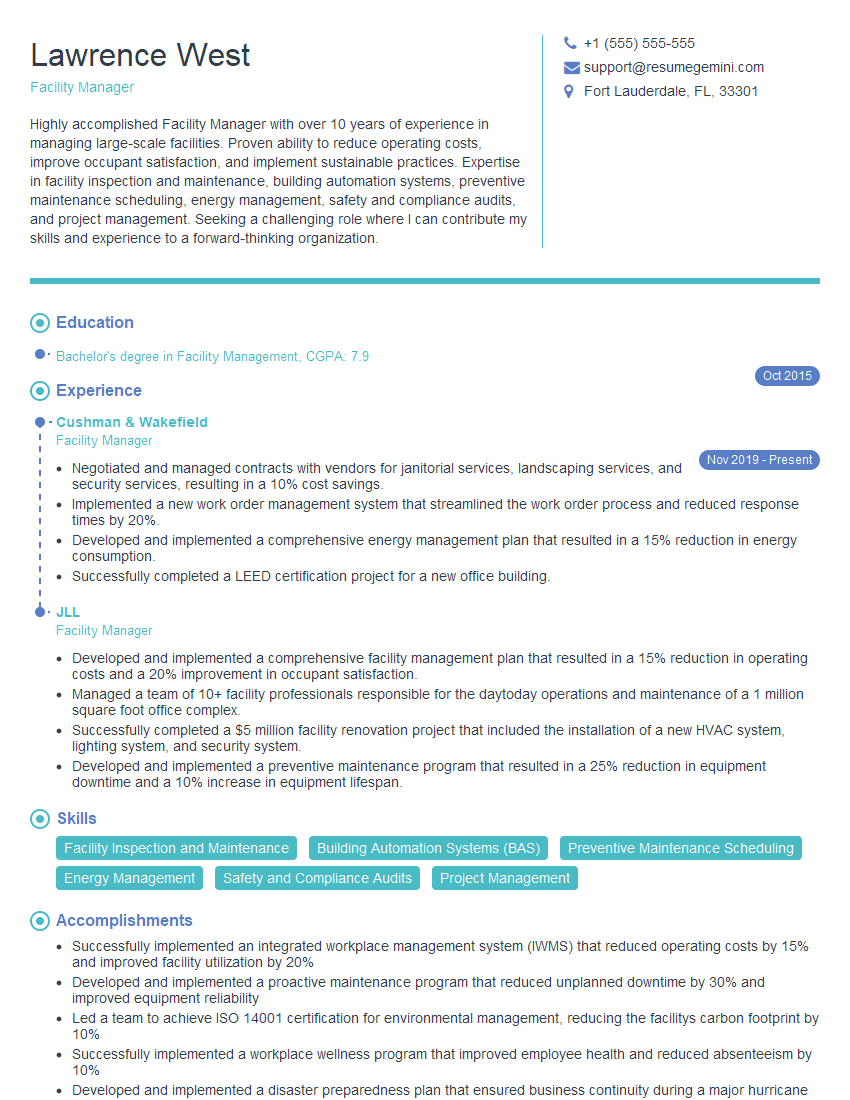
Facility Manager Resume Sample

Operations Manager Resume Sample
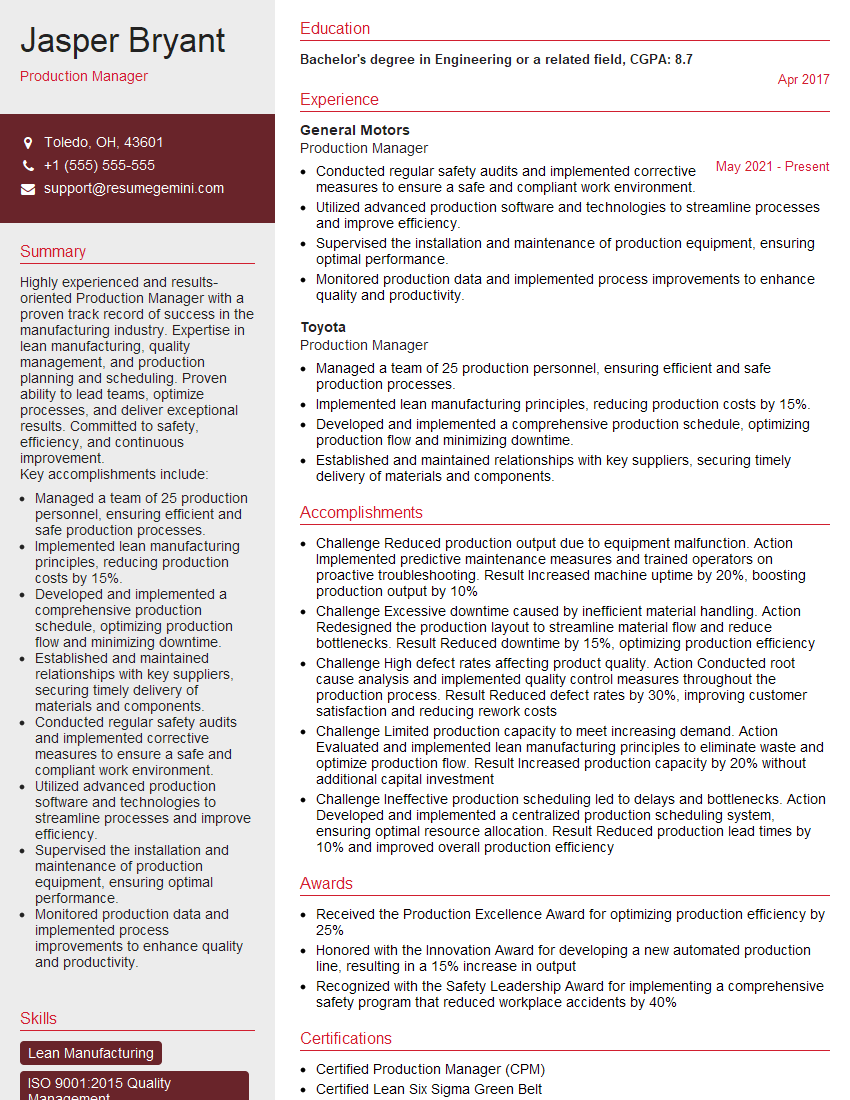
Production Manager Resume Sample
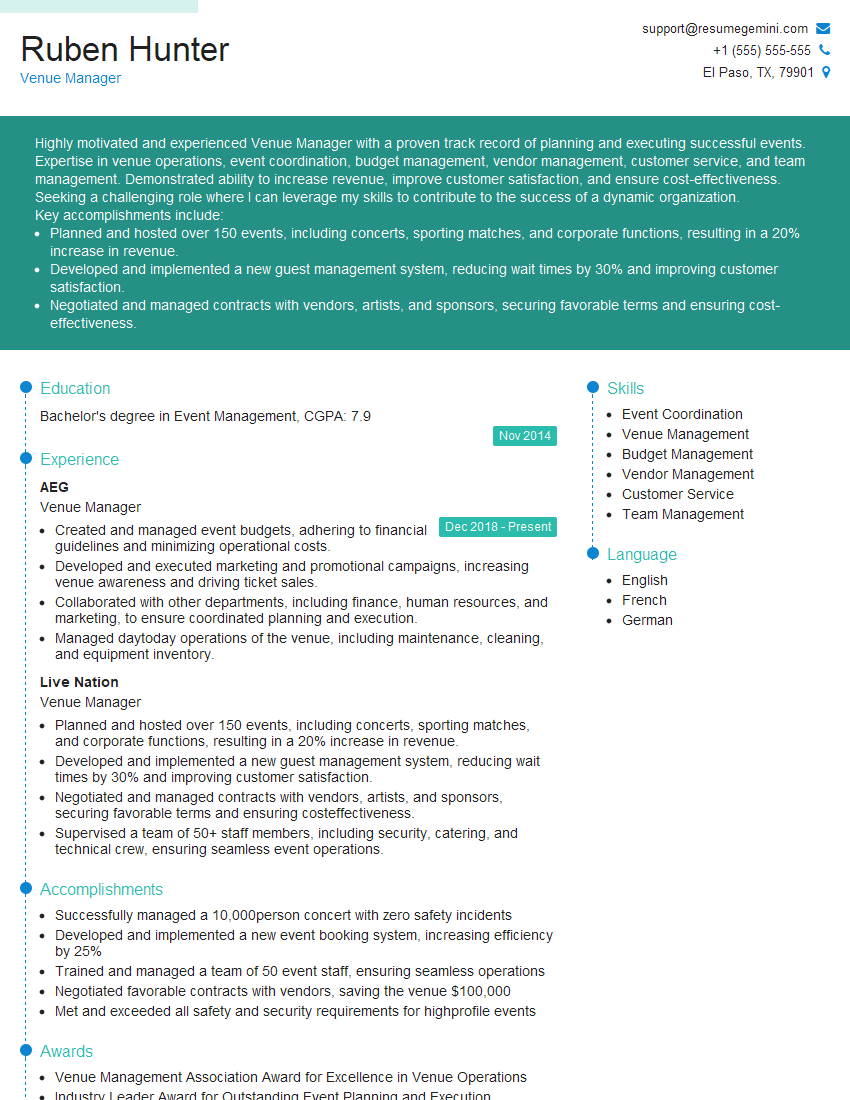
Venue Manager Resume Sample
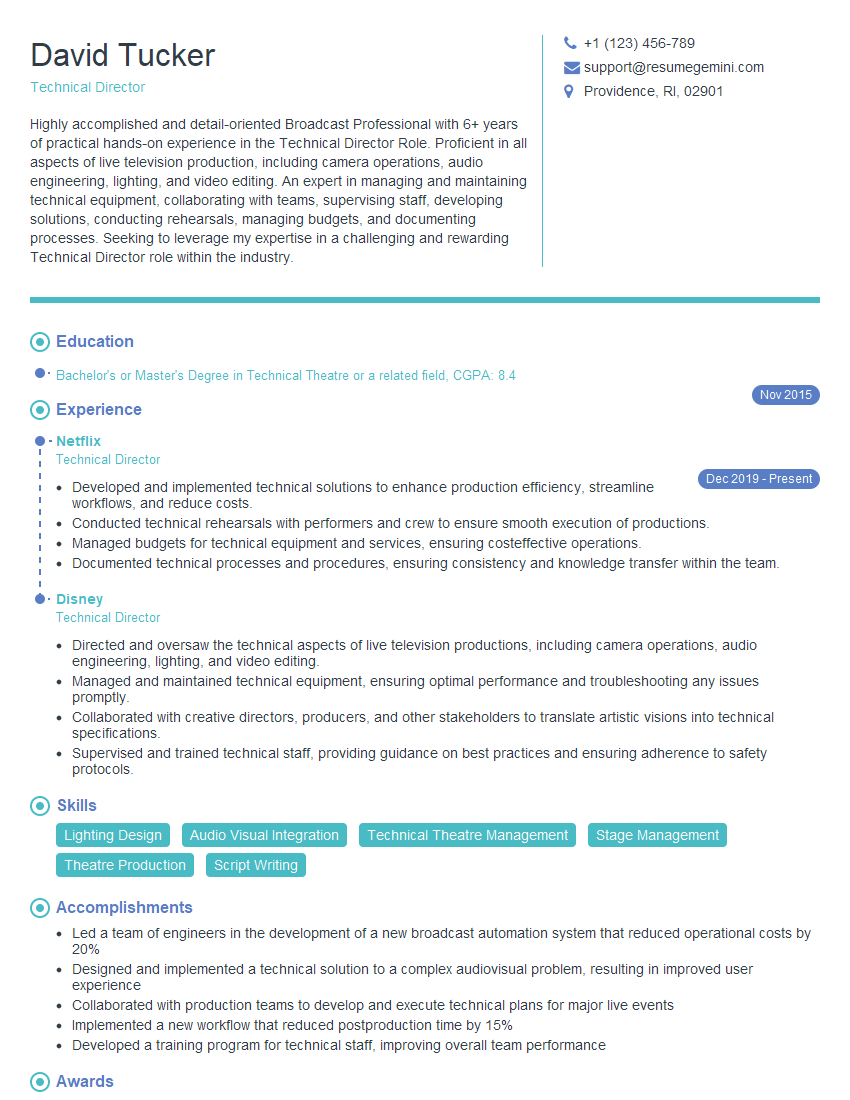
Technical Director Resume Sample
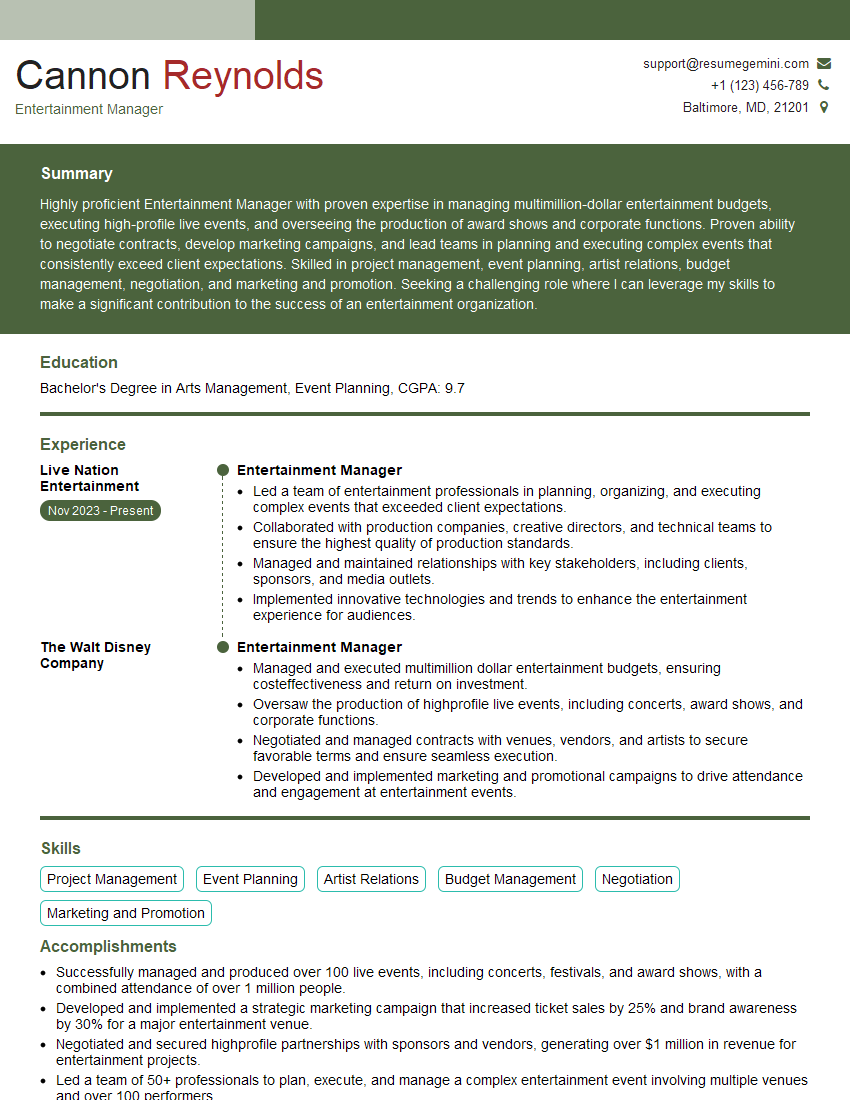
Entertainment Manager Resume Sample
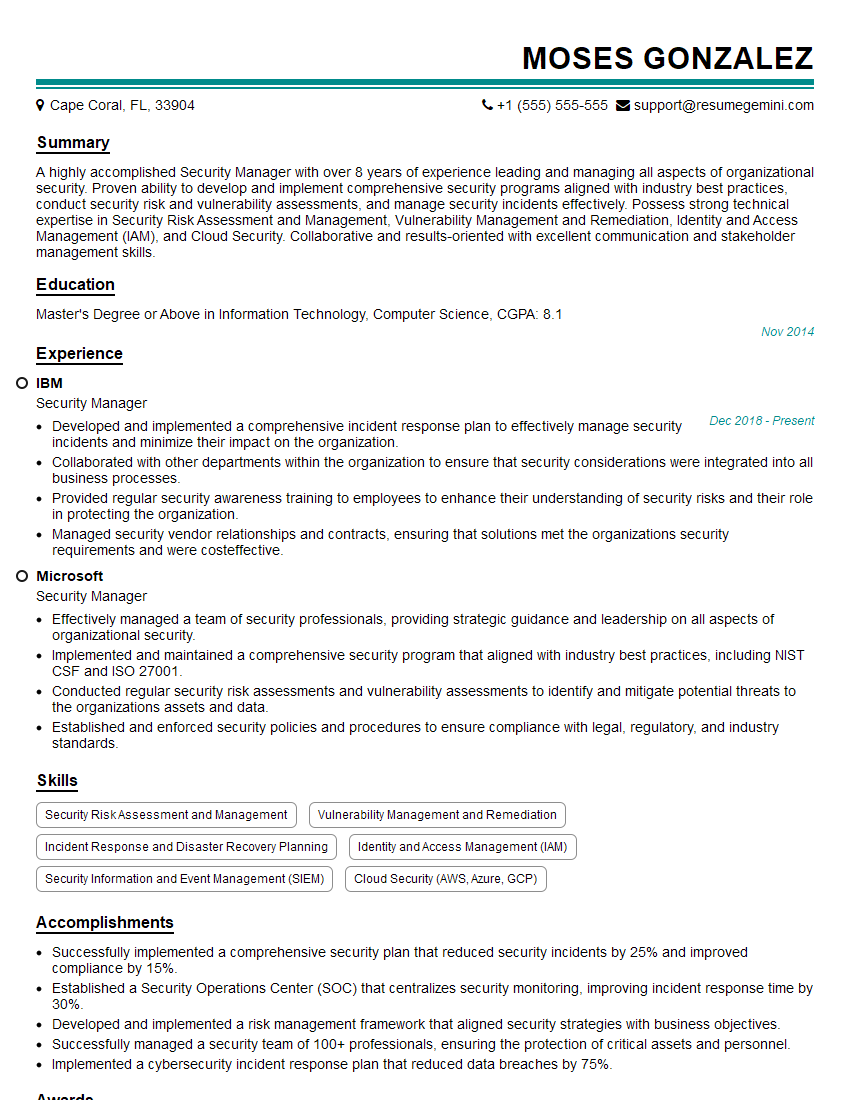
Security Manager Resume Sample
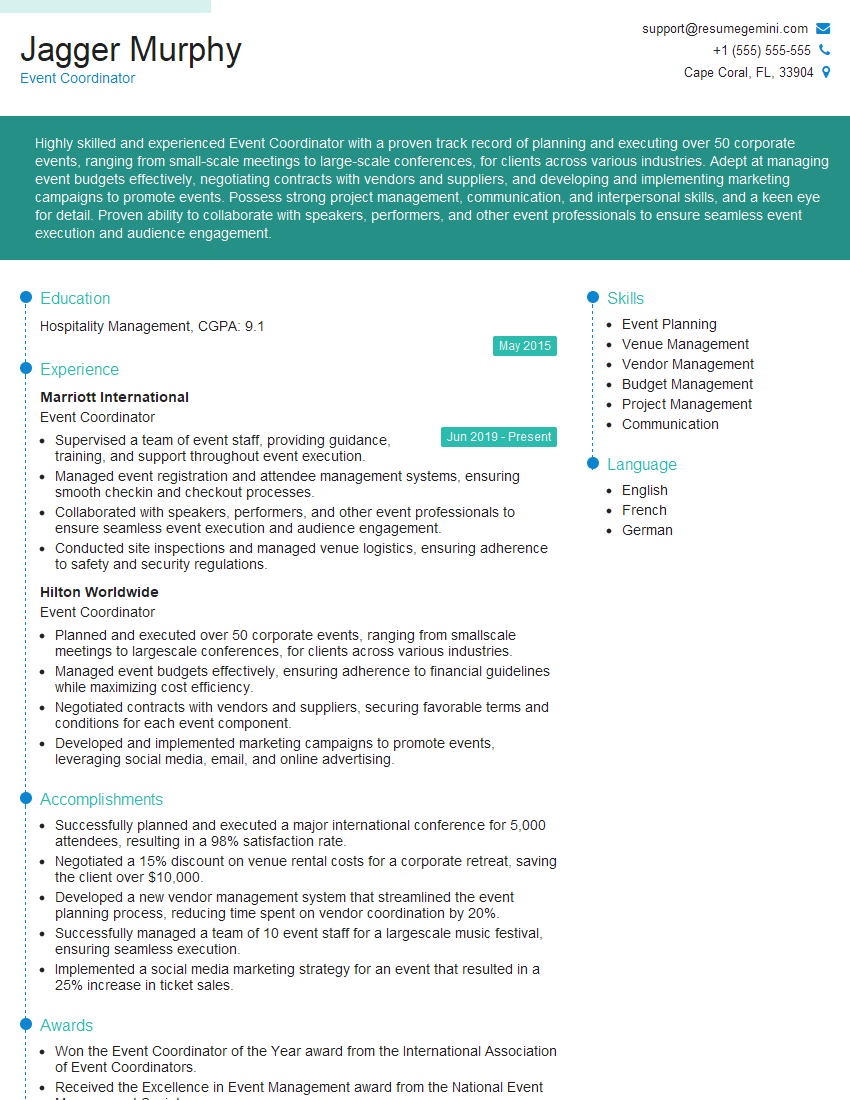
Event Coordinator Resume Sample
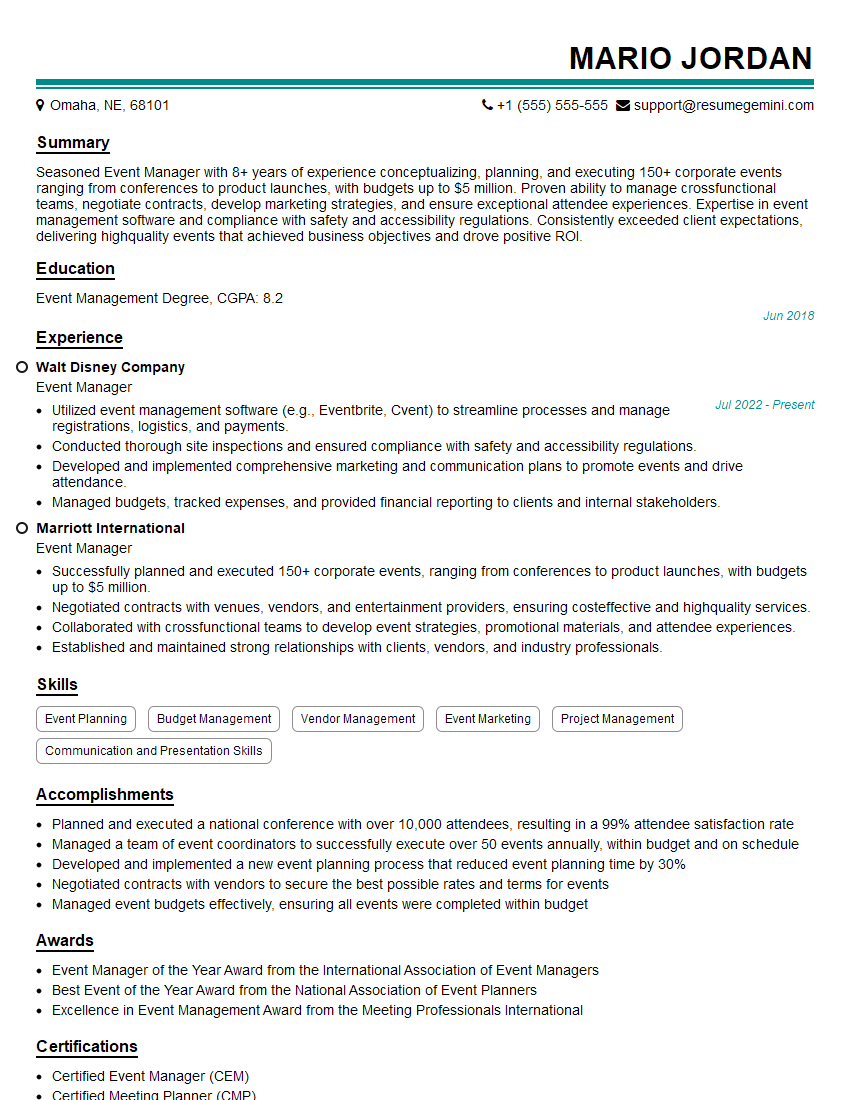
Event Manager Resume Sample
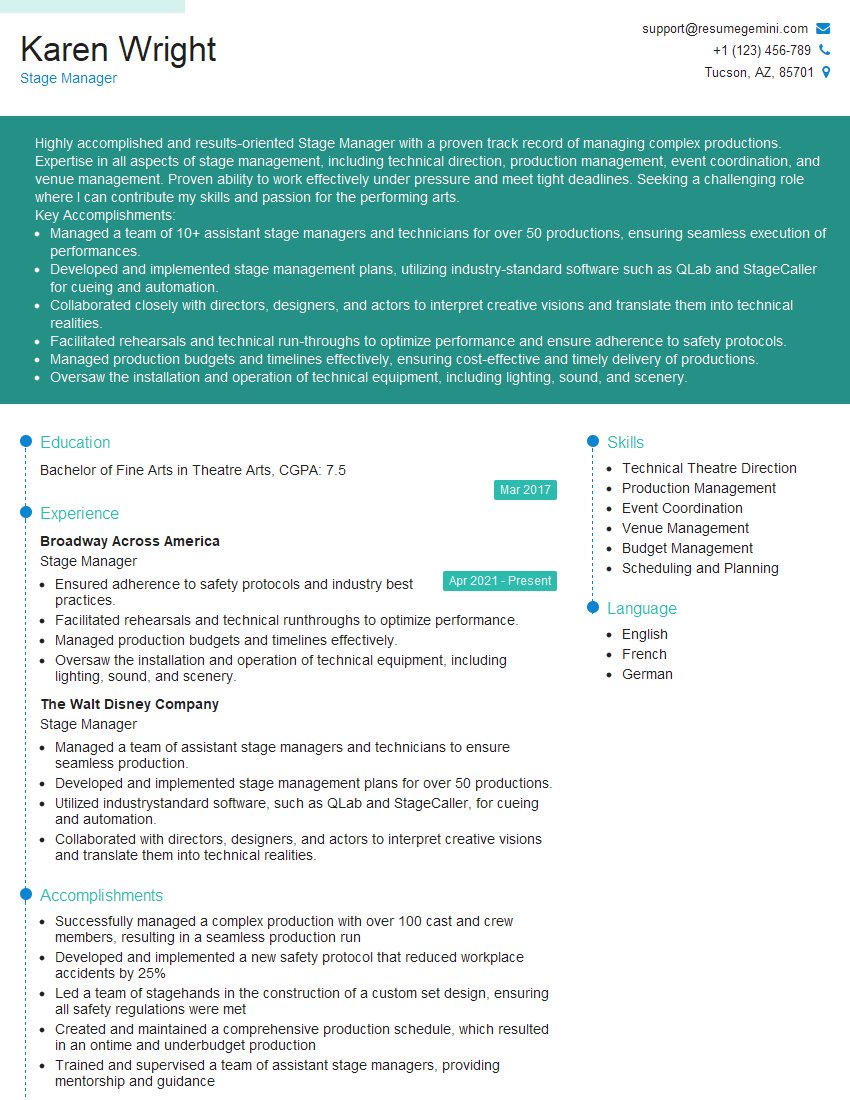
Stage Manager Resume Sample
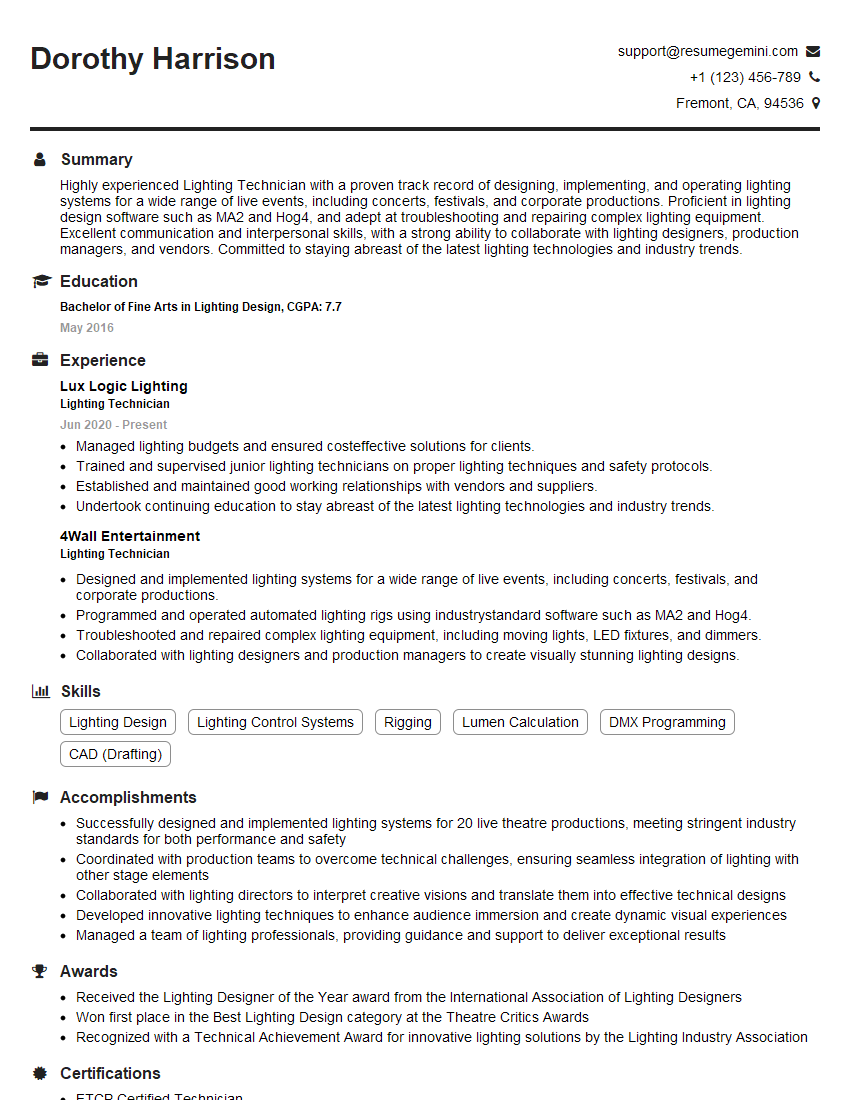
Lighting Technician Resume Sample
Explore more articles
Users Rating of Our Blogs
Share Your Experience
We value your feedback! Please rate our content and share your thoughts (optional).
What Readers Say About Our Blog
Very informative content, great job.
good