Every successful interview starts with knowing what to expect. In this blog, we’ll take you through the top Art Gallery Collaboration interview questions, breaking them down with expert tips to help you deliver impactful answers. Step into your next interview fully prepared and ready to succeed.
Questions Asked in Art Gallery Collaboration Interview
Q 1. Describe your experience collaborating with artists on exhibition design.
Collaborating with artists on exhibition design is a deeply rewarding but multifaceted process. It requires a delicate balance of understanding the artist’s vision, the gallery’s space and objectives, and the practicalities of installation. My approach begins with a series of in-depth conversations with the artist, exploring their conceptual framework, desired aesthetic, and technical requirements. We delve into the artwork itself – its size, medium, fragility, and any specific needs for lighting, display cases, or environmental controls. We then collaboratively brainstorm layout options, considering flow, emphasis, and the overall narrative the exhibition seeks to create. This might involve creating sketches or digital mock-ups, experimenting with different arrangements until we reach a consensus that satisfies both artistic integrity and visitor experience.
For example, with a sculptor who worked with large-scale, fragile installations, we engaged a structural engineer early in the process to ensure the gallery’s floor could support the weight and we devised a detailed plan for safe transportation and installation to prevent damage.
In another instance, a video artist wanted their work displayed in an interactive way that involved viewer participation. We collaborated with a technology specialist to ensure seamless operation and integration within the gallery setting. This collaborative process continues throughout the installation and hanging period ensuring the artist’s vision is accurately and faithfully represented.
Q 2. How do you manage conflicts between artists and gallery staff?
Conflict resolution is a crucial skill in gallery collaboration. My approach prioritizes open communication and active listening. I create a safe space where artists and gallery staff can express their concerns and perspectives honestly without feeling judged. The key is to frame disagreements as opportunities for problem-solving, not personal attacks. I facilitate discussions, identifying the root causes of conflict rather than focusing on surface-level issues.
For instance, if a conflict arises between an artist’s desired presentation and the gallery’s structural limitations, I would explore potential compromises – perhaps a slightly adjusted layout or alternative materials. Mediation strategies, involving independent parties if needed, can help navigate especially complex conflicts. Documentation of all agreements and decisions is vital. It is also important to acknowledge the differing viewpoints and to ensure that both sides feel heard. In such situations, the gallery’s role is to maintain fairness and professionalism.
Q 3. Explain your process for negotiating artist contracts.
Negotiating artist contracts is a critical step ensuring both the artist and the gallery are protected. My process begins with a clear understanding of the artist’s expectations and the gallery’s capabilities. We work together to create a comprehensive contract outlining: the artist’s fee, payment schedule, ownership rights, reproduction rights, insurance responsibilities, and responsibilities for publicity and promotion. I advocate for transparency and mutual understanding throughout the negotiation. I always ensure that the contract terms reflect established industry standards and legal considerations. If needed, I consult with legal counsel to ensure the contract is legally sound. I strive to achieve an agreement that is both fair and mutually beneficial, building a strong foundation of trust and collaboration.
Clear language and explicit descriptions of responsibilities are essential. For example, clauses concerning the artwork’s transportation and insurance are meticulously laid out, detailing who is responsible for what at each stage.
Q 4. What strategies do you use to promote artist collaborations?
Promoting artist collaborations involves a multi-pronged strategy. We leverage various marketing channels tailored to the specific project and target audience. This might include press releases to art publications and media outlets, social media campaigns with visually engaging content, and collaborations with other galleries or institutions. We also work closely with the artist to leverage their existing networks and audience. Public relations strategies might involve hosting opening receptions, artist talks, or workshops to engage the community. The goal is to create a buzz around the collaboration and attract both existing and new audiences. Building an online presence for the collaboration with a dedicated website and social media profile is also beneficial.
For a collaborative sculpture installation, we produced a short documentary-style video showcasing the artist’s creative process and the collaborative design elements. This video was shared across social media platforms, generating significant interest.
Q 5. How do you handle logistical challenges during exhibition installations?
Logistical challenges during exhibition installations are inevitable, but effective planning and proactive problem-solving are key to minimizing disruptions. My approach involves meticulously detailed planning, including a comprehensive timeline, detailed installation instructions, and clear communication with the installation crew. This often involves creating a detailed floor plan with measurements, specifications for hanging systems, and the location of utilities. Contingency plans are developed to address potential delays or complications. Regular communication with the artist, installation crew, and gallery staff ensures everyone is on the same page.
For example, if a piece is damaged during transport, we have pre-arranged contact information for art handlers, insurance adjusters, and conservation specialists. Proactive communication keeps everyone informed and avoids unnecessary delays or friction.
Q 6. Describe your experience with budgeting and fundraising for collaborative projects.
Budgeting and fundraising for collaborative projects require careful planning and a nuanced understanding of funding sources. I begin by creating a detailed budget outlining all anticipated expenses – artist fees, materials, installation costs, marketing, and insurance. Then I explore multiple funding avenues, including grants, sponsorships, individual donations, and potential gallery funding. Grant proposals are crafted precisely, highlighting the project’s artistic merit, community impact, and financial need. I build strong relationships with potential sponsors, demonstrating the value proposition of supporting the collaboration. Transparency in financial management and regular reporting to funders are crucial for building trust.
For one project, we secured funding through a combination of a city arts council grant, a corporate sponsorship, and individual donations, ensuring that the project was successfully executed according to plan.
Q 7. How do you build and maintain positive relationships with artists?
Building and maintaining positive relationships with artists is paramount. It’s about fostering trust, mutual respect, and open communication. I prioritize regular communication, both formal and informal, ensuring the artist feels heard and valued throughout the collaboration. I strive to create a transparent and collaborative environment where creative differences are embraced as opportunities for innovation and growth. I celebrate the achievements of the artists, giving appropriate credit and acknowledging their contributions to the gallery’s success. Feedback, both positive and constructive, is offered throughout the project, fostering a sense of partnership and mutual growth.
I’ve had long-term collaborations with artists forged from these principles, and many artists have returned to work with me on various projects due to the trust and respect established.
Q 8. How do you ensure the proper attribution and copyright of collaborative works?
Proper attribution and copyright in collaborative art is crucial. It’s about ensuring each artist receives the recognition and legal protection they deserve for their contribution. We start by establishing clear agreements *before* the project begins, outlining each artist’s role and the ownership of the resulting work. This might involve a written contract specifying individual contributions, copyright ownership (shared or individual), and how the work will be credited in exhibitions and publications.
For example, if we’re creating a collaborative sculpture with one artist focusing on the base and another on the figure, the contract would detail the contribution of each, specifying whether they jointly own the copyright or hold separate copyrights to their individual parts. We also utilize a detailed inventory system documenting who created which element, which is invaluable for future attribution. Finally, we ensure each artist’s name and contribution are clearly displayed alongside the artwork in any exhibition or publication, respecting the agreed-upon crediting method.
Q 9. What are your methods for resolving disagreements regarding artistic vision?
Disagreements are inevitable in collaborative art, but open communication and a structured process are key to resolution. We begin by establishing a collaborative framework that encourages dialogue and compromise from the start. This might involve regular meetings to discuss progress, share feedback, and address concerns early on. We value each artist’s input, ensuring a space where all feel comfortable voicing their perspectives.
If disagreements arise, we employ a facilitated discussion, acting as a neutral mediator to help artists articulate their concerns and find common ground. This might involve brainstorming alternative solutions, exploring compromises, or even agreeing to separate elements within the overall project to accommodate differing visions. In extreme cases, with agreement from all involved, we may choose to separate elements of the project to respect each artists vision, documenting the decision-making process to preserve transparency.
Q 10. How do you evaluate the success of a collaborative exhibition?
Evaluating the success of a collaborative exhibition goes beyond simple visitor numbers. We utilize a multifaceted approach, combining quantitative and qualitative data. Quantitative measures include visitor counts, sales figures, and media coverage – these offer a clear indication of audience engagement and market impact.
Qualitative assessment is equally vital. We gather feedback through visitor surveys, artist reflections, and critical reviews. This data provides insight into the exhibition’s artistic merit, its emotional impact, and its success in achieving the collaborative goals. For instance, positive visitor feedback about the interplay between different artistic styles would indicate successful integration of diverse viewpoints. Similarly, strong reviews highlighting the exhibition’s conceptual coherence would signify successful execution of the overall vision.
Q 11. Describe a time you had to adapt to unexpected challenges in a collaborative project.
In one project, a key collaborator unexpectedly withdrew a month before the exhibition opening. This presented a significant challenge, as their contribution was integral to the overall concept. Instead of panicking, we immediately convened a team meeting to assess the situation. We quickly brainstormed alternative solutions, including revisiting the exhibition’s design to minimize the impact of the missing contribution, seeking other artists who might contribute elements in a similar style, and potentially re-framing the narrative of the exhibition itself.
Ultimately, we decided to re-contextualize the existing work, highlighting the collaborative process and the challenges faced, turning the unforeseen circumstance into a powerful narrative within the exhibition itself. This required us to adjust the accompanying materials and gallery layout, which was demanding, but the result was a powerful statement about collaboration, resilience, and the unpredictable nature of artistic projects.
Q 12. How do you handle media relations and public response to collaborative work?
Media relations are crucial for the success of any collaborative exhibition. We develop a comprehensive media strategy *before* the exhibition opens, preparing press releases, artist statements, and high-resolution images. We proactively reach out to relevant media outlets, including art critics, local news, and online publications. We also engage with social media, using relevant hashtags and creating engaging content to generate interest and build anticipation.
We actively monitor public response, using social media analytics and online reviews to gauge public perception. Positive comments are shared, while constructive criticism helps us understand viewer perspectives and inform future collaborations. Addressing negative feedback constructively and professionally maintains a positive public image and shows responsiveness to audience engagement.
Q 13. What software or tools do you utilize for managing collaborative projects?
Effective project management is essential for successful collaboration. We use a combination of software and tools tailored to the specific needs of each project. For communication and file sharing, we often rely on platforms like Slack and Google Drive, ensuring easy access to documents, images, and design files. Project management tools like Asana or Trello help us track deadlines, assign tasks, and monitor progress.
For larger projects involving complex designs or intricate installations, we might utilize specialized software, such as CAD programs for architectural design or 3D modeling software for sculptural work. The choice of tools is determined by the project’s scope, complexity, and the individual preferences and expertise of the participating artists.
Q 14. How do you integrate diverse artistic styles and viewpoints into a cohesive exhibition?
Integrating diverse artistic styles into a cohesive exhibition requires a thoughtful curatorial approach. We begin by understanding each artist’s individual style and exploring the common threads that link their work. This might involve identifying shared themes, conceptual approaches, or technical elements. This is frequently discovered during the initial conceptualization phases, and a well-defined exhibition theme helps to provide a unifying narrative for otherwise diverse styles.
The exhibition’s physical layout plays a key role in creating visual harmony. We strategically position artworks to complement each other, allowing for visual dialogue and creating a sense of flow and progression through the exhibition space. The choice of lighting, wall colors, and supplementary materials (such as text panels) further contribute to creating a cohesive and aesthetically pleasing environment that enhances the impact of each individual artwork within the context of the whole exhibition.
Q 15. How do you ensure the preservation and conservation of artworks within a collaborative context?
Preserving artworks in collaborative contexts requires a multifaceted approach prioritizing proactive measures and meticulous documentation. It begins with a comprehensive risk assessment, identifying potential threats like environmental factors (light, temperature, humidity), pests, and physical damage. This assessment informs the creation of a detailed conservation plan, outlining specific protocols for handling, storage, display, and transport.
For example, in a collaborative exhibition featuring both ancient textiles and modern sculptures, we’d establish separate environmental controls tailored to each material’s needs. The textiles might require specific humidity levels and limited light exposure, while the sculptures could have their own considerations regarding structural support and cleaning techniques.
Crucially, thorough documentation is essential. This includes high-resolution images and detailed condition reports before, during, and after the exhibition. This forms a historical record and helps track any changes in the artwork’s condition, aiding future conservation efforts. Finally, open communication and collaboration between conservators, artists, and gallery staff ensure everyone is aligned and informed about handling procedures and potential risks.
Career Expert Tips:
- Ace those interviews! Prepare effectively by reviewing the Top 50 Most Common Interview Questions on ResumeGemini.
- Navigate your job search with confidence! Explore a wide range of Career Tips on ResumeGemini. Learn about common challenges and recommendations to overcome them.
- Craft the perfect resume! Master the Art of Resume Writing with ResumeGemini’s guide. Showcase your unique qualifications and achievements effectively.
- Don’t miss out on holiday savings! Build your dream resume with ResumeGemini’s ATS optimized templates.
Q 16. Describe your experience working with diverse teams in an art gallery setting.
My experience collaborating with diverse teams in art galleries has been incredibly enriching. I’ve worked with artists from various cultural backgrounds, curators with diverse specializations, and technicians with a wide range of expertise. Success hinges on fostering mutual respect, clear communication, and a shared understanding of project goals.
For instance, in a recent exhibition showcasing contemporary indigenous art, I worked closely with First Nations artists, ensuring their cultural perspectives and knowledge were incorporated into all aspects of the project, from the design of the exhibition space to the creation of accompanying educational materials. Regular team meetings, active listening, and an inclusive decision-making process ensured everyone felt valued and their contributions were acknowledged.
Navigating differing work styles and communication preferences requires flexibility and patience. Sometimes, a more formal approach is necessary, while other times, an informal, creative brainstorming session can lead to innovative solutions. The key is adaptability and a commitment to creating a positive and productive collaborative environment.
Q 17. How do you balance artistic vision with the gallery’s business objectives?
Balancing artistic vision with a gallery’s business objectives is a delicate but essential aspect of curatorial work. It’s about finding synergy between creative expression and financial sustainability. It’s not about compromising artistic integrity, but rather, about strategic planning.
For example, a highly ambitious, conceptually challenging exhibition might require a smaller, more targeted marketing campaign to reach a niche audience, balancing the risk of lower attendance with the potential for critical acclaim and long-term reputational benefits. Conversely, a more commercially viable exhibition might necessitate a wider marketing strategy, possibly involving partnerships with sponsors or community organizations, to reach a broader audience and secure financial success.
This balance involves market research, understanding audience demographics, and carefully selecting exhibitions that align with both artistic goals and the gallery’s business model. Open dialogue between the curatorial team, marketing department, and gallery management is crucial to effectively achieve this equilibrium.
Q 18. What strategies do you employ for marketing and outreach for collaborative exhibitions?
Marketing and outreach for collaborative exhibitions require a multi-platform approach tailored to the specific exhibition and its target audience. It’s crucial to build excitement and anticipation around the collaborative aspect.
Strategies might include targeted social media campaigns highlighting the artists’ individual styles and the collaborative process, building anticipation through artist spotlights and behind-the-scenes content. Press releases to relevant media outlets emphasizing the unique collaborative nature of the work can also generate considerable interest. We might also leverage partnerships with other organizations, such as local businesses or community groups, for cross-promotion and to expand reach.
Event-based marketing, including opening receptions, artist talks, and workshops, provide opportunities for direct engagement with the audience, fostering a sense of community around the exhibition. Moreover, the utilization of data analytics from previous exhibitions helps refine future strategies, optimizing the allocation of resources for maximum impact.
Q 19. Explain your understanding of intellectual property rights in collaborative art projects.
Intellectual property rights (IPR) in collaborative art projects necessitate clear agreements from the outset. It’s critical to define each artist’s contribution, ownership, and usage rights. This commonly involves written contracts specifying ownership of the copyright, reproduction rights, and potential revenue sharing.
For instance, if multiple artists contribute to a single sculpture, the agreement might stipulate joint ownership of the copyright, with individual artists retaining rights to use their individual contributions in other works. Without clearly defined agreements, disputes can arise concerning reproduction, exhibition, and sales of the collaborative artwork.
Understanding different types of IPR, including copyright, moral rights, and potentially trademarks if the artwork incorporates unique branding, is crucial. Seeking legal counsel to draft comprehensive contracts protects all parties involved and prevents future conflicts.
Q 20. How do you use data and analytics to inform decision-making in collaborative initiatives?
Data and analytics play an increasingly important role in informing decisions within collaborative art initiatives. By tracking website traffic, social media engagement, visitor numbers, sales data, and feedback surveys, we gain valuable insights into audience preferences and exhibition effectiveness.
For example, analyzing website analytics helps determine which marketing channels are most effective in driving traffic and engagement. Visitor data, including demographics and engagement levels within the exhibition space, can inform future exhibition design and programming. Sales data provides insights into audience interest in specific artworks or artist styles. This data-driven approach helps optimize resource allocation, improve marketing strategies, and refine future collaborative projects.
The use of CRM systems can help organize and track engagement with artists, sponsors, and other stakeholders, which improves overall project management and allows us to anticipate and respond to evolving needs and challenges.
Q 21. How do you ensure accessibility and inclusivity in collaborative art exhibitions?
Ensuring accessibility and inclusivity in collaborative art exhibitions is paramount. It’s about making art accessible to everyone, regardless of their abilities or backgrounds. This encompasses a range of considerations.
For example, we might incorporate tactile elements for visually impaired visitors, such as textured artwork or descriptive audio guides. We also need to provide wheelchair access and ensure that exhibition spaces are navigable for individuals with mobility challenges. Subtitles and audio descriptions can aid those with hearing impairments. We should also use clear, concise, and inclusive language in all marketing materials and exhibition labels.
Furthermore, we must be mindful of representing diverse voices and perspectives in our exhibitions. This includes showcasing artwork by artists with disabilities and from diverse cultural backgrounds. A commitment to inclusivity requires proactive planning, collaboration with accessibility experts, and a dedication to creating an engaging and welcoming environment for all visitors.
Q 22. Describe your experience in managing artist fees and payment schedules.
Managing artist fees and payment schedules requires meticulous planning and transparent communication. It’s crucial to establish clear contracts outlining payment amounts, milestones (e.g., completion of sketches, final artwork), and payment deadlines. I always prioritize upfront discussions with artists to understand their preferred payment methods and schedules, ensuring fair compensation that aligns with industry standards and the artist’s experience level.
For example, I might structure payments in installments: a deposit upon project commencement, a progress payment upon completion of a significant milestone, and final payment upon delivery and approval of the finished artwork. This approach minimizes risk for both the gallery and the artist, allowing for adjustments if unforeseen issues arise. I meticulously track payments, maintain detailed records, and provide artists with regular updates on payment status. This transparency fosters trust and builds strong working relationships.
Beyond simple payment, I also consider artists’ needs for additional resources such as studio space, materials assistance, or travel stipends if applicable to the project. This holistic approach ensures a positive collaboration from start to finish.
Q 23. How do you utilize social media to promote and engage audiences with collaborative work?
Social media is vital for promoting collaborative art and engaging audiences. My strategy involves a multi-platform approach, utilizing Instagram, Facebook, and potentially TikTok, depending on the target audience and the nature of the collaborative work. I create visually compelling content showcasing the creative process—behind-the-scenes glimpses, artist interviews, progress shots, and high-quality images of the finished works.
Engagement is key. I actively respond to comments and messages, foster discussions, run polls and Q&A sessions, and utilize relevant hashtags to increase visibility. Live streams of studio visits or artist talks can also be incredibly effective. A strong social media presence allows us to build anticipation for exhibitions, create a community around the art, and ultimately, drive traffic to the gallery.
For example, in promoting a recent collaborative sculpture exhibit, we used Instagram stories to show the artists’ individual contributions, highlighting the unique materials and techniques involved. We also used Facebook to share artist interviews and behind-the-scenes videos, humanizing the process and engaging our audience on a deeper level.
Q 24. What is your approach to collecting feedback and evaluating post-exhibition outcomes?
Collecting feedback and evaluating post-exhibition outcomes is crucial for continuous improvement. My approach is multifaceted, incorporating both quantitative and qualitative data. Quantitative data includes visitor numbers, sales figures, and social media engagement metrics. Qualitative data is gathered through various channels, including visitor surveys (both physical and online), artist feedback, and reviews from critics and patrons.
I analyze this data to assess the exhibition’s success in reaching its objectives, evaluating audience response, and identifying areas for improvement in future collaborations. Post-exhibition reports are created, summarizing key findings and recommendations for the artists and the gallery. This detailed analysis informs our decision-making processes, ensuring future collaborations are more effective and impactful.
For example, if visitor surveys reveal a lack of understanding about a particular artistic technique, we might incorporate more explanatory materials or interactive elements in subsequent exhibitions. Similarly, low sales figures may prompt adjustments to the pricing strategy or marketing efforts.
Q 25. Describe your experience working with different stakeholders in the art world (e.g., collectors, critics, patrons).
Working with various stakeholders in the art world requires diplomacy, strong communication, and a deep understanding of their respective interests and needs. Collectors often seek investment opportunities and unique pieces; critics offer insightful perspectives, influencing public opinion; and patrons are key to funding and supporting the arts.
I approach each interaction with a focus on building rapport and establishing trust. I communicate transparently about the artists, the collaborative process, and the artistic vision. For collectors, I provide detailed provenance information and market insights. For critics, I facilitate access to the artists and provide background information to enrich their understanding. And for patrons, I emphasize the artistic merit and societal impact of the collaborative work.
Successful collaboration requires recognizing that each stakeholder brings valuable perspectives, and fostering open communication ensures that everyone’s needs are met effectively. I treat all interactions with respect and maintain a professional demeanor to maintain positive relations and foster lasting partnerships.
Q 26. How do you maintain ethical standards and transparency in all aspects of art gallery collaboration?
Maintaining ethical standards and transparency is paramount. This includes transparent contracts with artists clearly outlining rights, responsibilities, and payment schedules. I ensure proper attribution of artwork, fairly representing each artist’s contribution. Accurate financial records are maintained, and all transactions are documented meticulously. I also respect intellectual property rights and avoid any conflicts of interest.
Transparency extends to our communication with the public. We provide accurate information about the artworks, the artists, and the collaborative process. We address concerns openly and honestly. Our ethical principles guide all our actions, fostering trust and ensuring the longevity of the gallery’s reputation. This commitment to ethics creates a positive and supportive environment for artists, enabling them to express themselves freely and confidently.
Q 27. How do you adapt your communication style to different personalities and communication styles of artists?
Adapting communication styles is essential for effective collaboration. Some artists thrive on detailed discussions and written communication; others prefer informal conversations and quick updates. I take time to understand each artist’s preferred communication style, paying attention to their verbal and nonverbal cues.
For instance, with introverted artists, I might favor written updates and email correspondence. For extroverted artists, I might schedule regular in-person meetings to encourage brainstorming and collaboration. I use active listening, ask clarifying questions, and tailor my communication to match the artist’s personality and comfort level. This ensures a clear understanding and prevents misunderstandings, fostering a positive and productive working environment.
Ultimately, adapting my communication style is about building trust and creating a supportive environment where each artist can freely express their creativity and collaborate effectively.
Q 28. Describe your experience with grant writing and securing funding for collaborative artistic endeavors.
Securing funding for collaborative artistic endeavors often involves grant writing. My experience involves researching suitable grants, tailoring proposals to specific funders’ priorities, and meticulously preparing compelling narratives showcasing the project’s artistic merit, feasibility, and potential impact.
This involves a thorough understanding of the grant application process, including adhering to submission guidelines, assembling supporting documentation (artist biographies, budgets, project timelines, and letters of support), and crafting a persuasive proposal that demonstrates the project’s value and aligns with the funder’s goals. I create a strong narrative that highlights the unique aspects of the collaborative project and the potential for innovative artistic expression. I emphasize the project’s potential to engage the community and create a lasting artistic legacy.
For example, in securing a grant for a community mural project, we highlighted the project’s educational value, its contribution to community beautification, and its potential to foster cross-cultural understanding. Success in grant writing requires persistence, attention to detail, and the ability to craft compelling stories that resonate with potential funders.
Key Topics to Learn for Art Gallery Collaboration Interview
- Understanding the Art Market: Grasping current trends, pricing strategies, and the role of galleries within the broader art ecosystem.
- Artist Relations & Management: Strategies for building strong artist relationships, contract negotiation, and artist representation best practices.
- Exhibition Planning & Execution: From concept to completion – understanding the logistics of curating exhibitions, including budgeting, marketing, and public relations.
- Collection Management & Preservation: Knowledge of art handling, storage, and conservation techniques crucial for gallery operations.
- Gallery Operations & Administration: Familiarity with day-to-day gallery management, including inventory control, sales tracking, and financial record-keeping.
- Marketing & Sales Strategies: Developing and implementing effective marketing plans to reach target audiences and drive sales.
- Collaboration & Teamwork: Demonstrating experience in effective teamwork with artists, collectors, staff, and other stakeholders.
- Problem-Solving & Conflict Resolution: Articulating approaches to addressing challenges and resolving conflicts that may arise in a collaborative environment.
- Legal & Ethical Considerations: Understanding copyright laws, artist rights, and ethical considerations in the art world.
Next Steps
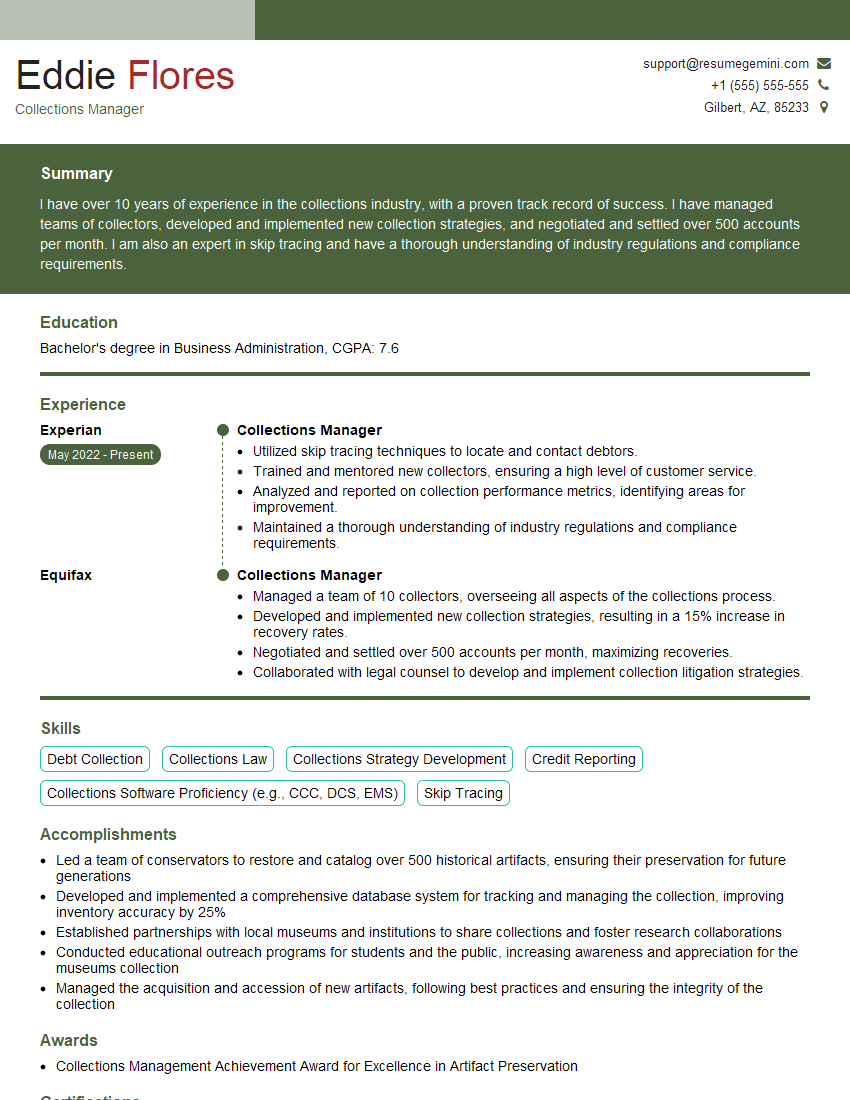
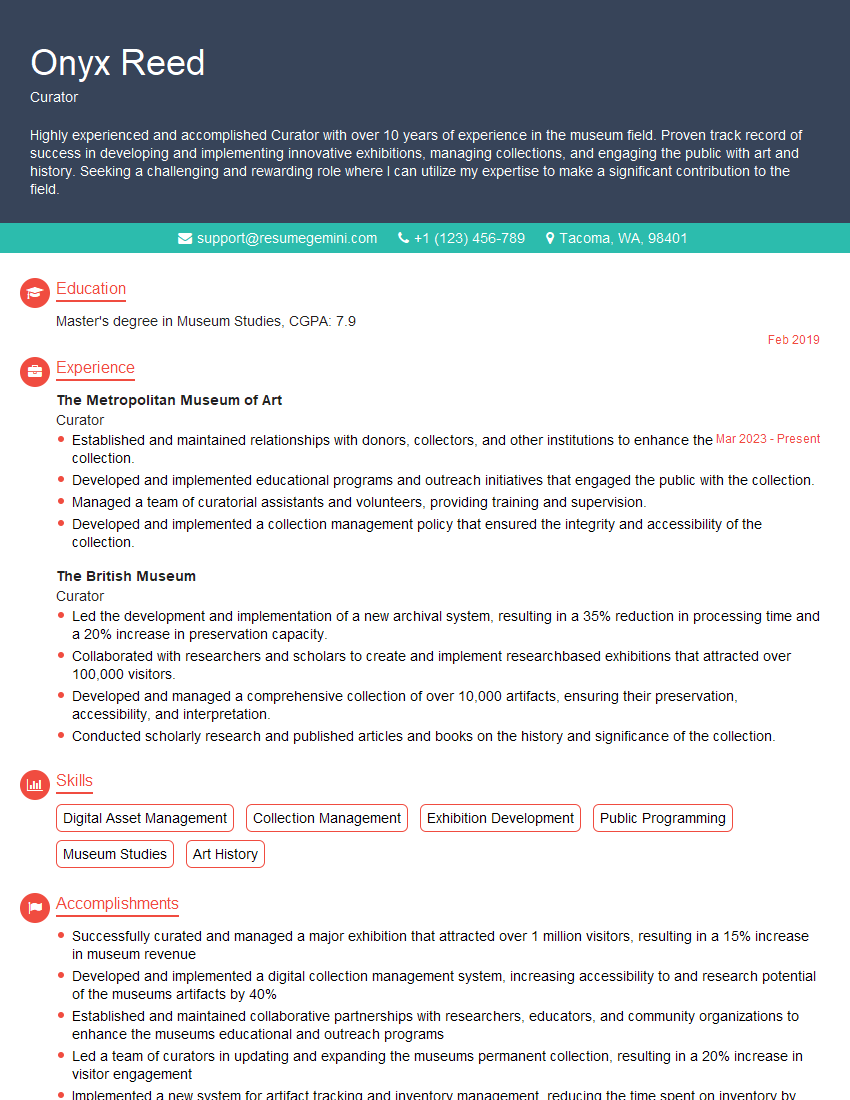
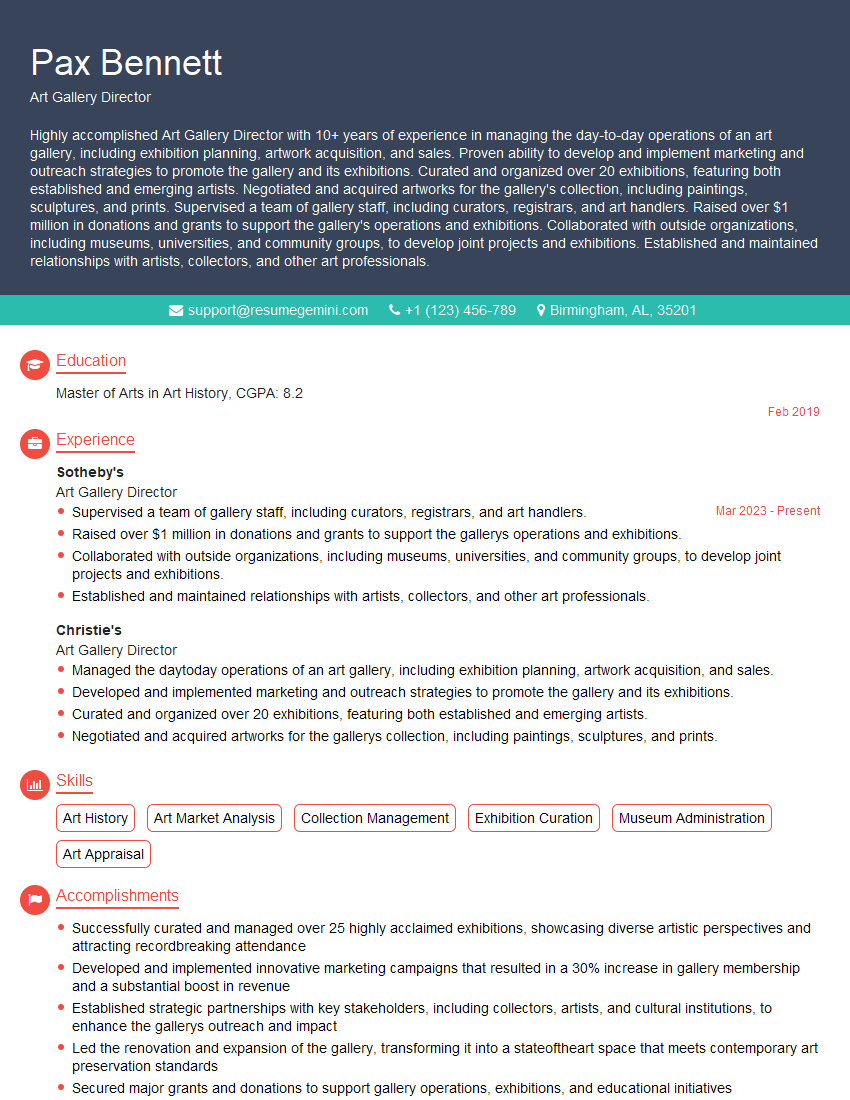
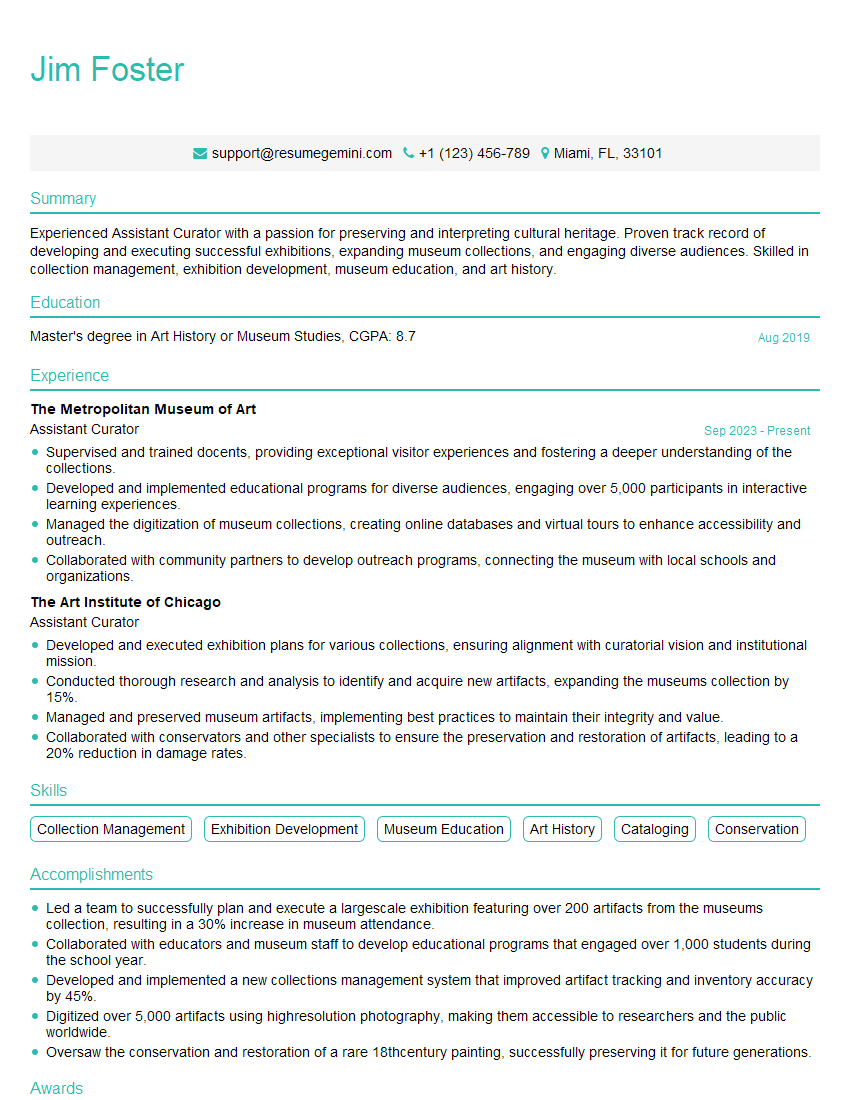
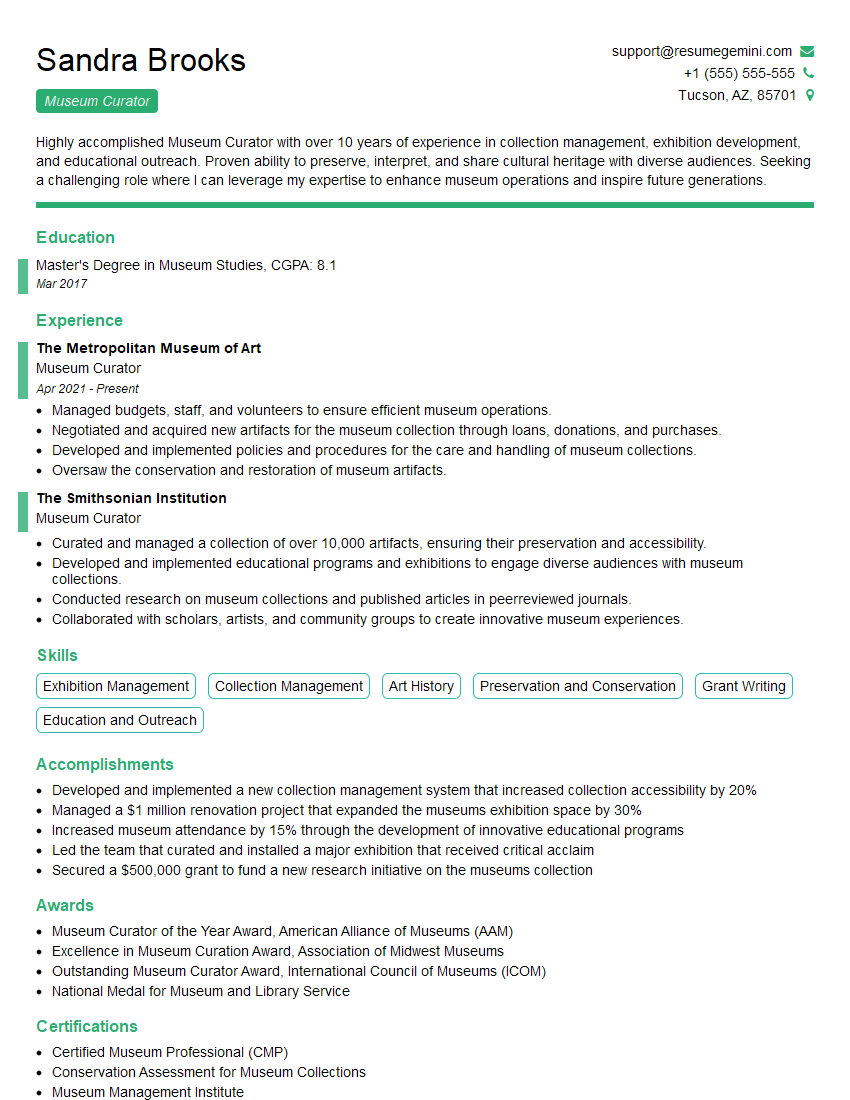
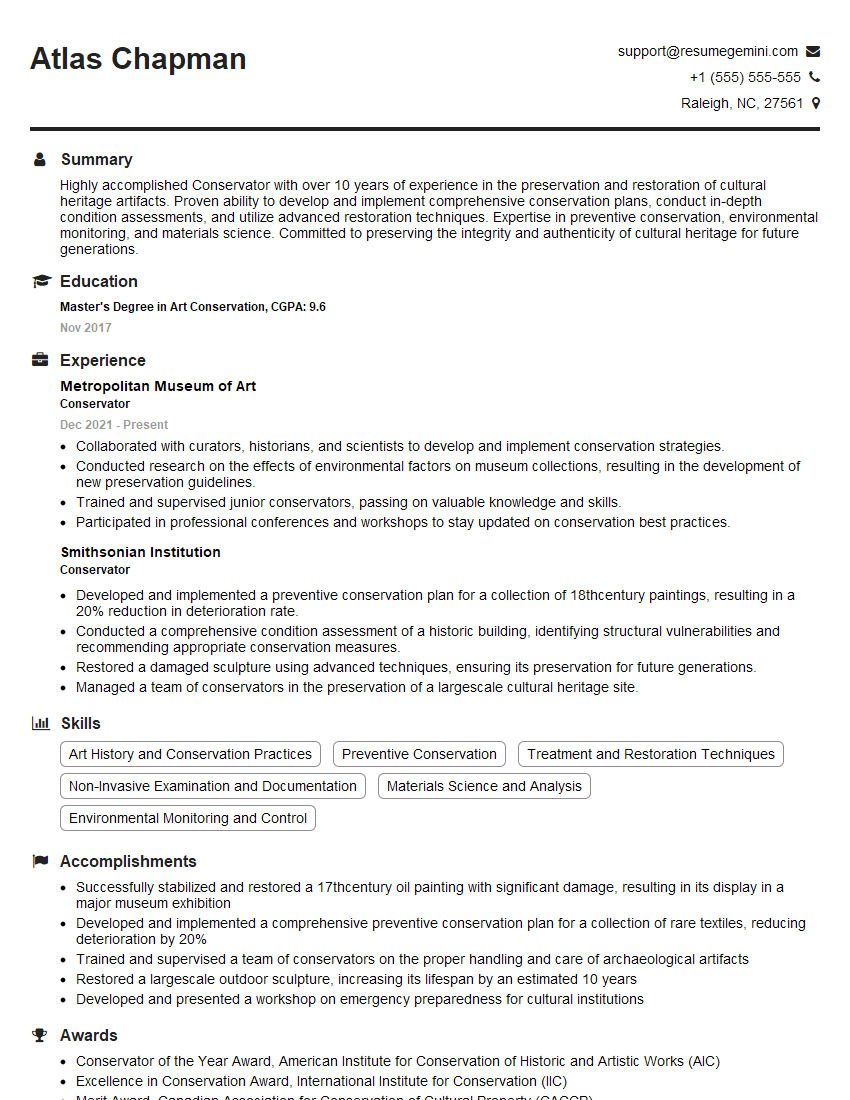
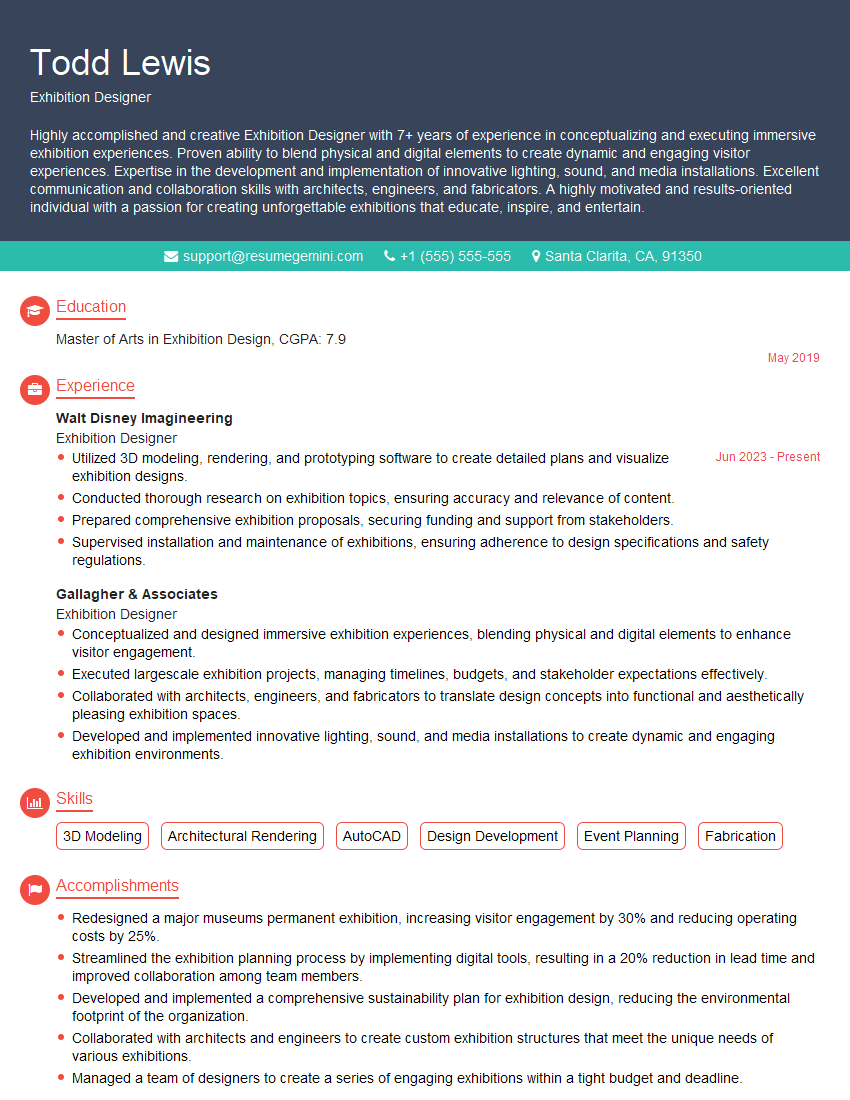
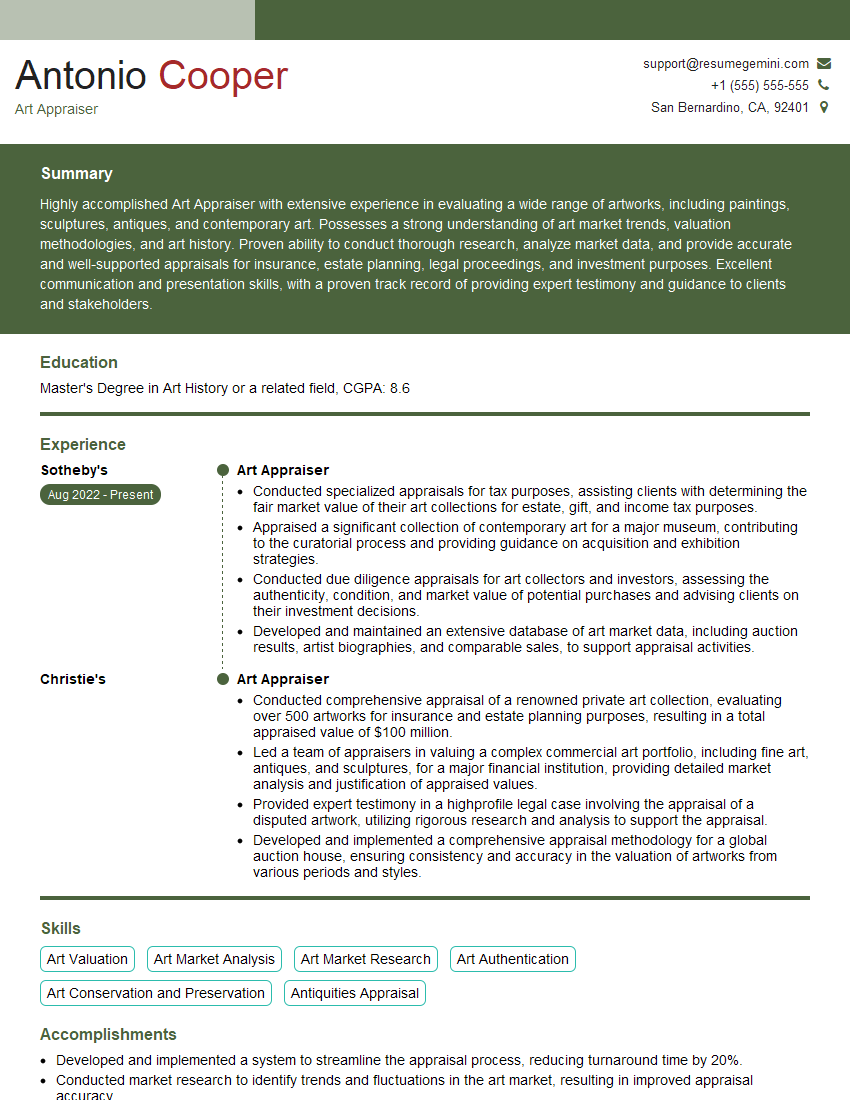
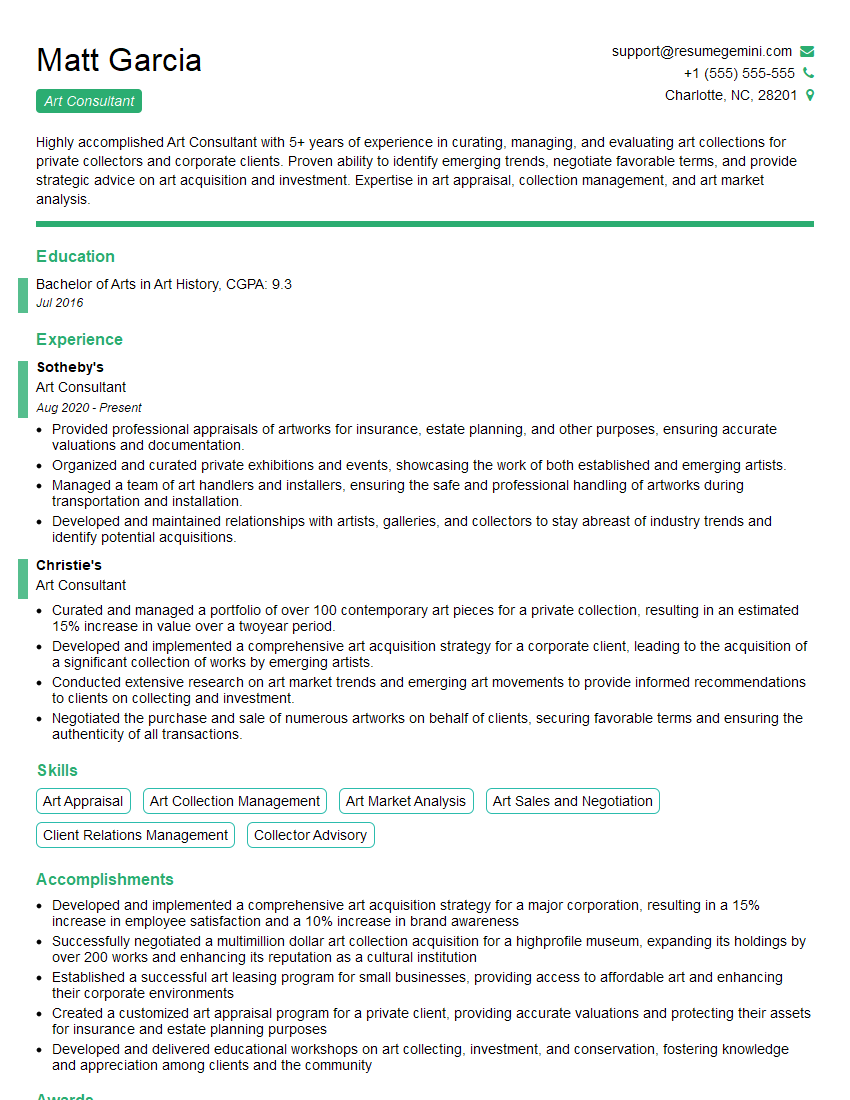
Mastering Art Gallery Collaboration opens doors to exciting and rewarding careers in the vibrant art world. To significantly boost your job prospects, creating an ATS-friendly resume is paramount. This ensures your qualifications are effectively highlighted to potential employers. We highly recommend leveraging ResumeGemini to build a professional and impactful resume. ResumeGemini provides a user-friendly platform and offers examples of resumes tailored specifically to Art Gallery Collaboration roles to help guide your creation. Take the next step towards your dream job today!
Explore more articles
Users Rating of Our Blogs
Share Your Experience
We value your feedback! Please rate our content and share your thoughts (optional).
What Readers Say About Our Blog
Very informative content, great job.
good