The right preparation can turn an interview into an opportunity to showcase your expertise. This guide to Artificial Insemination (for Herders involved in breeding operations) interview questions is your ultimate resource, providing key insights and tips to help you ace your responses and stand out as a top candidate.
Questions Asked in Artificial Insemination (for Herders involved in breeding operations) Interview
Q 1. Describe the process of artificial insemination in cattle.
Artificial insemination (AI) in cattle involves depositing semen from a selected bull into the uterus of a cow to achieve pregnancy. It’s a precise procedure requiring careful handling and timing.
- Preparation: The cow’s reproductive tract is examined to determine if she’s ready for insemination (typically using rectal palpation to check for ovulation). We look for signs like a clear mucus discharge and the presence of a corpus luteum indicating a mature follicle.
- Semen Thawing: Frozen semen straws are thawed according to the manufacturer’s instructions, usually in a water bath at a specific temperature (around 35-37°C) for a precise amount of time. Rapid, uneven thawing damages the sperm.
- Loading the Insemination Gun: The thawed semen is carefully loaded into a specially designed insemination gun (a pipette-like device) to avoid any damage or spillage. There are different types of guns available for optimal semen placement.
- Insemination: Using aseptic techniques, the gun is carefully inserted into the cow’s vagina and then into the cervix. The semen is then deposited into the uterus. This requires knowledge of bovine reproductive anatomy. The correct placement is vital for successful conception.
- Record Keeping: Immediately after insemination, all relevant information—cow ID, bull ID, date, semen lot number, and inseminator’s initials—is meticulously recorded.
Think of it like planting a seed—you need the right conditions (a receptive uterus) and careful handling (gentle semen placement) for successful germination (pregnancy).
Q 2. Explain the importance of proper semen handling and storage.
Proper semen handling and storage are paramount to the success of an AI program. Suboptimal conditions lead to decreased sperm motility and viability, resulting in lower conception rates.
- Temperature Control: Semen must be kept at extremely low temperatures (-196°C) using liquid nitrogen tanks. Fluctuations in temperature can kill the sperm.
- Proper Thawing: As mentioned before, rapid or uneven thawing significantly reduces sperm viability. Following the manufacturer’s instructions precisely is crucial.
- Aseptic Techniques: Maintaining sterile conditions during thawing and insemination prevents contamination, which can negatively affect sperm quality and cause infection.
- Inventory Management: Careful tracking of semen straws, including their expiry dates and bull IDs, is essential to ensure that the best quality semen is used and prevent wastage.
Imagine trying to grow delicate orchids—they need a specific environment to thrive. Similarly, sperm cells are extremely sensitive and need optimal conditions to remain viable.
Q 3. What are the common challenges associated with AI and how do you overcome them?
Several challenges can arise during AI. However, with proper training and attention to detail, many of these can be overcome.
- Heat Detection: Accurately identifying a cow’s estrus (heat) is crucial. Missed heats or inaccurate detection lead to insemination at the wrong time, decreasing pregnancy rates. We can improve this by using heat detection aids like activity monitors or heat detection patches, as well as frequent visual observation.
- Semen Quality: Poor quality semen, due to improper handling or storage, directly impacts success rates. Using reputable semen suppliers and meticulous storage are key.
- Insemination Technique: Incorrect insemination technique, such as poor semen placement, can result in failure. This is addressed through proper training and hands-on practice under supervision.
- Reproductive Tract Problems: Underlying health issues in the cow can affect conception. Regular veterinary checks help identify and address such problems.
Think of it like baking a cake— if you don’t have the right ingredients (semen quality), the right timing (heat detection), and the right technique (insemination procedure), you’ll end up with a poorly baked cake. Careful attention to each step is crucial.
Q 4. How do you identify the optimal time for insemination in different livestock species?
Identifying the optimal time for insemination varies across livestock species. It centers around detecting estrus (heat).
- Cattle: Estrus is typically characterized by restlessness, bellowing, mounting other cows, and clear mucus discharge. Rectal palpation to detect changes in the ovaries helps confirm ovulation. AI is ideally performed 12-18 hours after the onset of estrus.
- Sheep and Goats: Similar signs as cattle, though the duration of estrus can be shorter. AI timing is critical due to their shorter estrous cycles. Observation is important, and some farmers utilize teaser rams to detect estrus.
- Swine: Sows show signs of restlessness, vulvar swelling, and attempts to nest. AI is usually performed twice, 12 hours apart, around the time of ovulation.
Each species has its own unique behavioral cues and physiological changes indicating the optimal timing. Regular observation and knowledge of the species-specific reproductive cycle are essential.
Q 5. What are the different methods of semen deposition in AI?
Different methods of semen deposition exist, depending on the species and available equipment.
- Cervical Insemination: The semen is deposited into the cervix. This is a commonly used method in cattle.
- Rectal Insemination: A specialized insemination gun is guided through the rectum to deposit semen into the uterus. This method is often used when the cervix is difficult to access.
- Laparoscopic Insemination: A minimally invasive surgical technique using a laparoscope to visualize the reproductive tract and precisely deposit semen into the uterus. Used less commonly due to the higher cost and expertise required.
The choice of method depends on factors such as the species, the technician’s experience, and the resources available. Each method has its own advantages and challenges.
Q 6. Explain the importance of record-keeping in AI programs.
Record-keeping in AI programs is essential for efficient management and evaluation of breeding success.
- Cow Identification: Each cow must have a unique identifier (ear tag number, etc.).
- Breeding Date: The date of AI and the identity of the bull used.
- Semen Information: The semen lot number, bull ID, and the semen source.
- Pregnancy Diagnosis: Results of pregnancy tests conducted to confirm conception.
- Calving Date: The date of calving, and the sex and weight of the calf.
Accurate record-keeping allows for monitoring pregnancy rates, identifying problem areas, and making informed breeding decisions. Without it, we’re flying blind—making it impossible to track performance and make necessary improvements.
Q 7. How do you assess the success rate of an AI program?
Assessing the success rate of an AI program involves calculating the pregnancy rate and calving rate.
- Pregnancy Rate: This is the percentage of cows that become pregnant after AI. It is calculated by dividing the number of pregnant cows by the total number of cows inseminated.
- Calving Rate: This is the percentage of cows that successfully give birth after being inseminated. It’s calculated by dividing the number of calves born by the total number of cows inseminated.
- Other indicators: Other metrics, like the services per conception (number of AI attempts needed per successful pregnancy) are also valuable in evaluating efficiency.
Regularly monitoring these metrics helps identify areas for improvement in the program and enables data-driven decisions to maximize the effectiveness of AI.
Q 8. Describe the signs of estrus in different livestock species.
Detecting estrus, or heat, is crucial for successful artificial insemination (AI). The signs vary significantly between livestock species. Think of it like recognizing different personality types – each animal has its own way of showing it’s ready to mate.
- Cattle: Cattle often exhibit restlessness, bellowing, mounting other cows, clear mucus discharge from the vulva, and a slight tail-raising posture. A classic sign is a cow standing still and allowing other cows to mount her.
- Swine: Sows show a pronounced restlessness, vocalization, and a distinct ‘lordosis’ posture – they arch their back and raise their hindquarters when pressure is applied to their back. They also seek out boars.
- Sheep: Ewes will exhibit increased activity and restlessness, bleating frequently, and may exhibit mounting behavior. Observe for a clear, watery mucus discharge. The ewe may also seek out rams.
- Goats: Similar to sheep, goats will exhibit restlessness, bleating, and mounting behavior. Careful observation of mucus discharge is crucial.
Accurate estrus detection is paramount for maximizing AI success rates. Using heat detection aids like tail paint or electronic monitoring systems can significantly improve accuracy.
Q 9. What are the biosecurity measures to prevent disease transmission during AI?
Biosecurity in AI is vital to prevent the spread of infectious diseases. Imagine it as a layered defense system protecting your herd from harmful invaders. Key measures include:
- Strict hygiene protocols: Thoroughly disinfect hands, boots, and equipment (like insemination guns and gloves) between animals using an appropriate disinfectant solution. This prevents the spread of bacteria and viruses that may be present on the surface.
- Proper semen handling: Maintain the semen’s recommended temperature and ensure sterile techniques during thawing and insemination. Always follow manufacturer’s instructions.
- Quarantine procedures: Newly introduced animals should be quarantined for a period of time before being integrated into the main herd. This minimizes the risk of introducing diseases from outside sources.
- Waste disposal: Dispose of used materials (gloves, straws) properly to avoid contamination. Dispose of them appropriately according to regulatory guidelines.
- Record keeping: Maintaining detailed records helps track the health status of animals and identify potential outbreaks quickly.
- Regular veterinary check-ups: This is crucial for early detection and prevention of diseases.
By implementing these biosecurity measures, herders can significantly reduce the risk of disease outbreaks and maintain the health of their herd.
Q 10. How do you manage and troubleshoot common AI equipment malfunctions?
AI equipment malfunctions can severely impact breeding efficiency. Troubleshooting is crucial for minimizing downtime and ensuring seamless operations.
- Insemination gun issues: If the gun malfunctions, check for blockages, damage, or proper assembly. Regular cleaning and maintenance are key.
- Temperature control failures: For semen storage and transport, ensure equipment like liquid nitrogen tanks are functioning properly. Monitor temperature regularly using a reliable thermometer.
- Broken or damaged equipment: This will require replacement or repair from a trusted equipment provider. If possible, have backup equipment available.
Troubleshooting Framework:
- Identify the problem: What exactly is malfunctioning?
- Inspect the equipment: Look for visible signs of damage or wear.
- Consult manuals and guidelines: Check the manufacturer’s instructions for troubleshooting tips.
- Seek professional help: If unable to solve the problem, contact a qualified technician or veterinarian for assistance.
Preventative maintenance, like regular cleaning and inspection, is key to minimizing malfunctions and extending the lifespan of your equipment.
Q 11. Explain the different types of AI equipment and their applications.
AI equipment is diverse, each with a specific role in the process.
- Insemination guns: These are used to deposit semen into the female reproductive tract. Different types exist for various species.
- Liquid nitrogen tanks: These tanks store semen at extremely low temperatures (-196°C), maintaining the viability and fertility of the sperm.
- Thawing equipment: This can range from water baths to specialized thawing devices that maintain consistent temperatures to thaw the semen correctly.
- Heat detection aids: Tools like tail paint, activity monitors, or even pedometers help track estrus cycles for optimal timing of AI.
- Ultrasound machines: These are used to confirm pregnancy following AI, and also aid in detecting other reproductive conditions.
The choice of equipment depends on the scale of the breeding operation, the species of livestock involved, and the budget. A small-scale operation might use a simple insemination gun and a liquid nitrogen tank, while larger operations might incorporate more advanced technologies like ultrasound machines and automated heat detection systems.
Q 12. How do you select appropriate semen for different breeding goals?
Semen selection is critical for achieving breeding goals. It’s akin to selecting the right seed for a farmer aiming for a specific crop yield.
Factors to consider include:
- Genetic merit: Select semen from sires with desirable traits like high milk production (in dairy cattle), superior carcass quality (in beef cattle), disease resistance, and temperament.
- Breed: Choose semen from bulls of the desired breed to maintain breed purity or to create a crossbreed with specific characteristics.
- Progeny testing: Semen from bulls with proven offspring performance has a higher chance of producing desirable offspring. Check pedigree information to ensure you are using semen from bulls with a strong track record.
- Disease status: Only use semen from bulls that have tested negative for relevant diseases to avoid transmitting illness to your herd.
- Semen quality: Consider factors such as motility (sperm movement), concentration, and morphology (sperm shape) provided by the semen supplier.
Breeding organizations and commercial semen suppliers offer detailed information about the genetic merit and health status of available sires. Careful selection can significantly impact the genetic improvement of your herd.
Q 13. What are the ethical considerations in using AI in livestock breeding?
Ethical considerations in AI are paramount. While offering numerous advantages, AI’s use demands responsible application.
- Animal welfare: Ensure proper handling and minimization of stress during the AI procedure. Training and proper techniques are important to avoid causing pain or discomfort.
- Genetic diversity: Overuse of a limited number of superior sires can lead to reduced genetic diversity and increased vulnerability to diseases. AI should be used in conjunction with a well-thought-out breeding program to maintain genetic variability.
- Environmental impact: Consider the environmental footprint of AI, including energy consumption associated with transportation and storage of semen, and the impact on overall herd size. Sustainable breeding practices should be considered.
- Transparency and traceability: Maintain accurate records of the sires used, allowing complete traceability of the genetic lineage.
- Cost and access: Ensure equitable access to AI technology and services for all breeders, to prevent AI-driven inequalities within the livestock breeding community.
Responsible AI application emphasizes animal welfare, genetic diversity, environmental sustainability, and equitable access to technology.
Q 14. How do you calculate the pregnancy rate in an AI program?
Calculating pregnancy rate is essential for evaluating the success of an AI program.
The formula is straightforward:
Pregnancy Rate = (Number of Pregnant Animals / Number of Animals Inseminated) x 100
Example: If 25 out of 50 cows inseminated become pregnant, the pregnancy rate is (25/50) x 100 = 50%.
Several factors can influence pregnancy rates. These include accurate estrus detection, proper semen handling and insemination technique, semen quality, and the overall health of the animals. Regularly monitoring and analyzing pregnancy rates helps identify areas for improvement in the AI program.
Q 15. Describe the importance of proper sanitation in AI procedures.
Proper sanitation in Artificial Insemination (AI) is paramount to prevent contamination and ensure the success of the procedure. Think of it like preparing a sterile operating room for surgery – any contamination can have disastrous consequences. We’re dealing with delicate sperm cells that are incredibly susceptible to bacteria and other microorganisms. Contamination can lead to reduced sperm motility (movement), viability (survival), and ultimately, a failed pregnancy.
Sanitation protocols begin with a thorough cleaning and disinfection of all equipment, including insemination guns, gloves, and even the surfaces of the working area. We use registered disinfectants effective against a broad spectrum of pathogens. The reproductive tract of the animal also requires meticulous cleaning – often involving washing with a suitable disinfectant solution. This process minimizes the risk of introducing infections that could compromise the health of both the animal and the developing embryo. Failure to maintain strict sanitation can lead to uterine infections, reduced fertility rates, and even death in severe cases. Imagine trying to grow a delicate plant in contaminated soil – the results would be poor, and the same principle applies here.
Career Expert Tips:
- Ace those interviews! Prepare effectively by reviewing the Top 50 Most Common Interview Questions on ResumeGemini.
- Navigate your job search with confidence! Explore a wide range of Career Tips on ResumeGemini. Learn about common challenges and recommendations to overcome them.
- Craft the perfect resume! Master the Art of Resume Writing with ResumeGemini’s guide. Showcase your unique qualifications and achievements effectively.
- Don’t miss out on holiday savings! Build your dream resume with ResumeGemini’s ATS optimized templates.
Q 16. What are the different types of semen extenders and their functions?
Semen extenders are essential for preserving sperm viability and extending its shelf life. They’re essentially nutrient-rich solutions that provide a supportive environment for the sperm cells. Different extenders offer varied functionalities, catering to specific needs and situations.
- Egg yolk-based extenders: These are classic choices, rich in lipids (fats) that protect the sperm membrane from damage during freezing and thawing. They provide essential nutrients but are susceptible to bacterial contamination.
- Milk-based extenders: These offer a good balance of nutrients and buffering capacity, helping to maintain the optimal pH for sperm survival. They’re relatively easy to prepare and use but might not provide the same level of protection during freezing as egg yolk-based extenders.
- Commercial extenders: Many commercially available extenders contain a mix of nutrients, buffers, and cryoprotectants (substances that protect cells from freezing damage), often offering superior preservation compared to homemade versions. They usually come with detailed instructions ensuring consistent and reliable results.
The choice of extender depends on factors like the species of animal, the storage method (short-term refrigeration versus long-term freezing), and the specific requirements of the breeding program. Incorrect extender selection can dramatically reduce the sperm’s ability to fertilize the egg.
Q 17. How do you manage and interpret AI data to improve breeding outcomes?
AI data management and interpretation are crucial for optimizing breeding outcomes. We collect a wealth of data, including breeding records, semen quality parameters (motility, concentration, morphology), animal health records, and pregnancy results. This data is systematically recorded and analyzed to identify trends and pinpoint areas for improvement. For example, we might track the pregnancy rate for each bull used in AI or the success rate for specific extenders or insemination techniques.
Data analysis can reveal several crucial insights. For instance, identifying bulls consistently yielding higher pregnancy rates allows us to prioritize their semen for future use. Similarly, analyzing data related to insemination timing (relative to ovulation) and techniques helps us fine-tune protocols for maximum efficacy. Advanced statistical methods and software can be employed for in-depth analysis and predictive modeling, enabling proactive management decisions.
We might use simple spreadsheets for smaller herds, but larger operations often use dedicated breeding management software. This software helps manage data, generate reports, and visualize trends to facilitate informed decision-making. The goal is to continually refine our AI techniques and maximize reproductive efficiency.
Q 18. What are the advantages and disadvantages of using AI compared to natural mating?
Artificial Insemination (AI) and natural mating each present unique advantages and disadvantages.
- AI Advantages:
- Genetic improvement: Access to superior genetics from elite sires worldwide, regardless of geographic location.
- Disease control: Reduces the risk of transmitting sexually transmitted diseases.
- Improved reproductive efficiency: Allows for planned breeding and potentially increased conception rates with proper technique.
- Cost-effective: Can be cost-effective in the long run, especially for smaller farms or when accessing superior genetics.
- AI Disadvantages:
- Requires training and skill: Proper AI technique requires specialized training.
- Initial investment: Requires investment in equipment and supplies.
- Labor-intensive: Requires time and effort for proper handling and insemination.
- Not suitable for all animals: Some animals may present challenges during AI procedures.
- Natural Mating Advantages:
- Simplicity: No specialized training or equipment is needed.
- Natural process: The natural mating process may lead to higher conception rates in some cases.
- Natural Mating Disadvantages:
- Limited genetic selection: Limited access to superior genetics.
- Disease transmission: Higher risk of spreading STDs.
- Unpredictable breeding: Less control over breeding timing and genetic selection.
- Cost: Potentially more expensive if you need to purchase breeding animals.
The optimal choice depends on the specific circumstances of the herd, including size, breeding goals, resources, and the expertise available.
Q 19. How do you identify and handle a difficult or problematic animal during AI?
Handling difficult or problematic animals during AI requires patience, skill, and a safety-first approach. Some animals may be aggressive, nervous, or physically challenging to restrain. A calm and confident approach is essential. We prioritize the safety of both the animal and the technician.
Strategies include using proper restraint techniques, such as using specialized equipment like chutes or headlocks (with appropriate training). Sometimes, additional personnel may be needed to assist in restraining the animal securely. If the animal exhibits extreme aggression, it may be necessary to postpone the procedure until the animal is calmed or sedated (under veterinary supervision). Gentle handling and minimizing stress are vital for both the animal’s well-being and the success of the AI procedure. Understanding animal behavior and responding appropriately is key to ensuring a safe and successful outcome.
For example, a nervous animal might be better managed with a calming approach and gentle handling, avoiding sudden movements. A strong, aggressive animal might need a more controlled restraint technique. Always prioritize safety and the welfare of the animal.
Q 20. Explain the role of genetics in AI programs.
Genetics plays a pivotal role in AI programs. The whole purpose is to improve the genetic makeup of the herd, leading to enhanced productivity, better disease resistance, and improved overall quality of offspring. We carefully select sires with desirable traits – these are often high-performing animals that meet certain criteria based on pedigree analysis and performance data.
Genetic evaluation involves assessing the heritability of traits (how much of a trait is passed from parent to offspring) and selecting sires with superior genetic merit for particular characteristics. This might include milk yield in dairy cattle, growth rate in beef cattle, or wool quality in sheep. Advanced genetic technologies, like genomic selection, can improve the accuracy of genetic evaluations, allowing us to make more informed sire selection decisions. This enables us to implement highly effective breeding programs aimed at achieving specific genetic goals in the herd.
Q 21. Describe the different methods for evaluating semen quality.
Semen quality evaluation is crucial for ensuring successful AI. Several methods are used to assess different aspects of semen quality, providing a comprehensive evaluation.
- Sperm concentration: Determines the number of sperm cells present in a semen sample. This is usually measured using a hemocytometer (a specialized counting chamber under a microscope) or automated semen analyzers.
- Motility: Assesses the percentage of sperm cells capable of progressive movement. This is visually evaluated under a microscope, observing the speed and direction of sperm movement. Automated analyzers also provide quantitative motility data.
- Morphology: Evaluates the shape and structure of the sperm cells. Abnormal sperm morphology can reduce fertility. This is assessed by microscopic examination, looking for defects in the head, midpiece, or tail of the sperm.
- Viability: Determines the percentage of live sperm cells. This can be assessed using various stains that differentiate live from dead sperm cells.
- Acrosome integrity: Assesses the integrity of the acrosome (a cap-like structure on the sperm head containing enzymes essential for fertilization). Damage to the acrosome reduces the sperm’s ability to penetrate the egg.
The combination of these evaluations paints a complete picture of semen quality, enabling us to select semen samples most likely to result in successful pregnancies. Substandard semen samples are discarded to maintain high breeding success rates.
Q 22. How do you maintain the health and welfare of animals undergoing AI?
Maintaining the health and welfare of animals undergoing artificial insemination (AI) is paramount. It’s not just about the successful insemination; it’s about ensuring the animal’s overall well-being throughout the process and beyond. This involves several key aspects:
- Pre-breeding health checks: A thorough veterinary examination before AI is crucial. This identifies any underlying health issues that could compromise the success of AI or the animal’s health. For example, we’d check for reproductive tract infections or general health conditions that might impact fertility.
- Stress reduction: Minimizing stress during handling and the insemination procedure itself is vital. Gentle handling, a calm environment, and familiar personnel can significantly reduce stress hormones which can negatively affect fertility. I always use positive reinforcement techniques, such as rewarding calm behavior.
- Proper sanitation and hygiene: Strict adherence to hygiene protocols prevents the introduction of infection. This includes proper cleaning and disinfection of equipment, gloves, and the insemination site. Failure to do so can lead to infections and reproductive complications.
- Post-insemination monitoring: After AI, regular monitoring of the animal’s health is essential to detect any complications early on. This may involve observing for signs of infection, changes in behavior, or reproductive abnormalities. Early detection allows for timely intervention.
- Nutrition and management: Providing proper nutrition and ensuring optimal environmental conditions contribute to the animal’s overall health and reproductive success. This includes providing access to fresh water, adequate feed, and comfortable housing.
Think of it like preparing an athlete for a competition – we need to optimize their condition to maximize their chances of success. In this case, ‘success’ is a healthy pregnancy and a healthy calf.
Q 23. What are the legal and regulatory requirements for performing AI?
Legal and regulatory requirements for performing AI vary depending on the location. However, some common aspects include:
- Licensing and certification: Many jurisdictions require AI technicians to be licensed or certified. This ensures a minimum level of training and competence. My certification is current and up-to-date with all the relevant regulations.
- Record keeping: Detailed and accurate records are mandatory. This includes information about the animals, the semen used, the insemination date, and any observations made. These records are essential for traceability and disease control.
- Animal welfare regulations: AI procedures must comply with animal welfare laws, emphasizing humane handling and minimizing stress on the animals. I am well-versed in all applicable animal welfare legislation in this region.
- Semen sourcing and handling: Regulations govern the sourcing, storage, and handling of semen to ensure its quality and prevent disease transmission. I work only with reputable semen suppliers and strictly adhere to their guidelines.
- Reporting requirements: There may be requirements to report certain events, such as suspected disease outbreaks or AI failures, to relevant authorities. I am always diligent about proper reporting.
Understanding and adhering to these regulations is non-negotiable. It’s crucial for the safety and well-being of the animals and for maintaining the integrity of the breeding program.
Q 24. How do you train and supervise other AI technicians?
Training and supervising AI technicians is a multi-step process. It’s not just about teaching the procedure; it’s about fostering a deep understanding of animal welfare, reproductive physiology, and hygiene. My approach involves:
- Classroom instruction: I begin with theoretical training covering the principles of reproductive physiology, AI techniques, semen handling, and record-keeping. I use visual aids, diagrams, and case studies to reinforce learning.
- Hands-on training: Practical training under my direct supervision is crucial. This allows for observation, correction, and feedback. I start with simulated practice and gradually progress to real-life scenarios.
- Mentorship: Ongoing mentoring and support are essential. I encourage my trainees to ask questions, share concerns, and discuss challenges. I’m available for guidance even after the initial training period.
- Regular evaluations: Regular performance evaluations identify areas for improvement and ensure consistent adherence to standards. This might involve reviewing records, observing procedures, and discussing outcomes.
- Continuing education: I encourage continued professional development to keep skills and knowledge current. This could involve attending workshops, seminars, or online courses.
A skilled AI technician is not just someone who can perform the procedure; they’re a critical part of a successful breeding operation who understands and values animal well-being.
Q 25. Describe your experience with different AI techniques and technologies.
My experience encompasses a wide range of AI techniques and technologies. I’m proficient in:
- Rectal palpation: This technique allows for precise placement of the insemination catheter, ensuring optimal semen deposition. Years of experience have honed my ability to accurately determine the optimal time for insemination.
- Ultrasound-guided AI: I utilize ultrasound to visualize the reproductive organs and ensure accurate semen placement, improving pregnancy rates, especially in challenging cases.
- Various semen types: I’m familiar with handling and using different types of semen, including fresh, chilled, and frozen semen, understanding the specific requirements for each type.
- Different AI instruments and catheters: I’m adept at using a variety of instruments and catheters, adapting my approach based on the species and individual animal’s anatomy.
- Data management systems: I utilize various data management systems for recording and tracking AI procedures, animal health records, and breeding data. This allows for effective analysis and management of breeding programs.
I’ve also worked with various species, from cattle and sheep to goats and horses. This broad experience allows me to adapt my techniques based on specific animal needs.
Q 26. How do you stay current with advancements in AI technology and best practices?
Staying current in AI technology and best practices is essential. My strategy involves:
- Professional organizations: Active participation in professional organizations keeps me updated on the latest research, advancements, and best practices. I regularly attend conferences and workshops.
- Scientific journals and publications: I regularly read scientific journals and publications in the field of animal reproduction, seeking out peer-reviewed research.
- Online resources and webinars: I utilize online resources and webinars to access the latest information and learn about new technologies and techniques.
- Networking with colleagues: Networking with other AI technicians and professionals in the field allows for the exchange of information and ideas.
- Continuing education courses: I actively pursue continuing education courses to maintain and enhance my skills and knowledge.
The field of animal reproduction is constantly evolving, and continuous learning ensures I remain at the forefront of advancements and best practices.
Q 27. What are your salary expectations for this role?
My salary expectations are commensurate with my experience, skills, and qualifications, and are in line with the industry standard for experienced AI technicians in this region. I’m open to discussing a competitive compensation package based on the specifics of this role and the benefits offered.
Q 28. What are your long-term career goals related to animal reproduction?
My long-term career goals involve continued advancement in the field of animal reproduction. I aspire to:
- Leadership roles: I’m interested in taking on leadership roles within a breeding operation, mentoring others, and contributing to the development of efficient and ethical breeding programs.
- Research and development: I am also keen to explore opportunities for involvement in research projects related to improving AI techniques and reproductive technologies.
- Continuing education and specialization: I plan to pursue further education and specialization within reproductive technologies to expand my expertise and contribute to the advancement of the field.
Ultimately, my goal is to contribute to the advancement of animal husbandry through innovation, efficiency, and a deep commitment to animal welfare.
Key Topics to Learn for Artificial Insemination (for Herders involved in breeding operations) Interview
- Reproductive Physiology of Livestock: Understanding the estrous cycle, ovulation, and sperm viability is fundamental. Consider the specific nuances for the animal species you’re working with.
- AI Techniques and Procedures: Master the practical aspects of semen handling, thawing, insemination techniques (including rectal palpation), and equipment usage. Practice makes perfect!
- Semen Management and Storage: Learn about proper storage conditions, handling protocols to maintain semen quality, and recognizing signs of poor semen quality.
- Record Keeping and Data Management: Accurate record-keeping is crucial. Understand breeding records, pregnancy diagnosis techniques, and the importance of data analysis for herd improvement.
- Reproductive Technologies Beyond AI: Familiarize yourself with related technologies like embryo transfer and synchronization protocols, as they may be discussed.
- Troubleshooting and Problem Solving: Be prepared to discuss common challenges encountered during AI procedures, such as failed inseminations, and how to address them effectively. This includes recognizing signs of health issues in the animals.
- Animal Handling and Welfare: Safe and humane animal handling is paramount. Demonstrate your knowledge of best practices and ethical considerations.
- Biosecurity and Hygiene: Understand the importance of maintaining a clean and sterile environment to prevent disease transmission.
- Breeding Strategies and Genetics: Show an understanding of how AI contributes to genetic improvement within a herd, including selecting appropriate sires.
Next Steps
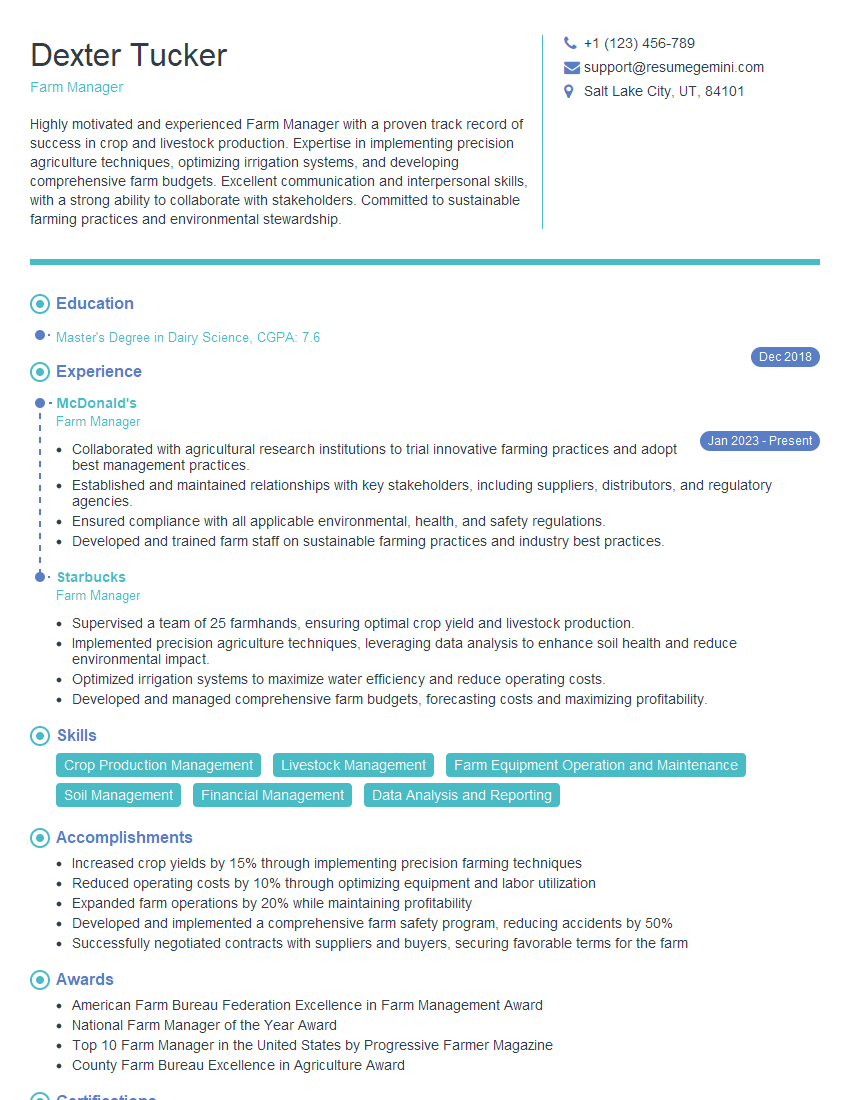
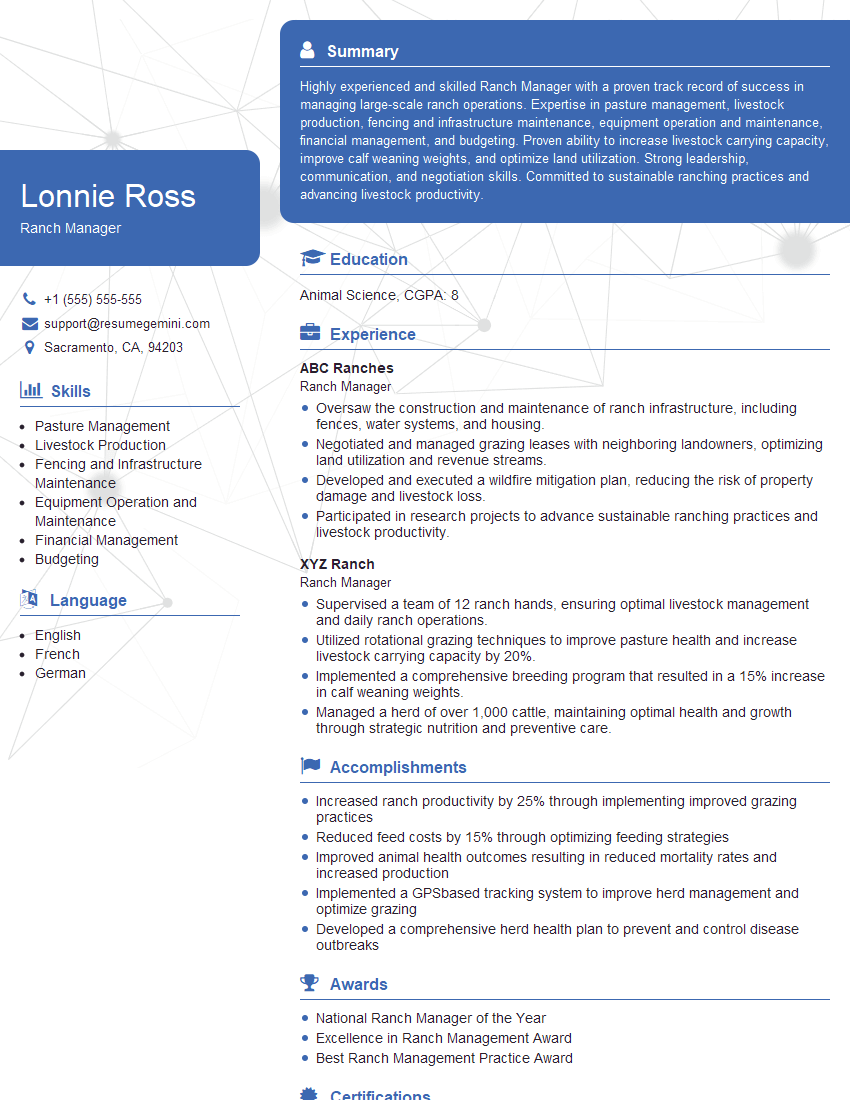
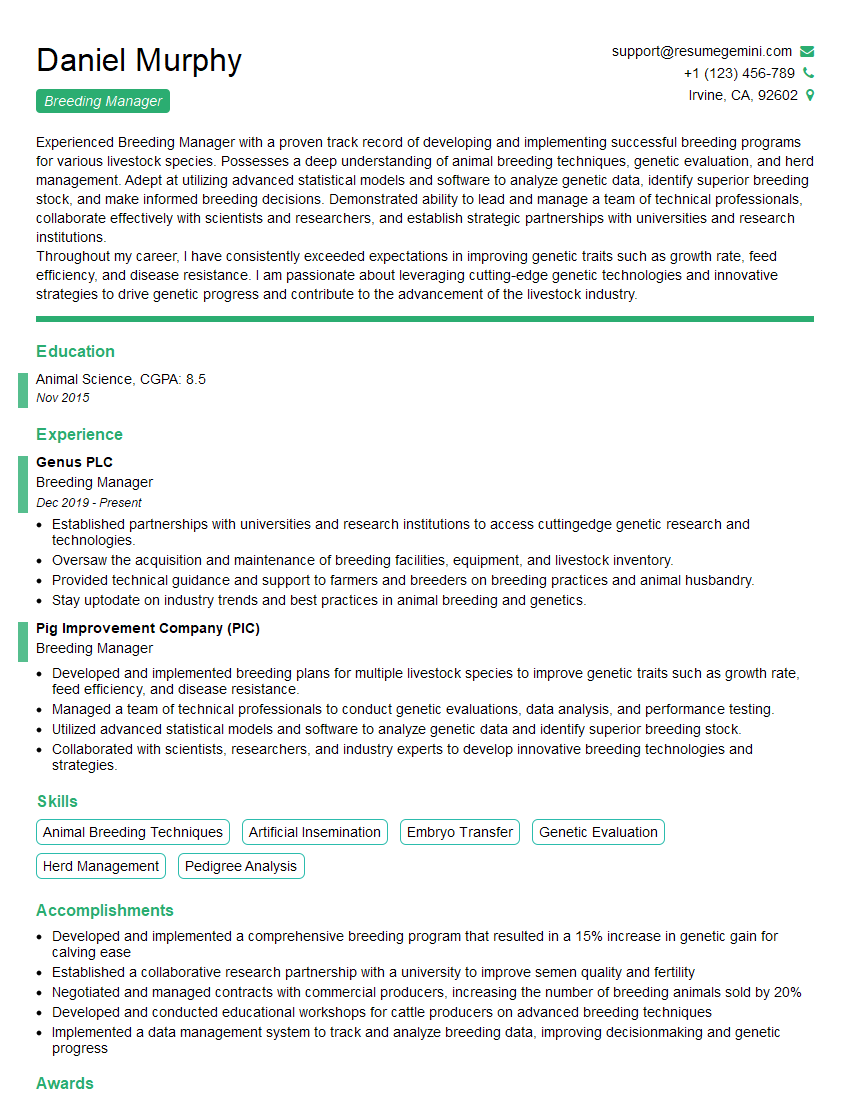
Mastering Artificial Insemination is key to advancing your career in herd management and breeding operations. It demonstrates valuable skills and knowledge sought after by employers. To maximize your job prospects, create a strong, ATS-friendly resume that highlights your skills and experience. ResumeGemini is a trusted resource to help you build a professional and effective resume. Examples of resumes tailored to Artificial Insemination roles in herd management are available, providing you with a valuable template to work from.
Explore more articles
Users Rating of Our Blogs
Share Your Experience
We value your feedback! Please rate our content and share your thoughts (optional).
What Readers Say About Our Blog
Very informative content, great job.
good