Unlock your full potential by mastering the most common Artist Liaison interview questions. This blog offers a deep dive into the critical topics, ensuring you’re not only prepared to answer but to excel. With these insights, you’ll approach your interview with clarity and confidence.
Questions Asked in Artist Liaison Interview
Q 1. Describe your experience managing artist contracts and agreements.
Managing artist contracts and agreements is crucial for ensuring a smooth and legally sound working relationship. It involves a deep understanding of contract law and the specific needs of both the artist and the organization. My process typically begins with a thorough review of the artist’s proposal, outlining their scope of work, deliverables, and desired compensation. I then draft or review a contract that clearly defines these aspects, including payment schedules, usage rights, intellectual property ownership, and any potential liabilities. I always ensure the contract is fair, equitable, and protects both parties’ interests. For example, I recently negotiated a contract for a muralist where we clearly defined the project timeline, payment milestones tied to completion stages, and the artist’s rights to reproduce images of the completed mural for their portfolio. This detailed approach minimized misunderstandings and ensured a successful project.
- Negotiation: I actively negotiate terms with artists to reach mutually agreeable solutions.
- Risk Management: I identify potential risks and incorporate clauses to mitigate them.
- Legal Review: I collaborate with legal counsel, if necessary, to ensure compliance and best practices.
Q 2. How do you handle conflict resolution between artists and other stakeholders?
Conflict resolution requires a diplomatic and empathetic approach. My strategy involves active listening to understand each party’s perspective, fostering open communication, and identifying the root cause of the conflict. I facilitate discussions, encouraging collaborative problem-solving, and strive to find a solution that respects everyone’s concerns. For instance, I once mediated a dispute between an artist and a curator regarding the placement of a sculpture in an exhibition. By facilitating a dialogue, I helped them understand each other’s viewpoints – the curator’s concern about space limitations and the artist’s desire for optimal visibility. This led to a mutually acceptable compromise, resulting in a slightly adjusted placement.
- Mediation: I act as a neutral facilitator, guiding parties to find common ground.
- Compromise: I help parties find mutually acceptable solutions.
- Documentation: I keep detailed records of all discussions and agreements to avoid future misunderstandings.
Q 3. Explain your process for coordinating logistics for art exhibitions or events.
Coordinating logistics for art exhibitions or events involves meticulous planning and attention to detail. My process typically starts with a detailed timeline, outlining all tasks and deadlines. I then manage venue booking, transportation of artworks (including insurance and appropriate handling), catering, security, marketing materials, and artist hospitality. I also coordinate with other stakeholders, such as curators, technicians, and security personnel, to ensure all elements run smoothly. For a recent large-scale sculpture exhibition, I managed the transport of several oversized pieces, coordinating with specialized carriers, obtaining necessary permits, and ensuring the artwork’s safe arrival and installation. This required precise scheduling and communication with multiple teams.
- Timeline Development: Creating detailed schedules with clear deadlines for all tasks.
- Vendor Management: Coordinating with various vendors, such as caterers, transportation companies, and security firms.
- Risk Assessment: Identifying potential logistical issues and developing contingency plans.
Q 4. What strategies do you employ for effective communication with artists of diverse backgrounds?
Effective communication with artists of diverse backgrounds requires cultural sensitivity and adaptability. I prioritize active listening, clear and concise language, and employing various communication channels tailored to individual preferences. For artists who prefer visual communication, I might use imagery or presentations. For those who prefer written communication, I will utilize detailed email correspondence. I also try to learn about the artists’ cultural backgrounds to ensure respectful and appropriate interactions. For example, understanding the importance of face-to-face communication in some cultures might necessitate more in-person meetings versus reliance on email alone. Building trust and respect through genuine engagement is key.
- Language Accessibility: Using translators or interpreters when needed.
- Cultural Sensitivity: Showing awareness and respect for diverse cultural norms.
- Adaptive Communication: Tailoring communication styles to individual preferences.
Q 5. How do you build and maintain strong relationships with artists?
Building and maintaining strong relationships with artists is paramount. It’s built on trust, respect, and consistent, clear communication. I prioritize open and honest dialogue, actively listening to the artist’s needs and concerns, and providing consistent feedback. I also celebrate their successes and offer support during challenges. Building personal connections, beyond the professional context, often helps foster deeper, more trusting relationships. For example, I regularly attend artists’ openings and exhibitions to show my support. This consistent engagement, coupled with effective project management, strengthens artist relationships, leading to long-term collaborations and mutual success.
- Open Communication: Maintaining consistent and transparent communication.
- Respectful Collaboration: Valuing the artist’s input and creative process.
- Relationship Building: Engaging with artists on a personal level, beyond project discussions.
Q 6. Describe your experience with budget management related to artist projects.
Budget management for artist projects requires careful planning and tracking. I begin by creating a detailed budget, outlining all anticipated expenses, such as artist fees, materials, venue rental, marketing, and administrative costs. I then track expenses meticulously, ensuring all payments are authorized and within budget. Regular budget reviews help identify potential overspending and allow for adjustments. For a recent project, I used a spreadsheet to track all project expenses, providing clear updates to the stakeholders. This proactive approach ensured we stayed within budget and successfully managed the financial aspects of the project.
- Budget Creation: Developing a detailed budget that accounts for all anticipated expenses.
- Expense Tracking: Maintaining accurate records of all expenditures.
- Financial Reporting: Providing regular budget updates to stakeholders.
Q 7. How do you prioritize competing demands and deadlines in a fast-paced environment?
Prioritizing competing demands and deadlines in a fast-paced environment necessitates effective time management and organizational skills. I use project management tools to track tasks, deadlines, and responsibilities. I prioritize tasks based on urgency and importance, focusing on high-impact activities first. I also employ techniques like time blocking and delegation to manage my workload effectively. For example, I might utilize a Kanban board to visualize tasks and their progress, allowing for quick identification of bottlenecks and adjustments to timelines. This approach ensures that critical tasks are completed on time, even in demanding circumstances.
- Project Management Tools: Utilizing tools to track tasks, deadlines, and responsibilities.
- Prioritization: Identifying and focusing on high-impact activities.
- Delegation: Assigning tasks to other team members where appropriate.
Q 8. How familiar are you with copyright laws and intellectual property rights related to art?
Copyright law and intellectual property rights are foundational to my work as an Artist Liaison. I have a thorough understanding of the complexities surrounding copyright ownership, licensing agreements, usage rights, and the moral rights of artists. This includes knowing the differences between copyright for physical artwork, digital artwork, and derivative works. I’m familiar with various licensing models, such as exclusive rights, non-exclusive rights, and limited-use licenses, and I ensure that all agreements clearly outline these terms to protect both the artist and the client.
For example, I recently negotiated a licensing agreement for a client who wanted to use a painting in a large-scale advertising campaign. I worked closely with the artist to ensure the agreement included fair compensation, clearly defined usage rights (including geographical limitations and the duration of the license), and appropriate credit attribution. This meticulous approach avoids potential legal disputes and fosters strong artist-client relationships.
Q 9. Explain your experience with artist promotion and marketing strategies.
Artist promotion and marketing are crucial aspects of my role. My strategies are tailored to each artist’s individual style, target audience, and career goals. I employ a multifaceted approach that may include building a strong online presence through a professional website and social media engagement, creating high-quality promotional materials (e.g., artist statements, press kits), and actively seeking out exhibition opportunities, gallery representation, or participation in art fairs.
For instance, I recently helped a young sculptor gain significant online visibility by creating a captivating website showcasing their unique pieces, and then implementing a targeted social media marketing campaign focused on relevant art communities and collectors. This resulted in a substantial increase in their online following and several significant commission offers. I also believe in leveraging PR and press releases to generate media coverage and build their reputation.
Q 10. How do you ensure the ethical treatment and fair compensation of artists?
Ethical treatment and fair compensation are paramount. My process begins with establishing clear and transparent contracts that outline project scope, deadlines, payment schedules (including potential bonuses or royalties), and intellectual property ownership. I always advocate for artists to receive a fair share of profits, and I actively negotiate to ensure they are compensated for their time, expertise, and the value of their creative work. I actively work to create a collaborative and supportive environment where artists feel valued and respected.
In one case, I identified an unfair payment structure proposed by a client to an artist. I successfully negotiated a revised contract that significantly increased the artist’s compensation while still meeting the client’s budget needs. This exemplifies my commitment to fostering ethical and fair practices within the art world.
Q 11. Describe your experience with artist selection processes.
Artist selection depends heavily on the project’s specific requirements. The process often involves reviewing portfolios, artist statements, and previous works to ensure alignment with the project’s aesthetic vision and the client’s expectations. I also consider factors such as the artist’s availability, experience, professional reputation, and communication skills. This may involve an initial screening process followed by interviews or presentations to further assess their suitability.
For a recent mural project, I shortlisted artists based on their experience with large-scale public art projects and their unique artistic styles. I then interviewed the shortlisted candidates to evaluate their understanding of the project brief, their collaborative approach, and their ability to meet deadlines.
Q 12. How do you navigate challenges related to artist availability and scheduling?
Artist availability and scheduling can be challenging. My approach involves proactively managing artist calendars, identifying potential scheduling conflicts early on, and developing contingency plans. This includes using scheduling tools and maintaining open communication with both artists and clients to manage expectations and adapt to unforeseen circumstances. Transparent communication is key to navigating these complexities.
When an artist’s schedule unexpectedly changed, I swiftly communicated with the client, explored alternative solutions, such as adjusting the project timeline or finding a suitable substitute artist, ensuring minimal disruption to the project.
Q 13. How do you handle sensitive situations involving artist feedback or critiques?
Handling sensitive situations requires tact, empathy, and strong communication skills. When dealing with artist feedback or critiques, I create a safe space for open and honest dialogue. I actively listen to the artist’s concerns, facilitate constructive discussions between artists and clients, and strive to find solutions that satisfy all parties. Confidentiality and respect for individual perspectives are maintained throughout this process.
I recently mediated a disagreement between an artist and a client regarding a piece of artwork. By fostering open communication and emphasizing the value of both perspectives, I guided them towards a mutually satisfactory resolution.
Q 14. How do you utilize technology to enhance communication and collaboration with artists?
Technology plays a significant role in enhancing communication and collaboration. I utilize project management software for efficient task tracking and deadline management. We rely heavily on video conferencing tools for virtual meetings and discussions, facilitating real-time feedback and collaboration even across geographical boundaries. Cloud storage platforms streamline the sharing and storage of high-resolution artwork files and project documents.
For example, I used a cloud-based platform to facilitate a collaborative mural project with artists across different states. This allowed for seamless file sharing, real-time feedback on artwork drafts, and transparent communication throughout the project lifecycle.
Q 15. Explain your experience working with diverse art forms and mediums.
My experience spans a wide range of art forms and mediums, from traditional painting and sculpture to digital art, performance art, and installation pieces. I’ve worked with artists using diverse materials like clay, wood, metal, textiles, video, sound, and even interactive technologies. This breadth of experience allows me to understand the unique challenges and opportunities presented by each medium and to effectively communicate with artists across disciplines.
For example, I recently collaborated with a sculptor working with large-scale installations. Understanding the logistical complexities of transporting and installing such pieces required a different approach than my work with a digital artist creating interactive animations. In both cases, however, the core principles of communication, project management, and risk mitigation remained the same. Adaptability is key.
Another example is working with performance artists, where the process often involves more than just the final performance itself. It includes securing venues, coordinating rehearsals, managing costumes and props, and collaborating with other artists or technicians, all while being mindful of the artistic vision. I am comfortable navigating these different contexts and adapting my skills accordingly.
Career Expert Tips:
- Ace those interviews! Prepare effectively by reviewing the Top 50 Most Common Interview Questions on ResumeGemini.
- Navigate your job search with confidence! Explore a wide range of Career Tips on ResumeGemini. Learn about common challenges and recommendations to overcome them.
- Craft the perfect resume! Master the Art of Resume Writing with ResumeGemini’s guide. Showcase your unique qualifications and achievements effectively.
- Don’t miss out on holiday savings! Build your dream resume with ResumeGemini’s ATS optimized templates.
Q 16. How do you track artist progress and deliverables on various projects?
Tracking artist progress and deliverables involves a multi-faceted approach that balances flexibility with accountability. I utilize a combination of project management tools and personalized communication strategies.
- Project Management Software: I typically employ tools like Asana or Trello to create project timelines, assign tasks, and track progress visually. These platforms allow for easy sharing of updates and documentation between myself, the artist, and other stakeholders.
- Regular Check-ins: Consistent communication is crucial. I schedule regular meetings with artists to discuss progress, address any challenges, and ensure alignment with project goals. The frequency of these meetings depends on the complexity and timeline of the project.
- Documentation: Maintaining meticulous records of deliverables, revisions, and communication is essential. This includes email correspondence, meeting minutes, and any formal agreements or contracts.
- Progress Reports: Depending on project requirements, I might prepare formal progress reports that summarize key achievements, remaining tasks, and any potential issues.
This combined approach ensures that projects stay on track while allowing for the necessary creative freedom that artists need. I always strive to find a balance between structure and adaptability.
Q 17. Describe a time you had to troubleshoot a complex logistical issue during an art event.
During a large-scale outdoor art installation, a sudden storm threatened to damage several delicate sculptures. The original plan involved transporting the pieces back to storage; however, the downpour made this impossible. My quick thinking involved working closely with the venue staff and the artists, we were able to relocate the sculptures temporarily into a nearby covered pavilion. This quick action saved the artwork from significant damage.
The problem wasn’t just logistical; it also involved calming the artists’ anxieties. Open communication and collaboration were key to finding a swift, effective solution under pressure. The experience highlighted the importance of having contingency plans and building strong relationships with all stakeholders involved in an art event.
Q 18. How do you identify and address potential risks associated with artist collaborations?
Identifying and addressing potential risks in artist collaborations requires a proactive and thorough approach. This involves a detailed risk assessment process carried out at the start of each project.
- Contractual Agreements: Clearly defined contracts that outline intellectual property rights, payment schedules, and responsibilities help mitigate disputes and potential legal issues.
- Communication Protocols: Establishing clear communication channels and expectations helps avoid misunderstandings and conflicts.
- Timeline Management: Realistic timelines and milestones help prevent delays and potential budget overruns.
- Artistic Differences: Addressing potential artistic differences or creative disagreements through mediation and open communication is crucial.
- Insurance and Liability: Ensuring adequate insurance coverage for artwork, equipment, and potential injuries minimizes financial risks.
By proactively addressing these potential risks, I ensure that collaborations remain productive and harmonious, ultimately leading to successful outcomes for all involved.
Q 19. How familiar are you with different grant writing and funding opportunities for artists?
I possess a strong understanding of various grant writing and funding opportunities available to artists. My knowledge encompasses both national and local grants, as well as private foundations and corporate sponsorships. I am familiar with the grant application process, including researching suitable funding sources, writing compelling proposals, and managing the post-award reporting requirements.
I’ve assisted artists in securing funding for exhibitions, residencies, and individual projects, tailoring grant applications to align perfectly with the specific needs and goals of each artist and their work. I know where to find resources such as the National Endowment for the Arts, state arts councils, and private foundations.
Q 20. What is your experience with artist portfolio review and evaluation?
My experience with artist portfolio review and evaluation involves understanding both the technical aspects of the artwork and the artistic vision behind it. I approach it from a holistic perspective.
- Technical Proficiency: I evaluate the artist’s technical skills, their mastery of their chosen medium, and the overall quality of their work.
- Artistic Vision: I assess the artist’s unique style, their creative voice, and the overall impact of their art.
- Concept and Execution: I analyze the coherence between the artist’s concept and their execution, ensuring that the final work reflects their intent.
- Professionalism: I consider the artist’s presentation skills and professionalism in their portfolio.
My goal is to provide constructive feedback that helps artists refine their work and enhance their portfolio’s impact. I avoid subjective judgments and focus on objective observations, offering suggestions for improvement.
Q 21. Describe your approach to fostering creativity and innovation in artists’ projects.
Fostering creativity and innovation requires a supportive and encouraging environment. My approach involves a combination of strategic guidance and empowering artists to take creative risks.
- Open Dialogue: I encourage open communication and brainstorming sessions to explore new ideas and approaches.
- Exposure to New Ideas: I facilitate exposure to new techniques, technologies, and artistic trends through workshops, artist talks, and site visits.
- Experimentation: I encourage experimentation and risk-taking, understanding that failure is sometimes a necessary step towards innovation.
- Mentorship: I provide mentorship and constructive feedback that challenges artists to push their boundaries while maintaining their unique style.
- Collaboration: I encourage collaboration with other artists and disciplines, fostering cross-pollination of ideas and perspectives.
Ultimately, my goal is to empower artists to explore their full creative potential and produce innovative and impactful work.
Q 22. How do you ensure the safe handling and transportation of artwork?
Safeguarding artwork during handling and transportation is paramount. It requires a multifaceted approach combining meticulous planning, appropriate materials, and a deep understanding of the artwork’s fragility. My process begins with a thorough assessment of the piece – its size, weight, material composition (is it fragile ceramic, a sturdy bronze sculpture, or a delicate watercolor?), and any specific vulnerabilities.
For instance, a large canvas painting requires sturdy, custom-built crates with climate control to prevent damage from temperature fluctuations and humidity. Smaller, more delicate pieces may need specialized, padded containers and individual cushioning within larger shipping boxes. I always utilize reputable art handlers and shippers with experience in handling sensitive materials. Insurance is another critical aspect; I ensure adequate coverage for the artwork’s full value during transit. Comprehensive documentation, including high-quality photographs before, during, and after transport, provides a crucial record in case of any unforeseen damage.
Furthermore, I always maintain detailed records of the handling process, including the names of individuals involved at each stage, the method of transportation used, and the date and time of each transfer. This meticulous approach ensures accountability and helps to quickly identify any potential issues should they arise.
Q 23. Explain your understanding of artist residency programs.
Artist residency programs provide artists with dedicated studio space, time for creative development, and often funding and mentorship opportunities. They serve as crucial incubators for artistic innovation and growth. My understanding extends beyond simply knowing what they are; I comprehend the various structures and objectives of different residency programs. Some focus on specific disciplines (e.g., photography, sculpture), while others are interdisciplinary. Some emphasize community engagement, while others prioritize individual studio practice. I’m skilled at identifying and recommending suitable residencies for artists based on their individual needs and career goals.
For example, I helped an emerging sculptor secure a residency at a program focused on large-scale installation art, providing them with access to industrial equipment and a dedicated team to help execute their ambitious project. This connection wouldn’t have been possible without a comprehensive understanding of different residency programs and the nuances of each one’s criteria.
Q 24. How do you handle artist performance feedback and provide constructive criticism?
Providing feedback is a delicate balance between honesty and encouragement. My approach is always constructive and focuses on specific aspects of the performance or artwork, rather than making general judgments. I begin by highlighting the artist’s strengths and positive achievements. This creates a positive foundation before addressing areas needing improvement. I use the ‘sandwich method,’ starting with positive feedback, following with constructive criticism (clearly explaining *why* something didn’t work and offering actionable suggestions), and concluding with another layer of positive reinforcement and encouragement.
For example, if an artist’s performance lacks energy, I might say: “Your technical skills are impressive, and I particularly enjoyed the innovative use of lighting in the second act. However, the pacing felt slightly slow in the first half, which could be addressed by adding more dynamic movement during those key scenes. Let’s explore some options for incorporating more physicality to enhance the impact.” Always maintaining a respectful and collaborative tone is crucial in fostering a positive working relationship.
Q 25. Describe your experience with public relations and media outreach for artists.
My experience in public relations and media outreach for artists encompasses a wide range of activities. This includes developing press releases announcing exhibitions, crafting artist biographies and statements, building relationships with journalists and art critics, coordinating interviews, and managing social media presence. I understand the importance of storytelling; I work to craft compelling narratives that highlight the artist’s unique vision and creative process.
For one artist, I developed a comprehensive media strategy that resulted in features in prominent art publications and blogs, leading to a significant increase in exhibition attendance and sales. This involved pitching articles, organizing interviews, and creating visually appealing press kits. I also utilize press monitoring tools to gauge the effectiveness of campaigns and adapt strategies accordingly. The goal is always to increase visibility and connect the artist’s work with the wider audience.
Q 26. What is your process for creating and maintaining artist databases and contact lists?
Maintaining accurate and up-to-date artist databases and contact lists is essential for efficient communication and collaboration. I typically use a combination of dedicated database software (like FileMaker Pro or Airtable) and CRM systems (like Salesforce or HubSpot). These tools allow me to organize information such as contact details, exhibition history, project updates, and contract details. I ensure all data is consistently updated and organized for easy retrieval.
The database is structured logically, with searchable fields for name, contact information, artwork type, and representation status. This helps in efficient filtering and reporting. I use data-driven insights to inform my marketing and communication strategies, allowing for targeted outreach and improved artist support. Regular data cleansing and backups are also part of my routine to maintain data integrity and prevent loss.
Q 27. How would you handle a situation where an artist misses a crucial deadline?
Missing a crucial deadline is a serious matter, requiring a calm and proactive approach. My first step involves immediate communication with the artist to understand the reason for the delay. Open and honest dialogue is key to finding a solution. Depending on the nature of the delay (e.g., unforeseen illness, technical difficulties, or simply poor time management), I might negotiate a revised deadline, offer support (like securing additional assistance), or, in extreme cases, renegotiate the project scope.
Transparency with all stakeholders (gallery owners, curators, etc.) is essential. I would inform them of the situation and the steps taken to address it. It’s about damage control and maintaining trust. Documentation of all communications and agreements is crucial to avoid any future disputes. The goal is to find a mutually agreeable solution that minimizes disruption and maintains the artist’s reputation.
Q 28. How familiar are you with different artist contract types (e.g., commission, royalty, etc.)?
I’m highly familiar with various artist contract types, including commission agreements (where an artist is paid for creating a specific piece), royalty agreements (where the artist receives a percentage of sales), licensing agreements (granting rights to reproduce artwork), and consignment agreements (where the gallery sells the artwork on behalf of the artist). Each contract type has specific legal implications, and I understand the importance of clear, unambiguous language.
I can identify the most appropriate contract type based on a project’s specific circumstances and the artist’s preferences. I know how to navigate negotiations and ensure the contract protects the interests of both the artist and the client. I often work with legal counsel to review and finalize complex contracts, ensuring they comply with all relevant laws and regulations. A thorough understanding of contract law is essential for mitigating risks and ensuring fair and equitable transactions.
Key Topics to Learn for Artist Liaison Interview
- Understanding the Artist’s Vision: Learn to effectively communicate with artists to grasp their creative intent and translate it into actionable plans.
- Project Management & Coordination: Explore practical applications of project management techniques in the context of artist collaborations, including scheduling, budgeting, and resource allocation.
- Contract Negotiation & Legal Aspects: Understand the key elements of artist contracts, intellectual property rights, and best practices for fair and transparent agreements.
- Marketing & Promotion: Develop strategies for effectively marketing and promoting the artist’s work, considering their unique style and target audience.
- Building & Maintaining Relationships: Learn techniques for fostering strong, collaborative relationships with artists, galleries, and other stakeholders.
- Conflict Resolution & Problem-Solving: Explore strategies for effectively addressing challenges and conflicts that may arise during artist collaborations.
- Digital Asset Management & Copyright: Understand best practices for managing digital assets and ensuring compliance with copyright laws.
- Budgeting & Financial Management: Learn how to manage budgets effectively for artist projects, including tracking expenses and revenue.
Next Steps
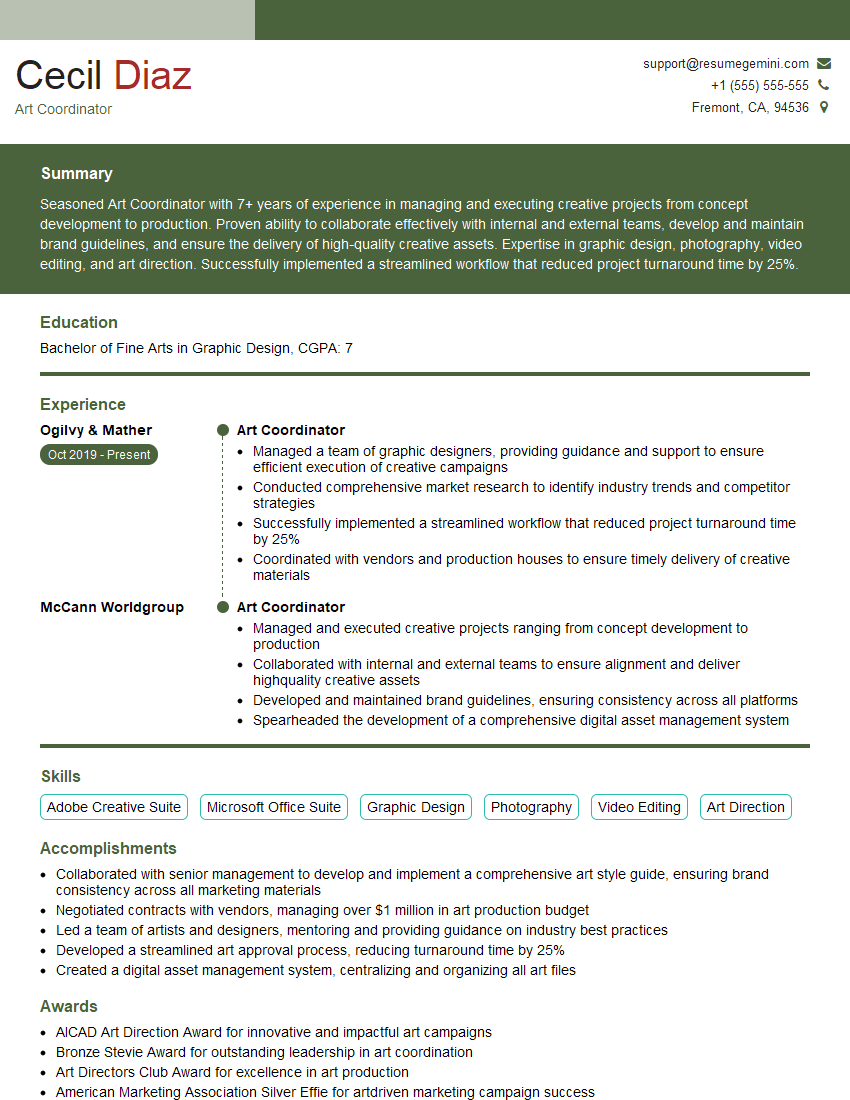
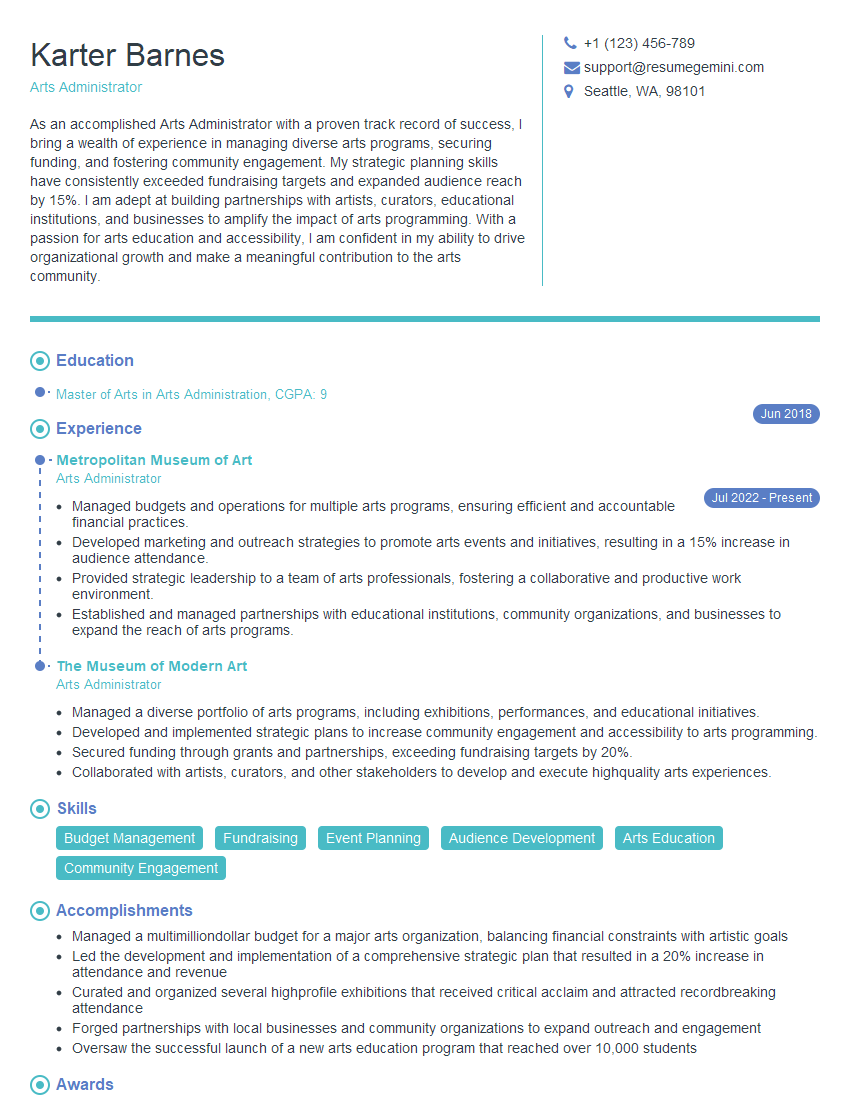
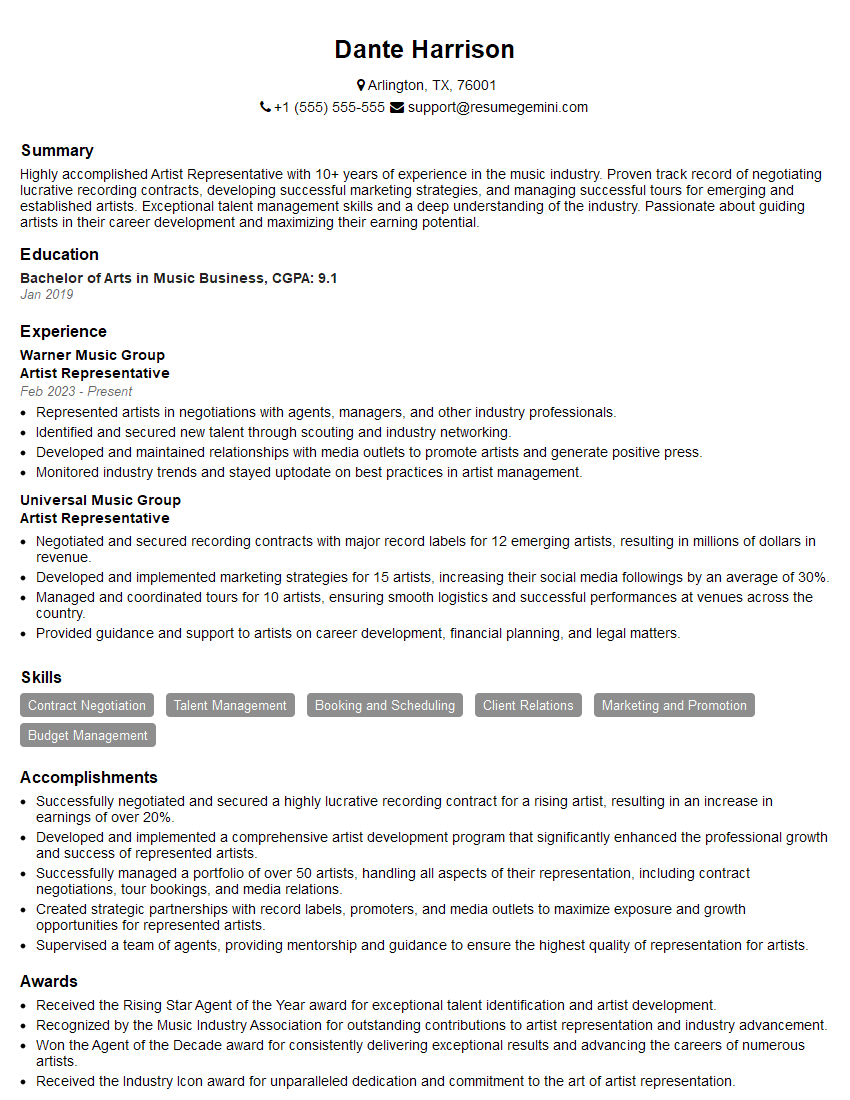
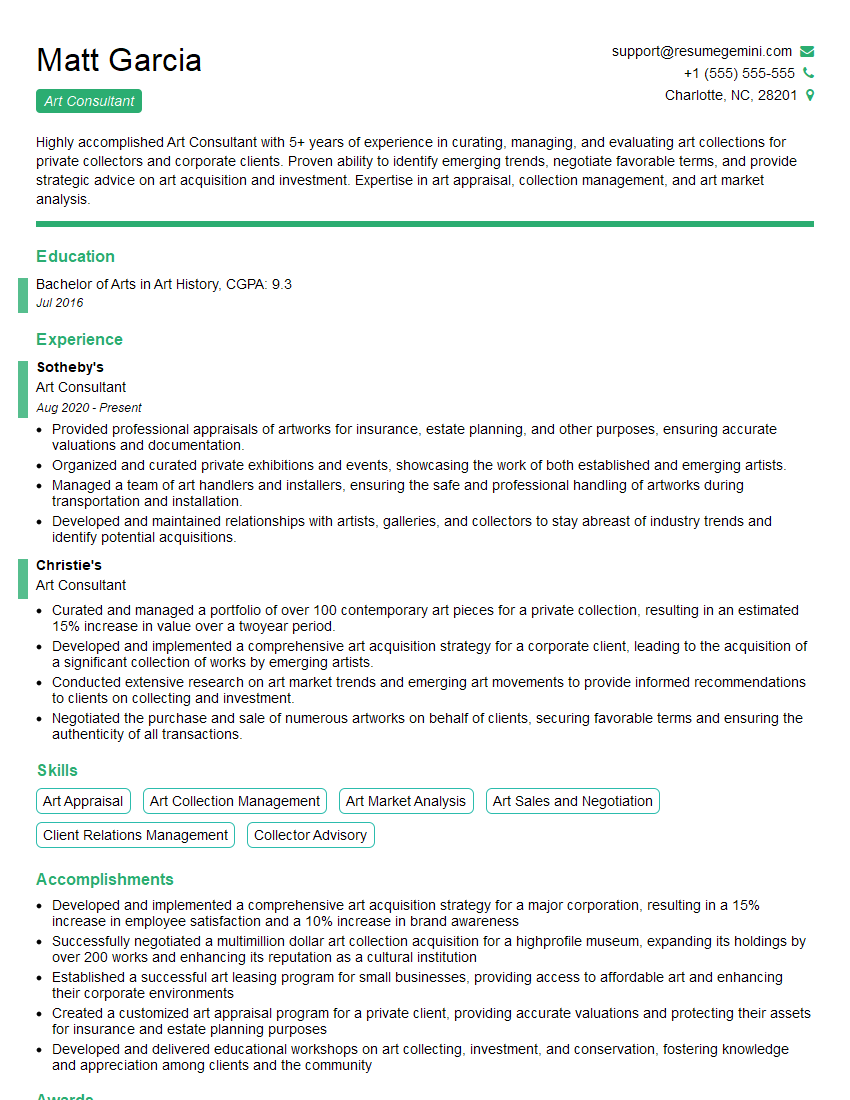
Mastering Artist Liaison skills opens doors to exciting career opportunities in the vibrant creative industries. A strong understanding of these skills demonstrates your ability to collaborate effectively, manage complex projects, and navigate the unique challenges of the art world. To significantly boost your job prospects, creating an ATS-friendly resume is crucial. ResumeGemini is a trusted resource that can help you build a professional and effective resume tailored to highlight your skills and experience. We provide examples of resumes specifically tailored to the Artist Liaison role to help guide you. Invest time in crafting a compelling resume – it’s your first impression on potential employers.
Explore more articles
Users Rating of Our Blogs
Share Your Experience
We value your feedback! Please rate our content and share your thoughts (optional).
What Readers Say About Our Blog
Very informative content, great job.
good