Are you ready to stand out in your next interview? Understanding and preparing for Asbestos Remediation interview questions is a game-changer. In this blog, we’ve compiled key questions and expert advice to help you showcase your skills with confidence and precision. Let’s get started on your journey to acing the interview.
Questions Asked in Asbestos Remediation Interview
Q 1. Describe the different types of asbestos fibers and their associated health risks.
Asbestos is a naturally occurring mineral fiber that was widely used in construction materials due to its strength and fire resistance. However, inhaling asbestos fibers can lead to serious health problems. There are six main types of asbestos fibers, but the most common are chrysotile (white asbestos), amosite (brown asbestos), and crocidolite (blue asbestos). Each poses unique health risks.
- Chrysotile: This is the most common type and generally considered less hazardous than the amphiboles (amosite and crocidolite), although it can still cause lung disease. It’s a serpentine fiber, meaning it has a curly structure which may make it less likely to penetrate deep into the lungs.
- Amosite (brown asbestos): This amphibole fiber is a known carcinogen, strongly linked to mesothelioma (a cancer of the lining of the lungs, abdomen, or heart) and lung cancer. Its straight, needle-like structure allows it to penetrate deeper into lung tissue.
- Crocidolite (blue asbestos): This amphibole is also a highly carcinogenic fiber, considered the most dangerous type. Its needle-like structure and high tensile strength make it especially harmful, contributing significantly to mesothelioma and lung cancer.
- Anthophyllite, Tremolite, and Actinolite: These are less common asbestos types, also amphiboles, and pose significant health risks similar to amosite and crocidolite.
The health risks associated with asbestos exposure are cumulative and can take decades to manifest. These risks include asbestosis (a scarring of the lung tissue), lung cancer, mesothelioma, and pleural plaques (thickening of the lining of the lungs). The severity of the health impact depends on factors like the type of asbestos, the duration and intensity of exposure, and individual susceptibility.
Q 2. Explain the process of asbestos abatement, from initial assessment to final cleanup.
Asbestos abatement is a complex process that requires careful planning and execution by trained professionals. It involves several stages:
- Initial Assessment and Survey: This involves identifying the presence and location of asbestos-containing materials (ACMs) through visual inspection and, if necessary, laboratory analysis of samples. This stage determines the extent of the asbestos problem and helps in developing a safe and effective remediation plan.
- Project Planning and Design: A detailed plan is developed that includes worker protection measures, containment strategies (e.g., using negative pressure enclosures), waste disposal methods, and air monitoring procedures. This phase is crucial for regulatory compliance and worker safety.
- Containment and Preparation: The area containing ACMs is completely sealed off to prevent asbestos fibers from becoming airborne. This may involve erecting negative-pressure enclosures, using plastic sheeting, and sealing all openings.
- Asbestos Removal or Encapsulation/Enclosure: This is the core of the abatement process. Depending on the condition and type of ACMs, the asbestos can be removed completely or treated through encapsulation (sealing the asbestos in place) or enclosure (building a barrier around it). Removal is the preferred method where feasible.
- Waste Disposal: All asbestos-containing waste is properly packaged, labeled, and transported to a licensed disposal facility in accordance with all relevant regulations. This step is critical to prevent environmental contamination.
- Decontamination and Cleanup: After the removal or treatment is complete, the area is thoroughly cleaned and decontaminated to ensure no asbestos fibers remain. This includes air monitoring to confirm air quality is safe.
- Air Monitoring and Clearance: Air monitoring is performed throughout the abatement process and especially at the end to verify that fiber levels are below regulatory limits. This clearance allows for the safe re-occupancy of the space.
- Post-Abatement Survey: A final survey often confirms that the abatement was successful and the area is safe.
Each project is unique, and the specific steps may vary depending on the type and location of ACMs, the size of the project, and local regulations.
Q 3. What are the legal requirements and regulations surrounding asbestos handling and disposal in your region?
Legal requirements and regulations surrounding asbestos handling and disposal vary by region (nation, state/province, etc.). However, common elements include:
- Licensing and Accreditation: Asbestos abatement contractors usually need to be licensed and their workers trained and certified to work with asbestos.
- Notification Requirements: There are often regulations requiring notification of relevant authorities before beginning asbestos abatement work, particularly for larger projects.
- Permits: Permits may be required for asbestos removal or remediation activities.
- Waste Disposal Regulations: Stringent regulations govern the transportation and disposal of asbestos-containing waste. This usually includes specific packaging, labeling, and transportation methods to prevent fiber release.
- Air Monitoring Standards: Specific standards define acceptable airborne asbestos fiber concentrations during and after abatement.
- Worker Protection Standards: Detailed regulations protect asbestos workers through specific PPE requirements, training, medical monitoring, and safety procedures. These are essential to minimize worker exposure and the associated health risks.
It is crucial to consult the specific regulatory agencies in your area to ensure full compliance with all applicable laws and regulations. Failure to comply can lead to significant penalties and legal repercussions.
Q 4. Detail the various methods used for asbestos removal and remediation.
Several methods are used for asbestos removal and remediation, chosen based on the type of ACM, its condition, location, and project specifics:
- Enclosure/Encapsulation: This involves sealing asbestos-containing materials in place, preventing fiber release. This is often preferred for materials in good condition that are not easily accessible or removable.
- Removal: This method involves the complete removal of asbestos-containing materials. This is a more labor-intensive and costly process, but it’s the most effective way to eliminate the risk entirely. It’s frequently used for damaged or deteriorated ACMs.
- Abatement in Place: This involves removing only the affected portion of the material, leaving the rest in place. This is a cost-effective approach that reduces disruption but requires careful consideration to ensure the remaining material is stable.
- Spray-on Fireproofing Removal: This involves the careful removal of asbestos-containing spray-on fireproofing materials, often requiring specialized techniques and equipment.
The selection of the best method requires a thorough risk assessment and should be carried out by experienced professionals familiar with all available techniques and their limitations.
Q 5. How do you ensure worker safety during asbestos removal projects?
Ensuring worker safety during asbestos removal projects is paramount. This involves a multi-pronged approach:
- Comprehensive Training and Certification: Workers must undergo extensive training on asbestos handling procedures, safety precautions, and emergency response protocols. Certification from recognized training organizations is a necessity.
- Strict Adherence to Safety Protocols: Detailed safety protocols must be strictly adhered to throughout the project. This includes proper use of PPE, work practices to minimize fiber release, and regular air monitoring.
- Proper Planning and Supervision: Careful planning and on-site supervision are vital to ensure all safety measures are implemented effectively. A site supervisor should be present at all times.
- Medical Surveillance: Periodic medical examinations, including chest X-rays and lung function tests, are crucial to monitor workers’ health and detect any early signs of asbestos-related diseases.
- Emergency Procedures: Clearly defined emergency procedures and access to appropriate emergency equipment are necessary to handle any incidents effectively and safely.
- Decontamination Procedures: A strict decontamination process is essential to ensure that workers leave the site without carrying asbestos fibers on their clothing or equipment.
By meticulously following these safety measures, the risks of asbestos-related diseases for workers can be significantly reduced.
Q 6. What personal protective equipment (PPE) is required for asbestos handling?
Personal Protective Equipment (PPE) is crucial in asbestos handling. The specific PPE will depend on the task and the potential for exposure, but typically includes:
- Disposable Coveralls: Completely encapsulating coveralls are essential to protect the skin from asbestos fibers.
- Respirators: High-efficiency particulate air (HEPA) respirators are mandatory to protect the respiratory system from inhaling asbestos fibers. Respirator fit testing is essential to ensure proper seal and protection.
- Gloves: Heavy-duty gloves provide protection for the hands.
- Head and Foot Coverings: Protective hoods, boots, and shoe covers prevent asbestos fibers from contaminating the hair and footwear.
- Eye Protection: Safety glasses or goggles protect the eyes from dust and debris.
All PPE must be carefully inspected before use, and it is essential to follow proper donning and doffing procedures to prevent cross-contamination.
Q 7. Explain the importance of air monitoring during asbestos abatement.
Air monitoring during asbestos abatement is critical for worker safety and regulatory compliance. It involves taking air samples to measure the concentration of asbestos fibers in the air. This helps to:
- Assess Exposure Levels: Air monitoring helps determine the level of asbestos fiber exposure for workers and ensures that it remains within permissible limits defined by regulatory agencies.
- Monitor Effectiveness of Containment: The data provides information on how effectively the containment measures are working to prevent the release of asbestos fibers into the surrounding areas.
- Verify Clearance: Air monitoring is essential to confirm that the asbestos abatement work has been successful and the area is safe for re-occupancy once fiber levels fall below the regulatory limits. This often requires multiple air samples to be taken from various locations within the space.
- Guide Remediation Strategies: Real-time air monitoring might inform decisions during the abatement process allowing for immediate adjustments to improve safety and efficiency.
Air monitoring is conducted using specialized equipment such as phase-contrast microscopy (PCM) or transmission electron microscopy (TEM) to analyze air samples for asbestos fiber concentrations.
Q 8. How do you interpret air monitoring results and what actions do you take based on those results?
Interpreting air monitoring results during asbestos remediation is crucial for ensuring worker safety and regulatory compliance. The results, typically expressed as fibers per cubic centimeter (f/cc), are compared against established regulatory limits, such as those set by OSHA or local agencies. A result exceeding these limits indicates airborne asbestos fibers are present at levels that pose a health risk.
Actionable Steps:
- Low Levels (Below Regulatory Limits): While below the limit, we document the results and continue monitoring to ensure levels remain low. We may adjust work practices slightly to minimize fiber release.
- Elevated Levels (Above Regulatory Limits): Immediate action is required. We first identify the source of the elevated levels – perhaps a damaged material or inadequate containment. Then, we implement corrective measures such as improving containment, increasing ventilation, or adjusting work practices. Workers may need to evacuate the area until levels are reduced. Further air monitoring is conducted to verify the effectiveness of the corrective actions. Depending on the severity and duration, the project might need to be temporarily halted. The data is meticulously recorded and reported to the relevant authorities.
- Zero Levels (Negative Results): While ideal, we always maintain a cautious approach, double-checking the sampling and analysis processes to rule out any issues. We continue rigorous monitoring throughout the project to proactively identify and prevent any potential asbestos release.
For example, on a recent project involving asbestos abatement in a school, initial air monitoring revealed elevated levels in a classroom. After sealing the affected area, implementing HEPA vacuuming, and increasing ventilation, subsequent monitoring showed levels had decreased significantly below the regulatory limit, allowing work to resume safely.
Q 9. Describe your experience with asbestos project management and scheduling.
My experience in asbestos project management and scheduling encompasses the entire project lifecycle, from initial assessment and planning through to final waste disposal. I utilize project management software to create detailed schedules, accounting for all necessary steps – asbestos identification, containment, abatement, air monitoring, decontamination, and waste disposal. Critical path analysis helps identify potential delays and allows for proactive mitigation.
Key Aspects of my approach:
- Detailed Planning: This involves a thorough site survey, detailed risk assessment, preparation of a comprehensive abatement plan, and securing all necessary permits and approvals.
- Resource Allocation: This includes assigning skilled and appropriately trained personnel, selecting appropriate equipment and materials, and managing subcontractors effectively.
- Budget Management: This requires close monitoring of expenditures against the approved budget, proactively addressing any cost overruns or potential delays.
- Communication: This involves maintaining open communication with clients, contractors, and regulatory bodies, ensuring everyone is informed of progress, challenges, and changes to the project plan.
- Regulatory Compliance: This involves meticulous adherence to all applicable environmental, health, and safety regulations and documentation of all project activities.
For instance, on a large-scale demolition project, I successfully managed the asbestos remediation phase, completing it ahead of schedule and under budget by effectively coordinating the efforts of multiple teams and utilizing advanced scheduling techniques.
Q 10. What are the common challenges you encounter during asbestos remediation projects?
Asbestos remediation projects present various challenges. These can range from logistical hurdles to unexpected discoveries and regulatory complexities. Some of the most common difficulties include:
- Unexpected Asbestos: Discovering asbestos-containing materials (ACM) that were not identified during the initial survey significantly impacts project timelines and budgets.
- Difficult Access: Reaching and removing asbestos in hard-to-access areas (e.g., tight spaces, high ceilings) can be challenging and time-consuming, requiring specialized equipment and skilled workers.
- Weather Delays: Outdoor remediation work can be significantly impacted by inclement weather, leading to delays and potential cost overruns.
- Regulatory Compliance: Navigating and adhering to various local, state, and federal regulations can be complex and require specialized knowledge.
- Waste Disposal: Proper disposal of asbestos waste according to regulations can be costly and logistically demanding.
- Worker Safety: Ensuring the safety of workers handling asbestos is paramount and demands rigorous adherence to safety protocols, training, and monitoring.
For example, during a renovation of a historic building, we encountered unexpected asbestos in areas that weren’t initially identified. Adapting the project plan, securing additional permits, and coordinating with regulatory bodies allowed us to overcome this challenge and complete the remediation safely and effectively.
Q 11. How do you manage unexpected asbestos discoveries during demolition or renovation projects?
Unexpected asbestos discoveries during demolition or renovation are a serious concern. My response follows a clear protocol:
- Immediate Stop Work: Work in the immediate vicinity of the discovery is halted immediately to prevent further disturbance and potential fiber release.
- Isolate the Area: The area containing the suspected ACM is immediately isolated using appropriate containment measures, such as plastic sheeting and containment tape.
- Air Monitoring: Air monitoring is conducted to determine airborne asbestos fiber levels.
- Material Identification: A sample of the suspected material is taken for laboratory analysis to confirm the presence and type of asbestos.
- Revise the Project Plan: Once the analysis confirms the presence of asbestos, the project plan is revised to incorporate the necessary remediation activities.
- Notify Relevant Parties: All stakeholders, including the client, regulatory agencies, and the project team, are informed about the discovery and the revised plan.
- Implement Remediation: The appropriate remediation techniques, such as encapsulation or removal, are implemented according to established safety protocols and regulatory requirements.
For example, during a demolition project, we discovered asbestos-containing pipe insulation that was not indicated in the initial survey. By immediately following this protocol, we prevented a significant asbestos release and successfully remediated the area, minimizing disruption to the project schedule and ensuring worker safety.
Q 12. What is your experience with asbestos disposal procedures and regulations?
My experience with asbestos disposal procedures and regulations is extensive. I’m well-versed in all aspects of asbestos waste management, from packaging and labeling to transportation and disposal at licensed facilities. Compliance with regulations, like those set by the EPA and local agencies, is paramount.
Key aspects of my experience:
- Proper Packaging and Labeling: Asbestos waste must be packaged in leak-proof containers that are clearly labeled to indicate the contents (e.g., asbestos-containing material, type of asbestos, date, location).
- Transportation: Transportation of asbestos waste requires specialized vehicles and adherence to strict transportation regulations. Documentation is crucial throughout the process.
- Disposal at Licensed Facilities: Asbestos waste must be disposed of at licensed landfills equipped to handle hazardous waste. I ensure that all documentation is accurate and complete.
- Chain of Custody: Maintaining a complete chain of custody from removal to disposal ensures accountability and compliance.
I’ve managed numerous projects involving large volumes of asbestos waste, always adhering to stringent regulations and ensuring responsible environmental disposal. Maintaining accurate and detailed records is fundamental to demonstrating compliance.
Q 13. Explain the importance of asbestos waste management and disposal.
Asbestos waste management and disposal are critical for protecting human health and the environment. Asbestos fibers are carcinogenic, and improper disposal can lead to significant environmental contamination and long-term health risks. Effective management is essential for several reasons:
- Protecting Human Health: Preventing exposure to airborne asbestos fibers is vital in reducing the risk of asbestos-related diseases like mesothelioma, lung cancer, and asbestosis.
- Environmental Protection: Improper disposal can contaminate soil and water sources, posing long-term environmental risks.
- Regulatory Compliance: Adhering to stringent regulations ensures accountability and minimizes potential environmental and health impacts.
- Cost-Effectiveness: While proper disposal can be costly upfront, the long-term costs associated with environmental remediation and health problems from improper disposal far outweigh the initial investment.
Imagine a scenario where asbestos waste is disposed of improperly in a landfill. The fibers can be released into the air or water, leading to potential health problems for people in the surrounding community and long-term environmental damage requiring expensive remediation. Proper disposal minimizes these risks.
Q 14. How do you ensure compliance with all relevant safety and environmental regulations?
Ensuring compliance with all relevant safety and environmental regulations is an integral part of every asbestos remediation project. This requires a multi-faceted approach:
- Thorough Training: All personnel involved in asbestos remediation, from project managers to abatement workers, receive comprehensive training on asbestos-related safety procedures, regulatory requirements, and the use of personal protective equipment (PPE).
- Pre-Abatement Surveys: Detailed pre-abatement surveys accurately identify all ACMs, allowing for effective planning and minimizing surprises.
- Permitting and Notifications: Securing all necessary permits and notifications from relevant regulatory agencies is essential before starting any abatement work.
- Air Monitoring: Regular air monitoring during and after abatement helps ensure compliance with regulatory exposure limits and worker safety.
- Documentation: Meticulous documentation of all project activities, including air monitoring results, waste disposal records, and worker training, is crucial for demonstrating compliance.
- Regular Inspections: Regular inspections by qualified professionals help ensure adherence to safety standards and regulatory requirements throughout the project.
- Waste Management: Following strict protocols for asbestos waste management and disposal ensures environmental protection and minimizes health risks.
We use a comprehensive checklist and utilize project management software to track compliance throughout each project. This detailed approach minimizes risks and ensures we meet all regulatory requirements.
Q 15. Describe your experience with developing and implementing asbestos management plans.
Developing and implementing asbestos management plans is a crucial first step in any project involving potential asbestos-containing materials (ACMs). It involves a thorough assessment of the site, identification of ACMs, risk assessment, and the creation of a detailed plan for managing or remediating the identified materials.
My experience spans numerous projects, from small residential renovations to large-scale commercial demolition. For instance, I recently led the development of a comprehensive management plan for a school renovation. This involved a detailed survey to locate all potential ACMs, including pipe insulation, floor tiles, and ceiling textures. We then categorized these materials based on their condition and the potential for fiber release. The plan included specific procedures for handling the materials during the renovation, worker protection measures (like air monitoring and respiratory protection), and disposal protocols. It also detailed emergency procedures and post-remediation clearance testing.
I utilize a structured approach which includes:
- Preliminary Site Survey and Assessment: A visual inspection to identify potential ACMs.
- Bulk Sample Analysis: Laboratory testing to confirm the presence and type of asbestos.
- Risk Assessment: Evaluation of the likelihood of asbestos fiber release and potential health impacts.
- Management Plan Development: A detailed document outlining strategies for managing or removing asbestos.
- Implementation and Monitoring: Overseeing the remediation work and ensuring compliance.
- Post-Remediation Clearance Testing: Verifying that asbestos levels are within acceptable limits after remediation.
Career Expert Tips:
- Ace those interviews! Prepare effectively by reviewing the Top 50 Most Common Interview Questions on ResumeGemini.
- Navigate your job search with confidence! Explore a wide range of Career Tips on ResumeGemini. Learn about common challenges and recommendations to overcome them.
- Craft the perfect resume! Master the Art of Resume Writing with ResumeGemini’s guide. Showcase your unique qualifications and achievements effectively.
- Don’t miss out on holiday savings! Build your dream resume with ResumeGemini’s ATS optimized templates.
Q 16. How do you handle potential conflicts or disagreements among project stakeholders?
Stakeholder conflicts are inevitable in complex projects. My approach focuses on proactive communication and collaborative problem-solving. I begin by establishing clear lines of communication and regular meetings with all stakeholders – owners, contractors, regulatory bodies, and workers. This ensures everyone is informed and understands their roles and responsibilities.
When disagreements arise, I facilitate open discussions to identify the root causes. I encourage each party to express their concerns and perspectives. I then work to find mutually agreeable solutions, often by leveraging my technical expertise to provide clear, data-driven explanations. For example, if a contractor pushes back on a specified remediation technique due to cost, I might demonstrate how a slightly more expensive but safer method minimizes potential liabilities and long-term costs.
My approach often incorporates the following strategies:
- Mediation: Acting as a neutral party to facilitate discussions and find common ground.
- Conflict Resolution Techniques: Using techniques like active listening and compromise to reach solutions.
- Documentation: Thoroughly documenting all decisions and agreements to avoid future misunderstandings.
Ultimately, the goal is to ensure the project proceeds safely and efficiently while respecting the concerns of all parties.
Q 17. What are your strategies for managing asbestos remediation projects within budget and timelines?
Managing asbestos remediation projects within budget and timelines requires meticulous planning and execution. I use a combination of strategies, beginning with accurate budgeting based on detailed assessments and realistic cost estimates. This isn’t simply about the cost of abatement itself, it also includes the costs of inspections, sampling, permits, disposal, worker protection, and post-abatement air monitoring.
I utilize project management software to track progress, manage resources, and identify potential delays. Regular progress meetings with all stakeholders help to address any issues promptly. For example, if a delay occurs due to unexpected asbestos discovery, I immediately assess its impact on the schedule and budget, and develop contingency plans to mitigate any further delays or cost overruns. This might include accelerating certain tasks or re-evaluating the project scope.
Other key strategies include:
- Value Engineering: Exploring alternative methods or materials to reduce costs without compromising safety.
- Risk Management: Identifying potential risks and developing mitigation plans.
- Efficient Scheduling: Optimizing the work sequence to minimize downtime.
- Clear Communication: Maintaining open communication with the project team and stakeholders to address issues proactively.
Q 18. Describe your experience with different asbestos abatement techniques, such as encapsulation and enclosure.
Asbestos abatement techniques aim to minimize the release of asbestos fibers into the air. Two common methods are encapsulation and enclosure.
Encapsulation involves sealing asbestos-containing materials with a sealant to prevent fiber release. This is often used for non-friable materials that are in good condition and unlikely to be disturbed. For example, we might encapsulate asbestos-containing floor tiles that are firmly adhered and not subject to heavy traffic. The sealant choice is critical, ensuring it’s compatible with the ACM and creates a durable, long-lasting barrier.
Enclosure involves completely enclosing asbestos-containing materials within a sealed structure. This is suitable for materials that are difficult or impractical to remove, or when the risk of fiber release is high. For instance, we might enclose asbestos-containing pipes in a building that’s undergoing renovation. The enclosure needs to be airtight, with negative air pressure to prevent fiber migration. This usually involves careful construction, using specialized materials and sealing techniques to maintain integrity.
Other techniques include removal (the most common but requiring stringent safety protocols), and in-situ treatment (using chemical methods to bind asbestos fibers).
Q 19. What are the key differences between friable and non-friable asbestos?
The key difference between friable and non-friable asbestos lies in its physical properties and the potential for fiber release.
Friable asbestos is easily crumbled, pulverized, or reduced to powder by hand pressure. This makes it highly dangerous because it readily releases fibers into the air, posing a significant health risk. Examples include older types of pipe insulation and sprayed-on fireproofing materials.
Non-friable asbestos is not easily crumbled and typically does not release fibers unless physically damaged or disturbed. It’s often bound within a matrix of other materials, like cement or vinyl. Examples include asbestos-cement roofing sheets and floor tiles. While generally less hazardous than friable asbestos, it still requires careful handling to avoid damage and fiber release.
The distinction is crucial in determining appropriate remediation techniques. Friable asbestos necessitates more stringent safety protocols and often requires removal, whereas non-friable materials may be managed using encapsulation or enclosure, depending on their condition and risk assessment.
Q 20. How do you ensure proper documentation and record-keeping throughout an asbestos project?
Proper documentation and record-keeping are paramount in asbestos projects, both for regulatory compliance and to ensure project continuity and accountability. I maintain meticulous records throughout the entire process. This begins with the initial site survey and assessment, including photographic evidence of ACM locations. All sampling results, laboratory reports, and risk assessments are meticulously documented.
The asbestos management plan itself is a central document, and any deviations from the plan are documented with justifications. During the remediation process, I track the activities of workers and contractors, ensuring compliance with safety protocols. All waste materials are documented, with manifests tracking their transportation and disposal to licensed facilities. Post-remediation air monitoring results are compiled, and a clearance report is prepared confirming that asbestos levels are within acceptable limits.
My documentation practices follow all applicable regulations and often utilize digital platforms for ease of access and record management. This approach simplifies auditing and ensures traceability of all actions taken throughout the project lifecycle.
Q 21. What training and certifications do you possess relevant to asbestos handling?
I possess extensive training and certifications relevant to asbestos handling, including my certification as an Asbestos Project Designer (APD) and Asbestos Abatement Supervisor (AAS). I have completed courses on asbestos identification, sampling, risk assessment, abatement techniques, safety protocols, and regulatory compliance. I also regularly attend continuing education seminars to stay abreast of the latest industry best practices and regulations.
My certifications are maintained through continuing education and renewal, and my training includes practical hands-on experience in asbestos assessment and abatement projects across a wide range of settings. I am highly proficient in interpreting regulations, ensuring all projects comply with relevant state and federal laws. My expertise extends to working with various stakeholders including regulatory bodies to gain approval for project plans and processes.
Q 22. Describe your experience in conducting asbestos surveys and inspections.
My experience in conducting asbestos surveys and inspections spans over 15 years, encompassing a wide range of building types, from residential properties to large industrial facilities. I’m proficient in all phases, starting with initial site reconnaissance and visual inspections to identify potential ACM (Asbestos Containing Materials), followed by detailed sampling and laboratory analysis. I’ve worked on projects involving both friable and non-friable asbestos, utilizing various techniques to ensure comprehensive assessments. For example, I recently completed a survey of a historic school building, requiring meticulous examination of pipe lagging, flooring, and ceiling tiles. This project highlighted the need for a thorough understanding of building construction techniques prevalent during different eras to accurately identify potential asbestos sources.
My approach emphasizes meticulousness and adherence to all relevant health and safety regulations. I meticulously document all findings, including photographic evidence, location details, and material descriptions, using industry-standard reporting formats.
Q 23. How do you identify and assess asbestos-containing materials (ACM)?
Identifying and assessing asbestos-containing materials (ACM) requires a multi-faceted approach. It begins with a visual inspection, looking for textures and materials characteristic of asbestos, such as sprayed-on acoustic ceiling materials, textured paint, pipe insulation, and floor tiles. However, visual inspection alone is not definitive.
The next crucial step is sampling. Suspect materials are carefully sampled using approved methods, ensuring minimal disturbance to prevent fiber release. These samples are then sent to a certified laboratory for analysis using Polarized Light Microscopy (PLM) or Transmission Electron Microscopy (TEM), the most widely accepted methods for confirming asbestos presence and identifying its type (chrysotile, amosite, crocidolite, etc.). The laboratory results determine the concentration of asbestos fibers and inform the risk assessment.
For instance, during a recent inspection of a manufacturing plant, visual inspection indicated possible asbestos-containing insulation around pipes. Laboratory analysis confirmed the presence of chrysotile asbestos, leading to a detailed risk assessment and remediation plan.
Q 24. Explain your familiarity with various sampling methods for asbestos analysis.
My familiarity with asbestos sampling methods is extensive. I’m experienced in various techniques, adapted to the specific material and context. These include:
- Bulk Sampling: Collecting a representative sample of the suspect material for laboratory analysis.
- Friable Sampling: Utilizing specialized tools and procedures to collect samples from easily crumbled or powdery materials, while minimizing fiber release, often involving negative air pressure and protective equipment.
- Non-Friable Sampling: Collecting samples from materials that are not easily crumbled, requiring careful cutting or scraping.
- Air Sampling: Measuring airborne asbestos fiber concentrations to assess potential exposure risks. This method is often used before and after remediation to ensure effectiveness.
The choice of sampling method depends heavily on the material type, its condition, and the project’s specific needs. Each technique requires rigorous adherence to safety protocols to protect workers and prevent cross-contamination.
Q 25. How do you communicate effectively with clients, workers, and regulatory bodies regarding asbestos issues?
Effective communication is paramount in asbestos management. I prioritize clear, concise, and jargon-free communication with all stakeholders: clients, workers, and regulatory bodies. For clients, I explain findings in easily understandable terms, emphasizing risks and remediation options. I’ve found that using visuals, such as photographs and diagrams, is particularly effective. With workers, I ensure they understand safety procedures and the importance of following protocols. Clear communication avoids misunderstandings and contributes to successful project completion.
Regarding regulatory bodies, I ensure all reports and documentation strictly adhere to relevant guidelines and regulations. Proactive and transparent communication builds trust and fosters a collaborative approach. For example, when dealing with EPA or OSHA inspectors, I maintain detailed records of all activities and readily provide all necessary information for compliance audits.
Q 26. What is your experience with asbestos-related emergency response procedures?
My experience includes responding to asbestos-related emergencies, such as unexpected asbestos fiber releases during demolition or renovation. My emergency response procedures adhere to stringent protocols and involve immediate actions to control fiber release, protect personnel, and contain the affected area. This might involve isolating the area, establishing air monitoring, deploying appropriate personal protective equipment (PPE), and coordinating with emergency services if necessary.
A crucial aspect is the immediate implementation of containment and decontamination procedures to prevent further fiber dissemination. Detailed documentation of the event, actions taken, and resulting air monitoring data are vital for incident reporting and future risk management. I’ve been involved in several emergency response scenarios, including one at a school where a pipe containing asbestos insulation unexpectedly failed. Immediate actions contained the incident and prevented any widespread exposure.
Q 27. Describe your understanding of risk assessment and mitigation strategies for asbestos projects.
Risk assessment and mitigation are core components of any asbestos project. A comprehensive risk assessment considers factors such as asbestos type, condition, location, potential for fiber release, and the number of occupants. Based on this assessment, a tailored mitigation strategy is developed. This might include:
- Encapsulation: Sealing asbestos materials to prevent fiber release.
- Enclosure: Completely enclosing asbestos-containing materials.
- Removal: The removal of asbestos-containing materials, which is the most disruptive but sometimes necessary approach.
- In-place management: Maintaining the asbestos material in its current location under a strict maintenance plan, regularly monitoring its condition.
The chosen mitigation strategy depends on the risk level, cost-effectiveness, and practical constraints. The overall goal is to minimize exposure risk to workers and occupants. I always ensure the mitigation plan aligns with regulatory requirements and industry best practices.
Q 28. How do you stay updated on the latest developments in asbestos remediation techniques and regulations?
Staying updated on the latest developments in asbestos remediation is crucial. I actively engage in continuous professional development through various channels:
- Professional Associations: Membership in professional organizations provides access to the latest research, guidelines, and networking opportunities.
- Conferences and Workshops: Attending conferences and workshops keeps me abreast of evolving techniques and regulations.
- Regulatory Updates: I regularly review updates from regulatory bodies such as the EPA and OSHA to ensure compliance.
- Industry Publications: Following industry journals and publications keeps me informed on new technologies and best practices.
This commitment to lifelong learning ensures I maintain proficiency and apply the most effective and safest methods in asbestos remediation projects.
Key Topics to Learn for Asbestos Remediation Interview
- Asbestos Identification and Assessment: Understanding different asbestos types (chrysotile, amosite, etc.), methods of identification (polarized light microscopy, X-ray diffraction), and risk assessment procedures.
- Sampling and Analysis: Proper techniques for collecting asbestos samples, chain of custody procedures, and interpreting laboratory analysis reports to determine asbestos concentration and fiber type.
- Remediation Techniques: Familiarizing yourself with various abatement methods including encapsulation, enclosure, removal, and disposal, along with the appropriate safety protocols for each.
- Safety Regulations and Compliance: A thorough understanding of OSHA regulations (and any relevant local regulations) pertaining to asbestos handling, worker protection, and environmental safety. This includes air monitoring and personal protective equipment (PPE).
- Project Management and Planning: Knowledge of project planning, budgeting, scheduling, and risk management specific to asbestos remediation projects, including communication and documentation.
- Waste Disposal and Management: Understanding the procedures for proper disposal of asbestos-containing materials, including transportation and record-keeping requirements to ensure compliance with environmental regulations.
- Air Monitoring and Clearance Procedures: Knowledge of air monitoring techniques used to ensure worker and environmental safety during and after abatement, and the criteria for project clearance.
- Problem-Solving and Decision-Making: Ability to analyze complex situations, identify potential hazards, and develop effective solutions in accordance with safety regulations and best practices. Consider scenarios involving unexpected asbestos discoveries or equipment malfunctions.
Next Steps
Mastering asbestos remediation opens doors to a rewarding and in-demand career, offering excellent growth potential within the environmental health and safety sector. A strong resume is crucial for showcasing your skills and experience to potential employers. Building an ATS-friendly resume increases your chances of getting noticed and landing an interview. We strongly recommend using ResumeGemini to craft a professional and impactful resume that highlights your expertise in asbestos remediation. ResumeGemini provides examples of resumes tailored to this specialized field to help you create a compelling application.

Project Engineer Resume Sample
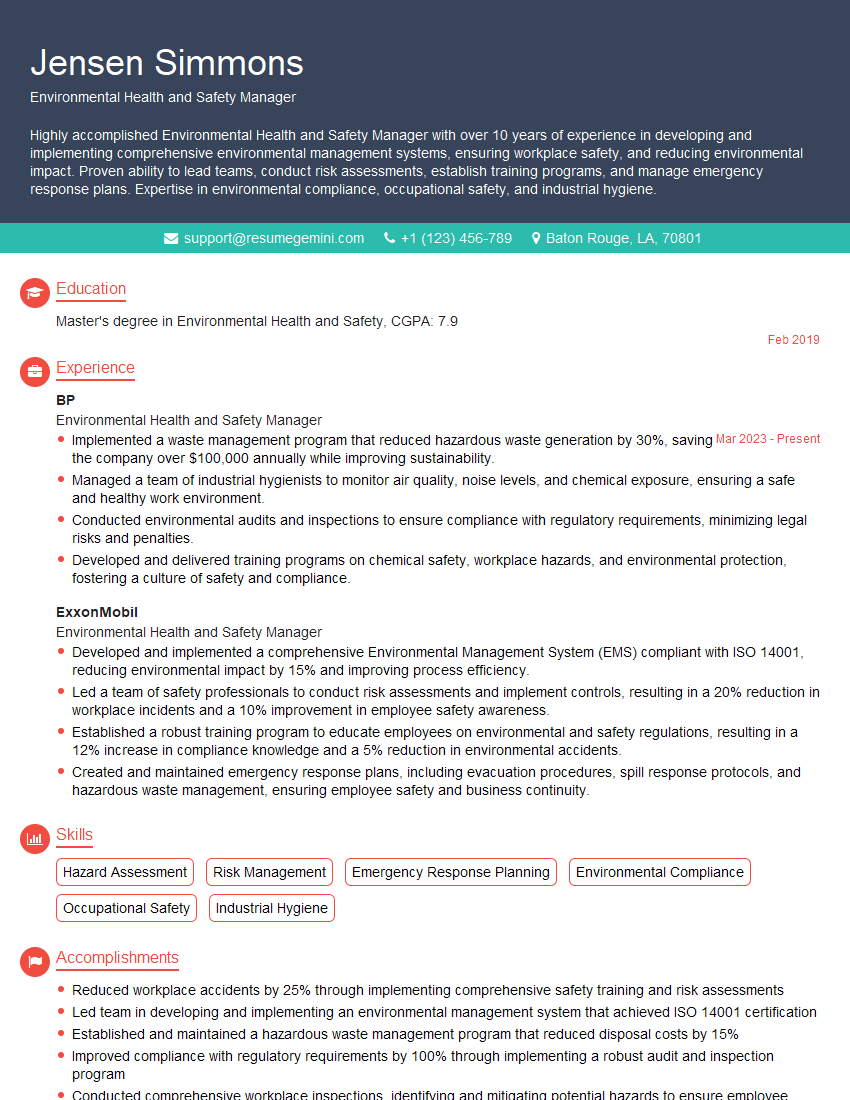
Environmental Health and Safety Manager Resume Sample
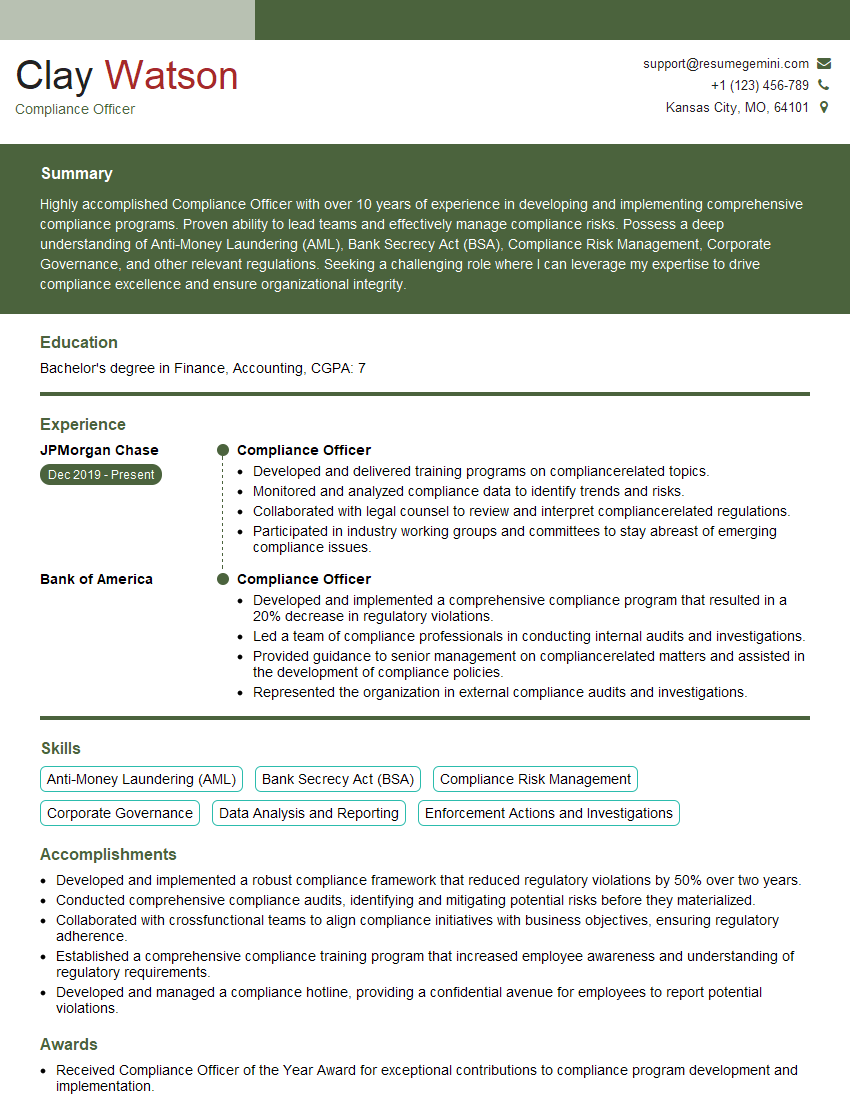
Compliance Officer Resume Sample
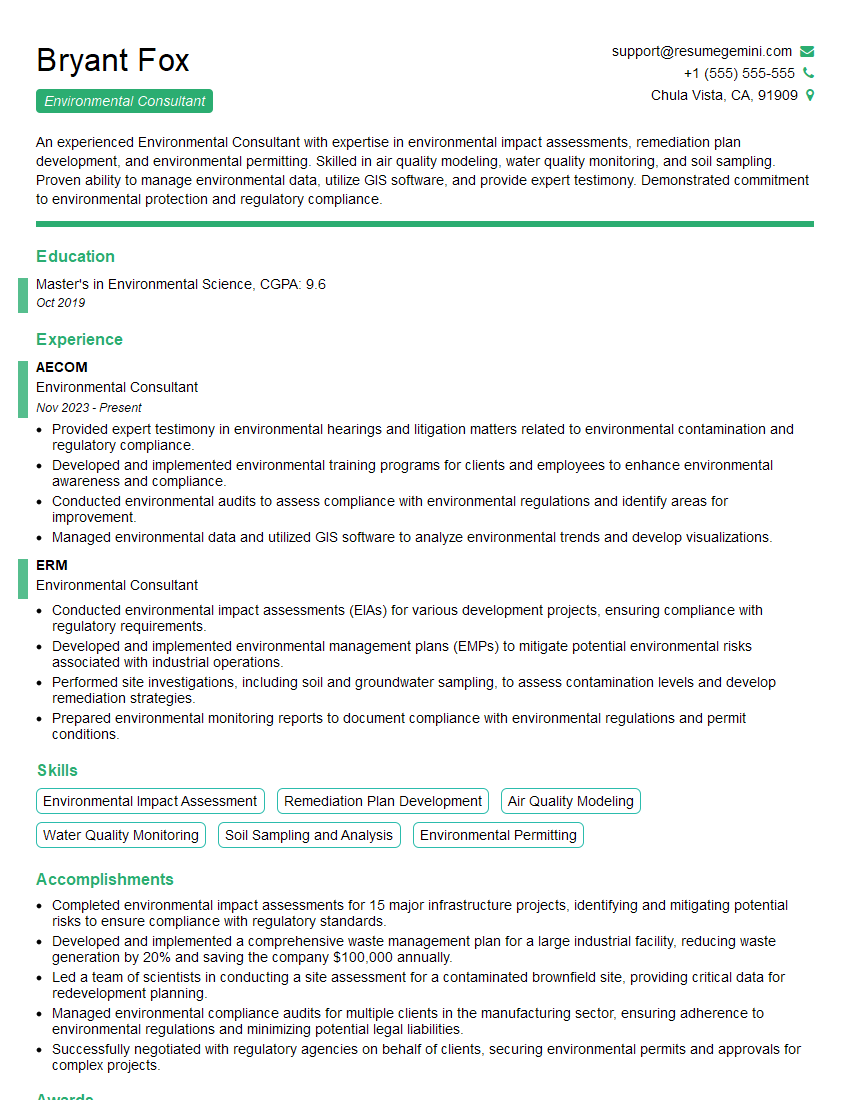
Environmental Consultant Resume Sample
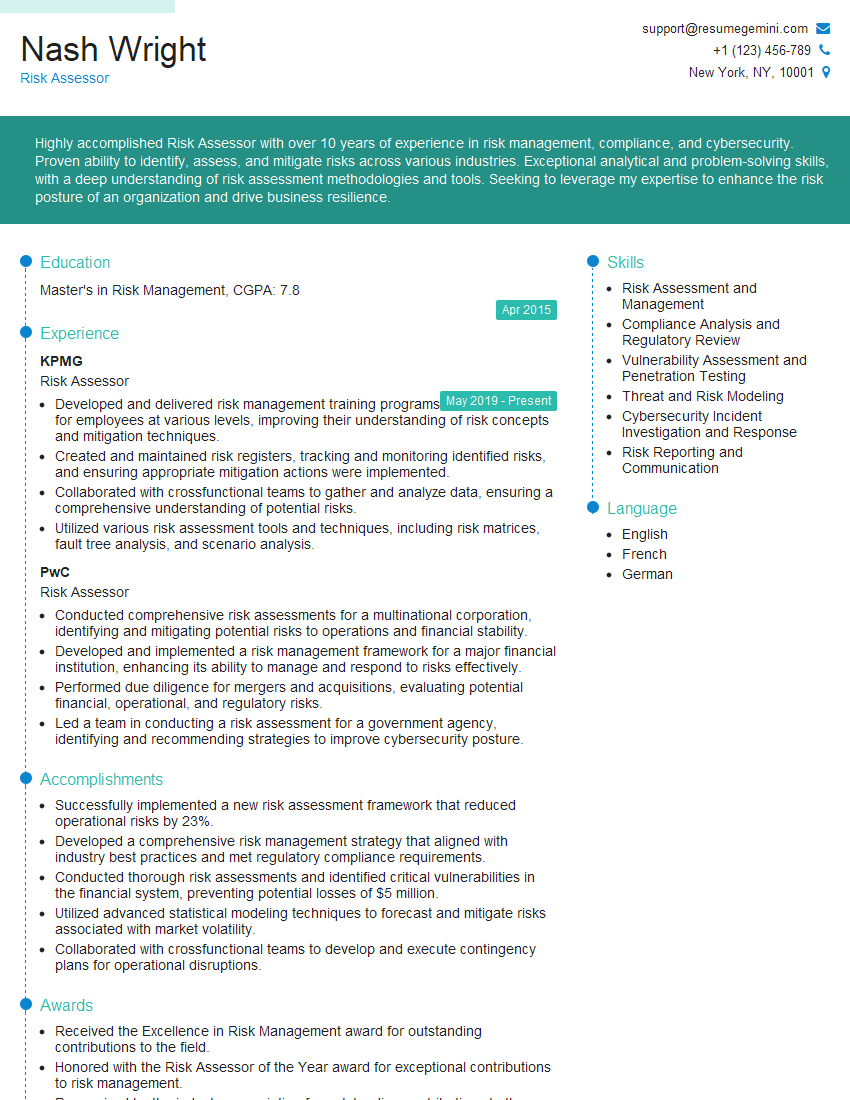
Risk Assessor Resume Sample
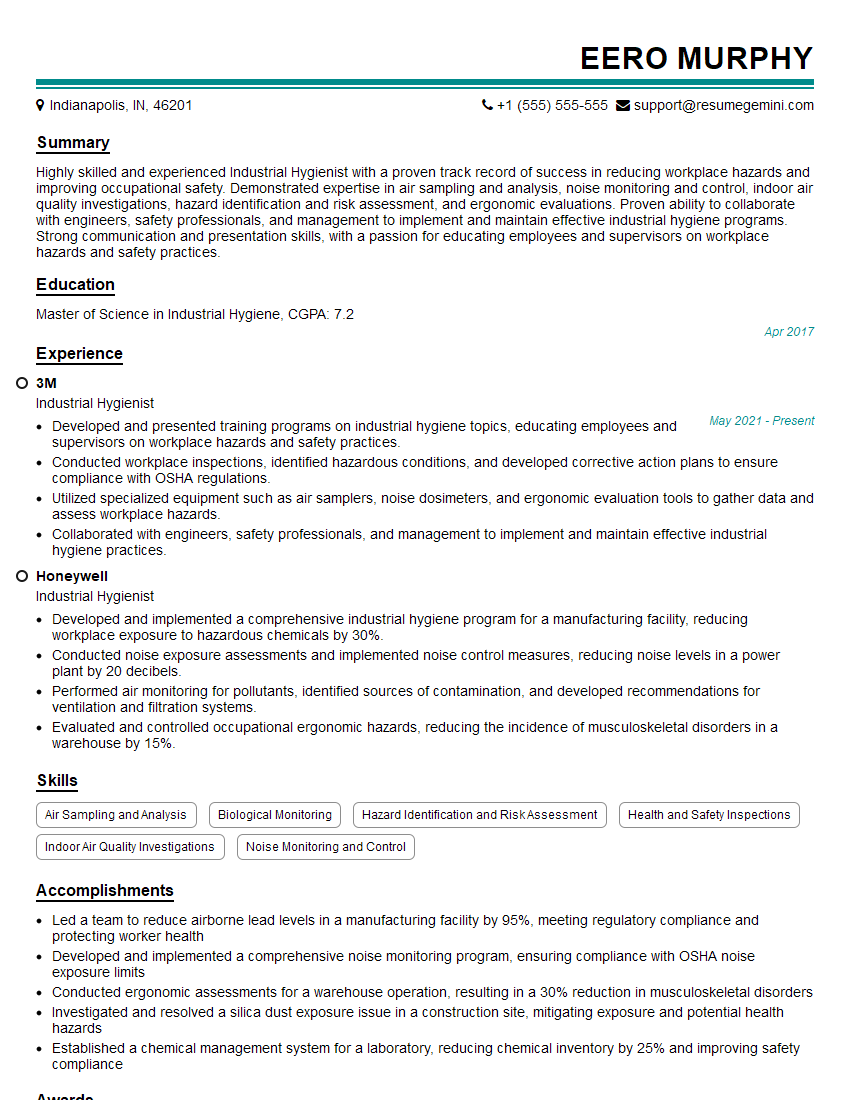
Industrial Hygienist Resume Sample
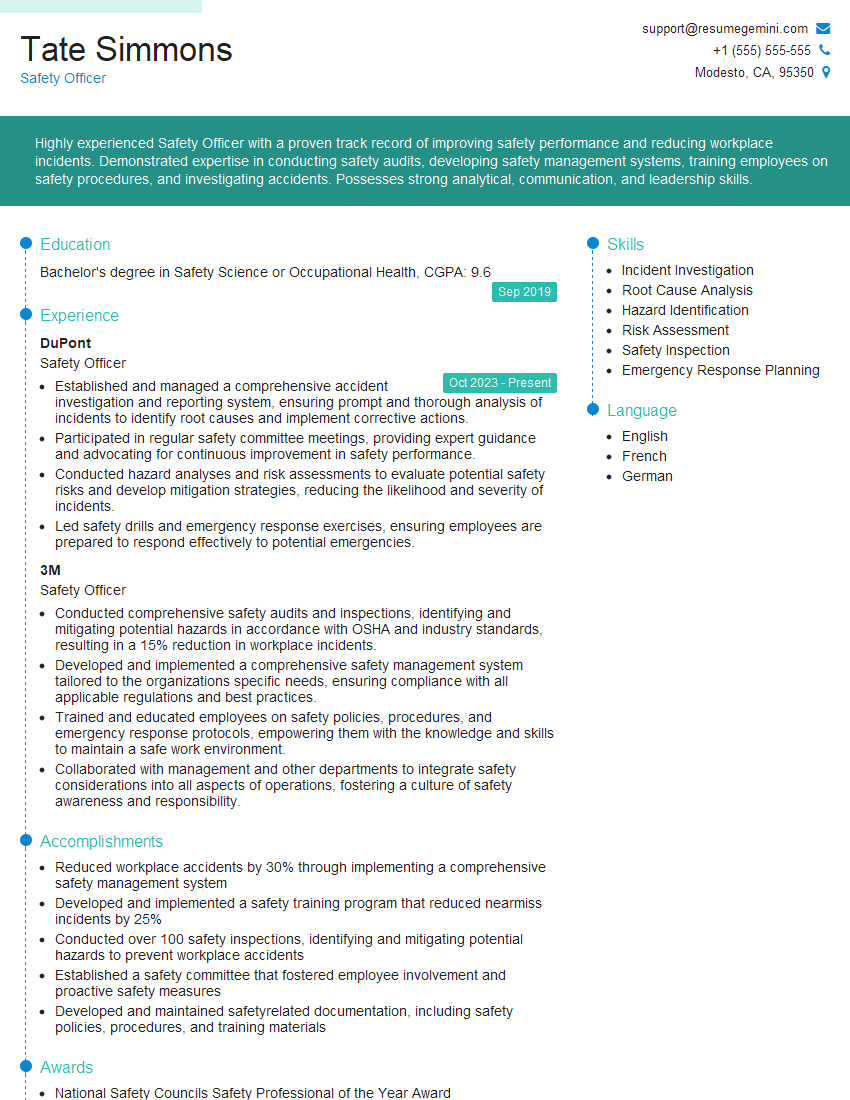
Safety Officer Resume Sample
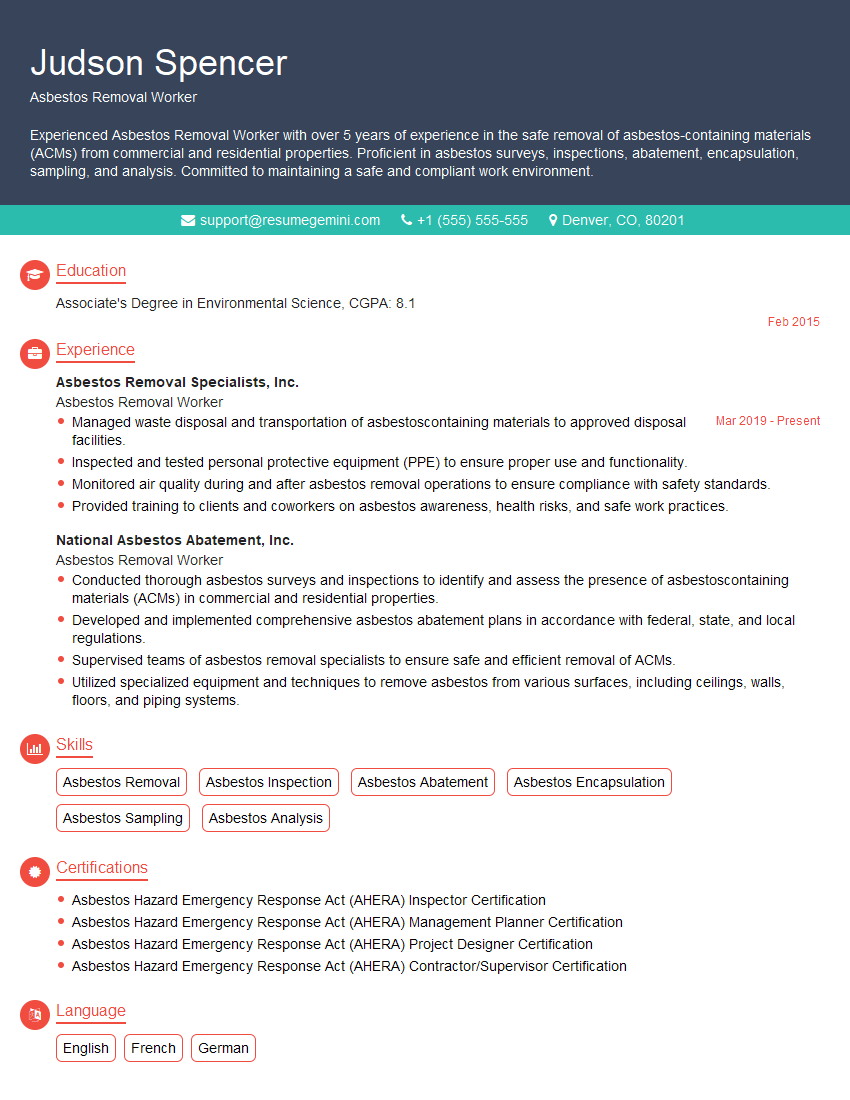
Asbestos Removal Worker Resume Sample
Explore more articles
Users Rating of Our Blogs
Share Your Experience
We value your feedback! Please rate our content and share your thoughts (optional).
What Readers Say About Our Blog
Very informative content, great job.
good