Feeling uncertain about what to expect in your upcoming interview? We’ve got you covered! This blog highlights the most important ASHRAE Standards and Guidelines interview questions and provides actionable advice to help you stand out as the ideal candidate. Let’s pave the way for your success.
Questions Asked in ASHRAE Standards and Guidelines Interview
Q 1. Explain the significance of ASHRAE Standard 55.
ASHRAE Standard 55, Thermal Environmental Conditions for Human Occupancy, is crucial for ensuring indoor thermal comfort. It establishes the acceptable ranges of air temperature, mean radiant temperature, air speed, and relative humidity for different activities and clothing levels. Think of it as the gold standard for making sure people aren’t too hot or too cold inside a building. The standard uses a Predicted Percentage Dissatisfied (PPD) index; a lower PPD indicates higher levels of thermal comfort. For example, a well-designed office space adhering to ASHRAE 55 will consider factors like the type of work performed (sedentary vs. active), the expected clothing insulation level of occupants, and the metabolic rate of the occupants to maintain a comfortable environment within the specified limits, minimizing discomfort and boosting productivity.
Failure to comply with ASHRAE 55 can lead to decreased productivity, increased health complaints, and even legal issues. In a hospital, for instance, maintaining the correct temperature and humidity levels as per ASHRAE 55 is critical for patient recovery and infection control.
Q 2. Describe the different types of ventilation systems covered in ASHRAE 62.1.
ASHRAE Standard 62.1, Ventilation for Acceptable Indoor Air Quality, covers various ventilation system types, broadly categorized by their approach to air delivery and distribution. These include:
- Natural Ventilation: Relying on natural forces like wind and stack effect to provide ventilation. This is often used in conjunction with mechanical systems or in smaller, well-ventilated buildings.
- Mechanical Ventilation: Utilizing fans and ducts to move air. This category is further divided into:
- Exhaust-only systems: Remove air from the space, relying on natural infiltration or other openings for intake air.
- Supply-only systems: Introduce fresh air directly into the space, often with exhaust happening through other openings.
- Balanced systems: Both supply and exhaust air are mechanically controlled, offering precise control over ventilation rates and air quality.
- Hybrid Systems: Combinations of natural and mechanical ventilation, leveraging the benefits of both approaches. For example, a building might use natural ventilation during mild weather conditions and switch to mechanical ventilation when conditions are less favorable.
The choice of ventilation system depends on several factors including building type, climate, energy efficiency goals, and cost considerations. ASHRAE 62.1 provides guidance on the selection, design, and operation of these systems to ensure sufficient ventilation rates for occupant health and comfort.
Q 3. What are the key requirements of ASHRAE 90.1 concerning energy efficiency?
ASHRAE Standard 90.1, Energy Standard for Buildings Except Low-Rise Residential Buildings, sets minimum energy efficiency requirements for various building types. Key requirements revolve around:
- Building envelope: Specifies requirements for insulation, window performance, and air leakage control to minimize energy loss through the building’s exterior.
- HVAC systems: Sets efficiency standards for heating, cooling, and ventilation equipment, promoting the use of high-efficiency technologies.
- Lighting systems: Establishes requirements for lighting power density and the use of energy-efficient lighting technologies.
- Service water heating: Specifies efficiency standards for water heaters and related plumbing systems.
- Building systems integration: Encourages the integrated design of building systems to optimize overall energy performance. This includes considerations like building automation systems and energy modeling.
Compliance with ASHRAE 90.1 is often a prerequisite for obtaining building permits or energy incentives. Meeting these standards significantly reduces building operating costs and minimizes environmental impact. For instance, choosing highly efficient HVAC equipment can result in significant savings on utility bills over the building’s lifespan. Furthermore, reducing energy consumption helps to mitigate climate change.
Q 4. How does ASHRAE 189.1 address sustainable building design?
ASHRAE Standard 189.1, Standard for the Design of High-Performance, Green Buildings Except Low-Rise Residential Buildings, goes beyond energy efficiency and addresses broader sustainability concerns. It provides a framework for designing buildings that minimize their environmental impact throughout their entire life cycle. Key aspects include:
- Sustainable site development: Minimizing land disturbance, preserving natural features, and promoting sustainable transportation options.
- Water conservation: Reducing water consumption through efficient fixtures and landscaping.
- Energy efficiency: Similar to ASHRAE 90.1, it mandates energy-efficient building systems and operations.
- Material selection: Prioritizing the use of recycled and sustainably sourced materials.
- Indoor environmental quality: Focusing on providing a healthy and comfortable indoor environment, exceeding the minimum requirements of ASHRAE 62.1.
- Waste reduction: Minimizing construction and demolition waste through efficient design and material selection.
Achieving ASHRAE 189.1 certification demonstrates a commitment to environmental stewardship and often enhances a building’s market value and attracts tenants seeking environmentally conscious spaces. A building certified under 189.1 might incorporate green roofs for stormwater management and improved insulation, use reclaimed wood for interior finishes, and employ a sophisticated building automation system to optimize energy use and indoor air quality.
Q 5. Explain the process of commissioning an HVAC system according to ASHRAE guidelines.
Commissioning (Cx) is a systematic process for verifying that building systems operate as intended. ASHRAE guidelines, along with other industry best practices, provide a framework for effective Cx. The process typically involves:
- Pre-design Cx: Early involvement to ensure design feasibility and alignment with project goals.
- Design Cx: Reviewing design documents for completeness and adherence to standards.
- Construction Cx: Monitoring installation to ensure systems are built as designed.
- Start-up Cx: Testing and verifying that all systems function properly.
- Post-occupancy Cx: Monitoring performance after occupancy to identify and address operational issues.
Each phase uses checklists, inspections, and testing to ensure that each component, from individual equipment to integrated building systems, functions as intended. A successful Cx process minimizes operational problems, improves energy efficiency, and ultimately extends the life of the HVAC system. For example, thorough testing of the HVAC system during the startup phase can identify and rectify issues like air balancing problems or faulty sensors before the building is occupied.
Q 6. What are the major differences between ASHRAE 62.1 and ASHRAE 62.2?
While both ASHRAE 62.1 and ASHRAE 62.2 address indoor air quality, they focus on different aspects. ASHRAE 62.1, as previously discussed, establishes minimum ventilation rates for acceptable indoor air quality in various building types. ASHRAE 62.2, Ventilation and Acceptable Indoor Air Quality in Low-Rise Residential Buildings, focuses specifically on residential buildings and offers more streamlined requirements tailored to the unique characteristics of these spaces.
Key differences include:
- Scope: 62.1 is broader in scope, covering various building types, while 62.2 is specific to low-rise residential.
- Ventilation requirements: 62.2 generally has less stringent ventilation rate requirements than 62.1, reflecting the typical occupancy patterns and lifestyles in residential settings.
- Verification methods: 62.2 offers simplified verification methods that are more practical for residential applications.
Choosing between 62.1 and 62.2 depends entirely on the type of building being designed. For a multi-family dwelling, for example, one would likely follow the requirements of 62.1 while a single-family detached residence may be addressed using 62.2. However, in each case, the goal remains the same: to ensure acceptable indoor air quality for the building’s occupants.
Q 7. Describe your experience using ASHRAE handbooks in design or analysis.
I’ve extensively used ASHRAE Handbooks throughout my career, particularly the ASHRAE Handbook—Fundamentals and the ASHRAE Handbook—HVAC Applications. The Fundamentals handbook is my go-to resource for foundational knowledge on psychrometrics, heat transfer, and building physics. I frequently use it to understand the underlying principles of HVAC systems and to perform calculations related to energy loads, sizing, and performance analysis.
For instance, when designing a new HVAC system for a commercial building, I’ve used the psychrometric charts in the Fundamentals handbook to determine the appropriate conditions for air conditioning. This ensures the building remains at a comfortable temperature and humidity level while optimizing energy efficiency. The HVAC Applications handbook has been instrumental in selecting appropriate equipment and designing systems that meet the needs of the building while adhering to ASHRAE standards and guidelines. I also frequently consult the ASHRAE Handbook—Refrigeration for specialized projects. The handbooks provide a wealth of data, design guides, and best practices, saving me time and ensuring accurate and efficient design solutions. My experience in using the handbooks has always led to improved design and analysis results.
Q 8. How do you stay updated on the latest revisions of ASHRAE standards?
Staying current with ASHRAE standards is crucial for any professional in the HVAC&R field. I employ a multi-pronged approach. Firstly, I’m a member of ASHRAE, which provides access to the latest standards updates, notifications of revisions, and online resources. Secondly, I actively participate in industry conferences and webinars, often featuring presentations by ASHRAE experts discussing new revisions and their practical implications. Thirdly, I subscribe to relevant industry publications and newsletters that regularly report on ASHRAE updates and provide insightful commentary. Finally, I maintain a network of colleagues and mentors within the field, enabling informal knowledge sharing and staying abreast of the latest developments through discussions and case studies.
Q 9. What are the implications of non-compliance with ASHRAE standards?
Non-compliance with ASHRAE standards carries significant implications. Firstly, it can lead to legal issues and potential lawsuits if a system design or installation fails to meet required safety and performance standards. For instance, neglecting proper ventilation design as per ASHRAE 62.1 could result in litigation due to health problems caused by poor indoor air quality. Secondly, non-compliance can result in financial penalties and project delays, as designs may need to be revised to meet regulatory requirements. Thirdly, it can damage a company’s reputation and credibility within the industry. Finally, systems not built to ASHRAE standards might lead to decreased energy efficiency, increased operating costs, and reduced equipment lifespan.
Q 10. Explain your understanding of psychrometric charts and their application.
Psychrometric charts are graphical representations of the thermodynamic properties of moist air. They’re essential tools for HVAC engineers because they show the relationships between temperature, humidity, enthalpy, and specific volume. This allows us to determine properties like relative humidity, dew point, and wet-bulb temperature, critical for designing and troubleshooting HVAC systems. For example, using a psychrometric chart, I can determine the amount of moisture that needs to be removed from the air to achieve a desired level of comfort in a building. This might be vital when designing an air conditioning system for a humid climate. They’re also vital in assessing the performance of HVAC systems. If a system isn’t meeting specifications, the chart helps identify potential issues, like whether the air is too dry, too humid, or the temperature is incorrect. It’s like a roadmap for navigating the complexities of moist air.
Q 11. Describe your experience with energy modeling software and its relation to ASHRAE standards.
I have extensive experience with energy modeling software, including EnergyPlus, eQUEST, and TRNSYS. These tools are crucial for simulating the performance of building systems, including HVAC, and comparing the effectiveness of different designs against ASHRAE standards. For example, when designing a new building, I use EnergyPlus to simulate different HVAC configurations, ensuring the proposed design meets ASHRAE 90.1 requirements for energy efficiency. The software allows me to model the building’s energy performance under various climate conditions and operating scenarios. The results of these simulations are used to optimize the design and identify opportunities for further energy savings. Using these models allows for more accurate prediction of a building’s operational energy consumption and helps satisfy stringent energy codes like ASHRAE 90.1, minimizing environmental impact and operating costs.
Q 12. How would you approach troubleshooting an HVAC system that’s not meeting ASHRAE standards?
Troubleshooting an HVAC system not meeting ASHRAE standards requires a systematic approach. First, I’d carefully review the system’s design documents and compare them to the relevant ASHRAE standards. Then, I’d conduct a thorough site inspection, measuring key parameters such as air temperature, humidity, air flow, and pressure drops at various points in the system. Data loggers are employed to monitor these factors over time. I use psychrometric analysis to understand the air’s properties and identify discrepancies. For example, if the air isn’t adequately dehumidified, this might indicate issues with the cooling coil or refrigerant charge. Comparing the measured data with design specifications would reveal areas of deviation. Finally, I would use diagnostic tools to identify any equipment malfunctions. The process may include airflow measurements, refrigerant pressure readings, and testing of sensors and controls. A step-by-step approach combined with data analysis ensures effective troubleshooting and system optimization.
Q 13. Discuss the importance of indoor air quality (IAQ) as outlined in ASHRAE standards.
ASHRAE standards place significant emphasis on indoor air quality (IAQ). Standards like ASHRAE 62.1 focus on ventilation and acceptable levels of contaminants. Poor IAQ can lead to health issues such as sick building syndrome and respiratory problems. Therefore, maintaining proper ventilation rates, filtering out contaminants, and controlling humidity levels are critical aspects. For example, ASHRAE 62.1 sets minimum ventilation rates for different occupancy types and building uses, ensuring adequate fresh air supply. The standards also address the control of pollutants, such as carbon dioxide, volatile organic compounds (VOCs), and biological contaminants. Meeting these standards not only improves occupant health and comfort but also promotes productivity and reduces absenteeism.
Q 14. Explain the concept of thermal comfort as defined by ASHRAE Standard 55.
ASHRAE Standard 55, Thermal Environmental Conditions for Human Occupancy, defines thermal comfort as the condition of mind that expresses satisfaction with the thermal environment. It’s not simply about temperature; it’s a complex interplay of factors. The standard incorporates several key parameters including air temperature, mean radiant temperature (MRT), air speed, relative humidity, and metabolic rate (activity level of the occupants) and clothing insulation. Standard 55 uses a predicted percentage of dissatisfied (PPD) approach. A lower PPD indicates higher comfort levels. For example, a PPD of 10% indicates that only 10% of occupants are likely to feel thermally dissatisfied. Understanding these parameters is crucial for designing HVAC systems that ensure occupant comfort and productivity, aligning with the principles of Standard 55.
Q 15. Describe your experience with building automation systems (BAS) and their role in complying with ASHRAE standards.
Building Automation Systems (BAS) are the nervous system of modern buildings, constantly monitoring and controlling various aspects like HVAC, lighting, and security. My experience spans over a decade, encompassing design, implementation, and troubleshooting of BAS across diverse building types – from hospitals and data centers to commercial offices and educational facilities. In the context of ASHRAE compliance, BAS play a crucial role in ensuring optimal performance and energy efficiency. For instance, a well-designed BAS can implement strategies outlined in ASHRAE Standard 90.1, such as demand-controlled ventilation and occupancy-based lighting control, leading to significant energy savings and reduced environmental impact.
Specifically, I’ve worked extensively with systems utilizing BACnet, LonWorks, and Modbus protocols. These protocols allow seamless integration of various building components, facilitating data acquisition and automated control. A recent project involved integrating a new VAV system into an existing BAS, optimizing its operation to meet ASHRAE 62.1 requirements for indoor air quality. This required careful calibration and programming to ensure consistent delivery of fresh air while minimizing energy waste. My work has always prioritized utilizing the capabilities of the BAS to ensure compliance, allowing for real-time monitoring and reporting of building performance against ASHRAE standards, making necessary adjustments as needed.
Career Expert Tips:
- Ace those interviews! Prepare effectively by reviewing the Top 50 Most Common Interview Questions on ResumeGemini.
- Navigate your job search with confidence! Explore a wide range of Career Tips on ResumeGemini. Learn about common challenges and recommendations to overcome them.
- Craft the perfect resume! Master the Art of Resume Writing with ResumeGemini’s guide. Showcase your unique qualifications and achievements effectively.
- Don’t miss out on holiday savings! Build your dream resume with ResumeGemini’s ATS optimized templates.
Q 16. What are the key considerations for designing HVAC systems for different climates?
Designing HVAC systems for different climates requires a deep understanding of local weather patterns, including temperature extremes, humidity levels, and solar radiation. For example, a building in Arizona will have very different HVAC requirements than a building in Minnesota. Key considerations include:
- Climate Zone: ASHRAE’s climate zone maps are essential for determining design parameters like heating and cooling loads. This informs the selection of appropriate equipment and system configurations.
- Load Calculations: Accurate load calculations are paramount. These calculations, often performed using software like HAP, determine the size and capacity of the HVAC equipment needed to meet the building’s thermal demands.
- Equipment Selection: Hot and humid climates may require systems with high latent heat removal capabilities, such as air-cooled chillers and desiccant dehumidifiers. Cold climates might necessitate high-efficiency heat pumps or boilers.
- Building Envelope: The building’s insulation, windows, and air sealing all impact the HVAC load. A well-insulated building will require less energy for heating and cooling.
- Ventilation Strategies: ASHRAE Standard 62.1 dictates minimum ventilation requirements for indoor air quality. Strategies like energy recovery ventilation (ERV) or heat recovery ventilation (HRV) can help reduce energy consumption while meeting ventilation needs.
For instance, in a project in Florida, we implemented a system with high-efficiency air-cooled chillers, variable refrigerant flow (VRF) technology, and a sophisticated control system to manage humidity effectively during the hot and humid summer months. In contrast, a project in Alaska involved designing a system based on geothermal heat pumps to minimize energy consumption during harsh winter conditions.
Q 17. How do ASHRAE standards address safety concerns in HVAC systems?
ASHRAE standards address safety in HVAC systems comprehensively, focusing on preventing hazards such as fire, leaks, and electrocution. Key standards include:
- ASHRAE 15: This standard covers safety of refrigerants, emphasizing safe handling, storage, and leak detection procedures.
- ASHRAE 90.1: This standard includes requirements for fire safety, including smoke detectors, fire dampers, and fire-rated ductwork.
- ASHRAE 34: This standard addresses the safety of HVAC equipment design and manufacturing.
For example, ASHRAE 15 mandates the use of appropriate refrigerant leak detection methods and regular inspections. Failure to comply can result in significant safety risks, including exposure to harmful refrigerants and potential equipment failures. In my projects, I’ve implemented these safety measures meticulously, ensuring that all equipment installations and maintenance procedures align with relevant ASHRAE standards. This has involved the training of building operators on safe handling procedures as well as developing comprehensive preventative maintenance plans to detect and mitigate risks before they become serious issues.
Q 18. Explain the difference between design conditions and operating conditions in HVAC systems.
Design conditions and operating conditions represent the difference between theoretical ideal performance and real-world performance in an HVAC system. Design conditions are the assumed worst-case scenarios used for sizing the equipment. These are typically based on the most extreme temperature and humidity conditions expected in a given climate zone and are frequently determined using sophisticated climate data and statistical analysis.
Operating conditions, on the other hand, represent the actual conditions under which the system operates. These can vary considerably due to factors like occupancy patterns, solar gain, and equipment degradation. For instance, a system designed for a peak cooling load of 100 tons (design condition) might only operate at 50 tons on a typical summer day (operating condition).
The difference between design and operating conditions is crucial for energy efficiency. Oversized equipment, designed based on overly conservative assumptions, will often cycle on and off frequently, reducing efficiency and potentially shortening its lifespan. Therefore, accurate load calculations and consideration of occupancy and operational patterns are key to closing the gap between design and operating conditions. Using advanced building modelling tools and controls strategies such as variable frequency drives (VFDs) are methods to improve the performance gap between design and operating conditions.
Q 19. Describe your experience with LEED certification and its relation to ASHRAE standards.
LEED (Leadership in Energy and Environmental Design) certification is a widely recognized green building rating system. ASHRAE standards and LEED are closely related, with many LEED points directly linked to compliance with specific ASHRAE standards. For example, achieving points for energy efficiency often requires demonstrating compliance with ASHRAE 90.1. My experience encompasses assisting clients in achieving LEED certification by integrating ASHRAE compliant solutions into their projects.
In several projects, I’ve used energy modeling software to simulate the performance of different HVAC systems, demonstrating how each design choice would impact LEED scoring. This involved analyzing energy use intensity (EUI), water consumption, and the use of sustainable materials as required by the LEED criteria. For instance, a LEED Gold project I worked on included strategies such as high-efficiency HVAC equipment, demand-controlled ventilation, and optimized building envelope design. Meeting the performance requirements under ASHRAE standards was crucial in successfully obtaining the LEED certification, demonstrating the importance of aligning building design strategies with both standards.
Q 20. How do you incorporate ASHRAE standards into the project lifecycle?
Incorporating ASHRAE standards into the project lifecycle is a continuous process, beginning with the initial design phase and extending through construction, commissioning, and operation. My approach involves:
- Design Phase: Selecting equipment based on ASHRAE standards and performing load calculations based on applicable climate zones. This also includes designing HVAC systems to meet the requirements of ASHRAE 62.1 for indoor air quality.
- Construction Phase: Ensuring that the installed equipment and construction methods comply with ASHRAE standards. This includes regular inspections and quality control measures.
- Commissioning Phase: Thoroughly testing and documenting the performance of the HVAC systems to ensure they meet the design requirements and comply with relevant ASHRAE standards. This phase is critical in verifying that the actual performance of the systems match the designed conditions.
- Operations Phase: Developing a preventative maintenance plan and using a BAS to monitor and optimize the systems’ performance continuously. This allows for early detection of issues and ensuring ongoing compliance.
By integrating ASHRAE standards throughout the entire project lifecycle, we reduce risks, enhance building performance, and ensure occupant comfort and safety. A successful project demonstrates how a proactive approach towards integrating ASHRAE standards can increase building efficiency and maintain optimal performance while minimizing risks.
Q 21. What is your experience with different types of HVAC equipment and their efficiency ratings?
My experience encompasses a wide range of HVAC equipment, including:
- Air-cooled Chillers: I have worked with centrifugal, scroll, and screw chillers from various manufacturers, selecting the optimal type based on project requirements and efficiency ratings (e.g., EER, IPLV). I’ve chosen chillers based on the Integrated Part Load Value (IPLV), considering both full load and part load efficiency to minimize operational costs.
- Air Handling Units (AHUs): Experience with various AHU types, including single-zone and multi-zone units, with a focus on optimizing airflow and energy efficiency using variable-frequency drives (VFDs) and energy recovery ventilation systems (ERVs).
- Variable Refrigerant Flow (VRF) Systems: Extensive experience with VRF systems, choosing the appropriate configuration based on building load profiles and energy efficiency considerations. The utilization of VRF systems allows for greater precision in temperature control and can improve efficiency, especially in buildings with zoned HVAC needs.
- Heat Pumps: Experience with air-source and geothermal heat pumps, emphasizing their energy efficiency and environmental benefits. The choice between these systems is usually dictated by the climate and the availability of geothermal resources.
- Boilers and Furnaces: Knowledge of various boiler and furnace types, including high-efficiency condensing units, with an emphasis on minimizing energy consumption and maximizing efficiency.
When selecting equipment, I always prioritize energy efficiency ratings (like SEER for air conditioners and AFUE for furnaces) and compare different manufacturers and models to find the best combination of performance and cost. I am also proficient in using energy modeling software to simulate the performance of different equipment configurations to select the most optimal system for a particular building and its specific climate and operational needs.
Q 22. Explain the principles of heat transfer relevant to HVAC system design.
HVAC system design hinges on understanding the three fundamental modes of heat transfer: conduction, convection, and radiation. Conduction is the transfer of heat through direct contact, like heat flowing through a building’s wall. Convection involves heat transfer through the movement of fluids, such as air circulating around a heating coil. Radiation is the transfer of heat through electromagnetic waves, like the sun’s warmth heating a room.
In designing an HVAC system, we must carefully consider how these modes interact. For example, we might use insulation to minimize conductive heat transfer through walls, employ forced convection via fans to distribute conditioned air efficiently, and design shading to reduce radiative heat gain from sunlight. Understanding these principles helps us select appropriate insulation materials, design efficient ductwork, and size heating and cooling equipment correctly to achieve desired indoor temperatures.
For instance, in designing a hospital operating room, we would pay particular attention to minimizing radiative heat gain from surgical lights, using highly efficient insulation to maintain strict temperature control, and employing laminar flow systems for precise air movement and infection control—all based on sound heat transfer principles.
Q 23. How do you ensure compliance with ASHRAE standards during construction?
Ensuring ASHRAE compliance during construction requires a multi-faceted approach starting with the design phase. We begin by selecting equipment and materials that meet or exceed ASHRAE requirements, such as those outlined in ASHRAE Standard 90.1 for energy efficiency. Detailed specifications are crucial, clearly stating the required performance levels for HVAC components and the installation procedures. Regular site inspections are critical throughout the construction process. We verify proper insulation installation, check ductwork for leaks, and ensure that the installed equipment aligns with the approved designs.
Beyond that, comprehensive testing and commissioning are non-negotiable. This involves rigorous testing of the complete HVAC system to validate its performance against the design criteria and ASHRAE standards. This process might involve airflow measurements, temperature readings, and energy consumption monitoring. Any discrepancies are documented, and corrective actions are implemented to ensure full compliance before final acceptance. Thorough documentation of all aspects – from design to commissioning – serves as a crucial audit trail demonstrating compliance.
For example, on a recent large-scale commercial building project, we encountered a discrepancy in the ductwork insulation during inspection. By addressing this immediately and replacing non-compliant insulation, we averted potential energy penalties and ensured compliance with ASHRAE 90.1.
Q 24. Describe your experience with performing energy audits and identifying energy-saving opportunities.
I have extensive experience conducting energy audits, leveraging ASHRAE’s guidance and best practices to identify energy-saving opportunities. My approach starts with a thorough site visit to assess building characteristics, HVAC equipment performance, and operational practices. This includes analyzing energy bills, reviewing building plans, and performing onsite measurements of parameters like air flow, temperature, and humidity.
Using specialized software and ASHRAE’s energy modeling tools, I then develop a detailed energy model of the building to simulate its energy consumption under various scenarios. This model enables the identification of energy waste points and the quantification of potential energy savings. Typical opportunities I look for include upgrading to high-efficiency HVAC equipment, optimizing building envelope performance through insulation and air sealing, implementing advanced control strategies such as demand-controlled ventilation, and implementing lighting upgrades to LEDs.
For example, a recent audit revealed significant energy losses due to poorly maintained ductwork in a large office building. My analysis showed that sealing the leaks would lead to an estimated 15% reduction in heating and cooling energy consumption. Implementing this relatively cost-effective solution offered significant financial and environmental benefits for the client.
Q 25. How do you balance energy efficiency with thermal comfort in HVAC system design?
Balancing energy efficiency and thermal comfort is a core challenge in HVAC design, and a delicate one. We achieve this balance through a holistic approach that considers factors like occupancy patterns, climate, and building design. ASHRAE Standard 55, ‘Thermal Environmental Conditions for Human Occupancy’, provides the guidelines for acceptable thermal comfort ranges. Designing for energy efficiency involves selecting high-efficiency equipment, optimizing building envelope performance, and employing advanced control strategies.
However, simply prioritizing energy efficiency could lead to discomfort. For instance, reducing air changes per hour to save energy might compromise indoor air quality and occupant comfort. Instead, we use tools such as Computational Fluid Dynamics (CFD) modeling to simulate airflow patterns and temperature distribution within a space. This allows us to optimize both energy efficiency and comfort by strategically placing diffusers and controlling air flow to meet ASHRAE 55 requirements while minimizing energy use. Variable refrigerant flow (VRF) systems, for example, can offer precise temperature control in zones, optimizing comfort while potentially saving energy compared to a simpler, less zone-controlled system.
For instance, in a recent school design, we used CFD modeling to determine the optimal placement of air diffusers to ensure even temperature distribution while adhering to energy-efficiency targets and the requirements of ASHRAE Standard 55. This ensured both comfortable learning environments and minimized energy waste.
Q 26. What are some common challenges encountered while implementing ASHRAE standards?
Implementing ASHRAE standards can present several challenges. One is the initial cost of implementing energy-efficient equipment and technologies. While long-term savings are significant, upfront investment can be a barrier for some clients. Another challenge is the lack of awareness and understanding of ASHRAE standards among some contractors and construction personnel. This can lead to non-compliance during construction if not diligently overseen. Finding skilled labor proficient in installing and commissioning systems to meet ASHRAE standards can also be a significant challenge.
Furthermore, achieving optimal performance requires meticulous attention to detail throughout the design, construction, and operation phases. Overlooking even minor details, such as proper insulation installation or airtightness of ductwork, can compromise the overall energy efficiency and occupant comfort. Lastly, balancing the sometimes conflicting requirements of different ASHRAE standards (e.g., energy efficiency versus indoor air quality) necessitates careful planning and coordination. For example, stringent filtration requirements for indoor air quality can increase the energy consumption of the HVAC system.
Q 27. Describe your experience with using ASHRAE’s software tools and resources.
I have extensive experience utilizing various ASHRAE software tools and resources, including Energy Efficiency Design Tools (EEDT), and the ASHRAE Handbook. EEDT allows for the creation and analysis of energy models for buildings, helping predict energy use and identify areas for improvement. The ASHRAE Handbook serves as an invaluable reference for design data and best practices across various HVAC aspects. I am proficient in using these tools to conduct energy audits, optimize HVAC system designs, and analyze the performance of existing systems.
Beyond the software, I regularly utilize ASHRAE’s publications and research to stay updated on the latest advancements in HVAC technology and best practices. This ongoing professional development enables me to incorporate the most current and effective strategies into my projects, ensuring optimal performance and compliance with the latest standards. For example, in a recent project involving a LEED-certified building, leveraging the ASHRAE Handbook and EEDT allowed us to successfully demonstrate compliance with stringent energy-efficiency requirements.
Q 28. How would you explain complex ASHRAE standards to non-technical stakeholders?
Explaining complex ASHRAE standards to non-technical stakeholders requires clear and concise communication, avoiding jargon. I typically start by explaining the overall goal: creating healthy, comfortable, and energy-efficient buildings. Then, I translate technical terms into plain language, using analogies and real-world examples. For instance, instead of saying ‘optimizing the building envelope,’ I might say ‘improving the building’s insulation to reduce energy loss, like wrapping a house in a thick blanket.’
Visual aids such as diagrams, charts, and simplified models can greatly enhance understanding. Focusing on the tangible benefits, such as reduced energy bills, improved indoor air quality, and enhanced occupant comfort, helps stakeholders grasp the importance of adhering to these standards. I highlight the potential long-term cost savings and environmental benefits. Finally, I emphasize the role of ASHRAE standards in ensuring building safety and occupant well-being. By using a relatable and straightforward approach, I can effectively communicate even the most complex technical information to a diverse audience.
Key Topics to Learn for ASHRAE Standards and Guidelines Interview
- Fundamental Concepts: Understanding the purpose and structure of ASHRAE standards, including their hierarchy and interrelationships. This includes knowing the difference between standards, guidelines, and positions.
- HVAC System Design: Applying ASHRAE standards to practical design scenarios, such as sizing equipment, selecting refrigerants, and designing ventilation systems according to specific standards (e.g., 62.1, 90.1).
- Energy Efficiency: Analyzing energy consumption in building systems and applying relevant ASHRAE standards (e.g., 90.1) to optimize energy performance and reduce operational costs. Familiarize yourself with energy modeling and simulation techniques.
- Indoor Environmental Quality (IEQ): Understanding the impact of ASHRAE standards on IEQ, including thermal comfort (55), air quality (62.1), and lighting (90.1). Be prepared to discuss strategies for achieving optimal IEQ.
- Safety and Health: Knowing the safety-related aspects of ASHRAE standards, including refrigerant handling, fire safety, and worker protection. This includes understanding relevant codes and regulations.
- Specific Standard Deep Dives: Choose 2-3 key ASHRAE standards relevant to your experience and expertise. Develop a strong understanding of their requirements, application methods, and potential challenges.
- Problem-Solving and Application: Practice applying your knowledge to hypothetical scenarios. Consider case studies to illustrate your understanding of how standards are used in real-world projects.
- Interpreting and Implementing Standards: Demonstrate your ability to read and understand the technical language of ASHRAE standards and explain their implications in a clear and concise manner.
Next Steps
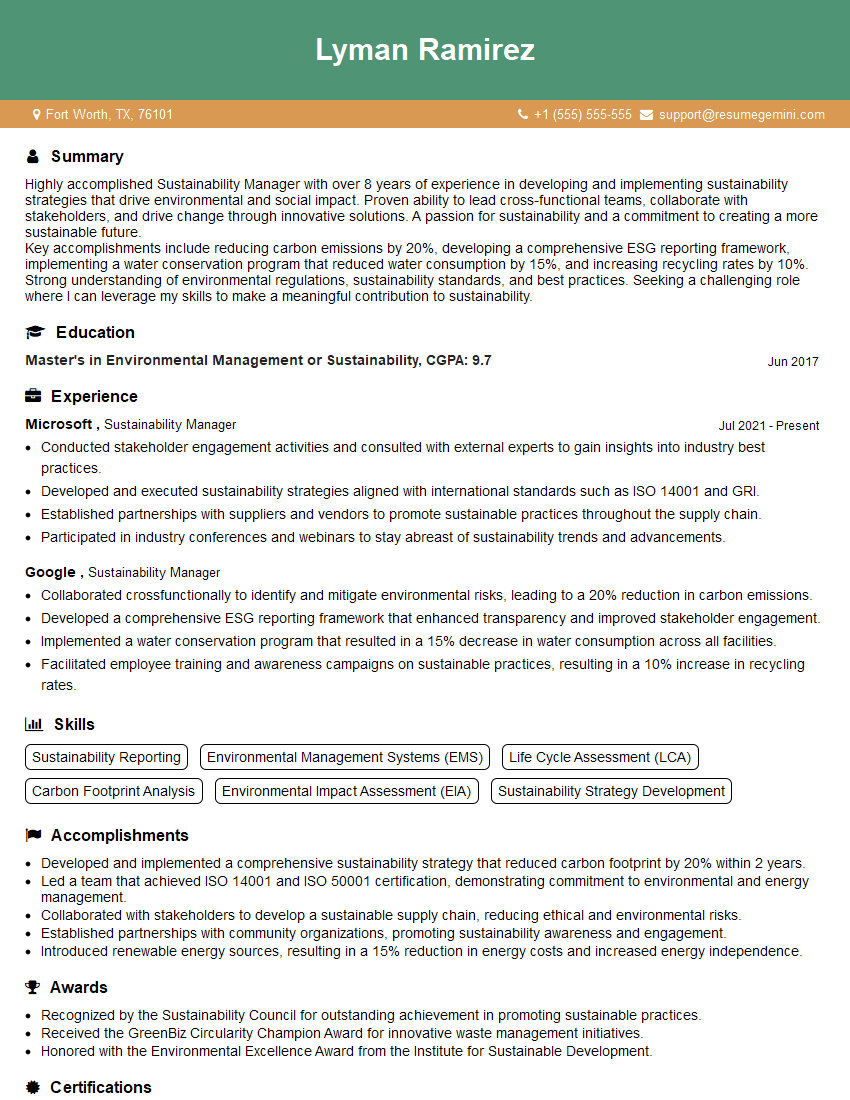
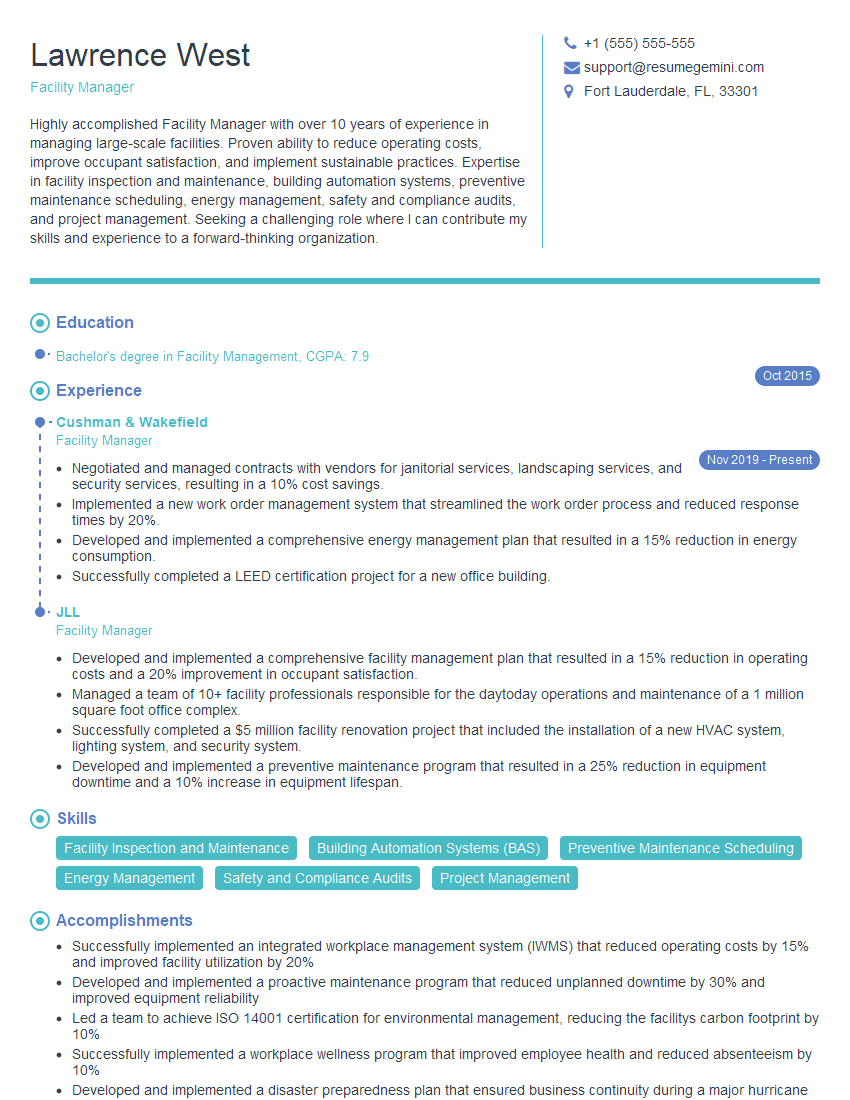
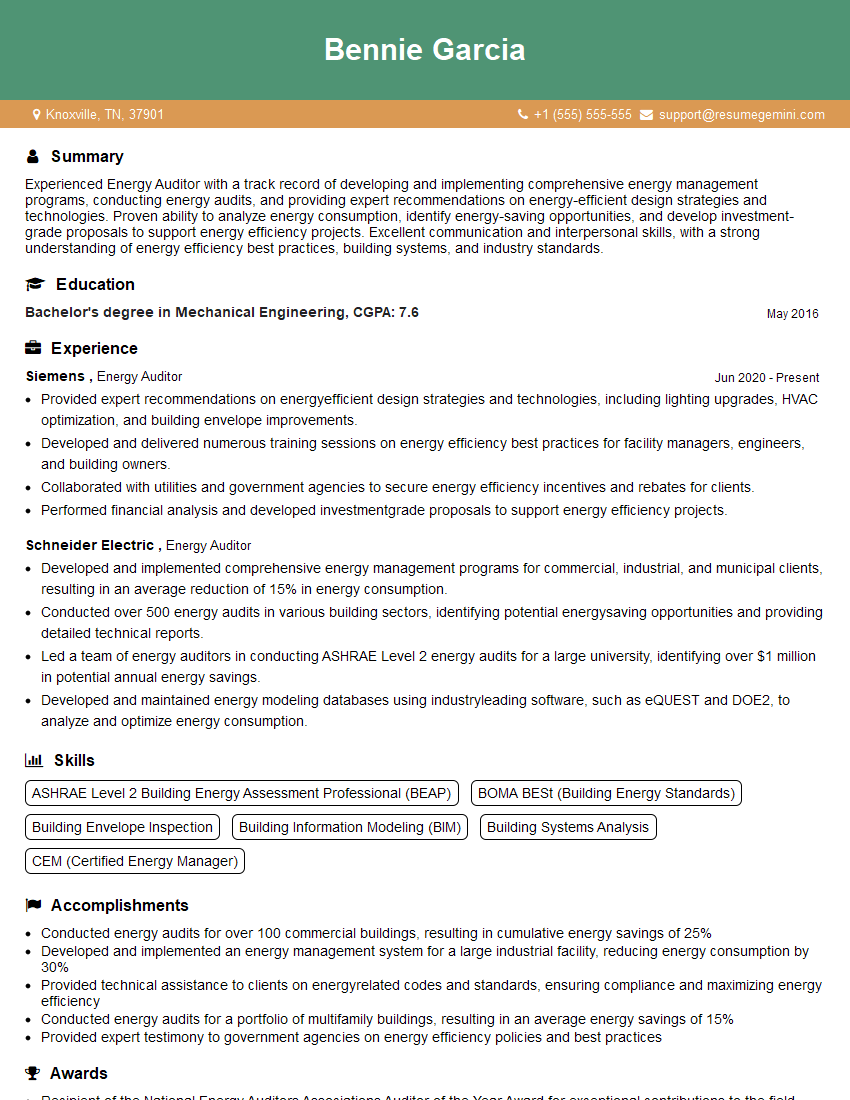
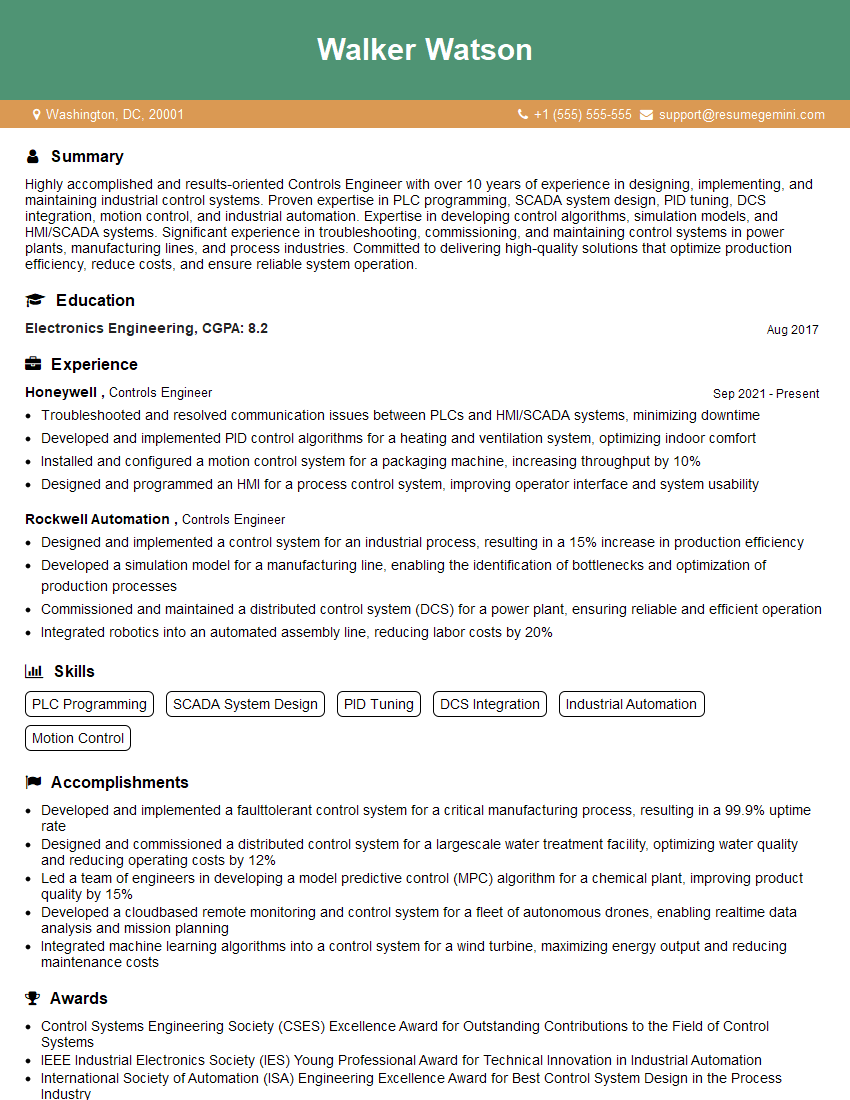
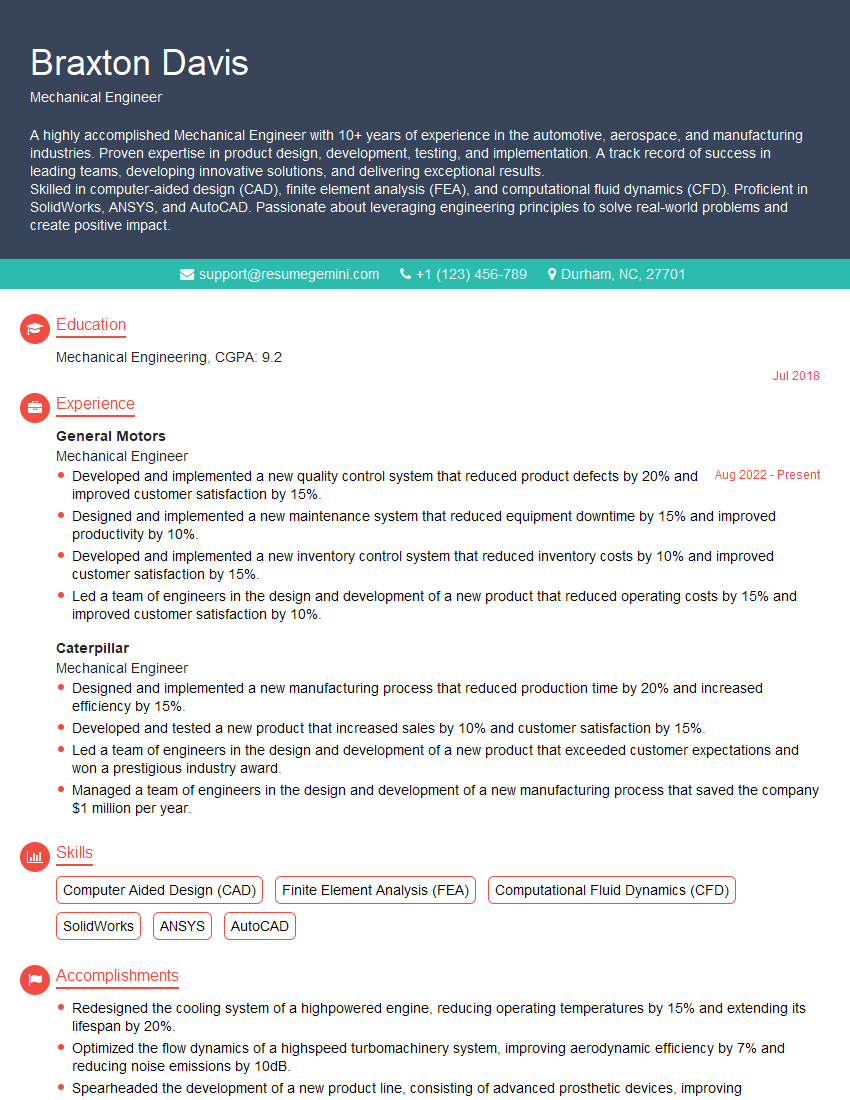
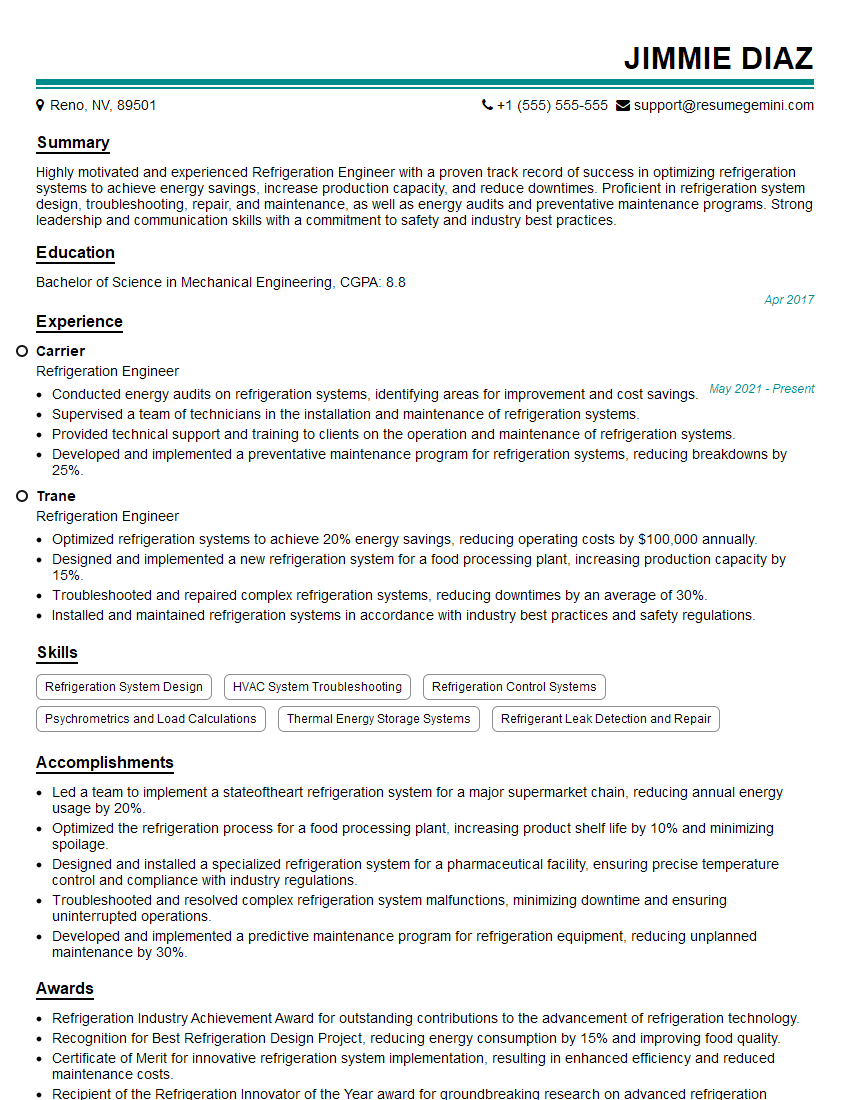
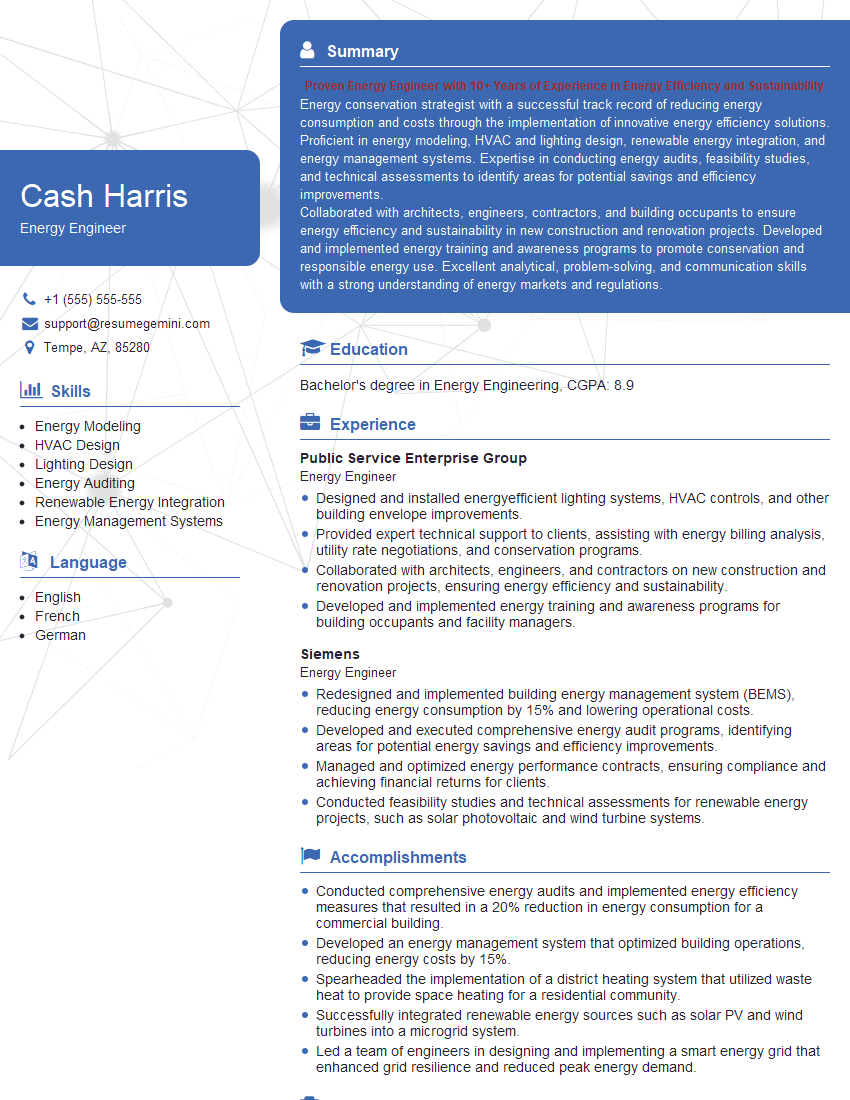
Mastering ASHRAE Standards and Guidelines is crucial for career advancement in the HVAC&R industry. A strong understanding demonstrates your technical expertise and commitment to best practices, opening doors to higher-level positions and increased earning potential. To maximize your job prospects, it’s vital to have an ATS-friendly resume that highlights your relevant skills and experience. ResumeGemini is a trusted resource that can help you create a professional and impactful resume tailored to the specific requirements of your target roles. Examples of resumes optimized for ASHRAE Standards and Guidelines expertise are available to guide you through the process. Invest the time to create a compelling resume – it’s your first impression on potential employers.

Explore more articles
Users Rating of Our Blogs
Share Your Experience
We value your feedback! Please rate our content and share your thoughts (optional).
What Readers Say About Our Blog
Very informative content, great job.
good