Unlock your full potential by mastering the most common Assembly and Bonding interview questions. This blog offers a deep dive into the critical topics, ensuring you’re not only prepared to answer but to excel. With these insights, you’ll approach your interview with clarity and confidence.
Questions Asked in Assembly and Bonding Interview
Q 1. Explain the different types of bonding techniques you are familiar with.
Bonding techniques are crucial in assembly, aiming to create strong, reliable joints between different materials. The choice of technique depends on the materials being joined, the required strength, the environment the assembly will operate in, and cost considerations. Here are some common types:
- Adhesive Bonding: This uses a liquid or paste adhesive that cures to create a strong bond. Examples include epoxy resins (strong, versatile), cyanoacrylates (super glue, fast curing), and silicone adhesives (flexible, temperature resistant). I’ve extensively used epoxy for high-strength applications in aerospace components and cyanoacrylates for quick prototyping.
- Welding: This involves melting and fusing materials together. Methods include ultrasonic welding (for plastics), laser welding (precise, for delicate parts), and resistance welding (for metals). I’ve worked with laser welding for microelectronics assembly, achieving high precision and minimal heat-affected zones.
- Soldering: This joins metallic components using a lower-melting-point metal alloy as a filler. It’s commonly used in electronics manufacturing. I’m proficient in various soldering techniques, including reflow soldering for surface mount devices.
- Brazing: Similar to soldering, but using a filler metal with a melting point higher than the base metals. It produces stronger joints than soldering. I have experience in brazing applications for high-temperature components.
- Mechanical Fastening: This uses mechanical means like screws, rivets, or clips to join parts. While not strictly ‘bonding’, it’s a key assembly technique. I’ve used this extensively for larger-scale assembly projects, where adhesive bonding alone might not be sufficient.
The selection of the appropriate bonding technique is a critical decision, impacting the overall quality, reliability, and cost of the final product.
Q 2. Describe your experience with surface mount technology (SMT) assembly.
My experience with Surface Mount Technology (SMT) assembly is extensive. I’ve worked on high-volume production lines, handling everything from component placement and inspection to reflow soldering and rework. I’m familiar with various SMT machines, including pick-and-place machines, reflow ovens, and AOI (Automated Optical Inspection) systems.
In one project, we were tasked with assembling a complex printed circuit board (PCB) with over 500 surface mount components. We implemented a lean manufacturing approach, optimizing the placement sequence to minimize machine downtime and improve throughput. This involved careful planning of the component feeder arrangement and fine-tuning the pick-and-place machine parameters to ensure accuracy and efficiency.
My skills extend to troubleshooting SMT assembly issues. For example, I have experience resolving issues related to solder bridging, tombstoning, insufficient solder paste, and misalignment of components. I effectively diagnose these problems through visual inspection, X-ray inspection, and process analysis, often implementing corrective actions that include adjustments to the reflow profile, solder paste viscosity, or component placement parameters.
Q 3. What are the common challenges in high-volume assembly and how do you overcome them?
High-volume assembly presents unique challenges. Common issues include maintaining consistent quality at high speeds, minimizing defects, managing material costs, and ensuring operator efficiency.
- Maintaining Consistency: Variations in component placement, solder paste application, or reflow profile can lead to defects. We address this through rigorous process control, regular equipment calibration, and statistical process control (SPC) methods to track key parameters and identify potential deviations.
- Defect Reduction: Defects can be costly and time-consuming to fix. We use Automated Optical Inspection (AOI) and X-ray inspection to detect hidden defects early on. Implementing robust quality control procedures, including in-process inspections and operator training, is critical. The adoption of Six Sigma methodologies can drastically reduce defect rates.
- Material Management: Efficient inventory management is vital to avoid stockouts and reduce waste. We use lean principles like Kanban systems to control material flow and minimize unnecessary storage.
- Operator Efficiency: Ergonomics and streamlined workflows are crucial for operator efficiency and to minimize errors. We continuously analyze workflow processes to identify bottlenecks and optimize them.
Overcoming these challenges requires a multifaceted approach, blending automation with meticulous process control, effective training, and a commitment to continuous improvement.
Q 4. How do you ensure quality control during the assembly process?
Quality control is integrated throughout the entire assembly process, not just at the end. We use a multi-layered approach:
- Incoming Inspection: Components are inspected upon arrival to verify quality and quantity. This ensures that defective materials don’t make it into the assembly process.
- In-Process Inspection: Regular checks are performed at various stages of the assembly process to detect defects early. Visual inspections, automated optical inspection (AOI), and X-ray inspection are employed depending on the complexity and criticality of the assembly.
- Final Inspection: A final inspection is conducted on completed assemblies to ensure they meet all quality standards. Functional testing and performance verification are often included in this stage.
- Statistical Process Control (SPC): Data is collected and analyzed to track key process parameters and identify trends. This allows for proactive adjustments to prevent defects and maintain consistent quality.
- Documentation: Thorough documentation is maintained throughout the entire process, ensuring traceability and facilitating root cause analysis in case of defects.
By using this multi-pronged strategy, we strive for zero defects and deliver products consistently meeting quality requirements.
Q 5. Explain your experience with different types of adhesives and their applications.
I’ve worked with a wide variety of adhesives, each with its unique properties and applications:
- Epoxy Resins: Excellent strength, good chemical resistance, and versatile curing mechanisms. Used extensively in structural bonding, especially in situations needing high strength and durability (e.g., joining metal parts in aerospace applications).
- Cyanoacrylates (Super Glue): Fast curing, but generally less strong and chemically resistant than epoxies. Ideal for quick repairs or prototyping where rapid bonding is crucial.
- Silicone Adhesives: High temperature resistance and flexibility. Suitable for applications with thermal cycling or where some movement is expected (e.g., sealing joints in high-temperature environments).
- UV-Curable Adhesives: Cure rapidly upon exposure to UV light, making them ideal for automated assembly lines. Excellent for precise applications where control of the curing process is important.
- Anaerobic Adhesives: Cure in the absence of oxygen, commonly used as threadlockers or sealants in mechanical assemblies.
The choice of adhesive is critical and depends on the specific application requirements, considering factors like strength, temperature range, chemical resistance, curing time, and cost.
Q 6. What are the safety precautions you take when working with adhesives and bonding agents?
Safety is paramount when working with adhesives and bonding agents. My practices include:
- Personal Protective Equipment (PPE): Always wearing appropriate PPE, including gloves, safety glasses, and respirators, depending on the adhesive used and the task performed. Specific respirators are selected according to the material safety data sheet (MSDS) for the adhesive.
- Proper Ventilation: Working in a well-ventilated area to minimize exposure to volatile organic compounds (VOCs) released by some adhesives. Local exhaust ventilation is preferred when working with high-VOC materials.
- Safe Handling Procedures: Following all manufacturer’s instructions carefully and disposing of waste materials properly. This includes using appropriate containers and labels for waste materials and adhering to all local regulations.
- Fire Safety: Being aware of the fire hazards associated with certain adhesives and taking appropriate precautions to prevent fires. This may include using fire-resistant materials, having fire extinguishers readily available, and knowing how to respond in case of a fire.
- Skin Contact Prevention: Avoiding direct skin contact with adhesives. In the case of accidental contact, immediately wash the affected area with soap and water and consult the MSDS for specific first-aid instructions.
Following these safety protocols protects both the individual and the environment. Regular safety training and updates on the hazards associated with specific materials are critical for maintaining a safe working environment.
Q 7. How do you troubleshoot assembly errors and defects?
Troubleshooting assembly errors and defects involves a systematic approach:
- Visual Inspection: Carefully examine the assembly to identify the nature and location of the defect. This often reveals the root cause immediately.
- Data Analysis: Review process parameters and data logs to identify any anomalies or trends that might have contributed to the defect. SPC charts can be particularly helpful in this regard.
- Material Verification: Check the quality of components and materials used. Inspect for damage, defects, or contamination.
- Process Review: Analyze the assembly process itself, looking for flaws in the procedures, equipment malfunction, or operator errors.
- Root Cause Analysis: Use techniques like the 5 Whys or fishbone diagrams to identify the root cause of the defect. This helps prevent similar problems in the future.
- Corrective Action: Implement corrective actions to address the root cause. This might involve adjusting process parameters, repairing or replacing equipment, retraining operators, or changing materials.
- Verification: After implementing corrective actions, verify that the problem has been solved and that the assembly process is functioning correctly.
Effective troubleshooting combines technical expertise with analytical skills and a commitment to finding the root cause of the problem, not just treating the symptoms.
Q 8. Describe your experience with automated assembly equipment.
My experience with automated assembly equipment spans over eight years, encompassing various roles from operator to lead technician. I’ve worked extensively with pick-and-place machines, automated dispensing systems, and robotic arms in high-volume manufacturing environments. For instance, in my previous role at Acme Electronics, I was responsible for troubleshooting and maintaining a six-axis robotic arm used for the precise placement of microchips onto circuit boards. This involved regular preventative maintenance, programming adjustments, and the implementation of sensor-based quality control measures. I’m proficient in programming and operating various PLC (Programmable Logic Controller) systems common in automated assembly lines, allowing me to optimize production processes and improve efficiency. I’m also experienced with integrating vision systems into automated assembly lines for improved accuracy and defect detection. For example, I successfully integrated a vision system to detect minute surface imperfections on components before they were assembled, reducing rework by 15%.
Q 9. What are your skills in soldering and other joining techniques?
My soldering skills encompass both through-hole and surface mount technologies (SMT). I’m proficient in various soldering techniques, including hand soldering using different irons and solder types (lead-free and leaded), and rework techniques using hot air stations and vacuum tweezers. I’m also experienced with automated soldering processes, including wave soldering and reflow soldering, understanding the intricacies of solder paste application, profile optimization, and defect analysis. Beyond soldering, I have expertise in other joining techniques such as adhesive bonding (epoxy, cyanoacrylate), ultrasonic welding, and crimping. I’ve successfully integrated these techniques into diverse projects, from assembling delicate medical devices requiring high precision to robust industrial components demanding high strength.
Q 10. Explain the importance of proper surface preparation before bonding.
Proper surface preparation is paramount to achieving a strong and reliable bond. Think of it like trying to glue two pieces of wood together – if the surfaces are dirty or oily, the glue won’t adhere effectively. Similarly, in bonding, contaminants like oils, oxides, and residues significantly weaken the bond strength and longevity. The specific preparation method depends on the materials being bonded and the adhesive used. Common steps include cleaning with appropriate solvents (isopropyl alcohol, acetone), plasma treatment to remove surface contaminants and enhance surface energy, and mechanical abrasion (sanding, polishing) to create a better mechanical interlock. For instance, in bonding delicate optical components, plasma treatment is crucial to avoid damaging the surfaces while ensuring effective adhesion. Failure to properly prepare surfaces can result in bond failure, leading to product defects and potentially safety hazards. Therefore, a comprehensive understanding of surface chemistry and appropriate cleaning techniques is essential.
Q 11. How do you maintain cleanliness and organization in your workspace?
Maintaining a clean and organized workspace is crucial for efficiency, safety, and quality control. I follow a 5S methodology (Sort, Set in Order, Shine, Standardize, Sustain) to maintain order. This involves regularly sorting through tools and materials, designating specific locations for everything, and regularly cleaning the work area to remove debris and spills. I also employ visual management techniques like color-coded labels for tools and parts, clearly marked storage areas, and shadow boards to keep track of tools. This ensures that everything is easily accessible and reduces the time spent searching for items, minimizing errors and improving overall productivity. Furthermore, I adhere strictly to safety protocols, ensuring that all hazardous materials are properly stored and handled. For example, I always wear appropriate Personal Protective Equipment (PPE) like safety glasses and gloves when handling chemicals or sharp tools.
Q 12. Describe your experience with different types of assembly drawings and specifications.
I’m experienced in interpreting and working with various types of assembly drawings and specifications, including 2D orthographic drawings, 3D models (SolidWorks, AutoCAD), and detailed parts lists (BOMs). My experience includes working with both simple assembly drawings and complex schematics for intricate electronic and mechanical assemblies. I understand the importance of GD&T (Geometric Dimensioning and Tolerancing) annotations in ensuring proper component fit and function. I’m also familiar with different industry standards and specification documents, including IPC (Institute for Printed Circuits) standards for electronic assembly. For example, in a recent project, I used 3D models to simulate assembly processes and identify potential issues before production began, resulting in significant cost savings by reducing rework and improving first-pass yields.
Q 13. How do you handle discrepancies between assembly drawings and actual components?
When discrepancies arise between assembly drawings and actual components, I follow a structured approach. First, I carefully review the drawings and compare them with the physical components, verifying part numbers, dimensions, and tolerances. If the discrepancy is minor (e.g., a minor dimensional difference within tolerance), I may proceed with assembly, documenting the variation. However, if the discrepancy is significant or could compromise the function or safety of the assembly, I immediately escalate the issue to the engineering team for clarification or revision of the drawings. Clear communication is crucial during this process, ensuring all stakeholders are informed and a resolution is found before proceeding. This includes creating a detailed report documenting the discrepancy, including photos and measurements. This meticulous approach ensures product quality and prevents costly mistakes downstream.
Q 14. What is your experience with lean manufacturing principles in assembly?
I have significant experience implementing lean manufacturing principles in assembly, focusing on waste reduction (Muda) and process improvement. I’m proficient in techniques like Kaizen (continuous improvement), 5S, and value stream mapping. In a previous role, I led a Kaizen event that identified and eliminated unnecessary steps in a sub-assembly process, reducing cycle time by 20%. I’m also adept at using tools like Kanban to manage inventory and workflow, ensuring a smooth and efficient flow of materials through the assembly line. Furthermore, I’m experienced in implementing Poka-Yoke (error-proofing) techniques to prevent assembly errors and improve product quality. For instance, I implemented a simple jig to guide the correct orientation of components during assembly, completely eliminating a particular type of assembly error.
Q 15. Describe your experience with statistical process control (SPC) in assembly.
Statistical Process Control (SPC) is crucial in assembly for maintaining consistent product quality. It involves using statistical methods to monitor and control a process. In my experience, I’ve extensively used control charts like X-bar and R charts to track key parameters like component placement accuracy, solder joint height, or torque values. For instance, in assembling circuit boards, we monitored the placement accuracy of surface mount devices (SMDs) using an X-bar and R chart. By setting upper and lower control limits, we could immediately identify any shifts in the process that might lead to defects. If a point fell outside these limits, we’d investigate the root cause – perhaps a worn tool or a change in the operator’s technique – and implement corrective actions. This proactive approach significantly reduced the number of faulty assemblies and minimized costly rework.
Beyond control charts, I’ve also utilized capability analysis to assess the process’s ability to meet specifications. This helps determine if the process is inherently capable of producing parts within the required tolerances. If not, we’d identify improvement opportunities, such as refining the assembly process, improving tooling, or providing better operator training.
Career Expert Tips:
- Ace those interviews! Prepare effectively by reviewing the Top 50 Most Common Interview Questions on ResumeGemini.
- Navigate your job search with confidence! Explore a wide range of Career Tips on ResumeGemini. Learn about common challenges and recommendations to overcome them.
- Craft the perfect resume! Master the Art of Resume Writing with ResumeGemini’s guide. Showcase your unique qualifications and achievements effectively.
- Don’t miss out on holiday savings! Build your dream resume with ResumeGemini’s ATS optimized templates.
Q 16. How do you manage your time effectively in a high-pressure assembly environment?
Time management in a high-pressure assembly environment is paramount. My approach is multifaceted. First, I prioritize tasks based on urgency and importance using a system like the Eisenhower Matrix (urgent/important). This helps me focus on critical tasks first, preventing bottlenecks. Second, I break down large tasks into smaller, manageable chunks, making them less daunting and easier to track progress. For example, if assembling a complex device, I’ll define milestones for each sub-assembly. Third, I utilize visual aids like Kanban boards or simple checklists to maintain visibility of tasks and their progress, keeping me organized and on track. Finally, effective communication is key; I proactively update my supervisor and team members on my progress and any potential delays to ensure collaborative problem-solving.
In a fast-paced environment, unexpected issues arise. I address these using a structured problem-solving approach. This involves clearly defining the problem, identifying the root cause (often through 5 Whys analysis), developing and implementing a solution, and verifying its effectiveness. This systematic approach ensures issues are resolved efficiently without compromising quality.
Q 17. What are your experience with different types of jigs and fixtures used in assembly?
My experience encompasses a wide range of jigs and fixtures for various assembly tasks. I’m proficient in using simple fixtures like drill jigs for precise hole placement, and more complex ones such as specialized welding fixtures for accurate part alignment during the welding process. I’ve worked with pneumatic and hydraulic clamping systems for efficient and repeatable part holding. For delicate components, I’ve utilized vacuum fixtures to avoid damage. Additionally, I’ve designed and implemented custom jigs and fixtures using CAD software for unique assembly challenges. For example, in assembling a complex electronic device with many small components, a custom fixture with precision-placed locating pins and integrated clamping mechanisms ensured consistent and repeatable assembly.
The selection of the appropriate jig or fixture is critical. The choice depends on factors like the part geometry, the assembly process, required accuracy, and production volume. A poorly designed fixture can lead to inconsistent assembly, defects, and increased production time.
Q 18. How do you ensure the proper alignment of components during assembly?
Ensuring proper component alignment is fundamental to achieving a quality assembly. My approach relies on a combination of techniques. First, I use high-precision jigs and fixtures with locating pins, dowels, and other alignment features. These guides precisely position components relative to each other, eliminating the reliance on manual alignment and minimizing errors. Second, I utilize visual aids like alignment tools, optical comparators, or microscopes for precise component placement, especially for miniature or complex assemblies. Third, I leverage advanced techniques like automated guided assembly systems for high-volume production, where robotic arms precisely place components based on pre-programmed instructions.
In some cases, I’ve used temporary adhesives or bonding agents to hold components in place during the alignment process, especially for assemblies that need to undergo further processes like soldering or welding before final curing. Post-assembly, verification methods such as dimensional inspection using CMM (Coordinate Measuring Machine) and X-ray inspection ensure accurate alignment.
Q 19. What are your experience with rework and repair procedures in assembly?
Rework and repair procedures are essential aspects of assembly, and I possess significant experience in managing them efficiently and effectively. My approach begins with a thorough root cause analysis to understand why the defect occurred. This often involves examining the assembly process, inspecting the faulty components, and assessing the operator’s technique. For example, if a solder joint fails, we would examine if the solder was correctly applied, the temperature profile was accurate, or if there were issues with the component’s placement.
Once the root cause is identified, appropriate corrective actions are taken. This may involve repairing the existing assembly (if economically feasible), replacing faulty components, or retraining operators. Documentation of rework and repair procedures is critical to track recurring issues and prevent future defects. We meticulously document the nature of the defect, the corrective actions taken, and the results to constantly improve our processes. A well-maintained database of rework and repair data helps to identify systemic issues and implement process improvements.
Q 20. Describe your experience with different types of testing equipment used in assembly.
I’ve worked extensively with various testing equipment in assembly, ranging from simple hand tools to sophisticated automated systems. These include multimeters and oscilloscopes for electrical testing, torque wrenches for verifying fastener tightness, microscopes for visual inspection, and CMMs for precise dimensional measurements. For complex assemblies, I have experience using automated test equipment (ATE) for functional testing, including automated optical inspection (AOI) systems and X-ray inspection systems for detecting hidden defects. In specific applications, I have used environmental chambers to assess the assembly’s performance under various temperature and humidity conditions.
The choice of testing equipment depends on the specific requirements of the assembly. For example, high-reliability applications might require more stringent testing methods, such as environmental stress screening (ESS) or burn-in testing, to ensure long-term reliability.
Q 21. How do you interpret test results and take corrective actions?
Interpreting test results and taking corrective actions is a crucial skill in assembly. My approach is systematic. First, I carefully review the test data, looking for any deviations from the expected values or specifications. I use statistical analysis, such as calculating process capability indices (Cp and Cpk), to understand the process variation and identify potential areas for improvement. If a test reveals a failure, I investigate the root cause, often using problem-solving tools like the 5 Whys analysis or a fishbone diagram. For example, if a functional test fails, I would investigate potential causes such as component defects, faulty soldering, or design flaws.
Based on the root cause analysis, I implement appropriate corrective actions. These actions might involve adjusting the assembly process, replacing faulty components, recalibrating testing equipment, or implementing design changes. After implementing the corrective actions, I repeat the tests to verify their effectiveness. This iterative process ensures the issues are resolved permanently and process improvements are made, leading to improved product quality and reduced defect rates.
Q 22. What are the key performance indicators (KPIs) you monitor in assembly?
Key Performance Indicators (KPIs) in assembly are crucial for monitoring efficiency, quality, and overall process effectiveness. They allow us to identify bottlenecks and areas for improvement. I typically focus on a range of KPIs, including:
- Throughput: The number of units assembled per hour or per day. This gives a clear picture of our production rate.
- Yield: The percentage of successfully assembled units compared to the total number of units started. A high yield indicates a smooth, efficient process.
- Defect Rate: The percentage of assembled units with defects. This helps pinpoint areas requiring attention, such as operator training or equipment calibration.
- Cycle Time: The time it takes to complete the assembly process for a single unit. Reducing cycle time boosts productivity.
- First Pass Yield (FPY): The percentage of units that pass inspection on the first try. High FPY signifies fewer rework cycles and improved quality.
- Downtime: The amount of time the assembly line is inactive due to equipment malfunctions, material shortages, or other issues. Minimizing downtime is critical for optimal productivity.
For example, in a previous role assembling micro-electronics, tracking our FPY allowed us to identify a recurring issue with a specific component’s placement. By adjusting the automated placement machine’s settings, we increased the FPY from 85% to 98%, significantly reducing rework and improving overall yield.
Q 23. How do you contribute to continuous improvement in the assembly process?
Continuous improvement is a cornerstone of efficient assembly processes. My approach involves a combination of data analysis, process optimization, and team collaboration. I use several methods:
- Data-Driven Analysis: I regularly review KPI data to identify trends and patterns. This allows for proactive identification of potential problems before they escalate.
- 5S Methodology: Implementing 5S (Sort, Set in Order, Shine, Standardize, Sustain) helps maintain a clean, organized workspace, reducing errors and improving efficiency.
- Lean Manufacturing Principles: Applying Lean principles, such as eliminating waste (muda), helps streamline the assembly process and reduce unnecessary steps.
- Kaizen Events: Participating in Kaizen events (continuous improvement workshops) allows for cross-functional collaboration to brainstorm and implement process improvements.
- Root Cause Analysis (RCA): When defects occur, I perform RCA to pinpoint the root cause and implement corrective actions to prevent recurrence. Techniques like the ‘5 Whys’ are frequently used.
For instance, in a previous project, by analyzing downtime data we discovered that a specific machine was causing frequent stoppages. Through preventative maintenance scheduling, we reduced downtime by 40%.
Q 24. Describe your experience working within a team environment in assembly.
I thrive in team environments. Effective communication and collaboration are essential in assembly, where everyone’s role contributes to the final product. I’ve consistently worked effectively as part of cross-functional teams, including engineers, quality control personnel, and production operators. My experience includes:
- Active Participation: I actively participate in team meetings, offering suggestions and contributing to problem-solving.
- Collaboration: I collaborate effectively with team members, sharing knowledge and supporting colleagues.
- Conflict Resolution: I’m adept at resolving conflicts constructively, focusing on finding mutually beneficial solutions.
- Mentoring: I’ve mentored junior team members, sharing my expertise and helping them develop their skills.
In one instance, our team faced a significant challenge meeting a tight deadline for a large order. By proactively communicating the challenges and collaboratively adjusting task assignments, we successfully completed the order on time and met quality standards.
Q 25. What is your experience with different types of materials used in assembly?
My experience encompasses a wide range of materials used in assembly, including:
- Metals: Aluminum, steel, copper, and various alloys. I’m familiar with their properties and appropriate handling techniques.
- Plastics: ABS, polycarbonate, nylon, and others. Understanding their thermal and mechanical properties is essential for successful assembly.
- Ceramics: I’ve worked with ceramic components, requiring careful handling due to their fragility.
- Composites: Experience with carbon fiber and fiberglass reinforced polymers, understanding their unique properties and assembly considerations.
- Electronics: Extensive experience handling delicate electronic components, including integrated circuits, resistors, and capacitors.
Each material requires a specific approach to assembly. For example, working with delicate electronics demands anti-static precautions and precise handling to avoid damage. Conversely, working with metals may involve techniques like welding or riveting.
Q 26. How do you handle unexpected changes in production schedules?
Unexpected changes in production schedules require flexibility and adaptability. My approach involves:
- Prioritization: Determining the most critical tasks and prioritizing them based on urgency and impact.
- Communication: Open communication with team members, supervisors, and other relevant stakeholders to ensure everyone is informed and aligned.
- Resource Allocation: Efficiently allocating available resources, including personnel and equipment, to meet revised deadlines.
- Problem Solving: Identifying and resolving any obstacles that may hinder meeting the revised schedule.
- Flexibility: Adjusting personal work schedule and priorities to accommodate the changes.
In a previous situation, a critical component shipment was delayed, threatening to disrupt our production schedule. By immediately communicating the issue, coordinating with procurement to expedite a new shipment, and efficiently re-allocating team members, we minimized the disruption and met the revised deadline with minimal impact on overall production.
Q 27. What are your strengths and weaknesses regarding assembly and bonding?
My strengths lie in my meticulous attention to detail, problem-solving skills, and ability to work effectively under pressure. I am highly proficient in various assembly techniques, including soldering, crimping, and adhesive bonding. I also possess a strong understanding of quality control principles and lean manufacturing methodologies.
However, like everyone, I have areas for development. One area I’m actively working on is enhancing my proficiency in using advanced automation equipment. While I have experience with automated assembly systems, I’m keen to expand my knowledge of advanced robotics and programming to further enhance efficiency and precision in the assembly process.
Q 28. Where do you see yourself in five years in the field of assembly and bonding?
In five years, I see myself as a highly skilled and experienced assembly and bonding specialist, potentially in a supervisory or leadership role. I envision myself contributing to the development and implementation of new assembly techniques and technologies, possibly involving advanced automation or robotic systems. I am also interested in exploring opportunities in process optimization and quality improvement, leveraging my expertise to enhance overall manufacturing efficiency and product quality.
Key Topics to Learn for Assembly and Bonding Interview
- Soldering Techniques: Understanding different soldering methods (e.g., surface mount, through-hole), flux types, and troubleshooting common soldering issues. Practical application: Diagnosing and repairing faulty solder joints.
- Adhesive Selection and Application: Knowing various adhesive types (e.g., epoxy, cyanoacrylate) and their properties, proper dispensing techniques, and curing processes. Practical application: Choosing the right adhesive for specific materials and environmental conditions.
- Quality Control and Inspection: Understanding quality control methodologies, visual inspection techniques, and the use of measuring instruments (e.g., calipers, microscopes). Practical application: Implementing quality checks throughout the assembly process to minimize defects.
- Safety Procedures and Regulations: Familiarity with relevant safety protocols, handling of hazardous materials (e.g., solvents, adhesives), and proper use of personal protective equipment (PPE). Practical application: Maintaining a safe working environment and adhering to industry standards.
- Assembly Processes and Jigs: Understanding different assembly methods (manual, automated), the use of jigs and fixtures to ensure precision and repeatability. Practical application: Optimizing assembly processes for efficiency and accuracy.
- Troubleshooting and Problem Solving: Developing skills to identify and resolve issues related to assembly and bonding defects, including root cause analysis and preventative measures. Practical application: Effectively addressing production bottlenecks and improving overall yield.
- Understanding Material Properties: Knowledge of the properties of various materials used in assembly and bonding (e.g., metals, plastics, ceramics) and their compatibility. Practical application: Selecting appropriate materials for specific applications and avoiding material incompatibility issues.
Next Steps
Mastering assembly and bonding techniques is crucial for a successful and rewarding career in many high-growth industries. A strong understanding of these skills significantly enhances your marketability and opens doors to exciting opportunities. To maximize your job prospects, focus on crafting an ATS-friendly resume that effectively showcases your abilities. ResumeGemini is a valuable tool to help you build a professional and impactful resume. We provide examples of resumes tailored specifically to Assembly and Bonding roles to guide you in creating a compelling application that stands out from the competition.
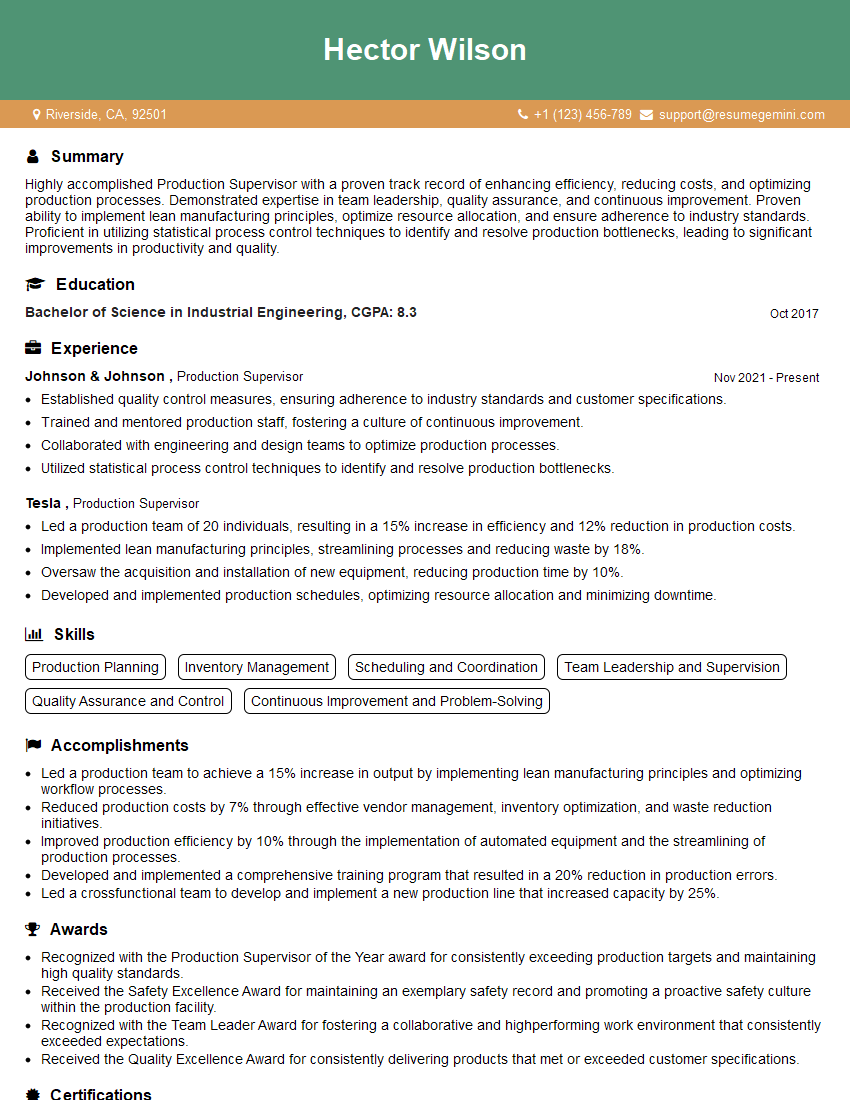
Production Supervisor Resume Sample
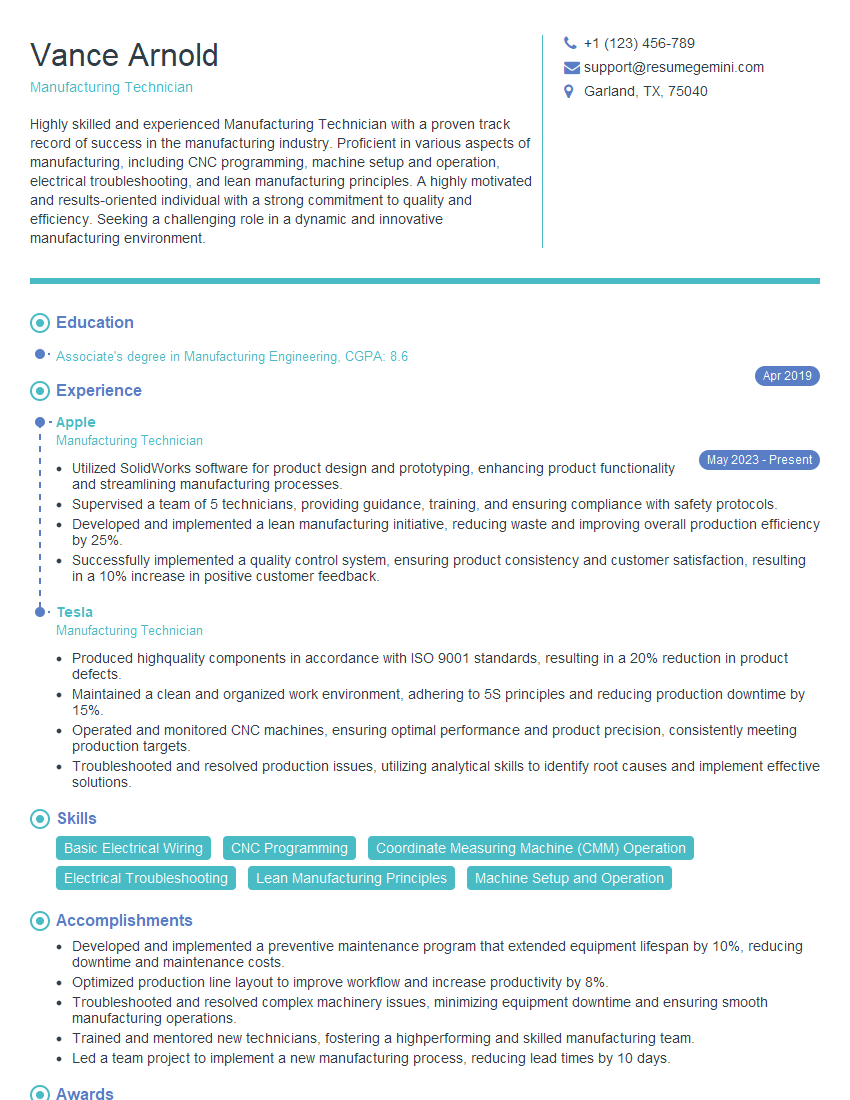
Manufacturing Technician Resume Sample
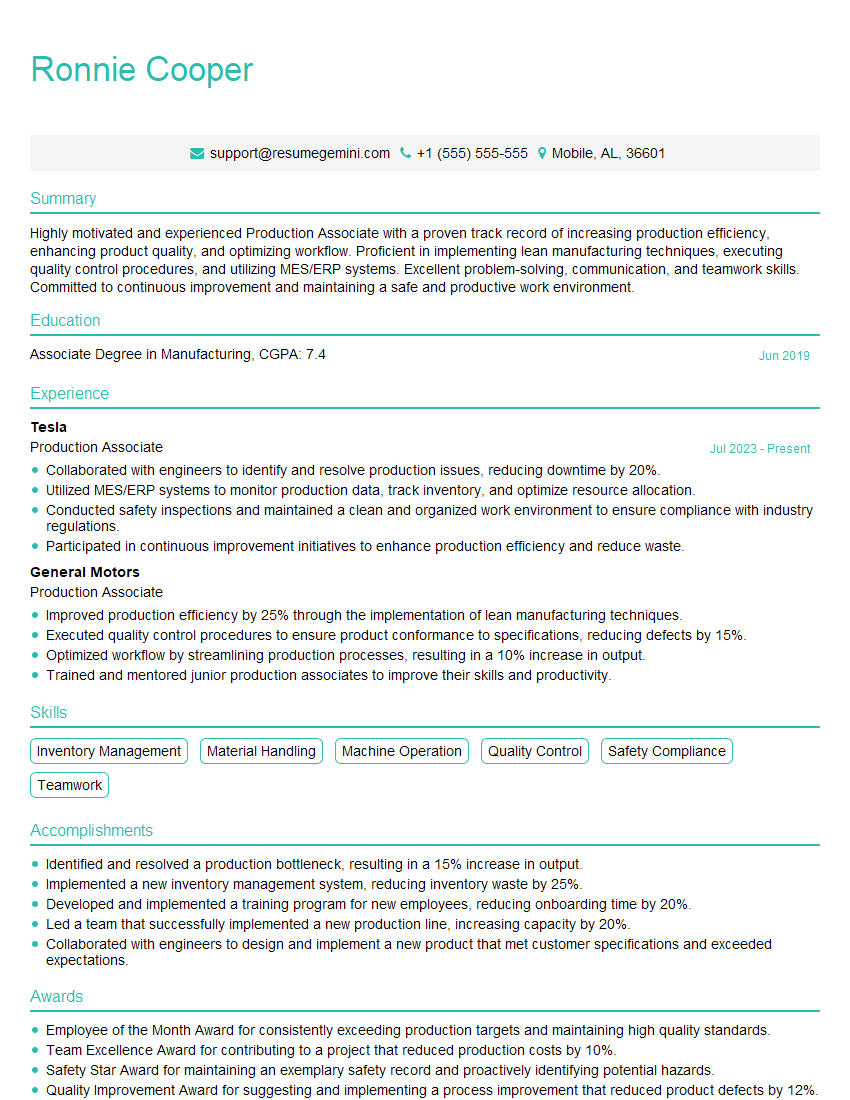
Production Associate Resume Sample
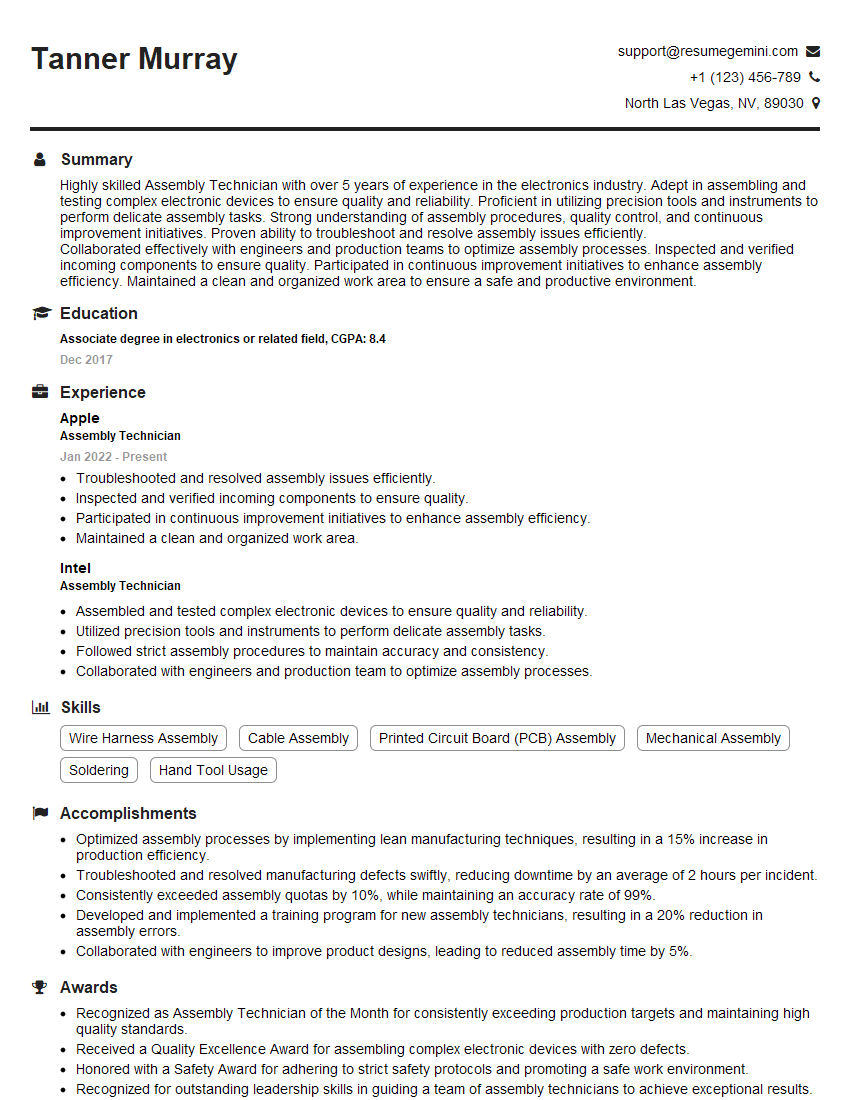
Assembly Technician Resume Sample
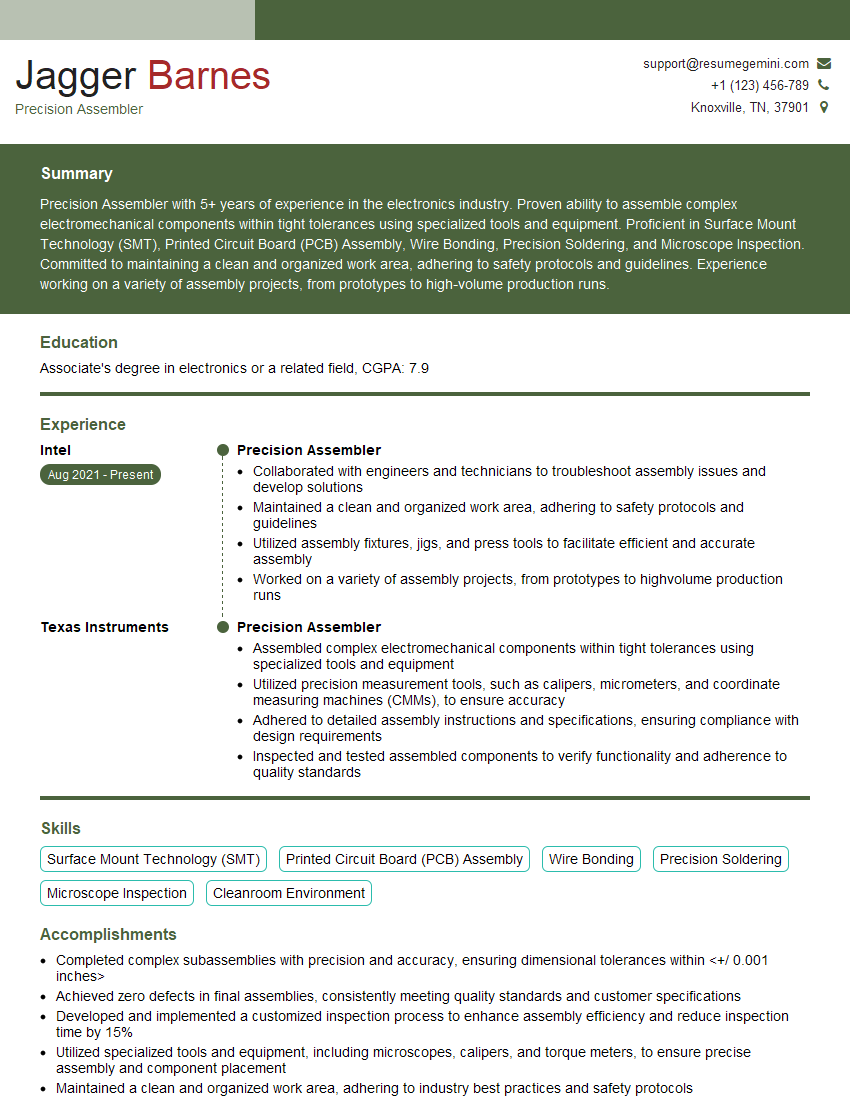
Precision Assembler Resume Sample
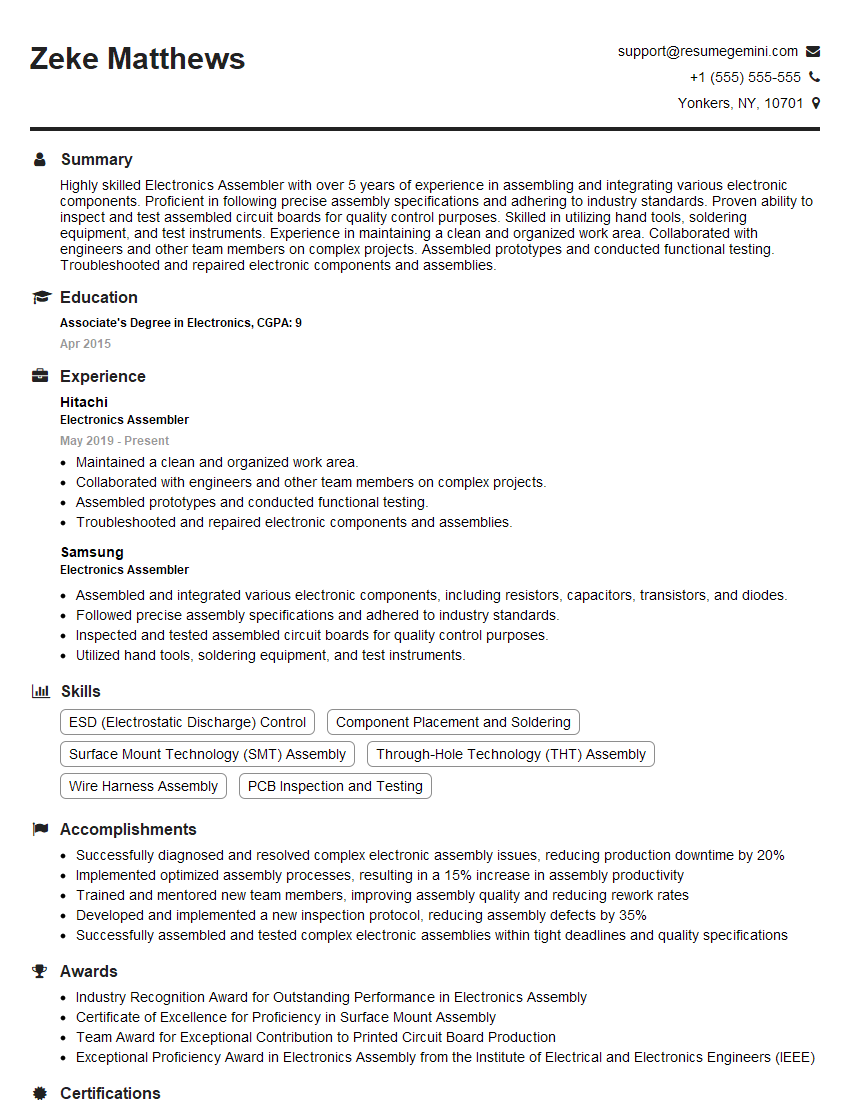
Electronics Assembler Resume Sample
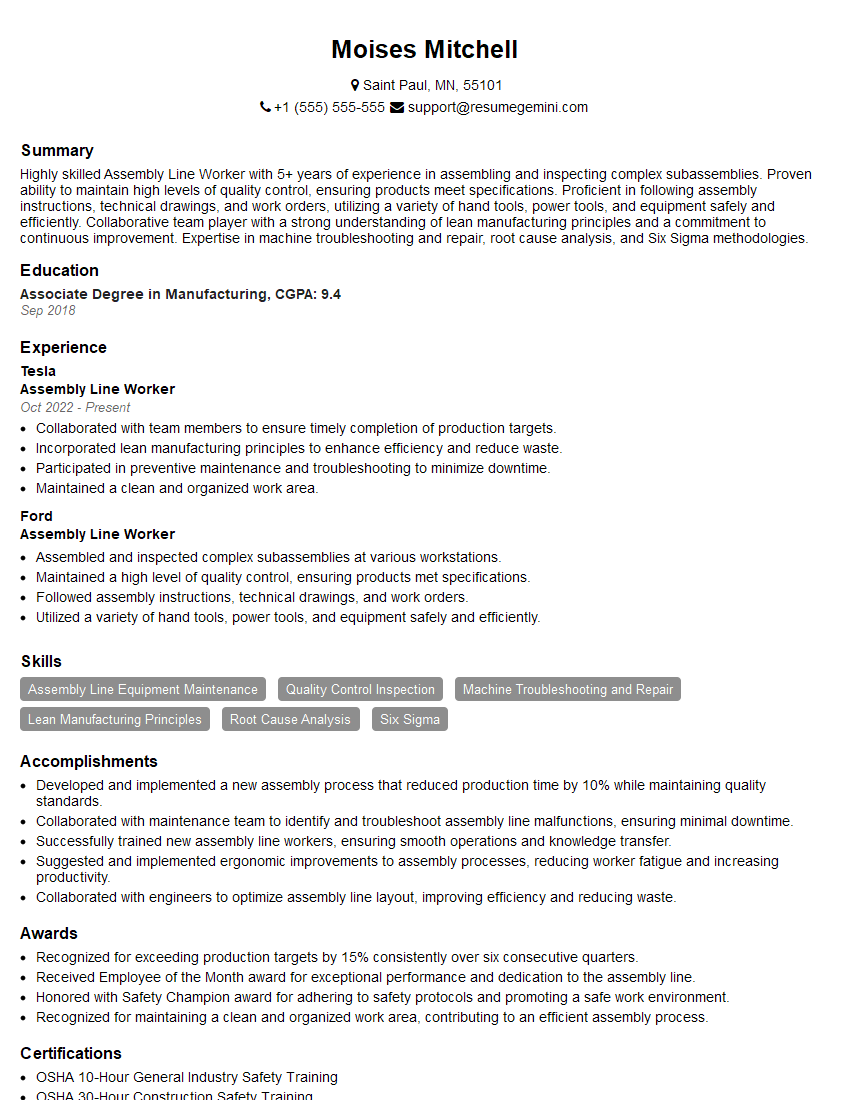
Assembly Line Worker Resume Sample
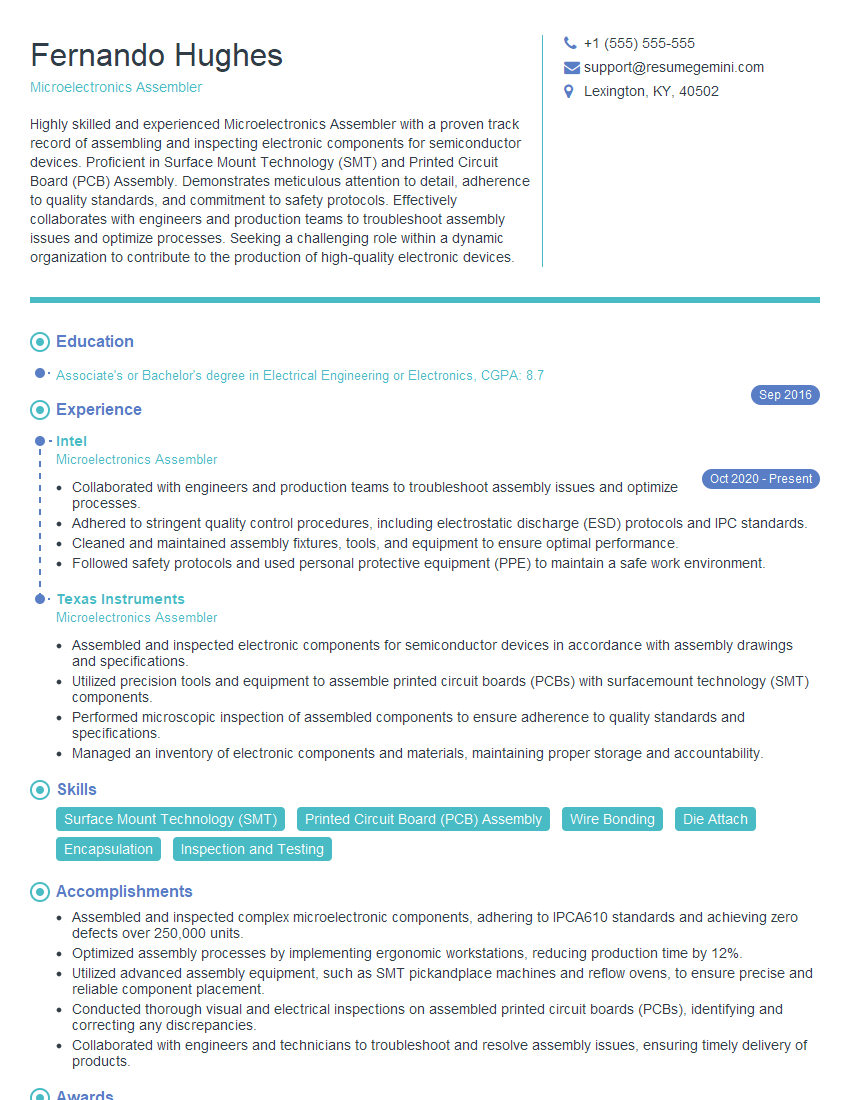
Microelectronics Assembler Resume Sample
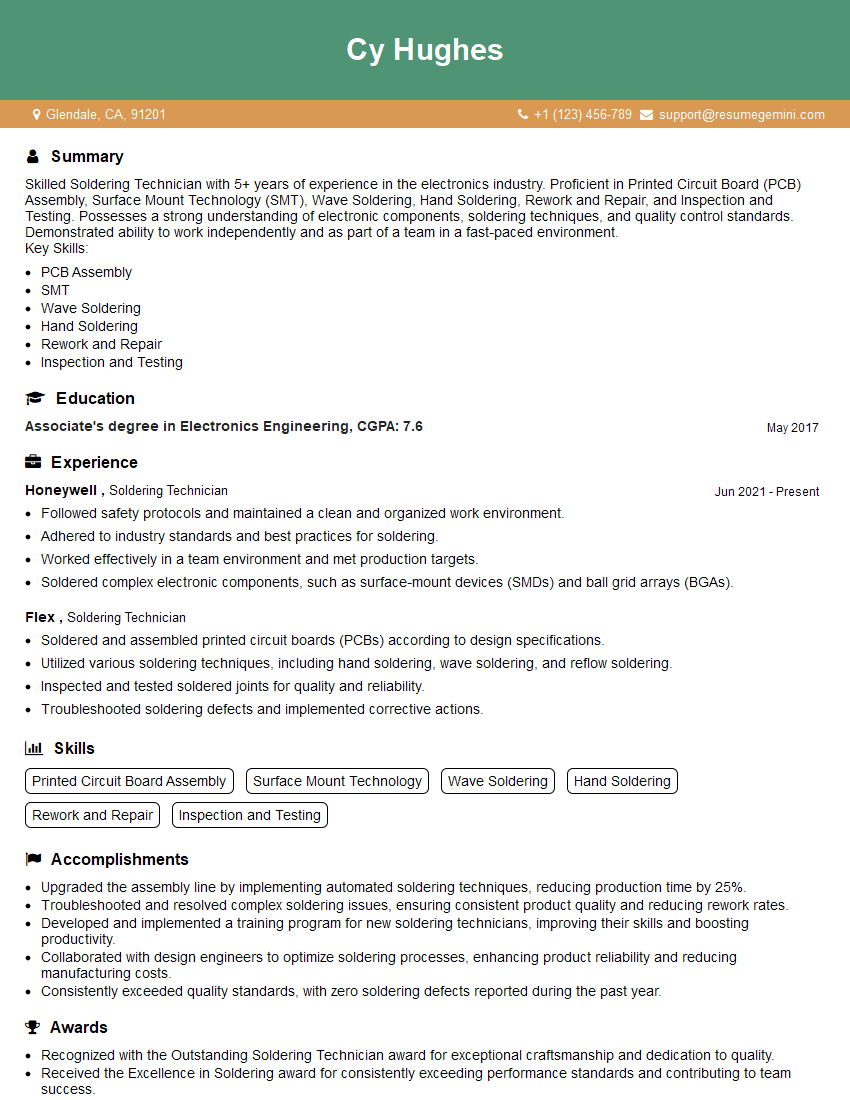
Soldering Technician Resume Sample
Explore more articles
Users Rating of Our Blogs
Share Your Experience
We value your feedback! Please rate our content and share your thoughts (optional).
What Readers Say About Our Blog
Very informative content, great job.
good