Interviews are opportunities to demonstrate your expertise, and this guide is here to help you shine. Explore the essential ASTM F883 Physical and Performance Requirements for Children’s Toys interview questions that employers frequently ask, paired with strategies for crafting responses that set you apart from the competition.
Questions Asked in ASTM F883 Physical and Performance Requirements for Children’s Toys Interview
Q 1. Explain the key requirements of ASTM F883 regarding small parts.
ASTM F883’s small parts requirement is crucial for child safety. It focuses on preventing children from choking on small parts that could detach from a toy. The standard defines a small part as anything that can fit entirely within a specific-sized cylinder. This cylinder test is a critical aspect of the standard. Think of it like this: if a small child can fit a piece of the toy entirely into a standard-sized tube, it’s considered a small part and poses a choking hazard.
The standard specifies different size cylinders based on the age range of the intended user. Toys intended for children younger than 3 years old have stricter limits on small part size. This is because younger children are more susceptible to choking. Manufacturers must design toys to ensure that small parts are either securely attached or completely absent from toys intended for these age groups. Failure to comply can lead to toy recalls and legal ramifications.
- Testing: The test involves inserting the potential small part into a specific-sized cylinder. If it passes completely through, it’s considered a choking hazard.
- Mitigation: Manufacturers might use larger parts, secure smaller parts using robust construction techniques, or provide warnings on the packaging if small parts can detach.
Q 2. Describe the testing methods used to assess the flammability of children’s toys under ASTM F883.
ASTM F883 employs several flammability tests depending on the toy’s material composition. The most common method is the small-scale test using a vertical Bunsen burner. This test assesses how readily a material ignites and how it burns. Another method, often used for certain materials, is the ASTM D790 test for determining flammability using a horizontal burner, useful for assessing the propagation of flame across a material’s surface. Think of these tests as a way to quantify how easily a toy can catch fire and how quickly the flames will spread.
The results are crucial for ensuring toys don’t pose a fire hazard. The tests measure parameters like the time it takes for the material to ignite, the rate of flame spread, and the amount of time the flames continue to burn after the ignition source is removed. These tests are carefully conducted under controlled conditions in a laboratory setting to ensure accuracy and consistency.
Materials that fail to meet the flammability requirements are considered unsafe and can’t be used in children’s toys. This prevents potential severe burns and other injuries.
Q 3. How does ASTM F883 address the risk of sharp points and edges in toys?
ASTM F883 addresses the risk of sharp points and edges by setting specific limits on their dimensions. The standard describes testing methods involving instruments like calipers to measure the sharpness and protrusion of points and edges on toys. Imagine using a ruler to check the height and angle of any potentially hazardous points or edges.
The permissible dimensions for sharp points and edges vary depending on the age range of intended users. Toys intended for younger children have stricter limitations on sharpness. For instance, a sharp point on a toy intended for a toddler might be unacceptable while the same point might be permissible on a toy for older children. This is because toddlers are more likely to get injured by such features.
If a toy’s sharp points or edges exceed the defined limits, it’s considered unsafe and may need design modifications to meet the standards.
Q 4. What are the specific requirements for toy labeling according to ASTM F883?
ASTM F883 mandates specific labeling requirements to ensure clear and comprehensive information is provided to consumers about toy safety. This includes clearly stating the manufacturer’s name and address, the age range for which the toy is suitable, and any necessary warnings or cautionary statements regarding potential hazards. The standard also often dictates the font size and location of these labels on the packaging.
For example, if a toy contains small parts that could pose a choking hazard, the label must explicitly warn about this potential danger, typically stating something like “CHOKING HAZARD – Small parts. Not for children under 3 yrs.”
The purpose of these labeling requirements is to help parents and caregivers make informed decisions about the safety of toys for their children. Clear and prominent labeling is a critical aspect of preventing accidents.
Q 5. Explain the difference between ASTM F963 and ASTM F883.
While both ASTM F963 and ASTM F883 address the safety of children’s toys, they have distinct focuses. ASTM F963 is a more comprehensive standard covering a broader range of toy safety aspects, including mechanical and physical properties, flammability, and toxic substances. Think of F963 as the overarching standard that covers multiple safety criteria. ASTM F883, on the other hand, focuses specifically on the physical and performance requirements of toys.
In essence, F883 is a subset of F963. F883 examines specific physical aspects like small parts, sharp edges, and strength requirements. F963 incorporates F883’s requirements and expands to include aspects like chemical safety (toxic substances), electrical safety, and other safety considerations. A toy needs to meet the standards of both to be considered fully compliant for safety in many jurisdictions.
Q 6. How do you determine if a toy meets the requirements for mechanical and physical properties under ASTM F883?
Determining if a toy meets ASTM F883 requirements for mechanical and physical properties involves a series of rigorous tests. These tests assess the toy’s durability, strength, and overall construction. For instance, the toy might undergo impact testing to ensure it can withstand drops, torsional testing to determine its resistance to twisting, and tensile testing to measure its resistance to pulling forces.
The specific tests applied depend on the type of toy and its intended use. Each test has pre-defined criteria that the toy must meet. For example, a toy car might need to withstand a specified impact force without breaking, while a stuffed animal might need to maintain its structural integrity after being repeatedly squeezed. Data collected during these tests are carefully documented and compared to the limits set by the standard. If the toy fails to meet any of these criteria, it does not meet the requirements.
This rigorous testing process helps ensure that toys are durable enough to withstand the stresses of normal play, reducing the risk of injury from broken or damaged parts.
Q 7. Describe a scenario where a toy failed to meet ASTM F883 requirements. How did you resolve it?
In one instance, we encountered a toy car whose wheels detached easily during play. This violated ASTM F883’s requirements for small parts and presented a choking hazard for younger children. The initial design utilized relatively weak plastic axles that didn’t withstand the twisting forces exerted during play.
To resolve this, we implemented a multi-pronged approach:
- Redesigned Axles: We replaced the weak plastic axles with stronger, more robust metal axles. This significantly improved the wheel’s resistance to detachment.
- Reinforced Wheel Attachments: We also modified the wheel’s connection points to the axles. Instead of simply press-fitting, we introduced a more secure locking mechanism, improving the wheel’s hold.
- Retesting: After the modifications, we performed rigorous testing again, including repeated impacts and torsional stresses to validate the design changes.
The revised design passed all relevant ASTM F883 criteria and the modified toy was re-introduced to the market, addressing the potential safety hazard.
Q 8. What are the implications of non-compliance with ASTM F883?
Non-compliance with ASTM F883, the standard for physical and performance requirements for children’s toys, carries significant implications. It’s not just about a failing grade; it impacts the safety and well-being of children. Failure to meet these standards can lead to several serious consequences:
- Product Recalls: If a toy fails to meet safety standards, it may be subject to a costly and damaging recall, requiring the removal of the product from the market and potentially impacting the company’s reputation severely.
- Legal Liabilities: Injuries or damages caused by a non-compliant toy can result in significant legal repercussions, including lawsuits and substantial financial penalties. This could include hefty fines, legal fees, and compensation to injured parties.
- Reputational Damage: Negative publicity associated with a product recall or safety issues can severely damage a company’s reputation, potentially impacting future sales and consumer trust.
- Market Restrictions: Regulatory bodies may impose restrictions or bans on the sale of non-compliant toys, hindering market access and impacting profitability.
- Insurance Complications: Product liability insurance may not cover incidents related to toys that failed to comply with ASTM F883.
Imagine a toy with small parts that a child could easily choke on – a blatant violation of ASTM F883. The consequences of such a violation could be devastating, far exceeding the cost of proper testing and compliance.
Q 9. How do you ensure that your testing procedures comply with ASTM F883 standards?
Ensuring our testing procedures comply with ASTM F883 involves a multi-faceted approach, emphasizing meticulousness and accuracy at every stage. We:
- Utilize Accredited Labs: We engage ISO/IEC 17025 accredited laboratories to conduct the testing. Accreditation ensures their competence and reliability in following standardized procedures.
- Follow Standard Test Methods: We strictly adhere to the specific test methods outlined in ASTM F883, using the appropriate equipment and procedures for each test (e.g., small parts testing, flammability tests, mechanical strength tests).
- Maintain Detailed Records: Meticulous documentation is critical. We maintain comprehensive records of all testing procedures, results, and any deviations from the standard. This ensures traceability and accountability.
- Regular Calibration and Maintenance: All testing equipment undergoes regular calibration and preventative maintenance to ensure accuracy and reliability. Calibration certificates are kept on file.
- Internal Audits: We conduct regular internal audits to assess the effectiveness of our testing procedures and to identify areas for improvement.
- Staff Training: Our testing personnel receive comprehensive training on ASTM F883 and the proper execution of the test methods.
Think of it like building a house—you wouldn’t skip inspections or use substandard materials. Similarly, we can’t compromise on the rigorous standards outlined in ASTM F883 to ensure children’s safety.
Q 10. Explain the significance of the different age categories defined in ASTM F963 in relation to ASTM F883.
ASTM F963, the standard consumer safety performance specification for toys, defines age categories based on a child’s developmental stage and abilities. This categorization is crucial because ASTM F883’s requirements are often age-specific. For example:
- Small Parts: The size limitations for small parts that could pose a choking hazard differ for toys intended for different age groups. A toy intended for older children can have larger parts than one designed for toddlers.
- Sharp Points and Edges: The acceptable sharpness of points and edges will also vary based on the age group. Toys for toddlers will have stricter limits.
- Flammability: While general flammability requirements exist across age groups, certain materials or treatments may be permitted for older children’s toys that wouldn’t be acceptable for toddlers.
The age categories in ASTM F963 directly influence the specific tests conducted and the acceptance criteria applied under ASTM F883. It’s not just about age; it’s about the commensurate level of risk and developmental capabilities of the child.
Q 11. What are the common pitfalls companies encounter when trying to comply with ASTM F883?
Many companies face common pitfalls when striving for ASTM F883 compliance. Some frequent issues include:
- Incomplete Testing: Failing to conduct all the necessary tests specified in the standard is a major oversight. This can lead to undetected safety hazards.
- Inadequate Documentation: Poorly maintained or incomplete documentation can make it difficult to trace test results and demonstrate compliance.
- Lack of Staff Training: Personnel performing the tests must be adequately trained to understand the standard and execute the test methods correctly. Inaccurate testing leads to flawed conclusions.
- Ignoring Material Selection: Using materials that don’t meet the standard’s requirements is a frequent issue. It’s essential to choose materials from the start that are inherently safe and durable.
- Overlooking Design Flaws: The design of the toy itself can be a source of non-compliance, even if the materials meet standards. Sharp edges or small parts could still cause injury, regardless of material properties.
- Failure to Update: ASTM standards are regularly updated to reflect new technologies and safety concerns. Ignoring revisions is a significant risk.
Imagine a company skipping the small parts test, only to discover a critical flaw after the toy has already been manufactured and shipped. The cost and reputational damage from a recall far outweigh the initial investment in comprehensive testing and compliance.
Q 12. Discuss the role of material selection in ensuring compliance with ASTM F883.
Material selection is paramount in ensuring ASTM F883 compliance. The choice of materials directly affects various aspects of the toy’s safety and performance. Here’s how:
- Toxicity: Materials must be non-toxic and free from substances that could harm a child if ingested or come into contact with the skin (e.g., lead, phthalates). This requires careful selection of paints, plastics, and other components.
- Durability: The material must withstand the stresses and strains of play, avoiding breakage or shedding of small parts. The material’s strength and resistance to wear and tear are critical.
- Flammability: Materials must meet flammability requirements, minimizing the risk of fire hazards. This necessitates consideration of flame retardants or inherently flame-resistant materials.
- Small Parts Considerations: The material should be chosen such that it does not easily break down into small, hazardous components that may pose a choking risk.
Choosing high-quality, safe materials upfront dramatically reduces the risk of later failures and recalls. It is a proactive measure, ensuring compliance and safety, unlike simply reacting to a potential issue after production.
Q 13. How do you handle discrepancies between different testing methods related to ASTM F883?
Discrepancies between different testing methods related to ASTM F883 require a methodical approach to resolution. We would follow these steps:
- Review Test Procedures: First, we thoroughly review the test procedures used by each method, identifying any differences in methodology, equipment, or sample preparation that might account for the discrepancies.
- Examine Data and Results: A detailed examination of the raw data and results from each test is essential. We look for any outliers or anomalies that could explain variations.
- Consult with Experts: If the discrepancies are significant and cannot be readily explained, we consult with experienced testing professionals or experts in the field of materials testing.
- Employ a Consensus Approach: If possible, we try to reach a consensus by considering the strengths and limitations of each testing method. If necessary, we may conduct additional tests using alternative methods to clarify the results.
- Document the Discrepancies and Resolutions: A complete record of the discrepancies, the investigation conducted, and the resolution reached is maintained as part of our documentation. This transparency is essential for accountability and traceability.
The key is to be methodical, data-driven, and transparent in the investigation. Disagreements between testing results highlight the importance of detailed documentation and using accredited testing facilities.
Q 14. Explain the importance of documentation in ensuring compliance with ASTM F883.
Documentation is the cornerstone of ASTM F883 compliance. It’s more than just a formality; it’s the evidence that demonstrates your commitment to safety and regulatory adherence. Comprehensive documentation facilitates:
- Traceability: It allows you to track the entire process, from material sourcing and testing results to product distribution, ensuring complete traceability.
- Compliance Audits: Detailed records are critical for successfully passing audits conducted by regulatory bodies. It provides proof of your adherence to the standards.
- Problem Solving: In case of discrepancies or non-compliance issues, the documentation helps pinpoint the source of the problem and facilitates effective corrective actions.
- Risk Management: It supports proactive risk assessment and management, helping identify and mitigate potential safety hazards.
- Legal Defense: In the event of litigation, well-maintained documentation serves as strong evidence that your company adhered to all relevant standards.
Imagine a situation where a problem arises – without proper documentation, tracing the root cause becomes nearly impossible, leaving your company vulnerable. Effective documentation provides a clear, auditable trail, showing you took necessary steps to prioritize children’s safety.
Q 15. What are the responsibilities of a toy manufacturer regarding ASTM F883 compliance?
A toy manufacturer’s responsibility regarding ASTM F883 compliance is paramount to ensuring children’s safety. It’s not just about meeting minimum requirements; it’s about a proactive commitment to safety throughout the entire product lifecycle. This includes:
- Design Phase: Incorporating safety considerations from the initial design stage, choosing materials that meet the standard’s requirements for flammability, toxicity, and small parts.
- Material Selection: Selecting materials that comply with the standard’s requirements, including testing for chemical composition and potential hazards.
- Manufacturing Process: Implementing quality control measures at every stage of production to ensure consistency and adherence to specifications.
- Testing and Certification: Conducting thorough testing to verify compliance with all applicable ASTM F883 sections. This usually involves third-party testing labs.
- Record Keeping: Maintaining detailed records of all testing, materials used, and manufacturing processes to demonstrate compliance and for traceability in case of recalls.
- Post-Market Surveillance: Monitoring the market for any reports of incidents or safety concerns related to their products and taking appropriate corrective actions.
Think of it like building a house – you wouldn’t skip inspections and quality checks. The same principle applies to toys; failing to adhere to ASTM F883 can have serious consequences, including product recalls and legal repercussions.
Career Expert Tips:
- Ace those interviews! Prepare effectively by reviewing the Top 50 Most Common Interview Questions on ResumeGemini.
- Navigate your job search with confidence! Explore a wide range of Career Tips on ResumeGemini. Learn about common challenges and recommendations to overcome them.
- Craft the perfect resume! Master the Art of Resume Writing with ResumeGemini’s guide. Showcase your unique qualifications and achievements effectively.
- Don’t miss out on holiday savings! Build your dream resume with ResumeGemini’s ATS optimized templates.
Q 16. Describe the process for conducting a risk assessment of a children’s toy to ensure compliance with ASTM F883.
Conducting a thorough risk assessment is fundamental to ensuring ASTM F883 compliance. It’s a systematic process that identifies potential hazards associated with a toy and evaluates the likelihood and severity of those hazards. Here’s a step-by-step approach:
- Hazard Identification: This involves a comprehensive review of the toy’s design, materials, and intended use. Consider potential hazards such as choking hazards from small parts, sharp edges, flammability, toxicity of materials, and strangulation hazards from cords or strings.
- Hazard Analysis: For each identified hazard, assess its likelihood of occurrence and the severity of the potential harm. This often involves considering the age range of the intended users.
- Risk Evaluation: Combine the likelihood and severity assessments to determine the overall risk level associated with each hazard. High-risk hazards need immediate attention.
- Risk Control Measures: Develop and implement control measures to mitigate or eliminate the identified hazards. This could include design modifications, material substitutions, or the addition of warnings or instructions.
- Risk Acceptance: After implementing control measures, re-evaluate the risks. Some residual risks might be deemed acceptable if they are low enough.
- Documentation: Thoroughly document the entire risk assessment process, including identified hazards, risk evaluations, implemented control measures, and residual risks.
Imagine a toy with small, detachable parts. The risk assessment would identify the choking hazard, evaluate its high likelihood (children often put small objects in their mouths), and high severity (choking can be fatal). Control measures could involve redesigning the toy to eliminate detachable parts or adding a clear warning about the choking hazard.
Q 17. How do you stay updated on changes and revisions to ASTM F883 standards?
Staying updated on ASTM F883 revisions is crucial for maintaining compliance. I utilize several strategies:
- ASTM International Subscriptions: I subscribe to ASTM International’s updates and notifications to receive alerts about new standards, revisions, and interpretations.
- Professional Networks: I actively participate in industry conferences, webinars, and workshops to stay informed about the latest developments and best practices.
- Industry Publications: I regularly review trade journals and publications focusing on toy safety and regulatory compliance.
- Regulatory Agencies: I monitor the websites of relevant regulatory agencies like the Consumer Product Safety Commission (CPSC) for updates and announcements related to toy safety regulations.
Staying informed isn’t just about reading updates; it’s about understanding their implications for my work and adapting our testing and manufacturing processes accordingly. It’s a continuous learning process.
Q 18. Explain the process for reporting and investigating non-conformances related to ASTM F883.
Reporting and investigating non-conformances related to ASTM F883 is a critical aspect of ensuring product safety. The process involves:
- Immediate Action: Upon discovery of a non-conformance, immediately halt production of the affected product(s).
- Internal Investigation: Conduct a thorough investigation to determine the root cause of the non-conformance. This might involve reviewing manufacturing records, testing samples, and interviewing personnel.
- Corrective Actions: Develop and implement effective corrective actions to prevent similar non-conformances from occurring in the future. This could involve modifications to the design, manufacturing process, or quality control procedures.
- Documentation: Maintain a detailed record of the non-conformance, the investigation, corrective actions taken, and any verification activities.
- Notification: Depending on the severity of the non-conformance, notify relevant regulatory agencies (e.g., CPSC) and potentially consumers through a recall.
For example, if a toy fails the small parts test, a full investigation would pinpoint whether it’s a design flaw, a problem with the manufacturing process, or a failure in quality control. Corrective actions could range from redesigning the toy to retraining manufacturing staff.
Q 19. What are some common ASTM F883 test methods you’re familiar with?
I’m familiar with many ASTM F883 test methods, focusing on those critical for ensuring child safety. Some common examples include:
- ASTM F963 – Standard Consumer Safety Performance Specification for Toys: This is a comprehensive standard covering various aspects of toy safety, including small parts, flammability, and toxicity.
- ASTM D4236 – Standard Test Method for Flammability of Flexible Cellular Materials by the Methenamine Pill Test: This test determines the flammability of foam materials commonly used in toys.
- ASTM F1505 – Standard Test Methods for Measuring the Release of Specific Elements from Toys and Children’s Products: This method assesses the potential for toxic elements to leach from toys.
- ASTM F963 – Small Parts Test: This test checks if a toy contains small parts that could be a choking hazard.
- ASTM F1149 – Standard Test Method for Determining the Toxicity of Materials intended for Use in Toys by the Use of Human Cell Lines: This method assesses the potential toxicity of materials to human cells.
The specific tests performed will depend on the type of toy and its materials.
Q 20. How do you interpret the results of ASTM F883 testing and what actions do you take based on those results?
Interpreting ASTM F883 test results requires careful attention to detail and a thorough understanding of the standards. Pass/fail results are not always straightforward. The interpretation process involves:
- Comparing Results to Standards: Carefully compare the test results to the specific requirements outlined in ASTM F883. Note any deviations or failures.
- Analyzing Deviations: Investigate any deviations from the standards. Are these minor variations or significant failures that necessitate corrective actions?
- Contextual Understanding: Consider the context of the test results. For example, a slightly higher than allowed level of a specific element might be acceptable if it falls within a reasonable margin of error.
- Documentation: Maintain clear and detailed records of all test results and interpretations.
- Decision-Making: Based on the interpretation of the results, decide on the appropriate course of action. This could include modifying the design, changing materials, or recalling the product.
For example, if a toy fails the flammability test, it needs to be redesigned or its materials must be changed to meet the flammability requirements of ASTM F963. Failing to address the failure could lead to serious safety hazards.
Q 21. Describe your experience using specific ASTM F883 test equipment.
Throughout my career, I have extensively used various ASTM F883-related test equipment. My experience includes operating and maintaining:
- Small Parts Cylinders: I’ve used these cylinders to determine if a toy has small parts that could pose a choking hazard. Ensuring the correct cylinder size for the age range of the target user group is critical.
- Flammability Testers: I’ve been trained in the proper use of flammability testers (such as those used for the methenamine pill test), adhering strictly to safety protocols. These instruments require careful calibration and handling.
- Spectrometers (e.g., ICP-OES): I’ve used these to analyze the elemental composition of materials to ensure they meet the requirements for heavy metals. Accurate calibration and sample preparation are essential for reliable results.
- Tensile Testers: For assessing the tensile strength of materials, ensuring durability and longevity of the toys.
Proficient operation and maintenance of this equipment are paramount. Regular calibration and adherence to established testing procedures are crucial to maintain data accuracy and reliability. I always emphasize safety during testing, following all safety guidelines and using the proper personal protective equipment (PPE).
Q 22. How do you ensure proper sample selection for ASTM F883 testing?
Proper sample selection for ASTM F883 testing is crucial for ensuring the results accurately reflect the toy’s safety. It’s not just about picking a few toys off the shelf; it’s a systematic process. First, we identify the specific toy model and its variations (e.g., different colors, sizes). Then, we determine the appropriate sample size based on statistical principles, often guided by the standard itself or relevant industry guidelines. This ensures the test results represent the entire production batch, not just a select few. For instance, if we’re testing a toy car, we might select samples from different production runs and even different manufacturing locations, to account for any variations in production processes. We also document the sampling method meticulously, creating a chain of custody to maintain the integrity of the testing process. This chain of custody ensures traceability throughout the testing process, allowing us to easily identify the origin of each tested sample.
Q 23. Explain the concept of ‘reasonable foreseeability’ in relation to toy safety and ASTM F883.
‘Reasonable foreseeability’ in ASTM F883 refers to the anticipated ways a child might use a toy, including misuse. It’s not just about how a toy is intended to be used but also how a child, through their inherent curiosity and often unpredictable behavior, might interact with it. For example, a toy intended for stacking might be thrown, used as a hammer, or even put in the mouth. Manufacturers must consider these reasonably foreseeable scenarios during design and testing to identify and mitigate potential hazards. This means going beyond simply following the instructions; we must anticipate how a child might use a toy outside of the intended parameters, including potential scenarios such as those involving unusual combinations of multiple toys or unintended ways to achieve actions on the toy.
Q 24. How do you balance safety requirements with design and manufacturing constraints when working with ASTM F883?
Balancing safety requirements with design and manufacturing constraints is a constant challenge. ASTM F883 sets a high bar for safety, but toys need to be appealing, affordable, and manufacturable. It’s a process of iterative design and testing. For example, let’s say a toy has small parts that pose a choking hazard. We might explore alternative designs, such as larger parts, or incorporate design features to prevent disassembly. We need to evaluate if the changes are both feasible within the manufacturing constraints and still meet the functionality expectations of the product. This often requires collaboration between designers, engineers, and safety experts. Cost is also a factor; the safest solution might not always be the most economical one. Finding the optimal balance that satisfies safety requirements, design specifications, and manufacturing capabilities is a challenging but essential step in bringing a safe product to market.
Q 25. What is your experience with auditing for ASTM F883 compliance?
I have extensive experience in auditing for ASTM F883 compliance. This involves reviewing a manufacturer’s processes, from design and material selection through to manufacturing and testing. We assess their documentation, including test reports, material safety data sheets, and design specifications. We also conduct on-site inspections to verify their testing procedures and facilities. The focus is on ensuring that the manufacturer has a robust quality management system in place to guarantee consistently safe products. A key aspect of the audit involves assessing whether the sampling procedures are adequate and the results accurately reflect the overall safety of the product. Any deviations from ASTM F883 or the company’s own quality procedures is carefully documented, discussed, and further analyzed for systemic issues.
Q 26. Describe your experience with corrective actions for ASTM F883 non-conformances.
Addressing ASTM F883 non-conformances requires a systematic approach. The first step is thorough investigation to understand the root cause of the failure. This often involves analyzing test results, reviewing manufacturing processes, and sometimes conducting additional testing. Once the root cause is identified, we develop corrective actions to prevent recurrence. These actions can range from modifying the design, improving manufacturing processes, enhancing quality control measures, or implementing new training programs for workers. Effective corrective actions must address the underlying problem, not just the symptom. We document all corrective actions and their effectiveness, often using a corrective action report (CAR), which serves as evidence of successful resolution and as a continuous improvement strategy for future production.
Q 27. How would you explain ASTM F883 requirements to a non-technical audience?
ASTM F883 is like a safety rulebook for children’s toys. It sets standards to make sure toys are safe for kids to play with. These standards cover things like small parts that could be choking hazards, sharp edges that could cause cuts, and toxic materials that could make a child sick. Think of it like this: it’s a set of guidelines that toy manufacturers must follow to make sure the toys are strong enough to last, don’t break easily into harmful pieces, and don’t contain substances harmful to a child’s health. The goal is to ensure toys are fun and safe, so kids can play without risking injury.
Q 28. How do you ensure that your testing methods are appropriately validated and calibrated in relation to ASTM F883?
Ensuring the validation and calibration of our testing methods is paramount. We use equipment that’s regularly calibrated against traceable national or international standards. This ensures the accuracy and reliability of our test results. Our testing procedures are validated to confirm they correctly measure the properties specified in ASTM F883. This involves using certified reference materials and comparing our results to established standards. We maintain detailed records of all calibrations and validations, following a strict schedule for periodic checks. These procedures are all documented internally and are regularly reviewed to maintain their quality and compliance with the latest standards. Any deviation from the established procedures is rigorously investigated and addressed, demonstrating our commitment to accurate and reliable test results.
Key Topics to Learn for ASTM F883 Physical and Performance Requirements for Children’s Toys Interview
- Small Parts: Understanding the small parts hazard, the relevant size limitations defined in ASTM F883, and testing methodologies to assess this risk. Practical application: analyzing toy designs for potential small parts hazards and proposing solutions for compliance.
- Flammability: Knowledge of flammability standards and testing procedures specified in ASTM F883 for different toy materials. Practical application: interpreting flammability test results and recommending appropriate materials to meet safety requirements.
- Mechanical and Physical Properties: Comprehending the requirements for strength, durability, and stability of toys, including testing methods for evaluating these properties. Practical application: evaluating a toy’s structural integrity and identifying potential failure points.
- Sharp Points and Edges: Understanding the criteria for acceptable sharpness and the testing methodologies used to assess this risk. Practical application: inspecting toy designs to identify and mitigate sharp points and edges.
- Toxicological Hazards: Familiarity with the requirements related to toxic substances in toys and understanding the relevant testing and regulatory compliance procedures. Practical application: assessing the potential toxicological risks of toy materials and proposing safer alternatives.
- Choking Hazards: Beyond small parts, understanding other choking hazards (e.g., balloons, flexible materials). Practical application: evaluating the design and materials for potential choking hazards.
- Packaging and Labeling: Understanding the requirements for safe and informative packaging and labeling, including warning labels and age recommendations. Practical application: designing compliant packaging and ensuring accurate labeling information.
- Testing and Reporting: Familiarity with the various testing procedures outlined in ASTM F883 and the proper documentation and reporting of test results. Practical application: conducting tests according to ASTM F883 and compiling comprehensive reports.
Next Steps
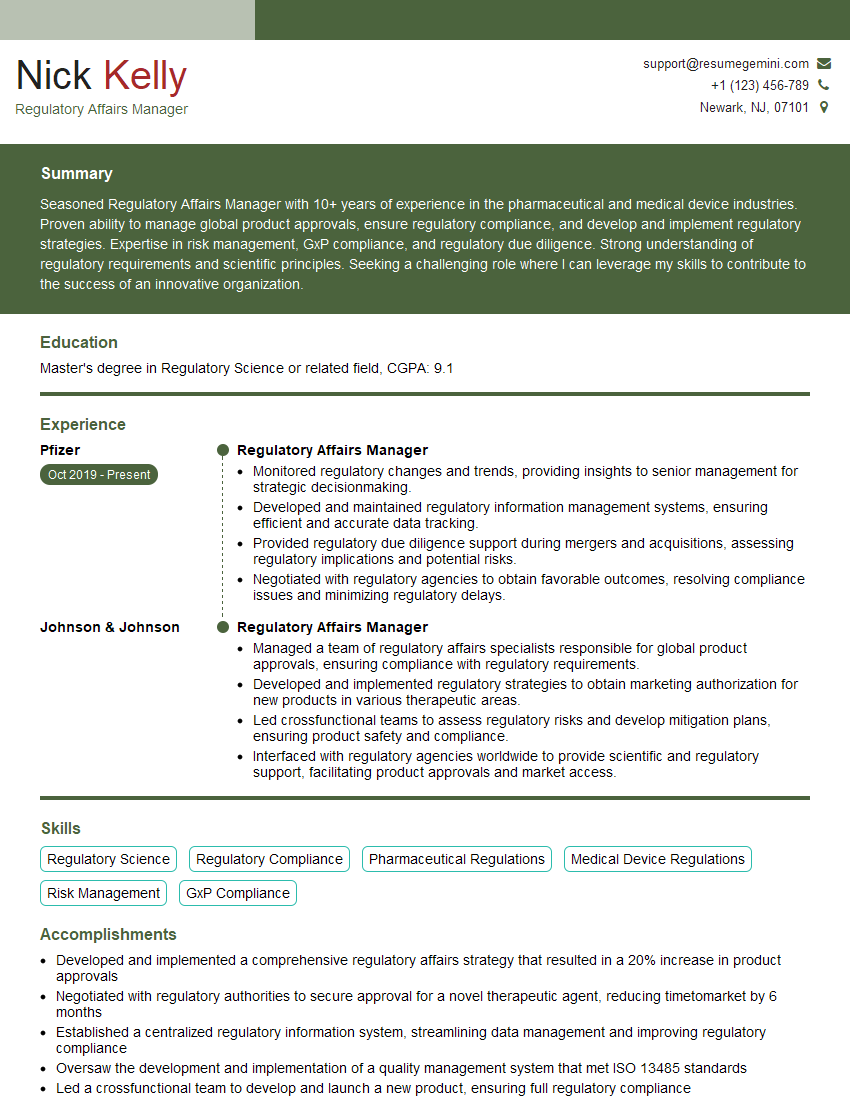
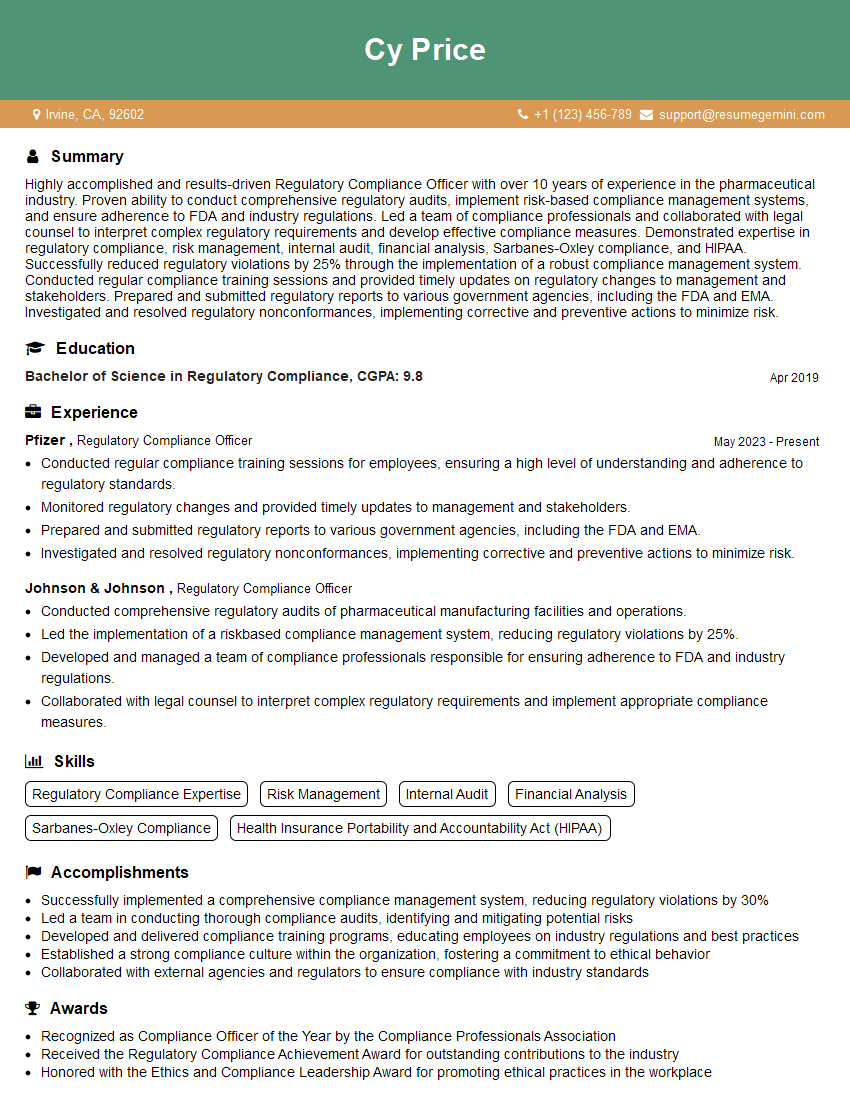
Mastering ASTM F883 is crucial for career advancement in the toy industry, demonstrating your commitment to children’s safety and your technical expertise. A strong resume is your key to unlocking opportunities. Make sure your resume is ATS-friendly to maximize your chances of getting noticed. Use ResumeGemini to build a professional and impactful resume that highlights your skills and experience related to ASTM F883 and the toy safety industry. ResumeGemini provides examples of resumes tailored to ASTM F883 compliance roles to help guide you.
Explore more articles
Users Rating of Our Blogs
Share Your Experience
We value your feedback! Please rate our content and share your thoughts (optional).
What Readers Say About Our Blog
Very informative content, great job.
good